Retail News CRM

Tag: Retail

  • New Trends in Lifestyle Retail: Sustainability, Personalisation, and Silver Economy Spotlighted at Upcoming Hong Kong Fairs

    New Trends in Lifestyle Retail: Sustainability, Personalisation, and Silver Economy Spotlighted at Upcoming Hong Kong Fairs

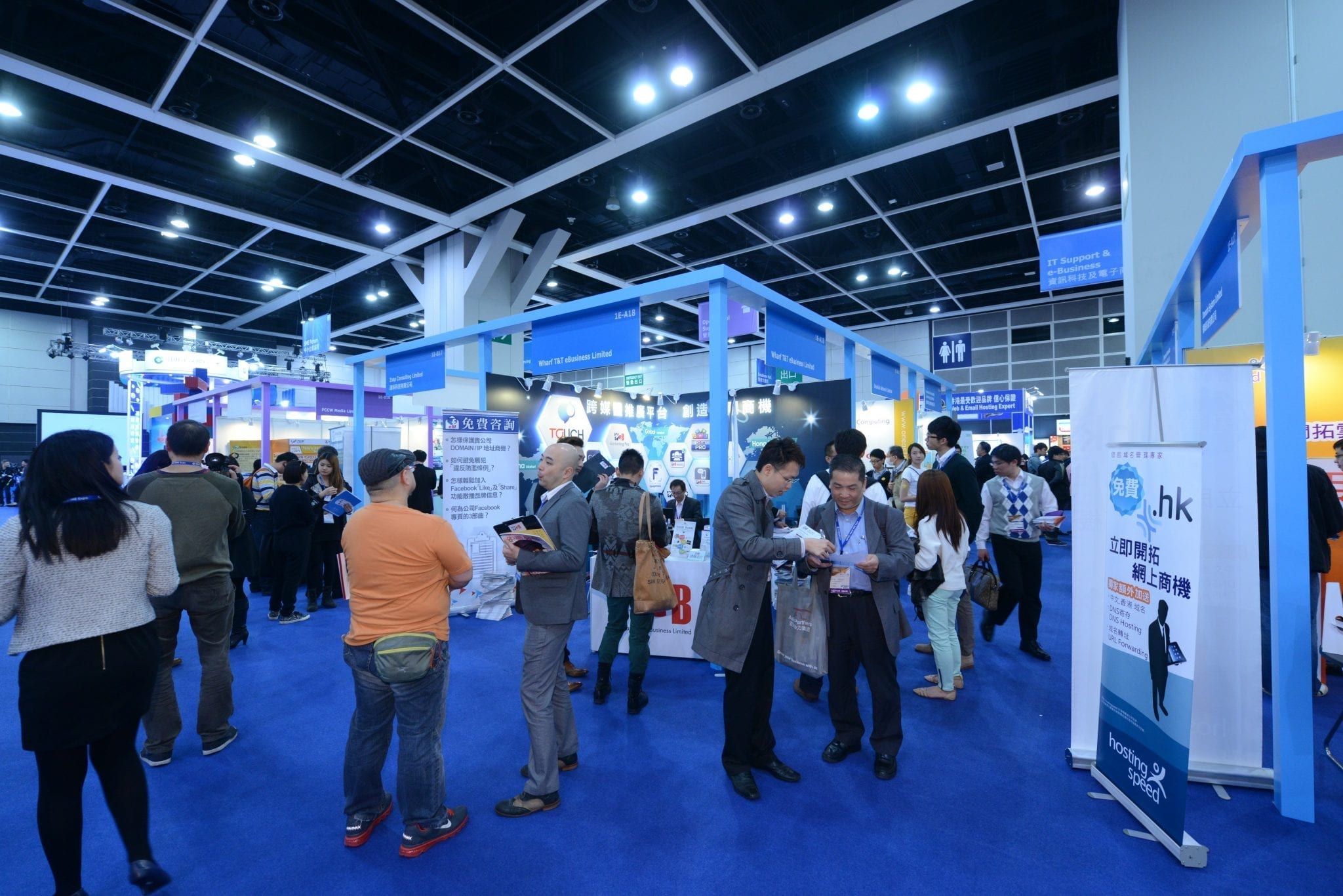
    The upcoming Hong Kong Gifts & Premium Fair and Home InStyle, set to take place later this month, are poised to once again underscore Hong Kong’s pivotal role in highlighting changing trends in Asia’s lifestyle and retail sourcing sectors.

    Program Overview

    Scheduled from April 27th to 30th at the Hong Kong Convention and Exhibition Centre, the two events are components of a broader program of seven parallel trade fairs. These fairs cover a wide array of areas including gifts, home, fashion, packaging, and licensing.

    Key Themes of 2026

    This year, the Hong Kong Gifts & Premium Fair will center around four main themes: personalisation, sustainability, health and wellness, and culture and creativity. The Color of the Year for 2026, ‘Cloud Dancer,’ will be showcased, reflecting the fair’s ongoing partnership with Pantone. This demonstrates how international color forecasting is being incorporated into commercial applications across a variety of lifestyle sectors.

    Focus on New Materials and Gerontechnology

    Concurrently, Home InStyle will shed light on innovative materials, cultural design, and gerontechnology. These highlights align with the increasing business interest in aging populations and the expanding ‘silver economy’ throughout Asia. The event will also present international exhibitors known for their design-led and craft-focused products. These range from Bohemian glassware and handmade woven baskets to bamboo homeware and licensed lifestyle items such as illuminated signage featuring popular characters.

    Creating Business Opportunities

    According to the Hong Kong Trade Development Council (HKTDC), these fairs aim to facilitate business opportunities by bringing together a broad spectrum of suppliers and buyers. Simultaneously, they provide a platform to exhibit an assorted mix of lifestyle products and services spanning multiple categories.

    Questions & Answers

    What are the key themes of the 2026 Hong Kong Gifts & Premium Fair?
    The key themes are personalisation, sustainability, health and wellness, and culture and creativity.

    What will Home InStyle highlight in its upcoming event?
    Home InStyle will highlight innovative materials, cultural design, and gerontechnology, which aligns with the increasing business interest in aging populations and the expanding ‘silver economy’ throughout Asia.

    What is the purpose of these fairs according to the Hong Kong Trade Development Council (HKTDC)?
    The HKTDC states that these fairs aim to generate business opportunities by connecting a wide spectrum of suppliers and buyers, while also showcasing a diverse mix of lifestyle products and services across multiple categories.

  • Thriving Metro Retail Surpasses $662M Revenue Mark, Propelled by Store Expansion and Steady Sales Growth

    Thriving Metro Retail Surpasses $662M Revenue Mark, Propelled by Store Expansion and Steady Sales Growth

    Metro Retail Stores Group (MRSGI) has achieved remarkable revenue growth in FY25, exceeding the PhP40-billion (approximately US$662.8 million) milestone. This growth was fueled by consistent sales growth, margin expansion, and ongoing network development.

    Income and Sales Data

    MRSGI reported a net income of PhP682.64 million (US$12.2 million), marking a 12 per cent increase from the previous year. This substantial increase was driven by improved operational efficiency and the contributions derived from new store launches.

    The company’s total sales for the year amounted to PhP41.56 billion (around US$742 million), representing a 4.9 per cent increase compared to 2024 figures. The same-store sales growth was 0.6 per cent, indicating steady underlying demand despite the challenging operating conditions.

    Strategic Execution and Growth

    “Last year marked a period of disciplined strategy implementation and tangible impact for MRSGI,” stated Joselito G Orense, the company’s president and COO.

    “Through our strategic expansion towards regions of high growth and the introduction of innovative store designs, our market presence was significantly enhanced. We witnessed increased sales and margins and improved cash earnings. These outcomes illustrate the commitment and dedication of our nationwide teams and our commitment to providing customers with modern retail experiences while pursuing sustainable, long-term growth.”

    Network Expansion and Sustainability

    MRSGI broadened its presence with the introduction of 10 new stores in Luzon and the Visayas during the past year. This expansion included additional Metro Value Mart outlets and a new Metro Supermarket and Department Store in Bais, Negros Oriental.

    The company also continued to develop its Metro Corner format. The inauguration of its Mandani Bay store signified a move into the elite urban retail sector.

    MRSGI also advanced its sustainability initiatives, implementing solar photovoltaic systems in up to 19 stores to aid in energy cost management. By the end of FY25, MRSGI was operating 81 stores across the nation in its primary retail formats.

    Questions & Answers

    What drove the increase in MRSGI’s net income in FY25?
    The increase in net income was driven by improved operational efficiency and the contributions from new store openings.

    How has MRSGI expanded its network?
    The company opened 10 new stores across Luzon and the Visayas, including additional Metro Value Mart branches and a new Metro Supermarket and Department Store in Bais, Negros Oriental.

    What sustainability initiatives has MRSGI undertaken?
    The company has implemented solar photovoltaic systems in up to 19 of its stores to manage energy costs more efficiently.

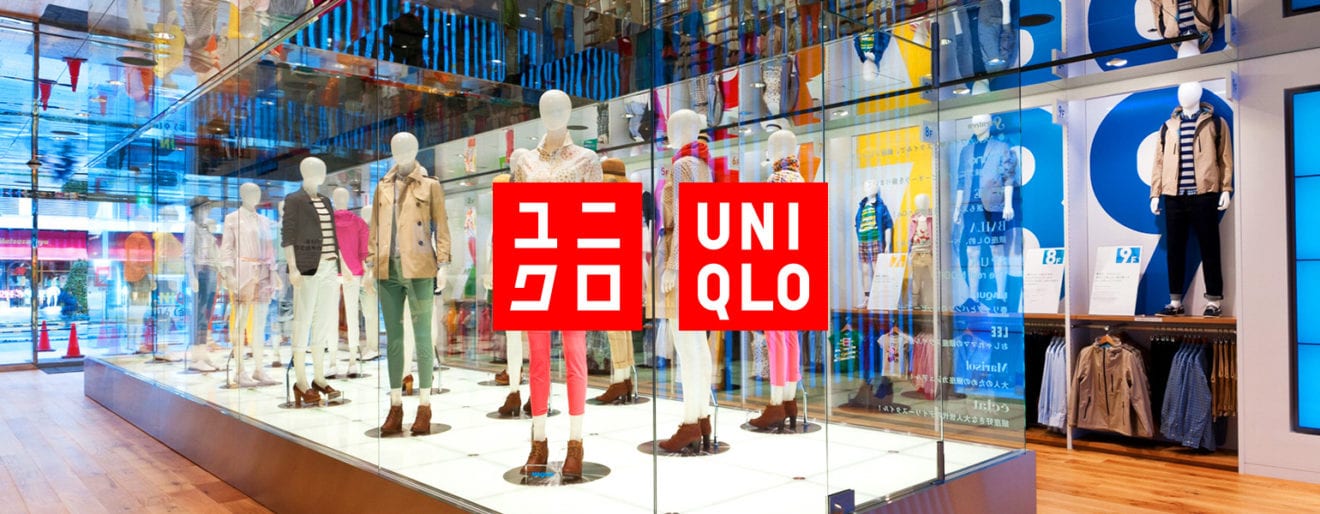
  • Uniqlo’s Parent Company Fast Retailing on Path to Historic Earnings amid Global Expansion and Resilience to Middle East Crisis

    Uniqlo’s Parent Company Fast Retailing on Path to Historic Earnings amid Global Expansion and Resilience to Middle East Crisis

    Fast Retailing, the Japanese firm which owns the Uniqlo brand, has upgraded its yearly forecast, anticipating another year of record-breaking profits driven by strong international expansion. The company reported a 29.4% increase in operating profits during the quarter ending in February, reaching 189.8 billion yen (approximately US$1.19 billion) from last year’s 146.7 billion yen.

    This robust growth in earnings surpassed the 161.6 billion yen average estimate drawn from seven analysts. Consequently, Fast Retailing raised its full-year operating profit forecast from 650 billion yen to 700 billion yen, setting the stage for the fifth consecutive year of record earnings.

    Projected Stability Amidst Global Tensions

    In its statement, the company indicated it doesn’t foresee any significant repercussions from the ongoing Middle East crisis affecting its production and logistics for the fiscal year 2026. The conclusion of the company’s second financial quarter occurred just before the commencement of the US-Israeli air strikes against Iran. This conflict has led to an escalation in oil prices and disrupted supply chains, creating an atmosphere of uncertainty in the markets around the feasibility of a permanent peace agreement.

    The main concern for Fast Retailing is how the crisis in Iran could impact the production costs for Uniqlo, a retailer known for affordable basic clothing, many of which are made of polyester.

    Despite a 0.5% drop in Fast Retailing’s shares on the Tokyo Stock Exchange ahead of the results, the company’s shares have risen by over 18% so far in 2026. Teijin Frontier, a supplier to the company based in Japan, recently announced a 20% increase in polyester fibre prices due to the hike in oil prices.

    Retail Industry’s Concerns

    European retailers, including clothing behemoth H&M and British supermarket chain Co-op, have voiced concerns that a protracted Middle East conflict could push prices upward and hamper consumer demand. Fast Retailing’s CFO, Takeshi Okazaki, stated that the crisis has already complicated air freight from production bases in Southeast Asia to Europe.

    Fast Retailing is regarded as a barometer for consumer spending in Japan and mainland China, where it operates nearly 900 stores. From humble beginnings in 1984 with one store in Hiroshima, Uniqlo has expanded to over 2,500 locations worldwide, with a particularly aggressive growth strategy in Europe and North America.

    The company’s North American and European segments have reported an annual sales growth of 30% – 50% since fiscal 2022. The company expects annual revenue from these regions to reach 3 trillion yen each over the medium term, a significant increase from this fiscal year’s 300 billion yen and 500 billion yen, respectively.

    Challenges and Reforms

    While the weak yen has generated a tourism boom that has bolstered Fast Retailing’s Japanese sales, growth in China has decelerated due to weak consumer sentiment, leading to store closures and restructuring. Okazaki commented on the situation in China, stating, “We’re pushing forward with structural reforms … I think it’s fair to interpret that the results are now beginning to show in our performance.”

    The company’s Asia-based supply chain faced pressure last year from the US’s frequently changing tariffs, and it now confronts the added challenge of increased costs due to the Middle East conflict. Tadashi Yanai, Fast Retailing’s founder, Japan’s wealthiest individual, and an outspoken critic of the risks posed by tariffs, has an ambitious goal to make his company the world’s top clothing brand.

    Questions & Answers

    How has the Middle East crisis impacted Uniqlo?
    The crisis has the potential to increase production costs for Uniqlo, especially as many of its products are made with polyester, the price of which is likely to rise due to increased oil prices. The situation has also complicated air freight from production bases in Southeast Asia to Europe.

    What is Fast Retailing’s future growth strategy?
    Fast Retailing is pursuing aggressive growth in Europe and North America, expecting these regions to generate annual revenues of 3 trillion yen each over the medium term.

    How has consumer sentiment in China affected Fast Retailing?
    The weak consumer sentiment in China has slowed growth, leading to store closures and restructuring. However, the company is pushing forward with structural reforms, the results of which are beginning to show in their performance.

  • Chinese New Year Sparks Stellar 11.2% Surge in Singapore’s Retail Sales

    Chinese New Year Sparks Stellar 11.2% Surge in Singapore’s Retail Sales

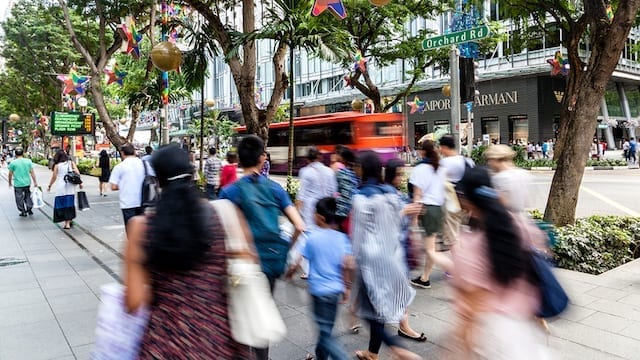
    In February, retail sales in Singapore experienced a significant surge, partially attributed to the shifting timing of the Chinese New Year. According to data released by Singapore’s Department of Statistics, retail sales, excluding automobiles and related parts and accessories, skyrocketed by 11.2% in February. This marked a turnaround from a decrease of 2.9% in January.

    Details of Retail Growth

    The estimated total retail sales for February amounted to SG$3.6 billion (US$2.8 billion), with online sales accounting for 16.2% of the total. The significant growth seen in February was partially due to the Chinese New Year falling in February this year, compared to January the previous year.

    For the combined period of January and February, retail sales increased by 3.5% year-on-year.

    Sectoral Growth Patterns

    Most sectors reported year-on-year growth in February’s sales. Supermarkets and hypermarkets led the surge with a growth of 29.3%, followed by recreational goods which saw an increase of 26%. Department stores reported a rise of 16.8% in sales, while the food and alcohol, cosmetics, and watches and jewelry sectors each saw an approximate increase of 13%.

    However, not all sectors experienced growth. The petrol service stations and mini-marts and convenience stores sectors faced declines of 9.8% and 6.1% respectively.

    The food and beverage services sector saw a rise in sales of 5.5% in February, marking a recovery from the 3.2% decline recorded in January.

    Questions & Answers

    What were the estimated total retail sales for Singapore in February?
    The estimated total retail sales for Singapore in February were SG$3.6 billion (US$2.8 billion).

    What percentage of February’s retail sales were from online?
    Online sales made up 16.2% of the total retail sales in February.

    Which sectors saw the most significant growth in February?
    Supermarkets and hypermarkets experienced the most significant growth with a rise of 29.3%, closely followed by recreational goods with a 26% increase.

  • Vietnam’s Retail Boom: Tourism Wave Drives Double-Digit Sales Growth

    Vietnam’s Retail Boom: Tourism Wave Drives Double-Digit Sales Growth

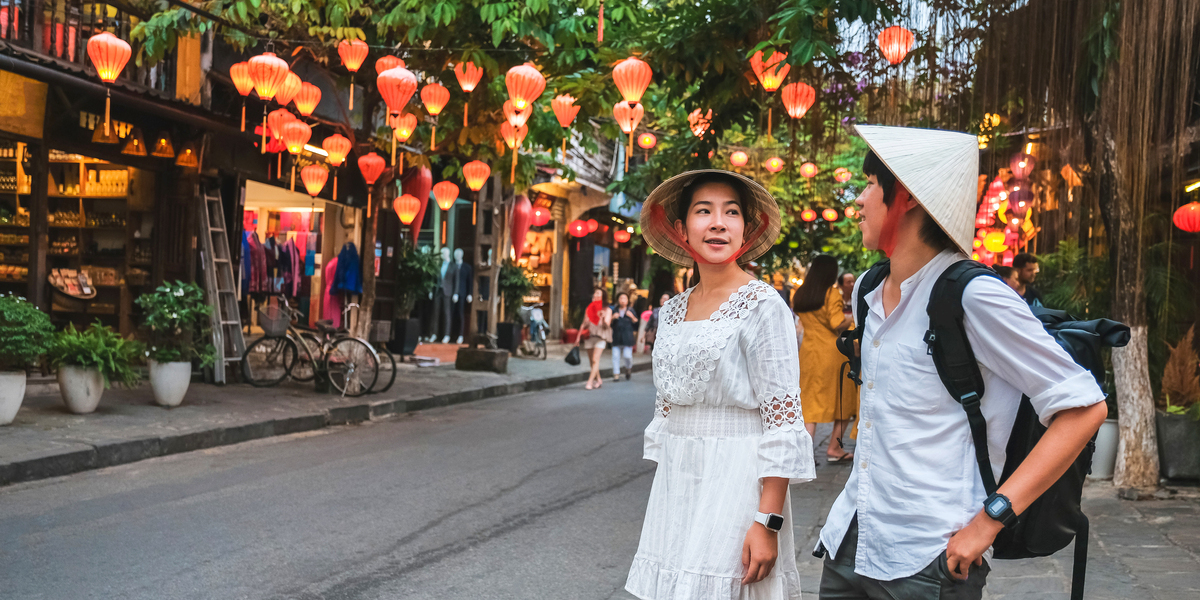
    Vietnam’s retail sector experienced significant growth in the first quarter, with sales figures revealing a year-on-year increase of 10.9%. This rise is largely attributed to increased consumer spending over the holiday period, in addition to a significant upsurge in international tourism numbers. These figures were provided by the National Statistics Office of Vietnam.

    During the quarter, total retail sales of consumer goods and services reached an impressive US$72.2 billion, marking a 7% increase. The product categories contributing to this growth include apparel, food, and household goods.

    As well as retail, the country’s accommodation and food services sectors also saw an increase in revenue, generating $8.9 billion – a 13.3% increase.

    To further boost the country’s finances, tourism revenue also showed signs of growth, increasing to $870 million. This growth can be largely attributed to an increase in visitors during the Lunar New Year period.

    According to the National Statistics Office, the retail sector remains the largest contributor to Vietnam’s revenue. Accounting for a significant 76.3% of turnover, the retail sector generated $55.1 billion.

    Questions & Answers

    What was the increase in Vietnam’s retail sales figures in the first quarter?
    Vietnam’s retail sales experienced a year-on-year increase of 10.9% in the first quarter.

    Which sectors contributed to this growth?
    The growth in retail sales can be attributed to increased consumer spending in the apparel, food, and household goods sectors, as well as a surge in international tourism.

    What percentage of Vietnam’s revenue is contributed by the retail sector?
    The retail sector accounts for a significant 76.3% of Vietnam’s revenue.

  • Big Caring Group’s Bold Move: Malaysia’s Biggest Pharmacy Retail Chain Gears Up for High-Stakes IPO

    Big Caring Group’s Bold Move: Malaysia’s Biggest Pharmacy Retail Chain Gears Up for High-Stakes IPO

    Big Caring Group, Malaysia’s premier pharmacy retail chain, is gearing up for an initial public offering (IPO) as part of its strategic plan to strengthen its standing in the country’s burgeoning retail health sector.

    A Promising IPO

    Based in Kuala Lumpur and backed by private equity firm Creador, Big Caring Group aims to sell up to 25.5 per cent of its shares, amounting to approximately 1.88 billion ordinary shares. This information was found in a preliminary prospectus lodged with the Securities Commission Malaysia. Currently, the company has about 1.29 billion shares in existence; the remainder of the IPO will comprise new shares intended to fund future expansion and decrease existing debt.

    Expanding Retail Presence

    With a strong network of 626 stores across the nation, Big Caring Group continues to display its ambitious growth strategy. The company has plans to open an additional 50 stores within the next three to five years.

    Institutional and Retail Investors

    The structure of the IPO is designed to cater to institutional and selected investors; around 1.61 billion shares will be made available for them. Meanwhile, retail investors, which include company employees, contributors, and the general public, will have the opportunity to subscribe to approximately 268 million shares.

    Leading the Offering

    Maybank Investment Bank and RHB Investment Bank will spearhead the IPO as joint principal advisors, global coordinators, bookrunners, managing underwriters, and underwriters. Additionally, AmInvestment Bank and UBS will play essential roles in coordinating and underwriting the tranche for institutional investors.

    The IPO price and timeline have not yet been disclosed. The listing is pending approval from Bursa Malaysia and the Securities Commission.

    Questions & Answers

    What is Big Caring Group planning?
    Big Caring Group, the largest pharmacy retail chain in Malaysia, is preparing for an initial public offering (IPO) to strengthen its position in the country’s growing retail health sector.

    How many shares is Big Caring Group considering selling in its IPO?
    The company plans to sell up to 25.5 per cent of its shares, or around 1.88 billion ordinary shares, according to their preliminary prospectus.

    What is the company’s expansion plan?
    Big Caring Group intends to open 50 more stores across the nation within the next three to five years. Currently, they operate 626 stores nationwide.

  • Hong Kong Retail Sales Skyrocket by 19%: A Decade of Growth Boosted by Surge in Visitor Numbers

    Hong Kong Retail Sales Skyrocket by 19%: A Decade of Growth Boosted by Surge in Visitor Numbers

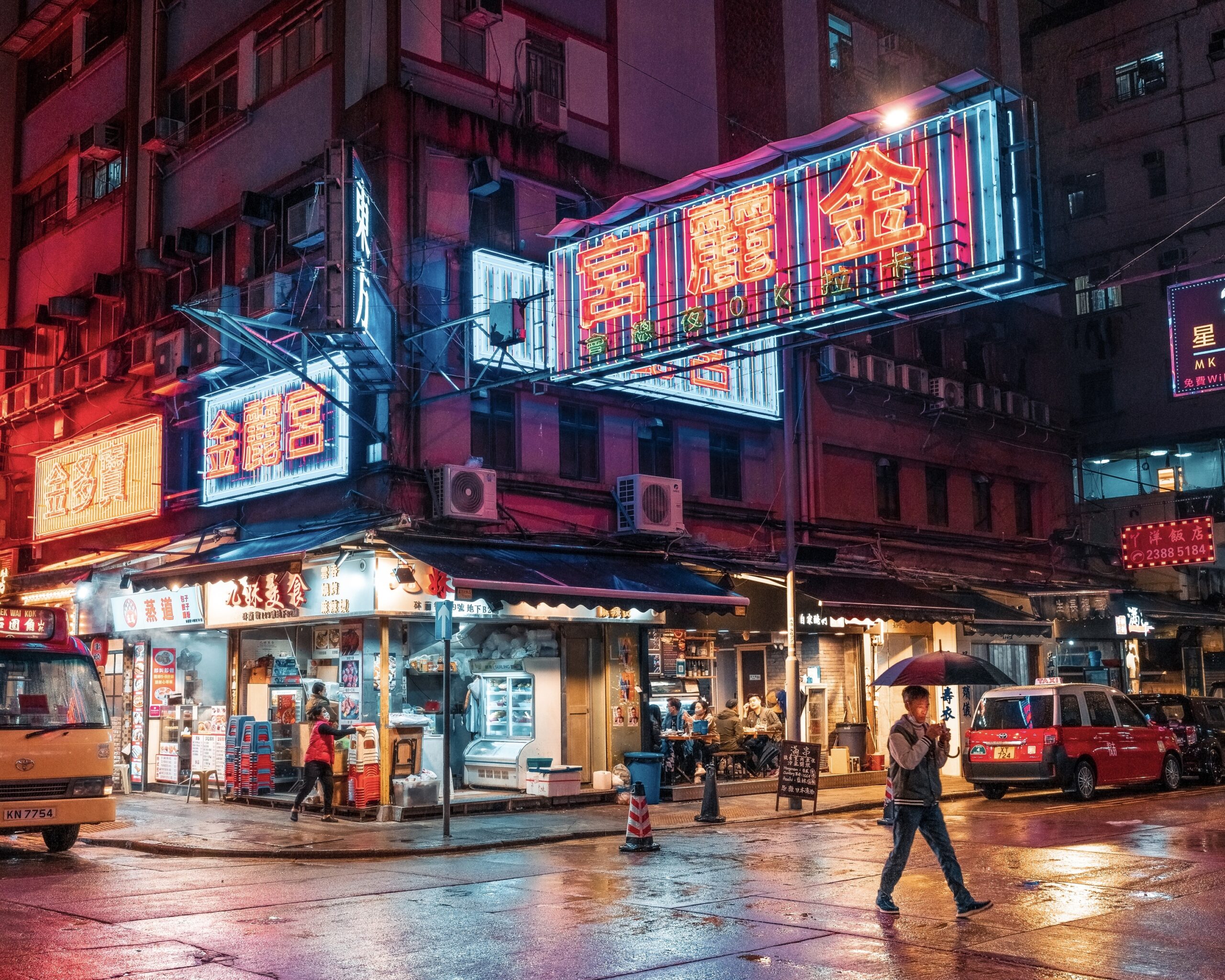
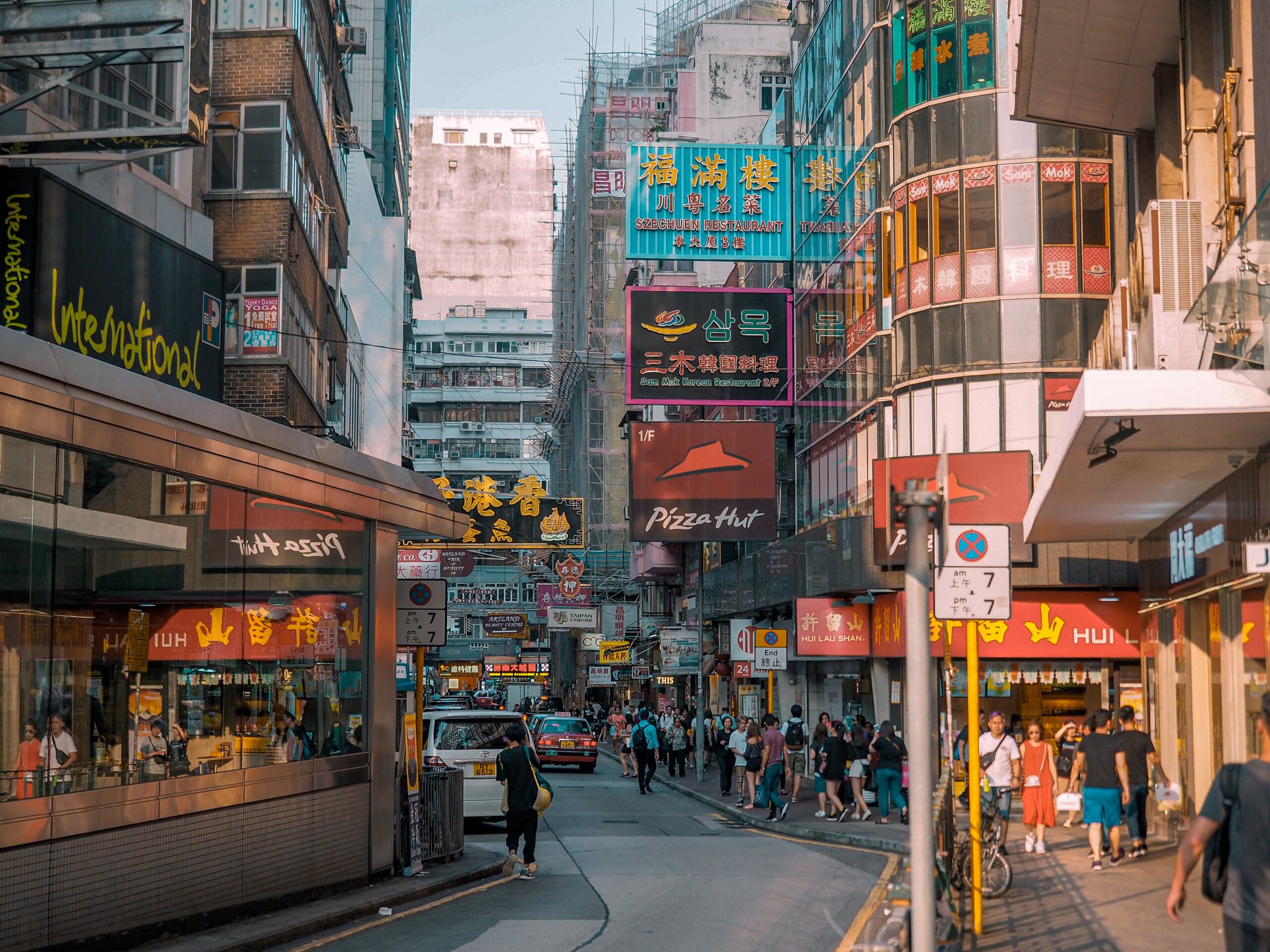
    February saw a significant upswing in Hong Kong’s retail sales, with a 19.3 per cent surge compared to the same month in the previous year. This marks a full 10 months of consistent gains, demonstrating the robust health of the retail sector.

    Broad-Based Growth Across Retail Outlets

    A variety of retail outlets experienced growth in February, according to government data. In fact, the month’s surge was the most substantial since June 2023, when retail sales saw a 19.5 per cent increase. Prior months also showed steady growth, with a 5.5 per cent rise in January and a 6.6 per cent hike in December’s retail sales.

    An official spokesperson for the government anticipates the trend to continue, citing the local economy’s resilient growth and an increase in inbound visitors as key supporting factors for retail businesses.

    High-End Goods and Clothing Sales on the Rise

    Certain sectors saw particularly notable increases in February. Jewelry, watches, clocks, and other valuable gifts experienced a 24.2 per cent spike, following a 31.1 per cent increase in January. Meanwhile, sales of clothing, footwear, and related products also rose by 14.1 per cent, emerging from a marginal 0.2 per cent rise in January.

    Retail Sales Growth in Volume Terms

    Viewed in terms of volume, retail sales in February soared 17.5 per cent from the same period last year, a significant leap compared to January’s revised rise of 3.5 per cent. This is the largest percentage gain observed since March 2023, which experienced a staggering 39.3 per cent increase.

    Spike in Visitor Arrivals

    The Hong Kong Tourism Board reported a 40.2 per cent increase in visitor arrivals in February, totalling 5.14 million, compared to the same month last year. The number of visitors from Mainland China saw an even more dramatic rise, skyrocketing by 53.4 per cent to reach 4.25 million.

    Questions & Answers

    What was the percentage growth in Hong Kong’s retail sales in February?
    Hong Kong’s retail sales grew by 19.3 per cent in February.

    Which sectors experienced significant sales increases in February?
    Sectors that saw significant sales increases included jewelry, watches, clocks, and valuable gifts, along with clothing, footwear, and related products.

    How much did the visitor arrival number increase in February, according to the Hong Kong Tourism Board?
    The Hong Kong Tourism Board reported a 40.2 per cent increase in visitor arrivals in February.

  • Ikea’s Grand Expansion: 25 New Stores to Enliven India’s Retail Landscape by 2027

    Ikea’s Grand Expansion: 25 New Stores to Enliven India’s Retail Landscape by 2027

    Swedish furniture giant Ikea is broadening its reach in India with the inauguration of a new 3000 square foot store in Pune. This move is a continuation of the company’s assertive expansion across the country, adding to its already established locations in prominent cities such as Hyderabad, Navi Mumbai, Bengaluru, Mumbai, and New Delhi.

    Growth Plans in India

    Over the next half-decade, Ingka Group, Ikea’s parent company, has outlined its plans to establish an additional 25 small and medium-sized stores nationwide. This is part of the company’s aggressive multi-format growth strategy that aims to expand their influence in the Indian market.

    In addition to these smaller shops, large-format stores are also in the works as part of Ikea-owned shopping centres in the outskirts of New Delhi. The first of these larger establishments is scheduled to open in Gurugram, with Noida following suit.

    A Strong Understanding of the Local Market

    Ikea India’s CEO, Patrik Antoni, is confident in the company’s understanding of the local market. This confidence stems from the successful navigation of unique customer needs in different regions across the country.

    Antoni stated, “We can inspire more people to make the most of their living situations – offering ideas and solutions that may be new to many people in India. Expanding our network and becoming more accessible is key to that.”

    Questions & Answers

    What is Ikea’s expansion plan in India?
    Over the next five years, Ingka Group, Ikea’s parent company, plans to establish 25 small to medium-sized stores across the country. They are also developing large-format stores outside New Delhi as part of Ikea-owned shopping centres.

    Where are Ikea’s new large-format stores being built?
    The new large-format stores are being planned outside of New Delhi. The first of these stores is set to open in Gurugram, followed by Noida.

    What is Ikea’s approach to the Indian market?
    Ikea aims to inspire more people in India to optimize their living situations by introducing them to novel ideas and solutions. They believe that expanding their network and enhancing their accessibility is the key to achieving this objective.

  • Misto Holdings Amplifies K-fashion Revolution: 100+ Retail Outlets and New Brand Launches in Greater China on the Horizon

    Misto Holdings Amplifies K-fashion Revolution: 100+ Retail Outlets and New Brand Launches in Greater China on the Horizon

    Misto Holdings is set to broaden its reach in the Greater China region, bringing a multitude of Korean fashion brands to the rapidly growing market. The company’s portfolio consists of brands such as Matin Kim, Marithé+François Girbaud, Raive, and Rest & Recreation. It aims to manage over 100 retail units by mid-year.

    Misto Holdings reports that its brands have shown a substantial early rise. Mardi Mercredi, for example, saw its sales increase by 190 per cent in its second year, while Raive experienced a 200 per cent growth in its first year.

    In terms of digital presence, Misto Holdings oversees platforms like Tmall, Xiaohongshu, and Douyin. It uses a blend of in-house content, live-commerce studios, and influencer collaborations to interact with local consumers.

    Moreover, the company is re-evaluating its Greater China portfolio this year. It aims to diversify into men’s high-end contemporary, women’s casual, and athleisure categories. Commencing next year, the plan is to introduce approximately five new brands in the region.

    Misto Holdings emphasizes that its focus is on sustainable, long-term brand growth across both online and offline channels.

    “We are not just managing brands; we are long-term partners dedicated to building brand value across both online and offline touchpoints,” said a spokesperson for Misto Holdings. “Our focus remains on building sustainable brand equity across the Greater China region.”

    Earlier this month, Misto Holdings also announced a surge in fourth-quarter sales as the company restructured its US operations.

    Questions & Answers

    What is the expansion plan of Misto Holdings in the Greater China region?
    Misto Holdings plans to introduce multiple Korean fashion brands to the market and aims to manage over 100 retail units by the middle of this year.

    What digital platforms does Misto Holdings manage and how does it reach local consumers?
    Misto Holdings manages platforms like Tmall, Xiaohongshu, and Douyin. It reaches local consumers through a blend of in-house content, live-commerce studios, and influencer collaborations.

    What is the focus of Misto Holdings?
    The company is focused on sustainable, long-term brand growth across both online and offline channels. It aims to build brand value across both online and offline touchpoints in the Greater China region.

  • Miniso Unveils First-of-its-Kind ‘Miniso Friends’ Store in Malaysia: A New Era of IP-led Retail Experience

    Miniso Unveils First-of-its-Kind ‘Miniso Friends’ Store in Malaysia: A New Era of IP-led Retail Experience

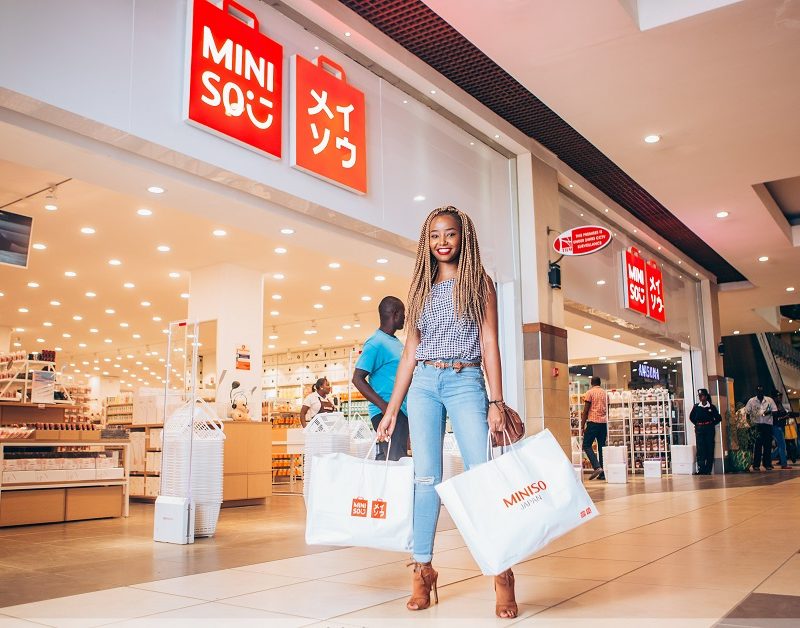
    Miniso, a leading retailer, has unveiled its inaugural ‘Miniso Friends’ concept store in Malaysia. This move aligns with the company’s initiative to expand its intellectual property-centered retail and experiential schemes throughout Southeast Asia.

    Store Location and Details

    The brand-new store is situated at LaLaport BBCC, with a sprawling area of about 14,000 square feet, making it one of Miniso’s most spacious outlets in the market. The concept primarily revolves around intellectual property (IP). Approximately 62% of the store’s 6500 products are affiliated with licensed and proprietary characters.

    The Product Strategy

    The product range is key to Miniso’s strategy, aiming to attract a larger audience and stimulate sales through character narratives and brand collaborations. The store showcases renowned franchises such as Stitch, along with Miniso’s own IP, YoYo.

    Enhancing Customer Experience

    The store’s design is conceived to amplify customer engagement. To augment the shopping experience, the store incorporates grand installations and interactive photo zones. This concept is particularly aimed at younger shoppers, especially Generation Z, who have a fondness for immersive and shareable retail spaces.

    Expansion Plans

    The rollout of this store comes close on the heels of Miniso’s debut of its first ‘Miniso Land’ concept in Malaysia earlier in the month.

    Questions & Answers

    What is unique about Miniso’s new concept store in Malaysia?
    The ‘Miniso Friends’ concept store is unique as it is focused on intellectual property with around 62% of its products linked to licensed and proprietary characters.

    How does Miniso plan to enhance customer engagement at the new store?
    Miniso aims to boost customer engagement by introducing large installations and interactive photo zones at the new store, thereby improving the overall shopping experience.

    Who is the target demographic for the Miniso Friends concept store?
    The Miniso Friends concept store specifically targets younger shoppers, particularly from Generation Z, who are known to appreciate immersive and shareable retail spaces.

  • Miniso Launches First Immersive ‘Miniso Friends’ Concept Store in Malaysia, Shaking Up Retail Experience

    Miniso Launches First Immersive ‘Miniso Friends’ Concept Store in Malaysia, Shaking Up Retail Experience

    Miniso, a prominent retail brand, has launched its inaugural Miniso Friends concept store in Malaysia. This move aligns with the company’s pursuit to enlarge its unique intellectual property (IP) driven retail model and immersive shopping experiences across the Southeast Asia region.

    Store Location and Size

    The new Miniso Friends store is situated in LaLaport BBCC, a popular shopping destination. The store spans approximately 14,000 square feet, making it one of Miniso’s most substantial outlets in the Malaysian market.

    Intellectual Property Focus

    Miniso’s concept store strongly revolves around intellectual property (IP). About 62 per cent of its 6,500 products are associated with licensed characters and in-house creations. This strategic product combination is part of Miniso’s plan to captivate more customers and escalate sales by leveraging character storytelling and brand partnerships.

    Among the notable franchises featured in the store is Stitch, along with Miniso’s own intellectual property, YoYo.

    Customer Engagement

    In an effort to bolster customer engagement, the store’s design includes large installations and interactive photo zones to enhance the overall shopping experience. This concept specifically aims to appeal to younger consumers, particularly those from Generation Z, who tend to favour immersive and socially shareable retail spaces.

    This grand opening comes on the heels of Miniso’s first introduction of its Miniso Land concept in Malaysia earlier in the month.

    Questions & Answers

    What is the focus of the new Miniso Friends concept store in Malaysia?
    The new Miniso Friends concept store in Malaysia emphasizes on intellectual property, with about 62% of its products linked to licensed and in-house characters.

    What elements does the store incorporate to enhance customer engagement?
    The store includes large installations and interactive photo zones to augment the shopping experience, specifically targeting younger consumers who prefer immersive and socially shareable retail spaces.

    How does this opening fit into Miniso’s broader strategy?
    The opening of the Miniso Friends concept store aligns with the company’s strategy to expand its unique intellectual property-driven retail model and immersive shopping experiences across Southeast Asia.

  • Hong Kong Office Market Revival: Downtown Vacancy Rates Hit 2-Year Low

    Hong Kong Office Market Revival: Downtown Vacancy Rates Hit 2-Year Low

    The prime office space vacancy rates in Hong Kong’s central business district have once again dipped into single figures for the first time in over two years, marking a resurgence in demand within the previously struggling office market.

    A Turnaround in Demand

    The primary business district, situated on the northern coast of the island, saw the vacancy rate for Grade A offices drop to 9.9% in February, a slight decrease from January’s 10.1%. The district last recorded a single-digit vacancy rate in December 2023, standing at the same figure of 9.9%.

    This trend isn’t limited to the central business district. Across Hong Kong, the overall prime office vacancy rate also fell slightly, dropping to 13.4% in February from the 13.5% recorded in the previous month.

    Rising Rents

    In line with the declining vacancy rates, rental costs for Grade A offices in the central district also experienced a rise. The first two months of the year saw rent prices increase by 3.5%.

    Banking remains the main driver for leasing activity, with the demand focusing on newer office buildings within the central business districts. Two districts have begun to show early signs of improvement, a trend that is expected to continue throughout the year. However, non-core districts, such as Kowloon East, are anticipated to remain under strain.

    Increased Optimism

    CK Asset Holdings, a property development company owned by billionaire Li Ka-shing’s family, has also expressed positive expectations for leasing demand this year. The company saw leasing remain under pressure during the previous year, but recent renewals have started to show small increases in rental costs.

    Both rent and sales are projected to see a surge. The overall non-residential property market is expected to continue adjusting and seeking support levels. However, rental and sales prices for offices located in the core districts may stabilize first.

    Uneven Recovery

    According to a report, the recovery within the office market varies across Hong Kong. The premium Grade A buildings in the central district, such as Two IFC, Chater House, and The Henderson, have maintained occupancy rates above 88%. In contrast, older properties within the same district have recorded occupancy rates below 75%. This uneven recovery rate highlights the growing preference for modern, high-specification buildings, reinforcing the “flight-to-quality” trend within Hong Kong’s office sector.

    Questions & Answers

    What is the current vacancy rate for prime office space in Hong Kong’s central business district?
    The vacancy rate for prime office space in Hong Kong’s central business district is currently 9.9%.

    What trends are emerging in Hong Kong’s office sector?
    There is a growing preference for modern, high-specification buildings, and non-core districts like Kowloon East are likely to continue facing pressure.

    What is the forecast for rental and sales prices in the near future?
    Rental and sales prices for overall non-residential properties are expected to continue adjusting, with prices for offices in the core district possibly stabilizing first.

  • Revolutionizing Retail: Australia’s Innovative In-Store Avocado Ripeness Scanner Trial

    Revolutionizing Retail: Australia’s Innovative In-Store Avocado Ripeness Scanner Trial

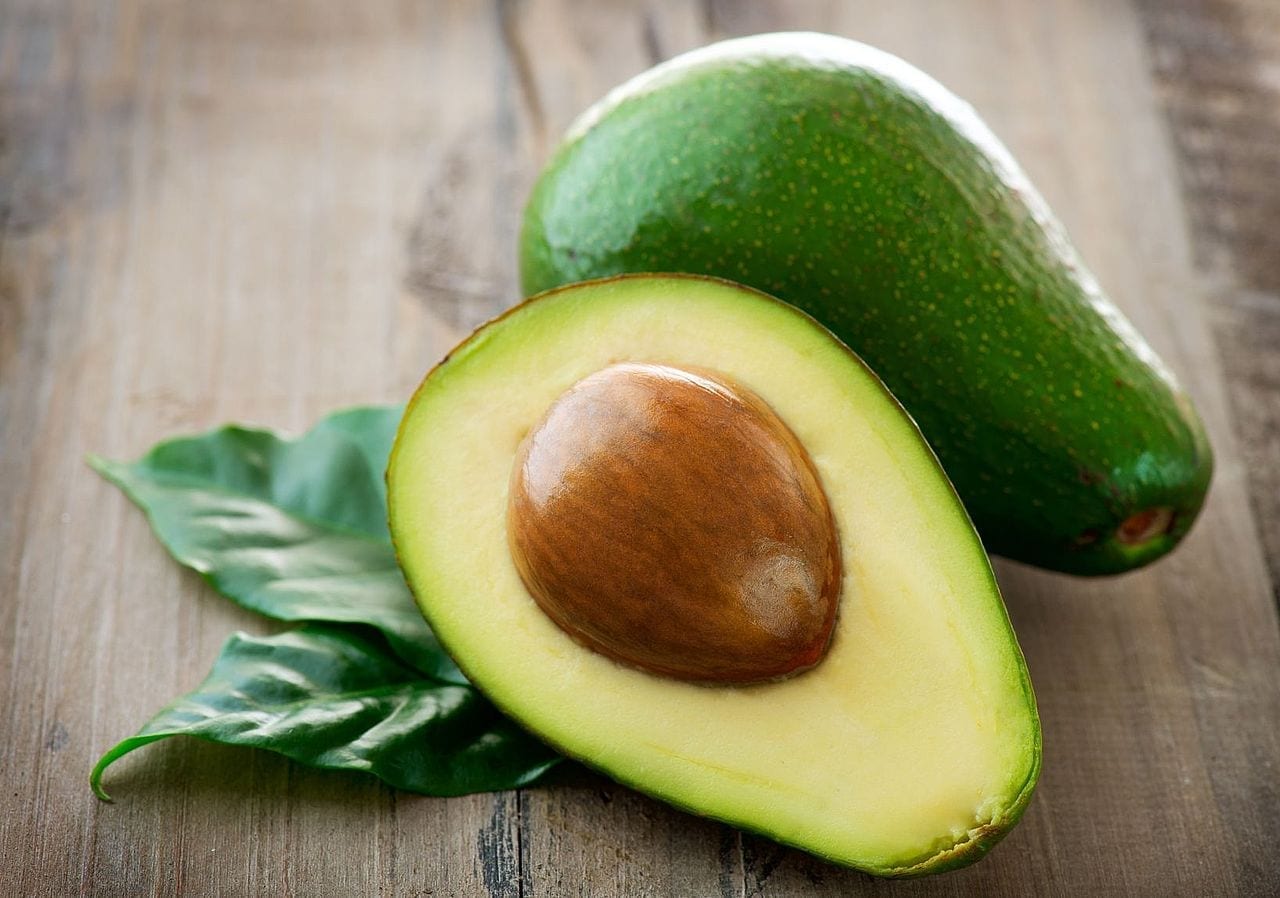
    In the competitive world of retail, customer satisfaction is key, and the avocado industry is no exception. A common issue faced by both retailers and consumers is determining the ripeness of an avocado on a supermarket shelf. Avocados Australia, an industry association, has introduced a potential solution to this problem – an in-store ripeness scanner.

    Understanding Customer Frustration

    According to John Tyas, the CEO of Avocados Australia, one of the major frustrations faced by consumers is identifying the ripeness of an avocado. This is important because approximately 75% of consumers want to buy avocados that are ready to be eaten within two days. Tyas believes that helping consumers with this selection process can enhance their eating experiences, minimize bruising of the fruit, and strengthen the overall trust in Australian avocados.

    The Ripeness Scanner

    The ripeness scanner aims to minimize the physical handling of avocados, which often leads to bruising. Data shows that about 47% of consumers handle three or more avocados before making a purchase, resulting in product loss for both growers and retailers. The scanner, developed by the Dutch agri-tech firm OneThird, not only reduces the need for physical handling but also prevents potential damage to the fruit.

    The scanner utilizes near-infrared (NIR) spectroscopy to assess the firmness of the fruit without causing damage, thereby helping to estimate the fruit’s readiness for consumption. The device also provides storage guidance to help consumers make informed purchase decisions. This technology has undergone trials in Europe and Thailand, where it was well-received by retailers and customers.

    Benefits for the Supply Chain

    Beyond consumer use, the ripeness scanner provides retailers with valuable data on in-store conditions and purchasing patterns. This information, which includes metrics on shelf ripeness, purchasing behavior, and peak periods, can be used to optimize merchandising, inventory management, and waste reduction efforts.

    The early results are promising, with the device being used for approximately 45% of avocado sales per week in participating stores. The accompanying platform provides fresh produce managers with data to monitor product condition and support efficient stock management.

    John Tyas further emphasized that the Australian avocado industry is committed to investing in research and development to continually enhance product quality and improve the consumer experience.

    Questions & Answers

    What is the purpose of the avocado ripeness scanner?
    The scanner helps consumers select ripe avocados, reduces fruit handling and bruising, and enhances the overall shopping experience.

    How does the ripeness scanner work?
    The scanner uses near-infrared spectroscopy to assess the firmness of the fruit without causing damage. It also provides storage guidance to consumers.

    What additional benefits does the ripeness scanner provide to retailers?
    The scanner provides data on in-store conditions and purchasing patterns, which can be used to support merchandising, inventory management, and waste reduction efforts.

  • Alibaba’s Profits Tumble Amid Unsuccessful Retail Promotions and Emerging AI Challenges

    Alibaba’s Profits Tumble Amid Unsuccessful Retail Promotions and Emerging AI Challenges

    Alibaba, China’s largest e-commerce firm, reported a modest 1.7% increase in third-quarter revenue, significantly below expectations. However, more concerning was the staggering 66.3% drop in net income, largely due to heavy spending on one-hour delivery and extensive promotional activities during peak shopping periods, which did not translate into higher demand as anticipated.

    The company’s US-listed shares fell over 6% in early trading following the report. Alibaba’s revenue for the quarter, which ended in December, reached 284.84 billion yuan (US$41.28 billion), a far cry from the predicted 3.7% rise. The company’s adjusted earnings amounted to 7.09 yuan per American Depository Share, significantly below the estimated 11.64 yuan.

    Focusing on AI Profitability

    On a brighter note, Alibaba’s cloud revenue exceeded expectations, posting a growth of 36%. This growth was driven by the company’s aggressive integration of AI agents into the consumer-facing aspects of its business, along with increased investments.

    The tech industry, both in China and globally, is closely monitoring the progress of AI monetization as firms grapple with turning this revolutionary technology into a profitable venture. In line with this, Alibaba recently announced its decision to segregate its AI businesses from its cloud computing division.

    The newly created Alibaba Token Hub business group, under the leadership of CEO Eddie Wu, marks the company’s clear shift towards AI-based digital assistants. These AI models use significantly more tokens, or data units for generating language, compared to traditional Q&A chatbots.

    Alibaba recently launched a pre-Chinese New Year promotional campaign featuring its chatbot Qwen. This has now evolved from answering questions to assisting consumers with ordering food and e-commerce products. This strategy led to a significant increase in daily active users to around 50 million. However, usage has since declined.

    “Unfortunately, 30-day retention remains relatively low, as users are primarily engaging in general entertainment and consumer-related scenarios, which indicates low user loyalty,” commented Jamie Chen of Third Bridge.

    CEO Eddie Wu shared the company’s ambitious vision during a call with analysts, stating, “Over the next five years, our goal is to surpass $100 billion in combined cloud and AI external revenue.”

    The Impact of the Ongoing Property Crisis

    By the end of last year, a drawn-out property crisis and income stability concerns continued to negatively impact consumer sentiment. This resulted in reduced spending, even during traditional periods of high expenditure.

    Even an extended Singles’ Day sales event in November, that lasted over a month, received a lukewarm response. Retailers increased discounts and subsidies to boost spending, but cautious consumers and year-round deals diluted the event’s traditional sales spike.

    Aggressive spending by Alibaba and JD to provide discounts and faster delivery to capture market share from food-delivery leader Meituan led to pressure on profit margins.

    In upcoming quarters, the focus for Alibaba will be on improving unit economics for its Taobao Quick Commerce division. Executives have reiterated their aim to achieve a gross merchandise volume of 1 trillion yuan and predict that the business will turn profitable by the fiscal year 2029.

    Questions & Answers

    What were the Q3 results for Alibaba?
    Alibaba reported a 1.7% rise in third-quarter revenue and a 66.3% drop in net income, both below analysts’ estimates.

    What is Alibaba’s focus in the tech industry?
    Alibaba is focusing on AI monetization, integrating AI agents into the consumer-facing side of its business, and separating its AI businesses from its cloud computing arm.

    How did the property crisis affect Alibaba’s performance?
    A prolonged property crisis and concerns about income stability weighed on consumer sentiment, limiting spending even during traditional periods of high expenditure. This resulted in lower-than-expected revenues for Alibaba.

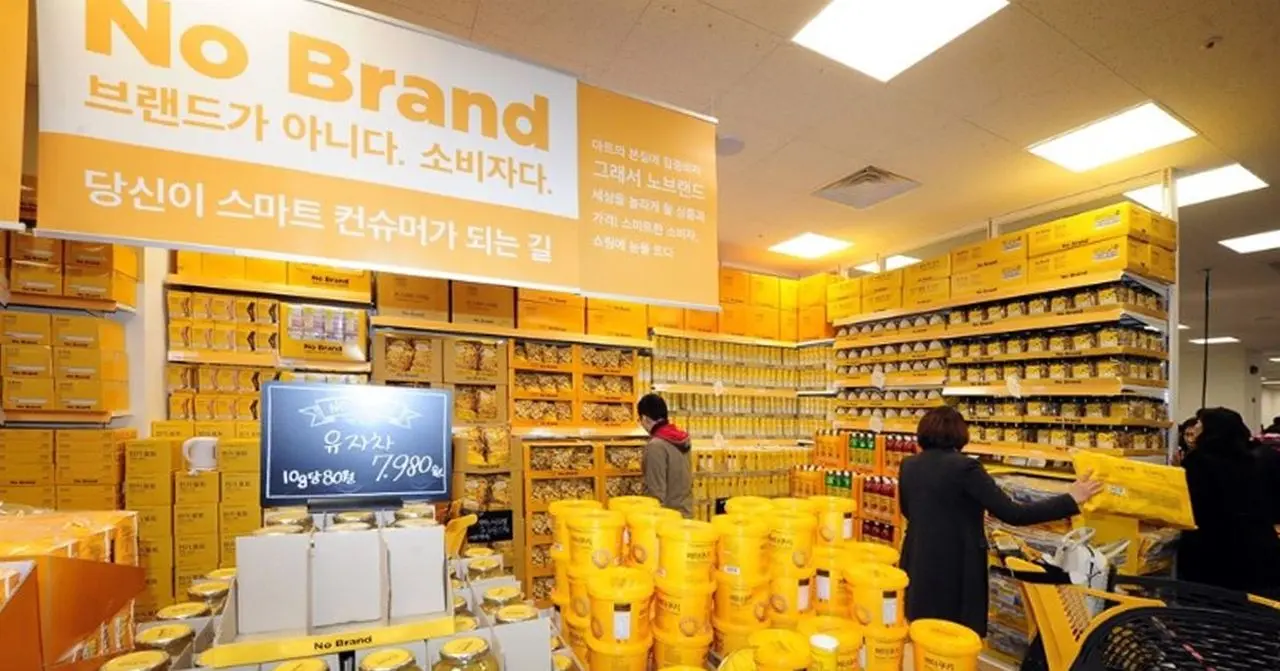
  • No Brand Korean Retail Concept Makes Grand Debut in Thailand through Central Food Retail Partnership

    No Brand Korean Retail Concept Makes Grand Debut in Thailand through Central Food Retail Partnership

    Central Food Retail, a division of Central Retail, is broadening its operations via a collaboration with Emart, a South Korean retailer, to introduce No Brand, a store model focused on value, in Thailand.

    First No Brand Store in Thailand

    The No Brand store, the first of its kind in Thailand, will commence operations at Central Bangna on March 31. This move signifies the official entrance of the brand into the Thai market. The forthcoming Bangkok outlet will stock over 2,200 items, encompassing Korean treats, essential pantry items, and household products.

    According to Central Food Retail, the No Brand concept appeals to customers who are after value but do not want to sacrifice quality. The store concept aims to leverage the ongoing popularity of Korean culture and products in Thailand.

    Broadening Retail Offerings

    MD Thanawat Jirajariyavej stated that the alliance with Emart forms part of their strategy to expand the group’s retail offering while meeting the demand for value-oriented products among Thai consumers. “This initiative signifies another crucial step in enhancing our portfolio towards becoming a global grocery destination through a value-driven retail model that consistently delivers quality, design, and value to our consumers,” Jirajariyavej stated.

    He also added that this partnership underscores Thailand’s potential as a strategic consumer hub in Southeast Asia, a region that continues to exhibit steady growth and attract top-tier brands to extend their reach in this area.

    About No Brand and Central Food Retail

    Emart launched No Brand in South Korea, and the chain now operates over 270 stores in the country. The brand has also extended its operations to other international markets, including the Philippines and Laos, and exports its products to more than 20 countries.

    Central Food Retail manages grocery and specialty retail formats, such as Tops, Tops Food Hall, Tops Daily, Tops Online, Tops Care, and Matsukiyo.

    Questions & Answers

    What is the new initiative of Central Food Retail in Thailand?
    Central Food Retail is expanding its portfolio through a partnership with South Korean retailer Emart to launch the value-focused store concept No Brand in Thailand.

    What is the aim of the No Brand store concept?
    The No Brand concept targets consumers seeking value without compromising on quality, and seeks to leverage the continued popularity of Korean culture and products in Thailand.

    What does the collaboration with Emart signify for Central Food Retail?
    The collaboration forms part of Central Food Retail’s strategy to expand its retail offering while meeting the demand for value-oriented products among Thai consumers. It also highlights Thailand’s potential as a strategic consumer hub in Southeast Asia.