Retail News CRM

Tag: Retail

  • Reliance Retail Bolsters Beauty Portfolio with Acquisition of Sustainable Skincare Brand Pahadi Local

    Reliance Retail Bolsters Beauty Portfolio with Acquisition of Sustainable Skincare Brand Pahadi Local

    Reliance Retail, a major Indian retail company, has successfully acquired the skincare and wellness brand, Pahadi Local. Pahadi Local, established in 2018, is well-regarded for its clean ingredient formulations, ethical sourcing practices, and sustainable product offerings. The company is known for its Himalayan ingredients, especially Gutti Ka Tel (Apricot Kernel Oil), which has gained widespread recognition and consumer loyalty.

    The Acquisition & Future Plans

    Reliance Retail’s acquisition of Pahadi Local aligns with its strategic goal to invest in promising Indian brands across multiple sectors, including beauty, wellness, fashion, and lifestyle. The retail giant has plans to foster Pahadi Local’s next growth phase by broadening its retail presence, strengthening its digital footprint, and fast-tracking innovation.

    The founding team of Pahadi Local will remain integral to the company’s operations post-acquisition, playing a crucial role in shaping the brand’s creative direction, product development, and overall philosophy.

    Comment from Reliance Retail

    Isha Ambani, executive director of Reliance Retail Ventures, commented on the acquisition, emphasizing the company’s focus on curating brands that blend authenticity, innovation, and significant consumer relevance. Ambani praised Pahadi Local’s commitment to Himalayan wellness traditions and responsible sourcing, making it a valuable addition to their beauty brand portfolio.

    Reliance Retail is a subsidiary of Reliance Retail Ventures, the umbrella corporation for all retail companies within the Reliance Industries group.

    Questions & Answers

    What is the main product offering of Pahadi Local?
    Pahadi Local is known for its skincare and wellness products primarily made from Himalayan ingredients, with Gutti Ka Tel (Apricot Kernel Oil) as its standout product.

    What are Reliance Retail’s plans for Pahadi Local post-acquisition?
    Reliance Retail plans to expand Pahadi Local’s retail presence, strengthen its digital footprint, and accelerate innovation to foster the brand’s next phase of growth.

    How will the founding team of Pahadi Local be involved in the brand post-acquisition?
    The founding team will continue to play a critical role in shaping the brand’s creative direction, product development, and overall philosophy.

  • Swiss Sportswear Giant On Opens its Largest Flagship Store in Shenzhen, Accelerating Retail Growth in China

    Swiss Sportswear Giant On Opens its Largest Flagship Store in Shenzhen, Accelerating Retail Growth in China

    Swiss sportswear brand On has recently unveiled its grandest flagship store to date. This store is located at Shenzhen MixC World, China. This move is part of the brand’s ongoing effort to expand its retail footprint in one of its most rapidly expanding markets.

    Store Design and Features

    Spanning a generous 802 square meters over two floors, the store’s design draws inspiration from the area’s coastal and mountainous topography. The open-concept interiors are harmoniously complemented with the use of natural materials and unique installations.

    To further enhance the customer’s shopping experience, an interactive visual display is present within the store, which showcases the brand’s signature CloudTec cushioning technology and its wide range of apparel.

    At the store’s entrance, visitors are greeted by two majestic, hundred-year-old banyan trees. This area, redesigned as a park, serves as a communal space for group runs and various events.

    Rebecca Cai, GM Apac at On, expressed her hopes for the new store. “Shenzhen is a city full of youthful vigour, and we hope that the flagship store at Shenzhen MixC World will not only function as a retail space, but will also serve as a hub for the city’s running community,” she said.

    A Strategic Expansion

    The unveiling of this store is in line with On’s strategy to expand its direct-to-consumer footprint in China, which has now become its second-largest market internationally. This comes after a period of robust regional growth, with On recording a substantial 96.4 per cent year-on-year increase in net sales in Asia-Pacific in 2025.

    On’s chief commercial officer, Britt Olsen, highlighted the brand’s growth potential. “Following footwear, apparel has emerged as the second major growth engine. In China, the category displays immense potential. We will continue to expand our retail reach and further enhance the brand experience,” she stated.

    On initially entered the Chinese market in 2018 and has since extended its reach to over 30 cities, launching more than 80 stores. The company has ambitious plans to hit the 100-store mark by the end of this year.

    Questions & Answers

    What inspiration did On draw from for its flagship store at Shenzhen MixC World?
    The flagship store’s design was inspired by Shenzhen’s coastal and mountainous geography, and it combines open interiors with natural materials and installations.

    What is On’s strategy for expanding its footprint in China?
    On is focusing on growing its direct-to-consumer footprint in China, which is its second-largest market. This is following a marked increase in regional net sales.

    When did On enter the Chinese market and what are its expansion plans?
    On first entered China in 2018 and has since expanded to over 30 cities with more than 80 stores. The company aims to reach 100 locations by the end of the year.

  • Japanese Retail Giant Beams Set to Launch US Flagship Store in Los Angeles, Amplifying Fashion Footprint

    Japanese Retail Giant Beams Set to Launch US Flagship Store in Los Angeles, Amplifying Fashion Footprint

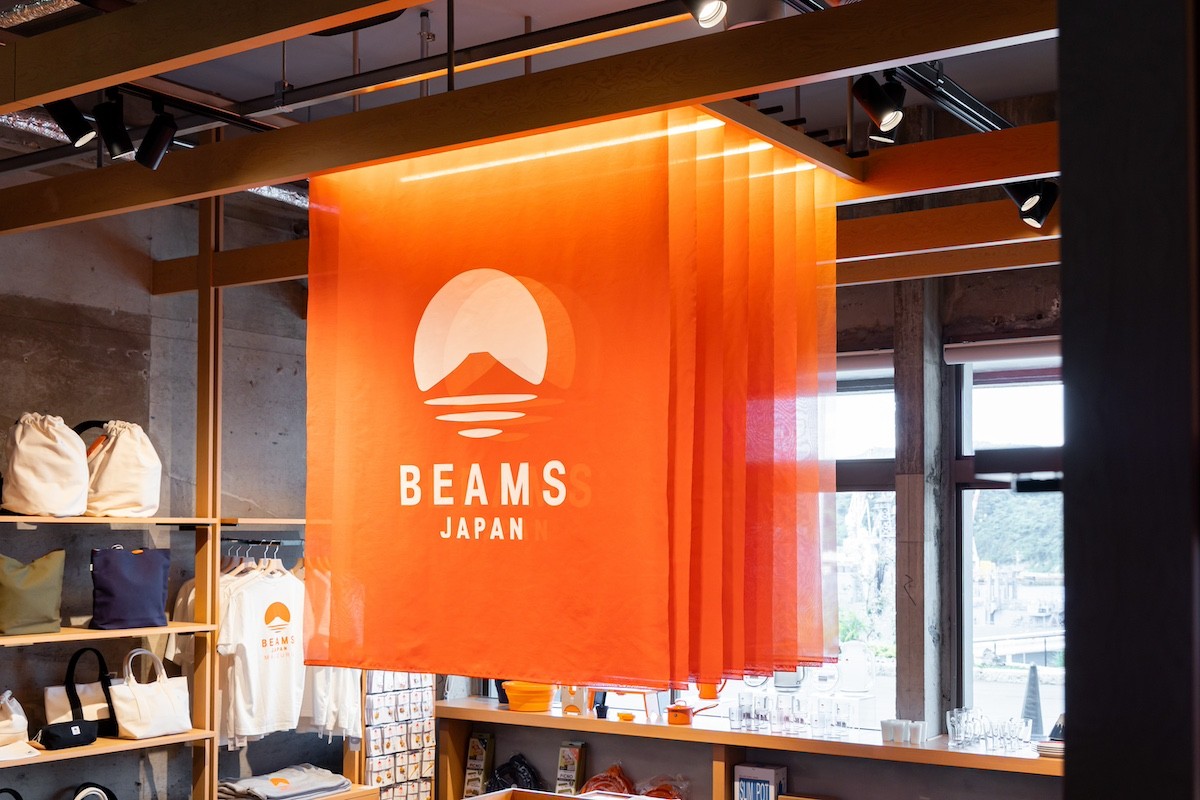
    Beams, a prominent fashion and lifestyle retailer originating from Japan, is gearing up to establish a flagship store in Los Angeles, significantly expanding its influence in the US market.

    Expanding Retail Space

    This new retail location will cover approximately 1250 square meters over a single level. It is designed to serve as a pivotal hub for the company’s North American operations, while simultaneously broadening its reach to a wider American clientele.

    Curated Selection

    The store will feature an extensive range of products, including clothing, accessories, and lifestyle goods. This selection embodies the retailer’s ‘select shop’ approach, which merges their own brand with a collection of items from an array of other brands.

    Beams America

    In line with its expansion strategy, Beams has also formed Beams America. This venture will manage regional operations and facilitate retail growth and other brand initiatives in the US.

    Digital Presence

    Prior to this physical expansion, Beams launched an e-commerce platform for the US market last year. The company has also been assessing consumer demand through the operation of three pop-up stores in Los Angeles.

    The Company’s History

    Established in 1976 in Tokyo, Beams currently manages approximately 175 stores across Japan and other regions in Asia.

    Questions & Answers

    What is the purpose of the new Beams store in Los Angeles?
    The new store is set to serve as a key base for Beams’ operations in North America and aims to introduce its fashion and lifestyle concept to a broader US audience.

    What is Beams’ ‘select shop’ format?
    The ‘select shop’ format is a retail approach where the store combines its own labels with items sourced from a variety of brands, offering customers a curated selection of products.

    What is Beams America?
    Beams America is a venture established by Beams to oversee its regional operations and support retail growth and wider brand initiatives in the US.

  • Cambodia Tightens Grip on Retail Fuel Sales to Ensure Safety and Stability

    Cambodia Tightens Grip on Retail Fuel Sales to Ensure Safety and Stability

    The Ministry of Commerce in Cambodia has sent out a public appeal to all citizens and fuel station owners to desist from hoarding fuel in an attempt to maintain a stable supply chain throughout the country. The public notice, issued on the 6th of March, further implores strict adherence to safety standards when selling and storing petroleum products, as a measure to mitigate any potential safety hazards.

    Emphasizing Risk Management in Fuel Trade

    The Ministry stressed on the importance of risk management in the processes of buying, selling, and storing fuel. This is deemed critical to protect consumers and preempt any accidents that could potentially result from unsafe storage practices. It also highlighted that improper or excessive storage of fuel can lead to severe risks, such as fire hazards that could pose a threat to properties and community safety.

    Appeal for Responsible Fuel Usage

    In the public notice, the Ministry further urged the citizenry to use fuel responsibly and refrain from panic buying or unnecessary stockpiling of fuel. The notice cautions that excessive storage could lead to unwarranted safety challenges.

    Continual Inspections by Regulatory Officials

    Simultaneously, officials from the Ministry’s General Department of Consumer Protection, Competition and Fraud Repression, in collaboration with provincial and municipal commerce departments and local offices of the Ministry of Mines and Energy, are conducting regular inspections of fuel stations across the country. These checks aim to ensure that the stations are in compliance with technical standards, maintain fair practices in fuel sales and proactively prevent any cases of opportunistic price manipulation or irregular price hikes.

    Questions & Answers

    What measures are being taken by the Cambodian Ministry of Commerce to ensure a stable fuel supply?
    The Ministry has issued a public notice urging the citizens and fuel station operators to avoid hoarding fuel and to adhere to safety standards when selling and storing petroleum products.

    What is the importance of risk management in the fuel trade as highlighted by the Ministry?
    The Ministry emphasizes that proper risk management in buying, selling, and storing fuel is critical to protect consumers and prevent accidents arising from unsafe storage practices.

    What is the purpose of continual inspections of fuel stations?
    The ongoing inspections by ministry officials aim to ensure that fuel stations comply with technical standards, maintain fair practices in fuel sales, and prevent opportunistic price manipulation or irregular price increases.

  • Central Retail Amplifies Vietnam Presence: Plans for 30 New Stores to Bolster Retail Expansio

    Central Retail Amplifies Vietnam Presence: Plans for 30 New Stores to Bolster Retail Expansio

    Thailand’s Central Retail, a notable force in the retail industry, is gearing up to increase its investments in Vietnam. The company has announced its intentions to initiate the launch of over 30 new large-format stores in the country within the upcoming years.

    Expansion Plans

    In its expansion blueprint, Central Retail plans to introduce 10 to 12 Go! malls and hypermarkets as well as 23 to 25 mini Go! stores in Vietnam. This ambitious expansion project is set to span from 2026 to 2028. The move is indicative of Vietnam’s rapidly growing retail market, which has attracted several international and local retail entities. Companies like Japan’s Aeon, South Korea’s Lotte, and Vietnam’s own WinMart have been escalating their presence to leverage the increasing household expenditure.

    Central Retail’s Growth in Vietnam

    Central Retail made its debut in the Vietnamese market in 2012, starting with a fashion retail business. Since then, the company has evolved into one of the most prominent foreign multi-format retailers in the country. As of now, Central Retail manages 43 Go! hypermarkets, 16 mini Go! malls, nine Tops Market supermarkets, and 23 LanChi Mart stores across Vietnam.

    Digital Capabilities Strengthening

    In addition to its physical expansion, Central Retail is also dedicated to bolstering its digital capabilities. However, the company has identified several challenges that could potentially hinder its growth. Complex land procedures and the intricate licensing requirements for foreign-invested shopping mall projects could potentially impact the development timelines.

    Earlier this year, marking a shift in its business strategy, Central Retail divested its entire stake in Nguyen Kim Electronics. This move saw the company pull out of Vietnam’s consumer electronics segment after enduring years of financial losses.

    Questions & Answers

    When did Central Retail first enter the Vietnamese market?
    Central Retail made its foray into the Vietnamese market in 2012 with a fashion retail business.

    What is Central Retail’s current footprint in Vietnam?
    Central Retail currently operates 43 Go! hypermarkets, 16 mini Go! malls, nine Tops Market supermarkets, and 23 LanChi Mart stores across Vietnam.

    What challenges does Central Retail foresee in its expansion in Vietnam?
    According to Central Retail, complex land procedures and intricate licensing requirements for foreign-invested shopping mall projects could potentially impede its growth and affect its development timelines.

  • Thai Retail Giant CP Axtra Snaps Up The Food Purveyor in $421.6 Million Deal, Expanding Premium Grocery Footprint in Malaysia

    Thai Retail Giant CP Axtra Snaps Up The Food Purveyor in $421.6 Million Deal, Expanding Premium Grocery Footprint in Malaysia

    Thai retail powerhouse CP Axtra has secured a deal to acquire the Malaysian supermarket operator, The Food Purveyor, for a sum of US$421.6 million.

    The Food Purveyor’s Market Presence

    The Food Purveyor boasts a wide range of premium grocery brands under its umbrella, including Village Grocer, Ben’s Independent Grocer, BSC Fine Foods, OTK, and The Food Merchant. The company currently operates a broad network of 50 stores spread throughout Malaysia.

    CP Axtra’s Growth Trajectory

    CP Axtra, established in 1988, is one of the leading wholesale and grocery conglomerates in Thailand. It expanded into Malaysia by acquiring Tesco in 2020 and subsequently operating it under the brand name Lotus Malaysia. With a sprawling network of more than 2600 outlets spread across countries like Thailand, Malaysia, Cambodia, Vietnam, Singapore, Hong Kong, Oman, and the UAE, the company has established a significant presence worldwide.

    Strategic Acquisition

    This new acquisition forms part of CP Axtra’s comprehensive strategy to penetrate high-potential international markets, such as Malaysia. It also bolsters the company’s foothold in the premium grocery segment. Upon the deal’s completion, CP Axtra will operate in excess of 120 grocery chains nationwide. This figure combines 50 stores from The Food Purveyor and 70 stores from Lotus.

    The transaction is slated for completion in the fourth quarter, dependent on receiving the necessary regulatory approvals.

    Questions & Answers

    What major brands does The Food Purveyor operate under?
    The Food Purveyor operates major premium grocery brands such as Village Grocer, Ben’s Independent Grocer, BSC Fine Foods, OTK, and The Food Merchant.

    How has CP Axtra grown over the years?
    CP Axtra has grown significantly since its establishment in 1988. It now operates more than 2600 outlets across Thailand, Malaysia, Cambodia, Vietnam, Singapore, Hong Kong, Oman, and the UAE.

    What is the significance of this acquisition for CP Axtra?
    The acquisition of The Food Purveyor enables CP Axtra to expand into high-potential overseas markets such as Malaysia and strengthen its position in the premium grocery segment.

  • DFI Retail Group Triumphs with 35% Profit Surge Amid Strategic Overhaul – An In-depth Look at the 2025 Fiscal Year

    DFI Retail Group Triumphs with 35% Profit Surge Amid Strategic Overhaul – An In-depth Look at the 2025 Fiscal Year

    DFI Retail Group, a prominent pan-Asian retailer, has confirmed the efficacy of its ongoing strategic alterations, following a successful 2025 fiscal year. The group reported a substantial 35% increase in underlying profits to US$270 million, despite no growth in its year-end revenue stream, which remained consistent with the 2024 figure at $8.8 billion.

    Strategic Execution and Profitability

    The robust financial performance and enhanced shareholder returns in 2025 have been attributed to the effective implementation of strategic initiatives. DFI Retail Group’s Chairman, Lincoln Pan, emphasized that this was achieved despite the challenging circumstances in the retail industry. Significant strides in portfolio simplification have notably increased the group’s investment capabilities. This shift has facilitated the prioritization of strategic initiatives, providing greater value for customers and paving the way for sustainable growth and returns through accretive inorganic opportunities.

    Portfolio Adjustments and Performance

    In an effort to adapt to changing market conditions and consumer preferences, DFI Retail Group has made adjustments to its brand portfolios. As part of this strategy, 7-Eleven, one of the group’s brands, has shifted its focus towards higher-margin, non-cigarette categories. Ready-to-eat offerings now account for 24% of convenience sales for the brand in 2025, highlighting a considerable change in product focus.

    Financial Performance

    The group’s strong financial performance is also reflected in its operating cash flow. After making lease payments, the operating cash flow for the group stood at $430 million, marking a 30% increase from the previous year. In addition, the group’s free cash flow saw a remarkable year-on-year increase of 78%.

    Questions & Answers

    What were the underlying profits for DFI Retail Group in the fiscal year 2025?
    In the fiscal year 2025, DFI Retail Group reported underlying profits of US$270 million.

    What strategical changes did 7-Eleven, a brand under DFI Retail Group, adopt in 2025?
    7-Eleven shifted its focus towards higher-margin, non-cigarette categories. Ready-to-eat offerings constituted 24% of the brand’s convenience sales.

    How did the operating cash flow of DFI Retail Group fare in 2025?
    After lease payments, DFI Retail Group’s operating cash flow in 2025 stood at $430 million, which was a 30% increase from the previous year.

  • Miniso Unveils Malaysia’s First Miniso Land: A Mega Retail Experience at Sunway Pyramid

    Miniso Unveils Malaysia’s First Miniso Land: A Mega Retail Experience at Sunway Pyramid

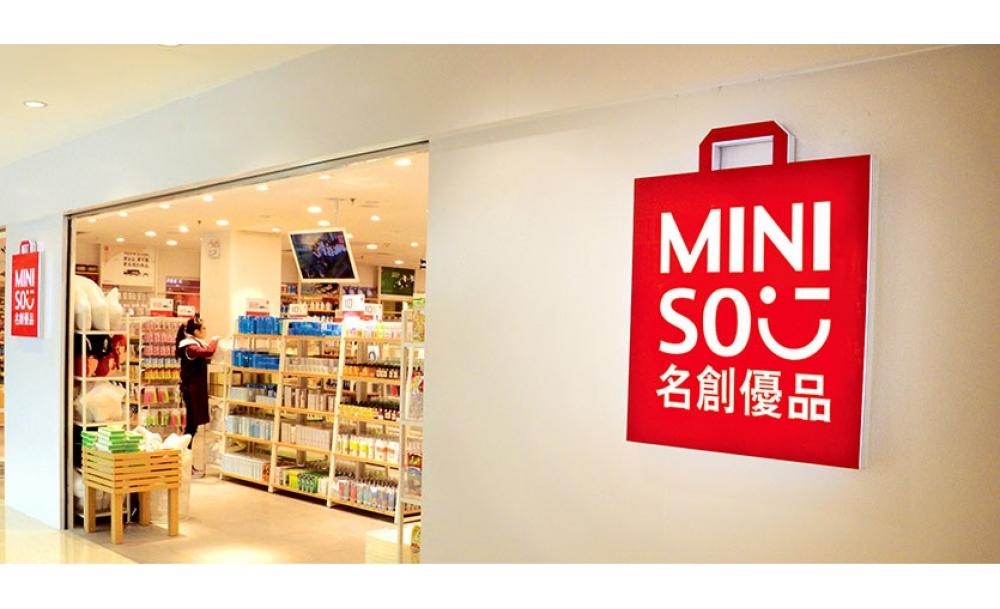
    Miniso, the global retail brand, has inaugurated its first ‘Miniso Land’ in Malaysia, situated at the Sunway Pyramid mall. This new establishment has become the largest in Southeast Asia operating under the brand name.

    The Land of Miniso

    Located on the first floor of the mall, the expansive store covers around 1700 square meters. It brings forward a larger format retail concept, primarily focusing on Intellectual Property (IP) collaborations and engaging retail design. The store is home to over 8000 products, with more than 70% of the items crafted with licensed or proprietary IP characters.

    Thematic Retail and Interactive Zones

    The store features 15 distinct sections, each with a unique theme for retail and interactive purposes. These zones merge product displays with character installations, offering photo opportunities for visitors. The store houses a range of product categories such as mystery toys, stuffed toys, house accessories, drinkware, and a vast collection of beauty and skincare items.

    Spotlight on IP Collaborations

    The store showcases collaborations with licensed brands such as Sanrio and Monchhichi, while also highlighting Miniso’s in-house IP portfolio, including the YoYo series. The store’s visual appeal is further enhanced with ten large-scale Yo-Yo sculptures, emphasizing the brand’s focus on visual merchandising and social media engagement.

    Expansion Strategy

    The ‘Miniso Land’ concept is a significant part of the company’s expansion strategy. The brand aims to create themed environments and character-driven merchandising, with IP-related products constituting the majority of their inventory.

    This concept was first launched in Shanghai and has since grown to multiple locations across China and international markets such as Thailand, Spain, Indonesia, and Australia.

    Questions & Answers

    What is the size of the new Miniso Land in Malaysia?
    The new Miniso Land in Malaysia covers around 1700 square meters.

    What is unique about the Miniso Land concept?
    Miniso Land focuses on creating themed environments and character-driven merchandising, with a majority of the products being IP-related.

    Where was the first Miniso Land introduced?
    The first Miniso Land was introduced in Shanghai.

  • Hong Kong’s Bonjour Holdings Navigates Stormy Retail Waters: Half-Year Losses Amid Shift in Consumer Behavior

    Hong Kong’s Bonjour Holdings Navigates Stormy Retail Waters: Half-Year Losses Amid Shift in Consumer Behavior

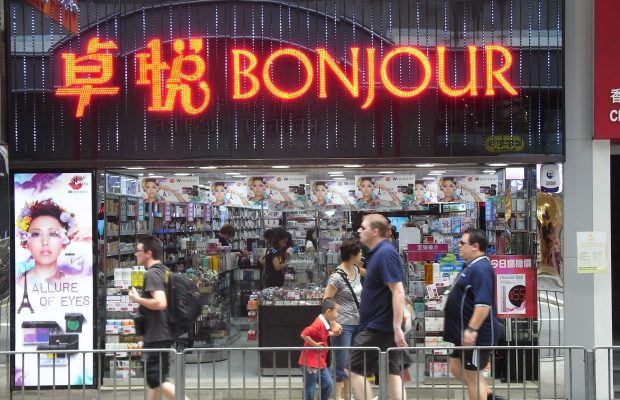
    Hong Kong-based financial behemoth, Bonjour Holdings, has reported a slump in its earnings attributed to what the corporation describes as a “complicated” retail atmosphere.

    Financial Figures

    Bonjour Holdings reported a loss of HK$68.8 million (US$8.8 million) for the half-year ending December 31, 2025. This figure represents a better performance than the same period in 2024 when the company reported a loss of $134.4 million ($17.2 million).

    Bonjour Holdings’ expansive portfolio includes over 20,000 products from brands such as Suisse Reborn, Yumei, Dr. Schafter, and Dr. Bauer.

    The firm’s retail, wholesale, lifestyle, healthcare, and beauty sector recorded a half-year turnover of HK$6.7 million, while technology sales contributed an additional HK$5.5 million. The gross profit for both sectors stood at HK$2.8 million. However, both year-on-year revenue and gross profit witnessed a steep decline of 50.4 per cent and 84.6 per cent, respectively.

    Complex Retail Environment

    In its earnings report statement, Bonjour Holdings stated that the latter half of 2025 presented a complex retail landscape in Hong Kong. Despite the overall inflation rate remaining relatively low at around 1.2 per cent during this period, consumer spending habits reflected cautiousness due to ongoing economic uncertainties.

    The company also highlighted that fluctuations in the property market significantly affected its customers’ disposable income.

    Tourism and Consumer Behavior

    Bonjour Holdings noted that tourism was on a slow path to recovery, with an increase in visitor arrivals. However, the spending habits of these visitors shifted towards experiential consumption, moving away from the traditional luxury retail. Mainland Chinese tourists, albeit returning in larger volumes, showed more selective purchasing habits compared to their pre-pandemic patterns.

    Questions & Answers

    What was Bonjour Holdings’ reported loss for the six months ending December 31, 2025?
    The company reported a loss of HK$68.8 million (US$8.8 million).

    What is the overall impact on Bonjour Holdings due to the current retail environment?
    The complicated retail environment, coupled with economic uncertainties and shifts in the property market, have led to a significant decrease in the company’s earnings.

    How has the spending behavior of tourists, specifically mainland Chinese, changed post-pandemic?
    While the number of mainland Chinese tourists has increased, their purchasing behavior has become more selective compared to pre-pandemic patterns, with a notable shift towards experiential consumption rather than traditional luxury retail.

  • Revolutionizing Retail: How WhatsApp and Conversational AI are Transforming Your Shopping Experience

    Revolutionizing Retail: How WhatsApp and Conversational AI are Transforming Your Shopping Experience

    The shift towards Conversational Artificial Intelligence (AI) is transforming the retail landscape, with AI-powered customer experiences emerging as the new standard, particularly within the realm of daily use messaging apps. This trend signals a departure from the previously flashy, novelty bots to a more meaningful, user-centered approach.

    Transition from Broadcasting to Dialogue

    For the past ten years, retailers have primarily focused on optimizing websites, apps, and mass emails – platforms that were primarily designed for broadcasting messages rather than fostering interactions. Burton Chau, CEO and Co-founder of Sanuker, contends that such platforms are now out of sync with how individuals typically utilize their smartphones. While websites, apps, and email blasts continue to play an essential role, they tend to be more transactional. Messaging platforms, which consumers frequently use daily, present an opportunity for high user interaction, high intent, and measurable customer journeys, particularly when supplemented with AI, automation, and data.

    This shift marks a significant realignment of the tech stack. Retailers are increasingly focusing on meeting consumers within their preferred platforms, such as WhatsApp, Messenger, and Instagram, and threading marketing, service, and commerce into a single chat thread. AI agents are employed within these threads to manage discovery, frequently asked questions (FAQs), lead qualification, and first-line service, with human staff handling more complex tasks.

    WhatsApp as the New Retail Hub

    Sanuker operates across various messaging platforms, but WhatsApp has emerged as the anchor for conversational retail in markets like Hong Kong, Malaysia, Singapore, India, and Indonesia. Chau attributes this to the app’s ubiquity and the quality controls established by Meta. A key selling point is that WhatsApp supports the entire retail journey, from pre-sales inquiries to recommendations, purchasing, post-sales follow-ups, and customer support.

    Using Sanuker’s technology, retailers can integrate the conversation with e-commerce platforms, Customer Relationship Management (CRM), and Enterprise Resource Planning (ERP) systems, providing real-time updates on inventory, pricing, and order status. As a result, the customer experience becomes less like a campaign and more like a continuous relationship.

    Personalization with a Contextual Memory

    While many retailers claim to offer personalization, Chau identifies a clear distinction between basic tweaks and what he terms “CRM-connected personalization.” He asserts that an AI agent achieves true personalization when it uses real-time customer data to provide accurate responses and promote outcomes. This includes access to purchase history, interests, and behaviors. The ability to update the backend with new events when orders or inquiries are made within the chat creates a closed loop that makes conversational AI economically attractive.

    Automation: The Future of the First-line Concierge

    Sanuker foresees a future where AI agents serve as the first-line digital concierge on messaging platforms. Chau believes that AI agents could replace human agents in customer service roles by 2026, not by eliminating human roles, but by taking on repetitive questions and escalating only when necessary.

    Achieving this requires a seamless integration of technologies. Sanuker’s platform, alongside tools like N8N and Dify, enable retailers to quickly and efficiently connect messaging with e-commerce, CRM, and ERP systems, and integrate AI models from OpenAI, Azure, Gemini, or DeepSeek.

    Guardrails, Not Gimmicks

    Despite the promise of conversational AI, it also brings potential risks, including spammy bots that undermine trust and invite regulatory scrutiny. Chau emphasizes the need for robust governance and compliance measures, and highlights the importance of designing explicit handover routes to human agents to ensure that customers never feel trapped in an automated loop.

    In his vision, the most successful retailers in 2026 will not be those that replace staff with bots, but those that utilize conversational AI to enhance human interactions, making them rarer, richer, and more consequential.

    Questions & Answers

    What is the role of messaging platforms in the shift towards conversational AI?
    Messaging platforms, such as WhatsApp, Messenger, and Instagram, are pivotal to the shift towards conversational AI as they provide the daily-use platform that allows for high user interaction, high intent, and measurable customer journeys.

    How does Sanuker’s technology enhance the customer experience on WhatsApp?
    Sanuker’s technology integrates WhatsApp conversations with e-commerce platforms, CRM, and ERP systems, providing real-time updates on inventory, pricing, and order status. This makes the customer experience more personalized and relationship-based.

    How does Sanuker envision the future of conversational AI in retail?
    Sanuker envisages a future where AI agents serve as the first-line digital concierge on messaging platforms. These AI agents would handle repetitive questions, escalating only when necessary, thereby enhancing the efficiency of the customer service process.

  • Central Phuket’s Expansion: Transforming Thailand’s Luxury Retail Landscape by 2028

    Central Phuket’s Expansion: Transforming Thailand’s Luxury Retail Landscape by 2028

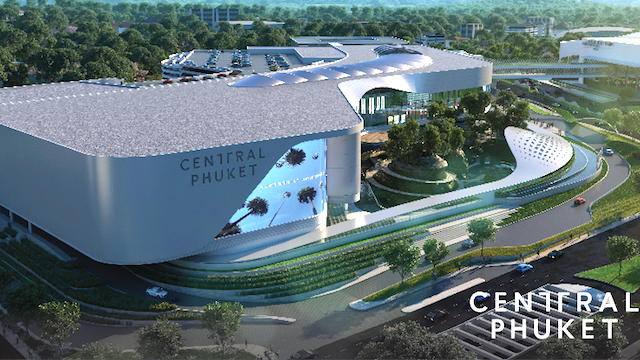
    Central Pattana is embarking on a significant expansion of Central Phuket, aiming to transform the mixed-use development into a keystone of Phuket’s transition from a tourist-centric locale to a global lifestyle hub.

    The expansion will enlarge the project’s existing area by approximately 40%, pushing the total developmental value past 26 billion baht (US$835.7 million) when completed in 2028. The expanded project will cover an approximate 500,000 square meters of gross building area, solidifying its standing as one of southern Thailand’s major retail and lifestyle establishments.

    Transition to Luxury Lifestyle Destination

    Situated in Phuket City, Central Phuket has gradually evolved from a traditional mall set-up to a luxury-focussed, experience-centric destination. It is designed to cater to high-spending local and international consumers. The latest development phase is set to tap into the escalating long-term residency, growth in branded residential spaces, and infrastructure improvements across Phuket.

    A key aspect of the expansion plan is the doubling of luxury retail space in Central Phuket Floresta. Central Phuket Festival will also be repositioned to enhance its appeal in the fashion and lifestyle sector. The expansion will additionally usher in new high-end dining areas and significant attractions, including immersive entertainment concepts, scheduled for gradual introduction by 2028.

    Central Pattana’s chief marketing officer, Nattakit Tangpoonsinthana, has drawn comparisons between this development model and successful examples in Miami, Saint-Tropez, and Barcelona. He emphasized Central Pattana’s commitment to strengthening this approach with a ‘Global Coastal City’ model. This model is underpinned by three core elements: luxury lifestyle, downtown economy, and a global community, positioning Phuket for long-term sustainable growth.

    Store Expansions and Exclusive Concepts

    The expansion will see the introduction of multiple store expansions and unique shopping concepts. These include the largest Louis Vuitton outlet in southern Thailand, a 597 square meter Prada boutique showcasing one of its widest beachwear collections, a pop-up by Celine, and revamped concept stores from Balenciaga and Saint Laurent.

    In a separate development, Central Pattana allocated 21 billion baht (US$640 million) last year to construct a new mega shopping and lifestyle complex, The Central Phaholyothin, in northern Bangkok.

    Questions & Answers

    What is the projected value of the expanded Central Phuket project?
    The total developmental value is estimated to exceed 26 billion baht (US$835.7 million) upon its completion in 2028.

    What new features will the expansion of Central Phuket introduce?
    The expansion plans include the doubling of luxury retail space, the introduction of new high-end dining areas, major attractions including immersive entertainment concepts, store expansions, and unique shopping concepts.

    What is the ‘Global Coastal City’ model?
    The ‘Global Coastal City’ model is driven by three core elements: luxury lifestyle, downtown economy, and a global community. It aims to position Phuket for long-term sustainable growth.

  • Thai Beauty Giant Konvy Makes Retail Debut in Philippines, Broadens Beauty Horizons with Global Brands

    Thai Beauty Giant Konvy Makes Retail Debut in Philippines, Broadens Beauty Horizons with Global Brands

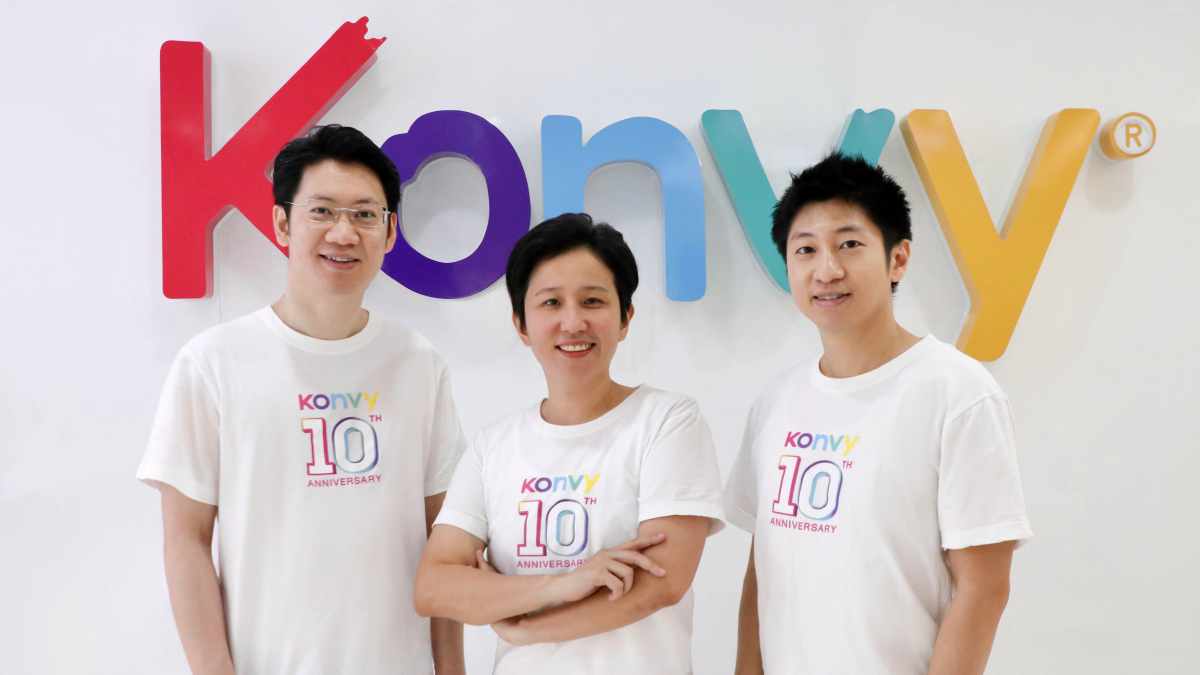
    Thai-based beauty retailer, Konvy, has made its physical debut in the Philippines by opening its inaugural flagship store in Robinsons Galleria, Pasig City.

    Konvy established its roots in the beauty industry in 2012, initially operating as an e-commerce platform in Thailand. Over the years, the company has enhanced its business model to incorporate brick-and-mortar stores, in addition to their online presence.

    Konvy made its initial foray into the Philippine market in 2023 through renowned online platforms Lazada and Shopee. The company has been offering a range of health and beauty products tailored to meet the needs of local consumers.

    The Flagship Store

    The flagship store provides a carefully selected assortment of international beauty brands with a strong emphasis on products sourced from Thailand, Korea, China, and Japan.

    Prominent among the brands showcased in the store are 4U2, Srichand, Cathy Doll, Snail White, Oxecure, Baby Bright, BrowIt by Nongchat, and Snake Brand, among others.

    JC Chen, the Chief Commercial Officer of Konvy, expressed his enthusiasm about the company’s new venture in the Philippines. “The launch of our maiden flagship store in the Philippines marks an exciting milestone for Konvy Beauty as we aim to strengthen our footprint in the market,” said Chen.

    He added, “Our strategic collaboration with Robinsons Malls enables us to bring Konvy’s unique, discovery-driven beauty experience closer to Filipino shoppers.”

    The company announced that the store’s inauguration is a part of its more comprehensive expansion strategy in the country.

    Questions & Answers

    What is the business model of Konvy?
    Konvy operates a dual business model that combines both online operations and brick-and-mortar retail stores.

    Where has Konvy opened its first flagship store in the Philippines?
    Konvy has opened its first flagship store in the Philippines at Robinsons Galleria in Pasig City.

    What kind of products does Konvy offer in its stores?
    Konvy offers a wide variety of health and beauty products, specifically focusing on products from Thailand, Korea, China, and Japan. It features brands like 4U2, Srichand, Cathy Doll, Snail White, Oxecure, Baby Bright, BrowIt by Nongchat, and Snake Brand, amongst others.

  • Retail Giant AS Watson Eyes Major Move into Australian Market with Potential $500M Pharmacy Acquisition

    Retail Giant AS Watson Eyes Major Move into Australian Market with Potential $500M Pharmacy Acquisition

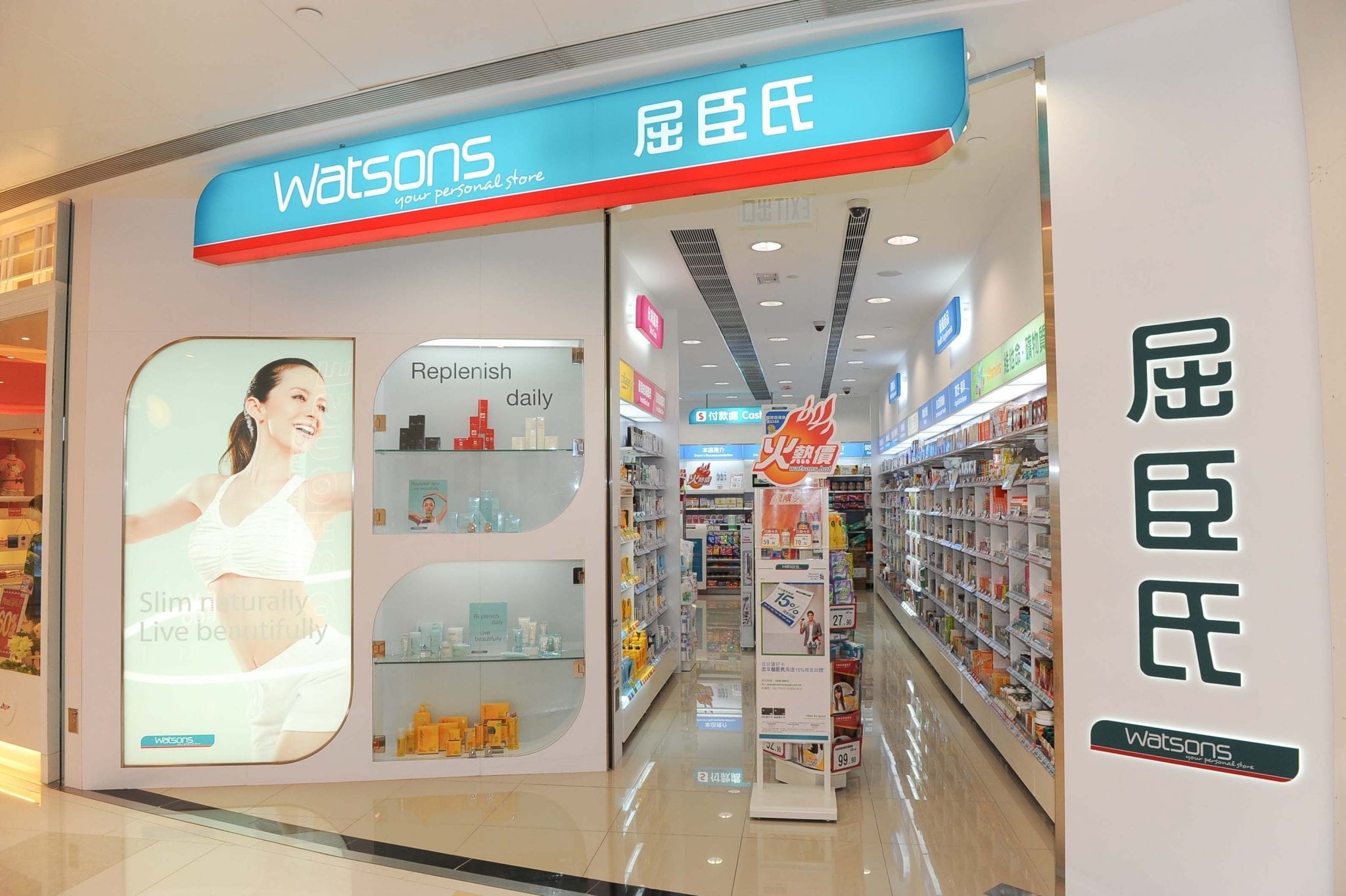
    AS Watson, a Hong Kong-based health and beauty retailer, is potentially planning a move into the Australian market. The company is believed to be considering an acquisition of over 90 pharmacies in Australia.

    Expansion into Australia

    The company’s interest is reportedly focused on 92 Priceline pharmacies, previously under the operation of Infinity Pharmacy Group. This move will represent AS Watson’s debut into the Australian market. The company is said to be planning a comprehensive review of these pharmacies, which indicates serious intent towards the acquisition.

    It is suggested that executives from AS Watson had visited Australia several years prior and had discussions with the founding partner of Infinity. These visits may well have laid the groundwork for the current acquisition proposal. However, a spokesperson for the group declined to provide any comment on these market speculations.

    The Players Involved

    AS Watson is a part of CK Hutchison Holdings – a major commercial conglomerate based in Hong Kong. On the other side of the equation, the Priceline brand is owned by Australian conglomerate, Wesfarmers, while Infinity Pharmacy Group functions as a franchisee of the chain.

    In a recent development, Wesfarmers placed approximately half of Infinity’s stores into receivership, following a period of enduring financial difficulties. These financial struggles have led to the sale of the 92 Priceline stores, managed by Infinity’s administrator, Teneo.

    The Sale Process

    Teneo, responsible for the administration of the sale process, is said to be seeking a minimum sale price of AU$500 million for these 92 Priceline stores.

    Questions & Answers

    What is the significance of this potential acquisition by AS Watson?
    The acquisition could mark AS Watson’s entry into the Australian market, expanding its global footprint.

    Who currently owns the Priceline brand and the affected pharmacies?
    The Priceline brand is owned by Wesfarmers, an Australian conglomerate. The affected pharmacies were previously operated by Infinity Pharmacy Group, a franchisee of the chain.

    What is the expected price for the sale of these 92 Priceline stores?
    The administrator overseeing the sale, Teneo, is reportedly seeking a minimum price of AU$500 million for the stores.

  • Embrace the 2026 Lunar New Year of the Fire Horse: Prosperity, Health and Retail Industry Updates Await!

    Embrace the 2026 Lunar New Year of the Fire Horse: Prosperity, Health and Retail Industry Updates Await!

    The team at Retail News would like to convey our warmest regards to our readers during the 2026 Lunar New Year, the year of the Fire Horse. We extend our heartfelt wishes to you and your loved ones for a year filled with robust health and bountiful prosperity.

    Our team will return on Thursday, 19th February, ready to provide you with more insightful industry developments, exclusive feature stories, authoritative opinions, and the most recent news and updates from the financial industry.

    We hope that you enjoy the festive season and all the joy and good fortune it brings. Here’s wishing you a spirited Kung Hei Fat Choi!

  • Miu Miu Unveils Stunning Redesign at Landmark Atrium Flagship Store, Ushering New Era of Luxury Retail in Hong Kong

    Miu Miu Unveils Stunning Redesign at Landmark Atrium Flagship Store, Ushering New Era of Luxury Retail in Hong Kong

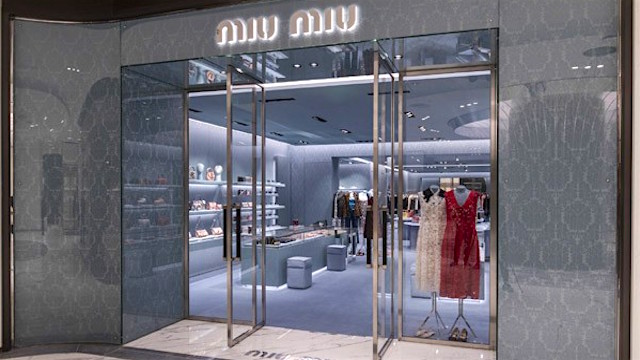
    Miu Miu, the renowned luxury brand, recently christened its revamped flagship store located at the Landmark Atrium. This opening not only showcases a fresh store design concept but also aims to fortify the brand’s presence in the region.

    The New Store Design Concept

    The store now spans about 220 square meters, distributed over two levels. This revamped space mirrors the brand’s latest worldwide retail layout, encompassing dedicated zones for various product categories including ready-to-wear, handbags, footwear, and accessories.

    In addition, the store now houses a private salon for exclusive appointments. This feature underscores Miu Miu’s constant commitment towards providing personalized service and fostering a more intimate connection with its clientele.

    Landmark Portfolio Upgrades

    This reopening aligns with ongoing upgrade efforts from the landlord, Hongkong Land, across its Landmark portfolio. This is part of an overarching strategy aimed at bolstering the precinct’s standing in the high-end retail market of Hong Kong.

    Looking ahead to 2024, an assortment of premier luxury brands like Louis Vuitton and Prada have pledged their participation in a luxury redevelopment project worth US$1 billion, spearheaded by Hongkong Land. The project is slated for a phased roll-out over the forthcoming three years.

    Questions & Answers

    What is the size and layout of the newly redesigned Miu Miu store at the Landmark Atrium?
    The store covers approximately 220 square meters across two floors, with sections dedicated to different product categories like ready-to-wear, handbags, footwear, and accessories.

    What new feature has been added to the Miu Miu store to enhance customer service?
    A private salon has been introduced for personalized appointments, aiming to deepen engagement with clients.

    What is the future plan for the Landmark portfolio of Hongkong Land in terms of luxury retail?
    In 2024, a luxury redevelopment project worth US$1 billion is planned, with commitments from major luxury brands like Louis Vuitton and Prada. This project is expected to further reinforce the precinct’s status in Hong Kong’s high-end retail market.