Retail News CRM

Tag: Retail

  • Domestic Demand Dwindles in China Despite Soaring Industrial Output

    Domestic Demand Dwindles in China Despite Soaring Industrial Output

    The second-largest economy in the world is currently experiencing a dual-speed growth pattern. While factories are flourishing due to robust exports, domestic demand is on a downward trajectory due to an ongoing slump in the property market.

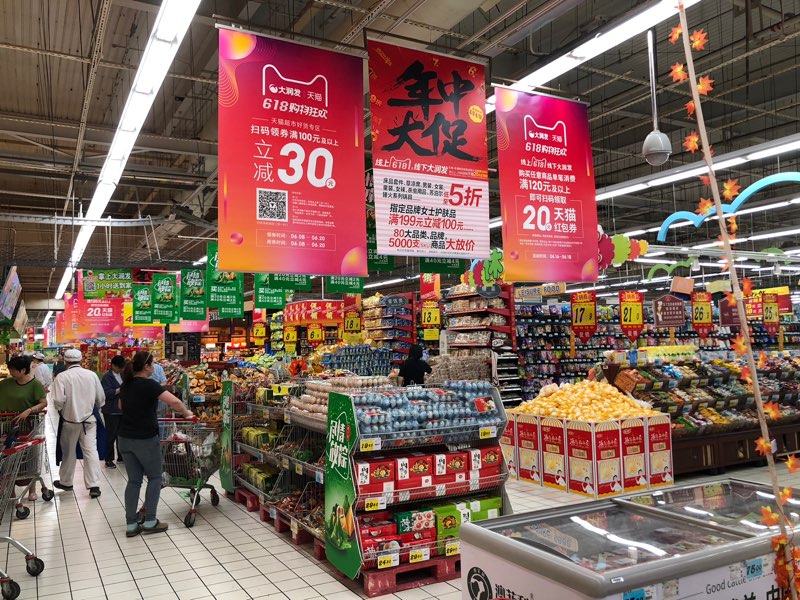
    In May, retail sales, which serve as a critical measure of consumption, decreased by 0.6%, a significant drop from April’s 0.2% rise, and below the predicted 0.0%. This decline in retail sales marks the first reduction since December 2022. Even the extended Labour Day holiday was unable to boost consumer morale, and the government’s consumer goods trade-in initiative is gradually losing its effectiveness. An inflated base from the previous year’s May further added to this downturn.

    According to Zhiwei Zhang, chief economist at Pinpoint Asset Management, the disappointing retail sales data puts increased pressure on the government to contemplate policy measures aimed at stabilizing consumption. “Policy ‘fine tuning’ is anticipated around July, following the release of the second quarter GDP data,” Zhang added.

    On the other hand, data from the National Bureau of Statistics (NBS) revealed that industrial output in May grew by 4.5% compared to the previous year, an increase from the 4.1% growth recorded in April. This rise surpassed the projected 4.3% increase.

    Divides in the Economy

    A boom in global AI investment and related tech demand has allowed the world’s largest manufacturer to counterbalance the anticipated export blow from the Iran war. However, a 19.4% increase in exports has yet to positively impact domestic consumption.

    The economic weakness was particularly noticeable in the automotive sector, as domestic car sales suffered a decline for the eighth consecutive month in May. This trend hints at a diminishing demand in the world’s biggest car market, a pressure that is expected to linger throughout the year.

    Senior economist at the Economist Intelligence Unit, Xu Tianchen, identified several divisions in the May economy. “The divide between domestic and external demand, the divide between AI and traditional industries, and the divide between goods retail and services consumption,” he mentioned.

    He expects the second quarter’s economic growth to slow down to 4.5% from the first quarter’s 5%.

    Growing investment weakness and ongoing property drag

    Investment figures were also significantly weaker than expected. Fixed-asset investment dropped by 4.1% in the first five months of 2025, a fall from the 1.6% decrease recorded from January to April. Economists had anticipated a 2% decline.

    According to NBS spokesperson Fu Linghui, this fall is partially due to extreme weather conditions in several regions, as well as the shift from old to new growth drivers. Fu added that China still has substantial room for future investment, with urbanisation, rural revitalisation, the development of new quality productive forces, and public service improvements all requiring support.

    Questions & Answers

    What contributed to the decline in retail sales in May?
    Several factors contributed to the decline in retail sales in May, including a lack of consumer confidence, the waning effectiveness of the government’s trade-in scheme, and a high base from the same period last year.

    How are the car sales in China currently?
    Car sales within China have been on the decline, with May marking the eighth consecutive month of decreasing sales. This is indicative of a softened demand in the world’s largest auto market.

    What are the expectations for China’s economic growth?
    It’s anticipated that China’s economic growth may slow in the second quarter, dropping to 4.5% from 5% in the first quarter. While it might not be difficult to achieve a full-year growth target of 4.5-5%, the sluggish domestic demand may necessitate policy intervention in the second half of the year.

  • Chow Tai Fook Unveils Chic Redesigned Boutique in Vancouvers Luxury Retail Hub, Oakridge Park

    Chow Tai Fook Unveils Chic Redesigned Boutique in Vancouvers Luxury Retail Hub, Oakridge Park

    Chow Tai Fook, a leading Chinese jewelry retailer, recently unveiled its revamped boutique in Oakridge Park, Vancouver, Canada. This follows the successful refurbishment of numerous other stores across the globe, including locations in Singapore, Thailand, Australia, and Hong Kong.

    A Showcase of Chinese Craftsmanship

    The Oakridge Park location was chosen for its status as a luxury retail hub, presenting an ideal setting to display the exquisite craftsmanship and design of Chinese jewelry. The redesigned store melds contemporary design with traditional Chinese aesthetics. The exterior is adorned with the brand’s distinctive ‘Timeless Red’ facade, while the interiors sport luxurious finishes of walnut veneers and champagne-gold accents, all aimed at accentuating the displayed jewelry collections.

    Chow Tai Fook’s boutique features a broad selection of its core collections, along with designs crafted exclusively for the Canadian market. The offerings include the celebrated Dawn Collection, which is inspired by floral motifs and geometric shapes.

    Exclusively Canadian Designs

    The boutique also carries a range of accessories that are exclusive to the Canadian market. These designs incorporate national symbols such as the maple leaf and are available across various forms of jewelry, including pendants, necklaces, and earrings.

    Chow Tai Fook spoke about the collections, stating, “Each collection represents cultural heritage, blending tradition and contemporary elegance to create shared connections that transcend time and space.”

    Questions & Answers

    Why was Oakridge Park chosen for Chow Tai Fook’s redesigned boutique?
    Oakridge Park was selected due to its status as a luxury retail destination, providing an ideal backdrop to showcase the Chinese craftsmanship and design.

    What differentiates the store’s interior design?
    The store combines contemporary and Chinese-inspired design elements with walnut veneers and champagne-gold accents to highlight the jewelry collections.

    What collections does the boutique offer?
    The boutique features a variety of Chow Tai Fook’s core collections and exclusive designs for the Canadian market, including the Dawn Collection and accessories featuring national symbols such as the maple leaf.

  • Singapore’s Retail Boom: Surging Petrol Prices Fuel Accelerated Growth in April

    Singapore’s Retail Boom: Surging Petrol Prices Fuel Accelerated Growth in April

    In April, Singapore’s retail sales growth accelerated, with most sectors, especially petrol service stations, experiencing significant advancements.

    The Department of Statistics reported a 4.5% rise in retail sales, excluding motor vehicles, parts, and accessories. This increase builds upon the revised 3% growth seen in March. The estimated total value of retail sales touched SG$3.6 billion (US$2.8 billion), with online sales accounting for 18.2% of this figure. On a seasonally adjusted basis, retail sales in April increased by 0.4% compared to the previous month.

    Strong Sector Performances Drive Growth

    The surge in April’s retail sales was fueled by robust performances across most sectors. Petrol service stations observed a substantial year-on-year growth of 14.4%, primarily attributable to increased fuel prices resulting from the Middle East conflict. The recreational goods sector followed closely, registering a sales growth of 12.3%.

    Several other sectors, including apparel and footwear, cosmetics and toiletries, supermarkets and hypermarkets, and optical goods and books, also posted robust improvements, with growth figures ranging between 5% and 8%.

    Conversely, department stores and food and alcohol retailers experienced a slight dip in sales, recording declines of 1.1% and 0.1% respectively.

    Moderate Increase in Food and Beverage Services

    In the food and beverage services sector, sales marginally increased by 0.4% in April, showing a slowdown from the 2.3% growth observed in March. The total sales value of food and beverage services was estimated at SG$1.5 billion, with nearly one-fifth of this amount generated from online sales.

    Questions & Answers

    Which sector experienced the most significant growth in retail sales in Singapore in April?
    The petrol service stations sector saw the most substantial growth, with a year-on-year increase of 14.4%.

    What were the total estimated retail sales in Singapore in April?
    The total estimated retail sales value in Singapore in April was SG$3.6 billion (US$2.8 billion).

    How did the food and beverage services sector perform in Singapore in April?
    The food and beverage services sector saw a moderate increase in sales of 0.4% in April.

  • Yamada and Edion Set to Merge, Establishing Japans Largest Electronics Retail Empire

    Yamada and Edion Set to Merge, Establishing Japans Largest Electronics Retail Empire

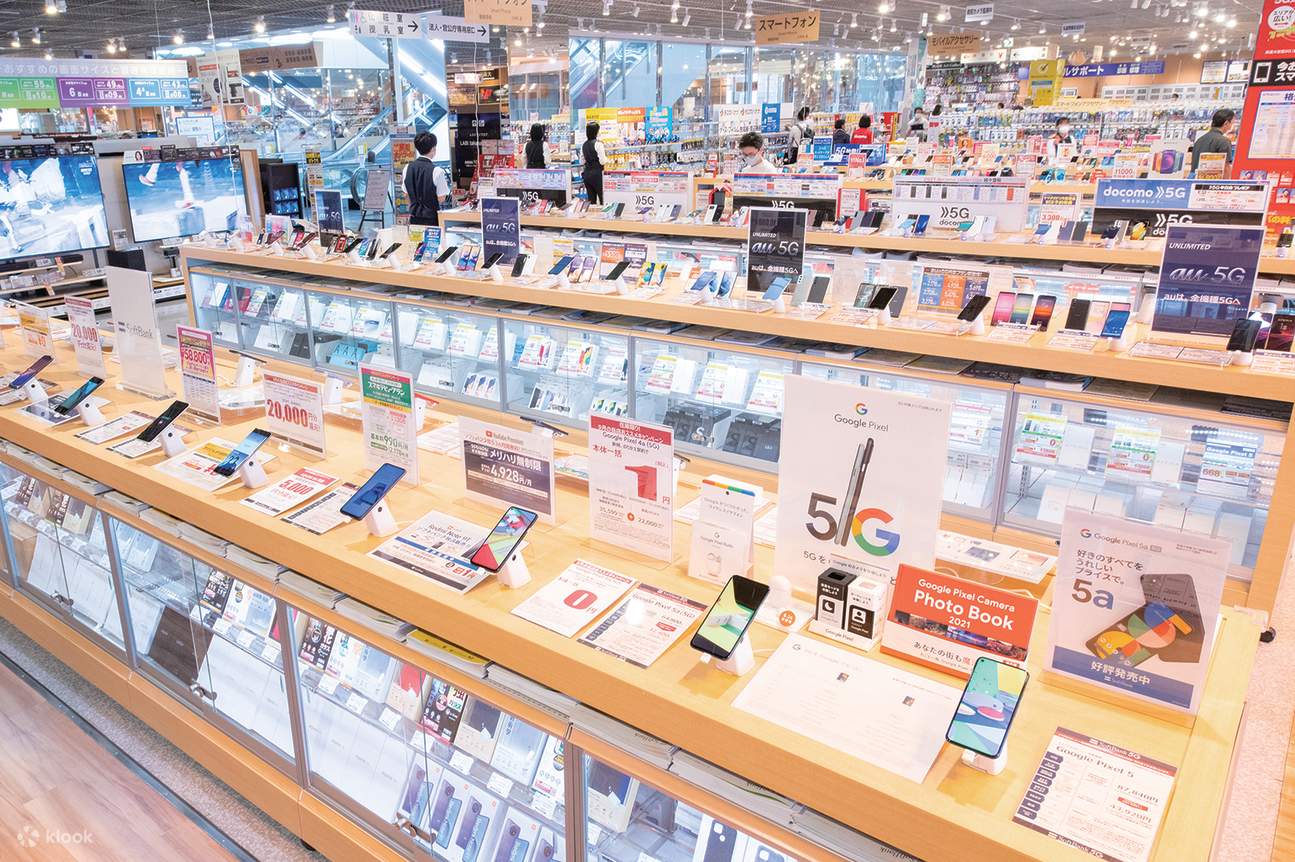
    Yamada Holdings, Japan’s premier consumer electronics retailer, is scheduled to merge with its competitor, Edion. This amalgamation is set to form Japan’s most extensive electronics retail conglomerate with an estimated annual turnover reaching 2.5 trillion yen (equivalent to roughly US$16 billion).

    The companies are due to formalize an initial agreement in the imminent week. The integration is projected to be orchestrated through a holding company, which will enable both retailers to maintain operations under their established brand names.

    Market Consolidation

    The merger would offer a combined sales volume more than twice that of their competitor, Bic Camera. This is a significant move towards further consolidation in a market experiencing slowed growth amidst escalating competition.

    During the fiscal year that concluded in March, Yamada reported sales of approximately 1.69 trillion yen (about US$10.5 billion), while Edion’s revenue was 793.7 billion yen (almost US$5 billion). United, these retailers would be listed among Japan’s most significant retail groups, trailing only Aeon, Seven & I Holdings, and Fast Retailing.

    The anticipated merger is intended to enhance scale, procurement capabilities, and product development abilities. In a bid to differentiate themselves, retailers are increasingly focusing on exclusive products and private-label offerings rather than merely competitive pricing.

    Expansion of Private-label Offerings

    Both companies have been broadening their private-brand product ranges. Yamada has unveiled an expanding range of private-label appliances, including an attractively priced front-loading washing machine that debuted last year.

    Simultaneously, Edion has made private-label products a strategic priority, introducing home appliances with unique designs aimed at the younger demographic.

    In 2012, Yamada Denki invested 10 billion yen to secure a controlling interest in competitor Best Denki.

    Questions & Answers

    What is the primary goal of the proposed merger between Yamada Holdings and Edion?
    The merger aims to boost scale, increase purchasing power, and enhance product development capabilities, with a focus on exclusive merchandise and private-label offerings.

    How will the merger impact the existing brands of both companies?
    The merger is expected to be structured through a holding company, allowing both Yamada Holdings and Edion to continue operating under their pre-existing brand names.

    How have Yamada Holdings and Edion been expanding their product ranges?
    Both companies have been focusing on expanding their range of private-label products. Yamada has introduced a variety of such appliances, while Edion has been producing uniquely designed home appliances targeted at younger consumers.

  • Dien May Xanh Sets Sights on Record-Breaking $546M IPO, Fueling Vietnams Vibrant Retail Market Boom

    Dien May Xanh Sets Sights on Record-Breaking $546M IPO, Fueling Vietnams Vibrant Retail Market Boom

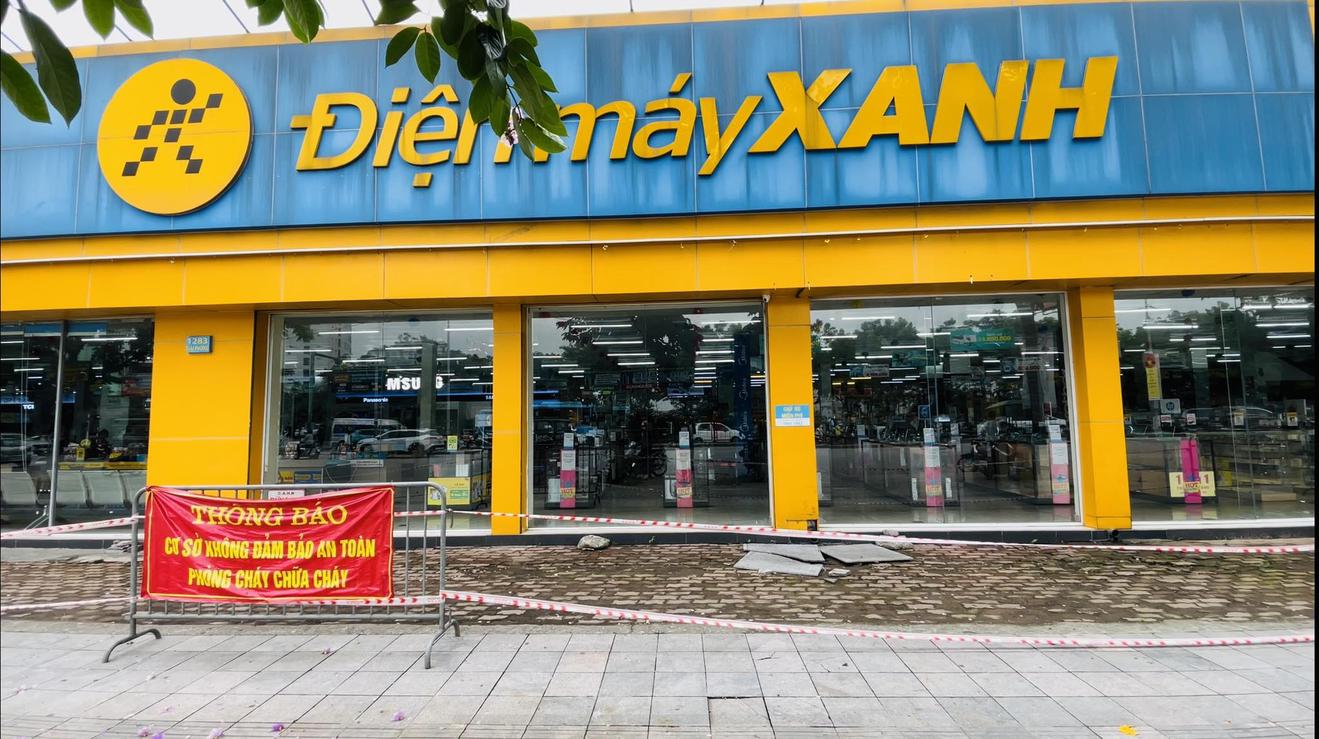
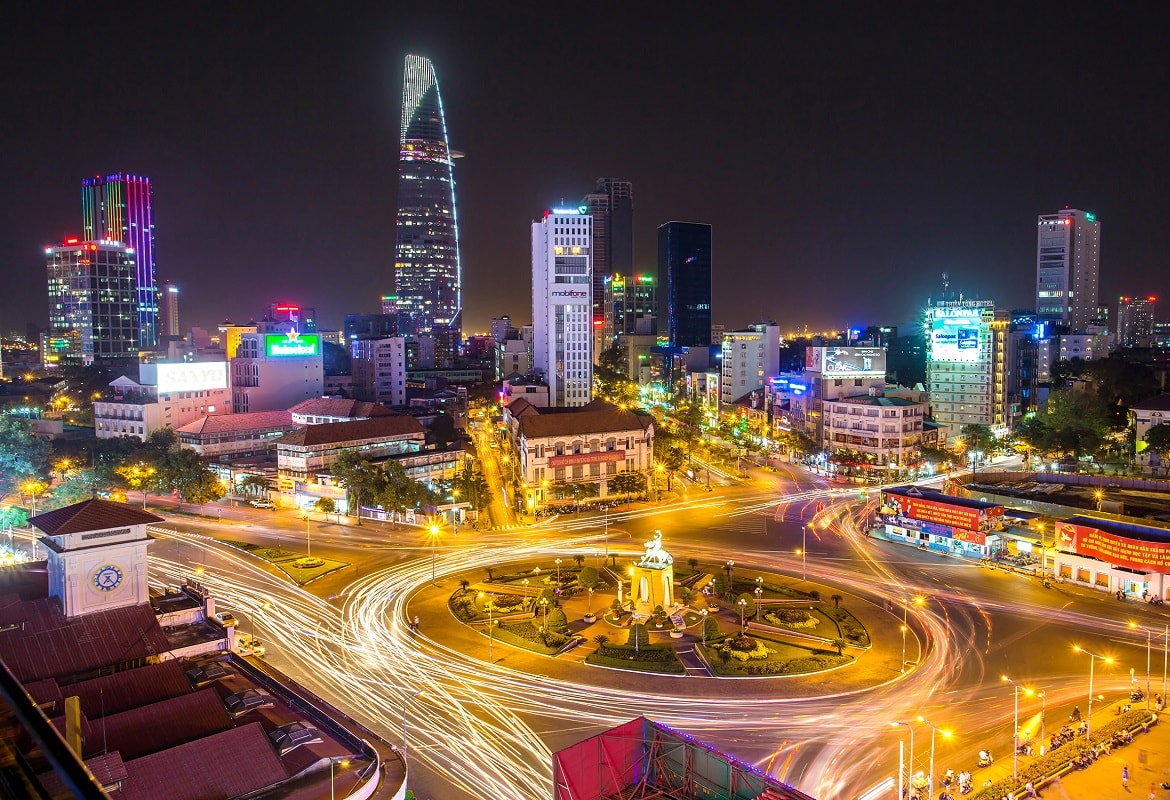
    Dien May Xanh, a Vietnamese electronics retailer and a branch of the Mobile World Investment Corporation, is set to garner approximately US$546 million via an initial public offering (IPO) later this year. The company aims to offer 79.5 million regular shares, each priced at 80,000 VND (US$3.04). If successful, this could be one of the most significant consumer retail listings in Vietnam in recent times. Vietcap Securities will serve as the adviser for the IPO.

    Purpose and Use of IPO

    Dien May Xanh has stated that the IPO is designed to boost transparency, fortify brand equity, and fuel future growth. The funding generated from the sale of shares will be directed towards debt repayment, business expansion, and other operational investments. This strategic move is to fortify the company’s foothold in Vietnam’s fiercely competitive consumer electronics industry.

    The company operates under the umbrella of the Mobile World Investment Corp (MWG), which holds the reputation of being one of Vietnam’s most prominent listed retailers. Dien May Xanh has established itself as a dominant force in the retail landscape with its vast national network of electronics and home appliance outlets.

    Known for its wide-ranging product inventory that includes smartphones, televisions, home appliances, and consumer technology products, Dien May Xanh has successfully catered to the increasing domestic spending and surging demand for digital devices.

    Growth Projections and Market Response

    By 2030, the company is aiming for an 11 percent compound annual revenue growth and a 16 percent annual net profit growth. These are ambitious yet attainable targets considering the current trajectory of Vietnam’s retail industry.

    Supported by the launch of five new growth pillars, Dien May Xanh is intent on reinforcing its market supremacy. It seeks to position itself as a compelling long-term investment option for both local and international financial institutions.

    The announcement of the IPO comes at a time when Vietnam’s capital markets are witnessing a surge in momentum, with a growing number of companies exploring listings. Market analysts have noted an uptick in investor interest, spurred by the possibility of Vietnam transitioning from a frontier market to an emerging market. This potential upgrade could attract an influx of foreign investment.

    Questions & Answers

    What is the main objective of Dien May Xanh’s IPO?
    The IPO aims to increase transparency, fortify the company’s brand equity, and support its future growth.

    How does Dien May Xanh plan to use the funds raised from the IPO?
    The funds raised will be channeled towards repaying debts, expanding the business, and making operational investments.

    What are Dien May Xanh’s growth targets for 2030?
    The company aims to achieve an 11 percent compound annual revenue growth and a 16 percent annual net profit growth by 2030.

  • Fast-Fashion Titan Shein Acquires Everlane in $100M Deal: A New Dawn in US Apparel Retail

    Fast-Fashion Titan Shein Acquires Everlane in $100M Deal: A New Dawn in US Apparel Retail

    Fast-fashion digital platform, Shein, is set to acquire Everlane from its predominant owner, L Catterton, in a transaction that estimates the US-based clothing retailer at roughly US$100 million. As part of the agreement, those possessing common stock in Everlane will not receive a payout, with no details disclosed regarding whether preferred shareholders will be compensated with cash or Shein shares.

    Disrupting the Retail Landscape

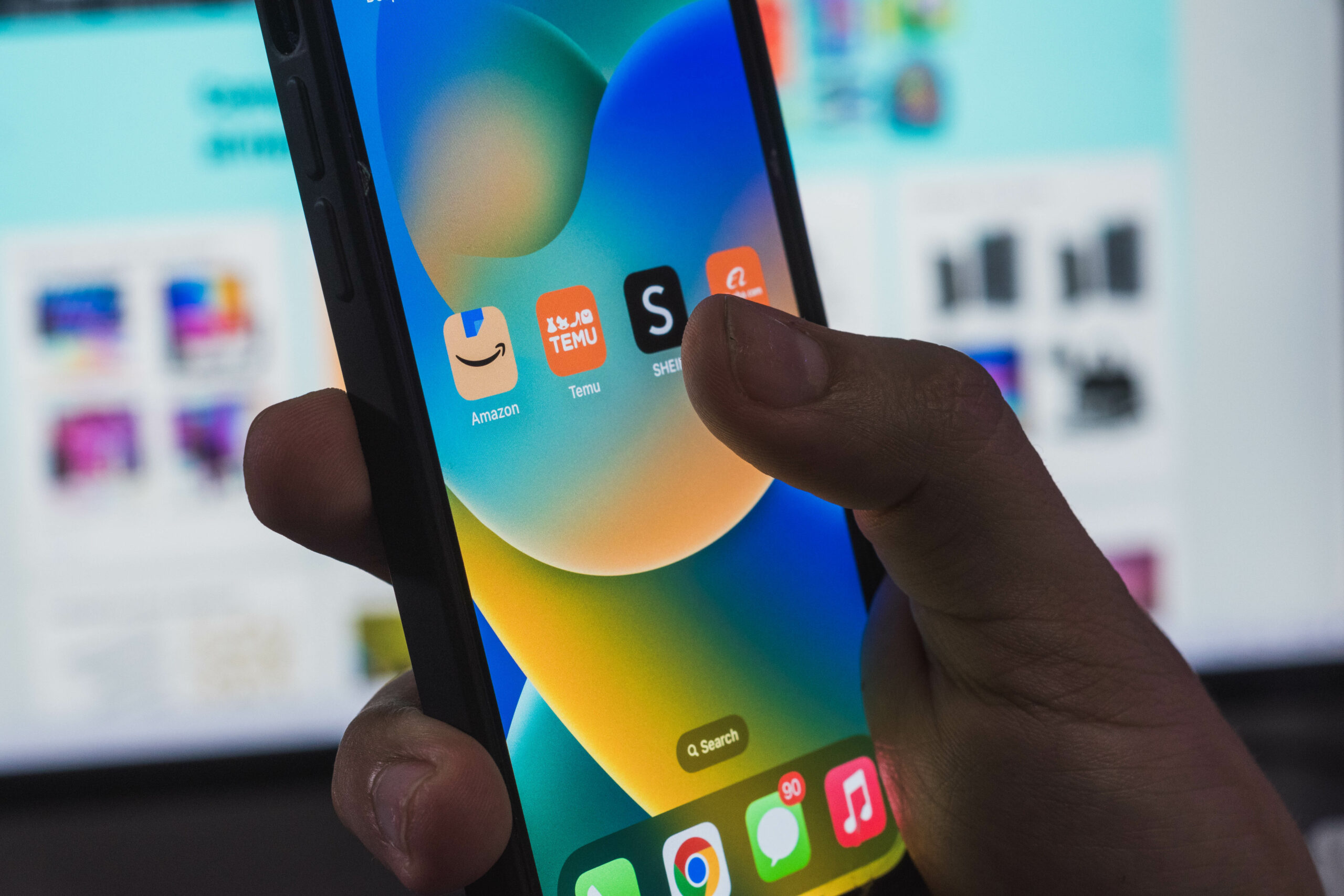
    Companies such as Shein and Temu have significantly disturbed the local retail sector, employing aggressive pricing, strategic marketing, and capitalising on tax loopholes. These tactics originally provided them with a substantial advantage over their local competitors.

    Reports surfaced in March that private equity firm L Catterton, along with Everlane CEO Alfred Chang, were on the lookout for an investor to alleviate their approximately $90 million debt. The private equity company expressed a willingness to contribute further funds if a co-investor was found. However, they also remained open to the possibility of a sale.

    Questions & Answers

    What is the estimated worth of the US-based retailer Everlane in the proposed acquisition by Shein?
    The acquisition by Shein values Everlane at about US$100 million.

    What impact have brands like Shein and Temu had on the local retail landscape?
    Shein and Temu have significantly disrupted the local retail industry through aggressive pricing, strategic marketing, and exploiting tax loopholes.

    What was the financial situation of Everlane and L Catterton prior to the acquisition?
    Before the acquisition, L Catterton and Everlane’s CEO Alfred Chang were seeking an investor to manage their approximately $90 million debt.

  • Thai Retail Powerhouse Siam Piwat and Huawei Transform Travel Retail with Wearable Tech Integration

    Thai Retail Powerhouse Siam Piwat and Huawei Transform Travel Retail with Wearable Tech Integration

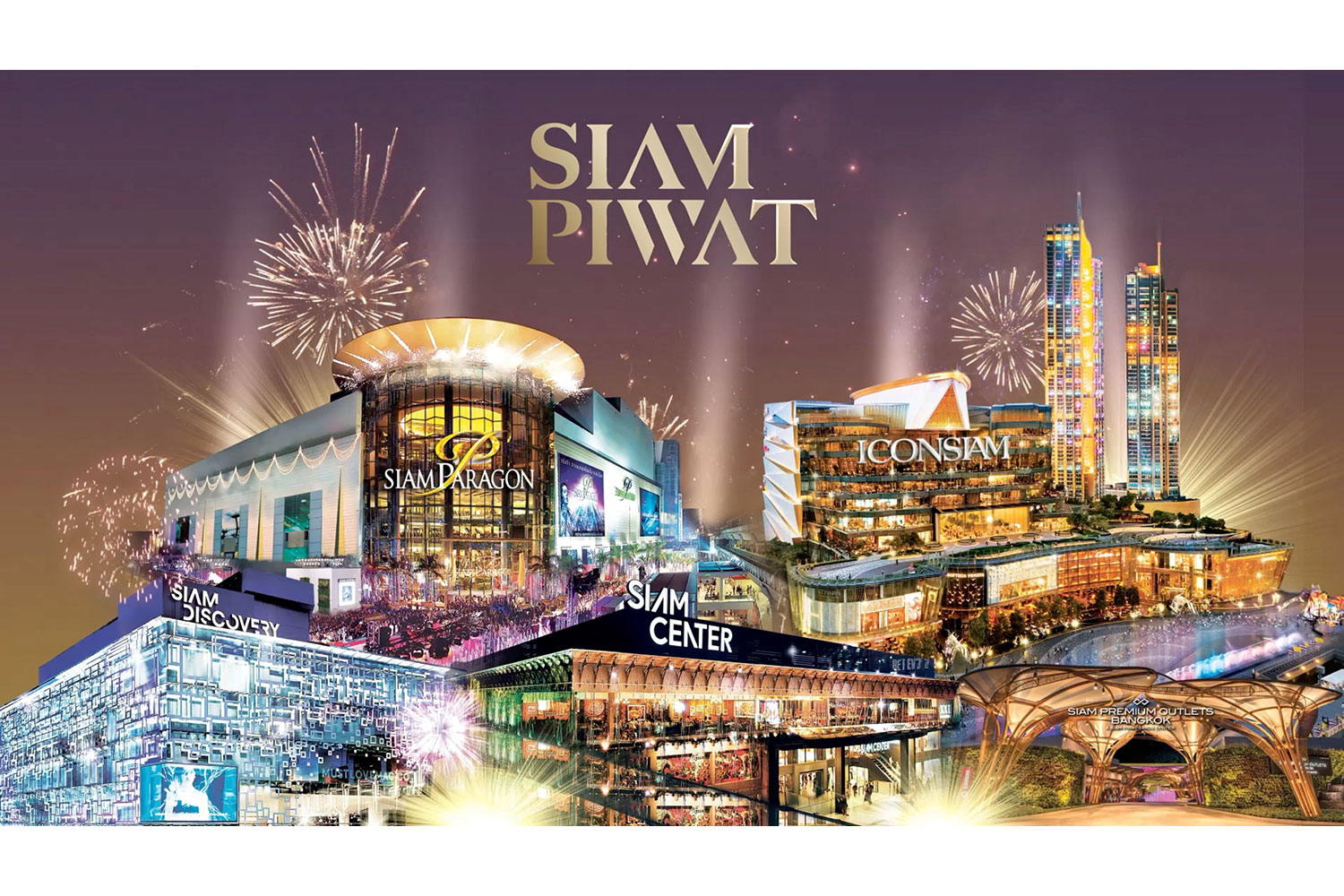
    Siam Piwat, a leading Thai real estate developer, has made a groundbreaking move in the retail sphere by becoming the first in Thailand to launch the OneSiam Global Visitor Card on Huawei Wearable devices. This strategic integration will provide access to over 200 million Huawei Wearable users across the globe.

    The primary aim of this collaboration is to attract high-value tourists from key regions such as China, Hong Kong, Japan, Malaysia, Indonesia, Vietnam, and other Southeast Asian countries. Siam Piwat, the mastermind behind renowned properties like Siam Paragon and IconSiam, anticipates that this alliance with Huawei will spur a transformation in the travel retail industry, increase the competitiveness of Thai tourism, and solidify Siam Piwat’s role as a cornerstone in designing global experiential destinations.

    A Continuous and Strategic Partnership

    This initiative is not the first collaboration between Siam Piwat and Huawei. They initially joined forces in 2020 when Siam Piwat incorporated Huawei Cloud to improve operational efficiency across retail omnichannels and enhance the OneSiam SuperApp, creating a platform that smoothly combines offline and online experiences.

    Amporn Chotiruchsakul, the president of the business support group at Siam Piwat, believes that this partnership has been instrumental in revolutionizing the retail industry and bringing value to customers, partners, and the entire ecosystem. He reiterated the importance of expanding their global partner ecosystem to accommodate the needs of modern travellers.

    Rachel Zhou, director of Huawei Consumer Cloud Service Apac, echoed these sentiments, emphasising that the strengthened partnership signifies a productive blend of world-class retail destinations and innovative technology which will create unrivalled value for Chinese travellers and international tourists visiting Thailand.

    Enhancing the Tourist Experience

    The integration of the OneSiam Global Visitor Card with Huawei Wearables offers international visitors to Siam Paragon and IconSiam the luxury of instant access to exclusive member benefits by simply raising their wrist.

    In addition, the launch of the OneSiam Global Visitor Card on Huawei Wearables will enrich the tourist experience by offering Quick Apps that are instantly usable and compatible with all operating systems, including iOS, Android, and HarmonyOS. These apps feature one-tap membership registration, e-coupons, and an in-mall navigation system—components designed to ensure a superior and personalized user experience.

    Moreover, the initiative aligns with the opening of the Huawei Experience Store flagship on the third floor of Siam Paragon in March. This flagship is the first in the Asia-Pacific region designed as a one-stop service centre for Huawei customers, amalgamating retail space, product trials, and full after-sales services in one location.

    Questions & Answers

    What is the main objective of the Siam Piwat and Huawei partnership?
    The partnership aims to attract high-value tourists from key regions, transform the travel retail industry, and reinforce Siam Piwat’s role in developing global experiential destinations.

    What benefits does the OneSiam Global Visitor Card offer to Huawei Wearable users?
    The card offers instant access to exclusive member benefits, features like one-tap membership registration, e-coupons, and an in-mall navigation system for a personalized user experience.

    What does the Huawei Experience Store flagship offer?
    The flagship, located at Siam Paragon, is designed as a one-stop service centre for Huawei customers, offering retail space, product trials, and full after-sales services.

  • Hong Kong Retail Sales Soar for 11th Consecutive Month, Fueled by Local Demand and Tourism Surge

    Hong Kong Retail Sales Soar for 11th Consecutive Month, Fueled by Local Demand and Tourism Surge

    In March, Hong Kong’s retail sector saw a 12.8% increase in sales compared to the same month in the previous year. This marks the 11th consecutive month of growth, according to recent government data. Sales touched HK$33.9 billion (US$4.33 billion), demonstrating a healthy economy. In February, the year-on-year rise was recorded at 19.3%.

    Key Growth Areas

    Motor vehicle sales exhibited notable progress, with a surge in purchases just before the first registration tax concessions for electric private cars expired at the end of March.

    When it comes to sales volume, a 9.8% increase was observed in March compared to the same period last year. This is slightly less than February’s 17.5% rise.

    For the initial quarter of 2026, the total value of retail sales rose by 12.1% year-on-year, while the volume of retail sales witnessed a 9.8% increase.

    A government representative attributed the positive trajectory of retail sales to the recovery of local demand, steady growth in tourist arrivals, and a favourable macro-financial environment.

    The Hong Kong Tourism Board reported a 14% year-on-year increase in visitor arrivals in March, reaching 4.35 million. Chinese mainland visitors, who account for a significant portion of these arrivals, increased by 15.9% year-on-year to 3.19 million.

    Sector-Specific Performance

    Specific sectors such as jewellery, watches, clocks, and valuable gifts experienced a robust growth of 27.2% year-on-year in March, following a 24.2% rise in February.

    The motor vehicles and parts sector saw an impressive 80.8% year-on-year jump in March, substantial growth from the 37.3% rise seen in February.

    Meanwhile, the clothing, footwear, and related products sector saw a modest increase of 5.9% year-on-year in March, a decrease from the 14.1% rise recorded in February.

    Questions & Answers

    What was the percentage increase in Hong Kong’s retail sales in March?
    Retail sales in Hong Kong saw a 12.8% rise in March compared to the same month in the previous year.

    Which sectors saw significant growth in March?
    The motor vehicles and parts sector, as well as the jewellery, watches, clocks, and valuable gifts sector, experienced substantial growth in March.

    What factors contributed to the positive outlook for retail sales?
    The recovery of local demand, steady growth in inbound tourism, and a favourable macro-financial environment have all played a role in the optimistic outlook for retail sales.

  • Singapore Retail Sales Soar in March with Robust Online Presence and Recreational Goods Demand

    Singapore Retail Sales Soar in March with Robust Online Presence and Recreational Goods Demand

    The retail sector in Singapore experienced further growth in March, building on the momentum gained in February. The Department of Statistics reports a 3.3% year-on-year increase in retail sales for March, not counting motor vehicles, parts, and accessories. This follows a significant 11.3% surge in February.

    The estimated total value of retail sales for the period was SG$3.8 billion (US$2.98 billion), with nearly a fifth (18.9%) coming from online sales. On a seasonally adjusted basis, retail sales also saw a 3.3% increase in March compared to the preceding month.

    Performance Across Various Sectors

    The growth in March was broad-based, with most sectors recording year-on-year sales growth. Recreational goods led the way with a 13.1% increase, followed by computer and telecommunications equipment, which saw an 11.9% boost, partly attributed to higher mobile phone sales.

    Other sectors that experienced single-digit growth include watches and jewelry, apparel and footwear, cosmetics and medical goods, supermarkets, and convenience stores.

    However, not all sectors fared well. Sales of food and alcohol saw a 6% drop, department stores reported a 5.7% decrease, and furniture and household equipment sales fell by 1.9%.

    Meanwhile, food and beverage services noted a 2.3% rise in sales during March, sustaining the upward trend seen in February.

    Questions & Answers

    What was the overall retail sales growth in Singapore in March?
    The overall retail sales in Singapore grew by 3.3% year-on-year in March.

    Which sectors recorded the highest sales growth in March?
    Recreational goods and computer and telecommunications equipment sectors recorded the highest sales growth in March, with an increase of 13.1% and 11.9% respectively.

    Did all sectors experience growth in March?
    No, sales in the food and alcohol, department store, and furniture and household equipment sectors experienced declines in March.

  • China’s Retail Titan Meiyijia Debuts in Vietnam as Ohmee, Eyes Southeast Asia Expansion

    China’s Retail Titan Meiyijia Debuts in Vietnam as Ohmee, Eyes Southeast Asia Expansion

    China’s leading convenience store chain, Meiyijia, is propelling its expansion into Southeast Asia with the launch of its first stores in Vietnam under a fresh international brand, Ohmee.

    Marking the company’s maiden retail venture beyond China, three stores have already been established in Vietnam’s capital city, Hanoi. Ohmee has plans for further growth through franchising, adopting the successful business model that allowed Meiyijia to rapidly scale to a massive network of stores within its domestic market.

    Meiyijia’s Impressive Growth

    Meiyijia, birthed in Guangdong in 1997, has evolved into one of China’s most powerful convenience store chains. It boasts a vast network exceeding 40,000 stores. The key drivers of the company’s domestic growth have been its dense urban coverage and high supply chain efficiency.

    The Retail Landscape in Vietnam

    The convenience store market in Vietnam is dominated by major chains such as Circle K, GS25, Ministop, and 7-Eleven. With its entry into this competitive market, Meiyijia, under its Ohmee brand, intends to make a significant impact. Reports suggest that the company’s expansionary activities are not limited to Vietnam, with Malaysia also being on their radar.

    Questions & Answers

    What is Meiyijia’s new overseas brand called?
    The new overseas brand is called Ohmee.

    Where has Meiyijia opened its first stores outside of China?
    Meiyijia has opened its first stores outside of China in Vietnam’s capital, Hanoi.

    Which other Southeast Asian country is Meiyijia reportedly expanding into?
    Meiyijia is reportedly expanding into Malaysia.

  • Reliance Retail Ups Beauty Game with Acquisition of Priyanka Chopra Jonas’s Anomaly

    Reliance Retail Ups Beauty Game with Acquisition of Priyanka Chopra Jonas’s Anomaly

    Reliance Retail, the premier retailer in India, has recently added the Anomaly haircare brand, owned by globally renowned actor Priyanka Chopra Jonas, to its portfolio.

    Strategic Acquisition of Anomaly

    Anomaly was established by Chopra Jonas in 2021. It offers a range of affordable vegan haircare products that are sold globally. The brand was acquired from Maesa, a U.S.-based beauty company. The acquisition marks a strategic move for Reliance Retail as it continues to diversify its range of offerings with cutting-edge, fast-growing beauty brands.

    Isha Ambani, Executive Director at Reliance Retail Ventures, commented on the acquisition. She stated that Anomaly’s powerful global presence, commitment to clean formulation, and affordable pricing make it a valuable addition to the company’s ecosystem. Ambani sees substantial potential for growth in a collaborative effort with Chopra Jonas, aiming to expand Anomaly’s market in India by capitalizing on Reliance Retail’s omnichannel capabilities and deep consumer insight, while also increasing the brand’s international footprint.

    Plans for Expansion

    Reliance Retail intends to concentrate on expanding Anomaly’s presence in India. The company will also work towards increasing the brand’s market in North America, the United Kingdom, and the Middle East.

    Chopra Jonas expressed her excitement about the new journey Anomaly embarks on following the acquisition by Reliance Retail. She remarked that what started as a deeply personal endeavor has now evolved into a brand with a significant purpose and global ambitions.

    Questions & Answers

    What is Anomaly and who owns it?
    Anomaly is a vegan haircare brand that was founded in 2021 by the world-renowned actor Priyanka Chopra Jonas.

    Who acquired Anomaly?
    Anomaly was recently acquired by Reliance Retail, the largest retailer in India.

    What are Reliance Retail’s plans for Anomaly?
    Reliance Retail plans to expand Anomaly’s presence in India using its omnichannel capabilities and deep consumer insights. It also aims to increase the brand’s market in North America, the United Kingdom, and the Middle East.

  • SM Home Revolutionizes Retail with Innovative Store Concept in Makati Flagship Overhaul

    SM Home Revolutionizes Retail with Innovative Store Concept in Makati Flagship Overhaul

    SM Home, the popular home and living subsidiary of Philippine retail giant SM, is set to unveil its freshly redesigned Makati flagship store this week. This debut also marks the commencement of a wider overhaul of SM Home’s retail format.

    Innovation in Store Design

    The Makati branch is the pioneer location to be revamped under SM Home’s novel framework, with plans to apply the same blueprint to SM Home Aura and SM Home Megamall stores in the near future.

    The redesigned stores feature a meticulously reconfigured layout, segmenting the store into dedicated zones for kitchen, dining, living, bedroom, bathroom, storage, laundry, cleaning, and a gift registry. This restructure aims to offer a streamlined, efficient shopping experience for customers.

    Beyond Visual Appeal

    Janice Yang, Business Unit Head at SM Home, emphasized that the modifications extend beyond mere aesthetic enhancements. These changes include thorough product curation, brand identity revamp, and a comprehensive transformation of the overall in-store experience.

    The innovative concept keenly blends core household essentials with more “aspirational products”. This fusion allows customers to make everyday purchases and more significant, higher-value investments within a single retail environment.

    Commitment to Customer Satisfaction

    Yang added, “We are rebuilding SM Home, starting with Makati, because Filipinos deserve a home store that is built for real life.” This statement resonates with SM Home’s commitment to offering its customers a retail experience tailored to their real-life needs and preferences.

    With over 70 nationwide locations, SM Home aims to gradually extend this novel retail format to its other stores nationwide.

    Questions & Answers

    What is the new store layout of SM Home’s redesigned stores?
    The newly designed stores are divided into dedicated zones for kitchen, dining, living, bedroom, bathroom, storage, laundry, cleaning, and a gift registry.

    What changes were made in the SM Home’s store redesign?
    The redesign includes a complete overhaul of the store layout, product curation, brand identity revamp, and an overall transformation of the in-store experience.

    What is the objective behind SM Home’s store redesign?
    SM Home aims to offer Filipinos a home store experience that is built for real life, combining everyday household essentials and higher-value aspirational products in a single retail environment.

  • E-Commerce Boom Sparks Exodus from Hanoi’s Prime Retail Spaces Despite Slashed Rents

    E-Commerce Boom Sparks Exodus from Hanoi’s Prime Retail Spaces Despite Slashed Rents

    Despite steep rent discounts offered by landlords, numerous stores in prime retail locations in Hanoi are shutting down, unable to withstand the pressure from the burgeoning e-commerce industry. Last month, Thai Hoang, a 39-year-old retailer, abandoned his spacious 40-square-meter clothing store on Thai Ha Street, a renowned fashion destination in the city. Even when faced with a 6% reduction on the monthly rent of VND35 million (approximately USD1,330), declining sales led Hoang to relocate his business online.

    A Shift in Retail Trends

    Several businesses situated on prominent retail streets such as Thai Ha, Kim Ma, and Hue have followed a similar trajectory in recent months, vacating their premises despite landlords’ desperate attempts at retention through double-digit discounts. On Kim Ma and Nguyen Thai Hoc Streets, well-known for their blend of fashion stores and food and beverage outlets, a significant number of “for lease” and “for sale” signs can be observed.

    Mai Loan, an experienced property broker in Hanoi, identifies the townhouse segment as being in a prolonged slump, with small, narrow properties with limited parking struggling to maintain viability even in prime locations.

    Not Just a Temporary Setback

    Statistics from the online listing platform Batdongsan indicate a 22% drop in private housing interest in Hanoi since the end of last year, with average asking rents for townhouses in certain areas dropping by 13-37% from their 2025 peaks.

    Mai Vo, director of retail services at property consultancy CBRE Vietnam, suggests that this lack of tenants in prime locations is not a temporary downturn but signifies a major market shift. In the past, businesses were willing to pay premium prices for central street locations for branding purposes. However, the rise of e-commerce and integrated shopping malls has drastically altered consumer behavior, diminishing the allure of standalone retail outlets.

    The Market Rebalances

    In response to this shift, landlords are compelled to reduce rents to retain tenants. “Adjusting rents is a sign that the market is rebalancing,” Vo added. Rapidly rising rents in previous years have also reduced the competitiveness of townhouses, with many properties deteriorating and unable to meet branding requirements, thus becoming less appealing.

    Hoang Nguyet Minh, general director of property consultancy Cushman & Wakefield Vietnam, added that the pressure from stringent urban management and sidewalk regulations had also made it difficult for many food businesses to continue operating in small, narrow spaces. However, she believes that this presents an opportune moment to secure prime business locations as the market currently has ample affordable supply.

    Questions & Answers

    Why are retail businesses in Hanoi vacating their premises?
    Many businesses are struggling to survive amid the e-commerce boom, with declining sales forcing them to relocate their businesses online.

    What factors are leading to this trend?
    The rise of e-commerce and integrated shopping malls have significantly affected consumer behavior, reducing the attractiveness of standalone retail outlets, even in prime locations.

    How is the market responding to this shift?
    The market is responding by rebalancing, with landlords reducing rents to retain tenants. Meanwhile, businesses are adapting by shifting their focus to online sales.

  • Stacked Store Revolutionizes Singapore Retail With First Standalone Shop: A Blend of Unique Brands, Immersive Experience & Dynamic Events

    Stacked Store Revolutionizes Singapore Retail With First Standalone Shop: A Blend of Unique Brands, Immersive Experience & Dynamic Events

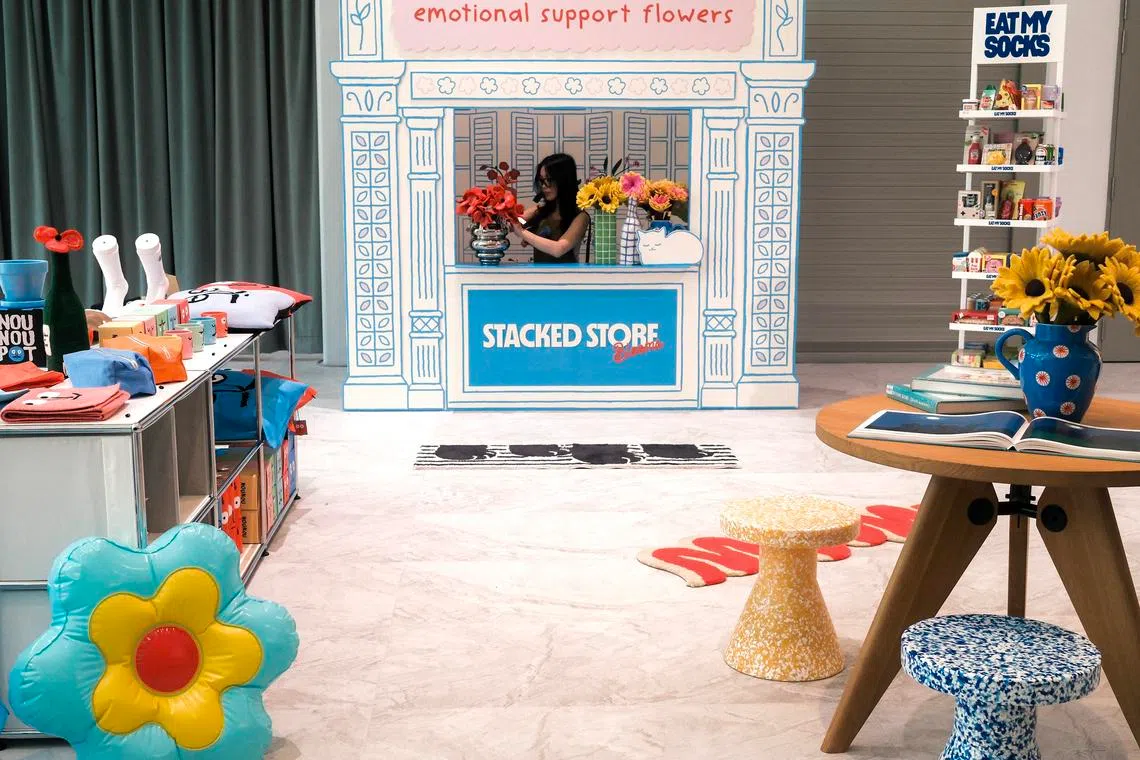
    Stacked Store is set to launch its inaugural independent retail establishment in Singapore’s New Bahru district on May 16, broadening its physical presence following its predominant operation as an online platform.

    A New Take on Retail

    Sited within The Factory, this establishment is envisaged as a hybrid of retail and exploration. It showcases an expertly curated assortment of independent brands, unique home decor items, and design-centric products that ordinary mass-market stores seldom offer.

    The interior design follows a bare, industrial style, with the primary structure of the space made up of raw scaffolding. This contrasting backdrop is designed to accentuate the products on display while promoting a more leisurely, tactile shopping experience.

    Unique Features

    One of the primary attractions is the brand’s trademark living room setting, which has been reimagined for the new location in partnership with W Atelier.

    However, the venue is not just for shopping. It also serves as a platform for engaging customers with the brand. Stacked Store intends to organize workshops, collaborative pop-up events, and exclusive product launches. It also plans to debut its forthcoming in-house brand.

    Expanding Physical Presence

    Earlier this month, the retailer broadened its offline footprint by opening the IMBA Store – the exclusive gift shop for interactive exhibitions at Gardens by the Bay.

    Questions & Answers

    What is the concept behind the new Stacked Store location in Singapore’s New Bahru district?
    The new location is a hybrid of retail and discovery, offering a curated selection of independent brands and unique home decor items. The store is designed to provide a leisurely, tactile shopping experience.

    What unique features does the Stacked Store offer?
    The store houses a reimagined version of the brand’s signature living room setting. It will also serve as a platform for brand engagement, hosting workshops, collaborative pop-ups, exclusive product launches, and unveiling its in-house brand.

    Has Stacked Store expanded its physical presence in other ways?
    Yes, the retailer launched the IMBA Store, the official gift shop for interactive exhibitions at Gardens by the Bay, earlier this month to broaden its offline presence.

  • DFI Retail Group Sees Robust Sales Boost Driven by Beauty and Health Segment Amid Global Challenges

    DFI Retail Group Sees Robust Sales Boost Driven by Beauty and Health Segment Amid Global Challenges

    The Hong Kong-based DFI Retail Group has recently announced a steady increase in sales for the first quarter of the year, primarily fueled by their health and beauty sector.

    Driving Growth with Health and Beauty

    Excluding cigarette sales, the DFI Retail Group reports a 4% sales rise on a year-on-year basis, using a constant currency, and a 3% increase on a like-for-like (LFL) basis. The health and beauty division is credited with a large part of this growth, with a 7% boost in LFL sales, thanks to increased transaction counts and larger basket sizes.

    In Hong Kong, Mannings saw notable growth due to a surge in tourist store sales, driven by an uptick in visitor arrivals. Similarly, Guardian’s sales in Southeast Asia reflected a robust performance in the wellness category. Standout growth was seen in Indonesia and Vietnam, which delivered double-digit LFL sales growth due to increased customer traffic.

    Divisional Performance and Growth

    Excluding cigarette sales, the convenience division, which includes 7-Eleven, saw a 2% growth on a LFL basis. Sales at 7-Eleven increased by 3% in both Hong Kong and Singapore, while sales in South China remained stable.

    The food division showed signs of improvement, with a reported 1% sales increase in Hong Kong. Home furnishings (Ikea) also showed positive trends, with a 4% growth. Both Hong Kong and Taiwan saw mid-single-digit LFL sales growth, owing to Chinese New Year promotions. Meanwhile, Indonesia bolstered its omnichannel strategy with robust online sales growth.

    Profit Growth Despite Market Challenges

    Operating profit from continuing businesses, excluding impacts from the divestment of the Singapore food business and the closure of Mannings China, grew by 12%. The underlying profit from ongoing businesses significantly increased by 49%.

    Despite a dynamic trading environment and increasing geopolitical uncertainties, DFI management stated the group remained resilient. This resilience was attributed to sourcing improvements and cost optimization, which supported price competitiveness and mitigated the impact of oil price volatility.

    DFI confirmed its full-year guidance of an underlying profit in the range of US$270 million to $300 million, supported by an organic revenue growth of approximately 2-3%.

    Questions & Answers

    What division drove the most growth for DFI Retail Group in the first quarter?
    The health and beauty division was the primary driver of growth in the first quarter, with a 7% increase in LFL sales.

    How did geopolitical uncertainties impact DFI Retail Group’s performance?
    Despite geopolitical uncertainties, DFI remained resilient due to sourcing improvements and cost optimization, which helped maintain price competitiveness and minimize the impact of oil price volatility.

    What is the projected full-year guidance for DFI’s underlying profit?
    DFI’s projected full-year guidance for underlying profit is in the range of US$270 million to $300 million, supported by an expected organic revenue growth of about 2-3%.