Retail News CRM

Tag: Retail

  • Prada Unveils Asia-Pacific’s Largest Store at Landmark Hong Kong: A New Era of Luxury Retail

    Prada Unveils Asia-Pacific’s Largest Store at Landmark Hong Kong: A New Era of Luxury Retail

    Prada, the iconic Italian fashion house, has inaugurated a new flagship boutique at Landmark Hong Kong. This development comes as a part of the brand’s ongoing mission to refine its tangible presence in the city and within the Landmark retail complex.

    Grand Opening

    Sprawling over an impressive 1300-square-meter expanse, the newly opened store arranged over three levels stands as the brand’s biggest outlet in the Asia-Pacific region. This prime location at the intersection of Des Voeux Road and Ice House Street boasts conspicuous street-facing windows and a striking off-white steel facade.

    The exterior design showcases Prada’s signature triangular motif and is adorned with a sophisticated Porto Bianco stone finish, enhancing the overall aesthetic appeal of the store.

    Inside The Flagship

    The store’s interior carries forward the quintessential Prada design elements that are seen in other boutiques worldwide. A tasteful combination of a black-and-white checkered marble floor, green wall finishes, and black metal detailing lends a luxurious and contemporary vibe to the space.

    The store’s first floor is dedicated to women’s ready-to-wear pieces, while the second floor primarily caters to menswear. A limited selection of women’s items can also be found on this floor. The ground floor offers an exclusive shopping experience with private rooms specifically designed for fine jewellery consultations and personalisation services.

    The Larger Retail Landscape

    Prada’s relocation is indicative of the persistent demand for large-format stores in premium locations among international luxury brands. This is in spite of the shifting tourism dynamics and changes in consumer spending patterns in Hong Kong’s retail market.

    Questions & Answers

    What does the new Prada store’s relocation signify?
    The move signifies the ongoing demand for large retail spaces in prime locations by international luxury brands, despite changes in consumer spending and tourism in Hong Kong.

    What are the distinguishing features of the new Prada store?
    The new store is characterized by its street-facing windows, an off-white steel facade featuring Prada’s triangular motif, and Porto Bianco stone finishes. The interior boasts a black-and-white checkered marble floor, green wall finishes, and black metal detailing.

    What does the layout of the new Prada flagship store look like?
    The 1300-square-meter store is spread over three levels. The first floor is dedicated to women’s ready-to-wear, the second floor primarily houses menswear along with some women’s items, and the ground floor includes private rooms for fine jewellery appointments and personalisation services.
  • Unstoppable Uniqlo: Fast Retailing’s Profits Skyrocket with Global Expansion Strategy

    Unstoppable Uniqlo: Fast Retailing’s Profits Skyrocket with Global Expansion Strategy

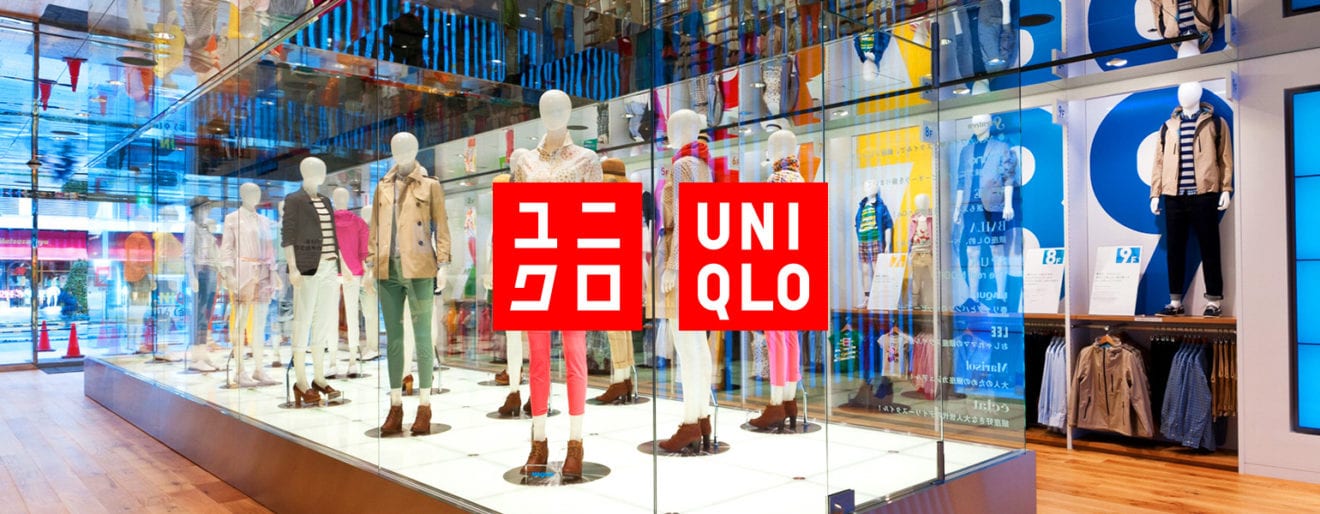
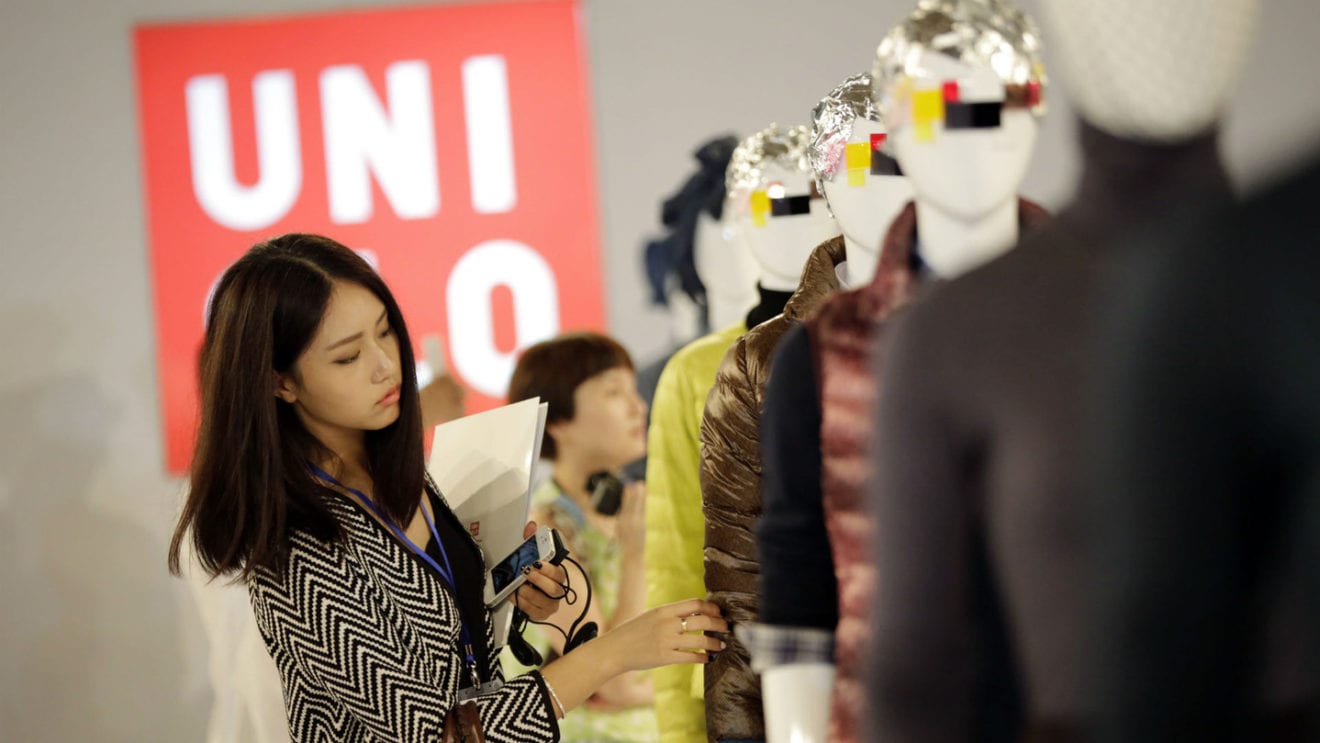
    Fast Retailing, which operates the Uniqlo clothing brand, has reported a significant increase in its quarterly operating profit, attributing the boost to a robust global sales growth. The increase in profits has enabled the company to withstand the impact of US tariffs.

    The company is currently marking its fifth consecutive year of profit. It has seen a rise in sales in China, which is its largest international market. This sales spike has been supplemented by an aggressive growth strategy in North America and Europe.

    During the quarter, Fast Retailing inaugurated key stores in Antwerp, Birmingham, and Munich. The company also has plans to establish a series of new flagship stores in key US cities, such as Chicago, New York, and Boston.

    Fast Retailing, which is known for its durable basic items, is viewed as an indicator of consumer sentiment in both Japan and China. It reported a 34% increase in operating profit to 205.6 billion yen (US$1.3 billion) during the September-November period, stemming from a 15% increase in revenue. This impressive performance exceeded the consensus estimates of 177 billion yen.

    The company also witnessed a 20.6% growth in profit from its domestic business compared to the previous year, largely due to rising demand for sweatshirts and warm innerwear.

    Numerous international markets observed double-digit growth in both revenue and profit. Sales in the autumn season were particularly strong in China, and a collaborative venture with e-commerce giant JD helped to attract new customers.

    In summary, the international segment of Fast Retailing reported a profit growth of 41.6%.

    For the full year, the company has raised its operating profit target to 650 billion yen, up from the previously set target of 610 billion yen.

    In a bid to reduce its reliance on the China market, which was significantly impacted by stringent Covid-19 restrictions, Fast Retailing has focused on North America and Europe as its primary growth regions.

    Questions & Answers

    What has contributed to Fast Retailing’s recent success?

    Fast Retailing’s success can be attributed to robust global sales growth, a rise in sales in China, its largest overseas market, and an aggressive expansion strategy in North America and Europe.

    What has been the impact of the company’s domestic business on its growth?

    The company’s domestic business has had a positive impact on its growth, with a 20.6% increase in profit thanks to the strong demand for sweatshirts and warm innerwear.

    How has Fast Retailing responded to the challenges posed by Covid-19 restrictions in China?

    Fast Retailing has sought to lower its dependence on the Chinese market by focusing on North America and Europe as its primary growth areas.

  • Ikea to Close Seven Stores in China Amid Retail Struggles, Focuses on Online Growth and Precise Market Cultivation

    Ikea to Close Seven Stores in China Amid Retail Struggles, Focuses on Online Growth and Precise Market Cultivation

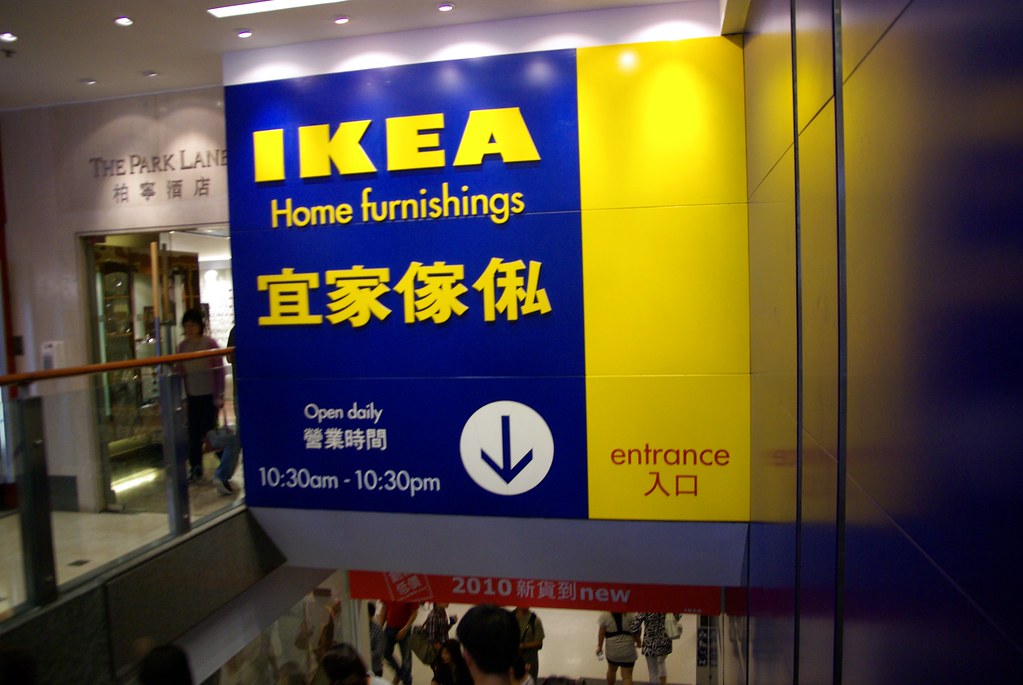
    Swedish furniture giant, Ikea, has announced that it will be shutting down seven of its outlets in China, effective from February 2. The decision was revealed in a statement issued by the company on Wednesday.

    The targeted locations for the shutdown include a branch in Shanghai’s suburbs, another in Guangzhou, as well as several others scattered across secondary cities such as Nantong, Xuzhou, and Harbin.

    Retail businesses, in general, have been grappling with sales growth in China, as consumer confidence continues to wane, stemming from a long-standing property crisis, job security worries, and stagnant wages.

    Presently, Ikea has approximately 40 stores operating on the Chinese mainland. The company disclosed in its statement that five new stores of varying sizes have commenced operations recently.

    China, being the world’s second-largest economy, contributes approximately 3.5% to Ikea’s global sales. However, an increasing proportion of these sales originates from online flagship stores. To further nurture this online sales growth, Ikea inaugurated a new store on JD in August of the previous year.

    The company stated that it will be shifting its strategy from large-scale expansion to precise cultivation, focusing on major markets such as Beijing and Shenzhen. This strategy includes the launch of over ten smaller stores within the next two years. The company also stated that it anticipates new store openings in the cities of Dongguan and Beijing during the first half of 2026.

    Questions & Answers

    Which Ikea stores in China are slated for closure?
    Ikea plans to close stores in suburban Shanghai, Guangzhou, and several other locations in secondary cities such as Nantong, Xuzhou, and Harbin.

    What proportion of Ikea’s global sales does China account for?
    China accounts for about 3.5% of Ikea’s global sales.

    What is Ikea’s strategy going forward in China?
    Ikea plans to shift from large-scale expansion to precise cultivation, focusing on major markets like Beijing and Shenzhen, and opening more than ten small stores over the next two years. There are also plans for new store openings in Dongguan and Beijing in the first half of 2026.

  • Taiwan’s Retail Boom: Major Shopping Centre Openings Set to Transform Retail Landscape

    Taiwan’s Retail Boom: Major Shopping Centre Openings Set to Transform Retail Landscape

    A surge of new shopping centers is expected to hit the market in Taiwan this year as developers maintain their commitment to large-scale multipurpose ventures.

    One of the most anticipated launches is the Far Eastern Sogo Department Store’s Garden City in Taipei, which is slated to open its doors in March. With an impressive 99,000 square meters in size, this complex will encompass retail outlets, dining options, and cinema halls, all conveniently linked to the Taipei Dome.

    Company chairperson, Sophia Huang, expressed the company’s high expectations for Garden City, predicting it to pull in over $313.66 million in annual revenue. When combined with the total revenue from its Fuxing, Zhongxiao, and Tianmu locations in Taipei, the group’s annual earnings could potentially reach an impressive $1.58 billion.

    In Taichung, the upcoming opening of Hanshin Intercontinental Shopping Plaza this year marks Hanshin’s first business venture beyond Kaohsiung.

    In addition, Mitsui Fudosan is bolstering its presence in Taiwan. The company has announced that its third Mitsui Shopping Park LaLaport, currently under construction in Kaohsiung’s Fengshan District, is on track to open its doors before the year ends. This mall, with its 270 stores, will offer a variety of dining options, drugstores, a supermarket, a considerable-sized bookstore, and the Arte Museum.

    The development company also divulged plans for a new Mitsui Outlet Park near the Taiwan High Speed Rail Tainan Station. Expected to open either in the first or second quarter, the 240-store outlet center will accommodate home goods retailers, electronics stores, a Japanese-style supermarket, and food and beverage vendors.

    Concerning market conditions, Tsai Ming-chang, the chairman of the Taiwan Shopping Center and Commercial Real Estate Association, noted that while performance in department stores remained steady last year, it’s anticipated to see an improvement. He added that Garden City is poised to create a unique commercial and cultural ambience distinct from the Xinyi District.

    Tsai went on to say, “While Xinyi will persist in drawing in luxury and fashion shoppers, the Taipei Arena area will likely attract consumers who are more interested in cultural, creative, and green spaces.”

    Questions & Answers

    What is the expected annual revenue for the Garden City project in Taipei?
    The company chairperson, Sophia Huang, predicts that the Garden City project will generate over $313.66 million in annual revenue.

    What are the offerings envisaged for the Mitsui Shopping Park LaLaport under construction in Kaohsiung’s Fengshan District?
    The mall will feature several dining outlets, drugstores, a supermarket, a large bookstore, and the Arte Museum among its 270 stores.

    Who is the chairperson of the Taiwan Shopping Center and Commercial Real Estate Association, and what are their thoughts on the future of the retail market in Taiwan?
    The chairman of the association is Tsai Ming-chang, who believes that although department store performance remained steady last year, it is expected to improve. He also mentioned that different areas in Taiwan will attract different demographics of shoppers.

  • Thai Giant Central Retail Waves Goodbye to Vietnam’s Electronics Market, Selling Nguyen Kim Amid Mounting Losses

    Thai Giant Central Retail Waves Goodbye to Vietnam’s Electronics Market, Selling Nguyen Kim Amid Mounting Losses

    Thai conglomerate Central Retail has finalized the sale of its entire share in Nguyen Kim Electronics, signifying its departure from the consumer electronics industry in Vietnam following successive years of financial losses.

    Deal Details

    The transaction, which reached completion in the latter part of last year, resulted in the transfer of full ownership of Nguyen Kim to Pico Holdings, a domestic retailer. The deal’s value is believed to be approximately $36 million, equating to a $190 million loss in comparison to the original purchasing price Central Retail paid for the company, without considering any losses incurred through trading activities.

    Strategic Shift

    Insiders from Vietnam suggest that this sale aligns with Central Retail’s strategic vision to refocus its Vietnamese operations towards sectors with more promising growth trajectories. These sectors include supermarkets, food retail, and shopping center management. Central Retail is the parent company of the Go hypermarket and Tops supermarket brands.

    Historical Context

    Central Retail first penetrated the Vietnamese electronics sector over a decade ago. In 2015, the company acquired a 49% stake in Nguyen Kim, before ultimately gaining full control in 2020 after purchasing the remaining 51% of shares.

    Market Challenges

    Industry analysts have pointed out that the electronics chain has grappled with numerous challenges in recent years. These include intensified market competition and weakened consumer demand, both of which significantly contributed to Central Retail’s resolution to exit the market.

    Questions & Answers

    Why did Central Retail sell its stake in Nguyen Kim Electronics?
    Central Retail sold its stake in Nguyen Kim Electronics due to cumulative financial losses and the company’s decision to reorient its focus towards more profitable sectors in Vietnam such as supermarkets, food retail, and shopping center management.

    What was the financial impact of this deal?
    The deal’s estimated value is around $36 million, indicating a $190 million loss for Central Retail when compared to their initial investment, excluding any trading losses.

    What challenges did Central Retail face in Vietnam’s consumer electronics market?
    Central Retail faced numerous challenges in the Vietnamese electronics sector, including increased competition and a decline in consumer demand.

  • Singapore Retail Boom: Record 5.8% Jump in Sales Marks November’s Highpoint of 2025

    Singapore Retail Boom: Record 5.8% Jump in Sales Marks November’s Highpoint of 2025

    In November, Singapore’s retail sales, excluding motor vehicles, saw an upswing of 5.8%, making it the most substantial rise recorded for the year 2025.

    Singapore’s Retail Landscape

    Data provided by the Department of Statistics indicates that the estimated total retail sales value for the month was approximately SG$3.9 billion (equivalent to US$3 billion). Of this total, online transactions accounted for nearly a fifth, or 19.3%.

    When comparing the sales on a seasonally adjusted basis, it was found that November’s retail sales witnessed a modest increase of 0.8% in comparison to the previous month, October.

    Performance by Sector

    An industry-wise analysis revealed that several sectors reported significant rises in sales. The sales of recreational goods, watches and jewellery, and cosmetics, toiletries and medical goods saw a surge between 11.4% and 13.9% year-on-year.

    Moreover, other sectors, including apparel and footwear, supermarkets and hypermarkets, mini-marts and convenience stores, furniture and household equipment, and computer and telecommunications equipment, also registered growth, with an increase in sales between 6.1% and 9.4%.

    However, not all sectors experienced growth during this period; petrol service stations and food and alcohol retailers reported sales declines of 6.7% and 3.1% respectively.

    Food and Beverage Services Sector

    Meanwhile, the food and beverage services sector reported a rise of 2.5% in sales during November, a slight increase compared to the 2.4% rise seen in October. The total sales value of the F&B services for the month was estimated at SG$1 billion, with a significant 24.8% derived from online sales.

    Questions & Answers

    What was the overall growth in Singapore’s retail sales in November, excluding motor vehicles?
    The overall growth in Singapore’s retail sales, excluding motor vehicles, was 5.8% in November.

    Which sector reported the most significant growth in sales?
    The sectors of recreational goods, watches and jewellery, and cosmetics, toiletries and medical goods reported the most significant growth, with an increase between 11.4% and 13.9%.

    Did all sectors experience growth in November?
    No, not all sectors experienced growth. Both petrol service stations and food and alcohol retailers saw sales declines of 6.7% and 3.1% respectively.

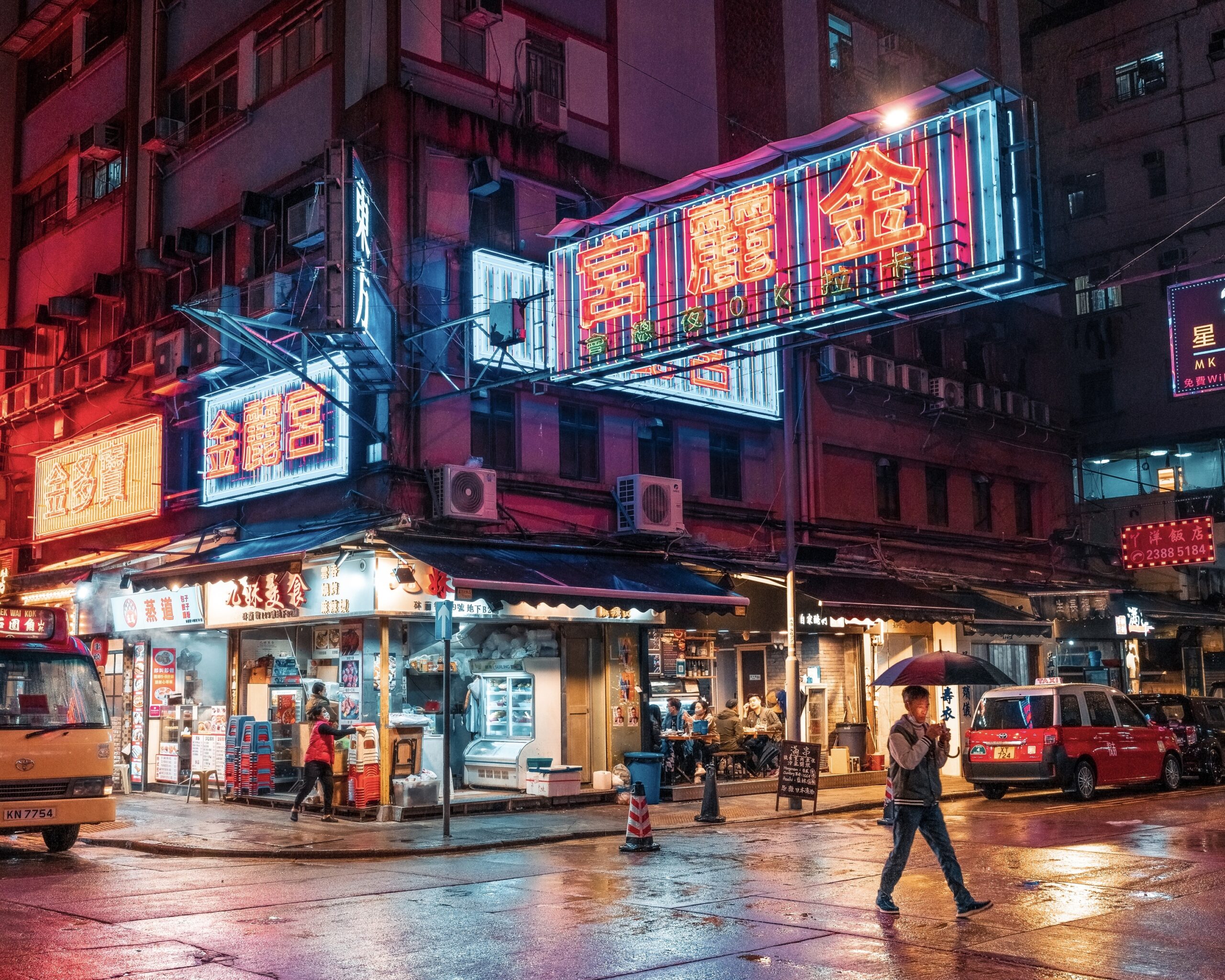
  • Hong Kong Retail Sales Enjoy 7-Month Winning Streak with 6.5% Rise in November

    Hong Kong Retail Sales Enjoy 7-Month Winning Streak with 6.5% Rise in November

    Hong Kong’s retail sector has seen a seventh consecutive month of increased sales, with a 6.5% rise in value during November, according to government reports. The retail sales for the month totalled HK$33.7 billion (US$4.33 billion), demonstrating a steady incline when compared to the 6.9% increase recorded in October of the same year.

    Volume and Value

    Notably, the volume of retail sales in November saw a 4.4% increase compared to the same month in the previous year. This was slightly less than the 5.3% growth experienced in October. However, despite the ongoing monthly gains, the total retail sales for the first 11 months of 2025 only experienced a slight 0.4% increase in value when compared to the previous year. Furthermore, the volume of retail sales actually decreased by 0.9% over this period.

    Sustained Economic Growth

    A government spokesperson has expressed optimism towards the ongoing retail recovery, stating, “The gradual improvement in local consumption sentiment amid sustained economic growth, combined with the vibrant growth in inbound visitors, will continue to benefit retail businesses.”

    The number of visitors to Hong Kong in November was reported as 4.19 million, marking a 17.4% increase from the previous year. Mainland China contributed significantly to these figures, accounting for 3.04 million visitors – an 18.9% increase year-on-year.

    Sales across Different Sectors

    Different sectors within the retail industry have seen varied degrees of growth. Sales of high-value items such as jewellery, watches, clocks, and valuable gifts saw a smaller increase of 3.6% in November, compared to the revised 9.4% growth in October. Similarly, the sales of clothing, footwear and related products increased by 2% year-on-year in November, following a slight 0.9% rise in October.

    Questions & Answers

    What is the overall trend of Hong Kong’s retail sales?
    The overall trend shows a steady increase, with November marking the seventh consecutive month of growth.

    Which sectors experienced the most growth?
    High-value items such as jewellery, watches, clocks, and valuable gifts, as well as clothing, footwear, and related products experienced growth.

    What factors contributed to the growth of Hong Kong’s retail sector?
    The government spokesperson attributed the growth to improved local consumption sentiment, sustained economic growth, and an increase in inbound visitors, particularly from mainland China.

  • Mannings Bids Farewell to Mainland China: Shuts Down All Retail Stores and Online Operations

    Mannings Bids Farewell to Mainland China: Shuts Down All Retail Stores and Online Operations

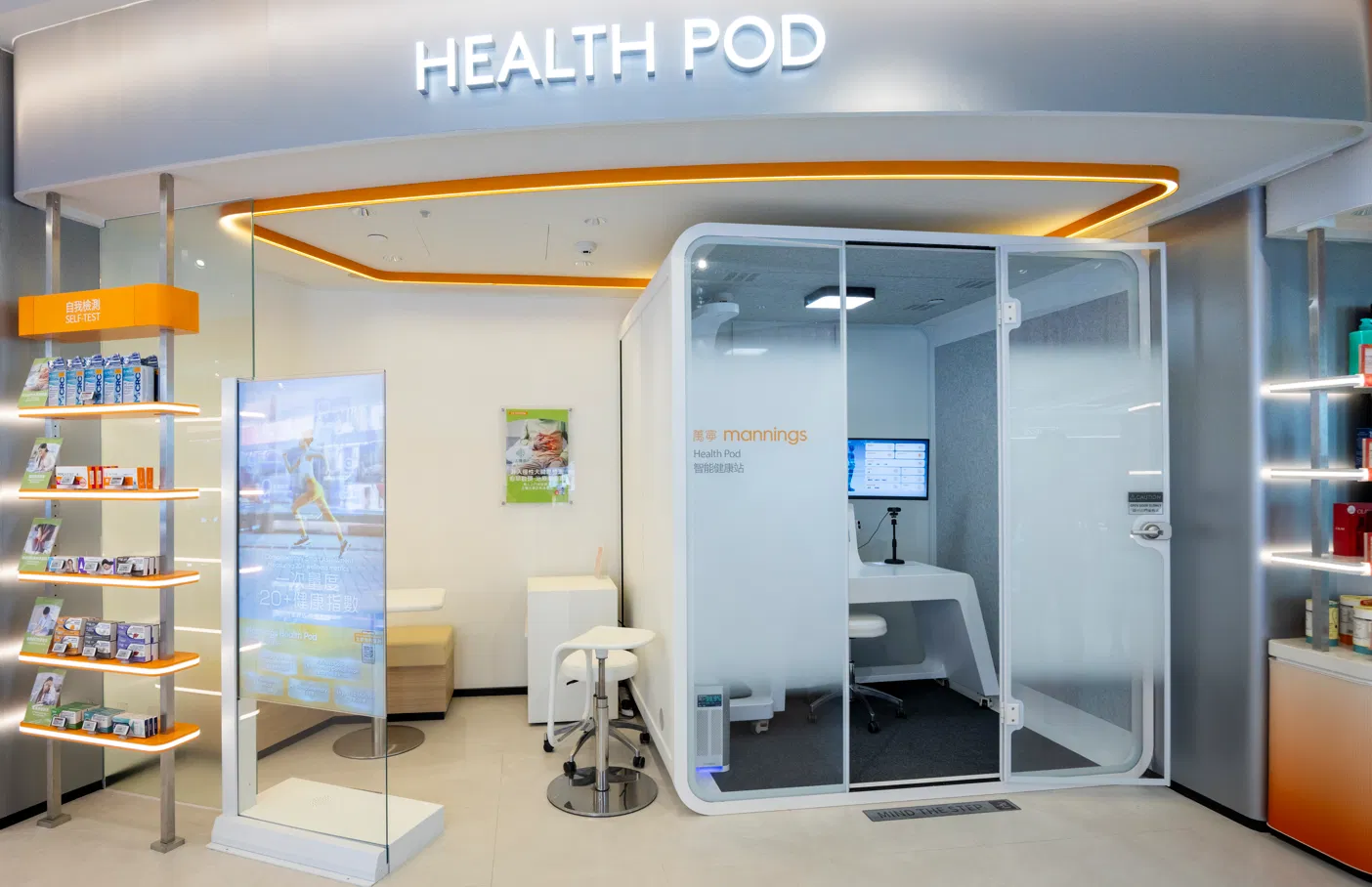
    The health and beauty retail giant, Mannings, has declared that it will shutter all its physical stores in Mainland China and cease its online activities. The company frames this move as a strategic repositioning, representing a culmination of nearly 22 years of operation within the market where it previously maintained approximately 200 outlets.

    Future Focus

    Mannings stated that it plans to continue addressing the needs of its consumer base by capitalizing on resources in Hong Kong and Southeast Asia. The strategy aims to bolster its cross-border e-commerce operations and refine both its online and offline customer experience. Mannings holds the position of being the largest health and beauty chain in Hong Kong.

    The brick-and-mortar stores in Mainland China will remain operational until 15 January.

    Adapting to Changing Trends

    The company mentioned its intent to adapt to the evolving consumer trends proactively, with the goal of reshaping the health and beauty retail landscape.

    The company’s operations on the WeChat platform will conclude on 28 December, followed by the closure of its stores on Tmall and JD.com, as well as its Tmall health supplements store, on 26 December.

    Questions & Answers

    What is the reason for Mannings closing its stores in Mainland China and ceasing its online operations?
    The company has described the move as a strategic repositioning to adapt to changing consumer trends and focus on strengthening its cross-border e-commerce capabilities.

    When will the Mannings stores in Mainland China shut down?
    All physical stores of Mannings in Mainland China will remain operational until 15 January.

    Will the company continue operations in other regions?
    Yes, Mannings intends to leverage resources in Hong Kong and Southeast Asia to continue meeting consumer needs and optimize their online and offline experience.

  • Muji’s Mega Store: A New Jewel in Bangkok’s Retail Throne Dominates Southeast Asia Market

    Muji’s Mega Store: A New Jewel in Bangkok’s Retail Throne Dominates Southeast Asia Market

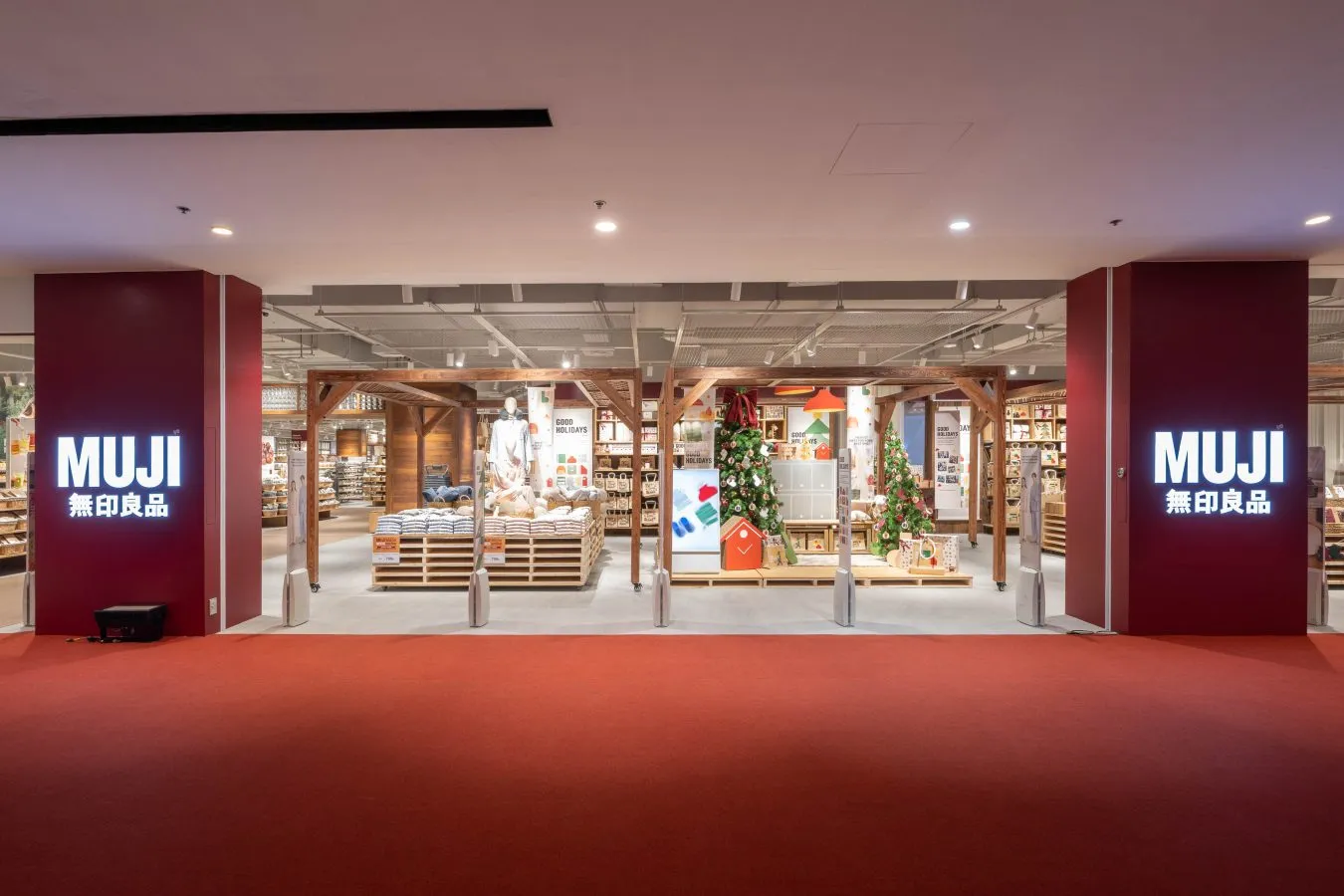
    Ryohin Keikaku, the parent company of Muji, recently unveiled its 40th and largest store in Southeast Asia, located in the bustling heart of downtown Bangkok. This 3,270sqm retail space represents a significant milestone for the company and is part of the new wave of flagship stores that Muji is planning to launch globally, including one in Paris next year.

    The New Muji Flagship Store

    The newly minted Muji store in Central World, Bangkok, boasts a wide frontage that welcomes customers to a variety of shopping experiences. It is designed to take advantage of the natural inclination of customers to navigate stores in a counter-clockwise direction, starting with a comprehensive stationery section.

    The store offers a wealth of products in a clear, systematic fashion. Customers can browse through household items, men’s and women’s clothing, health and beauty products, furniture, kitchenware, and even food and snacks. The layout is clean, functional, and well-organized – a hallmark of Muji’s ‘wa-ke’ philosophy centered around careful materials selection, craftsmanship, and simple packaging.

    One of the key features of this flagship store is its large health and beauty department, filled with a variety of aroma and fragrance products. This is part of Muji’s strategic plan to strengthen its health and beauty business, upgrading its skincare department into a core product category across all its stores.

    Adding to the overall shopping experience, the store also includes a dedicated space for workshops and exhibits named ‘Muji Atelier’. And to enhance customer service, the store employs multilingual staff who are always ready to assist shoppers.

    More Than Just a Flagship Store

    The new Muji store’s launch is part of a larger retail renaissance. The mall owner, Central Pattana, embarked on a significant re-leasing project after the seven-level Isetan department store vacated the premises in 2020. The new tenant mix includes popular American food chains, a mini-department store, a children’s play concept, and a Japanese food court.

    The redesigned mall also features a premium Japanese supermarket stocking more than 10,000 imported products and a small restaurant. The mall’s upper levels are now home to Muji, Japanese furniture retailer Nitori, and the Japanese bookstore Kinokuniya. This has not only revived the space but also created a sustainable rental income for the mall operator.

    Muji’s Global Expansion

    The ambitious Bangkok store is just one part of Muji’s broader expansion strategy. By August 31, the company had opened 1412 stores domestically and internationally, marking an increase of 107 from the previous fiscal year. Of these, 47 were outside Japan, taking the total number of international stores to 729. The company plans to open another 96 stores in fiscal 2026, with the majority set to be in China and Southeast Asia.

    The company’s successful expansion strategy resulted in a considerable boost to its revenues, which rose to US$5.1 billion, marking an 18.6 per cent increase from the previous year. Operating revenue in Japan rose by 20.9 per cent, accounting for almost 60 per cent of the total revenue.

    In line with the company’s global strategy, Muji aims to increase the presence of its Japanese merchandise in its international stores to about 80 per cent, focusing not only on health and beauty products but also on daily essentials and innerwear made from natural materials.

    Questions & Answers

    What is special about the new Muji store in Bangkok?

    The new Muji store in Bangkok is not only the 40th store in Thailand but also the largest in Southeast Asia. It is meticulously designed, taking into consideration customer behaviors and shopping patterns. The health and beauty department is one of its highlights, reflecting Muji’s strategy to strengthen this segment.

    What is the ‘wa-ke’ philosophy mentioned in relation to Muji?

    The ‘wa-ke’ philosophy is Muji’s guiding principle, emphasizing careful selection of materials, craftsmanship, and simple packaging. This philosophy influences the design, layout, and product range of Muji stores.

    What is Muji’s global expansion strategy?

    Muji’s global expansion strategy includes increasing the number of its stores both domestically and internationally, with a particular focus on Southeast Asia and China. The company also aims to enhance its overseas representation of Japanese merchandise to about 80 per cent.

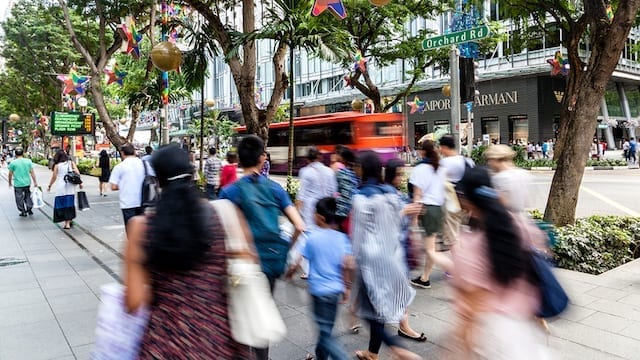
  • Tourism Trends Shift in South Korea: Visitors Opt for Affordable, Lifestyle Retail Over Luxury Shopping

    Tourism Trends Shift in South Korea: Visitors Opt for Affordable, Lifestyle Retail Over Luxury Shopping

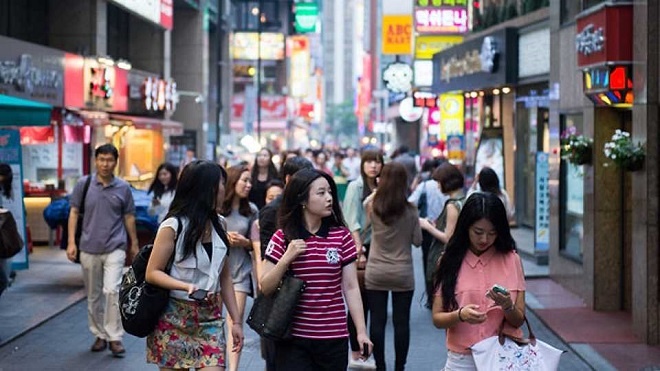
    Tourists visiting South Korea are increasingly opting for value-driven shopping experiences that align with their personal preferences, marking a departure from the previously popular high-end, large-scale purchases. This shift in consumer behaviour has been highlighted in recent data from the Korea Tourism Organization (KTO).

    Shift in Shopping Patterns

    A comprehensive analysis of foreign credit card transactions from 2018 to September 2024 reveals that shopping remains the primary expenditure for tourists, accounting for 51 percent of total spending. Notably, the nature of these purchases has transitioned over time. The average amount spent per transaction has dropped from 150,000 won in 2019 to 120,000 won in the current year, despite an overall increase in per-person spending by 83 percent. This surge can be attributed to a significant 124 percent rise in the number of purchases, indicating tourists are buying a larger quantity of items at lower prices.

    According to KTO, this change signifies a growing predilection for moderately priced goods and lifestyle products that embody a unique Korean aesthetic. For instance, sales at ‘gacha’ toy capsule shops have seen a remarkable 142 percent rise in the first nine months of the current year compared to the same period in the previous year. Similarly, transactions at stationery stores and bookstores have increased by 48.7 percent and 39.9 percent, respectively. The iconic stationery brand Artbox has seen substantial growth across transportation hubs and regional commercial districts.

    Rise in Fashion and Beauty Purchases

    The fashion sector has also benefited from this trend, recording an increase of 23.4 percent from the previous year. This is largely driven by significant growth in the purchases of underwear, sportswear, and accessories.

    Korean beauty and wellness-related products continue to be strong contenders in the market. Spending in these categories has seen a steady annual growth rate of 19.1 percent from 2018 to 2023, and further expanded by 40.4 percent this year. Retailer Olive Young has experienced phenomenal growth in emerging commercial areas such as Seongsu and around Gyeongbokgung. Pharmacy sales have also seen a boost due to the rising trend of everyday wellness, while the demand for traditional health foods like red ginseng and ginseng continues to ascend.

    Influence of Korean Culture

    Lee Mi-suk, head of KTO’s tourism data strategy team, commented on this evolving consumer behavior. She stated, “The move toward practical, lifestyle-driven consumption shows how Korean culture and K-content are increasingly shaping global tastes.”

    Questions & Answers

    What is the primary expenditure for tourists in South Korea?
    The primary expenditure for tourists in South Korea is shopping, accounting for 51 percent of total spending.

    How has the nature of tourist purchases in South Korea changed over time?
    The average amount spent per transaction has decreased, but the total per-person spending has increased. This suggests that tourists are buying a larger quantity of items at lower prices.

    What are some of the key sectors benefiting from the shift in tourist spending in South Korea?
    Mid-priced goods and lifestyle products have experienced a significant increase in sales. Additionally, the fashion sector, K-beauty, and wellness-related product sectors have also seen a rise in purchases.

  • Sports Direct Makes Philippine Debut: UK Retail Giant Launches First Store in Manila Bay

    Sports Direct Makes Philippine Debut: UK Retail Giant Launches First Store in Manila Bay

    UK-based sports merchandise giant, Sports Direct, has marked its debut in the Philippine market through a collaboration with Map Active, a sports and lifestyle retailer.

    The Inaugural Store

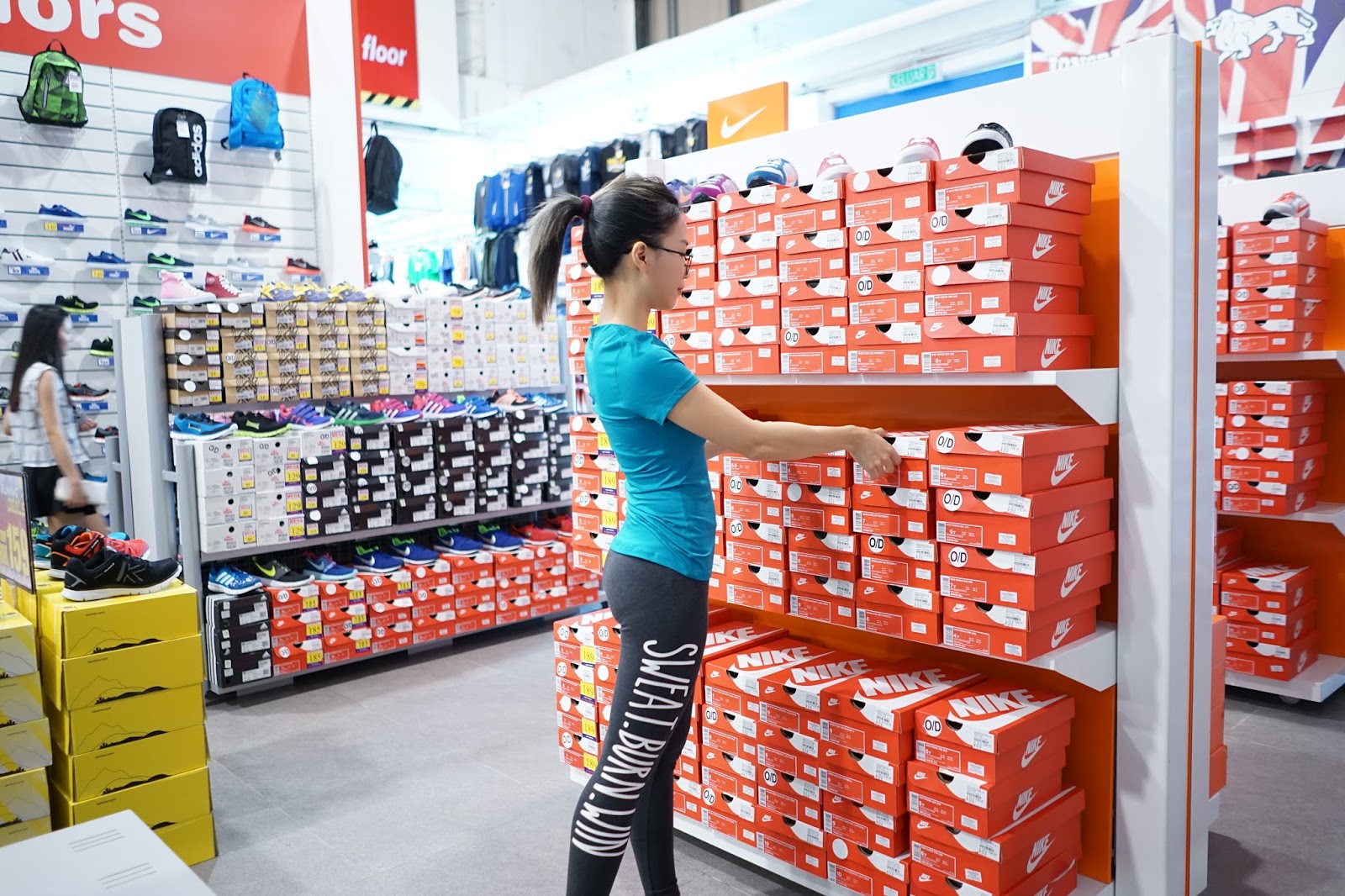
    The first ever Sports Direct store, situated at Ayala Malls Manila Bay, boasts a large variety of sports clothing, shoes, gear, and accessories. The categories span from football, running, training, outdoor activities, and swimming, to racket sports such as badminton, pickleball, and tennis.

    The store will feature in-house brands such as Karrimor, Everlast, Lonsdale, Slazenger, and USA Pro. In addition, it also carries internationally renowned labels including Nike, Adidas, Skechers, New Balance, Converse, Lotto, Diadora, Airwalk, Ellesse, Speedo, Wilson, and Yonex.

    Map Active Philippines’ head of marketing, Bea Madrid, stated that Ayala Malls Manila Bay was a strategic choice for Sports Direct’s local launch.

    “We are continually supported here, and we appreciate the opportunity to collaborate and establish our brand in such a prime location to best cater to the market,” Madrid said.

    Future Expansion

    Sports Direct has ambitious plans for further expansion in the Philippines, with more store inaugurations planned for the forthcoming year. While the initial emphasis is on Metro Manila, the company is also considering expanding into regional markets.

    “This is just the beginning,” declared Anil. “Now that we have launched our first-ever store at Ayala Malls Manila Bay, we are excited about opening more outlets next year to engage with more communities and promote an active, healthy lifestyle nationwide.”

    Questions & Answers

    What is the range of sports categories covered by Sports Direct?
    Sports Direct offers a wide range of sports apparel, footwear, equipment, and accessories across various categories including football, running, training, outdoor activities, swimming, and racket sports such as badminton, pickleball, and tennis.

    What brands will be available at the Sports Direct store in the Philippines?
    The store will carry in-house brands like Karrimor, Everlast, Lonsdale, Slazenger, and USA Pro, and globally recognized labels such as Nike, Adidas, Skechers, New Balance, Converse, Lotto, Diadora, Airwalk, Ellesse, Speedo, Wilson, and Yonex.

    What is Sports Direct’s expansion plan in the Philippines?
    Sports Direct plans to open more stores in the Philippines next year, with a focus not only on Metro Manila but also on regional markets.

  • Revolutionizing Retail: How Meta, L’Occitane and Omnichat are Using WhatsApp to Drive Customer Loyalty

    Revolutionizing Retail: How Meta, L’Occitane and Omnichat are Using WhatsApp to Drive Customer Loyalty

    Omnichat, a notable omnichannel AI platform, recently conducted the third iteration of the Commerce Leadership Forum at Meta Singapore’s facility. The forum saw an assemblage of high-ranking leaders across various sectors, arranged to discuss the transformative influence of AI-empowered business messaging in retail, beauty, and lifestyle industries in the Asia Pacific.

    The Impact of WhatsApp on Commerce

    Prominent leaders from Meta and L’Occitane spoke about the swift adoption of WhatsApp as a crucial commercial platform, underscoring its evolution from a simple customer support tool to an engaging platform catering to committed customers, driving conversions, and establishing long-lasting loyalty.

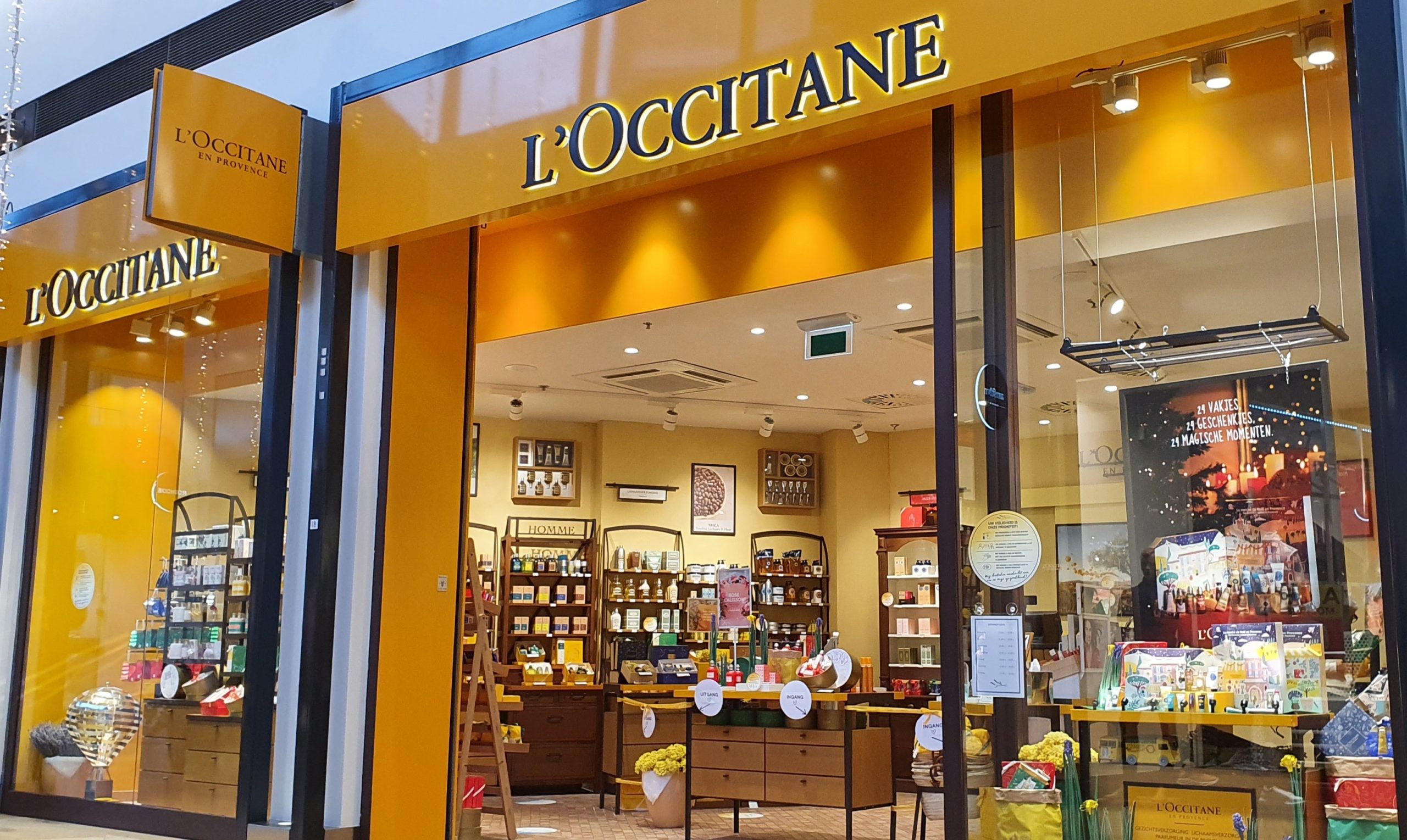
    L’Occitane disclosed that WhatsApp has become the primary mode of customer communication across Asia Pacific markets, accounting for over 80% of inbound and outbound customer interactions. The brand further revealed that personal, conversational interactions have resulted in profitable outcomes compared to traditional channels. This increase in commercial success, coupled with real-time engagement, has enabled L’Occitane to extend relationship-building beyond transactional interactions, resulting in lasting brand loyalty.

    Terrence Siu, chief information officer of APAC at L’Occitane, stated, “Loyalty begins the moment a customer chooses to stay connected with the brand. Using WhatsApp as a unified touchpoint allows us to move customers smoothly from online discovery to in-store engagement without losing context. Customers receive a consistent and personalized experience wherever they interact with us, be it on Facebook, Instagram, or WhatsApp.”

    L’Occitane has extended this seamless experience into a complete loyalty journey by utilizing Omnichat and WhatsApp to deliver sample products, VIP privileges, and post-purchase experiences. This ensures that customers feel guided and appreciated long after their initial transaction. The distribution of samples and exclusive VIP offers directly through WhatsApp has elevated their coupon redemption rate to 87%.

    Messaging-led Commerce and Loyalty

    Messaging-led commerce has been further reinforced by YouGov’s new regional insights. The data showed that 32% to 43% of Asia Pacific shoppers now utilize business messaging to track orders, complete purchases, and maintain contact with brands throughout the sales cycle. WhatsApp has effectively become the default loyalty channel for high-intent engagement in Asia.

    Vicky Yiu, APAC strategic partnership manager for business messaging at Meta, asserted, “WhatsApp is increasingly becoming the commerce layer for brand engagement in Asia. When businesses move to a messaging-led experience, they shift from campaigns to relationships – and that is where long-term loyalty is earned.”

    Omnichat, powering these loyalty journeys, has illuminated how brands can evolve membership from a static database into an active relationship engine. By consolidating multi-channel identity into a unified customer profile and harnessing AI to trigger personalized re-engagement flows, Omnichat aids brands in converting one-time buyers into loyal members.

    CEO and founder of Omnichat, Alan Chan, emphasized, “Loyalty only works when it’s active, not passive. By linking QR codes to product samples, in-store touchpoints, and messaging-based rewards, brands can proactively engage members in real time. This is the difference between a loyalty database and a loyalty journey.”

    Questions & Answers

    How is AI-powered business messaging transforming the retail and lifestyle sectors?
    AI-powered business messaging is transforming these sectors by personalising customer interactions, driving profitable outcomes, fostering long-term loyalty, and reducing customer acquisition cost.

    How has WhatsApp influenced L’Occitane’s customer engagement?
    WhatsApp has become L’Occitane’s primary mode of customer communication. It has enabled the brand to provide a seamless experience, from online discovery to in-store engagement and beyond. It also allows L’Occitane to distribute samples and VIP offers directly, resulting in a high coupon redemption rate.

    What role does Omnichat play in this transformative process?
    Omnichat powers the loyalty journeys of brands, transforming membership from a passive database into an active relationship engine. It helps brands remain present in the customer’s daily routine, enabling real-time rewards and VIP benefits, and consolidates multi-channel identity into a unified customer profile.

  • Korean Lifestyle Giant, Iicombined, Expands Retail Footprint with Haus Nowhere in Bangkok: Introduces Tamburins and Gentle Monster Flagships

    Korean Lifestyle Giant, Iicombined, Expands Retail Footprint with Haus Nowhere in Bangkok: Introduces Tamburins and Gentle Monster Flagships

    Iicombined, a Korean lifestyle conglomerate, has broadened its retail footprint by launching its multi-brand initiative, Haus Nowhere, in Bangkok, Thailand.

    Situated on IconSiam’s M floor, the store introduces two major brand flagships. One is the inaugural Tamburins store in Southeast Asia, while the other is the most expansive Gentle Monster store in Thailand.

    The novel retail destination forms part of the conglomerate’s ‘Future Retail’ idea, which is being rolled out in crucial cities worldwide. With this addition, Bangkok now houses the fifth Haus Nowhere location, following Seoul, Shanghai, Shenzhen, and Dosan.

    Tamburins, a fragrance and beauty label founded in Seoul in 2017, has now made its foray into Southeast Asia. The store maintains a complete range of products, along with unique store-only items. These exclusive offerings include a Blue Hinoki version of its Egg Perfume and a 2ml fragrance enclosed in a Puppy Case.

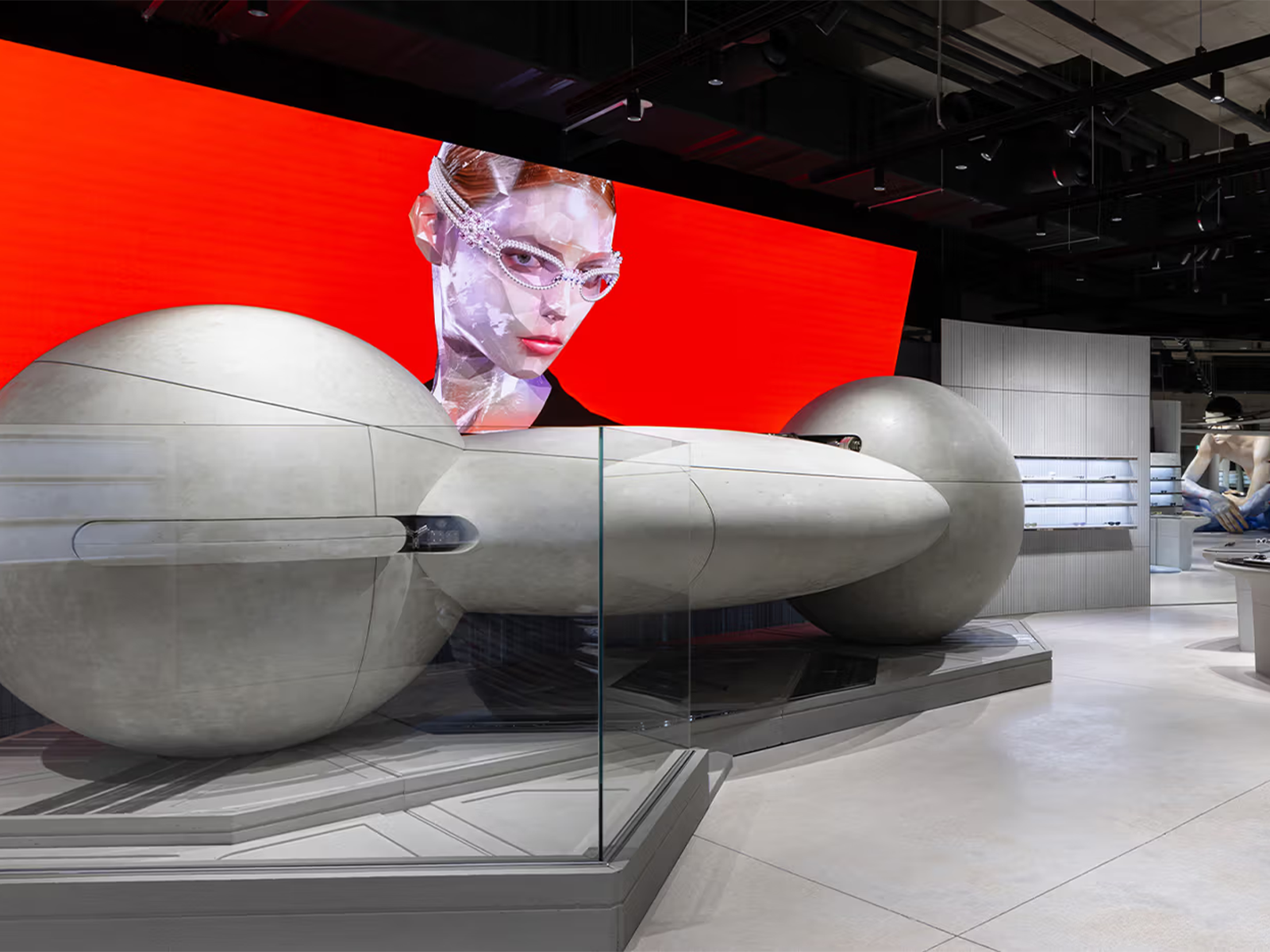
    Gentle Monster, an eyewear brand, has opened its third and largest store in Bangkok. This expansion solidifies Thailand’s position as one of the brand’s most dynamic markets in Southeast Asia.

    The new flagship store is designed based on Gentle Monster’s signature installation-led theme. This positioning further solidifies Bangkok as a critical market for the label, drawing support from both local customers and regional visitors.

    The store also showcases the ‘Sunshine Giant Dog’ art installation.

    Questions & Answers

    What is the significance of Iicombined’s new store in Bangkok?
    The new store in Bangkok introduces two significant brand flagships in Southeast Asia – Tamburins store and the largest Gentle Monster store. It represents Iicombined’s ‘Future Retail’ concept expansion into global cities.

    What are some of the exclusive products available at the new Tamburins store?
    The Tamburins store offers exclusive store-only items including a Blue Hinoki version of its Egg Perfume and a 2ml fragrance presented in a Puppy Case.

    How does the new Gentle Monster store contribute to the brand’s presence in Thailand?
    The new Gentle Monster store, being the brand’s third and largest in Bangkok, reinforces Thailand as one of its most active markets in Southeast Asia.

  • Keppel & Uniqlo Parent Ink Deal for Exciting Retail Expansion in Asia-Pacific

    Keppel & Uniqlo Parent Ink Deal for Exciting Retail Expansion in Asia-Pacific

    Singapore’s Keppel Corporation and Japan’s Fast Retailing, Uniqlo’s parent company, have entered into a Memorandum of Understanding (MOU) to investigate the potential for retail-oriented real estate opportunities throughout the Asia-Pacific region.

    Key Signatories

    Christina Tan, CEO of fund management and chief investment officer at Keppel, and Takayuki Miki, group executive officer at Fast Retailing, were the signatories to the agreement.

    Promising Collaboration

    The partnership is already bearing fruit with Uniqlo set to become a tenant in Keppel’s forthcoming Hanoi Centre in Vietnam. Slated to open next year, the Hanoi Centre is expected to be the city’s largest shopping destination.

    Uniqlo first made its entrance into the Vietnamese market in 2019 and has since established 30 stores nationwide. These are primarily located within major malls and shopping centres.

    A Year of Record Profits

    Fast Retailing recently announced record profits for the year ending in August. The company also forecast a fifth straight year of record earnings for fiscal 2026, attributing this predicted success to its aggressive expansion in North America and Europe.

    Questions & Answers

    What is the purpose of the MOU between Keppel Corporation and Fast Retailing?
    The MOU signifies the two companies’ intent to explore retail-focused real estate opportunities in the Asia-Pacific region.

    What is the first visible outcome of this collaboration?
    The first notable outcome of this partnership is that Uniqlo is set to become a tenant in the Hanoi Centre, a major retail mall being developed by Keppel in Vietnam.

    How is Fast Retailing performing financially?
    Fast Retailing recently reported a record profit for the year ending in August, and anticipates a fifth consecutive year of record earnings by fiscal 2026, largely due to its rapid expansion in North America and Europe.

  • KK Group Revives Indonesian Market with Tri-Brand Blast: X11, KKV, and The Colorist

    KK Group Revives Indonesian Market with Tri-Brand Blast: X11, KKV, and The Colorist

    KK Group, a Chinese lifestyle retailer, is making a strategic return to the Indonesian market. The company plans to reintroduce three of its brands: X11, KKV, and The Colorist.

    The Return of X11, KKV, and The Colorist

    The reintroduction begins with X11, KK Group’s trend and culture emblem, which targets youthful consumers with art toys, anime paraphernalia, and pop culture merchandise. The first stores are set to open in Greater Jakarta and other major cities throughout Java, Bali, and several regional centers.

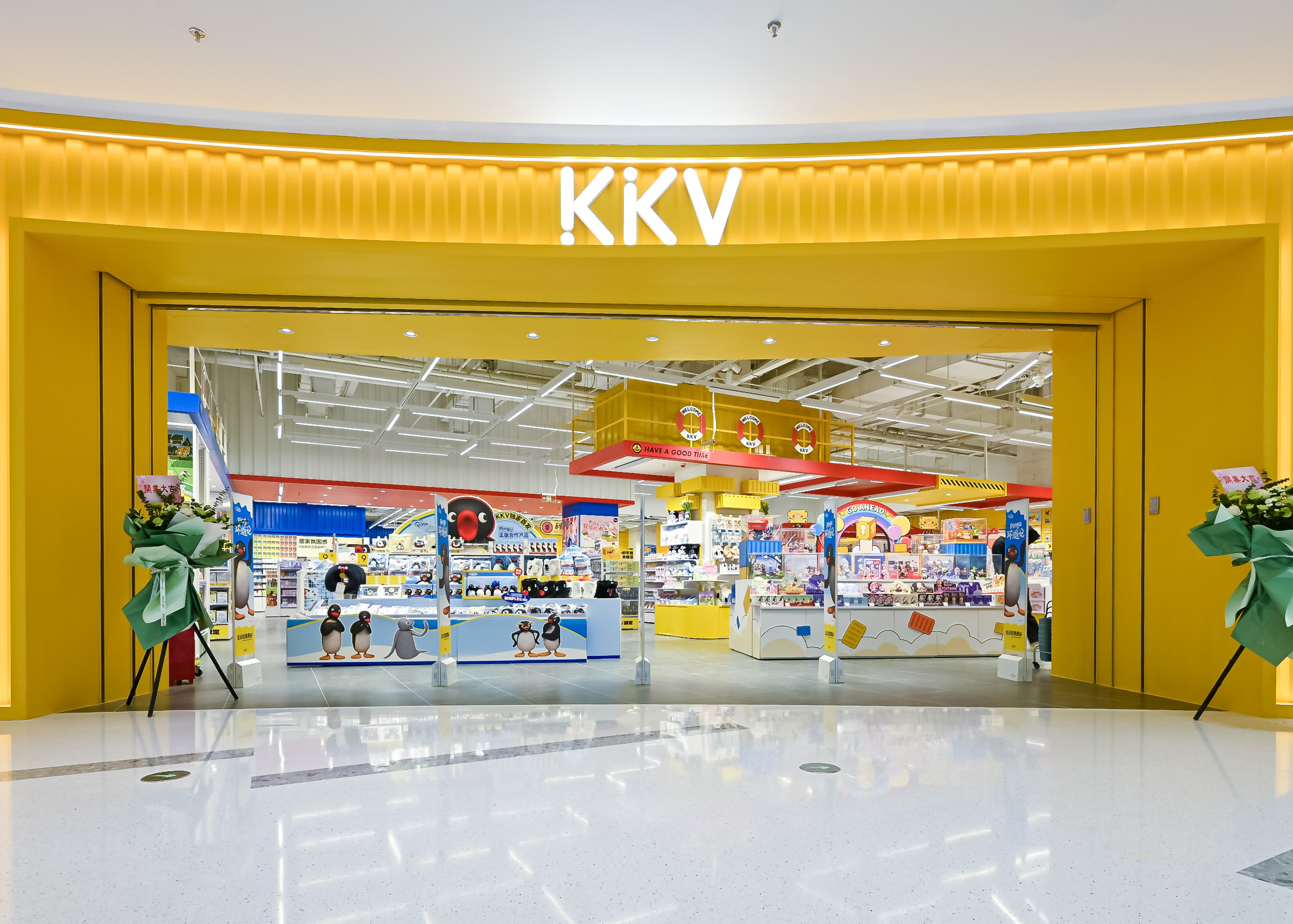
    Following closely behind is KKV, KK Group’s primary lifestyle brand, scheduled to launch the following year. KKV boasts a remarkable range of over 20,000 Stock Keeping Units (SKUs) that include home goods, stationery, beauty products, snacks, and fashion items. Alongside KKV, The Colorist, a mass-premium beauty brand focused on Generation Z and young millennials, is also set to launch.

    Rojen Wu, COO of KK Group’s international business, expressed the company’s firm commitment to Indonesia. “Indonesia has consistently been a priority for us in Southeast Asia,” Wu said. “With KKV, The Colorist, and X11, we aim to cultivate a comprehensive lifestyle retail ecosystem while offering redefined retail experiences to Indonesian consumers.”

    KK Group’s Ambitious Expansion Plans

    KK Group’s multi-brand strategy includes the development of a network of over 500 stores across these three core brands. The company is also considering introducing Pet Tribes, a pet-centered concept recently launched in China, as part of its broader multi-brand strategy for Indonesia. In the long term, KK Group projects running over 1,000 stores under its enlarged brand portfolio.

    This Indonesian re-entry comes on the heels of KK Group’s aggressive Southeast Asian expansion, which has seen them breaking into new markets in Malaysia, Singapore, Thailand, Vietnam, and the Philippines. At present, KK Group operates over 1,000 stores in China and more than 150 stores across various regions.

    Questions & Answers

    What is KK Group’s re-entry strategy into the Indonesian market?

    KK Group plans to reintroduce three of its brands: X11, KKV, and The Colorist. The company also intends to develop a network of over 500 stores across these core brands.

    What are the three brands that KK Group is reintroducing into Indonesia?

    The three brands are X11, a trend and culture brand aimed at younger consumers; KKV, the company’s flagship lifestyle brand; and The Colorist, a mass-premium beauty brand targeted at Generation Z and young millennials.

    What is KK Group’s long-term vision for its multi-brand strategy in Indonesia?

    In the long term, KK Group plans to operate over 1,000 stores under its expanded brand portfolio. The company is also considering the introduction of Pet Tribes, a pet-focused concept recently launched in China.