Retail News CRM

Tag: Retail

  • China powers Apple profit surge

    China powers Apple profit surge

    Apple’s China sales revenue soared 71 per cent to US$16.8 billion in the first three months of this year, putting Greater China ahead of Europe as the tech giant’s second largest market.

    It was the main driver of a sharp 33 per cent increase year-on-year in quarterly Apple profit – to a massive US$13.6 billion.

    In product terms, much of the growth came from the iPhone of which the company sold 61 million during the quarter – or roughly 678,000 phones every day. iPhone sales rose 40 per cent year-on-year.

    Apple’s total sales revenue increased 27 per cent to US$58.01 billion.

    CEO Tim Cook says the company was thrilled by the continued strength of the iPhone, Mac and App store especially.

    “We’re seeing a higher rate of people switching to iPhone than we’ve experienced in previous cycles, and we’re off to an exciting start to the June quarter with the launch of Apple Watch.”

    The massive profit has boosted Apple’s cash reserves to more than US$193 billion, prompting a ramping up of the share buy-back program and a 50 cent per share dividend to shareholders.

    The key to Apple’s improvement was the launch of the larger screen model which has helped lure sales back from Samsung and other brands.

    The only blemish, if you could call it one, was a 23 per cent drop in sales of the iPad to 12.6 million units, with revenues down 29 per cent.

  • China ‘still the land of opportunity’

    China ‘still the land of opportunity’

    China deserves to remain on retailers’ radar says a new report from JLL.

    “China remains a compelling market for global retailers and continues to offer a plethora of untapped opportunities, despite a recent moderation of its GDP growth says Tom Gaffney, regional director, head of retail for JLL in Hong Kong.

    “However, the China market remains complex and diverse. We advise brands to carefully assess their strategic mix of corporate stores and franchises, and to define a strategy that allows them to present a multichannel brand capable of seamlessly merging the worlds of online and offline.”

    His comments come a day after Inside Retail Asia published an analysis of China’s economic growth, largely masked by the single GDP figure which many business leaders and economists focus on.

    JLL’S report, China’s Retail Market: within Reach, offers international food and beverage and fashion retailers’ latest insights on China market expansion strategies. It’s the latest in a series of reports from JLL on China retailing and it comes at a time when many retailers are reconsidering their China strategies to enable the most profitable growth over the long-term.

    At the same time, many foreign brands are planning their first foray into the increasingly maturing Chinese markets.

    Derek Chen, director of retail tenant representation in China, says brands are well advised to make Shanghai and Beijing their starting point and opt for a corporate structure in these markets.

    “Consumers in China’s alpha cities, Shanghai and Beijing, which are among the world’s top five dynamic cities according to JLL’s City Momentum Index, are much more retail-savvy and have high expectations towards customer service. Most importantly, you retain absolute brand protection, which is essential in the China market as you build your brand initially.

    “Due to misalignment of incentives between a franchise partner and the retailer, franchisees are less inclined to focus on building brand longevity even if this adversely impacts the brand’s future. For brands new brand to the market, a corporate structure makes a lot of sense and has many advantages.”

    However, in tier 1.5 markets, such as Tianjin and Nanjing, brands best develop these in a mixed strategy, if corporate control is not an option. These markets offer a level of demand depth and sales productivity potential that can justify corporate control within a few short years, argues JLL.

    “Retailers should only franchise these cities by applying a strategy that would enable them to incrementally regain control over the medium-term. Buying back the top-performing stores prevents the biggest revenue gains from being diluted, and gives the retailer more control over brand marketing in these markets,” the report advises.

    Discussing strategies for third-tier cities and beyond, Chen says third and fourth-tier cities are a new frontier for most international retail brands.

    “We suggest brands use franchises to penetrate these markets quickly over the short and medium term. As these markets lack the degree of sophistication found in major markets and consumers are less discerning, more forgiving and easier to please. [So] the risks of franchising are more contained and manageable, and are usually more cost-effective. In addition, local partners offer valuable local know-how and have a better sense of the psyche of local consumers.”

    Gaffney summarises: “Retailers should fix their China expansion strategy before entering the markets, which will greatly reduce risks down the road. Corporate ownership is advisable for key markets and to build their brands. However, franchises remain irreplaceable when it comes to simultaneously achieving both fast and vast penetration of markets, and to hedge risks.”

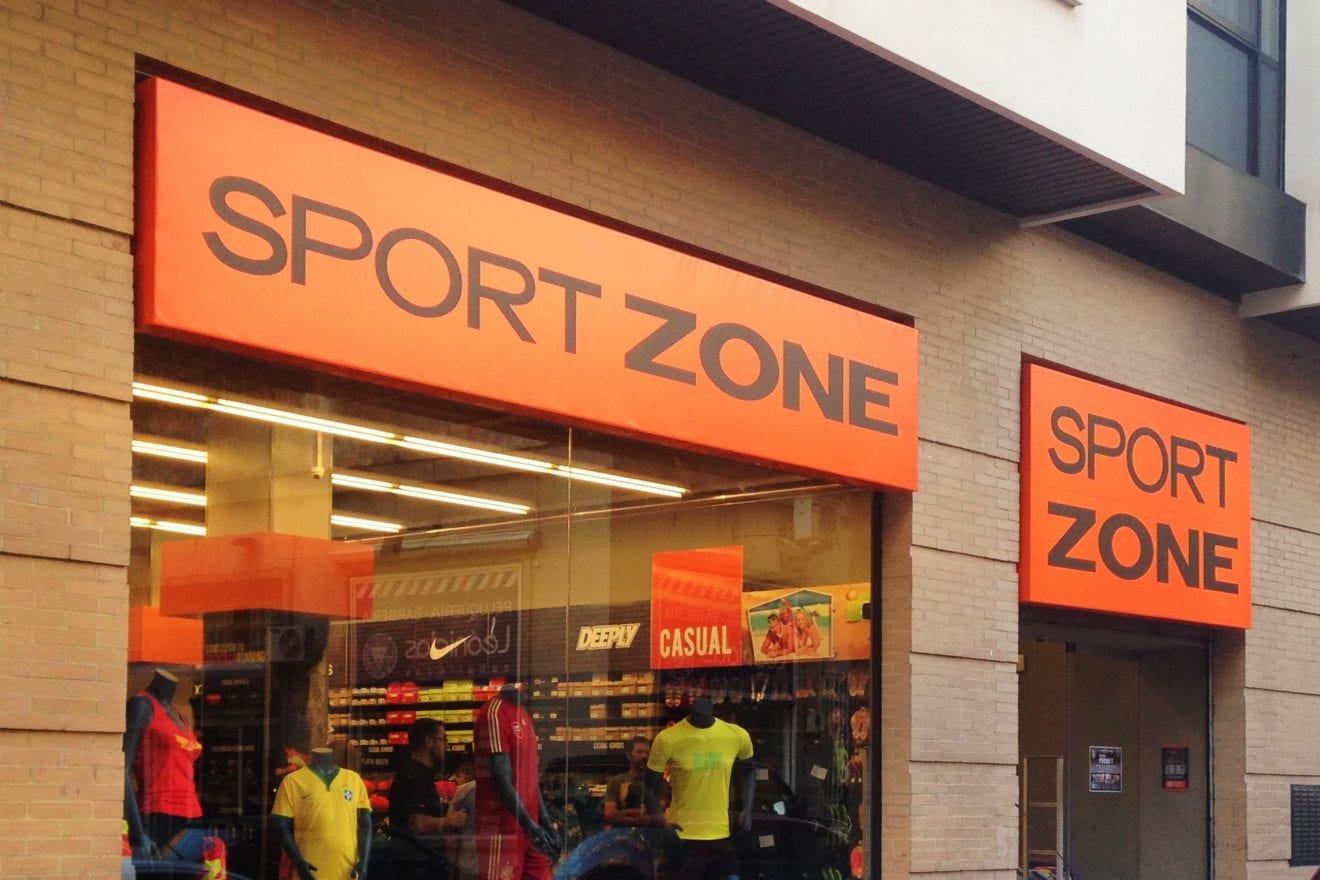
  • Trent and Sonae take Sport Zone to India

    Trent and Sonae take Sport Zone to India

    Sport Zone, Portugal’s leading sports retail chain, will launch in India through stores managed by Trent.

    Part of the Tata group, Trent is one of India’s largest and fastest growing retail chains.

    Sport Zone, headquartered in Iberia and owned by Sonae, is the largest chain of sports shops in Portugal. The innovative products and equipment developed and marketed by Sport Zone will be available to Indian customers in franchised stores and shop-in-shops in department stores managed by Trent.

    The first such store is the newly launched Commercial St store of Landmark.

    The partnership plans to open the first five Sport Zone stores in India by end of 2016.

    Miguel Mota Freitas, CEO of Sonae SR, said Sonae wants to capitalise on the distinctive factors of its brands worldwide, exploiting their competitive advantages, based on the design and quality of their products.

    “The group’s entry into the Indian market is another important step in this strategy, as it enables us to strengthen our presence in Asia and allows us to have Trent as a benchmark partner in the second most populous country in the world.”

    Established in 1997, Sport Zone offers a wide range of sports goods and equipment of leading international brands as well as exclusive brands and has over 100 stores across the world. Sport Zone also markets its brands and innovations worldwide since its exclusive brands are available through wholesale channels in 22 countries.

    Sonae is one of the largest retail groups in Portugal with two major partnerships in Shopping Centers (Sonae Sierra) and Telecommunications (Sonaecom) businesses. At the end of 2014, Sonae achieved turnover of around 5 billion euros.

  • Huawei plans 40,000 new stores in two years

    Huawei plans 40,000 new stores in two years

    Chinese phone maker Huawei plans to more than double its global store network from 30,000 to 70,000 by 2017.

    Huawei sees building its retail network is the key to selling more mid-range and high-end smartphones, taking on Apple and Samsung headon.

    More than half its current retail outlets are in China, which means the brand so far has only a modest presence and brand awareness internationally.

    By definition, Huawei’s stores will range from stand alone outlets to concessions and “display zones” where its phones were demonstrated for sale.

    Glory Zhang, chief marketing officer for Huawei’s consumer business group, says the company plans to launch more ‘high-end’ smartphones in international markets by the end of this year.

    Huawei is in the midst of a rapid growth phase. In 2013 it shipped 52 million smartphones, a figure dwarfed last year by 75 million, which made it the world’s third largest phone manufacturer. It is on track to ship well over 100,000 handsets in 2015.

    Within its own product range, high end units comprised just five per cent of its sales last year, but in the first quarter of 2015, they accounted for 34 per cent of sales.

    Its newest showcase model is the P8, with a sleek metal body, (pictured above).

    Besides its retail network ambitions, Huawei has also revealed it plans to create a global service center network with urban customers no more than five kilometres from a repair shop.

    Zhang is confident about the brand’s international ambitions.

    “We’ve done this for a long time. We feel deeply that it’s easy to make a phone, but hard to make a good one.”

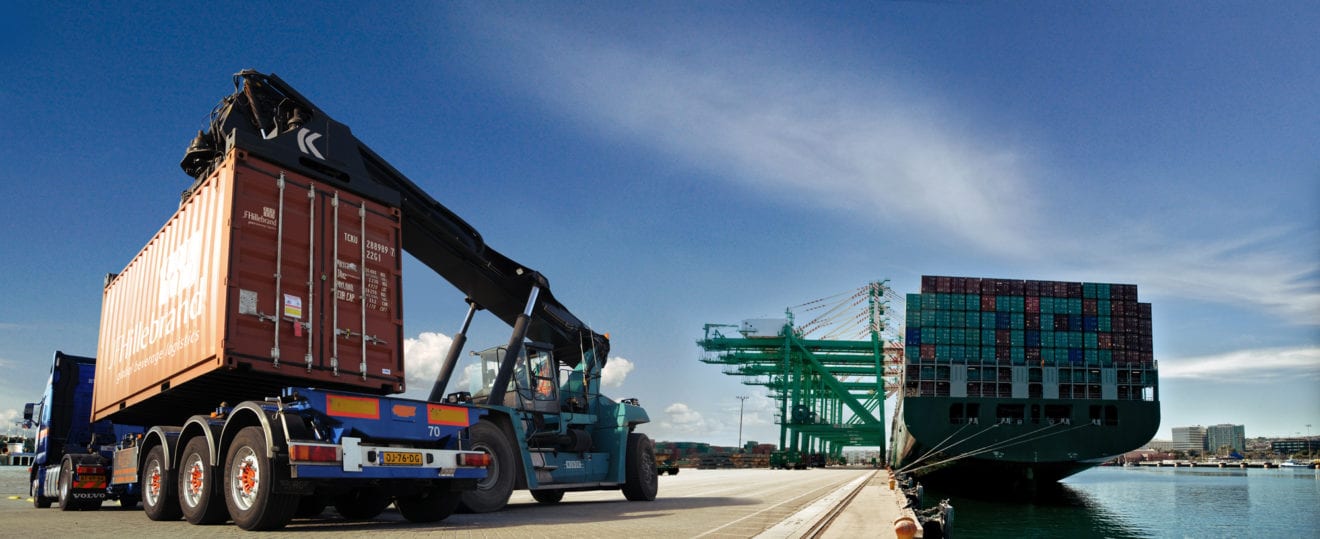
  • Good logistics key for SMEs to ride the global wave of ecommerce

    Good logistics key for SMEs to ride the global wave of ecommerce

    Online shopping is booming and will continue to grow exponentially – the global online retail market now tops USD1 trillion a year and is set to double within four years.

    Asia is at the centre of that consumer-led, technology-enabled revolution in e-commerce. China alone is tipped to exceed USD1 trillion in retail ecommerce sales in the next three years, making up more than 40 percent of the global ecommerce market.

    With this huge growth set to continue, all kinds of businesses in Asia can benefit from the new world of ecommerce. In fact, being a minnow in the world of big business no longer carries the disadvantage of size.

    A new study by Forrester Consulting found that cross-border e-commerce is a major revenue opportunity for small to mid-sized businesses (SMEs), but they can still be losing out because of logistics concerns. The question they must answer is – are the time and the cost of moving goods across borders going to be worth it for my business?

    Many SMEs in this region have already seized this opportunity. An eBay report on APEC SMEs, for example, showed that the average commercial seller on eBay exported to 36 countries.

    The good news for manufacturers is that the Forrester study showed that physical items dominate online purchases. Clothing and apparel are by the far the most popular, but books, consumer electronics, cosmetics and personal electronics are also frequently purchased.

    Concerns of consumers centre around reliability – how can they be assured that the goods they are buying are exactly what is advertised? What can they do about returns if they have a problem with the product?

    The Forrester research found shipping and logistics at the forefront of consumers’ minds when considering cross-border purchases. It cited shipping cost (51 percent) and long delivery time (47 percent) as the top two concerns.

    Many of the problems with e-commerce logistics are the result of deliberate policy choices by governments. They include high tariffs, cumbersome import procedures, or inefficient transport networks and infrastructure that do nothing to move goods across borders in the easiest and most cost effective way.

    Updating what are often “pre-internet” trade policies is crucial. One issue that is especially important is trade facilitation – making the movement of goods across borders easier and more efficient.
    Other research shows online mass merchants and marketplaces are the most popular destinations for online shoppers who want to buy clothing in China and Japan. In South Korea, mobile applications are key since almost one in three online clothing buyers last bought something via their smartphone.

    Trade facilitation, including customs modernization, can help resolve 21st century logistics issues that might otherwise prevent consumers from buying online from overseas companies.

    For example, the World Economic Forum estimates that cross-border activity by SMEs would jump by 60 to 80 percent if supply chain barriers were addressed.

    Raising the de minimis thresholds to a much higher level – above which full duties and value added tax is levied – would be an important first step in delivering greater economic benefits for SMEs. The current de minimis threshold in the European Union is just EUR22 , while many business groups recommend raising these thresholds globally to several hundred US dollars, if not USD1000.

    Increasing shipment processing hours to a 24 hours a day-customs clearance would also go a long way towards reassuring consumers and supporting ecommerce. So too would increase electronic filing of customs documents and e-payments, preferably through a single window.
    Yet feeling comfortable buying goods from an online supplier or website in your own country doesn’t always translate to cross-border purchases.

    The bottom line is that trade facilitation really does work for SMEs. A 2013 European University Institute working paper concluded “that the gains from trade facilitation accrue to large and small firms alike: all size classes of firms export more in response to improved trade facilitation.”

    Likewise, barriers faced by SMEs can be reduced or even eradicated with access to technology because it helps open doors, quickly and efficiently, to global markets.

    There is little doubt the opportunities for SMEs are out there. E-commerce clearly offers new opportunities for SMEs to expand their reach into overseas markets, but good logistics are key to realizing that opportunity.

    Improved trade facilitation is critical, and it’s the role of business and governments to work together to make that potential a reality for SMEs around the region.


  • Everyone going omnichannel: but where’s the profit?

    Everyone going omnichannel: but where’s the profit?

    Retailers globally are investing “enormous” amounts of money in omnichannel business modes, according to a study from JDA.

    But alarmingly, just 16 per cent of 400 surveyed said they can fulfil omnichannel demand profitably.

    This finding, and others are highlighted in The Omni-Channel Fulfillment Imperative a new report prepared for JDA Software Group by PwC. The study is based on a global survey of more than 400 retail and consumer goods CEOs from around the world, conducted in late 2014.

    What is eroding retailers’ margins as they sell and deliver products across multiple channels? It’s simple: the high fulfilment cost. A full 67 per cent of respondents reported that these costs are growing as they increase their focus on selling across channels. Survey respondents reported their highest costs associated with omni-channel selling as:

    • Handling returns from online and store orders (cited by 71 per cent of respondents).
    • Shipping directly to the customer (67 per cent)
    • Shipping to the store for customer pick-up (59 per cent)

    The CEOs in the JDA study recognise that they need to continue investing in business improvements to enhance their omni-channel performance. However, reducing the associated logistics costs is not their primary focus.

    The respondents were interviewed in China, North and Central America, the UK, France, Germany, Japan and Australia

    When asked to rank their top initiatives for improving business operations, CEOs’ number-one choice (57 per cent) was spending capital on creating new customer experiences. Similarly, when asked to rank strategic growth enablers for the year, reducing/reformatting physical store footprints to focus on expanding the ecommerce business was the top choice at 53 per cent.

    “Every time retailers receive an online order, they have a number of options to fulfill that demand,” said Kevin Iaquinto, chief marketing officer at JDA.

    “They can pull the product from a local store, send it from a centralised warehouse or ship it directly from the supplier. JDA’s new study demonstrates that most retailers lack the insight to make these decisions in a profitable manner — and are not sufficiently focused on this critical capability gap,” said Iaquinto.

    “They need intelligent logistics and fulfillment solutions that can reveal the hidden costs, and the customer service trade-offs, associated with every delivery option. In addition, to truly win in the omni-channel marketplace, retailers need the upfront demand forecasting tools to make sure products arealready distributed across all locations in a manner that supports profitable delivery.”

    While they might not be focused on actions today to create profitable fulfillment and delivery schemes, the JDA study leaves no doubt that CEOs are aware of the importance of profitable omni-channel fulfillment to their future survival. Omni-channel fulfillment is either a high or a top priority for 71 per cent of respondents.

    And these CEOs are planning to invest an average of 29 per cent of their total capital expenditures for 2015 on improving their omni-channel fulfillment performance.

    The fulfillment capability most cited as needing attention was transportation and logistics, named by 88 per cent of CEOs as a priority for the future. The second capability CEOs will focus on is improving inventory availability to fill orders, cited by 85 per cent.

    “Having products available, then finding the most profitable way to deliver them —are critical activities that lie at the heart of supply chain excellence,” noted Iaquinto.

    “The CEOs in the JDA survey clearly understand the challenges they have ahead of them with regard to fulfillment, and they know they will have to innovate if they are to be profitable while meeting customer expectations across channels.

    “The good news is that advanced technology can help retailers and consumer goods manufacturers master omni-channel fulfillment. However, until companies fully leverage these solutions, they will fail to realize positive financial returns on their omni-channel investments.”

  • China retail sales ‘sluggish’

    China’s retail sector is continuing to expand faster than in any other major market in the world – but the growth rate continues to slow.

    The National Bureau of Statistics said on Wednesday that China retail sales grew 10.7 per cent year on year to 4.8 trillion yuan (US$779 billion) in the first two months of 2015.

    That’s a full 1.3 percentage points slower than the annual growth rate for 2014.

    According to the bureau, the restaurant and catering sector achieved an 11.2 per cent year-on-year sales rise in revenue and sales of ‘other consumer products’ increased by 10.7 per cent.

    Online retail sales soared 44.6 per cent year on year to 475.1 billion yuan.

    Analysts attributed the slowing growth rate to sluggish property sales (reducing demand for housewares and furniture, etc) and the ongoing government clampdown on corruption and gift-giving, as well as general economic malaise.

    The growth rate was lower than the 11.7 per cent consensus of analysts prior to the bureau’s announcement.

  • Ikea working to polish its reputation in Indonesia

    Ikea working to polish its reputation in Indonesia

    Indonesia and the European Union have been doing business for decades. Over the years, Indonesia has been exporting many products to EU countries, and vice versa. According to Harvey Rouse, head of economic and trade section for the European Union’s mission to Indonesia, the EU encourages European companies that invest in Indonesia to respect local values and cultures, as well as improve the welfare of the people around them through corporate social responsibility programs.

    “By addressing these social responsibilities, companies are actually building long term relationship and trust with employees, customers and citizens,” Rouse said.

    One of the European companies in Indonesia that has a solid commitment to local CSR programs is Ikea. Since its launch in Alam Sutera, Tangerang, last October, Ikea’s first store in Indonesia has been a favourite shopping destination.

  • Good, bad, unattractive: retail’s patchy start in Australia

    Good, bad, unattractive: retail’s patchy start in Australia

    A slow but solid festive season for discretionary retailers in Australia has been followed by a spate of downgrades, making sentiment buoyant but patchy.

    Analysts say the key festive season was a good one, albeit at the price of margins. Discounting has been estimated to have added AUD800 million (USD656.9m) to sales, and Citi analyst Craig Woolford has argued cheap-as-chips petrol and big spending on food suggests Australians have the ability to spend when they have the yen.

    Last week, Harvey Norman chairman Gerry Harvey explained a jump in the furniture and homewares company’s share price by reporting a “big surge in sales” during the Christmas and New Year period.

  • India’s Big Bazaar opens 100th store

    India’s Big Bazaar opens 100th store

    India’s Big Bazaar is now present in more than 100 cities in India. The last store to be opened by the retail chain last December was the Rourkelo store in Orissa.

    In the last three months prior to the opening of its newest store, Big Bazaar also opened 17 new stores across the country, in cities like Jharsugda, Bhopal, Varanasi, and Bokaro.

    To celebrate its 100th city milestone, Big Bazaar held the “100 cities Celebration” last month in all Big Bazaar outlets, offering as much as 50 percent discounts in various product categories like kitchenware, home furnishings, fashion apparels, and electronics.

    “Our strategy has been to understand the art of doing business in India, while putting in the best practices in Science of retailing. This has helped us customize a complete experience for our customers,” Sadashiv Nayak, CEO Big Bazaar, said in a news release.

    Big Bazaar said it has a loyal customer base of over 2.5 crore (25 million). These customers are part of its various loyalty programs like, Payback, T24 Mobile and Big Bazaar.

    The retail chain is the flagship hypermarket retail chain from Future Group, with  has over 184 stores across the country.

  • Adidos and Hotwind? In China, brands get names to show foreign flair

    Adidos and Hotwind? In China, brands get names to show foreign flair

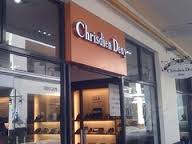
    Chrisdien Deny, a retail chain with more than 500 locations across China, sells belts, shoes and clothing with an “Italian style” – and a logo with the same font as Christian Dior’s.

    Helen Keller, named for the deaf-blind American humanitarian, offers trendy sunglasses and classic spectacles at over 80 stores, with the motto “you see the world, the world sees you.”

    Frognie Zila, a clothing brand sold in 120 stores in China, boasts that its “international” selection is “one of the first choices of successful politicians and businessmen” and features pictures on its website of the Leaning Tower of Pisa and Venetian canals.

    Eager to glaze their products with the sheen of international sophistication, many homegrown retail brands have hit upon a similar formula: Choose a non-Chinese name that gives the impression of being foreign.

  • In South Korea, Ikea opens biggest store to lure tiny households

    In South Korea, Ikea opens biggest store to lure tiny households

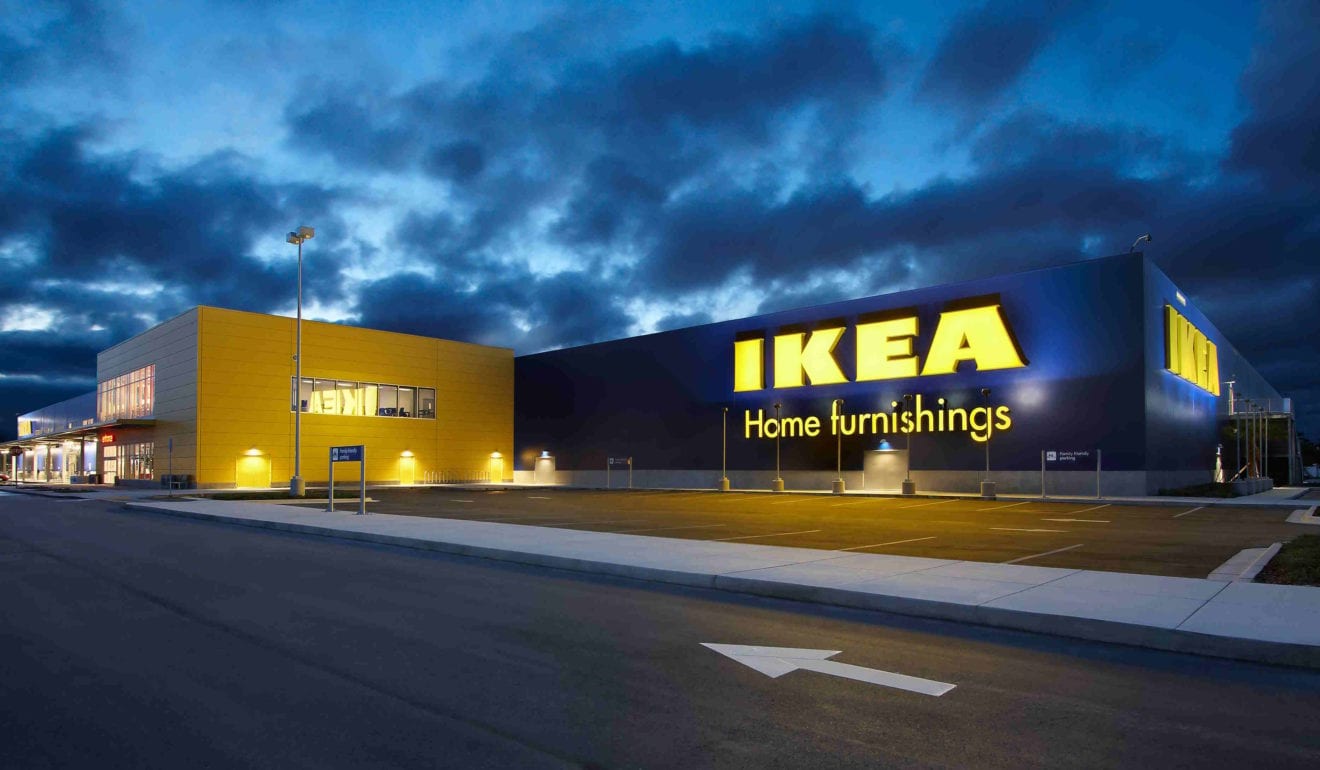
    Iconic Swedish furniture retailer Ikea built its biggest store in the world to serve South Korea’s shrinking households, targeting millions of people living alone with Korea-only items like super-sized single beds and in-store kimchi rice.

    The store opened on Thursday in Gwangmyeong, less than an hour’s drive or 14 minutes by train from central Seoul, with a sales space nearly as big as the Louvre museum at 59,000 square metres. The previous record-holder at Ikea, known for its inexpensive, self-assembly products, was in Stockholm spanning 55,200 square metres.

    Stiff domestic competition and sluggish spending have made South Korea an unhappy hunting ground for global retail giants like Wal-Mart and Carrefour, who exited years ago. But Ikea’s design appeal to South Korea’s urban crowds, and few big local rivals, leave it well placed, retail experts say.

  • Greater rental retail transparency in Singapore soon

    Greater rental retail transparency in Singapore soon

    Retailers and landlords in Singapore can look forward to greater retail rental transparency after the details of the Fair Tenancy Consideration Framework are unveiled, probably this month. The framework will comprise three components: data transparency, education and awareness, and a mediation process.

    The first component will make retail rent data transparent, likely pegged to street names, with a rough gauge of the size of the shop unit.

    “We tried to push for more rent details which give better transparency (down to per square foot rental),” said Kurt Wee, president of the Association of Small and Medium Enterprises (ASME). “But I think it’s not going to be easy to extract this data . . . If we ever want full transparency, we are talking about a new data bank. This means for every lease you sign, you have to fill up a set of obligatory information and file it with a certain data bank.”