Retail News CRM

Tag: Retail

  • Future Group merger creates Indian giant

    Future Group merger creates Indian giant

    Future Group, one of India’s highest profile retailers, has agreed to merge its operations with Bharti Retail to create a retail powerhouse with more than 570 stores.

    Bharti Retail currently runs more than 200 Easyday branded stores of multiple formats across 114 Indian cities, traversing Punjab, Haryana, National Capital Region, Western Uttar Pradesh, Uttarakhand and Bangalore.

    Future Group has more than 17 million sqft of retail space in a variety of formats and categories in 166 Indian cities.

    Post merger, the combined group will comprise two organisations, both listed. One, named Future Retail will run the combined store network. The other, Future Enterprises, will manage the assets, and infrastructure of the two companies.

    Post-merger, Future Retail will run stores in 243 cities with 18.5 million sqft of floor space. The network will include 203 Big Bazaar and Easyday hypermarkets, 197 Food Bazaars and Easyday supermarkets and 171 other retail shops including eZone, Foodhall, Home Town and FBB.

    Kishore Biyani, founder and CEO of Future Group said the Bharti operations and network “complement perfectly” with Future Retail’s.

    “It will bring us closer to millions of consumers and provide new opportunities for our supply partners. The operational efficiencies that can be derived from the merger will create significant value for our shareholders,” he said.

  • Horror quarter for McDonald’s Japan

    Horror quarter for McDonald’s Japan

    McDonald’s Japan had already warned investors it would be a nightmare year.

    Earlier this month it announced the closure of 131 stores, a menu revamp and refurbishment of 500 stores in a bid to stem a projected US$319 million loss.

    This week, McDonald’s Holdings Company (Japan) released its first quarter trading results: same-store sales plunged 32.3 per cent due largely to a 24.3 per cent drop in customers and total sales fell 39.9 billion yen (US$332 million) to 83 billion ($691 million).

    Sales were hampered by ongoing food safety issues relating to suppliers, and even a widely reported shortage of fries, which led to unprecedented rationing to customers.

    The result was an ordinary trading loss of 11.1 billion yen ($92.4 million) which after the first round of one-off restructuring costs grew to a total 14.5 billion ($121 million) loss for the three months to March 31.

    But the fast food company said same store sales are trending upwards – with expectation they will turn positive in the third quarter. Provisional figures for April show a drop of 21.5 per cent, nearly a third less than the first quarter.

    For now, the company says its focus is on executing the Business Revitalization plan in order to accelerate the business recovery, lay the foundations for future growth, and achieve mid- and long-term goals.

    “Going forward, regaining customer confidence will remain our number one priority. In addition, we aim to accelerate the pace of business recovery and lay the foundations for future growth through the flawless execution of our Four-pillar Business Revitalization Plan: “Customer Focused Initiatives”, “Accelerate Restaurant Revitalization”, “Localize Our Business Structure”, and “Improve Cost and Resource Efficiency”,” McDonald’s Japan said in its earnings statement.

    “Through these structural changes along with customer and community focused activities, we will strive to achieve our vision of becoming a Modern Burger Restaurant that Connects with Customers.”

  • Middle-aged Koreans embrace mobile shopping

    Middle-aged Koreans embrace mobile shopping

    As grocery shopping through major retailers’ mobile shopping platforms is becoming a normal practice among Koreans, women in their forties are increasingly using mobile devices to buy their groceries.

    According to the Ticket Monster social commerce site, 73 per cent of the company’s female customers made purchases through the company’s mobile platform in the first quarter of the year.

    The figure represents a three per cent increase over the average for 2013 as a whole. Women in their thirties were the largest group of purchasers at 52.7 per cent, while women in their twenties and forties stood at 27.4 per cent and 16.1 per cent respectively.

    However, purchases among women in their forties increased the most, with growth of 3.5 per cent, while sales among those in their twenties actually declined by 4.8 per cent.

    These groups purchased groceries the most, including fresh food.

    Customers of both sexes in their thirties were the most frequent buyers of fresh food through the Ticket Monster mobile platform with a 51 per cent share, compared to 23 per cent and 21 per cent for those in their forties and twenties respectively.

    Ticket Monster saw its mobile platform fresh food sales grow threefold in the first quarter compared to the same period last year.

  • Foodpanda seals $110m funding

    Foodpanda seals $110m funding

    One of the world’s best-known merchant bankers has taken a strategic stake in fast-growing food delivery service Foodpanda.

    Just 50 days after securing $110 million cash injection from its parent and other new investors, the Rocket Internet subsidiary says Goldman Sachs has invested another $110 million into the business and will take a seat on its advisory board.

    The funds are being used by Foodpanda to snap up rival delivery services in new and existing markets to help it gain critical mass and eliminate competition. Since its launch in 2012 the business has now raised more than $310 million.

    Its latest acquisitions have been in Malaysia and other Southeast Asian markets, along with Russia, Mexico and Eastern Europe.

    Foodpanda says it will use the Goldman Sachs funds to expand its own delivery activities and improve overall customer experience across its 40 markets.

    Foodpanda’s service standards are slipping in some established markets and customers often lack an alternative supplier due to Foodpanda’s ‘scorched earth’ acquisition strategy. Improving delivery times, the temperature control and delivery condition of food and improving customer response times is becoming a major challenge for the company in some markets.

    “Last-mile delivery has been part of Foodpanda’s operations since the beginning. It will now accelerate its efforts to drive customer satisfaction, aiming to offer the most convenient way of ordering food – from the mobile app and online,” the company said in a statement.

    Ralf Wenzel, co-founder and CEO of Foodpanda group, said Goldman Sachs has deep expertise in online marketplaces and will help the company build the leading mobile food delivery marketplace in Emerging Markets targeting over 3 billion consumers.

    “The Emerging Markets represent the largest opportunity in online food delivery and we are committed to create the most convenient way for ordering and delivering food.”

    Foodpanda now has partnerships with more than 45,000 restaurants across 40 countries, and claims market leadership in 32 of those markets.

  • Golden Eagle suspends Hefei stores trading

    Golden Eagle suspends Hefei stores trading

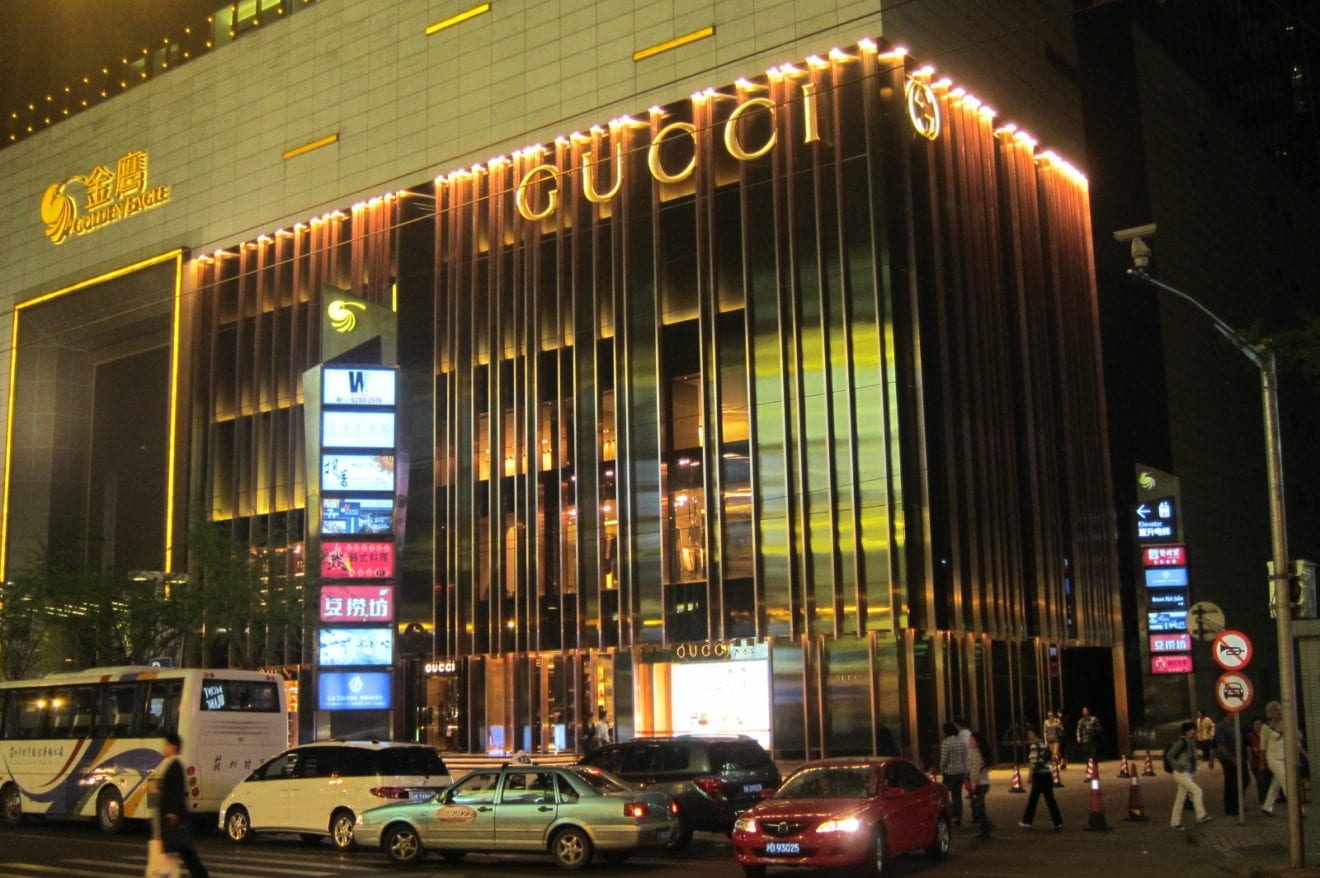
    Chinese retailer Golden Eagle says its Hefei Baihuajing Store and Dadongmen Store will  suspend operations from Sunday May 10, due to a lease dispute and subway renovation.

    Golden Eagle Retail Group said in a statement that the dispute relates to property rights and constraints in operational conditions.

    “Our Baihuajing Store is located at a leased property, which is owned by a third party. A property rights dispute has led to insurmountable difficulty in carrying out our normal operation in Baihuajing Store.

    “Meanwhile, the operation of our Dadongmen Store, which has long been affected by subway construction, is unable to meet Golden Eagle’s consistent standards for customer service. Upon serious consideration, the group has decided to suspend the operation of the two stores”

    Golden Eagle said the suspension of operations would have little material impact on the group’s overall operations and sales.

    “The total gross floor area of the group’s retail chain stores is 1,534,387 sqm, while that of Baihuajing Store and Dadongmen Store are 12,294 sqm and 10,356 square meters, respectively.”

    “Despite the suspension of operation of Baihuajing Store and Dadongmen Store, Golden Eagle will continue to provide customers in Hefei with outstanding and thoughtful services. VIP customers and holders of Golden Eagle’s other membership cards can enjoy the same services in our Hefei Suzhou Road Store (4 Suzhou Rd, Luyang District, Hefei City) or any other Golden Eagle stores all over the country.

    “In addition, our Hefei Suzhou Rd Store will continue to offer one-stop aftersales service to customers for products return or exchange to ensure satisfactory shopping experience,” Golden Eagle said.

  • Tmall Global launches duty-free platform

    Tmall Global launches duty-free platform

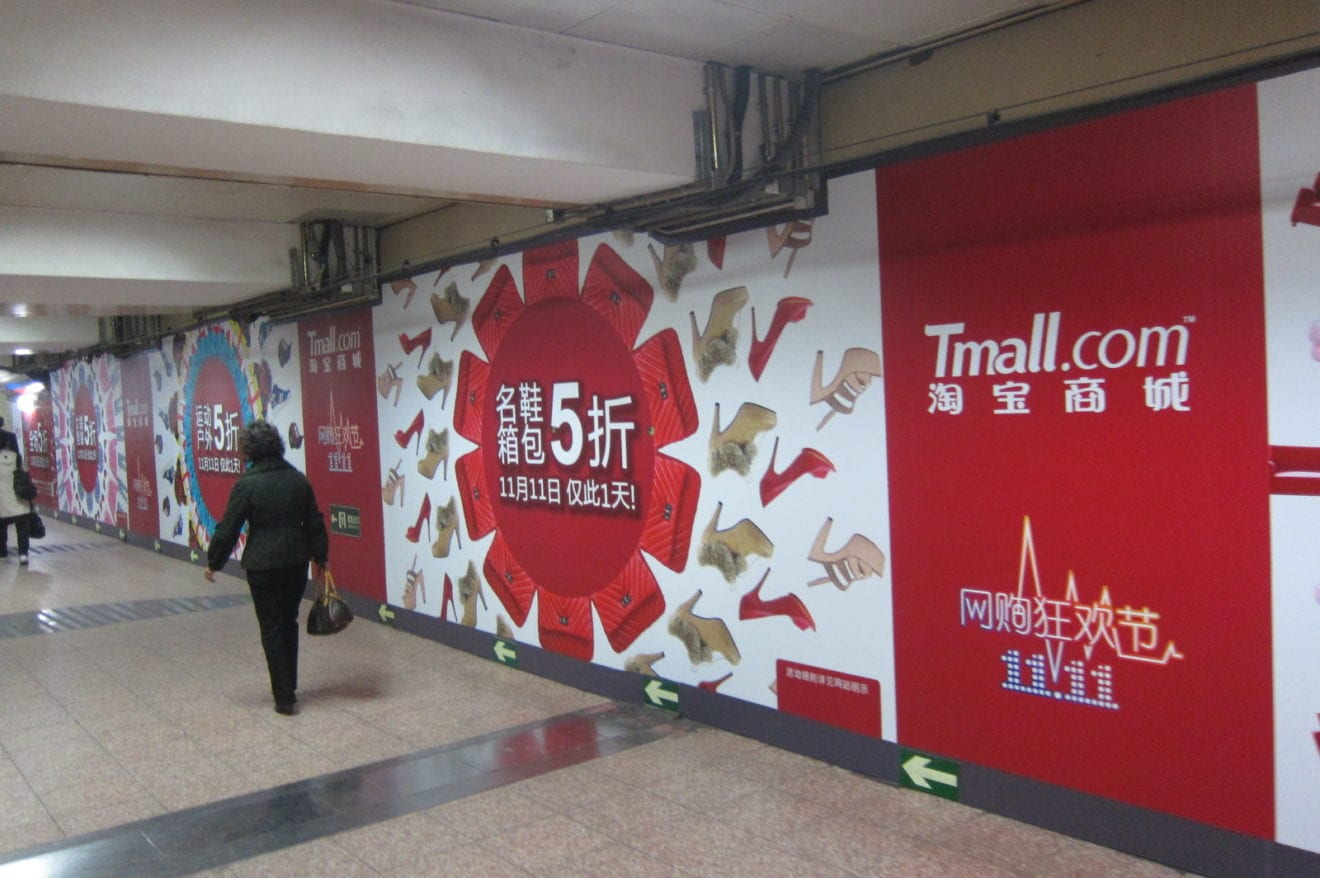
    Alibaba’s Tmall Global is to launching a prepaid duty-free service for Chinese travellers going abroad in the hopes of boosting international eCommerce opportunities.

    Under the World Duty Free service, Chinese travellers can buy prepaid cards online before they go abroad, then purchase items from duty-free shops in the country they’re visiting. Tmall said the service will eventually allow customers to buy specific duty-free products online and pick them up at the airport.

    The service will launch with Thailand’s King Power duty free monopoly.

    Duty-free companies in South Korea, Japan and Europe are working with Tmall to open storefronts on the platform, Tmall says.

    “Cross-border e-commerce has great potential in China and Tmall Global will continue to help brands and retailers sell into China through innovative solutions, at the same time providing Chinese consumers a wide variety of product choice,” Tmall Global head Maggie Wu said in a release.

  • Amazon Business makes online debut

    Amazon Business makes online debut

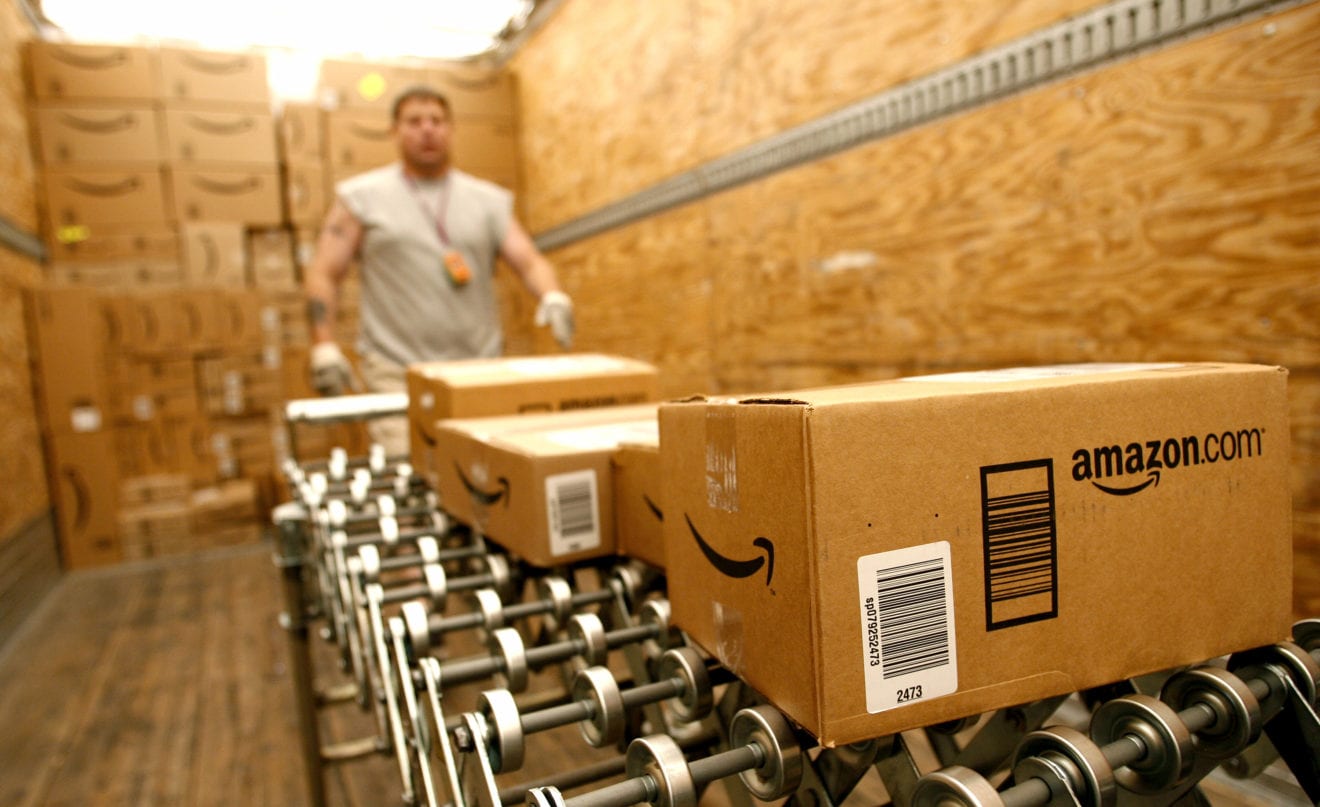
    Amazon has introduced Amazon Business, a new marketplace on Amazon.com.

    On Amazon Business, sellers can list their offers in more than 45 business-specific categories, including office, IT, MRO, tools, scientific and food & beverage. The new store is initially open to US shoppers only, but overseas vendors can list prodicts there.

    Amazon says the portal gives sellers an opportunity to grow their sales by reaching millions of business customers located across America.

    “Selling to businesses has now become as easy as listing your products on Amazon. Amazon Business features exclusive business pricing tools, the ability for sellers to list their credentials and quantity discounts for qualifying purchases,” the company said in a statement.

    “Through Amazon Business, sellers can benefit from Amazon’s eCommerce expertise, visibility for their full product catalog on an established online marketplace and greater access to business customers to grow sales. Amazon Business is available to sellers based domestically and internationally, and compatible with the Fulfillment by Amazon (FBA) service to meet rigorous delivery requirements expected by business customers.”

    Amazon Business features available to sellers now include:

    • Amazon Business Seller Program: Sellers that meet the performance and service requirements will be prominently featured to business customers.
    • Business Pricing and Quantity Discounts: One of the most requested features by business sellers is quantity pricing. Sellers can offer discounts when businesses purchase larger quantities. Sellers can also differentiate pricing to business customers.
    • Seller Credentials: Sellers can add credentials such as ISO 9001 certified, small business, women-, minority- and veteran-owned businesses to their seller profiles, which will be displayed to business customers.
    • Business Product Identifiers: Products that will be easily discoverable by customers using manufacturer and distributor part numbers (MPN/DPN) or National Stock Numbers (NSN) for purchases for government procurement.
    • Fulfillment by Amazon: With FBA, sellers store their products in Amazon fulfillment centers. When customer orders are received, Amazon will pick, pack, ship and provide customer service for these products.
    • Tax Exemption: Sellers participating in Amazon’s Tax Collection Services may also elect to participate in the Amazon Tax-Exemption Program (ATEP). ATEP allows customers to make tax-exempt purchases from participating sellers by providing a tax-exemption certificate and automates the process for participating sellers to accept tax-exemption certificates from customers.
  • ‘Go mobile’ urges Alibaba

    ‘Go mobile’ urges Alibaba

    Mobile and differentiation were the key words when Alibaba Group Holding’s top executives introduced their strategy to 800 merchant attendees last week at the annual meeting of sellers on Taobao, its largest Chinese web marketplace.

    About 9 million merchants sell 1 billion items on Taobao.com, according to Alibaba, and mobile has become the marketplace’s major shopping venue. Alibaba reported that purchases from mobile devices accounted for 42 per cent of sales on its Chinese retail marketplaces in the quarter to December 31, 2014.

    Taobao.com is responding by creating new mobile services for merchants, including some that focus on social media marketing. In March, Taobao.com launched Xiaopu (which means “small booth” in Chinese), a feature in the Taobao app that enables merchants to upload product listings more quickly through mobile devices and connect more effectively with consumers through social media.

    “Xiaopu simplifies the steps to manage a store and could reduce the time to upload a product listing from 20 minutes to three minutes. For example, merchants can scan a bar code on a product to post a product,” says Zhang Kuo, director of Alibaba’s mobile business.

    “Xiaopu also allows merchants to post messages on Chinese social network Weibo to reach followers based their location. Consumers could buy products that are close to them, and even get the product from a merchant in person.”

    More than 2 million merchants have begun to use Xiaopu, according to Taobao.com.

    The focus on social media reflects its growing role in driving traffic to Taobao merchants, and the declining traffic from mobile consumers using Taobao’s internal search engine. “The mobile traffic from searches is decreasing. Now only 50 per cent of our mobile traffic comes from search, and more traffic is coming from recommendations in online communities and social media,” Zhang says.

    Alibaba also is taking steps to promote products that are unique or novel, as it tries to move away from its reputation as a wide-open online bazaar where sellers compete solely on price. In its latest move in this direction, Taobao.com launched a promotional event in March called Week of New Forces to sell about 100,000 apparel products through banners in prominent positon on the home page of the marketplace. Almost all the products come from youthful designers or rising web-only apparel brands that target a specific group of young consumers, according to Alibaba.

  • Children’s Place boosts Rana Plaza fund

    US retailer Children’s Place, has contributed another $2 million to the Rana Plaza Donors Trust Fund, narrowing the shortfall to $2.7 million.

    The fund was set up to provide assistance to victims of the 2013 disaster when 1129 workers were crushed to death when a multistorey building full of sweatshops collapsed.

    The Children’s Place contribution followed another of $1.1 million by Italy’s Benetton earlier this month and $100,000 from H&M, which never actually sourced any clothes from the complex.

    Last Thursday, Children’s Place working with the ILO convened a conference call of major brands and retailers in an attempt to fill the funding gap by the second anniversary of the Rana Plaza disaster.  This call raised over $1 million in donations to the fund. In addition to those donations, Children’s Place contributed another $2 million to the fund, taking its total contribution to the compensation fund to $2.5 million.

    “We have been calling on brands to work together to collectively resolve the funding crisis for months, and we welcome the initiative of The Children’s Place in doing so now,” said Sam Maher of the Clean Clothes Campaign.

    This last minute initiative coincided with a Global Day of Action, for which activists participated in actions around the world, calling on all brands sourcing from Bangladesh to fill the current funding gap in compensation immediately, and to sign the Bangladesh Accord on Fire and Building Safety. There were major events and demonstrations in at least 20 countries.  Global actions included a mass demonstration held by trade unions and garment workers federations in Dhaka, a public art installation forming a concert of sewing machines in Genova, Italy, demonstrations outside stores including Mango, JC Penney, Zara, and Walmart in the US, and a flashmob outside stores in Berlin.

    “There remains hope that brands and retailers will continue to step up and make additional contributions in order to fully fill the fund at $30 million, the amount required to provide the survivors and victims’ families with full and fair compensation,” said Maher.

    “Over the past several months, there have been rumours of a forthcoming donation of around $4 million from the Bangladesh Alliance, which includes Walmart and a number of other US and Canadian brands with production in Bangladesh.

    “The donations of The Children’s Place and others in the run up to the anniversary has brought us close to the target, but frustratingly, not close enough to finally complete this program.”

    “For months Walmart has been delaying any further donation, claiming that instead the Alliance would be making a significant payment. With only $2.7 million left, the Alliance is presented with a unique opportunity to finally close the gap and we are calling on them to make good on this promise by May Day.”

    The urgency and need for full compensation grows with each passing day.  Many survivors have had to use their entirety of their compensation payments to date on medical fees and are living in abject poverty, awaiting the final installments. To date, claimants have only received 70 per cent of their calculated settlements.


     

  • Japan retail sales plunge

    Japan retail sales plunge

    Japan retail sales plunged nearly 10 per cent in March compared with a year ago.

    The sales slump – 9.7 per cent – was worse than expected, but despite the shock, analysts urged caution in the interpretation of the data. In March 2014, sales were artificially high as Japanese brought forward spending to avoid a sales tax increase that took effect on April 1.

    Analysts had expected a fall of close to seven per cent. February’s fall was just 1.8 per cent. Retail sales have been subdued since Japan raised the consumption tax to eight per cent last April.

    Marcel Thieliant, an economist at Capital Economics, said in a research note that the spending decline suggests private consumption may have fallen for the first time since the sales tax rose.

    “It was widely expected that consumption would benefit from the plunge in energy prices. However, households have chosen to save rather than spend the windfall from cheaper oil.”

    The decrease was the worst March fall since 1998.

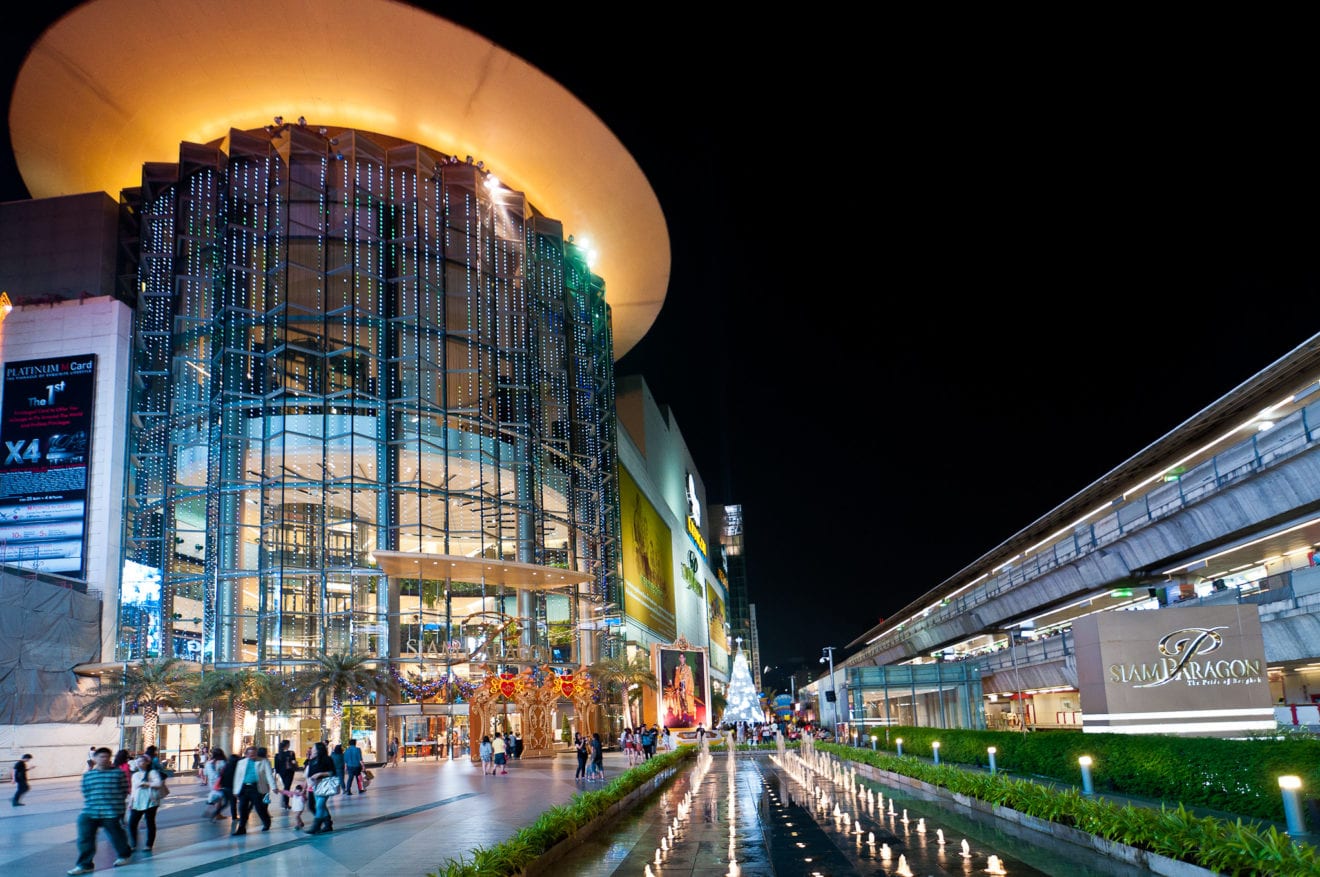
  • Siam Paragon names and shames bad taxis

    Siam Paragon names and shames bad taxis

    The unprofessionality of Bangkok’s taxi drivers is notorious internationally.

    Now a Bangkok shopping centre has teamed with the Department of Land Transport to name and shame bad drivers, in the hope they’ll reform or find fares elsewhere.

    Most residents of, or visitors to, Bangkok relying on taxis to transport them home or to their hotel after a day’s retail therapy have endured frustrating delays due to taxi drivers illegally refusing fares.

    Despite fines and threats of being reported to the hotline – itself overloaded, such is the extent of the problem – drivers try to pick and choose passengers which give them the best profits, leaving others stranded on the pavement.

    DLT has fined 31 of 54 drivers caught refusing fares at the Siam Paragon taxi rank and is hunting down a further 23, according to website Thai Rath Online.

    Meanwhile, the drivers’ taxi registration numbers, taxi co-ops and rental agents have been listed on a sign at the rank so potential passengers are warned, according to DLT director-general Teerapong Rodprasert. The drivers’ names were not listed because drivers often share cars.

    In a crackdown at the rank, DLT officials suspended the licences of two drivers for seven days because it was their second offence.

    Last week, Thai police conducted a blitz on Sukhumvit Rd, catching 34 drivers who refused fares late one night.

    Both locals and tourists report an epidemic of Thai taxi drivers refusing fares or refusing to use the meter and setting flat fees for hires, both illegal.

    A 24 hour hotline – 1584 – allows passengers to lodge complaints, by providing the taxi’s or driver’s registration numbers. There is also a free DLT Check smartphone app available.

  • Tesco Lotus confirms expansion plans

    Tesco Lotus confirms expansion plans

    Tesco Lotus remains committed to Thailand and will continue to invest in expanding its retail and online channels, according to a report in the Bangkok Post newspaper.

    Tesco Lotus has previously announced plans to open five large stores and 50 express stores over the coming year.

    But a cloud descended over the company’s future in the wake of parent Tesco UK’s financial turmoil, with talk the Thai division may be sold off to pay off debt in the UK.

    However, in an interview with the Bangkok Post, CEO John Christie said Tesco will also increase investment in programs to help reduce the prices of fresh food, groceries and household items.

    It would appear that any plan to liquidate Tesco’s Asian assets are at least on ice.

    In its annual result announced last week Tesco said its combined Asian operations posted a profit of £565 million, down 18.4 per cent largely on falling sales in China, where the brand is being phased out. That’s considerably more than the £467 million profit in the UK and £164 million in Europe.

    Christie also said Tesco Lotus has so far invested over 4 billion baht (US$30.6 million) under its Roll Back price campaign to help cut product prices, and another 600 million baht ($18.37 million)to help slash the price of fresh food.

    “Tesco Lotus has made huge investments over the years to help Thais save on their cost of living. We are confident that our investment plan will strengthen our leadership in the modern retail sector, while we continue to work with Thai suppliers and business partners to grow together with us and help Thai people cut the cost of living,” Christie said.

    “Thailand is a strategic market for the Tesco Group. Growth opportunities here remain promising and we will continue to invest to grow our business”.

  • Wearable tech drives fitness tracker boom

    Wearable tech drives fitness tracker boom

    Nearly 19,000 health fitness trackers were sold in Singapore in the last six months as wearable technology meets fitness fad.

    According to data from research house GfK, the tracker market was worth more than US$2.3 million during the last six months,as increasing numbers of enthusiasts are slowly, but surely picking up the new ‘tech toy’.

    More than 100 units were sold every day between September and February.

    GfK commenced point of sales tracking of health and fitness trackers soon after the product entered the mainstream market and started witnessing rising consumer receptivity. At its peak month in December 2014, over 5200 of the gadgets were sold -generating more than US$530,000 in overall sales in one month alone.

    “Still considered at the infancy stage of the product lifecycle as it has barely been a year since the product has been launched here, the health and fitness tracker is currently appealing to the tech-savvy early adopters,” said Gerard Tan, account director for Digital World at GfK. “However, since GfK started tracking sales of the product in September, we have witnessed stable demand, growing the market steadily in into an approximate US$2 million business in the six month span.”

    GfK reports eight major brands of health and fitness trackers offering nearly 50 models in Singapore. A comparison of monthly sales performance in the six months revealed some emerging preferences among local consumers. For instance, devices that are equipped with a wireless feature have been consecutively rising in share of sales volume, from 54 per cent in September to 76 per cent in the latest month.

    And there is growing demand for models which come with the heart rate sensor. In February 2015, two in every five health and fitness trackers purchased have this feature – compared to just six per cent six months ago.

    “Consumers in our developed market are receptive towards the new wearable technology and manufacturers continue to actively launch their flagship models in Singapore first for the Asia region,” said Tan. “As the market starts getting increasingly crowded, manufacturers will need to identify their distinct fitness tracking feature or move away from the traditional form factor to create new wearable designs and experiences in order to stand out and gain edge in the market,” he concluded.

  • Baby supplies chains land in Korea

    Baby supplies chains land in Korea

    Two Global SPA brands for baby supplies have entered the Korean market.

    BabiesRus, the world’s largest baby product retailer, has opened a store at Lotte Mart’s Suwon branch.

    Strollers, baby car seats, supplements for babies and clothes from various global brands can be found at the store.

    With the first BabiesRus store established in New York in 1996, Toys “R” Us, the American toy retailer, now operates 670 BabiesRus stores in 17 countries.

    It was previously reported that Lotte Mart has been in talks with Toys “R” Us for a year to establish BabiesRus stores in Korea. Lotte Mart currently operates 34 Toys “R” Us stores in Korea, starting with its first store at its Guro branch.

    The Korean retailer is also offering a special discounts to families with more than two kids under 13 years old at its Toys “R” Us stores.

    Another SPA brand, ‘Mothercare,’ which originated in the U.K in 1961, has opened four stores at Home Plus branches.

    There are currently 1200 Mothercare stores around the world, and there will be five additional stores in Korea within the year.


  • Smart shopping list concept debuts

    Smart shopping list concept debuts

    Smart brands are quickly moving beyond simple eCommerce, using omni-channel retail to maximise their sales and customer relations.

    New from Australia, Booodl is a smart shopping list which helps consumers get the most out of their physical shopping trips by connecting the online and offline worlds.

    Booodl is a smartphone app that notifies consumers when they come in close proximity to products from their digital wish list. To begin, users create their list adding ‘wants’ online. Then, when they are out and about, the app notifies the customer when one of their ‘wants’ is stocked nearby: the user can then get directions to the shop, message the store or even order an Uber to the location, all within the app.

    They can then either pop in for a closer look or make the purchase and simply visit the shop to collect it.

    Booodl is currently available in Sydney where there are already over 1400 stores onboard. It plans to expand to other cities in the near future.

    Trend spotting service Springwise.com observes it has seen other products such as Amazon’s Dash button looking to create an effortless consumer experience and break down barriers between digital and physical retail environments.

    “How else could online be used to enhance real world purchasing, rather than competing with it?”