Tag: Retail

  • Wendy’s India makes debut

    Wendy’s India makes debut

    US burger chain Wendy’s has made its Indian debut this week – with the first of up to 50 stores planned over the next five years.

    Wendy’s India is a joint venture between International Market Management of England and Rollatainers of India who established Sierra Nevada Restaurants to run the business.

    The first outlet has opened in Gurgaon.

    “Sierra Nevada plans to open three more outlets in the Delhi-National Capital Region during summer and up to 20 more in Northern India over the next few years,” the statement said.

    Wendy’s India is seeking to differentiate itself from rivals like McDonald’s and KFC. Its burger pricing will start at Rs 59, while McDonald’s and KFC sell burgers from Rs 25-35 upwards.

    Sierra Nevada says it will offer customers “a casual dining experience at a quick serving restaurant price”.

    “We are starting at Rs 59 (US$0.92) because we believe that’s where quality comes in,” Wendy’s global president Darrell van Ligten told the Economic Times of India. “Competition is playing the Rs 30 game but you can’t do quality at that price.”

    The Wendy’s India menu will not include beef, instead offering 11 vegetarian products and 10 non-vegetarian, using chicken or lamb. The most expensive burger will be Rs 200 ($3.12).

    “India is a growing, dynamic market, which is attracting the attention of leading brands around the world,” Wendy’s president and CEO Emil Brolick said in a statement.

    “We’ve worked on the concept with the Wendy’s team for almost two years” one of Sierra Nevada’s directors Sanjay Chhabra added.

    Wendy’s is the world’s third largest burger chain behind McDonald’s and Burger King, with 6500 restaurants in 29 countries.

    Van Ligten told the Economic Times losing the first mover advantage by entering the Indian market behind McDonald’s and KFC had an advantage.

    “Thanks to them, we don’t have to educate Indian consumers about western QSRs.”
  • Pure Gold opens at Changi

    Pure Gold opens at Changi

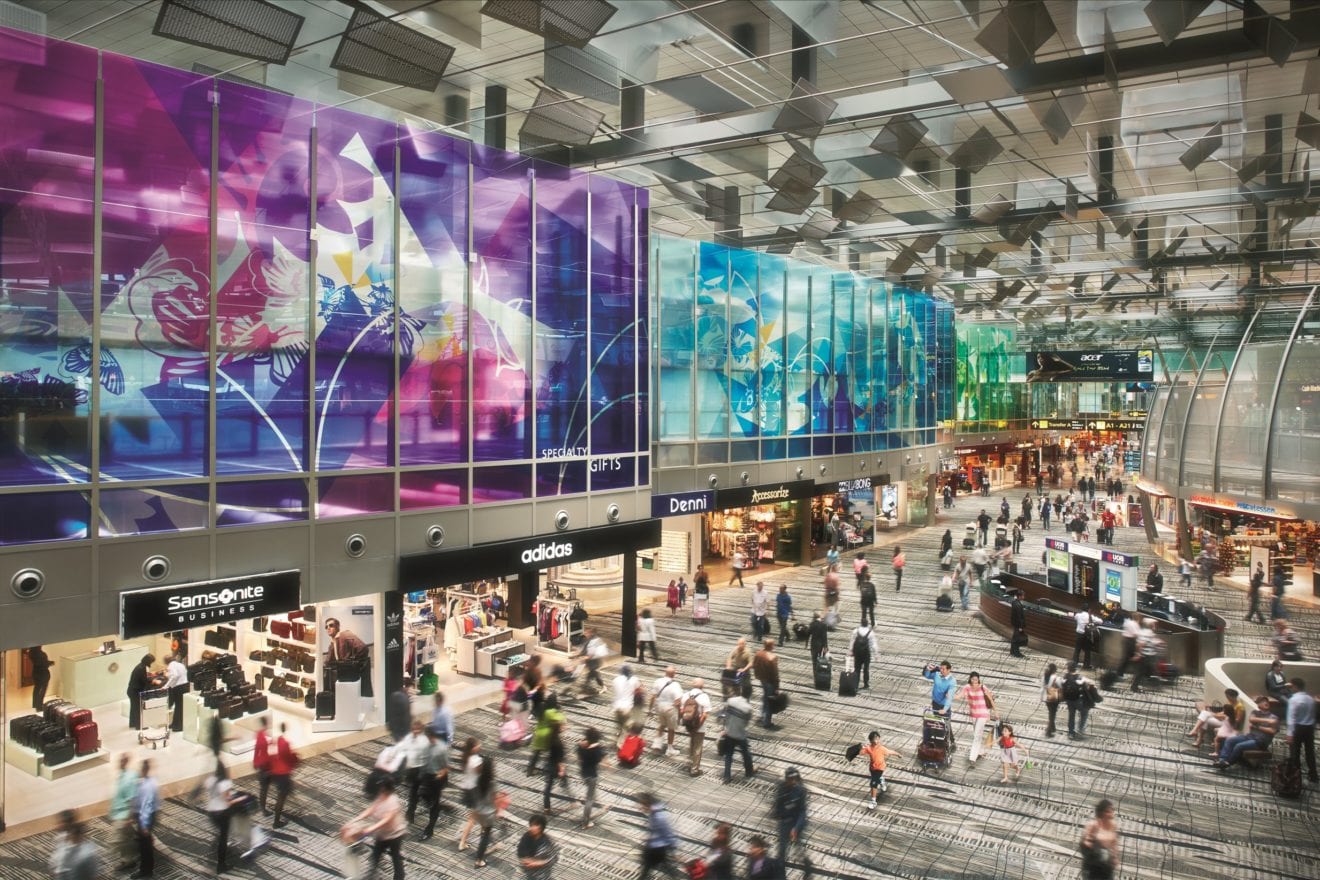
    Emirates-based Pure Gold Jewellers has opened the doors of its new store at Singapore’s Changi Airport.

    The store, the first Middle Eastern jeweller to be granted space at the airport, is located in the duty-free departure area of Terminal 1.

    Pure Gold says it designed the boutique with a luxury feel to create a comfortable shopping environment and position the brand as upmarket.

    Pure Gold is a private family-owned business founded 20 years ago which now has more than 125 stores in the Middle East and Asia. It plans to open a further 200 by 2018, selling products sourced from its factories in China and India.

    Chairman and founder Firoz Merchant said Changi airport is one of the busiest and best performing airports in Asia and opening inside airport terminal is a big boost to Pure Gold’s travel retail business.

    “This achievement is in line with our plans to become the largest travel retailer in jewellery globally. Passengers passing through Singapore Changi International Airport can now choose from our extensive range of gold, diamond, pearls, precious and semi-precious gemstone jewellery in the latest styles and best prices.”

    Pure Gold already has a strong duty free business in the Middle East, operating at all terminals in Kuwait and Abu Dhabi international airports, and within the duty free retail facilities in Jordan, Kuwait, Muscat, Dubai and Sri Lanka.

  • Changi Millionaire program extended in Singapore

    Changi Millionaire program extended in Singapore

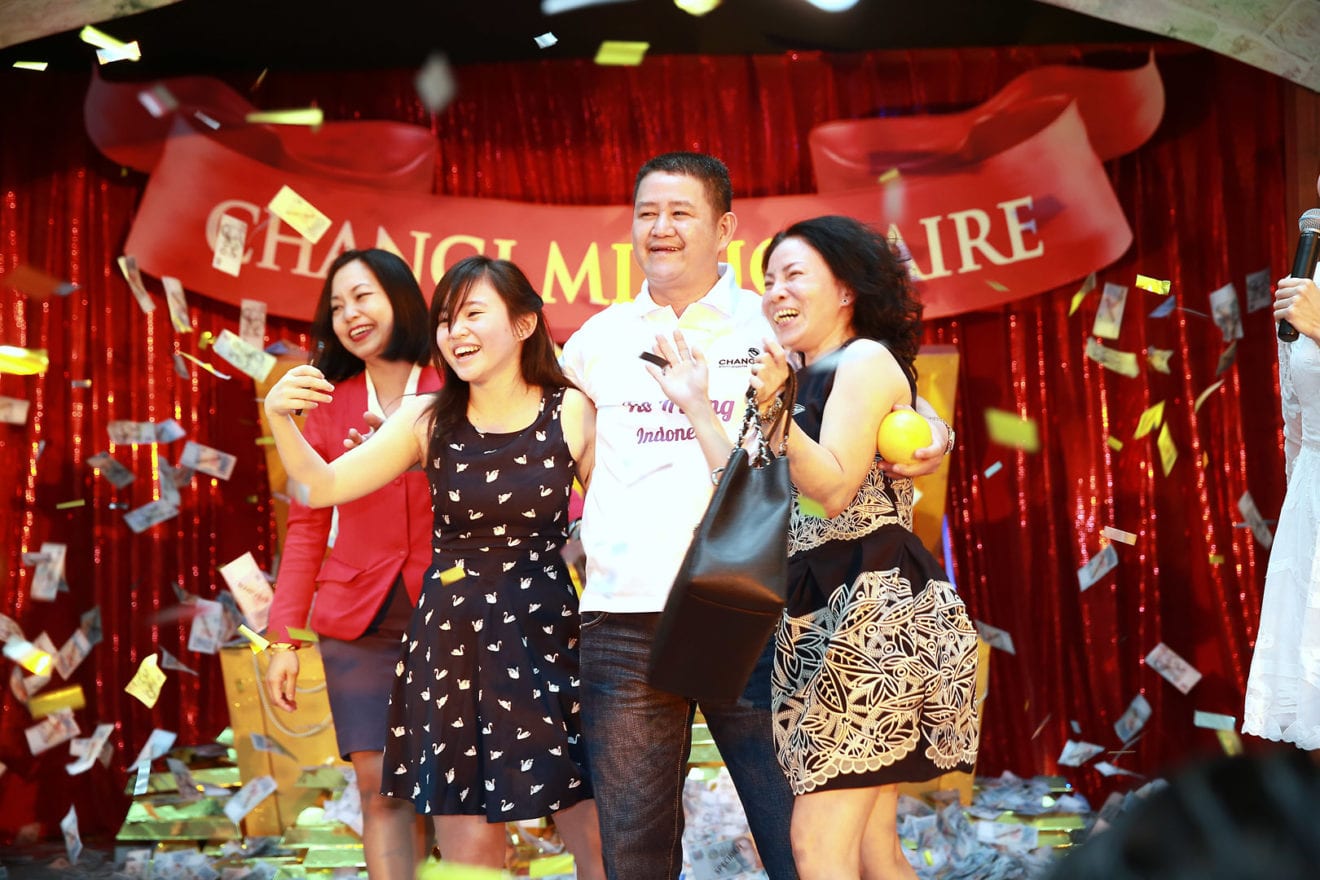
    Singapore’s Changi Airport has expanded its successful Changi Millionaire promtoion for 2015, as part of its 50th anniverary celebrations.

    From now until October 31, shoppers and diners can participate in the ‘Be a Changi Millionaire’ campaign for an instant chance to win any of the six attractive premiums, on top of the chance to be made a millionaire. This is the sixth year Changi Airport is running its anchor retail promotion, which has the largest cash prize in Singapore.

    In a collaboration with local designers Wang Shijia and Jo Soh, Changi Airport Group is this year offering a set of six exclusive ‘premiums’ as instant prizes in the latest instalment of Changi Airport’s ‘Be a Changi Millionaire’ campaign.

    Meanwhile, to celebrate Singapore’s 50th birthday, Changi Airport has dressed its four Millionaire promotional sites as local icons of yesteryear – the dragon playground, the mobile tricycle ice-cream stall, an old movie theatre as well as the laid-back ‘Mama Shop’.

    For the six months of the campaign, one finalist will be picked each month for the grand draw to be held in early 2016. In addition, this year, the Millionaire excitement will be brought online. Travellers who shop on iShopChangi – Changi Airport’s very own e-commerce portal – will be entitled up to 10 times more chances of being picked as a finalist. At the end of the six-month period – for the first time in the game’s history – a seventh finalist will be picked among the pool of online shoppers to vie for the grand prize of a million dollars. All seven finalists will each win a cash prize of S$5,0001 and a three-night hotel stay.

    So far, five shoppers have been crowned millionaires overnight – including Singaporeans Ivan Rantung (2010) and Peh Hock Peng (2012), Australian Jessica Down (2011), Indonesian Irvung Tio (2013), and Japanese Seiichiro Oiyama (2014).

    Lim Peck Hoon, executive VP of commercial at Changi Airport Group, said after five successful years of Changi Millionaire, the introduction of a seventh finalist from among online shoppers will make shopping on iShopChangi more interesting and potentially very rewarding.

    “This year is a jubilee year for Singapore, and we are infusing local elements into the promotion, so that shoppers from all over the world can join in the celebrations with us. The exclusive premiums combine elements of both Singapore and Changi Airport, making them unique memorabilia for our visiting guests.”

    Airport visitors and travellers only need to make a minimum purchase of S$30 at any of the retail and F&B outlets at Changi Airport2 or iShopChangi.com to qualify for both the monthly finalist draw and games to win instant prizes. The number of winning chances increases with the amount spent. Changi Rewards members and purchases made on iShopChangi.com will receive additional chances. More information is available online.

  • Esprit positive as network shrinks

    Esprit positive as network shrinks

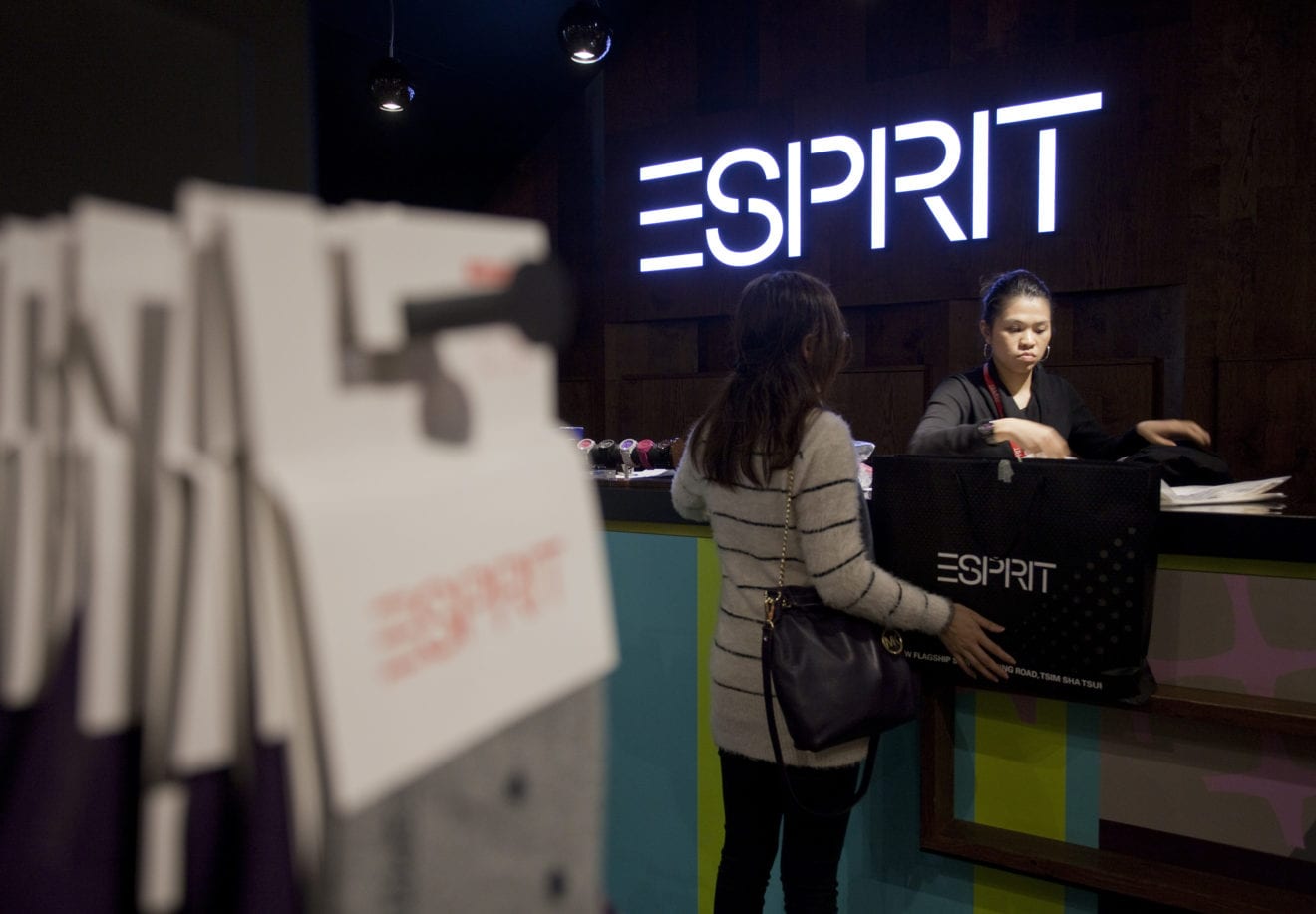
    Fashion retailer Esprit continues to cull its retail network, but despite reduced sales is confident its turnaround program is on track.

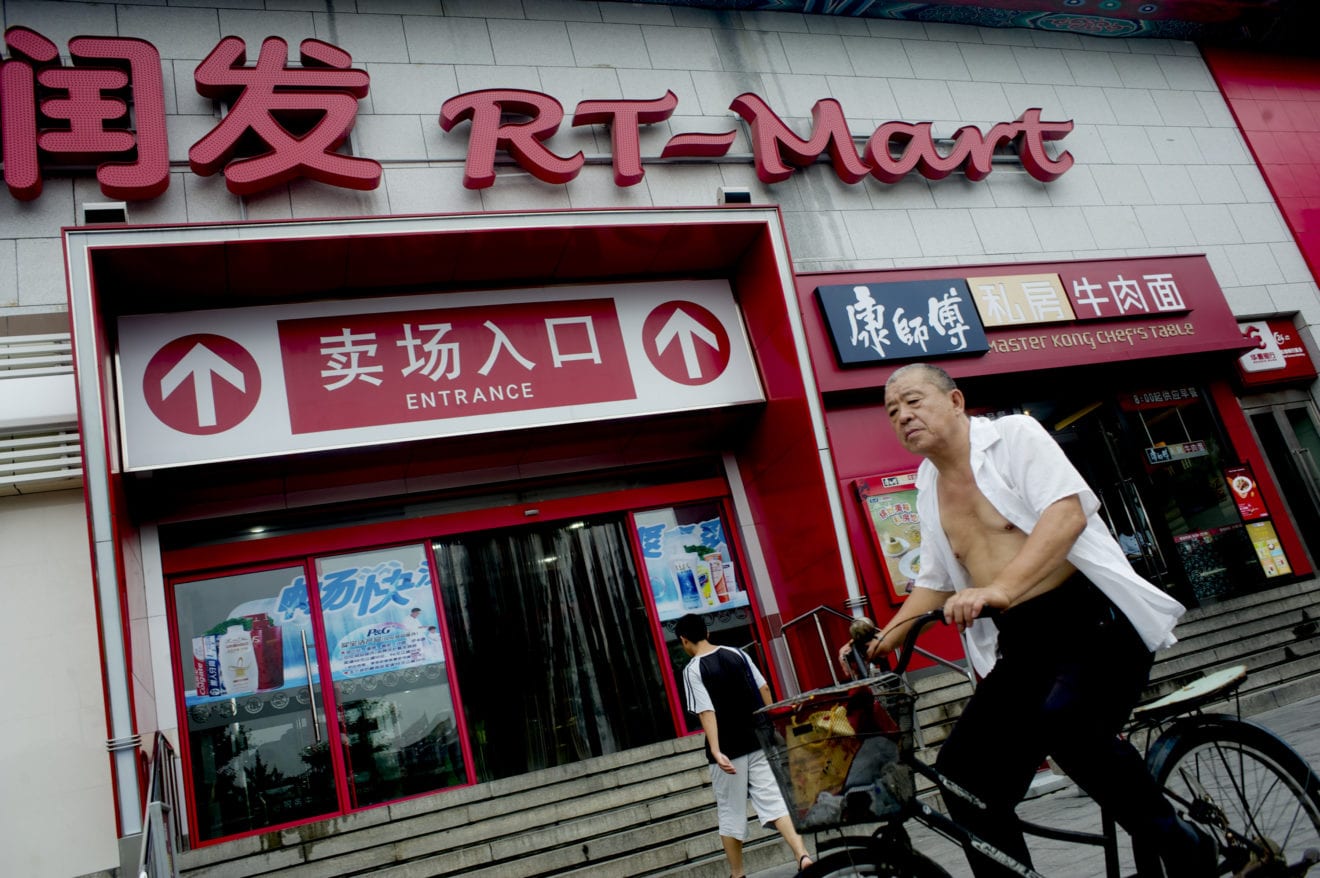
    In the third quarter to March 31, the Hong Kong-listed company’s turnover fell 25.5 per cent in Hong Kong dollar terms to HK$4.51 billion, or 12.2 per cent in local currencies where it trades. The Hong Kong figure has been exaggerated by a 17.7 per cent depreciation in the Hong Kong dollar-euro exchange rate.

    Retail turnover in Asia Pacific grew by two per cent year-on-year in the third quarter, despite a 2.6 per cent reduction in net sales area, or 20 fewer company-owned stores.

    Over the last 12 months Esprit has reduced the number of Asia-Pacific stores supplied by its wholesale division by 40 per cent, or 188 stores.

    Wholesale turnover in Asia Pacific thus declined by 8.8 per cent year-on-year in local currency (compared with a 49.3 per cent reduction in the first half of the year). Esprit says this improvement was mainly attributable to the success of its special return agreements with wholesale partners in China which helped to clear considerably aged inventories in the same period last year. That, in turn, has resulted in an improved order intake for the third quarter.

    “In the third quarter, the Transformation phase continued to make good progress,” Esprit said in a stock exchange filing.

    “Our leaner supply chain maintained its positive impact on our sourcing costs, enabling us to reinvest the savings to further improve the value-for-money of our products. Consequently, the new collections developed under the Vertical Model, which were available in stores since February 2015 have received a more positive response.

    “While this favorable response is encouraging, it is too early to assess the full impact of the new products on our sales given their short time in the market.”

    Esprit said to drive sales development and support its sustainable growth, the company will be increasing its marketing efforts and implementing an ambitious omni-channel model to enhance the customer experience across its multiple distribution channels.

    “The savings from a leaner supply chain are also driving a year-on-year improvement of our gross profit margin, which is key for the profitability of the company.

    “We remain fully confident that our current strategies will enable us to turn around Esprit and to establish a strong foundation for future long term growth.”

    Esprit concluded by saying it was encouraged by improved sales of its new collections which went on sale from February this year.

    “Retail turnover for the months of February and March 2015 declined year-on-year by 2.9 per cent in local currency – better than our square meters reduction.

    “The positive performance in Asia Pacific, where we did not face the same issues from Autumn/Winter 2014 season, was attributable to  better availability of merchandise in stores as a result of improved logistics support and more successful tactical promotions in all of our Asian markets for the Chinese New Year holiday.”

  • Alibaba aims to slash wine prices

    Alibaba aims to slash wine prices

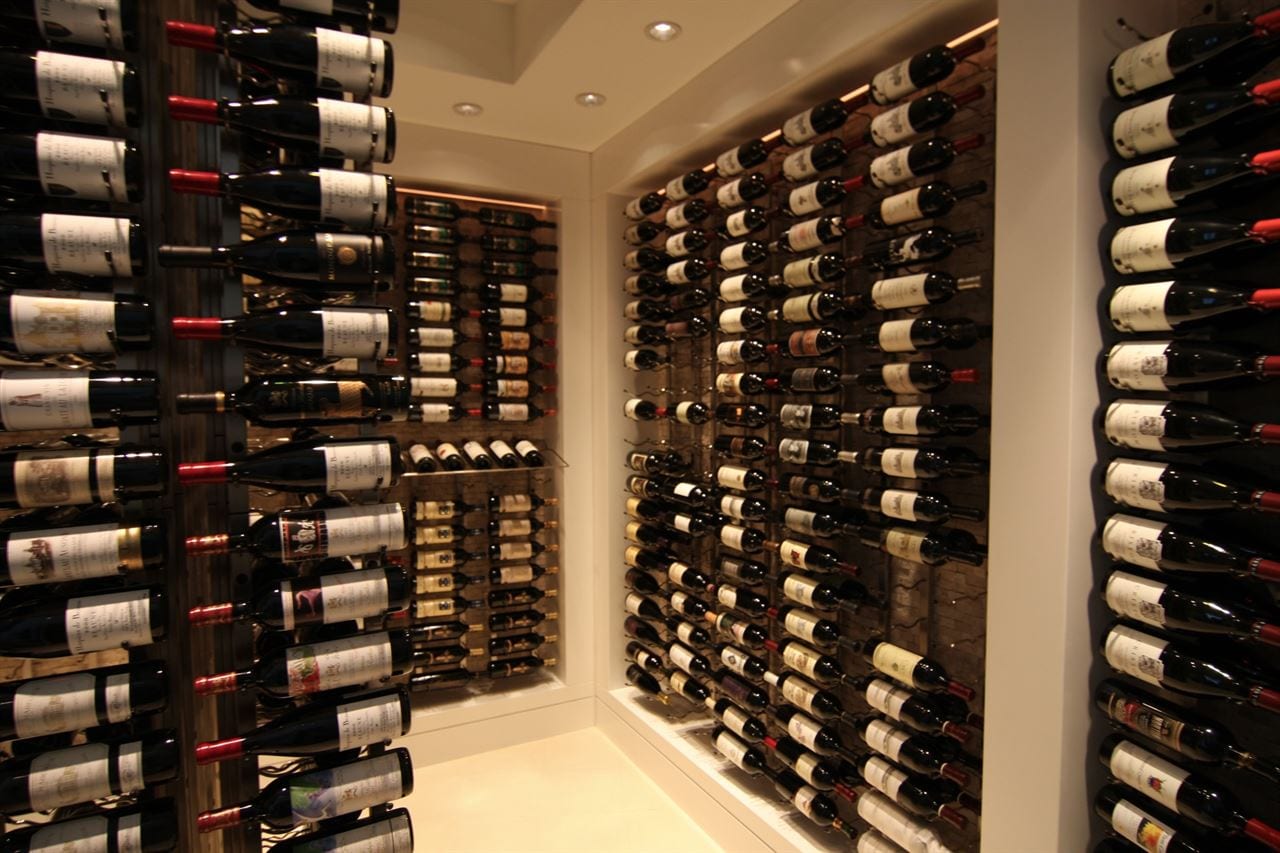
    Online retailer Alibaba believes it has found a way to cut the retail prices of wine in China.

    Using its business to business website 1688.com Alibaba has commenced selling wine direct to retailers, short-circuiting a raft of middlemen currently adding margins yet no value to the supply chain.

    Buyers from 1688.com are negotiating to buy wine in bulk direct from Spanish exporters which it then sells online to retailers.

    According to China news service Xinhua, in an article published on Alibaba’s own news website, a bottle of wine sold for 10 euros (68.54 yuan) in Spain can cost more than 240 yuan in China. That’s because the wine is often sold and on sold exporters to general agents, regional agencies and wholesalers before it finally reaches the retail shelf for consumers to buy. Each time the wine changes hands some 15 per cent margin is added to the price, along with additional freight charges and duties.

    Alibaba estimates that using 1688.com to link exporter and retailer, the same 10 euro bottle of wine in Spain could be retailed in China at just 116 yuan – that’s less than a half of the price traded through traditional channels, according to Liu Fei, a department manager at 1688.com.

  • Chinese in bid for New Look

    Chinese in bid for New Look

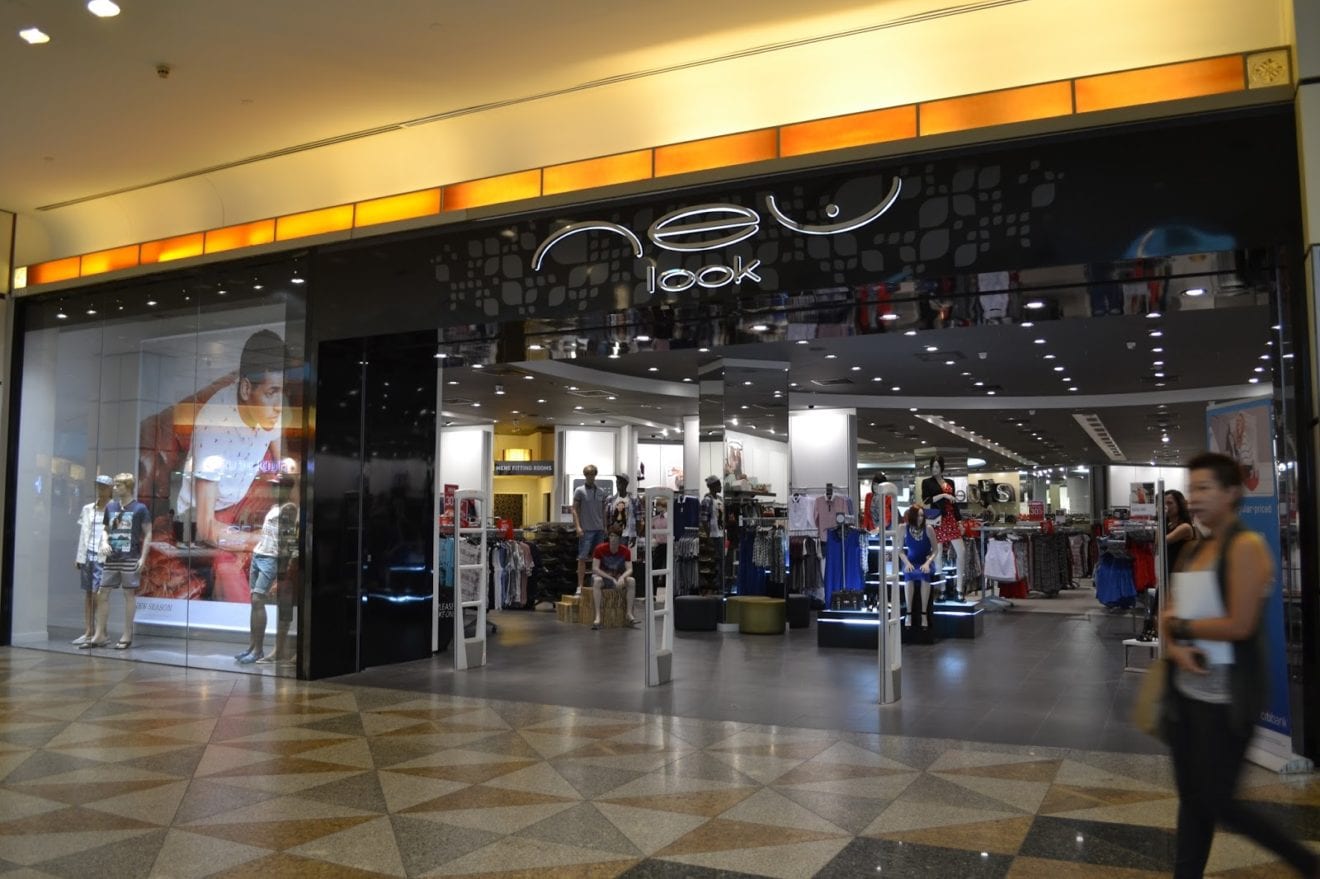
    Chinese buyers are circling high profile UK fashion brand New Look.

    UK news media are reporting negotiations are underway between a business linked with former Tesco CEO turned retail investor Sir Terry Leahy and a Chinese private equity group. The plan is to mount a joint venture bid for the business.

    New Look is currently owned by founder Tom Singh and private equity groups Permira and Apax Partners. The reports suggest a bid of £2 billion for New Look, which has more than 1000 stores internationally and a staff of more than 30,000.

    The US partner is Clayton, Dubilier & Rice, a private equity firm which owns 60 per cent of Luxembourg-based B&M. The Chinese partner is identified as CDH, another private equity group.
    Sir Terry reportedly has a shareholding in CD&R through a Cayman Islands based fund and is an advisor to the group on its retail investments.

    New Look has stores in Thailand, Korea, Singapore, Indonesia, China, Malaysia, Europe and the Middle East.

  • Tourists drag down Hong Kong retail sales

    Tourists drag down Hong Kong retail sales

    Official Hong Kong retail sales figures for March show a 2.9 per cent year-on-year fall, blamed on shrinking in-bound tourist numbers.

    According to data released by the Census and Statistics Department the fall follows a two per cent drop in January and February combined.

    A government spokesman blamed the sluggish sales on a slowdown in inbound tourism.

    “Most types of retail outlets recorded year-on-year declines in sales… Retail outlets selling certain consumer durable goods saw some notable increases in sales, mainly helped by the launch of certain smartphone models,” the spokesman said.

    Weakened tourism is likely to continue to constrain growth, he said, “although the stable labour market conditions should still render support to local consumer sentiment”.

  • Osim profit plummets

    Osim profit plummets

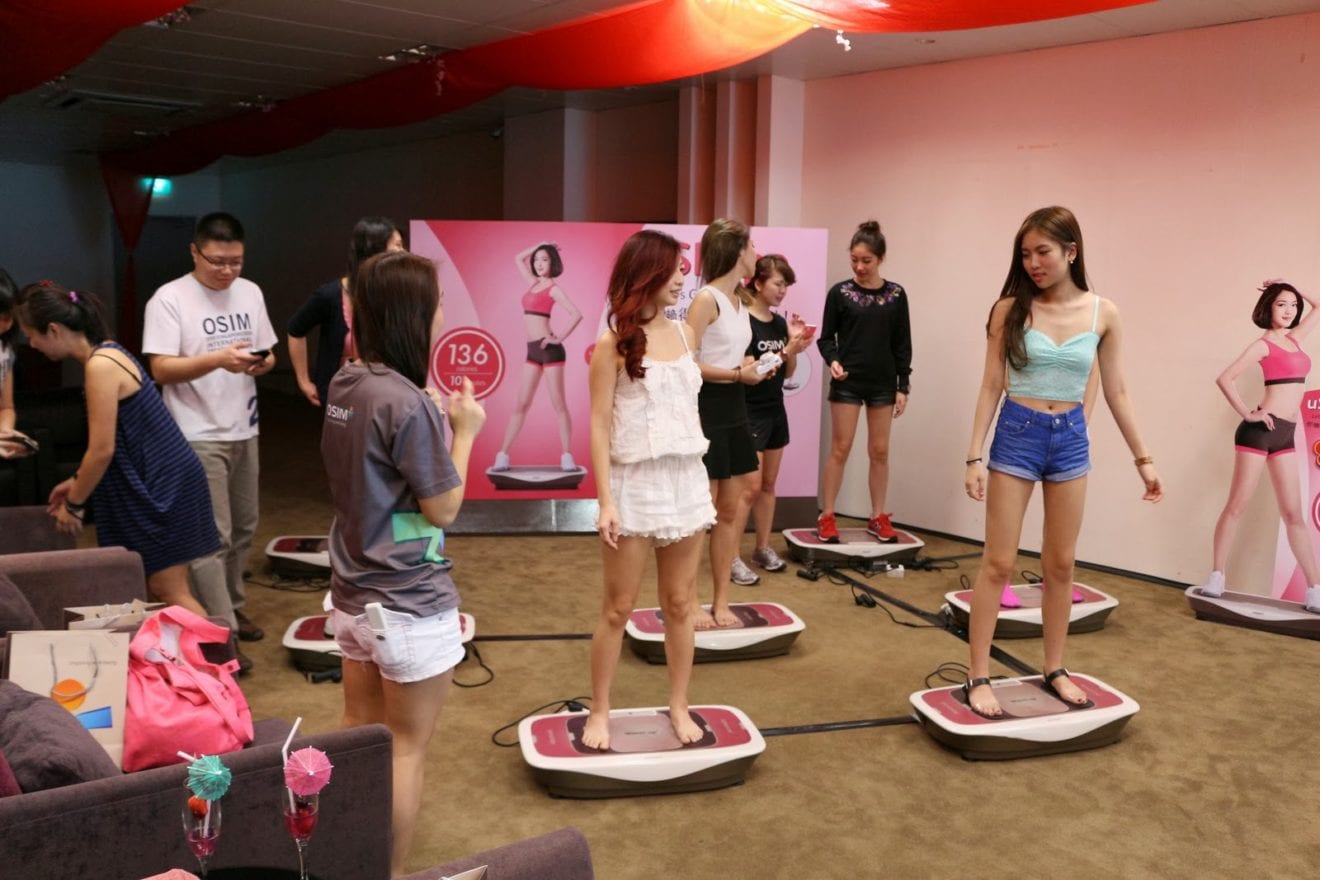
    Lifestyle company Osim has posted a 53 per cent profit drop for the first quarter on declining sales.

    The retailer of massage chairs and other remedial devices, says sales fell 13 per cent quarter-on-quarter, blaming a lack of new products and a drop-off in mainland Chinese tourists into Hong Kong, a key market for the Singapore-listed company.

    Total first quarter sales were S$150 million, and Osim profit $18 million

    “This has been a challenging quarter where retail sales across the core countries has been
    soft and there have been no new major Osim product launches,” the company said in its earnings statement.

    “Despite these challenges, our dominant brand has enabled us to maintain a stable gross margin and highly cash generative business. We are continuing to invest for growth supported by a strong balance sheet.”

    Osim has 560 retail stores and China remains its largest market, where it has 252 stores in 45 cities.

    “Products including uInfinity Luxe, uDiva, uHip, uSqueez Air, uTrek and uShape Music have sustained our dominant position in the market. We have just launched a new massage chair uMagic in April with favourable response and will be introducing more innovative products this year.”

    Osim also operates 233 GNC/Rich Life stores and 44 TWG Tea stores, with plans for 15 more this coming year.

    “With the upcoming planned new product launches we remain positive about the outlook for
    the remainder of the year.”

  • ‘Cardless credit card’ launched in Korea

    ‘Cardless credit card’ launched in Korea

    Financial services business BC Card is set to launch Korea’s first mobile credit card service that does not involve the use of a real plastic card.

    BC Card has conducted a series of pre-launch tests for its new ‘cardless credit card’ over four days, and concluded that there weren’t any problems in terms of subscription, registration, issue, payment, payment and membership cancelation.

    BC Card provides third party payment processing services to Korean banks and a rnage of debit and credit card products.

    Following the Financial Services Commission’s recent decision to lift a regulation that obliged companies to release actual plastic cards when they launched mobile services, BC Card will be first company to launch a mobile-only credit card in Korea.

    The company is planning to launch various types of mobile credit cards, using USIM, eSE (embedded SE), HCE (Host Card Emulation) and NFC (Near field communication) technology.

    BC Card’s mobile-only credit card will be accepted at large retailers, department stores, convenience stores and gas stations.

    A BC Card official said that the company would be able to save costs associated with issuing plastic cards, and invest more money to provide benefits for its customers.

  • Costs eat into Eu Yan Sang profit

    Costs eat into Eu Yan Sang profit

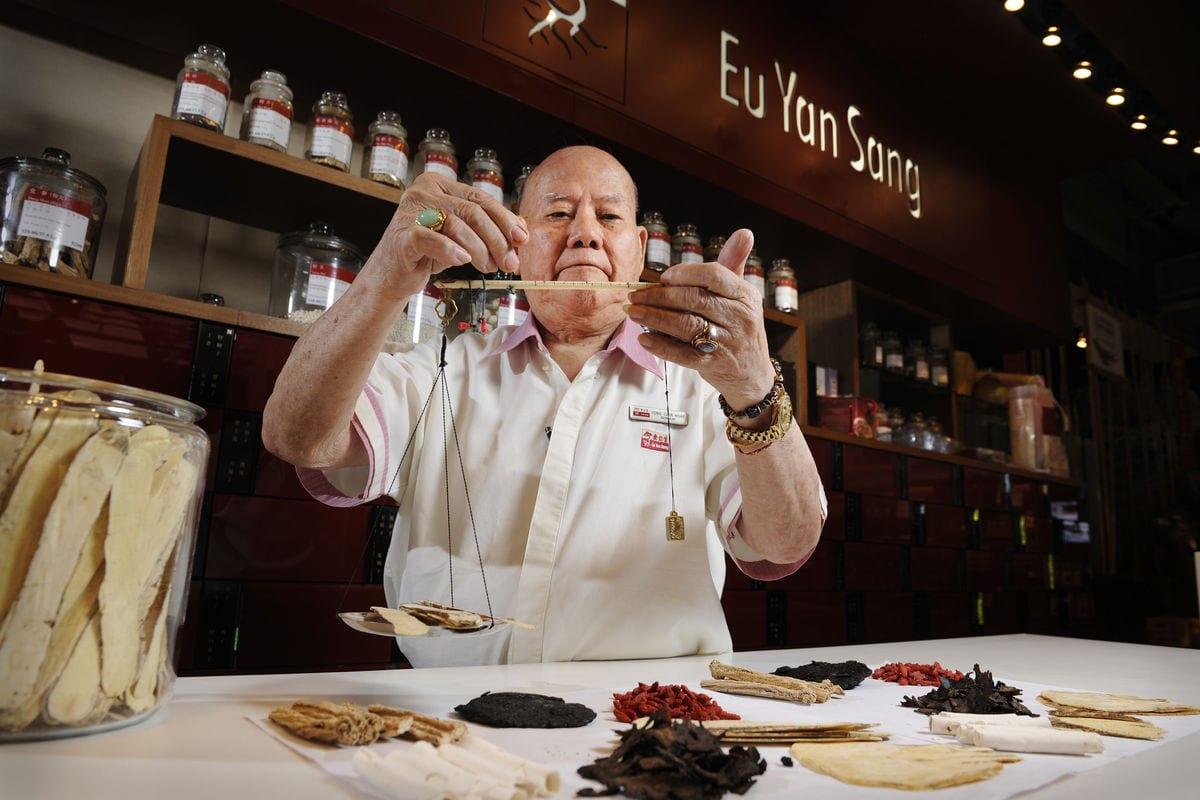
    Chinese herbal medicine retailer Eu Yan Sang has repoted a 38 per cent drop in profit on stable revenues in the first quarter of its current financial year.

    Eu Yan Sang posted a net profit of S$5.45 million on sales of $110 million.

    Improved sales in Australia, Singapore and Malaysia during the Chinese New Year, and in Malaysia where shoppers stocked up ahead of the introduction of GST on April 1, balanced a decline in Hong Kong, where the company says sales were soft due to the fall in mainland visitros.

    Gross margin for the quarter dipped 2.6 per cent due mainly to the impact of sales mix and longer lead time to Chinese New Year. Correspondingly, the group’s operating profit declined due to lower gross margin contribution and increased operating expenses.

    As at 31 March 2015, Eu Yan Sang had 258 company-operated retail outlets and 30 franchises in China, Hong Kong, Macau, Malaysia, Singapore and Australia.

    Group CEO Richard Eu said despite the challenging retail environment in Hong Kong and Macau, where retail revenue fell 21 per cent, most of the company’s key markets showed resilience.

    “Singapore, Malaysia and Australia markets have reported revenue growth. We see long-term opportunities especially in rising health awareness as consumers are becoming more discerning and better educated about wellness issues and are actively seeking for healthy food and natural health remedies. This is a space where we differentiate ourselves from others, where consumers understand product quality over pricing.

    “Rising disposable income in the region also played an important role to our business. In addition, our wellness offerings are easily accessible through ongoing introduction of new, exciting products and the extension of our wholesale channels,” he said.

    Retail revenue rose five per cent driven by increased consumer spending during the longer lead up period to Chinese New Year in Malaysia and Singapore, while the increased sales in company-operated outlets and improvement in same-store sales boosted retail revenue in Australia.

    The wholesale segment dipped by 32 per cent due to the slower offtake in trade as a result of the decline in mainland tourists’ spending in Hong Kong, which was caused by China’s recent move to restrict visitations of its nationals to Hong Kong.

    “In local currency terms, Australia showed the strongest improvement with a boost of 28 per cent in revenue,” the company said in its earnings statement. “This was in line with the increase in number of company-operated outlets and the increase in same-store sales.”

    For the rest of the year, the company expects the softer market to continue in Hong Kong, and in Malaysia where consumers are still adjusting to the impact of GST.

    But after two years of decline, Singapore is showing growth.

    “Given the recent regulations to limit Chinese tourists in Hong Kong and the enforcement of GST in Malaysia, the group expects a protracted recovery in these markets. We believe that the negative impact of GST on retail sales in Malaysia will be a short-term challenge.”

  • Sun Art looks to fresh Fields

    Sun Art looks to fresh Fields

    Chinese hypermarket operator Sun Art Retail Group has bought a controlling interest in Fields Hong Kong, an online retailer of fresh foods and produce.

    No price was disclosed for the 54 per cent stake.

    Fields Hong Kong was established to provide an alternative source of produce in a market where food safety scandals have bred distrust of corporate retailers and fast food chains. Middle class consumers who have the disposable income to afford premium products from vendors they trust are a growing market for online suppliers.

    Sun Art, listed in Hong Kong, is part owned by France’s Auchan Group and Taiwanese billionaire Samuel Yin.

    In a statement the company said the purchase would “further strengthen” its Chinese eCommerce business.

    Fields’ competitors include Amazon.com-backed yummy77.com, kateandkimi.com and epermarket.com.

  • Singapore Customs seizes 700 bags

    Singapore Customs seizes 700 bags

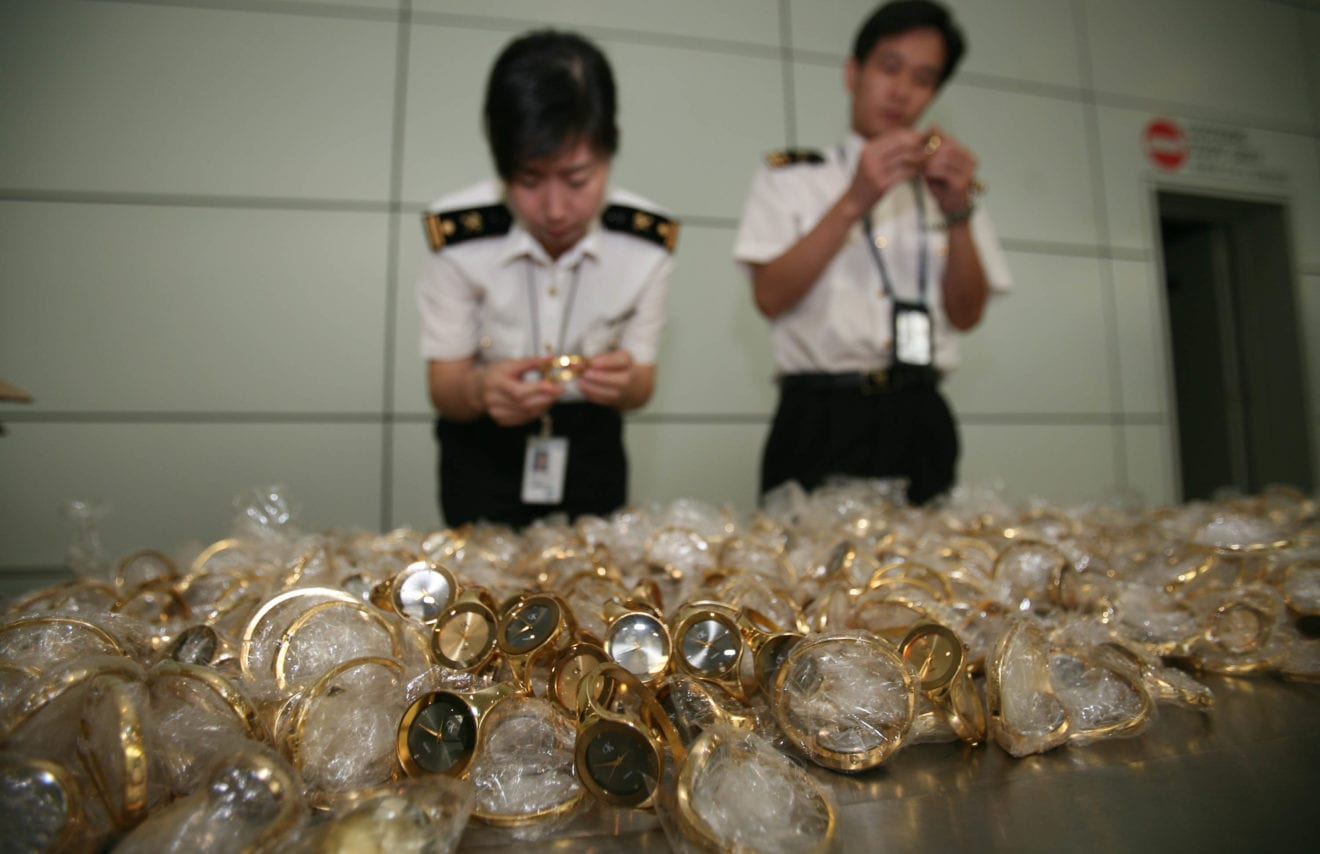
    Singapore Customs has seized some 700 counterfeit women’s bags and wallets imported from China.

    Details of the brands were not officially released but the above image provided by Customs shows clearly distinguishable Cath Kidston branding on some of the seized goods. Other goods bore two other brand names.

    The bags and wallets were discovered during a routine inspection of a consignment of goods at the Tanjong Pagar Distripark.

    Singapore Customs has informed the brand owners of the detained goods and they can now institute infringement actions against the importer under the Trade Marks Act.

    “Singapore does not condone such illegal trading activities and will take firm action against importers of counterfeit goods, and continue to ensure a robust intellectual property rights enforcement regime in Singapore,” said Singapore Customs in a statement.

    Today’s seizure follows another on April 8 involving more than 2300 items including mobile phone accessories, watches, sunglasses, bags and wallets suspected to be counterfeit goods of popular brands. Those items had been air freighted in from China, and included fake Apple accessories, pictured below.

  • Belif Malaysia makes debut

    Belif Malaysia makes debut

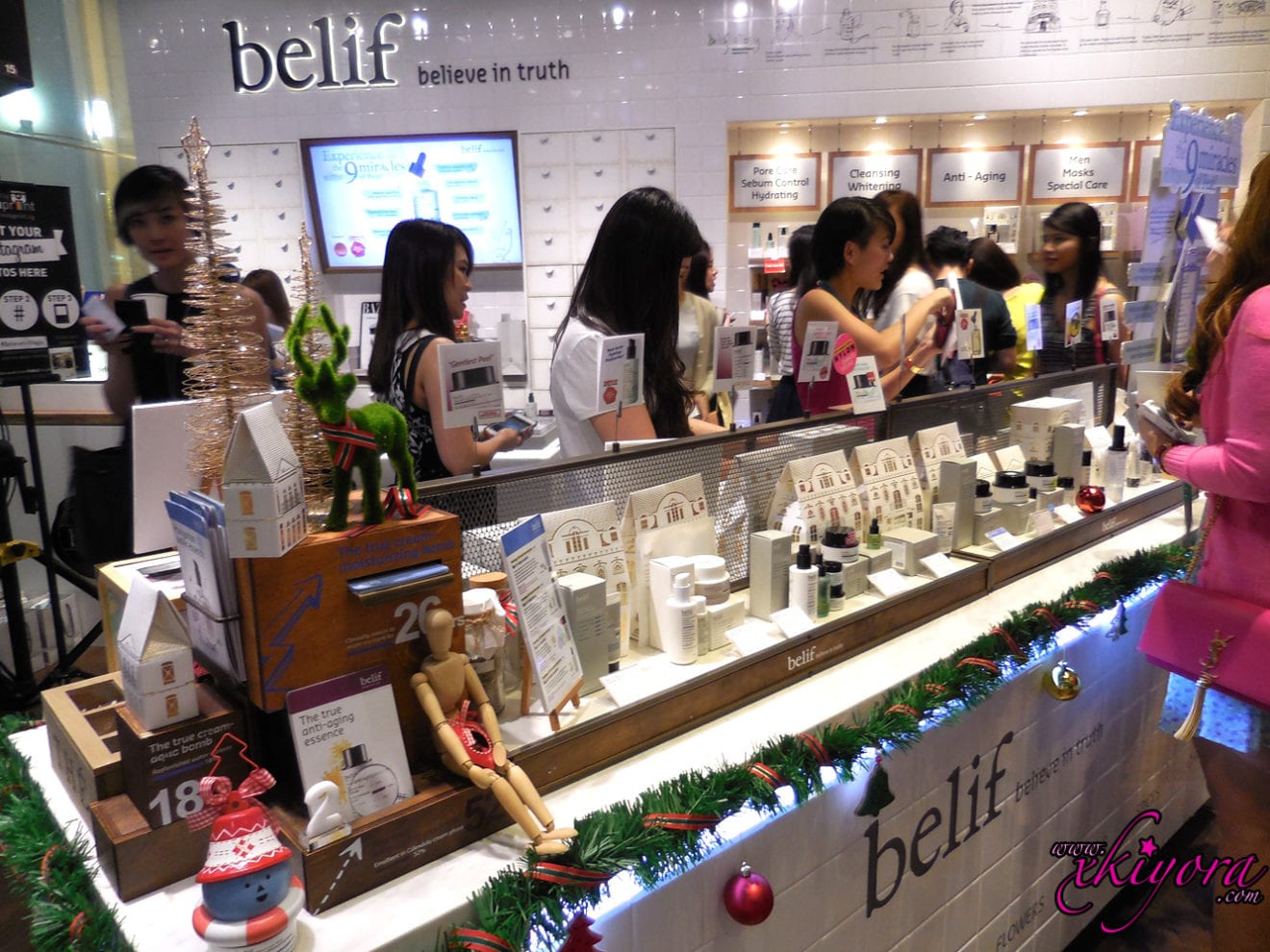
    Korean cosmetics brand Belif has opened its first store in Malaysia in Kuala Lumpur’s Sunway Pyramid Mall.

    Belif Malaysia has been introduced by listed jewellery retailer Tomei which has the rights to other markets in the region but plans to focus on Malaysia for the time being to fully assess its potential.

    Between three and five stores are planned initially.

    Belif is marketed as a herbal lifestyle cosmetics brand based on recipes dating back to Britain in the 1860s and combined with modern day Korean skin science.

    The brand distinguishes itself with packaging which is honest about its ingredients. Each of its products addresses diverse skin types and concerns with formulas that are free of mineral oil, synthetic fragrances, synthetic dyes, synthetic preservatives and animal origin ingredients.

    The debut store in Kuala Lumpur is on Sunway’s ground floor near the Tomei jewellery store.

  • BBQ Chicken Vietnam gets Foodpanda boost

    BBQ Chicken Vietnam gets Foodpanda boost

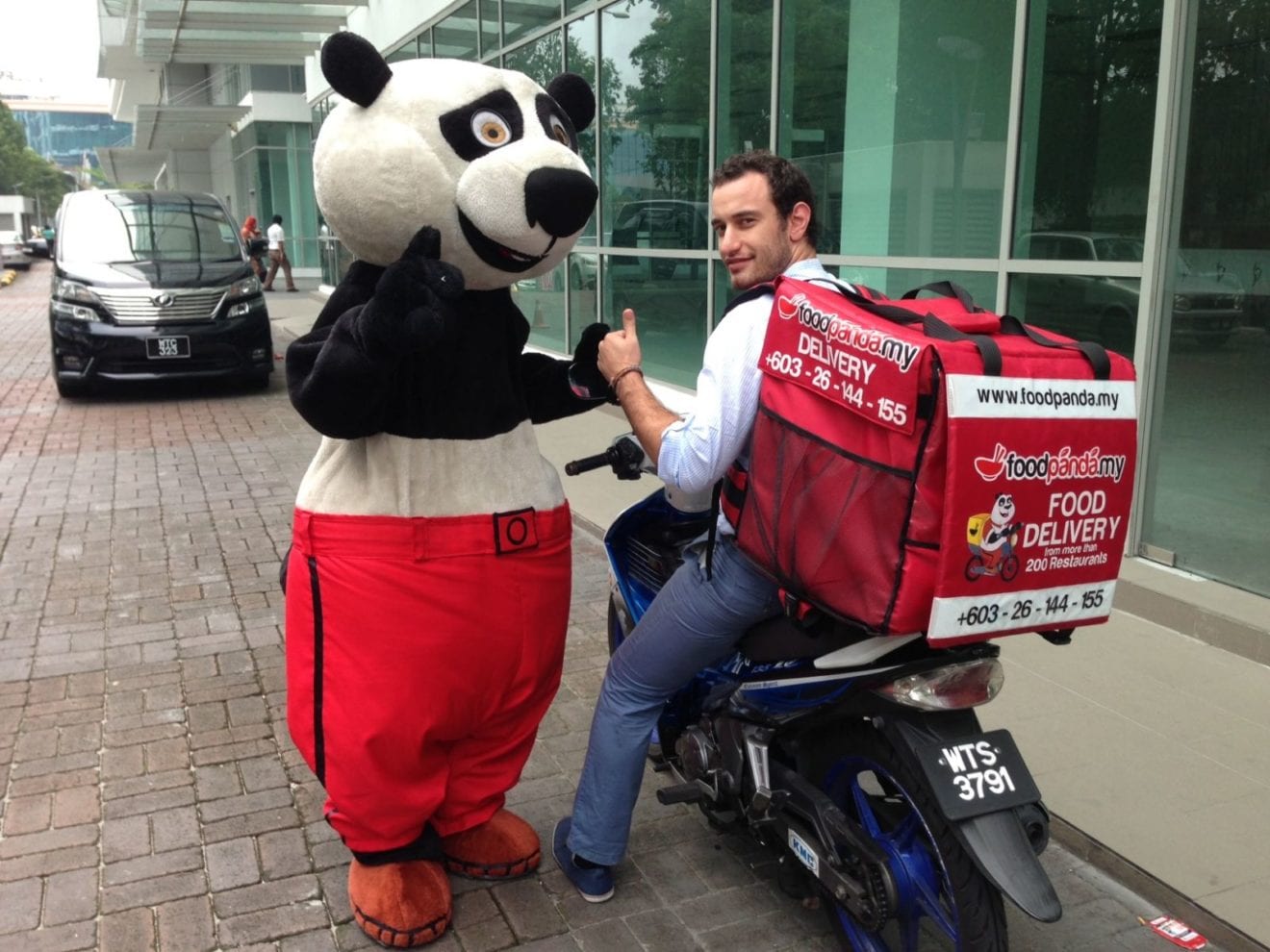
    Online food delivery service Foodpanda has given Korean QSR BBQ Chicken Vietnam a major marketing boost.

    While BBQ Chicken is “better known than KFC, Jollibee or Subway” in Vietnam’s capital city Hanoi, down south it still has some work to do on its brand awareness.

    So Foodpanda and BBQ Chicken have signed an exclusive delivery service partnership nationwide.

    Foodpanda had previously made deliveries on behalf of some individual stores.

    The Rocket Internet subsidiary, in which Goldman Sachs has just invested US$100 million, now has delivery partnerships in Vietnam with 20 franchised chains and some 800 restaurants Vietnam-wide, after only three years in the market.

    Foodpanda has services in six Vietnamese cities: Hanoi, Ho Chi Minh City, Da Nang, Can Tho, Nha Trang and Hai Phong

  • Kingold Jewelry opens on Tmall

    Kingold Jewelry opens on Tmall

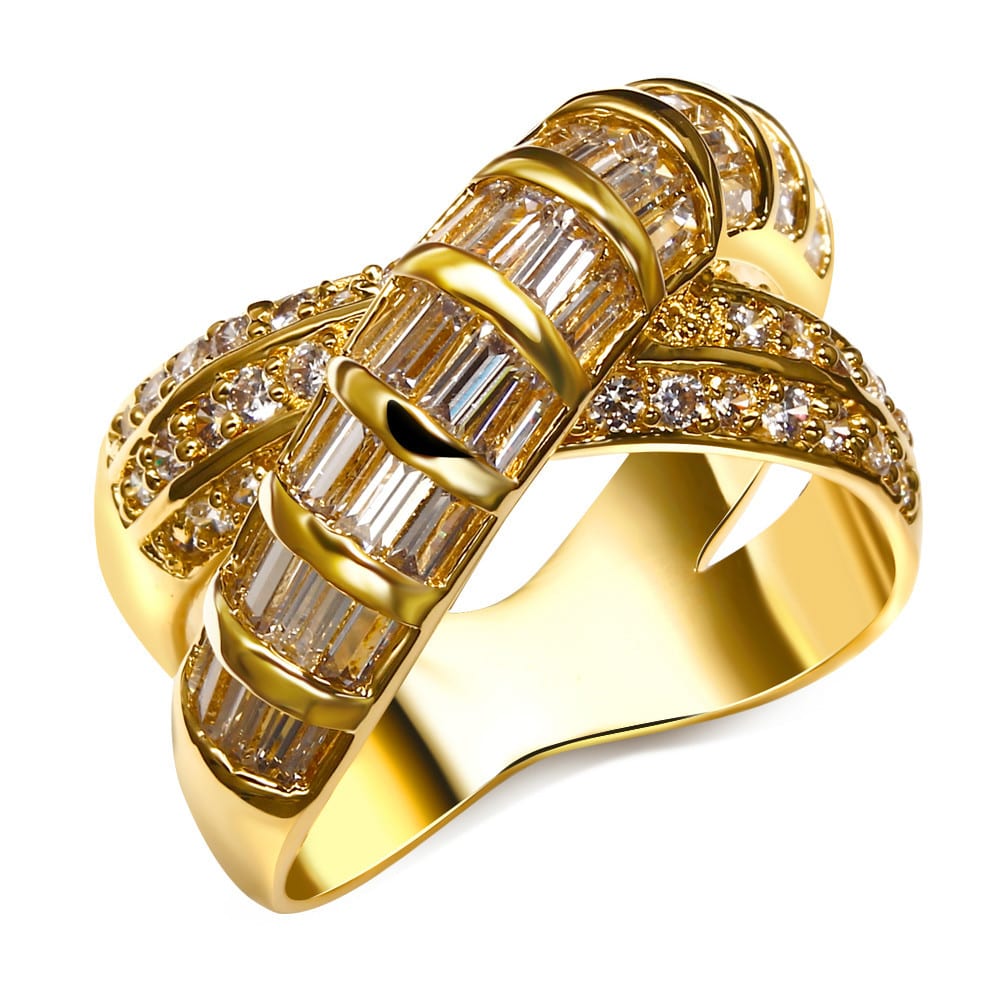
    Kingold Jewelry, one of China’s leading manufacturers and designers of gold jewellery, ornaments and investment-oriented products, has launched an online retail flagship store on Tmall.com.

    Nasdaq-listed Kingold expects to leverage the Chinese eCommerce platform to sell the Company’s 24-karat gold jewelry and products, including rings, necklaces, bracelets and pendants.

    Additional categories may be added in the future.

    Zhihong Jia, chairman and CEO of the company, said having a presence on Tmall allows Kingold to interact directly with consumers and builds brand awareness in China.

    “We will continue to introduce new products and designs in our online flagship store on a regular basis.”

    Tmall.com provides an online shopping experience for increasingly sophisticated Chinese consumers in search of quality branded merchandise. It was launched in April 2008 as part of Taobao Marketplace and became an independent platform in June 2011.

    Thousands of international and Chinese brands and retail merchants have established storefronts on Tmall.com, part of the Alibaba Group. According to iResearch, Tmall.com was the largest B2C online retail platform in China based on the value of goods transacted as of September 2013.

    Kingold Jewelry, located in Wuhan City, was founded in 2002 and is now one of China’s leading designers and manufacturers of 24-karat gold jewelry, ornaments, and investment-oriented products. The Company sells both directly to retailers as well as through major distributors across China.