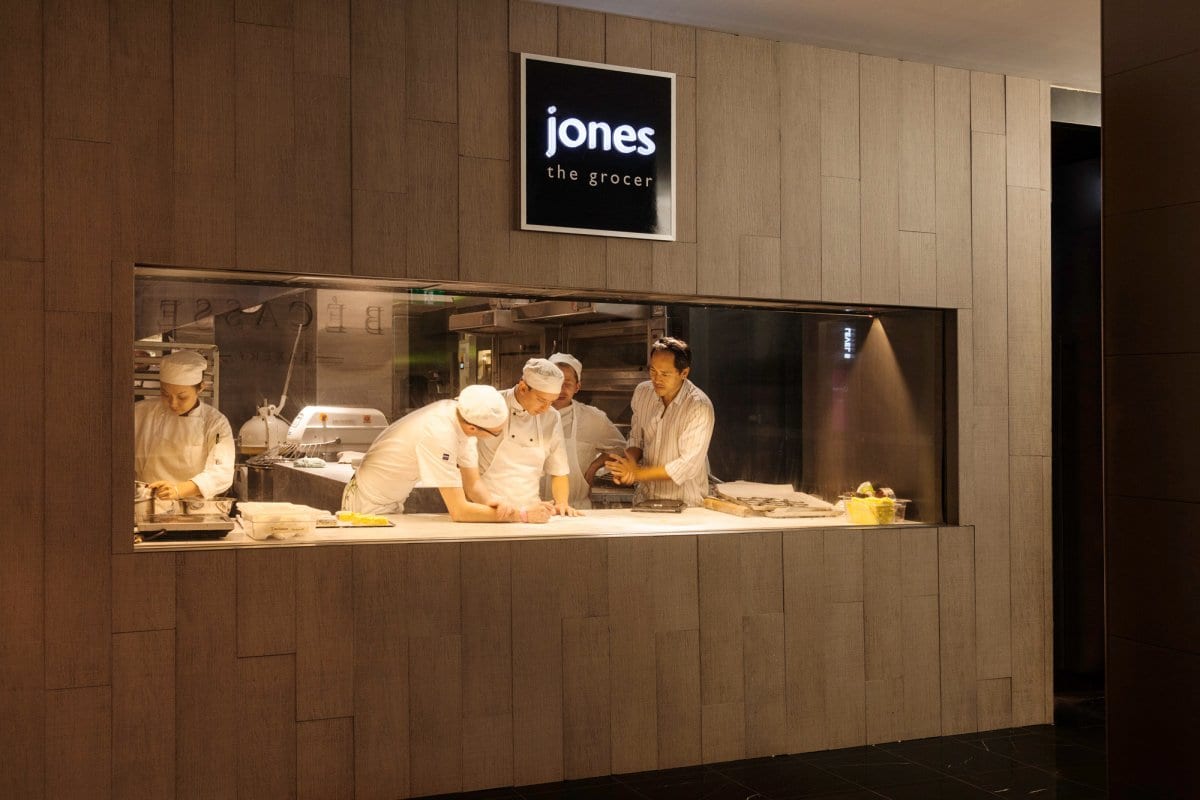
Louis Vuitton’s personal fairness arm L Capital Asia has purchased the stays of collapsed Singapore gourmand meals retailer Jones the Grocer.
The upmarket grocery retailer was initially based in Australia, however collapsed final yr. It has shops on Dempsey Hill and in Mandarin Gallery.
L Capital Asia had taken a 63 per cent stake within the Singapore arm of the enterprise, Jones the Grocer Worldwide, (JTGI), three years in the past, believing the model and idea had robust potential in Asia. However it was positioned beneath judicial administration in December.
The Singapore Enterprise Occasions reported the corporate had money owed of $15 million and a financial institution stability of $61,000 on the time.
Recent Bay Investments, a subsidiary of L Capital Asia, has paid S$2.75 million for the model rights and different belongings of the enterprise, however not the debt, probably angering some suppliers. Singapore information media report L Capital has already acquired the worldwide model rights from the Australian firm which it additionally has a majority stake in.
In addition to its unique funding, and final week’s $2.75 million for the shell, Recent Bay has reportedly ploughed an extra $17 million into maintaining the enterprise afloat till now.
L Capital Asia managing companion Ravi Thakran informed AsiaOne Enterprise that his firm knew the Jones the Grocer enterprise greatest and was subsequently the only option to rebuild the model.
South Korean beauty maker Tonymoly says it’ll increase its funding in China after a market debut subsequent month, to faucet deeper into the fast-growing magnificence market.
Tonymoly, Korea’s seventh-largest beauty model by 2014 gross sales, has posted double-digit progress since its institution in 2006 and has about 1800 outlets in 20 nations, together with Hong Kong, the US and Russia.
Buoyed by strong gross sales, Tonymoly China is getting ready for its debut on July 10, pledging to broaden funding in China driving the ‘Okay-beauty growth’.
“China has an enormous progress potential. We’ll maximise the expansion potential by immediately getting into the Chinese language market, which has turn out to be the corporate’s second home market,” CFO Hong Hyun-ki stated in a briefing.
“We’ll construct factories in China to supply quite a lot of beauty manufacturers and open model outlets throughout the nation utilizing the fund from the general public providing.”
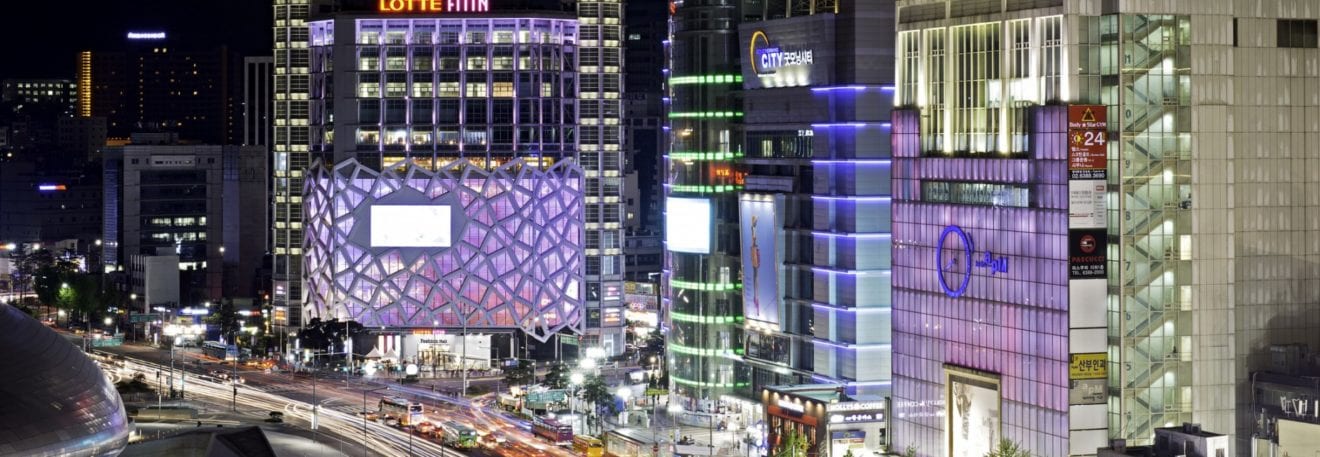
Tonymoly logged 305.2 billion gained (US$275.four million) in gross sales final yr, with 11.four per cent coming from obligation free outlets and shops in Myeongdong, which closely depend on Chinese language shoppers.
Tonymoly has provided to promote its shares between 26,400 gained and 30,200 gained per share, which might increase between 77.6 billion gained and 88.eight billion.
A rising variety of Korean beauty companies are eyeing the worldwide market because the home market has turn into saturated and progress has been slowed resulting from fierce competitors and rising advertising prices.
Whereas native companies discover it more durable to enter European and American markets, they’ve gained big reputation amongst Chinese language shoppers who love Okay-pop stars and are wanting to mimic their types.
China’s cosmetics market is the world’s third-biggest market value $26 billion a yr, international market researcher Euromonitor stated, anticipating it should develop eight per cent annually from now to 2017.
Korean division retailer gross sales are on the rise.
Figures launched by the Ministry of Commerce, Business and Power at this time (June 29) present a second consecutive month-to-month improve in Might, boosted by meals and attire.
However the figures ought to be taken with warning: the impression of the MERS outbreak in Korea gained’t be mirrored within the figures till June, when shoppers began staying house to scale back the danger of an infection.
Gross sales Development of Korea’s Main Retail Channels for Might reviews a three.1 per cent improve in division retailer gross sales by the main gamers and a extra modest zero.5 per cent improve from low cost department shops.
In April, gross sales rose 1.three per cent and zero.02 per cent respectively.
Analysts attribute Might’s will increase to gross sales of luxurious branded items, womens informal attire, childrenswear and golfing gear.
Meals drove low cost retailer gross sales, fuelled by discounting promotions, however childrenswear and tv gross sales subsided.
Comfort shops continued to thrive, posting a 31.5 per cent progress, largely because of cigarette worth will increase and greater than regular gross sales of prompt and recent meals.
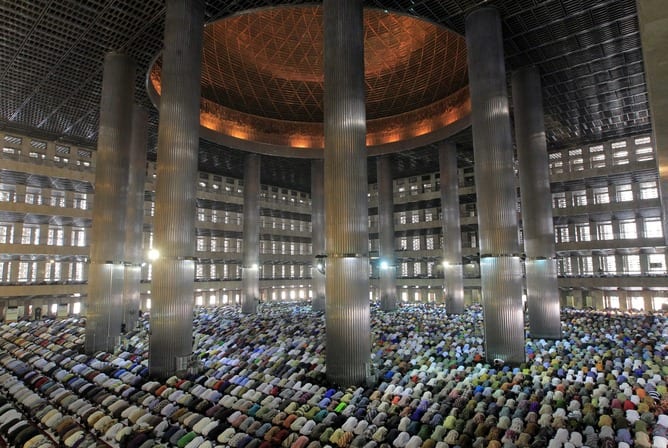
The Islamic calendar has entered the second week of Ramadan. During this month, Muslims refrain from eating, drinking and sexual activities from dawn to dusk.
But, in countries where Muslims are the majority, consumption increases during this month of restraint. This happens not only in high-income countries, such as Qatar and United Arab Emirates, but also in developing countries such as Indonesia. Traditions that spur consumerism during Ramadan and preparations for Eid Fitr, the end of Ramadan, drive this trend.
Spending patterns
People spend more during Ramadan – mainly on food and beverages, but also on clothing. In Indonesia, the retail sales index on these categories showed a 30% increase during the Ramadan month in 2013.
Meals taken during Ramadan help tighten family ties and increase social interactions. In the fasting month, Muslim families usually have sahur – the pre-dawn meal – and iftar – the fast breaking meal – together, with more elaborate menus than in other months. People also have more social gatherings by breaking the fast together in restaurants at malls or in mosques.
Just after Ramadan ends, Muslims celebrate Eid Fitr. They start preparing for this holy day weeks before. People wear new clothes during Eid. They make or buy an assortment of cookies and sweets. They also prepare special menus to be enjoyed and served to guests.
The main ingredients for the festive meals are mostly beef or chicken. The Indonesian government has to ensure that beef is stocked for Ramadan and Eid holidays. Australia, as the biggest exporter of live cattle to Indonesia, benefits much from the Ramadan season.
People take the time to visit family and friends during Eid Fitr. In Muslim majority countries, the time around Eid is a long holiday. In Indonesia, the government obliges employers to pay a religious holy day bonus. This one-month salary bonus helps increase the public’s spending power during Ramadan and Eid.
Clothing sales increase in Ramadan and ahead of Eid Fitr.
Paying alms
During Ramadan, Muslims pay alms (zakat). The increase in alms can quadruple from regular months.
The compulsory alms in Ramadan, the zakat fitrah, is actually not much – around 3.5 litres of rice per person. But many Muslims pay other types of compulsory alms that are actually payable in other months.
Aside from zakat, spending on charities that are not compulsory also increase during Ramadan. The channelling of zakat and charity for the poor also factors in the increase in purchasing power.
Inflation
Indonesians often complain about high inflation during Ramadan. Prices for food, transportation and recreation usually rise during the fasting month.
But the holiday bonus plays a role as a safety net for people’s spending power. Zakat also helps the poor cope with rising prices of food. Last year, food prices increased 2% during Ramadan.
Prices for flights, and train and bus rides, also increase as the end of Ramadan marks the start of a long holiday in Indonesia. A lot of people go to their hometowns or where their parents or grandparents live. Even though formally the Eid Fitr holiday is two days, in reality people take a week off. Many workers take their annual leave. Plane ticket prices can increase twofold. Some are fully booked long before the day of travel.
Productivity during Ramadan
Reduced working hours is common during Ramadan. A two-hour workday reduction, as occurs in Pakistan and Egypt, brings an estimated7.7% decrease in the country’s monthly GDP. For countries that only cut an hour of its workday – such as Indonesia and Malaysia – the decrease is around 3.8%.
Workers’ productivity tends to decline during Ramadan. A rough figureof decrease in productivity in Muslim majority countries is between 35% and 50%. However, the slowing down of productivity in Ramadan is predictable, meaning the economy can anticipate it.
The decrease in productivity happens as people choose subjective well-being from religious and Ramadan-related activities over the benefit people might get from working. During Ramadan, Muslims tend to do more religious activities and take time for activities related to Ramadan, such as breaking the fast with family, sprucing up their house and making cakes.
When people feel they get more positive benefits from non-work activities, the opportunity cost – the value that people sacrifice to gain something – from work increases.
In his study on Ramadan, Harvard economist Filipe Campante finds that, in the fasting month, people tend to choose self-employment (with flexible working hours) over formal employment. Campante says Ramadan makes people poorer but happier.
Being social
Many economic activities related to Ramadan and Eid are not just for private consumption – they are also collective ones.
Networking activities happen during Ramadan and Eid. Fast-breaking gatherings, religious activities in mosques, social bazaars and the Eid holiday exodus facilitate information exchanges. On the journey to their hometowns, people bring souvenirs for family and friends. There, people catch up and exchange information about activities in cities.
These social gatherings can increase further economic activities.
Ramadan has the potential to improve Indonesia’s current economic slowdown with its increase in consumption and trade. However, economic activity on this year’s Ramadan is predicted to be lower than previous years. The lunar calendar has brought Ramadan to coincide with school holidays in Indonesia in 2015. This means less holiday travel for Indonesians.
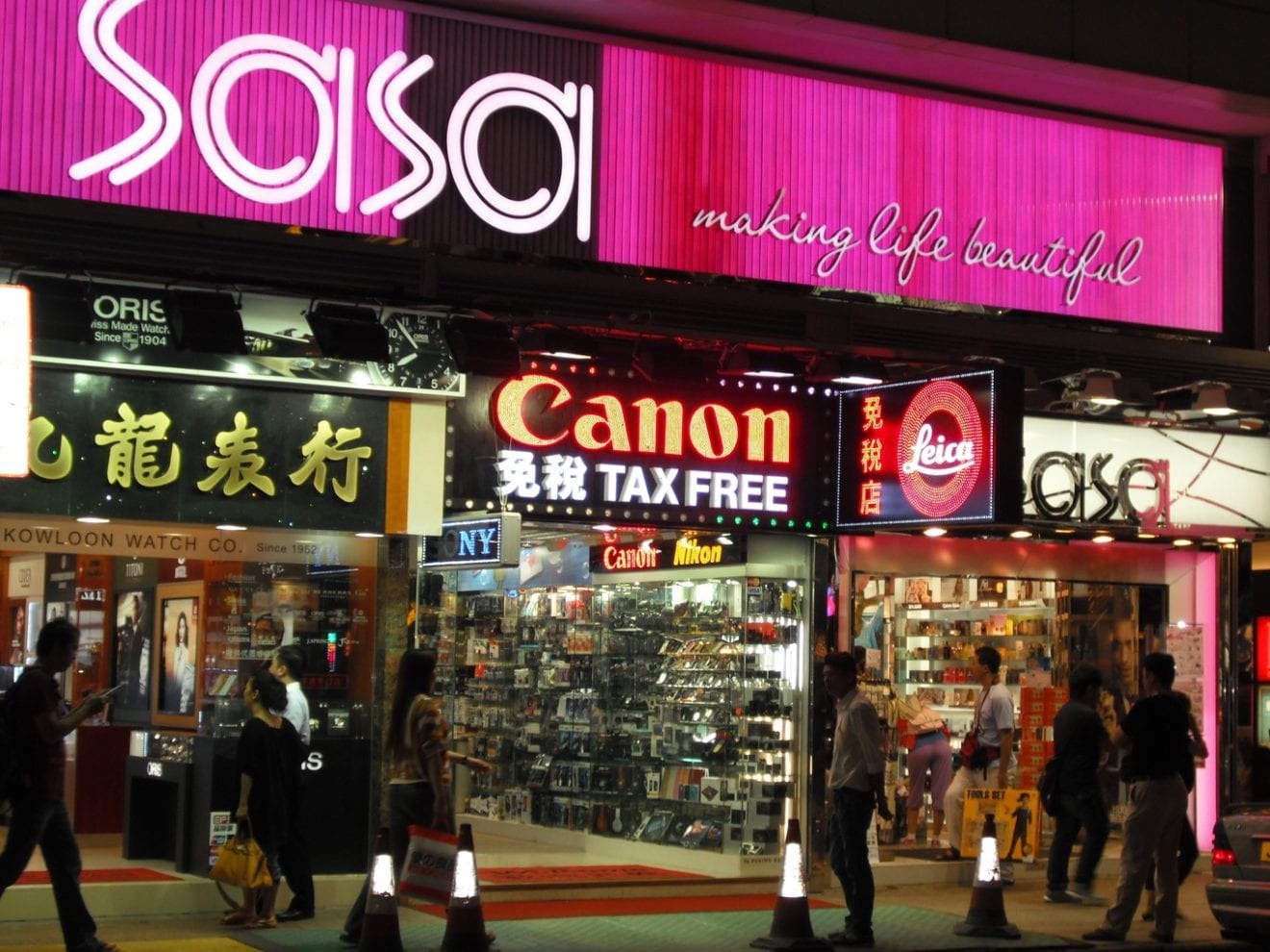
Hong Kong-based magnificence merchandise retailer Sa Sa has elevated gross sales regardless of the home market challenges.
The group’s complete turnover elevated by 2.7 per cent from HK$eight.756 billion to HK$eight.993 billion within the yr to March 31.
Retail gross sales in Hong Kong and Macau elevated by three.three per cent to HK$7.259 billion. However revenue slipped 10.three per cent to HK$838.eight million.
The high-profile chain added a internet seven shops through the yr taking its community to 287, including only one in Hong Kong.
In a telling signal of the problem dealing with Hong Kong retailers, because the demographic profile of Mainland Chinese language guests modifications, the variety of transactions in Hong Kong and Macau shops rose by 6.eight per cent, however the common ticket worth fell three.three per cent.
“To put these figures in context, the variety of transactions of Mainland China vacationers elevated by 17.four per cent, whereas common gross sales worth per ticket decreased by 11.three per cent,” Sa Sa stated in its annual outcome.
“The variety of transactions by native shoppers declined barely by 2.four per cent with a mean spending improve of four.three per cent. Briefly, gross sales progress for as soon as lagged behind the market.”
In 2014, Mainland vacationer arrivals rose by a gentle 16 per cent. Similar day customer arrivals have been nonetheless the main engine of progress with a rise of 19.1 per cent, elevating gross sales in non-tourist areas, notably within the New Territories close to the border with the remainder of China.
“Nevertheless, this was offset by an 11.three per cent drop within the common ticket gross sales of Mainland vacationer clients, which in flip was attributable to the weaker buying energy of vacationers originating from decrease tier cities and having much less spending functionality. One other issue was the growing demand for lower cost level merchandise, similar to Korean merchandise, which nonetheless diluted gross sales progress though driving retailer visitors.”
Sa Sa stated, as well as, there was a better gross sales combine from day trippers whose spending is usually decrease than in a single day vacationers.
“The change in consumption patterns was additional exacerbated by the rise of cross border eCommerce, which facilitated a lot quicker market penetration of cheaper and quick to market Korean merchandise with ideas which might be nicely appreciated by Asians, and particularly the more and more prosperous Chinese language shoppers.”
Whereas Sa Sa reported 10.2 per cent retail gross sales progress within the first half of the fiscal yr, gross sales have been dragged by weaker shopper sentiment within the second half. Gross sales progress slowed within the third quarter and additional deteriorated within the fourth quarter with March 2015 being particularly weak due to anti-parallel items merchants incidents in residential areas, turning an in any other case constructive January to February two months’ interval into destructive territory for the fourth quarter.
“As well as, the appreciation of the US greenback and the relative power of the Renminbi and Hong
Kong greenback inspired extra Mainland vacationers to journey to markets with weaker currencies resembling Europe and South Korea. The relief of visa insurance policies by different nations strengthened their
attractiveness to Mainland vacationers, whereas robust outbound travelling led to weaker native spending.”
Sa Sa stated the Occupy Motion and anti-parallel items merchants incidents in Hong Kong broken Hong Kong’s profile and discouraged vacationers whereas additionally inflicting a drop in gross sales to native clients.
Sa Sa’s general gross revenue margin dropped from 46.6 per cent to 44.eight per cent resulting from extra promotions being launched to drive gross sales in a slower market.
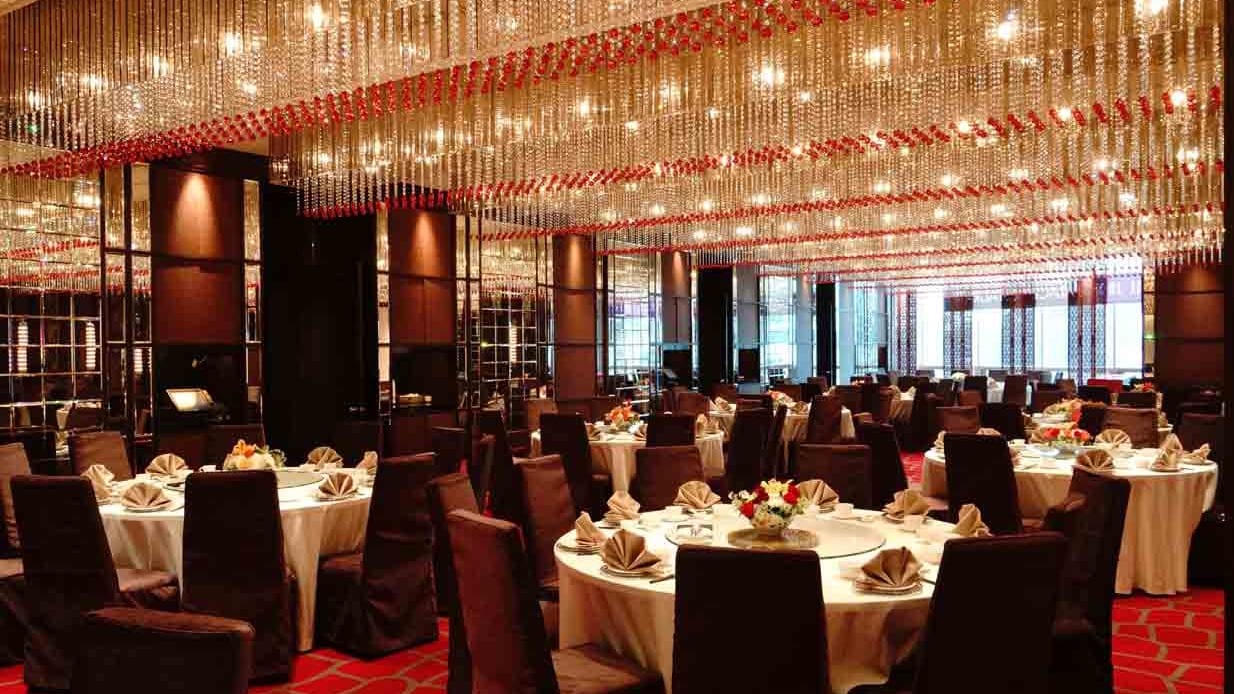
Standard Chartered Private Equity has invested in Crystal Jade Group to help Louis Vuitton accelerate the restaurant group’s Asian expansion.
Crystal Jade operates over 100 outlets ranging from fine dining, casual and specialty restaurants to bakeries across the Asia Pacific region with a primary focus in Singapore, Hong Kong and Mainland China. Established in the early 1990s, it has become a household name in Chinese cuisine.
SCPE has invested US$52 million in the business, joining Louis Vuitton’s investment arm L Capital Asia on the shareholder’s register.
The investment will primarily go towards funding the growth of Crystal Jade’s existing network of outlets across Asia, as well as the expansion of its footprint internationally.
Ravi Thakran, managing partner of L Capital Asia, said the two investors already have a track record of successful investment partnerships.
“Their investment will further strengthen the resources available to allow full exploitation of the tremendous growth opportunity for Crystal Jade.”
Nainesh Jaisingh, global co-head of private equity at SCPE, said Crystal Jade is an exciting business, with a strong Asian brand and significant potential across Standard Chartered’s footprint.
“We… look forward to building a great company together.”
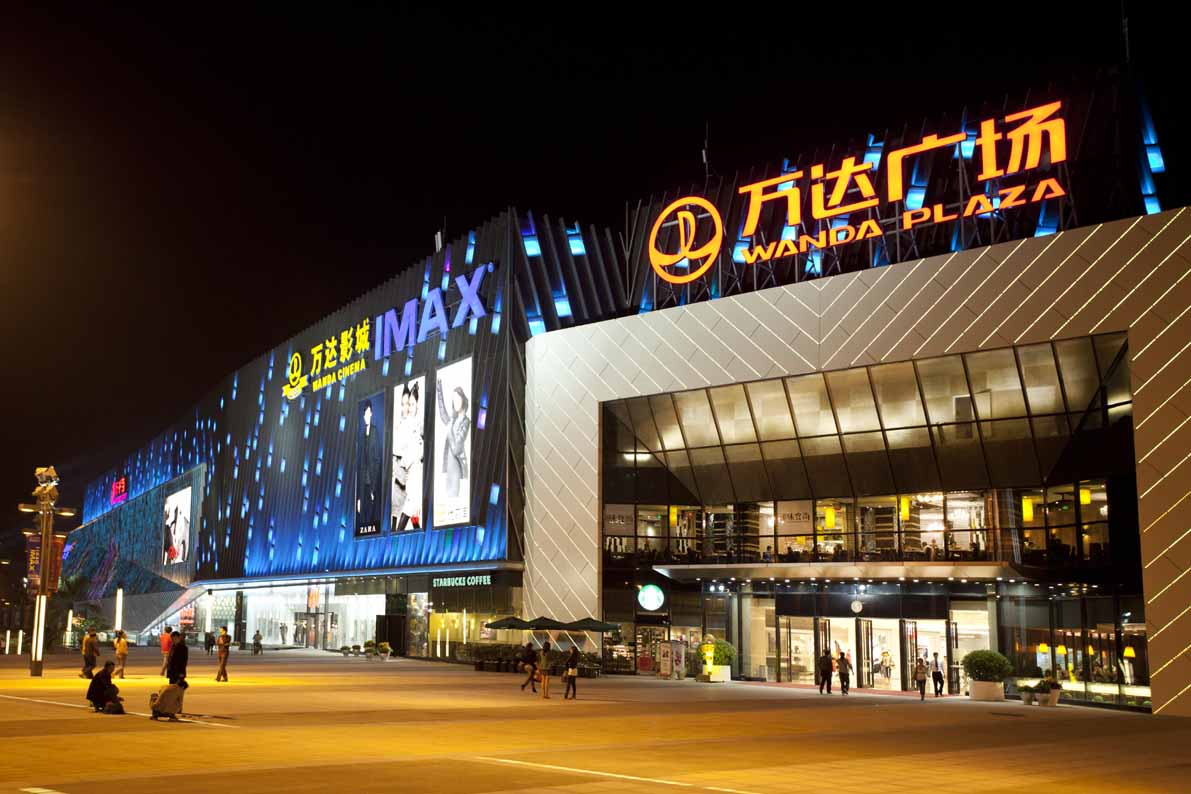
The founder of Chinese retail, property and entertainment powerhouse Wanda Group says he plans to invest in more globally recognised sports clubs.
Wang Jianlin, chairman of Wanda Group, ranked China’s richest man by Bloomberg with assets of $42.1 billion, bought 20 per cent of Spanish football club Atletico Madrid in April for euro 45 million. He also bought Swiss sports marketing group Infront for euro 1.05 billion.
This week he said he will buy into “at least three more” sports clubs this year.
Chinese press agency Xinhua reported Wang Jianlin saying: “Within this year, Wanda will still buy at least three sports companies. Upon the completion of these mergers and acquisitions, Wanda is going to be the world number one in the sports industry.”
It’s all part of a strategy to boost Wanda Group’s influence in the global sports business, which would also benefit its retail networks through brand associations.
Beijing-headquartered Wanda Group owns retail, entertainment and hotel businesses, including the AMC cinema business. He is expanding into theme parks and film production and has a commercial property arm, Dalian Wanda Commercial Properties, which owns shopping malls.
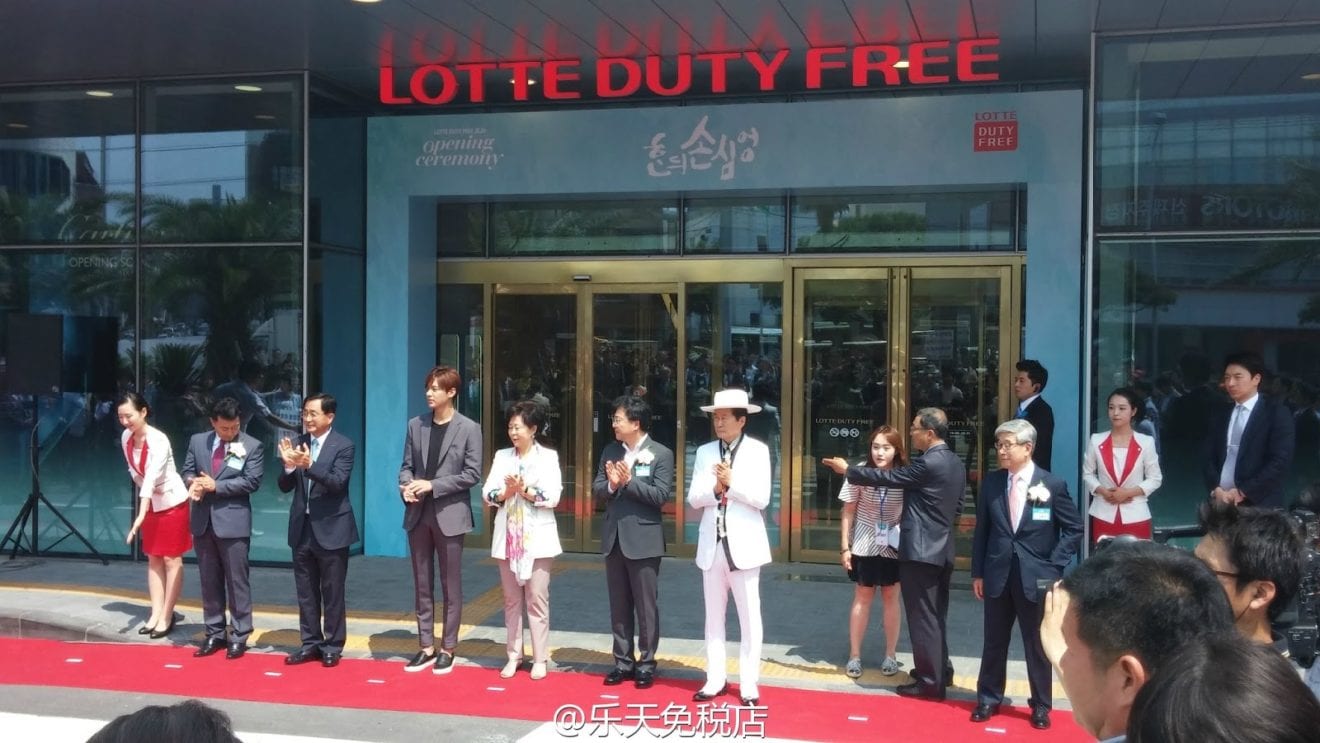
Lotte has opened a 6612 sqm Jeju obligation free retailer.
The brand new retailer, constructed at a price of US$72 million, spans three flooring of the Lotte Metropolis Lodge in Jeju metropolis’s Doryeong-ro district, within the island’s CBD.
Lotte Obligation Free says it’s almost 3 times the dimensions of the older retailer it replaces.
Lee Hong Kyun, Lotte Obligation Free’s president, says the corporate plans to develop different leisure and cultural points of interest close by to attract much more vacationer clients to the location “Lotte Obligation Free Jeju retailer, standing on the bottom of its native company, Lotte Obligation Free Jeju Co Ltd, will make a purchasing cluster in Jeju and appeal to overseas vacationers in accordance with the tourism improvement coverage of Jeju,” he stated on the retailer’s opening ceremony.
The brand new retailer is predominantly concentrating on Mainland Chinese language vacationers and features a cosmetics zone boasting 70 worldwide fragrance and cosmetics manufacturers.
“Lotte Obligation Free has analysed the preferences of Chinese language vacationers and launched 270 manufacturers, together with international luxurious manufacturers, jewelry, equipment, cosmetics, watches, liquor and tobacco.” the corporate stated in a press assertion.
“The worldwide luxurious jewelry manufacturers Bvlgari and Tiffany & Co are solely situated in Lotte Obligation Free Jeju retailer.”
Yelp, the company that connects consumers with local businesses, has launched Yelp Philippines.
From this week, people across the Philippines are able to read reviews about local businesses and create accounts on Yelp.com.ph to share their opinions. Yelp’s free iPhone and Android apps will be available as well as its free suite of business owner tools: Yelp for Business Owners.
The Philippines is Yelp’s 32nd international market and Tagalog, the local language marks the 18th language on the platform.
The nation is the fourth Asian market for Yelp following Japan, Hong Kong and Taiwan, which itentered in March this year.
With a population of 100 million people, the Philippines is the sixth largest English-speaking nation in the world, with English widely spoken as a second language. It is also culturally diverse and internet savvy, with Filipinos sending more than 1 billion text messages per day.
Filipinos are also passionate about food a core category in the social media platform’s consumer recommendation system.
“Filipinos are so well-connected online and offline that we know they will love using Yelp to find and connect with great local businesses,” says Miriam Warren, Yelp VP of new markets.
“We will be working hard to make sure Yelp is the most useful and relevant local resource for every Pinoy.”
Yelp will kick off its community building efforts in Manila – one of the densest cities in the world – and soon bring together Yelpers online and offline to experience the best of Manila. Yelp will also be available across the entire country, so everyone, everywhere in the Philippines with access to the Internet on a desktop computer or a smartphone, now has the ability to share their opinions on what is great (and not-so great) about local businesses in the Philippines.
Yelp was founded in San Francisco in July 2004. Since then, Yelp communities have taken root in major metropolitan areas across 32 international markets. Yelp had a monthly average of approximately 142 million unique visitors in the first quarter of 2015. By the end of the same quarter, Yelpers had written approximately 77 million rich, local reviews, making Yelp the leading local guide for real word-of-mouth on everything from boutiques and mechanics to restaurants and dentists. Approximately 79 million unique visitors visited Yelp via their mobile device on a monthly average basis during the first quarter of 2015.
Malaysian pet store Pets My Coronary heart has launched on-line utilizing a singular subscription-based retail mannequin.
In contrast to most different pet outlets in Malaysia, Pets My Coronary heart will supply merchandise for cats and canine on subscription: clients signal as much as obtain common month-to-month provides.
The store boasts of a giant stock comprising of pet meals, toys, and totally different different pet care merchandise.
Pets My Coronary heart will ship present bins containing rigorously chosen snacks and toys to their clients on a month-to-month foundation. Every of those present packing containers will comprise of various mixtures of 4 to 6 snacks and toys. In a given month, it might be three kinds of canine meals and three toys or 4 toys and two snacks, or some other mixture.
Buyers will even get monetary savings as a result of the corporate will promote their present packing containers at a fraction of the entire worth of the identical gadgets purchased individually.
Pets My Coronary heart claims that the field they promote for RM 69 per thirty days (US$18) might value properly over RM 120 (US$32) if the identical gadgets have been bought individually.
To assist clients save their time desirous about the gadgets they will purchase to pamper their pets, Pets My Coronary heart rigorously selects every of the gadgets within the packing containers. By signing up as soon as, a pet lover can proceed receiving present bins for subsequent months.
Pets My Coronary heart is the brainchild of Lam Woon Cherk, an skilled IT skilled with expertise in operating eCommerce shops, who teamed up with a number of like-minded entrepreneurs.
“As pet house owners ourselves, we all know how exhausting it’s to maintain our pets pleased, on finances. With our subscription-based on-line pet retailer, we need to constantly assist pet house owners convey surprises to their pets, with out them spending a fortune and scratching their heads. Every month, we’ll rigorously choose a unique mixture of snacks and toys, and ship the present bins on to the purchasers’ doorsteps.”
Chinese language e-commerce behemoth Alibaba has launched an web financial institution aimed toward serving small companies, which frequently wrestle to acquire credit score from giant banks.
MYbank, 30 per cent owned by Alibaba linked Ant Monetary Providers Group, stated in a microblog publish on Thursday it will supply loans of as much as 5 million yuan ($A1.04 million).
The financial institution, based mostly within the metropolis of Hangzhou the place Alibaba has its headquarters, stated it might serve small companies, particular person shoppers and rural customers.
Alibaba accomplished the world’s largest IPO final September with an inventory on the New York Inventory Change that raked in $US25 billion and made founder Jack Ma considered one of China’s richest males.
The corporate’s ambitions prolong past e-commerce and it has already sought to shake up state banks with a monetary product referred to as Yuebao, an funding fund that gives higher returns than conventional deposits.
The IPO was priced at $US68 and the shares rocketed to $US120 in November. However since then they’ve been hammered by poor third-quarter outcomes and a row with Chinese language authorities, who’ve accused Alibaba of permitting imitation items to be bought on its platform.
Alibaba stated final month it might exchange its chief government regardless of a 45 per cent achieve in income within the January-March quarter. Income plunged by almost half within the interval.
Final yr, China accredited a number of personal banks together with one invested in by web big Tencent, a key rival of Alibaba.
China beforehand had solely two personal banks, Minsheng and Ping An. Its state-run banks have been seen as reluctant to lend to small and medium-sized enterprises.
Different main shareholders in MYbank embrace models of privately owned conglomerate Fosun with 25 per cent, auto elements maker Wanxiang Group with 18 per cent and funding agency Yintai with 16 per cent.
Jeweller Luk Fook says regardless of a 17.1 per cent fall in gross sales within the final monetary yr, it nonetheless achieved its second greatest gross sales yr on report.
And it says specializing in gem-set gross sales, with larger margins, meant its revenue for the yr to March 31 fell simply 9.1 per cent.
The group recorded income of HK$15.923 billion (2014: HK$19,214,930,000). With its gross margin up by 2.2 factors to 24.1 per cent, because of strong progress in gem-set gross sales, gross revenue reached HK$three.832 billion. The revenue attributable to fairness holders decreased by 13.four per cent to HK$1.61 billion, which was higher than anticipated and marked the group’s second highest document.
All jewelry retailers have posted declining gross sales by greenback worth, largely because of the ‘gold rush’ of 2014 which created a excessive baseline to match 2015 gross sales towards.
“Though the excessive base impact because of the gold rushes has pale within the second half of the yr, the difficult international financial system, foreign money depreciation and relaxed visa necessities in different in style vacationer locations hampered the buyer sentiment of Mainland Chinese language vacationers in Hong Kong and Macau,” Luk Fook chairman and CEO Wong Wai Sheung stated.
“However, with the group’s excellent gross sales technique, gross sales mixture of gem-set jewelry merchandise which bear larger gross margin has been efficiently elevated. The expansion in general gross margin resulted in a revenue enchancment of the retail enterprise in Mainland China. Along with the passable efficiency within the wholesale enterprise, it mitigated the influence of the drop of retail income in Hong Kong and Macau market.”
Wong Wai Sheun stated the group carried out past expectation for the yr, coming off the ‘gold rush’ of 2014.
The retail enterprise continued to be the first gross sales driver for the group with its income down 22.three per cent to HK$12.552 billion, accounting for 78.eight per cent of the group’s complete income. After the completion of the acquisition of 50 per cent curiosity within the issued share capital of China Gold Silver Group, an working firm partaking in jewelry retailing and franchising beneath the brandname of “3D-Gold”, the group turned certainly one of its suppliers.
Along with the rise in variety of licensed outlets, the wholesale income grew by 14.eight per cent over the earlier yr to HK$2.794 billion, 17.6 per cent of the group’s complete income. Licensing revenue decreased by 6.6 per cent to HK$578 million, primarily as a result of gold gross sales returned to a comparatively regular degree.
All year long, gold merchandise remained probably the most favorite merchandise amongst clients and along with platinum merchandise contributed roughly 60.2 per cent of gross sales.
Similar retailer gross sales for Hong Kong and Macau fell 28.2 per cent and for Mainland China by 29.eight per cent.
Mainland Chinese language guests continued to be the key driver for the retail enterprise in Hong Kong, which remained the important thing income for the group, contributing roughly 59.eight per cent of complete gross sales.
Through the yr Luk Fook opened 115 new licensed outlets and closed 4 self-operated outlets. As at March 31, the group had a complete of 1383 outlets globally in Mainland China, Hong Kong, Macau, Korea, Singapore, the US, Canada and Australia.
Wanting ahead, Wong Wai Sheung stated Mainland China’s financial slowdown, the adjustment to the coverage of Particular person Go to Scheme, and the abroad foreign money devaluation have brought on the Mainland Chinese language vacationers to modify to neighbouring nations for consumption, which affected the enterprise progress of the group.
“The group stays prudent about our enterprise improvement briefly time period. Nevertheless, we’re nonetheless optimistic concerning the mid- to long-term enterprise improvement. We’ll proceed to utilise cross-selling methods and supply extra product collection that are diversified and should meet mass market wants. This helps to entice clients’ want for consumption and increase the gross sales of gem-set jewelry merchandise which bear comparatively larger gross margin.”
Dutch civil service pension fund subsidiary APG has invested euro 311 million in Chinese language mall proprietor and operator Chongbang.
Canadian property investor Ivanhoe Cambridge has taken a euro 445 million stake within the Chinese language enterprise on the similar time. The 2 corporations will be a part of Singapore sovereign wealth fund GIC on the shareholder register.
APG’s head of personal actual property investments in Asia-Pacific area, Sachin Doshi, stated the funding fitted with the fund’s technique of investing in “city-specific platforms in key gateway city centres around the globe” and dealing with locally-based companions with native market experience.
“Speedy urbanisation, rising disposable incomes and continued rebalancing in the direction of home consumption are recurring themes in China, and Shanghai will lead this consumption story,” he stated.
“We like Chongbang’s deep understanding of shopper preferences and the robust way of life themed retail complexes they’ve constructed and operated efficiently underneath the Life Hub model.”
Chongbang, based mostly in Shanghai, was based in 2003 by a gaggle of Hong Kong and Singapore buyers led by Henry Cheng, the corporate’s CEO, and Stephen Wong. The corporate now owns 428,000 sqm of combined use retail and residential belongings and business area in Shanghai. It was an extra 417,000 sqm underneath improvement.
Cheng says Chongbang goals to greater than double its portfolio in coming years, cementing its place as a most popular landlord for top grade retail and way of life tenants in Shanghai.
Ikea Hong Kong is opening till 2am this Saturday morning in a promotion dubbed Midnight Insanity.
The enormous retailer, famend for its crowded flooring and lengthy checkout queues hopes the exceptionally late buying and selling hours will appeal to new clients.
The ‘Midnight Insanity Sale’ will supply clients reductions of as much as 90 per cent on house and backyard merchandise – and there will probably be a 15 per cent flat price low cost on meals gadgets. However solely between 11pm Friday (June 26) and 2am Saturday.
The shop is situated within the Mega Field buying centre in Hong Kong Bay.
As a part of the promotion, supply, meeting and storage providers can be suspended for the three hour lengthy sale.
Chinese language etailing big Alibaba says it’ll launch 11 ‘nation pavilions’ on its Tmall International on-line market to spice up cross-border eCommerce commerce.
On the similar time, Alibaba’s group-buying platform, Juhuasuan, is becoming a member of the corporate’s cross-border drive. Alibaba has entered into partnerships with the embassies of 26 nations on advertising and promotion of their nation’s merchandise by way of Juhuasuan.
On Tmall International, 11 nations – the US, New Zealand, Australia, Switzerland, France, Britain, Spain, Singapore, Thailand, Malaysia and Turkey are working to construct out their pavilions – described as “curated, vertical buying websites designed to advertise fashionable merchandise and genuine specialties from chosen SMEs from every nation”, in addition to present journey and cultural info to China’s internet buyers.
South Korea’s authorities turned the primary nation to launch an official pavilion on Alibaba’s Tmall.com in Might.
“Alibaba Group has been incubating this nation pavilion undertaking for a while now,” stated Jeff Zhang, president of China retail marketplaces for Alibaba Group, calling the 11 websites launched this week because the “first fruit of this ongoing challenge to make international commerce simpler.”
Retailers which are already promoting on Tmall.com and Tmall International marketplaces can choose to hitch their nation’s pavilion in the event that they meet sure necessities, based on Alibaba.
Alibaba Group in current months has been aggressively selling the expansion of cross-border on-line purchasing with authorities officers and enterprise leaders all over the world. Earlier this month, Alibaba government chairman Jack Ma visited the US to speak about Alibaba’s worldwide technique and the way small companies can use the Net to promote on to Chinese language shoppers, who’re more and more in search of top quality, imported merchandise.
Based on a current report on cross-border eCommerce by Accenture, China is predicted to grow to be the world’s largest cross-border B2C market by 2020.
In the meantime, the businesses becoming a member of the Juhuasuan initiative are the US, Canada, Russia, New Zealand, South Korea, Japan, Italy, Australia, Thailand, Bulgaria, Ukraine, Greece, Mexico, Singapore, Finland, Indonesia, Norway, the Czech Republic, Slovakia, Costa Rica, Brazil, Chile, Nepal, Israel, South Africa, and Malaysia.