Tag: Retail

  • Malaysian consumer sentiment to remain healthy this year

    Malaysian consumer sentiment to remain healthy this year

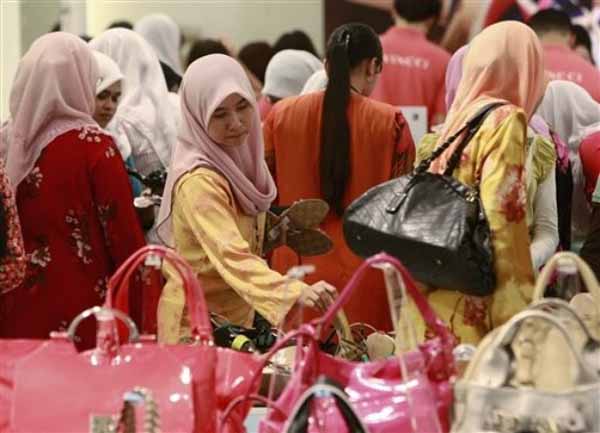
    AmInvestment Bank has maintained its “overweight” rating on the consumer sector, as consumer sentiment is expected to remain healthy on the back of recent consumer-friendly initiatives by the government. It said in a report that recent initiatives such as the reintroduction of petrol subsidy, capping of the electricity tariff and introduction of public transport subsidies, have contained the problem of rising cost of living and effectively put more money back into the pockets of consumers.

    “The substitution of the Goods and Services Tax (GST) with the Sales and Services Tax (SST) is a net positive to consumers as the SST has a narrower scope compared with the GST,” it said.

    According to the Malaysian Institute of Economic Research, the Consumer Sentiment Index has recovered beyond the 100-point confidence threshold after three years of a low sentiment trend.

    AmInvestment Bank believes that the positive trend in consumer sentiment will be sustained as consumers become more confident of the government with expectations of more rakyat-centric government policies, better governance and transparency.

    It expects private consumption to grow at 6.5% year-on-year on the back of a healthy labour market and stable inflation.

    While the food and beverage sub-sector does not typically benefit from greater disposable income, AmInvestment Bank has identified Berjaya Food Bhd (BFood), Mynews Holdings Bhd and Power Root Bhd as the top picks for the sector.

    It said that BFood is a beneficiary as improved consumer sentiment will drive discretionary spending while Mynews will be an indirect beneficiary of the public transportation subsidy.

    “We reckon that this measure will boost foot traffic surrounding the train stations. Mynews currently operates more than 30 stores in the MRT, LRT and monorail stations,” it added.

    Meanwhile, Power Root will be a potential beneficiary as it is a producer of staple products. It will also benefit from a stronger US dollar as around 50% of its sales are in exports.

    Downside risks that may prompt it to review its call for the sector are weakening of the ringgit against the US dollar (its 2019 assumption average is RM4.12) and sluggish improvement to economic fundamentals, which could lead to a de-rating of the sector.

    “A sluggish recovery in economic fundamentals such as high operational costs and a weak ringgit may not see consumers fully benefitting from savings tied to the SST reintroduction and consumer-friendly measures, thereby dampening the recovery in consumer sentiment,” it said.

  • Mobile Payments in China is expected to witness three-fold growth by 2023

    Mobile Payments in China is expected to witness three-fold growth by 2023

    Low credit card usage, and increasing popularity of eCommerce coupled with a growing middle class in China have accelerated the growth of mobile payments in the country. China has also seen an increase in cross-border payment transactions, primarily due to growth in sectors such as eCommerce, travel and overseas education. Frost & Sullivan recently reportedthat nearly 65% of Chinese tourists have used mobile payments abroad, approximately six times higher than the average non-Chinese traveler.

    “In China, eCommerce is a powerful incentive for users to purchase smartphones that enable mobile payment features. The social aspect that mobile payments brings can serve as an integral step in building trust and learning about digital services, especially in rural communities,” said Ms  Mei Lee Quah, Industry Principal Analyst, Information & Communication Technologies (ICT) Practice, Digital Transformation at Frost & Sullivan.

    The market of mobile payments services in China is expected to grow at a compound annual growth rate (CAGR) of 21.8% from 2017 to 2023, growing three-fold from US$29.93 trillion to US$96.73 trillion. The total number of active mobile payment customers is expected to reach 956 million by 2023 from 562 million in 2017 which will attract additional investments from mobile payments market participants.

    Frost & Sullivan’s recently published report, Chinese Mobile Payments Services Market, Forecast to 2023, highlights the growth opportunities presented in the market, namely:

    •    Rural region penetration
    •    Addressing the elderly market

    The report also offers detailed analysis of the mobile payment market in China with a focus on key market players such as AliPay and WeChat Pay, and their business and revenue models. The Chinese market for mobile payment offers not only market opportunities for solution providers intending to operate within the domestic market but also learning points for global mobile payment solution providers.

    Frost & Sullivan predicts that China will continue to be a major player in the global mobile payment services market and service providers in the country will continue to focus on improving and enhancing security on mobile payment platforms.

  • South Korean retail sales rise strongly in November

    South Korean retail sales rise strongly in November

    Online shopping during the month of November has driven a 4.6 per cent increase in South Korean retail sales compared to the same period in the previous year, according to government data. Ministry of Trade, Industry and Energy figures showed a 12.7 per cent year-on-year growth in online sales alongside a 0.5 per cent drop in offline retail during the month.

    Convenience stores, chain supermarkets and super supermarket sales showed positive growth, while large discount outlets and department stores saw declines of 2.8 per cent and 3.9 per cent respectively.

    Online sales in November were largely propped up by e-commerce shopping festivals in China and the US during the period.

  • Coupang to become an authorized Apple retailer

    Coupang to become an authorized Apple retailer

    Coupang, Korea’s top e-commerce platform, has been selected as an authorized retailer to sell Apple products, the company announced Friday. It said that the e-commerce giant was selected to become an authorized reseller of Apple products, and the service will begin sometime this month. The products that will be offered include iPad Pros, MacBooks and Apple Watches, as well as related accessories.

    Coupang said that its shoppers can get access to Apple products that carry a full Apple warranty and come with after-sales customer services from Apple.

    “Coupang will be an attractive purchase channel for customers who love or want to experience Apple products,” said Navid Veiseh, Coupang’s senior vice president of global e-commerce. “We will continue to expand the range of premium electronics brands like Apple, which, when combined with our Rocket delivery and RocketPay services, make Coupang the first place for customers to turn when shopping for premium electronics.”

    Coupang is known for its fast Rocket delivery service that sends items purchased the following day.

  • Hong Kong November retail sales almost stagnant

    Hong Kong November retail sales almost stagnant

    The growth of Hong Kong retail sales in November slowed to a crawl according to Census and Statistics Department figures just released. After a 6 per cent year-on-year increase in October, the value of sales in November rose just 1.4 per cent to an estimated HK$39.2 billion. That is well below the 9.7 per cent year-to-date rise for the first 11 months of the year.

    And after netting out the effect of price changes over the same period, Hong Kong retail sales in November rose by just 1.2 per cent year on year.

    A spokesman for the C&SD said the “generally moderated growth in retail sales in recent months” reflected more cautious consumption sentiment in the face of various external uncertainties such as the US-Mainland trade tensions and volatilities in the global financial markets.

    “Looking forward, while the favourable local job and income conditions and continued expansion in inbound tourism should still provide some support to the retail sector in the near term, consumer sentiment could be affected by weaker asset prices and the external uncertainties.”

    The overall figure was affected by soft sales of the key jewellery and watches category, down by 3.9 per cent, and of electronics, down by 4.9 per cent. Clothing sales fell by 3.6 per cent.

    Countering those falls were department store turnover, up 3.9 per cent; medicines and cosmetics up 10.1 per cent; food, alcoholic drinks and tobacco up 1.9 per cent; and other consumer goods, not elsewhere classified by 14.3 per cent. Optical store sales rose by 5.4 per cent and books and stationery by 6. 2 per cent.

    Quarter on quarter, Hong Kong retail sales receded during the three months to November by 2.7 per cent, compared with the preceding three months, with the volume of sales (after factoring in inflation) falling 1.8 per cent.

    For the first 11 months of last year, the volume of retail sales increased by 8.4 per cent.

  • JD stores open in Beijing and Mongolia

    JD stores open in Beijing and Mongolia

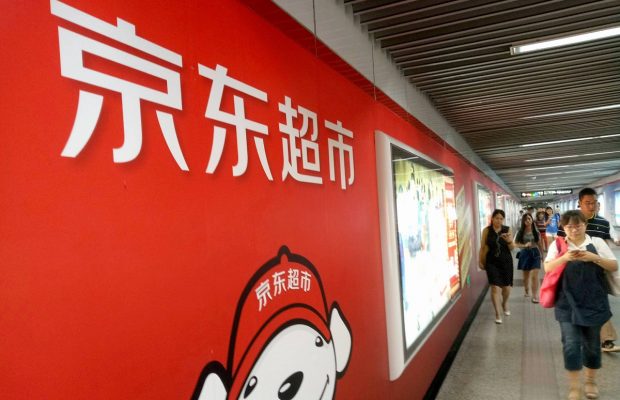
    Chinese online retail giant JD has opened two new innovative stores at Beijing Capital International Airport (BCIA) and Hohhot East Railway Station in Inner Mongolia. In a move to further expand the firm’s “boundaryless retail” strategy, the JD travel retail stores use the e-commerce company’s latest retail technology in order to make it easier and more enjoyable for travellers to purchase on the go. The openings add airports and railway stations to JD’s offline retail offerings, which already include convenience stores, supermarkets, and partnerships with hotels.

    Located in the departure lounge of Terminal 3 at BCIA for the next three months, JD’s pop-up store will offer popular travel items such as daily necessities, clothing, mobile accessories, beauty products, and bags and suitcases. The store uses JD’s smart store technology to understand how customers interact with products as well as which products to offer them. The integrated JD Zu Chongzhi platform can analyse customer behaviour and traffic flow, such as generating heat maps, in order to assist with product selection and inventory management, ensuring smooth store operations.

    “[Stocked] with items popular among travellers, the new shop will not only offer the products they want to buy most on their journeys – it will also allow them to personally experience what shopping of the future will be like, brought to them by China’s largest and most innovative retailer,” a spokesperson for BCIA said.

    The 100sqm unmanned Hohhot East Railway Station JD travel retail store opened in partnership with China Railway Express. It also makes the most of JD’s technological capabilities, with features such as facial-recognition payment and smart vending machines. Later, the store will make use of a Mini Program in WeChat so that customers can choose to buy on the spot and take their purchases with them, or shop online and have them delivered to a convenient location.

    JD Logistics and China Railway Express have been cooperating in logistics transportation since 2014, and have worked together to help facilitate the JD Luxury Express “white glove” delivery service as well as fresh food delivery via high-speed rail.

    “Many of our customers enjoy shopping while traveling and we’re determined to make sure they benefit from the convenience of JD wherever they are,” JD’s GM of social e-commerce and retail innovation, Bing Zhang, said.

    The new JD travel retail stores in Beijing and Inner Mongolia will provide them with a truly seamless experience that is unrivalled anywhere”.

  • Malaysian economy likely to bottom out in Q2, says AmBank Research

    Malaysian economy likely to bottom out in Q2, says AmBank Research

    AmBank Research, which anticipates further pressure on Malaysia’s economic growth in the first quarter of the year (Q1 2019), believes that gross domestic product (GDP) growth should register slight improvement in the second quarter and pick up thereafter. This is partly attributable to the low base effects as well as support coming from domestic activities and foreign direct investments, and complemented by exports as the electronics cycle slows down, added with softer commodity prices, it said in a note today.

    The research house said it foresees growth prospects remaining weak, anti-cipating Q4 2018 GDP growth to ease to around 4% to bring the full-year growth to 4.6%.

    “With our base case GDP outlook for 2019 at 4.5% with the upside at 4.8%, we foresee further weakening pressure on growth in Q1 2019,” it added.

    Malaysia’s third quarter GDP growth moderated to 4.4%, bringing about a nine-month expansion of 4.7%. Bank Negara Malaysia is due to announce Q4 GDP figures on Feb 14.

    AmBank Research highlighted that the strong foreign approved investments amounting to RM48.8 billion as of Q3 2018, which is an all-time high, is expected to support growth in 2019.

    The growth drivers are seen coming from petroleum refineries with RM17.2 billion investment being approved, followed by electrical and electronics (RM10.2 billion), basic metal products (RM5.7 billion), chemical and chemical products (RM4.6 billion) and rubber products (RM3.5 billion).

    Additionally, it said, agriculture, mining, and plantation and commodities saw a notable increase in approved investments with 54 projects as of Q3 2018, compared with 48 projects in 2017.

    Furthermore, investments in the services sector will continue to boost growth largely coming from local players with RM60.4 billion approved investments compared with RM96 billion in 2017, while foreign investments remained muted at RM9.5 billion as of Q3 2018 from RM28.5 billion in 2017.

    Commenting on the slump in the Nikkei Malaysia Manufacturing Pur-chasing Managers’ Index (PMI), AmResearch said it indicates downside risks with overall demand to be weak, thus causing companies to become less willing to hold stocks.

    The headline PMI fell to a six-month low of 46.8 in December 2018 from 48.2 in the previous month. The demarcation between expansion and contraction is 50.

    The data points to the sharpest deterioration in the health of the goods-producing sector since May. It also extended the current period of decline to two months. The drag largely came from severe reductions in production and new businesses.

  • Indian shop fit industry poised for sustainable growth in 2019

    Indian shop fit industry poised for sustainable growth in 2019

    The Indian retail sector is growing faster than ever before and is one of the fastest growing in the world. According to a Deloitte Report, the Indian retail industry is expected to grow to US $1.1 trillion by 2020, registering a CAGR of 8.79 percent between 2000 and 2020. This growth can be attributed to the growing young population of the country, rise in disposable income, change in lifestyle and most importantly, digitization and connectivity.

    Though brands are investing heavily in online retail, traditional retail continues to be their core focus and hence, demand for shop fit designers and manufacturers only continues to grow.

    Changing retail landscape and role of retail shop fitting

    2018 was a redefining period for Indian retail industry. From huge investments by international players to M&A, downsizing of physical stores from traditional players to investing in physical stores by ecommerce players, the retail industry witnessed significant changes.

    As the debate around relevance and profitability of brick-and-mortar stores continues, retailers continue to invest in physical stores and thrive to provide the best shopping experience for customers. The traditional, one-size-fits-all store formats are slowly decreasing and brands are now continuously working towards exploring creative concepts to rejuvenate the look and feel of the store to stay relevant and attract their respective consumer targets.

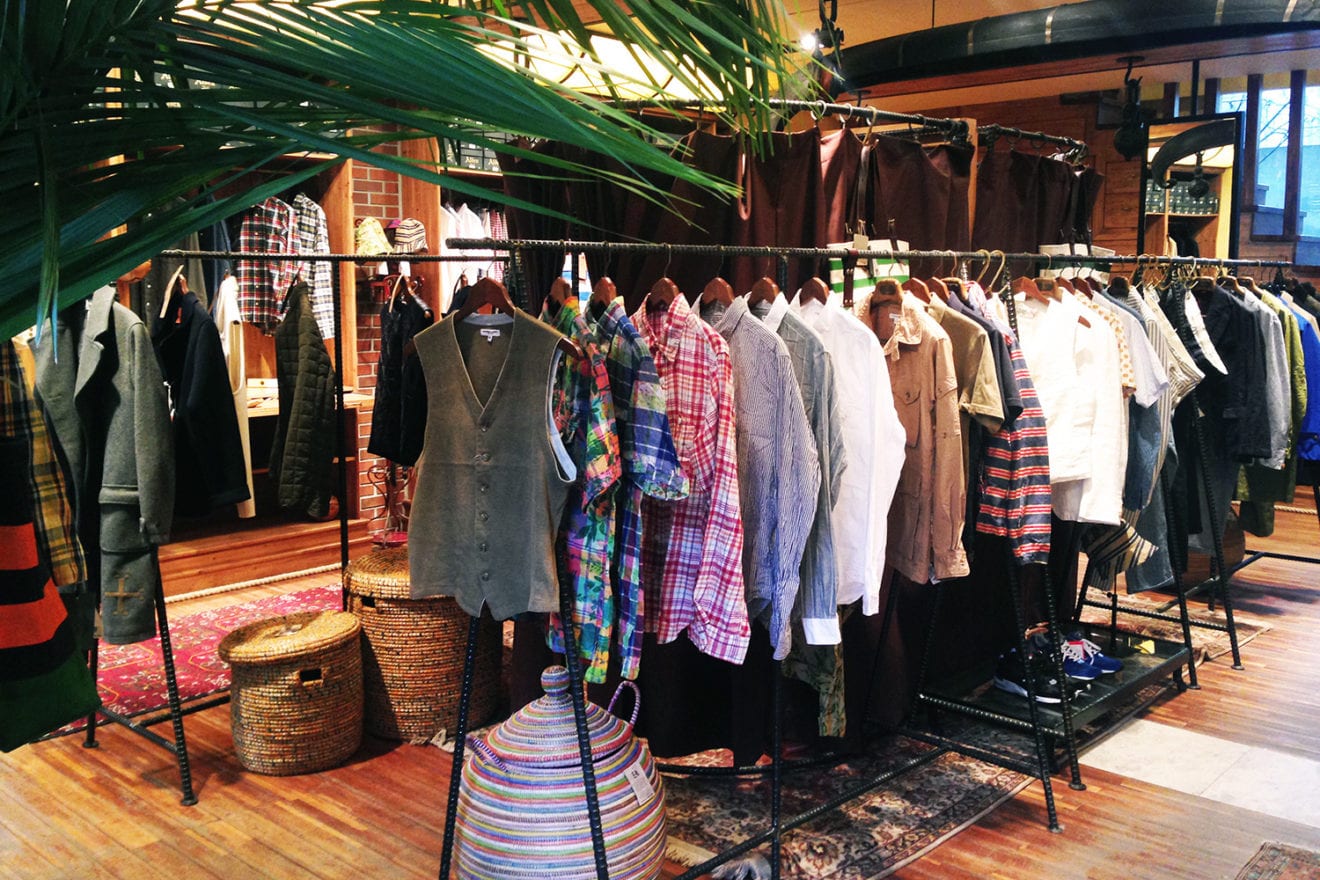
    Every brand has a different approach in designing retail outlets and so are their shop fit requirements. For example, a sportswear brand store will have a spacious interiors, relaxed furniture for seating, minimum product placement on shelves to create clutter free picking up of products and eye-catching digital display of celebrated sports personalities on the walls to influence customer’s shopping. Whereas, a clothing brand store for infants and children has shop fittings and fixtures of lower height making it easy for kids to select what they want and have popular animated characters all over the store. This is where the expertise of shop fitters come into the picture. Shop fitters play a very important role in building successful retail brands by planning, designing and manufacturing shop fit and fixtures that reflect a brand’s ethos. They closely work with the brands to execute their designs and ideas for Visual Merchandising.

    Growth opportunities for shop fit industry

    A study by JLL suggests that the country is expected to see the highest mall supply in the next three years (2018 – 2020) touching 19.4 million square feet. Due to the radical shifts in the consumption pattern of new-age consumers, brands see tremendous untapped potential in small towns and cities (Tier II and III) they will expand their footprints in these geographies and continue to invest in physical stores.

    Brands continue to focus on integrating online and off-line shopping and the concept of ‘Experiential shopping centers’ will gain importance. Physical stores will double as fulfillment centers to help process online orders. Like in other markets, the concept of BOPIS, i.e. “Buy Online, Pickup In-Store”, which gives customer the flexibility to shop (order) online and visit the nearest store to try the product and collect it may become popular among people. As customer shopping experience, engagement and purpose of the physical store becomes more crucial, brands will regularly invest in store design, interiors, shop fits and new concepts in order to differentiate themselves from competitors. A good fit-out raises a brand’s profile, efficacy and creates a positive perception about the brand. Hence, there is a growth opportunity for shop fitting industry.

    Adding to this, the trend of solo entrepreneurs entering the market and small scale traditional retailers who wish to revamp their business rely on professional shop fitters for retail store design, floor planning, shop fits, etc. which will also give a boost to the shop fit industry.

    Conclusion:

    As organized retail industry continues to grow in the country, it possesses a great opportunity for the shop fit industry. Decisions by brands to downsize the store formats may hurt the shop fit industry’s business and profitability, but there will definitely be significant growth as more brands are now looking to establish their offline presence and also increase their physical presence across markets. In addition to this, with the new rules regarding single brand retail ownership, many new foreign brands will look to enter the Indian market.

    Being an allied industry of the retail sector, the shop fit industry grows hand-in-hand with the retail industry. As brands continue to invest in visual merchandising and store design, they rely on experienced and quality focused shop-fit manufacturers to partner with them. The role of shop fitters cannot be understated in helping the retail brands build their identity, differentiate them from competitors and attract footfall in the store by their innovative designs and store concepts. Shop fitting is an important investment for retail brands and when done right can translate to improved business and performance. Overall, the outlook for the shop fit industry is positive.

  • Starbucks South Korea offers incentives using own cups

    Starbucks South Korea offers incentives using own cups

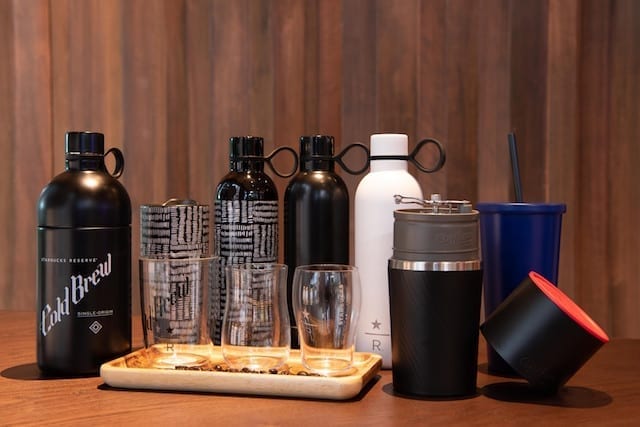
    Starbucks South Korea says the number of customers bringing their own cups to the store leapt 24 per cent in just one month. The boost is the result of its ‘Eco Bonus Star Program’ aimed at reducing waste and improving consumer awareness of sustainability issues. Through the Eco Bonus Star Program, customers of Starbucks South Korea can collect additional ‘stars’ – or bonus points – by bringing their own cups to cafes. The stars can be used for discounts and other benefits.

    Customers can choose to receive an immediate discount of 300 won (US27 cents) if they don’t want to collect stars.

    Starbucks said that, compared to 970,000 customers who brought their own cups in October, more than 1.21 million customers brought their own cups in December, the first full month of the program.

    Two-thirds of customers chose to save up stars, rather than receive the discount.

    “More than 1.81 million additional stars were given to customers just 50 days after the Eco Bonus Star program was implemented,” said Starbucks.

    “Gold members for My Starbucks can get a free drink for 12 stars, which also likely encouraged more customers to bring their own cups.”

    More than 8 million customers have brought their own cups this year, twice as many as last year.

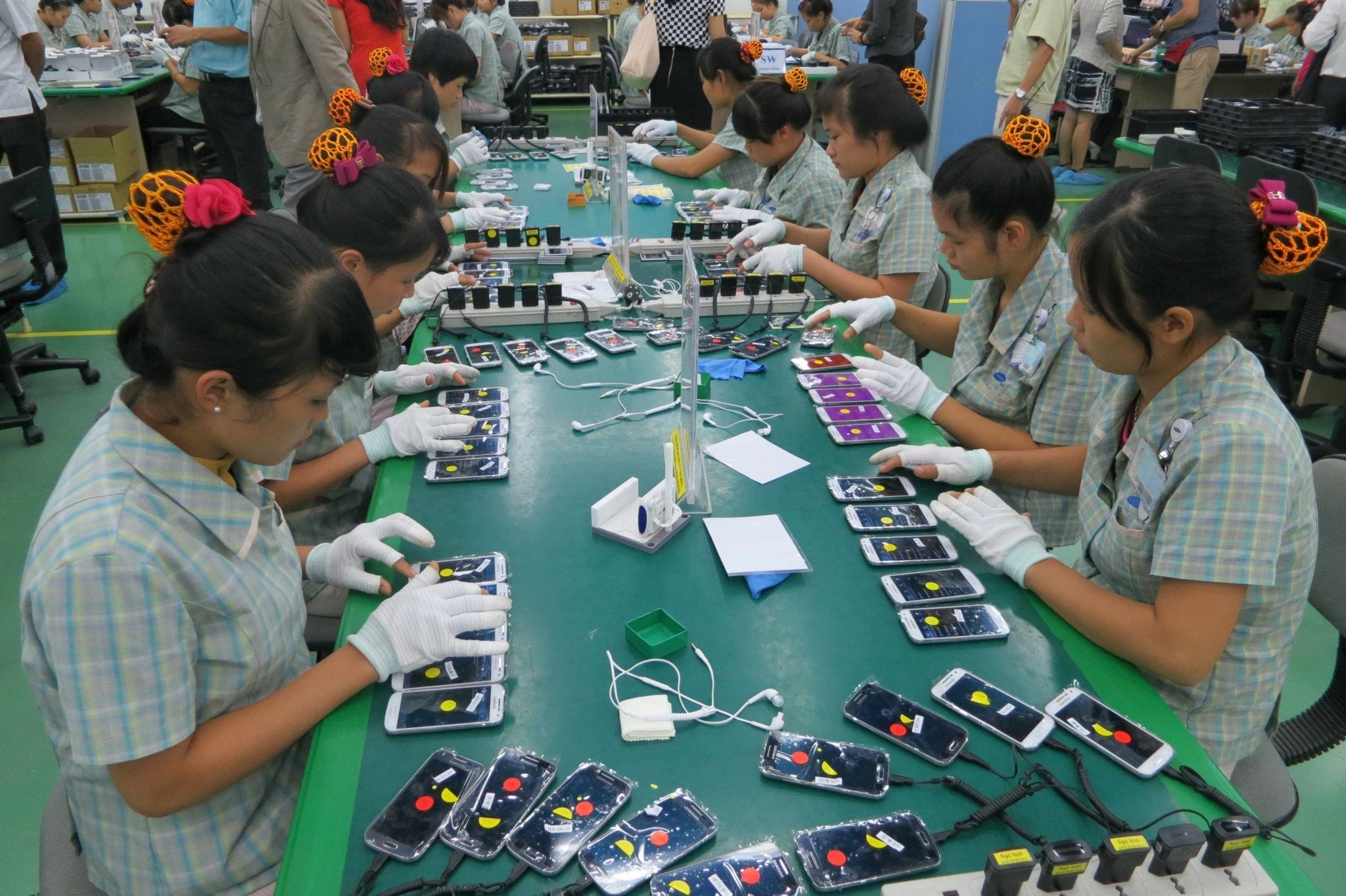
  • Samsung signals big 5G equipment push, again, at factory

    Samsung signals big 5G equipment push, again, at factory

    Samsung Electronics Vice Chairman Lee Jae-yong’s first appearance in the field this year was to celebrate the start of production at a 5G network equipment factory Thursday. His field visit comes as the company puts more weight this year on the 5G network-equipment business, which involves components used in 5G networks. These components are supplied to telecommunications companies.

    Lee and several other top executives, including Koh Dong-jin, CEO and president of the IT & mobile division, were present at the celebration ceremony held at the company’s factory and office complex in Suwon, Gyeonggi.

    “The 5G market is a new field, and we have to build competence with the mindset of a challenger,” Lee told employees during the event.

    Lee and the team of executives stopped by the cafeteria of the complex for lunch, resulting in posts on Instagram featuring Lee and employees.

    The manufacturing line for 5G equipment in Suwon is the first in the industry to be designed using “smart factory” principles. It utilizes 5G connections to enhance productivity and reduce the rate of defects.

    The company originally manufactured 5G network equipment in Gumi, North Gyeongsang, but had the production line relocated to Suwon, the site of its R&D center. This was done to help create synergies between the manufacturing and R&D facilities, said a spokesman.

    Samsung signaled last August that 5G connectivity is one of its four growth engines for the future when it announced a plan to invest $161 billion by 2021.

    The business area is receiving considerable attention from global technology companies. 5G connectivity is vital not only to telecommunications in the future, but will also be an essential component of other, related state-of-the-art technologies, such as autonomous cars, AI-powered robots and virtual reality.

    Samsung’s presence in the global telecommunications equipment market is relatively low, with a share of around 11 percent for fourth-generation LTE equipment, according to market research firm Dell’Oro. The larger players include Huawei, Ericsson and Nokia, all with shares of more than 25 percent.

    The company’s current goal is to hit a 20 percent market share in the 5G equipment market next year.

    Samsung has been expanding its client base for 5G equipment mainly in Korea and the United States. Names on the list include SK Telecom, KT, AT&T and Verizon. Samsung hopes to leverage those client relationships to attract other customers.

    The company plans to release the Galaxy S10 in March. It will be its first smartphone to support 5G connections.

    Kim Young-ki, Samsung’s president of network business, said at an event last November that the company will invest a total of $22 billion to develop 5G-network technology.

  • How technology will play a big role in retail in 2019

    How technology will play a big role in retail in 2019

    Technology has penetrated in every sphere of our lives. We live, love, eat and sleep on #technology now. Each year, we see technology moving deeper and deeper into our existence. It’s good and bad – both. Good because it helps us in doing more in less time and efforts. Bad because interweaving of tech in our lives has left us dependent, vulnerable and very anxious. Let’s see what 2019 has in store for us – specifically 5 technology leaps to look out for in retail.

    Omnichannelisation – The technology approach to seamlessly tie all sales channels in a see-anywhere-buy-anywhere way in picking up steam with mainstream brands and retailers. Omni channel technology is also being used as a strategic advantage by multichannel stores and small brands/retailers to scale their operations while centralizing the inventory. The main advantage is higher brand loyalty due to “all touch point” approach – and much lower active inventory requirements. In 2019, we expect omni channel to penetrate deeper into all spheres of retail through simplification and customization of omni-tech.

    Cashier-Less Shopping – Yes, it all started with #Amazon GO, a proprietary technology that eliminates the need of checkout registers and cashiers. Customers can activate a geo-sensed resident app (Amazon GO app), walk in, pick up what they need and walk out – and all transaction happens in the backdrop through something what Amazon calls “Just Walk Out” (JWO) Technology. Ease of use, time savings and low cost operations are at the core of this technology. In 2019, you’ll see Amazon and a few other technology providers opening more of these JWO stores worldwide.

    Virtual Retail Experience – According to #emarketer report, two thirds of US customers were interested in using Virtual retail experience – where you could get near-real brand and store experiences using head mounted or holographic hardware. 2019 could see a surge in virtual-reality based retail experiences. The upside? No (or very low) rentals and really easy reconfiguration of virtual stores.

    Hyper-Local Retail – Hyperlocal retail refers to the technology where consumers can find and buy products near to them using an app that runs on geolocation. A catalog of products from local stores is uploaded on the app and the customers can discover and buy products from nearby stores. It’s a great cusp between purely online and purely offline retail experience. This is very useful for daily needs products, appliances and electronics. It’s awesome for the retailer since it allows for expansion of product-discovery while minimizing store footfall. Overall, a win-win for retailer and consumer. In 2019, watch out for companies like #nearbuy and #zopper making it big in India.

    AI-based Consumer Insight – Artificial intelligence and machine learning is growing leaps and bounds in almost every segment. Retail is no exception. In 2019, AI and ML is expected to grow manifold in terms of demand forecasting, inventory planning, customer service bots, natural language based customer engagement and customer’s next purchase (and time) prediction. Though it may sound a bit nerdy, but the more data flows through the AP engines, the more powerful they get at predicting consumer behavior; and provide more powerful strategic advantages to the brands and store. Watch out! If you have that weird feeling that your phone purchase was somehow orchestrated – but cannot put a finger on anything concrete, you may have been Artificially Driven into that purchase!

  • Look to Singapore, Sarawak for construction jobs, says HLIB

    Look to Singapore, Sarawak for construction jobs, says HLIB

    Contractors should look to neighbouring Singapore and Sarawak for jobs, as a slowdown in award of contracts is expected in 2019, according to Hong Leong Investment Bank (HLIB). The research house said in a note that contract flows are expected to slowdown on the back of slight year-on-year (y-o-y) decline of 0.4% in development expenditure to RM54.7 billion.

    For the cumulative period of 12 months, domestic and foreign contract awards amounted to RM18.3 billion and RM406 million, representing a y-o-y decrease of 37% and 85% respectively. Contract flows continue to slow down after a brief rebound in Q3 18 as the government re-prioritised major infrastructure projects.

    HLIB said foreign contracts (piling works) from Singapore amounted to RM148 million in Q4 18, which is an indication that civil infrastructure projects remain robust in Singapore. HLIB expect more domestic contractors to bid for foreign jobs especially in Singapore given its geographical proximity and the continued slowdown in the domestic construction landscape.

    It expects contractors under its coverage such as Gamuda, Kimlun and Sunway Construction to compete for jobs there.

    “We expect smallish basic infrastructure projects such as road upgrading, hospital, water, sewerage and rural area development projects will be rolled out by government this year which we believe is insufficient to spark any enthusiasm back towards the sector. However, we do not discount potential events such as award of Phase 2 of Klang Valley Double Track project (RM5 billion) and news flow on ECRL (possible revival) and Pan Borneo Sabah could alleviate the pessimistic sentiment towards the sector,” it added.

    While the job flows in Peninsular Malaysia looks lacklustre following the change in government, Sarawak appears to have prospective jobs offers.

    “We understand that industry players are aiming for jobs in Sarawak as its chief minister mentioned emphasis will be put on state water and rural road projects following the decision to shelve Kuching LRT project,” it said.

    Funding for those projects is expected to come from the Sarawak state reserve of RM31 billion which is likely to insulate the projects from risk of cuts in federal government spending. The call for bids for the Sarawak Coastal Road and Second Trunk Road which has an estimated combined value of RM11 billion are expected in the near term.

    In that light, HLIB maintains a “neutral” call on the construction sector post changes in federal government and the scrapping of mega rail projects.

    “The domestic construction industry landscape is expected to remain challenging and we do not expect a significant improvement in the near term. The 37% decline in domestic contract awards in 2018 supports our view,” it added.

    Nonetheless, high orderbook levels (average cover ratio of 4.5 times) following the robust job flows in the past two years coupled with rock bottom valuation (0.5 times price-to-book ratio) should cushion further downside amid subdued near term industry prospects.

  • DHL’s five useful hacks for social media selling

    DHL’s five useful hacks for social media selling

    Logistics provider DHL Express enumerated a few hacks on social media selling. As Filipinos search for gift ideas especially this holiday season, it is crucial for social media sellers to get their products to stand out and top their customers’ feeds. Nailing these two can increase their chances of converting followers into customers. Distilled from experiences from helping other small businesses grow and readily available on DHL Discover, an online library of business and culture insights, here are the global logistics leader’s top recommendations.

    First, choose the right platform. If 94 percent of shoppers said that Facebook posts affect their holiday buying choices, then sellers would definitely want to be there. Go for social media channels that reach out to buyers and have free analytic tools. Facebook is able to give audience insights which may help sellers make informed decisions in scheduling content and targeting audience when they are most engaged.

    Second, #GetNoticed. Hashtags are a crucial way to link products to customers who are looking for it. An example of this is using the hashtags, #giftideas and #nochebuena to get the attention of potential customers.

    Third, work with advocates. Social media influencers may help because of their loyal follower-base. Through the content of bloggers and vloggers, consumers may get a firsthand opinion on products. This will make the endorsement more authentic and less of a hard sell, which makes brands more credible.

    Fourth, get your call to action right. Make the call to action clear and ensure the buying process is simple. Something as straightforward as adding a “click to buy” tab underneath that Instagram product photo they liked will help leverage positive leads.

    Lastly, encourage customer feedback. Leverage consumer reviews to create a space where happy consumers can share positive experiences of the product. Although not all reviews may be positive, sellers should be aware and respond to complaints quickly.

    As customers look forward to reviewing your product or service, keep in mind that their overall experience, from window-shopping to check-out to shipping, shapes their perception of your brand. By counting on a logistics provider like DHL for last mile requirements, you can deliver the best possible customer experience worth sharing on social media.

  • Western Australia to stop using plastic bags

    Western Australia to stop using plastic bags

    The ban on the use of plastic bags in Western Australia has started as of January 1, 2019, with retailers no longer be able to provide customers with lightweight plastic bags when shopping in their stores. Retailers who fail to comply with the new laws will face substantial fines and disruptions to their business operations. The National Retail Association (NRA), which has partnered with the state government to assist the sector to make a smooth transition ahead of the ban, has issued a statement to consumers earlier reminding them to be prepared for the change when they shop starting the new year.

    David Stout, NRA manager of Industry Policy, said the bag ban applies to all retailers operating in Western Australia regardless of size or type – ranging from newsagents to food outlets, to pharmacies and petrol stations.

    Stout said shoppers need to make sure that they have alternative options in place, like reusable bags, to safeguard against any inconvenience.

    “The NRA has visited thousands of retailers in all parts of the state over the past few months to ensure that retailers are as ready as possible,” Stout said.

    He added that the NRA will continue to assist retailers with any teething issues after the ban comes into effect.

  • Back to the future going trendy in 2019

    Back to the future going trendy in 2019

    In 2019, retro will remain hot, and gender-neutral fashion will become ever more neutral, according to Lee Hyang-eun, a design engineering professor at Sungshin Women’s University, and professional speaker and consultant Kim Yong-sub. Other themes they see are the environment, data and consumers becoming even more demanding than they have been in the past. The JoongAng Ilbo sat down with the two trend analysts to discuss their forecasts for the new year.

    Lee is a co-author of “Trend Korea 2019,” an annual trend report published by Seoul National University’s Consumer Trends Analysis Center. Kim is the author of “Life Trend 2019,” another comprehensive trend report. He has also spoken at over a thousand seminars hosted by large companies, including Samsung Electronics.

    Newtro

    A retro wave has swept over Korea in the past few years, as cafes and restaurants began adopting designs from the 1970s to the ’90s. Many have enjoyed success.

    Lee Hyang-eun expects “newtro,” the term used to describe the return of the retro, to continue winning over fans from all age groups this year.

    “The return of the 1970s-to-’90s style brings back memories for older generations, but offers a whole new culture for young people in their teens and twenties,” said Lee.

    “A new form of retro with a youthful touch will be all the rage in 2019.”

    The key to newtro is not bringing back the past as it was, but polishing it to suit contemporary tastes. Good examples are Dosan Bunsik, a casual restaurant that rose to social media fame last year, as well as Fila’s Disruptor 2, a fresh take on a shoe originally released in the 1990s.

    “The trend is positive for brands, which can target new customers, and for young consumers as well, who can develop a sense of respect for cultures and objects that are older than them,” said Lee.

    Chamelezones 

    Chamelezones, or spaces that transform beyond their intended purpose, is another trend to keep an eye out for in 2019.

    Dongchoon 175 is a warehouse-turned-shopping mall in Yongin, Gyeonggi, that is becoming a huge hit with women in their 30s and 40s. Previously a logistics warehouse, the building now hosts everything from clothing stores to a trampoline park and a Finland-forest inspired lounge.

    “As chameleons change color based on their surroundings, these spaces transform according to different situations” said Lee.

    Businesses can also use chamelezones to win customers back to brick-and-mortar stores by encouraging interactive experiences and hosting regular exhibitions and concerts.

    “It’s important to breathe new life into spaces and attract people by adopting new concepts and technologies,” said Lee. “The key here is to create experiences and satisfy the five senses.”

    Data intelligence 

    Data intelligence is expected to be a dominant theme this year.

    This technology combines data analysis capabilities with voice and facial recognition tools to personalize a user experience and give businesses a better idea of consumer preferences.

    “When you process data once, it becomes information, and when you process it once more, it becomes intelligence,” said Lee. “Do it once more, and you get wisdom.”

    Data intelligence-powered services are already offered by the world’s biggest companies.

    Amazon’s Echo Look, for example, processes and analyzes a user’s outfits to make style recommendations, while new makeup apps can now apply eye shadows and lipstick on users virtually and recommend foundation shades based on skin tones.

    Gender neutral 

    Gender neutrality, a long-running theme, seems to be evolving and going beyond the simple idea of swapping dominant colors and dressing up.

    “Even with what we call unisex fashion, women just end up wearing men’s clothing,” said consultant Kim Yong-sub. “Gender neutral seeks to erase the distinction between the genders itself, and this trend is quickly expanding across not only fashion and beauty businesses but corporate structures in other sectors.”

    Kim predicts that the movement to look beyond people’s genders will gain traction in 2019, especially after the Me Too campaign and claims of harassment have shaken Korea.

    “There are times where trends stop being limited to a social issue and become economic, and that is happening with gender issues today,” he said.

    Single origin

    People will become more selective about what they eat too, Kim says.

    Starting around 2016, Koreans started pursuing their preferences in consumption instead of simply following the masses. Kim believes 2019 will be the year when people have fully developed preferences and adjust their lifestyles accordingly.

    He calls this preference-based consumption.

    “The tendency to prioritize personal preferences will become especially evident in food consumption, leading people to try to identify the origin, types and the processing methods of whatever they eat,” he said.

    The rise of the single-origin coffee attests to the growing power of personal preferences.

    Single-origin coffee is made with beans grown from a single farm, geographic area or country. Many consumers seek them out as they want to taste the flavors of a certain region instead of blends, which are made of coffee beans from several places.

    Plastic alternatives

    Environment-wise, 2018 was the year of awakening for Korea, especially on matters regarding plastic waste.

    Cafes stopped offering plastic cups in stores last year, while franchises replaced plastic straws with paper straws. Many companies are expected to continue going green this year.

    “In the past, only a small minority demonstrated an interest in environmental issues, but now celebrities and the wealthy also talk about them,” said Kim.

    As popular figures show interest, it will become fashionable to talk about the environment, Kim predicts.

    “Now, corporate interest in the environment is not a matter of choice but also of survival,” he continued. “Only businesses that actively react to environmental issues will attract consumers.”