Tag: Retail

  • Intel announces availability of 6th Gen Intel Core processor in Singapore

    Intel announces availability of 6th Gen Intel Core processor in Singapore

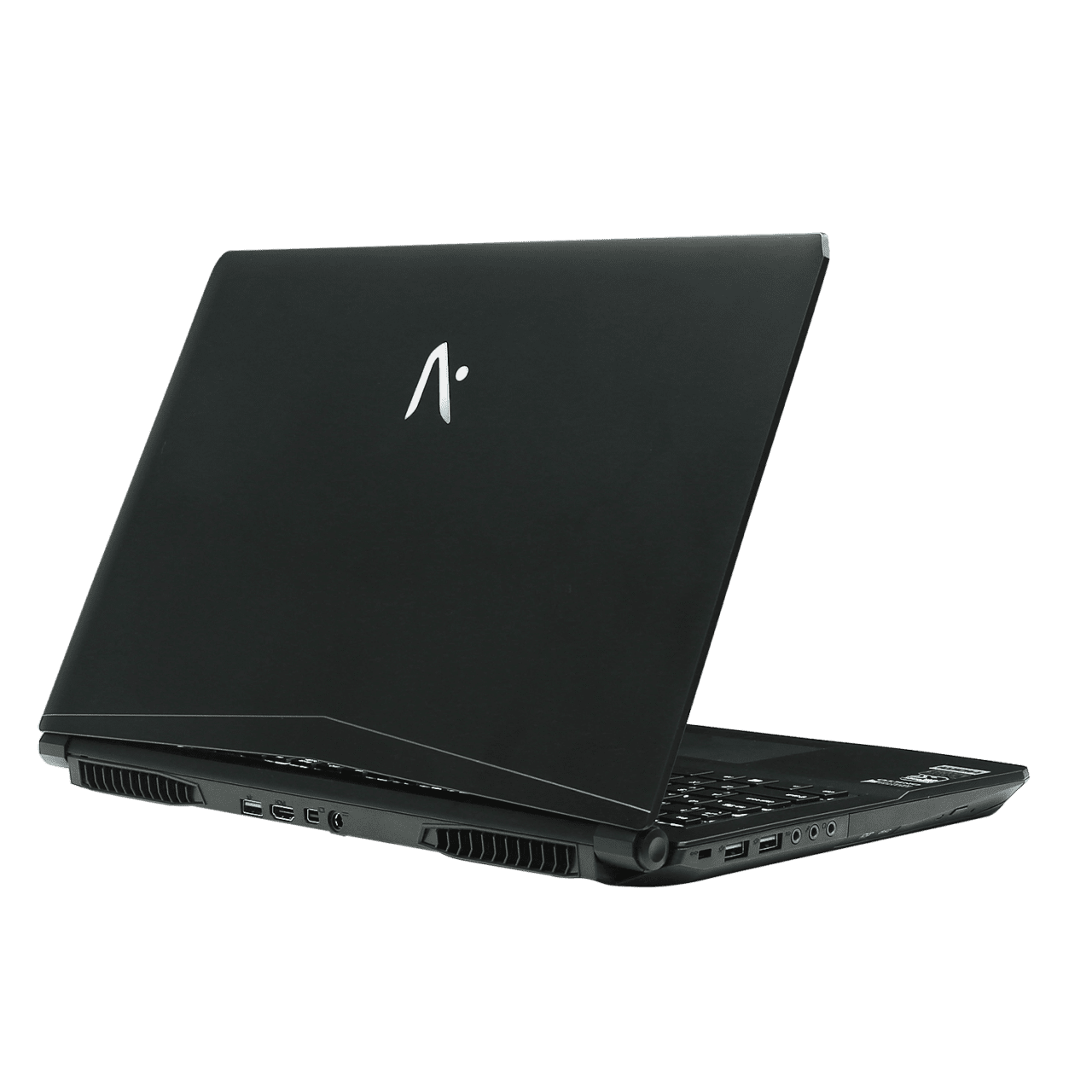
    Intel Singapore has announced the local retail availability of its new 6th Gen Intel Core processor brought to market in partnership with PC manufacturers, including Singapore-based Aftershock PC.

    Co-founded in 2012 by two Singaporean brothers, Aftershock PC is one of the fastest growing gaming PC makers in Asia, and will be introducing new devices powered by the 6th generation Intel Core processors. Customers will immediately be able to experience and purchase Aftershock PC’s latest line-up of desktop and laptop gaming PCs at the IT fair COMEX this weekend, taking place between September 3 and September 6, 2015.

    In gaming, even a split second of lag may mean the difference between winning and losing a match. The 6th Gen Intel Core processor feature capabilities that smoothen gameplay and help gamers sharpen their competitive edge.

    Compared to a 5 year old PC1, the 6th generation Intel Core processor offers up to 2.5x faster performance; up to 30x graphics improvement; up to 3x longer battery life; and is optimized for Windows 10.

    The new Aftershock PC range of gaming powerhouses kicks the gears up a notch by combining the unbridled power of the 6th generation Intel Core processors with other high-end components, including NVIDIA’s latest discrete graphics cards with support for G-SYNC display technology, speedy solid state drives (SSDs), premium full HD displays, and blazing fast Intel Dual Band Wireless-AC 7265.

    “The new 6th generation Intel Core CPUs will enable our machines to not only run fast and cool, but with great battery performance. We are very excited to see the consumer response to our new line-up,” said Marcus Wee, Managing Director, Aftershock PC.

    Sumner Lemon, Country Manager, Intel Malaysia and Singapore, said, “Intel’s collaborations and deep engagement with local PC makers, such as Aftershock PC, help us to bring exciting products to market. We look forward to working more closely with Aftershock PC to empower them for further growth and success with our best-in-class processors.”

  • China is buying about one-fifth of the world’s Apple Watches

    China is buying about one-fifth of the world’s Apple Watches

    Demand from China has helped drive the massive success of the iPhones 6, but will it do the same for the Apple Watch? The early numbers look a bit muted, though still promising.

    Since the device’s release in May, research firm RedTech Advisors/TalkingData estimates that over 1 million of the watches have been sold in China. Sales for the three-month period ending in June topped out at over 626,000, which the company calculates to equal 22% of estimated global sales of 2.8 million devices.

    That’s lower than China’s overall contribution to Apple’s revenues. While the company doesn’t disclose disclose iPhone sales by region, last quarter Apple generated 26% of its revenues from China, driven by sales of its smartphone.

    Growth of the Apple Watch is slowing in China, and sales aren’t expected to increase until November, when China’s e-commerce companies launch their Cyber Monday-esque Single’s Day deals, and then later through Chinese New Year in February.

    RedTech said the uptake for the Apple Watch in China has been slower than other Apple products, but attributes this to a lack of supply rather than demand. The company estimates that 30% of activated Apple watches in China came from “grey market” third-party vendors during the product’s release, but as supply increased, grey-market sales plummeted to 13%. Right now, the firm calculates that 40% of Apple Watch sales are coming from official Apple Stores, another 28% come from its official Chinese online store, and the remainder from third-party vendors, gifts, and overseas vendors.

    Apple is aggressively expanding its retail presence in China, and plans to double its number of retail outlets in China by 2016 to 40.

    It may be difficult determine whether the Apple Watch has been a success for some time, either in China or globally. Smart wristbands, unlike phones, are a relatively new type of hardware. IDC estimates that Apple globally has 19% of wearable market share, a remarkable feat given that Apple’s watch has only been available for just over a three month period.

    But one Apple supplier from Taiwan complained that orders for watch components were lower than anticipated, which suggests Apple had even higher expectations.

  • Hong Kong home prices could begin falling next year, says JP Morgan

    Hong Kong home prices could begin falling next year, says JP Morgan

    Hong Kong home prices could fall by 5 per cent to 10 per cent over the next three years, according to JP Morgan, which warned of the risks of an economic slowdown in the city.

    A slowdown marked by falling retail sales and a softening mainland economy would adversely affect home purchasing power and buying desire, said  Cusson Leung, head of conglomerates and property research at JP Morgan.

    Leung told a press briefing on Friday there were a number of factors that could affect the performance of Hong Kong property market, such as credit leverage and capital flow, while adding that he did not see any immediate risk of over-leveraging of real estate or capital outflow.

    The unemployment rate is expected to rise

    However, he raised concerns over a potential slowdown of the city’s economy, linked to the risk of further decline in the mainland China economy.

    “Retail sales are declining and international brands are talking about network consolidation in Hong Kong,” he said. “The unemployment rate is expected to rise.”

    Leung said the impact of the negative factors would become more obvious early next year. “2016 will be a more difficult year when compared with 2015. Home prices could see a decline,” he said.

    While saying that JP Morgan had not yet reached a house view on the degree of home price falls, he said it was possible prices could drop by 5 per cent to 10 per cent a year over the next three years, starting from next year.

    Hong Kong home prices rose 13.5 per cent last year and 8 per cent in the first half of this year, according to the data from the Rating and Valuation Department.

    Leung said home prices were unlikely to see a sharp plunge of 30 per cent in a year unless a crisis or really bad unexpected news hit the market.

    Residential transactions in Hong Kong last month plunged 27.8 per cent month on month to 3,896, according to Land Registry data released on Wednesday, prompting some analysts to predict a modest decline in home prices in the second half of this year. Alva To, senior managing director of real estate services firm DTZ/Cushman & Wakefield, predicted home prices could see a decline of 5 per cent to 10 per cent from current levels this year.

    Leung, however, expects prices to remain stable this year, but begin falling next year.

    Centaline Property Agency said its secondary home price index hit a record high of 146.78 yesterday, up 0.91 per cent week on week.

    The decline in property transactions in the past two months was more related to a slowdown in project releases than the wealth effect from the stock market crash, Leung said.

    His comments came a day after Sun Hung Kai Properties sold out all 328 flats at phase two of its Century Link development in Tung Chung.

  • Chang Beer producer says ‘cheers’ to Manhattan

    Chang Beer producer says ‘cheers’ to Manhattan

    Asian beverage producer ThaiBev has now completed a multi-site implementation of Manhattan Associates’ warehouse management technology, as it looks to improve service levels and fulfil orders more profitably.

    Using the vendor’s Warehouse Management Solution (WMS), the Chang Beer producer is aiming to grow its business and expand its reach across its local market of Thailand and into new territories, while it also hopes to benefit from better inventory management and improved stock visibility.

    The project was delivered by a joint team from Manhattan and ThaiBev’s distributor arm Thai Beverage Logistics, as well as IT infrastructure and managed services partner TCC Technology (TCCT). The Manhattan solution, which has been embedded into ThaiBev’s existing SAP ERP system, is hosted at TCCT’s data centre.

    ThaiBev is working towards its “2020 Vision”, which is centred on the development of five core principals: growth, diversity, brand, reach and professionalism. Its latest investment in technology has been made with these business goals in mind.

    Kosit Suksingha, senior vice president at ThaiBev, commented: “In Thailand alone, Thai Beverage Logistics operates a supply network comprising three regional DCs and a series of provincial warehouses.

    “With Manhattan’s WMS technology and with TCCT’s complementary hosting infrastructure, we have improved product availability for our trade customers and are now able to fulfil customer orders within 24 hours of receiving the order.”

    He added that the technology is driving top-line sales growth and helping to improve the organisation’s operating margins.

    Manhattan has recently announced supply chain partnerships with baby and maternity products retailer Mothercare and fashion house Paul Smith, with both companies looking to improve their stock visibility and behind-the-scenes systems.


  • Erajaya announces joint ventures in Singapore and Malaysia

    Erajaya announces joint ventures in Singapore and Malaysia

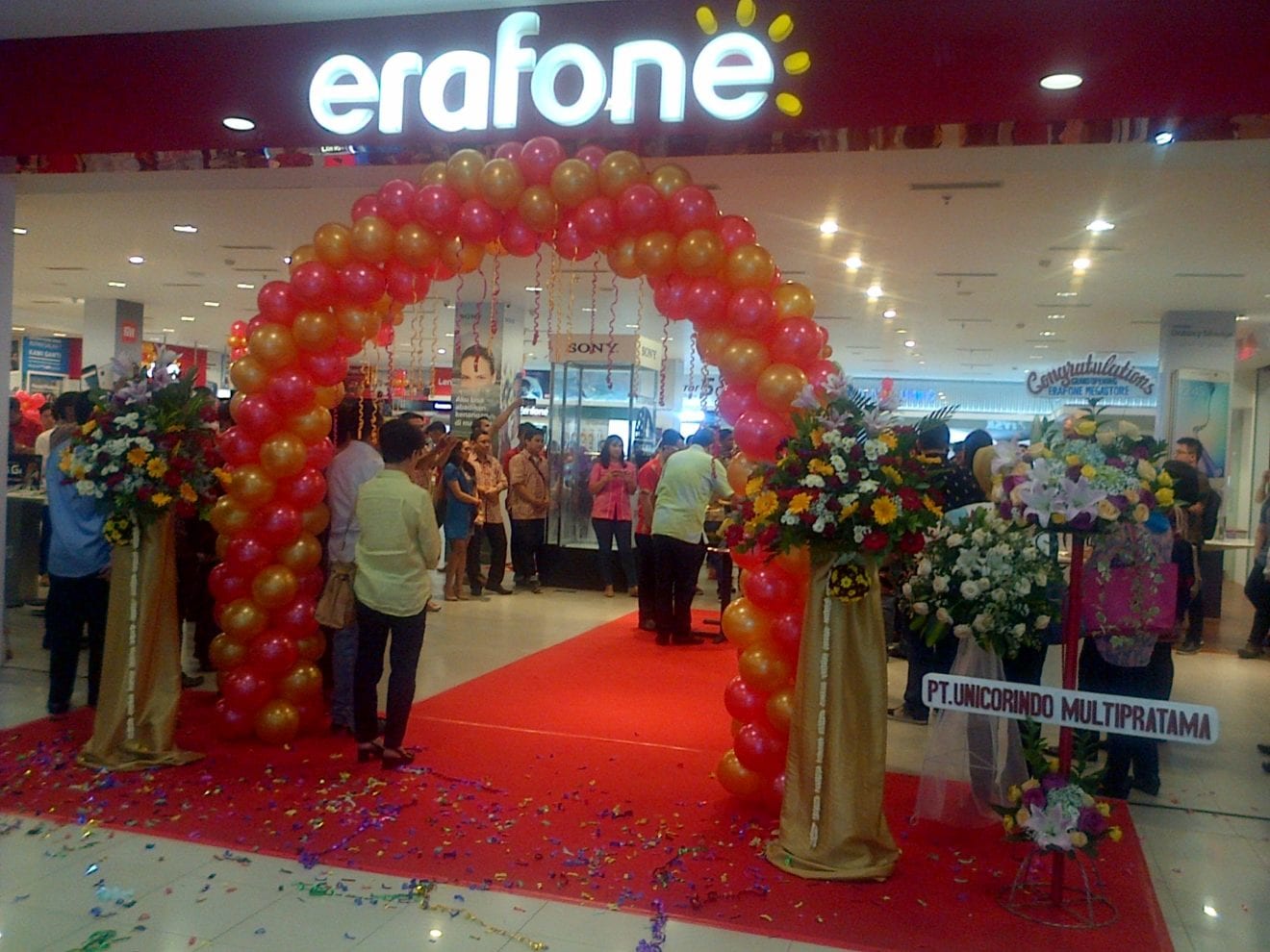
    Indonesia-based distributor and retailer Erajaya Group has announced joint ventures in both Singapore and Malaysia. Erajaya has formed a joint venture with Alphabright to set up Era International Network in Singapore. The company has also teamed up with Malaysian citizen Li Chau Ging to form Era International Network in Malaysia. The moves form part of Erajaya’s plan to expand its distribution and retail footprint in both countries.

    Alphabright, which was established a year ago, is the sole distributor of ZTE mobile phones in Singapore. Erajaya will hold a 70% stake in Era International Network in Singapore, with Alphabright controlling the remaining 30%.

    Erajaya will hold a 95% stake in Era International Network in Malaysia, with Li Chau Ging controlling the remaining 5%. The new venture in Malaysia builds on Erajaya’s purchase of a 60% stake in CG Computers in 2014 – a business that included Apple reseller Switch. Li Chau Ging is an existing business partner for Erajaya in Malaysia due to the company’s prior investment in CG Computers.

  • BlackBerry Passport Silver Edition Now Available in Hong Kong

    BlackBerry Passport Silver Edition Now Available in Hong Kong

    BlackBerry Limited on September 2 announced the beginning of sales of the BlackBerry Passport Silver Edition in Hong Kong. From last week (September 2nd, 2015), customers in Hong Kong are able to purchase the new BlackBerry Passport Silver Edition, a premium device built for business professionals who want a smartphone with the mobile tools they need to get things done – without sacrificing style or portability.

    The BlackBerry Passport Silver Edition is in a class all its own, featuring a stunning silver finish with refined, curved corners, large square touch screen display and reinforced stainless steel frame for extra strength and durability. An essential business tool, the device delivers the same productivity enjoyed by other BlackBerry Passport products, as well as an updated QWERTY touch-enabled keyboard, battery power that lasts more than a full day of mixed use, and BlackBerry 10 OS 10.3.2, according to BlackBerry.

    “The new BlackBerry Passport Silver Edition combines cutting-edge technology with purposeful, globally recognized design,” said Gallant Leon, Managing Director, North Asia at BlackBerry. “It brings together BlackBerry’s latest OS platform, enhanced productivity features, and a refined industrial design based on customer and user feedback to deliver an unmatched experience for professionals who value precision and focus.”

    Inspired by actual passports, the universal symbol of mobility, the size and form factor of BlackBerry Passport Silver Edition is portable enough to easily tuck into pockets and use wherever you go. Key features of the device include:

    Large High-Resolution Square Screen –The BlackBerry Passport includes a 4.5” square screen, 1440×1440 pixel (453 dpi) HD display and Corning Gorilla Glass 3 for added strength.

    Innovative BlackBerry Keyboard – The BlackBerry Passport’s revolutionary keyboard brings innovation to input with a responsive touch surface like a trackpad that lets you perform many touch functions directly on the keyboard. Scroll web pages, flick to type or slide along the keys to move the cursor, leaving the full screen space for viewing.

    BlackBerry 10 OS 10.3.2 – The BlackBerry Passport comes preloaded with the new BlackBerry 10.3.2 operating system, including features such as BlackBerry Assistant and Amazon Appstore.

    Best-in-Class Battery Life – The 3450 mAh battery is the largest among the top selling smartphones and phablets and, when tested against a very active user, provides up to 30 hours of mixed use – BlackBerry’s  best battery power to date.

    Dual app storefronts preloaded for access to a huge selection of apps for work and play:

    BlackBerry World – BlackBerry World offers essential business and productivity apps for professionals looking to drive efficient communications and collaboration including Box, Evernote, Cisco WebEx Meetings and Documents to Go.

    Amazon Appstore – Discover and download popular Android apps and games through the Amazon Appstore including Candy Crush Saga, Pinterest, SoundCloud, Kindle and Amazon Shopping.

    BlackBerry Assistant – The BlackBerry Assistant is BlackBerry’s first digital assistant and can be used with voice and text commands to help users manage work and personal email, contacts, calendar and other native BlackBerry 10 applications. BlackBerry Assistant intelligently determines how to respond based on how the user interacts with it – if you type, it responds silently, if you speak, it speaks back and if you activate over Bluetooth, it speaks back with additional context because it assumes you might not have access to the screen.

    BlackBerry Blend – BlackBerry Blend 1.2 brings a new refreshed UI and additional functionality and is now available for all BlackBerry 10 smartphones. BlackBerry Blend brings messaging and content on your BlackBerry smartphone to your computer or tablet. Get instant message notifications, read and respond to your work and personal email, BBM and text messages, and access your documents, calendar, contacts and media in real time on whatever device you are on, powered by your BlackBerry.  BlackBerry Blend works across multiple operating systems including Mac, Windows, iOS and Android.

    Premium Components – The device is built for the most demanding user with durable materials mixed with top-of-the-line technology, including a Quad Core 2.2 GHZ Processor, 3 GB RAM, 13 MP OIS rear camera and 32 GB memory expandable with a Micro SD card up to 128 GB.

    BlackBerry Natural Sound – BlackBerry Passport comes with powerful speakers and a quad microphone system that delivers a high-quality listening experience. BlackBerry Natural Sound Technology is built in to adapt Wi-Fi and cellular call sound depending upon phone position and background noise, automatically adjusting volume so you don’t have to.

    The BlackBerry Passport Silver Edition is available from September 2nd 2015, through Broadway Photo Supply Ltd, Fortress, Hong Kong Suning, Chung Yuen Electrical Co., Ltd and other authorized retailers; and through operator partners 3 Hong Kong and SmarTone Mobile Communications Limited, at a recommended retail price of HK$5,388.

  • Chow Tai Fook changes strategies to tackle tough market

    Chow Tai Fook changes strategies to tackle tough market

    Chow Tai Fook Jewellery Group is renegotiating store rents and consolidating its retail network in order to manage rental costs, chairman Henry Cheng Kar-shun said on Thursday.

    Amid a downturn in the city’s retail landscape, the largest Hong Kong-listed jeweller in terms of market capitalisation had also shifted focus to smaller-priced items to attract customers, Cheng said.

    Business is getting tougher for retailers, with sales in July dropping 2.8 per cent from a year earlier to HK$37.6 billion, following a 0.4 per cent fall in June. The drop in July was the biggest since March’s decline of 2.9 per cent.

    Sales of jewellery, watches, clocks and gifts all recorded a smaller decrease of 5 per cent, after four months of double-digit falls.

    “There are a number of external factors that are out of our control, such as the macroeconomic conditions, the central government’s policies and the devaluation of China’s currency,” Cheng said. “What we can do is do our best to operate the business well.

    “While we are still making profits in all of our [Hong Kong] stores, we may consider cutting some to maximise profits. For example, if we have three shops on one street, we may opt for two in order to cut costs.”

    Facing a sluggish retail market, commercial landlords are now willing to set more realistic prices and reduce rents.

    Cheng said the company was renegotiating with landlords to lower rents and the extent of rent cuts would depend on the business performance of the store concerned, said Cheng, suggesting the average cut could be between 20 and 30 per cent.

    Chow Tai Fook in June reported net profit for the year ended March fell about 25 per cent to HK$5.46 billion from the previous year.

    Revenue dropped 17 per cent to HK$64.28 billion.

    The average selling price of gem-set jewellery fell 12.7 per cent and that of gold products declined 1.2 per cent.

    The company extended its e-commerce network to strengthen its capability to reach more online customers, particularly the younger generation, said Cheng, adding the online division was making profits.

    He was speaking at an event to mark the company’s unveiling of a diamond piece centred on a 24 D-colour internally flawless diamonds cut from a 507.55 carat rough diamond, known as the Cullinan Heritage, that Chow Tai Fook acquired for HK$275 million in 2010.

  • HSBC to rebrand Britsh retail operation as HSBC UK..

    HSBC to rebrand Britsh retail operation as HSBC UK..

    The bank, which is based in Britain and has operations in 73 countries, announced in June that it would rebrand its UK business – and fuelled speculation it could potentially sell them off – as a result of the rules that require high street banking to be ringfenced from investment banking.

    HSBC announces today that the name of its UK ring-fenced bank will be HSBC UK.

    It was not immediately clear whether the red and white logo that HSBC uses across its global operations, and which features on airbridges at Heathrow airport, will remain part of its UK facias.

    “Adding “UK” [will] distinguish the ring-fenced bank from the non-ring-fenced bank”, it helpfully pointed out.

    The famous old Midland Bank name will NOT be revived on the high street after finance giant HSBC decided against restoring the brand.

    Feedback indicated that the HSBC brand represents strength and connectivity, supporting the domestic and global ambitions of our customers.

    The news comes just days after HSBC became the latest UK bank to be affected by a processing error which temporarily affected payments to customers.

    However, a person close to the bank said the decision about the branding of its ring-fenced operation should not lead investors to draw conclusions about the outcome of the domicile review.

    But in a statement this morning, HSBC said that after a “consultation process with retail, private and commercial banking customers, as well as customer-facing staff” (we wonder how much that cost), it had chose to opt for HSBC UK.

    But the business was bought by HSBC in 1992 and branches were re-named in 1999.

    It has been hit by the banking levy introduced since the financial crisis – seen as a key reason why HSBC is considering relocating away from London and possibly back to Hong Kong where it originated.

    While HSBC’s bill from the Bank Levy will reduce over time, the impact on its overall tax burden remains unclear because of a new Corporation Tax surcharge that the Chancellor has also chose to implement on banks which make profits of more than £25m.

  • UBS Capitulates, Slashes Hang Seng Forecast

    UBS Capitulates, Slashes Hang Seng Forecast

    As China devalues yuan and the U.S. is on track to raise rates, Hong Kong, whose currency is pegged to the dollar, is in trouble.

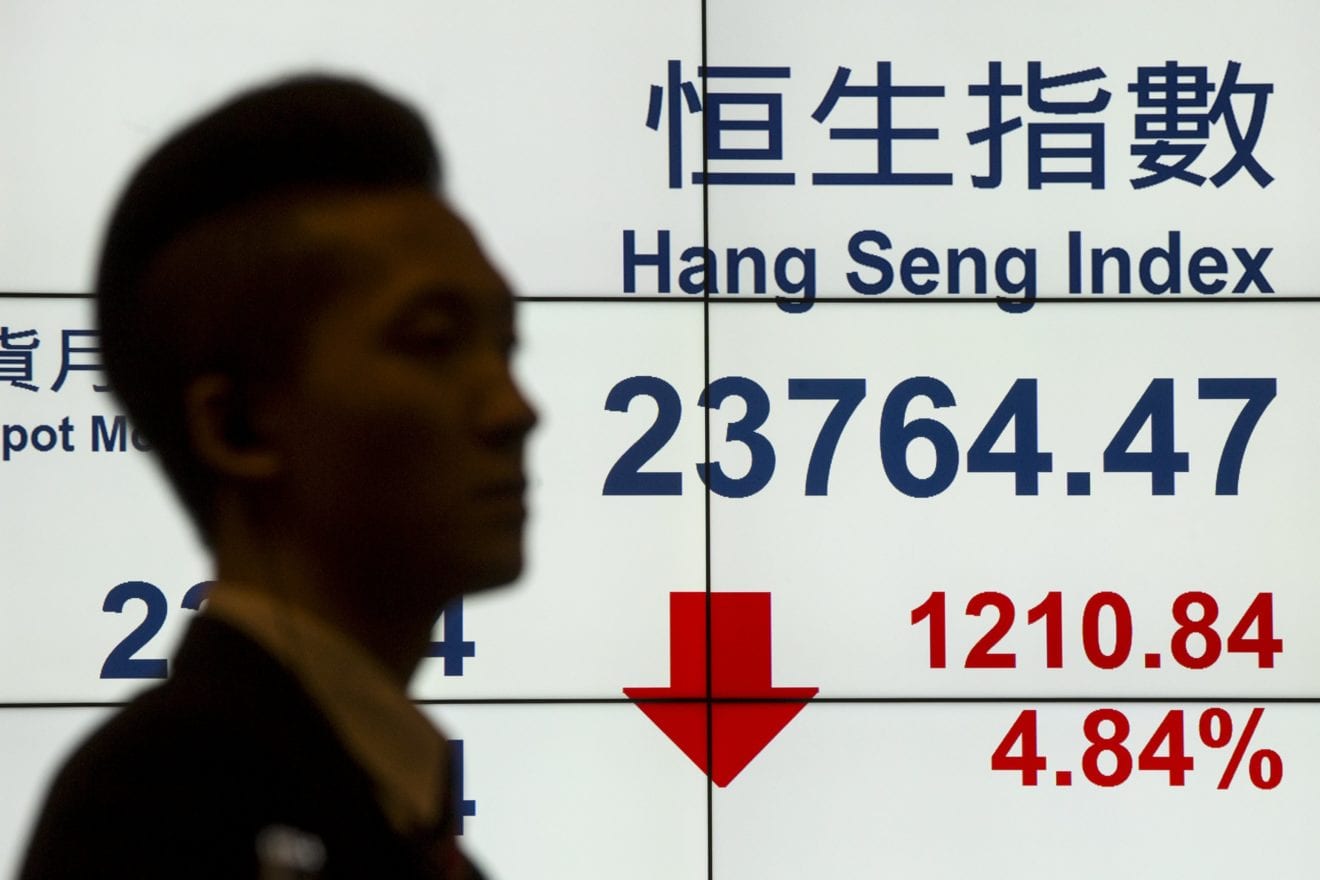
    Forecasting “black sky”, UBS now sees the Hang Seng Index to end the year at 19,775, another 5.5% downside from its current level. The Hang Seng Index has fallen by about 25% since its late April high.

    Apart from China slowdown, “we have seen a combination of the three pillars of Hong Kong’s economy weakening (tourism and re-export) or showing signs of weakness (property),” wrote Spencer Leung.

    The Hang Seng Index is now valued at only 9.4 times forward earnings, a good 0.8 times standard deviation below its 2-year average, but “the current valuation of Hong Kong equity may not be attractive enough to compensate for potential earnings downside.” UBS estimates Hong Kong companies’ earnings could drop 31% next year.

    It is not easy for retail businesses to operate in Hong Kong, because the rent is simply too high. UBS estimates that ground-level stores in prime shopping districts in Hong Kong will have to see their rental expenses drop 70% from their peak to break even. Last week, U.S. handbag bag Coach closed its flagship shop in the Central shopping district.

    Overnight, the iShares MSCI Hong Kong ETF rose 0.5%.

  • Philippines mall magnate tops rich list

    Philippines mall magnate tops rich list

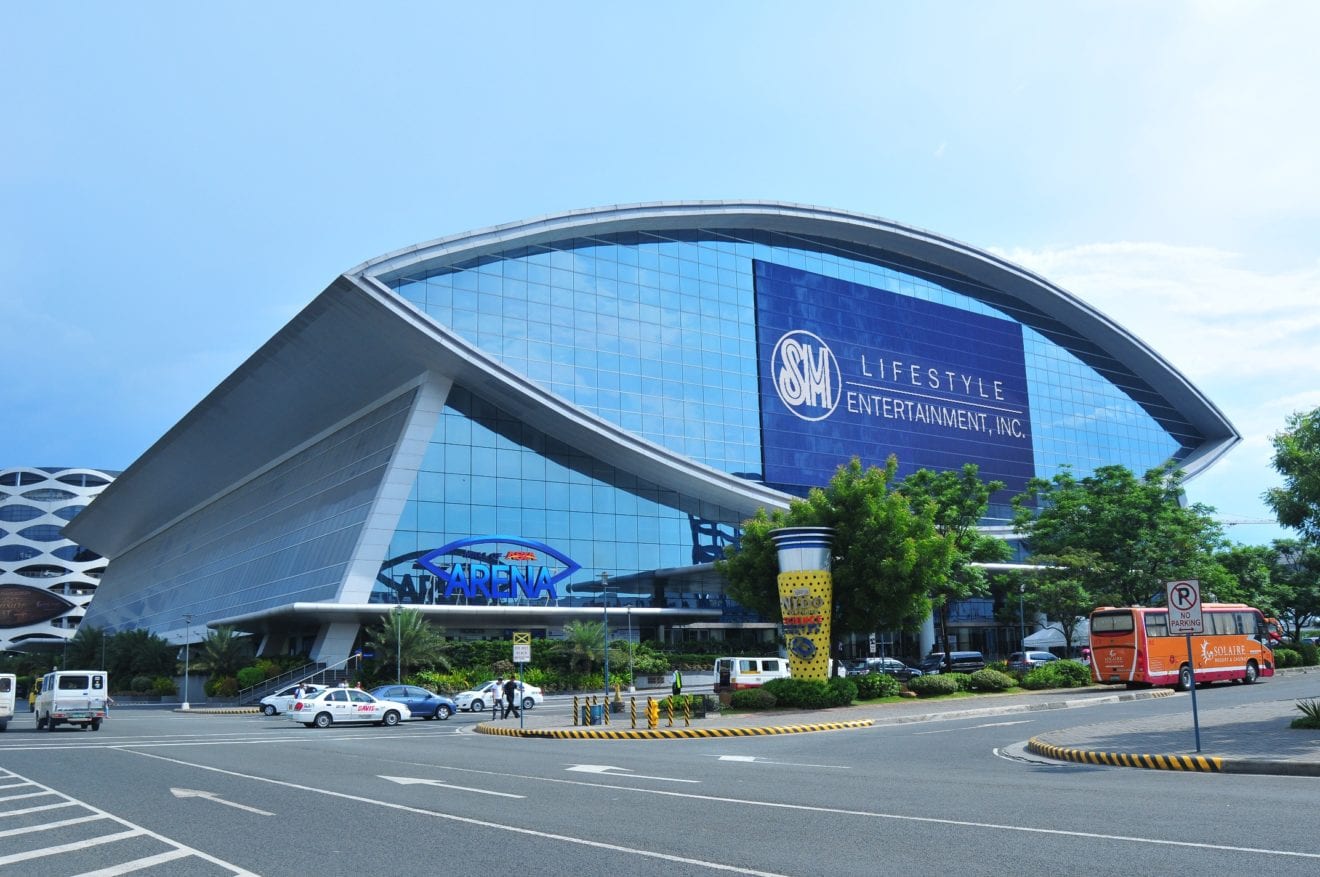
    Henry Sy, the founder of the Philippines mall giant SM has maintained his place at the top of the nation’s rich list for the eighth consecutive year.

    Sy’s various business interests include property, retail and banking and his net worth is estimated byForbes Philippines as US$14.4 billion – up $1.7 billion on the 2014 figure.

    Forbes calculated Sy’s SM Investments rose 17 per cent in value during the last year and SM Prime Holdings by 20 per cent.

    Besides his retail interests, the 90 year old Sy who was born in Xiamen, China, has shares in power supplier National Grid Corp.

    Second on the list is another retailer: John Gokongwei Jr, one of the family which owns the parent company of Robinsons malls in the Philippines, amongst other assets including energy, airlines, telecommunications and food. His net worth is estimated at $5.5 billion.

  • Robinsons Retail takes control of Saver’s

    Robinsons Retail takes control of Saver’s

    Robinsons Retail Holdings, the Philippines-based department store operator, has taken a 90 per cent stake in home appliance chain Saver’s Appliance Depot.

    Saver’s operates 24 stores in Central Luzon and eight in Cagayan Valley

    Robinsons Retail president and COO Robina Gokongwei-Pe says partnering with Saver’s will strengthen and expand its exposure in the consumer electronics and appliance market.

    “As the economy expands, discretionary spending is seen to surge ahead and this format should be a strong beneficiary,” said Gokongwei-Pe. “Also, the increasing scale of the group is expected to strengthen our market position in the industry.”

    The settlement date of the deal and the purchase price has not yet been revealed.

    MD Jaime Uy will continue in his role after the purchase.

    “We are happy to become part of the Robinsons Retail Family. The group has proven track record in growing and retaining the equity value of the companies of businesses that they acquired,” Uy said.

  • Online security ‘paramount’ for shoppers

    Online security ‘paramount’ for shoppers

    A sense of security is paramount for nearly one quarter of shoppers when evaluating whether to purchase goods from a retailer online, according to a new survey from Worldpay, a payments provider.

    Assuring customers they are in safe hands throughout the entire payment experience should be a priority for retailers, according to 3500 online shoppers polled globally.

    Similarly, for one in four online shoppers, seeing payment authentication and digital certificate logos displayed prominently on a retail site’s homepage is the single most reassuring element in the purchasing process. Forty-six per cent of consumers globally admit this would help address their concerns.

    Transparency around online security is particularly important in China, where 70 per cent of shoppers said they feel more secure shopping when payment authentication and certificate logos are clearly displayed, indicating that this simple measure will go a long way in addressing the misgivings of online customers.

    Shoppers also want security transparency when retailers store personal and payment details. Thirty-one per cent of shoppers worldwide say they don’t want a retail website to store their payment details, and South Koreans and Australians are most averse to the idea with over 50 per cent saying they don’t want this information stored online. In China and Japan, 65 per cent of shoppers expect reassurance that their details will be kept safe by the retailer and want a clear explanation of how this will be done.

    Stuart Thornton, VP of business development in APAC with Worldpay, said: “Nagging doubts about the security of their payment details can add up over the multiple stages of the purchasing journey for shoppers and stop them from ever clicking ‘buy’, even if they really want a product. When selling online, retailers need to step in and reassure customers that their information is in safe hands, from the second they start browsing a site to the moment they receive an email confirming their purchase”.

    At checkout, shoppers expect the ability to use their preferred payment method and want the process to be simple and intuitive. Sixty-five per cent globally have abandoned their purchase at the checkout stage as a result of not being able to pay how they wish.

    Nearly 60 per cent of shoppers worldwide would drop out of a purchase if their preferred payment method was displayed on a retail site’s homepage but wasn’t available at checkout. Forty per cent of shoppers globally admit they would not take the time to look for their preferred payment method at checkout if it was not easy to find. This figure is even higher in Japan, where 62 per cent of shoppers say they wouldn’t search for their preferred payment method if it wasn’t already clearly indicated on the website.

    Retailers must also manage consumer expectations by clearly indicating what they can expect at each stage of the payments journey, particularly when redirecting them to a third-party website. Ninety-four per cent of shoppers globally say this is important, and one-fifth would instantly drop a transaction if ushered to a third-party site without warning. In Japan, nearly 30 per cent of shoppers would drop out if unexpectedly redirected to a third-party site to enter additional details.

    “Purchasing products online demands a certain level of trust between retailers and shoppers, and making the process simple and transparent is absolutely essential,” said Thornton.

    “Retailers will struggle to inspire confidence in their customers if they cannot deliver on shoppers’ expectations and give them peace of mind throughout the online shopping journey”.

    The need for retailers to act as a source of reassurance for shoppers is equally strong when it comes to handling errors or providing customer support. Nearly two-thirds of online shoppers (64 per cent) want a clear and immediate explanation of exactly what went wrong. When it comes to additional support, 27 per cent want to be able to call customer support, while 24 per cent want the option to email a support representative.

    Clear error messages also head off any potential confusion as to whether a transaction has been processed. Ninety-six per cent of shoppers say it is important they receive an email confirming that their order has been processed and their payment accepted.

    Adds Thornton: “If there is one thing to take away from these findings it is that the online payments journey is inextricably linked to the user experience. If retailers cannot reassure customers that their transaction will be quick, secure, and managed to the highest standard of professionalism throughout the payment journey they will struggle to keep shoppers engaged”.

    The research was carried out in partnership with KAE Marketing Intelligence, which conducted a desktop analysis of 350 top retail sites and surveyed 3500 online shoppers in 14 countries across North America, South America, EMEA, and APAC.

  • SSI hunts ASEAN retail brands

    SSI hunts ASEAN retail brands

    Leading Philippines retail group SSI says it is actively seeking to acquire brands and suppliers in the region that can help it build its ASEAN retail portfolio.

    “We continue to seek brands and suppliers that manufacture within the Asean region that would allow us to make the most of Asean free trade agreement. That is a key to our expansion and success in the recent past – to expand our retail concepts in new geographic areas,” SSI president Anthony T. Huang told the Manila Times.

    ASEAN, which comes into effect later this year, groups 10 economies in Southeast Asia, creating a free trade zone with less restricted borders. Participating countries are Indonesia, Malaysia, the Philippines, Singapore, Thailand, Brunei, Cambodia, Laos, Myanmar and Vietnam.

    “We’re hopeful because we have ongoing discussions [with potential acquisitions and partners] but nothing final at this time,” Huang said.

    “We’ve really been focused on the new acquisitions that we have to roll out next year and on the existing brand portfolio that we’re continuously rolling out and the continued expansion of FamilyMart,” he said.

    SSI is also in talks with other foreign brands outside the ASEAN group as it builds a portfolio of lifestyle and fashion brands. Its most recent deal was to partner with Canadian fashion label Joe Fresh.

    Huang says foreign brands find the Philippines appealing because the culture is westernised, it has a young population, strong growth and rising middle class with discretionary income.

    “We have the youngest population in the region. ‘Youngest market’, that’s the magic formula.

    “We’re seeing continued interest that many of the international retail concepts that should be in the market are in fact already in the market. But interests from new concepts are coming in to expand in the region,” he said in the interview.

    SSI’s portfolio already includes 115 brands.

  • Blackmores, Sanger to open stores on JD.com

    Blackmores, Sanger to open stores on JD.com

    JD.com says it has secured partnerships with Australian brands Blackmores, a leading Australian natural health company, and Sanger Australia, the Australian meat sales and marketing business of the Bindaree Beef Group.

    Both brands will open stores on JD.com’s direct sales channel and will use the company’s same-day delivery services. Sanger Australia will also leverage JD.com’s cold chain logistics network to ensure that its meat products are delivered fresh to Chinese customers from Australia.

    The announcements follow the successful launch in late June of a dedicated Australian Mall for authentic imported Australian products on JD.com’s cross-border platform, JD Worldwide. Since its launch, dozens of Australian brands have successfully sold their products to Chinese consumers through Australian Mall. The most popular product categories in the first two months of the program include health  care, baby care products and fresh food.

    “We’re pleased to be working with leading Australian brands to build winning eCommerce strategies for this market and help them take advantage of our large and growing base of upwardly mobile Chinese consumers,” said Carol Fung, VP of JD.comand president of JD.com’s FMCG Business Unit.

    “Blackmores is a long-time partner, and we are very excited to be expanding the range of their outstanding healthcare products available to our rapidly growing user base. With demand for Australian fresh produce growing exponentially, the addition of Sanger Australia’s world-class beef to our platform is an outstanding development for our customers.”

    Blackmores Asia MD Peter Osborne said his company has been working with JD.com since 2013.

    “Our increased engagement is testament to our strong relationship and commitment to growing our China business. Working with JD.com not only ensures we get our products to consumers quickly, but will also enable us to initiate targeted and specialised marketing campaigns leveraging JD’s data analytics capabilities.”

  • Hooters Bangkok to open this month

    Hooters Bangkok to open this month

    Hooters Bangkok opens its doors this week on Sukhumvit Soi 15, kickstarting a THB100 million (US$2.8 million) marketing campaign to raise brand awareness in the country.

    The Hooters Thailand franchise was secured by Destination Resorts, the company behind DoubleTree Resort by Hilton Phuket at Surin Beach, DusitD2 Phuket Resort, Sri Racha International Golf at Sri Racha Hills, Hard Rock Café Phuket at Patong Beach, Novotel Phuket Karon Beach Resort & Spa, Novotel Hua Hin Cha Am Beach Resort & Spa and the Swissotel Resort Phuket.

    It also operates the Four Points by Sheraton hotel on Bangkok’s Sukhumvit 15, where Hooters Bangkok is located, a 253 sqm, two storey bar to be officially opened on September 18.

    Since securing the franchise, Destination Resorts has opened its first restaurant in the holiday resort of Phuket and has a third under construction on Pattaya’s Beach Rd, a massive 810 sqm complex with 50 high definition televisions screening sport, two bars and two outdoor areas.

    Destination Resorts will open 30 Hooters restaurants across Southeast Asia in partnership with the American brand owner over five years. A fourth is planned for Samui next year.