Retail News CRM

Tag: revolution

  • AI Revolution in Singapore’s Fintech Sector Fuels Shift in Employment Strategies: A Deep Dive into the 2025 Talent Report

    AI Revolution in Singapore’s Fintech Sector Fuels Shift in Employment Strategies: A Deep Dive into the 2025 Talent Report

    Singapore’s financial technology (fintech) industry is advancing into a new phase of sophistication. This phase is characterized by the embracement of artificial intelligence (AI), the introduction of stricter regulations, and an increasing focus on regional expansion. Consequently, industry players are radically reassessing their strategies for talent acquisition, development, and retention in response to a surge in AI-related roles.

    Emerging Trends

    There has been a marked 40% year-on-year increase in the demand for AI-related roles. As a result, fintech companies are ramping up their hiring of AI engineers, data scientists, and MLOps specialists. However, technical competence, while important, is not the sole criterion in the selection process. Employers are now placing greater emphasis on soft skills.

    A study conducted by the Singapore Fintech Association (SFA) and Page Executive indicates this shift in hiring preferences. The study revealed that 92% of employers rank communication and teamwork as the most crucial factors for success, ranking higher than academic qualifications. Moreover, 85% of employers consider adaptability and learning agility as vital in an AI-driven work environment.

    Upskilling Trends

    Despite a significant majority (90%) of job applicants possessing at least a bachelor’s degree, there is a growing trend towards continuous professional development in the sector.

    Approximately one quarter of professionals are enrolled in online courses, particularly in AI, data analytics, and advanced Excel. This trend reflects a deeper commitment to upskilling in order to remain competitive.

    Evolving Workforce Models

    Singapore continues to serve as the mainstay of Asia’s fintech ecosystem, hosting about a third of all fintech teams within the region. Nevertheless, as companies scale across the ASEAN market, they are adopting more integrated onshore-offshore operating models.

    While 71% of fintech companies still prioritize local hiring for strategic functions including compliance, enterprise sales, and regulatory roles, regional expansion is leading to more geographically dispersed workforce structures. As we look ahead to 2026, 32% of organizations plan to boost their workforce, and 21% anticipate an expansion in contract and freelance roles. Additionally, 22% are investing in upskilling and reskilling initiatives to address emerging skills gaps.

    Pay and Rewards

    The report underscores a growing gap in expectations surrounding remuneration. While 67% of fintech professionals regard salary as the primary reason for job changes, 70% of employers predict that cost optimization and budget constraints will influence hiring strategies in the coming year.

    AI, cloud, and compliance specialists are enjoying salary premiums of between 20 and 35 percent. This has led companies to increase their investment in training. Over 70% of companies are financing certifications and structured learning programs, with more than half viewing professional development as an essential tool for employee retention.

    Strategies for Fintech Employers

    The report provides four key recommendations for organizations:

    1. Adopt a skills-first hiring approach that balances adaptability with technical depth.
    2. Enhance the employee value proposition by achieving a balance between remuneration, purpose, career progression, and flexibility.
    3. Develop leadership pipelines and prioritize critical roles.
    4. Invest in training and mentorship programs to create a future-ready workforce.

    Questions & Answers

    What skills are increasingly in demand in the fintech sector?
    Demand for AI-related roles like AI engineers, data scientists, and MLOps specialists has climbed by 40 percent year-on-year. However, alongside technical skills, employers are also valuing soft skills like communication, teamwork, adaptability, and learning agility.

    What trends are emerging in terms of upskilling in the fintech sector?
    Almost 25% of professionals are enrolled in online programs, focusing on AI, data analytics and advanced Excel. This reflects a growing commitment to continuous learning and upskilling in the sector.

    What is the future outlook for hiring in the fintech sector?
    Looking ahead to 2026, 32% of organizations plan to increase their workforce. Another 21% expect to expand contract and freelance roles, while 22% are investing in upskilling and reskilling initiatives to bridge emerging skills gaps.

  • Apple’s Digital ID Revolution: Now, Use Your iPhone for TSA Checkpoints!

    Apple’s Digital ID Revolution: Now, Use Your iPhone for TSA Checkpoints!

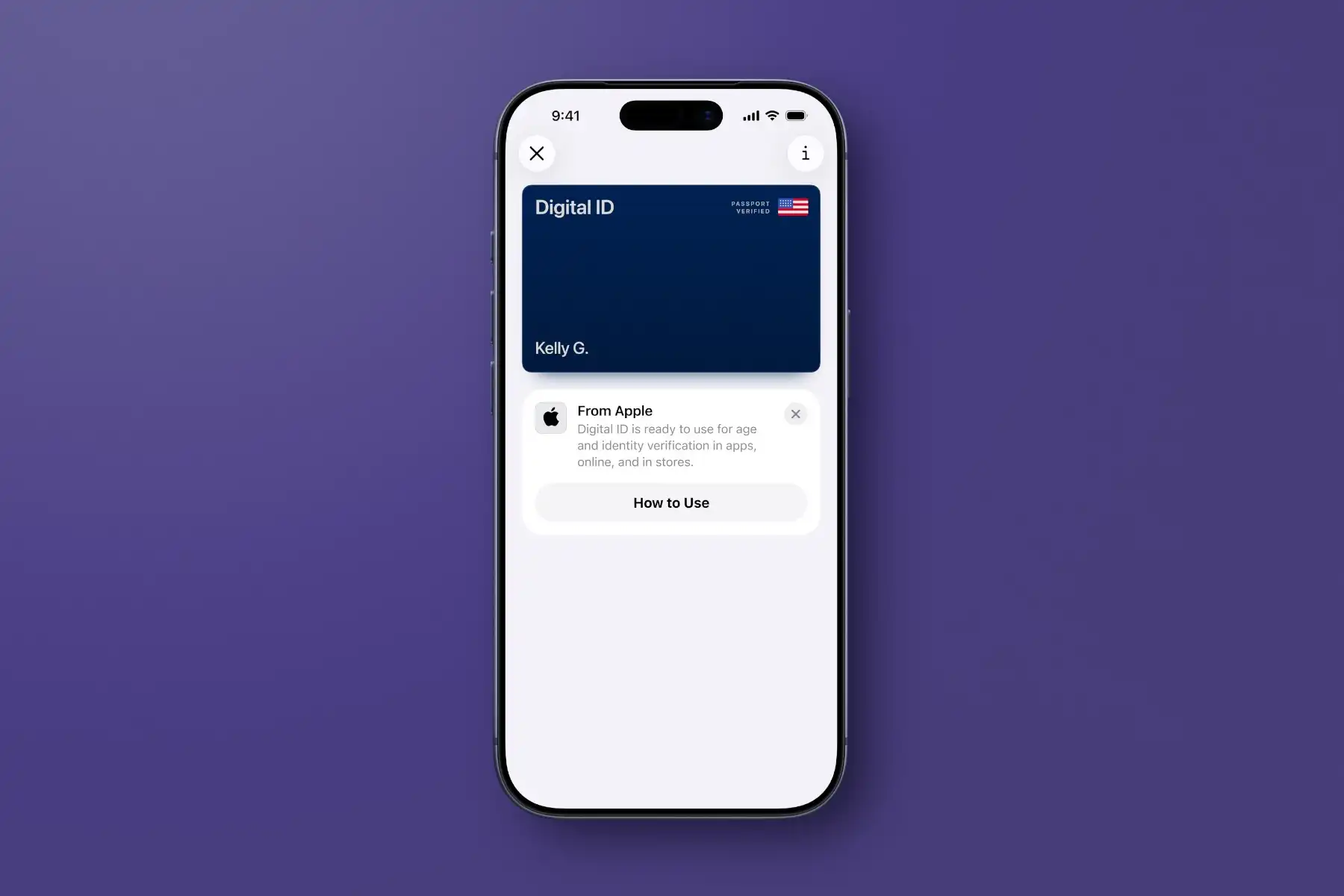
    Apple has unveiled a new Digital ID feature for its Apple Wallet, initially announced at WWDC 2025. The feature facilitates the creation of a Digital ID in the Apple Wallet application using details from users’ US passports.

    US Passport Integration with Apple Wallet

    Apple device owners in the United States, particularly those with iPhones and Apple Watches, now have the ability to add a digital copy of their US passports to their gadgets. The so-called Digital ID can be utilized for identification purposes at selected TSA checkpoints across the US airports for domestic travel.

    The process of creating and presenting a Digital ID based on a US passport requires the following:

    – An iPhone 11 or later with iOS 26.1 or later, or an Apple Watch Series 6 or later with watchOS 26.1 or later
    – Active Face ID or Touch ID and Bluetooth
    – An Apple Account with active two-factor authentication
    – A valid and unexpired US passport
    – A device with its region set to the United States

    Creating a Digital ID is quite simple. It involves opening the Wallet application on your iPhone, tapping the plus sign at the top-right corner, and selecting Driver’s License or ID Cards. From this point, you then select Digital ID and follow the on-screen instructions for setup and verification.

    During the setup, users will be required to scan their physical passport’s photo page using their iPhone, then use the device to read the passport’s chip to verify the authenticity of the data. Additional verification entails taking a selfie and performing a series of facial and head movements.

    Where Can the Digital ID be Used?

    The Digital ID feature can be utilized at over 250 TSA checkpoints in various US airports. However, its usage is currently limited to domestic travel. The feature cannot be used for international travel or border crossings. Apple has stated that the Digital ID is not intended to replace the physical passport. While TSA has a comprehensive list of states supporting mobile IDs, it still advises travelers to carry their physical ID.

    Eventually, Apple plans to expand the usage of the Digital ID to businesses and organizations for identity and age verification purposes, both in-person and online.

    Presenting a Digital ID in person is similar to presenting other IDs in the Wallet. Users need to double-click the side button on their iPhone, select Digital ID, and hold the iPhone near a scanner. They then review the requested information and authenticate with Face ID or Touch ID.

    Apple ensures that all Digital ID data is encrypted and stored on-device, assuring users that neither when nor where the ID data is presented, nor what data is shared can be accessed by the company.

    Expansion and Future of Digital ID

    The Digital ID feature builds upon the existing ID features in the Apple Wallet. Users in 12 US states and Puerto Rico have the option of adding their driver’s license to the Wallet. The feature is also available for Japan’s My Number Card, marking its first international expansion.

    Unlike Google Wallet, which supports state IDs in a few states and features an ID Pass for both US and UK passports, Apple’s Digital ID doesn’t aim for a total replacement of the physical document.

    As Apple moves towards making physical wallets obsolete, the company has introduced a way to store all details about users’ payment cards along with their digital versions in the Wallet, negating the need for carrying physical cards. The application can also accommodate loyalty cards, tickets, passes, and more.

    Once the Digital ID feature gets broader support, including acceptance at event venues, physical stores, and websites with adult content, physical wallets may become a thing of the past.

    Questions & Answers

    What is the new Digital ID feature in Apple Wallet?
    The Digital ID is a new feature in the Apple Wallet that allows users to create a digital version of their US passport for identification purposes.

    What are the requirements for creating a Digital ID?
    To create a Digital ID, you need an iPhone 11 or later running iOS 26.1 or later, or an Apple Watch Series 6 or later running watchOS 26.1 or later, active Face ID or Touch ID and Bluetooth, an Apple Account with active two-factor authentication, a valid and unexpired US passport, and a device with its region set to the United States.

    Where can I use my Digital ID?
    The Digital ID can be used at over 250 TSA checkpoints in various US airports for domestic travel. In the future, the Digital ID will be accepted at businesses and organizations for identity and age verification, both in person and online.

  • Amazon’s Budget-Friendly Haul Takes on Asian Market: A Thrifty Revolution in E-commerce

    Amazon’s Budget-Friendly Haul Takes on Asian Market: A Thrifty Revolution in E-commerce

    Amazon disclosed its expansion plans for its cost-effective e-commerce service, Amazon Bazaar, on a recent Friday. Known in the United States as Haul, the service is now available in 14 new markets, intensifying competition with Chinese counterparts like Shein and PDD Holdings’ Temu in the worldwide race to sell budget-friendly products such as $10 dresses and $5 accessories.

    Impact of Import Tariffs

    The import tariffs imposed by former U.S. President Donald Trump made a noticeable dent in consumer sentiment, more so among the lower-income groups, who are frequently on the lookout for economical deals.

    Amazon Bazaar Versus Amazon Haul

    Amazon Bazaar operates through a standalone app, offering merchandise akin to Amazon Haul. The latter is a budget-conscious shopping section within the primary Amazon app, which was launched in the prior year.

    Having made its debut in Mexico last year, Amazon Bazaar is set to deliver the majority of its products, priced under $10 and some as low as $2, to its newest markets. These markets span a range of categories, from home goods to fashion, as per the e-commerce behemoth.

    Amazon Bazaar’s New Markets

    Amazon Bazaar’s low-cost e-commerce service has ventured into newer markets such as Hong Kong, the Philippines, Nigeria, and Taiwan. Following its launch in Mexico, the service expanded to Saudi Arabia and the United Arab Emirates.

    DA Davidson & Co analyst Gil Luria highlighted the significance of Amazon Bazaar’s expansion, noting it as a crucial step in Amazon’s international growth strategy. According to Luria, Amazon only ventures into a market if it can scale up to a level that both delights consumers and builds a profitable business.

    Luria further mentioned that the company often takes several years to achieve profitability when entering new countries and markets. Amazon recently reported its third-quarter international revenue at $40.9 billion, witnessing a 10% growth from the same period last year, excluding the impact of foreign exchange fluctuations.

    Luria also posited that if Amazon can successfully build a business around selling a small selection of inexpensive items with appealing service levels, it could potentially extend its services beyond its core 23 markets to nearly every other country globally.

    Global Fulfilment Centers and Service Partners

    Amazon stated that products on Amazon Bazaar are shipped directly from the company’s global fulfillment centers to the designated destinations and delivered to customers via its network of service partners.

    Expansion of Competitors

    Shein and Temu, Amazon’s rivals in the space, have also accelerated their expansion outside the United States. While Shein operates in over 160 countries, including the U.S., Brazil, Ireland, and Southern China, Temu ships to at least 70 countries.

    The Launch and Expansion of Amazon Haul

    In 2024, Amazon launched Haul in the U.S., which has since expanded the in-app service to Britain, Germany, France, Italy, Spain, Japan, and Australia.

    Questions & Answers

    What is Amazon Bazaar?
    Amazon Bazaar is a low-cost e-commerce service by Amazon, known as Haul in the U.S., which sells a wide range of budget-friendly products.

    Which new markets has Amazon Bazaar entered recently?
    Amazon Bazaar has recently expanded its services to 14 new markets, including Hong Kong, the Philippines, Nigeria, and Taiwan.

    How does Amazon Bazaar operate?
    Amazon Bazaar operates through a standalone app and ships products to customers directly from Amazon’s global fulfillment centers via its network of service partners.

  • Singapore FinTech Festival 2025: Blueprint for Next Decade’s Financial Technology Revolution Begins This Week

    Singapore FinTech Festival 2025: Blueprint for Next Decade’s Financial Technology Revolution Begins This Week

    The Singapore FinTech Festival (SFF) 2025, the country’s premier annual financial technology event, is set to begin this week. The highly anticipated conference will feature over 800 speakers covering a myriad of topics within the industry.

    Looking Ahead to a Decade of Innovative Finance

    This year’s theme, “Technology Blueprint for the Next Decade of Finance,” aptly underscores the forward-looking spirit of the event. Scheduled for November 12 to 14, the festival marks its 10th year of being a central hub for fintech thought leadership and innovation. The event is a collaborative effort between the Monetary Authority of Singapore (MAS), the Global Finance & Technology Network (GFTN), Constellar, and the Association of Banks in Singapore (ABS).

    Across more than 400 sessions, over 800 speakers will discuss topics such as artificial intelligence, tokenization, settlement assets, quantum technology, and financial inclusion. In addition to these speakers, the event will host over 500 sponsors and exhibitors, creating a truly global platform with over 40 international pavilions spread across six exhibition halls.

    Insights Forum and Beyond

    Before the main conference, the Insight Forum will take place from November 10 to 11. This pre-event will include Public-Private Roundtables, the second annual Layer 1 Summit, and Thematic Spotlights.

    Kenneth Gay, Chief FinTech Officer at MAS, reflected on the significance of this milestone. He noted that SFF 2025 presents a pivotal moment in the financial technology industry, setting the stage for the next decade of fintech growth and transformation.

    Similarly, Sopnendu Mohanty, Group CEO of GFTN, highlighted the importance of responsible AI utilization, safe scaling in tokenization, and the readiness for a quantum future. According to Mohanty, these areas will be critical in shaping resilient and innovative financial infrastructures.

    Chua Wee Phong, Group CEO of Constellar, shared that apart from the exhibition, the festival will also offer immersive experiences, such as a new interactive digital engagement initiative powered by Ant International’s Antom. This, along with elements like the SFF Gallery, live-streamed sessions, and after-party celebrations, will contribute to a unique festival atmosphere centered on discovery, networking, and innovation.

    Questions & Answers

    What is the theme of the Singapore FinTech Festival (SFF) 2025?
    The theme for SFF 2025 is “Technology Blueprint for the Next Decade of Finance.”

    What topics will the speakers at SFF 2025 cover?
    The speakers will cover a range of topics, including artificial intelligence, tokenization, settlement assets, quantum technology, and financial inclusion.

    What are some highlights beyond the exhibition at SFF 2025?
    Beyond the exhibition, the festival will feature immersive experiences like a new interactive digital engagement initiative, the SFF Gallery, live-streamed sessions, and after-party celebrations.

  • “Longchamp Embraces Green Retail Revolution with Pop-Up Concept Store in Hong Kong”

    “Longchamp Embraces Green Retail Revolution with Pop-Up Concept Store in Hong Kong”

    In its ongoing pursuit of innovative retail formats and engaging visual narrations, Longchamp has launched a one-of-a-kind “Green Concept Store” on a temporary basis at Pacific Place, Hong Kong.

    A Green Retail Experience

    The pop-up store, which was launched on October 24, boasts an exclusively green interior – an aesthetic feature which extends to the walls, flooring, and fixtures. Darker tones have been incorporated into the design as a nod to the brand’s long-standing heritage.

    The concept store is an extension of Longchamp’s shift towards experiential retail, placing greater emphasis on the ambiance and design of the shopping environment than on traditional merchandising. Offering an immersive and extraordinary setting, the store is designed as an interlude, inviting visitors to experience the essence of the brand in a novel way.

    Star-Studded Opening

    To celebrate the launch, Longchamp hosted an event that saw attendance from notable personalities from the acting and fashion industries, including singer Jace Chan, actress Fish Liew, actor Martin Wong, and fashion figures Faye Tsui, Evelyn Choi, Zoe Yu, and Angie Ng.

    This temporary store in Hong Kong follows the August relaunch of the brand’s two refurbished stores in Singapore, situated at Ion Orchard and Marina Bay Sands.

    Questions & Answers

    What is the concept behind Longchamp’s Green Concept Store in Hong Kong?
    The Green Concept Store is an extension of Longchamp’s shift towards experiential retail. It’s a store designed with an immersive and unique setting, allowing visitors to experience the brand in a fresh, unconventional way.

    What does the interior of the Green Concept Store look like?
    The store is entirely enveloped in green, from walls and flooring to fixtures, with darker shades incorporated to reference the brand’s heritage.

    Where are Longchamp’s other recently renovated stores located?
    The recently renovated Longchamp stores are located in Singapore, at Ion Orchard and Marina Bay Sands.

  • Malaysia’s Digital Banking Revolution: The Race to Modernize Amid a Surge in Fintech Innovations

    Malaysia’s Digital Banking Revolution: The Race to Modernize Amid a Surge in Fintech Innovations

    As the Malaysian payments market surpasses the $90 billion mark, a significant challenge confronts traditional banking institutions – the urgent need to modernize to keep up with the rapid digital transformation and evolving consumer demands. The question then arises as to what strategies will help them stay ahead of the curve.

    The Digital Challenge

    While consumers in Malaysia are rapidly embracing digital payments, many banks are struggling to keep pace. Cards and digital wallets have become ubiquitous, fintech start-ups can offer a virtual card in minutes, and regulatory bodies are increasingly opening up the market to new players. However, banks operating on outdated systems risk being left behind in this rapidly-evolving market.

    By 2025, it is projected that card payments in Malaysia will reach MYR 422.4 billion ($92.6 billion), an increase from MYR 387 billion in 2024. This growth is largely driven by credit and charge cards, which make up nearly 60% of expenditures, with Malaysians using them more than twice as often as debit cards. Moreover, the use of contactless payment methods is now commonplace, with over 63% of consumers owning and using a contactless card.

    Regional Shift

    Despite the rise of digital payments, cash still accounts for nearly half of daily transactions in Malaysia. This is partly due to habit and partly because not all merchants and consumers are ready to completely let go of cash. As a result, banks are tasked with balancing different customer expectations – catering to the digital-savvy younger generation while also servicing traditional segments of the market.

    According to a recent study by Visa, about six out of ten consumers in Southeast Asia now prefer to go cashless, while more than seven out of ten reported having gone cashless for over a week as they experimented with new payment methods. In this context, cards continue to be the preferred payment medium, mainly due to their widespread acceptance by merchants and their use in funding digital wallets.

    Fintechs Lead the Charge

    The impact of this dual-speed market is most discernible in consumer behavior. Younger Malaysians, having grown up in the digital age, are more likely to use e-wallets and super-apps before applying for a traditional bank card. They expect financial services to be instantaneous, integrated, and accessible through familiar apps. Fintech companies have been quick to meet these demands.

    Companies like BigPay, Wise, GoPayz, and MAE offer instant virtual cards and integrate payments into everyday apps. Utilizing cloud-based systems allows them to roll out services such as multi-currency wallets and spending insights faster and more affordably than traditional banks. Moreover, lower fees on international spending and transfers make them more appealing to consumers.

    Regulatory Responses

    Regulatory bodies are also driving change. In 2022, Bank Negara Malaysia issued five licenses for digital banks under its new framework, which was updated in 2024 to enhance capital requirements and consumer safeguards. The central bank also introduced DuitNow QR as the national QR code standard, compelling banks and non-bank providers to adopt the same system. This initiative has facilitated the wider adoption of QR code-based transactions and reduced barriers to cashless transactions for consumers.

    Setting the Bar Higher for Banks

    These regulatory reforms have spurred innovation and raised the standards for banking institutions. They are part of the Financial Sector Blueprint 2022-2026, which envisions a more digital, inclusive, and fraud-protected financial system. Far from inhibiting progress, these regulations are actually accelerating it, with objectives that extend beyond convenience to include financial inclusion, resilience, and cross-border connectivity.

    Meeting Consumer Expectations

    For banks, the challenge lies in leveraging their scale and trustworthiness to gain a competitive edge in the digital realm. This necessitates direct attention to modernizing their legacy systems. Modern card management platforms can accommodate credit, debit, and digital credentials from a unified system.

    Such platforms also support instant issuance, thereby reducing the cost of maintaining multiple outdated platforms and enabling seamless integration with digital wallets and super-apps. They further offer enhanced features such as real-time fraud detection, flexible repayment options, and personalized card controls.

    Winning Customer Loyalty

    Modern platforms also open up a broader range of possibilities. They offer analytical capabilities that enable banks to detect and prevent fraud, and facilitate the design of products like ‘buy now, pay later’ schemes, which are gaining popularity among younger consumers.

    Moreover, these platforms enable banks to tailor offers and limits to individual consumer behavior, converting transaction data into personalized services. In a competitive market, these capabilities can be the key to winning customer loyalty and keeping up with fintech competitors.

    From Plans to Action

    Some banks have already commenced their digital transformation journey. For instance, Co-opbank Pertama implemented a new fraud management system to comply with stricter Bank Negara regulations and enhance online customer protection. This initiative highlighted how modern platforms can deliver regulatory compliance and a superior customer experience simultaneously.

    Further, banks that have replaced their outdated systems have been able to introduce flexible credentials – allowing a single card to switch between debit, credit, installment, or rewards – while extending fraud protection across all channels. These examples demonstrate that the shift towards digitalization is not just possible, but practical.

    Questions & Answers

    What is the projected growth of card payments in Malaysia by 2025?
    By 2025, card payments in Malaysia are expected to reach MYR422.4 billion ($92.6 billion), up from MYR387 billion in 2024.

    What steps are traditional banks taking to modernize their services?
    Many banks are adopting modern card management platforms that can issue credit, debit, and digital credentials from a single system. These platforms also offer features like real-time fraud detection, flexible repayment options, and personalized card controls.

    How are regulatory bodies in Malaysia driving the digital transformation in the banking sector?
    Regulatory bodies in Malaysia are issuing licenses for digital banks and introducing initiatives like DuitNow QR – the national QR code standard. This is part of a larger push towards a more digital, inclusive, and fraud-protected financial system.

  • Standard Chartered Pushes Bank-Wide Skills Revolution

    Standard Chartered Pushes Bank-Wide Skills Revolution

    Standard Chartered, the British banking heavyweight, is investing heavily in an initiative aimed at fostering a skills-based approach within the organisation. This multi-million-dollar venture is focused on generative AI and data literacy, intending to ensure that each employee is equipped with the necessary tools to excel in an increasingly digitized, rapidly changing financial environment.

    Investing in Future-Ready Skills

    Since its inception, Standard Chartered has invested over S$4.5 million in the initiative, which is dedicated to expediting training in emerging technologies such as generative AI and data analytics. The goal, according to Patrick Lee, CEO for Singapore and ASEAN, is to empower every employee to work more efficiently, think more creatively, and adapt rapidly to the evolving landscape. The aim is to transform the work they do and help the bank achieve its business and personnel objectives.

    Structured Learning and Recognition

    To actualise its vision, the bank established a comprehensive learning ecosystem, incorporating an AI Learning Hub and an array of IBF-accredited training programmes. The AI literacy course, which aligns with the Institute of Banking and Finance’s (IBF) Future-Enabled Skills Framework, has already been taken up by more than 15 percent of the Singapore workforce.

    SkillsFuture@SC, an initiative aimed at deepening employees’ expertise has been rolled out. Moreover, tools like SC GPT, one of the largest enterprise deployments in banking of its kind, are being employed to enhance efficiency and customer interaction.

    Data Management and Generative Intelligence

    Standard Chartered’s latest innovation is the Data Management Learning Marathon (DMLM), a program providing employees with a thorough understanding of concepts such as data quality, the data life cycle, and responsible AI.

    Used alongside SC GPT, the DMLM underscores the bank’s dedication to integrating digital intelligence into every aspect of its operations.

    Recognition for Skill Development

    Standard Chartered’s commitment to skills development has earned them the IBF Advance Award. Three of their senior leaders, Jaclyn Dove, Lee Woei Shiuan, and Richard Sykes, have been named IBF Fellows in recognition of their contributions to Singapore’s financial sector.

    CEO Patrick Lee asserted that the bank would continue to invest in talent in Singapore as a crucial global market.

    Skills Transforming Work

    Employees have already begun to see the benefits of the skills-based initiative. A senior manager in Technology & Operations now uses AI tools to streamline decision making. Similarly, a Product Wealth Specialist has incorporated GenAI capacity into an advisory platform to customize client emails and detect portfolio gaps. A business analyst is using SC GPT to decipher complex data and enhance code development.

    Commitment to a Digital Future

    With a 166-year history in Singapore and significant presence across ASEAN markets, Standard Chartered continues to demonstrate its commitment to innovation and talent development. Being awarded the “Significantly Rooted Foreign Bank” status by the Monetary Authority of Singapore (MAS) furthers the bank’s belief that transformation begins with people.

    Questions & Answers

    What is the primary goal of Standard Chartered’s training initiative?
    The main objective is to equip every employee with the skills necessary to succeed in a rapidly evolving, digital financial environment.

    What is the Data Management Learning Marathon (DMLM)?
    The DMLM is a program that offers employees a comprehensive understanding of important concepts such as data quality, the data life cycle, and responsible AI.

    What recognition has Standard Chartered received for its skill development efforts?
    The bank received the IBF Advance Award for Skills Development and three of its senior leaders were named IBF Fellows for their contributions to Singapore’s financial sector.

  • Asia’s Retail Revolution: The Rise Of Omnichannel Shopping And Its Impact On Consumer Expectations

    Asia’s Retail Revolution: The Rise Of Omnichannel Shopping And Its Impact On Consumer Expectations

    The Asian retail landscape is witnessing a paradigm shift, thanks to the intriguing rise of omnichannel retailing. Retailers across the region are scrambling to cater to the modern consumer, who seamlessly blends online shopping with in-store experiences. This shift isn’t just noteworthy; it’s transforming how brands engage with their audiences, creating a shopping experience that is both personalized and convenient.

    The Omnichannel Revolution and Consumer Expectations

    With online shopping no longer a secondary option, shoppers now expect a fluid transition between digital interfaces and physical stores. According to a recent report, 70% of consumers prefer a brand that offers a consistent shopping experience across platforms. This demand is prompting retailers to invest heavily in technology that enhances customer interactions, whether browsing their favorite clothes on a mobile app or engaging with staff in a local boutique.

    Even in a world of increasing automation, the human element is proving harder to replace than anticipated. A clever team of retail innovators might say that blending the digital and physical shopping worlds is akin to mixing tradition with a dash of technology – and just like a well-crafted cocktail, the right shake can produce unexpected delight.

    Challenges Within Transformation

    Despite the opportunities, the journey to omnichannel excellence is fraught with challenges. Retailers face hurdles such as inconsistent inventory management and fragmented customer data, which can thwart integration efforts. To overcome these obstacles, smart retailers are turning towards data analytics tools that help capture customer preferences and habits. The end goal? Tailoring their offerings to meet the precise needs of consumers.

    Moreover, training employees to navigate this hybrid shopping environment is crucial. They need to act as brand ambassadors who can provide knowledgeable assistance, whether in-store or virtually. It’s a delicate balancing act, ensuring staff are equipped to deliver a unified experience that keeps customers returning.

    Technology’s Role in Enhancing Retail Experience

    Tech giants like Alibaba and Tencent are already leading the charge, leveraging artificial intelligence and data science to predict shopping trends and personalize customer experiences. However, smaller retailers are equally thriving by adopting user-friendly technology solutions that can elevate their game without breaking the bank. Implementing chatbots, enhancing mobile app capacities, and utilizing customer relationship management tools are just a few strategies gaining momentum in this new retail era.

    As brands continue to innovate, Asia’s retail sector is set to redefine what consumers can expect from their shopping journeys, lighting the path towards a more interconnected future.

    Questions & Answers

    How are retailers responding to the shift towards omnichannel shopping?
    Retailers are investing in technology to improve customer interactions across online and offline platforms, ensuring a seamless shopping experience.

    What major challenges do retailers face in the transition to omnichannel?
    Challenges include inconsistent inventory management and fragmented customer data, which complicate integration efforts.

    Which technologies are emerging as pivotal for enhancing retail experiences?
    Artificial intelligence, data analytics, and user-friendly technology solutions are key players, enabling brands to predict trends and better cater to consumer preferences.

  • Eric Trump Accuses Banks of Sabotaging Retail Growth Strategies

    Eric Trump Accuses Banks of Sabotaging Retail Growth Strategies

    Eric Trump Advocates for Crypto Revolution at Token2049 in Dubai

    In a compelling presentation at the cryptocurrency forum Token2049, held in Dubai, Eric Trump, Executive Vice President of The Trump Organization, delivered a fervent endorsement of cryptocurrencies, highlighting significant flaws in traditional banking systems.

    Traditional Banking Under Fire

    Trump’s critique focused on the outdated financial transaction system known as SWIFT, which he argued operates at a sluggish pace compared to the rapid capabilities of cryptocurrency. He emphasized how blockchain technology allows for instantaneous cashless payments via smartphones, proclaiming that virtual currencies like Bitcoin render traditional banking “obsolete.”

    A Personal Struggle with Banking

    Sharing insights from his entrepreneurial experiences, Trump detailed the frustrations he encounters with conventional banking practices. “Every Friday, I trace wire transfers, and I know I’m not alone in this struggle,” he stated. He further condemned mainstream financial institutions, like JP Morgan Chase, for their rigid policies, expressing concerns about their power to freeze accounts and impact lives with minimal notice.

    Trump posited that such inefficiencies could lead to the extinction of major banks within the next decade if they fail to adapt. He claimed that the so-called “cancel culture,” which seeks to silence conservative voices, finds an ally in the traditional finance sector.

    Emphasizing Crypto Freedom

    Trump’s dynamic address resonated with the audience at Dubai’s Madinat Jumeirah, where he rallied support for the decentralized finance platform World Liberty Financial. “Crypto means freedom,” he asserted, as he encouraged attendees to embrace the potential of digital currencies. Despite a moment of silence when he acknowledged the U.S. dollar’s dominance, attendees applauded his vision for the future of financial freedom.

    Dubai’s Forward-Thinking Approach

    Acknowledging the efforts of Dubai and the Gulf Emirates in promoting digital currencies, Trump praised the region’s proactive stance on making cryptocurrency socially acceptable. His closing remarks underscored a mission intertwined with ideals of financial liberation.

    The next Token2049 summit is set to take place on October 1-2 in Singapore, marking a continuation of the global dialogue surrounding the future of digital finance.

    This passionate endorsement by Eric Trump highlights the ongoing shift in consumer trends toward cryptocurrencies, exemplifying a potential inflection point within the retail and financial sectors. As consumer demand for faster, more efficient methods of transaction continues to surge, the implications for traditional banking could be profound, shaping a new landscape for how transactions are handled in the future.

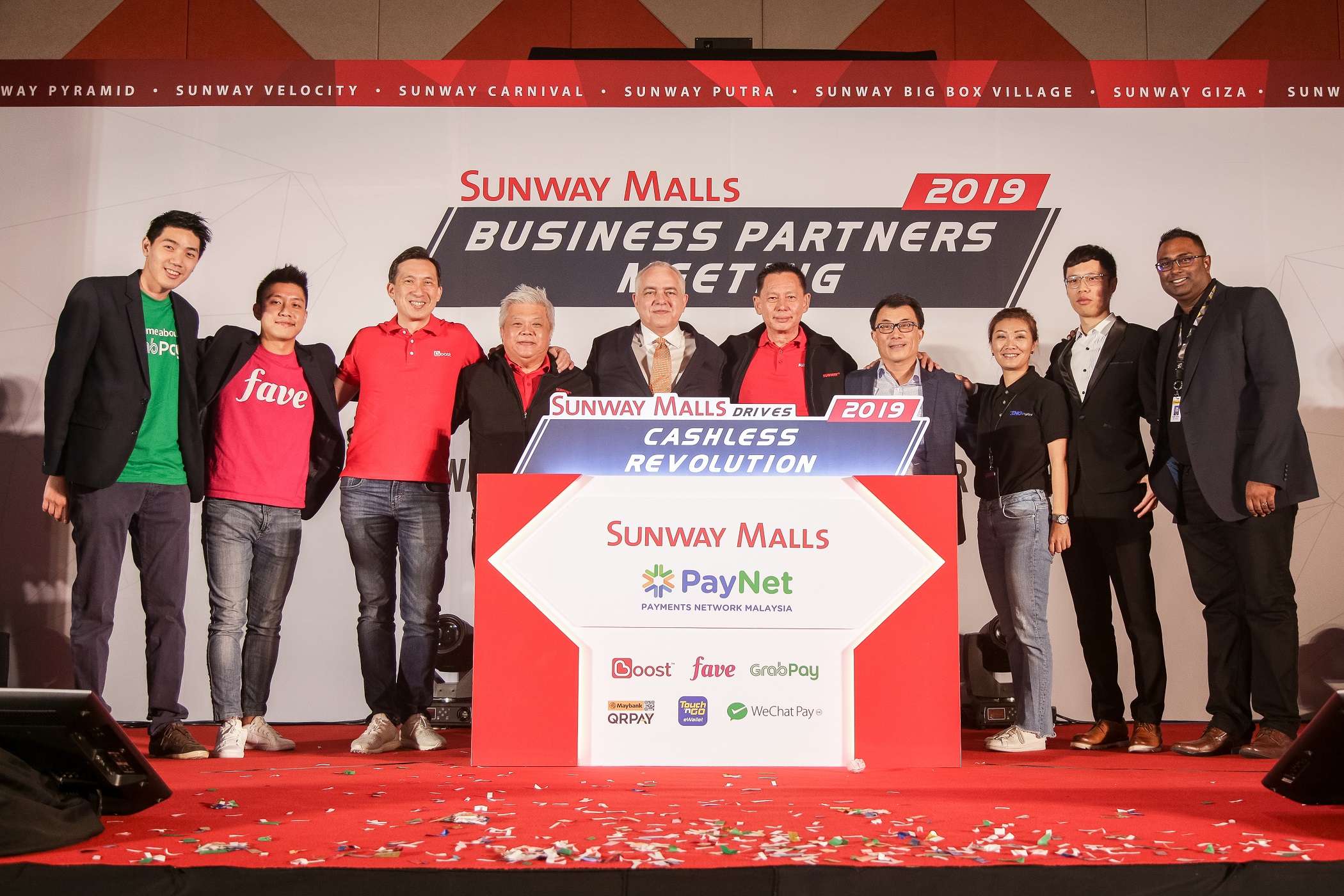
  • Sunways Malls Welcomes the Cashless Revolution

    Sunways Malls Welcomes the Cashless Revolution

    Ever since Bank Negara embarked on a 10-year roadmap to move towards a cashless society, the ever growing trend of cashless transactions has been increasing and is popular amongst the Gen-Y and Millennial Generation. Sunway Malls took the initiative to bring in leading e-wallet companies such as Boost, FavePay, GrabPay, Maybank QRPay, Touch ‘n Go Pay, and WeChat Pay for exclusive face-to-face sessions with retailers at a closed door conference held at Sunway Pyramid Convention Centre.

    No longer do you need to carry around cash and credit cards as your mobile phone can do the paying! Numerous e-payment players in the market have emerged and is providing shoppers with better deals and convenience.

    Benefits of e-payment:

    • Enhances shopper experience
    • Increased sales
    • Quick and convenient

    “As the payment market continues to evolve, it is imperative that we stay abreast with development of cashless payment to cater to new consumer demands”, said H.C Chan, Chief Executive Officer of Sunway Malls & Theme Parks.

    Retailers who attended the conference were treated to a detailed and in-depth look at how cashless transactions would benefit their business and increase their sales through intimate small group discussions with the five e-wallet companies. To date, close to 35% of retailers across Sunway Malls are using some sort of e-wallet payment at their outlets and the malls hopes to increase this number to cater to the ever growing trend of cashless payments.

    The conference keynote was presented by Mr. Peter Schiesser, Group Chief Executive Officer of Payment Networks Malaysia (PayNet), Malaysia’s premier payments network and central infrastructure for financial markets. Mr. Deep Chowdhury, Client Service Director (Consumer Insights) from Nielsen Malaysia spoke on the topic of ‘Cash or Cashless? Malaysia’s Payment Landscape’ and shared insights on current Malaysian purchasing and spending behaviour in the retail industry and beyond.

    Over 350 brands attended the conference which was also Sunway Malls’ annual Business Partner Meeting to receive the latest updates on the current market outlook and upcoming plans for each mall.

    Sunway Malls is gearing to be amongst Malaysia’s largest mall owner-operator as existing projects and those in the pipeline now stand at 7.7 million sqft NLA and that figure is planned to be increased to 10.2 million sqft NLA by 2020.

    The malls are:-

    Sunway Pyramid, Bandar Sunway

    Sunway Velocity Mall, Cheras, Kuala Lumpur

    Sunway Big Box Village, Johor Bahru (opening 2019)

    Sunway Putra Mall, Kuala Lumpur

    Sunway Carnival Mall, Penang

    Sunway Citrine Hub, Johor Bahru

    Sunway Giza, Kota Damansara

  • Muslim Indonesia Joins Global Craft Beer Revolution

    Muslim Indonesia Joins Global Craft Beer Revolution

    Defying an escalating anti-alcohol movement and conservative bureaucrats in the world’s most populous Muslim-majority country, Indonesia’s only craft brewer is tapping into demand for better quality booze among the country’s small number of drinkers.

    Despite the fact about 90% of Indonesia’s population is Muslim, and in theory banned from drinking, most practise a moderate form of Islam and alcohol is available in cities and holiday destinations, with local brewers producing mostly Pilsner lagers.

    Unimpressed by the generic, mass-produced drinks on offer, local businessman Bona Budhisurya and his brother-in-law Jacob Suryanata decided to come up with an alternative, and in 2011 introduced Stark craft beer with a wheat and dark wheat variety.

    “We had been abroad and drank a lot of good quality beer,” said Budhisurya, a member of Indonesia’s Christian and ethnic Chinese minorities, adding that on his return to Indonesia he found that “there was no quality beer here”.

    By producing such brews – generally defined as beverages created in small, independent breweries – they have made Indonesia an unlikely new addition to the global craft beer revolution.

    The trend has seen micro-breweries spring up worldwide as consumers sick of flat, flavourless ales and gassy lagers seek out something with more character. Major beer-consuming countries – such as Britain and the United States – have seen explosive growth in the sector.

    Since its launch, Stark has expanded to include six varieties, including lychee- and mango-flavoured beers and an Indonesian Pale Ale, a less bitter alternative to Indian Pale Ale. But setting up a brewery is a risky move nowadays in Indonesia.

    Although most Indonesians are moderate Muslims and alcohol has long been available, growing opposition from politicians pushing a more conservative brand of Islam has created an uncertain climate.

    The government banned beer sales in the country’s ubiquitous minimarts in 2015, leading to sharp profit falls for major brewers, and Muslim political parties have proposed legislation to prohibit booze consumption entirely, although it seems unlikely this will pass.

    Trouble brewing

    It is hard to get permission to brew alcohol and only a handful of companies – such as Multi Bintang which produces popular local lager Bintang, and is majority-controlled by Dutch brewer Heineken – possess licences that they have had for decades.

    Budhisurya – who studied in the US for several years – eventually managed to obtain a licence in Hindu-majority Bali, a popular holiday island where drinking is more common, and Stark set up its brewery near the town of Singaraja.

    The site has a staff of about 50, including a head brewer hired from Australian beer maker Little Creatures. The company says brewing in Bali gives them an edge as they have easy access to clean water, unlike some other brewers whose operations are near Jakarta where water is often polluted and must undergo a long filtering process.

    “We have a principle – if the water is not good, we can’t make the beer,” told Albert Kurniawan, operations manager at Stark’s brewery,  from the red-brick building.

    Budhisurya said that the biggest challenge has been dealing with the official Food and Drug Monitoring Agency, which must approve alcoholic beverages before their release. He said the official time to get approval from the agency, which is staffed by conservative bureaucrats, is about four months, but in reality it takes six months to a year.

    Still, Stark has persevered and carved out a small niche by mainly selling to bars and some supermarkets favoured by a growing number of Indonesian consumers. Stark says its beers offer a quality alternative to pricey imported ales. It is so far proving a modest success, with about 3,000 to 5,000, 24-bottle cases sold every month, mostly in Jakarta and Bali.

    Due to religious considerations and high taxes that push up prices, relatively few Indonesians drink – alcohol consumption in 2015 was an average of just 1.4 litres per person, according to BMI Research. But the market is still potentially huge in a country of 255 million people, and Stark sees a bright future.

    “It does not matter whether it is local or imported – we are a craft beer, which means quality,” Budhisurya said.

  • Digital Revolution to Add $150b to Indonesia’s Economy by 2025

    Digital Revolution to Add $150b to Indonesia’s Economy by 2025

    Digitalization is expected to boost productivity, especially in five major sectors: manufacturing, retail, transportation, mining and agriculture.

    “Just as an example, a digital procurement system can predict demand for equipment in a factory and suggest replacements when necessary. Predictive maintenance can reduce machine downtime by 25 percent to 70 percent,” Tan said.

    According to McKinsey’s estimation, the manufacturing sector in Indonesia can earn an additional $34 billion from digitalizing its operations over the next decade, while mining and agriculture can see up to $15 billion and $11 billion in additional output respectively.

    Better stock and route management enabled by technologies like Google Maps can provide an extra $24 billion to Indonesia’s retail industry and $16 billion to the transportation sector. Other sectors like telco and media, healthcare, utilities and finance can boost their earnings by up to $21 billion, McKinsey claims.

    To unlock these potentials, Indonesia needs to improve its information technology infrastructure, broadband affordability and regulatory support.

    The study shows that Indonesia — although it has the second cheapest internet among the 20 countries studied — still struggles with poor connection, narrow bandwidth and slow speed. Overall, Indonesian is ranked 18 on a list that includes Malaysia, Singapore and other Asean states — all ranked above it.

    “E-commerce in Indonesia is growing rapidly but is constrained by limited access to technology, lack of tech-savviness and not enough credit cards,” Agung Nugroho, an e-commerce expert, said as quoted by McKinsey.

    According to McKinsey, Indonesian businesses should create cross-channel business models to encourage online and offline sales.

    Other strategies include establishing a two-fold cyber protection system, leveraging big data to drive real-time access across value chains and focusing on a customer-centric experience — coming up with innovative products and services to keep customers loyal.

    The study also suggests that digitalization can happen quicker if companies build strong and dedicated technology departments that integrate operations in all divisions of their businesses.