Tag: richemont

  • Chanel’s recipe for success revealed

    Chanel’s recipe for success revealed

    Last month, Chanel reported its financials for the first time in its 108-year history, lifting the company’s traditional veil of secrecy, in part, to quash speculation that it could be acquired. The disclosure revealed that the French luxury giant generated $9.6 billion in sales last year – just a shade behind LVMH cash cow Louis Vuitton.

    What’s no secret, though, is that Chanel holds immense allure to shoppers.

    In fact, it is one of the most desirable luxury fashion brand in the world fueled by the perception that it is amongst the most exclusive brands of all.

    This is paradoxical when one considers that Chanel is also one of the most accessible luxury brands, as measured by pricing.

    In fact, it has some of the lowest entry-level price points in the business, courtesy of its beauty products. Cosmetics and fragrances allow the middle class to get a whiff of the lifestyles embodied by Chanel’s couture and prêt-à-porter offerings.

    Indeed, Chanel is a master of category segregation.

    This strategy involves confining iconic, core category products to high-end price ranges, while deftly positioning other product categories (lipsticks, for example) at lower price points to address aspirational customers.

    Such segregation has allowed the house to maintain its air of exclusivity.

    It may sound like a simple strategy, but it has helped make Chanel by far the biggest luxury goods mega-brand in retail equivalent terms, and only marginally smaller than Louis Vuittonin reported sales.

    Critical to this success has been Chanel’s leading position in beauty, a category that is heavily dependent on multi-brand wholesale distribution.

    While there are some disadvantages to wholesale distribution, from smaller margins to less control over brand experience, leveraging wholesale also means the company can have a relatively compact retail network.

    Chanel had 338 stores in 2017, or nearly 30 percent fewer than Louis Vuitton.

    As for profitability, Chanel reported an earnings before interest and taxes, or EBIT, margin of 28 percent, compared to 40 percent at Louis Vuitton.

    This suggests Chanel has much room to push its profit margins higher, especially considering its sheer scale and the economics of beauty.

    Chanel seems to be vastly outspending its peers on marketing support and communication, boosting its profile on both traditional and social media.

    All this, and a traditional focus on organic growth rather than acquisitions, means the group boasts returns on invested capital that approach those of Hermès.

    This is despite selling, general and administrative expenses equivalent to nearly half of Chanel’s sales as opposed to roughly a third at Hermès.

    Again, this suggests there is room to rise further.

    When Chanel announced its financials last month, the company said it did so to dispel the notion that it would ever be up for sale.

    While the size of the company means only very large — and ambitious — players might be able to pull off such a deal, that still leaves potential contenders should it ever decide to open its doors.

  • Richemont to buy Buccellati from Chinese owner

    Richemont to buy Buccellati from Chinese owner

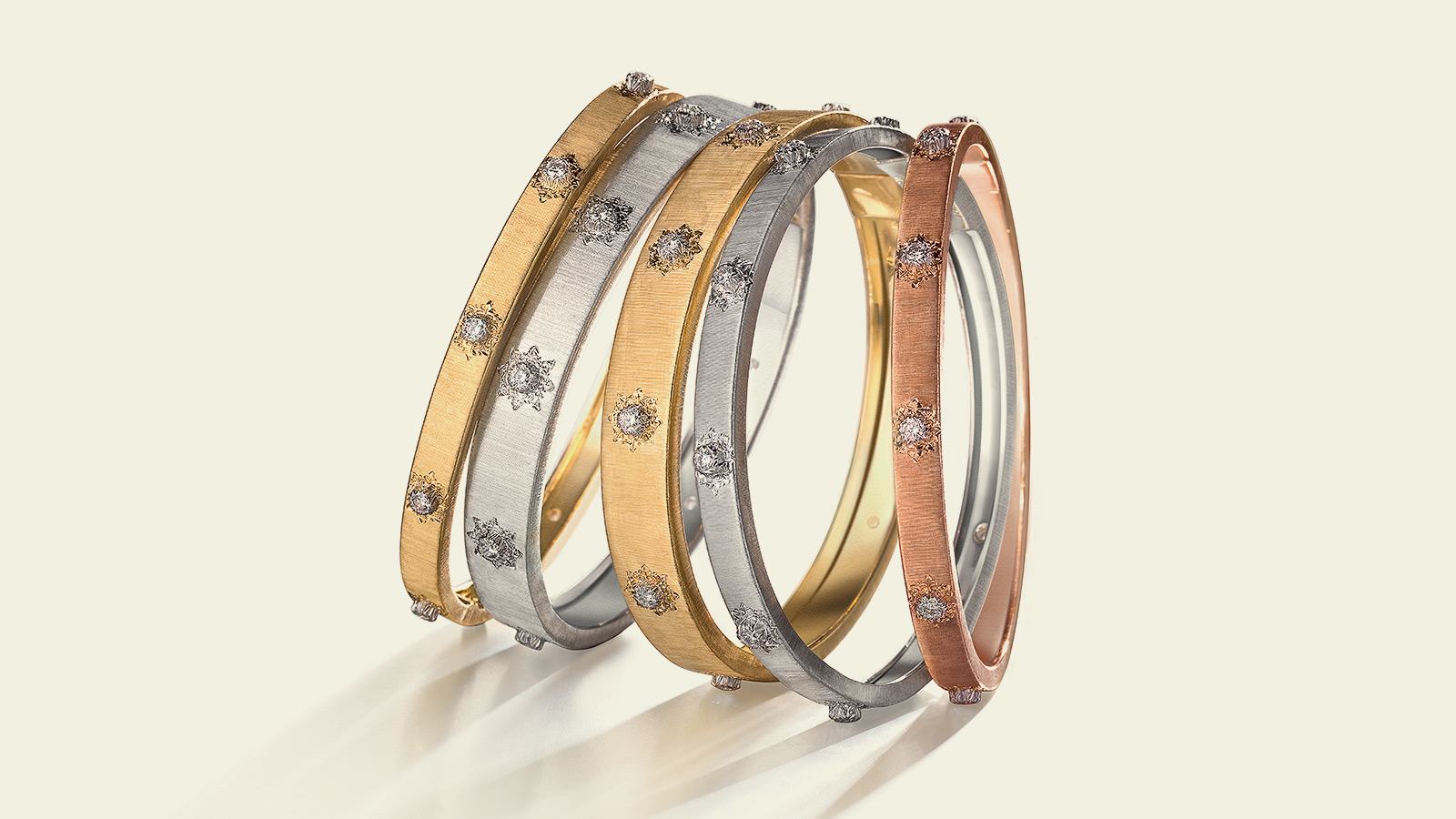
    Richemont group is in talks to buy Italian jewellery brand Buccellati from its new Chinese owner, according to reports from the Italian press this week. The italian press has reported the Milanese brand was being negotiated for sale with Richemont.

    The deal had apparently hit problems due to restrictions from the Chinese government regarding investments from overseas.

    Qatari investment vehicle Mayhoola was also interested.

    Bank of America Merrill Lynch was reportedly working on the sale.

    China’s Gansu Gangtai acquired Buccellati from its previous owners Clessidra in 2017, for a reported 270 million euros ($313 million), including debt.

    The news follows reports earlier in the year that Gansu Gantai planned to invest some 200 million euros to develop Buccellati.

    Richemont, which owns Cartier, among other jewellery and watch brands, was previously in talks with former Buccellati owner Clessidra, in 2016 to purchase the high-end jewellery brand.

    Both Richemont and Gansu Gangtai declined commentary on the matter.

    Founded in 1919 by the Buccellati family, the Italian jeweller was sold in 2013 to Italian investment fund Clessidra.

    In August 2017, Chinese group Gansu Gangtai Holding acquired an 85% stake.

    It has opened six stores in China alone this year, with a Beijing flagship store slated to open this month.

    Buccellati currently operates 49 namesake retail outlets between stores, retail corners and shops-in-shop, and is also distributed via 150 multi-brand retailers.

  • Alibaba, Richemont ink deal to bring YNAP to China

    Alibaba, Richemont ink deal to bring YNAP to China

    The partnership will use YNAP’s strong relationship with leading luxury brands, some 950 of them being currently distributed through YNAP in China, and launch the brands on Alibaba’s Tmall Luxury Pavilion.

    “Chinese customers at home and abroad are an increasingly important customer base for Richemont and for the broader luxury industry,” said Richemont chairman Johann Rupert.

    “Our digital offering in China is in its infancy and we believe that partnering with Alibaba will enable us to become a significant and sustainable online player in this market. Alibaba has become the preferred online destination in China, with world-class teams in technology, logistics and marketing.”

    Rupert said the company would work with Alibaba to ensure Net-A-Porter and Mr Porter continued to expand “as neutral, open and sophisticated platforms”.

    YNAP group CEO Federico Marchetti said Alibaba provided “a neutral and powerful platform to maximise China’s immense potential” for the group.

    Daniel Zhang, CEO of Alibaba Group, added: “We believe this announcement is just the beginning of a long-term partnership, and together we are committed to exploring many more opportunities to collaborate in the future.”

  • Richemont in Talks to Buy Buccellati from Chinese Owner

    Richemont in Talks to Buy Buccellati from Chinese Owner

    Swiss luxury holding firm Richemont is in talks to acquire jewellery manufacturer Buccellati from Chinese holding company Gansu Gangtai.

    The Chinese company took an 85 per cent shareholding in the Italian company a year ago for US$226 million, but the brand has performed poorly during the first half of this year. Gansu Gangtai’s initial plans to invest further in the brand have been scuttled by new restrictions in Chinese foreign investment and reported management difficulties.

    The company is currently valued at $313 million under the proposed deal, in which a Qatari investor, Mayhoola, has also expressed interest.

    Buccellati turns 100 next year and is known for its ornate, lush jewellery designs and bejewelled, golden iPad covers.

    It operates physical stores in Shanghai and Beijing, as well as retailing online on JD.com.

  • Richemont appoints new CEO

    Richemont appoints new CEO

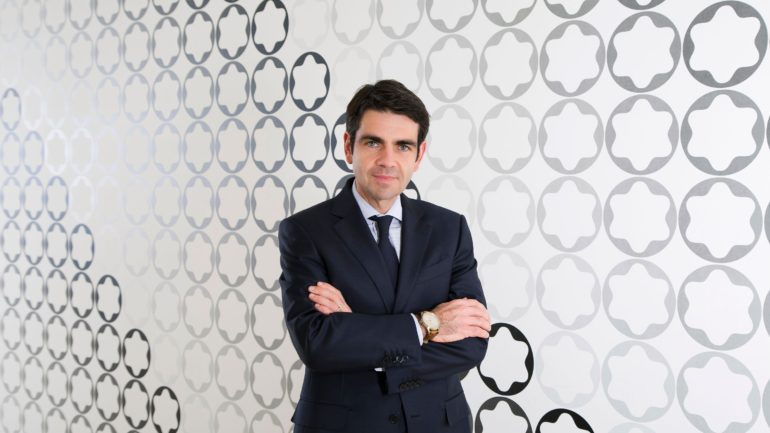
    On Monday, after holding the post vacant for almost two years, Richemont Group has appointed Group Chief Operating Officer, Jérôme Lambert, as Group Chief Executive Officer with immediate effect.

    Swiss watch and jewellery companies went through hard times back in 2016 as sluggish economical growth and terrorism in Europe hit sales adding to the challenge of meeting ever-changing consumer behaviors.

    However, Chinese consumers stepped in and spurred sales back up. Indeed, Richemont said they have increased by 25%, at constant exchange rate, to €5.7bn in the five months ending August 31.

    “Jérôme’s new role sees him taking responsibility for the Group’s future growth at a time when consumer habits are changing significantly,” said Johann Rupert, Richemont chairman. “As we position the group to meet these challenges, he will lead the development of strategic plans reflecting the long-term objectives and priorities established by the board.”

    Revamping the organization, Mr.Rupert has changed the leadership management of the company appointing his son, Anton, along with Nikesh Arora, former Google executive, to the board.

    Earlier this year, Richemont Group also took full control of online retail Yoox Net-a-Porter and bought second-hand online and shop-based watch retailer, Watchfinder.

    Richemont’s Specialist Watchmakers, Online Distributors and Other businesses, as well as central and regional functions, will report to Jérôme who will continue to be supported by the group’s team.

  • Asia helps boost Richemont sales

    Asia helps boost Richemont sales

    Double-digit growth in Mainland China, Hong Kong, Korea and Macau have helped boost sales for Swiss luxury goods group Richemont.

    Results for the year to the end of March show Richmont sales grew by 3 per cent at actual rates and by 8 per cent at constant rates to €10.9 billion (US$12.8 billion).

    Richemont’s brands include A. Lange & Sohne, Baume & Mercier, Cartier, Chloe, Dunhill, IWC Schaffhausen, Lancel, Jaeger-LeCoultre, Montblanc, Officine Panerai, Piaget, Purdey, Roger Dubuis and Vacheron Constantin.

    Excluding the impact of exceptional inventory buy-backs, sales grew by 7 per cent at constant rates, with a strong retail performance reflecting solid jewellery and watch sales.

    An improved macroeconomic environment, steady progress on Richemont’s transformation agenda and a mixed currency environment marked the year, says the company.

    Sales were driven by high single-digit growth in retail and double-digit growth in Asia Pacific, with particular strength in the main markets of China, Hong Kong, Korea and Macau.

    Strong overall retail performance reflected solid jewellery and watch sales, says chairman Johann Rupert.

    Asia Pacific sales were strong, with the region accounting for 40 per cent of group sales.

    Japan had a 6 per cent rise in sales, thanks to more tourism purchases.

    Also beneficial were softer comparative figures and the full-year contribution from the reopened Cartier and the new Piaget and Van Cleef & Arpels flagship stores, all in Ginza.

  • Richemont launches a new product to target millennials

    Richemont launches a new product to target millennials

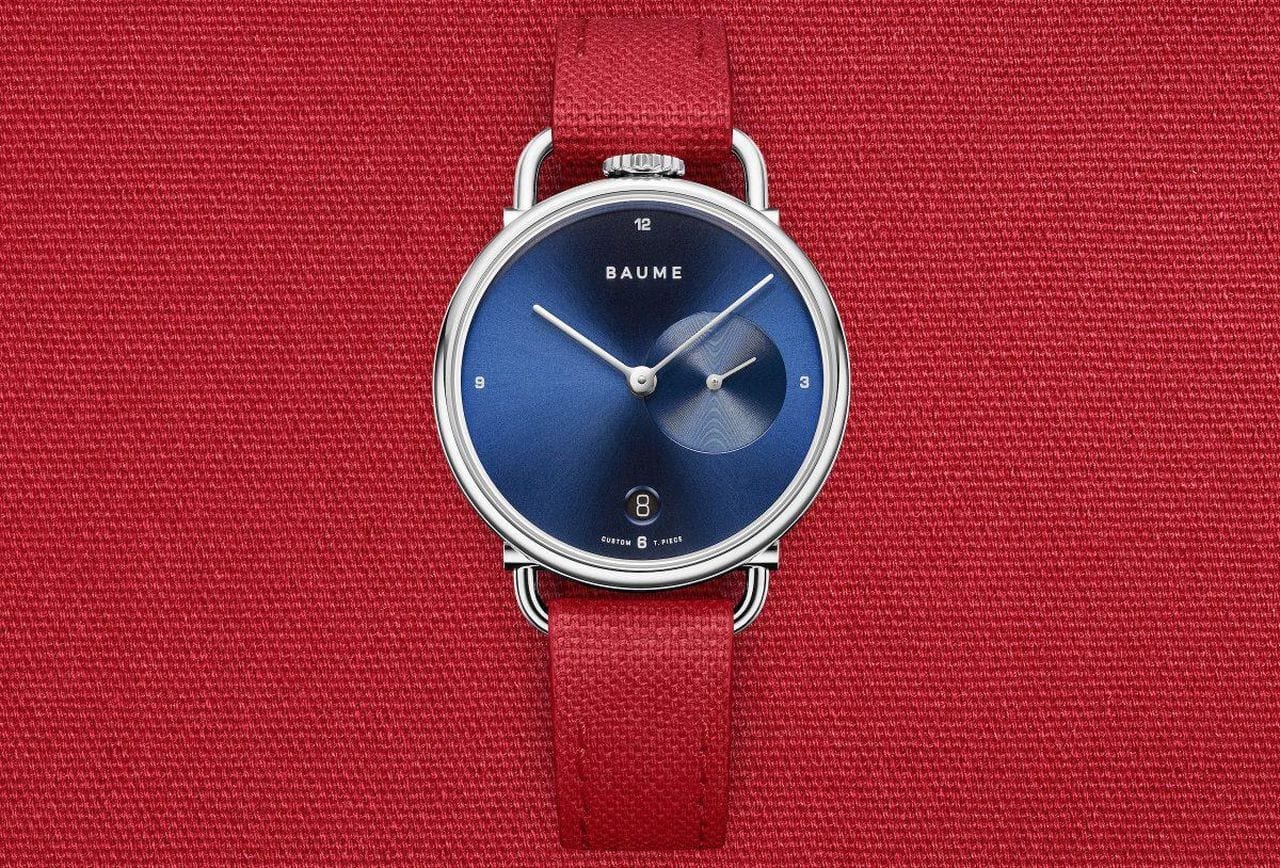
    Luxury goods group Richemont has launched a new watch brand, Baume, offering trendy time pieces priced in the hundreds rather than the thousands of dollars to lure young people away from their smartphones for reading the time.

    Swiss watchmakers have seen sales improve recently, after a prolonged downturn, but are struggling to reach young people who wear no watch at all or a connected Apple Watch and want online services luxury watchmakers have been slow to embrace.

    The new Baume brand will be sold exclusively online with prices starting at $560, a clear indication it is aimed at younger customers. It will also try to appeal to their “green” conscience by using no animal-based or precious materials and only paper and cardboard for packaging.

    Richemont’s watch business consists of high-end brands, such as IWC or Jaeger-LeCoultre, that cost thousands or even tens of thousands of dollars and are still mostly sold in traditional brick-and-mortar stores.

    Luxury watch brands have only belatedly embraced digital marketing and distribution and are still seeking answers to the emergence of smartwatches such as the Apple Watch and the younger generation’s dwindling interest in traditional watches.

    The Baume brand, officially launched on Tuesday, offers unisex watches in a minimalist design with watch straps made of recycled materials. There is also a customizable series where users can choose from over 2,000 permutations through an online configurator, the brand said in a statement.

    Baume said it was “drawing experience and insight from the rich watchmaking history across the Richemont group” and was focused on “encouraging individuals to participate in a design-led global conversation”.

    “Maybe they want to try and become relevant for younger consumers,” Exane BNP Paribas analyst Luca Solca said.

    “They are using selling themes that should resonate well with millennials, at first sight. This could serve as the ‘access step’ into the category,” he said.

    Richemont reports full-year results on Friday.

    The group recently made an offer to acquire online retailer Yoox Net-a-Porter and has started selling more luxury timepieces online.

  • YNAP shareholder criticises Richemont’s acquisition bid

    YNAP shareholder criticises Richemont’s acquisition bid

    Richemont’s takeover bid for Yoox Net-a-Porter (YNAP) has been handed some uncertainty amid reports that a long term shareholder will vote against it.

    US-based value investor Robotti & Co – which has a stake of less than one per cent in the YNAP Group – did not see the deal as being “synergistic” or that the price offered was at “sufficient valuation”.

    “Given that Yoox Net-a-Porter has leading a position in the industry and the best management team, we think the company should remain independent for the time being,” Robotti & Co portfolio manager Isaac Schwartz told the newspaper.

    Swiss-based Richemont – which owns high-end brands such as Cartier, Montblanc and Dunhill London – already has a stake in the YNAP Group but last month it made a public tender offer to buy the shares it does not own for €38 (£33.5) per share.

    Various publications have revealed different total estimates for the takeover bid, ranging from €2.8 billion (£2.4 billion) to €5.1 billion (£4.5 billion).

    The deal would only go ahead once it is approved by YNAP Group shareholders.

  • Richemont bids to take full control of Yoox Net-a-Porter

    Richemont bids to take full control of Yoox Net-a-Porter

    Swiss luxury goods holding company Richemont has moved to take full ownership of e-commerce company Yoox Net-a-Porter (YNAP).

    Nearly three years after Richemont merged Net-a-Porter with Italian rival Yoox, the company has made a public tender offer to buy the shares in YNAP it does not already own, equivalent to half of the company.

    It is offering for €38 (US$46.50) a share, nearly €8 above Friday’s YNAP closing price.

    YNAP chief executive Federico Marchetti says he is receptive to the bid, and YNAP has waived a clause in its shareholder documents that would have prevented Richemont and any affiliates from buying more shares in the company.

    Richemont says it plans to continue to running YNAP as a separate company.

    “Thanks to our long-term commitment and resources, we see a meaningful opportunity to strengthen further Yoox Net-a-Porter Group’s leading positioning in luxury e-commerce, growing the business in existing and new geographies, increasing product availability and range, and continuing to develop unparalleled services and content for today’s highly discerning consumers,” says Richemont chairman Johann Rupert.

    Marchetti says the rationale for the investment is to build on YNAP’s solid track record of growth. “This means investing even more in product, technology, logistics, people and marketing.”

    In its latest preliminary results, the company revealed it had surpassed €2 billion in net revenues, up nearly 12 per cent year-over-year, and that more than half of its sales in the year came from mobile devices for the first time. Full results will be released in March.

    Meanwhile, Richemont saw its sales for the year ending last March decline 4 per cent to €10.7 billion.

    “With this new step, we intend to strengthen Richemont’s presence and focus on the digital channel, which is becoming critically important in meeting luxury consumers’ needs,” says Rupert.

    “Nearly 20 years after inventing Yoox, YNAP’s magic excites me even more,” says Marchetti. “The prospect of no longer owning 4 per cent of the share capital does not change my entrepreneurial commitment to YNAP. Dreaming and innovating to the benefit of our customers has always been my motivation; it will remain so in the years to come.”

  • Richemont asia pacific rocket sales

    Richemont asia pacific rocket sales

    Asia Pacific has continued double-digit growth for heritage brand owner Richemont for its third quarter to the end of December.

    Total sales in the quarter increased by 7 per cent at constant exchange rates and by 1 per cent at actual rates over the same period a year earlier.

    Retail sales were mainly driven by the group’s jewellery maisons and specialist watchmakers, especially in Asia Pacific, where growth was led by Mainland China, Korea, Hong Kong and Macau.

    A rise in sales in Japan was supported by strong growth from the watchmakers and a favourable currency environment, says Richemont. Sales there reached €294 million (US$354 million), up 5 per cent at constant exchange rates but down 6 per cent at actual rates.

    Asia Pacific quarterly sales were €1.18 billion, up 11 per cent at constant exchange rates and 5 per cent at actual rates.

    Underpinned by solid performances in both jewellery and watches, overall retail sales maintained strong momentum, recording 13 per cent growth. Jewellery shone with an 11 per cent increase.

    Other businesses posted stable sales, with growth notably from Montblanc, Chloe and Lancel. Excluding the impact of the sale of Shanghai Tang, the other businesses would have had moderate growth.

    Sales over the nine months to the end of December grew by 10 per cent at constant exchange rates and by 7 per cent at actual exchange rates.

    Richemont’s portfolio of international “maisons” covers three segments: jewellery (Cartier, Van Cleef & Arpels and Giampiero Bodino), specialist watchmakers (A Lange & Sohne, Baume & Mercier, IWC Schaffhausen, Jaeger-LeCoultre, Officine Panerai, Piaget, Roger Dubuis and Vacheron Constantin, as well as the Ralph Lauren watch and jewellery JV), and other businesses (including Alfred Dunhill, Azzedine Alaia, Chloe, Lancel, Montblanc and Peter Millar).

    Richemont also holds a 49 per cent equity-accounted interest in the Yoox Net-a-Porter Group.

  • Global expansion plan from Shanghai Tang

    Global expansion plan from Shanghai Tang

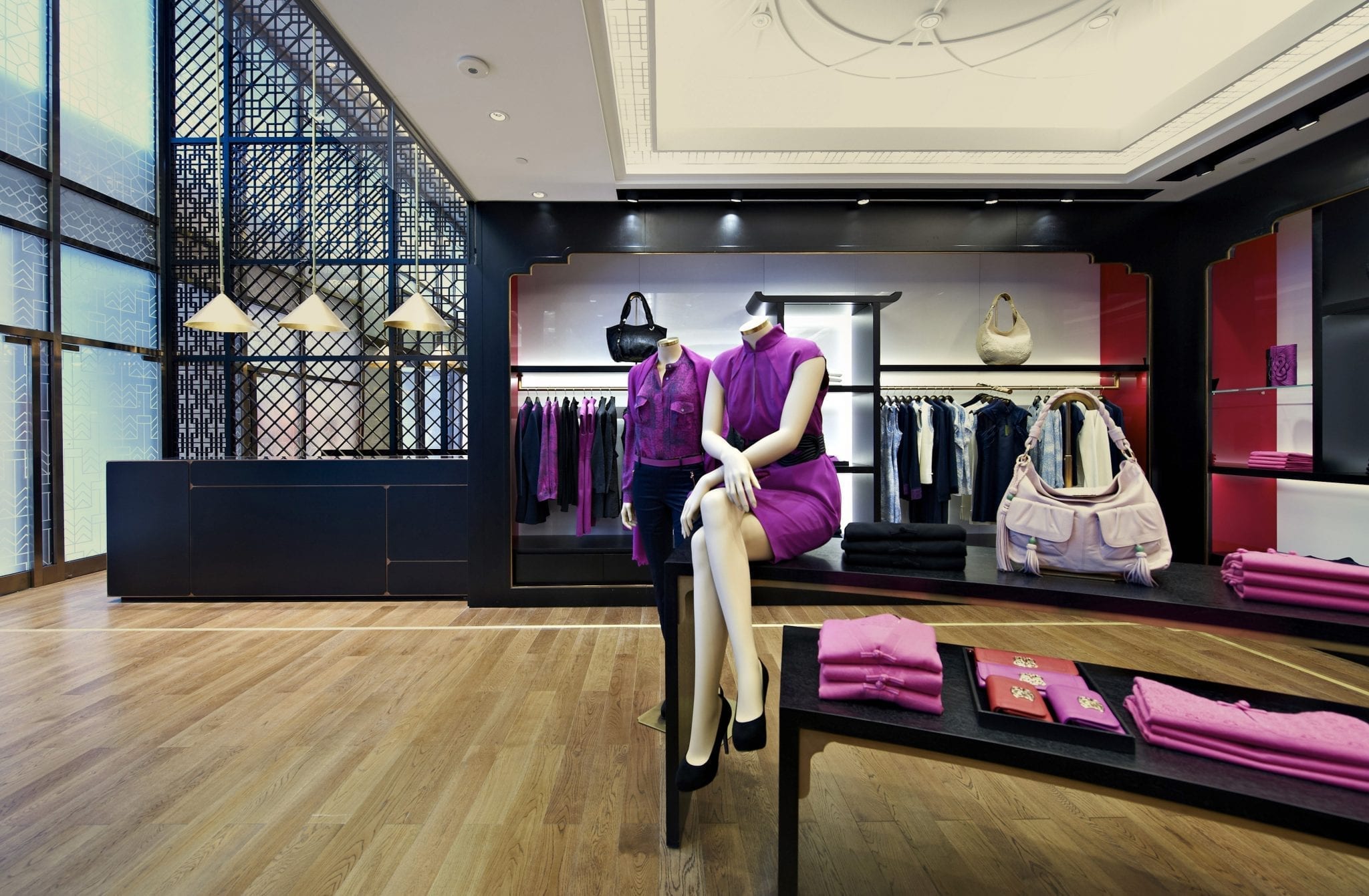
    Hong Kong fashion brand Shanghai Tang is to go global with stores in Paris and Milan as well as more cities in Mainland China over the next two years.

    Bought by Italian textile businessman Alessandro Bastagli and other investors on June 30, the company will also expand its online sales channels, Bastagli said in Hong Kong. As the brand’s executive chairman, he was in the city last week to introduce Shanghai Tang’s first collection after the takeover, designed by international designers and made in Italy.

    Bastagli says he was attracted to the brand by its Chinese flavour. It was established in 1994 by the late Hong Kong businessman David Tang. Richemont Group bought a stake from Tang in four years later, and the company was sold to Bastagli and Cassia Investments, a Hong Kong-based consumer-focused private equity fund, on June 30 at an undisclosed price.

    Bastagli says he decided to invest in Shanghai Tang as he believes the company has further room for growth.


  • Richemont acquires Italian leather brand Serapian

    Richemont acquires Italian leather brand Serapian

    Swiss luxury goods holding company Richemont Group has bought out Italian leather supplier Serapian, with the purchase price not disclosed.

    A managing director is to be appointed, with the founding Serapian family no longer a stakeholder. However, it will continue to fill key roles in the company.

    Richemont’s relationship with Serapian dates back to the 1970s when the Milanese firm supplied leather to Richemont brands Cartier and Dunhill, along with Azzedine Alaia, Chloe, Jaeger-LeCoultre, Lancel and Piaget.

    Richemont plans to develop Serapian and use it across its portfolio as well as supplying leather to outside luxury brands. Other areas of development include bespoke items.

    Serapian’s collections are all made in Italy, in a Milanese atelier that includes a laboratory, and in a factory on the outskirts of Milan.

  • Richemont’s half-year is good in APAC

    Richemont’s half-year is good in APAC

    Asia Pacific sales accounted for 39 per cent of group sales for Swiss luxury-goods holding company Richemont for its half-year to September 30.

    Sales in Asia Pacific rose by by 25 per cent, with double-digit growth in most markets led by Mainland China, Hong Kong, Korea and Macau. While all product categories saw growth, the unaudited figures show jewellery and watch sales were particularly strong year on year, with watches benefiting as no inventory buy-backs were needed as in the previous year.

    For Japan, the 7 per cent rise in sales was driven by higher domestic and tourist spending, which benefited from a weaker yen. Jewellery and watches led sales growth, partly supported by the reopening of the Cartier flagship store in September last year and new flagships for Piaget (November) and Van Cleef & Arpels (April), all in Ginza.

    Overall, group sales rose by 10 per cent at actual exchange rates to €5.6 billion (US$6.5 billion) and by 12 per cent  at constant exchange rates. Excluding the previous year’s inventory buy-backs, sales increased by 8 per cent at constant exchange rates.

    Operating profit expanded by 46 per cent to €1.1 billion, with profit for the period up 80 per cent to €974 million.

    Gross profit increased by 13 per cent, representing 65.4 per cent of sales. The 190-point margin increase was mainly because of the non-recurrence of inventory buy-backs and improved manufacturing capacity absorption, says Richemont.

    Profit grew by 80 per cent to €974 million, mainly reflecting the higher operating profit and a €181 million reversal in net finance income.

  • Richemont Group expects 80 per cent profit lift

    Richemont Group expects 80 per cent profit lift

    With demand picking up for high-end watches, Swiss luxury goods company Richemont Group says it expects an 80 per cent increase in net profit for the six months to the end of September.

    After a collapse of the Hong Kong market, Richemont was forced to buy back excess inventory, cut jobs and replace most of its brand chiefs. The buyback mainly impacted the Cartier and Van Cleef & Arpels brands.

    However, trading has improved says Richemont, whose brands also include Piaget and Vacheron Constantin. Constant-currency sales rose 12 per cent in the six months, and by 10 per cent on a reported basis, compared with a year earlier.

    Operating profit is likely to rise 45 per cent, reflecting the non-recurrence of the exceptional inventory buybacks in the previous year, as well as positive currency movements, says Richemont.

  • Richemont sells Shanghai Tang

    Richemont sells Shanghai Tang

    Richemont has sold Hong Kong-based dressmaker Shanghai Tang, showing that a Chinese name still doesn’t have the same ring to luxury shoppers as a French or Italian one.

    Italian fashion entrepreneur Alessandro Bastagli and private equity fund Cassia Investments Ltd. bought the brand, one of the first Chinese fashion labels to seek a global presence, according to a statement Monday. It’s the first sale of a luxury unit by Geneva-based Richemont since 2007, and follows a pledge by Chairman Johann Rupert in November to fix or sell underperforming businesses.

    “The disposal of Shanghai Tang is a logical step,” Rene Weber, an analyst at Vontobel, said in a note. “The brand was neither material in terms of sales nor of profit.”

    Shanghai Tang attracted stars such as Nicole Kidman and Kate Moss with its 1920s-inspired dresses — some costing more than $2,000 — but struggled to gain a broader following in the west, while consumers in China have preferred western luxury brands. In a ranking by researcher Hurun of the top fashion brands for Chinese women, Shanghai Tang ranked 10th, behind nine European brands including Chanel, Dior and Gucci. It didn’t show up on the top 10 for men, which was led by Giorgio Armani.

    Richemont acquired a controlling stake in Shanghai Tang in 1998, a year after sovereignty over Hong Kong was transferred from the U.K. to China. It bought the rest in 2008. The luxury company is revamping its portfolio, having merged its Net-a-Porter online unit with Yoox SpA in 2015 after disposing of Italian penmaker Montegrappa in 2007. It now owns 18 brands, including Cartier, Montblanc and IWC.

    Richemont didn’t disclose the price for Shanghai Tang, one of four labels that Sanford C. Bernstein analyst Mario Ortelli said in 2013 he expected might be sold. The others were Dunhill, Chloe and Azzedine Alaia. Richemont said that year that it decided against any divestments, and has since reconsidered. Its shares were up 0.7 percent at 15:04 p.m. in Zurich.

    The company has restructured Dunhill and rejuvenated Chloe’s management with a new creative director. Other small Richemont brands include Purdey, a maker of luxury shotguns, and Lancel, a French pursemaker that the company considered selling in 2013.

    Sir David Tang, who now writes a column in the Financial Times, started Shanghai Tang as a bespoke tailor shop in 1994, combining Chinese and western design influences and expanding into accessories and housewares. While the brand attracted buzz about China’s growing cultural and design influence around the turn of the millennium, when its form-fitting qipao dresses were worn in Wong Kar-Wai’s film “In the Mood for Love,” its Mandarin collars never caught on in a big way in Europe or the U.S.

    The original Shanghai Tang location in Hong Kong closed in 2011 due to high rents, and the brand also shut a New York shop. The fashion maker has 32 stores currently. Rival Hermes International has provided competition with its Shang Xia brand since 2010.

    Cassia, which focuses its investments on consumer companies, is based in Hong Kong. Bastagli is the chairman of Italian fashion producer and distributor A. Moda SpA, and of Lineapiu Italia, a maker of luxury yarn. A.Moda’s clients have included Versace, according to its website.