Retail News CRM

Tag: rise

  • Vietnam’s Pepper Exports Heat Up with 21.7% Rise in Five Months, US Leading the Demand

    Vietnam’s Pepper Exports Heat Up with 21.7% Rise in Five Months, US Leading the Demand

    In the first five months of 2026, Vietnam saw a significant increase in its pepper exports, with 122,600 tonnes exported, marking a rise of 21.7% from the previous year. The collective value of these shipments was US$789.2 million, representing a 13.9% surge year-on-year, as reported by the Vietnam Pepper and Spice Association.

    Primary Markets and Export Performance

    The United States emerged as the leading market, accounting for nearly 24.5% of the total exports, or 30,000 tonnes, marking a growth of 30.2% from the previous year. China followed closely with a staggering 145.4% rise, importing 14,636 tonnes.

    In terms of regional consumption, Asia led as the largest consumer, importing 56,570 tonnes, or 46% of the total product, marking a 24% rise year-on-year. Europe also saw a rise in imports by 5.1%, totalling 25,176 tonnes. Remarkably, the Netherlands boosted their imports by 51.6%, but Germany saw a 30.7% drop.

    The increase in exports can be attributed to a strong performance in the first and early second quarters, coupled with increased demand from major markets amid a tightening global supply. However, in May, pepper export volume experienced a decline of 18.9% from April and 4.8% year-on-year, totalling 25,180 tonnes worth $166.2 million.

    Import Trends and Other Exports

    On the import side, Vietnam purchased 38,086 tonnes of pepper valued at $217.8 million, marking a 69% rise year-on-year in volume and 60% in value. Cambodia emerged as the primary supplier, accounting for 54.6% of imports, followed by Brazil with a 29.1% share.

    In addition to pepper, Vietnam’s cinnamon exports also witnessed growth. The country exported 48,686 tonnes of the spice, totalling $124.3 million in the first five months, marking a 2% increase in volume and a 1% increase in value from the previous year. Asia accounted for 67.8% of these exports, while the Americas constituted 22.4%.

    Questions & Answers

    What was the total volume and value of pepper exported from Vietnam in the first five months of 2026?
    122,600 tonnes of pepper were exported, with a value of US$789.2 million.

    Which countries were the main buyers of Vietnamese pepper?
    The United States and China were the main buyers, importing 30,000 tonnes and 14,636 tonnes respectively.

    What trends were observed in Vietnam’s cinnamon exports?
    Vietnam’s cinnamon exports also saw a rise, with 48,686 tonnes exported, valued at $124.3 million. Asia and the Americas were the main markets for Vietnamese cinnamon.

  • Golden Goose Sees Stellar Rise in Revenue, Celebrates 21% Direct-to-Consumer Growth for FY25

    Golden Goose Sees Stellar Rise in Revenue, Celebrates 21% Direct-to-Consumer Growth for FY25

    Golden Goose, a prominent name in luxury footwear, has recently reinforced its direct-to-consumer sales strategy, a decision that has proved beneficial according to their recent earnings report.

    A Successful Year for Golden Goose

    For the fiscal year of 2025, Golden Goose reported a revenue of €734 million (US$858.1 million), a 15 per cent increase compared to the previous year. However, the company’s major achievement was a 21 per cent surge in direct-to-consumer sales, which now represent 81 per cent of the group’s total sales.

    Silvio Campara, CEO of Golden Goose Group, expressed his pride in the company’s FY25 results. He highlighted another year of robust and stable growth for Golden Goose.

    Expanding the Golden Goose Empire

    The luxury retailer added 17 new stores to its already expansive portfolio in 2025, bringing its total to a remarkable 232 stores worldwide. Sales saw an upward trend globally, with an 18 per cent increase in Europe, the Middle East, and Africa. Asia Pacific sales went up by 17 per cent, while growth in the Americas was marginally slower at 9 per cent.

    2025 also saw the introduction of Chinese private equity firm HSG as a majority shareholder.

    Campara expressed his delight at HSG and Temasek joining as strategic investors to further their international reach and realize their potential as a future-focused luxury brand.

    New Ventures and Future Outlook

    Campara also discussed some of the company’s successful initiatives. These included the introduction of new sneaker models such as True-Star and Marathon Speed, store openings in locations such as Mumbai, Tokyo, London Mount Street, and Naples, and the inauguration of the Padel Arena in Milan. The CEO emphasized their commitment to merging craftsmanship, culture, and community.

    Looking towards 2026 and beyond, Campara voiced his excitement about Golden Goose’s potential and his eagerness to bring more of Italy to their global community of admirers.

    Golden Goose recently unveiled a new concept store in Osaka, Japan, further expanding its international presence.

    Questions & Answers

    What was Golden Goose’s revenue for the fiscal year 2025?
    Golden Goose reported a revenue of €734 million (US$858.1 million) for the fiscal year 2025.

    What percentage of Golden Goose’s total sales in FY25 came from direct-to-consumer sales?
    81% of Golden Goose’s total sales in FY25 were from direct-to-consumer sales.

    What are some new initiatives by Golden Goose?
    Golden Goose launched new sneaker models such as True-Star and Marathon Speed, opened new stores in various international locations, and opened the Padel Arena in Milan.

  • Vietnam’s Gold Prices Take a Dip Amid Global Bullion Rise: Market Watch

    Vietnam’s Gold Prices Take a Dip Amid Global Bullion Rise: Market Watch

    On Friday, gold prices in Vietnam experienced a dip while global bullion prices noted a hike. The price of a gold bar from the Saigon Jewelry Company witnessed a decrease of 1.01%, bringing its value down to VND175.4 million (US$6,757.33) per tael. Each tael weighs 37.5 grams or 1.2 ounces. This price adjustment was reflected among other sellers in the market.

    In the past two days, local bullion prices have seen a decline of 2.66%, standing at VND20 million more per tael than their international equivalents. However, the price of gold rings increased by 0.23%, bringing its cost to VND174.9 million per tael.

    Global Gold Market Dynamics

    Globally, the gold market managed to recover from its early losses on Friday. However, it is expected to report a consecutive weekly decrease as a result of the global tech equity rout and a strengthened U.S. dollar, which have overshadowed the gains the metal experienced during an initial recovery earlier this week.

    Spot gold experienced a 0.4% increase, reaching $4,790.80 per ounce. Despite this, it recorded a 1.4% decrease for the week. Meanwhile, U.S. gold futures set for April delivery witnessed a 1.7% decline, dropping to $4,806.50 per ounce.

    According to Ilya Spivak, head of global macro at Tastylive, “Risk appetite appears to be diminished as stocks are down, and we’re noticing a significant breakdown in Bitcoin. These factors indicate a general weakening of risk sentiment. In such a scenario, while gold is proving resilient, silver is succumbing to the risk-off environment.”

    The US Dollar Performance

    The U.S. dollar remained steady near a two-week high and is expected to record its strongest weekly performance since November. A stronger dollar elevates the cost of greenback-priced assets for holders of other currencies.

    Questions & Answers

    What was the decline in the price of gold in Vietnam?
    The price of a gold bar from the Saigon Jewelry Company decreased by 1.01%, reducing its value to VND175.4 million per tael.

    How did global gold prices perform?
    Despite recovering from early losses and rising by 0.4%, spot gold was down by 1.4% for the week.

    What effect does a stronger U.S. dollar have on greenback-priced assets?
    A stronger U.S. dollar makes greenback-priced assets more expensive for holders of other currencies.

  • Chinese Firms Reign Supreme in APAC Investment Banking: Rapid IPO Rise and Offshore Bonds Fuel 2025 Success

    Chinese Firms Reign Supreme in APAC Investment Banking: Rapid IPO Rise and Offshore Bonds Fuel 2025 Success

    In 2025, prominent positions in Asian investment banking fee generation were predominantly filled by Chinese corporations, spearheaded by a surge in offshore bond issues and a remarkable initial public offering (IPO) boom in Hong Kong.

    Leading Positions Dominated By Chinese Companies

    Citic Securities, based in Beijing, took the lead in investment banking fees generated in the Asia Pacific region (excluding Japan) for 2025, raking in $1.45 billion. This figure represented a 5.8 percent share of the total fees generated across the region. Citic Securities was trailed in the ranking by fellow Chinese counterparts, including China Securities, Bank of China, China International Capital, and Guotai Haitong Securities. Notably, Morgan Stanley, headquartered in New York, filled the sixth slot.

    Chinese investment banks asserted their dominance throughout the industry’s regional positions. This success was largely credited to their robust performance in issuing yuan-denominated dim sum bonds and in orchestrating mainland listings in Hong Kong.

    The Global Market Share

    In a broader perspective, investment banking fees across the Asia Pacific region witnessed a 19 percent year-on-year increase in 2025, amassing a total of $24.9 billion. This accounts for 18 percent of the global total fees earned, in contrast to 55 percent from the Americas and 21 percent from Europe.

    The investment banking fees referenced in this report encompass a range of activities including equity capital markets, debt capital markets, mergers and acquisitions (M&A) advisory, and syndicated lending services.

    Questions & Answers

    Who was the leading generator of investment banking fees in the Asia Pacific region in 2025?
    Beijing-based Citic Securities led the pack in 2025, generating $1.45 billion in investment banking fees.

    What factors contributed to the success of Chinese investment banks in 2025?
    Chinese investment banks benefitted significantly from strong performances in the issuance of yuan-denominated dim sum bonds and mainland listings in Hong Kong.

    How much of the global total of investment banking fees did the Asia Pacific region account for in 2025?
    In 2025, the Asia Pacific region accounted for 18 percent of the total global investment banking fees.

  • Dollar on the Rise: U.S. Currency Soars Against Dong in Unofficial Markets

    Dollar on the Rise: U.S. Currency Soars Against Dong in Unofficial Markets

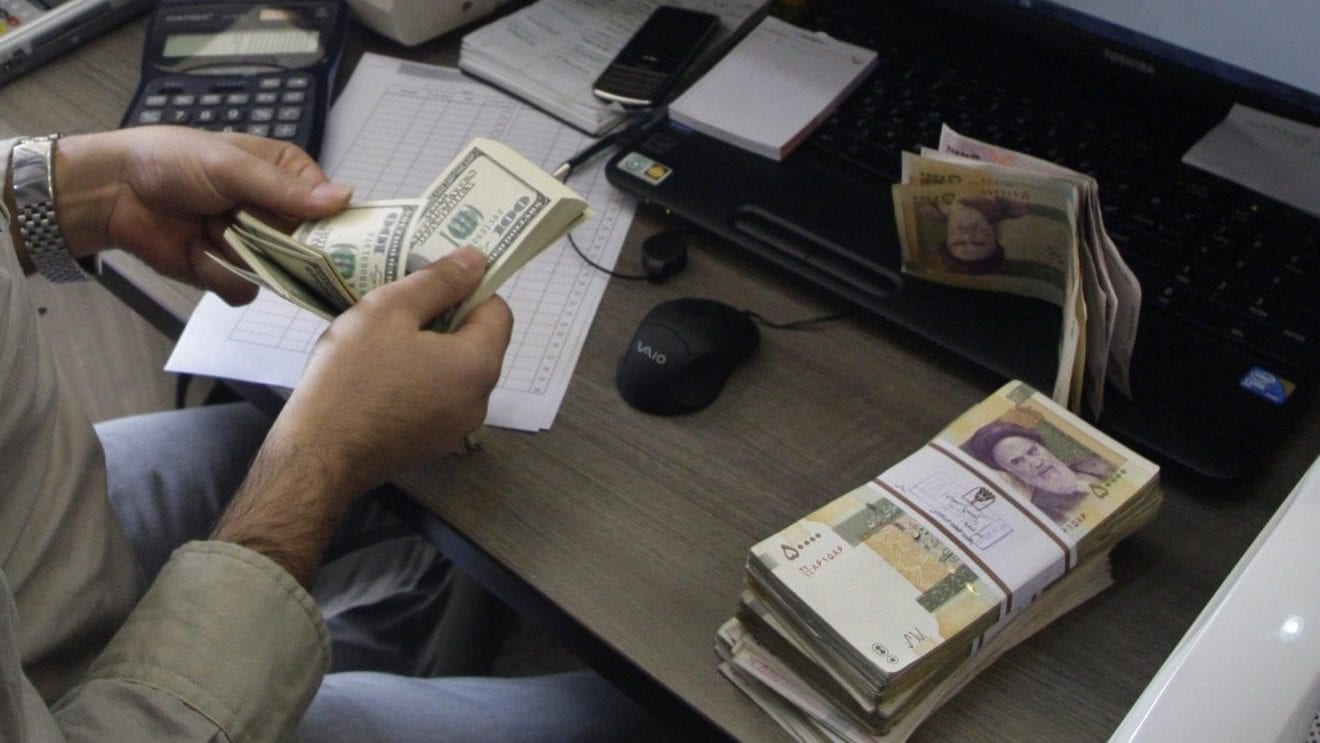
    The value of the U.S. dollar experienced a rise against the Vietnamese dong in the black market during Saturday’s early trading hours, following a slight increase against other significant currencies in the previous trading session. The U.S. dollar saw a 0.03% increase from its Friday value, reaching approximately VND27,149 at informal exchange venues. Meanwhile, Vietcombank held a steady exchange rate at VND26,384.

    Vietnamese State Bank’s Reference Rate

    The Vietnamese State Bank held its reference rate firmly at VND25,128.

    Global Perspective

    On a global scale, the dollar index, a measurement of the U.S. currency’s performance against six competitor currencies, experienced an increase of 0.08% to land at 98.03 on Friday.

    Elsewhere, the Japanese yen weakened against the U.S. dollar, with investors keeping a watchful eye for any possible interventions to bolster the currency. Market analysts suggest that year-end trading, a time when trading volumes are typically lower, presents an ideal opportunity for monetary authorities to act.

    Investor Outlook

    Investors are gearing up for 2026, with a particular focus on whether the U.S. Federal Reserve will reduce interest rates and, if so, by what margins. Market traders anticipate at least two rate cuts throughout the year, although they are not expecting the Federal Reserve to make a move before June.

    The central bank has projected an additional cut for the coming year, but differing opinions among decision-makers have left investors feeling uncertain about the future monetary policy.

    Questions & Answers

    How has the U.S. dollar performed against the Vietnamese dong recently?
    The U.S. dollar has seen an increase in value against the Vietnamese dong, especially in early trading hours on Saturday in the black market.

    What is the global perspective on the U.S. dollar’s performance?
    Globally, the dollar index, which measures the U.S. currency against six other major currencies, has seen an increase of 0.08%, reaching 98.03 by the end of Friday.

    What is the investor outlook for 2026 regarding the U.S. Federal Reserve’s actions?
    Investors are anticipating at least two interest rate cuts by the U.S. Federal Reserve in 2026, with no action expected before June. However, differing opinions among decision-makers have caused some uncertainty about future monetary policies.

  • Asia’s Telecom Titans Rise to Meet Cybersecurity Challenges: A Dive into 5G Security and Fraud Prevention

    Asia’s Telecom Titans Rise to Meet Cybersecurity Challenges: A Dive into 5G Security and Fraud Prevention

    As the telecommunications sector in Asia rapidly moves towards 5G technology, cloud-native architectures, and digital services, operators throughout the region contend with intensifying cyber threats. These threats, which range from data breaches to scams and fraud within mobile networks, impact not only businesses, but also a considerable number of consumers. Consequently, governments and mobile operators are implementing stricter regulations and enhancing enforcement strategies. In addition, they are investing in more sophisticated security systems to safeguard national networks.

    Increasing Cybersecurity Risks and Consumer Fraud in the Region

    The Asia Pacific region has experienced some of the highest levels of mobile fraud, digital scams, and identity-based attacks globally. A 2025 report commissioned by GSMA revealed that the percentage of consumers who fell victim to scams increased from 31% to 43% over the past year. Additionally, 81% of those surveyed said they are willing to switch financial providers to achieve better security. Consumers prefer solutions that prioritize verification, offer a confirmation-of-payee feature, provide safer payment tools, and allow for simple “official call-back only” habits for enhanced protection.

    Cybersecurity trust in Southeast Asia is dwindling as the number of cyber scams continue to rise. A significant number of mobile users have reported encounters with fraudulent calls, SMS, and online impersonation attempts. According to the GSMA’s Intelligence 2024 Report on Telco Security Landscape and Strategies – Asia Pacific, there is an urgent need for innovative telecom security solutions.

    Telecom Operators Enhancing Defenses and Security Practices

    Asian governments have started to enact laws and establish regulatory frameworks aimed at protecting critical infrastructure and personal data. These measures obligate telecom operators to bolster their networks’ security.

    In China, the Cybersecurity Law, the Data Security Law, and the Personal Information Protection Law (PIPL) regulate telecom operators. These laws demand strict protection of critical information infrastructure, data handling, security reviews, and compliance obligations. As a result, operators are compelled to integrate security measures from the inception of their projects.

    In South Korea, the Personal Information Protection Act (PIPA) regulates telecom operators. The legislation mandates the implementation of measures to securely handle data, maintain accountability, and safeguard user privacy. Though primarily regulating data protection rather than network infrastructure security, PIPA forms a crucial regulatory framework for safeguarding personal data as 5G networks and virtualization continue to grow across the country.

    In Japan, the Cybersecurity Basic Act and related national cybersecurity strategies guide the broad infrastructure protection framework. Telecom operators, including those exploring advanced network innovations such as virtualized RAN or 6G-ready systems, are expected to comply with government-endorsed security standards, threat-sharing mechanisms, and incident-response protocols.

    In the Philippines, national cyber defenses are progressively strengthening. The Cybercrime Prevention Act of 2012 (RA 10175) and the National Cybersecurity Plan 2023-2028 establish a legal framework and outline strategies for enhancing resilience across critical infrastructure.

    Several major telecommunications firms are investing in AI-based network analytics to bolster security and operational efficiency. For instance, Globe Telecom deploys AI and machine learning for anomaly detection across its infrastructure. Similarly, PLDT is mitigating phishing, DDoS attacks, and other cyber threats through its cybersecurity operations center and collaboration with government agencies.

    India, driven by its enormous telecom market, has introduced some of the region’s most comprehensive cybersecurity rules. CERT-In mandates prompt incident reporting, strict log retention for 180 days, and real-time collaboration with national cyber emergency response teams. The Department of Telecommunications now requires 5G network elements to be procured from trusted vendors under the Trusted Telecom Portal policy.

    Singapore has set up a robust cybersecurity framework for its telecom sector. Under the Cybersecurity Act, telecom and infocomm systems can be designated as Critical Information Infrastructure (CII), which mandates operators to implement a cybersecurity code of practice, conduct audits, and quickly report incidents.

    Building Collective Defense: Collaboration, Standards, and Shared Cyber Intelligence

    Given the scale and interconnectedness of modern telecom networks, many operators acknowledge the limitations of tackling cyber threats individually. As a result, collaborative initiatives, public-private partnerships, and industry-wide frameworks are emerging as fundamental strategies for defense.

    The theme of the 19th edition of the Telecom Review Leaders’ Summit was ‘Tech Intelligence Beyond Mobility.’ The event held in Dubai, UAE, facilitated discussions among leading experts on the evolving challenges of protecting information in an increasingly connected world. The summit served as a collaborative platform for telecom-based cybersecurity collaboration, standardization, and knowledge sharing.

    The Need for Collective Defense, Transparency, and Regulatory Backing in Asia

    The security challenge faced by Asia’s telecom sector is not limited to individual operators or markets. Scams, fraud, cross-border intrusion threats, and the growing complexity of virtualized networks have necessitated a regional and systemic response.

    The continual rise in consumer fraud, data protection failures, and regulatory scrutiny necessitates treating cybersecurity in the same vein as infrastructure policy, consumer protection, and national security. To cope with these risks, operators need to prioritize transparency, share threat intelligence, and adopt common security standards. Regulators should support these efforts with clear rules, consistent enforcement, and incentives that reward genuine compliance.

    By embracing an approach that combines strong governance, robust technical controls, and cross-border collaboration, Asia’s telecom sector can build networks that not only offer connectivity but also provide meaningful protection for users in an increasingly hostile digital environment.

    Questions & Answers

    What is the current state of cybersecurity in Asia’s telecom industry?
    The telecom industry in Asia is grappling with increasing cybersecurity risks, including data breaches, scams, and fraud within mobile networks. Governments and mobile operators are responding by implementing stricter regulations, enhancing enforcement strategies, and investing in advanced security systems.

    What measures are being taken to improve cybersecurity in Asia’s telecom industry?
    Governments across Asia are enacting laws and regulatory frameworks to protect critical infrastructure and personal data. Telecom operators are obligated to bolster their network security and are investing in AI-based network analytics to enhance security and operational efficiency.

    What strategies are recommended for managing cybersecurity risks in the telecom industry?
    Telecom operators need to prioritize transparency, share threat intelligence, and adopt common security standards. Regulators should support these efforts with clear rules, consistent enforcement, and incentives that reward genuine compliance. Collaborative initiatives, public-private partnerships, and industry-wide frameworks are also recommended.


  • Revolutionizing Data Centers: The Rise of Autonomous Robots in Asia Pacific Operations

    Revolutionizing Data Centers: The Rise of Autonomous Robots in Asia Pacific Operations

    Data centers in the Asia Pacific region are undergoing a significant transformation as they move away from conventional staffing models, typically made up of engineers conducting nightly rounds, to environments that are increasingly autonomous where robots take on crucial operational duties.

    Immediate Advantages of Robotic Systems

    Robotic systems offer immediate benefits to data centers, including the swift identification of thermal hotspots and leaks, a reduced dependence on routine staff, improved visitor management, and accurate remote operation capabilities at edge sites.

    Catalysts for Robotic Adoption in Data Centers

    Three primary trends are fueling the ongoing increase in data center robotics integration. Firstly, advanced hardware such as LiDAR, thermal cameras, and compact robotic arms allow the machines to safely navigate the aisles and gather detailed data. Secondly, advancements in computer vision and edge AI convert video feeds into actionable alerts for problems such as overheating, flooding, or loose cables, helping to reduce false alarms. Lastly, potent local networks, like private 5G and reliable LANs, empower robots to swiftly transmit large data volumes to analytics platforms and remote operators.

    Fujitsu’s private 5G robot trial in Yokohama and NTT Data’s Ugo inspection robots in Tokyo are examples of how advanced networks and robotics can work in tandem to achieve real-time remote inspections. Similarly, SK Telecom demonstrated autonomous robot technology using its Telco Edge AI infrastructure, focusing on crucial technologies for data centers and delivery robots requiring high-precision positioning.

    The Ecosystem and Solution Landscape of Robotics Vendors

    Data Bridge Market Research’s recent studies for 2024 indicate that modular robotics is being increasingly adopted across significant Asian markets, particularly in China, Japan, India, and Southeast Asia. The global modular robotics market is projected to grow at a CAGR of 14.1% from 2025 to 2032.

    Rapid industrialization and the growing need for automation are compelling manufacturers to seek flexible, scalable solutions. In 2024, Asia was responsible for 74% of new factory robot deployments, in contrast to 16% in Europe and 9% in the Americas. This trend is being fueled by increased investment in sectors such as automotive, electronics, pharmaceuticals, and precision engineering as businesses strive to enhance output and reduce labor risks.

    Meanwhile, robotics-as-a-service (RaaS) models are assisting in overcoming steep initial costs. RaaS allows companies to rent modular robotic systems and modify usage as needed, thereby lowering the entry barrier and enabling smaller facilities and regional operators to benefit from automation. This shift is anticipated to expedite the adoption of modular robots across the Asia Pacific in the coming years.

    Limited Use of Robots in Data Centers

    Despite the apparent benefits, robots are not a blanket solution for data center efficiency. Practical hurdles continue to impede widespread deployment. These obstacles include integration challenges with legacy DCIM and building management systems, privacy and security concerns related to cameras and facial recognition, and economic factors for small colocation facilities where capital and integration costs may prolong payback periods unless robotics are offered through RaaS models.

    Questions & Answers

    Why are robots being increasingly integrated into data centers?
    Robots bring immediate benefits to data centers, including accelerated detection of thermal hotspots and leaks, lessened reliance on routine staff, enhanced visitor management, and precise remote operation capabilities.

    What are the primary trends driving the rise in data center robotics integration?
    Three key trends are fuelling this rise: better hardware, improvements in computer vision and edge AI, and strong local networks.

    What are the challenges to broader deployment of robots in data centers?
    Challenges include integration issues with legacy systems, privacy and security concerns around cameras and facial recognition, and economic factors, particularly for smaller facilities.

  • Unlocking the Future with 5G-A and AI: The Rise of the Mobile AI Era and Telco-Techco Transformation in the Middle East & Central Asia

    Unlocking the Future with 5G-A and AI: The Rise of the Mobile AI Era and Telco-Techco Transformation in the Middle East & Central Asia

    The partnership between 5G-Advanced (5G-A) and AI is crucial for unlocking the intelligent future of the Middle East and Central Asia. This strategic alliance transforms the network, allowing telecommunications operators to shift from selling capacity to offering differentiated, AI-managed services. This shift allows telcos to guarantee a quality that is essential for high-value services. This vital partnership pushes the development of Autonomous Networks (AN), ensures premium experience monetization, and propels the ‘AI-first, inside-out’ transformation for new economic benefits.

    Introduction: Catalyzing the Connected Future

    The Middle East and Central Asia (ME&CA) region has positioned itself as a global front-runner in digital innovation and transformation. From the implementation of 5G to ongoing and ambitious national digital transformation programs, no other region surpasses their pace of change and development. Building on this momentum, telecom operators now stand on the threshold of a significant technological milestone – the fusion of 5G-Advanced and artificial intelligence.

    This transformation goes beyond merely upgrading two separate technologies. It entails merging the ultimate connectivity infrastructure (5G-A) with the ultimate intelligence engine (AI) to herald the dawn of a supreme digital experience. This robust experience forms the foundation for initiating the new ‘Mobile AI Era,’ a paradigm shift that is redefining operational efficiency, unlocking unprecedented business value, and advancing the region’s socio-economic and digital inclusion objectives.

    Moving Towards the ‘Mobile AI Era’: The Essential Partnership of 5G-A & AI

    The integration of AI into mobile communications signals the rapid advent of the mobile AI era. Innovative services such as real-time multi-modal calling with AI assistants, autonomous robots with embodied AI, and real-time cloud rendering for AI-generated content are emerging as the game-changing applications of the 5G-A era.

    In this ‘Mobile AI Era’, networks are evolving beyond their traditional role as mobile data pipelines. They are becoming value platforms that underpin differentiated experiences for people, homes, vehicles, things, and industries. This evolution is where AI becomes indispensable. AI acts as the brain that operates the 5G-A network, infusing intelligence into 5G-A connections, and unlocking a plethora of new scenarios, applications, and business models.

    The shift from 5G to 5G-A is fundamentally about transitioning from best-effort services to delivering guaranteed quality and sticking to service level agreements (SLAs). However, the resulting massive increase in network complexity and data volume generated by these applications cannot be managed manually.

    5G-A Experience Management and Business Innovation: Supported by AI

    One significant change that 5G-A enables is fostering ‘intelligent connectivity,’ which means a transition from selling ‘generic bandwidth’ to selling ‘differentiated, scenario-based connectivity and experience’. This transition is the key to evolving from a ‘dumb-pipe’ to an ‘AI smart-pipe’ revenue model. However, successful monetization of this transition requires sophisticated, intelligent experience management.

    While AI empowers the network, 5G-A also empowers AI-based services and applications. Its high throughput, low latency, and edge computing capabilities allow real-time interaction and decision making. This combination of 5G-A and AI allows carriers to offer differentiated, guaranteed experiences for specific applications, thereby transitioning from a simple supplier to a vital technology partner that commands premium revenue.

    Building New Value with Al-to-X: The AI-First, 5G-A Driven Transformation

    For operators in the ME&CA region, the ultimate vision is to transform from traditional communication service providers into technology companies. This transformation requires an AI-first approach, which rests on the three pillars of ‘Servitization’, ‘Platformization’, and ‘Intelligentization’.

    Carriers are progressively integrating AI into their services to improve efficiency, productivity, and user experience, especially in the 5G-A era. However, to maximize these capabilities and ensure always-on services, carriers now need to implement these three strategies of ‘AI-to-X’, where this ‘X’ signifies one or more of ‘servitization’, ‘platformization’, and ‘intelligentization’.

    Questions & Answers

    What does the convergence of 5G-A and AI mean for the Middle East and Central Asia?
    This convergence represents a significant technological leap forward. It will allow for the provision of differentiated, AI-managed services and pave the way for the ‘Mobile AI Era’ in the region.

    How does the integration of AI into mobile communications contribute to the evolution of networks?
    The integration of AI into mobile communications transforms networks into value platforms that underpin differentiated experiences. AI becomes the brain that operates the 5G-A network, infusing intelligence into connections and unlocking new scenarios, applications, and business models.

    What is the ultimate vision for operators in the ME&CA region?
    The ultimate vision for operators in the region is to transform from traditional communication service providers into technology companies. This transformation requires an AI-first approach and the implementation of the three strategies of ‘AI-to-X’, representing ‘servitization’, ‘platformization’, and ‘intelligentization’.

  • Misto Holdings Bounces Back in Q3: North American Revamp Fuels Revenue Rise in Sportswear and Golf Ventures

    Misto Holdings Bounces Back in Q3: North American Revamp Fuels Revenue Rise in Sportswear and Golf Ventures

    Misto Holdings, previously known as Fila, has reported a robust performance for the third quarter, attributing the positive results to the successful implementation of its restructuring efforts in North America. This strategic move improved profitability across its sportswear and golf sectors.

    Financial Performance

    Misto Holdings unveiled a consolidated revenue of US$741.2 million, along with an operating profit of $89.8 million, marking an increase of 3.7 per cent and 41 per cent respectively on a year-over-year basis.

    Subsidiary Acushnet, which houses brands like Titleist and FootJoy, posted a revenue of $617.4 million, exhibiting a 7.5 per cent surge compared to the same period last year. This growth trajectory is primarily attributed to the high demand for Titleist’s Pro V1 and Pro V1x golf balls, as well as the increasing popularity of the Pro V1 Left Dash model.

    The Misto segment, on the other hand, contributed $123.1 million to the overall quarterly revenue.

    Brand Repositioning & Restructuring

    In a bid to reposition its brand, Misto Holdings launched the Echappe series in Korea and also inaugurated a new experience center in Biella, Italy.

    The company noted that the restructuring measures, which were implemented towards the end of last year in North America, have helped in significantly cutting down losses and augmenting consolidated profitability.

    In a statement, CFO Ho Yeon Lee acknowledged the challenges faced by the company but expressed satisfaction over the stable performance in the third quarter, which was facilitated by disciplined operations and solid brand fundamentals.

    Lee also highlighted the company’s ongoing pledge towards transparent and shareholder-friendly management, revealing, “The fourth consecutive special dividend demonstrates our long-term commitment to value creation.”

    Rebranding Initiative

    The company underwent a rebranding process earlier this year, transitioning from Fila Holdings to Misto Holdings. This change was reflective of its expanded global brand portfolio and the strategic aim of “Redefining Boundaries.”

    Questions & Answers

    What are the factors contributing to Misto Holdings’ strong third quarter performance?
    The company’s successful restructuring efforts in North America, disciplined operations and solid brand fundamentals were key contributors to its robust performance in the third quarter.

    What strategic steps has Misto Holdings taken for brand repositioning?
    For brand repositioning, Misto Holdings launched the Echappe series in Korea and opened a new experience center in Biella, Italy.

    Why did the company rebrand from Fila Holdings to Misto Holdings?
    The company rebranded to Misto Holdings to reflect its broader global brand portfolio and to align with its strategic direction of “Redefining Boundaries.”

  • Philippines’ Top Data Centers Unite to Boost Nation’s Rise as Southeast Asia’s Digital Powerhouse

    Philippines’ Top Data Centers Unite to Boost Nation’s Rise as Southeast Asia’s Digital Powerhouse

    The Philippines’ prominent data center operators have officially collaborated to establish the Data Center Operators of the Philippines (DCPH). This unified alliance aims to fortify the country’s standing as the upcoming digital hub of Southeast Asia.

    Forming a New Alliance

    This groundbreaking collaboration was solidified through a Memorandum of Understanding (MoU) which was signed by representatives from leading companies such as VITRO Inc., ST Telemedia Global Data Centres (Philippines), YCO Cloud, Digital Edge Philippines, Digital Halo, and A-FLOW. This last company is a joint venture between FLOW Digital Infrastructure and AyalaLand Logistics Holdings Corp. Collectively, these companies have a shared goal of enhancing the Philippines’ regional competitiveness in the global digital economy. This is achievable through the strengthening of data center infrastructure and industry collaboration.

    DCPH’s Role and Purpose

    The DCPH members, who represent an impressive combined 473 MW of IT power capacity, will act as a united voice for the Philippine data center industry. The alliance aims to encourage collaboration among key sectors to improve infrastructure and innovation. This includes collaborating with the power industry to ensure competitive rates and renewable energy access. Additionally, they aim to partner with telecommunications providers to enhance connectivity. They will also work with the Department of Information and Communications Technology (DICT) to advocate supportive policies, such as data localization. Another goal is to develop local talent and maintain industry growth in the face of increasing demand for hyperscale, AI, and other next-generation technologies.

    The Importance of Data Localization

    The group has highlighted that data localization is crucial for data processed and stored by the public sector. Keeping government data within the nation helps safeguard national security and protect citizen information. Countries such as Indonesia, Thailand, and Malaysia have already introduced robust data localization policies. These countries recognize citizen data as a strategic national asset that supports data sovereignty and economic growth. By implementing similar strategies, the Philippines can enhance infrastructure resilience, attract more cloud and AI investments, and position itself as a top-rated digital hub in the region. This would facilitate the smooth flow of data across borders to support the digital economy.

    Questions & Answers

    What is the goal of the Data Center Operators of the Philippines (DCPH)?
    The DCPH aims to bolster the Philippines’ regional competitiveness in the global digital economy by strengthening data center infrastructure and encouraging industry collaboration.

    What is the significance of data localization?
    Data localization is vital for ensuring the security of data processed and stored by the public sector. It safeguards national security and protects citizen information.

    How can the Philippines position itself as a leading digital hub in the region?
    By implementing robust data localization policies and developing local talent, the Philippines can attract greater investments in cloud and AI technologies. This would enhance infrastructure resilience and support the seamless flow of data across borders.

  • Singapore Retail Sales Rise in September, Pace Moderates: Jewellery and Watches Lead Growth

    Singapore Retail Sales Rise in September, Pace Moderates: Jewellery and Watches Lead Growth

    Retail sales in Singapore continued their upward trajectory in September, albeit at a slower rate than in August.

    Retail Sales Trend

    In September, retail sales, excluding motor vehicles, rose by 2 per cent. This is a slight dip compared to the 4.7 per cent increase witnessed in August. The total value of retail sales for September was estimated at SG$3.5 billion ($2.67 billion USD), with online sales accounting for 17.6 per cent of that figure. However, on a seasonally adjusted basis, retail sales in September saw a decline of 2.3 per cent when compared to August.

    Industry Performance

    The watches and jewellery sector remained at the forefront of sales growth in September with a substantial year-on-year increase of 16.6 per cent. This growth was primarily fueled by a surge in jewellery sales. The recreational goods sector trailed behind in second place with an 11 per cent increase, followed by supermarkets and hypermarkets, which saw a 5.1 per cent rise.

    On the other hand, petrol service stations and retailers of clothing and footwear saw a drop in sales by 8 per cent and 3.6 per cent respectively. The food and beverage services also experienced a decline, with sales slipping by 1.6 per cent, a steep fall from the 0.2 per cent decrease reported in the previous month. This slump was largely attributed to the underperformance of the restaurant sector.

    The overall sales value of food and beverage services was estimated at SG$966 million, with online sales representing 26.3 per cent.

    Questions & Answers

    Q: How did the retail sector perform in Singapore in September?
    A: Retail sales, excluding motor vehicles, rose by 2 per cent in September, a slower pace compared to the 4.7 per cent increase in August.

    Q: What sectors led the growth in retail sales in September?
    A: The watches and jewellery sector led the growth with a 16.6 per cent year-on-year increase, followed by the recreational goods sector and supermarkets and hypermarkets.

    Q: Which sectors experienced a decline in sales in September?
    A: Petrol service stations and clothing and footwear retailers saw a decrease in sales, with declines of 8 per cent and 3.6 per cent respectively. The food and beverage services sector also experienced a drop in sales, declining by 1.6 per cent.

  • Singapore Changi Airport Sees 3.1% Surge In Passenger Traffic Amid Robust Asian Travel Demand In Q3 2025

    Singapore Changi Airport Sees 3.1% Surge In Passenger Traffic Amid Robust Asian Travel Demand In Q3 2025

    Between July and September 2025, Singapore Changi Airport experienced a 3.1% year-on-year increase in passenger movement, handling approximately 17.3 million passengers. The number of aircraft movements, encompassing takeoffs and landings, remained fairly consistent with the same quarter of the previous year, totaling 91,600.

    Leading Markets

    The primary markets for Changi Airport during this period were China, Indonesia, Malaysia, Australia, and India. Among the top 10 markets, China and Vietnam displayed the most substantial growth, at 9.7% and 11.3% respectively. The leading city connections for the quarter were Kuala Lumpur, Jakarta, Bangkok, Denpasar (Bali), and Shanghai. Notably, the Singapore–Jakarta route exhibited double-digit growth.

    Airfreight Throughput

    During the third quarter, Changi Airport recorded an airfreight throughput of 531,000 tons. This figure represents a 3.7% increase year-on-year. Despite ongoing global trade uncertainties, air trade at Changi grew, with imports showing substantial growth of 10% compared to 2024 levels. The main air cargo markets for the quarter were China, the United States, Australia, Hong Kong, and India.

    Executive Remarks

    Executive Vice President for Air Hub and Cargo Development at Changi Airport Group, Mr. Lim Ching Kiat, stated that Changi Airport continues to capitalize on the positive travel demand this quarter, especially on Asian routes. The airport is extending its network with new airlines and destinations, which further enhance Changi’s regional connectivity. The airport is preparing for the year-end travel season, promising greater convenience and additional ways for travelers to explore both new and familiar destinations.

    New Services

    On 11 August, new Indonesian airline Pelita Air began operations at Changi Airport, offering daily flights between Singapore and Jakarta. This development expands Changi’s network to include about 100 airlines. New city links have been added to Changi’s network with the launch of Hainan Airlines’ four-times-weekly Singapore–Haikou–Changchun service on 22 September, and Loong Air’s three-times-weekly flights to Zhangjiajie on 9 October. Lion Group affiliate Batik Air Malaysia will begin new daily flights to Ipoh, Penang, and Subang from 8 December 2025 to accommodate the group’s growth and increasing regional travel demand.

    In addition, Scoot has introduced new routes to four Indonesian cities – Labuan Bajo, Medan, Palembang, and Semarang – providing travelers with more travel options across the archipelago.

    On the air cargo front, Changi Airport welcomed JD Airlines’ thrice-weekly Shenzhen freighter services, providing more shipping options for Southeast Asia and China.

    As of 1 October, approximately 100 airlines operate around 7,000 scheduled weekly flights at Changi Airport, linking Singapore to over 160 cities in 50 countries and territories worldwide.

    Questions & Answers

    **What were the leading markets for Singapore Changi Airport in Q3 2025?**
    The top five markets for Changi Airport during the third quarter of 2025 were China, Indonesia, Malaysia, Australia, and India.

    **What was the total airfreight throughput at Changi Airport in Q3 2025?**
    In the third quarter of 2025, Changi Airport recorded an airfreight throughput of 531,000 tonnes.

    **Which new airlines began operations at Changi Airport during this period?**
    New Indonesian carrier Pelita Air began operations at Changi Airport on 11 August, and Hainan Airlines and Loong Air introduced new city links in September and October respectively.

  • Vietnam’s Soybean Imports From U.s. Surge Amid Aquaculture Sector Growth

    Vietnam’s Soybean Imports From U.s. Surge Amid Aquaculture Sector Growth

    In the first three quarters of 2025, Vietnam saw a 9% year-on-year increase in its imports of U.S. soybeans, reaching a total value of $300 million. This surge has been attributed to ongoing efforts to incorporate these soybeans into the country’s aquaculture sector.

    U.S. Soybean Imports Rise

    Customs data indicates that the U.S. supplied 670,000 tons of soybeans to Vietnam, marking an almost 30% increase compared to the previous year. These imports accounted for roughly 33-34% of Vietnam’s total soybean imports, which is a slight increase from the previous year.

    Vietnam’s Growing Soybean Market

    According to the U.S. Soybean Export Council, Vietnam ranks as the third largest buyer of U.S. soybeans within Southeast Asia and maintains a strong position in the global market. The country’s rapidly evolving food and animal feed sectors, combined with an increasing consumer preference for plant-based products, are expected to stimulate further demand for soybeans.

    To further bolster the use of U.S. soybeans in Vietnamese aquafeed, the U.S. Soybean Export Council recently entered into a three-year memorandum of cooperation with the Vietnam Fisheries Association.

    Vietnam’s Aquaculture Industry

    Vietnam is among the top five global fisheries producers, with its aquaculture sector contributing 4-5% to the country’s GDP. In June, Do Duc Duy, the Minister of Agriculture and Environment, led a delegation of nearly 50 agricultural businesses and associations on a trip to the U.S. to participate in business dialogues aimed at fostering balanced and sustainable trade. During the visit, approximately 20 memorandums of understanding were signed, amounting to $3 billion in agricultural trade, including soybeans.

    Questions & Answers

    What accounted for the rise in Vietnam’s imports of U.S. soybeans?
    This increase is largely attributed to efforts to incorporate more U.S. soybeans into Vietnam’s aquaculture sector.

    What position does Vietnam hold in the global soybeans market?
    Vietnam is the third largest buyer of U.S. soybeans in Southeast Asia and is considered one of the most robust markets for soybeans globally.

    What measures have been taken to promote the use of U.S. soybeans in Vietnam?
    Recently, the U.S. Soybean Export Council and the Vietnam Fisheries Association entered into a three-year memorandum of cooperation to promote the use of U.S. soybeans in Vietnamese aquafeed.

  • Metcash Reports 5.1% Sales Increase Amidst Tobacco Sales Slump And Upcoming Marketing Campaign

    Metcash Reports 5.1% Sales Increase Amidst Tobacco Sales Slump And Upcoming Marketing Campaign

    Metcash, a prominent retail conglomerate, reported a notable 5.1% increase in group sales (excluding tobacco) for the 18 weeks leading up to August 31st this year. This growth coincides with the company’s plans to launch its first-ever cross-pillar marketing campaign, which is scheduled to impact over 3,000 bannered stores in the upcoming quarter.

    Uptick in Food Sales

    Metcash’s food division experienced an 8.6% growth in sales, with supermarket sales contributing to this increase with a 2.6% rise. This is largely owing to the company’s strategic focus on differentiated and localized offerings to consumers. However, the supermarket sector witnessed a significant slump in tobacco sales, with a larger than expected decrease of 32.1%. This drop is reflective of the company’s active efforts to diversify away from tobacco products.

    Convenience and Foodservice Sector Performance

    The convenience and foodservice division also demonstrated robust performance, with a sales surge of 29.5%. Within this sector, Campbells and Convenience reported a sales growth of 14.6%, while Superior Foods noted a 2.7% increase in sales.

    Liquor and Hardware Sales

    Metcash’s liquor division registered a modest growth of 1.5%, despite facing heightened competitive pressures and an influx of promotional activities from rivals. Concurrently, the company is nearing the conclusion of its acquisition process for Steve’s Liquor Warehouse Group.

    Meanwhile, the hardware department (IHG) reported a 2.2% sales growth, driven predominantly by the trade sector. Notably, builder’s hardware, building supplies, timber panels, and doors were the standout performers within this sector.

    Total Tools, however, only saw a minor 0.5% increase in sales, attributed to subdued trade activity and cost-of-living challenges. Nevertheless, the company’s network sales did witness a 3% growth.

    Questions & Answers

    **Why did Metcash’s supermarket segment experience a decline in tobacco sales?**
    The decline in tobacco sales is a result of Metcash’s strategic move to transition away from tobacco products due to increasing health consciousness among consumers.

    **What factors contributed to the growth of Metcash’s food division?**
    The growth in the food division can be attributed to Metcash’s focus on differentiated and localized offerings, which resonated with consumers’ preferences.

    **Why did Total Tools see only a marginal increase in sales despite the growth in Metcash’s hardware sales?**
    The marginal growth in Total Tools sales was due to subdued trade activity and cost-of-living challenges which impacted consumer spending. However, its network sales still managed to grow by 3%.

  • Hong Kong’s Retail Sales Rise For Third Consecutive Month Amid Increased Tourism

    Hong Kong’s Retail Sales Rise For Third Consecutive Month Amid Increased Tourism

    July’s retail sales in Hong Kong experienced an upward trend, marking the third consecutive month of positive growth. Sales figures showed a 1.8% year-on-year increase, achieving a total value of HK$29.7 billion ($3.8 billion). This increase followed a more modest growth of 0.7% in June.

    Sales Volume Increases

    In addition to this financial upturn, retail sales volume also saw a rise of 1% in July compared to the previous year. This is a significant improvement from the 0.3% decrease experienced in June. However, a broader look at the year reveals that retail sales decreased in value by 2.6% and in volume by 4% over the first seven months of 2025 compared to the same period in 2024.

    A government representative expressed optimism about these figures, suggesting that consumer sentiment is expected to remain consistent. Furthermore, this spokesperson highlighted the positive impact of government initiatives that encourage tourism and large-scale events, all of which are predicted to provide benefits to retail businesses.

    Tourist Arrivals Boost Retail

    Data from the Hong Kong Tourism Board showed an increase in visitor arrivals during July. A total of 4.39 million visitors marked a 12% increase from the same month the previous year. This is a noticeable acceleration compared to the 3.48 million in June, 4.08 million in May, and 3.85 million in April.

    Of these visitors, 3.51 million originated from mainland China, an 11.8% increase in comparison to the previous year. Despite the increasing number of visitors, spending habits indicate a more conservative approach with many choosing to limit their overall expenditure.

    Specific Sector Performance

    Particular sectors within the retail industry showcased robust growth. Jewellery, watches, clocks, and valuable gifts saw sales surge by 9.4% year-on-year in July, up from a rise of 6.9% in June. The clothing, footwear, and allied products segment, however, saw a marginal growth of 0.1%, a slight recovery from a 4.6% drop in June.

    Questions & Answers

    How much did Hong Kong’s retail sales increase in July?
    Sales rose by 1.8% year-on-year, achieving a total value of HK$29.7 billion ($3.8 billion).

    What was the growth in the number of visitors from mainland China?
    The number of visitors from mainland China increased by 11.8% compared to the previous year, reaching a total of 3.51 million in July.

    Which retail sector saw the most significant growth?
    The sector of jewellery, watches, clocks, and valuable gifts saw the most substantial growth with a 9.4% year-on-year rise in sales in July.