Retail News CRM

Tag: rise

  • Yum China Reports 4% Revenue Rise, Citing Network Expansion And Digital Sales Boost

    Yum China Reports 4% Revenue Rise, Citing Network Expansion And Digital Sales Boost

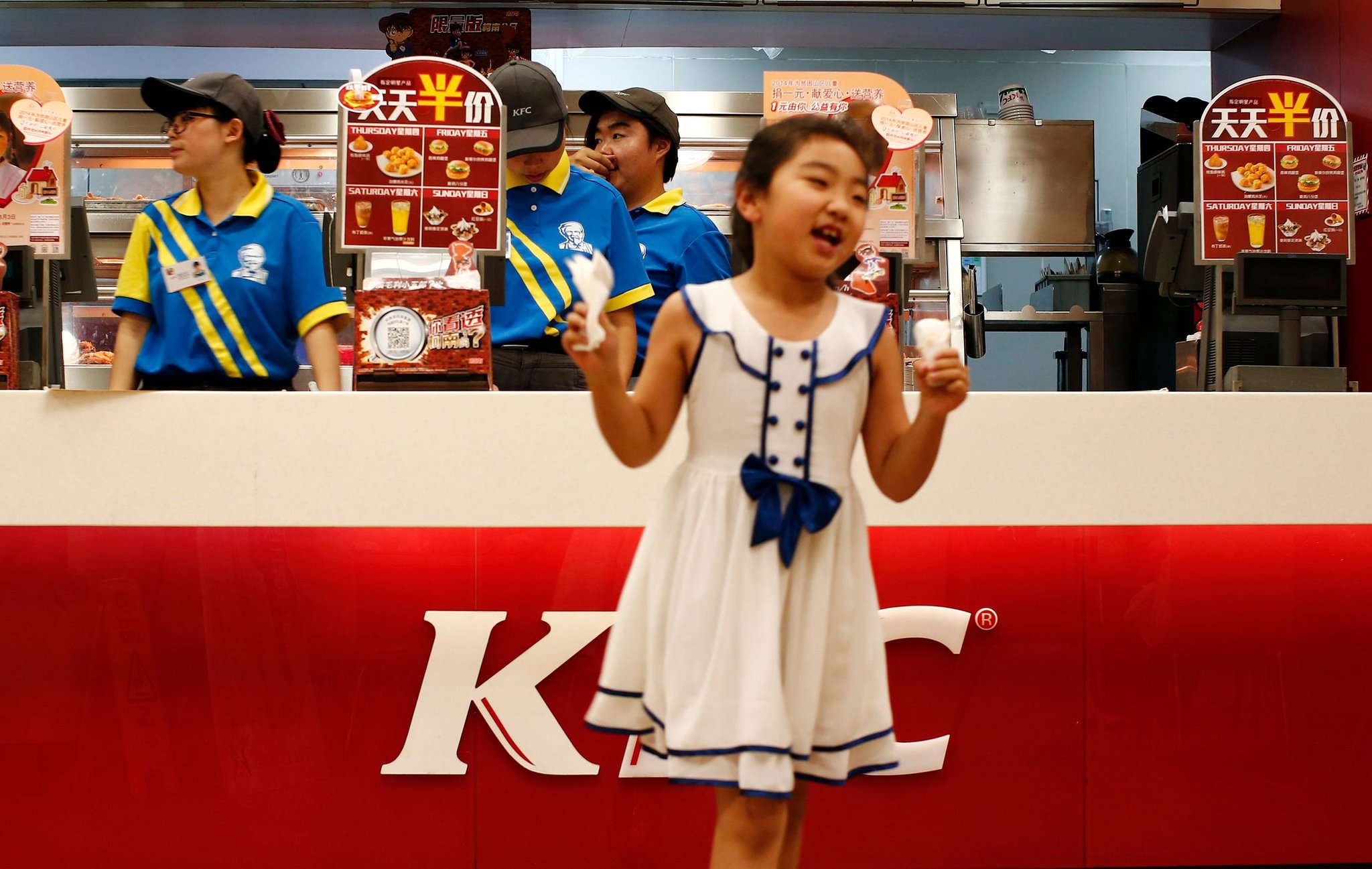
    Yum China, a stalwart in the food and beverage industry, has reported a rise in revenue by 4 per cent year on year for the second quarter ending June 30, 2021, accumulating a total of US$2.8 billion.

    The company’s growth is attributed to the expansion of its network and an uptick in same-store sales, which saw a 2 per cent increase in transactions. The burgeoning network of nearly 17,000 locations across Yum China’s food and beverage brands played a pivotal role in achieving this positive outcome, according to the company’s CEO, Joey Wat.

    During this quarter, Yum China added 336 stores to its portfolio, raising the total to 16,978 locations. This figure includes 12,238 KFC outlets and 3,864 Pizza Hut outlets. It’s noteworthy to mention that franchisees opened 26 per cent, or 89, of these new stores.

    Financial Performance

    Joey Wat also expressed satisfaction with the company’s financial performance, highlighting the achievement of double-digit growth in operating profit and substantial margin expansion. The operating profit rose by 14 per cent year on year to $304 million, the highest ever reported by Yum China for a second quarter. The core operating profit also saw a 14 per cent increase compared to the previous year.

    In a display of fiscal health, the company returned $274 million to its shareholders through share repurchases and dividends.

    Digital Sales and Membership

    A significant contributor to the company’s sales, the digital segment accounted for 94 per cent of total company sales, reaching $2.4 billion for the quarter. The delivery sales, growing at a 22 per cent rate year on year, contributed approximately 45 per cent of the total sales.

    A key aspect of consumer engagement, membership across KFC and Pizza Hut, saw an increase of 13 per cent from the previous year, reaching approximately 560 million. These members accounted for 64 per cent of total system sales for both brands.

    Wat stressed on the importance of digitalization, adding, “We are also fortifying our end-to-end digitalisation to streamline operations and elevate our customer experience.” He expressed confidence in the company’s brands and strategies, stating their potential to deliver sustainable, long-term value for shareholders.

    Questions & Answers

    What contributed to Yum China’s growth in the second quarter?
    Yum China’s growth was driven by network expansion and a rise in same-store sales, which saw a 2 per cent increase in transactions.

    What was the percentage of new stores opened by franchisees?
    Franchisees opened 26 per cent of the new stores during the quarter.

    What was the impact of digital sales on the total company sales?
    Digital sales accounted for 94 per cent of total company sales, reaching $2.4 billion for the quarter.

  • Singapore retail vacancies rise despite steady demand for prime space

    Singapore retail vacancies rise despite steady demand for prime space

    In the first quarter of this year, Singapore experienced a rise in retail vacancy rates, a phenomenon attributed to the healthy demand for prime locations and steady rental growth, as reported by real estate specialists Savills.

    Increased Retail Vacancy Rate

    The retail vacancy rate across the island escalated to 6.8% during the first quarter due to the introduction of 323,000 square feet of new retail space, exhibiting an increase from the previous quarter’s 6.2%.

    Following five quarters of an upward trend in net take-up, the first quarter saw a net demand of -129,000 square feet, a result of a decrease in occupied space across most regions.

    The recent inauguration of Punggol Coast Mall and the refurbishment of The Cathay have further contributed to the rising vacancy rates, owing to the time that these establishments require to be fully occupied.

    Prime Mall Demand and Rental Rates

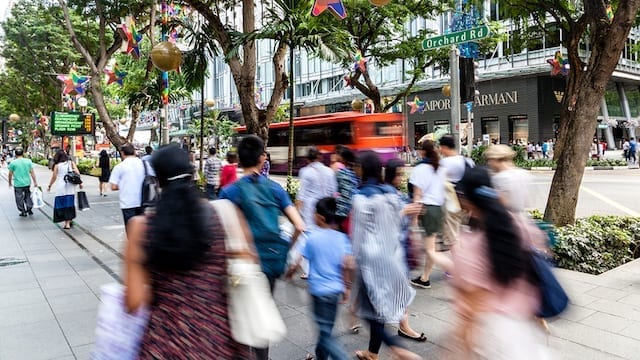
    On the other hand, landlords of prime malls situated along Orchard have reported a robust demand for lease renewals. This trend is particularly noticeable among luxury retailers, a scenario that has empowered landlords to negotiate higher rents due to a limited supply.

    The exiting of current tenants is balanced by the immediate occupation by new retailers entering the Singaporean market. An example of this is the Japanese thrift shop brand 2nd Street, which recently replaced Pomelo at a location in Somerset.

    Rental Pressure and Future Predictions

    The report identified early indications of rental rates coming under pressure in the Central Region, highlighted by a 0.2% quarter-on-quarter decline in the Central Area and a 1.1% decrease in the Fringe Area. The average monthly rent in the Orchard Area and Suburban Area remained static at SG$23.2 (US$18) per sqft and $14.7 per sqft respectively.

    In terms of future supply, the report anticipates a fairly consistent pipeline of about 597,000 square feet of retail space this year, compared to 679,000 square feet last year.

    For the entirety of the year, Savills predicts that rents in Orchard will touch the upper limit of the 1-2% forecast range, while suburban rents will lean toward the lower end of this range.

    According to Savills, the escalating global trade tensions could potentially cast a negative shadow on Singapore’s export-dependent economy, particularly in the latter half of the year. This could adversely affect business recruitment and wage growth, subsequently leading to a slump in retail sales. The report concludes that the retail sector is set to witness more churn this year as underperforming tenants either endure their leases before relocating or terminate their agreements prematurely if they find their business unsustainable.

    Questions & Answers

    What led to the rise in retail vacancy rates in Singapore?
    A surge in new retail space, coupled with the time required for new establishments to be fully occupied, resulted in an increase in retail vacancy rates.

    What trend was observed among landlords of prime malls in Orchard?
    Landlords of prime malls in Orchard observed a strong demand for lease renewals, especially from luxury retailers, enabling them to negotiate higher rental rates owing to limited supply.

    What is the effect of escalating global trade tensions on Singapore’s retail market?
    Escalating global trade tensions can negatively impact Singapore’s export-dependent economy, potentially affecting business hiring and wage growth, and leading to weakened retail sales.

  • NZ dollar Rises

    NZ dollar Rises

    The New Zealand dollar lifted Thursday, trading at 65.39 US cents at 0800 in Wellington from 65.26 at 1700. The trade-weighted index was at 71.88 from 71.91.

    The kiwi was at 51.66 British pence from 51.96, at 58.19 euro cents from 58.32, at 70.63 yen from 70.71, and at 4.5096 Chinese yuan from 4.5064