Tag: Robotics

  • Tesla Audits Chinese Suppliers Ahead of Optimus Robot Launch

    Tesla Audits Chinese Suppliers Ahead of Optimus Robot Launch

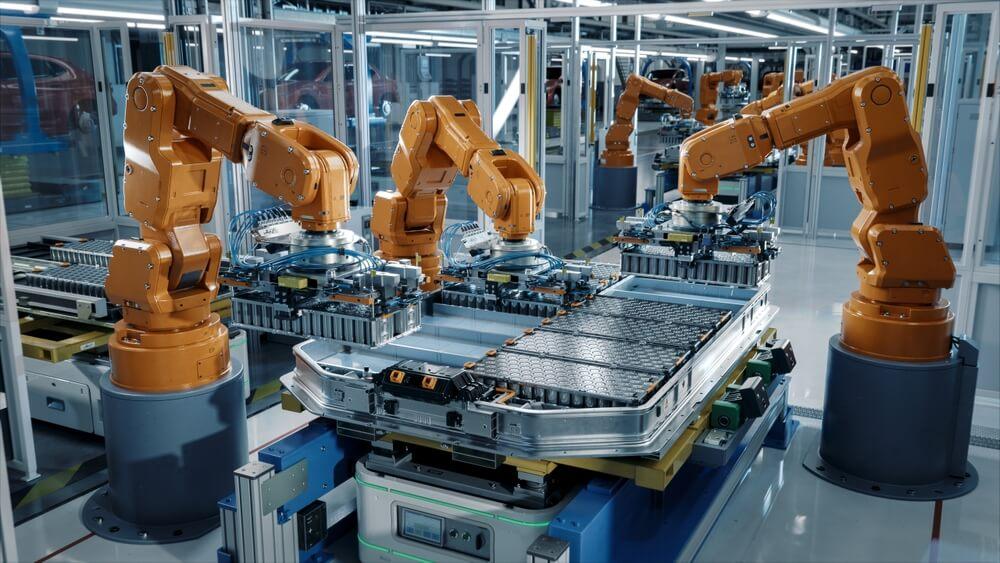
    Tesla officials and engineers have begun auditing Chinese suppliers as Elon Musk’s company prepares to ramp up production of its Optimus humanoid robot ahead of its global release later this year.

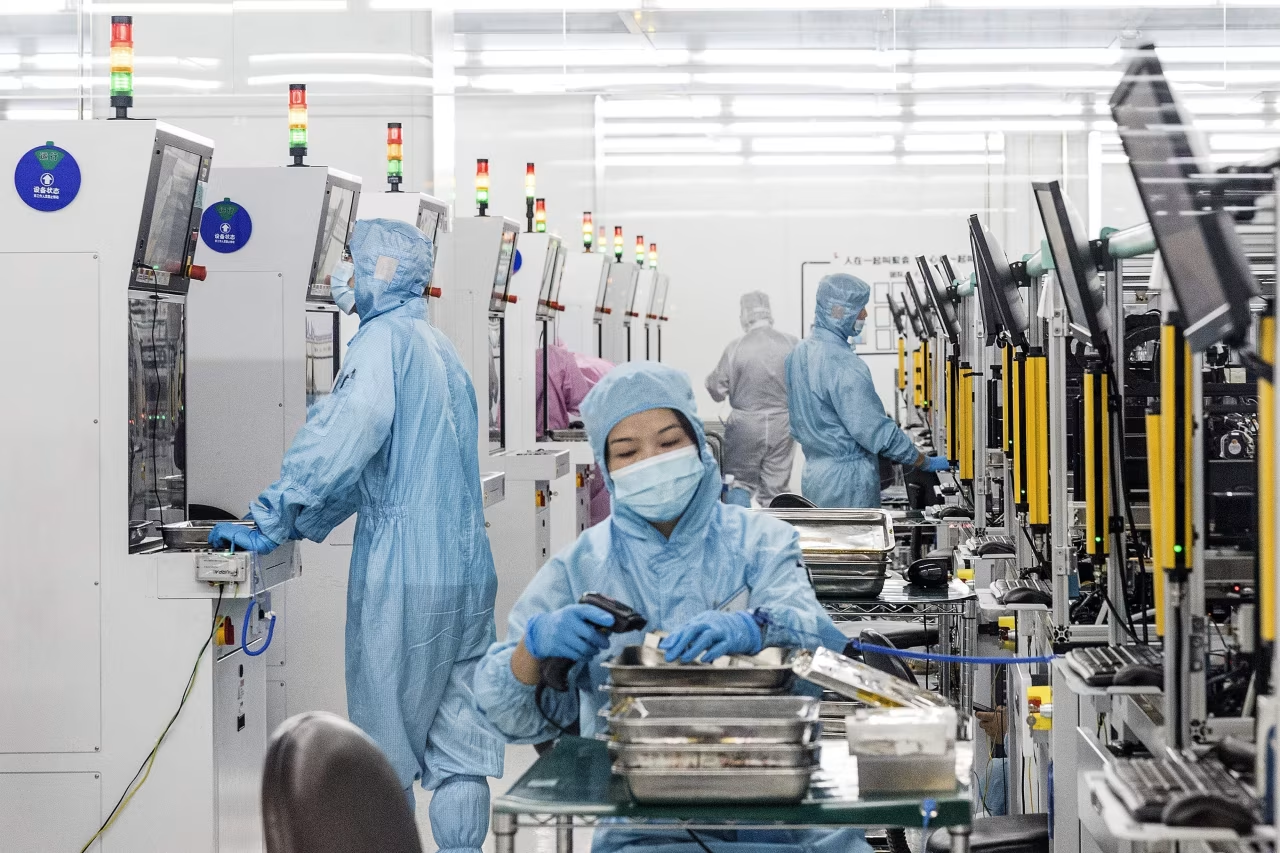
    The audits target component manufacturers based in eastern China’s Zhejiang province, including heat-control maker Zhejiang Sanhua Intelligent Controls, auto parts supplier Ningbo Joyson Electronic, and chassis producer Tuopu Group, two corporate executives told the South China Morning Post.

    Most of the vendors being examined already supply automotive parts for Tesla’s electric vehicles, and the inspections come as the company plans to place additional orders before mass production begins at its plant in Fremont, California.

    Vendors selected for the audit round operate under strict non-disclosure agreements carrying breach penalties worth millions of dollars. The inspections examine whether high-volume auto manufacturing lines can pivot quickly to produce actuators, thermal sensors, and structural frames designed for humanoid robotics.

    Zhejiang Supply Hub

    Concentrating component qualification in Zhejiang exploits an established industrial supply cluster that already builds high-precision electric vehicle parts at scale. Actuator maker Tuopu Group saw its stock rise 2.8 per cent following news of the audits, while Sanhua and Joyson Electronic each advanced more than 1 per cent. Drawing from existing electric car component supply lines allows the manufacturer to bypass years of tooling development.

    Specialised Chinese component makers hold structural pricing power that Western suppliers struggle to match. As Chen Jinzhu, chief executive of Shanghai Mingliang Auto Service consultancy, observed: “They enjoy cost and technological advantages over their domestic and overseas rivals.”

    Factory Reallocation in Fremont

    Sourcing hardware from mainland China reveals how closely the company’s robotics ambitions mirror its early electric vehicle manufacturing strategy. While software development and final assembly remain in California, the physical bill of materials depends on Asian supply chains to achieve viable unit economics. Sourcing mechanical actuators and thermal hardware from Chinese suppliers reduces capital intensity, yet exposes output volumes to cross-border logistics lanes and geopolitical friction.

    For regional manufacturers, robotics supply contracts offer a crucial hedge against tightening margins in the domestic electric vehicle market. Intense price competition among Chinese automakers has squeezed Tier 1 suppliers, driving component producers to seek higher-margin hardware contracts in industrial automation and embodied artificial intelligence.

    Rival Makers Accelerate Schedules

    Chinese electric vehicle brands are moving on parallel tracks to commercialise bipedal machines for retail, logistics, and assembly work. Xpeng secured 900 million dollars in private funding to accelerate development of its Iron humanoid robot, backed by its own vehicle manufacturing network. Domestic competitors operate with direct access to local supply chains, eliminating transpacific shipping delays that affect US assembly lines.

    Tesla began reshaping its production footprint in January by halting assembly of Model S and Model X vehicles in Fremont to convert factory floor space for robotics manufacturing. That retooling followed statements in April from Tesla China president Allan Wang Hao, who confirmed the Shanghai Gigafactory retains the industrial capacity to manufacture complete humanoid robots once global rollout begins.

    Assembly Timelines

    Final component allocations depend on audit sign-offs scheduled across Zhejiang over the coming weeks. Factory engineers in Fremont require validated parts deliveries before the targeted commercial rollout date at the end of the year.
  • Xpeng Expands Foreign Tech Licensing Beyond Volkswagen Deal

    Xpeng Expands Foreign Tech Licensing Beyond Volkswagen Deal

    Xpeng is pitching its vehicle software, computing chips and electronic architecture to foreign automakers. It wants to expand high-margin technology licensing beyond its anchor partnership with Volkswagen.

    Services revenue at the Chinese electric vehicle maker jumped 93.9 per cent to 2.7 billion yuan ($400 million) in the second quarter of 2026. Gross margins reached 75.1 per cent.

    A strategic commercialisation team formed six months ago in Guangzhou to field inquiries from overseas manufacturers, foreign software vendors and tier-one automotive suppliers. The technology catalogue includes electrical and electronic architecture, digital cockpit operating systems, in-house Turing AI semiconductors and Vision-Language-Action (VLA) driver-assistance software. Licensing packages also cover operational systems for robotaxis and physical artificial intelligence deployments.

    The Software Stack Open to Rivals

    Engineers at the firm spent years building vertical integration to counter domestic price cuts. Selling that technology stack outward shifts the company from pure hardware manufacturing into enterprise software. Automakers that sign deals can purchase standalone sub-systems or integrate full platform architectures directly into their own global vehicle lines.

    That push extends past passenger cars. The company plans to license operational systems for robotaxi fleets alongside Iron, its general-purpose humanoid robot platform aimed at industrial and retail automation buyers.

    Margin Divergence Drives Strategic Pivot

    Wholesale vehicle assembly in mainland China faces fierce pricing competition that continues to compress factory returns. In the second quarter, Xpeng’s automotive gross margin fell to 12.1 per cent from 14.3 per cent a year earlier. Total vehicle revenue grew just 1.0 per cent. The company recorded a quarterly net loss of 1.34 billion yuan.

    Licensing intellectual property requires almost zero factory overhead once developed. That revenue cushions sustained research and development budgets. For legacy overseas automakers struggling to build software in-house, buying Chinese electronic architecture cuts years off their electric development cycles.

    Precedent Set by Volkswagen Collaboration

    This commercial model stems from Volkswagen’s July 2023 investment, when the German group paid roughly $700 million for a 4.99 per cent equity stake in Xpeng. That alliance yielded the ID.UNYX 08 electric crossover. The vehicle entered mass assembly in March 2026, exactly 24 months after technical teams began joint integration work.

    Management confirmed in August earnings disclosures that research fees billed to Volkswagen accounted for the bulk of the recent doubling in services income. Volkswagen also committed to becoming the launch customer for the upgraded VLA 2.0 smart driving system across future localized releases.

    Next Steps on Hardware and Overseas Deployments

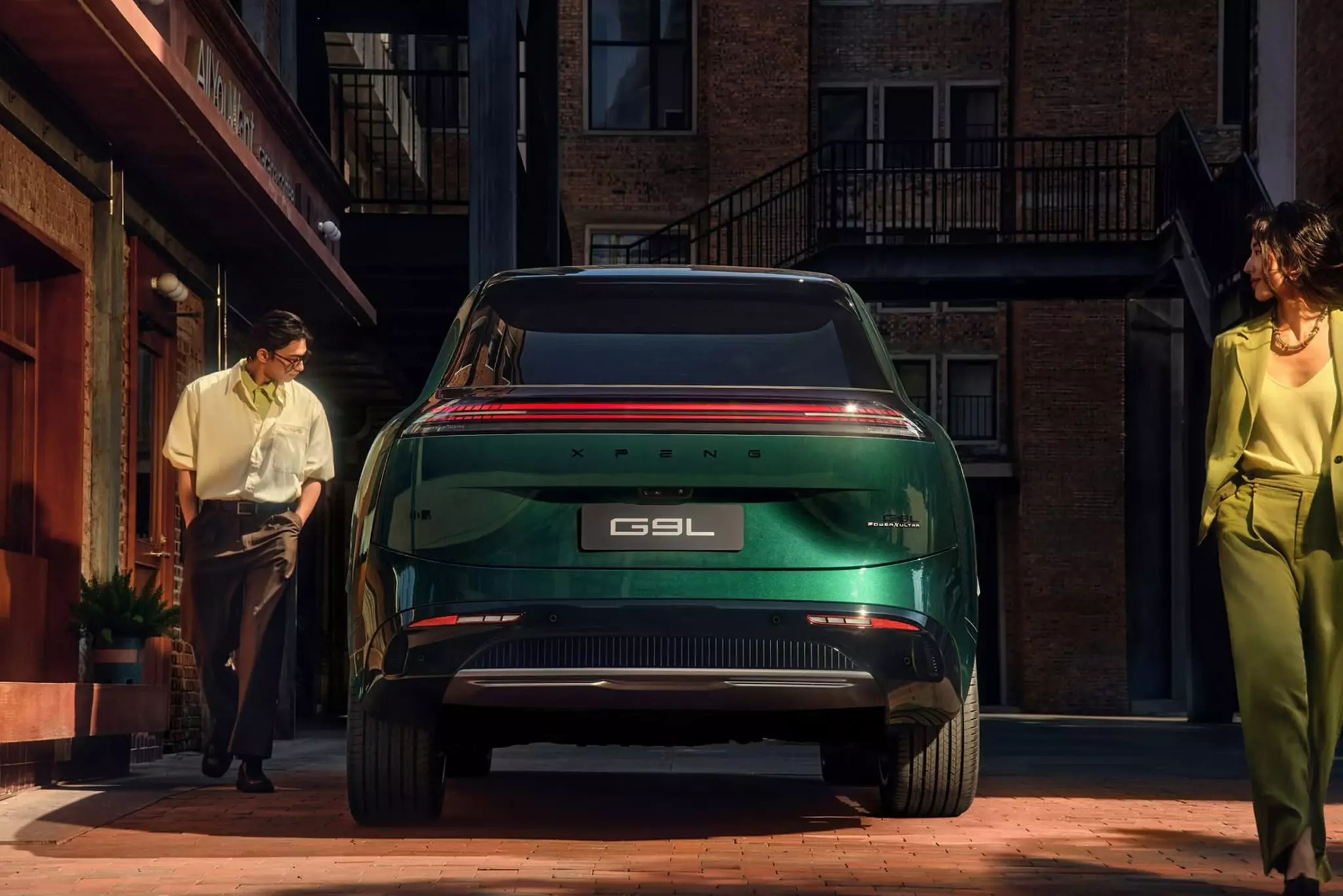
    Xpeng launched its G9L family sport utility vehicle in China at 231,800 yuan ($34,300) with both pure electric and extended-range powertrains. The vehicle makes its international debut at the Paris Motor Show ahead of localized production in Europe.

    Factory tooling for the Iron humanoid robot completes trial runs ahead of volume production in late December. Customer deliveries begin in early 2027.

  • China Accounts for 97% of Global Humanoid Robot Shipments

    China Accounts for 97% of Global Humanoid Robot Shipments

    Chinese manufacturers now account for 97 per cent of global humanoid robot shipments, establishing near-total supply chain dominance over the emerging hardware category.

    The concentration reflects rapid assembly scaling across mainland manufacturing hubs after Beijing designated humanoid robotics an official priority sector in late 2023, even as commercial deployment remains heavily concentrated in domestic test environments and state-backed pilot facilities.

    Where the Hardware Goes

    Domestic electronics assembly plants, automotive factories, and automated fulfillment warehouses absorb the vast majority of current production. Factory operators deploy the bipedal units for repetitive handling, parts transfer, and precision testing tasks where fixed automation arms cannot easily maneuver.

    Hardware pricing runs from 15,000 to 50,000 dollars per unit depending on sensor arrays and dexterity capabilities. Chinese assemblers maintain a structural cost edge through local sourcing of actuators, harmonic reducers, and lithium power packs.

    Western competitors face higher component costs and longer assembly timelines. That gap mirrors earlier hardware buildouts in consumer drones and commercial service bots, where Chinese component density squeezed foreign assemblers out of entry-level price tiers.

    The Deployment Bottleneck

    Supply chain supremacy does not instantly create sustainable commercial demand. Most delivered units operate in controlled trial environments rather than fully automated commercial workflows.

    Retailers, logistics operators, and facility managers hesitate to replace standard wheeled automated guided vehicles with expensive bipedal robots. Wheeled units cost a fraction of the price and execute warehouse transport without balancing risks.

    Earlier Manufacturing Milestones

    Beijing designated humanoid robotics an official priority sector in late 2023, setting targets for mass production and supply chain independence by 2025. That policy push directed subsidies and venture capital into domestic component makers, accelerating prototype development into commercial runs.

    Commercial viability now depends on software reliability and real-world task completion rates rather than shipment volumes. Factory trials scheduled across Chinese automotive plants throughout the final quarter will determine whether large-scale enterprise purchase orders materialize.

  • Hyundai Motor Shelves Boston Dynamics IPO Plans for 2027

    Hyundai Motor Shelves Boston Dynamics IPO Plans for 2027

    Hyundai Motor Group will not list its robotics subsidiary Boston Dynamics in 2027, delaying a public offering while the unit works through heavy financial losses.

    A regulatory filing from Hyundai Glovis shows the robotics developer lost 528.4 billion won in 2025, bringing cumulative losses between 2021 and 2025 to nearly 1.7 trillion won.

    The Seoul-based automotive group bought a controlling stake in the Massachusetts robot builder in 2021. In July, Hyundai agreed to buy out SoftBank’s remaining 10 per cent stake for approximately 500 billion won, or 371.5 million dollars, turning Boston Dynamics into a wholly owned subsidiary. Commercial deployment of the Atlas humanoid robot has not reached factory scale, pushing listing plans beyond the immediate horizon.

    The cost of scaling humanoid hardware

    Industrial automation across Asian supply chains has rewarded specialised logistics machinery, but general-purpose humanoid robots remain expensive to build and unproven on high-speed assembly lines. Hyundai wants Boston Dynamics to supply working units across its vehicle manufacturing network, yet the gap between demonstration prototypes and repetitive factory shifts remains wide. Automakers betting on humanoid labor face steep component costs, software reliability hurdles and long testing cycles before seeing labor cost savings.

    For regional manufacturers and component suppliers, the delay tempers market hype around immediate automated factory turnarounds. Tesla continues to face similar manufacturing bottlenecks with its Optimus project, while Chinese competitors such as UBTech and Unitree focus on lower-cost, narrower task automation. The real contest in manufacturing robotics is not agility in a laboratory, but component longevity on a twenty-four-hour assembly floor.

    “It’s not difficult to make robots dancing, but it’s challenging to make them carry heavy loads and get involved in manufacturing at plants,” said Kim Hyun-su, senior fund manager at IBK Asset Management in Seoul.

    Valuation targets and factory schedules

    Brokerages in Seoul remain split on the financial trajectory of the robotics unit. Samsung Securities puts market valuation estimates between 50 trillion and 100 trillion won, while IBK Securities projects a valuation of 141 trillion won by 2030 based on an estimated 11 trillion won in annual revenue. Meritz Securities analyst Kim Joon-sung estimates that an initial public offering will take until 2029 or 2030 because the company must gather operating data from internal factory floors before pitching systems to third-party commercial clients.

    Investor interest in the technology previously lifted Hyundai Motor shares to record highs following the presentation of the production-ready Atlas robot in Las Vegas in January. The stock has since surrendered a portion of those gains as markets demanded concrete delivery schedules and operating metrics.

    Georgia plant tests set the timeline

    Hyundai plans to build a dedicated facility capable of producing 30,000 robots a year by 2028. The group aims to initiate operational trials of Atlas robots at its electric vehicle manufacturing facility in the US state of Georgia that same year, using those assembly lines to test reliability under commercial factory conditions before rolling units out to wider operations in South Korea.

  • Seven China IPOs Hand Retail Investors over 100,000 Yuan This Year

    Seven China IPOs Hand Retail Investors over 100,000 Yuan This Year

    China’s boom in initial public offerings has handed individual investors first-day trading profits exceeding 100,000 yuan ($14,900) across seven separate stock debuts this year.

    The run represents the most six-figure retail listing windfalls in at least six years. Investors who secured standard 500-share allocations and sold on debut day captured gains equivalent to six months of salary in a single day.

    Robotics and Tech Lead the Surge

    Individual investor Stacy Wei earned about 380,000 yuan after securing an allocation in the listing of Unitree Robotics and selling on debut day, enough to upgrade to her dream car.

    Hardware manufacturers and artificial intelligence supply-chain companies continue to draw the heaviest speculative retail subscriptions across domestic exchanges. Bidders flip shares instantly rather than holding long positions, treating mainland debut pops as liquidity events rather than valuation anchors.

    Shifting Liquidity in Mainland Markets

    Institutional allocators face a different calculation. While retail flippers bank quick cash, fund managers buying secondary tranches absorb the risk of sharp post-debut pullbacks once initial euphoria clears from the order book.

    Sellers who take profits on opening day bypass subsequent price volatility. That trading pattern concentrates quick consumer liquidity in Tier 1 and Tier 2 cities, diverting trading gains directly into private purchases and big-ticket household spending.

    The Trajectory of New Offerings

    Regulators spent recent quarters calibrating the pace of new equity issuance to stabilise broader secondary market indices. That restricted pipeline funnelled intense speculative capital into the select batch of tech and robotics candidates cleared for listing.

    Trading desks now track subscription ratios for the next pipeline of advanced manufacturing and consumer tech filings scheduled for domestic exchange review this autumn.

  • Foreign Tech Investors Pay up to US$15,000 for Access to Chinese Factory Floors

    Foreign Tech Investors Pay up to US$15,000 for Access to Chinese Factory Floors

    Foreign investors and tech executives are paying up to US$15,000 each to tour Chinese manufacturing plants. The visits cover robotics, electric vehicle and artificial intelligence facilities across five industrial hubs.

    Western and regional boardrooms face pressure to see if Chinese automation has pulled ahead of global rivals. These paid delegations offer a direct look at mainland hardware supply chains.

    Programmes span Beijing, Shenzhen, Shanghai, Hangzhou and Hefei. Shanghai-based data research firm Baiguan charges up to US$15,000 for a five-day itinerary. Around half its participants come from Southeast Asia. Tech tour agency Glopen reported a 50 per cent jump in enquiries during 2026, mostly from European and Singaporean clients. It now operates more than 100 single-day corporate visits every month. Tech Buzz China founder Rui Ma has organised 11 delegations since 2019, including an April tour through three cities focusing on robotics.

    The Business Behind Factory Tourism

    State backing has turned industrial site visits into commercial business across the mainland. Beijing has designated more than 140 demonstration sites for industrial tourism. The sector generated US$17.8 billion last year and is projected to reach 300 billion yuan (US$44.6 billion) by 2029.

    Public rates for individual factory visits usually run around US$60, but premium access commands steep markups. Xiaomi’s electric vehicle assembly plant in Beijing has recorded more than 250,000 visitors since March 2024. Entry slots from Xiaomi’s official lottery system have been scalped on secondary platforms for up to 2,000 yuan (US$300), despite company rules barring transfers.

    Institutional investors have quietly joined the circuit. US firms Dimension, Capital Group and Thrive Capital have all sent representatives to inspect mainland production setups. European corporate delegations have also toured sites to study state-backed technology coordination.

    Hardware Dependence and Supply Realities

    Consumer hardware and robotics brands see that physical supply chains remain tethered to southern China. Geopolitical posturing has not changed that reality. Western developers still depend on mainland ecosystems for sensors, battery cells, structural frames and precision actuators. Replicating those supplier clusters outside the Pearl River Delta remains slow and capital intensive.

    Visitors risk mistaking demonstration speed for total commercial dominance. Non-Chinese technology firms still hold most global market share, high-margin software profits and core intellectual property. In sectors like autonomous robotaxis, Chinese domestic deployment continues to move cautiously. Regulators remain concerned about urban transport employment.

    Shenzhen Emerges as the Focal Point

    Years of infrastructure spending transformed Shenzhen from a contract assembly zone into an integrated hardware design centre. The current tour rush builds on that base. Foreign visitor arrivals in Shenzhen jumped 70 per cent last year and rose another 30 per cent in the first quarter. Total entries topped 5 million through August.

    Founders use 10-day visa-free entry policies to test prototypes directly with component suppliers. Local operators have opened communal hacker houses for visiting robotics and AI engineers. Informal network groups coordinate factory access across Shenzhen and Silicon Valley.

    Next up is the Asia-Pacific Economic Cooperation forum in November, which Shenzhen will host. Municipal officials plan to show automated assembly plants and urban drone networks to pitch the city’s hardware infrastructure to visiting regional trade delegations.

  • Chunghwa Telecom and Askey Deploy Mobile 5G for Construction Robots

    Chunghwa Telecom and Askey Deploy Mobile 5G for Construction Robots

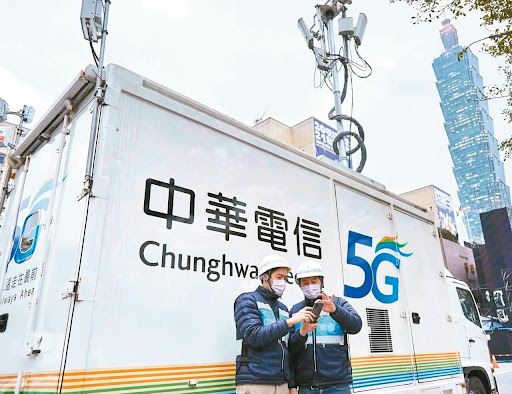
    Chunghwa Telecom and Askey Computer rolled out a portable private 5G platform in Kaohsiung. The network runs autonomous construction robots across local social housing developments.

    Field trials are underway at two municipal residential sites, Shanming Anju and Shuixiu Anju in the city’s Siaogang District. Developed alongside robotics specialist ROSO, the setup pairs Chunghwa’s dedicated 5G spectrum with Askey’s relocatable network hardware. It controls multiple machines simultaneously.

    Mobile infrastructure for hazardous site work

    Standard job sites depend on fixed network wiring that crews build and tear down as phases advance. By contrast, the portable unit moves directly between active zones. It maintains continuous, low-latency links for field machinery without fixed cabling.

    Robots handle high-risk, repetitive tasks including surface grinding and chemical spraying. Moving heavy finishing work to automated systems cuts worker exposure to fine dust, toxic fumes, and physical strain during structural fit-outs.

    Pushing private networks past factory floors

    Taiwan’s Ministry of Economic Affairs funded the initiative through its Industrial Development Administration to expand private 5G beyond manufacturing plants and smart warehouses. Across East Asia, telecom operators face steady pressure to monetize enterprise 5G. They are embedding dedicated networks into heavy industry, infrastructure development, and commercial real estate workflows.

    Project partners will redeploy the portable network gear across additional public housing sites in Kaohsiung as structural phases wrap up in Siaogang.

  • Japan Startup Muse Deploys Retail Robots to New York Grocery Stores

    Japan Startup Muse Deploys Retail Robots to New York Grocery Stores

    Japanese robotics startup Muse rolled out its automated retail helper robots in a New York grocery store to capture US supermarket demand for labor-saving physical artificial intelligence.

    The deployment puts automated shelf-stocking hardware directly into commercial grocery aisles alongside store clerks. Rising operational expenses and stubborn retail worker shortages across North America have accelerated the commercial rollout of Asian service robotics beyond domestic test markets.

    Automating shelf replenishment

    Muse built its physical AI machines to assist staff with the physical strain of routine grocery restocking. The robots navigate sales floors to handle merchandise replenishment tasks, reducing the repetitive lifting required of store associates during standard operating shifts.

    Store operators in the United States face persistent labor turnover in entry-level inventory roles. Deploying autonomous replenishment units allows grocers to maintain shelf availability without increasing headcount during peak restocking hours.

    Exporting Asian physical AI

    Japanese robotics developers are increasingly targeting overseas retail markets where wage pressures create faster paths to commercial adoption than domestic pilot schemes. While Japanese supermarkets have tested automated replenishment in limited urban formats, the scale of floor space in American grocery chains offers substantially larger hardware deployment volumes per client.

    Muse plans to use the New York supermarket deployment as an operational reference site to secure multi-unit rollouts across broader US retail chains.

  • Asia-Pacific Retail Automation Market to Reach $5.07 Billion by 2029

    Asia-Pacific Retail Automation Market to Reach $5.07 Billion by 2029

    Retail automation spending across regional Asia-Pacific markets will reach $5.07 billion by 2029, up from $2.65 billion in 2024.

    The expansion represents a compound annual growth rate of 13.8 percent, outperforming the broader global retail automation sector’s projected 9.9 percent rate over the five-year forecast period.

    Rising wages across developing economies are pressing store operators to replace manual routines with self-checkout kiosks, automated inventory tracking, and warehouse robotics. Worldwide automation revenue is projected to climb from $27.63 billion in 2024 to $44.3 billion by 2029, with Asian markets taking up a growing share of enterprise procurement budgets.

    Warehouses and Non-Food Chains Lead Spending

    Warehouse installations form the largest share of automation deployments in the region, pushed by logistics operators sorting heavier e-commerce parcel flows. Non-food retail stores represent the fastest-growing buyer category as fashion, specialty, and electronics chains adopt electronic shelf labels, autonomous mobile robots, and automated storage systems to defend operating margins.

    Technology vendors competing for contracts include Zebra Technologies, IBM, SAP, Microsoft, and Saison Information Systems, alongside automation hardware groups such as Honeywell, ABB, and Siemens. Cheaper cloud systems and IoT sensors have lowered entry costs, enabling mid-tier chains to buy tools once restricted to massive supermarket operators.

    Shift from Pilot Trials to Fleet Deployments

    Regional merchants previously limited automated checkouts and radio-frequency identification tags to flagship concept locations. Higher store operating expenses have pushed those tests into broad network rollouts across hypermarkets, specialty outlets, and distribution centers.

    Technology vendors are focusing on integrated suites that connect front-of-store optical sensors and automated sortation networks directly to enterprise planning software, targeting retail operators upgrading their infrastructure before 2029.

  • Rakuten Doubles Tokyo Autonomous Delivery Fleet to 10 Robots

    Rakuten Doubles Tokyo Autonomous Delivery Fleet to 10 Robots

    Rakuten Group has expanded its autonomous sidewalk delivery fleet in eastern Tokyo, targeting 24,000 households across the Harumi, Tsukishima, and Kachidoki districts. The Japanese group is doubling its deployment of US-built Avride delivery robots to 10 units after launching the commercial run in November 2024.

    The service connects more than 90 drop-off points to local merchants, including Starbucks, FamilyMart, Yoshinoya, and Supermarket Bunkado. Each cart carries one order per trip inside a 54-liter cargo hold, twice the volume of earlier testing units. They run for up to 12 hours on a 3.5-hour charge, navigating at speeds capped by Japanese law at 6 kilometers per hour.

    Sidewalk Hardware and Route Rules

    Avride builds the hardware with light detection and ranging sensors alongside ultrasonic arrays, allowing navigation at night and in rainfall up to 20 millimeters per hour. Operations pause during heavier storms, snow, or high winds. Japanese transport regulations require off-site human overseers to monitor the machines remotely, though operators do not need to walk alongside them on the pavement.

    Integrating different property access points and door locks remains the main operational hurdle for sidewalk robotics in dense Asian cities. Rakuten uses custom unlocking instructions tailored to individual apartment complexes to let buyers retrieve parcels from the cargo bay.

    Expanding Beyond Food Orders

    Japan’s food delivery sector reached 800 billion yen ($5.41 billion) in 2024, but acute courier shortages and tightening overtime limits on drivers are forcing platform operators to automate ground transport. While automated carts still handle a sliver of Rakuten’s total volume, the group is setting up the software routing engine to support mixed fleets across commercial hubs.

    Rakuten plans to test the 10-robot fleet on business-to-business shipments and prescription pharmaceuticals once domestic retail operations stabilize across the initial three Tokyo neighborhoods.

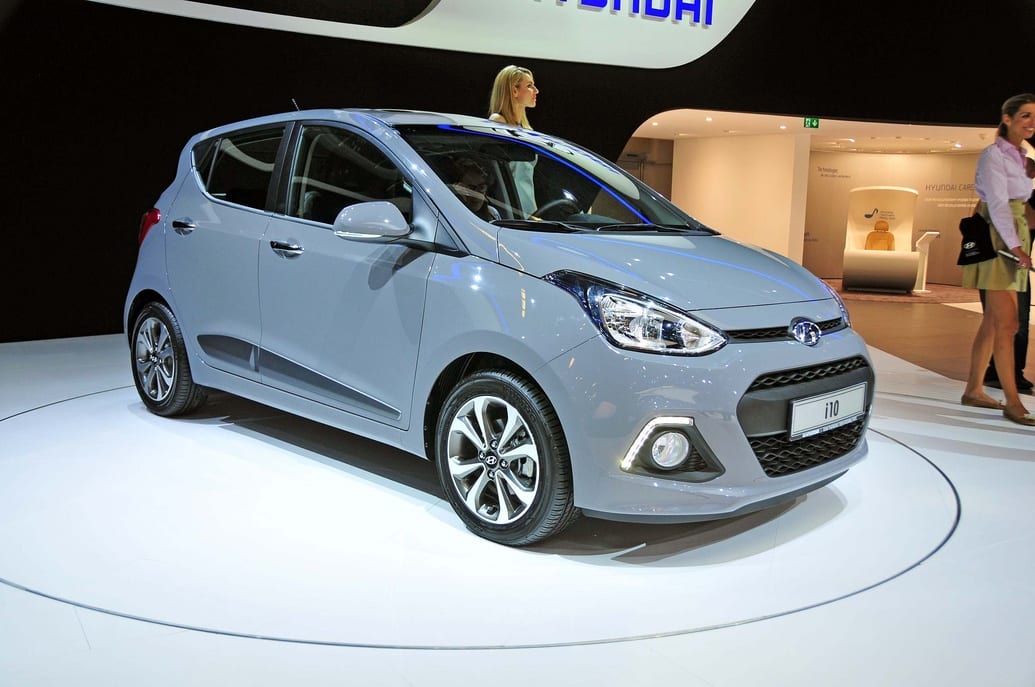
  • Hyundai Targets 9 per Cent Margin and Adds 1.27 Million Units of Capacity

    Hyundai Targets 9 per Cent Margin and Adds 1.27 Million Units of Capacity

    Hyundai Motor will add 1.27 million units of global vehicle production capacity by 2030 as it lifts its operating profit margin target above 9 per cent.

    The South Korean group plans to refresh or introduce more than 100 models over the next four years, directing more than half of those releases to North America. The product roadmap includes the Santa Fe extended-range electric vehicle (EREV), which the company will manufacture at its assembly plant in Alabama, alongside a new luxury hybrid vehicle.

    Management raised the group’s 2030 consolidated operating margin guidance from an earlier band of 8 per cent to 9 per cent. It left its 2026 operating margin forecast unchanged at 6.3 per cent to 7.3 per cent, while reaffirming an annual target of 5.55 million vehicle sales by 2030, representing roughly 6 per cent global market share. Electrified vehicles are projected to make up 60 per cent of those deliveries by the end of the decade, up from 23 per cent in 2025.

    Hybrids and US Production Footprint

    Surging fuel prices tied to geopolitical conflicts have steered American consumers back toward hybrid powertrains. Cox Automotive survey data shows 56 per cent of prospective US car buyers are more inclined to choose a hybrid due to high pump prices, while research group Omdia tracked a 19 per cent rise in overall hybrid sales across the first half of 2026. Hyundai reported its own quarterly hybrid volume surged 71 per cent in the second quarter.

    Trade policy remains a major operational hurdle for the Seoul-based manufacturer. The pending review of the United States-Mexico-Canada Agreement has introduced friction into North American parts logistics, as US trade officials resist automatic treaty extensions in favor of tighter annual oversight across cross-border automotive supply chains.

    Factory Automation and AI Compute

    Beyond vehicle assembly lines, the carmaker is pushing capital into industrial robotics and autonomous driving platforms. Commercial deliveries of IONIQ 5 electric crossovers to Alphabet’s autonomous fleet unit Waymo begin in the fourth quarter of 2026, while driverless passenger operations run by Hyundai’s Motional joint venture start in Las Vegas later this year.

    Robotics manufacturing will begin in the US in 2028 with a planned annual run rate of 30,000 units. The company will deploy Boston Dynamics’ Atlas humanoid robots at its Georgia Metaplant facility in 2028 after completing factory floor simulation testing. Supporting its software-defined vehicle pipeline, Hyundai will also bring a 100-megawatt artificial intelligence data center online in 2029 equipped with more than 50,000 graphics processing units.

    For Asian automotive majors balancing choppy electric vehicle demand, shifting output toward high-margin hybrid platforms and domestic US manufacturing has become the primary playbook to protect operating cash flow.

    Investors reacted cautiously to the capital expenditure plans, sending Hyundai Motor shares down 3.3 per cent in Seoul against a 1.3 per cent gain on the benchmark KOSPI index. The company will cancel 789 billion won ($570 million) worth of treasury shares while maintaining a minimum 35 per cent shareholder payout ratio.

  • China Tests Humanoid Robots for Warehouse and Factory Work in Beijing

    China Tests Humanoid Robots for Warehouse and Factory Work in Beijing

    Chinese robotics developers put humanoid machines through 51 competitive trials in Beijing on Saturday to test their readiness for commercial warehouse and assembly tasks.

    The five-day World Humanoid Robot Games feature 21 scenario-based industrial contests alongside 30 athletic events. More than 40 per cent of the trials require machines to navigate environments without human controllers, according to technology partner Huawei.

    Speed versus dexterity on the floor

    Sprint demonstrations proved the raw power of the hardware. Two robots finished the 100-metre sprint faster than Usain Bolt’s 9.58-second world record, improving on the 20-second winning time recorded in 2025. Another unit ran 400 metres in 39.7 seconds. Stopping remained difficult, with sprinters crashing into protective mats placed behind the finish line.

    Industrial tests evaluate fine motor control rather than pure velocity. Machines must insert delicate cables, load materials, handle restaurant trays, charge electric vehicles and manipulate shifting packages. These setups examine whether computer vision and force feedback can manage minor physical discrepancies such as misaligned wires or dropped items.

    The barrier between trials and commercial deployment

    Supply chain operators across Asia are testing automation to offset rising factory wages and labor shortages, but humanoid units remain largely experimental while rigid industrial arms handle routine floor work. Lumos Robotics Chief Executive Yu Chao said hardware shows matter only if the machines solve real operational problems in final deployment scenarios.

    Autonomous software remains the primary bottleneck for wide commercial adoption. Startups such as Beijing-based Galbot are demonstrating perception systems through autonomous racket sports, while Zeroth is tracking how units handle mechanical errors after sale.

    Competitors will complete the remaining logistics and dexterity trials this week before several participating manufacturers begin scheduled field evaluations in regional assembly hubs later this year.

  • Chinese Robot Makers Unveil 150 Humanoids for Warehouse and Factory Work

    Chinese Robot Makers Unveil 150 Humanoids for Warehouse and Factory Work

    Chinese robotics developers demonstrated humanoid machines sorting logistics parcels and assembling mobile handsets in Beijing this month, pushing to convert promotional technology into commercial factory installations. More than 300 mostly domestic companies participated in the World Robot Conference, presenting over 2,000 exhibits and launching upwards of 150 products.

    The presentations focused on physical industrial utility rather than scripted stage routines. Machines showed off fine motor tasks that included packing consumer electronics and sorting freight for delivery networks, alongside domestic maintenance functions.

    Deployment targets supply chains

    Warehouse operators and electronics manufacturers across East Asia face tightening labor availability and rising wage floors. Humanoid form factors aim to slot directly into facilities designed for human staff, avoiding the expensive structural retooling required by fixed automation systems.

    Retail supply chains in China handle hundreds of millions of parcels daily. Deploying dexterous bipedal and wheeled units into sorting hubs allows logistics operators to scale throughput during promotional peaks without adding headcount.

    Hardware shifts toward commercial scale

    Investor capital across the region has shifted heavily toward general-purpose robotics ventures. Chinese manufacturers rely on dense domestic component supply chains for actuators, sensors and gearboxes to lower unit production costs below Western competitors.

    Commercial viability now hinges on software reliability and battery runtime during continuous multi-hour warehouse shifts. Factory pilots scheduled across domestic consumer electronics assembly plants through the end of the year will test whether unit economics beat dedicated automated guided vehicles.

  • Chinese Startups Show AI and Robotics Advances at Beijing Expos

    Chinese Startups Show AI and Robotics Advances at Beijing Expos

    Chinese artificial intelligence and robotics startups are pushing forward with public offerings, demonstrating advanced ‘robot bodies’ and ‘AI brains’ at recent industry events in Beijing. The World Robot Conference, held last Wednesday, featured various practical applications, including kickboxing robots and machines serving ice cream, as companies seek to boost investor confidence.

    Robotics on Display

    One notable participant was Shenzhen-based AI2 Robotics, which presented its AlphaBot. This robot, powered by the company’s proprietary foundation AI model, showed its ability to serve ice cream to visitors. Such demonstrations highlight the growing practical capabilities of AI in consumer-facing roles and potentially retail automation. The event serves as a platform for these startups to prove their real-world viability and attract further investment ahead of potential initial public offerings.

    The push for public listings reflects a broader trend among Chinese tech firms aiming to capitalize on investor interest in advanced technologies. The retail sector in Asia Pacific, in particular, stands to gain from these innovations, as robotics and AI offer solutions for everything from automated warehousing and last-mile delivery to in-store customer service and personalized marketing. RetailNews Asia has observed increasing adoption of similar technologies across the region, from automated checkout systems in Singapore to robotic warehouse solutions in Japan, indicating a growing readiness among businesses to integrate these advancements.

    The Race for Public Funding

    The urgency to go public underscores the competitive market within China’s robotics and AI industry. Companies are eager to secure capital for further research and development, as well as to scale their operations. The technologies on display, while diverse in application, all point towards a future where intelligent automation plays a more significant role across various industries. This includes potential applications for enhancing efficiency and customer experience within the retail and consumer technology sectors across Asia.

  • Velocity Ventures invests in automated Pizza store

    Velocity Ventures invests in automated Pizza store

    Velocity Ventures, Southeast Asia’s leading venture capital firm focused on helping travel and hospitality solve industry challenges will be the anchor investor for Hyper Food Robotics (Hyper), an Israel-based firm that will debut its first fully autonomous  robotic  pizza kitchens in 2023.

    With Hyper’s autonomous robotic kitchens, it takes 8 mins to cook a pizza for the end-to end process and the kitchen can produce up to 120 pizzas per hour. An unmanned kitchen can operate three times more efficiently as compared to a human-staffed kitchen by reducing overheads for labour and rental costs, and also minimising food waste. The modular units are easy to transport ensuring ease of scalability. Using AI technology, the robotic kitchen is able to ensure consistency in food quality and safety standards.

    Hyper is the brainchild of Udi Shamai, Yariv Reches and Harel Shafran. CEO Udi is a well-known entrepreneur and owner of Pizza Hut Israel with over thirty years of managing fast food restaurants. Faced with rising labour costs and challenges to recruit kitchen crew, Shamai decided to explore how robotics and automation could alleviate the persistent problems of manpower shortage. He decided to bring together a team of experts in the fields of food, robotics, and mechanics to design a fully autonomous store that can increase efficiency and reduce reliance on a human workforce in the food services industry.

    The goal is to design a self-contained total solutions robotic box kitchen for fast food restaurants which will replace an entire restaurant kitchen and automate the entire process from food preparation to cooking and even packing the food for delivery without the need for any kitchen crew to be involved. With modular autonomous kitchens, clients can essentially operate off-premises food services using a “plug and play” boxed kitchen, ensuring ease of scalability while maintaining manufacturing costs are kept economical. Shamai is also committed to ensure that quality assurance and food quality is not compromised.

    Nicholas Cocks, Managing Partner of Velocity Ventures said: “We are excited to be investing in the Future Restaurant Kitchen as we know that restaurants all around the world are facing a manpower crisis. Our strategic roadmap at Velocity Venture is to identify and propel startups that will solve problems faced by businesses in the hospitality and travel industry. Hyper’s robotic kitchen will be tomorrow’s disruptive technology for the food services industry as labour shortage challenges escalate because more people now shun back-of-house operations jobs. Automation and robotics can help companies achieve lower labour costs and improve productivity by taking over repetitive tasks in the kitchen, allowing restaurants to redeploy their employees to other parts of the business that will improve the customer experience.”

    Udi Shamai , CEO and Co-founder of Hyper Food Robotics “Having Velocity Ventures come onboard as our anchor investor is a major milestone for the team at Hyper. We debuted our pilot store in October 2021 in Israel with Pizza Hut introducing a robotic kitchen that can prepare and cook pizzas and side dishes. We envision exciting times ahead as we grow and scale globally with the right partners. We aim to launch Hyper “robotic box kitchens” internationally by next year which will be a gamechanger for any food services operator wanting to deploy a cloud kitchen in which all automated technology and production zones are packed within a self-cleaning shipping-container-like unit.”

    Velocity Ventures is the most proactive investor in the travel and hospitality tech space in Southeast Asia and including Hyper, has seven portfolio companies. The firm also aims to make ten additional investments in the sector by Q4 2023.