Tag: robots

  • SmarTone deploying smart robots at retail stores

    SmarTone deploying smart robots at retail stores

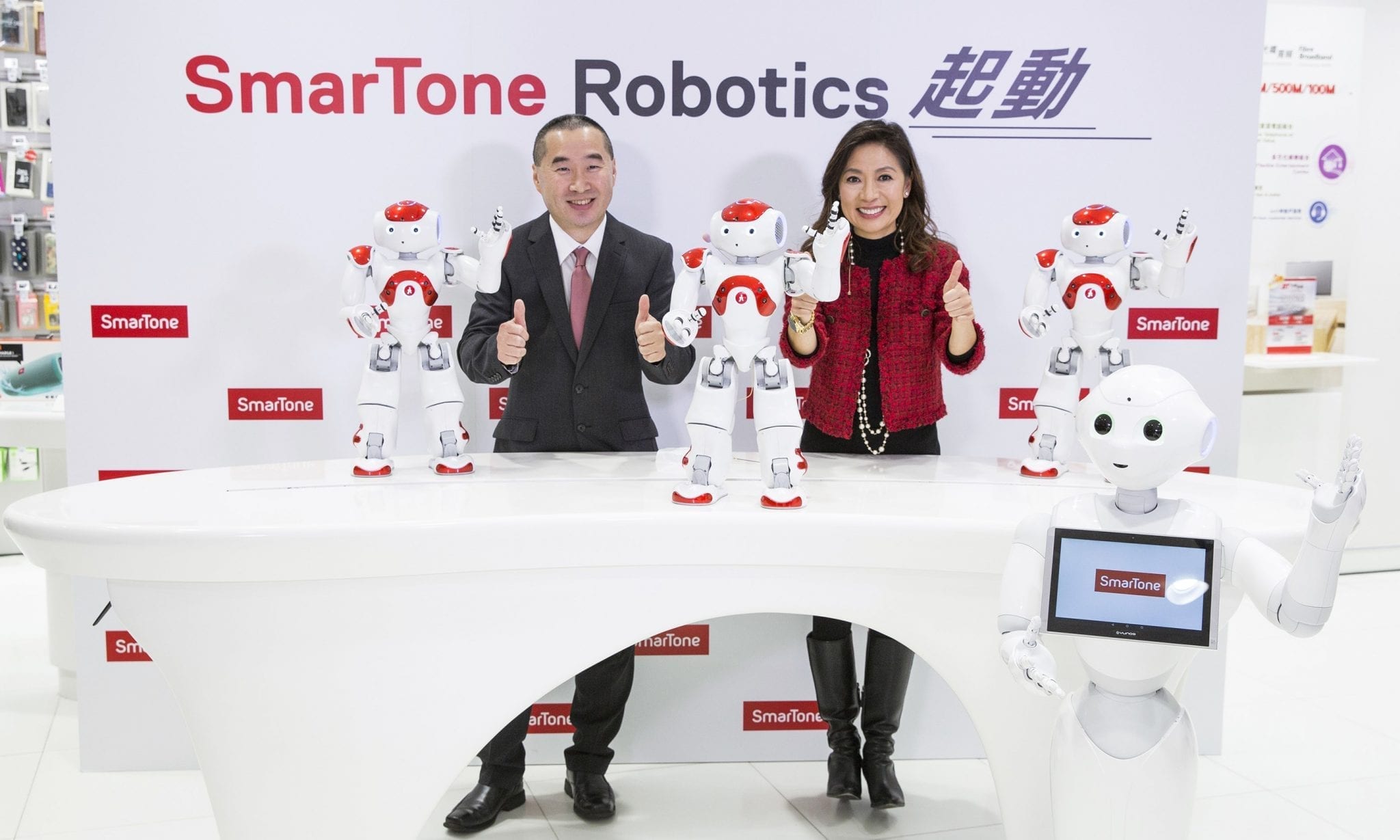
    Hong Kong’s SmarTone is deploying “smart robots” at its psychical retail stores to help enhance the customer experience. The initiative, launched last week on Valentine’s day, involves the leading mobile network operator in Hong Kong deploying the NAO robot at its stores.

    It marks the first time SmarTone is using actual robots for enhancing the customer experience. The idea is to streamline the customer experience while adding fun and improving engagement.

    At the launch ceremony at SmarTone’s apm store, NAO joined local Web-celebrity Lilian Kan to sing, dance and play games with customers while uttering words of love.

    Not to be outdone, Pepper, another smart robot, joined in the festivities as well. It was the first time both robots were pictured together.

    “SmarTone has always been pushing the frontiers of innovation, committed to innovating customer experience in the industry,” SmarTone head of marketing and sales Josephine Lam said.

    “The introduction of NAO will enable a fun and interactive experience, deepening in-store engagement with customers.”

    NAO can perform detailed actions and is multi-lingual. It offered details about the latest service plan offerings while providing recommendations on phone accessories.

    “Robotics is one of the hottest technologies and we know they will have a significant impact on our lives in the future,” SmarTone head of products and services Alex Kun said.

    “We will continue to seek ways to introduce the latest robotics technologies into our business as well as provide opportunities for local enterprises, organizations, and individuals to experience the technology.”

    SmarTone is not just looking to robotics to improve customer services and operational efficiency.

    The company is looking to improve overall robotics appreciation as a territory-wide effort. For example, it will include the introduction robot rental services and the organization of coding workshops to spur interest in robotics among the youth.
  • Foxconn to help Japanese firm sell robots around the world

    Foxconn to help Japanese firm sell robots around the world

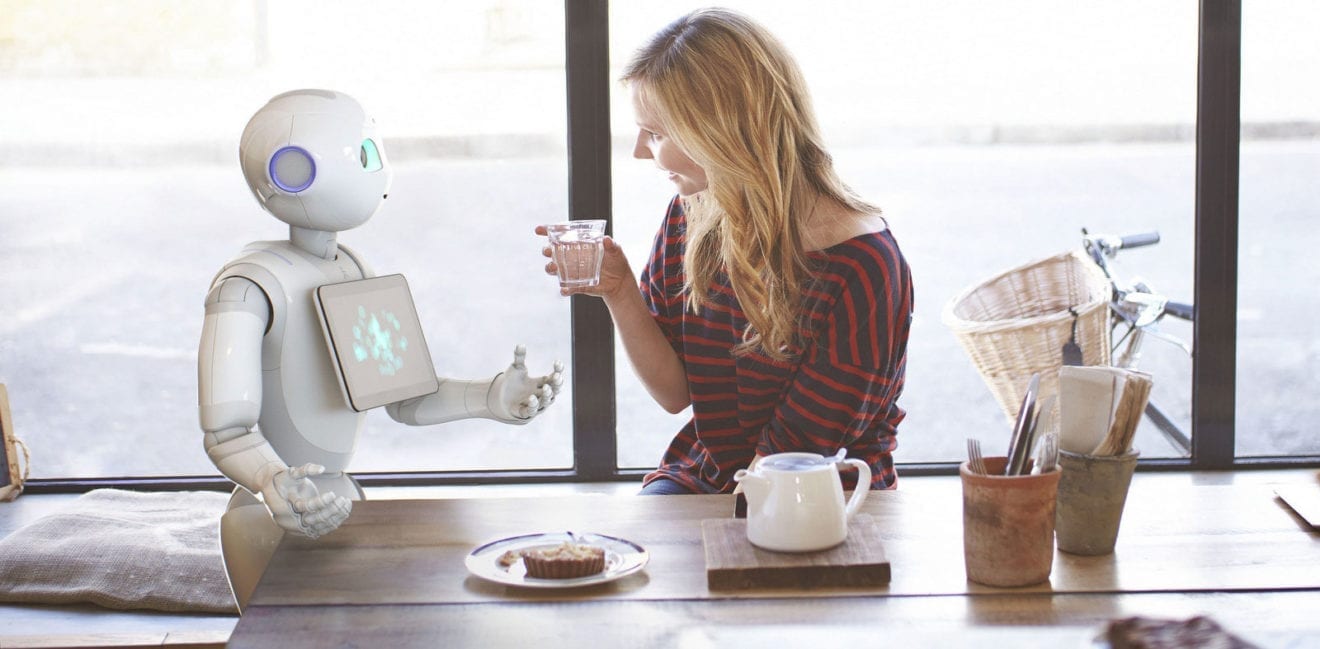
    What guise will robots of the future take? Some see as them as faceless automatons, capable of performing basic tasks for us, whilst the Supermatrix predicts a future where they’ll be actively concious but subdued through a dream within a dream. SoftBank Mobile however believes robots can be our friends before they do our bidding, which is why it launched its Pepper robot in Japan last year and is now partnering with Foxconn and Alibaba to help sell it around the world.

    Pepper doesn’t perform any particularly useful tasks around the house or office, but he can read facial expressions and judge emotions based on language and tone of voice and can react accordingly. If you are sad, he might engage you in conversation or play your favourite song to cheer you up. Over time he learns your emotions and different moods and can compliment or help alleviate them depending on your preferences.

    To date he’s mostly been used as a greeter in Softbank stores, but there are other potential uses such as babysitter, party greeter, serving staff or a companion for the elderly. It’s expected that retailers may be some of the most interested in Pepper, but that there are plenty of other applications for him where end users and other organisations may see him as a good fit for the role.

    Projected costs for the robot are expected to be $1,660 (£,1044) up front, followed by monthly payments of £125 to cover ongoing insurance coverage (should it fall over and break) as well as access to the cloud processing facilities required to make many of Pepper’s more complicated analysis and decisions.

  • Vietnam’s low-skilled labor force threatened by robots

    Vietnam’s low-skilled labor force threatened by robots

    86 percent of garment workers could lose their jobs in the coming decades, according to the International Labor Organization. Vietnam’s workforce is made up largely of untrained and low-skilled workers who are at high risk of being replaced by automation and robots in the near future, labor experts said at a conference in Hanoi on Tuesday.

    Dao Hong Lan, vice minister of labor, said Vietnam currently has 54.36 million workers but nearly 80 percent of them have not received any training or degrees for their jobs.

    The country’s labor force is expected to grow to 62 million in 2025, posing a very difficult task for the country to create more than 700,000 thousand jobs every year.

    “Globalization and technological revolution are posing increasingly greater challenges for Vietnam’s economy,” Lan said.

    Skill enhancement must be a priority to secure Vietnam’s labor market ahead of the time when low-cost labor will no longer be competitive, officials said at the National Policy Dialogue on Future of Work held by the labor ministry and the International Labor Organization (ILO).

    David Lamotte, ILO deputy director for Asia and the Pacific, said: “It will certainly shift in the coming years as technology costs decline while labor costs increase.”

    A recent ILO study found that workers in Vietnam’s two major and growing production sectors – garments and electronics – are at risk.

    In the garments sector, 86 percent of workers face increased automation, while about 75 percent of workers in the electronics sector could be replaced by robots in the coming decades, it found.

    The sectors provide the country’s key exports and account for around 40 percent of the nation’s manufacturing jobs, but productivity and the application of technology in the workplace are much lower than in other Southeast Asian countries.

    Productivity in Vietnam’s garments sector, for example, is only 20 percent of Thailand’s and nearly the same as Cambodia.

    Garment production in Vietnam currently relies on a large number of workers rather than highly-skilled employees while the electronics sector targets low-value production and low-skilled assembly work, according to the ILO.

    The ILO said young people in Vietnam should pursue courses in science, technology, engineering and mathematics to meet employment demands in the age of technology.

    “This is important, particularly among girls and young women who are more susceptible to job loss than men, when automation becomes more popular in manufacturing industries,” said Lamotte.

    A recent survey by the Institute of Labor Sciences and Social Affairs at the ministry also named creativity, foreign languages, teamwork and problem solving as the core competencies needed to survive the modern workplace.

    Both the ILO and the institute called for better connections between Vietnam’s policymakers, employers and training institutions to adapt to the changing workplace and technological innovations.

    The current link between businesses and training institutes mainly comes in the form of internships while their cooperation remains weak when it comes to training and planning for skilled workers.

  • Here come ‘smart stores’ with robots

    Here come ‘smart stores’ with robots

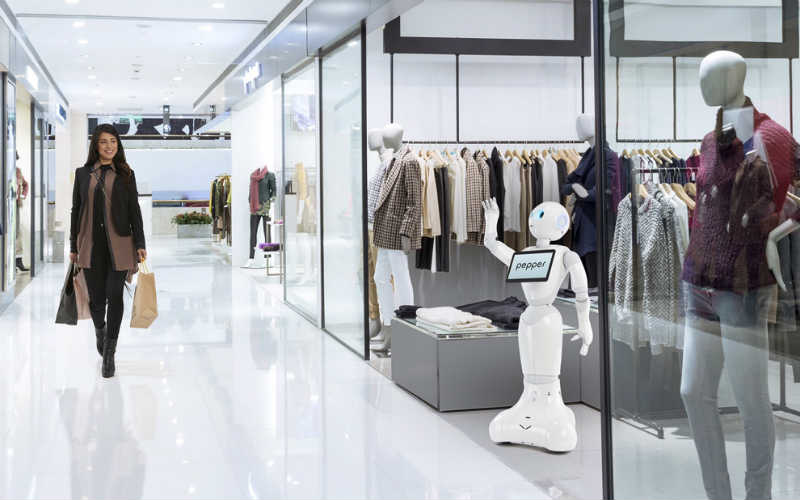
    Tomorrow’s retail stores want to take a page from their online rivals by embracing advanced technology — everything from helpful robots to interactive mirrors to shelves embedded with sensors.

    The goal: Use these real-world store features to lure shoppers back from the internet, and maybe even nudge them to spend more in the process.

    Amazon’s new experimental grocery store in Seattle, opening in early 2017, will let shoppers buy goods without needing to stop at a checkout line. Sensors track items as shoppers put them into baskets or return them to the shelf. The shopper’s Amazon account gets automatically charged.

    “Amazon, for good or bad, has been setting the path,” said Robert Hetu, research director at Gartner Research. “Each retailer is going to have to respond in some way. But it’s not one-size-fits-all.”

    Kroger, Neiman Marcus and Lowe’s are among the companies already experimenting with futuristic retail stores. Robots, for instance, could help guide shoppers to the right aisle, while augmented reality apps could help you see how a particular shade of paint will look in the living room — or how you might look in a pair of jeans. Many of these technologies will be unveiled or demonstrated at the CES gadget show in Las Vegas, which begins Tuesday with media previews.

    Plenty of retailers have learned through trial — and error — that technology can’t get too far ahead of shoppers. It has to be easy to use and beneficial to shoppers in some way, whether it’s to save time or money. If retailers get it right, they might succeed in boosting spending at retail stores at a time when consumers increasingly prefer to shop online.