Tag: rolex

  • Hong Kong’s Counterfeit Crackdown Seizes $5.6M in Fake Rolex, Hermès, and Louis Vuitton Merchandise

    Hong Kong’s Counterfeit Crackdown Seizes $5.6M in Fake Rolex, Hermès, and Louis Vuitton Merchandise

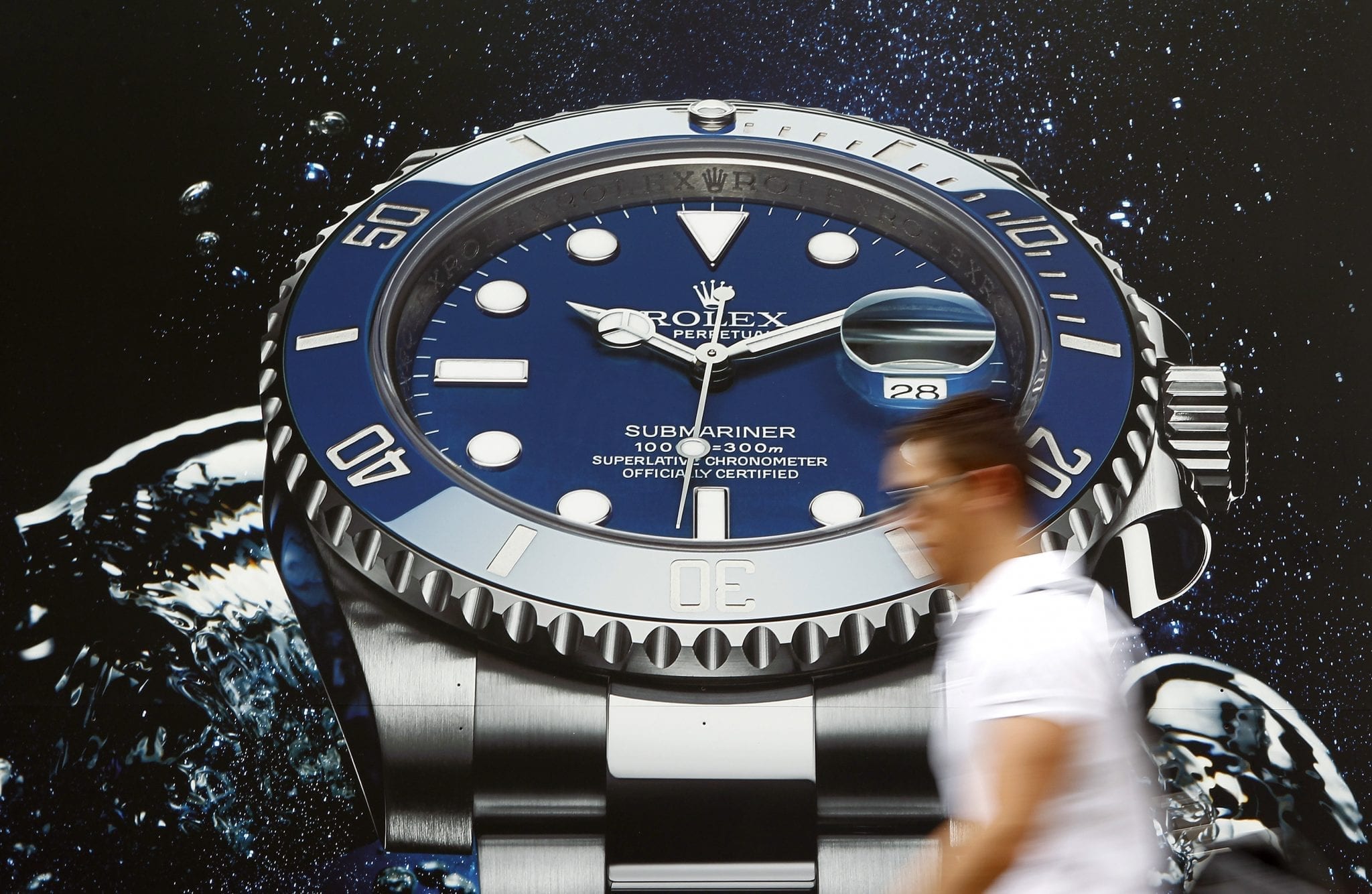
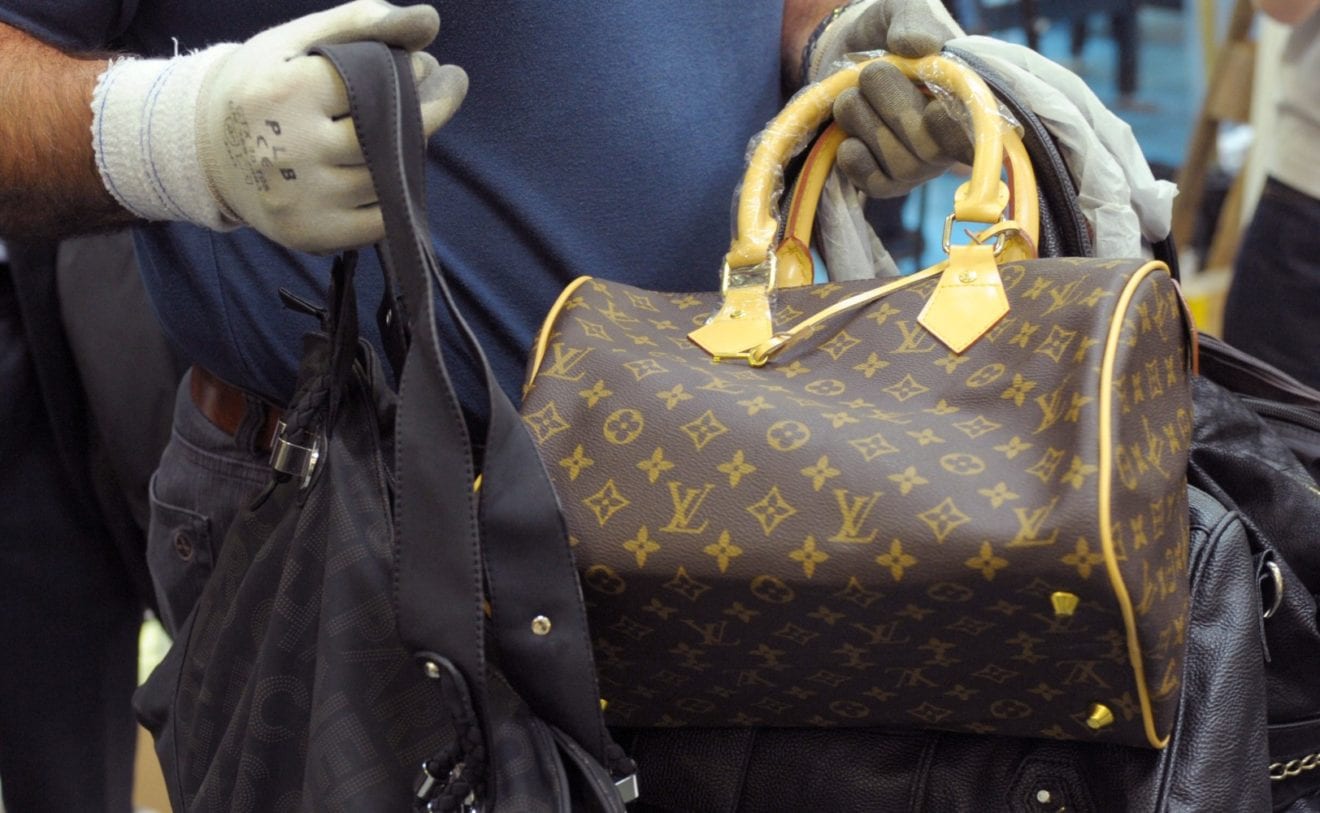
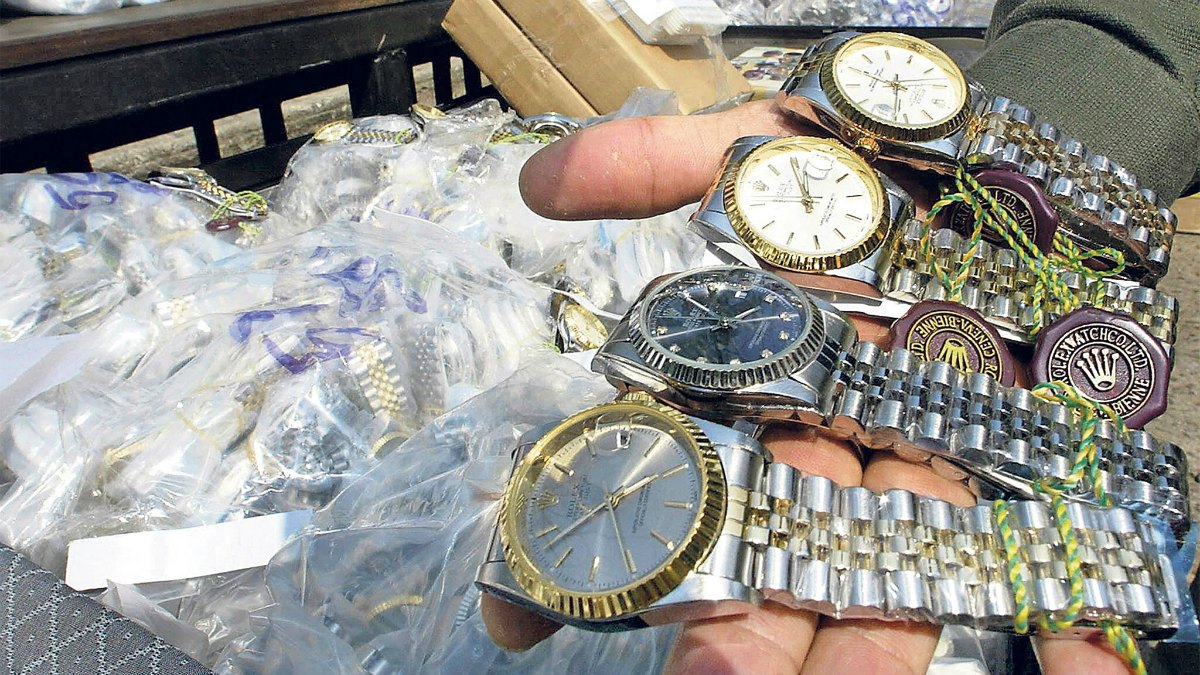
    In a remarkable crackdown, Hong Kong authorities recently seized 67,000 counterfeit items, valued at HK$44 million (approximately US$5.6 million), including luxury brands such as Hermes, Louis Vuitton, and Rolex.

    The confiscated goods ranged from handbags and shoes to watches, with notable brands like Chanel, Gucci, and Patek Philippe also making the list, as reported by the South China Morning Post. The Hong Kong Customs and Excise Department revealed the details of the operation on Thursday.

    The operation, conducted between July 18 and 31, was a coordinated effort with authorities in mainland China and Macao aimed at addressing the growing issue of cross-boundary counterfeit trafficking. This initiative specifically targeted smuggling networks responsible for moving fake products not just within Asia but also towards markets in the U.S. and Europe.

    In Hong Kong, the penalties for importing or exporting goods with forged trademarks are severe. Offending parties can face up to five years in prison and fines reaching HK$500,000. It’s a stark reminder that the city is serious about maintaining its reputation as a hub of authenticity.

    This operation aligns with China’s larger strategy to combat counterfeiting. In related news, authorities seized over 40,000 fake items last month, including products featuring “Labubu,” a beloved character from toymaker Pop Mart. Such efforts underscore a significant shift in China’s approach to intellectual property protection at its borders, as articulated by Zhang Yi, CEO of iiMedia Research Institute.

    Questions & Answers

    What types of counterfeit items were seized in Hong Kong’s recent operation?
    The seized items included luxury handbags, shoes, watches, and goods from brands such as Hermes, Louis Vuitton, Chanel, Gucci, and Patek Philippe.

    How did the operation address cross-border counterfeit trafficking?
    The operation, which spanned Hong Kong, mainland China, and Macao, targeted smuggling networks moving counterfeit goods to various global markets, including the U.S. and Europe.

    What are the legal consequences of importing or exporting counterfeit goods in Hong Kong?
    Violators in Hong Kong face severe penalties, including potential imprisonment for up to five years and fines up to HK$500,000.
  • Border Authorities Seize 450 Counterfeit Rolex Watches Smuggled from China

    Border Authorities Seize 450 Counterfeit Rolex Watches Smuggled from China

    A customs department anti-smuggling task force seized 450 fake Rolex watches during an inspection Tuesday at Tra Linh in Cao Bang Province on the Chinese border.

    In an impressive show of vigilance, customs officials intercepted the counterfeit luxury watches packed in a container that claimed to hold 24 tons of various consumer goods.

    .Alongside the counterfeit Rolexes, officers discovered a trove of undeclared merchandise including cosmetics, lighters, power banks, bras, and car lights, each packaged more mysteriously than a magician’s best trick.

    The business behind the shipping was unable to furnish any documentation proving legal ownership of the watches, further raising suspicions. A representative from Rolex estimated that if these watches had been real, their value would have soared to approximately VND45 billion (US$1.7 million). The investigation is ongoing, hinting at a deeper web of intrigue.

    This seizure marks a notable uptick in smuggling incidents at the border, with officials reporting five similar cases within the first half of June. Among the contraband were over 5,700 counterfeit clothing items, bags, and athletic shoes donning well-known names like Tommy Hilfiger, Celine, Nike, Louis Vuitton, Lacoste, Adidas, and New Balance, according to Tuoi Tre newspaper.

    Authorities also came across numerous undeclared goods falsely labeled as made in Vietnam, showing a clear pattern of misrepresentation.

    As part of a wider crackdown over the past month, market authorities nationwide have intensified their efforts against smuggling, commercial fraud, and counterfeit goods. Since May 15, they have uncovered over 3,100 violations, imposing fines totaling more than VND32 billion. Notably, violations of intellectual property rights accounted for around 52% of these cases, leading to fines of VND16 billion, while smuggling accounted for 648 cases and over VND6 billion in fines.

    With the battle against fake goods heating up, one wonders if the next luxury watch in your collection might just be a “watch out!” moment.

    Questions & Answers

    What was seized at the border this week?
    450 counterfeit Rolex watches were intercepted during a customs inspection.

    What other goods were found with the counterfeit watches?
    Numerous undeclared items were discovered, including cosmetics, lighters, power banks, bras, and car lights.

    How have authorities responded to smuggling and counterfeit goods recently?
    Authorities nationwide have ramped up efforts against smuggling and fake goods, uncovering over 3,100 cases of violations and imposing fines exceeding VND32 billion since mid-May.

  • Feeling Out of Place: My Experience Wearing a $230 Replica Rolex to a Wedding

    Feeling Out of Place: My Experience Wearing a $230 Replica Rolex to a Wedding

    A few years ago, I made the mistake of purchasing a fake Rolex for VND6 million (US$230) online, which led to a rather embarrassing predicament.

    The seller touted it as a first-rate “authentic” replica, claiming it looked so convincing that no one would suspect it wasn’t the real deal. Back then, I was young and impressionable, and I thought wearing a flashy watch would elevate my status and boost my confidence. In reality, I simply liked the design, but the thought of splurging on a genuine model was daunting. It was a paradox—trying to save money while blowing VND6 million on a counterfeit—but my impulsive side prevailed.

    The true test of my purchase came during a wedding where I was accompanying my girlfriend. In a moment of casual conversation, an older gentleman asked for the time. I glanced at my wrist only to discover that the watch hands had fallen off. Mortified, I had to produce my phone to check the time instead. It was a cringeworthy moment—I wished I could vanish right there.

    The lesson was clear: the fake watch did nothing to enhance my image or self-assurance. My attempt to project sophistication was as phony as the watch itself.

    Many people find themselves in this dilemma, desiring luxury without the budget to back it up. They turn to knockoff watches, handbags, shoes, and sunglasses—often influenced by what they see others doing or lured by how good these replicas appear for the price. However, once a fake is recognized, the embarrassment can be crushing.

    Today, I’ve learned my lesson. If I’m in the market for a watch but can’t splurge on something lavish, I opt for a lesser-known, authentic brand. People’s choices often reflect their realities. Wearing something that doesn’t align with one’s circumstances tends to be noticeable, sometimes without uttering a single word.

    Questions & Answers

    What led the author to buy the fake Rolex?
    The author, wanting to enhance his social status and confidence, was drawn to the flashy design of the fake Rolex, despite not being able to afford the real thing.

    What happened at the wedding?
    During a wedding, when asked for the time, the author discovered the watch hands had fallen off, forcing him to check his phone instead, which caused him great embarrassment.

    What is the author’s current perspective on buying watches?
    Now, the author prefers to buy authentic timepieces from lesser-known brands rather than opting for fakes, recognizing that authenticity aligns better with one’s circumstances.

  • Dickson Concepts sees profit slide amid lower sales and higher costs

    Dickson Concepts sees profit slide amid lower sales and higher costs

    Dickson Concepts, a luxury retail company listed in Hong Kong, reported a significant decrease in annual profit for the year ending in March. The luxury goods retailer, operating across Hong Kong, Mainland China, and Taiwan, experienced a 43.5% drop in annual profit, which amounted to US$25.4 million (HK$198 million). This was accompanied by a 19.9% decline in revenue, which stood at $246.2 million.

    Reason for Decrease in Profits

    Dickson Concepts attributes this decrease in profitability to a combination of reduced sales turnover in Hong Kong and continued low consumer spending in Taiwan. The company, in its statement, indicated that the rapidly evolving retail landscape and changing consumer spending habits make it difficult for the group to revert to its historic growth rate in terms of sales and profitability.

    Profit and Revenue Figures

    Dickson Concepts’ gross profit fell by 11.7% year on year, amounting to $124.2 million. The operating profit also experienced a significant decrease, dropping by 36.4% to $34.4 million. Hong Kong, which accounts for 63% of the group’s total sales and is its largest market, saw a 29% slump in turnover. Meanwhile, Taiwan’s sales decreased by a slight 0.4%, a sharp contrast to the 10.5% increase experienced the previous year.

    Positive Growth in China

    In contrast to the overall decrease in profitability, the company’s retail and e-commerce businesses in China saw a 9.2% increase in sales in local currency. This growth was driven by Dickson’s strategy to consolidate its wholesale network while simultaneously expanding its retail operations.

    Segment-wise Contribution

    In terms of product categories, watches and jewellery remained the largest contributors to sales, accounting for 49.9% of total sales. This was followed by fashion and accessories at 26.1%, and cosmetics and beauty products, which contributed 18%.

    Future Plans

    Going forward, Dickson Concepts plans to continue its conservative approach in managing its retail network and investment portfolio. The company is committed to maintaining a rigorous cost control across all levels of operation. It also remains dedicated to maintaining its presence in key markets, with five stores in Hong Kong, 32 in China, and 26 in Taiwan.

    Questions & Answers

    What factors contributed to the decrease in Dickson Concepts’ annual profit?
    The decrease in annual profit was due to reduced sales turnover in Hong Kong and continued low consumer spending in Taiwan.

    What strategy led to the increase in sales in Dickson Concepts’ retail and e-commerce businesses in China?
    The growth in China was driven by the company’s strategy to consolidate its wholesale network while expanding its retail operations.

    What measures is Dickson Concepts taking to manage its future operations?
    Dickson Concepts plans to remain conservative in managing its retail network and investment portfolio, and will maintain rigorous cost control at all operational levels.

  • Massive Haul of Counterfeit Rolex and Gucci Items Seized at Saigon Square Mall

    Massive Haul of Counterfeit Rolex and Gucci Items Seized at Saigon Square Mall

    Market authorities uncovered a trove of counterfeit luxury goods at Saigon Square, a bustling mall in Ho Chi Minh City, during a surprise raid on May 29, 2025. Inspectors targeted a diverse range of items, including clothing, bags, watches, glasses, and suitcases, as they sought to protect both consumers and brand integrity.

    Swift Observations and Quick Reactions

    As six inspection teams moved in on this vibrant marketplace, many kiosk owners attempted to close their stalls in a hurried bid to escape the watchful eyes of the authorities. To complicate matters further, mall management broadcasted the details of the raid over the public address system, hampering the inspectors’ efforts to conduct a thorough investigation. Undeterred, the teams discovered a wide array of products featuring luxury brand names at prices that seemed too good to be true compared to official retail outlets.

    Seizing Counterfeit Goods

    With an earnest commitment to safeguarding consumers and upholding the reputation of registered brands in Vietnam, the inspectors confiscated all goods believed to be counterfeit. This operation underscores the continuous battle against imitation products in a market that has been described as both a “shopping paradise” and a hotspot for potential fraud.

    Saigon Square, established in 2000, has become a vibrant blend of local and tourist culture, offering an extensive variety of merchandise. However, the recent discoveries serve as a reminder that luxury doesn’t always come with a legitimate price tag—and shopping with caution is more important than ever.

    In an unexpected twist, consumers might find themselves questioning whether that “Rolex” is truly ticking an authentic beat after all!

    Questions & Answers

    What luxury brands were affected by the recent raid at Saigon Square?
    Authorities confiscated apparent knockoffs of Rolex, Gucci, Chanel, and other high-end brands during the inspection.

    Why were kiosk owners closing their shops during the raid?
    Many kiosk owners shut down their stalls upon seeing the inspectors approach, likely to avoid having their goods examined.

    What is Saigon Square known for?
    Established in 2000, Saigon Square is a popular shopping destination for both locals and tourists, known for its diverse merchandise and vibrant atmosphere.

  • Discover Affordable Rolex Daytona: Elevating Your Luxury Watch Collection

    Discover Affordable Rolex Daytona: Elevating Your Luxury Watch Collection

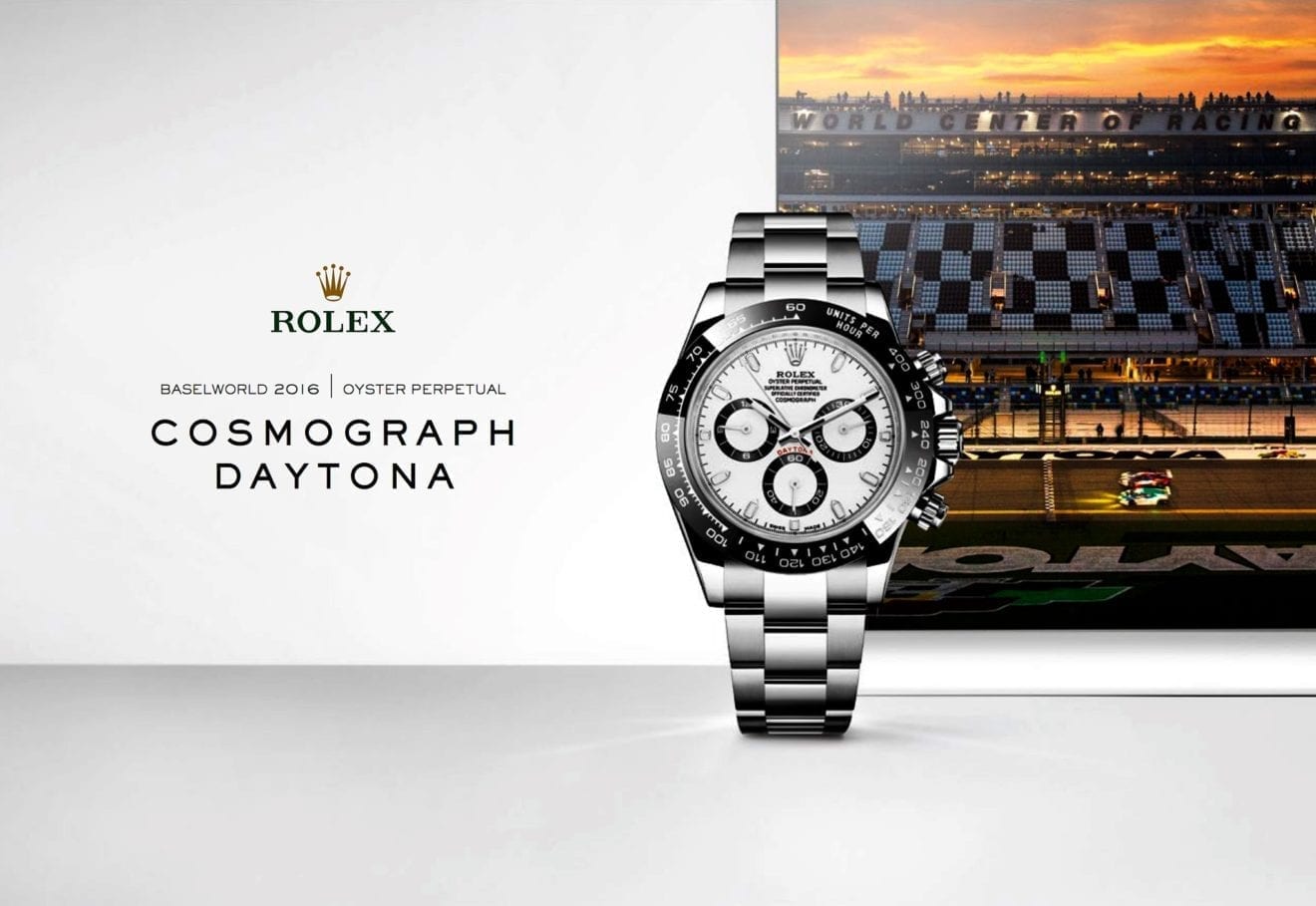
    In the ever-evolving landscape of luxury watches, price discrepancies and investment opportunities abound, especially within the celebrated Rolex Daytona line. While models like the 126500LN and the now-discontinued 116500LN steal the spotlight, savvy collectors are beginning to recognize the exceptional value offered by lesser-known Daytona references.

    A Shift in Market Dynamics

    Notable Price Increases

    The allure of the Rolex Daytona is undeniable, with sales figures reflecting its prestige. The 116500LN, launched in 2016 at a list price of 11,800 francs, saw its valuation soar to 14,100 francs by the time it was retired in early 2023. Meanwhile, its successor, the 126500LN, currently retails at 14,800 francs, underscoring the model’s continued desirability.

    The secondary market has experienced an astonishing transformation, particularly for the 116500LN. In 2018, prices hovered around 16,000 francs, but by 2022, they had reached record highs of over 45,000 francs, only to stabilize as demand dynamics shifted.

    The Neo-Vintage Appeal

    In the world of luxury watches, true value often lies in the “sweet spot” between modern and classic styles. Although prices for the latest Daytona models remain elevated, many collectors are drawn to the “neo-vintage” segment, which ingeniously melds contemporary craftsmanship with vintage aesthetics. These selections, like references 16520 and 116520, provide a unique blend of wearability and style without the worry of historical wear and tear.

    Spotlight on Key Models: Recommendations for Collectors

    16520 – The Zenith Daytona

    First launched in 1988, reference 16520 marked a significant evolution for the Daytona series as it became the first automatic model, powered by a modified Zenith movement. Commanding attention for its blend of practicality and aesthetics, this reference is often referred to as the “Zenith Daytona.” Unavailable since 1999, pre-owned models can now be acquired for around 20,000 francs, making it a valuable opportunity for collectors seeking a piece of horological history.

    116520 – The In-House Chronograph

    The introduction of reference 116520 in 2000 marked Rolex’s first foray into in-house movements, featuring the advanced caliber 4130. Distinct for its steel bezel, instead of ceramic, and its striking white dial variant, this model is available on the pre-owned market starting at under 18,000 francs. This pricing creates an attractive entry point, positioning the 116520 as a hidden gem within the Daytona offerings.

    Finding Value in the Watch Market

    The disparities in pricing between the contemporary 126500LN and historically significant references like the 16520 and 116520 illustrate a fascinating market anomaly. Collectors and enthusiasts alike are encouraged to delve into the nuances of these models to uncover the potential for value appreciation.

    As the retail landscape evolves, the demand for both modern and neo-vintage timepieces is likely to shape the buying behavior of luxury watch enthusiasts and investors alike.

    Questions & Answers

    1. What makes the Rolex Daytona a valuable investment? The Rolex Daytona line is highly sought after, and certain references, particularly those in the neo-vintage category, represent compelling value for collectors looking for timeless pieces at reasonable prices.

    2. What are some recommendations for those looking to invest in a Daytona? References 16520 and 116520 stand out as worthy investments due to their historical significance and attractive pricing on the secondary market.

    3. How has the watch market changed recently? The secondary market for the Daytona has seen significant price fluctuations, with some models reaching record highs, while others have stabilized at lower prices, creating opportunities for collectors and investors.

  • Chinese snap up used Rolexes, Birkins amid slowdown

    Chinese snap up used Rolexes, Birkins amid slowdown

    China’s coronavirus-driven economic slowdown is proving to be a boon for Mr Zhu Tainiqi, the Shanghai-based founder of second-hand luxury goods marketplace ZZER, who is now scouting for shop space to expand the business.The former venture capitalist is seeing a surge in people looking to sell their Hermes Birkin bags or Rolex watches to raise cash, as well as a jump in interest from belt-tightening shoppers.

    “More and more people are now aware they can sell luxury goods for some money and the buyer side is noticing that they can get a great deal,” said Mr Zhu, 33. “They think, ‘Why not give it a shot?’”

    He said the number of ZZER’s consigners, or people putting up their goods for sale, has soared 40 per cent so far in 2022 over the same period of 2021. The platform now has 12 million members and expects to sell 5 million luxury pieces this year.

    The trend indicates a significant change in China’s US$74 billion (S$107 billion) luxury goods sector, where the second-hand luxury sub-segment has been slow to take off versus other markets such as Japan and the United States due to a preference for newness and fears of unsuspectingly buying a fake.

    It could have ramifications for the China-focused strategies of the world’s big luxury goods makers, who are grappling with softening demand in the key market.

    “I think because of China’s interest…that can really move the needle for some brands to think about how they’re going to handle this (resale) market, and what role they are going to play in the whole process,” said Ms Iris Chan, a partner and head of client development at consultancy Digital Luxury Group.

    China’s second-hand luxury market is tipped to grow to US$30 billion in 2025 from US$8 billion in 2020, consultancy iResearch said late last year. New estimates from this year are yet to be released.

    Office worker Wang Jianing is exploring buying second-hand luxury products, given the economic climate.

    “My consumption will definitely be downgraded (this year), but I still like what I like, and I can’t control the desire to buy it,” she told Reuters, standing in front of a wall displaying Louis Vuitton and Gucci bags in ZZER’s cavernous downtown Shanghai warehouse.

    The company, which started as an online platform in 2016, began opening offline stores in Shanghai and Chengdu last year and is now looking for more shop space in Beijing, Guangzhou and Shenzhen.

    Besides ZZER, other top platforms are local names, such as Feiyu, Ponhu and Plum. Each of them drew tens of millions of dollars in venture capital funds in 2020 and 2021 with an eye to improving authentication practices, widening customer reach and, in some cases, moving from online-only to online-offline models.

    China’s luxury resale marketplace is expected by analysts to remain dominated by local players for now. International companies such as Vestiaire Collective and The RealReal are yet to enter the mainland China market and confirmed to Reuters they have no immediate plans to do so.

    Though handbags remain the top-selling category on luxury platforms such as ZZER, Mr Zhu said sales of watches and jewellery are also growing fast.

    While a nylon Prada Messenger or Fendi Baguette bag sells for 30-40 per cent less on resale platforms than in luxury boutiques, some products have seen the price gap widen further as more consigners rush to sell goods online.

    Veteran vintage seller Ou Huimin, who opened her Ding Dang store in Guangzhou a decade ago and also sells country-wide via livestreams, said speculators in the market have sent prices for top-tier luxury goods soaring.

    Ms Ou said Rolex Submariner watch prices rose almost 250 per cent between 2020 and 2021, but have pulled back as much as 60 per cent this year.

    “Now consumption has become more rational,” she added.

  • Malaysia’s Industronics to launch online pre-owned watch platform

    Malaysia’s Industronics to launch online pre-owned watch platform

    Industronics Bhd is tapping on the US$17 billion pre-owned luxury watch market through Ecgo International Ltd, its wholly-owned subsidiary in Hong Kong.

    This follows the launch of Industronics’ luxury watch e-commerce platform, watch-exchanges.com.

    Executive director Datuk Chu Boon Tiong said based on data and overall market performance, the pre-owned luxury watch market showed promising growth prospects.

    “We are excited to capitalize on the growing trend with the launch of WatchExchange and aim to pave the way for a streamlined trading platform that will not only revolutionise the transactions of pre-owned luxury watches but drive further growth in this industry,” he said in a statement today.

    WatchExchange aims to be the first luxury watch e-commerce platform that issues authenticity certificates for pre-owned luxury watches in Malaysia and Asia Pacific.

    Some of the leading brands profiled are Audemars Piguet, Hublot, Patek Philippe, Tag Heuer, IWC, Omega, Jaeger LeCoultre, Panerai, Rolex and Breitling.

    Chu said pricing and demand for pre-owned luxury watches had been so strong over the last few years that even high-end watch brands were moving into the pre-owned market themselves.

    “However, the biggest challenge for the pre-owned luxury watch market lies in authenticating the watches.

    “Our role here is to ensure that the shoppers can safely purchase luxury watches on WatchExchange without having to worry about the security and authenticity of the pre-owned luxury watches,” he said.

    Industronics, with its team of professional and experienced watch appraisers, said it wanted to create a professional, safe trading environment that would elevate customers’ experience of purchasing pre-owned luxury watches to a new level.

    The company will set up offices in China, Hong Kong, Japan, Singapore, Malaysia, the United States, Canada and Europe, where sellers worldwide could visit for physical appraisals of their watch collections.

    The success of WatchExchange will depend on excellence in several key areas namely stability, sustainability, search engine optimization (SEO) and new media marketing.

    This will also require extensive funding to carry out both online advertising and offline promotional activities.

    Chu believes the competitive advantage for WatchExchange lies in the company’s ability to build a “unicorn” ecosystem around the region.

    “We do not think that the strength of the platform lies solely in the certification and authentication guarantees.

    “We intend to replicate the business models globally via partnerships with a locally listed company in the respective countries.

    “Among the markets that we are looking into are Malaysia, Singapore, Indonesia, Hong Kong, China and several emerging markets in Europe. Once our ecosystem matures, we will have so much more to offer to our customers, in terms of the variety of brands, models, and other services,” Chu said.

    According to a management consultancy firm Bain & Company, the global pre-owned luxury watch market was valued at US$17 billion in 2018.

    However, less than 20 per cent of that market is in the Asia Pacific region, while only 25 per cent of the total pre-owned luxury watch sales were online transactions.

    Euromonitor International, an independent strategic market research provider, estimates the value of retail sales of timepieces in Malaysia to grow by five per cent per annum between 2019 and 2022, to reach up to RM2.5 billion.

    Industronic is looking to set up a fund in Hong Kong to raise RM250 million from potential investors.

    Proceeds raised will be utilised to purchase different brands of luxury watches for resale on the company’s platform.

    Industronics aims to invest around RM25 million or 10 per cent of the total funding required, together with the Hong Kong Cyberport Fund, which will invest an equivalent amount or at a 1:1 ratio.

  • Louis Vuitton dominates fake products seized in Korea

    Louis Vuitton dominates fake products seized in Korea

    South Korea’s Customs service has released an intellectual property infringement report detailing the most-seized counterfeit goods over the past four years.

    According to the report, South Korean officials seized more fake Louis Vuitton products than any other between June 2014 and June this year, a trend that accelerated over the period.

    Agents seized KRW183.1 billion (US$224 million) worth of LV-trademarked counterfeit goods, mostly originating from China. Almost a quarter of those goods were seized within the last six months alone.

    Democratic Party lawmaker Kang Byung-won, who commissioned and released the report, said: “Making and distributing fake goods is a criminal act that violates intellectual property rights, and it is required to toughen crackdown on such illegalities.”

    Other frequently counterfeited brands include Rolex watches, Cartier jewelry, Chanel garments and accessories, and Gucci products.

  • More discount from Don Don Donki for Singaporean

    More discount from Don Don Donki for Singaporean

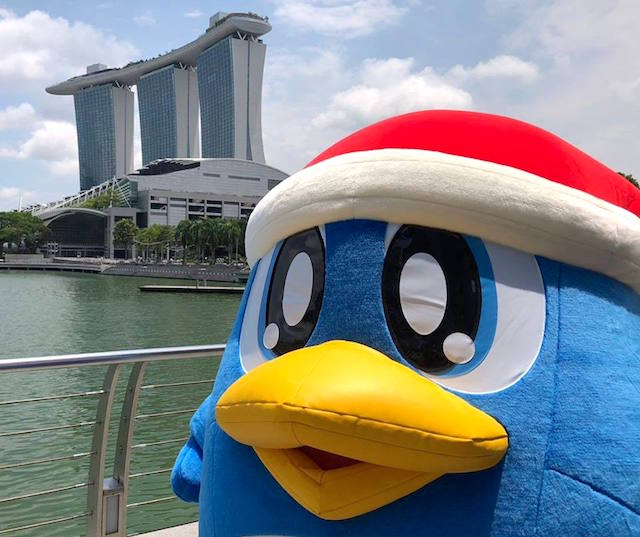
    Japanese discount store Don Don Donki opens its first Southeast Asian outlet at Orchard Central today, to be followed by a second outlet at the 100 AM mall in Tanjong Pagar in June.

    The aim is to have at least 10 stores in Singapore within the next four or five years.

    Over two storeys, the Orchard Central megastore will be open 24/7 and also feature a “night market” concept featuring eight dining outlets in partnership with food manufacturer Hokkaido Marche. This section will launch next month and be open only during dinner hours.

    Don Don Donki’s product range of about 30,000 items was curated for Singapore and spans fresh and processed foods, vegetables, meat, sushi, groceries, beverages, costumes, clothing, cosmetics, novelty goods and household items. A third of the product selection is from Hokkaido.

    Covering 1400sqm, Don Don Donki will also offer products from its in-house brand Jonetsu Kakaku as well as a Hokkaido-themed retail space.

    The brand is known for its wide range of made-and-designed-in-Japan products – from toilet paper to second-hand Rolex watches.

    Better known as Donki, the store was founded by Japanese businessman Takao Yasuda in 1978 and is owned by the Don Quijote Group. Its stores in Singapore will be run by Pan Pacific International Holdings, its holding company for overseas business.

    Name change

    While the stores in Japan are called Don Quijote, its Singapore branch name has been changed to avoid confusion with a local Spanish restaurant of the same name. The term “Don Don Donki” was taken from the store’s theme song.

    “The idea to have Don Don Donki in Singapore was suggested by Hokkaido Marche,” said Yasuda, 68, who “semi-retired” a couple of years ago and moved to Singapore. “When I came here, I realised products in Singapore are very expensive, and in Japan I’m known as the king of discounts.

    “What costs one dollar in Japan is sometimes two or three dollars here.”

    So when he was approached by Hokkaido Marche to partner and open its concepts in Singapore, he agreed immediately.

    Pan Pacific International Holdings director Hideki Okada says the Singapore store is a pioneer for the rest of Southeast Asia. It will be followed by a branch in Thailand next November.

    With 368 stores in Japan, Hawaii and the US, the brand earned nearly ¥828.8 billion (US$7.3 billion) in annual sales for the fiscal year to June 30.

  • Oriental Watch Holdings sales back up

    Oriental Watch Holdings sales back up

    Easing rents, the closure of unprofitable stores and a trimmed-down inventory all helped Oriental Watch Holdings record a 10-fold increase in profit in its latest quarter.

    In the six months to September 30, Oriental Watch increased its post-tax profit from HK$4.12 million last year to $45.93 million, on sales down marginally from $1.545 billion to 1.508 billion. Same-store sales rose 14 per cent year on year.

    At the end of the period the luxury watch retailer operated 63 retail and wholesale points (including associate retail stores) in greater China: 47 in Mainland China, 12 in Hong Kong, three in Taiwan and one in Macau.

    Chairman Yeung Ming Biu said the return of mainland tourists and improving business confidence.

    “Most importantly, the stabilising sales performance along with rent adjustment has also become one of the key drivers for the group this year, which provided greater improvement in profitability with less rent burden suffered compared to the past few years.”

    During the quarter, the company’s rent costs fell by 26 per cent to $84 million, now accounting for 36 per cent of overall operating expenses, compared with 45 per cent in the same period last year.

    “The group has successfully negotiated better rental rates and more flexible leasing terms for the lease renewal,” he said. “In addition, regular internal assessment on the performance of all retail stores and closedown of high-rent yet non-performing stores are also the group’s strategy for better resources allocation.

    “The group will continue to closely monitor the store performance and its efficiency and hope the above measures together with the rent adjustments can improve profitability of each store in the forthcoming years.”

    Inventory management

    Yeung Ming Biu said careful monitoring of inventory of high-ticket items and reordering only when predetermined stock levels were reached had seen inventory cut by 10 per cent over six months.

    Meanwhile, Swiss watch exports by value increased by 4.1 per cent into Hong Kong and by 17.2 per cent into Mainland China between January and September, indicating that demand for luxury watches has rebounded.

    “Looking ahead, the group remains cautiously optimistic on the business outlook of the luxury goods market and expects retail sales in Hong Kong will hold stable amidst the sustained recovery in visitor arrivals and the resilience of local consumption demand,” he said.

    Same-store sales growth in China rose 14 per cent increase during the quarter.

    “On the other hand, the retail market in Hong Kong has begun to turn up after having bottomed out and these have provided good preconditions for the group’s development in Hong Kong,” he concluded.

  • New look for Rolex KL Pavilion store

    New look for Rolex KL Pavilion store

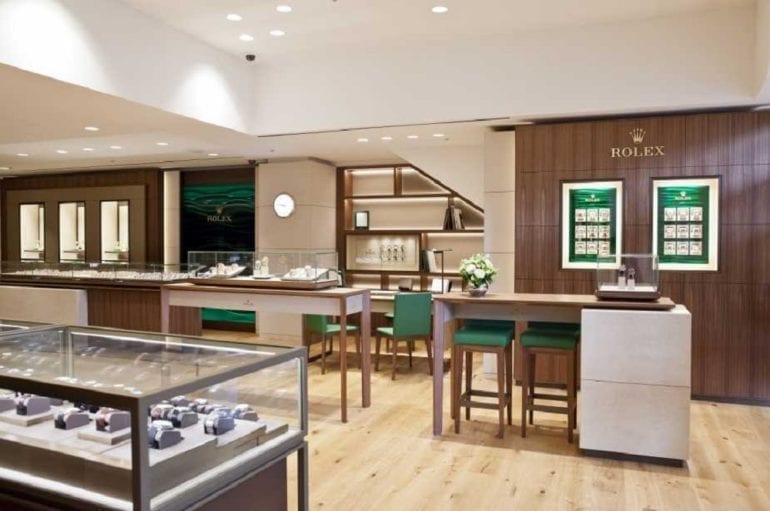
    Rolex has relaunched its boutique at Pavilion Kuala Lampur, with a new, elegant shop design and layout to lure the lucrative Malaysian market.

    Launched by Swiss Watch Gallery, which officially operates the luxury watch brand, the 158 square-metre-space has been modernized to appear high end, and offers a more intimate setting for consumers to experience the luxury timepieces.

    Key design features included bronze detailing and polished walnut wood cabinets to match the brand’s new image. The boutique also has a private salesroom for those seeking a discreet shopping experience.

    According to Valiram Group’s executive director Ashvin Valiram, the boutique is a “historical landmark”.

    “We are delighted that Swiss watchmaking’s crown jewel remains confident in our collaboration and we will continue to be its biggest and most passionate champion in the region,” said Valiram.

    To celebrate the launch, Rolex is offering Malaysian clientele the chance to purchase one of its newest timepieces– the gold Oyster Perpetual Cosmograph Daytona, which has a patented Oysterflex bracelet.

    The Swiss luxury watchmaker has also introduced new versions of its classic Oyster Perpetual Lady-Datejust 28 in steel and Rolesor (a material combining 904L steel and 18-carat white gold), and the Oyster Perpetual Sky-Dweller, as well as the Oyster Perpetual Sea-Dweller, Oyster Perpetual Pearlmaster, and Oyster Perpetual Yacht-Master 40 models.

    The Kuala Lumpur flagship store, the largest boutique in Southeast Asia, first bowed at the Pavilion some ten years ago.

    In 2016, the Swatch Group led watches with a 19% value share for the year, according to Euromonitor. The most populr brands in Malaysia included Swatch, Longines, Omega, Tissot, and Rado.

    Looking ahead, Malaysia will continue to see the penetration of high-end watches, said Euromonitor, with demand for signature watches brands such as Hublot, Breguet, Maurice Lacroix and Rolex, to remain sustainable.

  • Innisfree to launch in Indonesia

    Innisfree to launch in Indonesia

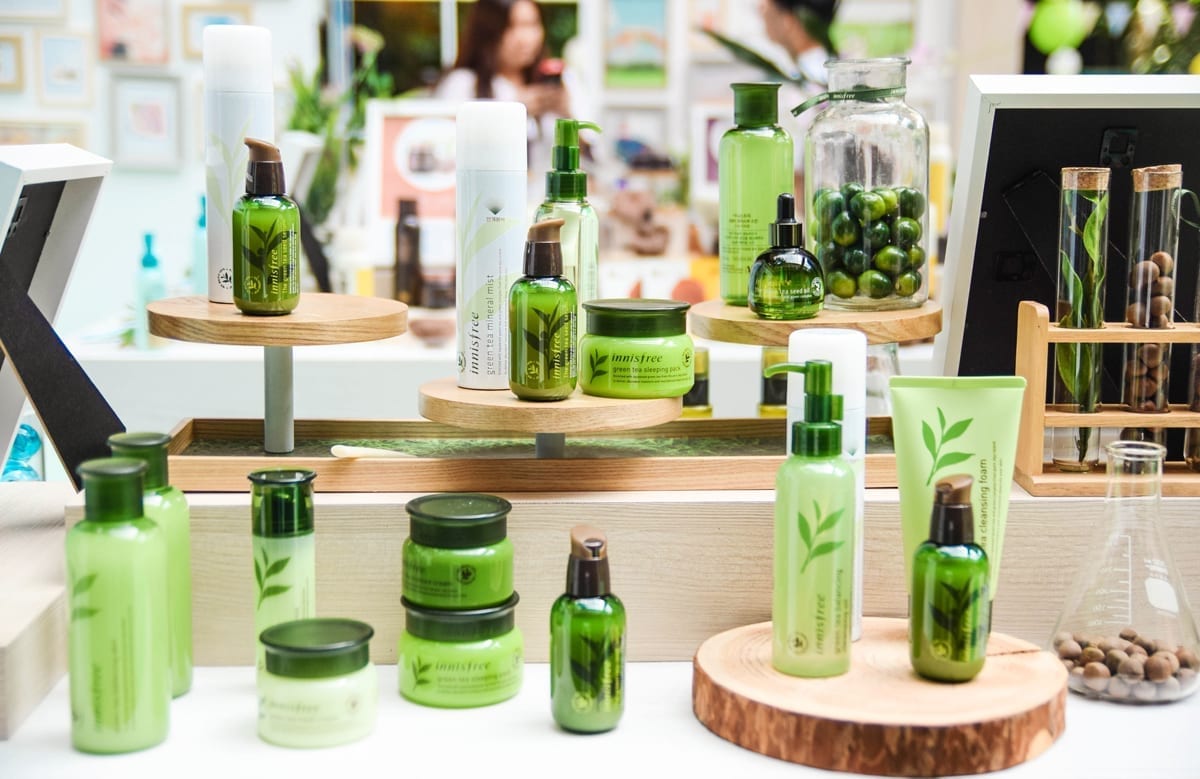
    Beauty products brand Innisfree is launching in Indonesia with brand curator Time International.

    Part of Korean global beauty company AmorePacific Group, Innisfree offers products made with natural ingredients from Jeju, a volcanic island off the southern coast of the Korean Peninsula.

    Innisfree’s first store will open at Central Park Mall Jakarta on March 24, following its introduction in such markets as China, Hong Kong, India, Malaysia, Singapore, Taiwan, Thailand and Vietnam.

    As well as skincare, Innisfree will offer colour cosmetics in Indonesia, says international business VP Chul Kim.

    Innisfree was launched by AmorePacific Group in 2000, joining its brands Laneige and Sulwhasoo.

    Founded in the 1960s, Time International manages multi-brand retail stores as well as mono-brand boutiques for such brands as Cartier, Chanel, Chopard, Diesel, Fendi, Fossil, Project X, Rolex, Sweet Monster and Tag Heuer.

  • Gemfields introduces Faberge to India

    Gemfields introduces Faberge to India

    Faberge, owned by UK emeralds and rubies mining company Gemfields, is the latest in a growing list of global luxury brands to enter India.

    It is following on the heels of such brands as Burberry and Rolex as India’s economic expansion spawns more billionaires than in Japan, the traditional bastion of ultra-rich in Asia, reports ET Retail.

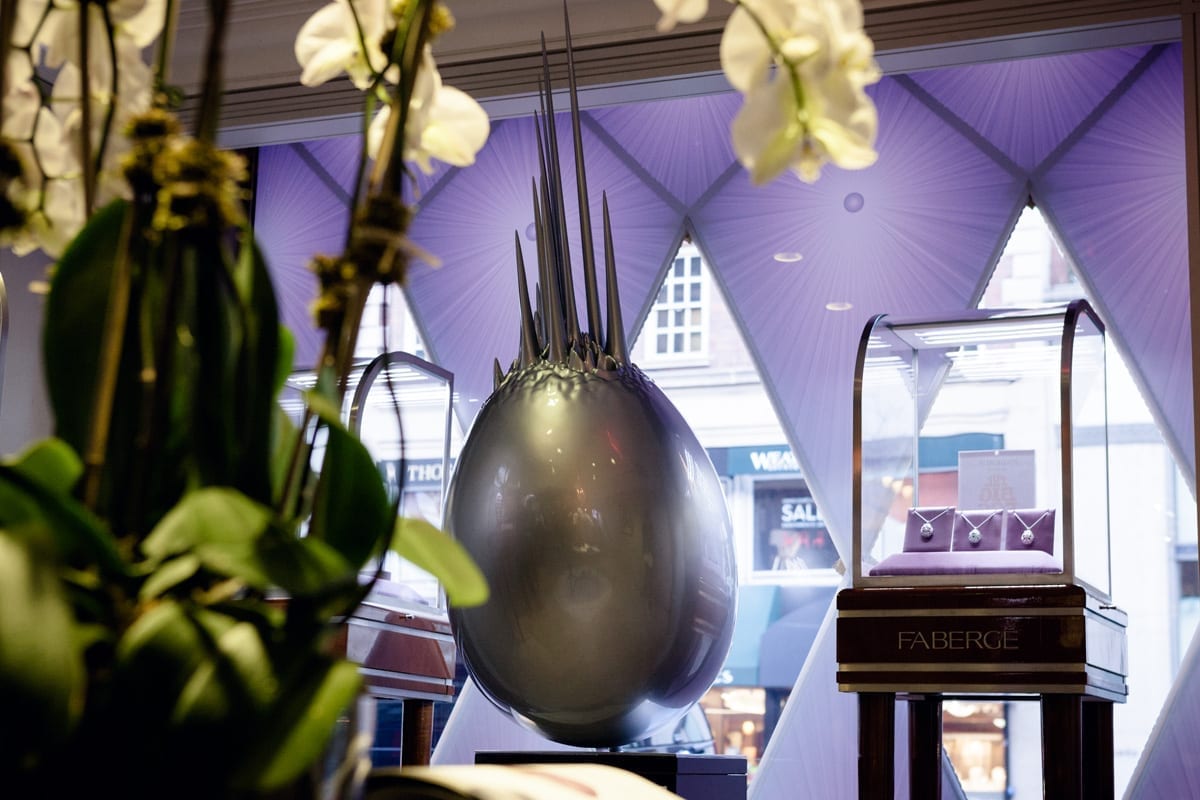
    Faberge, an ultra-luxury jeweller known for its Easter eggs and tracing its roots back to Russia in the days it had royalty, will set up in Delhi and Mumbai, selling its products through select showings for the uber-rich.
    “India and other Asian markets have tremendous potential,” says Faberge CEO Sean Gilbertson. “Asia has largely been an unexplored area for us.”

    Faberge, which retails through 39 multi-brand outlets including Harrods and Mayfair, plans to hold more trunk shows in Hong Kong, Malaysia and Singapore.

    Products being sold in India include coloured gemstones, emeralds, rubies and sapphires, and timepieces including the award-winning Lady Compliquee peacock watch. Prices range from US$5000 to $3 million.
    Founded in 1842, the company was founded by Peter Carl Faberge, who was official goldsmith to the Russian Imperial Court.

    In the quarter to the end of December, Faberge’s sales jumped by 48 per cent over the same period in 2015, says Gemfields, while the average selling price per piece increased by 12 per cent.

    Faberge has not been affected by the overall slowdown in the luxury market, says Gilbertson, as it deals with a smaller clientele with an average selling price “extraordinarily high compared with most other brands”.

  • Watches stolen during sledge hammer raid on luxury shop in Hong Kong

    Watches stolen during sledge hammer raid on luxury shop in Hong Kong

    Two burglars smashed the window of a luxury goods shop in the IFC mall in Central and fled with 40 watches in front of a security guard during a Lunar New Year’s Day raid.

    In a drama that lasted for barely two minutes, one of the pair broke open the glass door of Montblanc with a sledgehammer at about 11.40pm on Saturday, when the shop had been closed for the whole day.

    The duo, said to be non-Chinese and wearing surgical masks and knitted caps, defied the guard and smashed three glass showcases inside, sweeping the watches into a bag and ran.

    At one point, they attempted to intimidate the guard by threatening him with the sledgehammer.

    At a taxi stand outside, the pair got into a car driven by a third man and sped off.

    Police said the Germany-based chain, which specialises in several lines of products including watches, writing instruments and jewellery, had confirmed that about 40 watches valued at a total of HK$1 million were snatched.

    Central district crime squad was investigating

    A sledgehammer has been used in previous burglaries in the city. In September, a group of five or more burglars stole about HK$2 million worth of handbags and watches from the Chanel store at Lee Garden One on Hysan Avenue – one of Hong Kong’s prime retail strips in Causeway Bay, in just 80 seconds.