Retail News CRM

Tag: rolex

  • Alibaba joins forces with counterfeited brands

    Alibaba joins forces with counterfeited brands

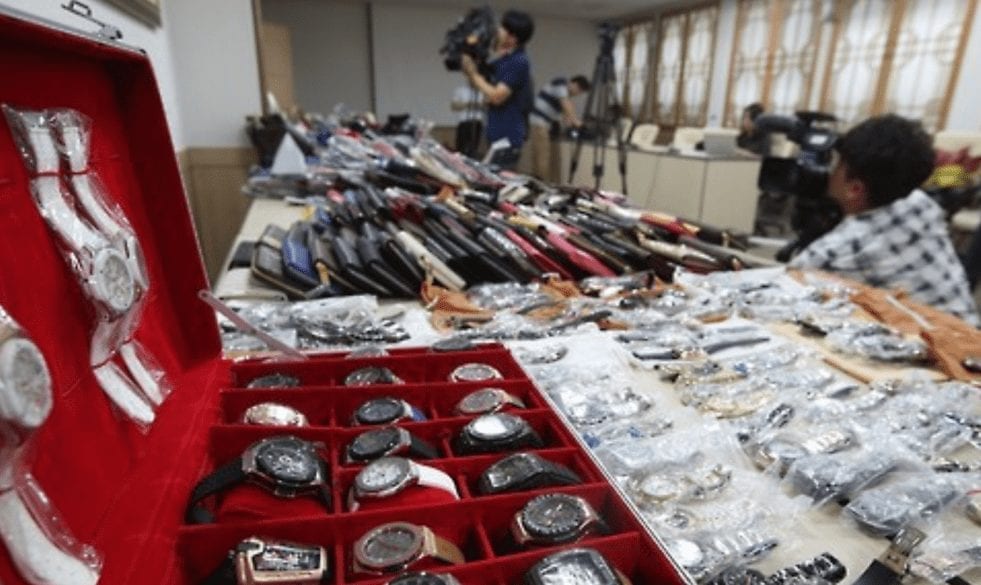
    Chinese eCommerce giant Alibaba has teamed up with some of the world’s most-counterfeited brands to fight against copycats.

    Collaborating with such global brands as Louis Vuitton, Samsung and Swarovski, Alibaba will provide its members with big data and other support to help them block, identify and even take down listings from its marketplaces such as Taobao and Tmall. Those two sites boast 1 billion product listings at any given time.

    In return, the brands have committed to share their anti-counterfeiting data with Alibaba.

    The move follows a lawsuit filed by the internet powerhouse against two vendors selling knock-off Swarovski watches from their online shopping bazaars on Taobao, claiming 1.4 million yuan (US$202,950) in losses. Taobao is the retail platform for smaller merchants.

    “The most powerful weapon against counterfeiting today is data and analytics, and the only way we can win this war is to unite,” says Alibaba’s chief platform governance officer Jessie Zheng.

    “Alibaba welcomes brands and other organisations to join us in what we believe is the world’s first ‘big-data anti-counterfeiting alliance’.”

    Taobao was returned to the US government blacklist of “notorious markets” last month for hosting fake items, four years after Alibaba lobbied American trade officials to drop the platform from the list.

    Listings removed

    Alibaba says it is disappointed by the decision, noting it has “proactively removed more than double the number of infringing product listings than in 2015”. The company employs 2000 permanent staff and 5000 volunteers devoted to spotting fake goods.

    According to the International Anti-Counterfeiting Coalition, a nonprofit watchdog overseeing piracy concerns, China is the biggest market for knockoffs globally with handbags, footwear, watches and iPhones topping the list of most-faked items.

    Louis Vuitton, Nike, Ray Ban and Rolex are among the labels that seem to be more intensely targeted by counterfeiters, says a report by the Organisation for Economic Co-operation and Development (OECD).

    Domestic brands also have fallen victim. Chinese liquor maker Kweichou Moutai has confiscated 300 tonnes of fake Moutai in a three-year drive against bootleggers, whose products can feature packaging identical to genuine products.

    Chinese authorities have also stepped up efforts to root out people involved in marketing fake goods, staging raids and arresting thousands of suspected offenders.

  • Muji next expansion plan

    Muji next expansion plan

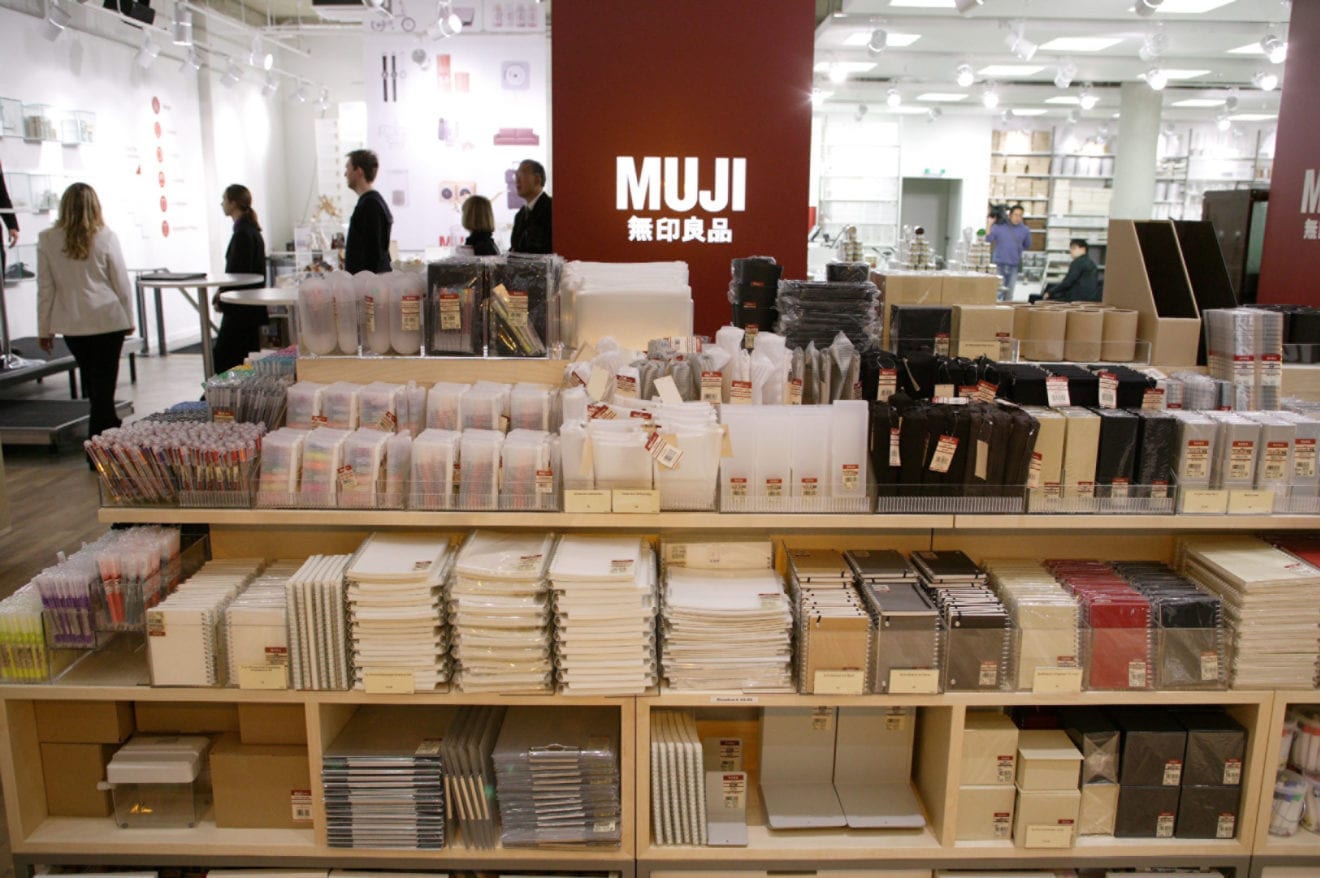
    Japanese lifestyle clothing and accessories brand Muji Canada is expected to expand to Vancouver next year.

    Known for its minimalist approach, Muji already has three stores in Toronto. It has about 300 stores outside Japan.

    Vancouver’s retail sector continues to outperform other Canadian markets with annual sales-per-square-foot at more than C$1000 (US$762). Toronto is second at about C$860.

    “Vancouver is a very young retail market and many brands have not yet opened street stores,” says real-estate group CBRE executive VP for retail in Vancouver Mario Negris. “We anticipate a vast number of new entrants into the downtown retail landscape.”

    Most brands entering Canada have their first outlets at Toronto’s Yorkdale Shopping Centre and Eaton Centre, says the Vancouver Sun. This is because of Vancouver’s relative lack of space.

    Brands such as Forever 21 and Victoria’s Secret actually made their Canadian debut in Alberta, while Vancouver is the preferred entry point for luxury brands such as Berluti, Jaeger-LeCoultre, Rolex and St Laurent.

    Other brands reportedly lining up to open in Vancouver next year include coffee boutique Nespresso and H&M’s Cos brand.

  • Multi-brand boutique Project X launches

    Multi-brand boutique Project X launches

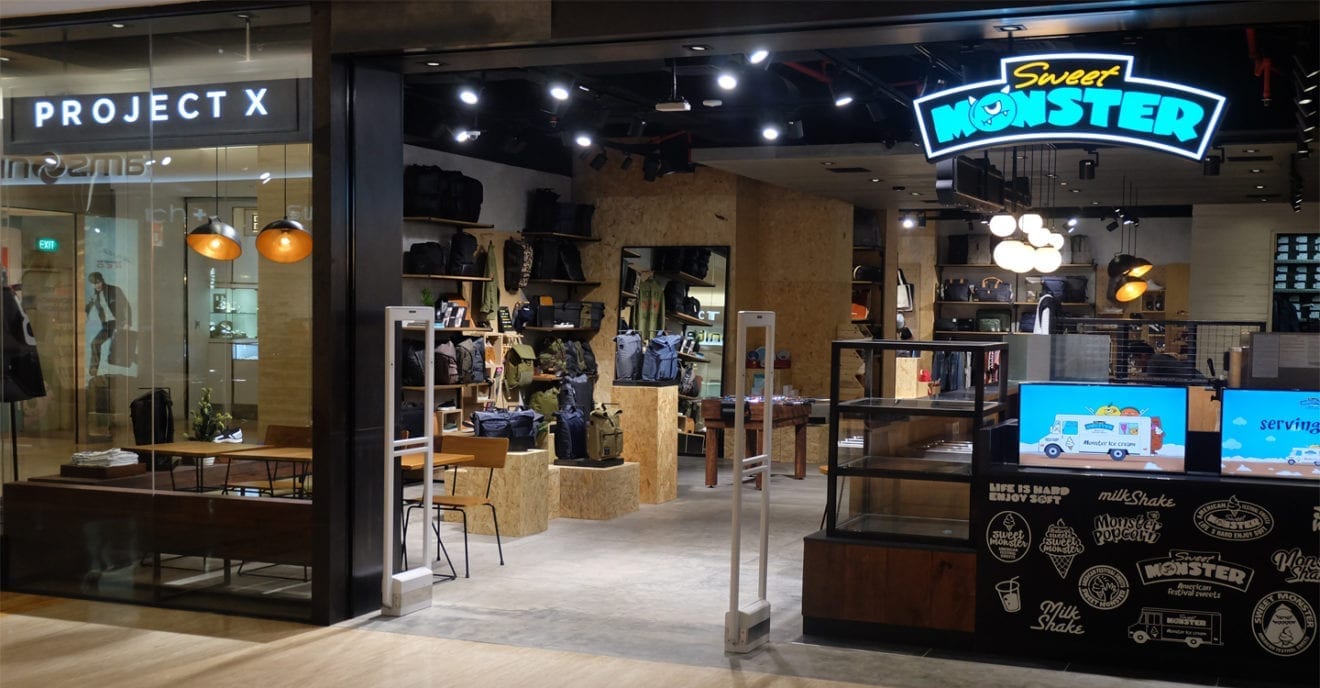
    Project X, a multi-brand boutique that caters to young creative minds, has launched at Plaza Indonesia in Jakarta.

    From Time International, Project X offers a new take on men’s and unisex casual fashion and lifestyle. Its curated retail concept introduces 22 international brands and includes innovative designs in apparel, bags, shoes and accessories such as sunglasses and watches.

    project-x


    From Australia, Japan, South Korea and the US, the products are displayed in fun and creative surroundings, including a dessert stall, Sweet Monster, which features popcorn soft ice cream.

    The store has a palette of white and grey with wooden accents.

    “People like to shop and discover edgy pieces, and they like to hang out. It is a lifestyle,” says Time International president director/CEO Irwan Danny Mussry. “We see an opportunity here.”

    A second Project X is planned for Pondok Indah Mall 2.

    Featured brands at the boutique are Andersson Bell (South Korea), Beyond Closet (South Korea), Blankof (South Korea), BLC & BLC Gray (South Korea), Buddy Happy (Japan), Kapten & Son (Australia), Kiruna (Japan), Lapiz+ (South Korea), Luccica (South Korea), Mascolanza (South Korea), Miel Homme (South Korea), Monofold (South Korea), National Publicity (South Korea), PKG (Canada), Rawrow (South Korea), Riokairyu (South Korea), Salad Bowls (South Korea), Supercomma B (South Korea), Thank You Studios (South Korea), Thread Etiquette (US) and Ul: Kin (South Korea), United by Blue (US).

    Founded in the 1960s, Time International manages and runs both multi-brand retail stores – including @Time, InTime, The Time Place and Urban Icon – as well as mono-brand boutiques for such brands as Cartier, Chanel, Chopard, Diesel, Fendi, Fossil, Liebeskind, Poney, Rolex, Tag Heuer and Tory Burch.

  • Trendsetter who fought shy of limelight

    Trendsetter who fought shy of limelight

    He stayed out of the limelight and shied away from the media, so few might know that Mr Jopie Ong Hie Koa was one of Singapore’s true trendsetters.

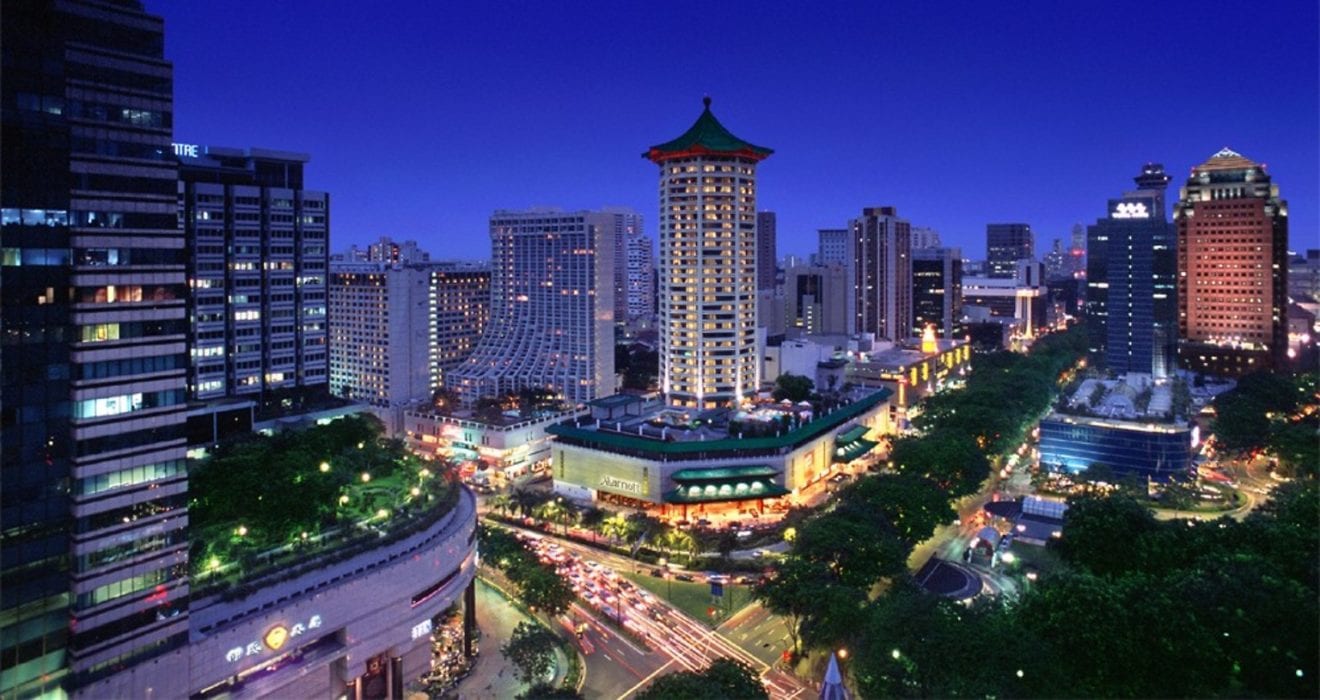
    The late managing director of Metro Group, who died suddenly on Tuesday night at age 75, was the first to introduce luxury brands such as Mont Blanc, Cartier and Gucci here, long before Singapore was considered a shopping destination.

    He was even the first to introduce a splash of colour to men’s fashion, recalled long-time business partner and friend Nash Benjamin, the chief executive of fashion and lifestyle group FJ Benjamin.

    “In the early 70s, Metro imported a line of shirts from Whitmont, an Australian brand. At the time, men’s shirts in Singapore were all white. But these Whitmont shirts were purple, mustard, red,” he said.

    “He brought me over and made me pick out one in each colour. So he started the trend of coloured shirts here. He was always on trend.”

    FASHION FORWARD

    In the early 70s, Metro imported a line of shirts from Whitmont, an Australian brand. At the time, men’s shirts in Singapore were all white. But these Whitmont shirts were purple, mustard, red… He started the trend of coloured shirts here. He was always on trend.

    MR NASH BENJAMIN, chief executive of fashion and lifestyle group FJ Benjamin, on Mr Ong spotting the latest fashion.

    Indeed, Mr Ong had a great talent for spotting the next big thing, not only in fashion but in the wider world of business.

    It was under his leadership that Metro grew from a two-storey shophouse at 72, High Street – a textile store founded by his father, Mr Ong Tjoe Kim, who hailed from Indonesia – into a retail behemoth and later, into a substantial property player with interests in China, Japan and Britain.

    Mr Ong joined Metro in 1964 and was appointed to the board in 1973, the same year he guided the firm to a listing on the Singapore Exchange, where, for many years, it was considered a blue chip.

    Metro had its heyday in the early and mid-1980s, when it became known as a purveyor of posh European brands such as Cartier, Burberry, Givenchy and Yves Saint Laurent, making it a haunt not only of wealthy tourists but also Singapore’s increasingly affluent, English-educated middle class.

    It had moved aggressively into Orchard Road, with four or five stores along the stretch. But by that time Mr Ong, always ahead of the curve, was looking at expanding his business interests further. In the early 1980s, thanks to an idea by Dr Jannie Chan, he entered into a joint venture with her and Mr Henry Tay to set up The Hour Glass, which specialises in quality Swiss brands such as Rolex and Patek Philippe.

    Then in 1985, he entered the auto industry, starting Komoco Auto, now Komoco Motors, with two partners. It started by distributing Hyundai cars.

    The move complemented Mr Ong’s own love of cars: His was apparently the first Lamborghini to be driven on Singapore’s streets and his collection of rare, luxury cars included several Ferraris and a gold Porsche sports utility vehicle.

    But it was also a shrewd decision that capitalised on Singapore’s then booming demand for affordable family vehicles.

    “He had the foresight to see ahead and was always searching, wherever it may be, for new business opportunities,” recalls Komoco managing director and co-founder Teo Hock Seng.

    “Singapore was in a recession when he came up with the idea to get into the auto trade.

    “We were supposed to be recession-proof and so we had to have prudence in our approach. And for the last 30 years we have been profitable. People accepted the product, which was value for money.”

    It was not long before Mr Ong was involved in yet another business project. By the early 1990s, even as Singapore was fast gaining a reputation for being a top-notch shoppers’ destination, Mr Ong could see that retail was not going to be as lucrative a business as it once was due to increasing rents and wages, so he started repositioning Metro as a property firm.

    He entered a joint venture with Ngee Ann Kongsi to build Ngee Ann City, from which Metro would earn a handsome rental income.

    Today, property is a core business for Metro alongside retail. The firm has interests in prime retail and office investment properties in first- tier cities in China, as well as residential and mixed-use development properties, held mainly for sale.

    It also has stakes in a mixed-use development in Manchester and a residential project, The Crest in Prince Charles Crescent, in Singapore.

    On the retail side, there are now only three Metro department stores in Singapore – at Paragon, The Centrepoint and Woodlands. The website lists nine in Indonesia. Metro also operates speciality shops for the Monsoon, Accessorize and M.2 brands here.

    Throughout the years, Mr Ong shied away from the media spotlight, so much so that when Metro held a press conference on its financial results in May 2008, it was the first time the company had done so in at least a decade. The fact that Mr Ong himself fronted the conference was as much news as the numbers he was there to announce.

    But away from the limelight Mr Ong lived large and generously. Friends recall not only his flashy cars and ceaseless smoking, but also the dinners held at his District 10 bungalow in Bishopsgate – monthly affairs that would include about 300 guests at a time and at which the host himself would often cook.

    A big fan of local hawker fare, he was known to whip up a mean nasi lemak, yong tau foo and leg of lamb.

    The twice-divorced Mr Ong leaves four children and four grandchildren.

    He also leaves a business in good shape – Metro’s net profit climbed 33 per cent to $142.4 million last year. His sister, Mrs Wong Sioe Hong, oversees the retail operations and the acting group chief executive is his right-hand man of many years, Mr Lawrence Chiang.

    Still, along with the rest of the retail and property industry, it faces a challenging business environment, especially as China, its key real estate market, is experiencing slowing growth.

    Without Mr Ong’s guiding hand to lead the ship, investors will likely be keen to see how the company steers through the choppy waters ahead.
  • Hello Kitty, Farewell Rolex as Hong Kong Shoppers Go Downmarket

    Hello Kitty, Farewell Rolex as Hong Kong Shoppers Go Downmarket

    U.S. luxury handbag maker Coach Inc. opened its four-story flagship store in the heart of Hong Kong’s Central district to much fanfare in June 2008, with a celebrity-studded, champagne-fueled party. In August, the company quietly terminated its HK$5.6 million ($723,000) per month lease and Adidas is moving in — paying 23 percent less in rent, according to Colliers International Group Inc.

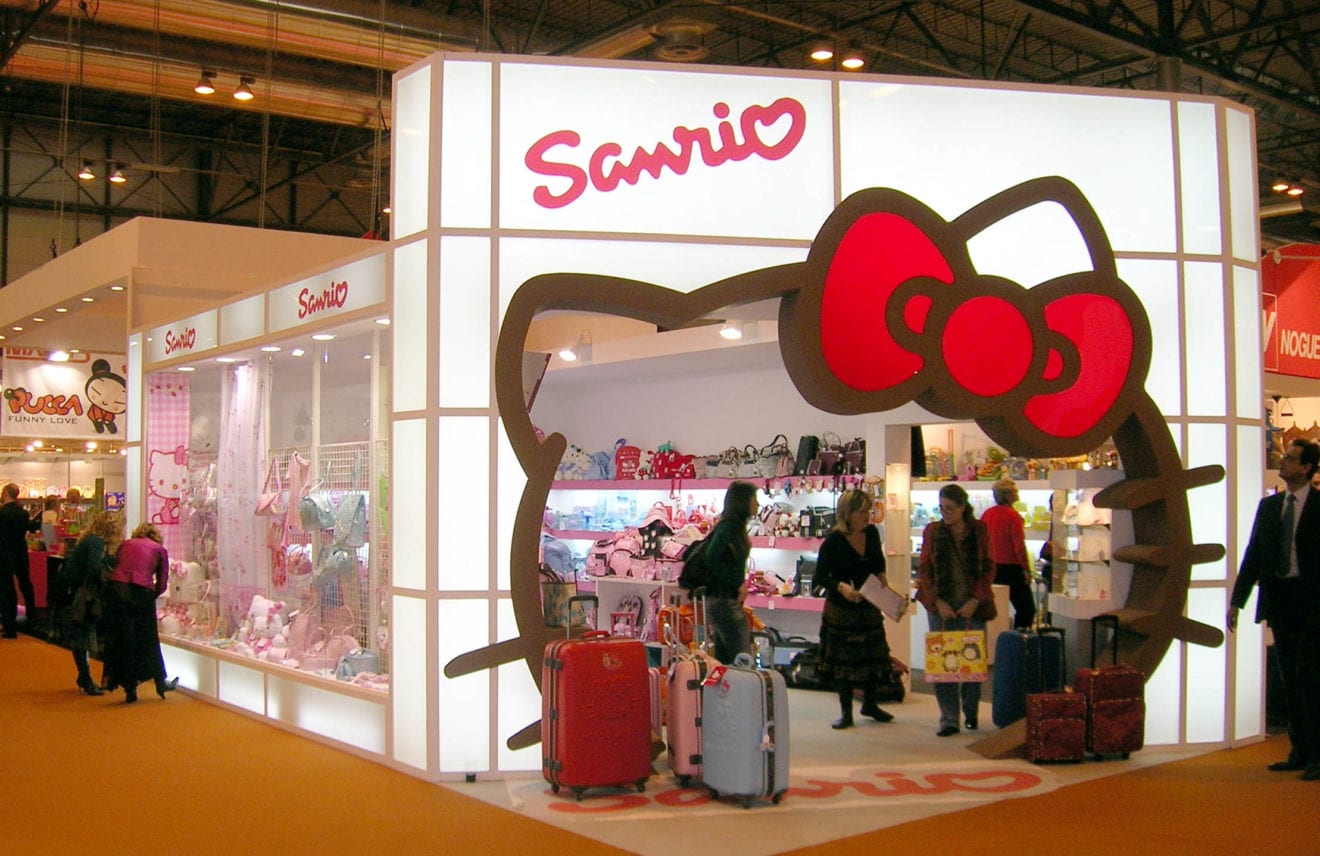
    This is not an isolated case. Russell Street in Causeway Bay, which boasted the most expensive shop rents in the world until New York’s Fifth Avenue overtook it a year ago, is undergoing a major transformation. A location formerly rented by Emperor Watch & Jewelry Ltd. that sold diamond-studded Cartier watches is now home to discount cosmetics retailer company Bonjour Holdings Ltd. that sells HK$58 packets of Hello Kitty false eyelashes and HK$18 jars of Tiger Balm ointments. Next door, rival Colourmix Cosmetics Co. has moved into a space vacated by Swiss watchmaker Jaeger-LeCoultre.

    As Kering SA’s Gucci, LVMH’s Louis Vuitton, and jewelry chain Chow Tai Fook Jewelry Group Ltd. bargain for lower rents or close stores amid a decline in mainland tourists who had underpinned their sales, mid-tier retailers are filling the gaps. Brands that appeal to the broader market are taking advantage of declining leases to move into some of Hong Kong’s most coveted retail locations.

    “The fallout in the watch and jewelry as well as luxury sector is paving the way for fast fashion brands to expand,” Tom Gaffney, head of retail at Jones Lang LaSalle Inc. in Hong Kong, said in a phone interview.

    Rents Decline

    Retail rents started falling after the city’s appeal as a shopping paradise for mainland tourists was hurt by anti-China protests last year, a slowing mainland economy and Beijing’s austerity and anti-graft campaigns, which have made the Chinese wary of splurging on luxury goods. Hardest hit have been sales of watches and jewelry, where sales have fallen year on year for the past 11 months.

    “Shopping habits are changing; a couple of years ago it was not uncommon to see mainlanders go into watch stores and ask for 10 Rolexes,” said Marcos Chan, head of research for Hong Kong, Taiwan and Macau at CBRE Group Inc. “Now we hardly see people even buying one.”

    While luxury brands are abandoning street-front locations, they are maintaining their presence in high-end malls where monthly rents are lower in part because landlords also receive a portion of sales receipts as part of a tenant’s payment.

    Another source of the slowdown is that Chinese shoppers, who represent 10 percent of global tourism and more than 25 percent of luxury spending, are forsaking Hong Kong in favor of Europe, South Korea and Japan, attracted by weaker currencies and relaxed visa procedures, according to Bloomberg Intelligence. A rising backlash against mainland tourists has also hurt Hong Kong’s appeal, said CBRE’s Chan.

    Jones Lang expects street rents in Central to drop a further 10 percent in 2016 after falling about 20 percent to 30 percent this year, while leases on more than 200,000 square feet of space on Queen’s Road in Central, one of the city’s premier shopping destinations, will become available between now and 2018.

    Just steps from one of Hong Kong’s busiest subway stations in Central, Athens-based affordable fashion brand Folli Follie opened a store in mid-October after luxury watch retailer Carlson moved out.

    Hennes & Mauritz AB is also taking advantage of falling rents to expand. On Oct. 30, it will open a four-story flagship, its largest store in Asia, in Causeway Bay.

    “One part of our expansion strategy is about getting a good and competitive deal,” said Magnus Olsson, the Swedish retailer’s country manager for Greater China, declining to provide rental details. “If we were not happy, we wouldn’t have opened.”

    Helen Mak, senior director of retail services at Colliers, said that while Hong Kong’s superior level of service will continue to attract tourists, they are looking for a different shopping experience on the city’s high streets.

    “In the past, four out of five shops were selling Rolexes,” she said. “In the future, a tourist will expect to see more varieties of retail shops in Hong Kong.”

  • Want to buy a Rolex?

    Want to buy a Rolex?

    Rolex sales are soaring in Singapore, and other Asian cities as the Swiss franc’s value rises rapidly.

    Staff of Singapore’s highest profile luxury watch chain The Hour Glass told AFP sales of Swiss brands have risen markedly in recent days, especially of Rolexes.

    Most of its stores along Orchard Rd sold 25 to 30 Rolexes each day last weekend – far more than the usual five or six. Most sales were of ‘entry level’ models, costing S$10,000 upwards.

    Some stores are running out of stock as shoppers snap up the luxury watches before an inevitable price rise fuelled by a 20 per cent increase in the value of the Swiss Franc relative to the US dollar and the euro.

    Another luxury watch retailer sold 20 Franck Muller watches over the weekend compared to the usual one or two a day.

    “The buyers are aware that retailers would soon raise the prices of our Swiss models,” a spokesman said on condition of anonymity.

    “About half of our customers enquire when it will happen and many are willing to make purchases in anticipation of this price rise.”