Tag: Russia

  • Indonesia signs US$1b deal to buy 11 Russian jets

    Indonesia signs US$1b deal to buy 11 Russian jets

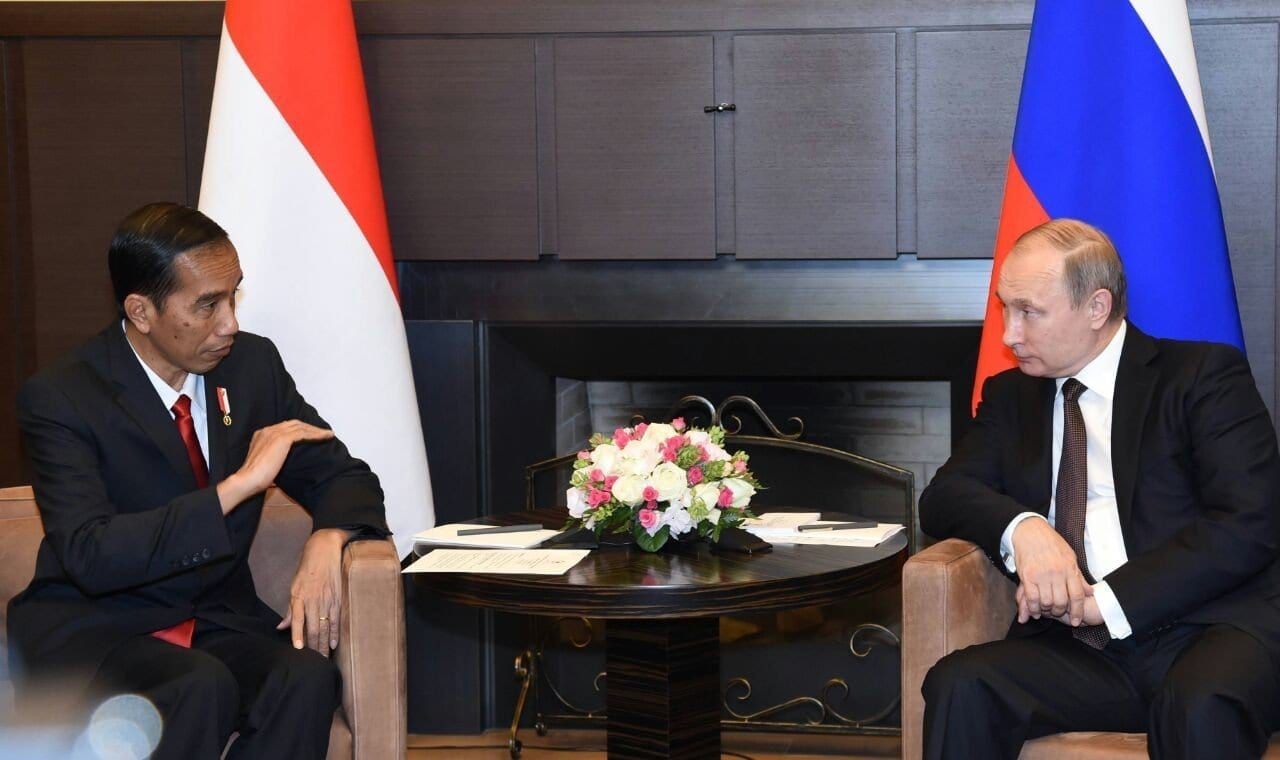
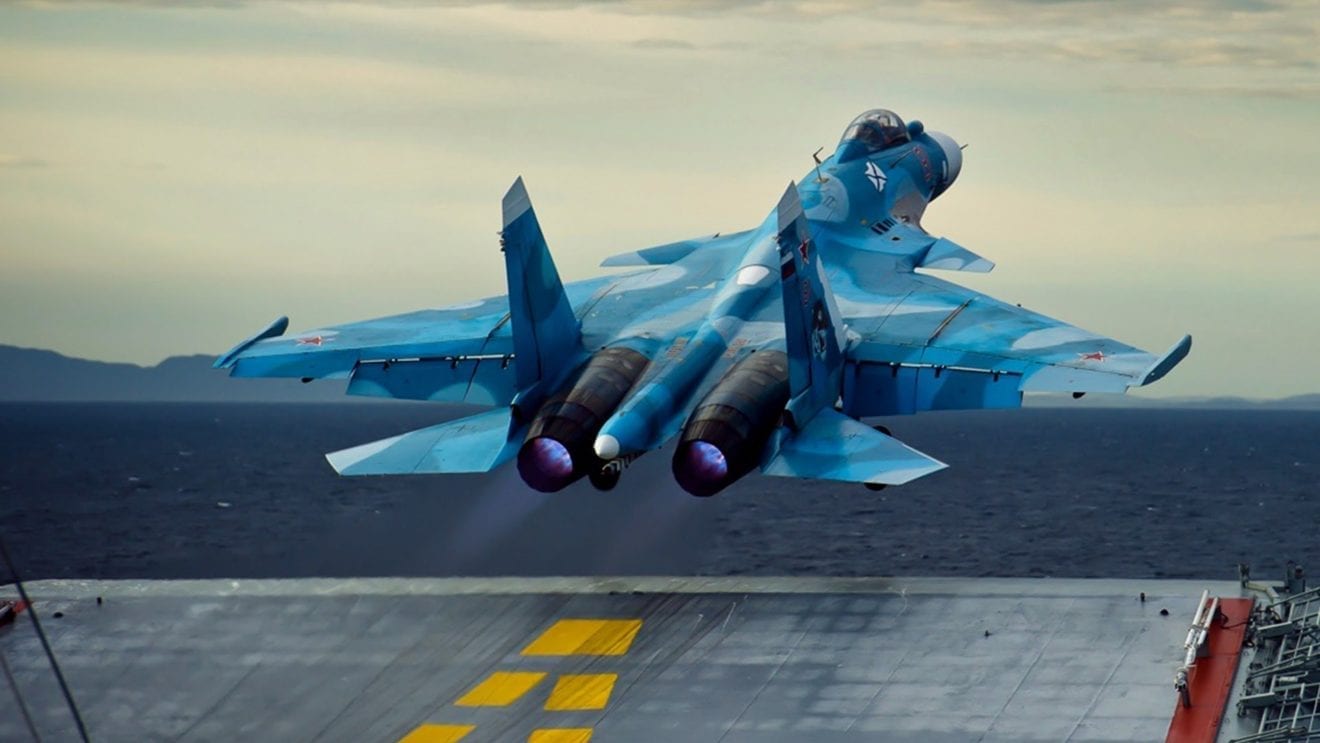
    Indonesia has inked a billion-dollar deal to buy 11 Sukhoi Su-35 jets from Russia, an official said Saturday.

    The contract, signed by both countries’ representatives in Jakarta on Wednesday, is worth a total US$1.14 billion (RM4.43 billion), Indonesia defence ministry spokesman Totok Sugiharto said.

    The deal comes after Indonesia said in August that it would seek to trade palm oil, coffee and tea for Russian fighter jets, saying it wanted to capitalise on international sanctions on Moscow.

    The EU and US have targeted Russia with sanctions for alleged meddling in the US presidential election and its annexation of Crimea.

    However, Indonesia’s trade minister said the sanctions could be good news for his country as Russia is forced to seek new markets to import from.

    Indonesia and Russia signed a memorandum of understanding to exchange 11 Russian-made Sukhoi fighters for key commodities in Moscow early August.

    It was not announced Saturday in what form payment would be made.

  • Russian Railways eyes high-speed Europe-China cargo trains

    Russian Railways eyes high-speed Europe-China cargo trains

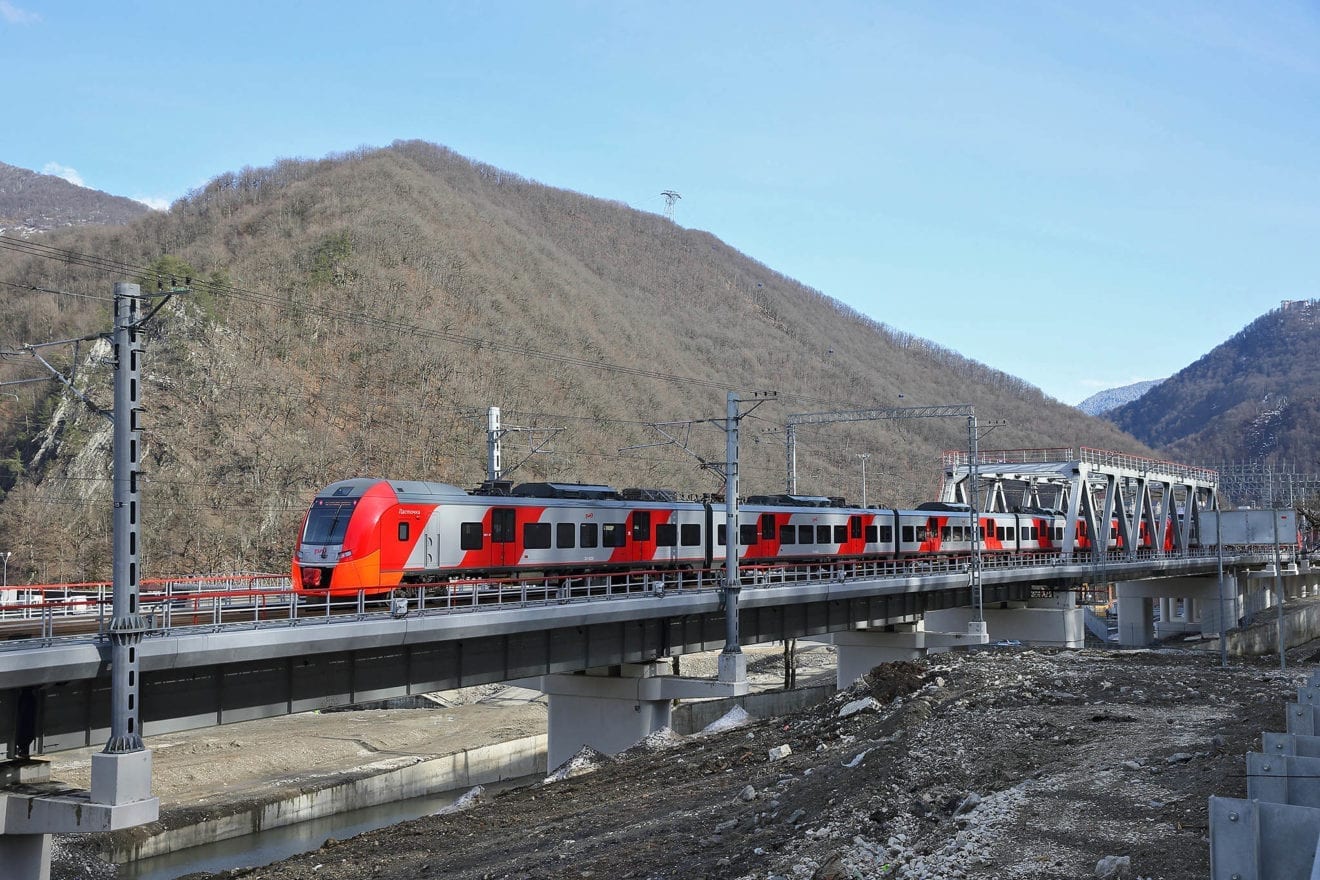
    The president of Russian Railways, Oleg Belozerov, proposed a high-speed cargo railway connection between Europe and China, allowing transport of goods to take as little as two days.

    “We plan to reach China via Kazakhstan and to carry special, high-profit cargoes to Europe via Russia, because a ship sails now 60 days, which is a long time. It sails round India and only then arrives to Europe. With a high speed rail transport we will be able to deliver goods in two days, and to earn extra money for our country,” Belozerov told a United Russia party meeting recently according to an Executive Intelligence Review News Service (EIRNS) report.

    Earlier Russian Railways said it was working on developing a cargo train capable of carrying from 300 to 600 tonnes of cargo at speeds up to 300kph.

    The China-Europe cargo line will be part of the Moscow-Kazan high-speed railway, whose construction should begin in 2017, Belozerov said. With a distance of some 770 kilometers, and a speed of of 350-400 kph, the rail route will cut the time between the two cities to as little as 3-3.5 hours; the current time is 14 hours. The line could be commissioned before 2022-2023.

    The US$16.8 billion railway project could later be extended to China, connecting the two countries across Kazakhstan. The Moscow-Beijing railroad will be 7,769 kilometers, with a travel time of 32.8 hours — four times faster than the current 130.4 hours. The average annual passenger traffic is estimated at 195 million people.

    China is committed to providing $6.5 billion as a credit for 20 years and $1.6 billion as a contribution to the charter capital of the special-project company. The German Initiative Consortium (includes Siemens, Deutsche Bank, Deutsche Bahn, and other companies) is ready to allocate €2.7 billion to finance the construction of the high-speed railway line and to attract up to €800 million for the project.

  • Russian chocolate, beer and baby food companies aim to conquer Asia

    Russian chocolate, beer and baby food companies aim to conquer Asia

    Every time Chinese President Xi Jinping visits Russia, he asks for some Russian ice cream. As a result of this craving, Russian President Vladimir Putin presented a whole box of ice cream to his Chinese counterpart at the G20 summit.

    Chinese tourists share their leader’s love for Russian ice cream so much that there are rumors that China is planning to build its own Russian ice cream factory. Consumers from across Asia are increasingly buying Russian food products thanks to a recent growth in exports from Russia.

    Chocolate

    Alyonka, Babaevsky and Rossyia chocolate bars, which are popular among tourists, are now being exported to Asia.

    “Alyonka is the most popular brand of chocolate that is being sold in China, but Babaevsky and Vdohnovenie chocolate bars are also becoming popular,” says Denis Usalev, marketing manager of Uniconf, which owns all three brands, and is the largest confectionery holding in Eastern Europe.

    He adds that sales of Alyonka grew six-fold year-over-year in China in 2015 and the company expects to see even more growth in 2016. Chinese consumers can buy Russian chocolate through ecommerce platforms as well as in local shops.

    Russian companies are also looking beyond China, and are obtaining Halal certification to compete in Muslim countries in Asia.

    Waffles and biscuits

    The Russian confectionary industry is developing new products specifically for the Asian market to cater to local tastes.

    “Korovka waffles with milk and chocolate fillings is our main driver of sales in China,” says Usalev. “Also around 50 per cent of Alenka biscuits are exported to China.”

    The Jubilee sugar cookies brand was launched in early 1913 and gradually became very popular in Russia. In 2007, Mondelēz International Inc acquired the brand and renamed it to belVita Breakfast. In 2015 belVita Breakfast biscuits were introduced in China and Indonesia . The company has become a global breakfast icon, with sales growing at about 20 per cent annually over the last few years.

    Healthy snack bars

    The organic food market segment has been growing rapidly for years. In 2015, Take a Bite was launched in Hong Kong, China and Singapore. The Russian company relied almost exclusively on retail sales in local super markets, but today buyers can purchase Take a Bite from the TMALL online store.

    Another Russian healthy food brand ECO botanica, which is owned by Uniconf, is also looking to tap into the Asian market.

    “Sales in China grew tenfold in the first nine months of this years,” says Usalev. Next month we will launch the ECO Botanica store on the Alibaba platform.”

    Baby food 

    The leader in the baby food market in Russia, Frutonyanya has also entered the Chinese food market.  “We’ve already received two 40-feet containers of Frutonyanya products and are now waiting for the third one,” says Artem Zhdanov, co-founder and marketing director of UChina, which is helping the Russian baby food company enter the Chinese market.

    “The first consignment went to our Chinese partners, distributers, trade platforms and a food exhibition to enhance brand recognition and to promote the brand name.”

    The company has more than 200 products including fruit drinks, jellies, desserts, fruit puree, milk and milkshakes. It will launch a separate line for pregnant women and breastfeeding mothers.

    Beer

    Baltika, a favorite of former U.S. Ambassador to Russia Michael McFaul, became the first Russian beer to be exported to Asia. It is now available in Vietnam and Malaysia.

    The Russian beer brewer, Ochakovo established licensed production in Japan in 2016. Since July 2016, the company has been supplying three types of canned beer. Ochakovo has also launched beer exports to China.

  • Indonesian house in Russia`s Vladivostok opened

    Indonesian house in Russia`s Vladivostok opened

    Indonesian Ambassador to Russia and Belarus Wahid Supriyadi has opened Indonesian House in the easternmost Russian city of Vladivostok to promote Indonesian products.

    The opening of the Indonesian House took place on the sidelines of Eastern Economic Forum, the second largest economic forum in Russia, the embassy said in a press statement released on Tuesday.

    Supriyadi said the Indonesian House is the second of its kind held in Vladivostok after his predecessor, Djauhari Oratmangun, opened the first such an event in 2015.

    Unlike the first Indonesian House which focused on coffee commodity, the second Indonesian House focused on promoting furniture, antique goods and interior products for hotels and restaurants, he pointed out.

    On the occasion, the ambassador held talks with 20 local businessmen who have done business and are interested in doing business in Indonesia.

    In his address to the opening of the Indonesian House, Supriyadi praised businessmen in Vladivostok for their desire to make investment and do business in Indonesia.

    “This is the right momentum. Since President Joko Widodo (Jokowi) visited Sochi last May, businessmen from both countries have shown high interest to do business. The Indonesia Festival held on August 20-21 proves it (the high interest),” he said.

    Despite the sluggish global trade, bilateral trade between Indonesia and Russia in the first quarter of this year rose 17 percent, while the number of Russian tourists visiting Indonesia in the January-June 2016 period also increased 17.5 percent, he said.

    Since the first Indonesian House was opened in 2015, Indonesias export of furniture and antique goods to Russia reached US$23 million.

  • ‘Energy drink’ for your mobile phone

    ‘Energy drink’ for your mobile phone

    EVER get that sinking feeling when the last of the battery drains from your mobile phone while in the middle of something? What makes it worse is that you haven’t got your power bank with you, and there’s not a plug point in sight! Now, a cute-looking product called MoBeeGo – a one-time mobile phone charger may just be the answer you have been waiting for.

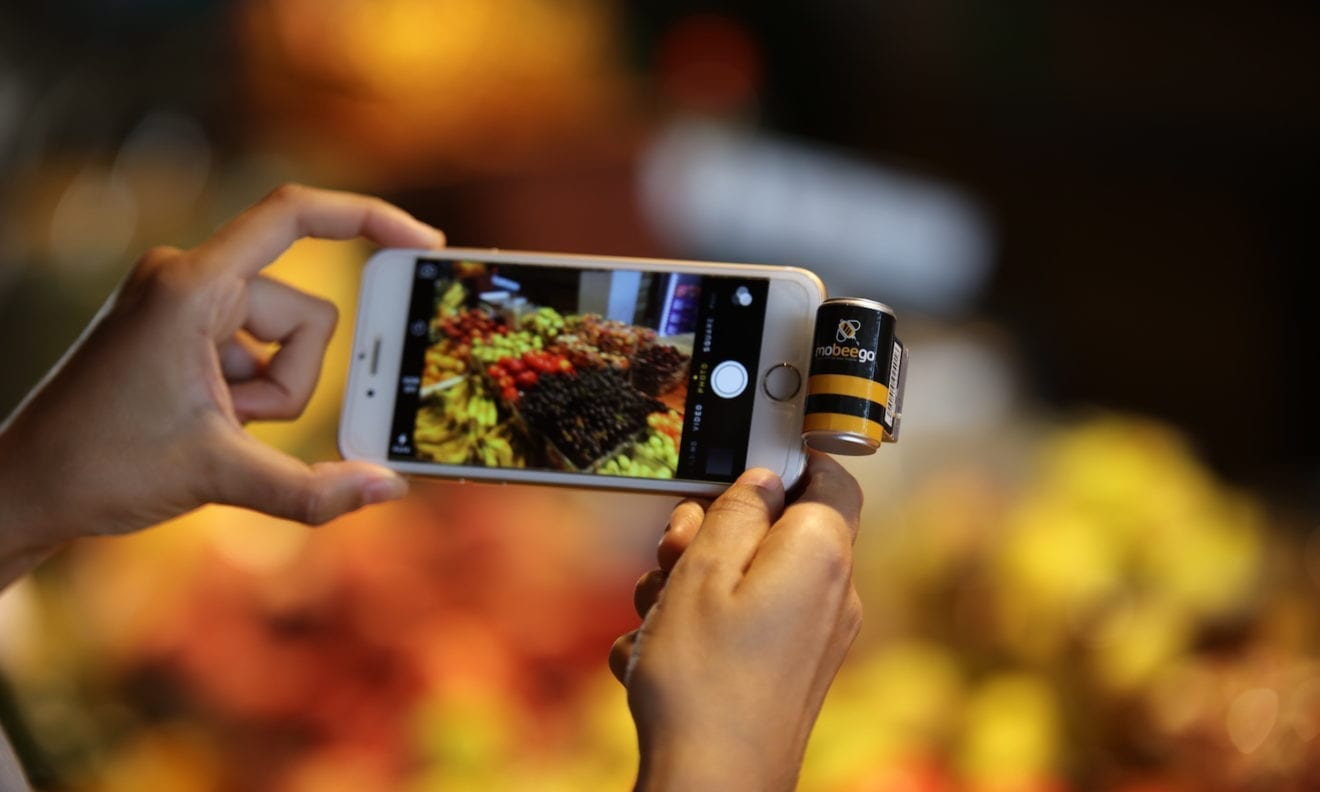
    The cute black and yellow miniature barrels are able to juice up your dying mobile phones for another four hours maximum. Produced by NASDAQ-listed Life Clips Inc, MoBeeGo is an innovative one-time charger that does not require any pre-charging nor the use of cumbersome cords. Brought in to Malaysia by Kelvin Hun and Edric Foong, the founders of Veloster Technology, a local company that specialises in cutting-edge devices and technological gadgets, MoBeeGo is designed with two elements.

    One is a re-usable ultra-compact adapter – there are separate ones available for Google Android and Apple iOs smartphones – that connects to the phone’s charging outlet. The second element is the battery can (shaped to look like a can of an energy drink) or charging unit, which is mounted onto the adapter that attaches to the phone. The charger is tiny and can be easily stored in pockets, purses, and bags. The battery has a 10-year shelf life, enabling consumers to keep them on hand for prolonged periods.

    According to Hun, the battery is hardy enough to withstand extreme temperatures of up to minus 12 and still be able to function well. That’s certainly good news for those planning to travel to cold places this winter. He also added that MoBeeGo is intended to offer convenience and safety, and to be an immediate solution to complement the busy lifestyle of today’s mobile consumers who often carry multiple devices at a time. “With today’s busy lifestyle, we rely heavily on our mobile devices to keep us connected to the world around us.

    Whether we are searching for places to eat on our mobile or playing games during our commute, today’s mobile apps consume lot of power from your devices. The problem lies in trying to squeeze a full day’s worth of power into such mobile devices. Hence, MoBeeGo is designed with ease of use in mind and lets you charge instantly when you need it – anytime and anywhere,” said Hun. The charger and battery is easily available from local stores from next week onwards.

    In the meantime, Veloster Technology is planning to further expand the network of stores where MoBeeGo can be made available. “We are thrilled to have myNEWS as the first convenience retail chain for our award-winning charger. We look forward to expanding our distribution network to even more stores and new markets such as check-out counters in pharmacies, grocery stores, cafes, magazine kiosks, shopping malls, airports and other places where people shop in the near future. So the next time you are running low on battery, just grab a can from the stores, plug it in and go!” said Hun.

    MoBeeGo batteries are recyclable. MoBeeGo is currently sold in 14 countries including Canada, United Kingdom, Malaysia, France and Russia. It recently received an Honourable Mention on the Red Dot Design Award: Product Design this year. The Red Dot Design Award is an international product design and communication design prize awarded by the Design Zentrum Nordrhein Westfalen in Essen, Germany.

  • Fastacash to launch payments via social network in Myanmar

    Fastacash to launch payments via social network in Myanmar

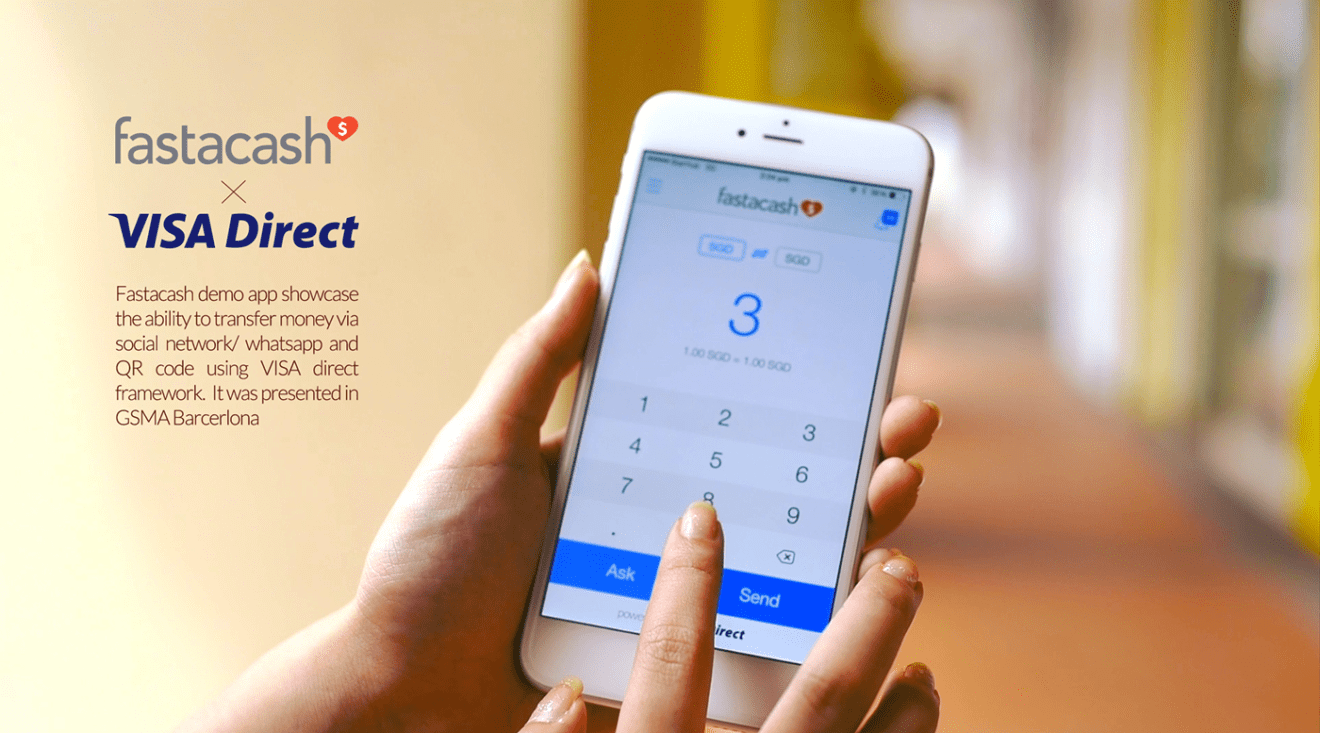
    Fastacash, a global platform enabling payments across social networks, has made a strategic investment in Myanmar focused company, MyPAY.

    MyPAY, which is developing a mobile payment system, also has a strategic partnership with MySQUAR,  a social network in Myanmar with approximately 1.5 million user accounts.

    Along with the investment, fastacash will also provide the technology platform to MyPAY to enable payments through the social network. fastacash will also support MyPAY’s go-to-market activities, including market insights and global partnership management.

    Through the fastacash platform, anyone using MyPAY will be able to transfer money, and airtime to their social connections, and make payments at retail points. MyPAY is expected to leverage MySQUAR’s user base of approximately 1.5 million user accounts.

    “In MyPAY we have found a strong local partner. Together we will make social payments a reality – for the very first time – in one of the last large untapped markets. Building a presence in Myanmar is aligned with our strategy to be a global leader in social payments, given Myanmar’s prominence as a large domestic market and receive market for global remittances,” said Vince Tallent, Chairman and CEO of fastacash.

    We see tremendous opportunity for both peer-to-peer and person-to-merchant payments in Myanmar. Together with fastacash, MyPAY is going to introduce a mobile money app, compliant with Myanmar law, to make payments easier for consumers and merchants in Myanmar. With fastacash’s technology, we are able to leverage social networks such as MySQUAR. Together, we are empowering a connected market where ninety percent of people are unbanked and underserved by traditional financial institutions,” said Nicolas Nguyen, CEO of MyPAY.

    Myanmar is one of Asia’s fastest emerging economies, with its gross domestic product (GDP) rising 8.5 percent in FY2014 (IMF), and forecast to rise 7.7 percent in FY2015. McKinsey estimates the country’s economy will quadruple from US$45 billion in 2014 to US$200 billion by 2030. Economic growth in the country is expected to be tied to demographic trends and mobile and social penetration.

    The country’s young population, with 47% under the age of 24, are expected to drive the consumption of mobile and social networks.

    Myanmar’s mobile penetration is estimated to rise from 10.5% in 2014 to 57% in 2016, boosted by the entry of foreign telecom companies. Mobile is expected to present a huge opportunity for Myanmar; by 2016 nearly 15 million people will be able to access the internet, mainly via their mobile devices. As only 4.8% of citizens have a bank account, a large opportunity exists for mobile money services.

    fastacash has live services in India, Indonesia, Russia, Singapore and Vietnam. Through partnerships with banks, money transfer operators, mobile network operators and social networks, it builds social payment capabilities within their services and mobile applications. Its partners include financial institutions such as DBS Bank (Singapore), Axis Bank (India), Oxigen Wallet (India), Techcombank (Vietnam), Doku (Indonesia), MOBI.Dengi (Russia), as well as VISA Europe.

  • Seiko Moscow boutique opens

    Seiko Moscow boutique opens

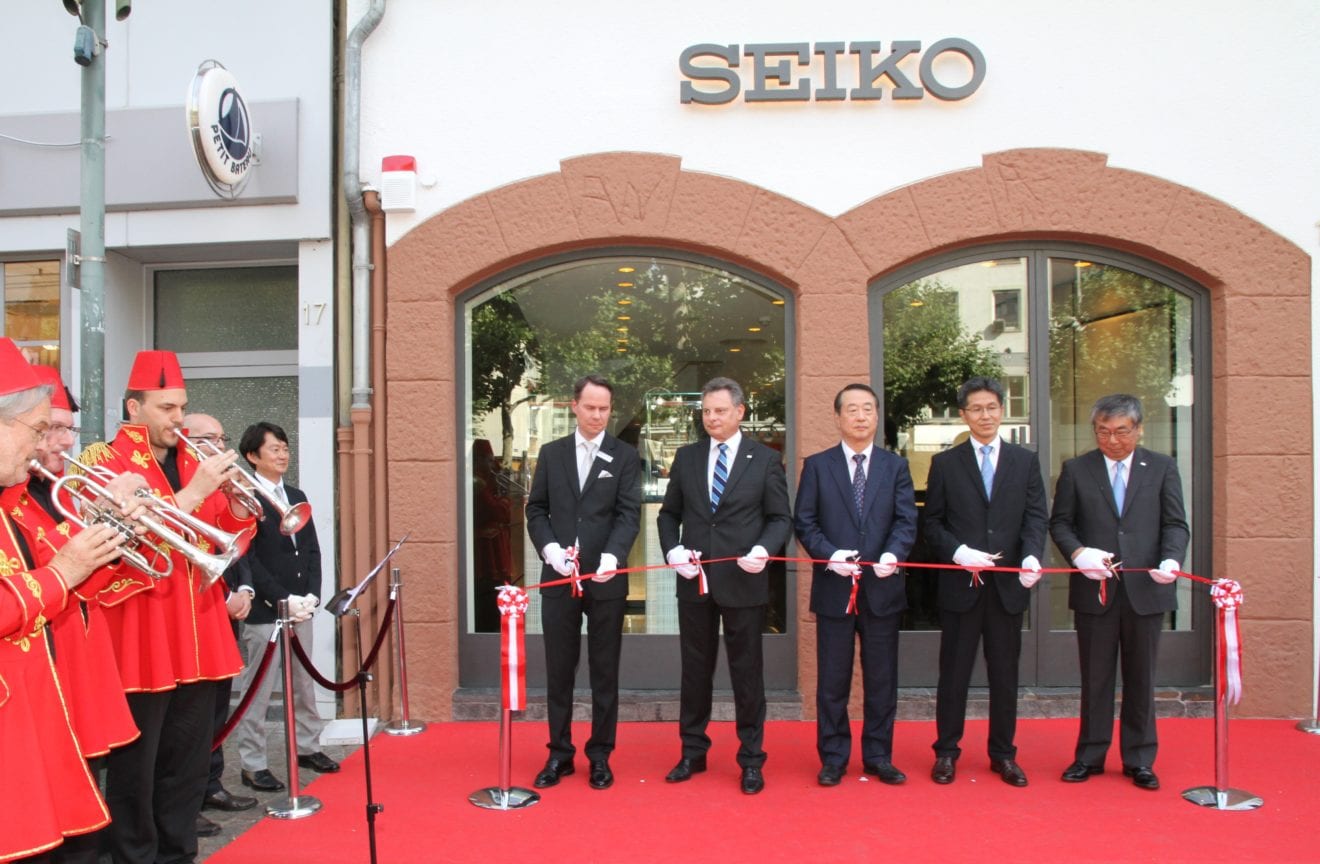
    Japanese watchmaker Seiko has opened its first boutique in Russia – 50 years after it first started exporting watches to Russian.

    The Seiko Moscow boutique opened at the St. Nickolas complex on Nikolskaya St, a high-end shopping district in the capital city.

    At the heart of the 80sqm boutique are Seiko’s luxury brands: Grand Seiko, Credor and Galante. The Grand Seiko selection at the boutique is one of the widest outside of Japan. A large selection of Credor and Galante, brands which until now have been sold mainly in Japan is also offered for the first time in Russia.

    The boutique also carries many exclusive and limited-edition models such as the Credor masterpiece “Eichi II”, a hand-crafted watch which has attracted wide praise among connoisseurs of luxury watchmaking, and sells for RUB3,990,000 (including VAT). In addition, Seiko’s latest technologies are found in a variety of Astron and Prospex watches.

    Takashi Aizawa, director and executive VP of Seiko Watch Corporation, said at a reception: “Seiko was registered as a trademark in Russia in 1965. We are delighted to open this boutique in this important anniversary year. This new boutique is one of several that are opening in the world’s leading cities. Last year we opened one in New York, and this year we added Frankfurt and Tokyo.

    “Our aim is to allow visitors a unique, exciting and intriguing opportunity to explore the world of Seiko through our history and our finest watches.”

    Darya Klishina, one of Russia’s leading athletes and Seiko’s ambassador since 2012, was present for the opening ceremony.

    A dedicated website will open soon where information about new models and special events at the boutique will be announced.

  • UAE retail look to local consumers as Chinese and Russian tourists drop

    UAE retail look to local consumers as Chinese and Russian tourists drop

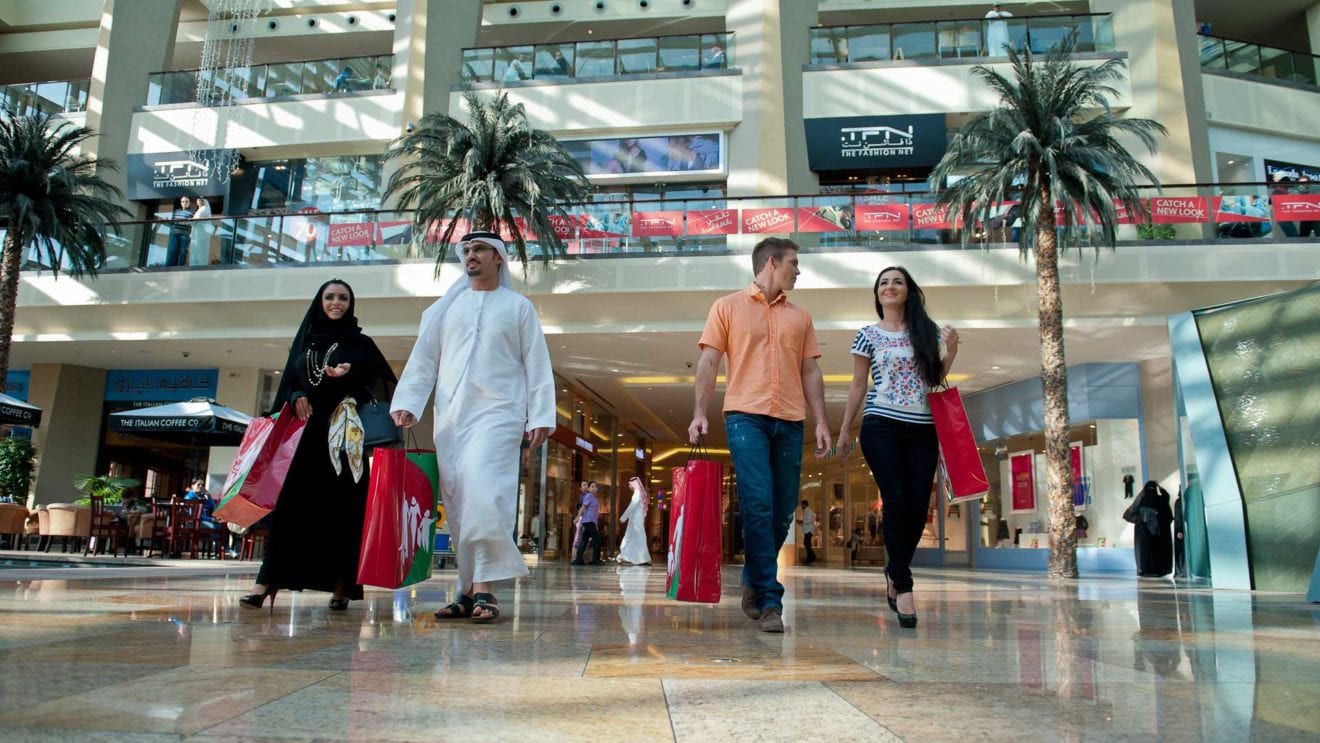
    Spending by Russian and Chinese tourists traveling to the UAE has declined recently and it is hurting not just the luxury shops in Dubai’s sprawling malls but other businesses as well.

    Nasir Mansoor, who manages vehicle rental service company Fast Rent A Car in Dubai, said that this year has been very challenging for them because the number of customers from the two countries has dropped significantly.

    During the peak period, around seven or ten Fast cars would be taken out for a drive by Russian tourists, while Chinese visitors would fill ten tourist buses a week. These days, the rental company is able to rent out, on average, only one car to a Russian customer, while Chinese tourists have dropped to two busloads a week.

    “The Russian tourists play a vital role in [our] car rental [business]. In the past six months, we have seen a noticeable decline in Russian customers who would benefit mostly from our daily and weekly rental services,” Mansoor told Gulf News.

    “Chinese tourists used to bring in business of up to ten bus tours weekly, while today, that number would approximately stand at around two tour trips,” he added.

    The national currency in Russia has been showing its weakness since last year, losing half of its value against the US dollar. The decline has made traveling abroad more expensive for Russians who earn in roubles. At the same time, the economic slowdown in China, coupled with the recent devaluation of the yuan, is not playing well with outbound tourism.

    According to Network International, overall credit or debit card spending by Russian and Chinese shoppers in the UAE dropped by 30 per cent and 22 per cent, respectively, during Ramadan compared to the same period last year. Jones Lang LaSalle noted in its latest report that retail sales in the UAE have slowed down, particularly in the luxury segment, as tourist spending from Russia has declined.

    More visitors are still traveling to the UAE, but arrivals from Russia and the Commonwealth of Independent States (CIS) has been weak. The number of Russian passengers arriving in Dubai dropped by 31.7 per cent in March, while those entering via Abu Dhabi declined by 10 per cent in June.

    Dubai Airports attributed the downtrend to the “continuing economic and social concerns in the region, with most major cities including Moscow, Kiev and St Petersburg recording fewer passengers.”

    “[This is] due to the factor that the rouble’s value has gone down in Russia and there is an economic downturn in China due to export slowdown,” noted Karan Patel, marketing manager for Middle East at 2GIS UAE, a map service comprising detailed business listings and public transport guide.

    The app developer provides map downloads to visitors in the UAE and used to attract huge customer traffic from Russian and Chinese travelers. Recently, however,  “application downloads” are on a decline, owing to the slump in tourist numbers.

    Russian and Chinese foot traffic is also declining at Shoexpress shops in the UAE. Jithan Harichand, the company’s retail operations manager, said that, given the rising cost of living in the UAE, domestic spending isn’t enough to make up for the drop in tourist spending.

    “The past year has been tough economically across the Middle East, Europe, especially Russia and China, thus tourism [has slowed down]. Tourists tend to spend cash in value retailers, thus with the [downtrend], we are dependent on UAE residents,” said Harichand.

    “[But] with inflation in UAE, residents have limited disposable income to spend locally.”

    Anuraag Sinha, managing director of Liali Jewellery in Dubai, said they used to get a lot of business from Russian tourists,  but with the decline in visitor numbers,  sales at their outlets in premium locations have slowed down.

    “The actual drop in the sales value in our sector is high because the tourists that have replaced some of the Russian and other high-spending tourists are not spending as much as the Russians did,” Sinha said.

    “While our stores in certain five and seven-star locations and resorts have suffered, our overall sales have grown as our main focus has been on brand building.”
     

  • JD.com heads to Russia

    JD.com heads to Russia

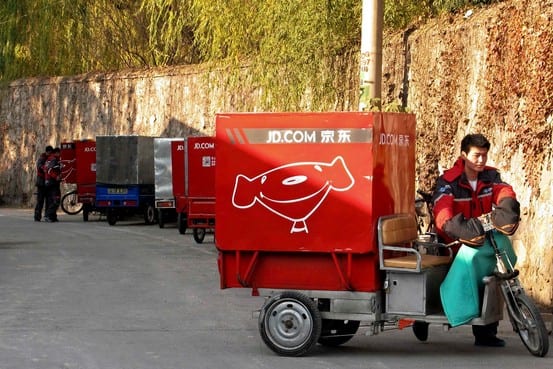
    Chinese language on-line retailer JD.com has launched a Russian-language web site to broaden its operations outdoors its core China market.

    In doing so, it’s following within the tracks of its big rival Alibaba, which has reportedly gained speedy reputation in Russia, regardless of the nation’s struggling financial system and the home foreign money’s lacklustre worth.

    “Russia is Europe’s largest Web market by viewers and has fast-growing e-commerce,” stated JD.com chief Victor Xu in a Moscow press convention to launch the brand new website.

    “We purpose to turn out to be a market chief in Russian eCommerce.”

    In line with analysis home TNS, the Aliexpress buying website had 19.6 million Russian customers in April, rating it within the prime 10 hottest websites in Russia with visitation up 65 per cent yr on yr.

    Russia’s cross-border eCommerce market was value US$four billion final yr with an estimated 70 million parcels shipped into the nation from overseas. Almost three quarters of that quantity got here from China.

    JD.com has partnered with SPSR Categorical to ship parcels in Russia and with Yandex.Cash and Qiwi Plc to course of on-line funds.

  • Russia, Indonesia sign deal for peaceful use of nuclear power

    Russia, Indonesia sign deal for peaceful use of nuclear power

    Indonesia’s National Nuclear Energy Agency (BATAN) and Russia’s State Nuclear Energy Corporation Rosatom have signed a memorandum of understanding (MoU) on development of peaceful use of nuclear energy.The two organisations signed the MoU at the ATOMEXPO, an international conference and exhibition of nuclear energy being held here, on Monday.The MoU, signed by Djarot Sulistio Wisnubroto, the chairman of BATAN and Kirill Komarov, the first deputy CEO for corporate development and international business of Rosatom, aims at strengthening the cooperation between Indonesia and Russia for peaceful use of nuclear energy.

    It also confirms the intentions of the two parties to cooperate in implementing programme to create and develop the national nuclear energy sector of Indonesia.”We fully support the strong commitment of BATAN to the development of nuclear technologies in Indonesia. Nuclear energy is viable option for this country, and Rosatom is already cooperating closely with BATAN in the project to design and construct an experimental reactor.”There are many other areas available for the further partnership, and the signed document gives a solid platform needed to bring these opportunities into life”, said Komarov at the MoU signing ceremony.

    According to the MoU, Rosatom and BATAN will intensify interactions on possibility to implement the Russian nuclear power plant projects in Indonesia.In April, BATAN declared RENUKO, the Russian-Indonesian consortium with participation of Rosatom subsidiaries, a winner of the tender for the conceptual design of a 10 MW multipurpose experimental high-temperature gas-cooled reactor in Indonesia.

  • Crisis freezes Russian malls

    Crisis freezes Russian malls

    Russian property developers had planned construction of 990,000 sqm of new mall space in 2015.

    But property specialist Jones Lang LaSalle predicts the brakes will be put on as much as 400,000sqm of new Russian malls space, in the wake of the rouble’s collapse and the nation’s worsening economic plight.

    The nation’s growing economic crisis is seeing consumers cut spending and restricting access to finance.

    “Everything depends on how many planned projects have already received financing,” said Olesya Dzyuba, deputy head of research at JLL, in the report.

    Russia’s Central Bank has raised the base interest rate to 15 per cent in a bid to prop up the rouble, leaving real estate developers facing borrowing rates as high as 20 per cent, severely impacting on the viability of retail or commercial developments, especially when consumers are cutting back on spending.

    Compounding the problem, foreign retailers are finding Russia a far less attractive market given the rouble’s value has slumped 50 per cent in around six months, reducing demand for space.

    Finnish department store Stockmann closed 16 fashion outlets in Russia last year and international brands like Adidas and Zara have slowed store roll-outs.

    According to JLL, Russian mall rental rates slumped 20 per cent last year, to reach an average range of between US$400 and $1450 per sqm.