Retail News CRM

Tag: Safety

  • Tesla To Recall 135,000 U.S. Vehicles Under Pressure From Auto Safety Regulators

    Tesla To Recall 135,000 U.S. Vehicles Under Pressure From Auto Safety Regulators

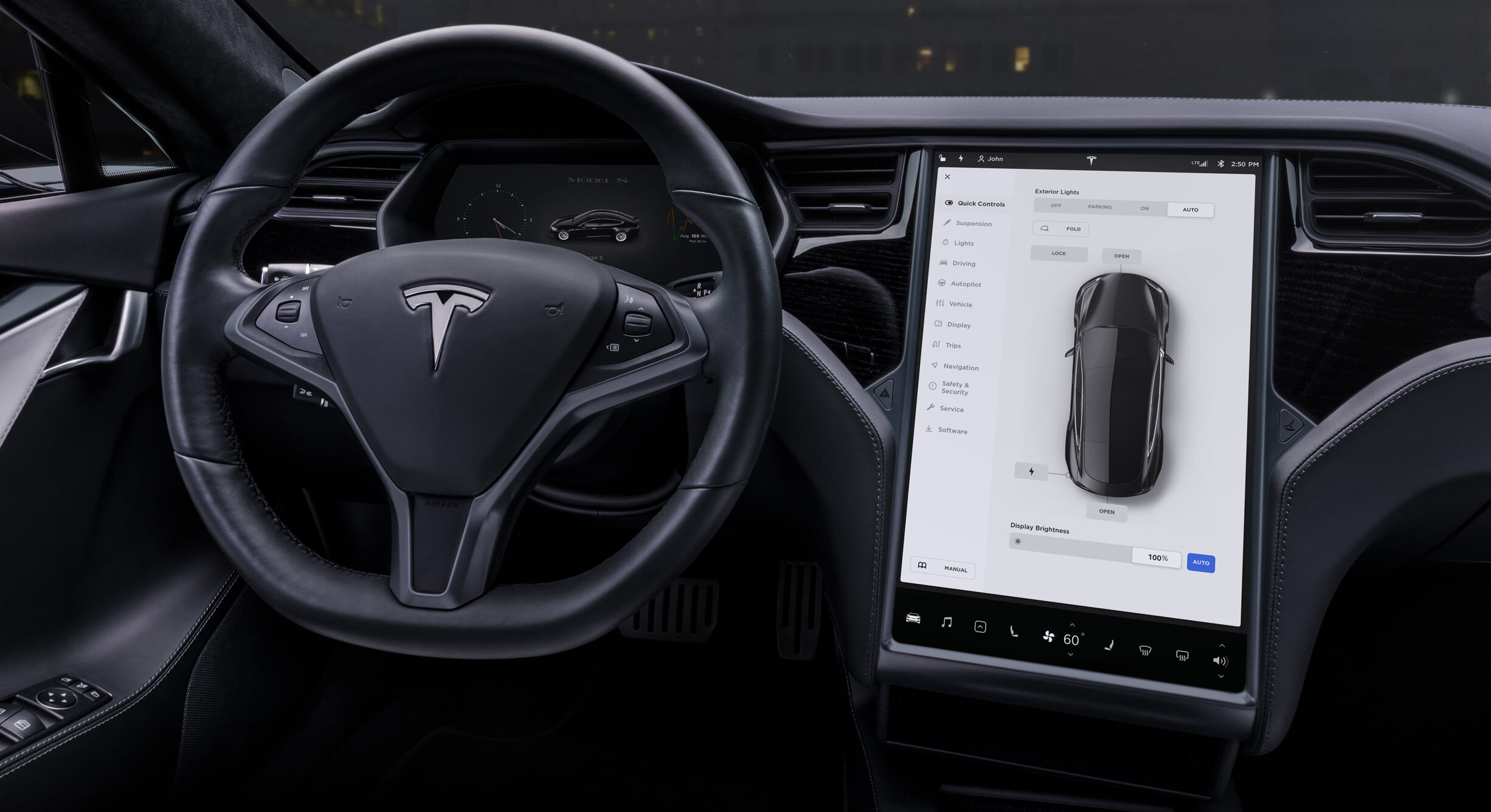
    Tesla Inc has agreed to recall 134,951 Model S and Model X vehicles with touchscreen displays that could fail and raise the risk of a crash after U.S. auto safety regulators sought the recall last month, according to a recall posted on a government website Tuesday.

    The National Highway Traffic Safety Administration (NHTSA) made the unusual recall request in a formal Jan. 13 letter to Tesla, saying it had tentatively concluded the 2012-2018 Model S and 2016-2018 Model X vehicles pose a safety issue. Automakers usually agree to voluntary fixes before the auto safety agency formally seeks a recall.

    The agency said touchscreen failures posed significant safety issues, including the loss of rearview or backup camera images, exterior turn-signal lighting, and windshield defogging and defrosting systems that “may decrease the driver’s visibility in inclement weather.”

    Tesla said in its filing with NHTSA that “in the interest of bringing administrative closure to the investigation and to ensure the best ownership experience for our customers” it agreed to a voluntary recall.

    NHTSA opened a probe in June 2020 into complaints that media control unit (MCU) failures led to touchscreen displays not working.

    The agency said other automakers issued numerous recalls for similar safety issues stemming from the touchscreen failure.

    NHTSA said in November when it upgraded its probe that it reviewed 12,523 claims and complaints about the issue.

    NHTSA said last month that “during our review of the data, Tesla provided confirmation that all units will inevitably fail given the memory device’s finite storage capacity.”

  • 18th U.S. Takata Death Reported, First In A BMW

    18th U.S. Takata Death Reported, First In A BMW

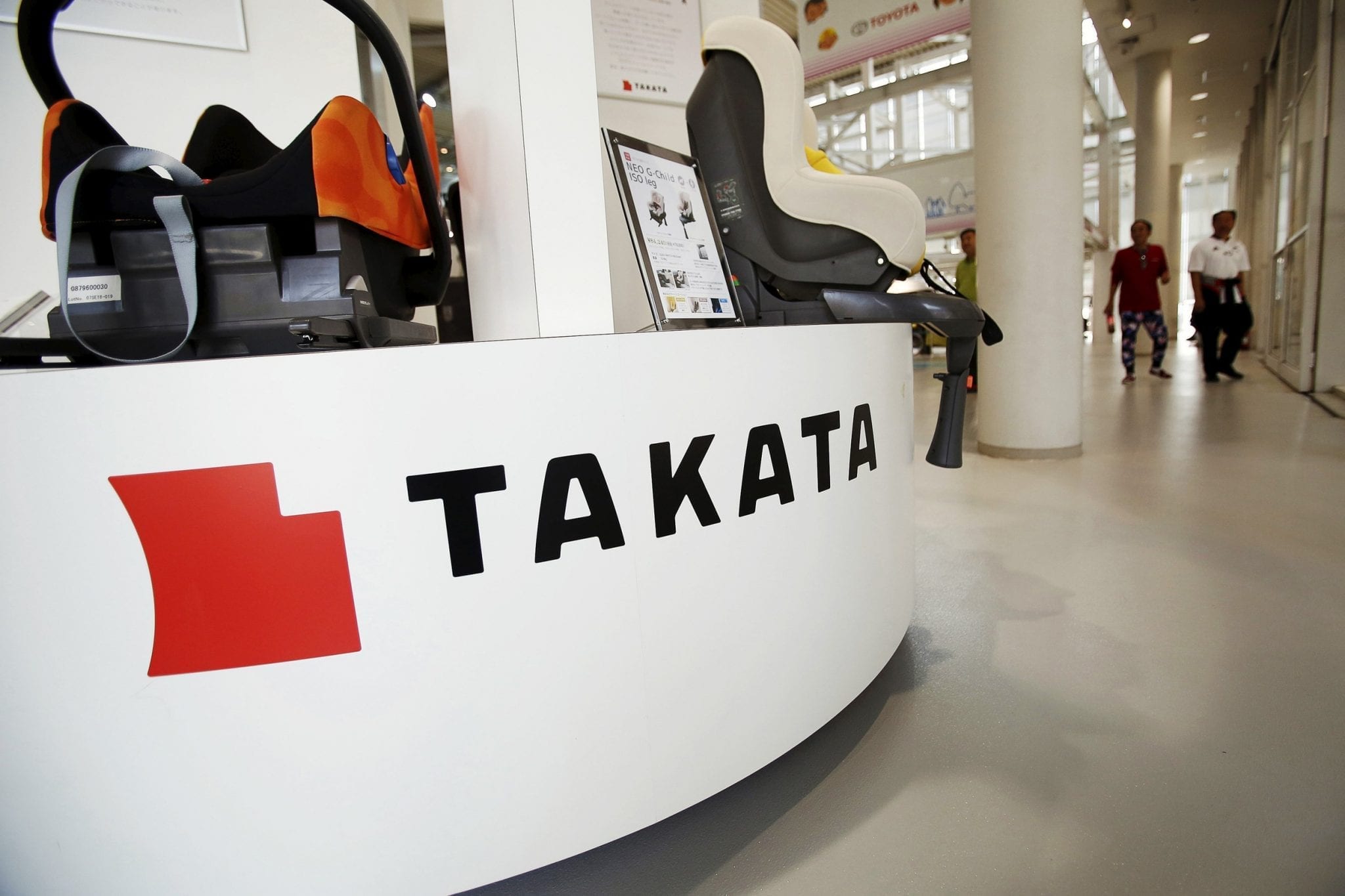
    A U.S. auto safety regulator said on Thursday it identified the 18th U.S. death tied to a Takata airbag inflator rupture after the review of a recent BMW crash. The National Highway Traffic Safety Administration (NHTSA) said it had concluded a Takata airbag inflator rupture during a September crash in Arizona had led to fatal injuries of the driver. This was the first reported Takata death in a BMW vehicle after 15 U.S. deaths in those of Honda Motor Co and two in Ford Motor Co vehicles since 2009.

    BMW said its “engineers will work closely with federal investigators to inspect the vehicle and to understand the details of the incident.”

    The German automaker added it had “been working diligently to identify and contact owners of these older vehicles equipped with recalled Takata airbags.”

    The defect, which leads in rare instances to airbag inflators rupturing and sending metal fragments flying, prompted the largest automotive recall in U.S. history of about 63 million inflators. Worldwide, about 100 million inflators by 19 major automakers were recalled.

    More than 290 U.S. injuries are also tied to faulty Takata inflators and at least 27 deaths worldwide. The issues especially affects older vehicles with long-term exposure to hot, humid conditions. A number of the deaths have occurred in Arizona. Millions of unrepaired airbags remain in cars on U.S. roads.

    NHTSA said in a statement Thursday the “incident underscores the importance of replacing every recalled Takata airbag. When notified of a safety defect, we urge vehicle owners to immediately contact their automaker’s local dealer to schedule a free repair.”

  • Zoom lied about using end-to-end encryption and is lightly spanked by the FTC

    Zoom lied about using end-to-end encryption and is lightly spanked by the FTC

    Announced on Monday, a settlement between video conferencing app Zoom and the FTC revealed that since 2016, Zoom had been lying about providing ‘end-to-end, 256-bit encryption’ to protect the security of users’ communication. The truth was that Zoom was actually giving users a lower level of security. As the FTC said on Monday, “Zoom maintained the cryptographic keys that could allow Zoom to access the content of its customers’ meetings, and secured its Zoom Meetings, in part, with a lower level of encryption than promised.”

    The FTC complaint chronicles the rapid growth of the company. In July 2019 it had 600,000 paid subscribers and 88% of its paid subscribers were small businesses with 10 or fewer employees. By December of 2019, 10 million people around the world were participating in a Zoom chat daily. And by the time COVID-19 hit the U.S. big time in April 2020, the number of people around the globe participating on a Zoom chat everyday had skyrocketed to a whopping 300 million.

    During this amazing period of growth, Zoom made various representations about the strength of its security measures. On its websites and in its security guides Zoom said that it takes “security seriously,” that it “places privacy and security as the highest priority.” Zoom also made it known that “it is committed to protecting your privacy.” Since 2016 Zoom has been making claims that its chats offer end-to-end encryption. One way that it did this was by placing an icon of a green padlock in the top left corner of a Zoom Meeting. When a user hovered near the icon, he or she would see a popup that read “Zoom is using an end-to-end encrypted connection.”

    But as the FTC notes, “Zoom did not provide end-to-end encryption for any Zoom Meeting that was conducted outside of Zoom’s Connector product. On a blog post written by Zoom’s Chief Product Officer, the company finally admitted that “while we never intended to deceive any of our customers, we recognize that there is a discrepancy between the commonly accepted definition of end-to-end encryption and how we were using it.” The FTC also noted that the claim made last year by Zoom that its recorded meetings were stored encrypted as soon as the Meeting was over simply was not true. As it turns out, recorded Meetings were kept in Zoom’s own server unencrypted for up to 60 days before they were transferred to Zoom’s secure cloud storage where they were stored encrypted.

    The Democrats on the FTC panel are not happy about the settlement since they feel that it does not punish Zoom enough for its lies. Democratic Commissioner Rebecca Kelly Slaughter said, “Zoom is not required to offer redress, refunds, or even notice to its customers that material claims regarding the security of its services were false. This failure of the proposed settlement does a disservice to Zoom’s customers, and substantially limits the deterrence value of the case.” However, Zoom does face lawsuits from customers and investors and these could result in the company being ordered to make financial restitution to those who were hurt by the firm’s dishonesty.

    The proposed settlement that Zoom has agreed to includes beefing up its security including the use of multi-factor authentication as a way to prevent unauthorized access to the Zoom network. The settlement is open for the public to comment on it for 30 days; once that time is up, the Commission gets to vote on making it final. The 30 days begins once the settlement is published in the Federal Register. Zoom will have to notify the FTC if there are any data breaches. All software updates will need to be examined by Zoom for any security flaws. And a third-party will need to sign-off on Zoom’s security program once the settlement is finalized and for every two years after that for a total of 20 years.

  • Australian Authorities Ask AirAsia To Re-evaluate Safety Briefing

    Australian Authorities Ask AirAsia To Re-evaluate Safety Briefing

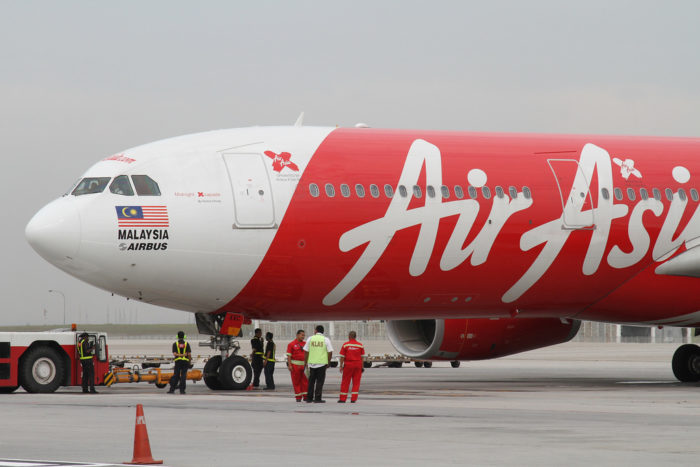
    AirAsia has been asked to re-evaluate its safety briefing after an incident on a flight between Perth and Denpasar in October 2017. During the incident in which oxygen masks were deployed, not all masks did so and not all masks worked, causing a degree of confusion in the cabin and for passengers to ignore seatbelt lights as they searched for working oxygen masks.

    As reported in Australian Aviation, an AirAsia A320 was flying from Perth to Denpasar on October 15, 2017. Shortly after takeoff, there was a high cabin altitude master warning. The Australian Transport and Safety Bureau (ATSB) who investigated the incident determined there was an “intermittent rare fault” with the cabin pressure controller 1 circuit board. This caused an incorrect control of the outflow valve, leading to over-pressurization of the aircraft cabin and activation of the cabin safety valves and alerts of excess cabin altitude.

    Following the alerts, the pilots asked ATC for an emergency descent from 34,000 feet to 10,000 feet, informed the passengers and deployed oxygen masks.

    According to the ATSB report, not all masks deployed and some of those that did deploy did not work properly. Some of the passengers ignored crew instructions, getting out of their seats and looking for oxygen masks that did work.

    At the time the seatbelt light was on and the crew was shouting instructions such as “brace”,“sit down”, “get down,” and  “grab the mask, fasten the seatbelt, breathe normally”. According to the ATSB, these could have had the effect of furthering fear and confusion amongst the passengers.

    The aircraft landed in Perth safely. The crew appears not to have handled the disembarkation process particularly well. The ATSB report says;

    It was also noted that some passengers had put on life jackets.

    The ATSB investigation revealed over half of the passengers were “unsure” if their masks were working correctly. Many passengers were also unclear about how to operate the oxygen masks. The ATSB investigation found when the release pin was removed, the oxygen canister did not work in six seats. In another six seats, the oxygen masks did not deploy. In a further three seats, no lanyards were pulled to commence the flow of oxygen.

    The ATSB investigation found that both the pre-flight safety briefing and the safety card did not clearly demonstrate how to activate the flow of oxygen. The ATSB report said;

    “The ATSB recommends that AirAsia Indonesia take further action to review its current passenger pre-flight safety briefing and safety information card to ensure passengers are provided with clear instructions on how to activate the flow of oxygen from the passenger oxygen masks and that the bag may not inflate when oxygen is flowing.” 

    The ATSB found the contributing factors to the incident was a minor intermittent fault with the active cabin pressure controller. Airbus has reviewed its A320 emergency procedures when an incident like this occurs. Airbus now recommends and has implemented a manual cabin pressure controller changeover in case of abnormal cabin altitude.

    The ATSB found the lack of clear instructions in both the pre-flight safety briefing and in the safety cards, combined with inappropriate commands from the cabin crew for a rapid descent and depressurization, along with a failure to deal with non-compliant passenger behavior were factors that increased risk.

    AirAsia flies to several Australian cities, including Melbourne, Perth, Brisbane, Adelaide and Sydney. The airline told the ATSB that it was adhering to Indonesian regulations and that it would “consider” including the requirements in its safety demonstration announcements.

  • Hyundai Motor Group Develops New Centre Side Airbag

    Hyundai Motor Group Develops New Centre Side Airbag

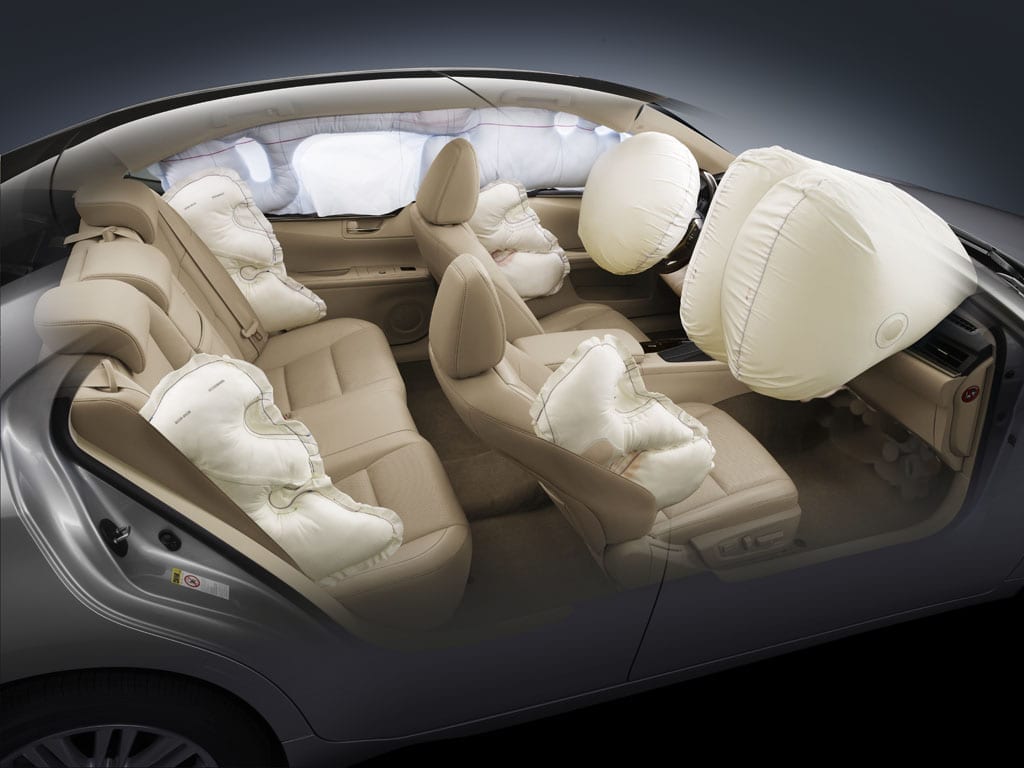
    Hyundai Motor Group has developed a new center side airbag, which works to separate the space between driver and passenger. The Group will roll out the technology in upcoming vehicles. This new, additional airbag expands into the space between driver and passenger seats to prevent head injuries of passengers in the front row. If there is no one in the front passenger seat, the airbag will protect the driver from side collision coming from the right side. The center side airbag is installed inside the driver’s seat and will deploy once the impact is sensed.

    The new center side airbag is expected to diminish head injuries caused by passengers colliding with each other by 80 percent. The Group has applied newly patented technology to maintain reliability but reduce the weight and size of the airbag.

    Hyundai Motor Group has developed a new technology to simplify the design and reduce the weight of component produce an airbag which is about 500g lighter than the competing products. Thanks to the smaller size of the airbag, the company’s design teams will have more flexibility in the type of seat design they envision for future products.

    The additional airbag expands into the space between driver and passenger seats to prevent head injuries

    Upcoming Euro NCAP is expected to include side-impact into its consideration beginning year 2020 and Hyundai Motor Group’s airbag will certainly help in addressing this.

  • Lexus’ Safety System+ To Be Standard In All Cars In The US From 2020

    Lexus’ Safety System+ To Be Standard In All Cars In The US From 2020

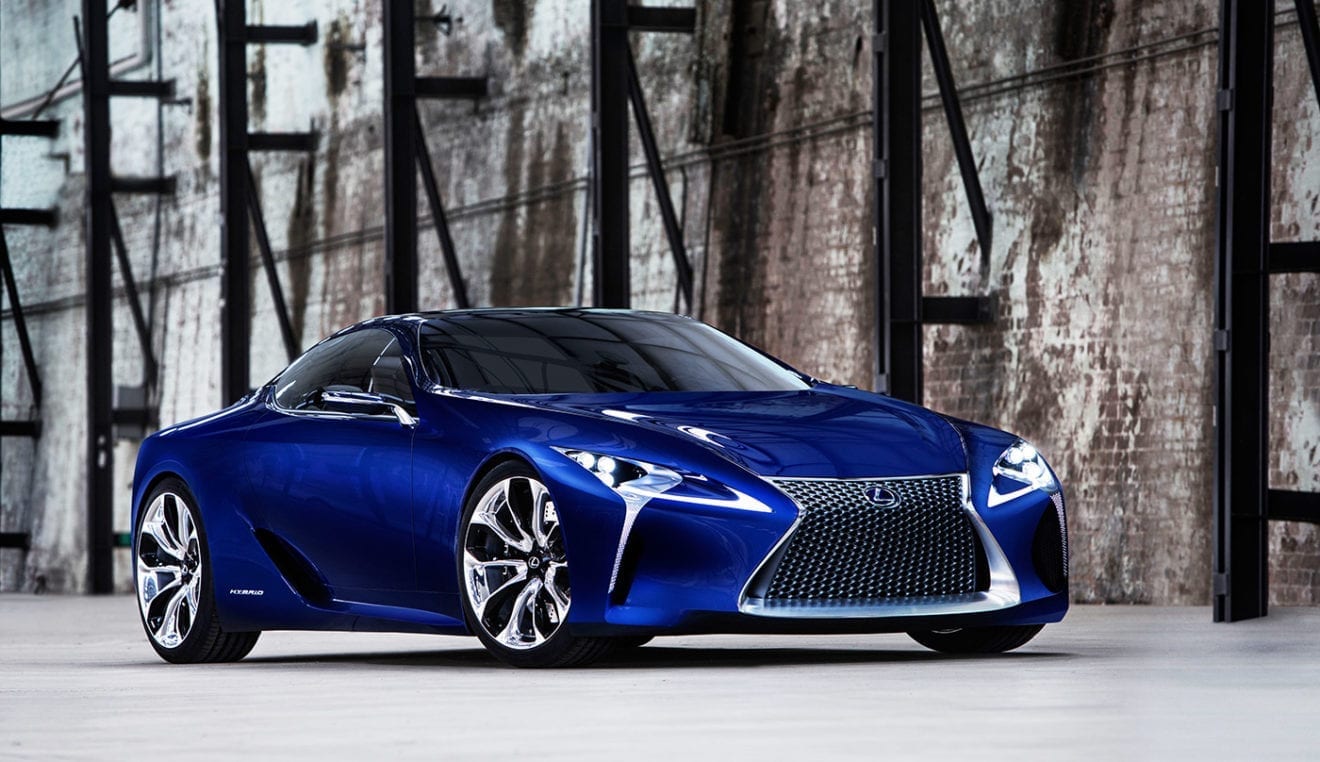
    Collisions that result in injury can often be caused by a delay in a driver’s recognition of the situation and his or her ability to react accordingly. In a move to help prevent such accidents before they happen, the Lexus Safety System+ will be a standard feature in all US Lexus vehicles starting with the 2020 model year. Designed to help protect drivers, passengers and pedestrians, the Lexus Safety System+ is an integrated suite of four advanced active safety packages anchored by automated pre-collision warning and braking.

    David Christ, group vice president and general manager, Lexus Division said, “We are working toward preventing crashes before they happen. That’s why we have developed some of the most advanced safety features on the road today, and now those systems will be standard equipment on every model we sell.”

    The Safety System+ will come with Pre-Collison System with Pedestrian Detection, a system which is engineered to help detect a preceding vehicle or a pedestrian in front of the Lexus under certain conditions. Should the system detect a pedestrian or a potential frontal collision, it’s designed to activate an audible and visual alert while automatically preparing Brake Assist for an increased braking response. If the driver does not break in time, the system is designed to automatically begin braking before impact and, in some cases, can even bring the vehicle to a stop.

    There will also be Lane departure alert which will utilize a high-resolution camera to monitor visible lane markings and determine the vehicle’s position within a lane. If an inadvertent lane departure or potential departure due to swaying is detected at speeds above 51 kmph, the system attempts to alert the driver with audio and visual warnings and steering wheel vibrations. Then there are the Intelligent High Beams which provide added visibility for the Lexus driver as well as other motorists, Intelligent High Beams offer added illumination to help keep the driver focused on the road. When the road ahead is clear, the system defaults to high-beam mode, then temporarily switches to low beams when it detects the headlamps or taillamps of vehicles ahead.

    And finally, there’s the dynamic radar cruise control which uses radar and camera technology to help maintain a preset speed and following distance from the vehicle ahead. If driving at highway speeds and the road ahead clears, the vehicle returns to its preset speed.

  • Mercedes-Benz’s Heated Seatbelts Encouraging Customers To Put Them On

    Mercedes-Benz’s Heated Seatbelts Encouraging Customers To Put Them On

    Seatbelt is the first safety feature in a vehicle which plays a crucial role in saving the life of the occupants in case of a collision. It keeps the body static and prevents it from coming into contact with the surface which can leave the passengers wounded. Over the time, we have seen technological developments in this area like the active pretensioners which grip the body even when you drive beyond a certain speed and obviously while sensing a collision situation.

    However, it goes without saying that all of it will come into play only when it’s hooked and the latest development aims exactly at improving the practice of putting on the seatbelt. Mercedes-Benz is testing heated seatbelts in its prototype and interestingly it looks very much like an usual seatbelt. It has heated tubes inserted in the fabric to keep it warm. It operates in conjunction at same temperature level as the heated seats and armrests we have seen in Mercedes-Benz top of the line Models.

    The Stuttgart based carmaker says that this would encourage its customers to fasten the seatbelts as they would love to be in a soothing temperature. The technology is even more relevant for cold regions where low temperature is actually an issue. Even in central, Eastern and Northern parts of India where temperature hits extreme low in winters, such technology will go in favour of adopting the practice of putting on the seatbelts. In India, where wearing seatbelt is a rarity and people in metro cities only do because of the law enforcement, such technology could actually help in making the practice more common.

  • Royal Enfield Recalls 7000 Bullet Motorcycles Over Faulty Brake Caliper Bolt

    Royal Enfield Recalls 7000 Bullet Motorcycles Over Faulty Brake Caliper Bolt

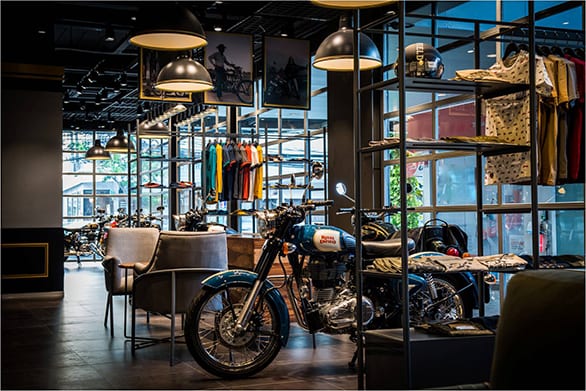
    Chennai-based motorcycle maker Royal Enfield has announced a recall for 7000 units of the Bullet range of motorcycles. The recall affects the Royal Enfield Bullet and Electra 350 and 500 variants that were manufactured between March 20 and April 30 this year. The recall is related to an issue of a faulty brake caliper bolt that failed to meet the required torque quality to standards, according to Royal Enfield and the recall is a proactive measure given the importance of the part concerned.

    Royal Enfield further stated that corrective actions will be carried out on the affected motorcycles under the recall. Customers will have check whether their bike falls under the affected vehicles and need to get in touch with their nearest company authorized service center. The corrective measures will be done by the service center free of cost.

    The Royal Enfield Bullet series is one of the oldest motorcycles to be sold from the manufacturer and retains the retro element in today’s modern-classic era. The Bullet 500 draws power from the 499 cc single-cylinder engine tuned for 27 bhp and 41 Nm of peak torque, while the Bullet 350 uses the 346 cc single-cylinder engine with 19 bhp and 28 Nm of peak torque. Both units are paired with a 5-speed gearbox. Both bikes were updated with the now mandatory ABS safety tech earlier this year to keep up with the new norms. The company is also working on the BS6 versions of its motorcycles, which could see the Bullet series receiving a new powertrain next year.

  • Cebu Pacific receives highest ranking for safety

    Cebu Pacific receives highest ranking for safety

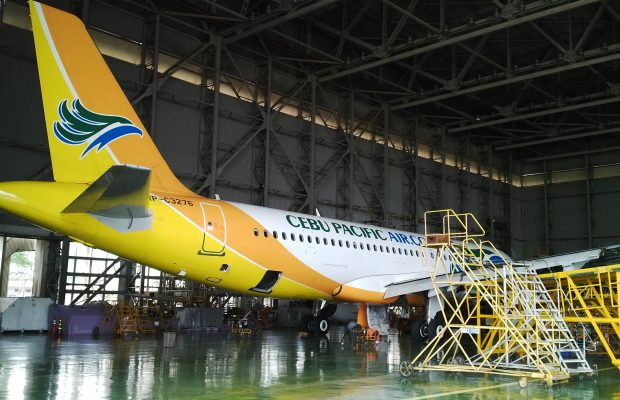
    Cebu Pacific has now achieved the highest ranking for safety with 7-stars from the world’s only safety and product rating agency AirlineRatings.com

    After careful evaluation and feedback from the airline and aviation industry AirlineRatings.com has upgraded its seven-star safety rating system to give more importance to IOSA and this move elevates Cebu Pacific up to 7-stars – the highest ranking.

    IOSA – the International Air Transport Association Operation Safety Audit – was first introduced in 2003 to curb the disturbing trend in airline accidents that could be attributed to simple processes and maintenance programs.

    Since it was introduced airlines that have completed IOSA have up to a four-fold safer safety record than airlines that do not do the audit.

    In 2017, the all accident rate for airlines on the IOSA registry was nearly four times better than that of non-IOSA airlines (0.56 vs. 2.17 accidents per million flights) and it was nearly three times better over the 2012-16 period.

    Of significant importance to Airlineratings.com is that the audit is done every two years and covers over 1060 parameters.

    AirlineRatings.com now awards an airline that has completed IOSA three stars.

    AirlineRatings.com Editor-in-Chief Geoffrey Thomas congratulated Cebu Pacific on this achievement.

    “Cebu Pacific has become a major part of the fabric of life in the Philippines bringing affordable travel to most,” said Thomas.

    “The airline has a very modern fleet and operationally is now up there with the best.”

    “That is great news for the traveling public,” said Thomas.

    The rating agency has reduced the stars allocated for ICAO compliance from two to one.

    The International Civil Aviation Organization (ICAO) was created to promote the safe and orderly development of international civil aviation throughout the world.

    It sets standards and regulations necessary for aviation safety, security, efficiency, and regularity, as well as for aviation environmental protection.

    It has 8 audit parameters that pertain to safety and they are; Legislation, Organization, Licensing, Operations, Airworthiness, Accident Investigation, Air Navigation Service and Aerodromes.

    If the country meets between 6 and 8 of the audits one star is awarded to the airline. Five secures 1/2 star. However, if any of the criteria are below the average by less than 5 percent it is considered a pass. If the country only meets up to four criteria no star is given.

    The other main criteria are; Is the airline on the European Union (EU) Blacklist; has it a fatality free record for the past 10 years and is the airline FAA (USA) endorsed?

    Cebu Pacific commenced services in March 1996, initially only domestic operations but launched international operations in November 2001.

    It now flies to 64 tourist/business destinations within Asia and operates 67 mainly Airbus aircraft

    Cebu was the first local airline to introduce e-ticketing, prepaid excess baggage and seat selection in the Philippines.

  • Vardenchi To Open New Lifestyle Garage Store In Mumbai

    Vardenchi To Open New Lifestyle Garage Store In Mumbai

    Motorcycle design company, Vardenchi, is all set to open its first ‘Lifestyle Garage’ in Goregaon, Mumbai. The flagship space will offer a wide range of bespoke motorcycle upgrade solutions and crafted biker products. Biker Products will include a range of fashion motorcycle helmets, lifestyle riding gear, a collection of apparel like t shirts hoodies and shoes. Motorcycle Upgrade products will include accessories for Safety, Utility and Style such as lights, seats, guards, luggage and more.

    A lot of motorcycle parts and materials have inspired the design of the Lifestyle Garage. Akshai Varde, MD/Founder, Vardenchi said, “The Vardenchi Lifestyle Garage is a culmination of our long standing vision of offering ‘everything motorcycle.’ The market and the timing are very well positioned for a concept like this and we are extremely excited to kick off the first of an entire network of franchise stores”

  • Public safety applications among early use of 5G sUAVs

    Public safety applications among early use of 5G sUAVs

    Public safety agencies in big markets have started to deploy mobile broadband communication networks to replace their existing narrowband technology, such as FirstNet in the United States and the Emergency Services Network in the United Kingdom.

    The transition to 5G New Radio will unlock a myriad of civil use cases for small Unmanned Aerial Vehicles (sUAVs), said ABI Research.

    As compared to a few years ago, sUAVs have been widely deployed in various public safety applications. This includes asset surveillance and monitoring, traffic management, crowd surveillance, and control, as well as search and rescue.

    However, all these applications are performed using remote control and within visual line of sight. Existing communication technologies, such as LTE, Wi-Fi, Bluetooth, and unlicensed spectrum, all have their limitations and restrictions.

    “The biggest strengths of 5G are high throughput and low latency,” said Lian Jye Su, a principal analyst at ABI Research. “The high throughput enables the seamless transmission of high-resolution images and videos that are critical for search and rescue missions. Low latency, on the other hand, allows sUAVs to be controlled by a centralized command and control in beyond visual line of sight (BVLOS) flight. Path and route information, sensor information, geospatial, and telemetry data can be exchanged with the command and control almost instantaneously.”

    With the increasing number of sUAVs sharing the airspace, public safety agencies will need UAV Traffic Management (UTM) system to control and manage national airspace. Each sUAV that is connected to the network will have a unique identifier which allows tracking and tracing across all kinds of terrains and environments. This will help public safety agencies track down rogue sUAVs and preserve the safety and security of the airspace.

    In addition, 5G also enhances existing geo-positioning technology. Currently, satellite communications such as GPS and GLONASS are used for sUAV tracking, but satellite signals face a canyoning effect in dense urban landscapes and are subjected to interruption by buildings and natural landscapes. In indoor environments, sUAVs rely on optical flow and ultrasonic sensors for positioning and navigation, but this system is limited to the hardware available on the sUAVs. Cellular technology can augment satellite by using a radio fingerprinting technique, which matches cellular signal measurements against a central calibrated database and does not require an extra device or upgrade to the public safety network.

    “The mission critical nature of public safety use cases demands a high level of reliability, scalability, and redundancy. Despite still being in the early stage of deployment, 5G has strong potential to solve the pain-points of public safety use cases. The telecommunications industry will start to roll out 5G equipment and devices in 2019 and it is just a matter of time before we start to see 5G sUAVs being deployed by public safety agencies,” concluded Su.

  • Volvo will limit top speed of its cars to reach safety target

    Volvo will limit top speed of its cars to reach safety target

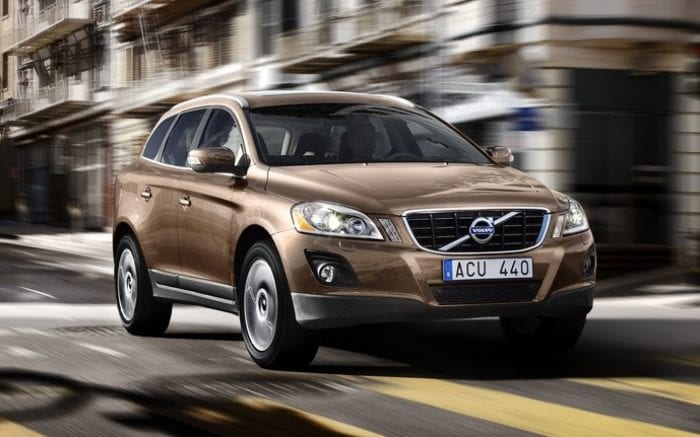
    Volvo said on Monday it will limit the top speed on all its new cars to 180 kph (112 mph) starting in 2020, which is the same year the Swedish automaker wants there to be zero people killed or seriously injured in any of its new models. The change will be implemented globally starting in the second quarter of next year on vehicles planned for the 2021 model year.

    Volvo is taking the bold step because its researchers have identified speed as a prominent gap it needs to close to reach its safety target.

    “We need to talk about this problem,” Volvo CEO Hakan Samuelsson told, referring to the areas that remain to be solved to end serious injuries and fatalities in its vehicles. Although speed limits exist in most countries he said that people are still exceeding those limits by a wide margin. Volvo believes that controlling the speed in its models is worth it even if it can save just one life.

    Excluding specially tuned cars such as the Polestar Engineered variant of the S60 sedan, no Volvo vehicles currently offer a top speed that exceeds 250 kph.

    Samuelsson said that he expects pushback from the move, but Volvo received similar criticism that it was taking away a driver’s freedom when it added seat belts to its cars 60 years ago.

    “If someone is going to show leadership in safety it needs to be Volvo,” he said.

    Samuelsson added that he believes that the move will not turn away Volvo’s core customers because he says the brand already “attracts more responsible drivers” who are typically favor safety over extreme performance and horsepower.

    Traffic accident data from NHTSA shows that 25 percent of all traffic fatalities in the U.S. in 2017 were caused by speeding. Volvo safety experts say that many people do not recognize the danger of speeding or realize that once the car reaches certain speeds its in-car safety technology will not prevent severe injuries and fatalities in the event of a crash.

    “As humans, we all understand the dangers with snakes, spiders and heights. With speeds, not so much,” Volvo senior safety specialist Jan Ivarsson said in a release. “People often drive too fast in a given traffic situation and have poor speed adaption in relation to that traffic situation and their own capabilities as a driver. We need to support better behavior and help people realize and understand that speeding is dangerous.”

    It will not be possible to turn off the limited speed, a company spokeswomen said.

    Taking things a step further, Volvo is also investigating how a combination of speed control and geofencing technology could automatically limit speeds around schools and hospitals in future. The aim is to reduce speeding while also addressing the two other safety gaps after speeding – intoxication and driver distraction.

    Said Samuelsson: “We need to talk about how far we as carmarkers can go to help save lives.” He wants those discussions to determine whether automakers have an obligation to install technology in cars that changes their driver’s behavior. He said Volvo does not have a firm answer to this question.

    With that in mind, Volvo will present ideas to tackle the problem areas of intoxication and driver distraction at a special safety event in Gothenburg, Sweden, on March 20.

  • Vietnam aviation faces safety rating challenge

    Vietnam aviation faces safety rating challenge

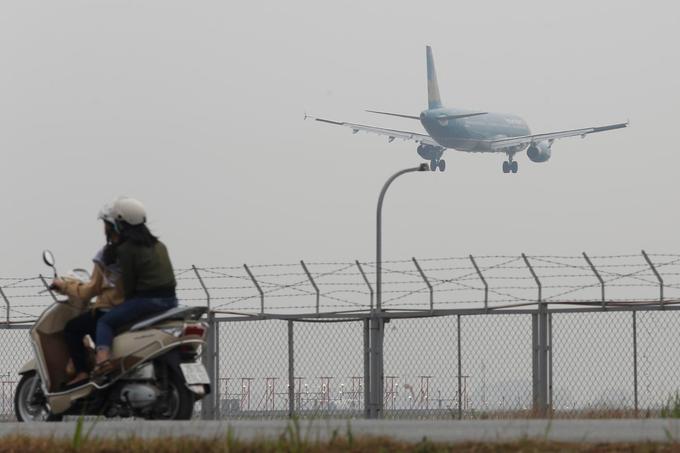
    Vietnam might find it difficult to maintain its aviation safety rating due to a lack of qualified personnel, experts caution. The U.S. Federal Aviation Administration (FAA) Friday gave Vietnam a Category 1 safety rating, allowing local airlines to operate direct flights to the U.S. “Acquiring this rating is hard, keeping it is going to be even harder,” Dinh Viet Thang, head of the Civil Aviation Authority of Vietnam (CAAV) said.

    He said that the CAAV currently has only 30 aviation safety officers, meeting only 30 percent of the demand. They hire the rest from other airlines.

    The U.S. Federal Aviation Administration (FAA) has required that the CAAV has enough aviation safety officers on its own in upcoming years so that it doesn’t need to hire people from outside, and CAAV plans to meet this goal by 2025.

    However, training these officers is costly, with an individual bill costing over VND5 billion ($216,000).

    One of the biggest hiring difficulties is that aviation safety officers are attracted by the higher salaries offered by airlines compared to state-owned companies, Thang said.

    An aviation safety officer at CAAV earns only VND10 million ($432) a month, while local airlines pay them about VND300 million ($12,960).

    “The government gives us VND20-30 billion ($864,000-1.29 million) each year to hire aviation safety officers and VND10 billion ($432,000) to train new ones, but we really need more investment from the government to develop this team,” he noted.

    Another challenge is meeting FAA safety requirements as they conduct unannounced safety examinations. If Vietnam doesn’t meet these requirements, FAA will downgrade the rating to Category 2, meaning no direct flight to the U.S. is allowed.

    This has happened before in Thailand, Indonesia, Philippines and most recently India, he said.

    Local airlines, including state-owned Vietnam Airlines, budget airline Vietjet and new private airline Bamboo Airways, have previously expressed interest in operating direct flights to the U.S.

    Vietnam’s aviation industry has been growing rapidly in recent years. There were 12.5 million air passengers last year, up 14.4 percent from 2017.

    The number of flights in the country grew by 16 percent on average between 2010 and 2017, according to official data.

  • KT Telecop warns people to secure homes for Seollal

    KT Telecop warns people to secure homes for Seollal

    KT Telecop, the security arm under mobile carrier KT, has warned people to be careful leaving their homes empty over the Lunar New Year period. On Tuesday, KT Telecop said most incidents occur during the first day of the holiday period, according to three years of big data it has collected during the Lunar New Year and Chuseok holidays.

    Theft is the most commonly reported issue, accounting for 59 percent of incidents, followed by property damage at 24 percent and fire at 17 percent.

    A spokesperson from KT said travelling families should keep a tight watch on their front doors and windows before leaving the house to prevent crime.

    For those intending to leave the house empty for a long time, KT suggests keeping some lights on at all times so it appears occupied.

  • Hyundai develops safer airbag deployment system

    Hyundai develops safer airbag deployment system

    Hyundai Motor Group, Korea’s biggest carmaker by sales, said Monday it has developed a safer airbag deployment system to better protect people from multiple crashes. The advanced airbag system immediately prepares for additional crashes once it recognizes an initial collision, in cases where the collision is not serious enough to warrant a deployment, the conglomerate said in a statement.

    “If the first collision is a minor one, but the vehicle continues on and collides with something else, such as trees or street lamps, the airbag system optimizes itself to prepare for additional crashes,” a company spokesman explained to reporters over the phone.

    It is the first time a Korean carmaker has developed such a multi-crash airbag system, the statement said.

    Existing airbag systems do not inflate once they determine the initial collision is minor, even if subsequent impacts involve greater force and can lead to serious injury, it said.