Retail News CRM

Tag: Safety

  • Korea’s car take top safety awards

    Korea’s car take top safety awards

    Vehicles from Hyundai Motor and Kia Motors were awarded three top safety prizes in the Ministry of Land, Infrastructure and Transport’s 2018 Korean New Car Assessment Program (Kncap) on Wednesday in a ceremony held at the InterContinental Seoul Coex in southern Seoul.

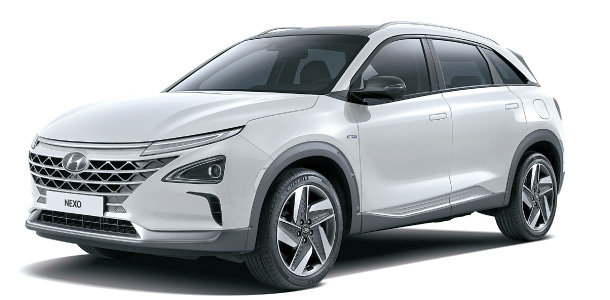
    Hyundai Motor’s hydrogen-powered sport-utility vehicle (SUV) Nexo, mid-sized sedan Genesis G70 and Kia Motors’ large-sized sedan, the K9, were awarded top Kncap prizes in their size segments.

    Vehicles were tested in three key areas – collision, pedestrian and accident prevention safety. The program assessed 11 vehicles this year, including four imported models.

    Hyundai’s eco-friendly vehicle, the Nexo, received perfect scores in front and side collision safety, pedestrian leg protection and advanced driver assistance system to not only win the top safety prize in its segment but also to win two other special awards: the top safety eco-friendly vehicle award and the top children’s safety award.

    Hyundai Motor said that the automaker conducted a variety of tests on the hydrogen-powered Nexo to ensure the safety of its high-pressure hydrogen tank such as shooting it with a bullet along with other fire-safety tests.

    Kia Motors’ flagship large-sized sedan, the K9, also scored top marks to receive a special award in top accident prevention on top of its top award for segment size.

    Meanwhile, the Genesis G70, awarded the top prize in the mid-sized sedan segment, ensures pedestrian safety with an active hood system that automatically lifts the hood of the vehicle if it collides with a pedestrian.

  • Asiana Korea upgrades the system that monitors flight safety

    Asiana Korea upgrades the system that monitors flight safety

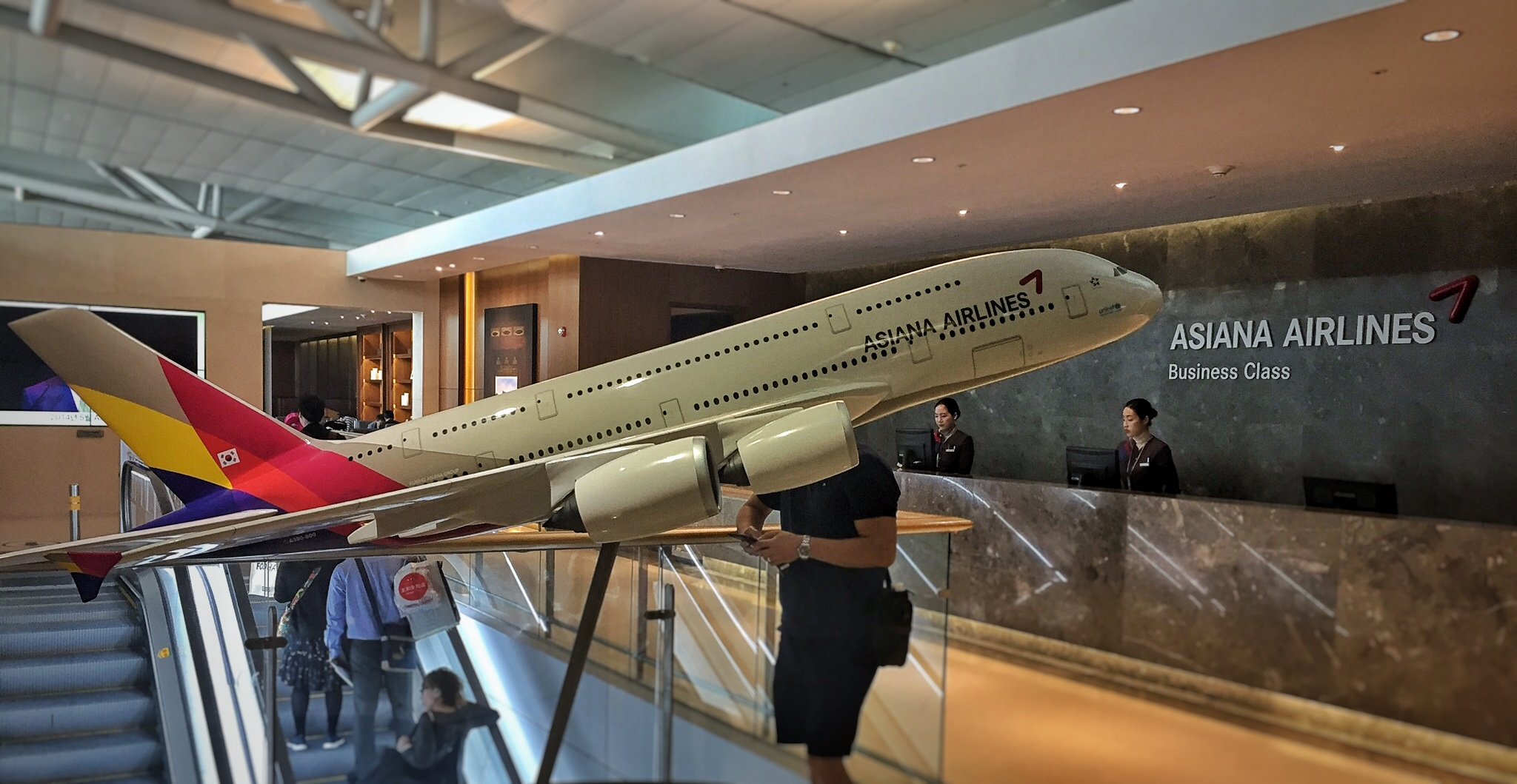
    Asiana Airlines completed an upgrade of its flight operational quality assurance system on Friday. The system analyzes data related to flight operations including piloting decisions during unexpected weather conditions and plane speeds or flying altitudes on certain flight routes.

    It was first implemented in 1995 to ensure safety in flight operations and, since 2015, a committee consisting of eight representatives from both the corporate and labor union has been holding monthly meetings to find potential risks in flight operations based on the data.

    Asiana said the upgrade enables the company to collect and analyze all data on flight operations while the previous system only allowed the company to analyze unusual sets of data. This way, the airline can monitor each pilot’s operational habits and provide more detailed feedback to them.

    The airline is also preparing to launch a so-called Asiana Flight Review Assistance System by 2019 in partnership with its IT service affiliate Asiana IDT to further enhance safety in flight operations. This system will help the company manage all analysis on flight operations using big data technology.

  • Indonesia’s Queenrides Uses Road Safety to Drive Women’s Empowerment

    Indonesia’s Queenrides Uses Road Safety to Drive Women’s Empowerment

    Iim Fahima Jachja cannot operate a vehicle and relies on a driver to get around Jakarta, but that did not stop her from putting road safety at the heart of her women’s empowerment startup.

    Since launching in late 2016, Queenrides has attracted 200,000 members to join its website.

    Aside from reading articles about lifestyle and financial management, members can also gather in person for workshops covering topics like sexual health and family planning.

    But road safety has been a focus from the beginning said Iim, a mother of two.

    “When you are safe on the road, you can be the best you want to be,” she told the Thomson Reuters Foundation by phone from Jakarta.

    Road deaths are high in Indonesia, according to the Ministry of Transportation, which counted 162,000 fatalities last year, compared with 136,000 in 2015.

    In a country undergoing rapid urbanization as incomes increase, more people are buying vehicles, putting stress on the road network.

    Many drivers avoid taking tests by paying corrupt officials for driving licenses, Iim said.

    She added that the road risks are rising for women in particular, because changing social attitudes mean that more of them are working and commuting.

    At the same time, relatively few women have taken driving lessons and tests to acquire licenses, she said.

    Only about 20 percent of 7,500 Queenrides members surveyed said they had taken a driving test.

    “This is a major issue – this is a crisis – but people haven’t noticed the situation,” Iim said about the number of road deaths in Indonesia.

    Low-income countries have fatality rates more than double those in high-income countries, according to the World Health Organization (WHO).

    There were 104 million registered vehicles in Indonesia, according to the WHO’s latest report on road safety published in 2015.

    Driving Safely

    As well as enabling its members to exchange views and learn more about road safety online, Queenrides arranges workshops with input from the transportation ministry and the traffic police.Participants have gone on to take driving lessons and tests, Iim said.

    That trend could make Indonesia’s roads safer, said Liviu Vedrasco, a road safety expert at the WHO in Bangkok.

    “There are some studies that suggest women are more careful and follow the rules better than men,” he noted.

    One of the Sustainable Development Goals set by the United Nations in 2015 is to halve the global number of deaths and injuries from road traffic crashes by 2020, Vedrasco said.

    As the number of female drivers increases, Indonesia’s transportation ministry has stepped up efforts to reduce crashes involving women by working with outside partners, said Budi Setiyadi, director of land transportation at the ministry.

    “Queenrides is needed for women riders in Indonesia to be given a good education in driving safely because women have a primary role,” Budi said in an email. “They can educate their children, their families, and the surrounding environment.”

    Growing

    As more Indonesian women join the workforce and take to the roads, Queensrides can also help them assert control in other areas of their lives, Iim said.

    For example, about 30 members gathered last month in a child-friendly cafe in Jakarta to discuss family planning and strategies for educating their teenaged children about sex.

    United States-based Johns Hopkins University sent experts to the workshop part of a program targeting “married women of reproductive age,” according to Dinar Pandan Sari of the university’s Center for Communication Programs in Jakarta.

    “The fact that in just two years, Queenrides has been able to grow from an idea to 200,000 women joining their movement is remarkable,” Sari added.

    Queenrides teams up with other organizations to provide information on issues such as women’s rights, while members can also receive financial planning advice from institutions, including Bank Mandiri.

    As Queensrides’ membership grows, revenue from advertising on the website should increase as well, allowing the startup to expand its program, Iim said.

    She said she aims to attract 5 million members over the next three years, making Queenrides the biggest women’s empowerment platform in Southeast Asia.

    “If you can conquer Indonesia, it is easy to conquer any other area in the world,” Iim said. “Conquering Indonesia is like conquering five countries at the same time.”
  • AirAsia Philippines Passes Massive Safety Audit

    AirAsia Philippines Passes Massive Safety Audit

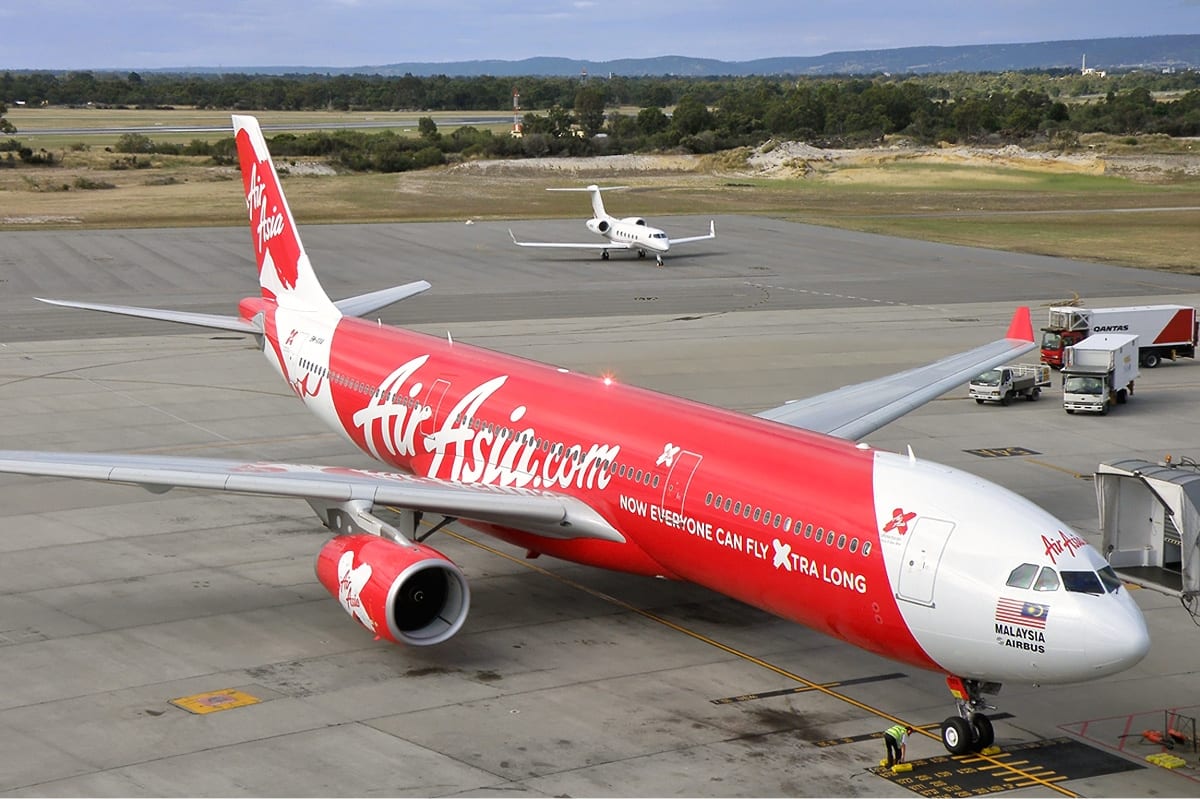
    Manila-based AirAsia Philippines has passed a major international safety audit, the International Air Transport Association Operation Safety Audit (IOSA), that covers more than 1060 separate parameters. The operational safety audit is compulsory for IATA members and airlines that have completed the audit have a safety record almost four times better than those that have not. AirAsia Philippines CEO Captain Dexter Comendador said, “We are pleased to announce that we have successfully completed IOSA accreditation. This achievement is a recognition of everyone at AirAsia’s dedication to safety and security.”

    Earlier this year, AirAsia Philippines received its ISO Certificate which gives world class specification for products, services, and systems to ensure quality, safety, and efficiency. ISO 9001:2015 helps ensure passengers get consistent, good quality products, and services. This international standard is based on quality management principles including a strong customer focus, the motivation and implication of top management, the process approach and continuous improvement.

    “We are closing this year with two important achievements from IOSA and ISO and it is but fitting to dedicate an aircraft to our hardworking team who we proudly call, Allstars. We are officially launching this month a special Allstars livery bearing faces of more than one thousand Filipino Allstars including AirAsia Group’s management team,” Comendador added

    Now 426 airlines have completed the audit, which is renewed every two years. The awarding of the IOSA accreditation is expected to be a major boost for the airline. The IOSA certification audit is an internationally recognized and accepted evaluation system designed to assess the operational management and control systems of an airline. The audit covers eight functional and operational areas: organization and management system, flight operations, operational control, and flight dispatch, aircraft engineering and maintenance, cabin operations, ground handling operations, cargo operations, and security management.

    IOSA was introduced to stem the increasing number of crashes in the late 1990s and into the beginning of the last decade. The AirAsia Group airlines now fly to 165 destinations in 25 countries. It has just ordered or reconfirmed orders for 100 A330s for its AirAsia X operation. Separately long-haul, low-cost, operator AirAsia X is evaluating Airbus’ long-range version of the  A321neo as it moves to target more destinations within a range of seven hours.

    Powered by CFM International’s LAEP-1A engines, the A321neo LR,  is due to enter service in the fourth quarter of 2018 and is designed to carry up to 240 passengers 4000 nautical miles. The airline confirmed last month it was evaluating “the potential introduction” of the 321neo LR for developing routes.

  • Volvo shifts its safety strategy for self-driving world

    Volvo shifts its safety strategy for self-driving world

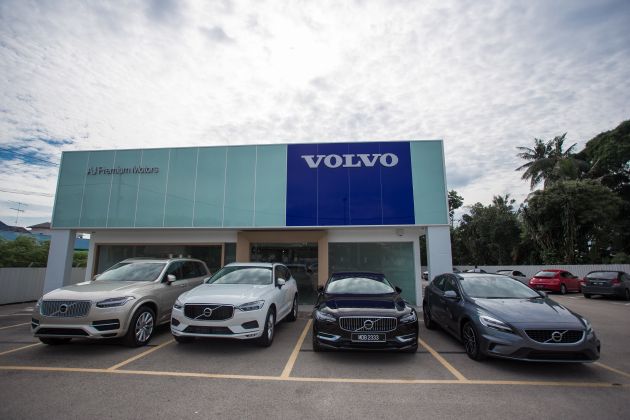
    In Swedish, “safety” translates to “säkerhet,” but for employees of one of Sweden’s biggest employers, it might as well translate to “Volvo.”

    The automaker, owned by Zhejiang Geely Holding Group of China, is fiercely protective of its reputation in safety. But in an age of autonomous driving and advanced sensor technology, Volvo’s top safety experts are increasingly navigating a blurry line between driving safely and being driven.

    “We’re very focused that you as a driver know that you’re in charge, [and] not giving you so much support that you question who’s in charge,” said Malin Ekholm, director of the Car Safety Center at Volvo Cars headquarters in Gothenburg, Sweden. “It’s nudging rather than giving the feeling of taking over.”

    With a bevy of new tools to ensure passenger safety, the automaker’s safety strategy is shifting from passenger protection to accident prediction and avoidance, Ekholm said.

    New technology, tools

    Volvo has a well-developed apparatus in safety research.

    Its safety center, created in the 1970s, runs crash tests and shares information with Swedish road authorities to document accidents and crashes, so that engineers can better understand scenarios they must guard against.

    But the rise of autonomous and connected-vehicle technology, as well as digital simulation technology used to pioneer self-driving vehicles, have augmented researchers’ approach to safety. Now, for instance, in addition to crash tests, vehicle safety systems run through nearly 30,000 accident simulations.

    Volvo’s increasing investment in autonomous r&d — including a recently expanded Silicon Valley operation — also increases the capabilities of its advanced safety team. Volvo’s City Safety package, for instance, incorporates a front-facing camera to recognize pedestrians, bicyclists and oncoming vehicles and deploy automatic emergency braking to avoid collisions.

    The “sensors and cameras were there, so we could use it,” Ekholm said.

    Avoiding accidents

    Increasing use of advanced technology is shifting Volvo safety researchers’ approach from mitigating accidents through restraint devices to predicting and preventing accidents.

    “More and more, we need to help you avoid the crash,” Ekholm said. Researchers, she said, are asking how automakers can support drivers so the motorists never encounter critical situations.

    Part of the solution is supplying more information on potential hazards through the use of connected technology. In Sweden, the carmaker uses vehicle-to-vehicle technology to send warnings about low-friction roads or hazard-light detection to oncoming traffic.

    But a larger focus is on human behavior, often in response to semi-autonomous technology that lulls drivers into a false sense of security.

    The automaker’s semi-autonomous Pilot Assist system, for instance, is intended to reduce fatigue on long trips, but can be abused if drivers fail to keep their attention on the road. Ekholm has responded by expanding the company’s safety team to include human behavior and biomechanical researchers.

    As vehicles become increasingly automated, Volvo’s researchers will need to pick and choose where the technology can enhance the company’s safety standards.

    “Autonomous has so many aspects to it,” Ekholm said. “What we focus on is the safety research.”

  • Brazil beef imports halted, citing food safety concerns

    Brazil beef imports halted, citing food safety concerns

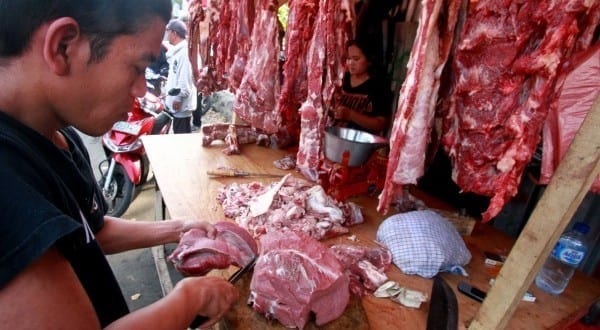
    1.9 million pounds (861,825 kilograms) of Brazilian beef products were refused entry to the U.S. The United States announced Thursday a halt to all imports of fresh beef from Brazil, the world’s second-largest producer, citing “recurring” food safety concerns.

    The ban will remain in place until satisfactory “corrective actions” are taken, the U.S. Department of Agriculture said in a statement.

    “Although international trade is an important part of what we do at USDA, and Brazil has long been one of our partners, my first priority is to protect American consumers,” U.S. Agriculture Secretary Sonny Perdue said.

    “That’s what we’ve done by halting the import of Brazilian fresh beef.”

    The statement said all meat imports from Brazil had been inspected since March, when some of the country’s top meat producers became embroiled in a tainted-meat scandal.

    During that time, the Department of Agriculture’s food safety and inspection service rejected 11 percent of Brazilian fresh beef imports, compared with only one percent of shipments from other nations, it added.

    Since implementation of the increased inspection measures, 106 lots — approximately 1.9 million pounds (861,825 kilograms) — of Brazilian beef products were refused entry to the U.S. “due to public health concerns, sanitary conditions, and animal health issues.”

    “It is important to note that none of the rejected lots made it into the U.S. market,” the statement added, noting that the “Brazilian government had pledged to address those concerns, including by self-suspending five facilities from shipping beef to the U.S.”

    “Today’s action to suspend all fresh beef shipments from Brazil supersedes the self-suspension,” it added.

    Brazil’s beef production is second only to that of the United States, according to USDA data.

  • Convenience, food safety matters to Vietnamese consumers

    Convenience, food safety matters to Vietnamese consumers

    The retail market in Vietnam is quickly shifting away from traditional live markets to more modernized trade, said Nick Miles, head of Asia-Pacific at IGD, with convenience stores showing the strongest growth prospects.

    There are several factors driving this including a positive economic outlook for the country, a significant increase in gross domestic product per capita and rapidly changing shopper habits.

    The segment has also experienced a shift in shopping behaviours as younger consumers with higher disposable incomes typically make smaller, but more frequent purchases rather than splashing out on a big weekly shop.

    Of note, Mr Miles said young consumers prefer to shop in an air-conditioned environment that has products well-organized on the store shelves and provides seating areas.

    With higher take home pay they are also looking for and willing to pay for higher-quality products than can be found in most traditional live markets.

    While free trade agreements such as the ASEAN Economic Community have given rise to a race for larger supermarkets throughout the country, many stores and individuals have opted to open smaller mini-supermarkets and convenience stores.

    It is also easier to get licences for stores under 500 square metres, said Mr Miles noting that this explains why retailers have been able to expand so speedily in the large metropolitan areas such as Hanoi.

    The study said it expects to see convenience stores in Vietnam to champion innovative new products and formats such as food to go, and begin working collaboratively to develop coordinated supply chains to ensure they are making the most of their growth prospects.

    Vietnam is undergoing an organized retail revolution, explained Luong Quang Thi, general director of domestic refrigerated transport specialist ABA Cooltrans.

    Convenience stores and mini-marts are popping up everywhere, Mr Thi noted, adding that as of last June there were 1,500 mini marts across the country mostly in the larger urban areas.

    Those numbers are expected to continue to mushroom over the next few years, which in turn is fuelling a heightened demand for chilled and frozen foods, setting the stage for the cold chain industry to soar.

    ABA Cooltrans hopes to put itself at the forefront of the Vietnam cold chain expansion, he added.

    The company’s 200 reefer trucks handled 54,000 metric tons in 2016, and a newly acquired 15,000 pallet-capacity cold storage facility in Hanoi saw throughput of 100,000 metric tons.

    Convenience and food safety matters to a typical young Vietnamese consumer nowadays, said Mr Thi, adding that freezing some foods for short or long term use, is essential to prevent foodborne illness.

  • Tesla Model S, BMW i3 fall short of IIHS Top Safety Pick+ award

    Tesla Model S, BMW i3 fall short of IIHS Top Safety Pick+ award

    The Tesla Model S and BMW i3 fell short of earning the Insurance Institute for Highway Safety’s 2017 Top Safety Pick+ award. For a vehicle to qualify for the Top Safety Pick award, IIHS said it must earn “good” ratings in all five crashworthiness tests — small overlap front, moderated overlap front, side, roof strength, and head restraints and seats — and come with a front crash prevention system that earns an advanced or superior rating.

    The “+” is awarded to vehicles that meet all the above criteria and come with “good” or “acceptable” headlights.

    Ratings for crashworthiness and headlights are good, acceptable, marginal and poor.

    Tesla’s Model S earned a good rating in all IIHS crashworthiness evaluations except the small overlap front crash test, in which it earned an acceptable rating.

    The Model S earned a good rating in all IIHS crashworthiness evaluations except the small overlap front crash test, in which it earned an acceptable rating.

    IIHS said the Model S “ran into problems in the test when the safety belt allowed the dummy’s torso to move too far forward. That allowed the dummy’s head to hit the steering wheel hard through the airbag.”

    IIHS noted that the Model S ratings apply to 2016 and 2017 cars built after October 2016.

    Tesla told IIHS that it made a production change on Jan. 23 to address the head-contact problem and IIHS will test the updated Model S for small overlap protection as soon as it can be delivered.

    The current Model S has not been rated for front crash prevention, IIHS noted, because while automatic braking equipment comes standard, the automaker has not activated the software for all vehicles.

    IIHS also noted the 2017 Model S isn’t available with anything other than poor-rated headlights. The automaker told IIHS that it is working with its supplier to improve the headlights. IIHS will evaluate the new ones when they are available.

    The BMW i3 was hindered by its acceptable rating in the head restraints and seats evaluation, IIHS found. The car’s only available headlight system earned an acceptable rating.

    One Model S variant in particular, the high-performance P100D, was also dinged for its roof strength. The P100D has the same roof structure as other Model S variants, IIHS said, but noted that because the car has a larger, and heavier, battery it earned only an acceptable rating for that test.

    The BMW i3 was hindered by its acceptable rating in the head restraints and seats evaluation, IIHS found. The car’s only available headlight system earned an acceptable rating.

    The i3 earned good ratings in other crashworthiness tests and is available with an optional front crash prevention system that earned an advanced rating, IIHS said.

    “There’s no reason the most efficient vehicles can’t also be among the safest,” said David Zuby, IIHS’ chief research officer, in a statement. “We hope Tesla and BMW will continue to refine the designs of their electric models to maximize driver protection and, especially in the case of Tesla, improve their headlights.”

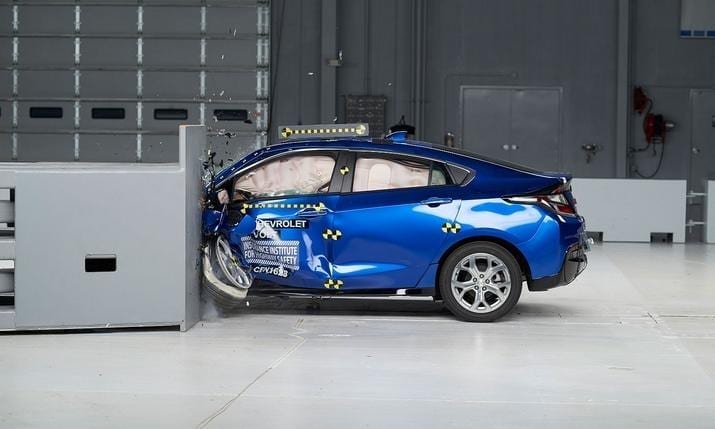
    Two other green vehicles, the Toyota Prius Prime and Chevrolet Volt, earned the Top Safety Pick+ designation for crash test and crash avoidance performance, the organization said.

    IIHS plans to test the latest EV to enter the market, the Chevrolet Bolt, once it becomes widely available this year.

  • Garuda Indonesia Wins Transportation Safety Award

    Garuda Indonesia Wins Transportation Safety Award

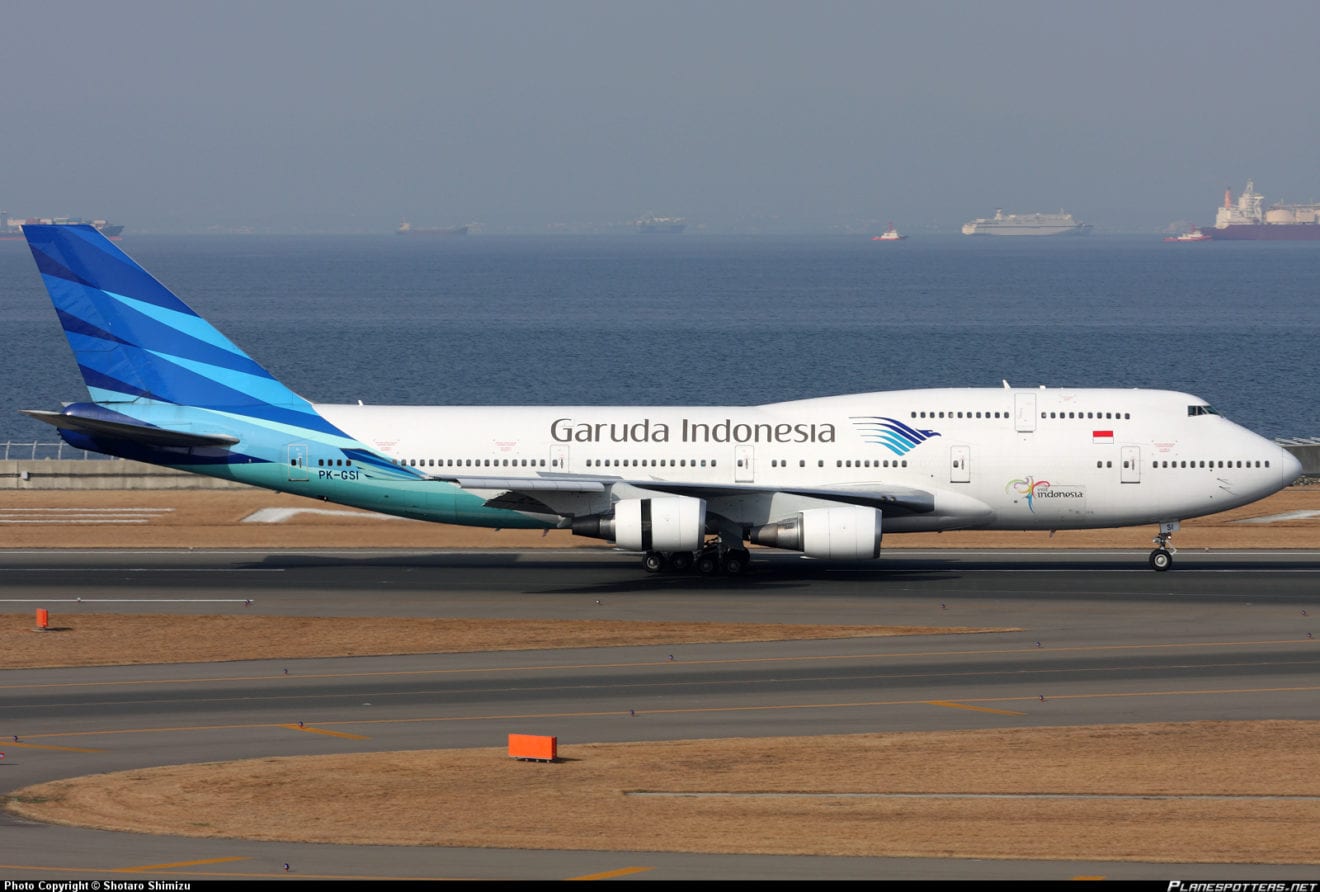
    Indonesian flag carrier Garuda Indonesia has received a Transportation Safety Award (TSA) from the Transportation Ministry. Transportation Minister Ignasius Jonan said that the award is given to encourage transportation companies to improve passenger safety.

    Jonan said that safety is an important issue in the transportation service business. “Transportation business sells two things: time and safety,” Jonan said on Tuesday, December 22, 2015.

    Punctuality, according to Jonan, mostly depends on natural factors including the weather. Meanwhile, safety is something that can be controlled by men. Therefore, Jonan encourages transport service operators to improve its safety aspects.

    In addition to Garuda Indonesia, the Transportation Ministry also awarded PT Kereta Api Indonesia Area Operation I Jakarta in second place, and state-owned bus operatir Damri in third place.

    Scoring process for the award was conducted by an independent team by considering several criteria, including organizational aspect, which contributes a 15 percent to the total score; Human Resource (40 percent); facility (35 percent); and safety management support (10 percent).

  • Site set to be ‘Alibaba’ for food sector

    Site set to be ‘Alibaba’ for food sector

    Chinese popular chain restaurants, including Shanghai Min, Waipojia and Ajisen China, will upgrade their unified e-commerce platform this year to help cut cost and improve food safety standards.