Tag: Sale

  • Magnum Ice Cream Retains Ben & Jerry’s Amid Unilever Spin-off, Prioritizes Market Share Reclamation

    Magnum Ice Cream Retains Ben & Jerry’s Amid Unilever Spin-off, Prioritizes Market Share Reclamation

    Magnum Ice Cream announced on Wednesday that it has no intentions of selling off Ben & Jerry’s, despite recent rumors. Instead, the company plans to focus on regaining market share and enhancing sales as Unilever’s spin-off of Magnum Ice Cream Company draws near.

    Unilever anticipates that its ice cream division, which includes brands such as Magnum, Ben & Jerry’s, Wall’s, and Cornetto, will account for just over one-fifth of the approximately US$88 billion global ice cream market. This places the company in direct competition with rivals like the Nestle-supported Froneri.

    Magnum has been operating independently from Unilever for some time, and following years of dwindling ice cream market share and stationary profits, CEO Peter ter Kulve stated that the shift has enabled the company to invest in supply chains, sales, and distribution.

    “We experienced a significant increase in market share last year,” ter Kulve commented.

    Ben & Jerry’s Not for Sale

    Ben & Jerry’s made headlines at an investor day preceding the mid-November listing on Tuesday, reiterating their desire for an independent spin-off following years of conflict regarding the US brand’s outspoken stance on Gaza.

    When questioned about a proposal led by co-founders Ben Cohen and Jerry Greenfield to purchase the brand last year, ter Kulve replied, “I have not been privy to any discussion between Unilever and Ben & Jerry. Ben & Jerry’s is not for sale.”

    Following the Magnum listing, Unilever will retain a stake of less than 20 percent. As for a reported 15 billion euro (US$17.55 billion) valuation, ter Kulve responded that the market would be the deciding factor.

    Terms of Demerger

    Magnum CFO Abhijit Bhattacharya stated that the split would allow Unilever to concentrate its efforts, while providing Magnum with an opportunity to increase its margins. Bhattacharya explained that the terms of the demerger, which provide every Unilever shareholder with a proportional stake in Magnum, protect the company from the market volatility that an initial public offering might face.

    However, the newly formed ice cream business will serve as a test for investor interest in a product that is high in sugar, especially at a time when the Trump administration is advocating for healthier lifestyle choices in America.

    Ter Kulve revealed that Magnum has eliminated most artificial coloring and is working on reducing sugar content as long as it doesn’t compromise the taste. “It has to taste fabulous because actually making very healthy ice cream products that nobody likes is a useless exercise,” ter Kulve stated.

    Questions & Answers

    Is Magnum planning to sell Ben & Jerry’s?
    No, Magnum has clearly stated that Ben & Jerry’s is not for sale.

    What is Magnum’s strategy for the future?
    Magnum plans to focus on regaining market share and boosting sales, particularly following the upcoming spin-off from Unilever.

    What changes is Magnum making in response to health trends?
    Magnum has removed most artificial coloring from its products and is working towards reducing sugar content without compromising on taste.

  • Clementi Mall Hits Singapore Market With S$750 Million Price Tag Amid Cuscaden Peak’s Portfolio Optimization Strategy

    Clementi Mall Hits Singapore Market With S$750 Million Price Tag Amid Cuscaden Peak’s Portfolio Optimization Strategy

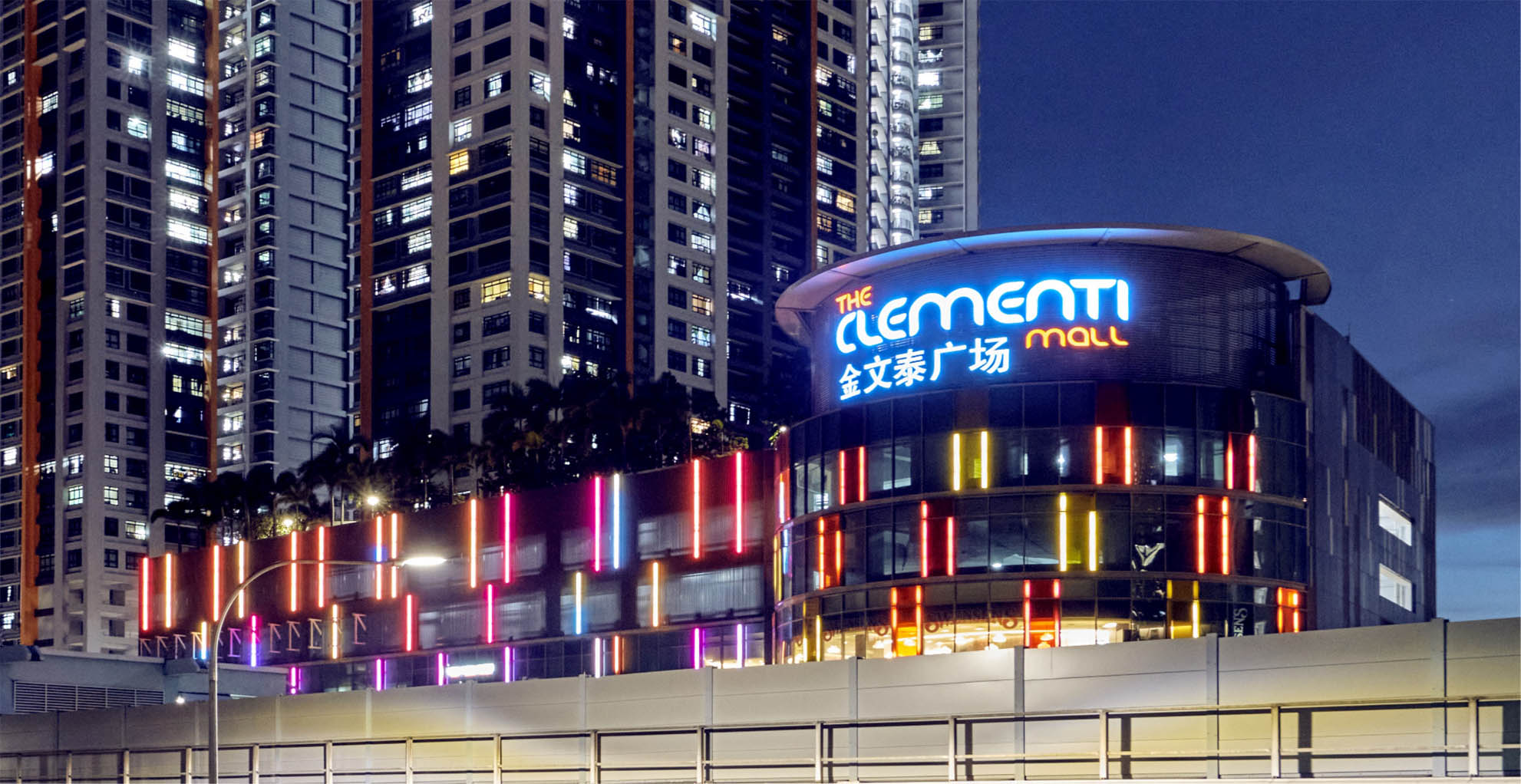
    Cuscaden Peak Investments has made the decision to put the Clementi Mall, located in Singapore, on the market. The asking price for the suburban, mid-range shopping hub is expected to be around S$750 million, as per sources privy to the matter.

    Property Details and Background

    The Clementi Mall is a bustling hub of activity, featuring a six-storey retail podium along with a basement level. The mall is home to approximately 160 tenants, providing a wide range of services and products to meet various consumer needs. A key selling point for the commercial property is its direct link to the Clementi MRT station, which attracts an impressive footfall of around 300 million visitors annually.

    The rumored sale is reportedly a part of Cuscaden Peak Investments’ larger business strategy of portfolio optimization and capital recycling.

    The mall’s current asking price represents an increase of about 15% compared to its previous valuation of approximately $645 million in December of the previous year.

    Managing the Sale

    To streamline the sale process, two renowned real estate service providers, Cushman & Wakefield and Savills, have been appointed.

    Cuscaden Peak Investments, the current owner of the mall, is a wholly-owned subsidiary of Cuscaden Peak. The latter, a consortium, was initially founded by Hotel Properties Ltd (HPL), CLA Real Estate Holdings of CapitaLand, and a Mapletree Investments unit.

    In 2022, this consortium made headlines by acquiring Singapore Press Holdings (SPH), which included The Clementi Mall within its portfolio. The mall was a part of SPH Real Estate Investment Trust and was later rebranded as Paragon Reit.

    Over time, HPL chose to exit the consortium. Subsequently, Paragon Reit underwent privatization in April and was delisted in June.

    Questions & Answers

    What is the estimated value of the Clementi Mall?
    The current asking price for the Clementi Mall is around S$750 million, which is a 15% increase from its valuation in December of the previous year.

    Who are the managers appointed for the sale of the mall?
    Real estate service providers Cushman & Wakefield and Savills have been tasked with managing the sale of the mall.

    Who are the current owners of the Clementi Mall?
    The Clementi Mall is currently owned by Cuscaden Peak Investments, a subsidiary of Cuscaden Peak.

  • Hanwha Group Mulls Sale Of Fg Korea, Operator Of Five Guys Franchise In South Korea

    Hanwha Group Mulls Sale Of Fg Korea, Operator Of Five Guys Franchise In South Korea

    The South Korea-based conglomerate, Hanwha Group, is reported to be contemplating the sale of FG Korea, the operator of the American burger franchise Five Guys in South Korea.

    FG Korea and Hanwha Group

    FG Korea functions as a fully-owned subsidiary of Hanwha Galleria, which is the retail division of Hanwha Group. The company recently disseminated documents to private equity firms via a local accounting firm, Samil PwC. This action is seen as an indicator of a possible sale. It is anticipated that if a sale does occur, it would likely result in the complete transfer of ownership of the company.

    FG Korea’s Expansion

    FG Korea was instrumental in introducing Five Guys to the South Korean market in 2023, with the inaugural restaurant opening in the Gangnam district of Seoul. Since then, the chain has grown to include seven branches, with plans for an eighth location to open later this month in Yongsan, central Seoul.

    In the previous year, FG Korea had entered into an agreement with Five Guys International to spearhead the brand’s expansion into Japan, with an ambitious goal of establishing more than 20 outlets within the span of seven years.

    FG Korea’s Financial Performance

    In the past fiscal year, FG Korea reported significant sales of 46.5 billion won (approximately US$33.4 million) and a net income of 2 billion won.

    This potential sale is understood to be part of Hanwha Galleria’s attempts to optimize its portfolio and reduce expenses.

    Questions & Answers

    What is the relationship between FG Korea and Hanwha Group?
    FG Korea is a wholly-owned subsidiary of Hanwha Galleria, which is the retail branch of Hanwha Group.

    What has been FG Korea’s role in the expansion of Five Guys?
    FG Korea brought Five Guys to South Korea in 2023 and has since helped the brand grow to seven locations. Furthermore, they have also signed a memorandum of understanding with Five Guys International to lead the brand’s expansion into Japan.

    What is the financial performance of FG Korea in the past fiscal year?
    FG Korea reported 46.5 billion won (approximately US$33.4 million) in sales and a net income of 2 billion won in the last fiscal year.

  • Seoul Bankruptcy Court Approves Homeplus Sale To Repay Debt, Protect Jobs

    Seoul Bankruptcy Court Approves Homeplus Sale To Repay Debt, Protect Jobs

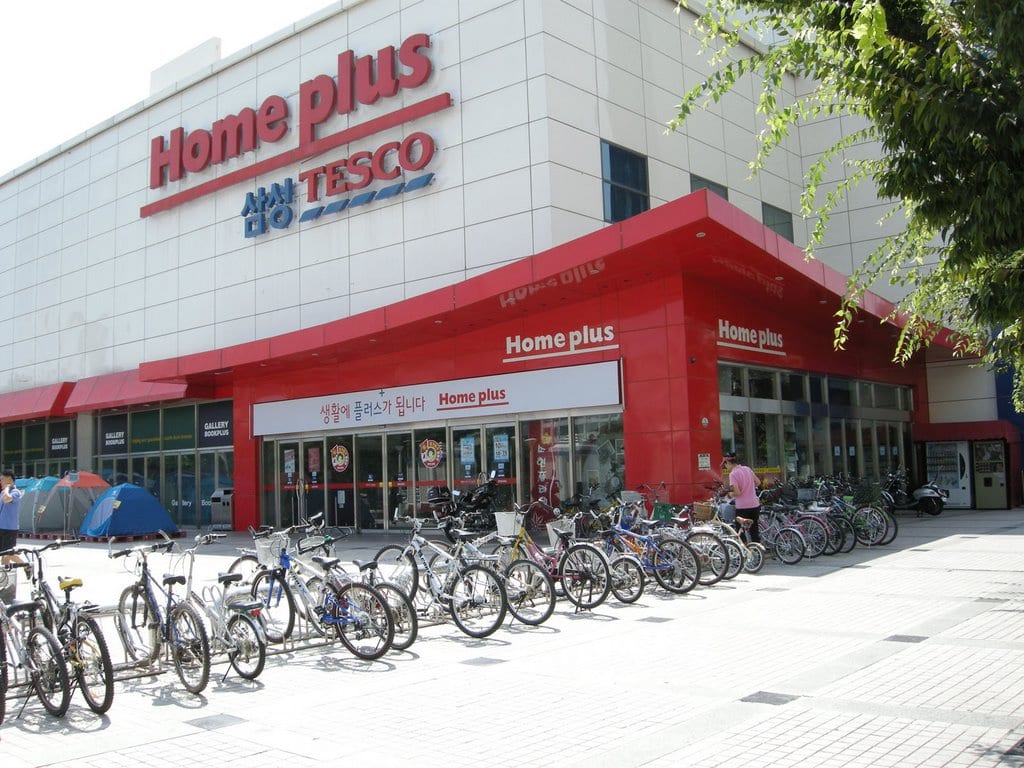
    The Seoul Bankruptcy Court has given the green light to the sale of South Korean grocery retailer, Homeplus. The decision was driven by a need to generate capital for debt repayment and to safeguard jobs within the company.

    Earlier this year, MBK Partners, the private equity firm that owns Homeplus, sought court intervention for the restructuring of the company. This marked a significant reversal in fortunes for a deal that originally cost US$6.1 billion over ten years ago.

    A representative from MBK announced on Friday that the firm is fully supportive of the successful sale of Homeplus. They also revealed plans to negate 2.5 trillion won (US$1.83 billion) worth of common shares they hold in the company as part of the sale.

    The court has mandated the appointment of accounting firm Samil PricewaterhouseCoopers to oversee the sale. This process is expected to take two to three months, according to a court statement.

    The sale is seen as a pivotal move to raise funds for the company, repay debts to creditors, and secure the employment of Homeplus workers. Simultaneously, the court believes this strategy will safeguard partner firms by averting bankruptcy.

    Questions & Answers

    Why is Homeplus being sold?
    The sale of Homeplus was approved by the Seoul Bankruptcy Court to generate funds to repay debts and to ensure job security for the company’s employees.

    Who is managing the sale of Homeplus?
    The court has appointed the accounting firm Samil PricewaterhouseCoopers to manage the sale of Homeplus.

    What role does MBK Partners play in the sale of Homeplus?
    MBK Partners, the private equity firm that currently owns Homeplus, has expressed full support for the sale. They plan to write off 2.5 trillion won ($1.83 billion) of common shares they hold in the company as part of the sale.

  • Hong Kong Real Estate Sees Record-breaking Sales Amid Developer’s Financial Struggles

    Hong Kong Real Estate Sees Record-breaking Sales Amid Developer’s Financial Struggles

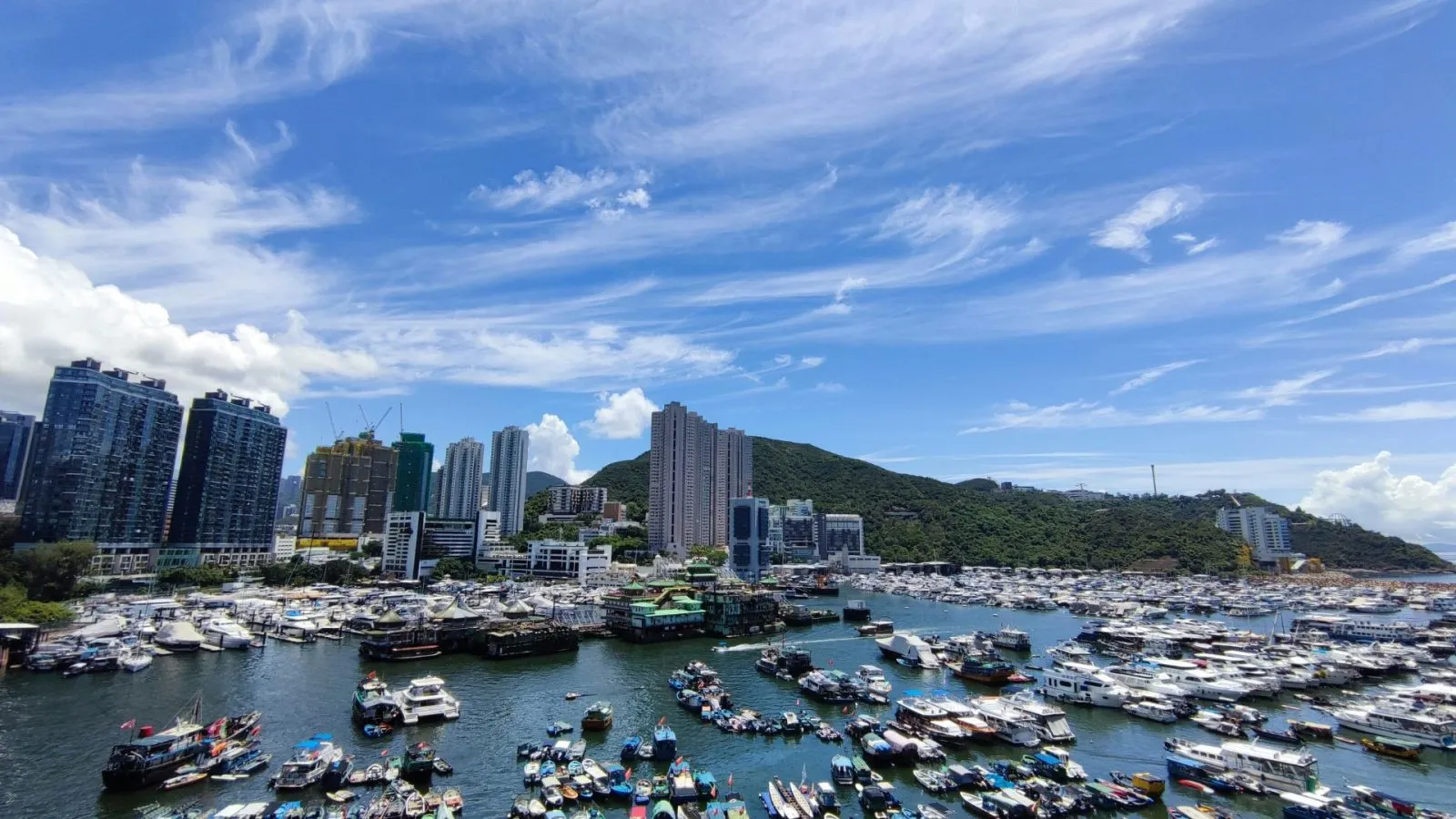
    All 138 units in the Wong Chuk Hang neighborhood were sold within just seven hours of their launch on Saturday morning, raising a staggering HK$1.53 billion (US$196 million), as reported by property agents in the South China Morning Post.

    Record-Setting Prices and Swift Sales

    The new apartments, which feature two to four bedrooms, were priced between HK$8.5 million and HK$37.2 million each. This pricing resulted in an average cost of approximately HK$21,000 per square foot (US$28,800 per square meter)—a remarkable record low for new homes in the area, according to Bloomberg. This price point was about 4.5% less than that of CK Asset Holdings’ Blue Coast project, which ignited a buying spree in the same locale last year.

    In a splendid turn of events, Deep Water Pavilia was developed by New World, the flagship real estate company of the billionaire Cheng family and one of Hong Kong’s “big four” developers, alongside Empire Group Holdings, CSI Properties, Lai Sun Development, and MTR Corporation.

    Investor Interest and Market Dynamics

    Louis Chan Wing-kit, the CEO of Centaline Property Agency, noted that the project has attracted both end-users and investors alike, thanks to its competitive pricing and prime location directly above a mass transit railway station. The allure was further cemented by the fact that around 40% of buyers were investors seeking rental income, a reflection of current market trends, as reported by Sammy Po Siu-ming, CEO of Midland Realty’s residential division for Hong Kong and Macau.

    The robust sales are a welcome financial boost for New World, which has been facing rising financial pressures. Just weeks prior, in late May, the developer announced it would defer US$77.2 million in coupon payments on four perpetual bonds due that month. New World became the second Hong Kong property firm to take such a step in recent years, highlighting the ongoing struggles within the city’s property market plagued by price declines, sluggish sales, and high-interest rates.

    New World faces significant challenges, holding one of the highest debt ratios among its competitors. The company is under increasing pressure to manage its HK$87.5 billion in borrowings, especially after pledging around 40 properties—including its flagship commercial complex at Victoria Dockside—as collateral.

    Navigating Succession and New Horizons

    Amidst these financial challenges, the Cheng family—Hong Kong’s third-richest clan with an estimated fortune of US$19.5 billion according to Forbes—finds itself navigating complex succession issues. The group underwent two CEO changes last year following a record HK$19.7 billion loss for the fiscal year ending June 2024, with Adrien Cheng, once seen as the heir apparent, stepping down. His successor lasted only two months, leaving many eyebrows raised about the family’s leadership stability.

    With these developments unfolding, it seems that the property’s rapid turnover is not just a fleeting trend, but perhaps the beginning of a new era in the Hong Kong real estate landscape.

    Questions & Answers

    What types of apartments were sold in Wong Chuk Hang?
    The sold apartments ranged from two to four bedrooms.

    How much money did New World raise from the sales?
    New World raised a total of HK$1.53 billion (US$196 million) from the sale of the 138 units.

    What financial challenges is New World facing?
    New World is dealing with high debts, including HK$87.5 billion in borrowings, and has deferred coupon payments on bonds amid a struggling property market.

  • Hong Kong Tycoon Joseph Lau Offloads $5.8 Million Wine Collection in High-Stakes Sale

    Hong Kong Tycoon Joseph Lau Offloads $5.8 Million Wine Collection in High-Stakes Sale

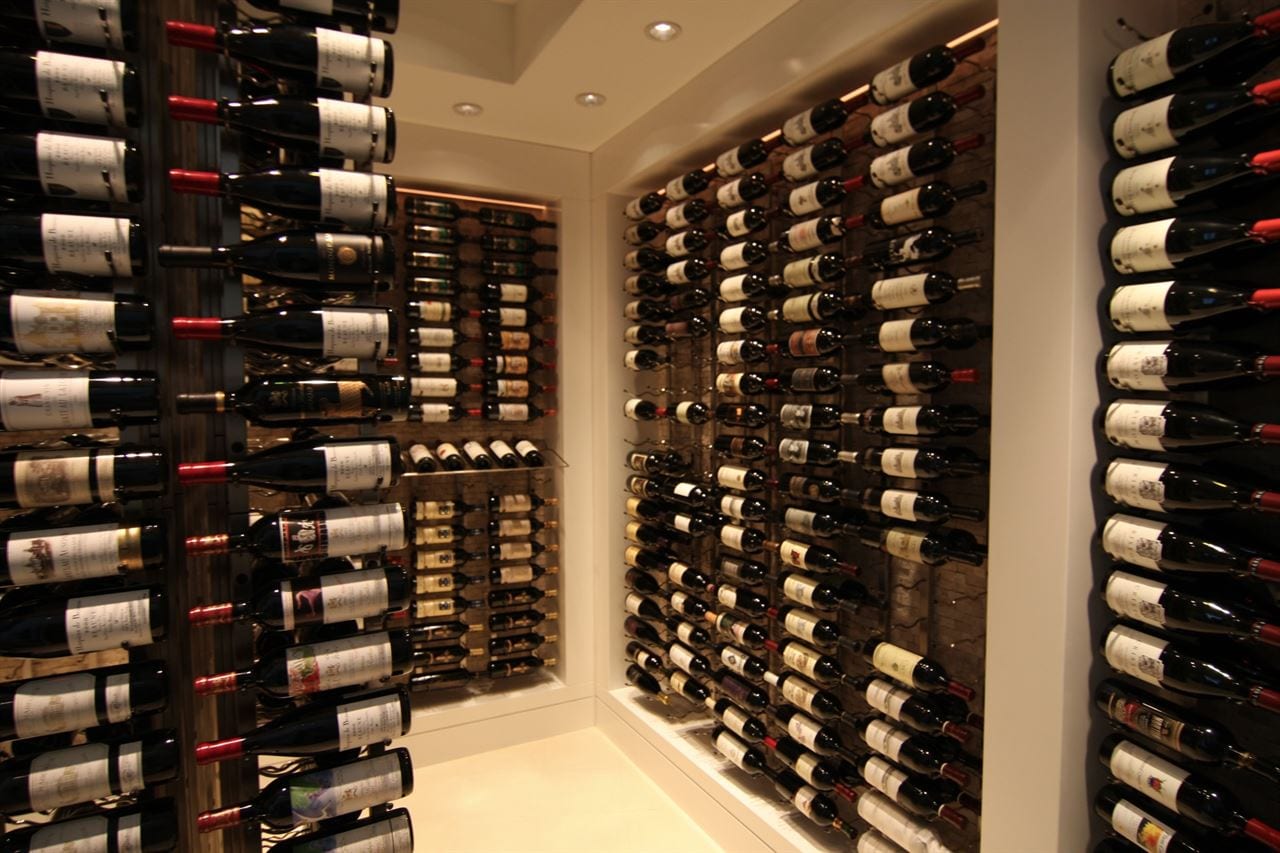
    Hong Kong billionaire Joseph Lau is making waves in the luxury auction scene, preparing to sell a stunning wine collection valued at over HK$35 million (approximately US$5.8 million). This extensive collection features more than 200 lots, highlighting some of the finest wines available.

    Rare Bottles Take Center Stage

    Among the standout selections are exceptional offerings from renowned winemakers such as Henri Jayer and Petrus, alongside exquisite choices from Domaine de la Romanée-Conti. This prestigious auction is a key feature of Christie’s Hong Kong Luxury Week, as reported by Bloomberg.

    The Crown Jewel of the Auction

    The highlight of the auction is likely to be ten exceptional bottles of Henri Jayer’s Vosne-Romanée Cros-Parantoux, which carry an eyebrow-raising estimated price of up to HKD1.4 million. Scheduled for Thursday, this marks Lau’s third collaboration with Christie’s for wine sales, following two very successful auctions in 2022 that together amassed an impressive US$16 million. In fact, several lots from those past sales brought in over double their high estimates, signaling a robust interest in his collection.

    Lau’s Wealth and Controversies

    At 73 years old, Lau stands as a significant player in the auction sphere, both as a collector and a seller. His fortune is estimated at US$5 billion, largely derived from valuable commercial property holdings and a stake in Chinese Estates Holdings Ltd. However, Lau’s property enterprise has encountered hurdles due to a downturn in the Hong Kong real estate market. Additionally, his past includes a conviction for bribery and money laundering in Macau in 2014—yet he has remained a free man due to the lack of an extradition agreement between Macau and Hong Kong.

    With such a high-profile sale and a history filled with both opulence and controversy, it’s clear that Lau continues to be a captivating figure in the luxury sector, where the clink of glasses might just be a reminder of his complex journey.

    Questions & Answers

    **What types of wines are featured in Joseph Lau’s auction?**
    The auction features premium wines, including rare bottles from prestigious winemakers such as Henri Jayer, Petrus, and Domaine de la Romanée-Conti.

    When is the auction taking place?
    The auction is scheduled for Thursday as part of Christie’s Hong Kong Luxury Week.

    What is Joseph Lau’s estimated net worth?
    Joseph Lau’s net worth is estimated at US$5 billion, primarily from commercial property holdings and a stake in Chinese Estates Holdings Ltd.

  • Prices Plummet in Half of Hanoi’s Historic Apartment Projects

    Prices Plummet in Half of Hanoi’s Historic Apartment Projects

    Hanoi Real Estate Market Sees Moderate Price Declines Amid Shifting Demand

    Recent data reveal a slight downturn in property prices across Hanoi, signaling a shift in consumer trends within the real estate sector. According to a comprehensive analysis of over 400 projects, average prices have dropped by 1% compared to the last quarter of 2024. This trend aligns with findings from property listing platform Batdongsan, which also reports notable price decreases in several residential projects.

    Consistent Price Drops for High-Profile Developments

    In-depth surveys by VnExpress highlight year-on-year price contractions of 2-6% across sought-after projects such as Hanoi Paragon, Mipec Rubik 360, and Master West Heights. For instance, a typical 64-square-meter apartment in Long Bien District is now listed at VND4.4 billion (approximately $169,400), reflecting a decline of 3.9% from the previous year.

    Market Stability Amid Changing Seller Strategies

    While prices of new properties on the primary market remain stable at VND79 million per square meter, many apartment sellers are recalibrating their strategies. Do Thu Hang, Senior Director of Advisory Services at Savills Hanoi, notes that sellers are increasingly seeking to make quick profits and diversify their investments. This shift has prompted many to reconsider their pricing, especially as demand softens.

    Nguyen Hoai An, a senior director at property consultancy CBRE Hanoi, observes that prices of older apartments have surged by 40% over the past two years. However, she warns that the absence of supportive market factors suggests difficulty in maintaining such growth. “Many sellers no longer anticipate large profits and may struggle to attract buyers without price reductions,” she explained.

    Speculative Buyers Face Financial Challenges

    Pham Duc Toan, CEO of developer EZ Property, points out that many current apartment owners are speculators looking to capitalize on quick returns. With only 15-20% of the purchase price paid upfront, some buyers find themselves unable to meet subsequent payment obligations and are thus compelled to offload their properties.

    New Developments Drive Market Dynamics

    The market is further influenced by an influx of new condo supply, with Savills projecting the addition of 7,400 new units by the end of the year, primarily in suburban districts like Dong Anh, Hoai Duc, and Hoang Mai. Looking ahead to 2026, industry experts anticipate that primary market prices may decline as developers pivot toward affordable housing to better align with actual market demand.

    “Reintroducing units priced below VND2 billion will help create a more sustainable balance between supply and demand,” Hang added, emphasizing the importance of catering to underserved segments.

    Implications for the Retail Sector

    This evolving landscape in Hanoi’s real estate market may have significant implications for the broader retail sector. As consumer trends shift and property values adjust, retailers will need to adapt their strategies to align with changing demographics and purchasing power. The current dynamics underscore the necessity for brands to remain agile and responsive in an increasingly competitive environment.

  • iPhone sales on TikTok quadruples to $3.3M

    iPhone sales on TikTok quadruples to $3.3M

    iPhone sales on TikTok Shop in Vietnam quadrupled between April and May to VND84.8 billion (US$3.33 million) before Apple shut down the distribution channel without explanation.

    According to YouNet ECI, a Ho Chi Minh City-based e-commerce data provider, FPT Shop had led in sales on TikTok until the shutdown, followed by Viettel Store and Di Dong Viet.

    The three accounted for nearly 87% of all iPhone sales on the platform. FPT, Viettel and Di Dong Viet sold 1,922, 576 and 453.

    YouNet ECI head of market research analysis Nguyen Phuong Lam said many iPhones were sold through livestreaming, which has proven to be an effective sales method on TikTok.

    According to data provider Metric, revenues from Apple products on TikTok Shop reached VND203 billion in the first five months, up 955% year over year.

    But on May 31 many authorized Apple retailers in Vietnam removed their products from it.

    A Di Dong Viet spokesperson told VnExpress that Apple requested the retailers to go off TikTok without any explanation.

    Lam conjectured that Apple was concerned that sales on TikTok Shop could cause conflict with offline distribution channels.

    Metric analysts said the fact that iPhone was sold together with many other products and used to attract buyers has caused severe damage to the brand.

    On many livestream sessions iPhones were sold along with clothes, diapers and other products, many of unknown origin.

  • Vestiaire Collective launches coronavirus charity sale

    Vestiaire Collective launches coronavirus charity sale

    Vestiaire Collective, the online platform for pre-owned luxury fashion, has launched a charity sale to support the fight against coronavirus.

    Vestiaire Collective has partnered with more than 50 influential celebrities, including Kate Moss, Rachel Weisz, Thandie Newton, Anna Dello Russo and Charlotte Tilbury, to offer luxury pieces from their wardrobes.

    Some items were already sold on the first day of the sale such as leopard print faux fur coat from Kate Moss or a Penny Packham maxi dress from Charlotte Tilbury.

    “We’re doing everything we can to combat the effects of the virus with our community, and to help fight it with charity fundraising,” the company said in a statement.

    According to the company, all proceeds from the sale will be used to support hospitals and scientific researchers working on coronavirus, including the World Health Organization, the Italian Lombardia Region Fundraising, the France/Paris Hospitals Foundation and Madrid’s La Paz Hospital.

    Founded in Paris in 2009, Vestiaire Collective now has more than 7 million members from more than 50 countries across Europe, the US, Asia and Australia, with 25,000 new items submitted every week.

  • OnTheList reveals 2020 plans while marking fourth anniversary

    OnTheList reveals 2020 plans while marking fourth anniversary

    Asian cross-region flash sales platform OnTheList is celebrating its fourth anniversary.

    The firm offers apparel and other brands a subtle means quitting surplus or out-of-season stock as an alternative to scrapping it or selling at a discount in stores where it may impact sales of full-priced goods.

    This year, OnTheList says it will focus on raising awareness of sustainability in the minds of both the retail industry and consumers.

    The company will also be operating in Shanghai, Taipei, and Singapore from new permanent showrooms, alongside managing pop-ups in different Chinese cities, while further expanding the online platform to existing markets. OnTheList is also working actively on sourcing more partnerships and collaborations with brands.

    “With the new year ahead and the support from all the brands and members in Asia, together we take the initiative to bring positive social impact with our platform to raise awareness on sustainable shopping,” said co-founder Diego Dultzin.

    Launched in 2016, OnTheList moved from sporadic pop-ups to weekly flash sales in stores and online across four cities: Hong Kong, Singapore, Taipei, and Shanghai. The firm has helped more than 300 brands with excess inventory and accumulated 251,000 registered active shoppers across the four locations.

  • Chanel Not For Sale

    Chanel Not For Sale

    Luxury fashion house Chanel has dispelled rumours it was planning a stock market listing after posting higher annual sales and profits on Monday.

    The company also announced it is not for sale.

    The French fashion label, owned by the Wertheimer family, said sales rose to nearly $11.1 billion (A$21.29 billion) in the year under the late designer Karl Lagerfeld who passed away last February.

    This is only the second time the luxury brand has publicly announced its results in its 109-year history.

    According to a CNBC report, Chanel’s chief financial officer Philippe Blondiaux had said the company was not for sale and has denied IPO claims.

    “We’ve got to live with the fact that we are one of the most desirable brands in the market,” Blondiaux said. “These rumours will unfortunately keep coming back on a regular basis.”

    “Chanel needs to remain independent, in order to have the freedom to make choices that go against the grain, such as no longer using exotic animal skins, or by harmonising prices.”

    The fashion house, which was founded by Coco Chanel in 1910, announced it saw a 12.5 per cent increase in its 2018 revenues to $11.12 billion, while net profits rose 16.4 per cent to $2.17 billion.

    The company has seen growth across all of its markets last year, led by Asia Pacific where sales increased 19.9 per cent. Sales in Europe rose 7.8 per cent and in the Americas 7.4 per cent.

    The report indicated strong demand from wealthy Chinese consumers both in Europe and overseas has fuelled higher sales and profits in the luxury industry, in spite of a trade dispute between the United States and China.

    Virginie Viard took over as Chanel’s new creative chief and delivered her first solo collection last month for the brand.

  • How to get the right online pricing strategy in 2019

    How to get the right online pricing strategy in 2019

    More than 70 per cent of e-commerce retailers are leaving money on the table – and it all comes down to a single digit in their online pricing strategy.

    ‘Left-digit bias’, or the economic behavior where consumers use the leftmost-digit of a price tag in guiding their decision making, is an age-old observation in the brick-and-mortar world. (For example, $5 is perceived as significantly more expensive than $4.99, while $4.99 is perceived as just one cent more than $4.98.)

    While this concept isn’t new – research was conducted as early as 1936 – with consumer spending increasingly moving online, the more pressing question now is whether the same principle can be applied to online businesses.

    It turns out the answer is “yes.” In looking at more than six years of anonymised data from 100,000+ online businesses operating on Stripe, we discovered that the left-digit bias holds the same sway over consumers online, as it does offline. And this is especially acute across subscription businesses models, such as media streaming services and even software-as-a-service.

    Today, more than 70 per cent of online businesses worldwide are not taking advantage of this pricing model, potentially costing their businesses millions of dollars. Meanwhile, online merchants that have made the switch to an optimal pricing model stand to gain a potential revenue uptick of several percentage points or more.

    Here are some key takeaways for online businesses looking to tune up their pricing strategies in 2019 and take advantage of left-digit bias:

    0 is the most popular pricing strategy:

    Despite the popularity of prices ending in 9 offline, the most popular pricing strategy for online merchants is actually 0. The only exception here were items priced in euros.

    Pricing ending in 9 are only second-most popular, with 27 per cent of subscription prices ending in 9.

    Prices ending in 5 are also popular, perhaps because the number is an optically pleasing midpoint.

    While these are the patterns for pricing among merchants, it does not mean that they are optimal for consumers, as we’ll see below.

    It’s time to bring back 9:

    Cross referencing merchant pricing with merchants that received the most website traffic and those that are VC-funded revealed that more sophisticated businesses are more likely to set prices ending in 9 compared to other online businesses.

    While correlation doesn’t equal causation, it is reasonable to assume that these more ‘popular’ businesses are likely larger, more well-funded, or have made it a priority for them to analyse a different online pricing strategy.

    This could be an opportunity for smaller firms that do not have the same resources to analyse pricing strategies to take advantage of the left-digit bias identified by their larger or better funded counterparts.

    .

    Left-digit bias applies to luxury items too:

    There is a widely-held opinion that only sale items should end in 9. However, this misconception may actually be causing merchants to miss out on significant gains.

    According to the study, left-digit pricing was found to be influential with both luxury ($700, $800, $900 and greater in cost) and non-luxury items. In fact, new customers cluster at these higher-priced cutoff points, buying products whose prices end in 9.

    Implementing your pricing strategy:

    For online businesses looking to test the 9-digit pricing in the new year, there are a few considerations to keep in mind:

    • Larger online merchants with the benefit of higher volumes should consider testing 9-digit pricing on a portion of their offerings. The evidence shows that pricing items and subscriptions in such a way stimulates consumer buying behaviour for items as inexpensive as $0.99, all the way up to the hundreds of dollars.
    • Smaller, high-growth merchants should simply consider 9-digit pricing as a smart default. At lower volumes, running pricing experiments can take a much longer time and are prone to data ‘noise’. Instead, these businesses ought to consider 9-digit pricing as standard practice, helping to potentially level the playing field against larger competitors.

    Pricing is key in today’s competitive market, especially for lean online businesses. It can set a business apart from competitors and close a transaction with a fickle consumer. This is especially crucial in an industry where revenue gains of even a few percentage points can go a long way to ensuring long-term growth and success.

  • Korea Grand Sale gears up for kick off

    Korea Grand Sale gears up for kick off

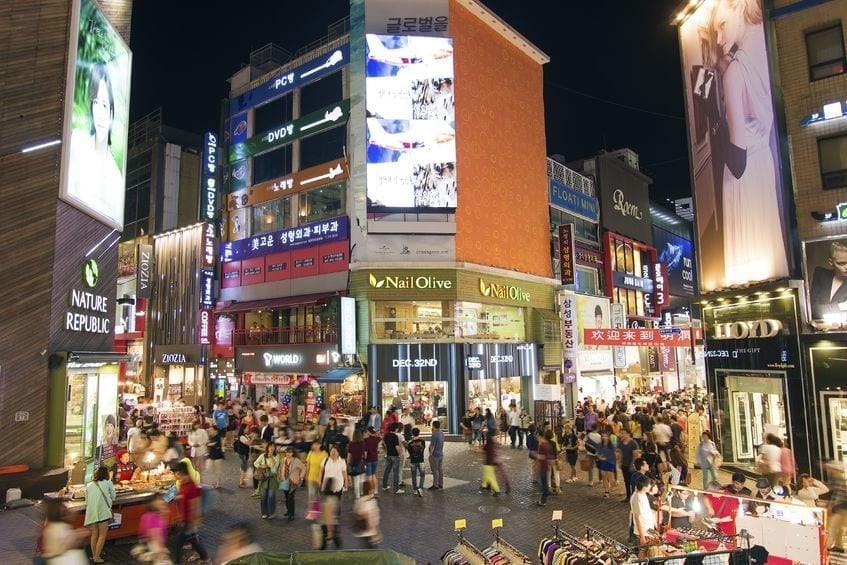
    Korean tourism authorities were set on January 14 for the official opening of the Korea Grand Sale, an annual event for foreign shoppers with events, promotions and sales across the country. This year’s event, jointly hosted by the Ministry of Culture, Sports and Tourism and the Visit Korea Committee, will be held from January 17 until February 28.

    The theme of this year is “Travel, Taste, Touch,” and will offer benefits of varying degrees from 51,497 businesses. According to the ministry, around 850 enterprises will hold sales, including discounts of up to 97 percent on flights to Korea from airlines including Air Seoul.

    Up to 25 percent discount will be provided at eateries at the top-notch hotels across the country.

    According to a survey on what foreigners did while visiting Korea conducted by the ministry, 72.5 percent of all foreign visitors in 2017 said shopping, while 58.2 percent said eating and tourism.

    A tourism program featuring restaurants with over 50 years of history — including “Cheongjinok,” “Ureok,” “Hadongkwan,” “Joseonok” and “Yeolchajib” will be held with Korean celebrity chefs as guides. Other packages include Korean food and temple food for foriengers, and ski packages.

    For those who need assistance, a welcome center will be open throughout the festival period at Cheonggye Plaza in Jongno-gu, Seoul from 12 p.m. to 8 p.m. Tour guides will circulate popular tourist areas like Hongdae or Dongdaemun, accompanied by interpretation services.

    A welcome booth for foreigners will operate at Incheon International Airport and Gimpo International Airport from February 1-8, to coincide with the Chinese and Korean Lunar New Year holidays.

    At the welcome center, Korea Tour Card will be given free to the first 50 visitors every day. The 10,000th visitor will receive a coupon for a stay at a local hotel.

  • Korean gaming firm could go up for sale at $7 billion

    Korean gaming firm could go up for sale at $7 billion

    The founder of Korea’s top gaming company Nexon has put the company up for sale, according to a local media outlet, in what could be the biggest such deal in Korean history. According to a report, Kim Jung-ju, chairman of NXC, the de facto holding company of Nexon, will sell a 98.64 percent stake in NXC worth around 8 trillion won ($7.1 billion). NXC owns a 47.98 percent stake in Nexon, worth about 6 trillion won.

    The shares include Kim’s holdings, at 67.49 percent, and those held by his wife, at 29.43 percent, as well as 1.72 percent held by Wise Kids, a software company Kim owns.

    Deutsche Bank and Morgan Stanley have been selected to oversee the sale, according to the report.

    A spokesperson for NXC responded to the report, saying that the company is in the process of confirming the news.

    “We are checking whether the report is true,” the spokesperson said, “It takes some time because of [the rules concerning] electronic disclosure. The official announcement will be unable to come out today.”

    As for the rationale behind the decision to sell, some media reports citing anonymous sources at Nexon point to Kim’s reluctance to deal with the government’s hefty regulations on the gaming industry.

    NXC, however, said that the reports are groundless, adding that “Chairman Kim hasn’t complained about government regulations.”

    While it is immediately hard to verify Kim’s motivations, financial reasons are unlikely to be the cause. Nexon, which trades on the Tokyo Stock Exchange, has shown strong earnings performance. Sales rose 18.7 percent in 2017 on year to 234.9 billion yen ($2.2 billion). Entering 2018, the company maintained steady growth with the third quarter seeing a 15 percent jump in revenue compared to the same month last year.

    Local media reports suspect that the potential buyer could be China’s Tencent Holdings or U.S. video game publisher Electronic Arts, given the massive size of the sale. Tencent already stands as the sole local publishing partner in China for Dungeon Fighter Online, a multiplayer video game developed by Nexon subsidiary Neople. The Chinese internet giant holds a sizable stake in Korea’s major game and entertainment units, including Netmarble and Kakao.

    Another focus of the deal is how NXC will process the sale of non-gaming affiliates.

    Non-gaming holdings owned by both NXC and Nexon span a wide range of industries.

    A Nexon affiliate took over Stokke, a Norwegian company famous for baby strollers, in 2013. NXC acquired a 65 percent stake in Korean cryptocurrency exchange Korbit for 91.3 billion won more recently in 2017 and Bitstamp, a Europe-based cryptocurrency exchange, last year.

    The founder could either split them from the sale or bundle them together.

    Built in 1994, Nexon made its name known with The Kingdom of the Winds, a 2-D fantasy massively multiplayer online role-playing game (Mmorpg). The game was recognized as the longest-running commercial graphical Mmorpg by the “Guinness World Records” in 2011.

  • Don’t Miss These 12.12 Online Sales Happening All Over Asia!

    Don’t Miss These 12.12 Online Sales Happening All Over Asia!

    During the year-end, it’s always the busy season for retailers and brands across the world and among them Southeast Asia is no Exception. The mega sale season typically experiences offline sales during Black Friday in December has moved online now because of the web stores opening up in the market including –  Lazada, Farfetch, SSENSE, Zalora, AliExpress, and Jumia.

    These campaigns now occur in a row on 9.9, 11.11, and 12.12 (September 9th, November 11th, and December 12th) and creating a big-time problem for all the new e-commerce brands.

    All the businesses and e-commerce stores must plan ahead in advance with multiple partners to strike their annual online revenue targets and increase the last month’s target.

    To help small as well as big brands, the shopping sale season is the best time to do shopping and enjoy making up strategies based on e-marketplace shopping trends. E-Commerce allows users to make some of the biggest brands popular all over Southeast Asia.

    This guide is here to bring to your notice about the most applicable and enhancing performance during the upcoming “mega online sales campaigns” held by top players like AliExpress, Lazada, Zalora, Farfetch, and Jumia in Southeast Asia. Further on the brands are participating in maximizing the increasing chances to maximize sales and reduce expensive mistakes with the findings.

    Let’s jump right in.

    Zalora is winning big with the 12.12 Sale

    Zalora is Asia’s one of the biggest online fashion store which is fully enjoyed by many regions across eight countries – Singapore, Malaysia, Indonesia, Philippines, Taiwan and Hong Kong .

    By initiating it with the 12.12 online fever, it aims to drive in more consumers and some best deals that encourage consumers to shop online. This has also led to an increase in the customer list by converting the traditional customers into e-consumers. This year too, it is expected to a growth of 32% of 12.12 Online Fever shoppers from last year.

    There are some great opportunities at Zalora for both male and female to find unique apparel, footwear and accessories. Also, you could find your favourite brand name among this list includes Rubi, Mango, Dorothy Perkins and Something Borrowed while Sperry, Herschel, Onitsuka Tiger and TOPMAN these are all popular among men.

    The 12.12 fever is definitely bringing down obstacles by making it more available for citizens in this region where they can enjoy some great option for shopping in the budget.

    Farfetch captivating deals on 12.12 Sale

    The online luxury brand name Farfetch has grossed merchandise up to value $310 million resulting in revenues for the British company to total $132.32 million. The London-based online store updated its approach for future where it expects higher merchandise sales than the previous estimates.

    Farfetch offers designer clothing and accessories are for men and women of all sizes and ages. During the 12.12 sale, all these items are available at best rates from the designer clothing and accessories to big brands name like Alexander McQueen, Dolce & Gabbana, Gucci, Prada, Thom Browne, and Versace among others.

    Farfetch has its presence in Indonesia, Malaysia, Philippines, Singapore, Thailand and Vietnam. Currently, it’s marketplace offers luxury products of more than 1,000 vendors across 48 different countries.

    Lazada 12.12 Online Revolution Sale shines out

    The Lazada Group’s Online Revolution is quite popular across many regions including in Indonesia, Malaysia, Philippines, Singapore, Thailand and Vietnam. The famous 12.12 Sale has made its presence yet again and proved to be the biggest online shopping event in Southeast Asia. It has yet again proven to be the biggest online shopping event in Southeast Asia, buzzing sales up from US$40.5 million.

    About 60 per cent of the gross merchandise came from December 12 event on mobile with the shoppers spending an average of 12 minutes on Lazada apps for browsing deals from international and local brands sellers.

    The Lazada store carries the slogan “Brands for All”, on 12.12 sale features more than 500,000 offers and flash deals on more than 1000 brands and 55,000 sellers.  The best-sellers are from shower gels and mascaras, tote bags and bracelets, virtual-reality headsets and speakers, and vacuum cleaners and tableware.

    The CEO Maximilian Bittner of Lazada says the sale has become highly anticipated among more consumers in Southeast Asia, both from small cities and rural areas.

    This year too, the difference on everyday products will be on products like diapers and groceries, as well as advanced-value things from good brands.”

    AliExpress 12.12 Sale estimates to break last year’s record

    In China, December 12 is supposed to be a day when the country’s biggest e-retailer, The Alibaba Group, plans to throws a mega sale event on its flagship event – 12.12 shopping festival. This year, there will be great offers online more than 7 million vendors and around 800 million products.

    There are many brands participating in the event to celebrate the official launch of the festival featuring top categories including fashion, beauty, accessories, gadgets, home and living, electronics, sports and equipment, and much more.

    SSENSE big heavy deals on 12.12 Sale

    Ssense, an international shopping platform offers a wide selection of independent, luxury, and streetwear designers.  All the collection and apparels are its individual original produce.

    The 12.12 sale is happening in all Ssense stores, also the sale is expected to break all its previous record on revenue and will likely to benefit both retailers and customers.

    Ssense has its presence in countries like Singapore, HongKong, Thailand, Philippines, Indonesia, United Kingdom, Australia, United Aram Emirates, and few more.

    Jumia unbreakable discount and offers on 12.12 Sale

    Jumia is an online store in Africa that offers electronics, and fashion items. It has united with over 50,000 local African corporations and individuals and is a straight opponent to Kilimall in Kenya and Konga in Nigeria. It has started out in 2012 and now it has a presence across 14 African countries.

    12.12 Sale in Jumia is starting from 8 am at every hour with lots of juices and spices during the sale. Every hour for 12 hours here will be humongous of deals available featuring online stores.

    Watch out for your favourite fashion items now including mobile phones, laptops, home appliances, perfumes, game console and many more. It is going to be a great time when you can enjoy discount up to 99%.