Retail News CRM

Tag: Sale

  • Zara confirms it is taking part in Black Friday, with huge discount

    Zara confirms it is taking part in Black Friday, with huge discount

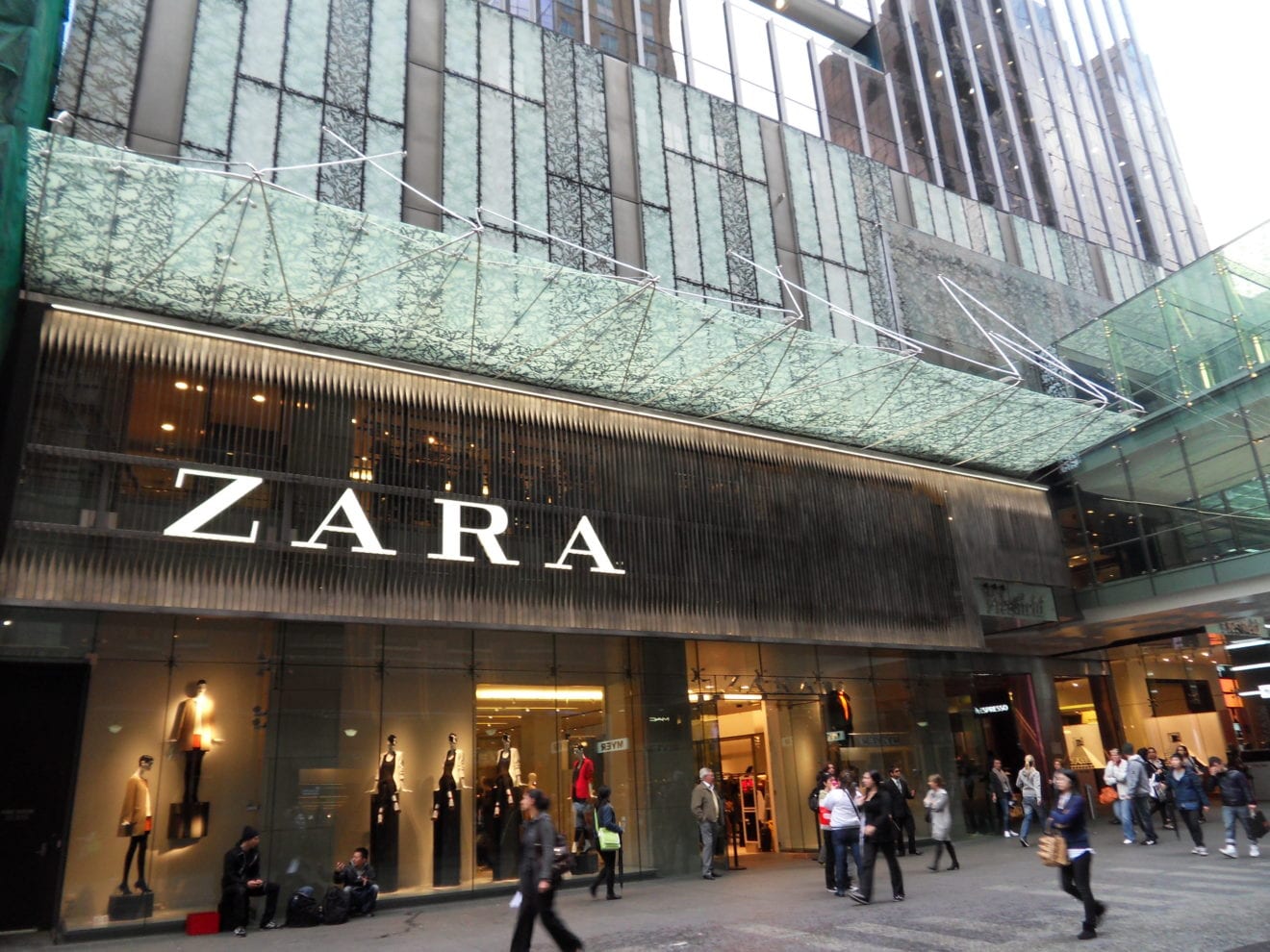
    High street giant Zara has finally confirmed it will be taking part in this year’s Black Friday event. The retailer has remained very tight-lipped about its plans for the shopping event which officially takes place tomorrow, and has even opted against advertising its plans in its windows.

    Speculation has been high as to whether the retailer would be taking part this year- following last year, which marked the first time Zara has been involved in the discount event.

    But it has finally released details of the money its customers could save tomorrow.

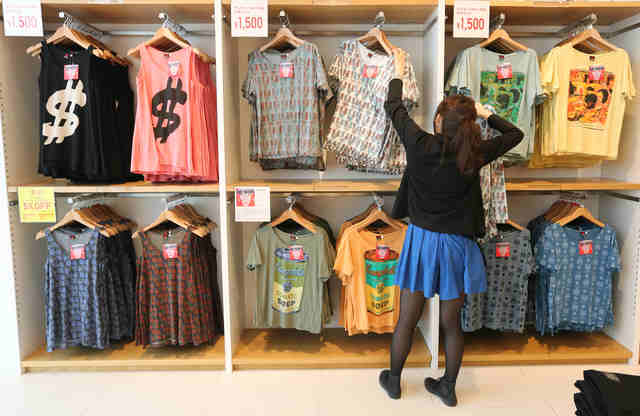
    Zara will be offering shopper 20% off selected departments for Black Friday.

    Last year, there was a variety of products which the discount could be used on, including coats, shoes, tops and more.

    Fans have been eagerly waiting for Zara’s Black Friday announcement. On Twitter @amarjhot said: “Still waiting on Zara to drop a Black Friday sale? … no? Ok.”

    @CharlyOConnor said: “I need to place a Zara order but I’m holding out for the Black Friday sale – this is going to end up being a disaster I bet.”

    And, @_JAEopardizes said: “Zara need to hurry up and put their Black Friday sale up.”

  • Farfetch’s CEO calls for an industry-wide halt on discounts

    Farfetch’s CEO calls for an industry-wide halt on discounts

    Fashion brands need to put their foot down and take action to prevent “a race to the bottom” in terms of discounts as they threaten the survival of the whole fashion retail eco-system, Farfetch Chief Executive and Founder José Neves said.

    Online and offline retailers are resorting so much to promotions there are only two months in the year during which there aren’t any: September and February.

    “So, the system is really crumbling,” Neves said. “The industry needs to think very strategically about how they are going to avoid a race to the bottom in terms of promotions and discounts.”

    He recommended that fashion brands turn into concessions those wholesale accounts, both online and offline, that do the most visible and damaging discounts.

    He suggested brands follow the example of Chanel, which last week, announced it was going to turn into concessions its wholesale distribution accounts in the United States with department stores such as Bergdorf Goodman, Neiman Marcus, Bloomingdale’s, Saks Fifth Avenue and Nordstrom.

    Chanel said the move was intended to better control interaction with its customers.

    “The cycle of discounts is getting earlier and earlier,” Neves remarked. “If you speak to the CEO of any brand they will all say the same thing: we don’t let them do that, we shout at them, if you do it next time, we will stop working with you. And guess what, next season it is the same thing again and again, so their threats are useless. This is a preoccupation for the whole industry. People know what is happening. People talk about it and no-one does anything.”

    Heavy discounts at department stores started with the 2008-2009 financial crisis and have never really stopped since.

    Retailers have a herd mentality: if one discounts, the others follow. And no big department store will stop doing discounts by its own initiative for fear of losing business to rivals.

    Neves foresaw that the only way for the industry to get out of this conundrum was for brands to step in and take concrete action.

    However, on a brighter note, Neves foresaw solid growth in demand for fashion in the medium to longer term, in part because consumers increasingly feel they need to invest in fashion to differentiate themselves and look good on their social media accounts.

    He also predicted consumers would have more disposable income due to changing spending patterns.

    “People are not buying cars anymore because they have Uber, they are not buying houses because they were priced out of the property market in most big cities because they need a 40 percent deposit and they will never be able to save that much. They do not buy holiday houses because they have Airbnb, so there is more disposable income to buy fashion,” Neves said.

    In September, Farfetch completed an initial public offering in New York that raised its profile and gave it a cash pile of more than $1 billion. Neves said its funds would be used to finance growth, win market share and make acquisitions “on an opportunistic” basis.

    Neves said Farfetch would only make acquisitions in areas in which it did not have expertise. In July, Farfetch acquired CuriosityChina, a marketing firm specialized in WeChat, the popular Chinese social media.

    In terms of geographic spread, Neves said India and South East Asia were among those regions Farfetch wished to expand into, but for now, the company needed to consolidate its recent expansion efforts which stretch from China, Japan and South Korea to Mexico, Russia, Brazil and the Middle East.

    “At the moment, it is a pause in oxygen for strategy,” Neves said. “But eventually, we will be in every major luxury market in the world.”

  • One Raffles Place Shopping Mall is The Place to be to Start The Singapore Sales

    One Raffles Place Shopping Mall is The Place to be to Start The Singapore Sales

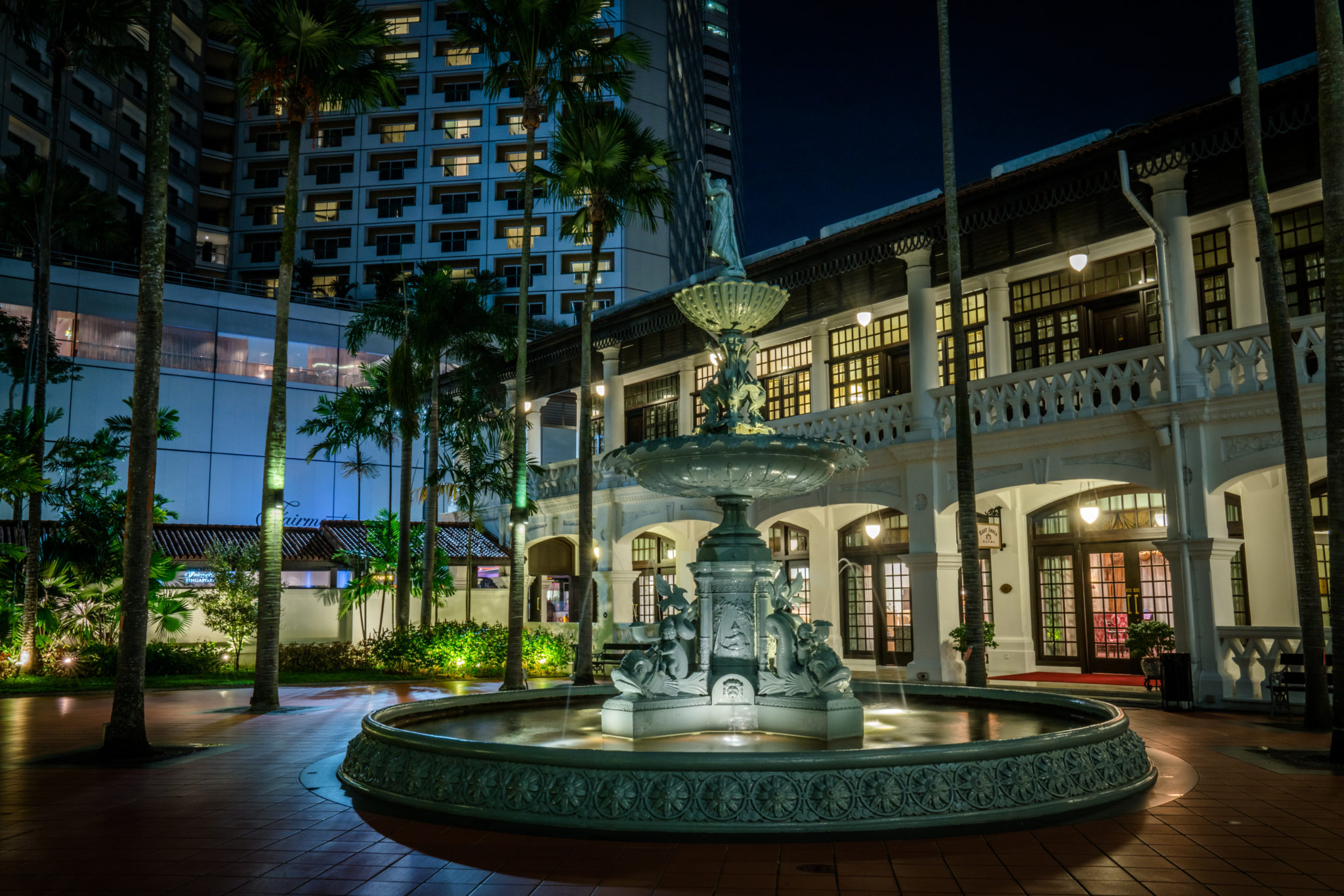
    Work will start soon on a revamp of One Raffles Place Shopping Mall aimed at improving shopper circulation and opening up the retail space for better visibility.

    As the mall will trade throughout the renovation, work is being phased to minimise disruption.

    At the same time, the mall will introduce a co-working space covering more than 35,000sqft across several levels. A flagship for IWG’s Spaces, the venue will be able to host and launch retail and fashion-related events.

    Its multi-level layout is also expected to improve vertical traffic at the mall, with direct access to Raffles Place Park. A strong F&B offering on the first level will make it ideal for corporate gatherings and casual meetings after work.

    “As the mall attracts high shopper traffic of nearly one million people each month, services and F&B tenants will remain the mainstay of the retail offering,” says CEO Tan Shu Lin of OUE Commercial Reit Management, which runs the mall.

  • Thai Beverage unit to bid for at least 25 percent of Sabeco

    Thai Beverage unit to bid for at least 25 percent of Sabeco

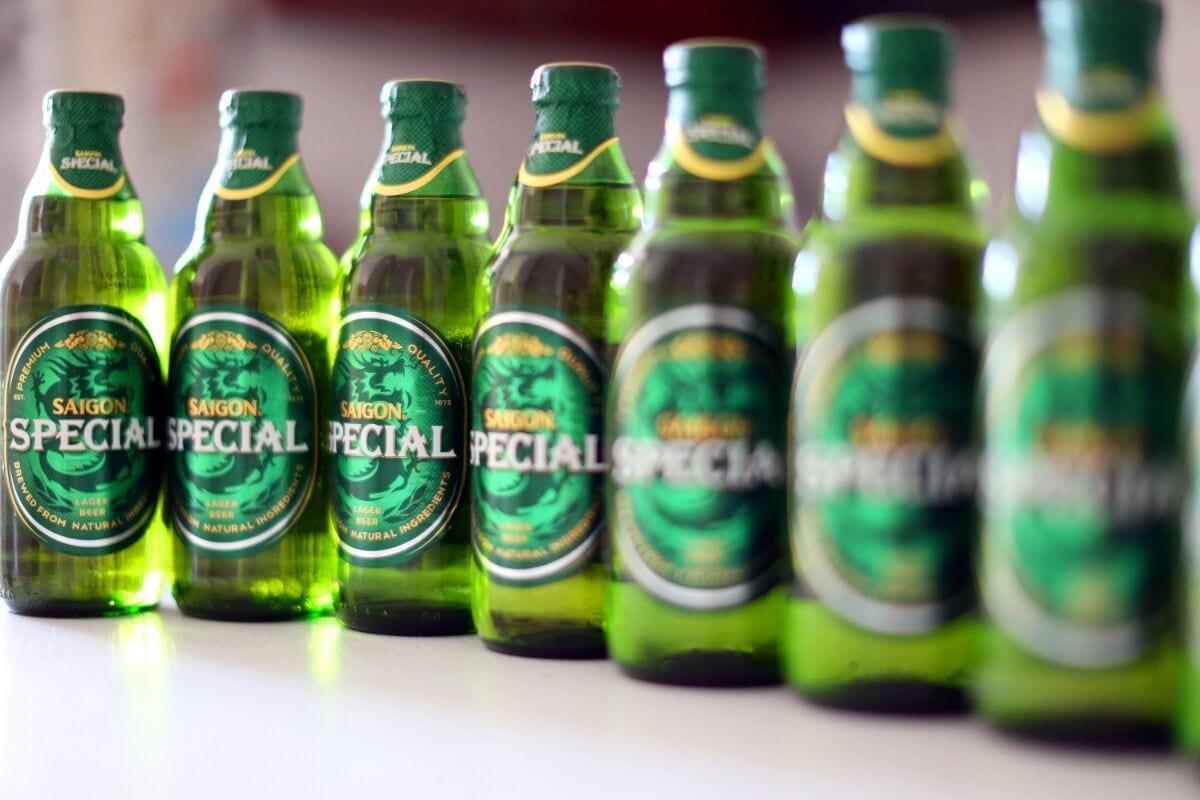
    A unit of Thai Beverage (TBEV.SI) has emerged as the only prospective bidder for state-owned shares in Sabeco (SAB.HM) that has declared that it could lead to it owning 25 percent or more of Vietnam’s biggest brewer, the Trade Ministry said on Monday.

    The auction of up to 54 percent of Sabeco worth at least $5 billion, in what is set to be Vietnam’s biggest privatization, offers brewers access to a fast-growing market with a youthful population and beer drinking culture.

    Investors who want shares that would lead to an ownership of 25 percent or more in Sabeco have to inform the local authorities and publicize the information a week before the auction date, which is set for December 18, according to the rules of the offer.

    Other brewing groups including Anheuser-Busch InBev and Kirin Holdings have been preparing to bid for a stake, people familiar with the matter have said.

    But the trade ministry said in a statement on its website that as of 1100 GMT on Monday the one prospective investor which has registered an interest in buying 25 percent or more of Sabeco that has publicized the information is Vietnam Beverage Company Limited.

    Vietnam Beverage Company Limited is owned by Vietnam F&B Alliance Investment Company, which is 49-percent owned by BeerCo Limited, an indirect but wholly-owned subsidiary of Thai Beverage, official documents about the companies showed.

    Foreign ownership in Sabeco is limited to 49 percent. That means overseas bidders can only bid for a minority stake of as much as 39 percent as foreign entities already own 10 percent.

    Lack of control and the unorthodox way in which the Sabeco stake is being sold could put off some possible bidders, bankers, investors and lawyers familiar with the matter said.

    The Vietnam trade ministry, which represents state shares in Sabeco, said foreign investors can link up with Vietnamese firms to buy shares in Sabeco, but have to comply with local laws and regulations.

  • The Great Singapore Sale 2016 Registers 15% Growth in Spend

    The Great Singapore Sale 2016 Registers 15% Growth in Spend

    UnionPay, the Official Card for The Great Singapore Sale (GSS) 2016, has revealed that total spend in Singapore by UnionPay Cardholders grew 15 percent during the 10-week-long event held from 3 June to 14 August 2016. The increase was contributed by the surge in UnionPay card usage by both locals and tourists during the GSS 2016 period, and boosted by the rise in card issuance in Singapore, and around the world.

    Locally, UnionPay registered significant growth in spend among locally-issued cards. Total spend by locally-issued UnionPay cards and transaction count doubled over the same period last year. The growth in spend can be attributed to the rise in acceptance of UnionPay cards by merchants in Singapore, which has improved from over 70 percent merchant coverage last year, to over 80 percent now.

    On the overseas Cardholders’ front, tourists from China, Hong Kong, Macau, Korea and Indonesia contributed to the bulk of the growth, signifying that UnionPay’s expansion across key markets in Asia has helped to boost tourist spending in Singapore during GSS 2016. Comparing performance across retail categories, the Supermarket and F&B categories registered the largest percentage growth.

    “We are delighted to see positive spending momentum among our local and overseas UnionPay Cardholders during GSS 2016. This growth marks the continued appeal of Singapore as a choice shopping destination for locals and visitors, and puts us on the right track to continue the growth momentum in our partnership with the Singapore Retailers Association for GSS. We are committed to further improving our acceptance coverage in Singapore to better serve our Cardholders here,” said Mr. Wenhui Yang, General Manager of UnionPay International Southeast Asia.

    “Singapore Retailers Association is glad that our new partnership with UnionPay International has generated increased spending among its overseas and local cardholders at the Great Singapore Sale 2016. The numbers are indeed encouraging, and show that the collective efforts of SRA, UnionPay and the industry to give UnionPay Cardholders more reasons to spend during the GSS have brought new growth opportunities to participating retailers. Looking ahead to the GSS 2017, we look forward to working with UnionPay and the industry to continue to grow the appeal of the GSS to both tourist and local consumers,” said Mr. Anthony Gan, Executive Director, Singapore Retailers Association. 

    UnionPay International focuses on supporting the growth of UnionPay’s global payments business. With an acceptance footprint covering 160 countries and regions globally, UnionPay serves the world’s largest cardholder base by providing quality, cost-effective and secure payment services to over 5.4 billion Cardholders worldwide.

    In Singapore, UnionPay enables efficient and cost-effective payment services that are tailored to the needs of local businesses and consumers. UnionPay cards are issued by Bank of China (BOC), DBS Bank (DBS), Industrial and Commercial Bank of China (ICBC) and United Overseas Bank (UOB) in Singapore, and are accepted at over 80 percent of retail, lifestyle and food and beverage establishments locally, as well as at almost all automated teller machines (ATMs) across the island. In May 2016, UnionPay announced its partnership with Singapore Retailers Association announced as the new Official Card for the Great Singapore Sale from 2016 to 2018.

  • Indonesian Housing market showing positive signs in 2016

    Indonesian Housing market showing positive signs in 2016

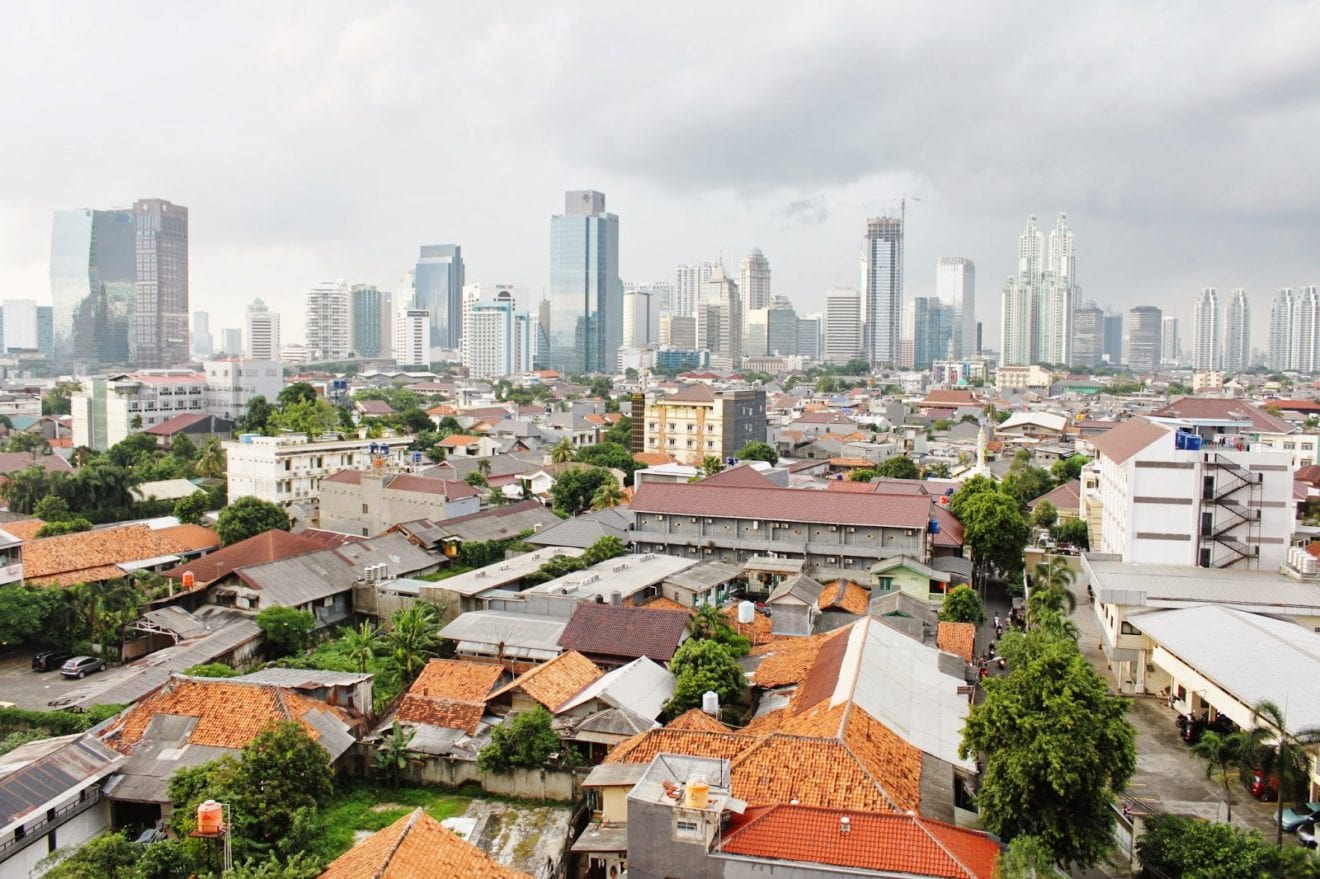
    The increase in housing sales in several regions of Indonesia is a positive sign of growth in the countrys property sector, according to Indonesia Property Watch (IPW).

    “Research conducted by the IPW on the housing sector in the fourth quarter of 2015 revealed a 16.6 percent growth compared to that in the previous quarter,” Ali Tranghanda, the executive director of IPW, stated here on Wednesday.

    He admitted that the growth in sales could not yet be taken for granted as a consistent upward trend in sales, but at least it is a positive signal for the housing market.

    This is because the growth rate in annual sales is still 10.87 percent lower than that in the previous year, he reminded.

    However, based on its research, the IPW found that the sales of houses in the potential areas in Bekasi, a Jakarta buffer town in West Java, had increased significantly by 72.01 percent in the fourth quarter compared to that in the previous quarter.

    The sales in other areas of Jakartas satellite towns, such as Bogor, recorded a growth increase of 15.44 percent but dropped by 8.52 percent in Tangerang, which is another Jakarta buffer city in Banten.

    “The satellite towns of Bekasi, Bogor, and Depok in West Java are expected to contribute positively to the increase in housing sales in Jakartas areas and Tangerang,” noted Ali.

    He reminded that the ongoing construction of public mass transportation projects such as the Mass Rapit Transit (MRT) and the Light Rail Transit (LRT) would increase the added value of houses in the areas.

    It was forecast that 2016 would be the year of rising optimism in the property sector in Indonesia, but property businesses should also continue to maintain high vigil, international property consultant Jones LaSalle (JLL) had announced earlier.

    “The interest of our investors and residential clients remains high, and we look at 2016 with consistent optimism and vigilance,” Country Head of JLL Indonesia Todd Lauchlan remarked.

    Todd noted that 2015 could be viewed as a year full of challenges for the property sector in Indonesia as the economy grew below the predicted target, among other factors.

    Moreover, he pointed out that the other factor was the fluctuations in the rupiah and other currencies, which weakened significantly against the US dollar. The drop in the prices of commodities had triggered concerns in Jakarta.

    “This year, however, there will be an increasing market demand for offices and residences, while the production sector is also expected to remain stable,” he added.

  • Air Asia Philippines Launched Red Hot P0.01 Flight Promo Sales

    Air Asia Philippines Launched Red Hot P0.01 Flight Promo Sales

    This Christmas, Santa Clause won’t be the only one painting the skies red. AirAsia Philippines will also be coming to town with a Red Hot P0.01 Flight Promo Sale beginning on November 23.

    air asia peso promo sale

    The one-centavo seat sale includes promo fares to all domestic destinations from Manila including Tacloban, Cebu, Davao, Tagbilaran, Palawan, and Kalibo. International destinations are also included in the sale with popular cities such as Kuala Lumpur, Kota Kinabalu, Busan, Macau, and Hong Kong.

    AirAsia Group is also offering great promotional fares to more than 100 destinations across 20 countries including Australia. Passengers travelling from the Philippines can seamlessly connect in Kuala Lumpur to one of AirAsia Group’s many great destinations.

    AirAsia Promo Fares can be booked on the AirAsia website from today until November 29, 2015. Promotional fares are valid for travel from May 1, 2016 to February 5, 2017. As Philippines AirAsia’s Commercial Head, Gerard Peñaflor explains, the one-centavo sale comes at the perfect time for giving the gift of travel this Christmas.

    “Travelling with your friends and family to Palawan, Boracay, Bohol, Davao, or to Hong Kong, Korea, and other AirAsia destinations make an ideal holiday gift and our one-centavo seat sale makes the deal even sweeter,” said Peñaflor. “From as low as P201.00 all-in fare, travellers will get to discover new places here in the Philippines and across AirAsia’s massive network in the whole of ASEAN region and extending as far as China, India, Japan, and Korea.”

    air asia promo fares

    Peñaflor added that AirAsia will also be unveiling the latest in-flight menu to enhance the on-board experience before the busy Christmas season. “To enhance our guests’ flying experience, we are set to launch before Christmas, Philippines AirAsia’s latest in-flight menu which now includes new hot meals featuring Filipino favorites such as Bangus sisig, chicken curry including ASEAN-inspired dishes,” added Peñaflor. “Now, everyone can enjoy great value services on top of the promo seats that we are offering.”

  • Fast Retailing Japan reports double-digit growth

    Fast Retailing Japan reports double-digit growth

    In the first fiscal quarter ended 30 November,, the Japanese clothing giant Fast Retailing has totaled revenues of JPY479.5 billion yen (USD4 billion) , an increase of 23  percent over the same period before . For the full year , the management estimates that sales will reach the level of JPY1.6 trillion yen (USD13.5 billion) , an increase of 15.7 percent. In quarter operating profits of the Japanese group were up 39.9 percent to JPY91.3 billion (USD770.7 million) and earnings reached JPY68.8 billion (USD580.8 million) ( + 63.9  percent) .