Retail News CRM

Tag: sandwish

  • Paris Baguette eyes expansion in the US, Singapore

    Paris Baguette eyes expansion in the US, Singapore

    South Korean F&B group SPC is expanding outside of its home territory as its home-based brands reach saturation point.

    Plans to establish an upscale restaurant in New York-based on its Paris Baguette bakery brand, however, have been significantly impacted by the continuing US coronavirus outbreak, according to a report in the Korea Times.

    “We were planning so as part of our global business expansion starting with our locations in Singapore. However, due to the COVID-19 outbreak, everything was put on hold,” said an official spokesperson for SPC. “We were going to start with Maison de PB and make our next move after watching its performance in NYC.”

    The group has already successfully established Paris Baguette locations in the US, although poor brand visibility is still said to be an issue for the franchise. According to one industry source, the Maison de PB venue was intended to elevate the reputation of the brand.

    “There’s a limit for its success with the confectionery business in the US and Europe,” the source told the Korea Herald. “It is very hard to break the stereotype that an Asian bakery can offer better products than French bakeries. Becoming successful with Maison de PB in NYC is also important but we can see it as part of the group’s efforts to build its brand image there.”

  • BreadTalk delisted after privatisation plan finalized

    BreadTalk delisted after privatisation plan finalized

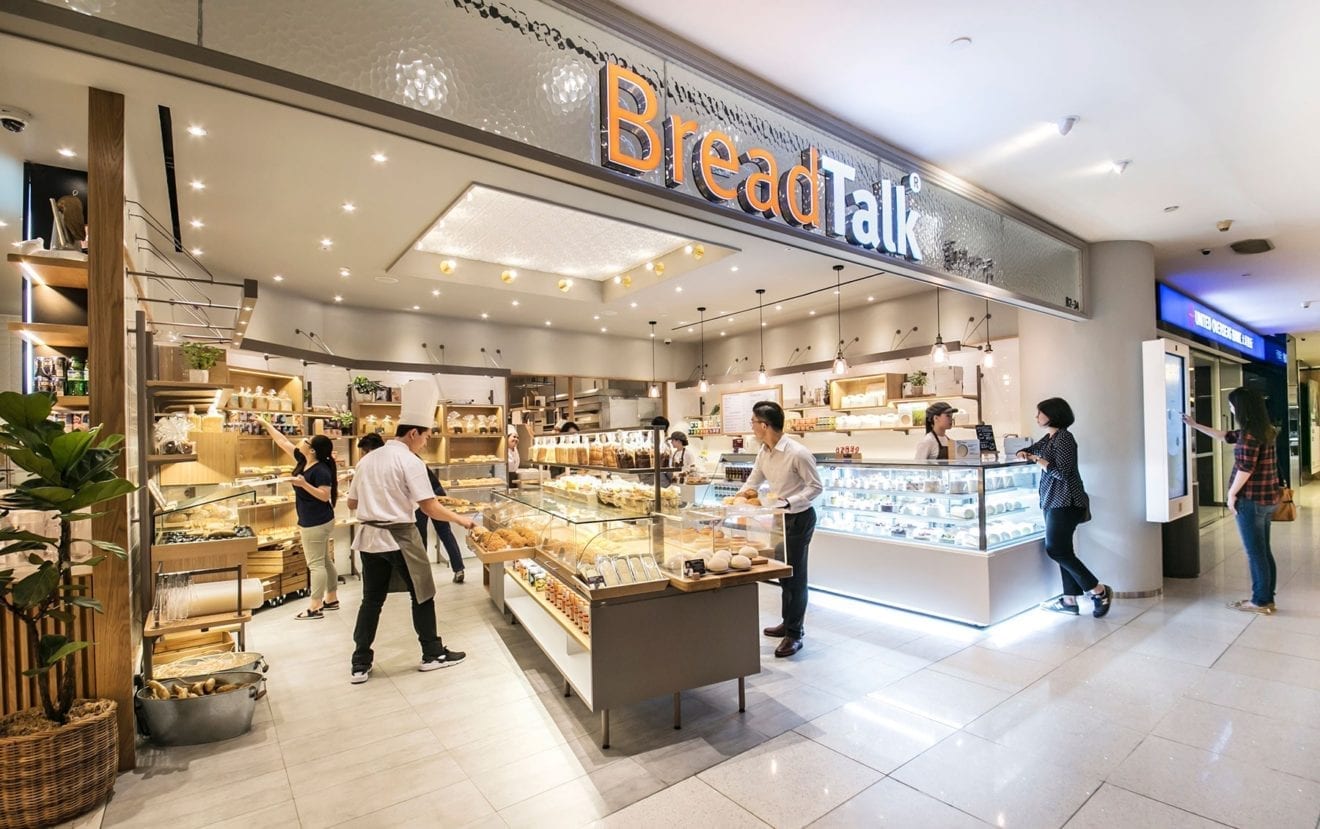
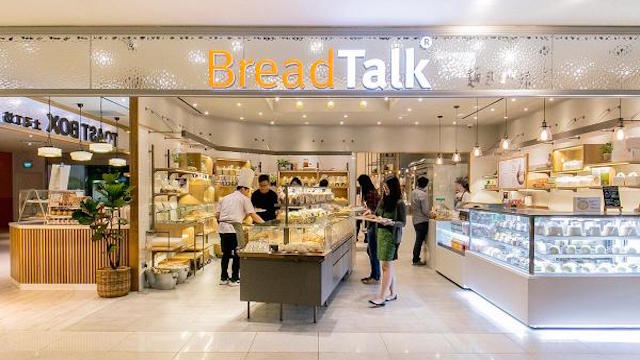
    Singaporean bakery and restaurant operator BreadTalk is to be delisted from the Singapore stock exchange tomorrow (June 5) following its mandatory acquisition by BTG Holding.

    The firm applied to delist from the exchange following the suspension of trading on April 21. The new owning entity is owned by BreadTalk’s founder George Quek and his wife, along with Thai food & hospitality firm Minor International.

    The group’s stakeholders offered to acquire all the ordinary shares in the firm and delist the company in February. At the time, Minor and Quek said they planned to undertake a review of the business following its delisting with a view to streamlining business activities, refocusing on and strengthening core business activities and exploring the potential disposal of non-core property assets.

    BreadTalk filed losses of US$4.1 million last year and was struggling financially long before the advent of the coronavirus pandemic, which worsened matters.

    The firm’s business “remains challenging across key markets, including Singapore, China and Hong Kong,” according to official filings submitted by the firm.

  • BreadTalk Group to be privatised by founder and Minor International

    BreadTalk Group to be privatised by founder and Minor International

    A small group of key Breadtalk Group stakeholders, including founder and chairman Dr George Quek, have offered to acquire all the ordinary shares in the firm and delist the company.

    The group, including Quek’s wife Katherine Lee and existing shareholder Minor International, has formed a new company BTG Holding Company which aims to buy all the shares in Singapore-listed BreadTalk which has just posted a US$3.7 million loss for the year.

    Minor International is a Thai-based multinational food & beverage and hotel operator, whose food businesses include The Coffee Club, Sizzler, Dairy Queen and franchises in some markets for Bonchon and Burger King.

    The new company will be 74.9-per-cent owned by Dr Quek and related parties and 25.1-per-cent owned by Minor.

    Mint and Quek say they plan to undertake a review of the business following its delisting with a view to streamlining such business activities, refocus on and strengthen core business activities and explore the potential disposal of non-core property assets.

    Poor performances in China and Thailand have been implicated in the firm’s losses, as has the effect of social unrest on its businesses in Hong Kong. The current coronavirus outbreak is expected to continue to affect operations going forward.

    BreadTalk Group operates established food brands, including BreadTalk, Toast Box, Food Republic and Din Tai Fung, together numbering more than 1000 outlets.

    “I believe in the growth potential of the BreadTalk brands, building on today’s solid network of outlets and underpinned by Asia’s continued rise in household income,” said Quek.

    Group CEO of Minor International, Dillip Rajakarier,  said hsi company has invested in BreadTalk Group since 2012 because it believes in the brands and the company’s potential. “Today, we are delighted to further strengthen our partnership with Dr George Quek. With BreadTalk Group’s strong brand recognition, market knowledge of Singapore and China and expertise in the food industry, we have a strong growth platform.”

    The offer is being made under expectations that privatization will allow greater flexibility, as well as ease of management, with significant funding saved on maintenance costs involved with remaining a listed firm. It will only go ahead if acceptances are received for 90 percent of the shares by the time the offer closes, but given Quek and Minor between them currently hold 70.5 percent of the shares, acceptance would seem to be a formality.

  • US sandwich chain Blimpie makes Asian debut

    US sandwich chain Blimpie makes Asian debut

    American ‘submarine sandwich’ chain Blimpie has opened its first store in Singapore, marking its debut in Asia.

    Located in Tampines, the Blimpie Singapore store offers a menu adapted for halal consumers.

    In a style similar to Subway, customers can choose a type of bread ranging from white, wheat, olive, or Parmesan and choose fillings they want. Price range between SGD6.50 (US$4.81) and SGD13.50 (US$9.99) for regular subs.

    Last year, American restaurant group Kahala Brands entered an agreement with Singapore’s Deelish Brands to launch Blimpie Singapore. The Singapore business is 100-per-cent Muslim owned and has the same owners as Fatburger Singapore, which is halal certified.

    “Although Blimpie Singapore is not yet certified, the supply chain is 100-per-cent halal and we will be applying for certification shortly”, the company said in a statement.

  • Subway Hong Kong marks World Sandwich Day

    Subway Hong Kong marks World Sandwich Day

    Subway Hong Kong will join 14 other restaurants to celebrate World Sandwich Day this week.

    For every regular 6-inch sandwich combo, Subway Hong Kong customers can get one standard 6-inch sandwich for free in this event. For every purchase of the combo, HK$5 will be donated to St. James’ Settlement in Hong Kong to help fight world hunger and care for the families in need.

    “It is a great way for us to give back to our local community and loyal customer base here in Hong Kong. It is also a great way for our customers, franchisees and restaurant staff to feel like they are a part of giving back to those in need,” said Michael Kyprianou, director of development & field operations.

    Ten thousand meals were donated by Subway on World Sandwich Day in Hong Kong out of 13 million meals donated around the world last year.

    CEO Subway Hong Kong development office, Christel LeBrun, said: “We hope to see our loyal guests join us for a delicious Subway sandwich this Friday and help us to fight hunger across Hong Kong”.

  • BreadTalk Group CEO Resigns

    BreadTalk Group CEO Resigns

    BreadTalk Group CEO Henry Chu has resigned, citing “personal and health reasons”.

    Chu will depart from the helm of the Singapore-headquartered pan-Asian bakery and restaurant business at the year’s end. He will be temporarily replaced by company founder Dr George Quek until a new head is appointed from either within or outside the firm.

    “On behalf of the board, I would like to thank Henry for working tirelessly with the senior management team to maximise growth opportunities and successfully diversify our portfolio of brands in the last 2.5 years,” said Quek in a statement.

    BreadTalk entered significant partnerships with Wu Pao Chun Bakery and Song Fa Bak Kut Teh, and expanded into London and Cambodia under Chu’s lead.

    The change comes as BreadTalk faces declining revenue largely brought on by heavy competition. It operates almost 1000 outlets globally.

  • Subway under investigation for underpaying work force

    Subway under investigation for underpaying work force

    Subway has said it could terminate franchisees that fail to meet their financial responsibilities amid an investigation launched by the Fair Work Ombudsman into the underpayment of its workers.

    The sandwich retailer said franchisees are required to meet regulatory, financial, workplace and employment requirements, and failure to do so could lead to disciplinary action.

    “Failing in their commitment to uphold these will result in enforcement action and continued non-compliance may lead to termination,” a Subway spokesperson said, which reported the underpayment investigation on Monday.

    “All Subway restaurant employees are entitled to payment for hours worked, including for training. Any employee who believes they have been paid incorrectly by a franchise owner is encouraged to report this to Subway for investigation, through a dedicated employee hotline.”

    Local newspapers spoke to several Subway employees, who had seen thousands of dollars paid incorrectly over the years, as well as mentioning a general laissez-faire attitude adopted by the Subway head office.

    “The only things Subway head office care about is your name badge, your uniform, it is all about the image,” one employee said.

    A Subway spokesperson said these statements have not been reported to it, and that it takes matters such as these very seriously.

    “More than 10,000 employees are hired by franchise operators and work at the 1353 individually-owned Subway restaurants across Australia,” the spokesperson said.

    “While restaurant employees are hired by franchise owners, any concerns raised by employees are investigated by Subway immediately.”

    Subway is not the only retailer grappling with underpayment issues. Wage theft has been uncovered at Michael Hill, Domino’s, Super Retail Group and Chatime over the past year, though most said it was a result of the complexity of modern awards.

    However, an informal poll revealed almost 60 percent of more than 200 respondents believe underpayment is mostly intentional, due to businesses trying to cut costs.

    A recent report by the Australian Payroll Association found that almost a third of payroll managers admitted to making employee payment or entitlement mistakes at least once a month, and claimed that the larger the business, the more likely mistakes are to occur.

    However, the report claimed only 16 percent of businesses with fewer than 50 staff said they made such mistakes each month – a position most franchisees likely fall into.

  • Malaysian bakery Lavender Singapore Opens Its Doors

    Malaysian bakery Lavender Singapore Opens Its Doors

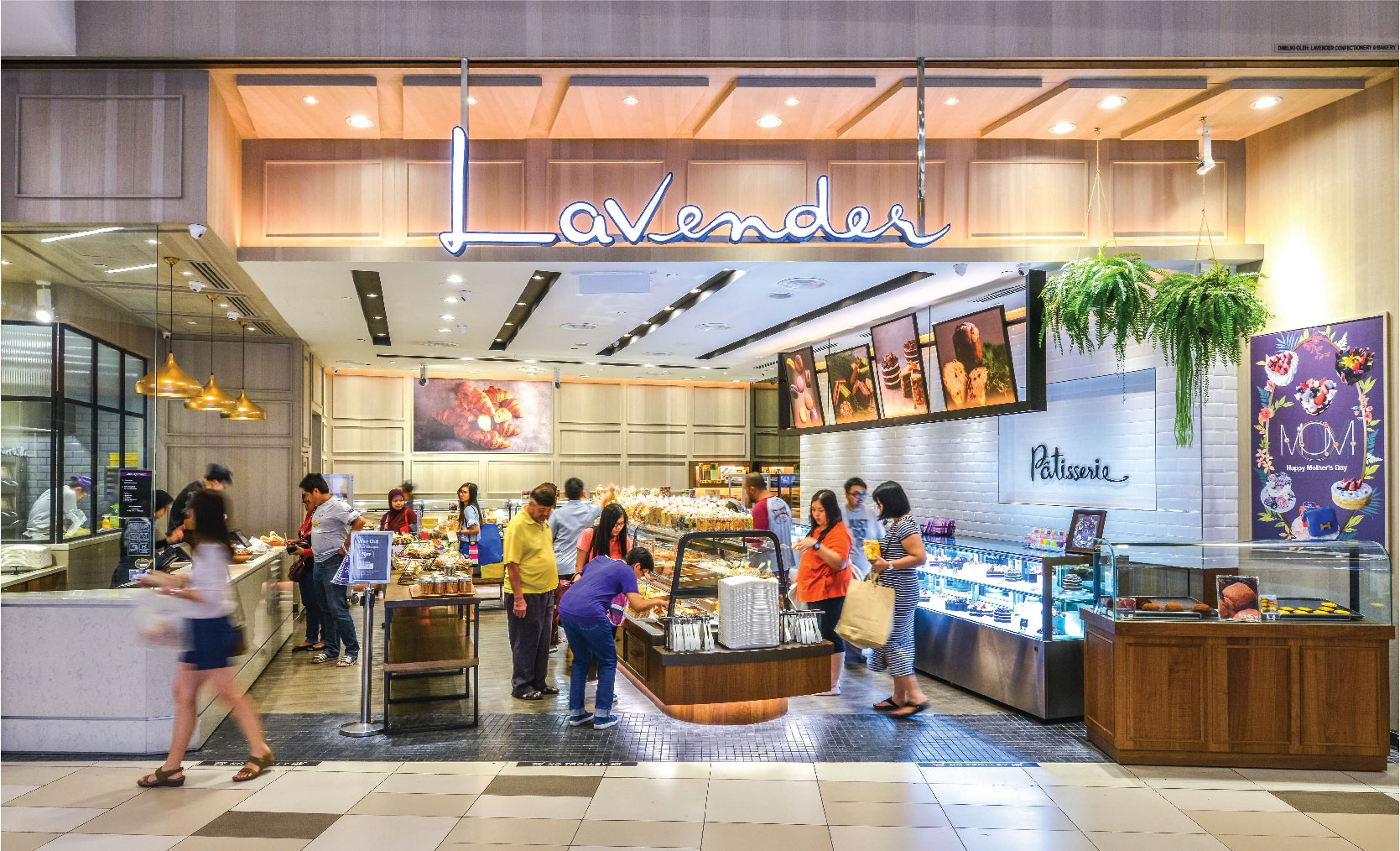
    Malaysian bakery Lavender is opening at Jewel Changi in Singapore this week.

    Set to open on Thursday (April 11), the store will sell Lavender’s buns, French-style choux cream puffs, and house-made pandan kaya.

    Located next to the 40m-high Rain Vortex waterfall, the outlet offers takeaway-only baked goods.

    “We try to stay competitive with prices so all our customers can enjoy our products and taste the difference in quality,” a Lavender bakery representative said.

    “Prices will definitely be different to Malaysia’s as overheads like rent, salaries and material costs will all be in Singapore dollars.”

    Malaysian bakery Lavender has six outlets in Kuala Lumpur and five in Johor Bahru, including a multi-storey flagship at Taman Pelangi.

  • Soul Origin offers free toast

    Soul Origin offers free toast

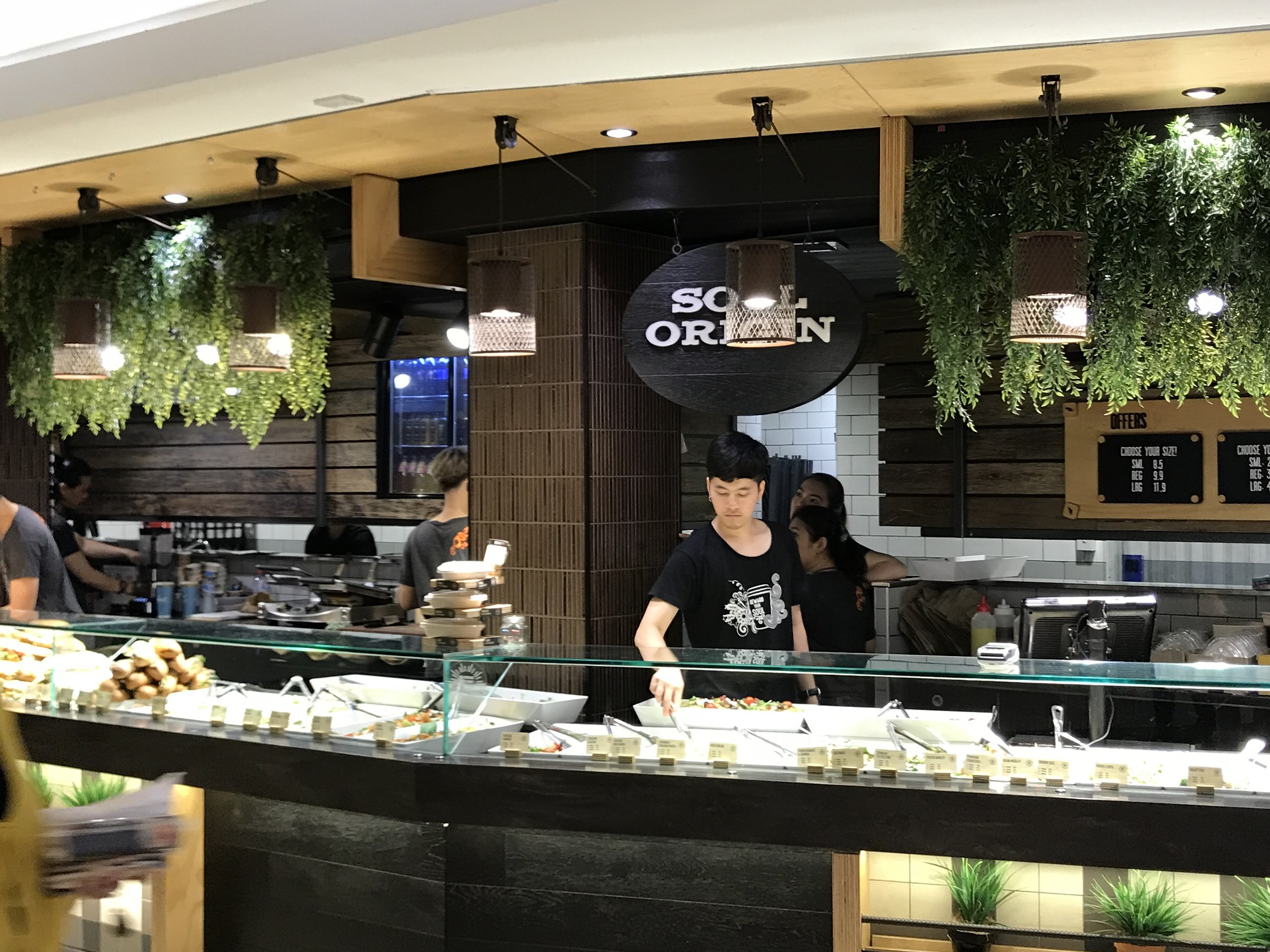
    Cafe chain Soul Origin is giving away a free slice of Vegemite toast with any coffee purchase on Wednesday, after an imprompt national debate broke out yesterday over the correct amount of Vegemite on a slice of toast.

    The debate started when a customer took issue with the scant serving of Vegemite on their toast and posted an image to the Breakfast sub-Reddit page, calling the Soul Origin cafe in the Domestic Terminal of Sydney Airport that served it to them “un-Australian”.

    The image was widely shared across social media, where thousands of Vegemite fans and haters weighed in.

    “I’m fairly sure that’s illegal in Australia,” one Redditor commented on the original photo, while another noted, “I hate the stuff and even I know that isn’t quite enough.”

    On the other side of the fence, some pushed for the option to throw the toast in the bin and replace it with peanut butter instead.

    Soul Origin chief executive Chris Mavris took the frenzy in stride. He released a statement Tuesday afternoon announcing customers would receive a free slice of Vegemite toast with any coffee purchase on Wednesday, and encouraging customers to tell their local cafe exactly how they like it.

    “There’s nothing more Australian than Vegemite on toast but it’s no secret that everyone has their own personal way of enjoying this national delicacy,” Mavris said.

  • Subway strikes delivery deal with Uber Eats In New Zealand

    Subway strikes delivery deal with Uber Eats In New Zealand

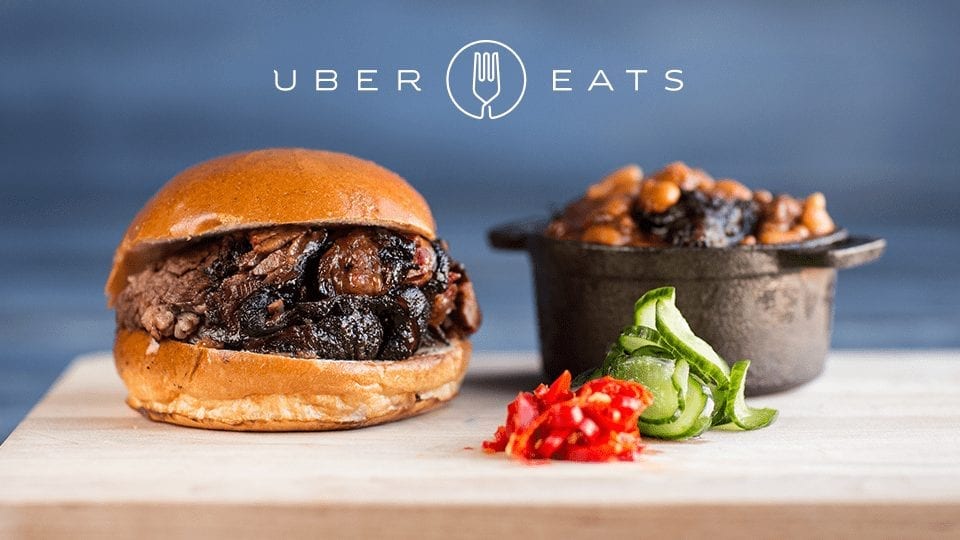
    Subway has struck a deal with Uber Eats to offer delivery from more than 100 restaurants in select New Zealand cities. Chris Churchmichael, country director for Subway New Zealand, said the agreement would allow Subway restaurants to tap into the rapidly growing delivery market in New Zealand, at breakfast, lunch, dinner and anytime in between.

    “We know Kiwis want freshly-made and nutritious delivery choices, however, having their favorite Subway foot long meal delivered hasn’t been an option until now,” Churchmichael said.

    Church Michael said all the Subway favorites like meatball and pork riblet will be available for delivery along with fresh new choices like spicy buffalo chicken with blue cheese dressing and smashed falafel with tsatziki.

    “Searches for ‘nutritious’ options in the app are increasing and Subway is the perfect partner to help us respond to this demand and provide a greater selection of delicious meals to eaters whether they are at work, home or even the park,” said Andy Bowie, Uber Eats country manager for New Zealand.

    Subway recently unveiled a brand refresh to modernize its offerings and a new website that highlights key supplier stories and educates customers about the chain’s fresh ingredients.

    According to Subway, its new “Real Fresh” website aims to give guests a look behind the scenes at some local growers and suppliers who support the business from all over New Zealand.

    Ben Miles, senior manager for brand marketing at Subway, said the sandwich chain is a strong supporter of Kiwi produce. Some of their supply partners include local business Yarrows, which has supplied Subway New Zealand with their dough for more than 20 years and NZ brand Tegel, which has partnered with Subway since the brand opened its first restaurant in the country in 1995 and now supplies restaurants with a range of chicken and turkey products.

    “We estimate we’re one of the largest national purchasers of fresh produce in New Zealand and we’re committed to supporting farmers, growers and producers around the nation,” Miles said.

    “We wanted to shine a light on the incredible work they do, bringing the fresh factor to our restaurants multiple times a week.”

    Miles said many of the company’s customers are unaware that their fresh vegetables are sliced and prepared in-restaurant before serving, so this information is also shared on the site.

    “We also know it’s important to our guests that each ingredient in their sub is of the highest quality – for both freshness and taste,” he said. “We’ve been making considerable changes to our menu and we’re committed to ensuring as many of our ingredients as possible are locally sourced.”

    The Real Fresh website was recently awarded a Gold Ava Digital Award, an international competition reorganizing excellence in website design and creative.

  • Melt Shop has plans to open shops in Southeast Asia

    Melt Shop has plans to open shops in Southeast Asia

    Melted sandwiches are about to take on the world, including Southeast Asia, according to the directors of US franchise chain Melt Shop.

    Founder/managing partner Spencer Rubin believes the company is perfectly positioned to begin franchising internationally after expanding into the Middle East.

    Melt was established in 2011 and now has eight corporate locations in New York, Philadelphia, and Minneapolis. Parent company Aurify Brands is a hospitality-focused business founded by multi-unit franchisees, and its plans for the Melt Shop include a global target of more than 100 locations over the next five years.

    “Melt Shop has spent the past six years perfecting our brand and business model,” says Rubin. “The timing is right to take our New York-born fast-casual concept to the world.”

    He says the company sees immense potential to grow through franchising, and is targeting experienced multi-unit franchisees who have restaurant and hospitality experience.

    “Keeping the integrity of the Melt Shop brand is important to us. We will have dedicated operators overseeing the day-to-day running of our international locations. An intense and all-encompassing training program will also ensure no steps are overlooked.

    “We strongly believe in compliance, and it is important we find partners who are dedicated and passionate about the Melt Shop brand. All locations will follow the same processes and quality standards, and we’ll do everything to make sure it is consistent across every location.”

  • Subway Vietnam frantically looks for franchise partners

    Subway Vietnam frantically looks for franchise partners

    Six years after entering Vietnam, Subway, the world’s biggest fast food brand, is increasingly looking for franchising partners to reach the ambition of opening 50 restaurants in this market.

    On February 15, Subway held a franchising partner recruitment meeting for investors in Ho Chi Minh City. At present, Subway is considered the world’s biggest franchising network. The company is ambitious to become the number one fast food brand in every market—and Vietnam is not an exception.

    Underwhelming pace

    Following other brands like KFC, Lotteria, and Jolibee, sandwich and salad restaurant chain Subway officially opened its first restaurant in Vietnam in February 2011, almost a year later than anticipated. Subway has cooperated with PepsiCo to start its first restaurant on the “Street of foreigners” Pham Ngu Lao Street, District 1 of Ho Chi Minh City. According to the arrangement, Subway is responsible for the sandwiches and PepsiCo provides the soft drinks.

    Upon arrival to Vietnam, Subway has set a goal of 50 franchise restaurants by 2015. However, at present, there are only six of them in HCMC.

    “Like other fast food brands, Subway entered into Vietnam late. Initially, we had to adjust our strategies to fit the culture as well as market trends. It takes time for us to adapt to the differences in the Vietnamese market to get the desired foothold here,” Mark Mason McGrath, general director of Subway Vietnam, explained.

    In 1985, 20 years since its establishment, Subway had 590 restaurants. Ten years later, there were 11,420 restaurants in the US and now there are 45,000 restaurants in over 100 countries. In Southeast Asia, Subway has opened 200 restaurants in Singapore, 100 in Thailand, and 40 in the Philippines. However, Subway has not reached its expected goals in Vietnam.

    Known as a healthy food provider over the world, Subway can enter into market segments untouched by other giants like McDonald’s and Burger King. However, the company has not been able to forge this into a comparative advantage in Vietnam.

    Seeking individual investors

    Entering a new market is an inevitable course to Subway. The company has been very successful in the US, but the market became saturated. Moreover, the international market holds real potential, placing expansion on top of Subway’s agenda.

    However, the first challenge that Subway had to face was building its brand and exploring its target customers’ desires. In the west, Subway’s products brought about a shift in fast food eating habits and reduced obesity, which was welcomed in western countries. However, the situation in the Asia-Pacific region is different.

    Relatively low obesity rates and a lack of health concerns associated with common foodstuff create a largely different playing field in the Asia-Pacific.. At the same time, KFC and McDonald’s have been present for longer and have been shaping consumption habits in the area. This is a reason why, despite the substantial market potential, the growth rate of Subway in Asia is still low.

    To overcome theobstacles, Subway is starting over to become the world’s biggest fast food franchise. The company will focus on enhancing customer experience. In Vietnam, Subway is looking for franchisees. In 2017, Subway is planning to expand outside HCMC through cooperation with other franchising brands. Nha Trang will be the next destination, and Subway is considering other potential cities and provinces.

    Nonetheless, the brand has a careful approach to expanding its network. “We do not want to cooperate with too big brands like other giants did when entering and expanding in Vietnam. The best way for us to expand our network is to cooperate with the individual investors in the long-term,” said McGrath and added that Subway brings a chance for fruitful investment and doing business for those who wish to be owners.

    Comparative advantages galore

    Compared to other competitors in the fast food industry, where investors have to pay dollar millions to become franchise partners, such as McDonald’s ($1-2 million) and KFC ($1.3-2.5 million), investors in Subway have to pay only a portion. The initial investment in a Subway restaurant in Vietnam ranges from $124,000 to 300,000, dependant on the location and the size of the restaurant.

    Of the amount, the franchising fee for the first Subway restaurant in Vietnam is about $10,000. From the second restaurant on, the fee is only $5,000. The total cost to launch and maintain a franchise restaurant like this is low and is considered an advantage and a big investment opportunity. However, according to Mcgrath, it is not the cost of investment, but investors’ low awareness of Subway’s value that hampers cooperation.

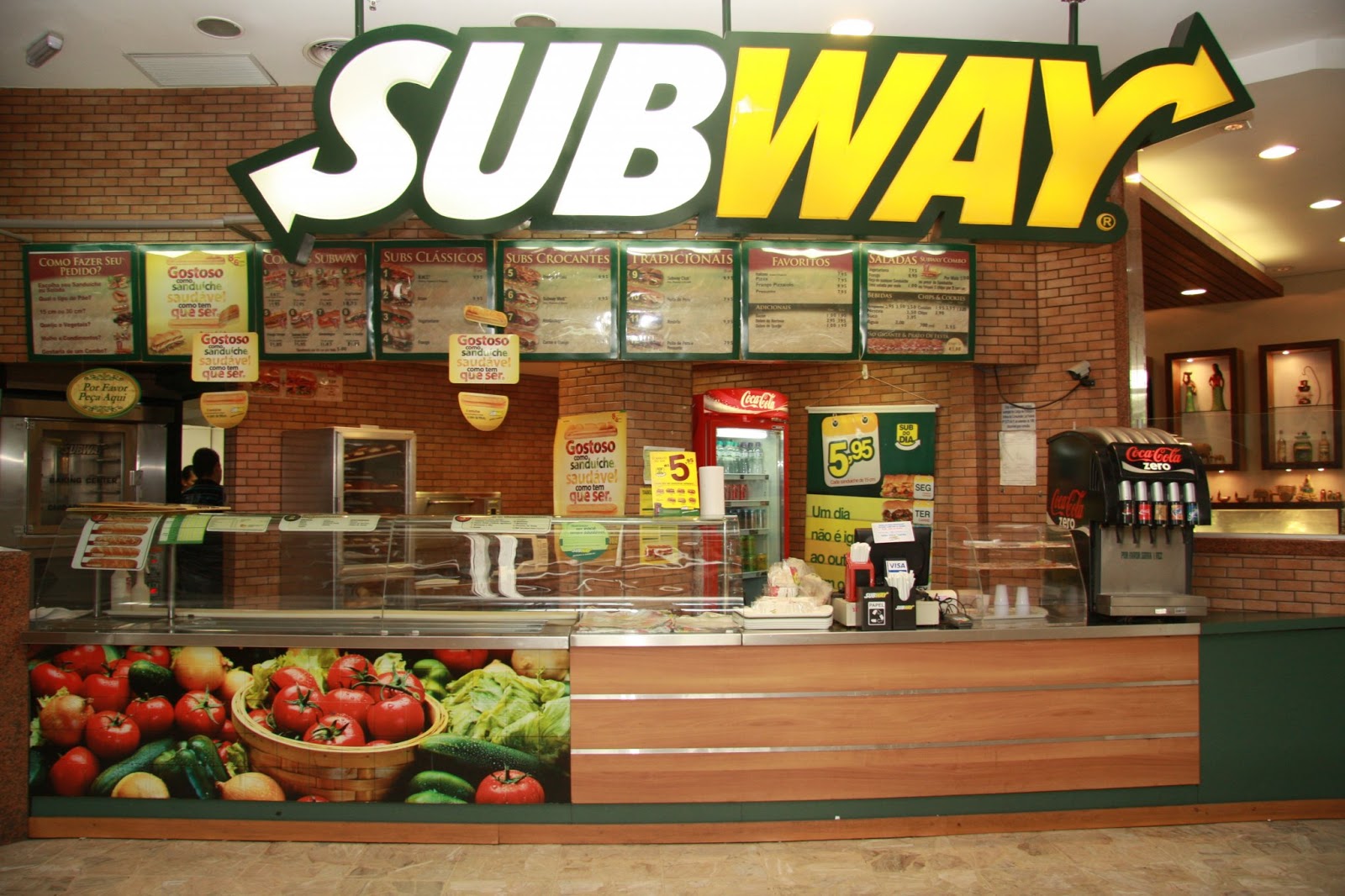
    Of all fast food brands, Subway has the comparative advantage of being able to fit in many different areas all over the world other than only traditional locations. Subway appears in universities, airports, hospitals, convenience stores, cinemas, hotels, zoos, casinos, museums, parks, stadiums, and near churches.

    Subway’s restaurant model fits in anywhere, even in narrow spaces, while its competitors cannot. This ensures Subway’s coverage all over the world, which significantly increases its number of restaurant. Besides, Subway also actively cooperates with small fast food brands in supermarkets. Two parties will share a space, staff, management, but still maintain their separate brand identity with different uniforms for wait staff, decorations, menu, and other specified colouring principles.

    Subway always offers its franchisees preferential conditions. Its linkage to local financial institutions to support franchisees is one of the reasons for investors to open Subway restaurants. “With all these comparative advantages over competitors, we expect investors to realise with time the opportunities we have to offer,” McGrath expects.