Tag: sector

  • Every Halfs $8M Series A Brews Excitement for Vietnamese Coffee Sector Expansion

    Every Halfs $8M Series A Brews Excitement for Vietnamese Coffee Sector Expansion

    Every Half, a Vietnamese coffee chain, recently raised $8 million in a Series A funding round with participation from current investors Openspace Capital and DSG Consumer Partners. This funding will be utilized to fuel the company’s expansion across Vietnam, enhance its vertically integrated supply chain, and extend its packaged coffee business.

    Diversifying Operations and Expanding Reach

    Simultaneously, the company is diversifying its portfolio beyond traditional coffee shops. It is investing in coffee farming, proprietary fermentation technologies, e-commerce, and business-to-business distribution. Currently, 36 stores are operating under the Every Half umbrella in various Vietnamese cities such as Ho Chi Minh City, Hanoi, Danang, and Hoi An. The company is predicted to nearly triple its revenue this year. In addition to its in-store offerings, Every Half has broadened its consumer product selection, selling roasted coffee beans and brewing tools online and exporting to countries like Singapore, Thailand, and Taiwan.

    The recent funding round builds upon prior investments made by Openspace and DSG Consumer Partners, following an undisclosed seed round in 2024 and a pre-Series A financing round worth $3 million last year.

    Every Half was established in 2021 by ex-executives of The Coffee House, Vo Duy Phu and Tran Le Minh Truc. The company aims to promote Vietnamese specialty coffee globally through a business model that covers sourcing, processing, roasting, and retailing.

    Transforming Vietnamese Coffee Industry

    When Openspace invested in Every Half in 2024, it praised the company’s vision of transforming Vietnamese coffee from a simple exported commodity into a globally recognized premium brand. The investment firm also praised the founders’ expertise in coffee sourcing, product development, and retailing. DSG Consumer Partners shared a similar sentiment, highlighting the company’s focus on specialty coffee, sustainable sourcing, and brand building as primary drivers of its long-term growth.

    Questions & Answers

    What will the recently secured funds be used for by Every Half?
    The funds will be used to accelerate Every Half’s expansion across Vietnam, deepen investment in its vertically integrated supply chain, and scale its packaged coffee business.

    What diversification strategies is Every Half employing?
    Every Half is expanding its operations beyond cafes to include coffee farming, proprietary fermentation technology, e-commerce, and business-to-business distribution.

    What was the vision behind the founding of Every Half?
    Founded by Vo Duy Phu and Tran Le Minh Truc, Every Half was created with the aim of showcasing Vietnamese-grown specialty coffee on a global scale, traversing operations from sourcing, processing, and roasting to retail.

  • Citi Banks on Vietnam’s Potential for Expanding Social Finance Sector

    Citi Banks on Vietnam’s Potential for Expanding Social Finance Sector

    Jorge Rubio Nava, Global Head of Citi Social Finance, recently outlined Citi’s global role in social finance and the prospects for growth in Vietnam and throughout Asia.

    Citi’s Impact in Social Finance

    Since its establishment in 2005, Citi Social Finance has been primarily focused on microfinance, later branching out to finance that enhances access to crucial services for overlooked communities. The venture has successfully mobilized over US$19.7 billion, positively impacting 22.7 million low-income and underserved families, including 12.3 million women in over 50 emerging markets.

    In 2021, the bank introduced its Global Social Finance Framework and, three years later, issued a $3 billion Social Finance Bond. Social finance’s goal is not just to provide funds but also to assure that these funds reach communities where they can foster inclusive economic development.

    Citi defines social finance as supporting projects that enhance access to vital services for underserved populations. This includes affordable infrastructure, housing, economic inclusion, education, food security, and healthcare. Each transaction under this umbrella is scrutinized against pre-set criteria and anticipated social outcomes, with the bank having developed internal guidelines for eligibility, financing structures, and impact measurement.

    Opportunities in Vietnam

    In Vietnam, Citi recently finalized two social trade finance transactions with BIDV and MB. These deals spotlight the significant opportunities in the country, where micro, small, and medium-sized enterprises (MSMEs) contribute more than 45% to GDP and over 60% to employment.

    Citi provided over $100 million in social trade advance facilities to BIDV and MB, intended to bolster the banks’ lending to MSMEs for working capital and income-generating activities. This contributes to business expansion and job creation. These transactions also showcased how social finance can be amplified through collaborations with local financial institutions.

    In addition to their banking partnerships, Citi is also engaging with corporate clients, such as a Vietnamese coffee company. Through a financing arrangement, they are supporting the company’s working capital while also helping expand market access for smallholder coffee farmers via its supply chain.

    Questions & Answers

    What was the purpose of Jorge Rubio Nava’s recent trip to Vietnam?
    The purpose of the visit was to engage with corporate clients and financial institutions to explore how social finance can aid in business growth.

    What is required for social finance to develop further in Vietnam and Asia?
    Continued client demand, transparency in the use of proceeds, measurable outcomes, consistent reporting, and scalability are crucial for the growth of social finance in the region.

    Does Citi plan to continue expanding its social finance activities in Vietnam and other parts of Asia?
    Yes, Citi intends to keep growing its social finance activities in Vietnam and Asia by partnering with clients to develop financing solutions that merge commercial viability with measurable social impact.

  • TikTok’s $125M Digital Expansion: Chinese Giant to Bolster HCMC’s Tech Sector

    TikTok’s $125M Digital Expansion: Chinese Giant to Bolster HCMC’s Tech Sector

    TikTok, the renowned Chinese social media platform, has pledged an investment of $125 million in Ho Chi Minh City. The funds are intended to boost logistics services, digital commerce, and digital payment systems in the bustling Vietnamese metropolis.

    Pledged Investment

    According to an announcement published by the Ho Chi Minh City Department of Finance last Thursday, the commitment was made by TikTok’s investment arm based in Singapore. The department, however, did not provide any details regarding the expected timeline of the project.

    The decision followed several meetings between city officials and TikTok’s executive team, which took place at the end of last year. TikTok’s intention is to set up three business entities within the Ho Chi Minh City International Financial Center.

    Q1 Foreign Direct Investment Round-Up

    The Department of Finance stated that the city has attracted almost $2.9 billion in foreign direct investment (FDI) during the first quarter of this year, a significant increase of 220% compared to the same period last year.

    Among the prominent projects contributing to this FDI surge include a new manufacturing facility by Techtronic Industries Company based in Singapore, which will require an investment of $81 million. Other contributors include the Dutch firm MSD Animal Health ($80 million), Singapore’s SP Vietnam ($67 million), and Indonesia’s Momogi Group ($55 million).

    The Department credited this substantial uptick in investment to the confidence of foreign investors in the city’s business environment, despite the currently volatile global economy.

    Ho Chi Minh City’s strategic goal for this year is to attract $11 billion in FDI. The city’s primary focuses are high-tech, innovation-driven projects, data centers, logistics, and green growth initiatives.

    Questions & Answers

    What is the purpose of TikTok’s $125 million investment in Ho Chi Minh City?
    The social media giant aims to enhance logistics services, digital commerce, and digital payment systems in the city.

    What are some of the key projects contributing to Ho Chi Minh City’s Q1 foreign direct investment?
    Noteworthy projects include a new manufacturing facility by Techtronic Industries Company, expansions by MSD Animal Health, SP Vietnam, and Momogi Group.

    What are Ho Chi Minh City’s investment priorities for this year?
    The city plans to attract $11 billion in FDI, focusing on high-tech, innovation-driven projects, data centers, logistics, and green growth initiatives.

  • Durian and Lobster Exports to China Skyrocket: A Boost for Vietnam’s Agro-Forestry and Fisheries Sector

    Durian and Lobster Exports to China Skyrocket: A Boost for Vietnam’s Agro-Forestry and Fisheries Sector

    In the initial two months of 2026, durian exports to China have seen a significant upsurge, increasing by 469% compared to the previous year. Lobster exports have also witnessed a substantial rise, growing by 65% during the same period. The sale of durian fruit alone contributed $300 million to the economy, aiding the steady progress of fruit and vegetable exports while other goods experienced a downturn.

    High-Quality Durian and Lobster Exports

    High-quality Monthong durian is being purchased at orchards for VND140,000–150,000 ($5.7) per kilogram, while Ri6 durian is priced at VND80,000–84,000, indicating a 30–50% increase from the previous year’s rate.

    Lobster exports, particularly of the green variety, have brought $259 million to the economy, growing by 32%.

    China continues to be an important market for fresh produce, particularly in the period surrounding the Lunar New Year, which typically falls between mid-January and mid-February.

    Increasing Competitiveness and Demand

    The competitiveness of lobsters has been enhanced due to improvements in quality, increased transparency concerning their origin, and better traceability.

    The Vietnam Fruit and Vegetable Association’s Secretary General, Dang Phuc Nguyen, attributes the surge in durian exports to the resolution of quarantine-related issues and seasonal advantages.

    While several countries have concluded their fruit harvest period, Vietnam’s off-season supply coincides with China’s peak demand during the Lunar New Year, triggering a significant increase in orders.

    The Ministry of Agriculture and Environment credits the growth to sustained demand for Vietnam’s agricultural, forestry, and fishery products, indicating promising opportunities for market expansion.

    Challenges and Constraints

    Despite these positive figures, there are challenges to overcome. The supply of fisheries, for instance, is limited. A number of shrimp farmers in the south-central region have reported that storms towards the end of the last year affected their farms.

    Additionally, this year’s off-season durian production has decreased by 30–40% owing to adverse weather conditions.

    Questions & Answers

    What has caused the increase in lobster competitiveness?
    Improvements in quality, greater transparency about origin, and higher traceability have all contributed to the increased competitiveness of lobsters.

    Why is there a surge in durian exports to China?
    The rise in durian exports is attributed to the resolution of quarantine-related bottlenecks and seasonal advantages, combined with Vietnam’s off-season supply coinciding with China’s peak demand during the Lunar New Year.

    What challenges are currently faced by the fishery and fruit sectors in Vietnam?
    The fishery sector is struggling with limited supply due to storms that affected shrimp farms in the south-central region last year. The fruit sector, particularly the durian industry, has seen a decrease in off-season production by 30-40% due to unfavorable weather conditions.

  • Aussie Beverage Sector Toasts to a Profitable Summer Despite Economic Hurdles

    Aussie Beverage Sector Toasts to a Profitable Summer Despite Economic Hurdles

    Despite global economic instability and the strain of domestic living costs, Australia’s food and beverage manufacturers experienced a surge in revenue during last summer, according to the most recent Manufacturing Health Index published by Unleashed Software. This upturn in profits, especially during the holiday season, highlights the continued demand for premium Australian-made consumer goods.

    Boost in Manufacturing Sector

    The survey, which compiled data from over 500 local manufacturing companies spanning various sectors, including food and beverage, clothing and fashion, and construction, revealed a significant increase in average earnings for beverage manufacturers. The final quarter of the year saw an average revenue of $627,000, marking an almost $200,000 rise from the previous quarter. This peak in earnings is the highest ever reported since Unleashed Software began its data collection. Simultaneously, the gross profit margin also experienced a surge, climbing to 35.9% from 31.9% in the previous quarter and 27.8% in the same period of the prior year.

    In the food sector, the average revenue reached $709,831, slightly lower than the $733,000 recorded in the third quarter but significantly higher than the $546,229 reported in the same quarter of the previous year.

    Shifting Inventory Strategies

    The report also indicates that Australian manufacturers are modifying their inventory strategies to accommodate tightening supply cycles. While businesses in Australia are fine-tuning inventory levels, their counterparts in the UK and New Zealand are boosting restocking.

    Jarrod Adam, the head of product at Unleashed Software, explains that there is a noticeable shift towards just-in-time replenishment in Australia. Companies are not hoarding cash in inventory but are buying precisely what they need to meet immediate demand. The construction sector, in particular, shows a marked shift towards this inventory model.

    Adam further highlights the critical role of technology in enhancing productivity and managing these tighter cycles to prevent stock shortages during periods of heightened demand without compromising efficiency.

    The Continued Impact of Interest Rates and Energy Costs

    The manufacturing sector’s performance in the coming year is expected to be influenced significantly by interest rates. In February, the Reserve Bank of Australia (RBA) hiked the cash rate to 3.85%, marking the first increase since a period of consistent rate holding or reduction in 2025. The RBA anticipates inflation to top out at about 4.2% mid-year before settling back down to the 2.5% midpoint target by mid-2028.

    Rising energy costs might also lead to higher material and transportation expenses, exerting additional pressure on company margins. Modifications to shipping operations could potentially impact lead times. Despite these challenges, manufacturers are shifting their focus from cost management to the expansion of operations. Firms are increasingly employing automation and real-time data systems to manage purchasing cycles. While smaller companies may be more susceptible to global economic fluctuations, they may also be better positioned to adapt their operations swiftly.

    Questions & Answers

    What caused the rise in revenue for Australia’s food and beverage manufacturers during the previous summer?
    The increase in revenue for Australia’s food and beverage manufacturers during the previous summer was primarily due to the continued demand for high-quality, Australian-made consumer goods, despite global economic instability and domestic cost-of-living pressures.

    How are Australian manufacturers adjusting their inventory strategies?
    Australian manufacturers are modifying their inventory strategies to cope with tightening supply cycles. The shift towards just-in-time replenishment allows companies to avoid keeping cash tied up in inventory by purchasing precisely what they need to meet immediate demand.

    What factors are expected to influence the performance of the manufacturing sector in the future?
    The future performance of the manufacturing sector is expected to be significantly influenced by interest and energy rates. Rising energy costs might lead to higher material and transportation expenses, exerting additional pressure on company margins. Interest rates are also expected to remain a key factor, with the Reserve Bank of Australia recently increasing the cash rate.

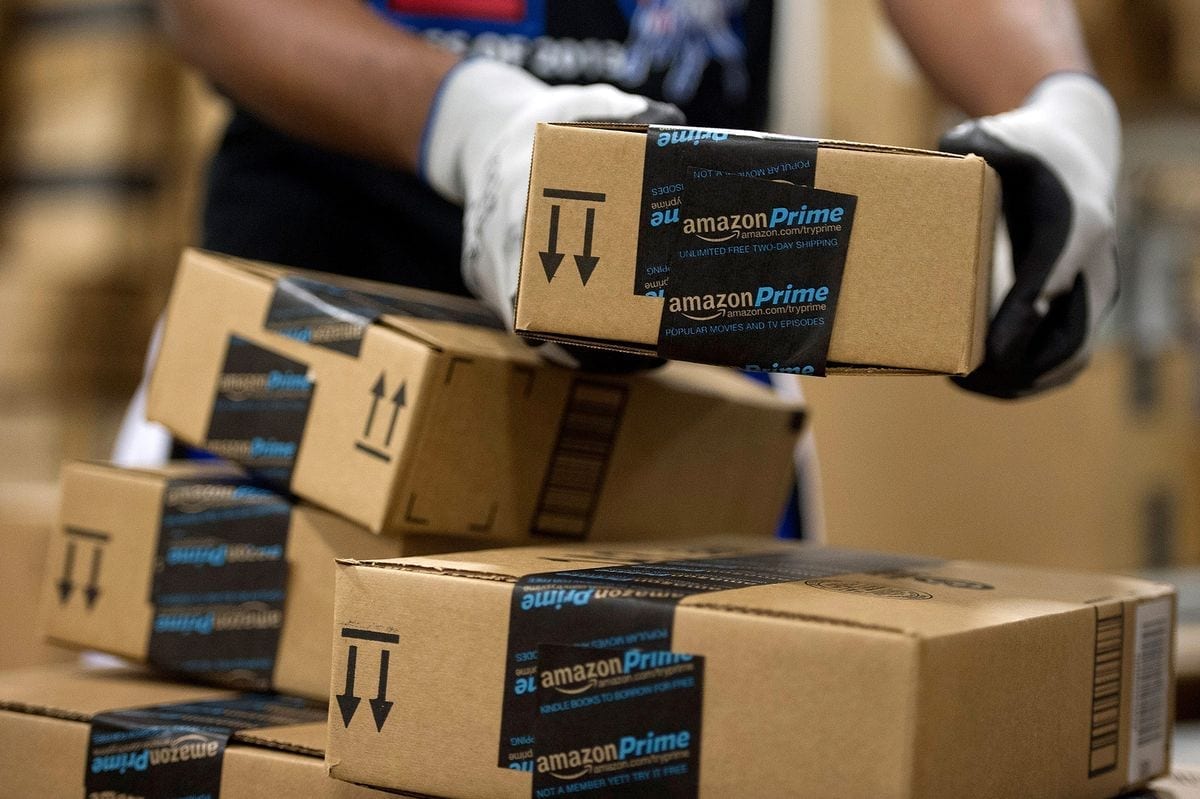
  • Amazon and Flipkart Set to Disrupt India’s Banking Sector with Innovative Consumer Loan Products

    Amazon and Flipkart Set to Disrupt India’s Banking Sector with Innovative Consumer Loan Products

    E-commerce heavyweights, Amazon and Flipkart, are planning to venture into the financial services sector in India, by offering loans and buy-now, pay-later (BNPL) options. This strategic move is poised to challenge the traditional banking sector.

    Amazon’s Plans

    Earlier this year, Amazon purchased Axio, a non-bank lender based in Bengaluru. The company primarily focuses on BNPL and personal loans. However, with Amazon’s acquisition, Axio is expected to recommence providing credit facilities for small businesses and initiate cash management services.

    Mahendra Nerurkar, VP for payments for emerging markets at Amazon, emphasized the potential for expanding credit growth, especially among digitally engaged customers and small businesses operating outside of major cities. He further revealed that the company has plans to develop specialized lending propositions to enhance cash flow management efficiency and unlock capital for merchants and small businesses.

    Flipkart’s Interest

    Flipkart, which boasts a significant stake by Walmart, has registered Flipkart Finance, its non-bank lending branch. The company is awaiting final approval from the Reserve Bank of India (RBI) for its business strategy. The plans feature two types of pay-later offerings:

    1. No-cost monthly installment loans for online shoppers ranging from 3 to 24 months.
    2. Loans for consumer durables at an interest rate of 18 per cent–26 per cent per annum.

    Typically, interest rates on loans for consumer durables from traditional lenders oscillate between 12 per cent and 22 per cent. A confidential source revealed that Flipkart aims to launch these financial products in the coming year.

    Growth of the Consumer Loan Market

    Data from credit bureau CRIF High Mark shows that India’s consumer loan market has expanded from nearly US$80 billion in March 2020 to approximately US$212 billion by March 2025. However, there are indications of a slowdown in recent quarters. Consumer loans encompass unsecured personal loans, credit cards, and loans for consumer durables.

    Both Amazon and Flipkart operate apps ranking in the top 10 platforms for payments via India’s Unified Payments Interface. Earlier this year, the RBI granted them the ability to lend directly to customers, marking a significant step towards opening India’s financial services market to foreign-backed tech firms.

    Rohan Lakhiyar, partner at consultancy Grant Thornton Bharat’s financial services risk division, stated that given their access to both supply-side and demand-side customer data, both Amazon and Flipkart have immense potential to disrupt the sector. However, he stressed that execution would be crucial as they expand beyond core retail.

    Amazon has also partnered with several local lenders to offer fixed deposit savings products with minimum amounts of 1000 rupees (US$11) to customers on its Amazon Pay platform, according to Nerurkar.

    Questions & Answers

    What are Amazon’s plans in the financial services sector in India?
    Amazon plans to offer credit to small businesses and provide cash management services through Bengaluru-based non-bank lender Axio. They also aim to develop specialized lending propositions to help improve cash flow management efficiency and release capital for merchants and small businesses.

    What types of financial products is Flipkart planning to offer?
    Flipkart intends to offer two types of pay-later offerings – no-cost monthly installment loans for online shoppers, and loans for consumer durables at an interest rate of 18 per cent–26 per cent per annum.

    What is the current status of the consumer loan market in India?
    The consumer loan market in India has grown from nearly US$80 billion in March 2020 to around US$212 billion by March 2025, according to data from credit bureau CRIF High Mark. However, recent quarters have shown signs of a slowdown in growth.

  • AI Revolution in Singapore’s Fintech Sector Fuels Shift in Employment Strategies: A Deep Dive into the 2025 Talent Report

    AI Revolution in Singapore’s Fintech Sector Fuels Shift in Employment Strategies: A Deep Dive into the 2025 Talent Report

    Singapore’s financial technology (fintech) industry is advancing into a new phase of sophistication. This phase is characterized by the embracement of artificial intelligence (AI), the introduction of stricter regulations, and an increasing focus on regional expansion. Consequently, industry players are radically reassessing their strategies for talent acquisition, development, and retention in response to a surge in AI-related roles.

    Emerging Trends

    There has been a marked 40% year-on-year increase in the demand for AI-related roles. As a result, fintech companies are ramping up their hiring of AI engineers, data scientists, and MLOps specialists. However, technical competence, while important, is not the sole criterion in the selection process. Employers are now placing greater emphasis on soft skills.

    A study conducted by the Singapore Fintech Association (SFA) and Page Executive indicates this shift in hiring preferences. The study revealed that 92% of employers rank communication and teamwork as the most crucial factors for success, ranking higher than academic qualifications. Moreover, 85% of employers consider adaptability and learning agility as vital in an AI-driven work environment.

    Upskilling Trends

    Despite a significant majority (90%) of job applicants possessing at least a bachelor’s degree, there is a growing trend towards continuous professional development in the sector.

    Approximately one quarter of professionals are enrolled in online courses, particularly in AI, data analytics, and advanced Excel. This trend reflects a deeper commitment to upskilling in order to remain competitive.

    Evolving Workforce Models

    Singapore continues to serve as the mainstay of Asia’s fintech ecosystem, hosting about a third of all fintech teams within the region. Nevertheless, as companies scale across the ASEAN market, they are adopting more integrated onshore-offshore operating models.

    While 71% of fintech companies still prioritize local hiring for strategic functions including compliance, enterprise sales, and regulatory roles, regional expansion is leading to more geographically dispersed workforce structures. As we look ahead to 2026, 32% of organizations plan to boost their workforce, and 21% anticipate an expansion in contract and freelance roles. Additionally, 22% are investing in upskilling and reskilling initiatives to address emerging skills gaps.

    Pay and Rewards

    The report underscores a growing gap in expectations surrounding remuneration. While 67% of fintech professionals regard salary as the primary reason for job changes, 70% of employers predict that cost optimization and budget constraints will influence hiring strategies in the coming year.

    AI, cloud, and compliance specialists are enjoying salary premiums of between 20 and 35 percent. This has led companies to increase their investment in training. Over 70% of companies are financing certifications and structured learning programs, with more than half viewing professional development as an essential tool for employee retention.

    Strategies for Fintech Employers

    The report provides four key recommendations for organizations:

    1. Adopt a skills-first hiring approach that balances adaptability with technical depth.
    2. Enhance the employee value proposition by achieving a balance between remuneration, purpose, career progression, and flexibility.
    3. Develop leadership pipelines and prioritize critical roles.
    4. Invest in training and mentorship programs to create a future-ready workforce.

    Questions & Answers

    What skills are increasingly in demand in the fintech sector?
    Demand for AI-related roles like AI engineers, data scientists, and MLOps specialists has climbed by 40 percent year-on-year. However, alongside technical skills, employers are also valuing soft skills like communication, teamwork, adaptability, and learning agility.

    What trends are emerging in terms of upskilling in the fintech sector?
    Almost 25% of professionals are enrolled in online programs, focusing on AI, data analytics and advanced Excel. This reflects a growing commitment to continuous learning and upskilling in the sector.

    What is the future outlook for hiring in the fintech sector?
    Looking ahead to 2026, 32% of organizations plan to increase their workforce. Another 21% expect to expand contract and freelance roles, while 22% are investing in upskilling and reskilling initiatives to bridge emerging skills gaps.

  • Singapore’s Retail Sector Sustains Growth in September, Led by Watch and Jewellery Sales Surge

    Singapore’s Retail Sector Sustains Growth in September, Led by Watch and Jewellery Sales Surge

    In September, retail sales in Singapore continued their upward trajectory, albeit at a slower pace than in August.

    Overview of Retail Sales

    Singapore’s retail sales, excluding motor vehicles, witnessed a 2% growth in September. This figure is slightly lower than the revised 4.7% increase recorded in August. The total retail sales value for the month was estimated at SG$3.5 billion (US$2.67 billion), with online sales accounting for 17.6% of this value.

    However, when adjusted for seasonal factors, there was a 2.3% decrease in retail sales in September compared to August.

    Sector-wise Breakdown

    The growth in retail sales was majorly driven by the watches and jewellery sector, which saw a year-on-year increase of 16.6%, largely due to increased jewellery sales.

    Next in line was the recreational goods sector, which exhibited an 11% rise in sales, followed by supermarkets and hypermarkets with a 5.1% increment.

    In stark contrast, both petrol service stations and retailers of apparel and footwear experienced a decline in sales by 8% and 3.6% respectively.

    Food and Beverage Services Sales

    Sales in the food and beverage services sector also declined, registering a 1.6% drop, a more significant decrease compared to the 0.2% drop in the previous month. This downturn was primarily attributed to the underperformance of the restaurant sector. The total sales value for the F&B services sector was estimated at SG$966 million, with online sales constituting 26.3% of this value.

    Questions & Answers

    What was the percentage increase in Singapore’s retail sales for September?
    The retail sales in Singapore saw a 2% increase in September.

    Which sector led the sales growth in September?
    The watches and jewellery sector led the sales growth in September with a 16.6% increase year-on-year.

    Did all sectors see an increase in sales?
    No, the sales of petrol service stations and retailers of apparel and footwear saw a decline, as did the food and beverage services sector.

  • Woolworths Sees 2.7% Surge in Sales: Riding the Wave of E-commerce and Food Sector Growth

    Woolworths Sees 2.7% Surge in Sales: Riding the Wave of E-commerce and Food Sector Growth

    Woolworths, a major retail group, has announced a rise of 2.7 percent in its total sales for the first quarter of the current fiscal year. The increase, which pushed the company’s revenue to $18.5 billion, is mainly due to a surge in food sales and the expansion of its on-demand services.

    Growth Powered by E-Commerce and Food Sales

    The company’s e-commerce sales experienced significant growth, rising by 13.2 percent to reach $2.7 billion. Australian food sales also saw an increase of 2.1 percent, amounting to $13.8 billion. This was largely fueled by an increase in the sales of chilled food, meat, and fruits. However, long-life sales experienced slower growth.

    Long-life sales saw a boost from drinks, snacking, and health and wellness products, while sales of baby, pet, and home essentials proved to be a challenge. Additionally, tobacco sales saw a considerable drop, declining by 51.5 percent compared to the same period the previous year.

    Increase in On-Demand Services

    Woolworths’ WooliesX sales in Australia increased by 12.9 percent, amounting to $2.2 billion, primarily driven by same-day and on-demand services. Among all of Woolworth’s e-commerce offerings, Milkrun, a grocery-delivery service, demonstrated the most growth. It is now supported by 628 stores, with 113 new stores added during the quarter.

    New Zealand Sales Performance

    In New Zealand, food sales reached $1.98 billion, marking a 2.5 percent year-on-year increase. This was primarily driven by the growth of e-commerce and sales of fruits and vegetables, meat, chilled, and frozen categories. E-commerce sales in the country grew by 15.8 percent, fueled by consumer demand for convenience and the company’s Same Day services. Milkrun also expanded its reach, extending to 87 stores across the nation.

    Other Notable Performances

    W Living, a division of Woolworths, saw a sales increase of 3.3 percent to $1.35 billion, largely due to the strong performance by Petstock. Petstock’s sales surged by 15.8 percent to $238 million, following the expansion of six stores and the inclusion of wholesale revenue from distributors Big Dog and TimePet.

    Big W saw a moderate increase in sales of 1 percent to $1.13 billion. However, the decline in items due to the cycling of winter clothing and clearance activity was evident. The brand’s e-commerce gross transaction value rocketed by 46.3 percent to $213 million, largely due to a 148 percent growth at Big W Market.

    Futures Outlook

    Woolworths’ group CEO Amanda Bardwell expressed cautious optimism for the key trading quarter ahead. She mentioned robust plans for the festive season, including a refreshed seasonal range. Bardwell concluded by stating that while it might take time for the full benefits of the company’s strategic actions to be realized, they remain confident these steps will lead to meaningful improvements for both their customers and shareholders.

    Questions & Answers

    What led to the growth of Woolworths’ sales in the first quarter?
    The growth was primarily driven by an increase in food sales and the expansion of on-demand services.

    How did Woolworths’ e-commerce perform in the first quarter?
    E-commerce sales rose by 13.2 percent to reach $2.7 billion, demonstrating strong performance.

    What is the company’s outlook for the future?
    Woolworths remains cautiously optimistic about the key trading quarter and has strong plans in place for the festive season, including a refreshed seasonal range.

  • L Catterton targets Japan’s furniture sector with stake in Seki Furniture

    L Catterton targets Japan’s furniture sector with stake in Seki Furniture

    L Catterton, an investment firm supported by luxury goods group LVMH, has entered into a strategic partnership with Seki Furniture, a prominent furniture producer and retailer in Japan.

    Established in Okawa in 1968, Seki Furniture originated as a wholesaling business and has since evolved into a leading omnichannel company. Currently, it operates 26 retail outlets, incorporating its Crash Gate brand, and maintains a formidable online presence.

    Seki controls the majority of Japan’s wholesale residential furniture market and is broadening its reach into sectors such as offices, hotels, restaurants, and hospitals.

    The company is backed by an expert in-house design team and an extensive supplier network. Its brands, notably Relaxform, garner recognition for their design, quality, and affordable pricing.

    CEO Hideki Haruta stated, “Moving ahead, we aim to collaborate with L Catterton to achieve additional medium- to long-term growth and augment our corporate value. We remain committed to providing our customers with services and products that offer enduring value.”

    This investment follows L Catterton’s previous investments in home furnishing businesses, including Restoration Hardware and Boll & Branch.

    Earlier this year, L Catterton entered into a strategic agreement with Megabass, a high-end Japanese fishing gear manufacturer, to assist in the company’s expansion.

    Questions & Answers

    What is Seki Furniture’s current market position in Japan?
    Seki Furniture holds the largest share of Japan’s wholesale residential furniture market and is expanding into sectors such as offices, hotels, restaurants, and hospitals.

    What kind of brands does Seki Furniture have?
    Seki Furniture has several brands under its umbrella, notably Relaxform, which is well-recognised for its design, quality, and pricing.

    Who has L Catterton previously invested in within the home furnishing sector?
    L Catterton has previously invested in home furnishing companies such as Restoration Hardware and Boll & Branch.

  • Malaysia’s Banks Report 5.3% Loan Growth in May, Driven by Construction Sector Surge

    Malaysia’s Banks Report 5.3% Loan Growth in May, Driven by Construction Sector Surge

    The retail landscape in Asia is witnessing a striking transformation as digital shopping experiences increasingly complement traditional brick-and-mortar stores. Consumers are embracing a fusion of online convenience and in-store engagement, creating a unique shopping atmosphere that retailers must navigate. The latest insights reveal a dynamic shift toward omnichannel strategies, illustrating how brands are innovating to meet evolving consumer needs.

    A Surge in Omnichannel Shopping

    In recent months, surveys indicate that 70% of consumers across major Asian markets prefer a blend of online and in-store shopping. This trend reflects a desire for the tactile experience of physical stores along with the efficiency of digital transactions. While retailers once focused on building standalone online platforms, the game has shifted. Brands are now racing to create seamless shopping experiences that engage consumers at multiple touchpoints — whether through mobile apps, social media, or classic storefronts.

    Consumer Preferences are Shifting

    Surprisingly, a recent study found that 58% of millennials are likely to make impulse purchases driven by social media ads. Brands like Shopee and Lazada are capitalizing on this trend by integrating social commerce features into their platforms, transforming how products are showcased and sold. The playfulness of an Instagram story can lead to a purchase just as easily as a walk through a retail aisle.

    Retailers Embrace AI and Personalization

    Amid this transformative environment, artificial intelligence is emerging as a vital tool for personalization. Retailers are harnessing AI algorithms to analyze consumer behavior and tailor shopping experiences that resonate with individual preferences. The results are impressive, with brands reporting up to 30% increases in conversion rates when leveraging AI-driven personalization strategies. As one industry insider noted, “When your shopping experience feels like it was designed just for you, how can you resist?”

    The Role of Sustainability in Consumer Choices

    Moreover, sustainability is becoming a pivotal factor in consumer purchasing decisions. A staggering 65% of shoppers in Asia now prioritize buying from brands that demonstrate strong environmental commitments. Eco-conscious initiatives, such as sustainable packaging and ethical sourcing, are more than just buzzwords; they are becoming essential components of a brand’s identity in today’s market. Retail giants are not just selling products; they’re selling values, and consumers are taking note.

    Looking Ahead: Challenges and Opportunities

    As the retail sector continues to evolve, challenges persist. Supply chain disruptions and shifting regulatory landscapes test the resilience of even the most established brands. Yet, with every challenge comes an opportunity. Retailers that adapt to these changing dynamics—through enhanced technology integration, innovative customer engagement strategies, and a commitment to sustainability—are poised to thrive in the new era of retail.

    Questions & Answers

    What percentage of consumers in Asia prefers a combination of online and in-store shopping?
    Seventy percent of consumers across major Asian markets prefer a blend of both online and in-store shopping, reflecting the increasing demand for omnichannel experiences.

    How is social media influencing shopping habits in Asia?
    A study showed that 58% of millennials are likely to make impulse purchases due to social media ads, driving retailers to integrate social commerce features into their platforms.

    What role does sustainability play in consumer purchasing decisions?
    Approximately 65% of shoppers in Asia prioritize buying from environmentally conscious brands, making sustainability a critical factor in brand loyalty and purchasing behavior.

  • Thailand’s Broadband Surge Sparks Robust Market Growth in the Retail Sector

    Thailand’s Broadband Surge Sparks Robust Market Growth in the Retail Sector

    The Thai telecommunications landscape is poised for steady growth, with fixed communication services expected to see a compound annual growth rate (CAGR) of 2.6%, rising from USD 2.2 billion in 2024 to USD 2.5 billion by 2029. According to GlobalData, this uptick is largely fueled by an expanding fixed broadband sector, leaving the era of traditional voice services gasping for breath.

    Declining Voice Services Amid Rising Broadband

    While the overall revenue picture appears promising, the outlook for fixed voice services tells a different story. GlobalData highlights a projected decline in revenue at an alarming CAGR of 8.6% from 2024 to 2029, reflecting a significant shift as consumers prioritize mobile and over-the-top (OTT) communication platforms over conventional voice services. It’s a classic case of out with the old and in with the new; as fancy apps become our preferred method of chatting, old landlines are quietly becoming relics of the past.

    Fiber-Optic Services Lead the Charge

    In a more favorable turn, the fixed broadband segment is on track to grow at a CAGR of 3.2% during the forecast period, benefitting from advancements in fiber-optic technology. The rise of fiber-to-the-home and fiber-to-the-business subscriptions is paving the way for this growth, bolstered by improvements in fixed wireless access (FWA) as consumers seek high-speed internet at home and in the office.

    A Fiber-Driven Future

    Sarwat Zeeshan, a Telecom Analyst at GlobalData, emphasized the importance of fiber technology, noting that fiber lines accounted for approximately 89.2% of all fixed broadband lines in 2024. This dominance is expected to continue through 2029, driven by increasing demand for robust, high-speed connectivity, enhanced fiber networks in urban centers, and targeted efforts by government and telecom operators to expand fiber coverage across the nation. As soon as the buzz of fiber networks fills the air, expect consumers to clamor for faster connections.

    Leading the charge in the fixed broadband market is Advanced Info Service Public Co., Ltd. (AIS), which is projected to retain its subscriber share dominance through 2029, followed closely by True Corp Public Co., Ltd.

    Questions & Answers

    What is the projected growth rate for fixed communication services in Thailand?
    Revenue is anticipated to grow at a CAGR of 2.6%, increasing from USD 2.2 billion in 2024 to USD 2.5 billion by 2029.

    Which segment within fixed communication services is expected to decline?
    Fixed voice services are projected to experience a decline at a CAGR of 8.6% during the same period, largely due to a shift towards mobile and OTT communication methods.

    What technology is driving growth in fixed broadband services?
    Growth in fixed broadband services is primarily powered by fiber-optic technology, particularly fiber-to-the-home and fiber-to-the-business subscriptions, which are increasingly in demand for high-speed connectivity.

  • Trade Vulnerabilities: South Korea, Taiwan, and Thailand Banks Brace for Deteriorating Economic Outlook

    Trade Vulnerabilities: South Korea, Taiwan, and Thailand Banks Brace for Deteriorating Economic Outlook

    The banking sectors across South Korea, Taiwan, Thailand, Hong Kong, and China are bracing for challenging times ahead, with a deteriorating outlook for 2025 driven by increased trade tensions and tariff impacts that are expected to hamper loan growth and profits. This mounting concern reflects the shared vulnerabilities linked to their high export exposure and significant sales to the United States, according to Fitch Ratings.

    Changing Fortunes for South Korea, Taiwan, and Thailand

    In a recent analysis, Fitch Ratings downgraded the outlook for South Korea, Taiwan, and Thailand from neutral to deteriorating. The implications are clear: banks in these regions may grapple with weakened loan growth, deteriorating asset quality, and diminishing profitability as tariffs escalate. With their economies closely tied to exports, the ripple effects are anticipated to be significant.

    Vietnam: A Unique Scenario

    Contrastingly, Vietnam’s banking sector outlook transitioned from improving to neutral, yet it holds the distinction of having the highest level of export exposure to the U.S. within the Asia-Pacific region. Factors such as a potential reduction in lending rates and prospects for loan relief could provide a cushion against the adverse impacts on lending yields and provisioning. “Vietnam’s softer economic outlook may lead to higher credit costs, but it is expected to still experience solid profit growth this year,” Fitch noted.

    Looking ahead, a projected loan growth quota of 16% for 2025 suggests that, even in a tight environment, non-performing loan rates may only rise moderately. Furthermore, Vietnamese authorities may encourage banks to lower lending rates to stimulate economic activity amid the rising tariff scenario, which could affect their net interest margins.

    Challenges in China and Hong Kong

    For both China and Hong Kong, the outlook remains grim as they retain a “deteriorating” status heading into 2025. Fitch highlights that Hong Kong is expected to experience the steepest rise in non-performing loans across the region, primarily due to ongoing struggles in the property sector. “Both systems are facing subdued loan demand compared to historical levels,” Fitch commented, underscoring the strain on their financial landscapes.

    The situation in China reflects a similar pattern, with government policies likely to constrain profitability as banks confront asset quality challenges stemming from a faltering economy and property sector difficulties.

    Not only are these banks navigating a complex landscape, but they must also do so with a sense of urgency as conditions evolve. After all, a financial ripple effect rarely stays localized; it often sets off waves that can reach far and wide.

    Questions & Answers

    What has led to the deterioration of the banking outlook in certain Asian countries? The outlook for South Korea, Taiwan, and Thailand has shifted to deteriorating due to the impact of rising tariffs and trade tensions with the U.S., which are expected to weaken loan growth and profitability.

    Is Vietnam’s banking sector in distress like others in the region? While Vietnam has a high level of export exposure to the U.S., its outlook has only shifted to neutral, with potential measures like reduced lending rates and loan relief helping to buffer against economic pressures.

    What challenges do banks in China and Hong Kong face? Both regions are experiencing a deteriorating outlook characterized by rising non-performing loans and subdued loan demand, exacerbated by issues in the property sector and overarching economic weakness.

  • Cafe De Coral Profits Plummet Amid Economic Fragility; Embraces Strategic Adaptations For Resilience

    Cafe De Coral Profits Plummet Amid Economic Fragility; Embraces Strategic Adaptations For Resilience

    Cafe de Coral, a prominent foodservice operator, has disclosed a slump in earnings, attributing the setback to a frail economy and lukewarm consumer sentiment. The fiscal report for the year ending March 31 revealed a 1.4% slide in revenue, resulting in HK$8.568 billion (US$1 billion). Concurrently, the profit attributable faced a steep 29.6% fall, amounting to HK$232.7 million.

    Challenging Industry Landscape

    The management acknowledged a severe downturn in the restaurant sector both in Hong Kong and Mainland China. The slump was aggravated by heightened economic fragility and a tepid consumer sentiment. Additional factors contributing to the downturn included the outbound spending habits of Hong Kong’s residents and stiff price competition in Mainland China’s marketplace.

    In Hong Kong, the revenue loss was marked at 1.4% with casual dining and quick service restaurants experiencing a decline of 6.4% and 0.3% respectively. Revenue from Mainland China recorded a 1.3% decrease.

    Strategic Adaptation

    Sunny Lo, the Chairman of Cafe de Coral, contended that the uncertainty over the course of the previous year was indicative of a long-term transformation in global markets. As per him, this transformation was triggered by geopolitical forces adapting to a new dynamic.

    Lo stated, “Our management team has accepted and embraced the current economic challenges and is adapting the business to thrive in the new environment.” He further emphasized the company’s commitment to the future by refining its restaurant portfolio, hiring new talent, and integrating innovative technological solutions to transform the business operations.

    Cafe de Coral currently oversees a network of over 500 stores spanning Hong Kong, Macau, and nine principal cities in Mainland China.

    Questions & Answers

    What is the main reason for Cafe de Coral’s decreased profits and sales in the last fiscal year?
    The primary reasons for the decrease in profit and sales were attributed to a weak economy and lukewarm consumer sentiment, particularly in Hong Kong and Mainland China.

    How did the downturn affect different restaurant types?
    The downturn affected casual dining and quick service restaurants differently. Casual dining saw a decrease of 6.4%, while quick service restaurants experienced a smaller decrease of 0.3%.

    What steps is Cafe de Coral taking to adapt to the current economic challenges?
    The company is adapting by refining its restaurant portfolio, recruiting fresh talent, and incorporating new technology into its operations.

  • Prada sees second-hand fashion as opportunity, weighs partnerships

    Prada sees second-hand fashion as opportunity, weighs partnerships

    Italian fashion group Prada sees opportunity in the booming second-hand fashion sector which it can develop both in-house and through partnerships, marketing chief and heir designate Lorenzo Bertelli said.

    The market for pre-owned chic bags and clothes has surged over the last three years, driven by younger, more environmentally conscious shoppers looking for affordable high-end goods.

    It is expected to reach 33 billion euros ($37.2 billion) in size this year after growing by 65% between 2017 and 2021, according to consultancy Bain. This compares with 12% growth for brand new luxury goods.

    Some rival luxury companies are already exploring the sector. Earlier this year, French conglomerate Kering took a 5% stake in Vestiaire Collective, a leading platform for second-hand clothes and handbags. Kering’s star brand Gucci also formed a partnership with U.S.-based resale platform The RealReal last year.

    “Second hand is a strategy we have been investigating for more than a year,” Lorenzo Bertelli, the eldest son of co-Chief Executives Patrizio Bertelli and Miuccia Prada, and the future brand leader, said in an interview.

    “I cannot disclose too much but for sure second-hand is there. We will take it as an opportunity.

    “It can be a partnership with a player or it can be something more in-house, or both of them, a sort of hybrid solution like for e-commerce,” he said.

    The heir to Prada’s empire, who said he wants to keep the family-controlled group independent when he takes the reins in a few years, doesn’t seem fazed by the future challenges of the ever-changing luxury sector.

    “Rallying and sport, in general, taught me a lot. (It) teaches you to never give up and also a lot of humility, in the sense that you have to learn,” he said. “Sometimes sport is cruel when you want to measure yourself.”