Tag: seoul

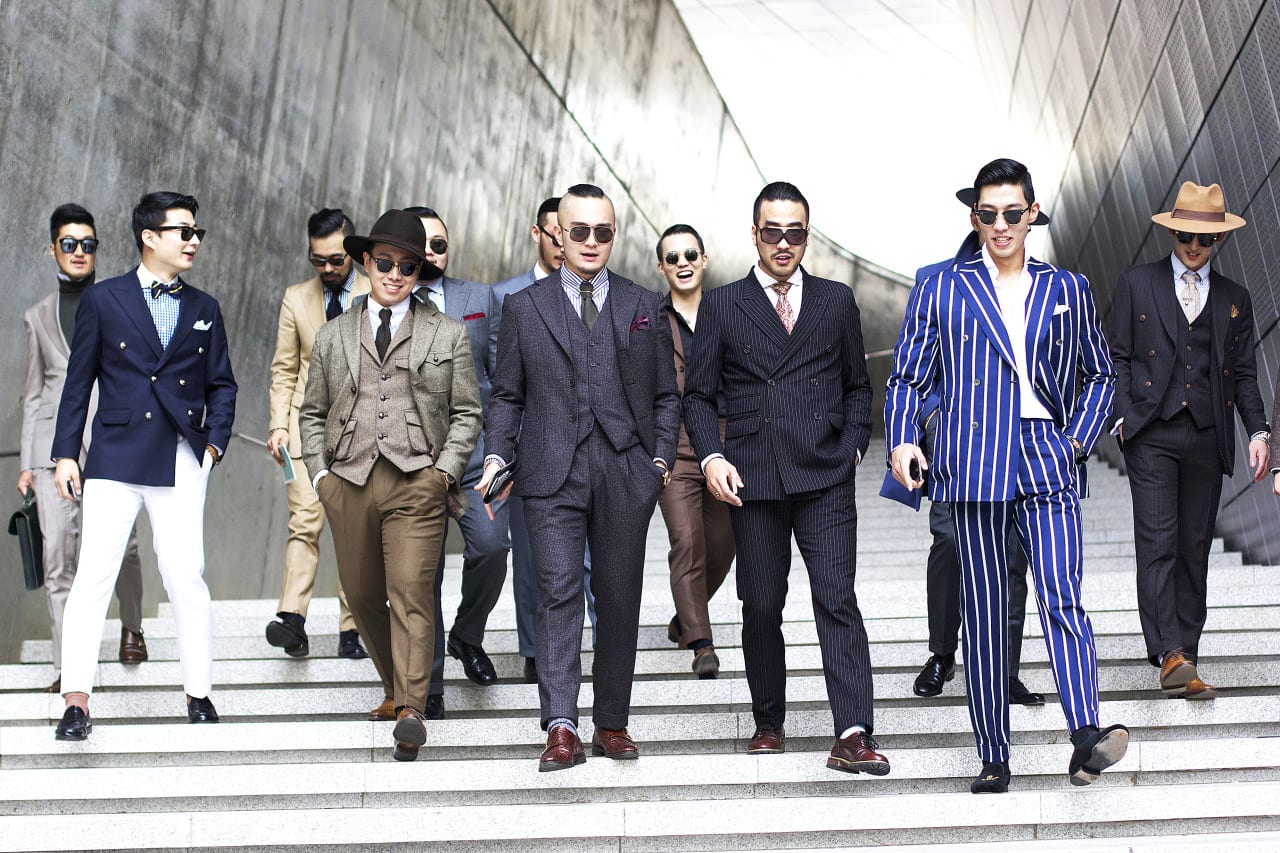
  • Is Seoul Asia’s new fashion window?

    Is Seoul Asia’s new fashion window?

    Move over Hong Kong, Tokyo and Singapore. Seoul is emerging as Asia’s new fashion showcase, with the world’s top luxury firms seeking to cash in on the regional trend-setting popularity of South Korean pop culture.

    Fast-growing Asia is a key market driving the global luxury industry, with purchases by Chinese consumers accounting for one third of global sales, according to market researcher Bain & Company.

    And those consumers often take their style pointers from elsewhere, which is why many brand companies are increasingly focusing on the country described by Bain as Asia’s “trendsetter and influencer for fashion and luxury”.

    Over the past year, leading global fashion houses have upped their game in South Korea in a bid to reach those well-heeled Asians who take their fashion cues from popular Korean TV and pop stars.

    French powerhouse Chanel held its 2015/16 Cruise Collection in Seoul in May — its first show in South Korea.

    And in June, Christian Dior opened a six-storey flagship store — the largest in Asia — in the upscale district of Gangnam, made famous by the eponymous hit by South Korean rapper Psy.

    The world’s top luxury group LVMH, which owns Dior and Louis Vuitton, has gone a step further by directly investing in Seoul’s thriving K-pop industry.

    Last August, L Capital Asia — the investment fund arm of LVMH — bought shares worth about $80 million in YG Entertainment, a major K-pop agency.

    The deal made the French luxury empire the second-largest shareholder of YG, whose roster of K-pop acts includes Psy, G-Dragon and the boyband BigBang.

    “Global luxury firms have begun to realise that what’s popular in South Korea soon becomes popular across Asia,” said Lie Sang-Bong, a prominent fashion designer and head of the Council of Fashion Designers of Korea. Lie said luxury brands that had previously favoured Hong Kong or Singapore as the centre of their Asia business started to turn to Seoul about three years ago.

    China’s influence as a trendsetter will eventually catch-up with its importance as a market, but for now “Seoul is where they look to see the next big trend,” Lie said.

    Famed fashion critic Suzy Menkes picked Seoul as next year’s host for what will be only the second edition of the annual Conde Nast International Luxury Conference.

    “I think that (luxury brands) are thinking of this country as a hub, this city in particular as a hub, where people will go and buy things,” Menkes, the international fashion editor for Vogue, said during a visit to Seoul in July.

    The real attraction for the brand names is the promotional reach into the rest of Asia and beyond provided by the so-called Hallyu (Korean Wave) of Korean TV shows and pop music.

    The power of the Hallyu phenomenon was most recently demonstrated by the 2014 hit TV drama “My Love from Another Star” which was enormously popular in China.

    A pair of $625 Jimmy Choo shoes worn by the show’s heroine, Jun Ji-Hyun, sold out in shoe stores across Asia, while an Yves Saint Laurent lipstick she was rumoured to be wearing experienced a similar run in China.

    Rapper G-Dragon — a style icon followed by millions of fans across Asia and beyond on social media — is considered a poster child of the Hallyu boom.

    His favourite items, from Yves Saint Laurent jackets to Christian Louboutin sneakers, earn instant recognition among his followers and are discussed on dozens of websites dedicated to the styles of K-pop artists.

    Now the 27-year-old has become a front-row fashion show fixture, not just in Asian cities, but also Paris and London.

    Korean TV dramas have also proved to be a striking marketing device for the cosmetics industry, according to a May report by market researcher Euromonitor. Beauty products featured in top-rated shows or favoured by their stars fuel “rocketing demand for the relevant colour cosmetics and skin care products” in other Asian countries, especially China, the report said.

    And it isn’t only foreign brands that are benefiting from exposure in the South Korean shop window.

    A “cushion-compact” — a sponge soaked with liquid foundation — developed by AmorePacific has proved a major hit in Asia, prompting Dior to form a strategic partnership with the Korean cosmetics giant to use the “cushion” technology.

    Kate Ahn, Seoul representative of the British consumer research firm Stylus, said South Korea had effectively become a “springboard” for luxury brands to test consumer sentiment in the Asian market.

    “It’s a small country but a perfect starting point to tap into the Chinese market and beyond,” Ahn said, adding she had been bombarded with proposals from European and US firms hoping to invest in Seoul cosmetics makers in recent years.

    “They even want to invest in relatively small, little-known cosmetics firms … because they know many Asian women, especially Chinese, are closely watching beauty trends in Seoul,” she said.
  • Korea set to woo back Chinese tourists

    Korea set to woo back Chinese tourists

    South Korea’s retail and tourism industries are preparing a slew of promotional and cultural events to woo back Chinese tourists during a long-haul holiday season, pinning their hopes on making up for a summer slump in the wake of a viral respiratory illness, sources say.

    Since the first outbreak in late May, Middle East Respiratory Syndrome (MERS) made a big dent on domestic spending as foreign tourists canceled their planned trips during the peak summer season, while South Koreans avoided shopping centers and other crowded places in June and July.

    While the viral disease hit the tourism and retail industry hard, Chinese tourists have started to return to the once-empty streets of Myeongdong, one of the capital’s most popular shopping districts, over the past month.

    The number of Chinese travellers has increasingly recovered to the previous year’s level since late August and marked an on-year rise since mid-September, the state-run Korea Tourism Organization (KTO) said.

    About 303,000 tourists with Chinese nationality entered the nation in the first two weeks of September, rising 4.8 per cent compared with the same period a year ago, it said.

    “The number of Chinese travelers has sharply risen this month, and the number is expected to completely recover during the Chinese holiday season,” Han Hwa-joon, who oversees the KTO’s Shanghai branch, said. “The recovery pace is faster than expected.”

    Chinese Thanksgiving falls on September 26-27, and together with the Chinese National Holiday running from October 1-7, the holiday season can be extended up to 12 days.

    As the Chinese holiday season draws near, major shopping centers and duty-free operators are making all-out efforts to draw Chinese tourists to make up for a shortfall in sales amid dormant domestic spending.

    According to the KTO, 164,000 Chinese travelers visited the nation during last year’s autumn holiday season and spent 2.4 million won on average, which amounts to about 400 billion won (US$341.5 million) in total.

    During this year’s Chinese National Holiday, the tourism agency expected some 210,000 Chinese will visit the nation, up 30 per cent from a year ago, considering the pace of growth over the past three years.

    “We will host a variety of events even after the Chinese holiday to make up for the fall in tourists during the peak season from June to August,” said Seo Young-chung, a KTO official in charge of Chinese tourism.

    Lotte Department Store plans to host a variety of promotional events targeting Chinese travelers during the golden weeks, providing discounts on payments made through UnionPay, China’s largest credit card issuer, and Alipay, China’s No. 1 mobile payment application.

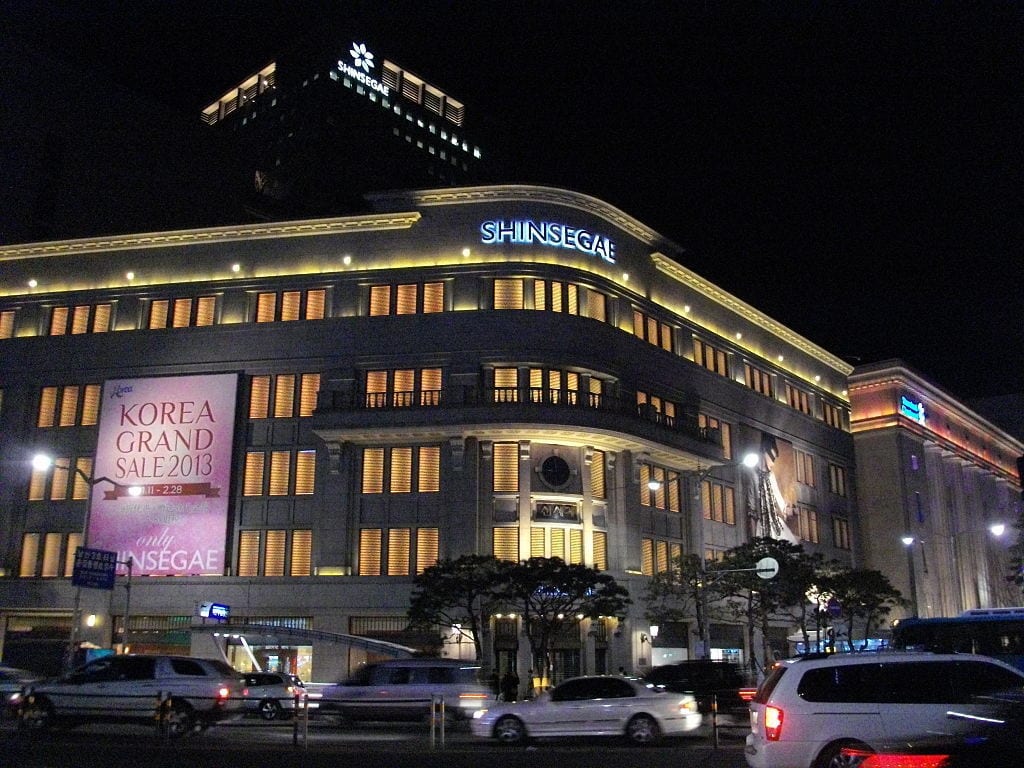
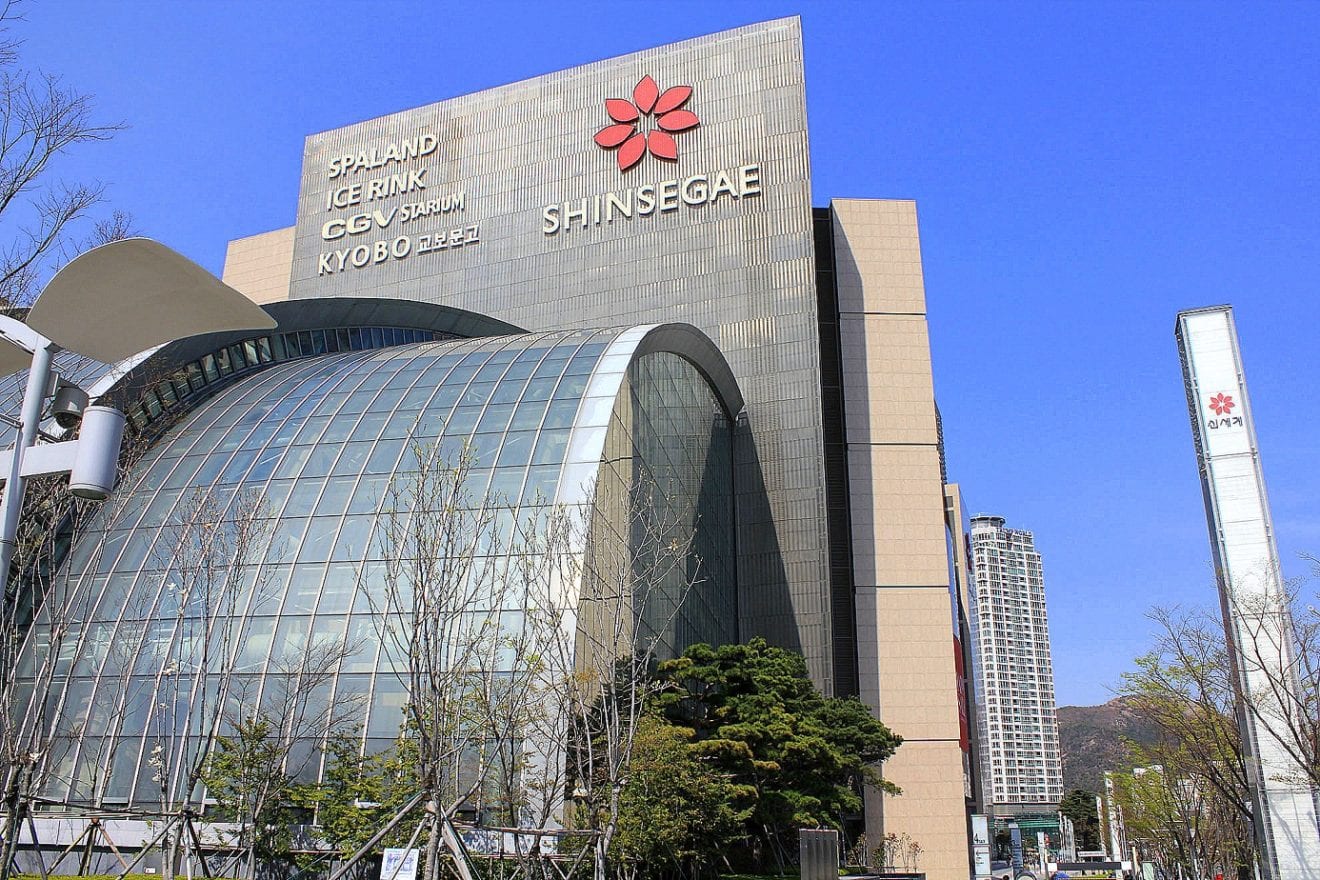
    Shinsegae, the nation’s leading department chain, said it will give special discounts to Chinese customers, while Hyundai Department Store also started the regular sale season earlier than usual to attract the deep-pocketed travelers.

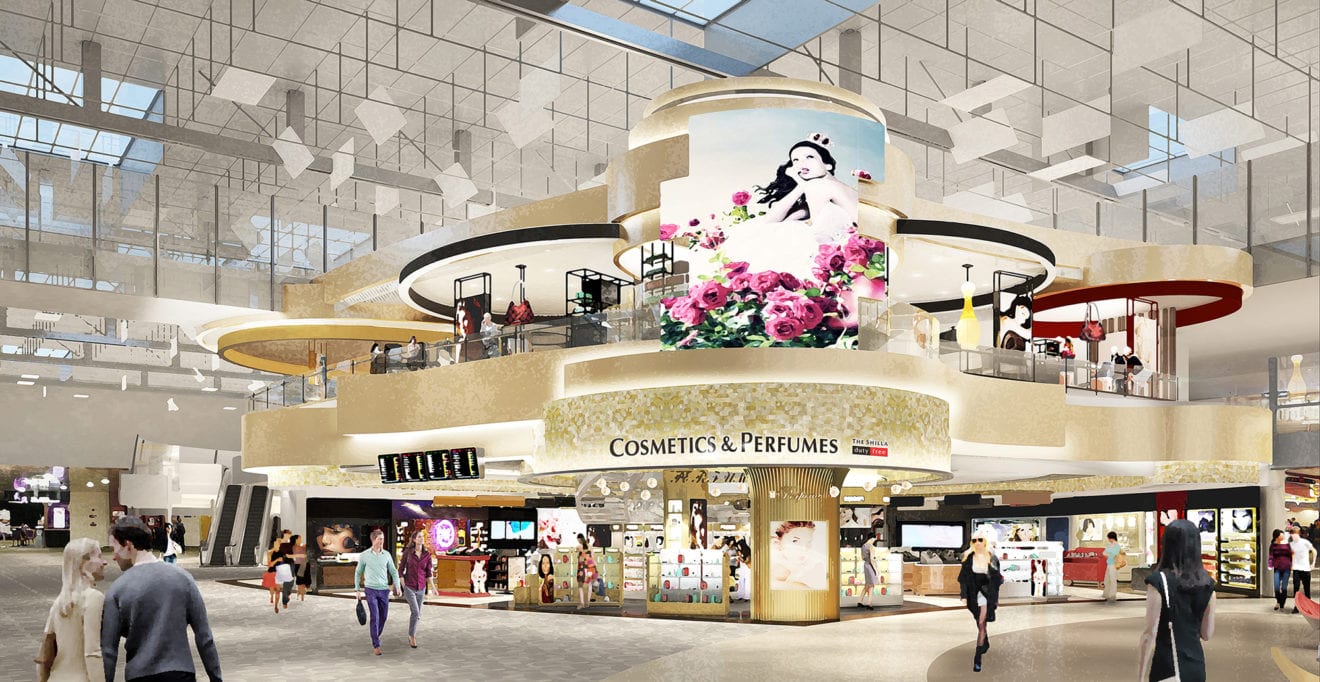
    Operators of duty-free shops have also stepped up efforts to bring back Chinese travelers, the largest consumer group, which accounted for about 70 per cent of downtown duty-free spending last year, up from around 15 per cent in 2011.

    Lotte Duty Free, the world’s fourth-largest duty-free operator, held a travel fair in Shanghai on September 9, in which senior company officials reached out to Chinese tourism officials to attract Chinese travelers.

    Hotel Shilla, part of Samsung Group and the world’s No. 6 duty-free operator, also presented various sales promotions and tour packages during the fair along with other Samsung units, with the attendance of senior officials.

    “The Korean tourism industry has mostly recovered after the Mers outbreak came under control, and it will make a full recovery in September,” Hotel Shilla CEO Lee Bu-jin told reporters during her visit to Shanghai.

  • Shinsegae joins race for duty-free shop in Seoul

    Shinsegae joins race for duty-free shop in Seoul

    Shinsegae said it will apply for the highly competitive bid as three duty-free operating licenses are set to expire within the year. The deadline is set for Friday and the Korea Customs Service will announce the result in November.

    Currently, Lotte Duty Free, the nation’s No. 1 operator, has two stores in Myeongdong, a major shopping district, and the affluent Gangnam region, and SK Networks Co., a trading and hotel unit under SK Group, has a store in the Sheraton Grand Walkerhill Hotel in the southeastern part of the capital.

    Separately, Shinsegae will renew its operating license for Paradise Duty Free in the southern port city of Busan as its current license also expires in December.

    “We will propose a multi-complex shopping mall in Myeongdong, the nation’s No. 1 tourist attraction,” said Sung Young-mok, who is in charge of Shinsegae’s duty free business. “For Busan, we will relocate the duty-free shop to Shinsegae Centum City to recreate it as Busan’s tourism icon.”

    It is the second bid this year after Shinsegae applied for a new license in May, proposing to renovate its landmark outlet in Myeongdong. The building, established in 1930, was home to the country’s first department store.

    If it wins the bid, the retail giant will be opening its first duty-free store in downtown Seoul.

    The bid is seen as a major opportunity for local retailers who are in search of new cash cows amid lackluster domestic demand. Duty-free stores have emerged as one of the most lucrative retail channels in tandem with a sharp influx of deep-pocketed shoppers from China.

    Last year, the six duty-free stores across the capital, mostly dominated by Lotte, posted combined sales of 4.4 trillion won (US$4 billion). Sales by a Lotte Duty Free branch in the Myeongdong area accounted for a whopping 45 percent of the total.


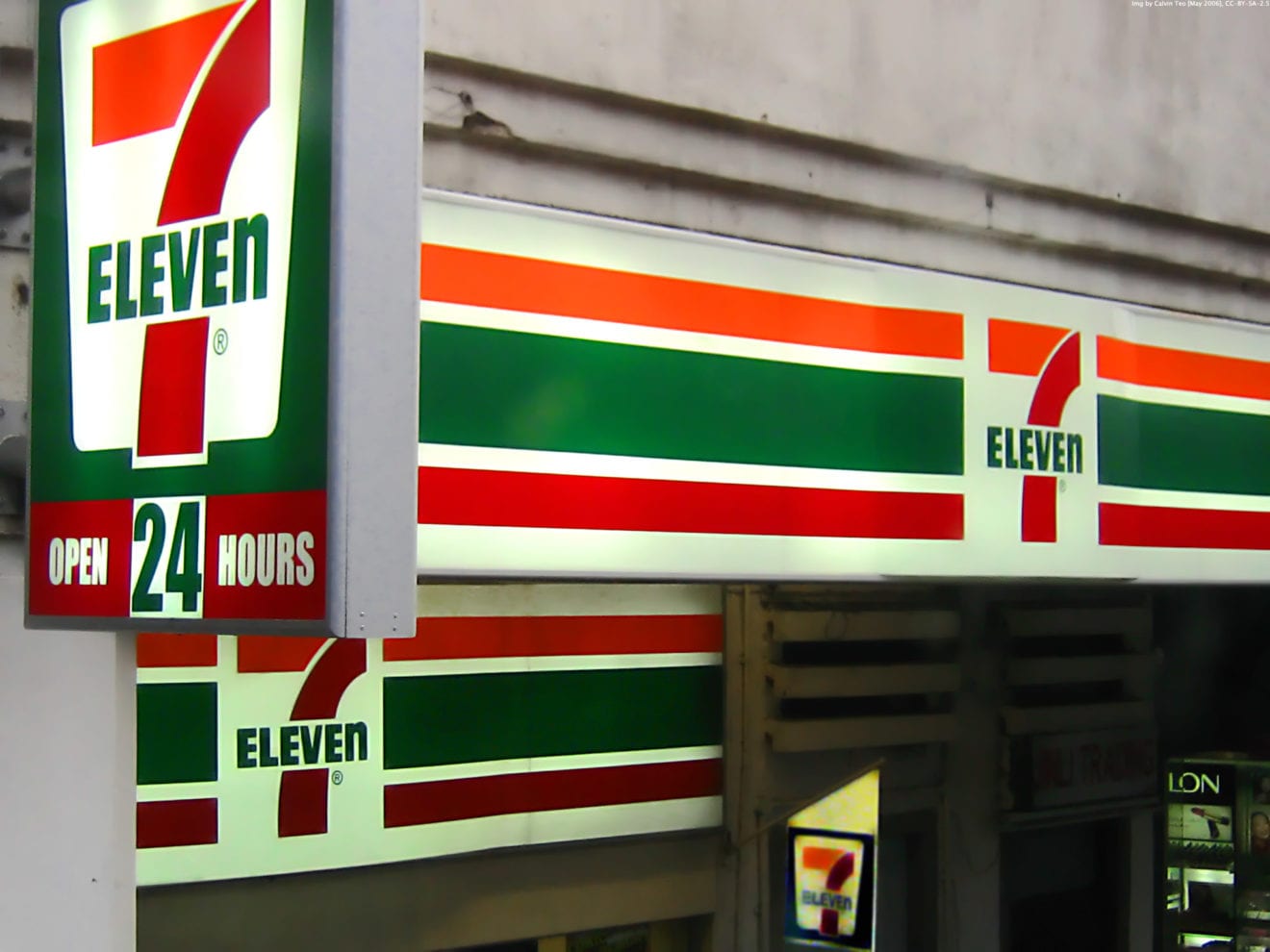
  • 7-Eleven Smart Convenience Store

    7-Eleven Smart Convenience Store

    Customers of a 7-Eleven convenience store in South Korea can literally go dancing in the aisles…

    The new 7-Eleven Smart Convenience Store allows customers to enjoy virtual reality based on IT technologies. On the second floor of its Chinese Embassy store in Seoul’s Myeongdong, 7-Eleven placed six smart tables where customers can enjoy web surfing, gaming and watching Youtube videos in partnership with SK Telecom.

    Among the six tables, one features virtual reality technology. If a customer pushes a button saying “Together with Hyeri” (a member of K-pop girl group Girl’s Day), he or she will appear on a wide screen in the floor standing together with Hyeri, a spokesmodel for 7-Eleven.

    Customers can dance with Hyeri, and even take photos with the idol star. The photos will be forwarded directly to the customer’s smartphone.

  • S.Korea picks Hotel Shilla JV, Hanwha to operate new Seoul duty-free stores

    S.Korea picks Hotel Shilla JV, Hanwha to operate new Seoul duty-free stores

    South Korean retail giants HDC Shilla Duty Free and Hanwha Galleria Timeworld on Friday clinched a high-profile bid to operate duty-free stores in downtown Seoul in what is seen as a golden ticket to bolstering their footing in a retail industry struggling from anemic consumer spending.

    Seven companies had vied for the license, the first of its kind open to large corporations in 15 years. Lotte Duty Free, HDC Shilla Duty Free, a joint venture between Hotel Shilla and Hyundai Development Co., and SK Networks were aiming to increase their market share, while E-land, Hanwha Galleria Timeworld, Hyundai DF and Shinsegae DF were trying to make a fresh entrance into the duty-free sector.

    Currently, four companies run seven duty-free stores in Seoul, whose main customers are foreign tourists, especially those from China. Their insatiable appetite for shopping has been a rare bright spot in the local retail sector grappling with sagging sales amid a weak economy.

    Buoyed by their spending, the duty-free market has been posting double-digit growth in the past five years, compared with crawling sales growth at department stores and hypermarkets.

    In 2014, duty-free stores in Seoul posted a combined sales of 4.4 trillion won (US$3.9 billion), which accounts for more than half of the country’s 8.3 trillion won duty-free market.

    Meanwhile, the customs agency also announced two smaller retailers who will be operating duty-free stores in Seoul and Jeju, South Korea’s southernmost resort island, respectively.

    The new licenses will be valid for five years under a revised customs regulation that shortened the contract period from 10 years. The winning bidders are required to open their stores within six months.


  • Dior Seoul flagship opens doorways

    Dior Seoul flagship opens doorways

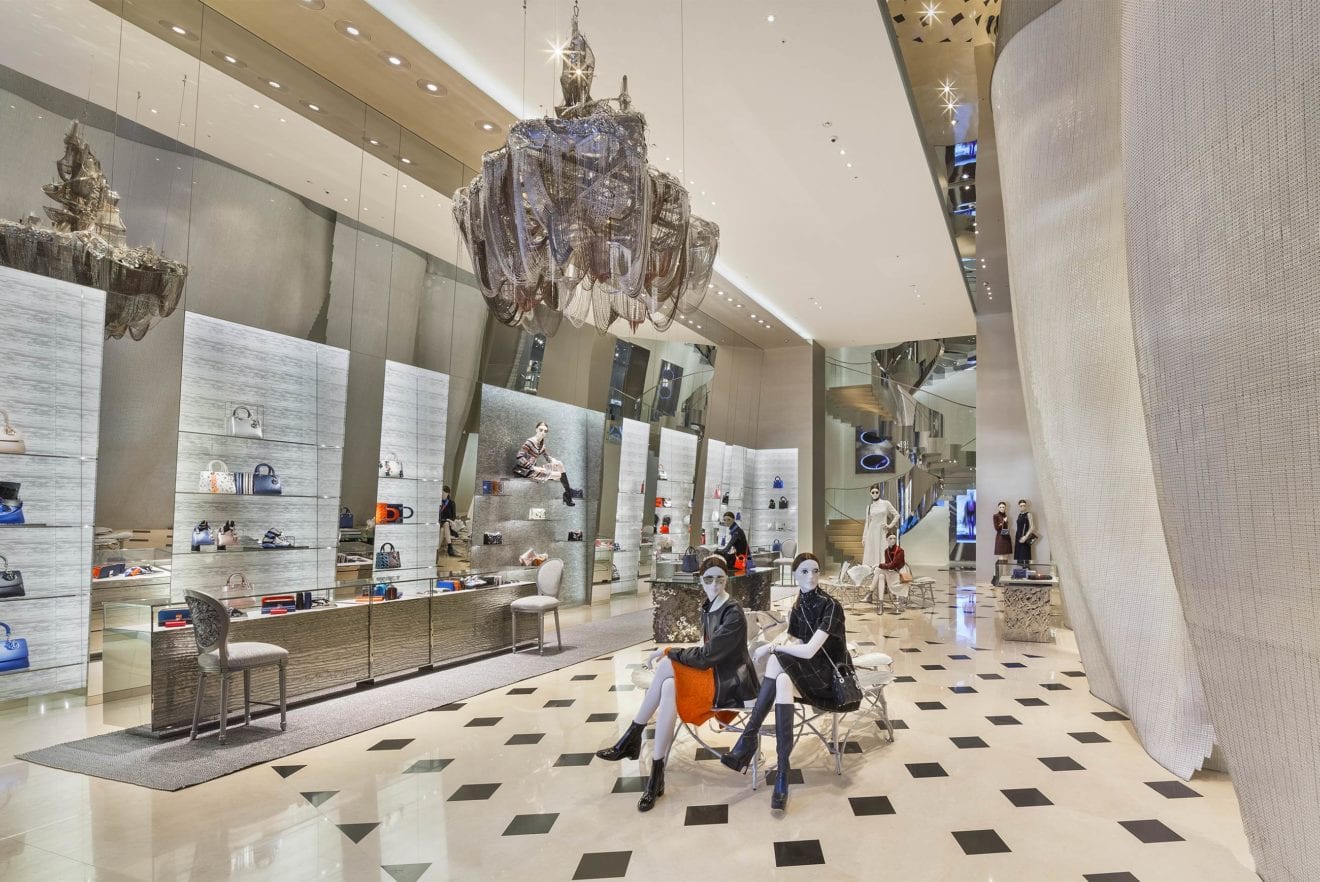
    Luxurious style label Dior has opened a shocking flagship retailer in South Korea’s capital which we assure is like nothing you’ve seen anyplace on the planet ever earlier than…

    Designed by Christian de Portzamparc, the six storey Dior Seoul retailer contains a curvaceous white exterior barely harking back to an enormous enamel tooth.

    And inside is “a wealth of surprises” as Dior places it.

    In a decor made from wooden, lacquers, leathers, superb weaves and progressive melanges to excite the senses, inside designer Peter Marino has chosen to welcome guests with a suspended sculpture by Korean artist Lee Bul. The staircase is conceived as an unfurling ribbon that guides buyers to the ladies’s ready-to-wear collections, leather-based items, footwear, jewelry, watches and perfumes.

    But in addition to the Dior Homme area, and to an artwork gallery with a personal salon the place work by Marc Polidori, amongst others, are on present.

    The highest flooring is residence to the Café Dior by Pierre Hermé. “This new, full-sized location completely evokes the historical past of the Home in probably the most modern of visions,” says Dior.

    The Dior Seoul flagship, which opened on Saturday (June 20), is situated on a nook website within the Gangnam-gu district. It’s open every single day from 11am-8pm.

  • Shinsegae opens big mall

    Shinsegae opens big mall

    Korea’s Shinsegae Group is about to open an enormous purchasing centre northwest of Seoul which it hopes will take the battle to Ikea for homewares buying.

    Shinsegae, one of many nation’s largest division retailer operators, will open E-Mart City on June 18, on a website adjoining to the Kintex conference centre in Ilsan, within the Gyeonggi province.

    The corporate is banking on Seoul residents heading out to the centre for a day’s buying, eating and leisure – a serious drawcard being carparking, which shoppers should queue for in downtown locations.

    E-Mart City, stated to be the dimensions of about 10 soccer fields, will inventory furnishings, house home equipment, homewares, groceries and meals. It can function an E-Mart grocery store and a wholesale warehouse.

    Shinsegae believes three branded retail areas will create some extent of distinction from its rivals: an upmarket foodcourt referred to as Peacock Kitchen that includes 14 meals manufacturers and seating for 300 individuals; residence furnishing retailer The Life providing some 5000 merchandise; and multi-brand equipment retailer Electro Mart.

    “We’ve got put all our assets into the mall as a way to set a brand new development in retail enterprise,” stated Shinsegae vice chairman Chung Yong-jin in a press release.

    “The E-Mart City is a cluster of trend-setting shops and good eating places. Individuals will be capable of have a high-quality one-stop purchasing expertise within the city.”

    Ilan is about to be a battlefield for main retailers, with Ikea planning to open its second Korea retailer there in 2017, and Shinsegae’s rivals Lotte, Tesco Residence Plus, Lotte Massive Market, Costco and Hyundai Division Retailer all inside a brief drive.

  • Koreans plan ‘Asian Broadway’ in Seoul

    Koreans plan ‘Asian Broadway’ in Seoul

    SK Networks, which proposed utilizing the Cerestar constructing for a brand new duty-free store, plans to develop the Dongdaemun space into an Asian Broadway.

    The retail arm of SK Group, the third largest family-run conglomerate in Korea, already proposed investing 450 billion to 550 billion gained (US$460 to 496 million) in its bid for operation rights to a brand new duty-free store, and as a part of the bid, 200 to 300 billion gained can be invested to assemble infrastructure for trend, tourism and tradition within the area.

    SK plans to take a position 100 to 200 billion gained in infrastructure for a cultural city in collaboration with the Seoul Metropolitan Authorities’s Dongdaemun improvement challenge, which goals to advertise the style, tradition and tourism sectors. As well as, it should supply 10 billion gained to create the most important Media Façade at Dongdaemun Design Plaza.

    SK will pour a further 60 billion gained right into a small enterprise partnership fund to help Seoul’s “Manufacture Seoul” challenge and the Seoul Design Basis’s apprenticeship coaching for style and needlework. It’ll supply a complete of 30 billion gained to revitalise conventional markets in Dongdaemun.

    SK Networks, which operates the Walkerhill duty-free store in northeastern Seoul, will supply conventional market coupons to its duty-free store clients to assist small retailers within the markets.

    As soon as it good points its duty-free store operation license at Dongdaemun, it expects that the world will welcome a further three.three million vacationers per yr and create 33,000 new jobs, leading to three.four trillion gained value of financial advantages by 2020.

    An official at SK Networks stated: “We’ll type a mutual progress system by way of long run funding for the revitalization of the Dongdaemun space. We’ll lead the event of the area as an ‘Asian Broadway’ tradition city by mixing style, tradition and purchasing collectively.”

  • GIC takes Seoul mall stake

    GIC takes Seoul mall stake

    Singapore funding firm GIC has partnered with the Canada Pension Plan Funding Board to purchase the D-Dice Retail Mall in Seoul, South Korea from Daesung Industries.

    The 2 buyers has paid US$263 million for the mall.

    GIC and CPPIB will every personal an equal half share in D-Dice, a 4 yr previous centre described as a top quality property in a chief location. D-Dice is situated subsequent to Sindorim Station, a serious transportation hub connecting Seoul with Incheon and different main metropolitan cities close to Seoul.

    The mall can be rebranded as Hyundai Division retailer and might be operated by Hyundai, one of many prime retail operators in South Korea. Working alongside GIC and CPPIB, Hyundai will reposition the D-Dice Retail Mall to raised serve the Korean retail market’s anticipated regular progress over the long run.

    Loh Wai Keong, MD & co-head Asia, with GIC Actual Property stated the funding displays GIC’s confidence within the long-term progress of Korean home demand and is in keeping with GIC’s technique of buying high-quality, centrally-located belongings with upside potential.

    “As a long-term worth investor, our pursuits are aligned with CPPIB and we sit up for partnering them on this acquisition.”

    Jimmy Phua, MD, head of actual property investments Asia, with CPPIB stated the D-Dice Retail Mall is a main retail asset situated in a rising and prosperous space.

    “By way of this funding, we’re happy to realize publicity to one of many largest retail markets in Asia, working alongside skilled and aligned companions.”

  • La Cure Gourmande lands in Asia

    La Cure Gourmande lands in Asia

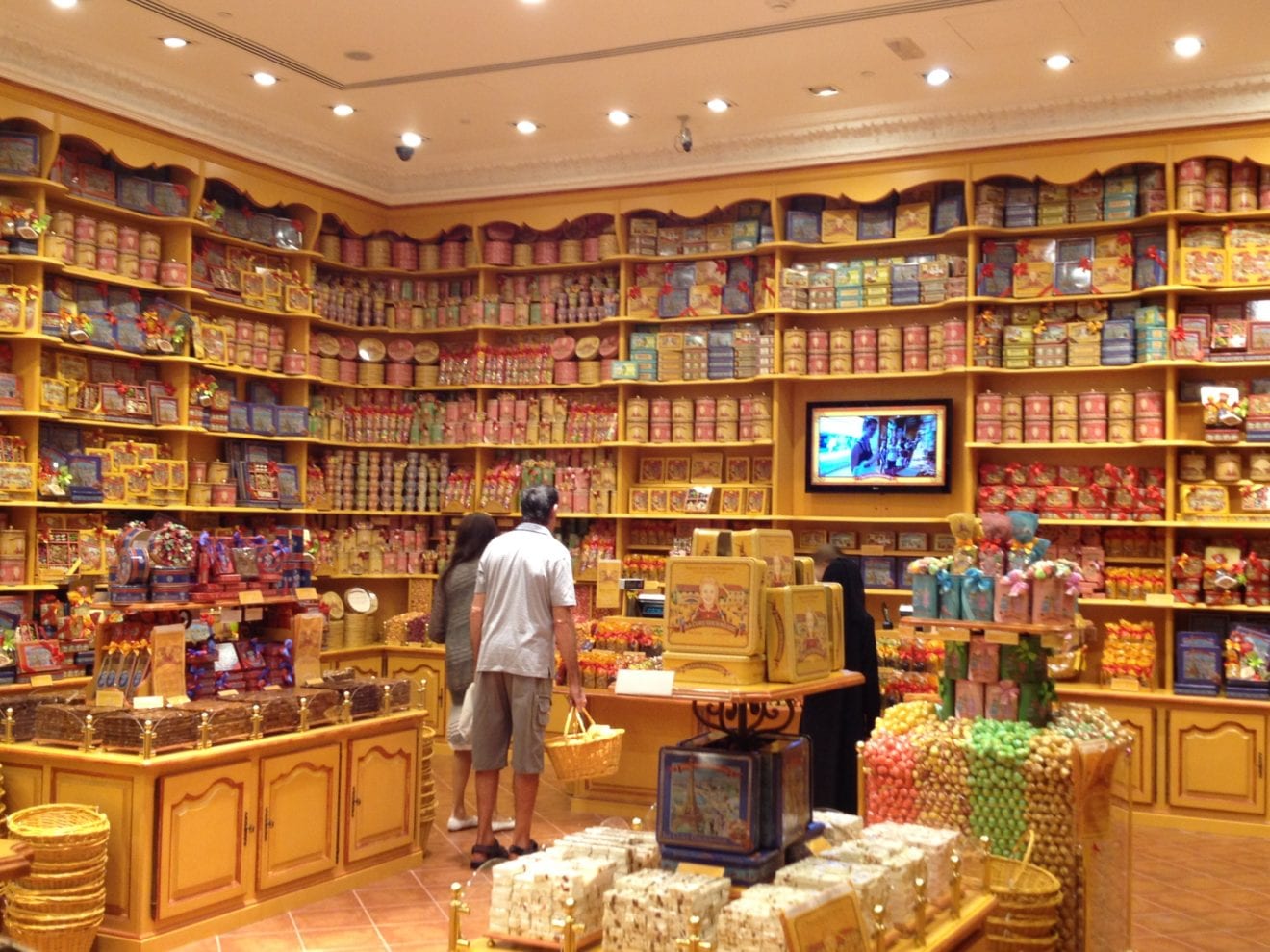
    French confectionery brand La Cure Gourmande has chosen Korea for its Asian market debut.

    The sweets specialist has opened its first outlet in the continent inside the Lotte Department Store Sogong-dong downtown Seoul.

    The 36 sqm bright yellow coloured store offers more than 30 kinds of candies, cookies, caramels and chocolates, all imported from France. The Korea Herald reports that on its first day of trading, it grossed the highest sales in the department store’s food section.

    Customers are encouraged to taste and inspect the candies, with store staff named “Sunshine” offering samples.

    “We want people to feel nostalgic when they enter the store, bring back their memories of going to an old candy store and sticking their noses into the cookies and caramels,” said Edouard Hennebert, the company’s founder.

    La Cure Gourmande plans two more stores-in-stores inside department stores in southern Seoul and Gyeonggi Province and says it will offer up to 150 kinds of product by the end of the year.

    The French company’s debut in Korea is the result of Lotte staff seeking unique brands to create a point of difference from rival department stores Shinsegae and Hyundai.

    “Lotte Department Store was searching for dessert brands that could cement their market status as a high-end and luxury retail channel, just like what Louis Vuitton and Chanel used to three decades ago,” said Stephane Lo, CEO of La Cure Gourmande Korea.

  • Givenchy opens new store in Seoul, South Korea

    Givenchy opens new store in Seoul, South Korea

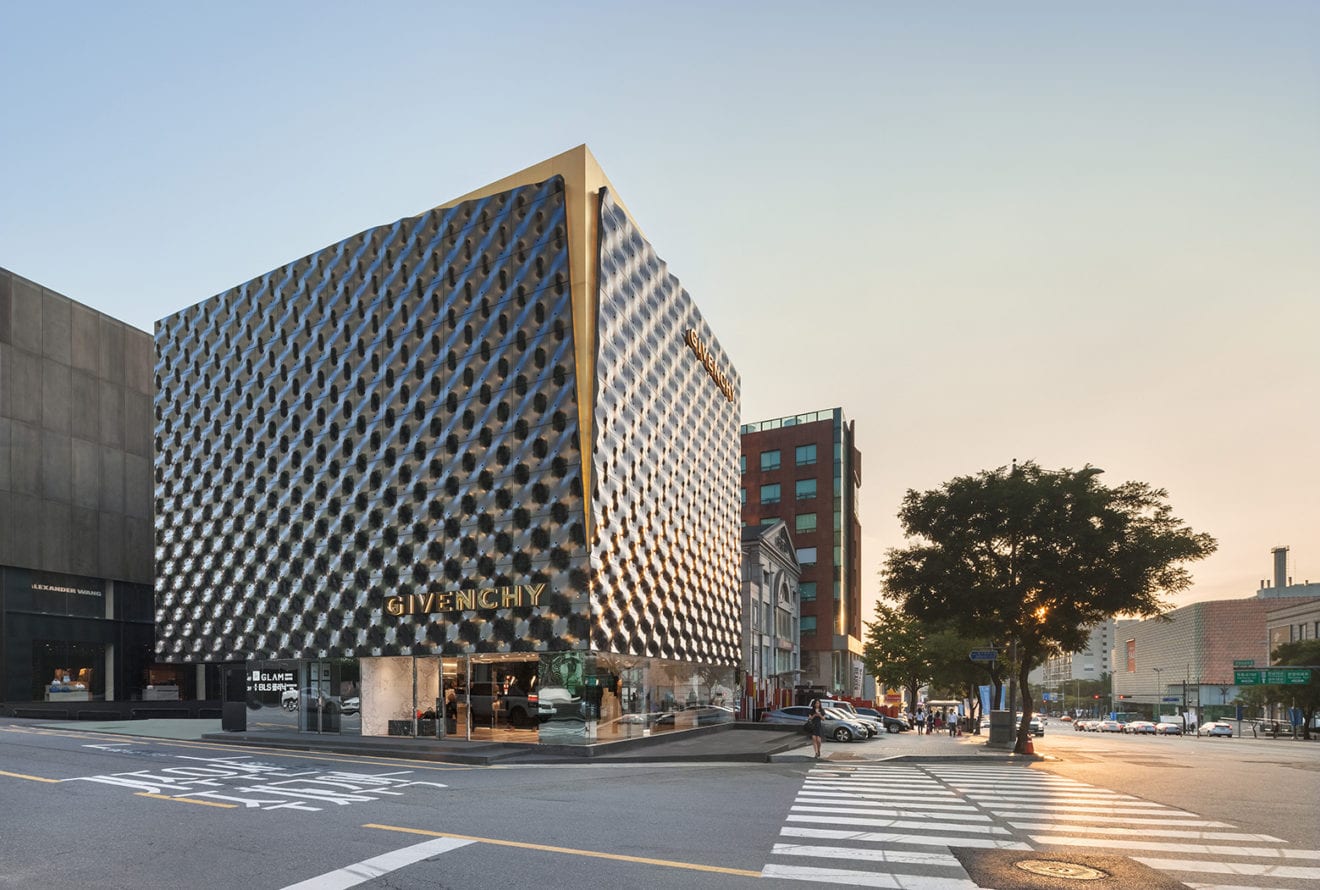
    According to the architects, Milan based Piuarch Studio, the facade of the new Givenchy flagship store references the textures and patterns used in the work of Italian artists Enrico Castellani and Lucio Fontana in the 1960s, and the optical patterns used in the brand’s latest collections. The new Givenchy store occupies a corner location in the Gangnam-Gu shopping district of Seoul.