Tag: Sephora

  • ELF Beauty Raises Outlook as Q2 Net Sales Climb 51% to US$520.8 Million

    ELF Beauty Raises Outlook as Q2 Net Sales Climb 51% to US$520.8 Million

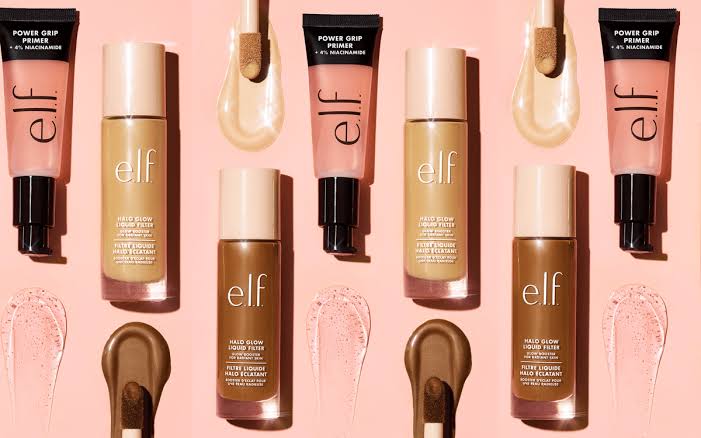
    ELF Beauty has raised its full-year outlook following a strong second quarter ended September 30, driven by organic momentum and expansion from Hailey Bieber’s brand Rhode.

    Net sales advanced 51 per cent year-on-year to US$520.8 million (A$755.9 million) during the three-month period. Over the same quarter, net income climbed to about US$30 million (A$43.5 million), up from just under US$3 million (A$4.4 million) a year earlier.

    The company now projects full-year net sales to increase between 22 per cent and 24 per cent, compared with an earlier projection of 18 per cent to 20 per cent. It lifted adjusted EBITDA expectations to a band of US$421 million to US$427 million, while adjusted diluted earnings per share are projected at US$3.82 to US$3.86.

    Wholesale Pipeline Drives International Volume

    International sales advanced 165 per cent during the period, lifted by initial stocking shipments for Rhode’s retail debut across European Sephora doors. Domestic net sales inside the United States rose 25 per cent.

    Organic revenue across the group climbed roughly 35 per cent. Rhode added 16 percentage points to total top-line growth during the final four weeks before e.l.f. Reached the one-year anniversary of the buyout on August 5, after which the brand rolled into organic calculations.

    Volume contributed 31 percentage points of overall company growth, while price adjustments and product assortment added 20 percentage points. Gross margin widened 160 basis points to 71 per cent, supported by a 30-basis-point lift from tariff refunds.

    Adjusted EBITDA rose 86 per cent to US$123 million. Adjusted net income reached US$73 million, translating to US$1.21 per diluted share compared with US$0.68 a year ago.

    Margin Pressures and Retail Channel Costs

    The financial payoff from rapid retail placement will narrow over the next two quarters. Management warned that adjusted EBITDA margins will settle in the low teens through the second half of the fiscal year.

    Operating costs are climbing as the group funds marketing programs alongside physical build-outs for Rhode across specialty beauty retailers. Price competition in mass retail also limits pricing flexibility, prompting leadership to redirect tariff recoveries toward shelf pricing and promotional spending.

    For retail buyers and department store operators across Asia-Pacific, Rhode’s rollout shows the operational strain of backing viral social brands. The group faces immediate working-capital demands to support store stock levels without dragging down profitability.

    Execution risks now sit inside inventory control. Retailers carrying colour cosmetics face tighter sell-through windows, meaning any plateau in consumer demand leaves distributor channels burdened with excessive inventory.

    Annualising Regional Expansions

    Second-half performance faces harder annual comparisons after heavy channel rollouts during the prior fiscal cycle. That base includes Rhode’s introduction into MECCA doors across Australia and New Zealand, alongside e.l.f. Shelf expansions at Ulta Beauty, German drugstore chain dm, and Naturium’s rollout across Walmart counters.

    Second-half net sales growth will moderate to between 7 per cent and 10 per cent, with third-quarter gains running ahead of that rate and fourth-quarter growth dropping below it.

    The company expects full-year organic sales growth of 9 per cent to 11 per cent, revised upward from earlier guidance of 6 per cent to 7 per cent. Digital and marketing investments absorbed 21 per cent of second-quarter net sales, lower than budget allocations due to campaign timing shifts.

    Attention turns to retail reorder patterns across overseas doors when e.l.f. Beauty reports third-quarter financial figures.
  • Touchland Enters Sephora Australia with 13 Products

    Touchland Enters Sephora Australia with 13 Products

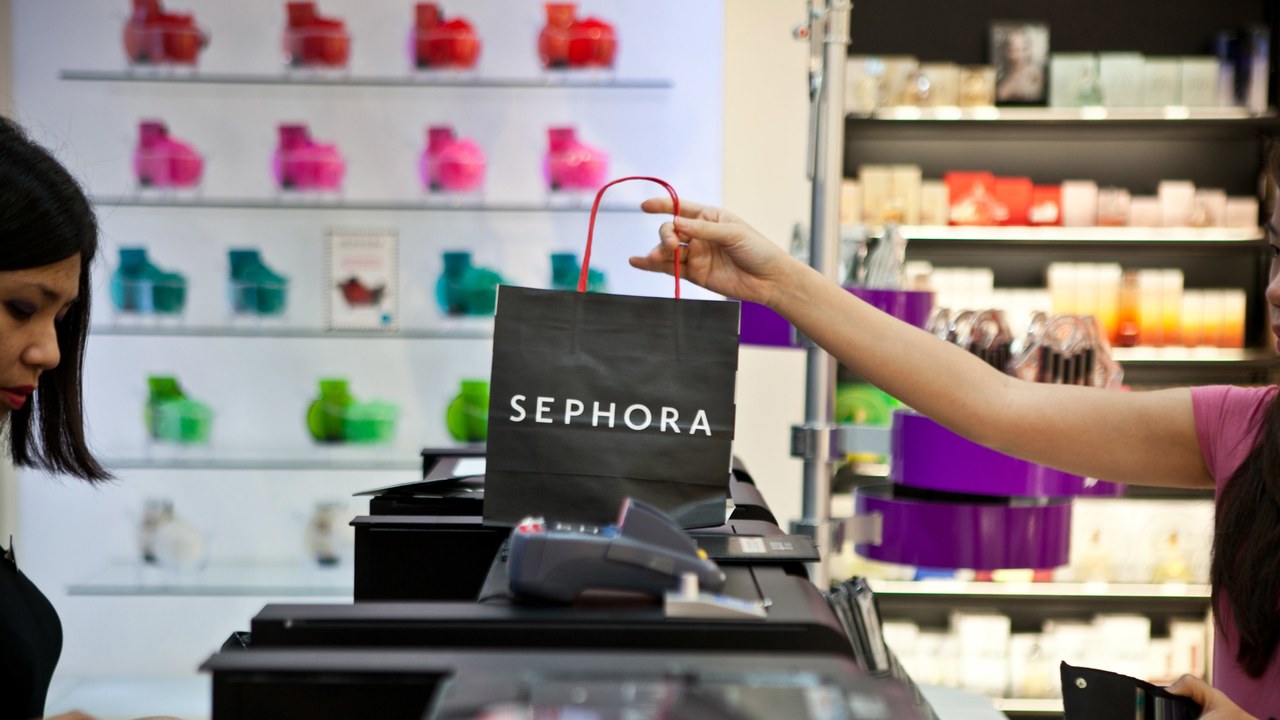
    Touchland entered Australia on October 28, rolling out 13 products across Sephora stores nationwide and online.

    The partnership gives the US brand its first local retail presence in the country, following years of domestic shoppers purchasing its mist sanitizers while traveling overseas.

    Expanding personal care shelves

    Founded in 2018, the US-based brand built its profile around fragrance-led formulations and slim, pocket-sized packaging. The Australian debut focuses on its Power Mist range, placing the sanitizer lineup directly into Sephora’s physical footprint and digital storefront.

    Personal care items in beauty retail have steadily migrated from checkout add-ons into dedicated shelf categories. By securing prime space inside Sephora, Touchland bypasses mass-market pharmacy shelves where utility sanitizers dominate on price rather than branding.

    The premium hygiene play

    The Australian rollout tests whether local consumers will pay beauty-counter premiums for hand hygiene in an inflationary retail climate. For Sephora, stocking the brand expands impulse personal care assortment with products that carry established social media recognition.

    Department stores and specialty beauty chains across Asia-Pacific face tighter consumer discretionary budgets, forcing retailers to rely on lower-ticket basket builders. Touchland gives the retailer a recognized entry-level item that drives foot traffic without demanding high capital outlay from shoppers.

    Retail distribution across markets

    Before securing domestic distribution, Touchland relied on outbound Australian travelers buying inventory abroad. Brand tracking and cross-border demand indicated an addressable audience long before domestic stock arrived on local shelves.

    The initial deployment across Australian retail establishes a southern anchor for the brand in the broader Asia-Pacific region. Inventory performance across Sephora’s network over the final quarter will show whether consumer demand sustains beyond initial launch traffic.

  • Hourglass Enters Australian Travel Retail at Sydney Airport Terminal 1

    Hourglass Enters Australian Travel Retail at Sydney Airport Terminal 1

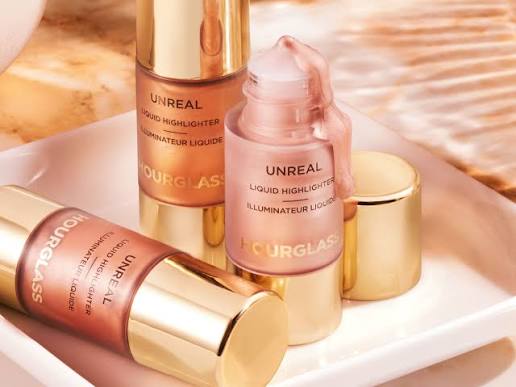
    Hourglass Cosmetics opened its first Australian airport counter inside Sydney Airport Terminal 1 International Departures, partnering with duty-free operator Heinemann.

    The debut marks the luxury beauty label’s first travel retail presence nationwide, following its initial domestic launch in February through Sephora Australia and local e-commerce.

    Featuring 1 dedicated location at Terminal 1, the counter shows complexion, colour, and finishing lines including Vanish Airbrush Concealer, Veil Hydrating Skin Tint, and Unlocked Instant Extensions Mascara alongside Ambient Lighting Edit Unlocked palettes.

    Terminal 1 Footprint and Service Formats

    Travellers passing through the terminal can access personalised consultations and beauty artistry services before flights. Formats include Signature Glow and Amplified Eyes looks, accompanied by a bespoke Lip Wardrobe experience.

    “Opening our first counter in Australian travel retail is a proud moment for Hourglass,” said Ai San Beaumont, regional GM Apac and head of global travel retail, Hourglass.

    “Travel brings people, cultures, and experiences together, and we’re delighted to be part of that at Sydney Airport. With Heinemann and Sydney Airport, we look forward to introducing travellers to our vegan and cruelty-free formulas, from on-the-go essentials like Vanish Airbrush Concealer to curated gifting with Ambient Lighting Edit Unlocked palettes.”

    Travel Retail Strategy and Asian Traffic Flows

    Airport concessions operate under distinct retail dynamics compared with downtown counters, requiring strong sales productivity and high turnover during compressed pre-flight dwell windows.

    Sydney Airport channels steady outbound passenger volumes, where Heinemann uses premium beauty to capture international travel spend.

    Concession operations present both distinct reach and commercial pressure: high airport tenant overheads demand efficient basket conversion and solid margins to outperform traditional domestic retail channels.

    Building Out Australian Distribution

    The Sydney Airport counter extends the brand’s local footprint established earlier in the year. Hourglass initially debuted in Australia in February via its dedicated online portal and Sephora Australia retail doors.

    Terminal 1 departures now serves as the brand’s sole travel retail window in the country. The partnership tests whether premium service concepts such as live skin consultations can pull transaction conversion in high-turnover duty-free concourses as flight frequencies expand.

  • Banu Skin Expands Distribution Through Sephora

    Banu Skin Expands Distribution Through Sephora

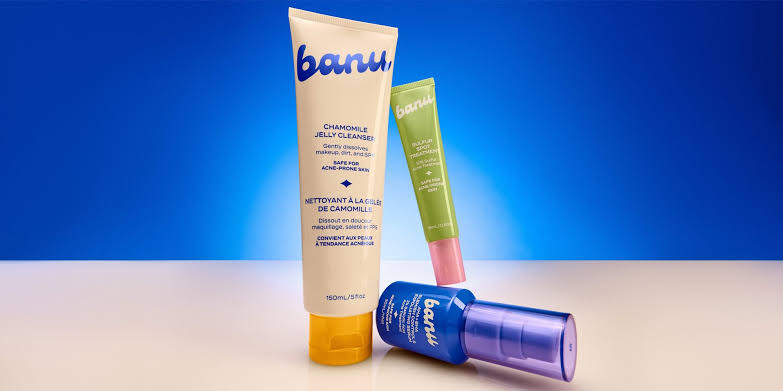
    Acne-care brand Banu Skin is expanding distribution through Sephora in October 2026, taking its specialized skincare line into physical and digital beauty retail aisles.

    The move places the emerging label directly into Sephora’s competitive personal care assortment, where consumer demand for targeted dermatological solutions continues to rise.

    Targeted Formulations for Physical Shelves

    Founded by chief executive officer Roz Samimi, Banu Skin built its early direct-to-consumer presence around specialized treatments for breakout-prone skin. The entry into Sephora transitions the company from an independent digital operator into mainstream multi-brand retail.

    Samimi developed the product lineup following her personal experience with acne treatments, designing products meant to avoid the harsh irritation common in legacy formulations. The brand pairs clinical ingredients with distinct aesthetic packaging designed to stand out on crowded retail fixtures.

    “We focused on building a distinct brand world, not just trying to sell products.”

    Securing shelf space in Sephora requires indie brands to prove clear differentiation against established clinical powerhouses. Banu Skin is betting on community engagement and visual identity to retain shoppers once they enter stores.

    The Fight for Sephora Floor Space

    Specialty beauty retailers are adjusting store merchandising to meet younger shoppers who demand transparent ingredient lists and problem-specific solutions. Acne care has shifted from a clinical chore into a dedicated segment of everyday skincare routines.

    For Sephora, adding niche acne labels helps counter pharmacy chains and direct-to-consumer startups that have captured budget-conscious younger buyers. Floor space remains limited, however, putting immediate pressure on new brands to deliver high sales velocity per square foot.

    Navigating Wholesale Expansion Costs

    Wholesale distribution carries operational hurdles that direct-to-consumer models rarely face. Indie beauty operators must fund inventory production upfront, handle strict fulfillment standards and invest heavily in in-store marketing to generate foot traffic.

    Brands that fail to move inventory off retailer shelves risk margin compression through markdowns or sudden shelf cuts. Banu Skin faces the challenge of driving sustained store visits without draining capital reserves on promotional discounts.

    Scaling the Product Portfolio

    Beauty retail buyers have accelerated the onboarding of specialist brands that carry strong social followings. Legacy personal care conglomerates have responded by acquiring clinical lines or updating their own formulations to keep pace.

    Banu Skin’s rollout tests whether targeted storytelling and focused formulations can sustain momentum across broader multi-brand store networks. Attention now turns to initial retail sell-through rates and potential geographic door expansions across Sephora’s regional store network.

  • Meta Launches Muse In-Chat Tool for Direct Retail Purchases

    Meta Launches Muse In-Chat Tool for Direct Retail Purchases

    Meta introduced an in-chat shopping tool called Muse in September 2026, allowing users to search merchant catalogues and complete purchases directly within the messaging interface.

    Six retailers including Gap, Sephora, Walmart, Expedia, Wayfair and Best Buy have linked their systems to the platform, while Amazon has blocked the tool entirely across its marketplace.

    How the Checkout Architecture Works

    Muse processes purchases by scanning partner websites for items matching specific text requests on brand, price and inventory availability. The system presents product cards inside the chat window, allowing buyers to authorise payments without leaving the application.

    Transactions clear through established infrastructure partners including Stripe Link and Shopify Shop Pay. Meta confirmed that PayPal will join the platform as an integrated processor at a later stage.

    Stripe Link creates a single-use payment credential for each order to shield primary credit card numbers from merchant endpoints. Users must provide their full name, delivery address and email to complete an order card before approving the transaction.

    The Platform Conflict Over Customer Data

    Amazon blocked Muse after accusing the tool of violating platform terms by scraping account records and storing buyer credentials. The clash mirrors earlier battles over data sovereignty between marketplace operators and social platforms trying to capture the final transaction step.

    For consumer brands, the feature provides a direct route to social shoppers without redirecting traffic out to third-party web browsers. The model demands trust in automated payment handlers, with shopper resistance centering on automated surge pricing and data retention across linked accounts.

    Ticketmaster adopted a modified integration model among the launch cohort. The ticketing service allows Muse to locate available inventory but forces the buyer to finalize payments on its proprietary web platform.

    The Trajectory of Agentic Commerce

    Chief executive Mark Zuckerberg unveiled the agent platform at the Meta Connect conference in Menlo Park on September 24, designating retail checkout as a central monetization engine for the assistant. The initial batch of commercial connectors rolled out publicly on September 23.

    The push represents Meta’s latest attempt to build transactional commerce into its chat interfaces after earlier iterations relied primarily on sponsored click-to-message advertising units.

    Meta is working to activate pending integrations across its merchant partner roster while preparing PayPal checkout functionality across participating markets.

  • Marketplaces Surpass Specialist Beauty Retailers in Australia as Online Market Nears $2.2B

    Marketplaces Surpass Specialist Beauty Retailers in Australia as Online Market Nears $2.2B

    Marketplaces outpaced Australia’s leading beauty chains online for the first time in late 2025, taking e-commerce sales past the combined total of Mecca, Sephora, Adore Beauty and Chemist Warehouse.

    The shift comes as Australia’s online beauty and personal care market heads toward 47 per cent growth to reach $2.2 billion by 2030, according to Pattern’s State of Beauty & Personal Care in Australian Ecommerce report.

    Amazon Expands Category Grip

    Online marketplaces generated roughly $200 million in Australian beauty sales during the fourth quarter of last year. That total cleared the $199.3 million recorded by Mecca, Sephora, Adore Beauty and Chemist Warehouse combined.

    Amazon drove much of the advance. Its local beauty and personal care turnover rose by $66.7 million year on year, lifting the marketplace operator to a 19.9 per cent share of Australia’s total online beauty spend.

    Shopper intent points to further gains. Pattern found 71 per cent of Australian digital beauty shoppers plan to purchase products on Amazon over the next twelve months, while 43 per cent say they will switch to an alternative brand if their first choice is out of stock.

    Consumers aren’t thinking about a brand’s distribution strategy. They simply expect beauty products to be available through the channels they use, and they’re willing to switch brands for that convenience.

    Fragmented Social Discovery Funnels

    Discovery patterns are pulling shoppers away from traditional storefront browsing. Nearly half of surveyed beauty shoppers reported buying items based on creator recommendations, compared to just 15 per cent across non-beauty retail sectors.

    Instagram and Facebook each shaped purchase intent for 47 per cent of beauty shoppers, followed closely by YouTube and TikTok. Yet discovering an item on social networks rarely results in a direct in-app checkout.

    Instead, 39 per cent of buyers who spot products on social feeds complete their transactions on standalone retailer or brand websites. Another 32 per cent head directly to Amazon to finish the order.

    Algorithmic Search and AI Assistants

    Artificial intelligence assistants are now actively routing consumer purchase paths. The data shows 38 per cent of Australian beauty shoppers use AI tools more frequently than they did last year to search for products online.

    Roughly 27 per cent of consumers have relied on ChatGPT or comparable conversational tools to research or buy cosmetics, and 55 per cent express confidence in AI-generated product advice. Global beauty conglomerates are taking notice: Estée Lauder Companies recently partnered with marketing startup Profound to optimize brand visibility across generative platforms including ChatGPT and Google Gemini.

    What the Shift Means for Specialty Retail

    For dedicated beauty retailers, the loss of market share to general merchandise marketplaces threatens the high-margin basket sizes that have long supported domestic store networks. Department stores and specialty chains can no longer rely on exclusive supplier arrangements to protect digital footfall when marketplace logistics offer faster shipping and lower barriers to checkout.

    Brand owners face an equally sharp operational trade-off. Direct-to-consumer storefronts carry heavier customer-acquisition costs as search engines and social platforms shift toward algorithmic discovery, forcing brands to list on Amazon or risk losing sales to competing formulations.

    The critical metric for retailers heading into 2027 will be whether specialist chains can defend their remaining 80 per cent market share as marketplace volume accelerates toward the $2.2 billion category ceiling.

  • Forvr Mood Targets Eight Figures and Eyes Expansion into Australia

    Forvr Mood Targets Eight Figures and Eyes Expansion into Australia

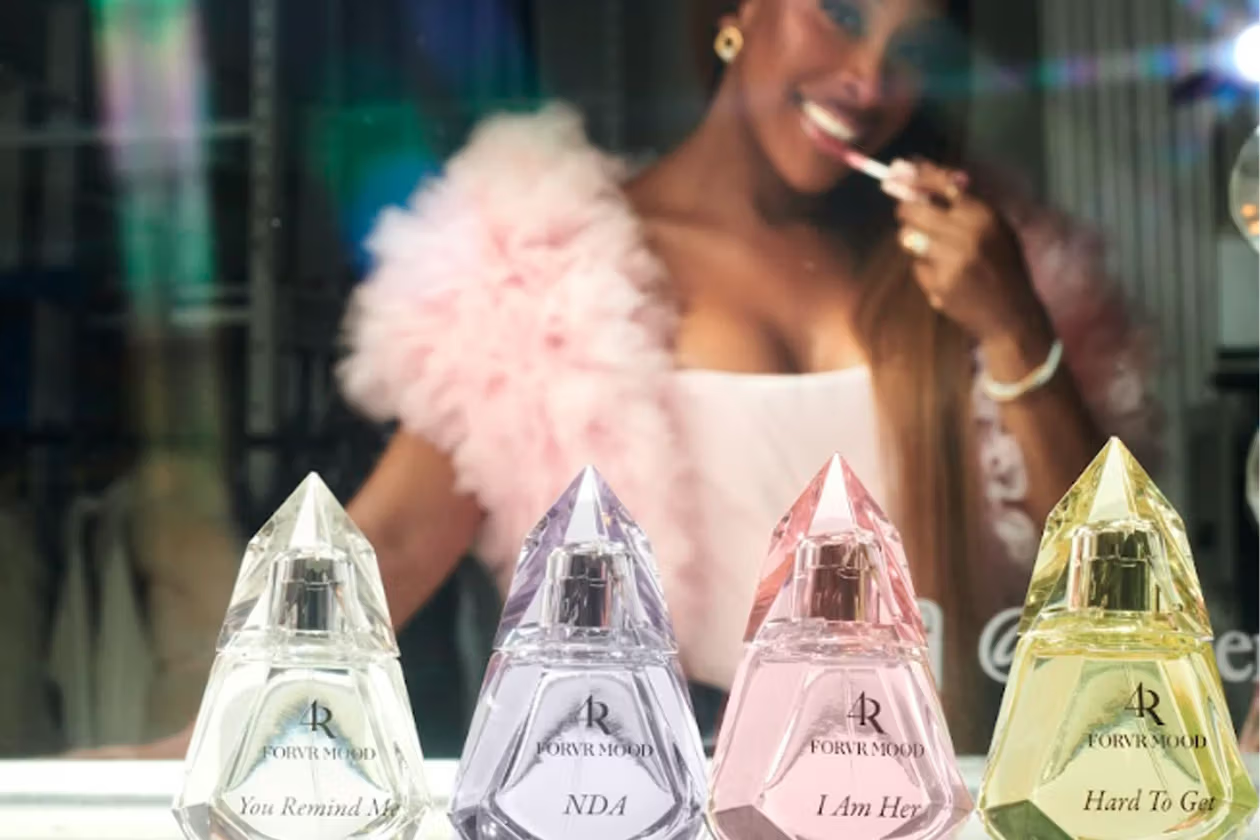
    Fragrance maker Forvr Mood expects revenue to rise by more than 50 per cent this year, crossing into eight figures as it prepares international expansion into Australia.

    Co-founder Denis Asamoah said the brand currently sells across just under 500 Sephora doors in the United States and aims to secure distribution in all chain doors before entering international markets.

    Former finance executive Asamoah launched the business in August 2020 alongside beauty content creator Jackie Aina with roughly $200,000 in startup costs. The label sold 10,000 units within hours of opening its direct-to-consumer site on Aina’s birthday, generating $3 million in sales during its first six months in operation.

    Inventory Lessons and Fragrance Shifts

    Scaling required rapid operational adjustments. The business initially operated out of a 3,000-square-foot space before leasing a 35,000-square-foot warehouse, which management later reduced to a smaller footprint once supply chains stabilized.

    Forecasting remains the core operational hurdle as the brand moves beyond candles into fine fragrance. Following the April 2024 launch of its fine-fragrance collection, Asamoah acknowledged over-ordering production volumes for the ‘Not Your Type’ eau de parfum to prevent the multi-month stockouts that hit earlier product cycles.

    Your influence and your audience may be able to get you your first sale, but without a good product, you are not going to get someone that wants to come and buy again.

    Managing Creator Risk in Retail Channels

    Wholesale buyers across Asia-Pacific evaluate creator-led labels with stricter scrutiny after several high-profile direct-to-consumer brands stumbled on repeat purchasing and wholesale margins. For department stores and specialty beauty chains in markets like Australia, shelf space requires steady replenishment cycles and marketing that reaches consumers outside a creator’s existing digital following.

    Separating the brand identity from Aina’s personal accounts protects the wholesale business from sudden shifts in social media sentiment. Retailers carrying celebrity-backed beauty lines face inventory writedowns when consumer backlash hits a founder, making operational independence a requirement for regional distributors managing multi-market shipments.

    Wholesale Roadmap Ahead

    Forvr Mood began as a candle line designed in four months during pandemic lockdowns before securing shelf space in Sephora’s North American network. The company spent the subsequent four years refining logistics and product formulation ahead of its 2024 fine-fragrance rollout.

    Management is now preparing to pitch the brand to Sephora at Kohl’s locations across the United States. Retail negotiations for overseas distribution in the United Kingdom, Australia and the Middle East will follow as the company completes its domestic store rollout.

  • PharmaResearch Rolls Out Rejuran Cosmetics Across 148 Sephora Canada Stores

    PharmaResearch Rolls Out Rejuran Cosmetics Across 148 Sephora Canada Stores

    South Korea’s PharmaResearch launched its Rejuran Cosmetics skincare line across all 148 Sephora Canada stores on Sept. 1.

    The nationwide rollout places eight product formulations, including its Turnover Ampoule and Dual Effect Ampoule, into Canadian retail stores alongside Sephora’s online channel.

    Featured on Sephora Canada’s Skincare Next Big Thing Wall, the collection relies on c-PDRN, a cosmetic ingredient purified from wild salmon DNA. PharmaResearch developed the compound from the polynucleotide technologies it uses in its injectable aesthetic skin boosters sold across more than 50 countries.

    Translating Clinical Injectables to Prestige Shelves

    The Canadian retail launch extends a clear playbook: converting medical aesthetic brand equity into mass prestige topical products. Consumers familiar with professional clinic procedures in Asia are increasingly seeking the same bio-active ingredients in daily skincare regimens.

    “Through a tailored omnichannel strategy, we aim to build meaningful connections with Canadian consumers and strengthen our market presence,” said Jooyeon Song, Head of Cosmetics at PharmaResearch USA.

    Margin Pressures and Shelf Competition

    Derma-cosmetic brands derived from Asian pharmaceuticals face a different commercial environment in North American retail compared to domestic clinic networks. Prestige beauty retailers demand heavy promotional support, co-op marketing fees, and dedicated floor space allocations that can compress wholesale margins if inventory turns slow down.

    Competition on the derma-skincare wall is intense. Rejuran must defend shelf share against entrenched clinical lines and lower-priced Korean skincare competitors already commanding established followings across Canadian cities.

    US Manufacturing Shapes North American Strategy

    In July, PharmaResearch agreed to acquire California contract manufacturer Cosmetic Group USA to secure domestic production capacity and stabilize supply lines across the Americas. That transaction followed the brand’s US retail debut in Sephora stores earlier in the year and coincided with a concurrent retail entry into Sephora Singapore.

    PharmaResearch will now focus on closing the integration of Cosmetic Group USA’s production facilities to supply North American retail channels directly and cut transpacific freight lead times from its Gangneung base.

  • DFI Retail Group Names Kshitij Mulay as Chief Digital and Yuu Rewards Officer

    DFI Retail Group Names Kshitij Mulay as Chief Digital and Yuu Rewards Officer

    DFI Retail Group has named Kshitij Mulay as its new Group Chief Digital and yuu Rewards Officer across its network of 7,659 outlets. The appointment takes effect on 17 September 2026, placing Mulay in charge of the group’s digital commerce, loyalty operations, customer analytics and retail media units.

    Based in Hong Kong, Mulay will sit on the group management committee and report directly to Group Chief Executive Scott Price. He succeeds Wee Lee Loh, who is stepping down after three years with the business to return to Singapore.

    From Sephora to pan-Asian retail networks

    Mulay joins DFI from Sephora Asia, where he served as Chief Information Officer overseeing digital and technology operations across multiple Asian markets. His background covers more than 25 years in retail and consumer technology, including senior roles at Procter & Gamble and Sephora focused on cloud migration, omnichannel commerce and artificial intelligence deployments.

    At DFI, his brief covers a sprawling multi-format retail footprint spanning 12 markets and more than 81,000 employees as of June 2026. The portfolio includes convenience chain 7-Eleven, health and beauty banner Mannings, grocery brands Wellcome and MarketPlace, as well as home furnishings and restaurant operations.

    Scaling digital operations and retail media

    Loh steps down after steering the group’s digital ecosystem through an aggressive build-out since 2023. During his tenure, DFI expanded the yuu loyalty programme to millions of active members and scaled daily online order fulfilment to more than 100,000 transactions across its operating territories.

    Regional retail conglomerates are leaning hard into retail media networks and unified loyalty schemes to generate higher-margin income from grocery and convenience footfall. For operators running thousands of physical checkouts, monetising first-party shopper data through targeted digital advertising has shifted from an experiment into a core balance-sheet priority.

    Mulay begins his role following a handover period with Loh in mid-September, with the group targeting further expansion of its retail media business and automated fulfilment systems heading into the final quarter of the year.

  • South Korea’s APR Targets W500b in Europe After First-Half Sales Surge

    South Korea’s APR Targets W500b in Europe After First-Half Sales Surge

    South Korean beauty company APR raised its full-year European sales target to 500 billion won ($358 million) after regional revenue jumped 363 per cent in the first half of 2026.

    European sales reached 228.9 billion won ($163.8 million) during the six-month period, accounting for roughly 17 per cent of the Seoul-based firm’s total revenue.

    Amazon Stores and Sephora Shelves

    Online momentum built quickly after APR launched official storefronts on Amazon in the UK, France, Germany, Italy and Spain late last year. Average monthly sales across those five country portals grew more than eightfold between January and June, lifted by demand during Amazon’s Prime Day event.

    Physical retail followed a parallel trajectory. APR secured shelf space at Sephora in March, driving its first-half offline revenue in Europe up more than ninefold compared with the same period a year earlier. To support the retail push, the company increased its available stock-keeping units in the region by more than five times.

    Korean Beauty Footprint Abroad

    The European push shows how quickly Asian beauty brands can convert digital traction into physical shelf space once regional distribution networks open up. While domestic Korean cosmetics demand remains steady, major operators in Seoul increasingly rely on Western department store chains and global e-commerce portals to absorb rising production volumes.

    APR is preparing to open dedicated Amazon storefronts in additional European countries while negotiating terms with regional department stores and specialty beauty chains to widen its physical distribution network before the end of the year.

  • European Luxury Houses See China Rebound as Burberry Sales Climb 9%

    European Luxury Houses See China Rebound as Burberry Sales Climb 9%

    European luxury groups are tracking a tentative rebound across mainland China, led by high-net-worth spending and demand for premium beauty and apparel.

    July retail sales across the country’s top 25 luxury labels dropped more than 10 percent under tighter scrutiny on offshore wealth, but corporate earnings forecasts point to an autumn turnaround. Household spending on cosmetics has begun to stabilize, while quarterly reports from fashion houses reveal pockets of early momentum.

    Divergence Across Brands

    Burberry Group posted a 9 percent increase in Greater China retail sales during its latest quarter, helped by younger shoppers and localized campaigns. The British fashion house partnered with Chinese National Geography magazine on documentary marketing to lift brand engagement among Gen Z consumers.

    Gucci parent Kering expects sales in the region to return to positive growth by the fourth quarter of 2026. Chief Executive Luca de Meo called the country a strategic priority as trading conditions improved steadily through the latest reporting period.

    LVMH reported steadying demand in mainland stores, citing improving figures for its Sephora retail chain and cognac labels. Swiss group Richemont captured higher tourist spending across Hong Kong and Macau, while Moncler gained ground in market niches.

    Uneven Recovery Profile

    The rebound remains concentrated among high-net-worth buyers rather than broad middle-income households. That divide keeps the pace uneven across retail categories and price points.

    Hermes continues to accelerate sales in the region, while Danish jeweler Pandora is seeing sales declines narrow. For retail operators across Asia, the test will be whether luxury spending broadens beyond top-tier VIP clients before fourth-quarter results land.

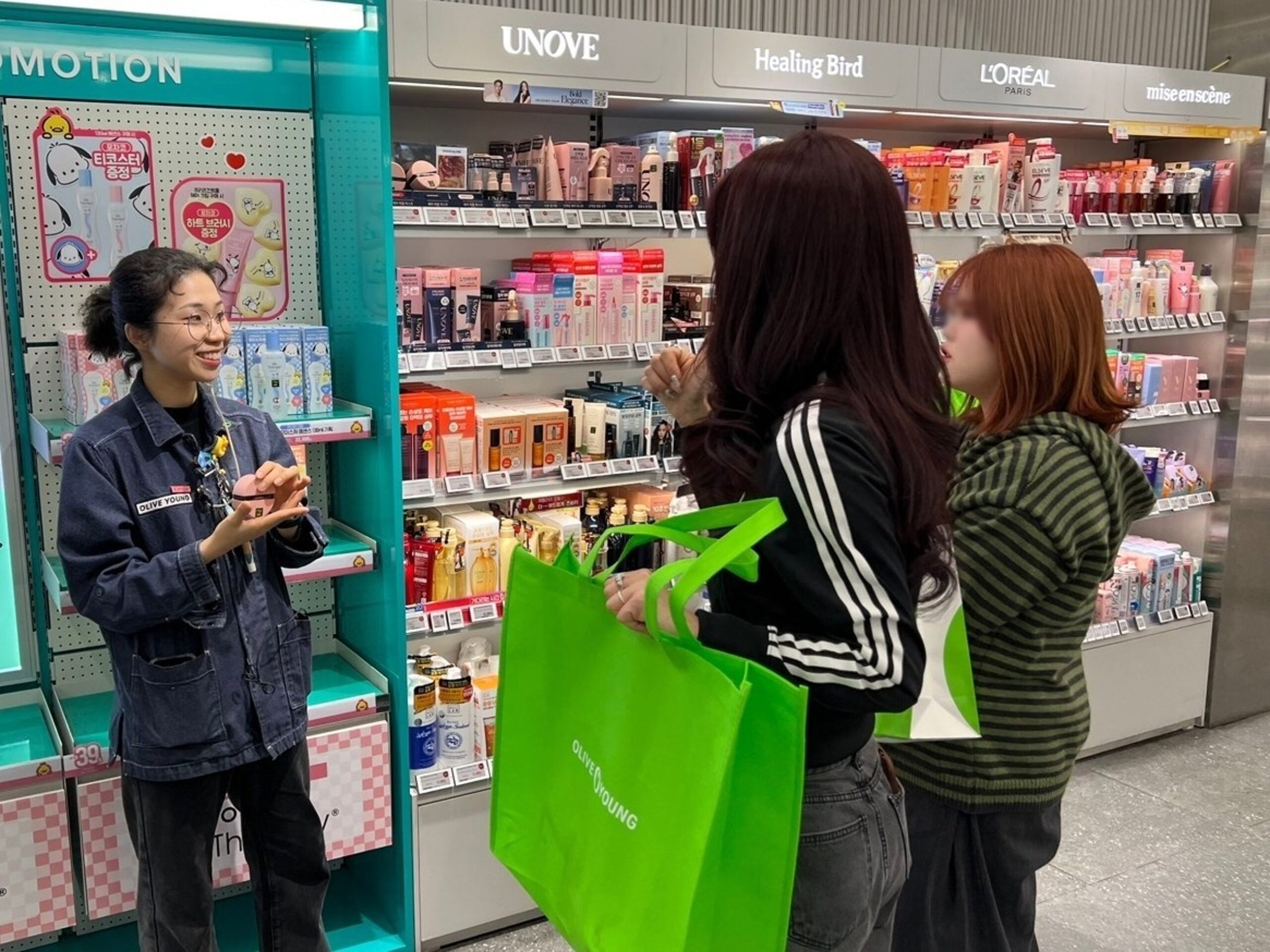
  • CJ Olive Young & Sephora Join Forces to Propel K-Beauty Brands Globally: A Strategic Expansion in Key Markets

    CJ Olive Young & Sephora Join Forces to Propel K-Beauty Brands Globally: A Strategic Expansion in Key Markets

    CJ Olive Young, a leading beauty retailer in South Korea, has embarked on a significant global partnership with Sephora, an entity of LVMH, to broaden the international presence of Korean beauty brands. Their strategy primarily revolves around leveraging existing retail networks.

    The Launch of K-beauty Zones

    As part of the partnership agreement, Olive Young will curate dedicated Korean beauty (K-beauty) sections on Sephora’s online platforms and within select physical outlets. These areas are set to be launched in the latter half of the current year.

    Initial Rollouts and Future Expansion

    The initial phase of the rollout is anticipated in Singapore, Malaysia, Thailand, Hong Kong, the United States, and Canada. This will then be followed by an expansion into additional markets in the subsequent year, including the United Kingdom, Australia, and the Middle East.

    Strategic Collaboration

    Youngah Lee, Chief Strategy Officer at CJ Olive Young, highlighted the global fascination with K-beauty as a driving force behind the partnership. Lee emphasized that this collaboration is a significant step towards enhancing the international presence of Korean beauty brands in key global markets.

    Olive Young’s Global Aspirations

    This partnership aligns with Olive Young’s larger international ambitions. The company also recently announced its intention to open its first standalone store in Los Angeles, United States, later this year as part of its expansion strategy.

    Questions & Answers

    What is the goal of the partnership between CJ Olive Young and Sephora?
    The partnership aims to expand the international presence of Korean beauty brands by leveraging Sephora’s established retail networks.

    When and where will the initial rollouts of the K-beauty zones take place?
    The initial rollout of the K-beauty zones on Sephora’s online platforms and selected physical stores is planned for the second half of this year in Singapore, Malaysia, Thailand, Hong Kong, the US, and Canada.

    What are Olive Young’s broader international plans?
    Apart from the partnership with Sephora, Olive Young has also announced plans to open its first standalone store in Los Angeles, USA, sometime this year.

  • Reliance Retail in talks to secure rights for Sephora

    Reliance Retail in talks to secure rights for Sephora

    Reliance Retail, run by Indian billionaire Mukesh Ambani’s conglomerate Reliance Industries Ltd, is in advanced talks to get the rights for beauty retailer Sephora in India, the Mint newspaper reported on Wednesday, citing two people familiar with the matter.

    Sephora’s operations will transfer from Arvind Fashions Ltd to Reliance Retail if an agreement is reached, according to the report. On Wednesday, Arvind Fashions’ shares on BSE rose 11% to Rs 327.55 apiece.

    Reliance, Arvind Fashions and Sephora did not immediately respond to Reuters’ requests for comment.

    Sephora, owned by French luxury goods group LVMH, has 25 stores in 13 cities in India with brands in categories such as cosmetics, fragrances, skincare, makeup and hair care, according to Arvind Fashions’ annual report for the financial year 2021-22.

    Reliance plans to build a portfolio of 50 to 60 grocery, household and personal care brands within six months and is hiring an army of distributors to take them to mom-and-pop stores and bigger retail outlets across the nation, sources had told Reuters in May.

    Earlier this year, Reliance had signed a long-term franchise deal with French fashion house Balenciaga and partnered with Gap Inc to sell the U.S. clothing retailer’s brands locally.

  • Sephora makes Vietnam debut

    Sephora makes Vietnam debut

    Beauty retailer Sephora has entered the Vietnamese market with a dedicated ecommerce store after an initial trial period of five months.

    Local customers can now buy directly from Sephora online, but there is no word yet on whether the global brand will open a physical store.

    About 90% of Vietnam’s cosmetics market is filled with foreign brands, led by South Korean products and followed by European and Japanese names. Market revenue, on the other hand, is pegged at US$514 million.

    Sephora enhanced its Asian presence in 2019 with debuts in South Korea, Hong Kong, and New Zealand. It now has 200 stores in 16 Asian countries.

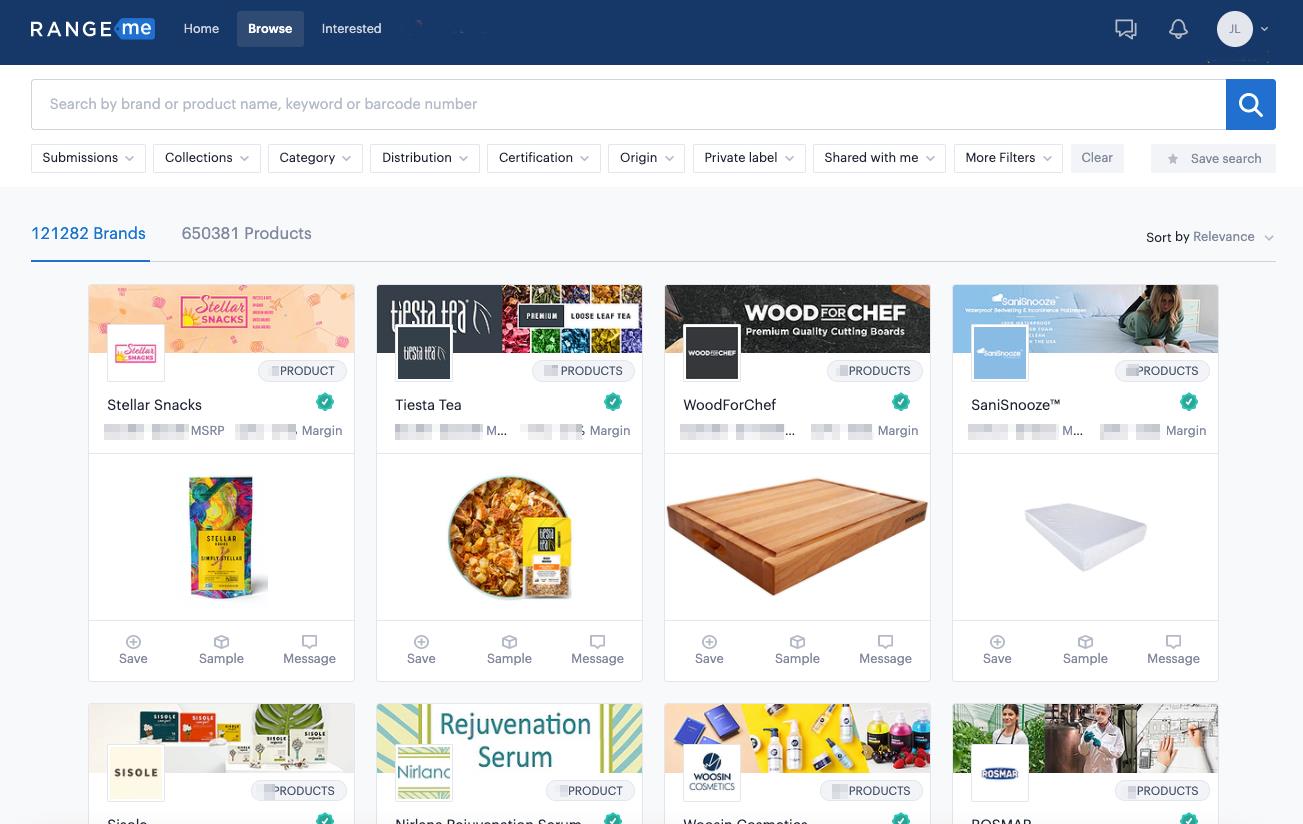
  • RangeMe opens 200,000 suppliers to Australasian retailers

    RangeMe opens 200,000 suppliers to Australasian retailers

    Product discovery and sourcing platform RangeMe has fully launched its global service to retailers in Australia, New Zealand, and the wider APAC region, allowing businesses to access 200,000 international suppliers.

    A number of businesses are already using the service, such as Blooms the Chemist, Good Price Pharmacy Warehouse, Pet Circle and Pet Culture, and are now able to source new products at a time demand for a wider range of products is growing.

    “This will be a transformative experience for these retailers’ buyers,” said RangeMe chief executive Nicky Jackson.

    “Our mission has always been to empower retailers and suppliers to be productive and successful. The world has become a smaller place, but it remains distant for forging strong cross-border buyer and seller relationships

    “We built RangeMe to connect buyers and suppliers anywhere in the world.”

    RangeMe allows businesses to search and filter for products they want to sell, creating a more specific and intentional supplier relationship. The business is also open for Australian suppliers, which can sign up to be a part of the service and potentially gain new buyers from over 12,000 overseas clients – including Walmart, Sephora, Walgreens and Albertsons.