Retail News CRM

Tag: Sephora

  • Sephora top executive named CEO of Lululemon

    Sephora top executive named CEO of Lululemon

    Calvin McDonald has been named CEO of Lululemon, replacing Laurent Potdevin, who was ousted earlier this year amid allegations of conduct violations.

    The Canadian-born McDonald earned his MBA at the University of Toronto and prior to joining Sephora in 2013, he spent two years as president and CEO of Sears Canada and 17 years in various roles with Loblaw Companies Ltd.

    Vancouver-based clothing company Lululemon’s stock jumped almost 80 percent in the past year. Analysts say it is one of the bright spots in apparel retail and in May, despite having no CEO, the firm reported a net revenue rise of 23 percent from the previous year, to $649.7 million in the first quarter.

    “I’m joining lululemon at an exciting time, with the brand’s strong business momentum, guest loyalty and passionate employees,” McDonald said in a statement.

    McDonald helped Sephora become a “mobile-first” brand during his time there, and he is expected to bring the same mindset and focus to Lululemon.

  • Sephora plans expansion in India, marks fifth store in Mumbai

    Sephora plans expansion in India, marks fifth store in Mumbai

    Sephora opened its doors at Oberoi Mall, Goregaon, Mumbai recently. Spread across 3,130 square feet, the store is located on the ground level of one of the city’s buzzing retail hubs in the suburbs. With presence in cities such as New Delhi, Noida, Gurgaon, Mumbai, Kolkata, Chennai, Chandigarh, Bangalore and Pune, this is Sephora’s 17th store in the country.

    Talking about the brand journey Vivek Bali, Chief Operating Officer – Sephora India at Arvind Beauty Brands said, “It’s been a very strong journey for Sephora with a fantastic response from the millennial customers. I am very proud to say that Sephora is the No.2 searched brand for millennial. So when we opened the physical stores in India with the right assortment of brands matching the Indian skin types it brought in an overwhelming response. We are different and we have brands which nobody has. We continue to promise the customer about 6-10 new brand additions every year which we will be exclusively available at Sephora. We have started our journey in the urban centers as 60 percent of the business comes from here. Balance 40 percent comes from the Tier II and III cities which are very important. Sephora will be embarking its journey in Tier II cities this year. We are registered a double digit growth with Sephora.”

    Like all the other Sephora stores in the city, this store too carries the retailer’s popular in-house and exclusive range across make-up, skin-care, fragrances, bath and body categories as well as beauty accessories. The collections include well-known names in beauty such as Sephora Collection, Benefit, Makeup Forever, Cover FX, Becca, Stila, Smash Box, Glam Glow, Boscia, Burt’s Bees etc.  In addition to these product ranges, beauty enthusiasts are also able to shop luxe brands such as Dior, Estee Lauder, Clinique, Tom Ford Private blend, Clarins, Givenchy, Shiseido, Forest Essentials and Elizabeth Arden, making Sephora the one stop destination for all things beauty. Australian makeup brand, Klara Cosmetics with its 100 percent colour pigment range launched its collection at the store. Collections from Jo Malone and Olive will be unveiled shortly at the new store. For the discerning man, the store carries a wide range of men’s grooming products.

    The store houses the newest edition of the Beauty Studio, where shoppers are offered Mini Flash Make overs and personalized consultations from Sephora’s beauty advisors. At the beauty studio, shoppers can learn to create key makeup looks from Sephora such as Night Smokey, Diamond Lips, Perfect Brows, Dewy Foundation, Frozen Eye Shadow and Golden Frame Smoky Eyes. They can also learn the techniques for 4K contouring and how to achieve the perfect eyeliner.

    Speaking on the customer experiences and its way forward Vivek says, “We look forward in enhancing the customer experience in Sephora and we talk about the new looks. We demonstrate, promote and educate the customers for the new looks which in turn gives an experience to the customer to try the product and then buy it. This exercise will go a long way in improving the consumption in India.”

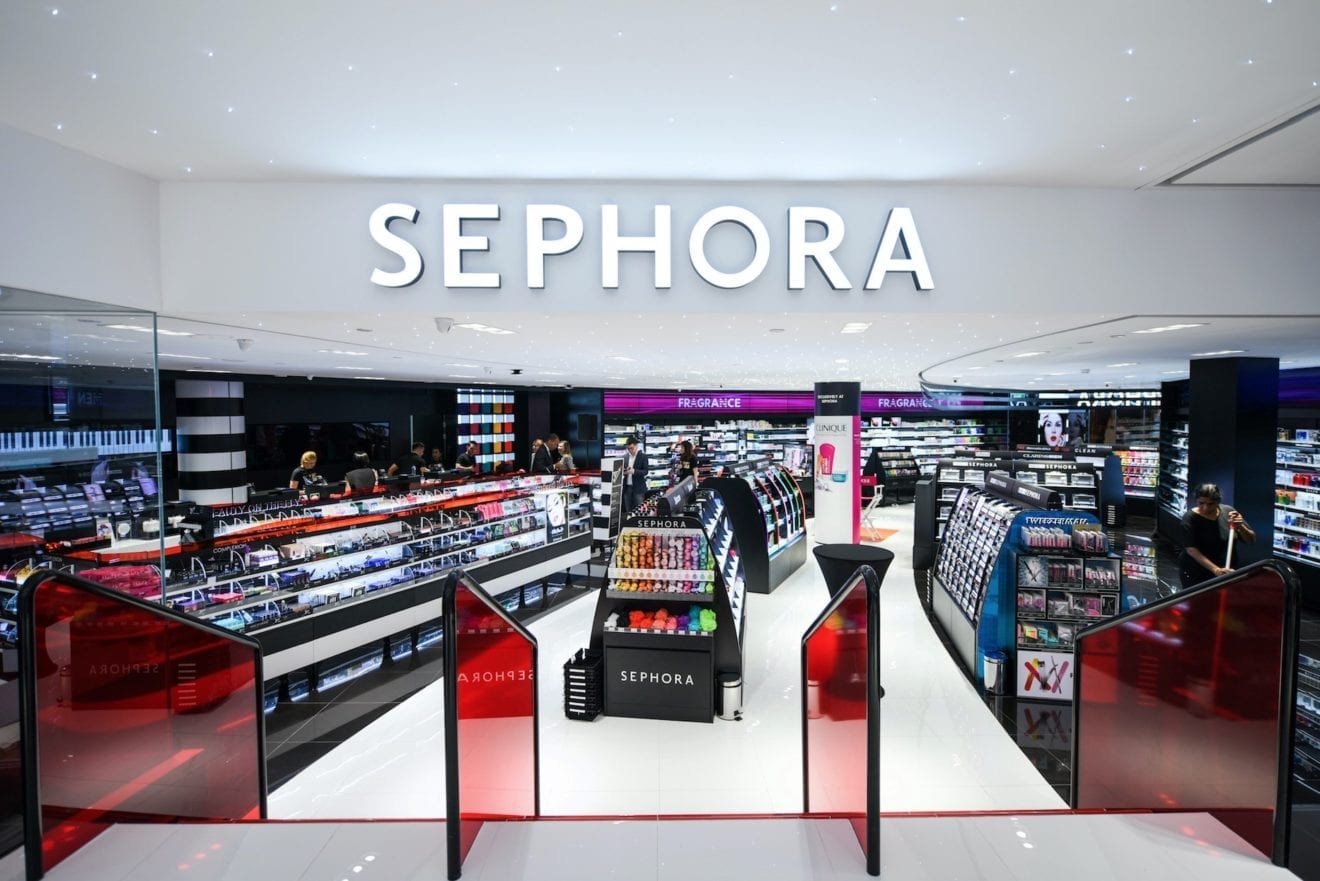
    In line with its brand ethos, the Sephora store is brightly lit with vibrant colours creating a lively atmosphere for its shoppers. The various categories of products have been divided into convenient sections enabling shoppers to pick their favourites with ease.

    Quoting on the retail numbers and its retail Omnichannel approach Vivek comments, “We have 16 operational stores and this Oberoi Mall, Goregaon, Mumbai store is the 17th store. We will be looking at opening 8 to 10 stores every year. As we evolve we have already seen the larger sizes of the stores also. On an average our stores are around 3,300 sq.ft. now and this will keep increasing with more and more brands coming in. Sephora is already a fully Omni brand where the customer can get the same experience from both online and offline. They have the choice to buy from the online store or come at the physical store and can even book the product online and pickup from the store. We operate through pour store and we deliver to the customer from the nearest store.”

  • Sephora Korea to open door next year

    Sephora Korea to open door next year

    A situations vacant post has revealed French beauty brand Sephora’s plans to launch in Korea next year.

    The job posting for a human resources manager with Sephora Korea included an announcement that the personal and beauty care store chain will be opening an outlet in Korea in the third quarter of next year.

    While this is the brand’s first venture into the South Korean market, it already operates a network of 2300 stores worldwide since being acquired by luxury conglomerate LVMH in 1997. It has operated in China since 2005, where it has 222 outlets.

    Sephora Korea is likely to face tough competition from the local brands dominating the domestic market.

  • Memebox eyes to return the US after a year pending

    Memebox eyes to return the US after a year pending

    Memebox, a Korean beauty startup founded in 2012 as a subscription-box service, is relaunching its e-commerce business in the US after a year on hold.

    The company has remained active in Asian markets while awaiting its window to return to the US. Founder and CEO Dino Ha identified a rise in Asian beauty-brand awareness among American consumers as being the key factor in the relaunch.

    Memebox recently contracted with beauty retailer Sephora to launch a new line of cosmetics to come out this autumn. Its in-house brands are already available in the US on its new online platform, which has been reconfigured to include review and community features designed to bolster consumer education. The company’s community-building efforts to encourage sharing of product information have resulted in an increase in user engagement from three to 25 minutes spent on its platform.

    The firm maintains a database that lists the skin types, preferences and consumer trends of its 5 million active users. According to product manager Danielle Zhu, this is central to Memebox’s short product development cycle and trend-forecasting efforts.

    Memebox maintains a close relationship with social media influencers as a core strategy since first trading, and is now developing an affiliate program to encourage users to register as ambassadors of the brand. The program serves in part to address recent criticism accusing the firm of only targeting very light-skinned women, excluding many potential users with darker skin tones.

  • Sephora Named Retailer Of The Year

    Sephora Named Retailer Of The Year

    At the 2018 World Retail Congress, Sephora was named Retailer of the Year.  The award reflects Sephora’s exceptional growth over the last decade, which has been driven by rapid expansion globally. This type of sustained performance is a testament to the superior differentiated experience Sephora offers its clients and the innovation it has brought to the prestige beauty industry.

    “Sephora has seen wonderful global growth over the last ten years and now operates in 34 countries with more than 2,500 stores, “ says Chris de Lapuente, Sephora Worldwide CEO. “We are very proud to be named ‘Retailer of the Year’, which confirms that the Sephora concept enjoys appreciation on a global scale. As a brand we win best when we win together and this award recognizes and touches all the tens of thousands in the Sephora family who have made us successful all over the world.”

    This is the premier category in the World Retail Awards. It recognizes a retailer that the Grand Jury believes to be a truly world-class operator, with outstanding results across a number of important areas. With retail becoming ever more complex and demanding, the Retailer of the Year award demonstrates that Sephora is not only delivering exceptional financial performance and sales growth, but also reflects the changes that are taking place across the industry and around the world.

    To be an outstanding retailer today, the business reflects how it has adapted to the realities of the digital world by transforming its approach to retail and the way that it is preparing for the future. If it has international operations, the judges saw that it is also executing this to the highest standards. Above all, this is a retailer setting new standards for the whole industry to admire.

  • Sephora creates long queues during new shop opening

    Sephora creates long queues during new shop opening

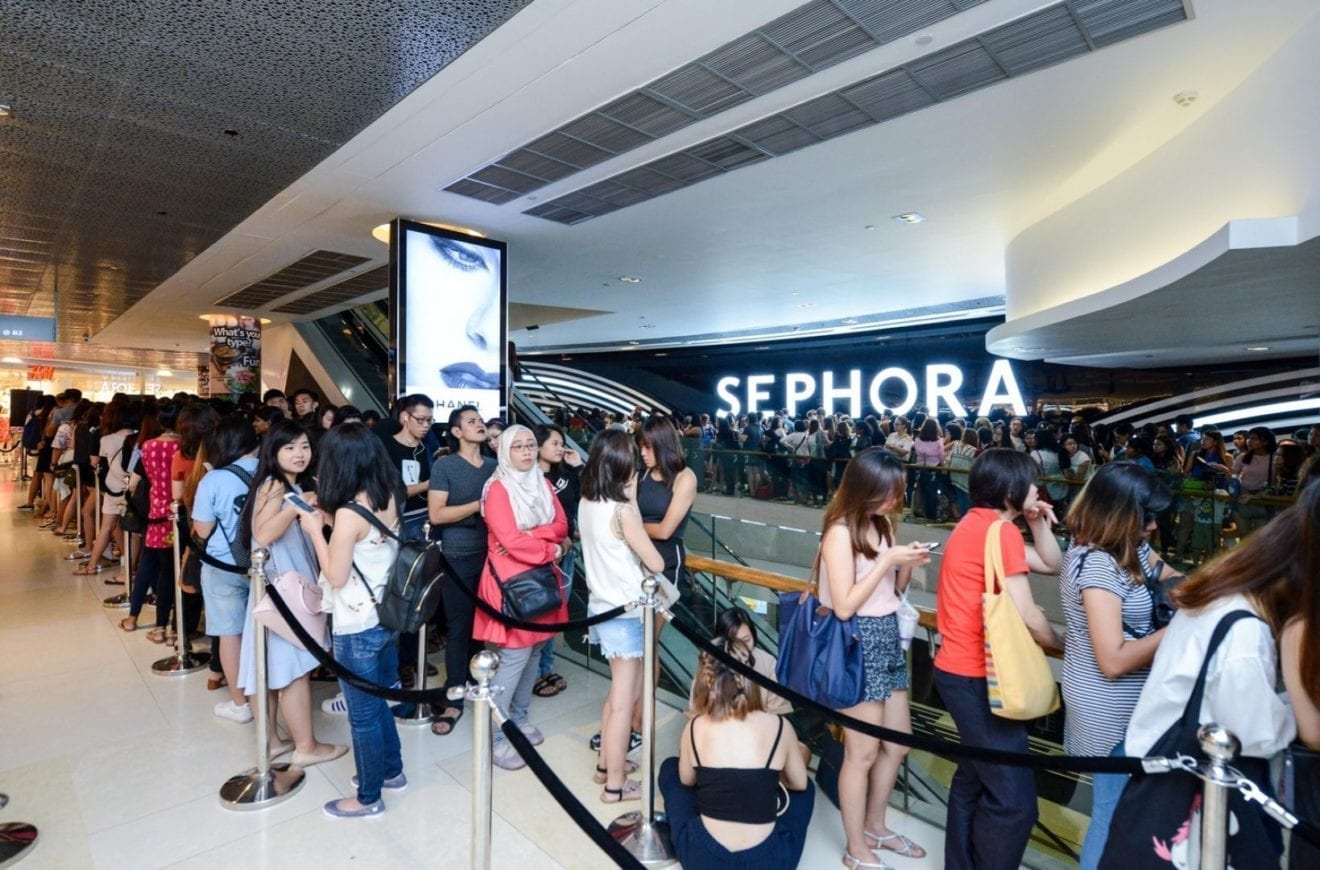
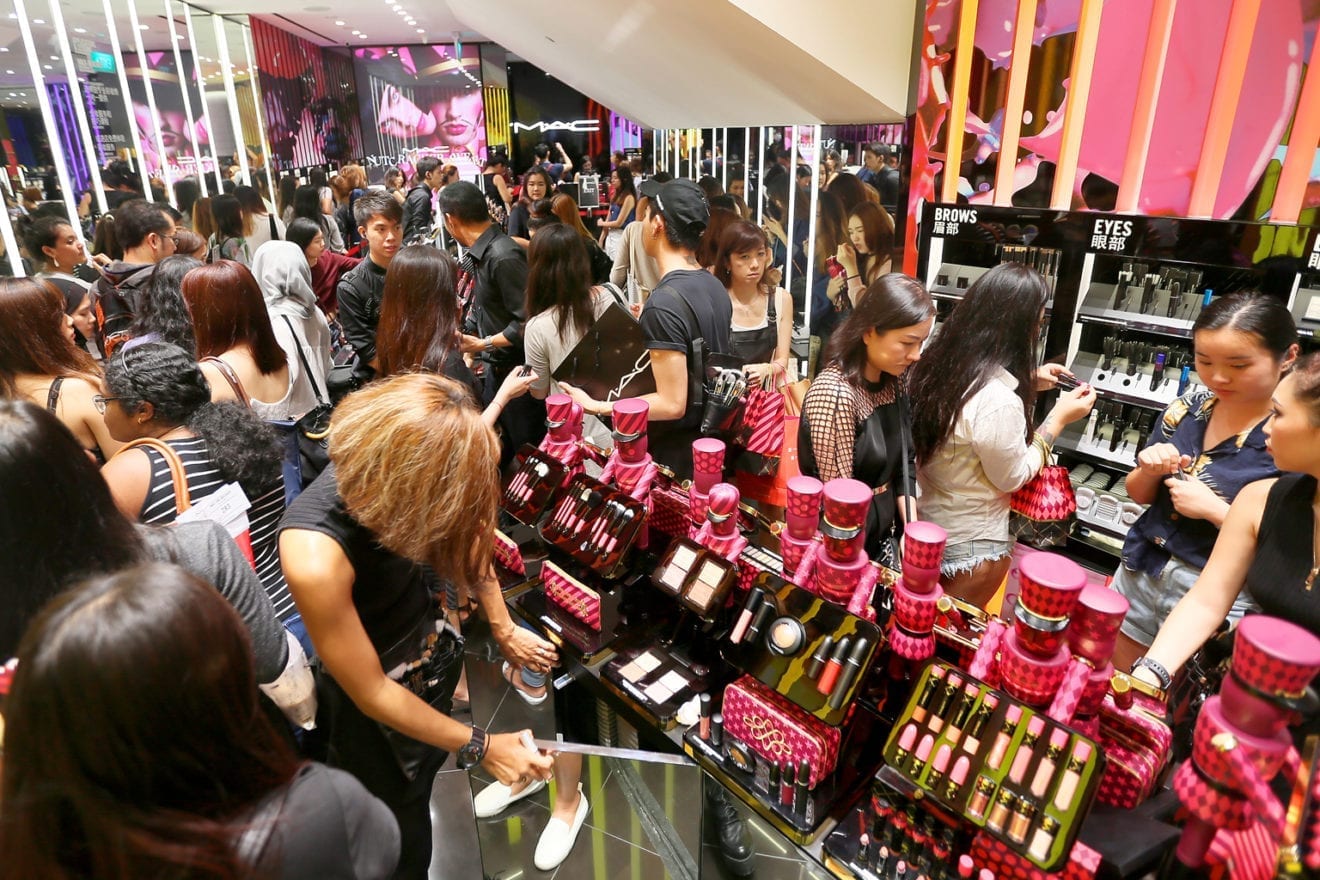
    Sephora has drawn a crowd to the opening of its first store of the year in Queensland, as shoppers queued overnight to access the international cosmetics giant’s new Robina Town Centre store.

    At one point on Thursday morning the line outside the new location was more than 300 metres long, snaking around to adjacent areas of the centre.

    The launch is a good start for the business, which expanded to Australia in 2015, after it announced last month that it would open the Gold Coast location, drawing in customers with new virtual artists that allow visitors to try on products virtually in-store.

    Its decidedly less positive for Sephora’s competitors though, of which there are many.

    Myer, David Jones, Priceline and L’Occitane all have stores in QIC’s Robina Town Centre, signalling yet another increase in competitive pressure in the beauty sector.

    “Sephora always generates great crowds because they are the undisputed global beauty leaders and people are always keen to try out and play with their wide selection of brands,” Savills’ Leighton Hunziker said of the opening.

    It’s not the first-time international entrants have drawn big crowds, when others like H&M, Zara and Forever 21 opened their stores in Sydney’s Pitt St Mall shoppers flocked, creating queues that lasted for days.

    But increasing competition and subdued consumer sentiment have put pressure on established beauty retailers in recent months, driving elevated levels of discounting in the sector that’s weighing on margins.

    Reporting its half-year financials last month, Priceline owner Australian Pharmaceuticals Industries said lacklustre beauty sales had driven a 1.7 per cent decline in comparable store sales in the first-half.

    “The amount of discounting and competition that has emerged inside the health and beauty sector has ramped up significantly,” API chief executive and managing director Richard Vincent said in April, revealing that price deflation was between 3-4 per cent in the half.

    For the likes of Myer and David Jones the growing influence of international competitors is particularly disruptive, given the already weakened statuses of both businesses.

    Louise Grimmer, a lecturer in marketing at the University of Tasmania, said customers are increasingly turning to specialists in the beauty category over department stores in search of education and personalisation.

    “Increasingly we are witnessing consumers abandoning department stores for specialist retailers such as Sephora,” Grimmer said.

    “If they weren’t already, department stores should be on notice that customers now demand much more than has been on offer. They want high levels of customer service, knowledgeable staff, specialist product offerings and a multichannel experience.”

    Robina Town Centre is Sephora’s 14th Australian store, and alongside the continued expansion of other international beauty brands such as Mecca and MAC, its unlikely competition will ease any time soon.

  • Sephora to open a new highly competitive centre

    Sephora to open a new highly competitive centre

    Sephora will look to Queensland for its first Australian store opening of 2018, announcing plans to open a location in QIC’s highly competitive Robina Town Centre in May.

    It will be Sephora’s 14th store launch in Australia since bringing its offer Down Under at the start of 2015.

    With the likes of Myer, David Jones, L’Occitane, Lush, Priceline and The Body Shop already trading in the centre, competition will be fierce.

    But the beauty brand will look to sweeten the deal for its sunshine coast customers by introducing a new virtual artist within the store, which will allow customers to virtually try on products.

    Sephora Country Manager Libby Amelia said the Robina opening followed the success of its Pacific Fair store, opened in 2016, and would provide customers with an experience-focused offer.

    “Our teams of talented beauty advisers are on-hand to provide foundation matching and a wide variety of makeup services, but the beauty of Virtual Artist is that you can try on hundreds of colours all on your own, and from the traction we have via our app, we know our customers absolutely love it,” Amelia said.

    The Robina store will be the first Sephora in Australia to trade with the technology, although a broader roll out is anticipated.

    Sephora will also trade a range of exclusive brands in the new store such as Fenty Beauty, Huda and Anastasia Beverly Hills.

    Robina Town Centre general manager Shaine Beveridge said he was happy about the addition of Sephora to the centre.

    “We are delighted to welcome global cosmetics retailer Sephora to our growing and diverse portfolio,” he said.

    “The addition of this internationally renowned brand signals another exciting chapter for our Centre as we continue to strengthen our retail offer.”

  • Jill Stuart Beauty debuts in Singapore

    Jill Stuart Beauty debuts in Singapore

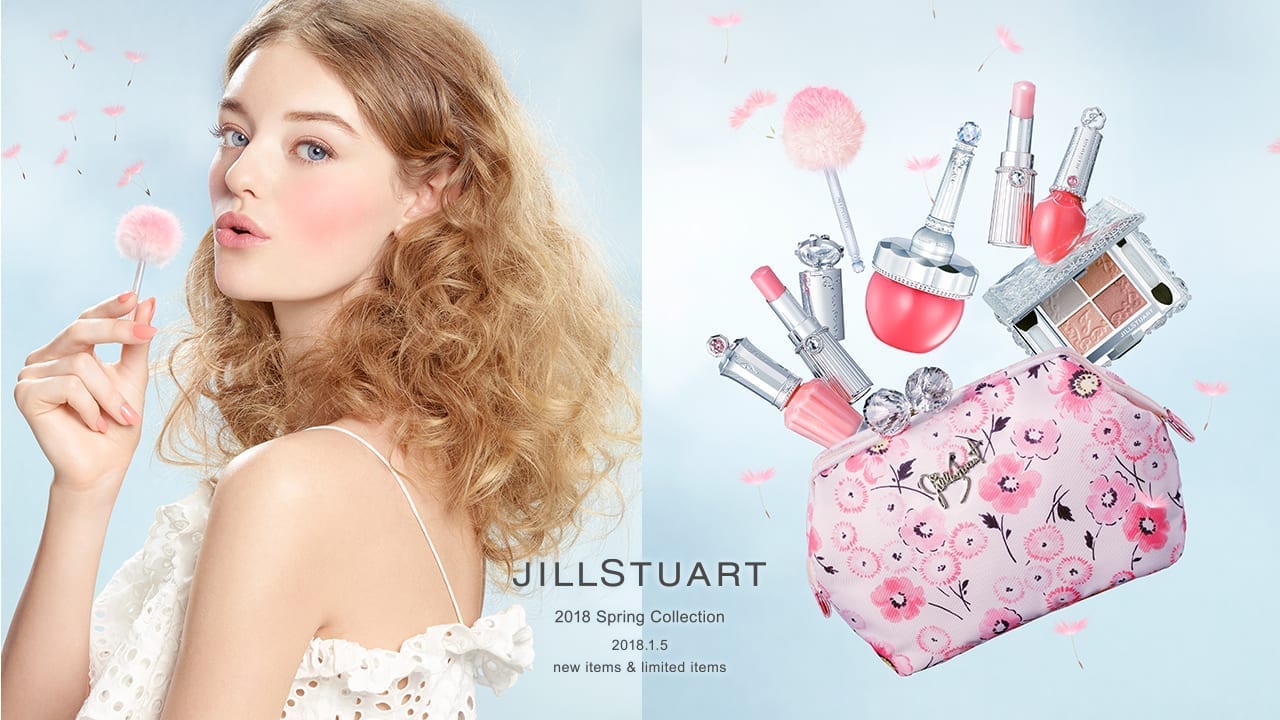
    Japanese-influenced beauty brand Jill Stuart is to open its first presence in Singapore – inside Sephora Ion Orchard.to

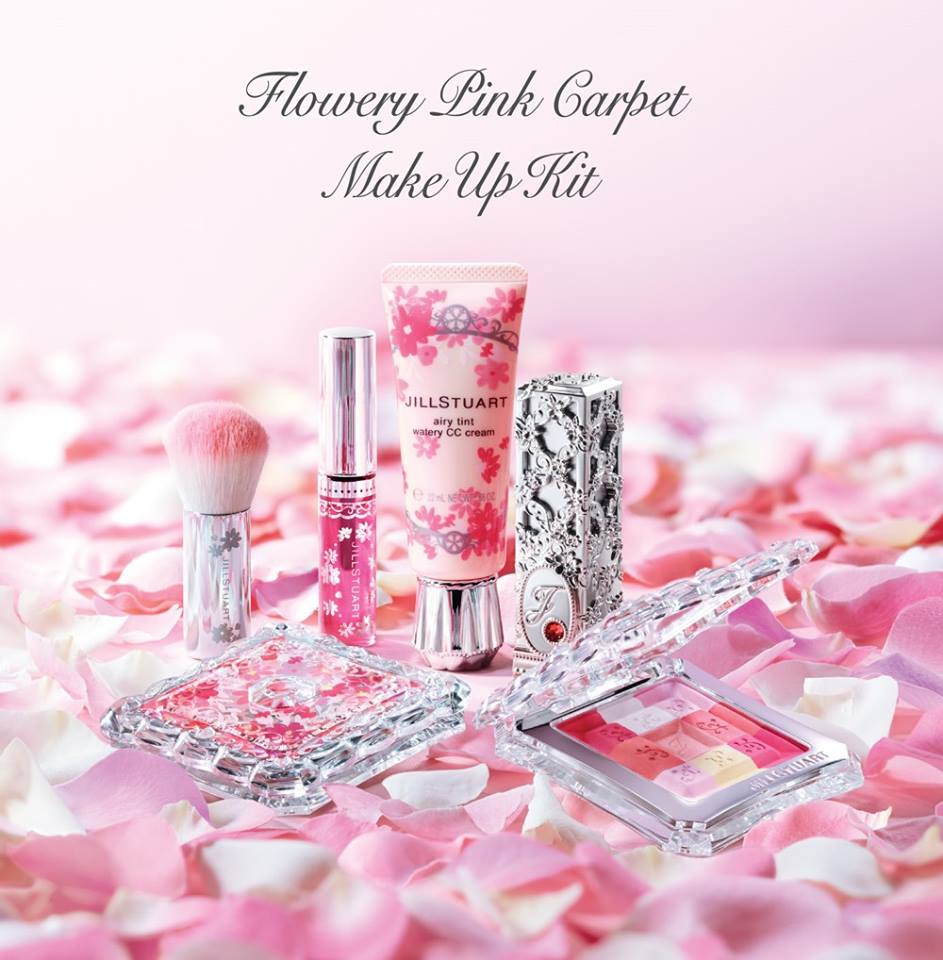
    The concession will debut on March 29, offering Singaporeans its full product range, including lipsticks, eyeshadows and blushes, its best-selling items.

    Jill Stuart was founded in 2005 and has built a reputation for its embellished silver packaging inspired by the make-up style of Japanese women.

    Fans of the brand are commonly referred to as ‘Jill girls’, a phrase born in Jill Stuart’s philosophy about being “all for girls to be ‘kawaii’ (cute).

    Jill Stuart is a New York-based designer and her cosmetics brand was developed with Kose Corporation. Her products are already sold in Korea, China, Hong Kong, Taiwan and Thailand.

  • Amorepacific Enters Australia

    Amorepacific Enters Australia

    Korean cosmetics giant Amorepacific Group has made its Australian debut this week.

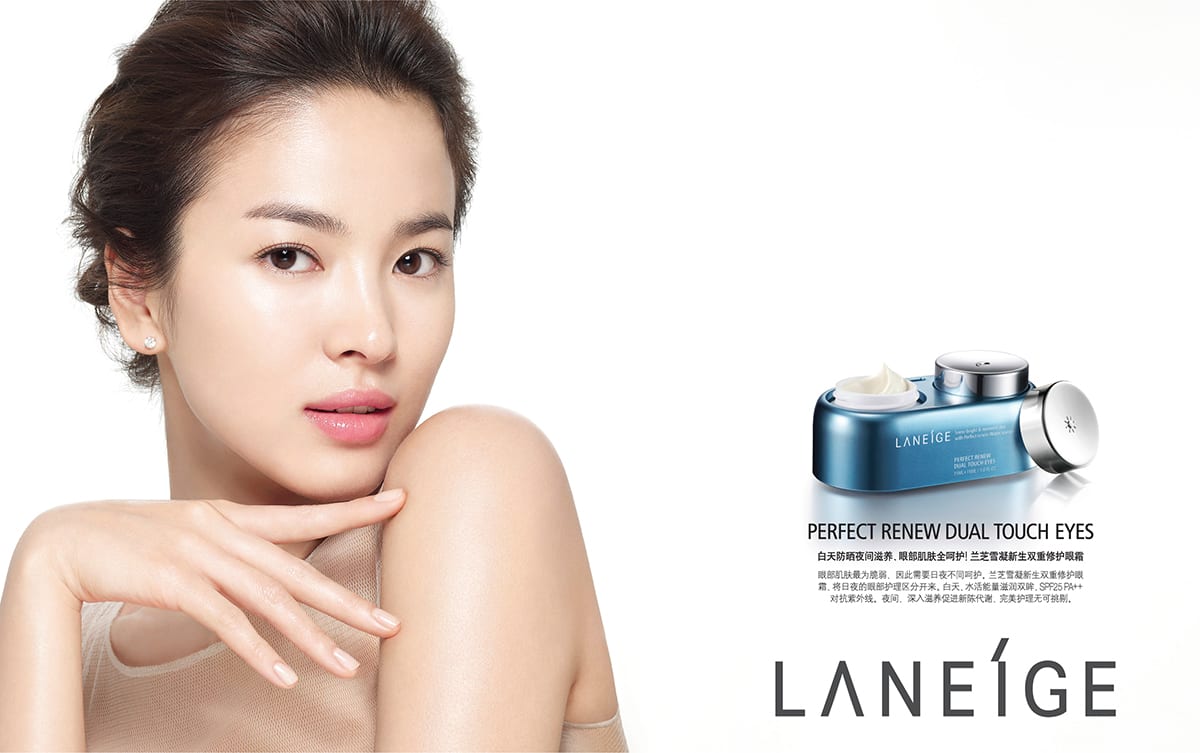
    While the company has yet to open a standalone store there, it has opened a counter for its mid-range brand Laneige inside Sephora stores and started selling the range online. It describes the launch as “its forerunner to the Australian market”.

    After opening a Melbourne head office last year, Amorepacific’s is making plans to launch its luxury flagship brand Amorepacific, and eco-friendly Innisfree label later this year.

    Caroline Dunlop – Amorepacific Australia’s first GM, said working with Sephora in the US had proven a success and it had high expectations in their Australian partnership.

    “Our journey of beauty in Australia will begin with the launch of Laneige and as we progress, we will continue to present many unique brand experiences to local customers.”

    Amorepacific is ramping up its international expansion to compensate for a sharp decline in the number of Chinese tourists into South Korea.

    “I am very excited to meet with Australian customers after a long preparation,” Suh Kyung-bae, chairman of Amorepacific Group, said.

    Australia’s cosmetics market was estimated at about 7 trillion won (US$6.56 billion) in 2016, with an average annual growth rate of 5 per cent, the company said, citing data from market research house Euromonitor.

    In a statement, Amorepacific said it has studied the advanced beauty market in Australia and its customers over several years. “The study revealed that Australian customers are indeed very beauty conscious with a keen interest in global trends and innovation developed particularly to protect against strong UV rays and other environmental factors that can cause skin damage. It was also found that their preference for a natural makeup look with healthy skin has led to a growing interest in Korean beauty trends (K-beauty).”

    The Chinese tourist challenge has affected Amorepacific’s earnings, which last year fell 39.7 per cent.

  • Is Amazon ready to dominate cosmetics market?

    Is Amazon ready to dominate cosmetics market?

    Reading through recent headlines about Amazon disrupting the beauty industry, one would think that it is time for Sephora and Ulta to panic and rethink their strategies.

    However,  beauty needs retailers to provide compelling customer experiences and a sense of community to succeed.

    According to a report by 1010data, Amazon’s marketplace captures 21.1% of the U.S. market share, with Macy’s coming in second with 17.4% and Sephora in third place with 15%.

    Amazon is clearly making strides to increase their presence in beauty by partnering with cosmetic giants like Coty to launch their “Let’s Get Ready” skill for Amazon Echo Show, a company that made headlines with Amazon last year for banning third-party platforms like Amazon from selling their prestige products.

    Prestige beauty brands like Coty and the Estee Lauder Cos have tended to stay clear of selling their products on Amazon supposedly because it lacks the cachet of traditional luxury beauty retailers. While that may be somewhat true, I also think it is because luxury brands are terrified of the lack of control on Amazon – the possibility of consumers unknowingly purchasing knockoffs from China or older products at a discount.

    If prestige brands are so bothered about being sold under the same roof as mass market, why are luxury brands like Lancome, Benefit, and MAC pleased as punch to be top-sellers at Ulta, where mass market rules? Because brands can work with retailers like Ulta to ensure consumers get the right experience and right product for that matter.

    While virtual reality and augmented reality are becoming key technologies for helping beauty consumers make informed decisions, it doesn’t mean these technologies can replace the brick-and-mortar experience.

    Sephora and Ulta continue to drive foot traffic and sales with innovative in-store experiences and workshops, making visiting their brick-and-mortars more of a fun encounter than an errand.

    Seeing how a lipstick looks via an augmented reality app is novel but it cannot replace actually trying it on to feel its texture or test if it bleeds. Testing a cream on the back of your hand to see how it makes your skin look and feel is something that even Amazon can’t duplicate without a brick-and-mortar.

    Building a sense of community like its competitors in the beauty space will also be an uphill battle for Amazon. Sephora launched their Beauty Insiders Community last August, offering multiple channels for consumers to find each other, discuss beauty, post and view photos, and unlock shopping benefits through usage.

    While Amazon may have a comprehensive rating and review system, the e-tailer giant also has a bad reputation for bot reviews, which doesn’t lend well to a sense of community.

    While Amazon will probably continue to dominate in online sales, Amazon is going to have a tough time dominating the beauty industry until they can grab the brick-and-mortar traffic too.

  • LVMH hits up record revenue in 2017

    LVMH hits up record revenue in 2017

    It has been another record year for luxury products group LVMH Moet Hennessy Louis Vuitton.

    Revenue increased by 13 per cent year on year to reach €42.6 billion (US$52.9 billion), while organic revenue growth was 12 per cent.

    All business groups recorded double-digit organic growth with the exception of wines and spirits, where second-half growth was hit by supply constraints.

    Profit from recurring operations reached €8.2 billion, up 18 per cent. Operating margin reached 19.5 per cent, while the group share of net profit was €5.1 billion, growth of 29 per cent.

    Describing the performance as “excellent”, LVMH chairman/CEO Bernard Arnault says the record year was partly because of a buoyant environment but above all a result of the creative strength of the group’s brands “and their ability to constantly reinvent themselves”.

    Key highlights of last year listed by the group include:

    ● Record revenue and profit from recurring operations.

    ● Growth in Asia, Europe and the US.

    ● The success of both iconic and new products at Louis Vuitton, “whose profitability remains at an exceptional level”.

    ● The acquisition of Christian Dior Couture.

    ● Growth at Fendi and Loro Piana.

    ● The first year of integration of Rimowa luggage.

    ● Strong momentum at Parfums Christian Dior, driven by product innovation.

    ● An excellent year for Bulgari and good progress at Hublot and Tag Heuer.

    ● Growth at Sephora.

    ● Free cashflow of €4.7 billion, up 20 per cent.

    “Significant” growth in China helped Hennessy cognac volumes grow by 8 per cent, with 7.5 million cases shipped despite the second-half supply constraints.

    In fashion and leather goods, key events of the year were products arising from collaborations with artist Jeff Koons as well as the Supreme brand, the launch of the brand’s first smartwatch and the inauguration of the Maison Louis Vuitton Vendome in Paris.

    There was rapid growth in Asia for the perfumes and cosmetics segment, and growth was particularly strong in Asia for Bulgari. Asia again shone in the selective retailing group with Sephora continuing to gain market share.

    LVMH says the year was a positive turning point for DFS, with new stores in Cambodia and Italy continuing to grow sales.

    Despite unfavourable currencies and geopolitical uncertainties, LVMH says it is well equipped to continue its growth momentum across all business groups this year.

  • Xidan Joy City’s new zone unveiled to mark 10 year anniversary

    Xidan Joy City’s new zone unveiled to mark 10 year anniversary

    Beijing’s iconic Xidan Joy City celebrated its 10 year anniversary today by unveiling its newly renovated Rose Garden relaxation zone. The celebration also marks the completion of the first phase of a significant upgrade of the mall’s interior and public areas that will continue until 2019.

    Mall owner COFCO has commissioned Woods Bagot to lead the interior design of renovation works as part of its wider strategy to deliver a new generation of Joy City malls that continue to stay ahead of changing lifestyles and interactive digital technology in China.

    Already a favourite destination among Beijing’s trend-setters and fashion-conscious youth, the 185,000 m2 mall is arranged over 12 floors in an established downtown shopping district and is home to a range of global brands including Apple, Kate Spade, Michael Kors, Sephora and Zara.

    When the renovation is complete in 2019 the mall’s leading brand portfolio will be showcased across eight diverse thematic areas, providing a change of pace and an engaging journey for visitors as they move through the space.

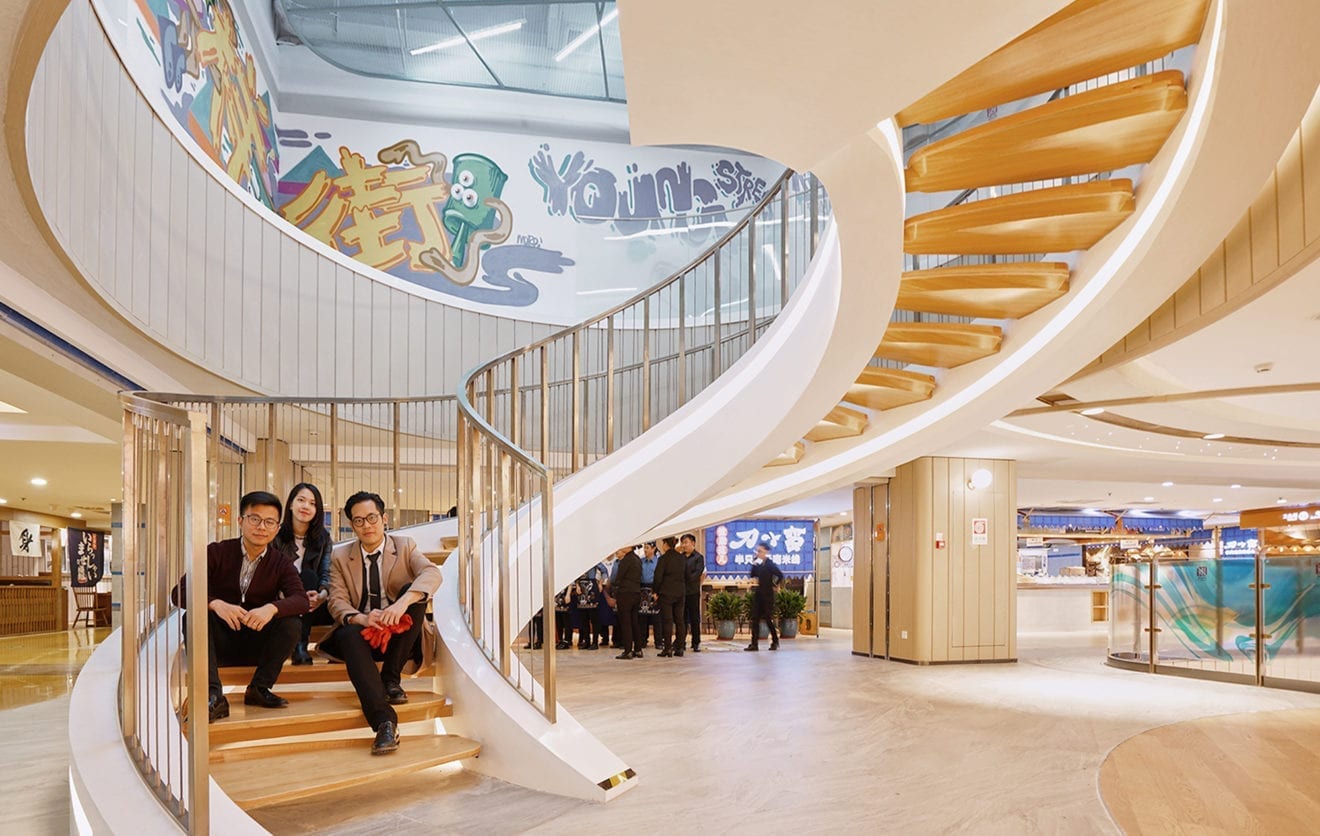
    Xidan Joy City’s reimagined Rose Garden is a spacious relaxation area within the F&B zone featuring a spectacular organic-form wood and glass spiral staircase as its focal point.

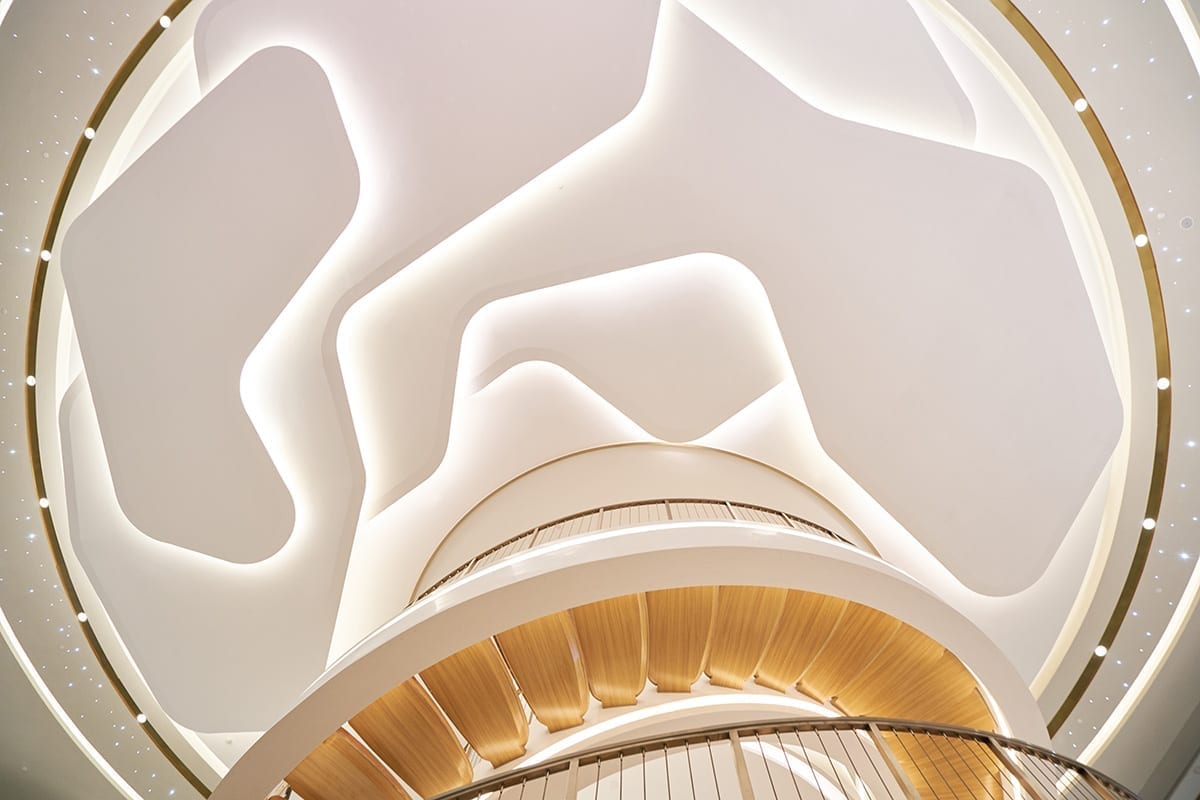
    The Rose Garden offers breathing space in an outdoor-themed environment, bathed in abundant natural light during the day and lit dramatically from above at night by an abstract rose ceiling light fixture. Different-height seating scattered with foliage and greenery gives shoppers a unique line of sight to enjoy a more natural and personal experience as they relax.

    Billy Ip, Woods Bagot, said:

    “Beijing’s youth market has evolved greatly over the last decade, with social, economic and technological developments driving new trends, desires and lifestyles. Visitor experience is the new battleground for this sophisticated audience who seek to spend time in unique, engaging environments.

    “For Xidan Joy City’s many fans, the Rose Garden is a space where many happy memories have been made. We have honoured this sentiment by creating a place for visitors old and new to both recall and build new memories.

    “Woods Bagot’s concept for the revived Rose Garden provides an avant-garde interpretation of an energising and peaceful ambience, and we look forward to sharing our creative direction for the other spaces as works progress over the next year.”

  • More online super sales for Asia online market

    More online super sales for Asia online market

    While the US formulated online super sales, such as this week’s Black Friday, Asia has adopted the concept with a vengeance.

    In fact, China has increasingly been exporting Alibaba’s Singles Day (11.11) event, which this month racked up a massive US$35 billion in sales. November is the favoured month for this new consumer mania, offering the Singles Day, Black Friday and Cyber Monday sales.

    Both Black Friday and Cyber Monday themselves have been catching on in the Asia Pacific, growing by 29 per cent last year, according to global payments company WorldPay.

    It says that despite forking out $17.8 billion on Singles Day last year, Chinese consumers still went hunting Black Friday bargains, with overall spending on the day up by 37 per cent from the previous year. In Hong Kong, the rate of growth was 32 per cent, and in Singapore 21 per cent.

    While retailers are among the biggest Black Friday winners, new WorldPay data suggests this year could also be a great opportunity for savvy APAC businesses in the travel and digital sectors. In Hong Kong, spending with travel and airlines saw a 30 per cent surge last year, with Singapore figures up 20 per cent as travellers jumped online to search for flight and hotel deals.

    Not just retailers

    Shoppers are also increasingly seeking out bargains for digital content such as subscriptions, e-books and on-demand box sets. Black Friday spending in this sector last year grew 62 per cent in Hong Kong and 14 per cent in Singapore.

    Not just retailers can benefit from Black Friday, but also a range of e-commerce businesses, says WorldPay Asia Pacific GM Phil Pomford.

    “While Black Friday and Cyber Monday have typically been the realm of retailers, a more diverse range of businesses are now recognising they can also take can take advantage of this special online opportunity.

    Shoppers during this time are highly engaged, proactive and looking for a wide range of online deals, so the potential to reach new customers and strengthen brand loyalty is huge, regardless of sector.

    “E-commerce businesses should set themselves up for success by ensuring their websites are prepared for heavy traffic, and offer simple payment options to drive shopping-cart conversions. They might also consider following the example of Amazon and kickstart Black Friday deals a week early.”

    Black Friday online sales surpassed $3 billion last year and are expected to rise this week, says Adobe Digital Insights, as buyers seek to avoid long queues and lost hours in retail stores.

    In Southeast Asia, Google searches for “Black Friday” have surged over the past five years, and 12 months ago major offline/online retailers like Robinsons, Sephora and Zalora offered generous discounts for the event.

    “Many industries rely on this event to make up a large portion of their fourth-quarter sales, in particular toys and games,” says Euromonitor International senior toys and games analyst Matthew Hudak.

    ‘Sure to jump on’

    Digital campaign company RTB House says Black Friday last year attracted 106 per cent more people to online stores, with 204 per cent more transactions.

    “We anticipate conversion rates surging this time,” says RTB House Southeast Asia country director Chandra Kuncara. “Customers who missed out on Singles Day will be sure to jump on this event.”

    He says personalised retargeting is an important selling tool during Black Friday. With AI technology and deep-learning algorithms, marketers can highlight most-desired products for each individual customer.

    More purchases mean more packages being shipped, and international courier service FedEx is again expecting to handle a record number of packages over the peak holiday shopping period, which starts on Monday and runs to December 24. This year it is expecting 380 to 400 million packages.

    The growth of cross-border e-commerce is turning the peak shipping season into a global phenomenon, says FedEx. For instance, 37 per cent of Singles Day purchases in China last year were from international brands or merchants. Cross-border shopping is expected to make up 20 per cent of e-commerce sales by 2022, led by Asia Pacific.

    “While an online purchase takes just a few clicks, logistics providers are working hard behind the scenes powering every moment,” says FedEx Express AsiaPacific president Karen Reddington. “Our business is the backbone of the e-commerce market.”

    Meanwhile, while shoppers scramble for Black Friday bargains this week, outdoor retailer REI is closing its 154 US stores for the third consecutive year, offering its nearly 12,000 employees a paid holiday. It is truly going against the tide by also putting a hold on online orders.
  • Kim Kardashian to launch her first fragrance

    Kim Kardashian to launch her first fragrance

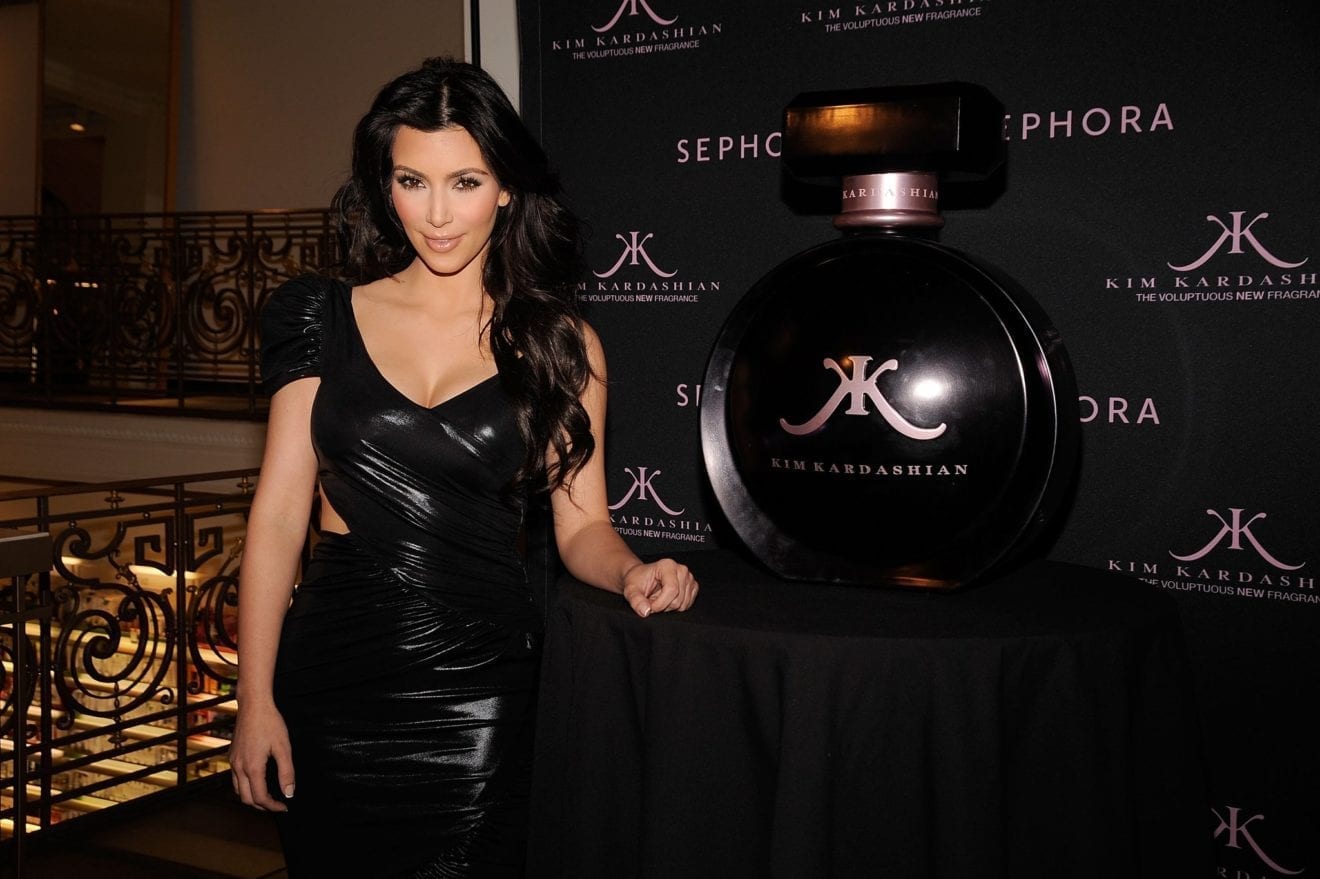
    Reality TV star and businesswoman Kim Kardashian has announced she will launch a gardenia-inspired fragrance collection under her KKW Beauty firm.

    The social media savant-turned-entrepreneur will release three eau de parfums via Kardashian’s online beauty portal kkwfragrance.com.

    Dubbed ‘Crystal Gardenia’, ‘Crystal Gardenia Citrus’ and Crystal Gardenia Oud’ – all variations on Kardashian’s preferred flower scent – the perfumes will be available in two sizes, both 30ml. and 75ml.

    For the Gardenia collection, Kardashian worked with fragrance house Givaudan.

    The brand’s signature scent, ‘Crystal Gardenia’, features notes of water lily, gardenia, tiara flower and velvet tuberose, rounded out by warm woods and skin musk for a deeper finish. ‘Crystal Gardenia Oud’ opens with top notes of bergamot, lavender, red rose and jasmine, featuring base notes of oud, patchouli and royal amber, while ‘Crystal Gardenia Citrus’ boasts top notes of sparkling citrus, woods and musks.

    Some 300,000 bottles with go on sale and are expected to sell out in minutes.

    “I think that with the social media aspect of it, [and] being able to really reach so many people, I think it’s going to work. Obviously I’m in the celebrity category, but I just wanted a bottle that was so simple that can look like it’s something sitting on your counter and be a beautiful object. I tried to make it really timeless so that it can’t just all be about a celebrity fragrance,” Kardashian told WWD, in an interview.

    Kardashian first unveiled her KKW Beauty brand in June this year, with the launch of a Creme Contour & Highlight Kit, available in four shades. The star then went on to launch a powder version of the first contour set, available in three shades.

    The businesswoman has been doing fragrance since 2009 through a licensing deal with Lighthouse Beauty that has since ended.

  • Sephora to open new Highpoint Shopping Centre store next month

    Sephora to open new Highpoint Shopping Centre store next month

    Global beauty giant ,Sephora, is continuing its expansion in Australia as it opens its new store at Highpoint Shopping Centre on November 2.

    This will be the global retailer’s 13th Australian store and third in Victoria, (Melbourne Central and Chadstone).

    The new store will feature over 100 cosmetic brands including exclusive lines from Marc Jacobs Beauty, Givenchy, Tarte, Anastasia Beverly Hills and the new Fenty Beauty by Rihanna.

    “We can’t wait to bring another Sephora store to Victoria,” said Sephora country manager Libby Amelia.

    “The demand for more Melbourne stores has been considerable and we want to be able to meet the expectations of our local beauty aficionados. Highpoint Shopping Centre is a great fit for us and we’re looking forward to launching there next month.

    Sephora is also expanding its product offering in-store and online, with the recent launch of its new Wellness Category. The all-new Wellness Category features health and wellness brands including; KORA Organics, The Beauty Chef & WellCo.