Retail News CRM

Tag: Sephora

  • CityOn.Zhengzhou to open fully leased

    CityOn.Zhengzhou to open fully leased

    Taubman Asia, a subsidiary of US shopping centre group Taubman Centers, and China’s Wangfujing Group, have announced the line-up of retailers for its CityOn.Zhengzhou mall in Henan province, set to open on March 16.

    When it opens, the centre will be 100 per cent leased and 90 per cent occupied with nearly 200 stores and restaurants. In the heart of Zhengdong New District, the six-level, 94,000 sqm shopping and dining destination will offer domestic, international and lifestyle brands from fast fashion to accessible luxury, anchored by a four-level Wangfujing department store.

    “We are thrilled to see our second China project coming to life in Zhengzhou,” says Taubman Asia president Rene Tremblay.

    Local, regional and international cuisine at all price points and in both seated restaurants and quick-serve formats will be a feature of the centre, which will also offer family-friendly experiential, educational and entertainment offerings.

    Many international brands will be making their central China debut at the centre, says Taubman Asia group VP Paul Wright.

    Outlets at the mall include…

    Fashion: Adidas, Ajidou, Basic House, Bershka, Charles & Keith, Columbia, Converse, Ecco, Five Plus, Forever 21, H&M, Innisfree, Jack & Jones, KIKC, Kipling, La Chapelle, Lee, Levi’s, Mango, Massimo Dutti, Miniso, Mishka, Mobi Garden, Nike, Pandora, Polo, Sand & Foam, Sephora, Skechers, Stradivarius, The North Face, Uniqlo, Vans, Vero Moda, Westlink and Zara.

    F&B/entertainment/kids/lifestyle/electronics: Acasia Food Village (featuring 14 food vendors), Benfu Sushi, Boat Noodle, Chatime, Chez Choux, Chicken Container, Coco, Dollar Shop, FrozenYo, GB Kids Station, Gong Cha, Grandma’s Kitchen, Guoguo Mutton Soup Restaurant, Guxiang No. 9 Catering, Hallmark Babies, Homao, Huawei, iSpace, La Chapelle Kids, Lenovo, MagicSalad, MM by Haircode, Mr Wish, NaughtyKids, New York Fries, Oscar CityOn Cinema, PapaBubble, Pizza Zone, Rbike, Siwuke Tea, Starbucks, Strawberry Forever, Subway, Teppanyaki Xiang, Toot Science, Udon & Tempura, Uncle, Wan Quan Bu Tong, Xiang Tian Xia Huo Guo, Xiao Liu Jia, Xiao Zhu Zhu Kao Rou, Xue Mi Da, Yang Xiang Dou Pi Shuan Niu Du, YuYuTo, ZBX Fresh Fish Hot Pot, Zheng Shi Yi and Zoo Steak.
  • Pomelo boosts funding to $11m

    Pomelo boosts funding to $11m

    Thai online fashion retailer Pomelo has raised a follow-on round, bringing its total Series A funding to US$11 million.

    This round was again led by Singapore-based Jungle Ventures, with participation from existing investors and new contributors including 500 Tuk Tuks (a fund of major venture capitalist 500 Startups), Andre Hoffmann and Jonathan Price.

    Pomelo says it will use the funds to continue expanding in Southeast Asia. While focussed on Indonesia, Singapore and Thailand, it has customers in more than 40 countries.

    “We strive to provide the absolute best in terms of online fashion through our vertically integrated supply chain,” says Pomelo co-founder/CEO David Jou. “eCommerce is clearly approaching a tipping point in Southeast Asia, and we’re lucky to be one of the leaders in the fast-growing fashion vertical.”

    Additionally, the label continues to strengthen its management depth, having added Meg Mistry as brand president and James Lamrock as regional VP (operations). Mistry was previously regional creative director for online fashion house Zalora, while Lamrock was chief logistics officer at Luxola, which was acquired by beauty products company Sephora. Investment firm TPG senior adviser Jonathan Price has also joined in an advisory capacity. He was previously MD of cosmetics and skincare group The Body Shop Asia and global COO of accessories company Targus.

  • DLF Brands quits luxury sector

    DLF Brands quits luxury sector

    India’s DLF Brands, which runs high-street fashion brands mall Emporio in Delhi, is quitting the luxury business.

    It has just shut down two of the seven stores of US fashion brand DKNY after parting ways earlier with such brands such as Giorgio Armani, Mango, Salvatore Ferragamo and Sephora.

    “We don’t have any plans to open more DKNY stores,” says DLG Brands MD Timmy Sarna. “And we don’t want to be in the high-fashion business. It’s difficult to scale up that business because there aren’t too many locations in the country where you can sell luxury.”

    Instead, DLF Brands, the retail arm of real-estate company DLF, wants to focus on mass brands. “We have profitable businesses in Kiko, Mothercare and Sunglass Hut,” says Sarna.

    DLF Brands has bought the franchise rights of UK-based Mothercare for 15 years, and plans to launch smaller stores, even in community-based markets, selling value-added products.

    “From 109 stores at present, we want to increase the number to 300. A major part of production is happening here now, so prices will eventually come down,” Sarna says. “Apart from this, our other brands such as Sunglass Hut, Claire’s and make-up brand Kiko are doing extremely well and are profitable.”

    DLF Brands started its exit from the luxury market in 2012, quitting its joint ventures with Ferragamo and Giorgio Armani. In 2014, it shut down stores of Italian menswear brand Boggi Milano, then last year parted with LVMH’s make-up and skincare brand Sephora, which was taken over by Arvind Lifestyle Brands.

    “You can either be in the fashion business or in the mass-brand business. You cannot have your finger in too many pies,” says Sarna.

  • Coach Tmall flagship abandoned

    Coach Tmall flagship abandoned

    The official Coach Tmall flagship shop has been abandoned.

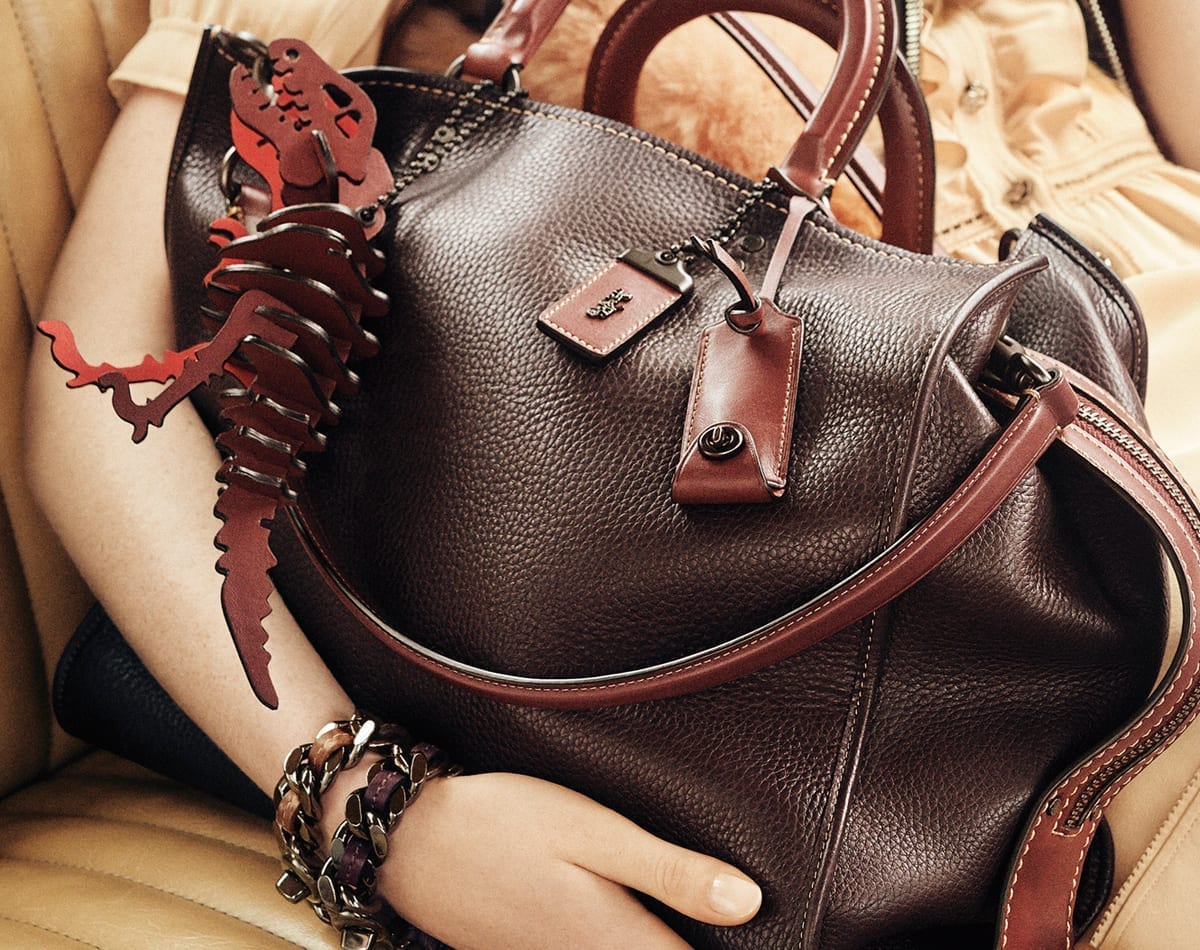
    Luxury bag brand Coach Inc says it will replace its shop on Alibaba Group Holding’s business-to-consumer sales site by selling directly through its own website and on its WeChat account, the social-media app run by Alibaba rival Tencent Holdings. Coach has offered coupons and launched a media campaign on WeChat.

    A Coach spokeswoman says the company wants to consolidate resources and will continue to look for innovative ways to leverage digital and social platforms.

    Alibaba says Coach products are still available on TMall from other merchants.

    Selling shoes, purses and accessories, Coach was one of the first US luxury brands to launch an official store on the TMall. It started with a temporary pop-up store from December 2011 to January 2012, opening a full store in 2015.

    Early this month, nearly a dozen trade groups wrote to Alibaba complaining that it was not doing enough to combat counterfeits. And the loss of Coach comes as Alibaba faces added scrutiny from a US trade agency as to whether it should be added to a list of marketplaces that are known for selling counterfeits.
    Alibaba’s Taobao consumer-to-consumer marketplace was on the list years ago, but was removed in 2012.

    Meanwhile, LVMH Moët Hennessy Louis Vuitton SE’s Guerlain has just opened a flagship store on TMall, and MakeUp Forever and Sephora, two other brands under the LVMH umbrella, also have TMall stores. Also, the cosmetics unit of Salvatore Ferragamo will launch its store later this month.

  • How the new Sephora flagship store at Ion Orchard lure shoppers back to brick-and-mortar …

    How the new Sephora flagship store at Ion Orchard lure shoppers back to brick-and-mortar …

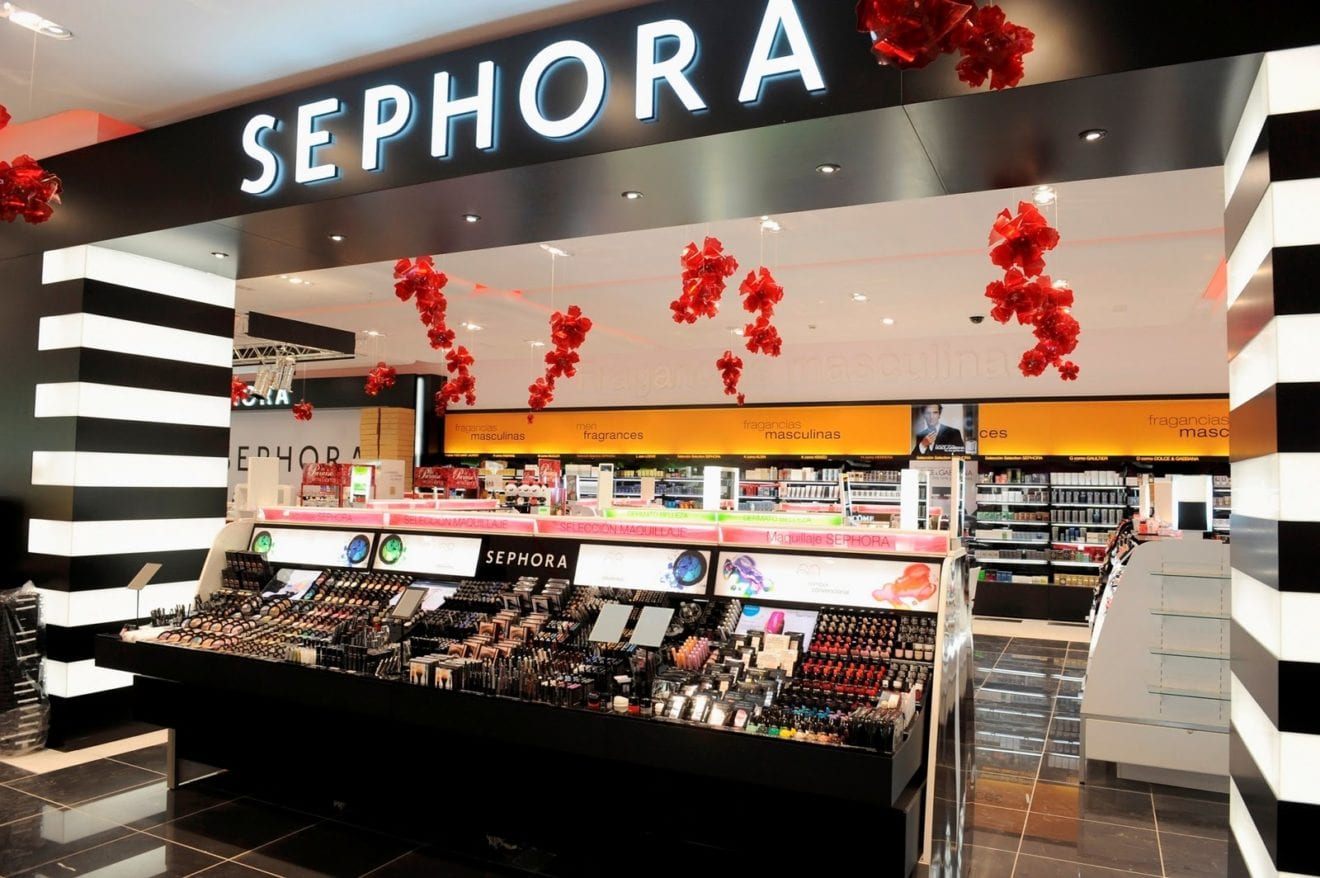
    French multi-brand beauty retail giant Sephora opened its new local flagship store at Ion Orchard to much fanfare last Friday. The store sprawls across 10,000sqf on basement 2, and features a refreshed store concept from its previous premises on level 1, incorporating a boutique-within-a-boutique concept and better lighting.

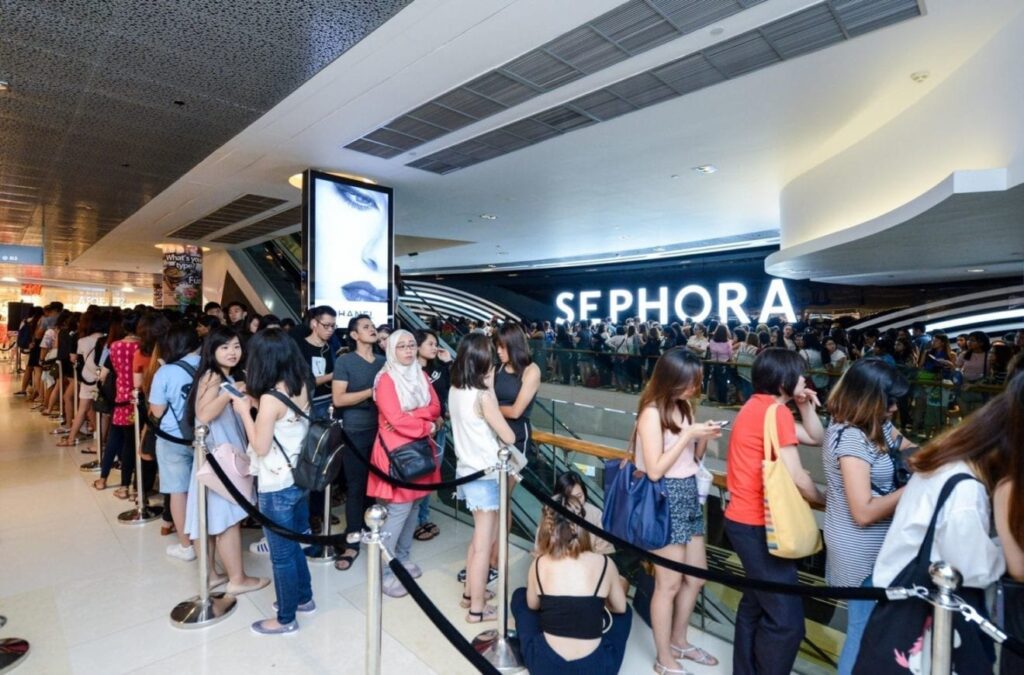
    The queue to be among the first paying customers to enter the store at noon on July 22 started forming at 9.30pm the night before, and there were 1,000 people waiting outside by the time the store was opened. Sephora vouchers of S$100, S$50 and S$10 were handed out to the first 500 people in the queue, while limited-edition gift packs were given to the next 500.

    Among those in the pre-opening queue was 21-year-old sales associate Catherine Low, who had joined the snaking line at 6.15am on opening day. “I decided to join the queue to be among the first in line because I have been lusting after Kat Von D products for a long time and now I can finally purchase it in stores here,” she said. “When I got in I made a beeline for the Kat Von D Everlasting Liquid Lipstick in Lolita. This shade is really popular and I was afraid it would be sold out”.

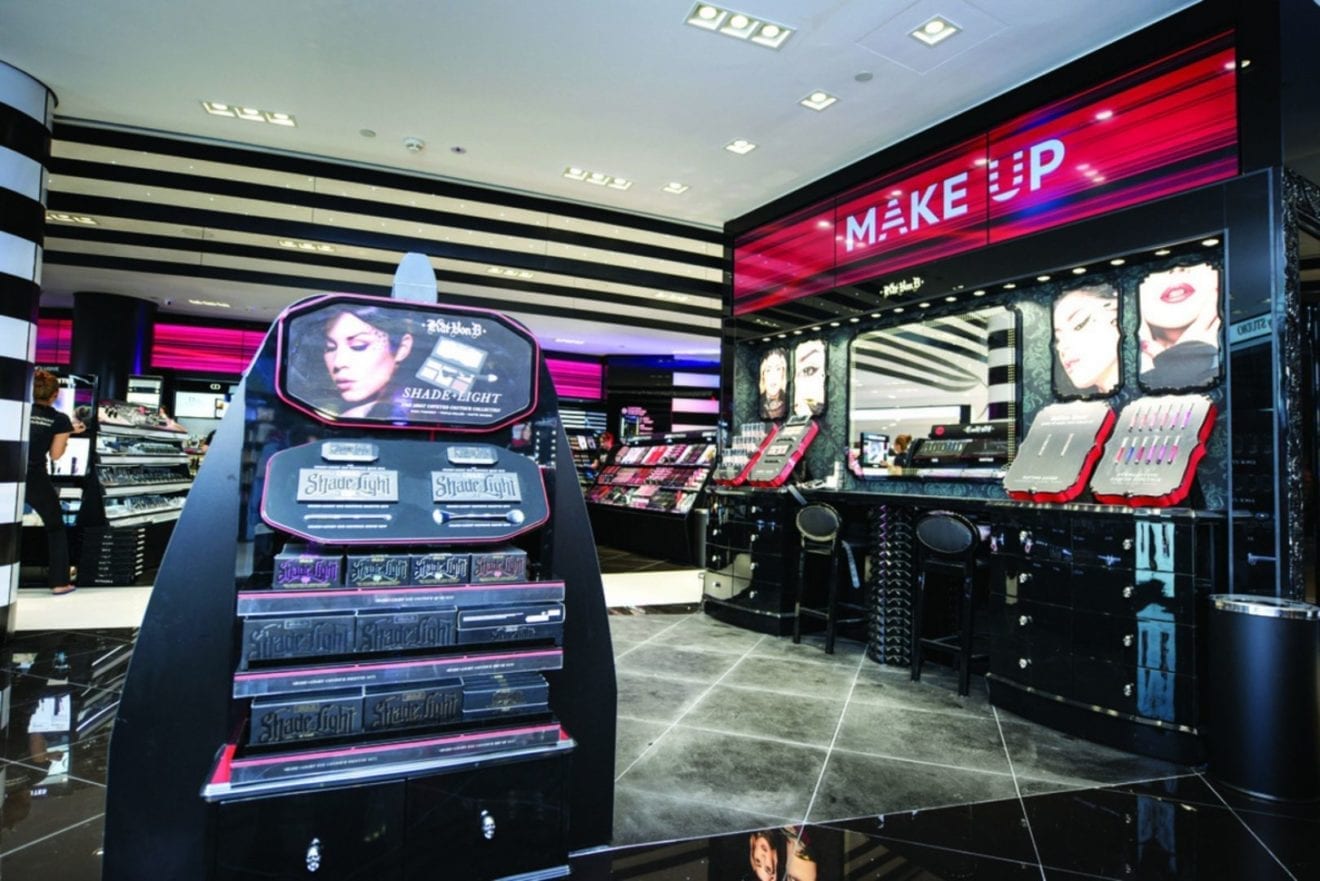
    The flagship store boasts a global-first for Sephora — a Kat Von D store-in-store that carries the full range of the cosmetics brand that was founded by the celebrity Los Angeles-based tattoo artist, who shot to fame on reality television show LA Ink. Close to 4,000 products from the Kat Von D range were sold on launch day, with the sales of the brand’s popular Everlasting Liquid Lipsticks accounting for half of the sales.

    Kat Von D currently takes pole position at Sephora in Malaysia, Thailand and Singapore since it was launched on Sephora’s local e-commerce site on July 7 and in the retail stores in Malaysia and Thailand on July 16. It has racked up over six figures in sales in these three countries to date.

    The experiential element

    What Sephora nailed was creating a retail environment shoppers are excited to be in. “Sephora Ion Orchard has always been one of the top 10 (outlets), not just in Asia, but in the world, so it was the natural choice to launch the first Kat Von D Shop-in-Shop together with Sephora Ion Orchard’s new home to provide a more vibrant and electrifying retail experience for her many fans,” said Mathieu Sidokpohou, Sephora’s managing director of South-east Asia.

    sephora

    Other highlights at the store include professional cosmetics brand Make Up For Ever’s “sushi bar” concept counter, which features a conveyor belt where shoppers can pick up bento boxes of makeup items, exclusive-to-store brands Cover FX and Zoeva and a Made-in-Sephora gondola featuring house-brand products.

    These in-store highlights, together with the prime positioning of the store, which is a stone’s throw from Orchard MRT Station, is set to further strengthen Sephora Ion Orchard’s position as one of the top-grossing beauty retail spots in Singapore and the region. The anticipated footfall at the flagship Sephora store also presents beauty retailers with an opportunity to create a buzz around big campaigns and launches before products are rolled out to the rest of the island. The store is the first in Asia to carry all 100 lipstick and 50 lip pencil shades of cult US cosmetics brand Urban Decay’s highly hyped 10th anniversary collection.

    The beauty retailers spoke to welcome the added experiential retail elements at the store. “The new design layout of two main aisles instead of just one allows more visibility for brands from different categories and allows customers more interaction with the brands, which translates to a refreshing customer experience,” said Chen Jingwen, Nudestix’s brand manager for South-east Asia, which is one of the beauty brands that are exclusively available at Sephora outlets here.

    Avid Sephora customer and 98.7FM DJ Sonia Chew agreed: “I love the new store for the vast amount of brands they have and it’s also got a much edgier and fresher feel to it with plenty of corners to explore in the store — and to discover more goodies to buy! Sephora attracts the true-blue beauty junkies, and I always feel like I have a secret bond with the people who shop there.”

    Naturally, the management of Ion Orchard is pleased with the response as Sephora’s relocation is part of the mall’s strategy to keep the retail scene healthy. “The relocation of Sephora is part of our ongoing efforts to refresh our tenant mix with new and established brands that have their flagship presence at Ion Orchard, and to enhance the existing beauty cluster,” said Chris Chong, chief executive of Orchard Turn Developments, adding that this move had been in the works since last year. “Ion Orchard houses many international brands whose stores at Ion Orchard rank among their top 10 globally for size and sales. Sephora counts as one of these. We have been working with Sephora to delight our shoppers with high-profile celebrity appearances by Sandara Park, David Gandy and Kat Von D, and will continue to partner them in such activities and mall campaigns.”

  • Thailand retail growth predicted at 6%

    Thailand retail growth predicted at 6%

    Thailand’s retail market is expected to grow at a compound annual growth rate (CAGR) of more than 6 per cent from now until 2020.

    This was revealed in the latest market study by global technology research and advisory company Technavio.

    Its research report, Thailand Retail Market 2016-2020, offers an analysis of the market in terms of revenue and emerging trends, as well as forecasts for six major product segments – grocery, apparel and footwear, beauty and personal care, personal accessories, home and garden, and consumer electronics.

    Grocery

    Valued at US$103 billion last year, the grocery market in Thailand is forecast to reach $145 billion by 2020, growing at a CAGR of 6.92 per cent. The segment is largely driven by the modern retail sector, while increasing urbanisation and changing consumer lifestyles are playing a significant role in the market’s development.

    Supermarkets and convenience stores have shown the fastest year-on-year growth rates with 9.5 and 10.5 per cent respectively last year.

    “Even though hypermarkets offer attractive prices, consumers are increasingly preferring supermarkets for the convenience factor and the availability of a wide product range,” says Technavio lead retail goods expert Poonam Saini. “Unlike supermarkets, which are in urban zones, hypermarkets are generally in bordering areas, catering almost exclusively to nearby consumers.”

    Apparel and footwear

    The second-largest market segment last year, apparel and footwear is expected to reach $9.19 billion by 2020, growing at a CAGR of more than 3 per cent.

    Several foreign companies are competing with local companies in the segment, says the report. International brands have fair penetration rates, offering stylish designs and a wide product range through modern retail stores. Local brands have also been successful with their long-established presence along with customer loyalty and trust.

    “The popularity of the online channel is growing, and players are actively using social media sites such as Facebook and Instagram for promotional campaigns and marketing activities,” says Poonam.

    “Websites such as Zalora.com are becoming popular for apparel and footwear products, as these sites offer promotions and discounts.”

    Beauty and personal care

    One of the fastest-growing segments, beauty and personal care (BPC) is having more than 3 per cent CAGR and is expected to reach $5.53 billion by 2020. A continuous exposure to western beauty and grooming trends has helped maintain the growth of the market over the past few years.

    International BPC companies have a nearly 50 per cent share of the market, with comprehensive product portfolios and innovative products. Thai retailers are expanding and attracting new consumers, says the report, citing cosmetics brand Sephora, which opened two new stores in 2014 after entering the market late the previous year.

    Top vendors

    Technavio’s research analysts name five top vendors for Thailand in the report.

    Topping the list are supermarket Big C and retail conglomerate Central Group. Then follow CP All, which has a chain of 7-Eleven stores, and homewares stores Global House and Home.

    Other prominent vendors in the market are Adidas, Aeon, Isetan Mitsukoshi Holdings, Lazada, Nike, Sephora, Seven & I Holdings, Tesco, The Mall Group and WearYouWant.

    Technavio develops more than 2000 reports every year, covering more than 500 technologies across 80 countries. It has about 300 analysts globally.

  • Sephora launches online store for Hong Kong

    Sephora launches online store for Hong Kong

    Sephora has launched an e-commerce platform for the Hong Kong market.

    Part of the ongoing international expansion of its online retail arm, the online store will offer brands unavailable on the ground in Hong Kong, such as Butter London, Skin Inc and Nudestix.

    The LVMH-owned perfumery chain has yet to establish a bricks-and-mortar presence in the country, and commentators are suggesting that the online store will serve as a sounding board to test out the appetite for the retailer’s products and services.

  • Sephora Malaysia goes online

    Sephora Malaysia goes online

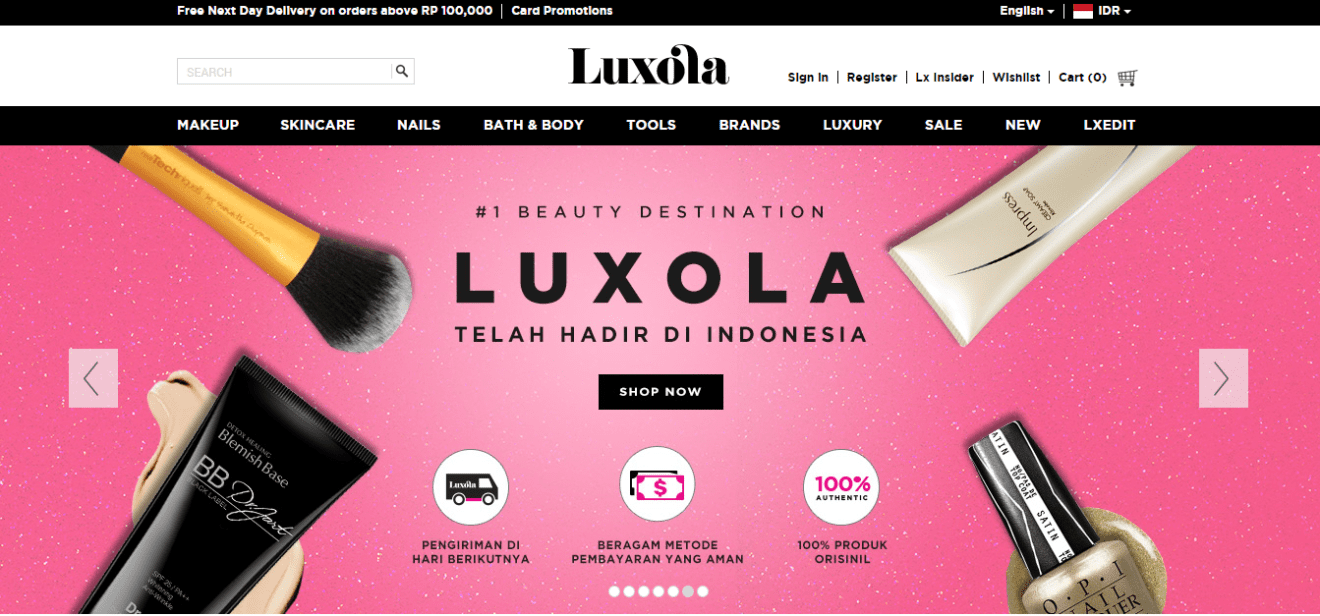
    Cosmetics company Sephora has launched a one-stop online shop in Malaysia following its acquisition of independent beauty eTailer Luxola.

    Luxola founder and CEO Alexis Horowitz-Burdick says the move allows Sephora Malaysia to offer an even larger assortment of beauty products for local customers.
    Sephora Asia president Anne-Veronique Bruel says that investing in Luxola offers a great opportunity to penetrate the online beauty market and accelerate the company’s growth in Malaysia and Southeast Asia.
    As well as a wider brand selection, including products for men, the new online shop will offer advice on beauty trends. It is also offering free delivery for orders worth RM80 or more, and there is a cash-on-delivery option for selected areas in Kuala Lumpur.

  • CapitaLand China growth outpaces economy

    CapitaLand China growth outpaces economy

    Singapore-based shopping mall investment company CapitaLand Retail China Trust (CRCT) grew its income last year by 10.3 per cent to S$89.2 million ($63 million) from S$80.9 million.

    With China’s economy growing 6.9 per cent last year, the company’s retail sales drew 10.7 per cent of RMB30.1 trillion ($4.58 trillion), reports CRCTML chairman Victor Liew (CRCTML manages CRCT).

    “China’s slower growth is reflective of an economy undergoing transition, but it is expanding from a much larger base now and its growth is still considerably faster than those of most other economies,” says Liew. “CRCT’s family-oriented shopping malls are well-placed to benefit from China’s growing urban population and rising retail sales as domestic consumption becomes the country’s new growth engine.”

    It was the first time CapitaLand China’s gross revenue had crossed the RMB1-billion mark, says CRCTML CEO Tony Tan. “Portfolio occupancy remained high at 95.1 per cent  as at December 31, while rental reversion for the full year was 8.1 per cent.

    “Annual tenants’ sales increased 11.6 per cent and shopper traffic rose 1.8 per cent year-on-year.

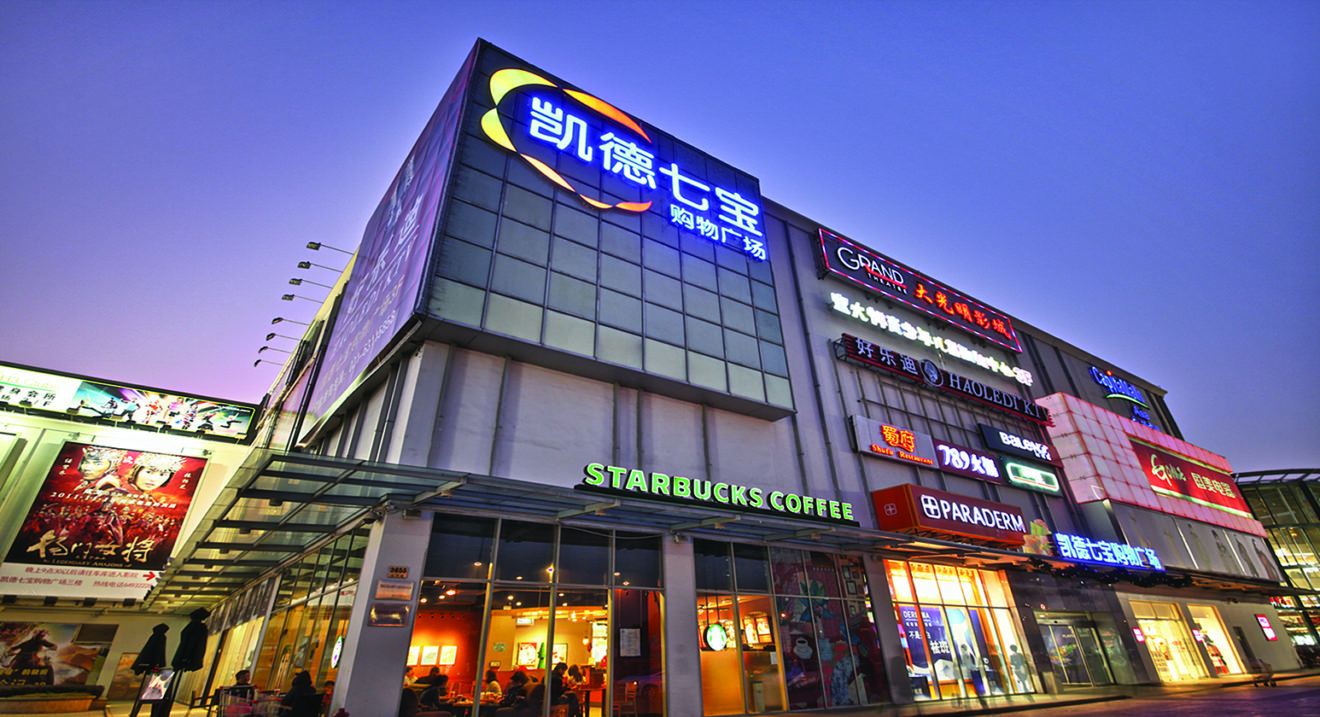
    “We continually refresh our mall offerings to stay relevant to our shoppers’ evolving preferences and needs. For example, CapitaMall Xizhimen (pictured) brought in the popular Jing Ge Steamboat to increase the variety of its F&B offerings, while CapitaMall Qibao introduced a water park.

    “To improve sustainability and the shopping experience, CapitaMall Grand Canyon installed energy-saving LED lights in common areas and upgraded its car park with new flooring.

    “CapitaMall Wangjing is carrying out renovation work to rejuvenate its façade, and is on track to unveil its new look by June.

    “We will continue to strengthen our malls’ tenant mix and uplift the shopping experience through continual asset enhancement initiatives.”

    Gross revenue for the year increased RMB17.5 million, or 1.8 per cent, over the previous year. This was attributed mainly to rental growth from the multi-tenanted malls, partially offset by lower revenue fromCapitaMall Minzhongleyuan, which was impacted by road closure for the building of a subway line, and from CapitaMall Wuhu, where tenancy adjustments are being introduced to achieve stronger positioning and better trade mix.

    CRCT is the first China shopping mall real estate investment trust (REIT) in Singapore, with a portfolio of 10 malls. Listed in Singapore in 2006, its objective is to establish long-term investments in a diversified portfolio of real estate used primarily for retail in China, Hong Kong and Macau.

    A significant portion of CapitaLand China’s properties’ tenancies comprises major international and domestic retailers such as the Beijing Hualian Group, Carrefour and Wal-Mart. The anchor tenants are complemented by specialty brands such as BreadTalk, Innisfree, KFC, Nanjing Impressions, Nike,Sephora, Starbucks, Uniqlo, Watsons and Zara.

  • Estee Lauder settles Have & Be Korea deal

    Estee Lauder settles Have & Be Korea deal

    Estee Lauder has completed the acquisition of Have & Be Korea, the parent of skin care brands Dr Jart+ and Do The Right Thing.

    The New York-listed global beauty powerhouse has not revealed terms of the deal, which gives it an important brand in the fast-growing Korean beauty industry.

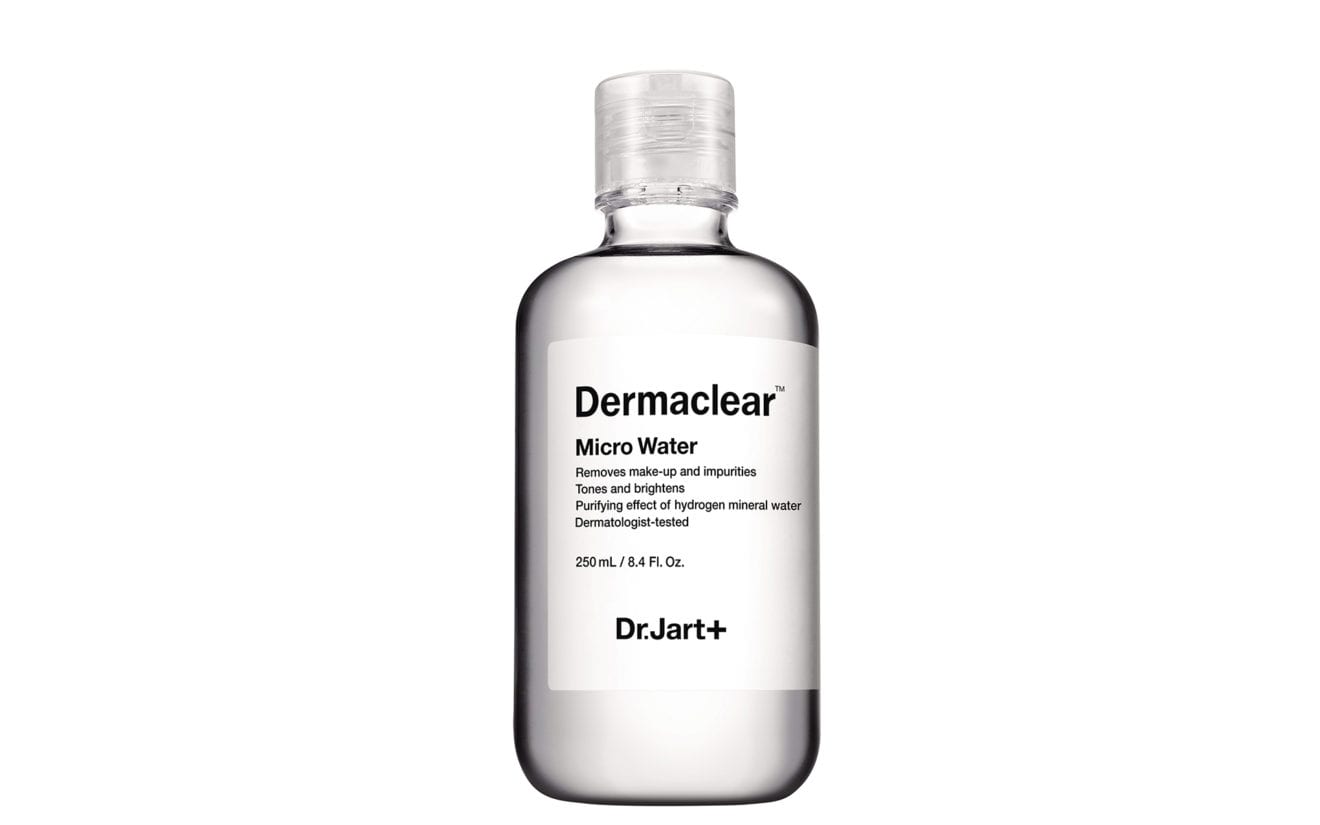
    Launched online in 2005 by ChinWook Lee, Dr Jart+ is a Seoul-based, global high-growth skin care brand featuring quality and innovative products designed to address specific skin care needs. The brand’s unique fusion of dermatological science and art – as reflected in the

    brand name, which is inspired by the phrase “Doctor Joins Art” – appeals to a broad range of consumers, especially millennials. Dr Jart+ is sold in many countries around the world, primarily in Asia and the US, through various department stores, specialty-multi and eCommerce channels including Sephora.

    The Estee Lauder Companies’ investment also includes an interest in Do The Right Thing (DTRT), a men’s-focused skin care brand that fuses Korean innovation with a bold New York style. Founded by Mr Lee in 2012, DTRT’s line of cleansers, lotions, moisturisers and serums are sold in Korea through various channels and in the US through Sephora and Birchbox Man.

    Estee Lauder is one of the world’s leading manufacturers and marketers of quality skin care, makeup, fragrance and hair care products. The company’s products are sold in over 150

    countries and territories under brand names including: Estee Lauder, Aramis, Clinique, Prescriptives, Lab Series, Origins, Tommy Hilfiger, Mac, Kiton, La Mer, Bobbi Brown, Donna Karan New York, DKNY, Aveda, Jo Malone London, Bumble and bumble, Michael Kors, Darphin, Tom Ford, Smashbox, Ermenegildo Zegna, Aerin, Marni, Tory Burch, Le Labo, Editions de Parfums Frederic Malle and Glamglow.

  • Estee Lauder buys into Korean skin care brands

    Estee Lauder buys into Korean skin care brands

    Estee Lauder has bought an interest in South Korea’s Have & Be, which owns the skin care brands Dr Jart+ and Do The Right Thing.

    The deal is further evidence of the growing market strength and popularity of South Korea’s cosmetics industry.

    Terms of the investment were not disclosed but the deal is expected to be settled in December.

    Launched online in 2005 by ChinWook Lee, Dr Jart+ is a Seoul-based, global high-growth skin care brand featuring quality and innovative products designed to address specific skin care needs. The brand’s unique fusion of dermatological science and art – as reflected in the brand name, which is inspired by the phrase “Doctor Joins Art” – appeals to a broad range of consumers, especially millennials. Dr Jart+ is sold in many countries around the world, primarily in Asia and the US, through various department stores, specialty-multi and eCommerce channels including Sephora.

    “We are thrilled to announce our partnership with Dr Jart+,” said Fabrizio Freda, president and CEO of The Estee Lauder Companies.
    “This investment gives our company a strategic opportunity to develop a partnership with one of Korea’s most promising high-growth skin care brands.

    “ChinWook Lee and his team have built a successful and exciting brand that is at the forefront of the rapidly expanding Korean beauty wave.”
    ChinWook Lee said as the Korean beauty wave “continues to flourish globally”, his company is excited about the additional opportunities, support and guidance The Estee Lauder Companies will bring to the brands.
    “This is a tremendous moment for the Dr Jart+ team and for the continued growth of Korean beauty.”

    The Estee Lauder investment also includes an interest in Do The Right Thing (DTRT), a men’s-focused skin care brand that fuses Korean innovation with a bold New York style. Founded by Lee in 2012, DTRT’s line of cleansers, lotions, moisturisers and serums are sold in Korea through various channels and in the US through Sephora and BirchboxMan.

    “Global consumers look to Korea as a trendsetting market in beauty, and the Dr Jart+ brand is part of the reason why,” said William P. Lauder, executive chairman of The Estee Lauder Companies.

    “Dr Jart+ and The Estee Lauder Companies share an entrepreneurial heritage as well as a commitment to innovation and creativity. We have great respect for this brand, and we appreciate the opportunity to support and advise Mr Lee and his team as they continue to grow Dr Jart+ globally.”

    Estee Lauder’s products are sold in over 150 countries and territories under brand names including: Estée Lauder, Aramis, Clinique, Prescriptives, Lab Series, Origins, Tommy Hilfiger, Mac, Kiton, La Mer, Bobbi Brown, Donna Karan New York, DKNY, Aveda, Jo Malone London, Bumble and bumble, Michael Kors, Darphin, GoodSkin Labs, Tom Ford, Ojon, Smashbox,Ermenegildo Zegna, Aerin, Osiao, Marni, Tory Burch, Rodin olio lusso, Le Labo, Editions de Parfums Frédéric Malle and Glamglow.

  • Louis Vuitton snaps up Singapore start-up

    Louis Vuitton snaps up Singapore start-up

    Louis Vuitton has bought Singapore online cosmetics retailer Luxola and LVMH’s subsidiary Sephora has made a further investment in the business.

    Few details of the transactions have been revealed, including the size of the investments, howeverCrunchbase reports Luxola raised US$15.6 million in four earlier rounds of venture funding.

    Luxola was launched in 2011 by Alexis Horowitz-Burdick, has a staff of 120 and sells a wide variety of beauty products and accessories under 250 brands in 11 markets.

    Horowitz-Burdick, now Luxola CEO, said Sephora’s investment would allow the founders to take the company’s vision further.

    “With greater market reach and brand depth, we will offer an unparalleled customer experience.”

    Sephora Asia president Anne-Veronique Bruel said investing in Luxola gave her brand the opportunity to accelerate Sephora’s growth in Asia and penetrate the growing online beauty market.

    “We are thrilled to welcome Luxola to the Sephora family.”

  • Sephora, JD.com staff up

    Sephora, JD.com staff up

    LVMH-owned cosmetics retailer Sephora has opened a flagship retailer on Chinese language eCommerce website JD.com.

    Sephora, which already as a profitable retail community in tier one Mainland China cities, says the transfer wil assist it break into the eCommerce market there, and attain shoppers in smaller city markets.

    “This marks a big step ahead for Sephora, the main magnificence retailer of LVMH Group, in its eCommerce and general retail technique for China,” the 2 corporations stated in a press release.

    Upon launch, Sephora’s retailer would be the largest cosmetics retailer on JD.com’s platform, that includes over 1200 gadgets from greater than 70 worldwide beauty manufacturers, together with Dior, Guerlain, Givenchy, Profit and Kenzoki.

    Anne Veronique Bruel, president of Sephora Asia, stated she is assured that Sephora, JD.com will have the ability to present Chinese language shoppers with “a very world-class on-line purchasing expertise, with out the fear of counterfeits”.

    Haoyu Shen, CEO of JD Mall added: “We’re capable of supply Sephora an end-to-end eCommerce answer that ensures Chinese language shoppers have the absolute best model expertise when buying their magnificence merchandise on-line. Our direct co-operation with Sephora additional strengthens the arrogance of cosmetics buyers in China that JD.com is the go-to website for probably the most wanted genuine name-brand merchandise.”

    Sephora, based in Limoges, France, in 1969, was purchased by luxurious group LVMH in 1997.At the moment, it has greater than 2000 shops in 32 nations stocking greater than 200 worldwide manufacturers and 10,000 of its personal distinctive personal label merchandise.

  • Sephora thrives in Asia

    Sephora thrives in Asia

    Louis Vuitton Moet Hennessy says Asia, the Middle East and North America delivered excellent performance for its Sephora, DFS business arm in 2014.

    The world’s largest luxury goods retailer and manufacturer said the business, in its books referred to as its Selective Retailing division, achieved record annual growth revenue of eight per cent.

    Profit from the division’s recurring operations reached €882 million in 2014.

    “Sephora had an exceptional year and continued to gain market share. Performance was excellent especially in North America, the Middle East and Asia. Online sales grew significantly, supported by innovative mobile features,” the company said in its full year announcement.

    “The store network expansion continued: the company established a new presence in Indonesia and Australia while several flagship stores, such as the Champs-Elysées and Dubai Mall, have been renovated. New brands enhanced the product offering, bringing a diversity that never ceases to keep Sephora ahead in beauty innovation.”

    LVMH said that “faced with a complex situation in Asia, particularly relating to currency and geopolitical developments,” its airport retailing business DFS continued to focus on optimising its offer and deploying its loyalty program.

    “Its profitability was equally impacted by the expansion and renovation of several airport concessions.”

    Overall growth

    Despite subdued economies in China, Hong Kong and much of Europe, LVMH achieved a revenue of €30.6 billion in 2014, an increase of six per cent over the previous year. Organic revenue growth was five per cent.

    “Revenue in all business groups increased with the exception of Wines & Spirits which continued to be affected by the destocking of distributors in China.”

    The group maintained strong momentum in the US, while Europe demonstrated good resilience despite the economic environment. Asian countries, it said, displayed mixed trends.

    In the fourth quarter, revenue increased by 10 per cent compared to the same period of 2013, with organic growth five per cent.

    Profit from recurring operations reached €5 715 million, resulting in an operating margin of 19 per cent.

    Chairman and CEO Bernard Arnault said the 2014 results confirm the capacity for LVMH to progress despite economic and currency uncertainty.

    He said the company’s achievement reflected a commitment to excellence, a passion for quality and a capacity to innovate.

    “In 2014, all our Maisons demonstrated outstanding flexibility. By adapting their strategies to global changes and by continuing to evolve, they have shown the creativity and entrepreneurship that drive them forward. In an uncertain economic environment, we can rely on the desirability of our brands and the agility of our teams to further strengthen our leadership in the world of high quality products,” Arnault said.

    The luxury retailer said that despite a climate of economic, currency and geopolitical uncertainties, LVMH is well-equipped to continue its growth momentum across all business groups in 2015.

    “The group will maintain a strategy focused on developing its brands by continuing to build on strong innovation and a constant quest for quality in their products and their distribution.

    “Driven by the agility of its teams, the balance of its different businesses and geographic diversity, LVMH enters 2015 with confidence and has, once again, set an objective of increasing its global leadership position in luxury goods,” the company statement concluded.