Retail News CRM

Tag: Services

  • Telkom Indonesia and Conversant Unveil New CDN Services to Transform Southeast Asia’s Digital Landscape

    Telkom Indonesia and Conversant Unveil New CDN Services to Transform Southeast Asia’s Digital Landscape

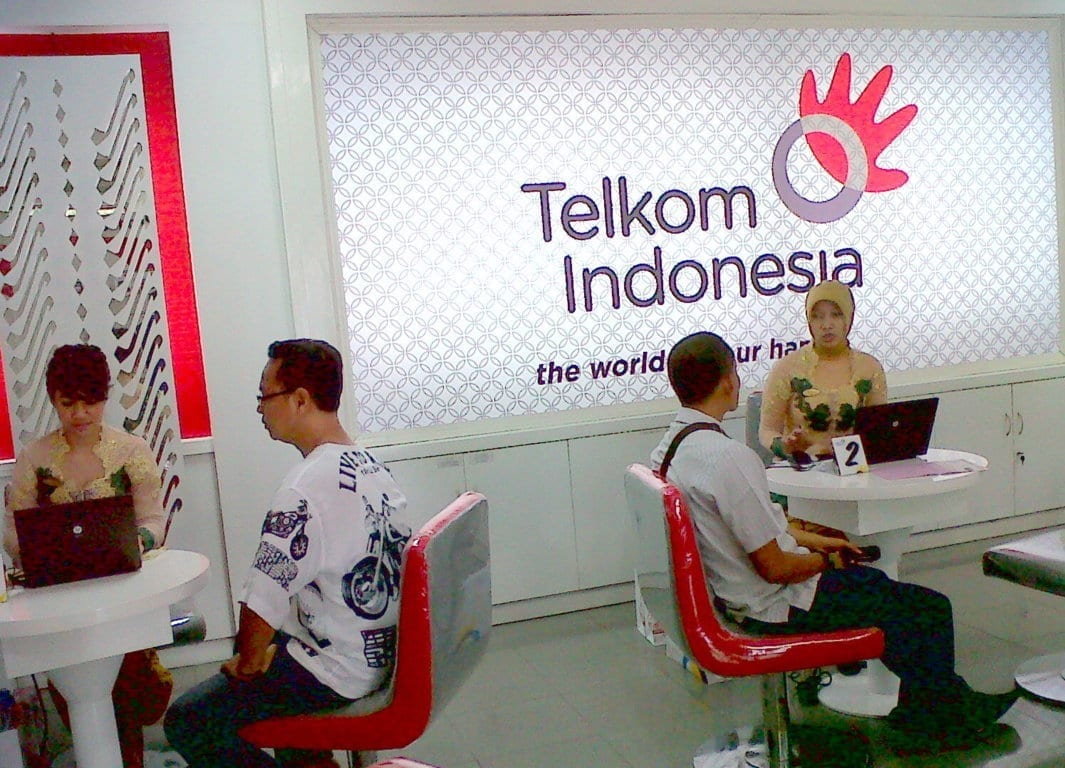
    In a strategic move to enhance digital content delivery in Southeast Asia, Telkom Indonesia has joined forces with Conversant Solutions to introduce content delivery network-as-a-service (CDNaaS) solutions. This partnership is set to transform the landscape for enterprise and wholesale customers who demand high-quality network performance to elevate user experience (UX).

    The CDNaaS will streamline the safe and efficient distribution of digital content, spanning video services to over-the-top (OTT) applications and essential web services. Essentially, it’s about ensuring that everyone from businesses to consumers can savor high-speed, robust digital interactions—because who doesn’t want to binge-watch without buffering?

    Leveraging Infrastructure for Enhanced Performance

    Telkom Indonesia intends to capitalize on its extensive national backbone coupled with eight domestic points of presence (PoPs), and will integrate this with the CDN infrastructure provided by Singapore-based Conversant Solutions. The collaboration promises a comprehensive solution that features CDN acceleration, storage, and security, all crucial for today’s digital demands.

    “CDN services rely heavily on a strong and widespread network infrastructure,” explained Nanang Hendarno, Network Director at Telkom Indonesia. “Through this partnership, we will enhance our national network to ensure faster, more reliable, and safer delivery of digital content across Indonesia.”

    A Vision for the Digital Economy

    Conversant Solutions’ CEO, Cheong Fun Hua, expressed enthusiasm about collaborating with Telkom Indonesia. “We are very excited to work together. This partnership will allow us to deliver digital content distribution services that support the growth of the national digital economy,” he noted, reinforcing the ambition behind the venture.

    With this partnership, Telkom Indonesia and Conversant Solutions are not just looking to improve services; they aim to play a pivotal role in the digital transformation of the region, ensuring the infrastructure is ready for the rapid technology advancements ahead.

    Questions & Answers

    How will the partnership between Telkom Indonesia and Conversant Solutions improve digital content delivery in Southeast Asia?
    The collaboration will enhance network performance, allowing for secure and efficient distribution of digital content, which is essential for enterprise and wholesale customers seeking to improve user experiences.

    What specific features can customers expect from the new CDNaaS solutions?
    Customers can look forward to CDN acceleration, storage capabilities, and advanced security features, all designed to ensure faster and more reliable content delivery.

    Why is the infrastructure offered by Telkom Indonesia significant for this partnership?
    Telkom Indonesia’s extensive national backbone and domestic points of presence will play a crucial role in supporting the new services, ensuring that digital content can be delivered safely and swiftly across Indonesia.

  • Report: Thailand’s Emerging Virtual Banks Face Steep Challenges Against Established Players

    Report: Thailand’s Emerging Virtual Banks Face Steep Challenges Against Established Players

    Despite the buzz surrounding the rise of virtual banks, Thailand’s existing financial institutions appear to retain a safe buffer against potential disruption, at least in the near term. Moody’s Ratings recently indicated that the new entrants, set to launch in 2026, will navigate a landscape defined by regulatory restrictions that could curtail their growth over the next three to five years.

    Regulatory Framework Shapes Future Operations

    The Bank of Thailand’s (BOT) licensing framework will require these virtual banks to gradually increase their capital from THB5 billion ($153 million) to at least THB10 billion ($306 million) during their formative years. This regulatory structure aims to foster stability in the financial sector as these banks target segments that traditional institutions often overlook.

    Filling the Gaps in Financial Services

    These digital newcomers will primarily focus on lending to underserved populations, including lower-income retail clients, self-employed individuals, and small businesses. By catering to these niche customer groups, they may actually act as a shield for incumbent banks, delaying any immediate threats and allowing these traditional players time to adapt.

    Meet the New Players in Thailand’s Banking Scene

    Thailand’s Ministry of Finance has officially green-lighted three applicants to establish virtual banks, following rigorous evaluations alongside the BOT. The selected players include ACM Holding Company, part of the Charoen Pokphand Group, a consortium of Krung Thai Bank, PTT Oil, and Advanced Info Service, and another consortium including SCB X, KakaoBank, and WeTechnology, backed by WeBank.

    Leveraging Partnerships for Competitive Edge

    What these virtual banks lack in physical branches, they more than make up for in strategic partnerships. As Moody’s points out, the SCBX consortium stands to gain significantly from the operational experiences of KakaoBank and WeBank in South Korea and China, respectively. Simultaneously, the KTB consortium could leverage the market dominance of AIS and PTT Oil, major players in telecommunications and energy.

    A Competitive Arena Awaits

    Competition in this space is expected to be fierce, with incumbent banks not resting on their laurels. Many have stepped up their digital offerings, diversifying into areas like micro-financing and wealth management, though these segments currently contribute modestly to their overall revenue. “It’s not just about getting on the digital bandwagon; it’s about driving the innovation that sets new entrants apart,” Moody’s asserted.

    Challenges on the Horizon

    The launch of PromptPay, Thailand’s real-time retail payment system, has already transformed the speed of fund transfers and payments, adding further pressure on these new virtual banks to innovate. Compounding the challenge is Thailand’s high household debt and stagnant economic growth, a tougher landscape compared to the more favorable conditions faced by virtual banks in other Southeast Asian markets.

    As Thailand readies for an evolution in its banking system, both incumbents and new players will need to navigate a rapidly shifting terrain filled with opportunities and obstacles alike. One thing is certain: the quest for customer loyalty is about to get more exciting.

    Questions & Answers

    What regulatory hurdles will virtual banks face in Thailand?
    Virtual banks in Thailand will be required to increase their capital from THB5 billion to at least THB10 billion and will operate under certain restrictions for 3-5 years.

    Who are the major players in the new virtual banking landscape?
    The three approved virtual banks are ACM Holding Company (part of CP Group), a consortium including Krung Thai Bank and PTT Oil, and another consortium featuring SCB X, KakaoBank, and WeTechnology.

    How will existing banks respond to the rise of virtual banks?
    Incumbent banks are enhancing their digital offerings and expanding into micro-financing and wealth management to maintain their competitive edge against new entrants.

  • ASIC Revokes License of Financial Services Group Australia: What It Means for Retail Investors

    ASIC Revokes License of Financial Services Group Australia: What It Means for Retail Investors

    The Australian Securities and Investments Commission (ASIC) has made a significant move by canceling the license of Financial Services Group Australia Pty Ltd (FSGA), raising eyebrows across the financial sector. In a bold statement on its website, the regulator also announced the permanent ban of FSGA’s responsible manager, Graham Holmes, from any role in the financial services industry.

    Serious Allegations Against FSGA

    ASIC alleges that FSGA fell short in its duty to ensure that its representatives provided financial product advice suited to the needs of their clients. Failings in this area have led the commission to question FSGA’s commitment to acting in the best interests of its clientele. Additionally, the firm allegedly lacked adequate financial and human resources to deliver the services as mandated by its license.

    Failure to Comply

    FSGA has reportedly failed to submit crucial financial statements and auditor’s reports on time, neglected to lodge necessary breach reports with ASIC, and did not meet a key condition of its license concerning its total asset-liability ratio for the financial years 2022 and 2023. These serious oversights illustrate a troubling pattern of non-compliance.

    Holmes’ Troubling Tenure

    Holmes, who served as FSGA’s responsible manager, is accused of taking on the role “on paper” only, while still collecting RM fees without fulfilling his responsibilities. ASIC concluded that Holmes is unfit to participate in any financial services business, marking a severe blow to his professional reputation.

    In an industry where trust is the currency of success, these findings leave many wondering about the integrity of financial advising. As they say, when it rains, it pours — and in this case, it’s a torrential downpour for both FSGA and its former manager.

    Questions & Answers

    What led to ASIC’s decision to cancel FSGA’s license?
    ASIC concluded that FSGA failed to meet its regulatory obligations, including ensuring that financial advice was suitable for clients.

    What does the ban on Graham Holmes entail?
    Graham Holmes is permanently banned from providing any financial services and from holding any position that may influence a financial services business.

    How significant is this action for the financial services industry in Australia?
    This action underscores the stringent oversight by ASIC and serves as a warning to other firms about the importance of compliance and ethical standards in financial advising.

  • Chunghwa Telecom Secures Taiwan’s Pioneer License for OneWeb Satellite Services Journey

    Chunghwa Telecom Secures Taiwan’s Pioneer License for OneWeb Satellite Services Journey

    Chunghwa Telecom has made a significant leap in Taiwan’s technological landscape by securing the nation’s first commercial license for low-Earth orbit (LEO) satellite services, utilizing Eutelsat OneWeb technology. This achievement marks a crucial move in Taiwan’s quest for enhanced network resilience and autonomy.

    License Paves the Way for Diverse Opportunities

    Approved by Taiwan’s regulatory authorities, the new license enables Chunghwa Telecom to offer satellite-based services to government agencies and various industries. The company views this approval as a fundamental step in constructing a robust, multi-orbit communications infrastructure that can meet the increasing demand for innovative connectivity solutions.

    A Journey to Approval

    The journey to this groundbreaking license began in December 2023 when Chunghwa Telecom signed a contract with the UK-based Eutelsat OneWeb. The approval process demanded perseverance as the company navigated through multiple regulatory requirements, including frequency authorizations and compliance checks.

    Cherishing a Historic Moment

    “We are honored to be the first company in Taiwan to obtain a commercial license for OneWeb’s LEO satellites. This achievement underscores the technical prowess of our satellite networks,” expressed Jia Zhongyong, General Manager of Chunghwa Telecom’s Network Technology Branch. With this license, Chunghwa Telecom is further positioned to cater to the increasing needs of various sectors.

    Plans for Future Innovations

    In collaboration with Eutelsat OneWeb, Chunghwa Telecom plans to create a satellite service terminal testing center in Taiwan. This facility aims to unify domestic and international satellite resources, propelling the rapid deployment of next-generation services.

    A Strategic Response to Disruptions

    Overseeing this initiative, Chunghwa Telecom Chair, Chien Chih-Cheng, assured continued investment in both high- and low-orbit satellite systems to fortify Taiwan’s telecommunications infrastructure. He emphasized the importance of providing secure backup services for both public agencies and private enterprises, especially in light of recent submarine cable disruptions near Taiwan that raised alarms about network vulnerabilities.

    Building a Multidimensional Network

    This innovative license plays into a broader strategy aimed at enhancing Taiwan’s communication resilience. Earlier this April, Chunghwa Telecom entered a USD 115-million agreement with U.S.-based Astranis Space Technologies to acquire a geostationary Earth orbit (GEO) satellite, set for launch by the end of 2025. Once operational, it will deliver full bandwidth capacity starting in 2026.

    Moreover, Chunghwa Telecom is actively engaging with other global satellite innovators. While preliminary discussions have taken place with Amazon’s Kuiper and Canada’s Telesat, they have yet to solidify any partnerships. The company also explored collaboration with Starlink; however, regulatory restrictions have hindered progress with Elon Musk’s venture.

    Investing in the Future

    Another ambitious project sees Chunghwa Telecom committing TWD 7 billion (USD 228 million) toward a new satellite through its joint venture with Singapore’s Singtel. Once it enters geosynchronous orbit in 2027, this satellite will significantly enhance the company’s multi-orbit satellite service offerings. Who knew connectivity could be so dynamic?

    Questions & Answers

    Why is this license significant for Chunghwa Telecom?
    This license represents a breakthrough for Chunghwa Telecom, allowing the company to offer advanced satellite services that bolster Taiwan’s network infrastructure.

    What are the future plans following this license approval?
    Chunghwa Telecom plans to establish a satellite service terminal testing center and continue investing in high- and low-orbit satellite systems to enhance connectivity services for both public and private sectors.

    What challenges has Chunghwa Telecom faced in forming partnerships with other satellite providers?
    While engaging with global players like Starlink and others, regulatory restrictions have posed challenges, limiting certain potential collaborations.

  • Sygnum Capitalizes on Blockchain Growth in Lugano’s Retail Landscape

    Sygnum Capitalizes on Blockchain Growth in Lugano’s Retail Landscape

    Swiss digital asset banking group Sygnum has launched its latest office in Lugano, aiming to strengthen collaborations within the burgeoning Bitcoin and digital asset ecosystem of Ticino. This move coincides with the city’s ambitious Plan ₿ initiative, which promotes broad blockchain adoption.

    Driving Digital Innovation in Ticino

    With the opening of its Lugano office, Sygnum takes another significant step in its growth journey. “Lugano is emerging as a crucial innovation hub, bolstered by robust support for digital assets, institutional adoption, and increasingly clear regulatory frameworks,” explained Mathias Imbach, Sygnum’s co-founder and Group CEO, during the launch event.

    A Progressive Stance on Digital Assets

    In recent years, Lugano has established itself as a leader in digital asset acceptance. Residents now have the convenience of settling municipal taxes in Bitcoin and can use various digital currencies for purchases at numerous local businesses, reflecting a growing consumer trend towards cryptocurrency.

    The Ambitions of Plan ₿

    Plan ₿ is not just about fostering a crypto-friendly environment; it seeks to revolutionize the city’s financial infrastructure using Bitcoin technology. The initiative encompasses groundbreaking projects, including Bitcoin investment pools, sustainable mining efforts, specialized education programs, and notable events like the Plan ₿ Forum.

    “It’s inspiring to witness institutions like Sygnum leverage the opportunities Lugano presents in the fields of digital and financial transformation. Innovation is relentless, and the financial sector is no exception,” added Michele Foletti, Mayor of Lugano and President of the Plan ₿ Foundation.

    Implications for the Retail Sector

    Sygnum’s expansion in Lugano highlights the intersection of finance and retail as consumer demand for digital asset options continues to rise. This move could reshape how companies engage with customers and accept payments, paving the way for more widespread adoption of cryptocurrency in everyday transactions. As brands expand their presence in the digital finance space, the retail landscape is poised for significant transformation.

  • Fintech Revolution Boosts Efficiency in Financial Services Sector

    Fintech Revolution Boosts Efficiency in Financial Services Sector

    Thriving Even in Economic Uncertainty: XYZ Company Announces Expansive Growth Strategy

    In a surprising revelation that has energized market watchers and retail news observers alike, XYZ Company recently announced a robust expansion plan which promises to dramatically increase its market footprint. The strategy, comprised of both physical and digital growth metrics, reflects a powerful response to the burgeoning consumer demand within the retail sector.

    Strategic Expansion Amidst Rising Consumer Demand

    XYZ Company, renowned for its innovative approach in the retail industry, has unveiled plans that include opening new stores in key high-traffic areas while also enhancing their online presence to capture a broader digital audience. This dual focus aims to leverage the growing trend where consumers increasingly embrace both in-person and online shopping experiences.

    Boosting Digital and Physical Footprints

    In the digital realm, XYZ is set to launch an upgraded e-commerce platform. Enhanced user interfaces and streamlined shopping processes are expected to improve customer satisfaction and drive online sales. Simultaneously, the new physical stores will not only broaden XYZ’s geographical reach but are also designed to provide unique, immersive shopping experiences, setting them apart from competitors.

    Employment Opportunities and Economic Impact

    With the expansion, XYZ Company anticipates the creation of multiple new jobs across various sectors of the economy: from retail associates and customer service representatives to logistics and supply chain experts. This growth is not only a boon for employment but also likely to spur economic activity in newly targeted regions.

    Implications for the Retail Sector and Consumers

    XYZ Company’s expansion strategy underlines a critical evolution in the retail industry, highlighting how businesses can thrive by blending innovative digital strategies with traditional brick-and-mortar strengths. For consumers, this expansion means more choices, improved shopping experiences, and enhanced accessibility to products and services. The retail sector might well take a leaf out of XYZ’s book, pushing towards a more integrated and consumer-centric future.

    By strategically positioning themselves in this manner, XYZ Company is not only expanding its brand presence but also setting new standards for consumer engagement and market growth in the retail domain.

  • Meta’s Facebook, Instagram down for hundreds of thousands of users across globe

    Meta’s Facebook, Instagram down for hundreds of thousands of users across globe

    Meta Platforms-owned Facebook and Instagram were down for hundreds of thousands of users across the globe on Tuesday, according to outage tracking website Downdetector.com.

    The disruptions started around 10:00 am ET, with more than 300,000 reports of outages for Facebook and about 40,000 reports for Instagram, according to the website.

    “We’re aware people are having trouble accessing our services. We are working on this now,” Meta spokesperson Andy Stone said in a post on X social media.

    Meta’s status dashboard showed the application programming interface for WhatsApp Business was also facing issues. There were around 200 reports of outages for WhatsApp on Downdetector, which tracks outages by collating status reports from several sources, including users.

    The outage was among the top trending topics on X, formerly Twitter, with several users saying they had suddenly been logged out of the Meta-owned social media platforms.

  • China Broadnet Launches 5G Services

    China Broadnet Launches 5G Services

    China Broadnet has officially launched its services, joining China Mobile, China Telecom and China Unicom to become the country’s fourth mobile operator.

    The state-owned telecom operator launched its official website to debut 5G mobile phone services on 27 June 2022. Integrating local radio and TV carriers across China, this service brings new developments to the integration of national cable TV networks and 5G.

    In 2019, China Broadnet obtained its 5G commercial license from the Ministry of Industry and Information Technology. It has been assigned the 700 MHz band to cater for wireless network developments nationwide. China Broadnet has also entered into an agreement with China Mobile to share its network.

    According to China’s Ministry of Industry and Information Technology (MIIT), the total number of mobile phone users reached 1.66 billion as of end of May. Of which, 428 million were 5G users, up 73.34 million from the previous year.

  • Menulog expands services as demand grows

    Menulog expands services as demand grows

    Australian food-delivery service Menulog has added more than 2200 convenience and grocery partners as demand surges. The company says it has experienced 23-per-cent growth since January last year with demand booming in suburban and regional markets as well as metro cities. Independent businesses represent 37 per cent of Menulog’s grocery and convenience partners.

    Menulog has signed on IGA supermarkets, BP and Quickstop United Petroleum as new trading partners, with plans to add more in the near future as it continues to expand.

    Menulog MD, ANZ, Morten Belling, said Menulog’s point of difference had always been its breadth of coverage across Australia, fully serving metro areas, and with a strong courier and partner network spanning suburban, regional and rural areas.

    “We’re seeing exponential demand for convenience and grocery deliveries across all parts of Australia, in part driven by changes in consumer buying habits that started as a result of Covid restrictions,” said Belling.

    Customer demand is expected to rise this year and Menulog wants to prioritise its grocery and convenience delivery services even though retail trading restrictions have eased.

  • Apple writes about how its Services segment fared in 2021

    Apple writes about how its Services segment fared in 2021

    In a story written by Apple itself, the company today revealed how its Services unit fared in 2021. This is the business segment that Apple started to rely on after iPhone shipments peaked in 2015 and with the number of active iPhone units worldwide now at 1 billion, Apple decided to focus on offering Services, many with recurring subscription plans such as Apple Music, Apple TV+, Apple News+, Apple Fitness+, Apple Arcade, and others.

    This was a brilliant strategy and here’s why. If Apple can’t sell an iPhone user a new iPhone, it can still get him/her hooked on Apple Music, or Apple News. And with one billion iPhones still being used, the odds are that Apple is going to earn plenty of recurring income each month. And this doesn’t include Services such as Apple Pay from which Apple takes a small percentage of the amount of a transaction being paid for with the service.

    Apple created a goal in fiscal 2017 of reaching $50 billion in Services revenue by fiscal 2020. It was a goal that Apple took seriously and not only did it hit the target, by fiscal 2021 Apple generated $68 billion in Services revenue.

    There are other apps available that collect huge sums of money even if not all of these revenues are recurring. The App Store is a good example of that. Some apps require one-time payments and others do ask for monthly payments; either way, Apple takes its 15% to 30% cut. App Store sales soared to record heights this year during the period between Christmas Eve and New Year’s Eve leading the way for double-digit year-over-year growth in revenue

    For calendar 2021, the top paid app in the App Store was Procreate Pocket, an app that allows users to sketch and paint on iPhone handsets. That was followed by HotSchedules (a business app), The Wonder Weeks, TouchRetouch, and Facetune. The top five paid games in the App Store included Minecraft, Heads Up!, Bloons TD 6, Monopoly, and Geometry Dash.

    Eddy Cue, Apple’s senior vice president of Services said, “Apple’s world-class portfolio of services proved essential in 2021, as people worldwide sought new ways to keep entertained, informed, connected, and inspired. With over 745 million paid subscriptions, Apple continues to connect the world’s developers, artists, and storytellers with users across more than a billion devices, delivering powerful tools, content, and experiences that enrich their lives in profound ways every day.”

    Apple Music had a big year in 2021 with 90 million tunes now available to stream in lossless audio. Spatial audio allows music to be delivered in that 3D space around the listener’s head. Music sounds like it is coming from the front, the back, and the sides of the user. Other new features added to Apple Music this past year included autoplay, lyrics share, city charts (featuring the top songs in 100 cities), motion cover art, enhanced search, Shared with You (which bundles together content sent to you by your contacts), and the revised Listen Now tab.

    Apple says that its Apple News app has been the number one news app in every market where it is available. Apple Pay added nine new markets including Colombia, Israel, and Mexico. Apple says that the mobile payment platform is available in approximately 60 countries and regions, and has 9,000 bank partners worldwide.

    Apple Wallet in 2021 added the ability to store COVID-19 vaccination cards in the secure digital wallet and in 200 cities worldwide, tapping an iPhone or Apple Watch will allow commuters to pay for their train and bus fare. And college students can digitally store their campus identification on their wallet apps.

    Continuing to rise from the ashes of a horrible release, Apple Maps added amazingly detailed 3D maps, “custom-designed landmarks, and a beautiful nighttime mode with a moonlit glow that activates at dusk.” These detailed “City Experience” maps are available to iPhone and CarPlay users in London, Los Angeles, New York City, Philadelphia, San Diego, San Francisco, and Washington, D.C. Later this year these maps will also be available in Montreal, Toronto, and Vancouver.

    And lastly, in 2021 Apple One became available in more locations. These plans bundle popular Apple Services into one monthly payment. For example, the Individual Plan offers Apple Music, Apple TV+, Apple Arcade, and 50GB of Apple iCloud+ for $14.95 per month saving users $6 per month. The Family Plan offers the same services albeit with a bit more iCloud storage (200GB) for $19.95 per month saving subscribers $8 monthly.

    And for $29.95 each month, the Premier Plan comes with Apple Music, Apple TV+, Apple Arcade, 2T.

  • Apple now allows the App Store to host apps for firms that deliver weed

    Apple now allows the App Store to host apps for firms that deliver weed

    Apple has decided to change its mind and is now allowing apps for marijuana delivery services to be listed in the App Store. Apple made the change last month and the tech giant says that apps related to the consumption of marijuana are restricted to areas where cannabis is lega. In addition, they must be submitted to the App Store “by a legal entity that provides the services, and not by an individual developer.”

    Apple’s original policy said “Apps that encourage consumption of tobacco and vape products, illegal drugs, or excessive amounts of alcohol are not permitted on the App Store. Apps that encourage minors to consume any of these substances will be rejeacted. Facilitating the sale of controlled substances (except for licensed pharmacies), marijuana, or tobacco is not allowed.”

    But on June 7th, Apple changed the policy to read, “Apps that encourage consumption of tobacco and vape products, illegal drugs, or excessive amounts of alcohol are not permitted on the App Store. Apps that encourage minors to consume any of these substances will be rejected. Facilitating the sale of controlled substances (except for licensed pharmacies and licensed or otherwise legal cannabis dispensaries), or tobacco is not allowed.”

    While Apple appears to be more open to the changing policies in the U.S. regarding weed, Google is not. The latter updated its policy in 2019 to prohibit the listing of any app that connects Play Store users with marijuana even if it is legal in the jurisdiction where the user lives. Google says that some examples of violations would be “allowing users to order marijuana through an in-app shopping cart feature” or “assisting users in arranging the delivery or pick up of marijuana.”

    Google also says that “facilitating the sale of products containing THC (Tetrahydrocannabinol), including products such as CBD oils containing THC” is against its policies. So what changed Apple’s policies toward allowing marijuana services apps in the App Store? According to Chris Vaughn, CEO of the California delivery service Emjay, the recent legalization movements in states like New York along with Amazon’s decision to stop testing workers for the substance led Apple to change its mind. Vaughn believes that Google will choose to join Apple and update its policies in favor of listing Pot delivery apps in the Play Store rather quickly.

  • HSBC Launches Fund Administration Services in Thailand

    HSBC Launches Fund Administration Services in Thailand

    This move is in line with the change in the securities services landscape in Thailand, which has relaxed outsourcing rules to boost the efficiency of local fund managers’ operations.

    By outsourcing their back-office operations to HSBC, asset owners and managers will be able to focus on their core offerings, the bank said in an announcement on Tuesday.

    The service will be available on HSBC’s Multifonds fund administration platform. HSBC clients already have access to custody and fund supervisory services offered by the bank.

    “Our clients have expressed a keen desire to improve efficiency and reduce cost, reduce operational risk, adapt to their investors’ need and manage regulatory changes effectively, Utumporn Viranuvatti, HCBC head of securities services, Thailand, said in the announcement.

    The bank said it has many other offerings planned a part of HSBC Securities Services’ Asia-first strategy to accelerate growth in the region by ramping up its investment in additional solutions and capabilities.

    HSBC has been expanding its offerings in Thailand as part of its bid to strengthen its Asean coverage. HSBC Private Bank launched its onshore business in the kingdom in February 2021, the bank’s second onshore business in the region after Singapore.

  • Amazon, Enterprise Singapore to help small businesses venture offshore

    Amazon, Enterprise Singapore to help small businesses venture offshore

    Amazon announced today at the inaugural Amazon Southeast Asia Online Seller Summit 2021 additional resources and support for small and medium-sized businesses (SMBs) in Singapore to start selling online and expand globally through its stores. Amazon announced that it is extending the waiver of professional selling account subscription fees for new and existing sellers, until 30 June 2021. This support builds on Amazon’s current initiatives such as the online seller education series, Seller University, and over 225 free tools and services to help sellers grow their sales in Amazon’s stores in Singapore and worldwide.

    In addition, Amazon is teaming up with Enterprise Singapore (ESG) to help local retailers scale globally. Enterprise Singapore will support these efforts through the Market Readiness Assistance (MRA) scheme. Support will be capped at S$100,000 per new country, includes support for up to 70% of eligible costs for overseas promotion, overseas business development, and overseas country set-up, and gives SMBs the flexibility to expand across new countries at their preferred pace. This is one of several measures that local enterprises can tap on through ESG to grow and diversify their businesses.  More details can be found in ANNEX.

    “We will double-down on efforts to support our local businesses in gaining e-commerce capabilities and maximizing their growth opportunities from the digital economy. To help companies access customers in new countries, ESG has also been working with Amazon to onboard Singapore sellers to Amazon as a channel for international sales, such as in the US, Canada, and India. Support is available for Singapore companies that are looking to expand to these countries,” said Minister for Trade and Industry, Mr Chan Chun Sing.

    “Small businesses are an essential part of Amazon’s DNA. Through the Amazon Southeast Asia Online Seller Summit 2021, we aim to enable more local sellers to reach a global audience through our 20 stores worldwide. Whether they are just getting started or are an experienced seller, Amazon’s comprehensive programs and network will help SMBs overcome operational challenges to maximize growth opportunities globally,” said Henry Low, Country Manager, Amazon Singapore.

    The Southeast Asia Online Seller Summit, being held today and tomorrow, has drawn over 3,000 participants who are interested to understand how they can sell with Amazon, scale their businesses, and seize cross-border opportunities. Guest-of-Honour, Minister for Trade and Industry, Mr Chan Chun Sing, leaders of Amazon Singapore, industry experts, and local business owners selling on Amazon.sg came together on Day 1 to discuss local and regional retail trends and offer insights on how SMBs can ‘Start Local, Go Global’ with Amazon.

    Connecting sellers to exchange best practices.

    As part of the Summit, Amazon hosted a panel of SMB founders to share experiences of growing their business online and their journey with Amazon. Through the support of Amazon’s global network and its logistics and inventory solutions such as Fulfilment by Amazon (FBA), each of them has expanded to serve customers globally – all from the comfort and safety of their homes.

    “When I started Rui Smiths in 2014, selecting Amazon as the e-commerce store for my business was a no brainer. Amazon has been offering an unparalleled service that perfectly fits my needs, since my initial days as a new business owner, allowing me to expand internationally from the get-go. In just 4 years, with Amazon, we had hit S$200,000 in sales and were already selling in the US, UK, and Australia,” said Debbie Cai, founder, Rui Smiths. “I hope the insights and resources shared at the Summit will help many local sellers like myself grow their business not only in Singapore but also beyond shores for customers everywhere.”

    Local resources for sellers in Singapore to unleash and maximize global growth opportunities

    To date, Amazon has provided support to thousands of SMBs keen to sell online with Amazon.sg and its stores globally and continues to help many of them go digital and build thriving businesses. To shine the spotlight on more local retailers, Amazon continues to promote a dedicated “Shop Local” storefront on Amazon.sg, featuring local brands’ founding stories and a plethora of products in categories such as home and home improvement, electronics, kitchen and dining, health and personal care, toys and games, groceries and more.

    Other resources introduced include the Amazon Seller App for local sellers with accounts on Amazon.sg to track sales and manage their business via mobile, the Marketplace Appstore, a one-stop shop to discover third-party applications and services for automating tedious business aspects, and the Seller Forum, a resource for first-hand advice from fellow business owners on selling with Amazon. Sellers can also join the Sell on Amazon Singapore Facebook page to connect with the community of sellers on Amazon.sg.

    These initiatives are furthered by Amazon.sg’s ongoing collaboration with Infocomm Media Development Authority (IMDA) for the Digital Resilience Bonus, offering eligible SMBs a bonus of up to S$2,500 for selling on e-commerce channels like Amazon. The bonus is available to eligible local retailers until 30 June 2021.

  • Google Translate gains a very convenient transcription feature

    Google Translate gains a very convenient transcription feature

    As handy as Google’s crazy popular translation tool has always been, there was something missing that could make all our lives even easier. We’re talking about a real-time transcription feature, which is now a thing on Android devices.

    This does a great deal more than simply turn speech into text on your mobile phone, also translating said text while a person is still speaking without requiring a lot of effort on your part. All you need is the latest version of the official Google Translate app from the search giant’s Play Store, with a dedicated “Transcribe” icon found on the home screen and the option to select your source and target languages located in the language dropdown at the top.

    For the time being, the groundbreaking AI-powered functionality is compatible with English, French, German, Hindi, Portuguese, Russian, Spanish, and Thai, supporting transcriptions in any combination of these languages while Google continues to work on expanding the list in the near future. The company also plans to enrich the Google Translate experience for iPhones and iPads at some point, although no iOS release schedule has been put together just yet.

    In the meantime, Android users should definitely take this feature for a spin once they receive the newest update for their Google Translate app. An internet connection is required for real-time transcriptions to work, allowing you to follow a lecture, for instance, without understanding the language that’s actually being spoken.

    Although you can’t upload an audio file and have Google Translate automatically and seamlessly transcribe it for you just yet, the extremely cool new feature does support pre-recorded audio, which you can play on your computer, as well as live audio sources.

    You can also easily pause and restart your transcriptions by tapping on the mic icon, as well as check out the original transcript before it’s translated, change the text size, and choose the newly released dark theme in the settings menu. In a nutshell, Google appears to have thought of pretty much everything right off the bat here.

  • BMW Financial Services India Appoints Kathrin Frauscher As The MD & CEO

    BMW Financial Services India Appoints Kathrin Frauscher As The MD & CEO

    BMW India has appointed Kathrin Frauscher as the new Managing Director (MD) and Chief Executive Officer (CEO) of BMW Financial Services India. Before her new appointment, Frauscher was serving as the CEO of BMW Financial Services in Denmark and has been associated with the BMW Group since 2007. She has also worked as the Head of Sales Performance for BMW Financial Services in Northern Europe and has significant experience of working with the BMW Group in retail sales for BMW and Mini Cars.

    On her appointment, Ritu Chandy, Regional Chief Executive Officer of BMW Group Financial Services for Asia Pacific said, “Kathrin Frauscher made a major contribution to the success of BMW Financial Services Denmark in the last few years. We are confident that she will continue the successful development of the business as she takes charge of operations in India. Ms. Frauscher has significant knowledge and has demonstrated long-standing dedication and commitment to her markets which are the best prerequisites for good leadership.”

    Kathrin Frauscher has succeeded Andre Van Rheenen at the BMW Financial Services in India. BMW Financial Services India was started in June 2010 and operates with three business areas- Retail Finance, Commercial Finance and Insurance Solutions.