Retail News CRM

Tag: Shake Shack

  • Dairy Farm restructures after recent result

    Dairy Farm restructures after recent result

    “Underperforming” subsidiaries and rising rent and labour costs are disturbing the chairman of Hong Kong-listed multinational retailer Dairy Farm International – but those factors failed to prevent a solid second-half year performance.

    Dairy Farm’s total sales rose 17 per cent to US$12.215 billion in the six months to June 30 and profit attributable to shareholders was $215 million, up 6 per cent. The increased sales came largely from the Yonghui supermarket operation and Maxim’s which owns food retail channels and the Starbucks business in Hong Kong, Singapore, Vietnam and Cambodia.

    Chairman Ben Keswick said the health and beauty business in Hong Kong and Macau drove strong results in North Asia, but the Southeast Asian food businesses continued to face challenges producing a weaker overall performance.

    “While the outlook for the remainder of the year is expected to remain challenging for the Food businesses, particularly in Southeast Asia, the group’s other businesses should continue to make steady progress. Significant management and structural changes have been made to address the issues the group faces in a number of areas, but time will be needed to deliver sustainable improvement.”

    The company has consolidated its trading operations into a more centralised structure with two main trading divisions: North Asia and Southeast Asia, in addition to the standalone business of Home Furnishings (essentially Ikea) and Maxim’s.

    Keswick says five strategic priorities have been identified: building capability, growing presence in Mainland China, protecting the group’s Hong Kong business, revitalising the Southeast Asia operations and driving digital innovation. “A series of programs are underway to support these priorities across all of the group’s businesses,” he said in the earnings statement.

    In North Asia, overall sales within the food businesses were ahead of prior year, but profits declined, mainly due to higher rent and labour costs in Hong Kong. “The health and beauty business in Hong Kong and Macau delivered very strong sales and profit growth, driven by a significant increase in business from higher numbers of mainland Chinese tourists.”

    Southeast Asia challenges

    However, in Southeast Asia, challenging trading conditions continued for Dairy Farm’s food businesses.

    “The group saw lower sales and profits in Singapore, Malaysia and Indonesia, while in the Philippines, sales were higher but profits lower, due to increased operating costs resulting from more store openings. Generally, these businesses have suffered from a lack of investment in infrastructure, range and competitive pricing for some time, while competition in each market has been increasing.

    “Turning these food businesses around and becoming more relevant to the changing demands of customers will take significant effort. Appropriate plans are now being put in place following the strategic review, but will require time to take effect,” said Keswick.

    He said the improving performance of the majority of the group’s health and beauty businesses in Southeast Asia is encouraging, with Malaysia, Indonesia and Vietnam reporting better underlying results.

    Dairy Farm’s convenience store operations (7-Eleven) performed well, with Hong Kong and Macau trading in line with last year.

    “In Singapore, overall convenience store sales were slightly lower than last year due to the termination of a multi-site agreement, but profitability improved following the closure of some underperforming stores. Like-for-like sales increases and store expansion in Mainland China continued to underpin growth in this sector.

    “In Home Furnishings, Ikea performed ahead of last year in Taiwan and Indonesia, with sales and profits growth. Hong Kong reported higher sales, helped by a contribution from the new store which opened in October last year, but associated higher operating costs resulted in reduced reduction in profits. Progress continues to be made on new store development in both Taiwan and Indonesia, with several sites under development. Meanwhile, e-commerce activities are showing increased results in all markets but from a small base.

    Keswick said Maxim’s delivered another good performance and is continuing to expand its presence across Mainland China and Southeast Asia. In Hong Kong, Maxim’s opened its first Shake Shack in May with “encouraging initial results”.

    Supermarket chain Yonghui reported strong sales growth and underlying profits from the core food business remained strong, but total profits were behind prior year due to the investment in new technology formats and the introduction of an employee incentive scheme announced earlier this year.

    Philippines restructure

    Meanwhile, back in March, the group announced it had agreed to partner with Robinsons Retail Holdings Inc. (‘RRHI’), the third largest retailer in the Philippines, to build a leading food retail business in that market. Dairy Farm will combine its Rustan Supercenters operations with RRHI to build on the combined strengths of both businesses, creating a new platform for growth. Following completion of the transaction, Dairy Farm would own 18.25 per cent of RRHI. The transaction, which is subject to certain regulatory approvals, is expected to be completed in the fourth quarter.

    As at June 30, Dairy Farm, including associates and joint ventures, operated more than 7400 outlets across all formats, compared with 7181 at the end of last year.
  • Shake Shack opens next week in Hong Kong

    Shake Shack opens next week in Hong Kong

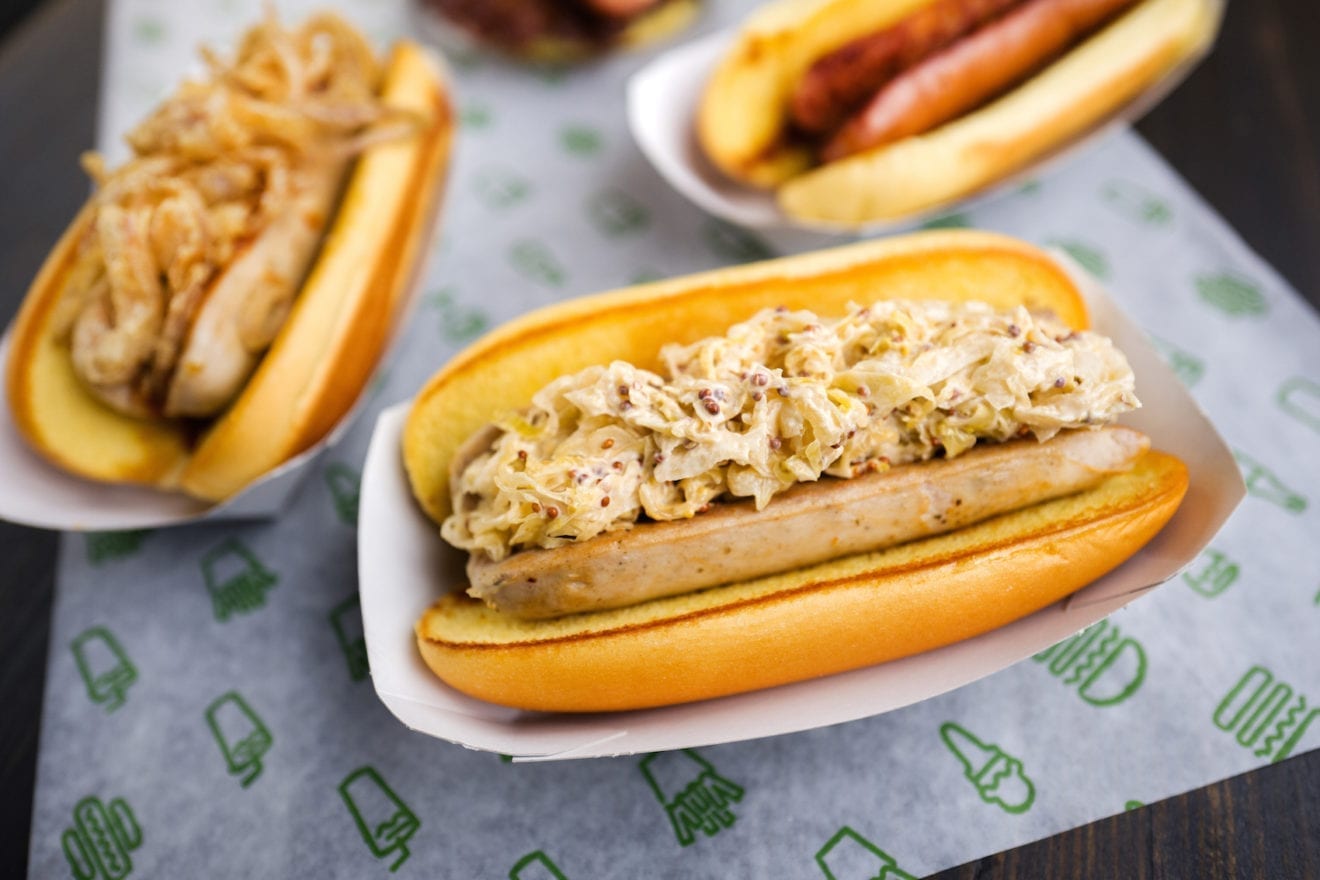
    Shake Shack Hong Kong makes its debut on Tuesday at IFC mall in Central. With panoramic views of Victoria Harbour, the eatery will be able to seat more than 46 guests. As a modern “roadside” burger stand that began as a hot-dog cart in New York’s Madison Square Park, Shake Shack has gained a global following for its Flat-top Dogs with all-natural beef and no hormones and antibiotics, served on a non-GMO Martin’s Potato Roll.

    As well as the New York City brand’s classics of burgers, hot dogs and fries, Hong Kong Shack will serve localised menu items like milk tea shake (vanilla custard blended with black tea), French toast (with vanilla custard, peanut-butter sauce and banana, topped with maple sugar), the Heart & Tart of Central (vanilla custard, egg tart and strawberry puree) and That’s My Jam (vanilla custard, mango/passion fruit jam, raspberries and crumbled shortbread).

    Its crinkle-cut fries can be served plain or with a special blend of American and cheddar cheese sauce.

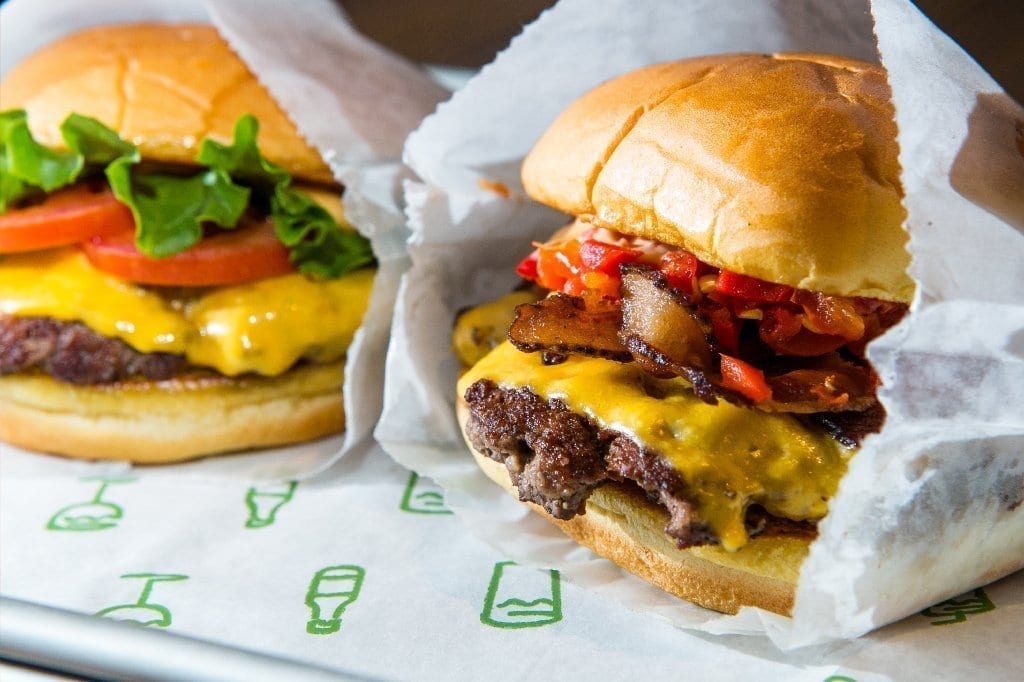
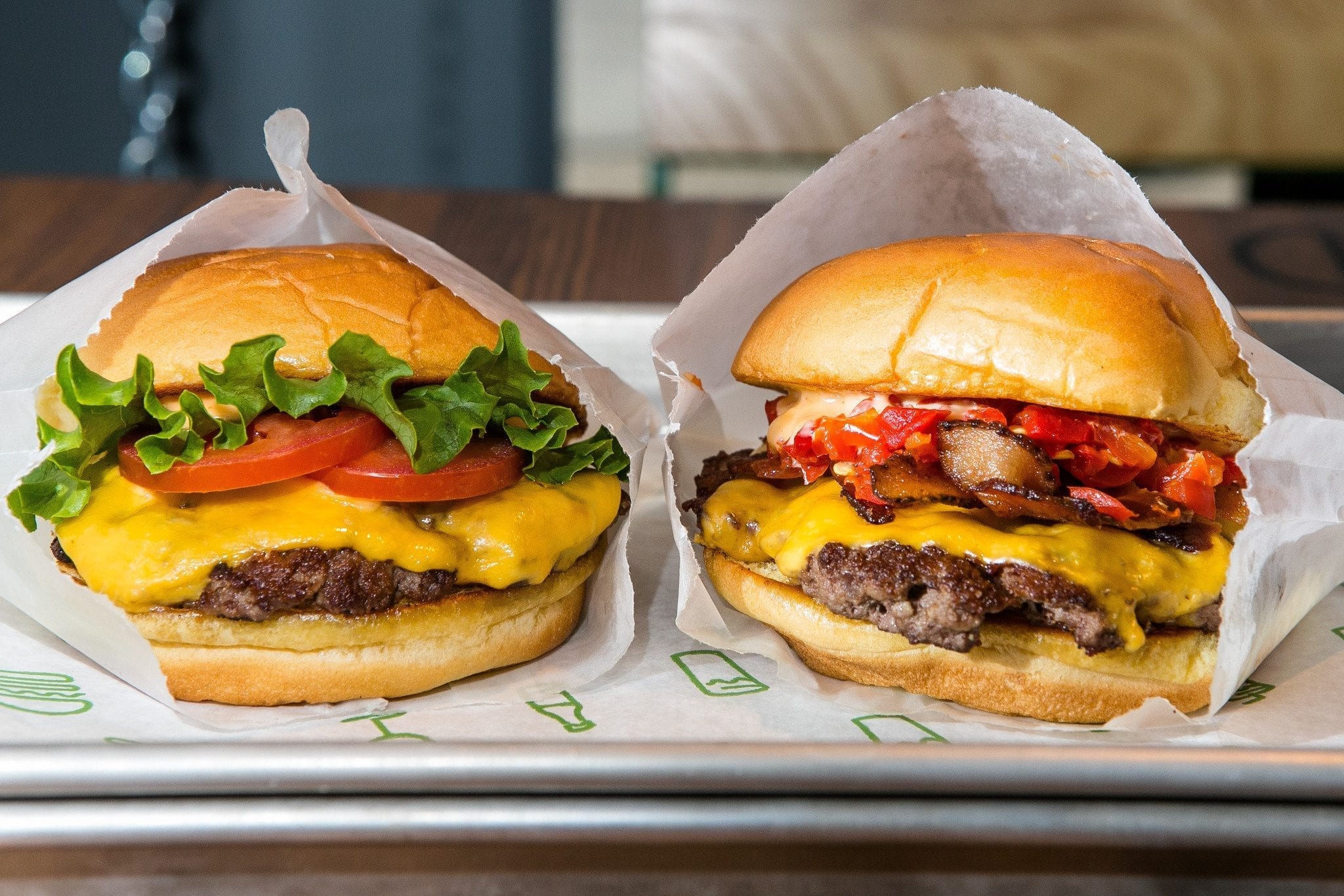
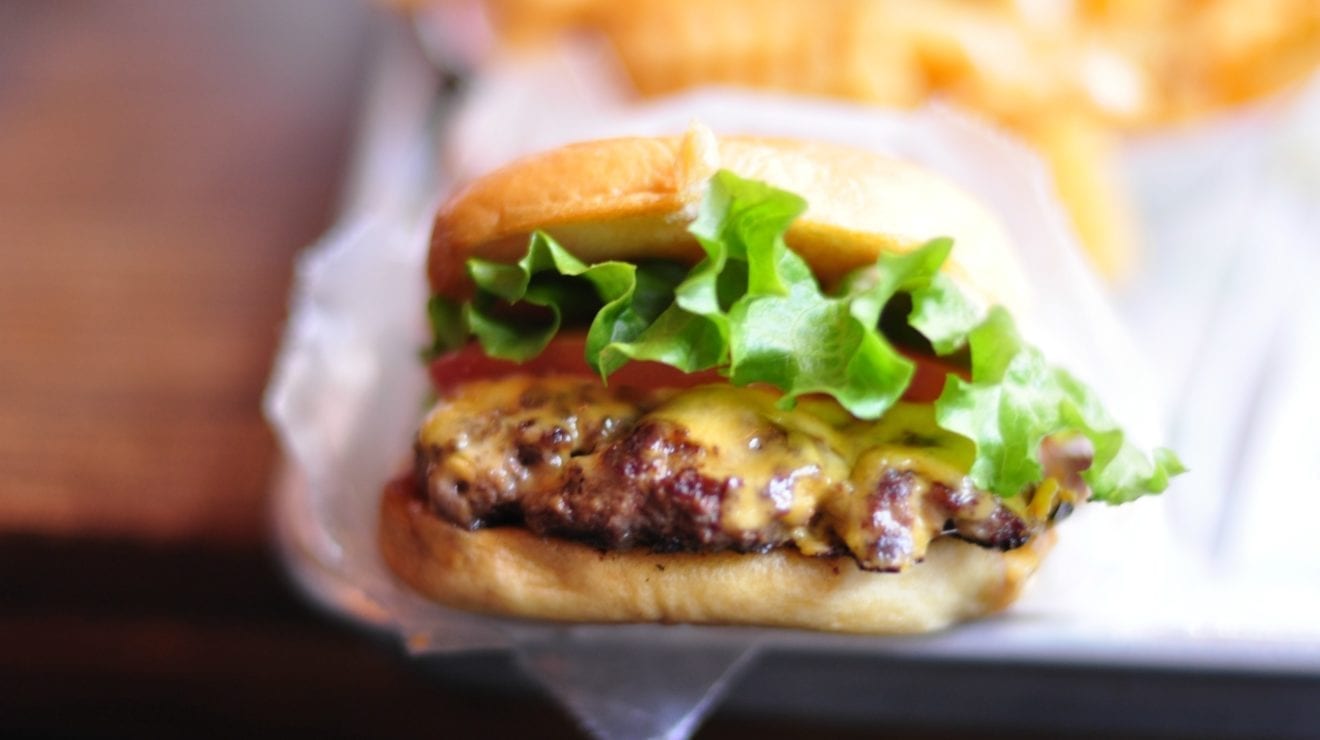
    Hong Kong Shack customers will also be offered the classic ShackBurger, a cheeseburger made from premium whole-muscle cuts of Angus beef, topped with lettuce, tomato and house-made ShackSauce. A meat-free option is the ’Shroom Burger, a crisp-fried portobello mushroom filled with melted muenster and cheddar cheese, topped with lettuce, tomato and ShackSauce.

    Brooklyn Brewery makes an exclusive ShackMeister Ale for Shake Shack, and as well as this the Hong Kong outlet will include beers by Gweilo, Heroes, HK Yau, Moonzen and Young Master. Wine is served by the glass, including Shack Red and Shack White from Gotham Project Winery in the US.

    To mark the eatery’s opening in Hong Kong, the first 100 people in line when doors open on Tuesday will be given a pair of Shake Shack sunglasses. And as part of Shake Shack’s mission to Stand for Something Good, the outlet will donate 5 per cent of sales to ChickenSoup Foundation, a non-profit that seeks to empower at-risk children in Hong Kong.

    Shake Shack has more than 90 locations in 19 US states and more than 50 international locations including Dubai, Istanbul, London, Moscow, Seoul and Tokyo.

  • Shake Shack Singapore likely to launch at Changi

    Shake Shack Singapore likely to launch at Changi

    A Shake Shack Singapore store is reportedly planned for the Jewel Changi Airport shopping centre.

    Singapore food blog 8 Days, quoting an “industry source” says the chic American gourmet burger chain is in the final stages of preparation to launch in Singapore. Elsewhere in Asia, the brand is preparing to open in Hong Kong, where it has appointed local licensee Maxim’s Caterers, a division of Dairy Farm International, which also owns the Starbucks license for Hong Kong and Singapore.

    However 8 Days is tipping the Shake Shack Singapore eatery to be run by Korean food and beverage company SPC Group, which operates Paris Baguette and has the Korean rights to Shake Shack.

    The burger chain’s founder Danny Meyer was in Singapore to address a Restaurant Association of Singapore event and while “coy” about plans for Singapore, he reportedly told 8 Days he wants to see the brand launched in the city state.

    “It’s a possibility,” he told 8 Days. “My guys have visited Singapore thrice for site trips and they loved it here. It’s all about finding a good licensee.”

    Jewel Changi Airport is a shopping centre to be managed by CapitaLand, attached to the airport’s Terminal 1 and scheduled to open early next year.

    No confirmation was forthcoming from Changi Airport or SPC.

    Shake Shack, which started out as a food cart in New York City, now has more than 170 outlets internationally.

    Besides burgers, it is known for milkshakes, ice cream and other staple US dishes, but with more focus on flavour and serving size than is traditional in US fast-food restaurants.

  • Shake Shack Rumoured To Be Opening At Jewel Changi Airport

    Shake Shack Rumoured To Be Opening At Jewel Changi Airport

    A Shake Shack Singapore store is reportedly planned for the Jewel Changi Airport shopping centre.

    Singapore food blog 8 Days, quoting an “industry source” says the chic American gourmet burger chain is in the final stages of preparation to launch in Singapore. Elsewhere in Asia, the brand is preparing to open in Hong Kong, where it has appointed local licensee Maxim’s Caterers, a division of Dairy Farm International, which also owns the Starbucks license for Hong Kong and Singapore.

    However 8 Days is tipping the Shake Shack Singapore eatery to be run by Korean food and beverage company SPC Group, which operates Paris Baguette and has the Korean rights to Shake Shack.

    The burger chain’s founder Danny Meyer was in Singapore to address a Restaurant Association of Singapore event and while “coy” about plans for Singapore, he reportedly told 8 Days he wants to see the brand launched in the city state.

    “It’s a possibility,” he told 8 Days. “My guys have visited Singapore thrice for site trips and they loved it here. It’s all about finding a good licensee.”

    Jewel Changi Airport is a shopping centre to be managed by CapitaLand, attached to the airport’s Terminal 1 and scheduled to open early next year.

    No confirmation was forthcoming from Changi Airport or SPC.

    Shake Shack, which started out as a food cart in New York City, now has more than 170 outlets internationally.

    Besides burgers, it is known for milkshakes, ice cream and other staple US dishes, but with more focus on flavour and serving size than is traditional in US fast-food restaurants.

  • Dairy Farm International’s plan after hitting bottom line

    Dairy Farm International’s plan after hitting bottom line

    Poor trading by Dairy Farm International’s Southeast Asian grocery business hit the company’s bottom line last year, with underlying profit falling 13 per cent.

    But every other one of the company’s divisions traded strongly throughout the year, according to the results just released.

    Full-year profit was US$403 million, after allowing for $64 million of costs relating to business restructuring. Sales by Dairy Farm’s wholly-owned subsidiaries totalled $11.3 billion, largely unchanged from 2016’s $11.2 billion. But total sales, including 100 per cent of associates and joint ventures, at $21.8 billion were up 7 per cent year on year, reflecting strong growth at both supermarket operator Yonghui and cafe-restaurant operator Maxim’s, which owns the Starbucks business in Hong Kong, Vietnam, Cambodia and now Singapore.

    “After a disappointing year… for our food businesses in Southeast Asia, actions are being taken to improve their long-term performance,” explained chairman Simon Keswick. “All of the group’s other formats and markets are trading well and growth opportunities are being pursued, in Mainland China and elsewhere.”

    In Dairy Farm’s food division, sales were down and profits were “significantly lower” than in 2016, primarily due to poor performances in the supermarket and hypermarket businesses in Malaysia, Singapore and Indonesia.

    “A number of underperforming stores are being closed and prices lowered to clear or write off discontinued and slow moving stock.

    “In Hong Kong, sales were more resilient, although profits were marginally down due to increasing rents and labour costs. Positive sales growth seen in the Philippines reflected the ongoing investments being made to improve the business,” said Keswick.

    Elsewhere in the company there was brighter news.

    The convenience store format (including 7-Eleven in Hong Kong and Singapore) produced increased sales and profit. “In part, this reflected a consumer shift to more convenient retail formats, as well as a positive reception to the service and range enhancements introduced for customers,” said Keswick.

    The convenience stores division reported $2 billion in sales, an increase of 4 per cent over the previous year – but operating profit surged 16 per cent to $85 million.

    In the health and beauty division, (led by Guardian and Mannings), sales and profit were higher, principally due to strong performances in Hong Kong, Macau and Indonesia, together with improvements in Mainland China.

    Keswick said this was led by an increasing focus on the beauty category and the continued development of the division’s house brands.

    The home furnishings division (Ikea in Hong Kong, Taiwan and Indonesia) recorded higher sales and trading profit, but the reported profit declined, mainly due to costs associated with the opening of the fourth Ikea Hong Kong store in October. Sales and profits increased in Taiwan and Indonesia and there was solid growth in the e-commerce business.

    Maxim’s enjoyed good sales growth and profit expansion during the year, in large part due to strong performances from its branded products, particularly mooncakes, and its business in Mainland China. The company also acquired the Starbucks Singapore business last year.

    The group’s 19.99 per cent-owned associate in Mainland China, Yonghui Superstores, opened a net 292 new stores last year, which underpinned a 19 per cent growth in revenue. Ongoing supply chain optimisation and shrinkage improvement resulted in improved margins, which together with better capital use, led to a 45 per cent growth in profit.

    Convenience focus

    Keswick said Dairy Farm International will focus on increasing its convenience store operations in the year ahead through expansion and enhancement of the store network. New smaller-store formats are being piloted in some markets.

    The group will also continue to develop its e-commerce presence, focusing on a number of initiatives in its home furnishings, food, and health and beauty operations introduced last year.

    Dairy Farm International added a net 633 stores last year. At year end, it had 7181 stores in operation in 11 countries and territories, including its interest in 779 Yonghui stores in mainland China and 1210 Maxim’s stores.

    Besides the Starbucks Singapore deal, Maxim’s also acquired the existing businesses and franchises of Genki Sushi in Singapore and Malaysia. It opened its first The Cheesecake Factory in Hong Kong in May, which Keswick said is trading well, and this year will introduce American casual restaurant format Shake Shack in Hong Kong and Macau.

    In the Philippines, Rustan became a wholly-owned subsidiary following the acquisition of the remaining 34 per cent interest from the group’s joint venture partner.

  • Shake Shack Shanghai-bound

    Shake Shack Shanghai-bound

    Just a month after US fast-food chain Shake Shack announced it would open in Hong Kong, the company has confirmed its first Mainland China store, in Shanghai.

    Both the Shake Shack Shanghai and Hong Kong stores are scheduled to open next year and will be operated by Maxim’s Caterers, a division of Hong Kong-listed Dairy Farm International and which operates Starbucks in Hong Kong, Vietnam and Cambodia, among other brands.

    Shake Shack has signed an agreement with Maxim’s to open 25 outlets in Shanghai and East China between 2018 and 2028.

    “There’s incredible opportunity in China and I couldn’t think of a better place to begin this chapter of our story than Shanghai, a city that understands great brands, appreciates premium ingredients, and ultimately loves food,” said Randy Garutti, Shake Shack’s CEO.

    “The city’s streets overflow with vibrant flavors and energy every day and we can’t wait to join Shanghai’s thriving food community.”

    Shake Shack describes itself as a “modern day roadside burger stand” known for 100 per cent all-natural Angus beef burgers and flat-top Vienna beef dogs,  all-natural, cage-free chicken, spun-fresh frozen custard and crinkle-cut fries. It eschews hormones and antibiotics in its meats.

    Maxim’s Caterers Limited has more than 60 years of experience in food and retail as a diversified operator of full-service and quick-service restaurants, bakeries, and coffee shops in Asia.

    Since the original Shake Shack opened in 2004 in New York City’s Madison Square Park, the company has expanded to more than 80 locations in 18 US states and the District of Columbia, and more than 50 international locations including London, Istanbul, Dubai, Tokyo, Moscow and Seoul. And now Shake Shack Shanghai and Hong Kong.

  • Shake Shack to open Hong Kong location

    Shake Shack to open Hong Kong location

    Shake Shack, the burger-and-fries chain founded in New York, will open its first location in Hong Kong next year, setting the stage for a push into the fast-food hotbed of mainland China.

    The restaurant will be opened with licensee Maxim’s Caterers Ltd. and a total of 14 locations are planned in Hong Kong and Macau through 2027, Shake Shack said Wednesday.

    The chain’s upscale burgers and fries will appeal to the population there, and the restaurants will provide a base for eventually going into China, according to Chief Executive Officer Randy Garutti.

    “You’re seeing changing preferences for what was traditional fast food,” he said in an interview. “There’s a continued thirst for great brands and a premium level of food at an approachable price.”

    While about 90 percent to 95 percent of the menu will be the same as in the U.S., there may be more chicken items, said Garutti, who sees opportunities in mainland China, where Maxim’s operates other dining brands including Cheesecake Factory Inc.

    Shake Shack may look to grow overseas as the U.S. market becomes increasingly saturated with restaurants offering fast-food burgers. The company’s same-store sales fell 2.5 percent in the latest quarter, missing analysts’ projections, as cold weather hurt some locations.

    A recent report also found that the chain is suffering from a lack of customer loyalty in the U.S. despite its more upscale image.

    Shares of the company have declined 3 percent this year through Tuesday’s close, while the Standard & Poor’s 500 Restaurants Index has jumped 17 percent.

    China Challenges

    Expanding into China comes with challenges as other fast-food companies have faced supply-chain scandals and anti-Western sentiment there. Last year, Yum! Brands Inc. spun off its China unit to focus on turning around its U.S. business. The owner of KFC and Pizza Hut had struggled to boost sales in China as local competitors offer discounted prices and gain market share.

    Shake Shack already has some locations in Asian countries, including Japan and South Korea, among its 135 restaurants. Still, Garutti said the U.S. is its main avenue for growth.

    Domestic sales will be the “lion’s share” of the business going forward, he said. “We have massive growth ahead here in the states.”

  • Umami Burger Japan launches in Tokyo

    Umami Burger Japan launches in Tokyo

    American-style dining has again crossed the Pacific, with the latest offering, Umami Burger Japan, having a distinct local slant.

    While conceived in the US, the fast-food chain takes its names from the Japanese concept of umami, one of the basic tastes as distinct from sweet, salty, bitter and sour.

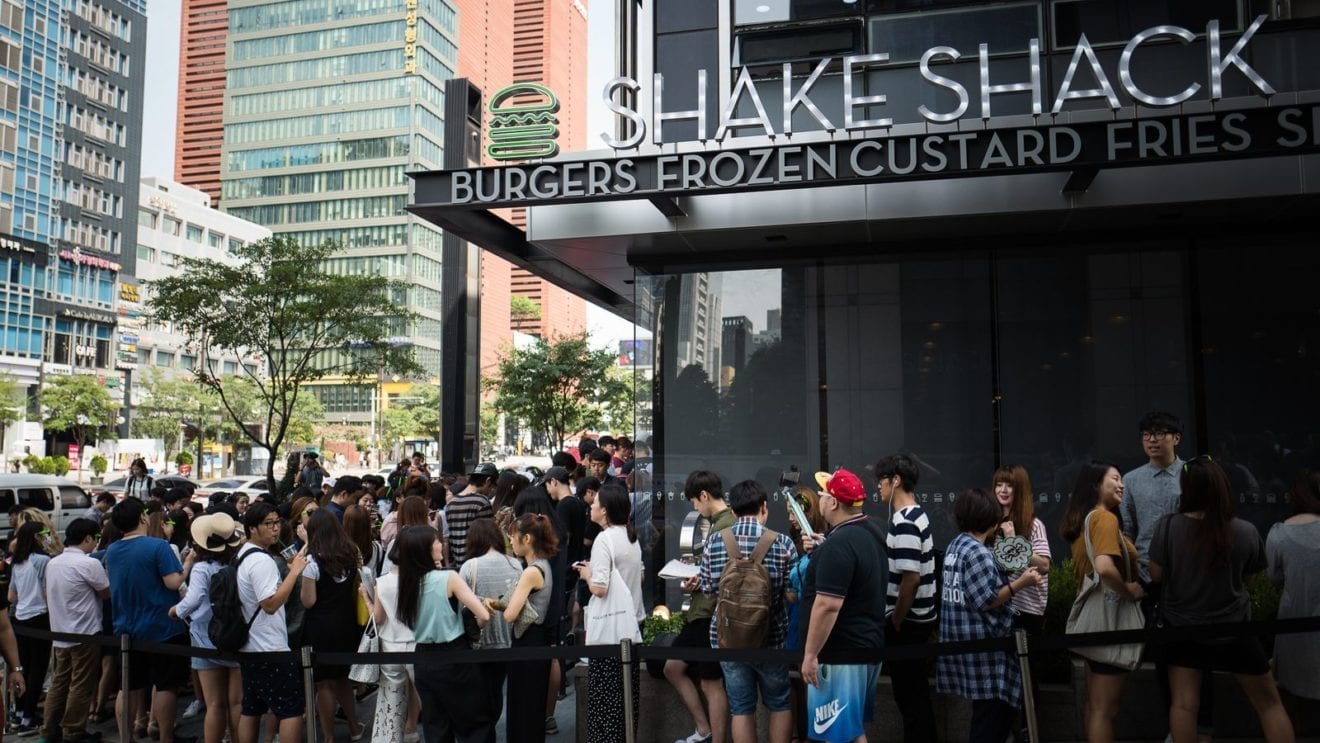
    It follows such brands as Carl’s Jr, Shake Shack and Taco Bell to Japan, and on its opening day in Tokyo drew a queue of more than 100 people. It is just a few minutes’ walk from Omotesando Station.

    Umami Burger Japan - Aoyama Tokyo

    Rocket News 24 sent in writer PK to check out the store on opening day. Umami Burger dates back to 2009 has has been included in Time Magazine’s list of 17 “most influential” burgers. While he arrived an hour before the 11am opening time, already more than 50 people were lined up. By the time the doors opened, the queue had doubled in size.

    Umami Burger Japan - Aoyama Tokyo.1

    PK says he was finally seated around noon, and to gain a more rounded perspective, ordered two burgers – the namesake umami burger and the Japan-original teriyaki burger at ¥1380 (US$12.50) each, and a side order of truffle fries for ¥800.

    With its house ketchup, roasted tomatoes, shiitake mushrooms and crispy Parmesan cheese chip, plus a medium-rare beef patty, PK writes that the umami burger tickled his taste buds. “Each flavour complemented the others for an overall perfect combination.”

    The teriyaki burger came topped with red onions, perilla leaves, fried lotus root, cabbage and a wasabi aioli sauce.

  • Shake Shack Korea tops global sales chart

    Shake Shack Korea tops global sales chart

    Sales at a Shake Shack Korea store are the highest of any store worldwide.

    Just seven months after the chain launched in Korea, Shake Shack’s 13th international market, the Gangnam branch has outstripped some 120 branches outside the US. It sells 3000 to 3500 burgers a day, according to the Union Square Hospitality Group (USHG), the Shake Shack franchisor.

    Also known as the maker of the “New York burger,” the fast casual restaurant started out as a food cart inside Madison Square Park in 2001, expanding its menu from New York-style hotdogs to hamburgers and milkshakes.

    It made a foray into the South Korean market last year through an exclusive partnership contract with SPC Group, South Korea’s major food manufacturer and distributor.

    Another branch in Chungdam, southern Seoul, has also made it to one of the top three in terms of sales.

    A third shop is scheduled to open in April in Dongdaemun, a busy shopping district.

  • Shake Shack Korea is coming closer

    Shake Shack Korea is coming closer

    New York burger chain Shake Shack is set to make its Korean debut as early as July.

    The Shake Shack Korea licence was secured by Korean food and confectionary giant SPC Group last year and the first outlet is currently under construction in the Gangnam district of Seoul.Shake Shack meal

    The company says the grand opening of the debut store is planned for some time in July or August.


    Shake Shack, an American fast casual restaurant. is best known for its burger and milkshake combo.

    SPC says construction of the first store is well under way. “Gangnam is one of the most vibrant and energetic areas of Seoul,” said a spokesman. “It’s the perfect place to reenact the dynamic atmosphere of Shake Shack’s flagship restaurant in Madison Square Park.”

    CH7_9911b-540x360.0.0

    Last year Shake Shack signed a licensing agreement with Japanese company Sazaby League, local operator of Starbucks. The two companies plan to open 10 Shake Shacks in Japan by 2020, with the first, in Tokyo, scheduled to open in 2016.

  • Shake Shack Japan bound

    Shake Shack Japan bound

    US burger chain Shake Shack is headed for Asia.

    The company says it has signed a licensing agreement with Japanese company Sazaby League, local operator of Starbucks. The two companies plan to open 10 Shake Shacks in Japan by 2020, with the first, in Tokyo, scheduled to open in 2016.

    Shake Shack, headquartered in New York, raised US$105 million in a recent IPO and is using the funds for expansion at home and abroad.

    At the time of the IPO it ran 63 restaurants in the US, 15 of them in New York. It also has stores in London, Istanbul and Moscow and plans 10 new restaurants this year as part of a longer term plan to expand to 450 outlets.

    The chain is known for burgers, milk shakes and crinkle-cut fries.

    Its Japanese restaurants will have a menu which retains core items from the brand, but is tailored to the local palate.