Tag: shipping

  • Shopee Slapped with $7700 Penalty for Misleading Free Shipping Promotions in Vietnam

    Shopee Slapped with $7700 Penalty for Misleading Free Shipping Promotions in Vietnam

    Shopee, Singapore’s leading online retail platform, has recently been penalized VND200 million (US$7,700) by the Vietnam Competition Commission (VCC) due to deceptive advertising practices linked to a free shipping campaign initiated in August 2025.

    Confusing Advertising Practices

    The charge came after the e-commerce giant used phrases like “Free Shipping for All Orders,” “Everything Ships Free,” and “Wherever We Deliver, Shipping Is Free for All Orders,” in their promotional materials. Despite disclaimers outlining the conditions for the free shipping offer, several advertisement interfaces didn’t fully disclose the terms and exclusions, leading to confusion amongst customers.

    During the promotional period, roughly 94% of orders were shipped free of charge. The remaining orders either obtained partial shipping discounts or no discount at all due to non-compliance with the required conditions.

    Throughout the investigation, Shopee was cooperative, providing necessary information and documents to the VCC. Apart from the financial penalty, the online platform has updated information on its website, mobile application, and related social media pages to rectify this.

    Addressing the Issue and Future Plans

    Shopee has expressed its commitment to review and enhance the transparency of its communication strategies moving forward. This is with the aim of ensuring that details about promotional campaigns are precise and comprehensive.

    Despite the penalty, Shopee continues to be a formidable force in the Southeast Asian e-commerce landscape. A 2025 report shows the platform managed to sustain its dominant position within Vietnam’s online retail marketplace. It accounted for a staggering 58% market share, registering a gross merchandise value of over $11.8 billion. Competitor platforms, TikTok Shop, Lazada, and Tiki collectively made up the remaining market share.

    Questions & Answers

    What was the cause of the fine imposed on Shopee?
    Shopee was penalized due to misleading advertising related to a free shipping promotion. The company failed to clearly outline the conditions and exclusions of this offer.

    What steps has Shopee taken following the penalty?
    Shopee has rectified the information on its website, mobile application, and social media pages. Additionally, it is committed to improving the transparency of its communication activities for better clarity on promotional campaigns.

    Despite the penalty, how is Shopee performing in the e-commerce market?
    Shopee continues to lead in the Southeast Asian e-commerce market, particularly in Vietnam. In 2025, it recorded a gross merchandise value of over $11.8 billion and accounted for a 58% market share.

  • Pepper Power: Vietnam’s Exports Leap 31% in Q1 Amid Supply and Shipping Challenges

    Pepper Power: Vietnam’s Exports Leap 31% in Q1 Amid Supply and Shipping Challenges

    In the first quarter of 2026, Vietnam’s pepper exports rose by 31.7% to a value of US$430 million, despite challenges related to global supply and logistics. The export volume increased by 39.2% to 66,350 tonnes, according to the Vietnam Pepper and Spice Association.

    March Exports

    The month of March saw a significant surge in exports. Shipments totaled $199.3 million, equating to 30,638 tonnes of pepper. This marked an increase of 119.3% from February and a year-on-year rise of 51.3% in value.

    Black pepper comprised the majority of these exports, with 26,190 tonnes worth $167.3 million. White pepper accounted for a smaller portion, with 4,448 tonnes worth $32 million. Even though black pepper prices dipped by 0.7%, the average export prices remained high, with black pepper costing an average of $6,520 per tonne and white pepper $8,735 per tonne. On the other hand, white pepper prices experienced a slight increase of 1%.

    Main Buyers

    The United States and China continued as Vietnam’s largest pepper buyers in March, with imports of 8,059 tonnes and 3,663 tonnes, respectively. Compared to the previous month, exports to the United States increased by 121% while those to China rose by 134.7%. Other markets such as Egypt, the Netherlands, Canada, and the Philippines also displayed substantial month-on-month growth.

    Import Increases

    Alongside increased exports, Vietnam also registered a surge in pepper imports as businesses sought to supplement domestic supplies for processing and re-export. In March, imports amounted to 10,313 tonnes, up 66.2% from February and 108.8% year-on-year. The total imports for the first quarter reached 21,201 tonnes, valued at $121 million, marking a year-on-year increase of 118.9%.

    Cambodia was the primary supplier to Vietnam, accounting for 55.1% of imports, followed by Brazil and Indonesia.

    Issues and Outlook

    Despite the encouraging export results, the association highlighted concerns about growing supply-demand imbalances. The 2026 harvest is anticipated to yield only 170,000–180,000 tonnes, a decrease of 15–20% from the previous crop due to unfavorable weather conditions and ageing plantations. This limited supply has driven domestic pepper prices to around VND140,000–150,000 (US$5.32-5.69) per kilogram.

    Farmers are not replanting extensively as they switch to higher-value crops and face decreasing land availability. Globally, this year’s pepper output is likely to be approximately 530,000 tonnes, slightly more than in 2025 but still less than in 2024, while demand remains strong.

    Exporters also face increasing logistical difficulties due to escalating tensions in the Middle East, which has led to a three to four-fold increase in shipping costs. The closure of the Strait of Hormuz to commercial container traffic has disrupted key shipping routes, causing severe congestion at major transshipment hubs. This has forced some exporters to pause new orders to mitigate risks associated with rising costs and delivery delays. Persistent disruptions may impact the sector’s export growth outlook for 2026.

    Questions & Answers

    What was the value of Vietnam’s pepper exports in the first quarter of 2026?
    The value of Vietnam’s pepper exports in the first quarter of 2026 was US$430 million.

    Who were Vietnam’s primary pepper buyers in March of 2026?
    The United States and China were Vietnam’s primary pepper buyers in March of 2026.

    What concerns does the Vietnam Pepper and Spice Association have for the future?
    The Association has concerns about growing supply-demand imbalances, unfavorable weather conditions, ageing plantations, and increasing logistical difficulties due to escalating tensions in the Middle East.

  • Despite Shipping 7 Million Tonnes, Vietnam Rice Exports Witness Slump Amid Falling Prices and Weak Global Demand

    Despite Shipping 7 Million Tonnes, Vietnam Rice Exports Witness Slump Amid Falling Prices and Weak Global Demand

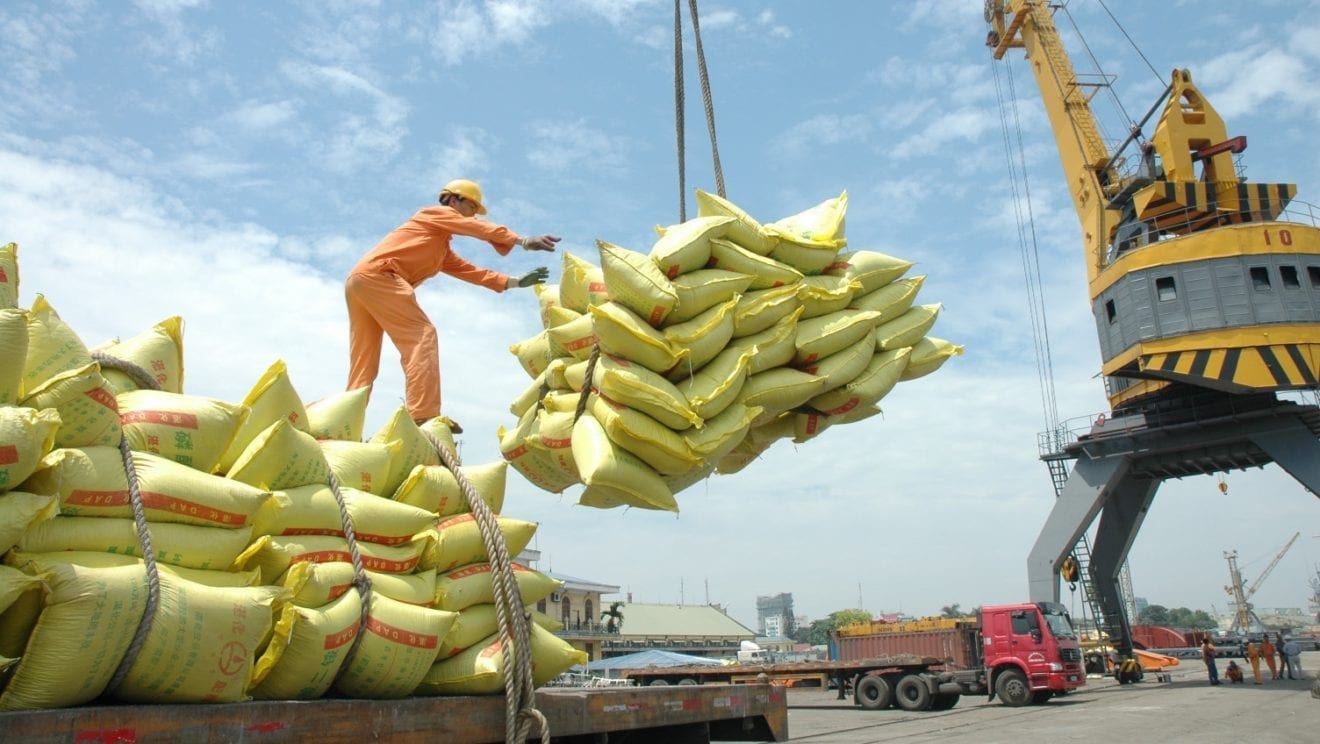
    From the start of the year through October 15, Vietnam exported more than 7 million tonnes of rice. Despite this significant export volume, domestic paddy and rice prices have seen a decline due to reduced purchases from exporters.

    Rice Export Data

    The cumulative rice exports from Vietnam for the mentioned period were 7.02 million tonnes. These exports were valued at approximately $3.59 billion. When compared to the same time frame from the previous year, there was a 4.4% decrease in volume and a 21.9% reduction in value, according to data from the Vietnam Food Association (VFA).

    Last week, the cost of 5% broken jasmine rice was between $420 and $435 per tonne, which is close to a two-month low. A trader based in Ho Chi Minh City reported that domestic trading activity has been relatively stagnant. This is primarily due to many exporters slowing their paddy purchases from farmers as a result of weak overseas demand.

    Domestic Market Performance

    In the domestic market, jasmine paddy was trading at approximately $0.20 per kilogram, reflecting a decrease from the previous week. Conversely, the price of ordinary paddy saw an increase to an average of $0.20 per kilogram, as reported by the VFA.

    In Can Tho, a city in the Mekong Delta region, prices for various types of paddy remained steady. For instance, jasmine paddy was priced at $0.36 per kilogram, OM 18 at $0.29, IR 5451 at $0.27, and ST25 at $0.40, as per the data shared by the Institute of Policy and Strategy for Agriculture and Environment.

    In An Giang province, the Department of Agriculture and Environment reported that fresh paddy prices ranged from $0.21 to $0.25 per kilogram, depending on the variety. Retail rice prices within the province were observed to range between $0.52 and $0.95 per kilogram.

    Production Updates

    Regarding production, the Ministry of Agriculture and Environment stated that by October 20, nearly 1.24 million hectares of the 2025 summer-autumn crop were sown across the Mekong Delta provinces. Harvesting has been completed with an average yield of approximately 6.06 tonnes per hectare, or an estimated total of 7.51 million tonnes of paddy.

    For the autumn-winter crop, 763,000 hectares were planted, surpassing the planned area by 102.8%. Of this, 263,000 hectares have been harvested with an average yield of 5.68 tonnes per hectare.

    Questions & Answers

    What is the total volume of rice that Vietnam exported from the beginning of the year through October 15?
    Vietnam exported more than 7 million tonnes of rice during this period.

    How have domestic paddy and rice prices in Vietnam been affected?
    Domestic paddy and rice prices have seen a decline due to reduced purchases by exporters.

    What has been the impact on domestic trading?
    Domestic trading activity has been relatively stagnant due to many exporters slowing their paddy purchases from farmers because of weak overseas demand.

  • SeaCube Cold Solutions Partners with The Wonderful Company to Establish Primary California Depot in Shafter

    SeaCube Cold Solutions Partners with The Wonderful Company to Establish Primary California Depot in Shafter

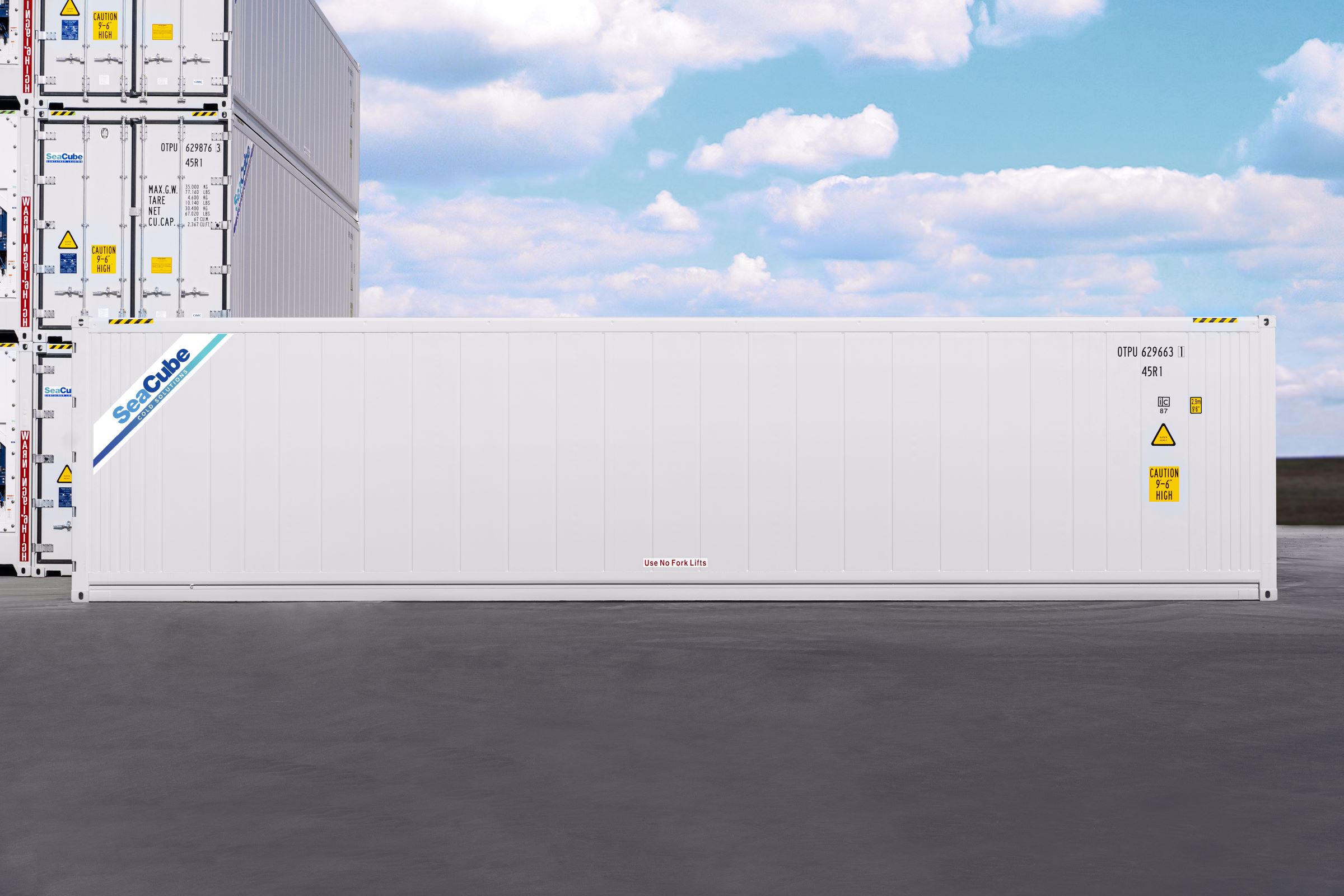
    SeaCube Cold Solutions (SCS), an affiliate of SeaCube Container Leasing and a leading provider of portable cold storage, announces a new partnership with The Wonderful Company. Under this agreement, The Wonderful Company’s Shafter facility will serve as the primary California depot for SCS, providing reefer storage and maintenance and repair services in the region.

    As part of SeaCube Container Leasing, SCS is backed by over 30 years of experience in refrigerated equipment, providing unmatched reliability and innovation in cold chain logistics. This new facility in Shafter represents a significant step forward in SeaCube’s investment in strategically located infrastructure to support its growing SCS customer base.

    “Partnering with The Wonderful Company at the Shafter depot marks a significant step in strengthening our presence in a key logistics corridor,” said James Armstrong, Senior Vice President of SeaCube Cold Solutions. “We’re excited to launch operations at the Shafter, California depot, where we are establishing a significant refrigerated container presence to support not only California’s Central Valley but also a 250-mile radius.

    This location strategically extends our reach across the West Coast, including Arizona and Nevada. With the addition of Shafter, SeaCube Cold Solutions now has full coverage over the entire Southwest Region.”

    The Shafter depot will serve as a hub for both storage and maintenance of SeaCube refrigerated containers. Its strategic location offers direct access to key customers in California’s Central Valley, while its position within a less congested logistics park provides efficient transportation routes to the Los Angeles basin, Arizona, and Nevada. SeaCube is the first—and currently the only—reefer operation at the facility.

    “SeaCube’s portable cold storage solution offers tremendous flexibility during seasonal market fluctuations. We are pleased to have their support and involvement in the Wonderful Logistics Center,” said Sepehr Matinifar, Vice President of Logistic Services at the Wonderful Company.

  • Sea shipping costs dip amid sliding demand

    Sea shipping costs dip amid sliding demand

    Sea shipping costs have plunged by over 80% from the previous peak as consumption has dropped amid inflation concerns. Tran Lam Son, CEO of wood and furniture exporter Thien Minh, said that shipping a container to Europe now costs around $1,700, down nearly 92% from the peak of $20,000 a couple of years ago.

    The price drop poses opportunities for businesses like Thien Minh but is perceived as a negative sign for the logistics sector.

    Logistics platform Phaata has data showing that shipping a 40-foot container from Ho Chi Minh City to Northern Europe now costs $1,700, down from $15,000 in January.

    From HCMC to Los Angeles, the average price is now $1,400, compared to $12,000 in September 2021. To New York, freight costs $2,900 against $15,000 two years ago.

    From Asia to India costs have plunged by over 90%, said Le Thi Lan Anh, business director of logistics firm MH Great Sun.

    Phaata CEO Nguyen Hoai Chung said that prices are now plunging because consumer demand in North America and Europe has plummeted due to inflation and forecasts of economic difficulties.

    Inventory in these regions is still high and so importers do not need to buy more from Asian countries, including Vietnam, he added.

    Slower manufacturing activity in China in recent years has reduced pressure in ports and congestion is no longer a problem, he said.

    Weak demand is likely to persist throughout this year. The International Monetary Fund last month forecast that global trade growth will drop from 5.4% last year to 2.4% this year.

    American spending on goods has dropped 5.4% from the peak in March 2021.

    Logistics giant Maersk anticipates that container shipping demand will drop by 2.5% this year.

    The supply of container ships, however, is expected to rise in this and next year and many ships are set to be completed.

    Container ship capacity is set to increase by 7.8% this year while demand is expected to rise 3.5%. In 2024 the two figures are expected to be 8.3% and 3.5% respectively.

    This shows that there will be an oversupply of container ships in 2023 and 2024, and competition in the logistics sector is set to be intense, Chung said.

    SSI Securities Corp. analysts said in a report that demand for goods from Vietnam will likely resume in the second half of the year when the shopping season arrives and after unsold inventory has been liquidated in Europe and the United States.

    Anh, however, has a more pessimistic forecast.

    “There is no sign that the financial market will recover this year,” said Anh. “Deposit interest is still rising and a recovery in the logistics industry is not expected until the very end of 2023.”

    Phaata CEO Chung said that container shipping prices to North America and Europe will continue to stay low until recovering in the fourth quarter as Christmas shopping rises.

    Next year, prices will continue to fall as container supply outweighs demand.

    “The logistics sector will see brighter signs in 2025 and prices will resume to pre-pandemic levels,” said Chung, “with a more balanced supply and demand relationship.”

    Chung advises logistics firms to expand their markets to other Asian destinations such as China, Japan, South Korea and Southeast Asian countries.

  • Vietnam poised for record trade

    Vietnam poised for record trade

    Vietnam’s foreign trade is set to exceed US$700 billion this year, the highest ever, the customs department said.

    It has risen steadily from $500 billion in 2020 and $600 billion last year.

    In the first 11 months exports rose bviy 13.4% from a year earlier to $342.2 billion, and imports were up 10% to $331.6 billion, resulting in a surplus of $10.6 billion.

    Exports to the U.S. alone, the largest export market, were worth $101.5 billion. Imports from China, the
    country’s biggest source, topped $109.9 billion.

    According to the General Department of Vietnam Customs, the country’s global import-export ranking
    will go up this year.

    In 2021 the World Trade Organization had ranked Vietnam 23rd in terms of exports and 20th in imports.

    In the 10-member ASEAN, Vietnam ranked second behind only Singapore.

  • Shipping firms sail past annual profit target in 9 months

    Shipping firms sail past annual profit target in 9 months

    Many shipping firms have earned profits surpassing their annual target in the first nine months of the year, riding a wave of high demand and high freight rates.

    The Petrovietnam Transportation Corporation recorded after-tax profits of nearly VND390 billion ($15.7 million) in the third quarter, more than 2.5 times year-on-year. Its pre-tax profits of over VND1.035 trillion in the first nine months exceeded 72% of its annual plan.

    The Hai An Transport and Stevedoring Joint Stock Company saw its Q3 after-tax profit increase by over 2.7 times year-on-year to VND270 billion. The firm’s profit in the first nine months was 1.5 times bigger than its yearly plan.

    Similarly, Gemadept Corporation’s profit in the third quarter surged by over 76% to nearly VND290 billion. Its after-tax profit rose nearly 84%, realizing 94% of the annual plan.

    The Vietnam Ocean Shipping Jsc Earned gained pre-tax profits of VND566 billion in the first nine months, a 38% year-on-year increase, and exceeding the annual plan by 45%.

    While it saw a fall in Q3 profit, the Vietnam National Shipping Lines posted profits of over VND2.77 trillion in the first nine months, a year-on-year increase of more than 30% and more than 10% of the annual plan.

    Many shipping firms attribute the bigger profits to high demand and high freight charges. A manager with the Petrovietnam Transportation Corporation said freight charges had increased in the third quarter, resulting in bigger revenues.

    Over 77.8 million tons of cargo was transported by sea in the first nine months, up 27.5% over the same period last year, according to the General Statistics Office.

    According to data from Freightos, one of the world’s largest freight booking platforms, Feightos Baltic Index, the global container shipping index, fell from $6,577 to $4,060 in the third quarter. However, the rate was still 2-3 times higher than the average of $1,800-2,000 in the same period last year. Compared with the third quarter of 2019, the rate was nearly 3.5 times higher.

    In Vietnam, the sea freight index increased nearly 5% in the third quarter, and rose over 11% in the first nine months.

    Brokerage firm SSI Securities has predicted that the global index will gradually return to normal due to weaker demand and bigger supply of container ships in the last months of this year. Freight charges may decrease sharply next year if supply chain disruptions die down and China reopens to the outside world, it said.

    In Vietnam, charges may remain at their peak in 2023 as the market is still undersupplied as most of the Vietnamese fleet is leased to foreign markets under long-term contracts, according to SSI Securities.

  • New Shipping Methods That Are Changing the Way We Do Business

    New Shipping Methods That Are Changing the Way We Do Business

    As the world of e-commerce and online shopping continues to grow, so do the shipping options. Where once there were only a few methods to choose from, now there are many different types of shipping that cater to different needs. Here is a look at some of the new shipping methods that are changing the way we do business.

    One of the newest and most popular shipping methods is drones. Drones can deliver packages quickly and directly to customers without a traditional delivery driver. It can be beneficial for businesses that sell small items such as clothes or cosmetics and for companies that operate in rural areas where it can be challenging to find delivery drivers.

    Same-day delivery is available in major metropolitan areas across the country, and its popularity is growing. But international shipping takes time, as always, if you have to move your luggage from one country to another, e.g., the USA to India. You still need professional international movers from the USA to India.

    The traditional method of shipping is slow and expensive

    There is no doubt that conventional shipping methods are slow and costly. It has led to many businesses searching for new shipping methods that can save them time and money. The following paragraphs will discuss some of the new shipping methods that are changing the way we do business.

    One of the new shipping methods is called cross-docking. This method involves loading products onto a truck at one location and then unloading them at another location. It eliminates the need to transport the products to a central location before they are shipped. It can save a lot of time and money for businesses.

    Another new shipping method is called direct store delivery (DSD). It is where products are delivered directly to stores instead of being shipped to a central location first. It can also save time and money for businesses as it reduces handling and transportation costs.

    Faster and cheaper shipping methods for both domestic and international shipments

    The way we ship goods has changed dramatically in the last few decades. New techniques and technologies have made it faster and cheaper to ship goods than ever before. It has revolutionized how businesses operate and has enormously impacted the global economy.

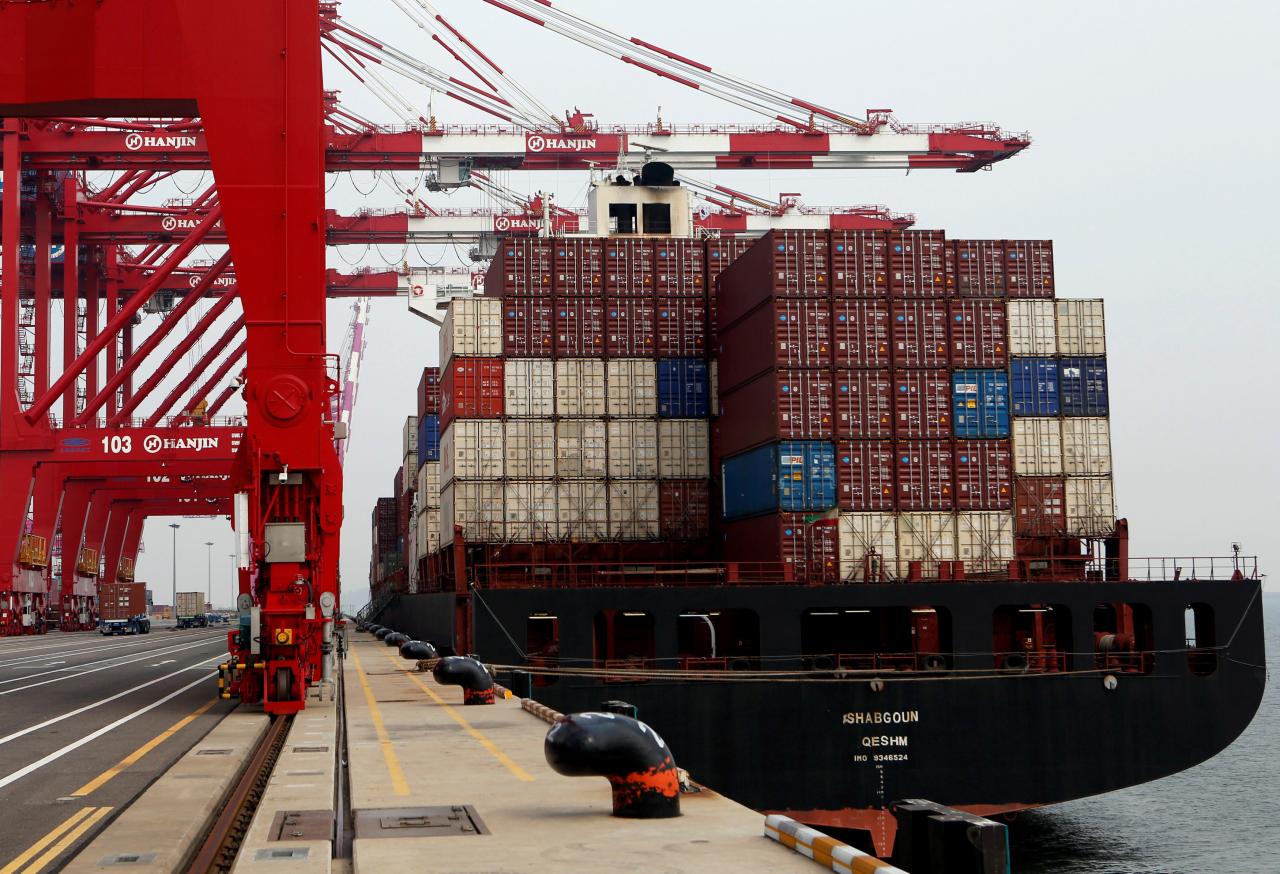
    One of the most significant changes has been the introduction of containerization. It is a system where goods are shipped in standardized containers that can be easily loaded and unloaded. It has dramatically speeded up the shipping process and reduced costs.

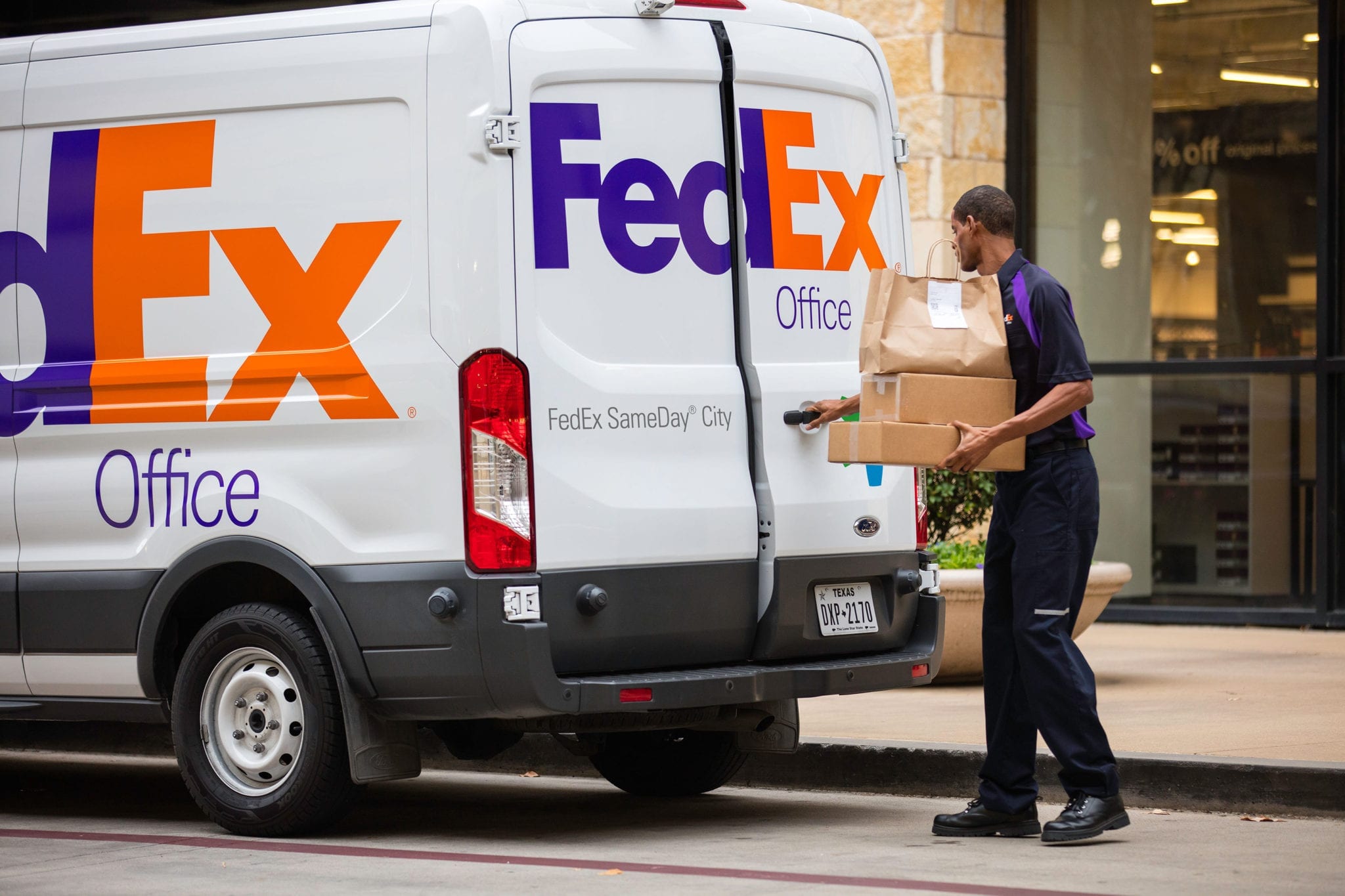
    Another major change has been the development of express shipping services like FedEx and UPS. These companies offer fast, reliable shipping at reasonable prices. It has enabled businesses to get their products to customers quickly, regardless of distance.

    Finally, the rise of e-commerce has had a considerable impact on shipping.

    Benefits of new shipping methods: speed and efficiency

    In an ever-changing and fast-paced world, businesses are always looking for ways to increase speed and efficiency. New shipping methods have arisen that are changing the way we do business. The following are some of the benefits of these new shipping methods:

    • They allow for faster delivery times. It is because they use new technology to track shipments and optimize routes. As a result, customers can receive their orders more quickly and without any delays.
    • They are more cost effective than traditional shipping methods. It is because they use less fuel and fewer resources overall. In addition, they often offer discounts for bulk orders or items that are shipped frequently.
    • They are more environmentally friendly than older shipping methods. It is because they produce less pollution and waste.

    New shipping methods: a growing market

    As the e-commerce industry continues to grow, so do the shipping methods used to fulfill orders. What used to be a one-size-fits-all approach is now being replaced by more customized, faster, and cheaper shipping options. Here are some of the new shipping methods that are changing the way we do business:

    Dropshipping: Dropshipping is a type of e-commerce where businesses don’t keep any inventory on hand. Instead, when a customer places an order, the business contacts a supplier, who then ships the product directly to the customer. It allows businesses to sell products without worrying about inventory or fulfillment.

    Subscription boxes: Subscription boxes are becoming increasingly popular, especially among millennials. These boxes are filled with curated items that are sent to customers regularly (usually monthly).

    Conclusion:

    New shipping methods are changing the way we do business. They are faster, more efficient, and allow us to ship items to our customers more timely. This new way of doing business is revolutionizing the shipping industry and making it more competitive.


  • FedEx to expand operations at Guangzhou hub

    FedEx to expand operations at Guangzhou hub

    FedEx Express announced last week it has signed an agreement with Guangdong Airport Authority Logistics Company to expand and upgrade the FedEx Guangzhou Gateway by establishing a new operations center at Guangzhou Baiyun International Airport.

    The new ‘FedEx South China Operations Centre’ will cover an area of over 41,000 square metrers, more than double the size of its existing gateway, and is scheduled for operations in 2027.

    The facility will connect outbound shipments from southern China with the FedEx international network through the Asia Pacific hub, where it will also receive and process inbound shipments.

    The operations center will include offices, state-of-the art sorting systems, operations areas and a warehouse with a capacity to sort up to 25,000 packages and documents per hour, three times the sorting efficiency of the current facility.

    FedEx’s Asia Pacific Hub at Guangzhou Baiyun International Airport connects Asian customers to the US and North American network through Anchorage and Memphis (USA), and the European network through Paris (France) and Cologne (Germany).

    The FedEx Asia Pacific Hub currently operates more than 210 flights per week, with the Guangzhou gateway handling approximately 40 percent of the hub’s import and export cargo volume.

  • Shipping firms report double-digit growth

    Shipping firms report double-digit growth

    Shipping companies have had one of their best quarters in years with most reporting double-digit growth thanks to high rates.

    Vinalines, the country’s biggest shipper, saw a near doubling of its profits year-on-year to VND1.43 trillion (US$61.19 million) in the second quarter.

    Private player Gemadept reported an 87 percent increase in profits to VND334 billion, the highest since the second quarter of 2018.

    Hai An Transport and Stevedoring made it to the top three after profits rose 3.3 times to VND324 billion.

    It was its most profitable quarter in nearly six years.

    Vietnam Ocean Shipping JSC (Vosco)’s profits were only up 7.5 percent to VND260 billion, but it was its most profitable quarter in 14 years.

    The Petrovietnam Transportation Corp (PVTrans)’s gross profit rose to a 15-year high of VND440 billion, but net profit fell 16 percent to VND265.5 billion as financial income decreased.

    The industry attributed growth to high freight rates, which have quadrupled since 2020 to $8,000 for a 40-feet container, according to data brokerage Bao Viet Securities compiled from Bloomberg.

    But market research firm FiinGroup warned that in the second half of this year the rates would fall and costs, especially of fuel, would rise.

    It also expected China to continue with its zero-Covid strategy, which could drag demand down.

    China accounted for a fourth of global goods throughput last year, according to data from its Ministry of Transport and German data portal Statista.

  • Shipping firms post profit surge

    Shipping firms post profit surge

    Many shipping companies have posted a year-on-year surge in profits in Q3, driven primarily by higher freight rates.

    The Vietnam Maritime Corporation (VIMC) has recorded third-quarter revenues of VND4.127 trillion ($179.4 million), up 71 percent year-on-year, and profits of VND760 billion, compared to nearly VND30 billion in losses during the same period last year.

    The VIMC’s ocean shipping operations transported over 18 million tons of cargo and earned profits of more than VND380 billion.

    The Vietnam Ocean Shipping Joint Stock Company (Vosco), a VIMC affiliate, posted a net profit of nearly VND186 billion in Q3, against net losses of over VND21 billion in the same period last year. Vosco’s total profits in the first nine months rose to VND409 billion, against losses of more than VND139 billion during the same period last year.

    Another VIMC affiliate, the Transport and Trading Services Joint Stock Company (Transco), recorded profits of VND9 billion in Q3, up from VND326 million in the same period last year.

    Meanwhile, Hai An Transport and Stevedoring Joint Stock Company (HAH) made net profits of VND476 billion, up 65 percent, and after-tax profit of over VND100 billion, up 370 percent on-year, the highest profit hike since it became a listed firm in 2014.

    In the first nine months of this year, HAH recorded net revenues of VND1.284 trillion and after-tax profits of VND284 billion, up 50 percent and double year-on-year, respectively.

    A surge in freight rates has been the main contributor to the profit surge, market observers say. The average cost for transporting a standard container from China to the West Coast of the U.S. is $20,586, nearly double that of July and double that of January, Fox Business reported.

    With Covid-19 outbreaks easing in many big economies, import and export activities are surging, and Vietnam is benefiting from the free trade agreements it has signed.

    According to the Vietnam Maritime Administration, seaports nationwide handled over 535 million tons of cargo in the first nine months of this year, a year-on-year rise of 3 percent.

  • ZIM buys 7 ships in move from charters to owning vessels

    ZIM buys 7 ships in move from charters to owning vessels

    In a clear move away from chartering to owning ships, Israeli carrier ZIM Integrated Shipping Services announced the acquisition of seven secondhand vessels – five 4,250 TEU vessels and two 1,100 TEU vessels – for a consideration of approximately $320 million.

    “Since going public our focus has been to allocate capital to strengthen our commercial prospects and create long-term shareholder value,” Eli Glickman, ZIM President & CEO, said. “With the opportunistic acquisition of these much-needed vessels, we have drawn on our strong cash position and our agile approach to maintain and expand our operating fleet to meet growing customer demand, while remaining committed to delivering industry superior profitability.”

    Glickman said ZIM will continue to complement the primary strategy of chartering in the vast majority of vessels by selectively acquiring second-hand tonnage.

    ZIM had earlier this month announced the launch of Ship4wd, a digital freight forwarding platform to offer end-to-end shipping solutions.

    NYSE-listed ZIM had reported a revenue of $4.1 billion for the first half of 2021, an increase of over 150 percent from $1.6 billion in the corresponding period of 2020. Net income had zoomed to $1.5 billion from $13 million.

    For the second quarter, ZIM had reported a revenue of $2.4 billion and net income of $888 million. ZIM carried 921,000 TEUs in the second quarter of 2021, a year-over-year increase of 44 percent. Average freight rate ($/TEU) more than doubled in Q2 to $2,341 from $1,071. For the first half of the year, the average freight rate ($/TEU) nearly doubled to $2,145 from 1,081.

    “Our outlook for the remainder of 2021 and into 2022 is very positive and we are excited about our strategy to further enhance our position as an innovative digital leader of seaborne transportation and logistics services,” Glickman had said while announcing the results.

    ZIM is expecting second-half 2021 results to exceed first-half results.

  • Hanoi to restrict motorbike shipper timings

    Hanoi to restrict motorbike shipper timings

    Hanoi will restrict motorbike shippers’ timings to between 9 a.m. to 8 p.m. every day, starting Monday, while requiring continued compliance with all pandemic prevention and safety measures.

    All shippers, accordingly, will have to furnish a certificate with negative PCR or rapid antigen test results in line with health ministry regulations.

    The timing restrictions are needed because the motorbike delivery service is hard to control and carries the risk of further spreading the coronavirus, officials said.

    Hanoi has allowed delivery people from supermarkets, e-commerce platforms and postal services but not from ride-hailing companies like Grab, Be and Gojek since July 24.

    Hanoi has undergone several social distancing orders since late July. It has recorded over 3,700 infections in the ongoing outbreak that hit the nation late April.

    City authorities have said that they would extend strict lockdown orders in most parts of the city after September 6.

  • Foreign shipping lines impose irrational fees

    Foreign shipping lines impose irrational fees

    Foreign shipping lines have irrationally imposed several fees and created headaches for domestic exporters, an inspection team has concluded.

    The Vietnam Marine Administration has reported the findings to the Transport Ministry.

    The inspection team studied the practices of 10 foreign shipping lines – MSC, OOCL, CMA – CGM, Hapag – Lloyd, ONE, Evergreen, HMM, Maersk Lines, and Yangming – between March and May after they rampantly increased freights and surcharges.

    According to the administration, sea freight started to surge in October 2020, especially on routes to Europe and North America. In April 2021, the freight for a 40-foot container from Vietnam to Europe was $6,500-8,000, and for a 20-foot container to America, $6,000-7,000; an increase of 5-7 times over late last year.

    The key reason for the hike was China’s economic recovery after being hard hit by Covid-19. A large number of empty containers were booked by China, resulting in reduced supply and increased demand, and in turn, higher freight.

    The shipping team found that the shipping lines listed freight on their websites but did not display the time of listing, so it was impossible to know when those came into force. The shipping firms even applied floating freights for small customers without long-term contracts.

    In addition to increasing freights, the shipping lines applied 3-5 surcharges for goods loading and unloading, container cleaning, documentation and lead sealing. Up to 9 shipping firms imposed loading and uploading surcharges of $100-170 per container. Some firms applied feels like petrol surcharges infrequently.

    The team said the shipping lines imposed surcharges without agreements with customers, and without explaining the reason or announcing a time frame it.

    The firms also applied a Verified Gross Mass (VGM) fee of $30-50, but they did not have to pay it the inspection time found.

    It is difficult to monitor surcharges because shipping lines do not have to declare these to agencies.

    “Shipping lines decide freights and surcharges themselves. Small and seasonal Vietnamese customers have no plans to sign long-term shipment contracts, so they face many risks amid volatile markets,” the inspection report said.

    Shipping lines do not have to register transport routes, so they are free to add or remove ships from them, which poses a risk to local exporters.

    The administration has proposed the Finance Ministry to consider amending regulations on freights and surcharges of shipping lines imposed at Vietnamese ports. It has also proposed the Transport Ministry to issue new regulations on registering transport routes, schedules and cargo volumes in Vietnam to prevent shipping lines from unilaterally delaying or quitting voyages, or canceling space bookings, and increasing punishments for freight listing violations.

    Some 40 shipping lines frequently operate in Vietnam, securing a lion’s share of 95 percent of the country’s import-export transport. Vietnamese shipping firms have not been able to run routes to Europe and North America.

    Nine shipping lines inspected by the teams currently run routes from Lach Huyen Seaport in the northern city of Hai Phong and from Cai Mep-Thi Vai Seaport in the southern province of Ba Ria Vung Tau to Europe with 2 voyages a week, and 18 voyages to North America.

    Foreign shipping lines typically have representatives in Vietnam in the form of wholly foreign-owned enterprises.

  • Global smartphone shipments forecast to fall during the current quarter

    Global smartphone shipments forecast to fall during the current quarter

    Global smartphone shipments will decline during the current quarter (which is the calendar second quarter and runs from April through the end of June). The report said that top brands in the industry including Xiaomi, Oppo, and Vivo, are being impacted by the global chip shortage. As for the first quarter, Digitimes said that the consumer recovery from the start of the pandemic helped smartphone deliveries recover 47% on a year-over-year basis.

    The top three phone shippers during the opening three months of this year were Samsung, Apple, and Xiaomi. Sammy shipped 75 million units, an annual gain of 15.9%, and recaptured the top spot from Apple. Shipments of iPhone handsets rose 49.5% during the first quarter to reach 56 million units.

    With Huawei no longer the big factor that it once was, several Chinese firms are battling it out to replace the one-time dominating Chinese phone manufacturer. U.S. restrictions preventing the firm from accessing its U.S. supply chain (including Google Mobile Services), and blocking it from obtaining cutting-edge chips, led Huawei to sell its Honor sub-brand. But as it ran out of parts and components during the first quarter of 2021, Huawei saw the number of handsets it shipped during the period declined nearly in half on an annual basis.

    But even Xiaomi and Oppo have had to drop their shipment estimates for this year because of the chip shortage and shortages of other parts. Shipments from first-tier smartphone brands are expected to decline in the current three-month period before business picks up with the launch of new models during the second half of the year. Digitimes Research expects shipments of 1.35-1.4 billion units for all of 2021 which is the approximate number of phones delivered globally in 2019.