Retail News CRM

Tag: shipping

  • Container shortage compounds Vietnamese exporters’ shipping woes

    Container shortage compounds Vietnamese exporters’ shipping woes

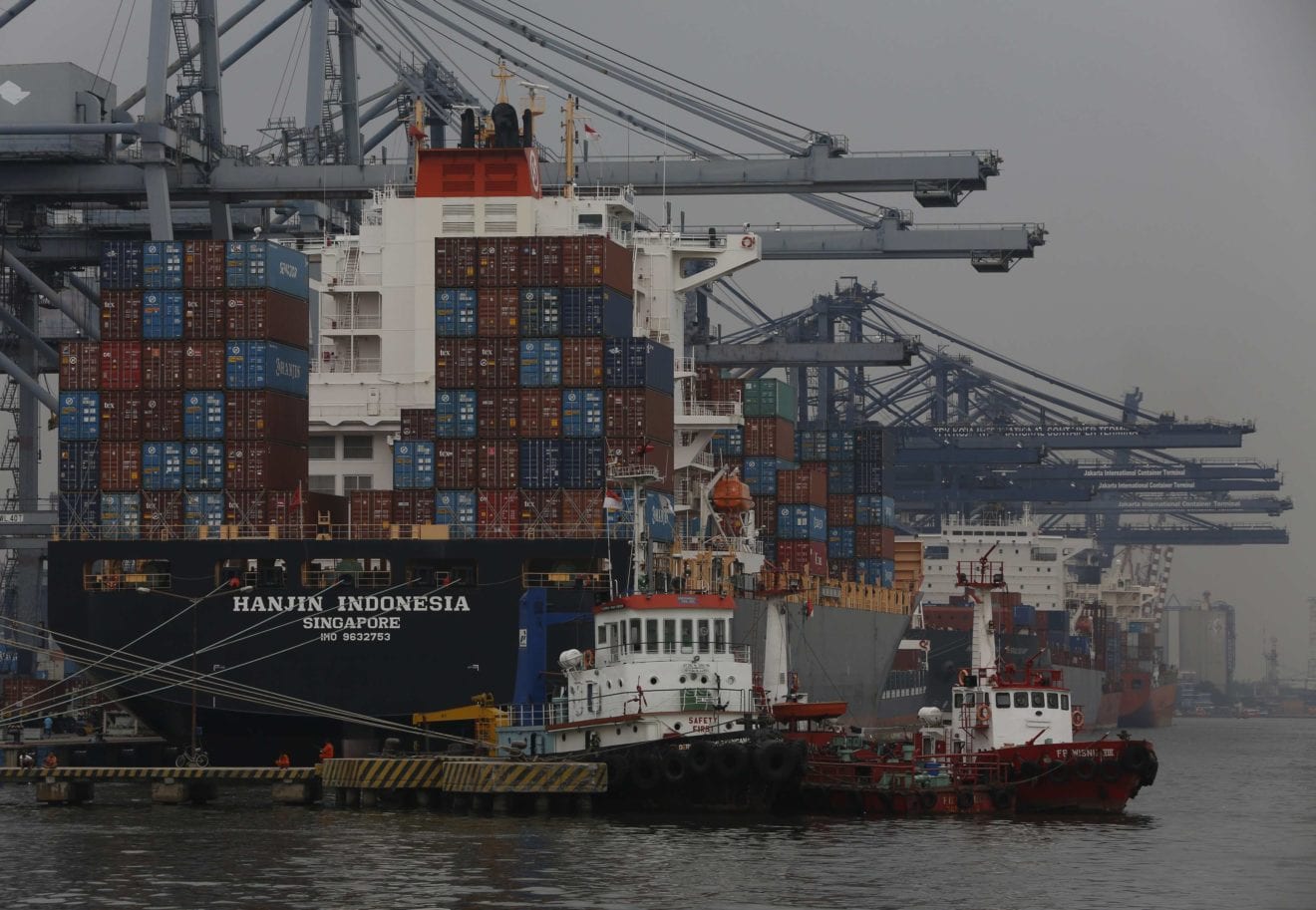
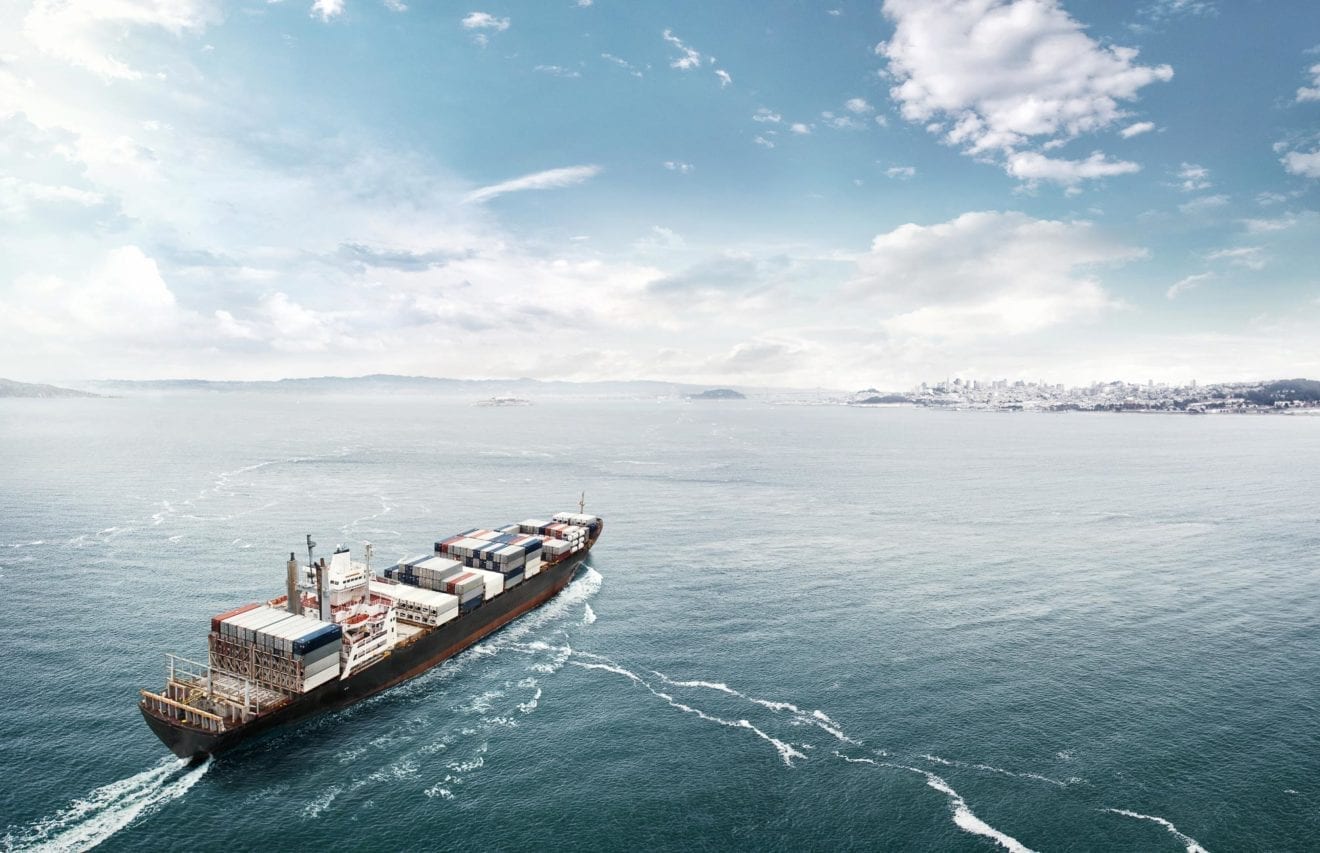
    Vietnamese businesses are once again struggling to get containers to export their goods amid a global imbalance in the logistics sector. Bui Thi Ngoc Tuyen, deputy director of Bich Chi Food Company in the southern province of Dong Thap, said as empty containers have become scarcer, prices have tripled.

    “We struggle to get enough containers for our goods, and even if we do, there is no ship to transport them.”

    Duy Tan Plastics, which gets one-fifth of its revenues from exports, is also caught in a similar struggle, with logistics costs on some main routes rising 95–231 percent year-on-year. The company has seen the number of orders declined by around 10 percent due to higher shipping costs, its deputy director Le Anh said.

    Tran Thanh Hai, deputy director of the Agency of Foreign Trade under the Ministry of Industry and Trade, said sea shipment costs have risen because container costs have surged seven or eight times.

    Vietnamese companies had already faced a container shortage towards the end of last year and earlier this year as global trade rebooted after months of limited activities caused by the Covid-19 pandemic, but the recent Suez Canal blockage has once again triggered shortages that could severely hurt exporters.

    Although the mega-ship Ever Given has been freed from the canal, some ships had been forced to reroute on a longer journey, and a two- or three-week delay of shipments is expected.

    This means Vietnamese exporters will have to wait a couple of weeks or even a month to receive empty containers for the next shipment, and they will have to bear higher costs due to shortage of the metal boxes, said Ho Van Hiet, CEO of Prime Logistics Vietnam, which transports around 200 containers a month.

    Container rents in December and January had surged 5-10 times from earlier due to a global shortage of containers. Although prices dropped by 10-20 percent last month, they could return to the previous peak in this and the next month due to the Suez blockage, Hiet told VnExpress International.

    His company has been urging customers to make quick deliveries now, before prices climbed again.

    Lam Thi Thanh Bong, CEO of Karl Gross Logistics Vietnam, said that after a period of limited trade activities last year caused by the Covid-19 pandemic, many Western countries are having an oversupply of empty containers while some Asian ones are seeing shortages.

    “This imbalance in supply and demand will have major impacts on Vietnamese exporters,” she said.

    For now, exporters need to book their shipment between two and four weeks prior to ensure they have slots on the vessels and they should negotiate sharing higher logistics costs with their partners, she added.

  • The Battle is on for fastest shipping worth fighting?

    The Battle is on for fastest shipping worth fighting?

    Consultancy firm AlixPartners has challenged whether the battle to deliver the fastest shipping is worth fighting, following Amazon’s move to free one-day shipping for Prime members from the two-day norm.

    The firm’s Home Delivery Shopping Survey this year found that US customers are willing to wait up to 4.3 days to receive an item if they get it shipped for free.

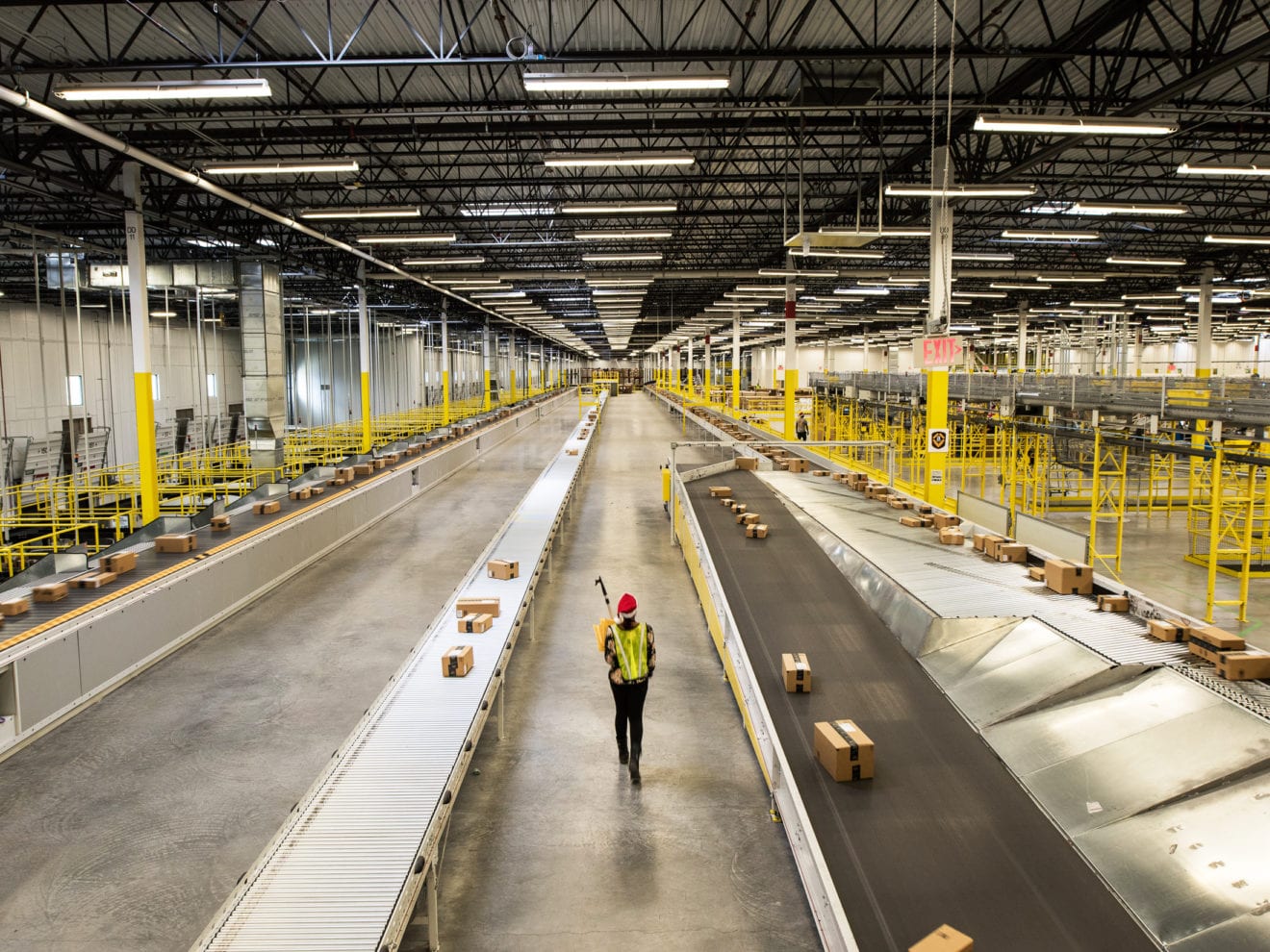
    AlixPartner’s research notes that while faster shipping translates to a higher perceived value for the customer, sustainability and social responsibility are also important to consumers. The implications of transportation and other shipping logistics on carbon emissions are substantial – some estimates say home deliveries add millions of metric tons of carbon to the atmosphere every year. There are also safety concerns for warehouse workers. Labour unions have questioned whether Amazon’s fulfillment centers can safely accommodate faster deliveries given that they manage 200–300 orders per hour over 12-hour shifts with two-day shipping.

    Then there is the tremendous burden of added expenses. Amazon has spent more than 20 years and an estimated US$150 billion globally to build out its capabilities. It is improbable many other retailers would be able to invest at the same level.

    Competitors have scrambled to follow Amazon’s lead. Most notable was Walmart, which announced that its own next-day shipping program – to be test launched in a handful of cities – would not even require an annual membership fee. Target also appears poised to become similarly competitive in its shipping offerings.

    “Instead of blindly matching Amazon, you may be better placed ascertaining what your customers actually want and expect from you around service and experience and creating strategies to deliver on those expectations,” read an editorial released by the firm.

    “Retailers must mine data insights to understand what’s being purchased in each specific store location as well as what customers expect from shipping options.”

    In-store pickup

    The survey found that more than 60 percent of US shoppers have taken advantage of an in-store pickup program, and one in two are expecting to use such options more often.

    Consumers were shown to sometimes prefer to receive access to all items in their order in one go or prize incentives such as discounts or store credits.

    About 76 percent of respondents said retailers who use more mobile technology provide a faster shopping experience. The best way to harness stores is through a real-time inventory management system, which means having a precise view of what is available in the store and when, including for returns. Target’s Drive Up service, for example, allows online consumers to order items from a local location, pull up to the store’s parking lot about an hour or two later, and then have an employee deliver merchandise directly to their car within two minutes.

    The pressures of maintaining an e-commerce edge have become harder, but trying to jump into battle on every single front can turn out to be counterproductive and, with something like ultra-fast shipping, potentially an expensive mistake. Consumers today have strong opinions and won’t shy away from conveying exactly what they need or expect.

  • EBay still dominates online shopping in Australia

    EBay still dominates online shopping in Australia

    Australian consumers largely prefer to use international online marketplaces, despite increasing investment by local retailers in the space, according to new data from discounts platform CupoNation.

    According to the data, four out of the top five most visited retail websites in Australia were dominated by international and domestic offers by US-based retailers eBay and Amazon.

    EBay Australia was the most used retail website in Australia during the period between January and March 2019, with 194.9 million users, while its global site brought in another 36.6 million users.

    Amazon’s global site outpaced its local offering, with the US site enjoying 58.1 million users in Australia over the period, compared with 35.5 million who utilised the Australian variant.

    Sitting in between these four online-only offerings, hardware chain Bunnings brought in the most users of any Australian-owned retailer – with 41.26 million users utilising its online platform, 65 per cent of which utilised mobile to do so.

    “We want to rush slowly into this,” Bunnings managing director Michael Schneider previously told, regarding the hardware chain’s comparatively late adoption of online retail.

    “There’s no hard date or obligation… We just want to be a great place customers choose to shop at, and we recognise that customers have more choice than ever before, but selling online is just one string in a bow.”

    The next most visited websites were Woolworths, which saw 33.7 million users over the period, Coles, which saw 22.5 million, Jb Hi-Fi (29.1 million), Kmart (22.4 million), and Kogan (20.9 million).

    CupoNation collected this data through SimilarWeb and Alexa tools, compiling traffic information from the period between January and March 2019. The number of visits represented in the data is not tied to unique users, meaning a user can have use a site multiple times and it will count as multiple visits.

  • EBay orders Shipped Faster

    EBay orders Shipped Faster

    New data from Juniper Research predicts consumer interaction with chatbots in retail will reach 22 billion by 2023.

    The figure represents a sharp increase over an estimated 2.6 billion interactions this year.

    According to the new research report “AI in Retail: Segment Analysis, Vendor Positioning & Market Forecasts 2019-2023”, chatbots in retail will enable effectively automated customer interactions for both online and offline vendors.

    A crucial enabler of this development will be improvements in NLP (Natural Language Processing), which will dramatically reduce the failure rate of chatbot interactions, by making them more natural and valuable for customers.

    Juniper anticipates that retailers who do not adopt chatbots will face strong challenges from more technologically-adept disruptors, who will use chatbots as an extension to the crucial omnichannel retail experience.

    The research also found that chatbots used for customer service have a strong potential to reduce costs; with deployments realizing annual savings for retailers of US$439 million globally by 2023, up from just $7 million this year.

    These potential savings will act as a key “pull” factor, given the margin pressure that many retailers are presently feeling.

    “By embracing automated customer service with chatbots, retailers can act in a more flexible and efficient way,” explained research author Nick Maynard. “The wider retail market means that chatbots are no longer a luxury, they are essential.”

    Meanwhile, sales resulting from interaction with chatbots in retail will reach $112 billion by 2023, up from $7.3 billion this year; representing an annual growth rate of 98 percent.

    The research found these sales will largely be a result of migration from other channels, rather than a new revenue stream. Accordingly, the research emphasized that while retailers must adopt chatbots for ease of use (and to reduce consumer churn), their return on investment will come from efficiencies, rather than net income.

  • JD.com and Rakuten to collaborate on drone delivery

    JD.com and Rakuten to collaborate on drone delivery

    Chinese online retailer JD and Rakuten, the Japanese e-commerce firm, will collaborate on developing unmanned delivery solutions in Japan. According to a new agreement signed between JD and Rakuten, JD’s drones and autonomous delivery robots will be used in Rakuten’s unmanned delivery services, which the firm launched in 2016. The two companies will collaborate on Rakuten’s lineup of unmanned delivery services to suit a wide range of applications and situations.

    Rakuten has already gained experience through providing delivery services and trials in collaboration with corporate partners and local governments. In 2018, its first delivery trial was conducted using a combination of drones and autonomous delivery robots, a step toward solving the last mile challenge for the logistics sector in Japan.

    “We are delighted to begin this collaboration with JD, which boasts the most cutting-edge proprietary delivery network in China as well as a track record and knowhow in delivery with drones and UGVs,” said Koji Ando, group managing executive officer of Rakuten. “By using JD’s drones and UGVs with the unmanned delivery solutions created by Rakuten, we hope to accelerate innovation in the Japanese logistics sector and contribute to building a society that can offer greater convenience to all citizens.”

    JD began developing its drone program in 2015, and launched the world’s first commercial drone deliveries in 2016 in rural China. It currently operates drones in Jiangsu, Shaanxi and other provinces.

    Since then, JD’s drones have logged more than 400,000 minutes of flight time. In January this year, the company announced the success of Indonesia’s first government-approved drone test flight, opening the door for future commercial drone use in Indonesia and Southeast Asia.

    On the ground in China, its autonomous delivery robots are being used in urban areas in several cities and are becoming frequent sights on a number of university campuses and in office parks. JD has also launched two smart delivery stations in the cities of Changsha and Hohhot, transforming last-mile logistics and further increasing delivery speed for customers.

    “We have been using drones and autonomous delivery robots for real deliveries in China for more than two years,” said Jun Xiao, president of JD-X, JD’s logistics innovation lab. “This is one way we are innovating to make logistics more accessible, reliable and cost-effective.

    “In Japan, there are many opportunities for drones to make deliveries in mountainous areas, remote islands and in emergency situations. As we push the bounds of what our autonomous delivery technology can do, and explore its use in a wide range of applications from e-commerce to humanitarian support, we believe it will continue to bring significant benefit to people around the world.”

  • Kerry Logistics expands e-commerce fulfilment through E-Services Group JV

    Kerry Logistics expands e-commerce fulfilment through E-Services Group JV

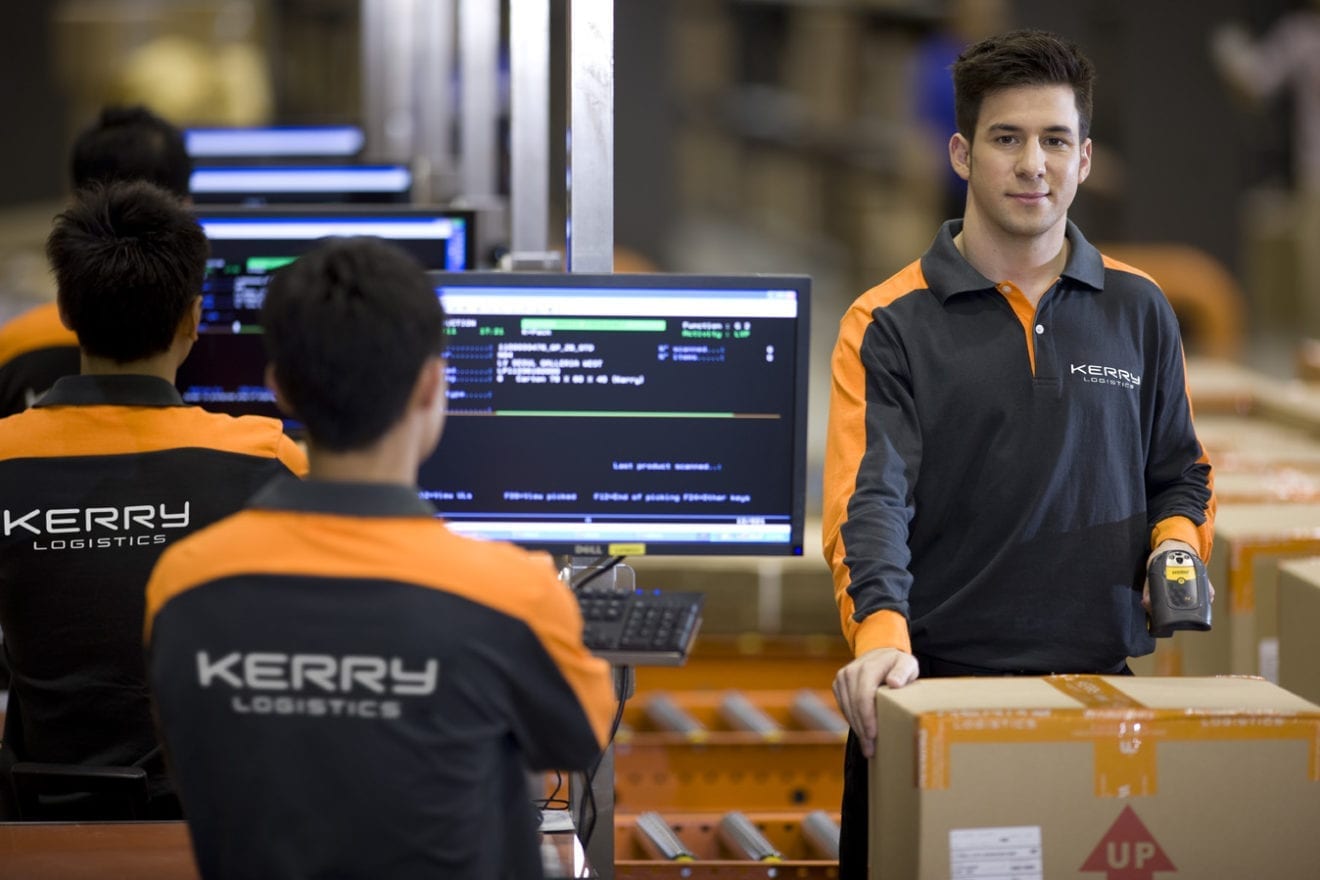
    Hong Kong-based Kerry Logistics is expanding its e-commerce fulfillment capabilities through a joint venture with Asian e-commerce specialist E-Services Group. Their joint venture, Kerry ESG (HK) Company Limited, will combine Kerry Logistics’ global supply chain capabilities with ESG’s technology platform, global marketplace networks, and e-commerce expertise to offer etailers cost-efficient solutions internationally.

    ESG, founded in 2002, claims to be ‘the leading international end-to-end e-commerce company in Asia’, headquartered in Hong Kong, with offices in China, Singapore, and Taiwan. As the strategic partner to over 20+ leading global marketplaces such as Rakuten, JD.id, and Cdiscount, ESG not only enables its 28,000+ etailers to grow their businesses internationally through marketplaces, but also supports them with comprehensive shipping solutions.

    Kerry ESG, set to debut in March 2019, aims to become one of the leaders in global e-commerce fulfillment solutions, enabling etailers to deliver products to customers anywhere in the world quickly and cost-effectively. Through direct integration with leading shopping carts and global marketplaces, etailers using Kerry ESG’s services will be able to seamlessly manage their order fulfillment, inventory, and returns to and from multiple logistics centres through one platform.

    William Ma, Group Managing Director of Kerry Logistics, said: “We are thrilled about the growth opportunities in global e-commerce. With Kerry ESG, we are creating a unique platform with total solutions from upstream marketing to downstream logistics that will capitalise on the booming international marketplace model to facilitate the exports for our international brand customers. Combining forces as industry leaders, Kerry Logistics and ESG are well-positioned to unlock the potential in the market with this new joint venture.”

    Alan Lim, Founder and CEO of ESG, added: “Winning at e-commerce means getting every piece of the puzzle right, and fast, reliable fulfillment is a critical component of success. This partnership gives etailers access to an extensive distribution network to support e-commerce fulfillment in every market and with every online channel. With Kerry Logistics we have found a great partner, whose capabilities complement ours and whose culture and vision matches that of our team. I am excited about how we can grow this business together.”

    Kerry Logistics said it has identified cross-border e-commerce, particularly between Greater China and ASEAN, as a major growth sector which plays to its strengths. The new partnership with ESG, which is the official partner of leading marketplaces including JD.id, Rakuten, and Newegg.com, will play a pivotal role in strengthening the foothold that the two companies have in this area.

    Kerry Logistics has a network covering 53 countries and territories, and is managing 53 million sq ft of land and logistics facilities worldwide.

  • Vietnamese logistics startup raises $5.5 mln in latest funding round

    Vietnamese logistics startup raises $5.5 mln in latest funding round

    Logivan, a web platform that helps trucks connect with potential customers, said it has raised $5.5 million in the latest funding round. The investment comes from two Asian angel investors and Indonesian venture capitalist Alpha JWC Ventures. One of the angel investors is David Su, a founding managing partner at private equity firm Matrix Partners China, who invested through his family office.

    He said: “Vietnam is the next rising star in the growing Southeast Asia region and it is well poised to experience a similar growth trajectory as we witnessed over the past years in China.

    “Vietnam’s logistics industry is highly fragmented, logistics costs make up 23 per cent of Vietnam’s GDP, with 90 per cent of trucks in Vietnam being owned by individuals. Given the success of Manbang (a Chinese truck-hailing firm), we believe that Logivan has the potential to emulate its success.”

    According to e27, an online Tech media platform for Asia, Logivan will be investing in data analysis to optimize user experience, artificial intelligence, truck-matching, and pricing algorithms to minimize empty trips and in human resources.

    Last year, Logivan raised $600,000 in April from Singapore-based Insignia Ventures Partners and $1.75 million in August from Singaporean private equity firms Ethos Partners and Insignia and Vietnamese investment fund VinaCapital Ventures.

    It has raised a total of $7.9 million to date.

    Founded in 2017 by Cambridge graduate Pham Khanh Linh, the company offers a logistics service which optimizes trucks’ routes and minimizes empty return trips.

    She came up with the idea after observing that 60-70 percent of trucks in Vietnam returned empty after dropping off their loads because they could not connect with potential customers.

    In 2018 Logivan claims to have connected more than 22,000 transportation partners with every major commercial truck type. It also has 10,000 shipping companies registered on its system.

  • GreyOrange installs advanced Sorters across Asia from Saudi Arabia to the Philippines ahead of world’s busiest shopping days

    GreyOrange installs advanced Sorters across Asia from Saudi Arabia to the Philippines ahead of world’s busiest shopping days

    Robotics and warehouse automation company GreyOrange announced plans for the installation of its newest Linear Sorters in several locations across Asia; in Saudi Arabia, India and the Philippines. Equipped with advanced software, these high-speed Linear Sorters will deliver the flexibility and scalability required by retail, FMCG, e-commerce and third-party logistics(3PL) operators to manage high volumes for e-commerce and omnichannel distribution.

    These companies anticipate and have planned to cope with the high volumes over the next months for the ongoing festive season around Diwali and the world’s biggest ecommerce event – Singles Day on 11 November. Logistics operators across Asia are expecting that the surge in volumes would follow through Black Friday and Cyber Monday sales at the end of November, and through the Christmas and year-end shopping season.

    In Riyadh, a leading express courier company in the Kingdom of Saudi Arabia has acquired the latest sortation system from GreyOrangeTM for its customised configurations; as such automation contributes immensely in improving productivity in managing parcels for distribution across the Middle East.

    One of the world’s leading FMCG companies in India, has deployed a high-end GreyOrange sortation system at its distribution center near Mumbai. The company specialises in Food, Home Care, Personal Care and Refreshment products and numerous brands. The Sorter will handle some of its categories including leading household brands. It will result in faster fulfilment and reduce turnaround times.

    Nalin Advani, CEO – Asia-Pacific, GreyOrange said, “The growth in e-commerce across Asia has taken many by surprise. With annual growth rates of 12-18% in many markets, e-commerce and third party logistics operations need Sorters that can deliver the high performance they want in terms of throughput and the versatility of a scalable and responsive supply chain.”

    Another unique sortation system has been installed in a large distribution center near Mumbai. It is mainly used as an Order Consolidation Item Sorter for fashion store retail distribution to over 1000 stores in India. This single Sorter performs double duty sorting for both its inbound load as well as consolidating the outbound load.

    In the Philippines, one of the country’s fastest growing logistics company that provides innovative solutions for e-commerce payments and deliveries, has installed a GreyOrange sortation system to handle its fast-growing volume of parcels. At this central facility in Manila, the sorter will auto-sort the parcels for 480 destinations and hubs across the Philippines.

  • UPS announces new innovations to Marketplace Shipping solution

    UPS announces new innovations to Marketplace Shipping solution

    Earlier this week, UPS heralded the most recent additions to its Marketplace Shipping offering, which it described as a technology solution that enables merchants to view, process, and ship orders from various e-commerce marketplaces and online stores through a single online interface.

    UPS introduced marketplace shipping four years ago to provide customers with a simple option for getting their sold orders into the hands of their buyers, a company spokeswoman told. UPS Marketplace Shipping has been live on UPS.com since January of 2014 but has not been formally publicized by the company until this week.

    “UPS recognized the growth trends in e-commerce third-party marketplaces for small business owners and wanted to provide an easy, low cost solution to help them manage and ship their online orders,” she said. “UPS has always been focused on helping our customer grow their business on both a domestic and global platform. This is why we launched UPS marketplace shipping in 11 countries.”

    The two new additions to UPS Marketplace, the 19th and 20th companies involved with the offering, are Houzz, a popular site for home remodeling, design and purchasing of related products, and Pricefalls Marketplace, an online retail marketplace offering a wide variety of goods, with Magento, an open source e-commerce platform, added late last year. UPS said it expects to continue adding additional marketplaces, which will further facilitate the ease of shipping and selling on multiple sites.

    Marketplace Shipping benefits online sellers by saving time in their order processing, reducing cost from eliminating the need to purchase third- party software programs and benefiting from what the UPS spokeswoman called a “vast array of service options,” including reliable time-guaranteed deliveries and enhanced visibility tools that come from using the UPS network.

    In terms of how Marketplace Shipping works, the spokeswoman explained that customers that have created online stores on any of the 20 platforms supported by Marketplace Shipping, simply register their online stores with UPS marketplace shipping to view, edit and ship their packages.

    “It as simple as 1,2,3…Connect, view and ship,” she said.

    Prior to the introduction of Marketplace Shipping, online sellers had to copy and paste address information from their online buyers shopping cart into UPS shipping systems.

    “UPS marketplace shipping was designed to automate this process by automatically pulling in the buyer’s shipping address and then uploading tracking numbers back to the shopping carts once the orders are shipped,” the spokeswoman said.

    Michele Cooper, senior manager of customer technology marketing, UPS  said in a statement that smart sellers know they have to be on multiple marketplaces to reach the most customers, but juggling transactions from an ever-increasing number of sales sites can get complex.

    “UPS Marketplace Shipping is designed to address that pain point,” she said. “UPS Marketplace Shipping is an innovative solution for businesses seeking a tool to offer customizable shipping services in the rapidly-growing world of e-commerce.”

  • Due diligence: The key to long term success in business within Asia-Iran shipping industry

    Due diligence: The key to long term success in business within Asia-Iran shipping industry

    The Iran nuclear deal which took effect January 2016, known officially as the Joint Comprehensive Plan of Action (JCPoA), was implemented after United Nations inspectors said that Iran had dismantled a large portion of its nuclear programme.  The Iranian economy has grown because of these easing of sanctions and Iran remains one of the last great untapped emerging markets.  Now that Iran can return to the oil market, the government hopes to rebuild the country’s energy industry and capture an increased share of the global market by shipping an estimated 300,000 barrels per day.  For all parties involved, the continued criminal activity of a few risk sullying the image of an industry working hard to remain transparent and prosperous.

    Since the easing of the United Nations’ sanctions on Iran in January 2016, Iran has been making significant efforts to increase trading and business with the rest of the world.  Especially within Asia, there remains significant economic potential for growth in pursuing business opportunities with linkages with Iran.  Asia is the biggest importer of Iran’s crude oil with the top four countries of China, India, South Korea and Japan, totalling a combined average of 1.60 million barrels per day.  Since the sanctions ended, the Iranian government has tried to in­crease production rapidly to reclaim Iran’s market share, especially in Asian markets.  Iran’s shipping industry is one of the main areas which will benefit from the easing of sanctions, as many global companies are increasing their foreign interest and investment in shipping companies and ports within this trade route.  However, despite optimism of a corruption-free future within the industry, criminals are still engaging in illicit shipping practices which risk undermining the progress in the industry made to date.

    While not an everyday occurrence, as recently as March 2017, Iran was shipping weapons and equipment to Yemen’s Houthi rebels.  The Houthi rebels are engaged in a civil war with the Yemeni government.  Iran was using cargo ships to deliver these supplies to Yemen either directly or via Somalia, bypassing Western efforts to intercept the shipments.  Once arrived at the Yemeni ports, the supplies were transferred from the cargo ships to small fishing boats to complete the final leg of the journey.  Policing and enforcement, even if local authorities attempted to interdict, is extremely difficult due to the sheer number of small fishing vessels in these waters.

    Reports also indicated that the Islamic Revolutionary Guards Corps (IRGC), under the Iranian military, set up shell companies to facilitate the illegal shipment of weapons and illicit goods.  In addition to weapons, the IRGC is suspected of illegally importing other high-profit items such as alcohol, cigarettes and satellite dishes. The IRGC also commandeered some of the commercial ports in Iran to maintain direct control of other illicit activities.

    Before the implementation of JCPoA in January 2016, for decades, Iran survived crippling economic sanctions and international isolation.  Iran found ways to circumvent and evade sanctions through a host of illegal business dealings, illicit shipping practices and contraband smuggling.  For example, Asian buyers of Iranian’s oil paid with their local currency, which avoided the transactions from being registered within the financial systems visible to the United Nations.  The funds were then used to buy capital and consumers goods in these Asian countries.

    In both instances, illegal modus operandi like forging shipping manifest and bills of lading, and other paperwork in the process, was used to obscure country of origins, and sometimes, destinations.  From 2013 to present, criminals continue to find ways to hack the Automatic Identification System (AIS) of shipping vessels to disguise their identities.  One of these hacked vessels even entered the water off of eastern Singapore.  The AIS, which is a system used to track maritime shipping around the world, remains vulnerable to cyber criminals involved in these same illicit dealings.  Despite sanctions being relaxed and the significant potential opportunities everyone can legally pursue, a few recalcitrant parties still engage in these shady practices for monetary gains or other political goals.

    Albeit fewer in number when compared to when before sanctions were relaxed, criminal actions of individuals, businesses and/or governments place the improvements in image and transparency made to date in the shipping industry at risk.  These criminals operating within the industry deter the crucial foreign investment as required at this time to expand and grow.  Executives leading the industry must implement more robust due diligence practices as part of “Know Your Client” (KYC) requirements in evaluating new, and existing, business partners.  It is the responsibility of the executives of companies working within this industry to proactively ensure their companies have implemented a framework for checks and balances to best root-out corruption and demonstrate compliance with international law.

    While a global problem, executives within shipping companies involved in the Asia-Iran trade routes must more aggressively focus on this problem due to the quickly evolving nature of this emerging market.  This will help ensure legitimate companies do not unknowingly become a pawn in shady business dealings by associating with criminal elements.  Robust due diligence measures, including investigations and audits, must include any new relationship and also incrementally be incorporated to evaluate existing client relationships.  Evaluating representative agents, vendors, suppliers and any international relationships will help reduce the risk of a company unknowingly being involved with a blacklisted or sanctioned foreign government official, state-owned enterprise, or otherwise illicit entity.

    The private sector must be the drivers of change to pursue a zero-tolerance, corruption-free working environment which is fully compliant with industry best practices and international law.  Working together, this will uplift the industry as a whole, increase efficiency in the process, attract global investment, and ultimately result in improved long-term profits for all who strive to root out the residual corruption remaining in the industry.

  • Global maritime shipping industry at the tipping point of digitisation

    Global maritime shipping industry at the tipping point of digitisation

    The maritime industry and broader ocean supply chain are suffering from major and costly inefficiencies due to ineffective data sharing and poor cross-industry collaboration, according to a new report and industry survey released by the Business Performance Innovation (BPI) Network in coordination with Navis and XVELA, both part of Cargotec’s Kalmar business area.

    The study, “Competitive Gain in the Ocean Supply Chain: Innovation That’s Driving Maritime Operational Transformation”, finds huge opportunities to improve performance and customer service through better use of technology across the ocean supply chain.

    The study is based on a global survey of more than 200 executives and professionals from terminal operators, carriers, logistics providers, vessel owners, port authorities, shippers, consignees and other members of the global ocean supply chain. It was developed in partnership with maritime industry technology leaders Navis and XVELA.

    The study indicates that importers, exporters, container carriers, terminal operators, vessel owners and other stakeholders suffer from poor visibility and predictability around shipments and are losing money due to a lack of partner synchronisation and insufficient data insight.

    However, there is recognition, particularly among industry leaders interviewed, that digitisation and mindset shifts are afoot, and will be a boon to all players in the industry. “Everyone benefits from collaboration and data sharing,” says Andreas Mrozek, Global Head Marine & Terminal Operations for the Hamburg Sud Group, one of the world’s largest container shipping lines. “It starts with the customers and moves to the carriers, then the terminal operators, vendors, freight systems, truck companies, and keeps going down the line. Closer collaboration is a compelling value proposition for each supply chain partner.”

    90 percent of survey participants said real-time data access and information sharing was important to increasing the efficiency and performance of the shipping industry. Some 80 percent said the industry needs to improve supply chain visibility.

    The push for improvements will likely come from a combination of forces, according to industry executives. Shippers will push for better operational visibility; alliances will demand better ways for their carrier members to share information to improve efficiencies and customer service; and terminals and port authorities under pressure to increase utilisation and optimise existing infrastructures.

    On average, surveyed executives estimated that each of a wide range of ocean supply chain processes could be improved by as much as 66 percent and no less than 55 percent if the industry updated its IT systems and improved its ability to share data with other members of the supply chain.

  • UPS rolls out new peak shipping surcharge

    UPS rolls out new peak shipping surcharge

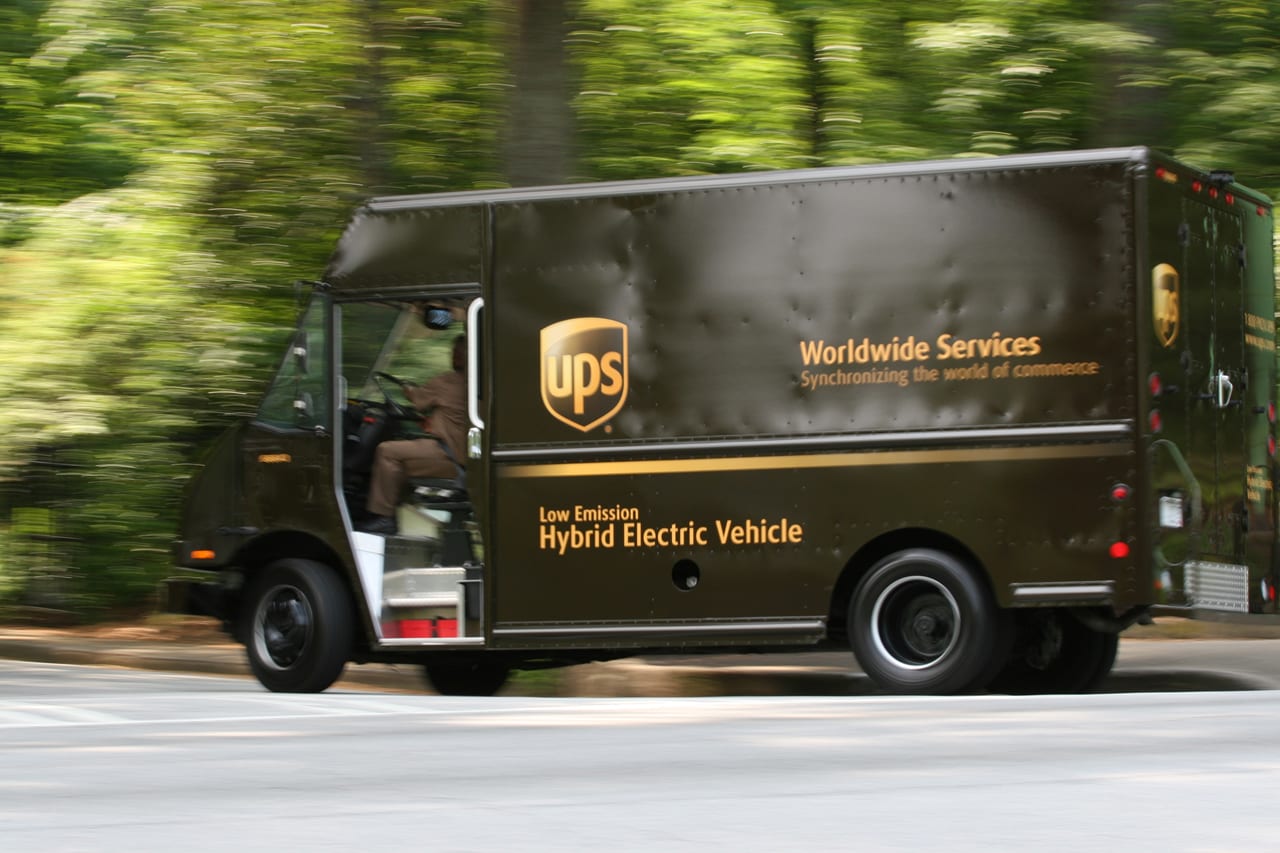
    UPS announced a new peak charge applicable during selected weeks in November and December 2017 for US residential, large packages and packages over maximum limits. The new charge is designed to enable UPS to continue to provide best-in-class value to customers while offsetting some of the additional expenses incurred during significant volume surges.

    “We’re focused on helping our customers achieve success during some of their most important selling seasons,” said Alan Gershenhorn, UPS chief commercial officer. “To meet their requirements, UPS flexes its delivery network to process near double our already massive regular daily volume, and that creates exceptional demands.”

    To meet peak volume demand, among many other investments, UPS acquires on a temporary basis and often at shorter-term premium rates, additional air and truck cargo capacity, temporary facilities, and additional sorting and delivery personnel.

    Further, shipments which are larger, heavier, or have unconventional shapes or sizes create even greater operational complexity during high-demand periods.

    “Our goal is to help every customer obtain the delivery capacity they need, combined with predictable and timely service they count on from UPS, even when there is limited capacity in the UPS network,” Gershenhorn continued.

    The company’s new per-piece peak charge* for the US 48 contiguous states and intrastate Alaska and Hawaii** for applicable package types and periods is summarized in this chart***:

    Nov 19 to
    Nov 25
    Nov 26 to
    Dec 2
    Dec 3 to   Dec 9 Dec 10 to
    Dec 16
    Dec 17 to
    Dec 23
    UPS Next Day Air Residential

    n/a

    n/a

    n/a

    n/a

    $0.81

    UPS 2nd Day Air Residential

    n/a

    n/a

    n/a

    n/a

    $0.97

    UPS 3 Day Select Residential

    n/a

    n/a

    n/a

    n/a

    $0.97

    Ground Residential

    $0.27

    $0.27

    n/a

    n/a

    $0.27

    n/a = no additional charge during this period
    * Peak Surcharge to be published Sept 1, 2017 in a revised version of the UPS U.S. Rate & Service Guide
    ** For packages to and from Alaska and Hawaii, the surcharge is posted on ups.com/rates
    ***Chart does not show all potentially applicable peak surcharges. 

    “With the new peak charge, per-package costs for many shipments will only marginally increase during this very busy time of the year.” Gershenhorn continued.

    For example, a five-pound UPS Next Day Air package shipped from Atlanta, GA to a residential address in Philadelphia, PA will increase about one percent, compared to non-peak shipping times. A similar package shipped to a commercial address would experience no additional cost.

    From November 19 through December 23, UPS will also apply peak surcharges to Large Packages and packages that exceed maximum size limits. These charges are in addition to normal surcharges applicable to such packages. When shipping packages that exceed UPS’s published maximum size limits, customers are encouraged to consider using UPS Freight.

  • The dark zone in Asian shipping supply chains

    The dark zone in Asian shipping supply chains

    CEOs of global shipping companies are operating in a complex environment where business, cultural and geopolitical issues come into play.  There are many intertwining factors that the CEOs have to take into account when they make or condone strategic decisions that affect the value of their companies.

    Sometimes, these decisions seemingly, on the surface, would bring in revenues, improve bottom line or reduce costs.  But in fact, these are myopic decisions that not only negatively affect the value of their companies but also will have a larger negative impact on the industry as a whole.  These decisions may be illegal or corrupt in the western context, but in the Asian context, they are seen as cultural norm.

    Corrupt custom pervasive in Asia

    Whether we want to admit it or not, it is a fact that corruption is relatively prevalent in Asia to the point that it is perceived to be an acceptable and routine way of conducting business.  According to Transparency International, the majority of Asia Pacific countries sit in the bottom half of the Corruption Perceptions Index 2016. 19 out of 30 countries in the region scored 40 or less out of 100.

    Corruption is endemic in the shipping business as it is relatively opaque, and because it operates across the globe in a wide variety of cultural, economic and political situations. And, there is hardly any recognition for a standardized anti-corruption compliance culture, either from the respective governments or the industry itself.

    For example, in day-to-day operations of shipping lines, bribing local officials like port inspectors is an expected part of the transaction to grease the processing of cargoes through ports or checkpoints.

    Illegal oil bunkering occurs when ship-to-ship transfer of fuel takes place not at designated areas and without paying the official fees.  Perpetrators blatantly exploit weak legislation and enforcement.  In this corrupt tradition, they can earn, depending on their status on the hierarchy, anywhere between US$40,000 and US$640,000 per run.

    To show the wide reach of illegal oil bunkering, there are incidents occurring even in Singapore, a country with strict regulations, extensive enforcement and heavy penalties.  In a recent case, JL Petroleum has been fined by Singapore’s court after pleading guilty to supplying marine fuel without a valid license.

    Singapore’s police had said that the illegal trade in ships’ fuel is a lucrative business, and more people have been caught stealing, selling and buying such diesel.

    Intrigue on the high seas

    According to latest figures from the International Maritime Bureau, more than half of the world’s piracy are occurring in South East Asia. Specifically, piracy in the waters off Indonesia, the Strait of Malacca and Singapore Strait has increased exponentially, representing almost 40 per cent of attacks globally.

    Given the scale and frequency of these attacks, it is not hard to have an educated guess that there is corporate collusion with these pirates.  Corrupt insiders within the industry and at the targeted ships’ companies are crucial for the pirates to gain valuable intelligence on when and how to rob the ships of cargoes and fuel.

    In another instance of high sea intrigue, there are many cases of shipping companies ignoring United Nations’ sanctions against rogue countries.  In a recent example, the United States Treasury Department had blacklisted a Singapore company, Senat Shipping, for providing extensive support, including arranging the purchase, repair, certification, and crewing to North Korea’s Ocean Maritime Management Company vessels.  The United Nations had sanctioned Ocean Maritime Management Company for its involvement in the shipment of banned weapons. 

    Increasing valuation by cleaning house

    In as much as we like things to remain business as usual, the fact remains that these corrupt practices in the Asian shipping industry are detrimental not only to the companies involved but are also reflecting badly on the industry as a whole. Bad practices, like the aforementioned corruption, illegal oil bunkering and collusion with pirates, fundamentally erode the ability of shipping companies to operate efficiently and profitably.

    There is much to gain by having an industry with open, transparent legal and regulatory mechanism.  Change, of course, will not be immediate but incremental, as bad practices are so entrenched in the industry.

    If CEOs are aware and are convinced that change is necessary to increase the value of their companies and uplift the image of the whole industry, then this will go a long way to attract investors and funds.  Therefore, CEOs must have the courage and conviction to take corrective measures to weed out these bad practices.

  • Loss-making shipping company turns down real estate investors

    Loss-making shipping company turns down real estate investors

    Despite continuous losses for many years, Northern Shipping Joint Stock Company (Nosco, ticker NOS on UPCoM) attracts many investors due to its abundant land reserves. In 2016, Nosco earned a revenue of nearly VND131 billion ($5.76 million), which accounted for 92.4 per cent of its initial plan. However, it still suffered a loss of VND340 billion ($14.96 million).

    The technical analysis of Nosco revealed that the main reason for this loss is the VND117 billion ($5.15 million) depreciation of fixed assets and interest expenses of VND170.7 billion ($7.5 million). Besides, the company had to spend handsomely on provisions, exchange rate differences, and accounting for the costs incurred.

    According to Trinh Huu Luong, chairman cum general director of Nosco, said that the loss did not derive from business activities but from a huge investment in purchasing ships. As a result, these ships’ depreciation are putting a burden on Nosco.

    For example, previously, Nosco Victory ship was purchased at VND1.2 trillion ($52.8 million) but is only worth VND50 billion now. Similarly, Nosco Glory was purchased for VND1.8 trillion ($79.2 million) and is now worth about VND30 billion ($1.32 million). “If such an investment were made at present, Nosco could earn profit,” Luong said.

    According to the 2017 plan, Nosco expects to generate a revenue of VND87.5 billion ($3.85 million), an equivalent of 56 per cent of the 2016 revenue. One of the reasons for its declining revenue is that in 2017 the company cut down three ships compared to 2016. Now Nosco operates four ships, however, since the beginning of 2017 two of them that had to be repaired.

    Attractive land bank

    Despite its business situation, gloomy future, and negative owners’ equity, Nosco attracts numerous investors. Three investors contacted the company asking to purchase it. Nevertheless, Luong said that they are real estate investors, therefore, what they really want to buy is Nosco’s land bank.

    Some of Nosco’s lands include its headquarter at 278 Ton Duc Thang Street, Hanoi (1,637 square metres), the shipbuilding and repair factory in Lien Mac ward, North Tu Liem District, Hanoi (2,087sq.m), the office at 102 Ly Thuong Kiet Street, Haiphong (91sq.m), and the office at 92 Le Thanh Tong Street, Halong city, Quang Ninh province (36sq.m).

    Meanwhile, according to the Nosco leadership, despite current difficulties, the company’s future is not completely gloomy. Nosco’s losses have been decreasing gradually, so the firm expects to reach the breakeven point soon.

    In 2015, Nosco suffered a loss of VND578 billion ($25.4 million), and in 2016 its loss was VND340 billion ($14.96 million) only. In 2017, Nosco expects to lose a bit over VND200 billion ($8.8 million).

    As of the first quarter of 2017, although Nosco suffered losses, its business prospects are getting brighter. Its loss in this quarter was about VND57 billion ($2.5 million), a significant decrease compared to the VND94.7 billion ($4.17 million) in the same period of 2016.

    Also, in this period, its net cash flow from operating activities was nearly VND3.5 billion ($154,000). If Nosco can maintain these results, it could be feasible for the company to reach the target of reducing losses to VND200 billion ($8.8 million) in 2017.

  • RoRo shipping service to ply Mindanao-Indonesia route

    RoRo shipping service to ply Mindanao-Indonesia route

    The Philippine and Indonesian governments will launch next month a roll-on, roll-off shipping service that will link Davao and General Santos cities to Bitung City in Indonesia, an official of the Mindanao Development Authority (MinDA) said.

    Presidents Rodrigo Duterte of the Philippines and Joko Widodo of Indonesia have been invited to grace the launch in Davao City after the 30th ASEAN Summit in Manila, MinDA Assistant Secretary Romeo Montenegro said.

    He said the DGB shipping will fill a gap in transport connectivity, at least between the Philippines and the rest of the Brunei-Indonesia-Malaysia-Philippines-East Asean Growth Areas and ASEAN itself.

    If pursued, the shipping service will be the first of its kind in the 50-year old ASEAN grouping and will help boost efforts for economic integration.

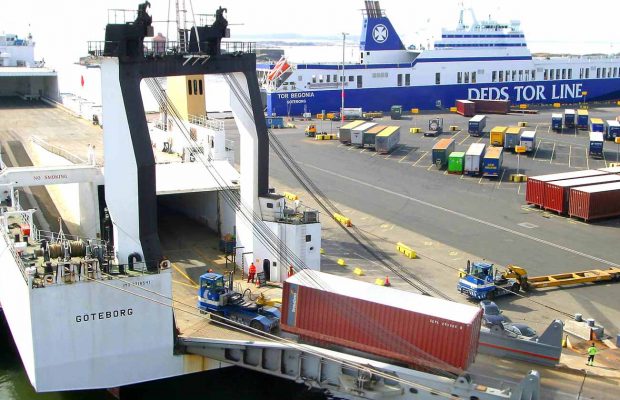
    RoRo carries rolling cargoes and do not require cranes for loading or off-loading as they simply roll on and off the vessel, hence the name. The mode is economical, according to the Asian Development Bank, because it has removed cargo handling costs for labor and equipment, as well as cut the transport time.

    In 2012, the Japan International Cooperation Agency recommended in a study to set up a sea link dedicated to freight services between General Santos City in Mindanao and the Indonesian port of Bitung as the much needed maritime connectivity aimed to revive and strengthen trade between Indonesia and the Philippines.

    The Master Plan of ASEAN Connectivity 2025 cited the need for physical, institutional and people-to-people linkages to help achieve economic, political-security and sociocultural pillars of integration under the ASEAN Economic Community.

    Since its launching in 1994, BIMP EAGA cited improvements made in physical connectivity through improved roads and ports. The BIMP-EAGA Vision 2025 document, however, noted that most of the projects became “stand alone projects” showing benefits at the national level that “fail to clearly demonstrate sub-regional impacts.”

    “Only a few projects have accounted for the need to link the two priority economic corridors of BIMP-EAGA, namely the Western Borneo Economic Corridor (WBEC) and the Greater Sulu and Sulawesi Corridor (GSSC),” the document said.

    For the transport sector strategy of BIMP-EAGA, the goal based on BIMP EAGA Vision 2025 is “interconnected, seamless and safe multi-modal transport.”

    According to the BEV 2025 project list for 2017 to 2025, aside from the DGB route, other sea linkages were also eyed in BIMP-EAGA, such as Bitung-Tahuna-Gensan, Brooke’s Point-Sandakan-Kota Kinabalo, Brooke’s Point-Bataraza-Kudat and Brooke’s Point-Brunei.

    For air linkages, there will be flights for the following routes: Puerto Princesa-Kota Kinabalo, Mulu-Bandar Seri Begawan, Davao-Manado, Pontianak-Bandar Seri Begawan and Balikpapan-Bandar Seri Begawan.

    Poor transport connectivity 

    Poor sub-regional transport connectivity, as identified in the BIMP-EAGA Vision 2025 document, is one of its major challenges.

    It added that uneven economic development has led to different priorities, policies and regulations related to the transport sector.

    Montenegro said there is greater chance to address connectivity from 2017 to 2025 because a total of $23 billion, compared to only $1 billion in the previous decade, has been earmarked for priority infrastructure projects in the area.

    Over half of the amount goes to projects identified in Mindanao because the island needs more infrastructures. Also, a big ticket project, the Mindanao Railway System is in the pipeline.

    The Duterte administration is giving special focus on infrastructure.

    The DGB, Montenegro added, is strategic for the Philippines, not just for Mindanao because it provides a faster and cheaper access for domestic products to be moved in ASEAN and other parts of the world. Notably, Mindanao is physically separated from the other BIMP members.
    Regular flights needed

    Vicente Lao, chairperson of the Mindanao Business Council Philippine representative to the BIMP-EAGA Business Council private sector forum, said the opening of the route will be good for Mindanao and trading with the Indonesian areas in the ASEAN sub-region.

    “The governments should act together to make it happen. The private sector should come in to take advantage,” he told this week.

    Since regular flights between Davao City and Manado in Indonesia have been suspended since 2008, travelers between the two areas have relied only on chartered flights, he added.

    Lao said the service should be made regular to stop the dependency on chartered flights.
    “It is not dependable. It has to be regular trips to make sure it addresses the needs of the businessmen,” he said via telephone.

    He said this means a big cut in transport cost, too. MinDA said it takes three to five weeks to move products from Davao City to Manado.

    With the DGB RoRo route, the travel time will be cut to three days. PortCalls Asia estimated the savings to be around P75,000 (PUS$1,500) per 20-foot equivalent unit.

    Apart from intra-regional trade, the route can also serve as a cheaper alternative for transshipment of goods in Asia, Montenegro said.

    Davao City will use the privately-owned Kudos Port. In General Santos City, the Makar Wharf will be used and in Sulawesi, the Bitung Port, which was recently identified as an international port of entry to Indonesia.

    Enough goods?

    Trade and Industry Assistant Secretary Arturo Boncato Jr. said the revival of regular Davao-Manado flights should follow the opening of the shipping service.

    He said the new shipping link will be crucial in increasing trading in the BIMP EAGA, which is now considered as a building block of ASEAN.

    “Connectivity plays a critical role in trading and the goal of the ASEAN Economic Community,” he added.

    But Boncato, who is the Philippine senior official to the BIMP-EAGA, said while the easier direction is for the route to be used in the transshipment business in Asia, it should really facilitate and improve intra-regional trading in BIMP-EAGA.

    For his part, Bronx Hebrona, who chairs the Committee on ASEAN and BIMP-EAGA of the Regional Development Council in Region 12, asked: “But now when a ship is available, are there enough goods to be transported?”

    He said there is greater push for BIMP EAGA with President Duterte, who he said was instrumental in expediting the preparations for the DGB route opening.

    “It’s possible. But it’s a wait and see situation. We are waiting for concrete terms,” he added.

    Boncato said loading the vessel is already the easier part. The challenge is how to sustain the shipping service.

    Montenegro said a joint meeting is scheduled next week for the Philippine and Indonesian task forces created to prepare for the opening of the route.

    During the Davao General Santos Bitung Business Forum last month, Philippine Transport Undersecretary Fernando Juan Perez described the route as a “gold mine” saying it opens up a lot of opportunities for exporters from both countries.

    Rosan P. Roeslani, chair of the Indonesian Chamber of Commerce and Industry welcomed the proposed opening of the route, as quoted by Jakarta Post on March 15.

    “It is going to be easier to access the Philippine market through the Bitung Port [in North Sulawesi], especially for products and commodities from Indonesia’s eastern regions,” the source added.

    Institutional, governance problems

    According to the MinDA website, the DGB, as one of three pilot areas for the ASEAN RORO Network Initiative, was initially pushed in 2012 by the private sectors in the three cities.

    Policy restrictions in Indonesia like Bitung Port’s status, however, hampered the launch. In 2014, the Indonesian Ministry of Trade officially identified Bitung Port as an international port, allowing entry of food and beverages, electronics and garments.

    Montenegro told the problem has been addressed by greater private and public sector coordination.

    Under the ASEAN Single Aviation Market, BIMP-EAGA is pushing for the revival of air connectivity within its focus areas to increase not only tourism arrivals but also trade activity within and beyond the sub-region.

    Various airlines have previously serviced the route such as Bouraq Airlines (2002), Merpati Nusantara (2005) and Sriwijaya airlines (2006), which have ceased operations due in part to the companies’ financial and operational losses, according to the MinDA website.

    There were on and off availability of chartered flights after the suspension of regular flights.

    Two of the players included Mid Sea Express, an Indonesian air carrier and Wings Air, a subsidiary of the Indonesian carrier’s Lion Air.

    In his April 2016 dissertation titled “Trade Governance Model in the BIMP EAGA,” Soehardi, an Indonesian doctorate student at the University of Southeastern Philippines in Davao City, found that connectivity management in transport infrastructure is an important consideration among traders.

    “The current condition of BIMP EAGA trade governance is marred with institutional and governance problems,” he wrote in his conclusion.

    He added that it created difficulties and cumbersome engagements with small and medium traders in BIMP-EAGA corridors.

    He identified six attributes with “availability of ships/planes as the major indicator.” The others include sufficient cargo ships and airplanes to ferry goods from one country to another and  that a sufficiently equipped port of entry as a good indicator of trade governance.

    No connectivity, no tourists

    Retired government employee Virna Gomez of Davao City said that as a traveler she looks for destinations that do not only have commercial appeal.

    “There are also those who look for historical and cultural purposes. This is the kind that we can see in Indonesia, for example,” she said.

    For her, the idea of connecting Davao and General Santos to Bitung is welcome news, especially for cargo shipping. She said it would open up opportunities for local people to trade in the sub-region. She would also be interested to explore the tourist attractions there. She, however, hoped that a comfortable passenger shipping service should be offered side by side with the cargo ships.

    “It would be an entirely different set of expectations from passengers,” she added.

    But she said the prospects of local tourists like her to go to Indonesia will not depend only on the availability of flights or shipping services.

    “We will be encouraged to travel if there are budget fares available such as the promotional peso-fare package (offered by a Philippine airline), she said.

    She said that for tourists it all redounds to affordability of travel cost and availability of hotels that cater to backpackers.

    “We must also have more of those hotels so that we also draw tourists from Indonesia to our shores,” she added.

    Unlike archipelagic Indonesia, she said, Malaysia seems to be a more attractive destination because you can take a bus or a train in going from one destination to another.

    “But I like to go to Bali and Yogyakarta, given the chance,” she said.

    Gomez, who in 2010 set up a small travel agency to keep herself busy, said she rarely get bookings for travel to Indonesia or Malaysia.

    ’Get acts together’

    Businesswoman Mary Ann Montemayor said this should not be a cause for discouragement.

    She said the nature of BIMP EAGA is really “going slow” and small, not grand, so hard work is needed to push ahead.

    But Montemayor, who sat at the BIMP EAGA Tourism Council from 1998 to 2008, said private and public sectors should get their acts together.

    “By all means, the impasse should be broken. It’s impossible to do trading without connectivity,” she added.

    Any aggressive marketing, she said, could help tourism and trade but it should be backed by physical connectivity.

    Assistance has been extended to micro, small and medium enterprises to help them compete in the ASEAN market. But Montemayor said connectivity will their chances.

    She said the ease of travel due to the Davao-Manado flights enabled business to pick up, although not as fast as expected.

    “When it happened, the flights were already suspended,” she said.

    She argued that it’s not entirely for the lack of attractions but that other destinations just had the edge in the competition.

    “The challenge is how to build up the market and prove to the airlines that it’s worth the risk,” she said in the sidelines of an ASEAN meeting in Davao last month.

    Like home

    Joanna Ruth Paloma, an English teacher at Bukidnon State University, recalled fond memories of her visit Manado in June 2012. She was then a member of a 40-person delegation of the university chorale who performed there for the Philippine Independence Day celebration organized by the Philippine Consulate.

    The group flew with Wings Air, an Indonesian airline serving the route with a 70-seater aircraft.

    Joanna said they traveled to another city and country but felt like she was home. “I felt like we were closely related in culture and language (separated only by the seas).”

    Indonesian food, she added, is familiar although a lot spicier. The style of the houses and buildings was also similar. In 2012, she compared Manado to Cagayan de Oro City. She said Manado folks were hospitable and were fond of Philippine tourists.

    She was saddened that there are no more regular flights serving the route.

    “I hope it will be revived. It’s good to connect with our neighbors. There were differences but there must be more similarities. It’s worth exploring,” she added.