Tag: shopping malls

  • Hong Kong Malls Target Double-Digit Tenant Sales Growth During Asian Games

    Hong Kong Malls Target Double-Digit Tenant Sales Growth During Asian Games

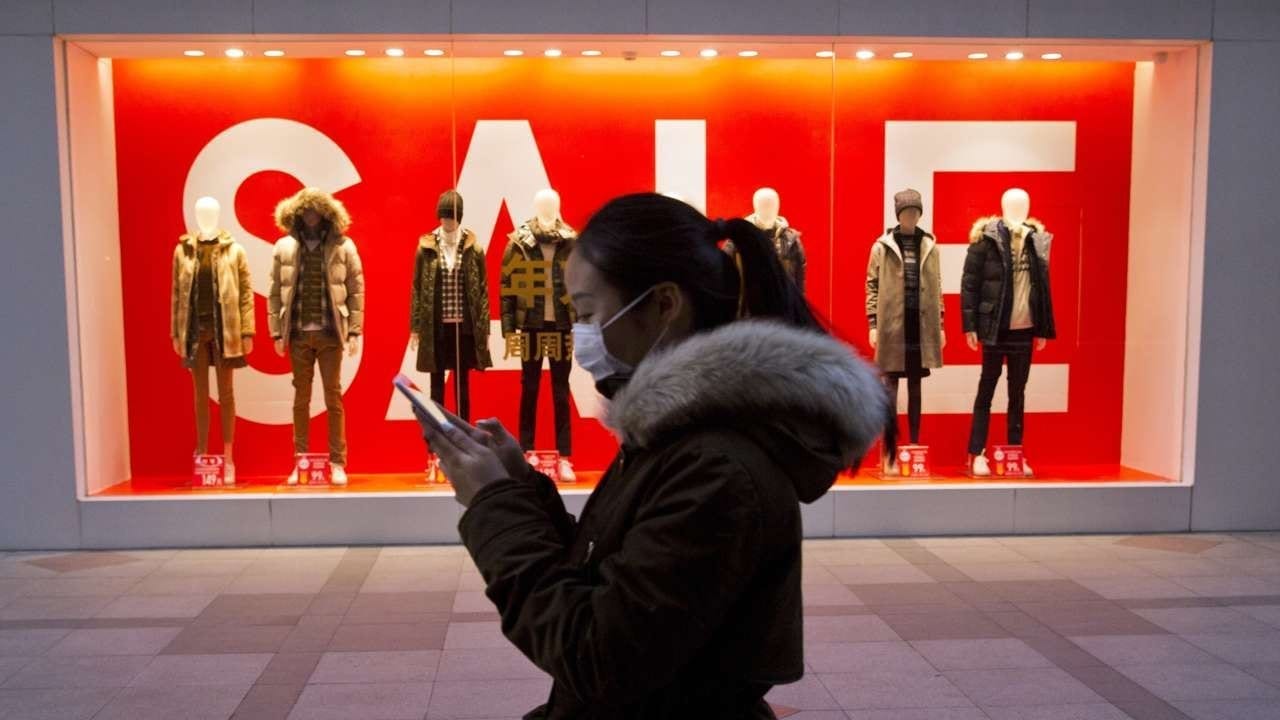
    Sino Group expects foot traffic and tenant sales to rise across four Hong Kong shopping centres during its Asian Games campaign. The landlord projects double-digit revenue growth for selected merchants.

    This campaign follows its World Cup promotions earlier this year. That effort lifted customer visits across three flagship properties by 10 to 15 per cent and produced double-digit sales gains.

    Hong Kong commercial landlords are combining live tournament screenings with athlete exhibits and interactive activities to hold shoppers on-site. The drive coincides with the Asian Games in Nagoya, Japan. Preliminary events have begun there ahead of Saturday’s official opening.

    Shifting Formats From Football to Multi-Sport Events

    Operational demands differ from single-tournament campaigns. Football matches draw concentrated crowds during tight viewing windows. Multi-sport competitions spread visits across varied demographics and longer daylight hours.

    Bella Chhoa, chief commercial officer at Sino Group, noted that the Asian Games and the World Cup generate different footfall dynamics across retail floors. “The competitive schedule, viewing patterns and customer journeys are therefore fundamentally different,” Chhoa said.

    Landlords want to turn those longer viewing cycles into sales. They are targeting dining, athleisure and electronics purchases while visitors remain inside the complexes.

    Defending Domestic Spending Against Shenzhen Outflows

    Mall operators in Hong Kong face sustained pressure as residents travel to Shenzhen, take overseas holidays, or spend online. Retailers must adapt. Atriums are becoming event spaces rather than simple transaction floors.

    Conversion remains the chief commercial risk for landlords. Strong footfall during live broadcasts does not automatically translate into fashion and merchandise sales. That puts heavy pressure on food and beverage tenants to capture event spending.

    Consultants view this shift as a permanent operational requirement rather than a short-term marketing tactic. Roy Ng, head of research at property consultancy Newmark, stated that spending patterns have moved permanently toward experience-led activities. Malls must refresh event formats continuously beyond sports.

    Tracking Event Returns Across Key Portfolios

    Recent sports programming builds on earlier retail entertainment formats across Hong Kong malls. Operators used gaming tournaments and interactive pop-ups over the past year to stem cross-border outflows.

    Operators will track tenant turnover and dwell times throughout the multi-week Nagoya competition. Those metrics will show whether multi-sport programming matches the sales conversion rates of single-sport international tournaments.


  • Singapore Police Seize over 900 Fake Luxury Goods in Scotts Road Raid

    Singapore Police Seize over 900 Fake Luxury Goods in Scotts Road Raid

    Singapore Police Force officers seized more than 900 counterfeit items with an estimated street value exceeding S$180,000 ($141,000) during a raid on Scotts Road last Wednesday.

    Officers targeted two retail units inside a shopping mall, arresting two women, aged 39 and 54, on suspicion of involvement in the sale of trademark-infringing goods.

    Enforcement Action on Scotts Road

    The seized inventory spanned multiple categories, including fake luxury handbags, watches, apparel, footwear, and accessories carrying falsely applied trademarks.

    Under Singapore law, possessing goods with falsely applied trademarks for commercial trade carries a fine of up to S$100,000, a prison term of up to five years, or both. Formal investigations remain underway.

    Prime Real Estate Proximity

    The raid took place near Orchard Road, Singapore’s flagship retail thoroughfare. The district ranked 13th globally among the most expensive shopping streets by annual rental values in Cushman & Wakefield’s Main Streets Across the World 2025 report.

    Commercial developments along Scotts Road include Far East Plaza, Scotts Square, and Shaw Centre. Illicit trade inside high-rent corridors creates reputational challenges for landlords competing for licensed brand tenancies.

    Risks for Brick-and-Mortar Retailers

    Physical storefronts selling counterfeit goods face scrutiny as luxury brands step up monitoring across Southeast Asia. Unauthorized trading once concentrated in gray markets and online channels. Mall distribution now exposes property owners to direct compliance risks.

    Landlords across prime Singapore retail nodes maintain strict tenancy clauses regarding trademark compliance. Operators caught dealing in infringing goods face immediate lease termination alongside criminal liabilities.

    The Next Enforcement Steps

    Investigators from the Singapore Police Force are conducting forensic reviews of the confiscated merchandise to trace supply sources and vendor networks. Prosecutors will determine further charges as the probe into both outlets progresses.

  • Japan’s I’m Donut? Enters Southeast Asia with First Kuala Lumpur Store

    Japan’s I’m Donut? Enters Southeast Asia with First Kuala Lumpur Store

    Japanese bakery concept I’m donut? Opened its first Southeast Asian store at The Exchange TRX in Kuala Lumpur on September 12, 2026. The outlet brings more than 30 pastry varieties to Malaysia.

    The launch is the brand’s first physical retail location outside Japan. It follows rapid growth across Tokyo and other major Japanese cities.

    The Exchange TRX Deployment

    Located at lot GS.05.0 in The Exchange TRX, the shop trades daily from 10:00 AM to 10:00 PM. Staff make every pastry fresh on site throughout the day.

    Chef and founder Ryouta Hirako built the concept around signature nama donuts. His recipe uses a soft dough to produce an airy texture. The Kuala Lumpur branch stocks the brand’s core menu, including the Original, Nama French Cruller, Pistachio Cream, Cacao and Custard variants.

    “We are very happy to finally bring I’m donut? To Malaysia and to introduce our nama donuts to customers in Kuala Lumpur,” said Chef Ryouta Hirako, Founder of I’m donut?.

    Localization and Menu Structure

    Alongside its Japanese lineup, the retailer rolled out items designed specifically for Malaysian consumers. The localized menu incorporates regional breakfast staples and drinks into bakery formats.

    Exclusive items feature sweet and savoury combinations, including Masala Chicken, Cham, Hojicha Kaya Jam, Milo Glazed, Banana Fritter Caramel and Pandan Coconut Cream. Menu localization helps specialty bakeries keep footfall steady once initial novelty fades.

    Mall Dynamics and Food Retail Competition

    Mall operators across Southeast Asia have turned to viral Japanese and Korean food concepts to anchor retail floors. The Exchange TRX serves as a primary landing pad for foreign food and beverage brands entering Malaysia.

    Single-product bakery concepts face sharp competition in Kuala Lumpur’s top retail hubs. Long-term performance requires a balance. Operators must pair core imported recipes with localized seasonal items to hold a broad customer base.

    Expansion Trajectory

    The Malaysian launch follows an announcement in late August 2026 detailing plans to expand across the region. This Kuala Lumpur site gives the company an operating base to test Southeast Asian demand.

    RetailNews Asia tracks store productivity across prime commercial developments in Malaysia. Sales and foot traffic at The Exchange TRX will establish the baseline for future growth. Those figures will determine whether the business adds locations in the Klang Valley or pushes into Singapore and Thailand.

  • Hikiniku to Come Opens Second Manila Store at SM Megamall

    Hikiniku to Come Opens Second Manila Store at SM Megamall

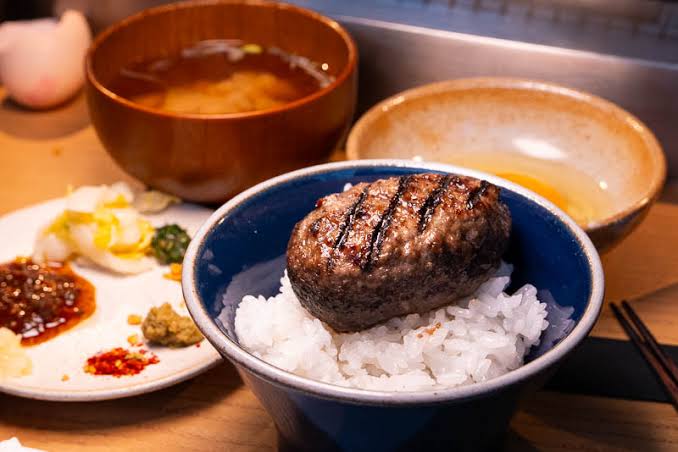
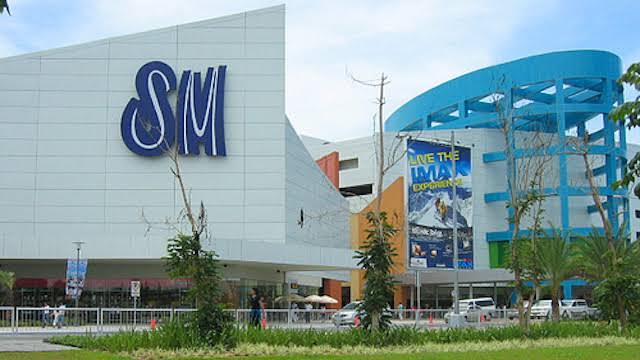
    Japan’s charcoal-grilled hamburg chain Hikiniku to Come opened its second Philippine outlet at SM Megamall, setting up a third location for 2027.

    The expansion adds prime mall retail space in Metro Manila to the Japanese concept, which entered the market under local operator The Standard Group. Diners receive freshly ground, charcoal-grilled beef patties served individually on bowls of rice rather than pre-cooked patties held in warmers.

    How the concept operates

    Founded in Tokyo in 2020, the brand built its format around single-item execution. Counter seating surrounds central charcoal grills where staff cook patties directly in front of customers.

    The format relies on high inventory turns and strict batch preparation. The Standard Group handles daily operations, sourcing, and retail site selection across the country.

    Mall landlords and format demand

    Japanese dining concepts continue to secure high-traffic anchor positions in Metro Manila shopping centres. Landlords favour specialty operators that generate queues and consistent ticket averages over standard food-court counters.

    For Philippine mall operators, bringing single-specialty Japanese brands into central retail clusters drives weekday footfall and boosts food and beverage revenue per square metre. The model carries operational discipline: tight menus minimise raw material waste, while the open-grill theatre speeds customer turnaround.

    The operational hurdles

    Replicating Tokyo counter dining across Southeast Asia carries supply chain pressure. Operators must maintain daily beef consistency and import Japanese short-grain rice while navigating local import tariffs and currency fluctuations.

    Labor training presents another operational bottleneck. Grilling fresh beef to precise specifications at a live counter leaves little room for service errors during peak meal rushes.

    What comes next

    Hikiniku to Come launched its initial Manila flagship earlier before expanding to the Mandaluyong retail corridor. The Standard Group is now scouting real estate for the brand’s third branch, with additional metropolitan sites under review for development over the coming year.

  • Hang Lung Properties Posts Single-Digit Sales Growth in July

    Hang Lung Properties Posts Single-Digit Sales Growth in July

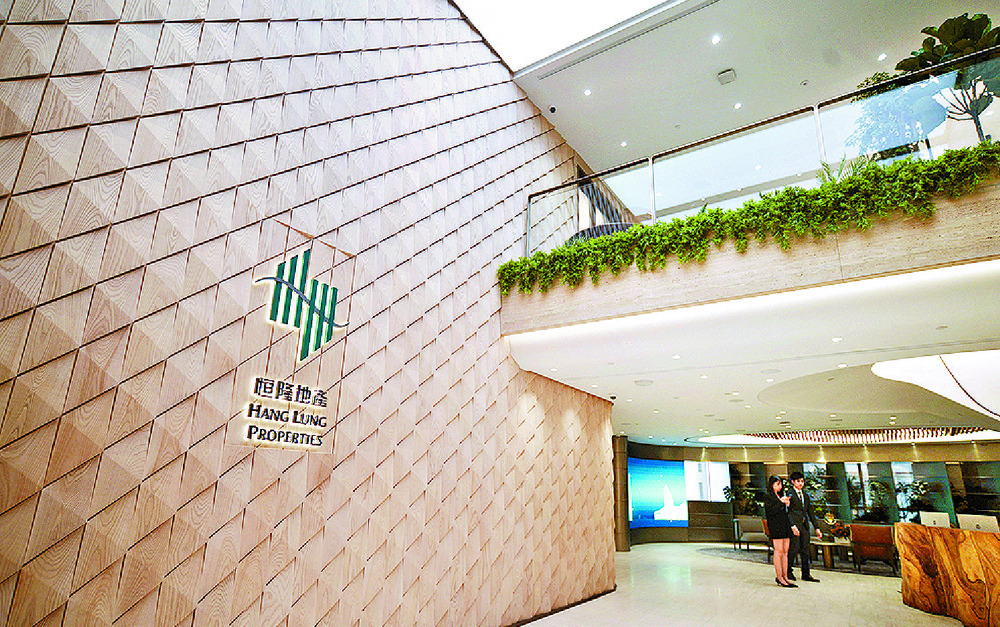
    Hang Lung Properties recorded single-digit sales growth across its Hong Kong shopping centres in July. A pipeline of tenant openings is scheduled for the fourth quarter.

    Chief executive Weber Lo Wai-pak expects the market recovery to gather pace over the next 18 months as newly leased shop units complete fit-out works.

    Carving Up Flagship Floorplates in Causeway Bay

    Leasing demand in Causeway Bay is shifting to smaller formats rather than single-tenant megastores. At Fashion Walk, the landlord broke up the four-level, 4,274-square-metre space at Hang Lung Centre. Swedish fast-fashion retailer H&M previously occupied the site, exiting in late February when its lease expired.

    Local pharmacy operator Lung Fung Group took over the ground floor. Mainland Chinese womenswear label W. Management leased the first and second floors. Upper levels are being converted into food and beverage concepts.

    Hong Kong shopping malls need to focus on getting the fundamentals right and offering the public new products and activities.

    Adriel Chan, chair of Hang Lung Properties, said fresh brand commitments show sustained confidence in local commercial real estate. Chief executive Weber Lo Wai-pak confirmed foot traffic responds when operators refresh tenant rosters and run targeted events.

    Kowloon Bay Footbridge Drives Neighborhood Traffic

    Decentralised retail assets are generating faster occupancy gains than prime tourist high streets. At Amoy Plaza in Kowloon Bay, retail occupancy reached close to 100 per cent. The gains followed the launch of the developer-funded Amoy Footbridge, which connects the mall to residential blocks at Amoy Gardens.

    Pedestrian counts at Amoy Plaza climbed by a single-digit percentage after the bridge opened. The upgrade drew more than 20 new food and beverage tenants to the second floor alone. That gave the landlord room to lift rents on upcoming renewals.

    Landlords Pivot to Defensive Everyday Retail

    The tenant shift inside Hang Lung Centre reflects a structural change across Hong Kong retail property. Landlords can no longer rely on Western fast-fashion chains to anchor multi-storey flagships at peak rents. Instead, they subdivide big boxes between domestic healthcare retailers, regional food concepts, and mainland fashion brands catering directly to residents.

    Subdividing protects baseline rental yields, but it compresses operating margins. Landlords must fund conversion works and manage higher tenant turnover. The primary risk sits in consumer spending leakage to Shenzhen, where cheaper dining and leisure draw local shoppers across the border on weekends.

    Cautious leasing has marked the territory since border restrictions lifted in 2023. Luxury demand remained uneven through early 2026. Everyday retail hubs and neighbourhood malls maintained stable footfall.

    Retailers and property investors are tracking fourth-quarter trading numbers across Causeway Bay and Kowloon Bay. The figures will show whether renovated spaces deliver projected rental revisions into 2027.

  • Malaysia Q2 Retail Sales Growth Falls Short as Spending Tightens

    Malaysia Q2 Retail Sales Growth Falls Short as Spending Tightens

    Malaysia recorded weaker than expected retail sales growth in the second quarter. Households curbed discretionary spending under persistent cost of living pressures.

    Store operators were caught off guard. They had anticipated stronger post-holiday consumption across shopping malls and high street locations.

    Squeeze on Household Budgets

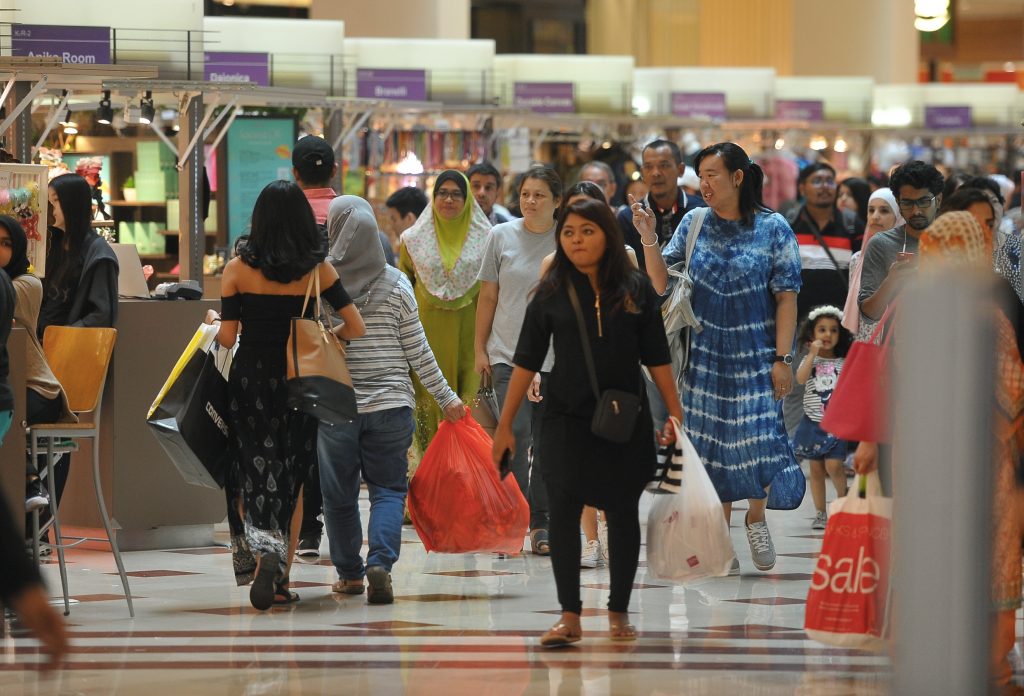
    Shoppers across urban centers like Kuala Lumpur redirected budgets toward essential groceries and basic utilities. They cut visits to apparel boutiques, specialty food outlets and consumer electronics chains. That left retailers managing slower foot traffic, smaller basket sizes and rising price sensitivity across mid-market categories.

    Department stores and specialty chains felt the sharpest pinch during the quarter. Food and beverage operators also saw customers trade down to cheaper meals and cut back on cafe visits.

    Operator Margins and Inventory Risk

    This slowdown creates inventory friction for regional retailers that built up stock expecting resilient consumer demand. Excess seasonal merchandise forces heavier discounting. Gross margins take the hit while operating overheads, logistics costs and mall service charges stay high.

    Commercial landlords face tougher lease renewal talks as tenant turnover risk mounts. Shopping center operators across Southeast Asia counted on domestic spending to balance uneven tourist arrivals. A local slowdown weakens tenant revenue-sharing agreements and dampens rental reversion rates.

    Broader Southeast Asian Pattern

    Similar patterns are playing out across neighboring markets, including Thailand and Indonesia. Post-pandemic retail rebounds there also gave way to cautious household budgeting. Earlier quarterly gains relied on festival spending, but momentum vanished once promotional cycles ended.

    Retail groups are now recalibrating third-quarter procurement orders and delaying non-critical store refits. Attention turns to upcoming third-quarter performance data and year-end holiday order books to gauge whether revenue stabilizes before 2027.

  • Asia Shifts from Adopting Retail Formats to Exporting Global Innovation

    Asia Shifts from Adopting Retail Formats to Exporting Global Innovation

    Asian retail operators have shifted from adapting Western store models to exporting original store formats, testing methods, and experiential concepts to international retail markets in September 2026.

    The transformation spans a region home to more than half of the world’s population, where intense domestic competition forces retailers to treat physical spaces as media platforms rather than pure transactional outlets.

    Compressed Cycles and Cultural Platforms

    Retail concepts originating in East Asia have redefined how physical stores interact with consumer culture. Japanese operators such as Uniqlo and Muji established operational models focused on product simplicity, while lifestyle brands including Beams and niko and … developed blended formats combining apparel, dining, print media, and gallery spaces.

    Chinese operators have pushed product experimentation into compressed timeframes. Collectibles retailer Pop Mart built an international retail footprint by combining proprietary intellectual property, gamified blind-box purchases, and scarcity mechanics. Cosmetics retailer Harmay reorganized beauty merchandising around warehouse-style discovery layouts, replacing traditional cosmetic counters with unguided foot traffic flows.

    South Korean retailers have centered physical retail on narrative spaces. Eyewear brand Gentle Monster builds flagship locations around large-scale kinetic art installations and architectural exhibits, treating optical frames as entry points to brand environments rather than primary display fixtures.

    Physical Real Estate as Entertainment Hubs

    In Southeast Asia, commercial developers are altering shopping center layouts to capture consumer footfall through leisure rather than tenant distribution. Bangkok properties including IconSiam, Siam Paragon, and One Bangkok allocate large square footage to indoor cultural floating markets, exhibitions, and public gathering areas.

    These developments operate on the principle that dwell time drives secondary spending. Landlords who prioritize transactional floor space over communal programming face higher tenant turnover as standard retail purchases migrate online.

    For global brand managers, the rise of Asian retail formats creates pressure to shorten product development cycles. International brands entering China, India, and Vietnam must build supply chains capable of responding to immediate consumer feedback rather than operating on seasonal six-month planning horizons.

    Operating Across Fragmented Retail Markets

    The operational discipline behind these models developed out of regional market complexity. In India, retail groups manage supply chains across multiple languages, varied regional income bands, and fragmented state-level tax structures, making standardized Western formats difficult to sustain without deep localization.

    Vietnam is replicating similar dynamics as rapid urban development and a high proportion of mobile-first shoppers accelerate the turnover of food, beverage, and lifestyle concepts in Ho Chi Minh City and Hanoi.

    Global retail operators are now monitoring flagship performance metrics and tenant lease structures at new mixed-use developments like Bangkok’s One Bangkok to measure returns on high-footprint experiential spaces.

  • China Aims for $8.94 Trillion in Retail Sales as Price Wars Persist

    China Aims for $8.94 Trillion in Retail Sales as Price Wars Persist

    China’s physical retailers are retooling floor space into leisure and entertainment hubs to counter entrenched price competition as Beijing targets $8.94 trillion in annual consumer sales by 2030.

    First-half retail sales reached $3.7 trillion, but Bain & Company partner Weiwen Han warns the market will stay muted over the next three years as discounting continues to squeeze operating margins across shopping centres and supermarket chains.

    Experience Costs and Margin Pressures

    Official policy guidelines urge store operators to blend standard shopping with immersive dining, social spaces, and entertainment. The strategy shifts the industry away from chasing raw foot traffic toward extracting higher margins from shoppers who do enter. Transforming selling space into experience zones raises the fixed cost per square metre, penalising operators whose foot traffic fails to convert at the cash register.

    The policy combines experience-led flagships in commercial districts and transit hubs with neighbourhood infrastructure upgrades dubbed 15-minute life circles. These local clusters focus on daily essentials through convenience stores, supermarkets, and wet markets.

    Digital Convergence and Supply Chains

    Pure physical retail has ceased to exist in the Chinese market. With online sales of physical goods rising 4.8 per cent year to date compared to 1.3 per cent growth for total retail sales, shoppers routinely compare shelf prices against live e-commerce listings on their phones within seconds.

    Instead of trying to defeat digital platforms on pricing, operators are adopting automated inventory systems, drone delivery, and private-label merchandise. Developing proprietary private-label lines allows chains to offer price value directly without slashing headline gross margins on national brands.

    “They are asking stores to be worth visiting for reasons beyond price,” said Jotham Lim, head of global marketing at Beijing Taomi Technology Co. Ltd.

    Winners and Structural Consolidation

    Mid-sized domestic grocery, convenience, and food and beverage operators stand to gain the most from planned regional deregulation, which removes long-standing barriers preventing chain retailers from expanding across provincial borders. Independent single-store merchants face steep hurdles absorbing the capital expenditure required for digital traceability and store fit-outs, accelerating industry consolidation into regional chains.

    Financing rules now allow qualifying retail operators to raise capital through asset-backed securities and commercial real estate investment trusts, alongside interest subsidies from commercial banks. Landlords and property-owning retailers can tap these vehicles to fund store refits without burning operating cash flow.

    The retail sector entered this transition carrying heavy overcapacity in commercial floor space following decades of rapid mall construction across second- and third-tier cities. Moojing Market Intelligence recorded a steady increase in consumer discussions regarding in-store price checking against e-commerce platforms between the first half of 2024 and the first half of 2026.

    Market operators now face the rollout of regional licensing reforms and the government target to lift retail sales from ¥24.87 trillion to ¥60 trillion over the next four years.

  • SM Supermalls Shifts Tenant Mix to 30 Percent Dining as First-Half Revenue Reaches P41.8B

    SM Supermalls Shifts Tenant Mix to 30 Percent Dining as First-Half Revenue Reaches P41.8B

    SM Supermalls raised its food and beverage tenant share to 30 percent while lifting first-half revenue 8 percent to 41.8 billion Philippine pesos. The shift marks a fundamental redesign of floor plans across the country’s largest retail network.

    Dining accounted for less than 5 percent of the group’s leasable space when current president Steven Tan joined in 2004. The operator is now reallocating square meters from apparel and standard department store goods to dining, sports, and live events under a five-year platform called My SM.

    Retrofitting Floor Space for Food and Sports

    Expanding dining requires heavier investments in physical infrastructure than dry retail. Malls require upgraded water connections, higher-capacity electrical systems, grease traps, and expanded kitchen exhaust ducts to handle restaurant tenants at scale.

    Alongside dining, the landlord is adding non-retail recreation to fill communal areas. The group added 41 pickleball courts during the first six months of the year, taking its total to 102 courts across 32 properties. In June, its commercial complex cohosted the Galaxy Manila Marathon, bringing 25,000 runners onto the grounds.

    Internal merchandising direction now runs partly through an internal advisory unit. The operator created a Gen Z Council of junior staff to evaluate pop-culture trends, such as pop-up matcha fairs, before senior managers commit capital to physical rollouts.

    You have to constantly inject freshness to your centers so that you keep the interest in coming back.

    Regional Realignment from Shelves to Social Space

    Mall operators across Southeast Asia face identical pressures as e-commerce captures routine apparel and consumer electronics purchases. Landlords in Bangkok, Jakarta, and Manila are converting between 25 and 35 percent of gross leasable area to food and leisure to defend foot traffic. SM watched Chinese shopping centers retrofit for hospitality a decade ago and applied the template locally before domestic online shopping reached similar penetration levels.

    The operational risk sits in capital expenditure and lease yields. Restaurants and recreational concepts cost more to fit out, consume more utilities, and post higher tenant turnover rates than legacy fashion retailers. Operators must turn over pop-up concepts and specialty dining fast enough to sustain foot traffic without squeezing margins on rental collection.

    Expanding the Footprint Across South Luzon

    Revenue growth reflects solid consumer spending despite inflationary pressures across basic goods. The 41.8 billion pesos generated in the first half of 2026 improved on 38.6 billion pesos recorded during the same period in 2025, driven by steady leasing income and higher foot traffic across metropolitan centers.

    Construction is underway on SM Nuvali in Laguna, which will serve as the company’s 91st Philippine mall. The property will test an upscale store format aimed at higher-income residential enclaves across Cavite, Laguna, Batangas, Rizal, and Quezon.

  • Siam Piwat Expands Chinese Partnerships to Target 1 Billion Consumers

    Siam Piwat Expands Chinese Partnerships to Target 1 Billion Consumers

    Bangkok mall developer Siam Piwat expanded its digital partnership network across China in September 2026 to reach more than 1 billion travellers before they depart for Thailand.

    The tie-up connects the group’s OneSiam retail loyalty card to platforms run by Huawei, Alipay+, WeChat, UnionPay and streaming service iQIYI.

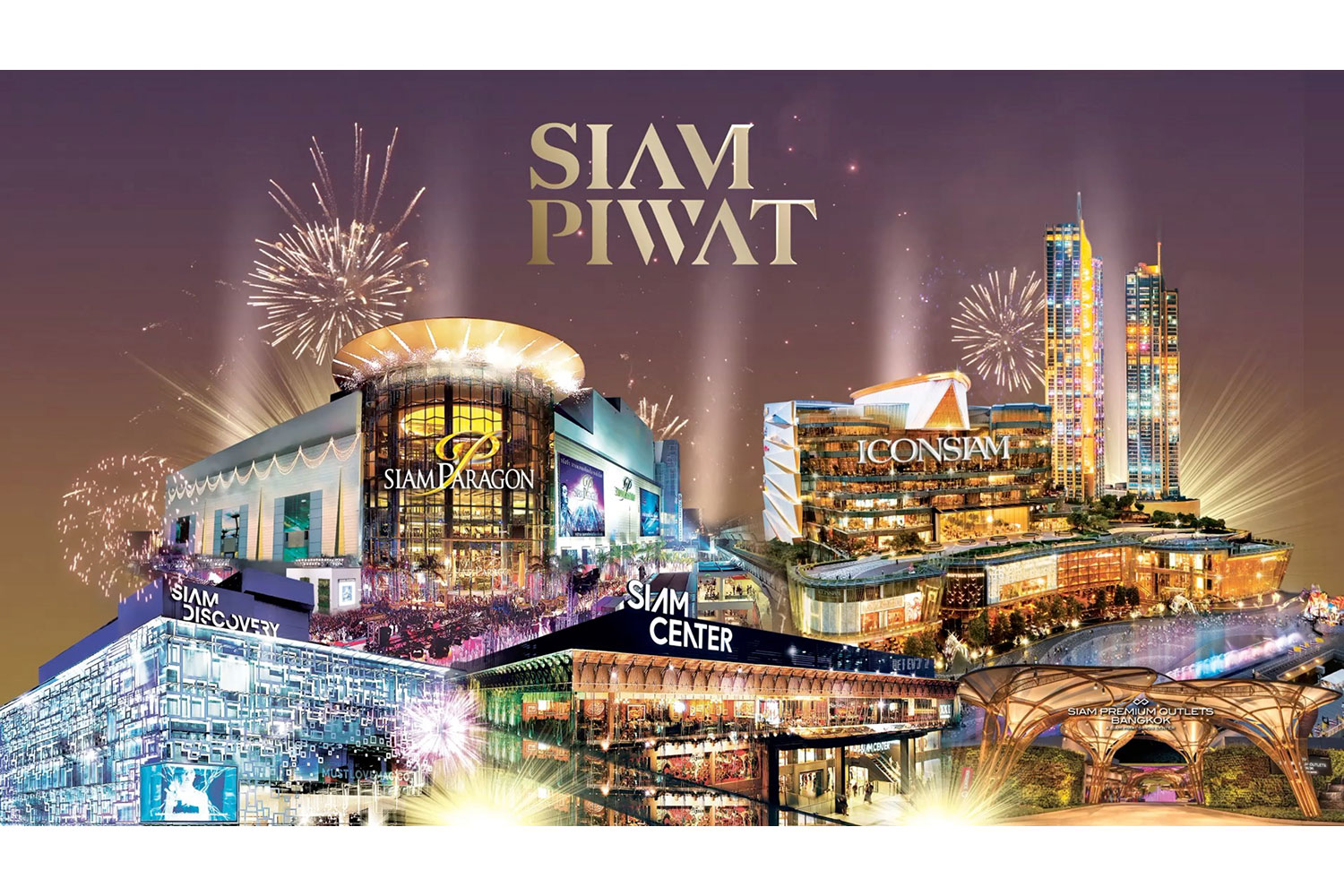
    Under the agreement, Siam Piwat will integrate visitor passes and shopping discounts directly into Huawei’s operating ecosystem. That system covers 400 million mobile devices and 200 million wearable users. Chinese travellers can access shopping perks, browse luxury collections and settle transactions through Alipay+ and UnionPay before arriving in Bangkok. Participating malls include Siam Paragon, Siam Center, Siam Discovery, IconSiam and Siam Premium Outlets Bangkok.

    Payments and Pre-Trip Booking Integrations

    Marketing campaigns, influencer content and booking services will sit directly inside Chinese digital channels to pull footfall into Bangkok. A separate collaboration with streaming platform iQIYI will pair Chinese entertainment intellectual property with offline pop-up events and retail promotions inside Siam Piwat properties.

    Integrating the OneSiam Global Visitor Card into WeChat connects digital wallets, customer service and curated retail offers inside a single mini-program.

    “Our goal is to drive quality tourism that prioritises ‘value’ over ‘volume’,” said Mayuree Chaipromprasith, president of corporate partnership and communications at Siam Piwat.

    Competition For Inbound Luxury Tourist Spending

    Thai retail landlords are racing to lock in Chinese tourist spend well before travellers land at Suvarnabhumi Airport. Central Pattana and The Mall Group spent two years expanding their digital payment checkouts. Siam Piwat is taking a different route. It bets that embedding its loyalty programme inside foreign hardware and payment apps will secure high-spending shoppers before departure.

    Execution on the ground remains the main test. Funnelling overseas digital engagement into physical mall traffic requires luxury brands to provide dedicated inventory and multilingual staff on site. Without both, tourist spending disperses across competing retail strips in downtown Bangkok.

    Earlier Ties Built During Pandemic Downturn

    Siam Piwat first partnered with Huawei in 2020 to build a shared digital platform during the pandemic travel freeze. Teams tested IT systems during the lull before linking with regional payment operators. That infrastructure now manages cross-border data and loyalty perks across the developer’s core Bangkok shopping assets.

    Technical teams at Siam Piwat and UnionPay will complete cross-border transaction testing ahead of the next regional holiday travel peak.

  • Singapore Retail Rents Forecast to Rise 2% as Supply Tightens

    Singapore Retail Rents Forecast to Rise 2% as Supply Tightens

    Singapore retail rents will increase by up to 2% this year as landlord negotiations tighten across prime shopping belts. New retail supply will moderate to 241,000 square feet through 2027.

    Orchard Road mall vacancy held broadly stable at 7.2% in the second quarter. Landlords across prime shopping centers are actively refreshing tenant mixes to capture resilient consumer footfall and tourist spending. Prime commercial assets continue to lead property transactions across the city-state, supported by tight floorplate availability and stable yields.

    Supply constraints cushion mall landlords

    Limited incoming space provides a firm floor under prime mall valuations. Developers face restrictive land releases in core commercial districts, keeping completion volumes well below historical ten-year averages through 2027. Tenants seeking flagship positions in downtown centers must negotiate leases months before existing tenancies expire.

    Retailers are adjusting footprints rather than shedding space outright. International fashion and lifestyle brands are trading underperforming suburban formats for refreshed prime city spaces, balancing higher base rents against stronger foot traffic conversions.

    Yields hold across commercial assets

    Offices and retail assets continue to take the lead in Singapore commercial property deals. Investors favor prime retail assets where tight physical supply cushions net operating income against wider regional macroeconomic pressures.

    RetailNews Asia sees this squeeze accelerating landlord use into the second half of the year. While department store operators reassess floor efficiency, specialty dining and experiential brands are absorbing available prime units as fast as leases turn over.

    The next quarter will test whether luxury consumer spending can maintain rental momentum as 241,000 square feet of replacement retail stock prepares to enter the market through 2027.

  • Central Pattana Targets 10% Footfall Growth at Central Park Mall

    Central Pattana Targets 10% Footfall Growth at Central Park Mall

    Central Pattana aims to increase foot traffic at its Central Park mall in Bangkok by 10 per cent year on year during its second year of operation.

    The retail hub inside the Dusit Central Park mixed-use development drew roughly 25 million visitors in its first twelve months after opening on Sept 4, 2025. International tourists accounted for 10 million of those visits, while retail occupancy reached 98 per cent with daily visitor counts averaging between 65,000 and 75,000 people.

    Office tenants and residents drive traffic

    Office and residential handovers will feed additional pedestrian volumes into the retail podium over the coming quarters. Central Park Offices currently records an occupancy rate above 80 per cent, with corporate tenants finishing interior fit-outs before moving staff into the tower.

    Residential transfers at The Residences at Dusit Central Park will begin in the fourth quarter of 2026, following pre-sales that reached 96 per cent. Kunayudh Dej-udom, asset director of centralwOrld and Central Park at CPN, stated that these incoming occupants will provide a built-in customer base for the property’s food, service, and lifestyle tenants.

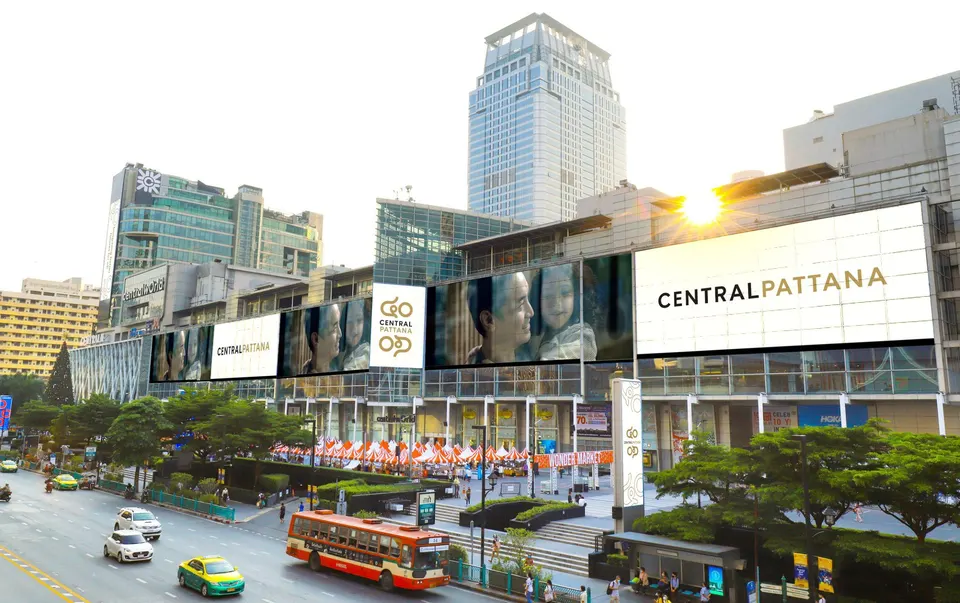
    Bangkok’s prime retail landlords increasingly rely on integrated mega-projects to shield themselves from retail oversupply in the city centre. By embedding high-density office towers and luxury residences directly above retail concourses, developers like CPN and rival One Bangkok secure regular baseline spend before counting on discretionary tourist inflows.

    Transit links and brand launches

    CPN is positioning the mall around first-in-Thailand brand debuts, exclusive merchandise drops, and cross-cultural art installations to broaden international visitor recognition. The strategy pairs global creative partnerships with experiential retail formats to capture high-spending travellers.

    Physical access will expand with a direct pedestrian connection linking the complex to the underground MRT Silom station, scheduled for completion between late first quarter and early second quarter of 2027.

  • Singapore Land to Close Marina Square for 76,000-Square-Metre Revamp

    Singapore Land to Close Marina Square for 76,000-Square-Metre Revamp

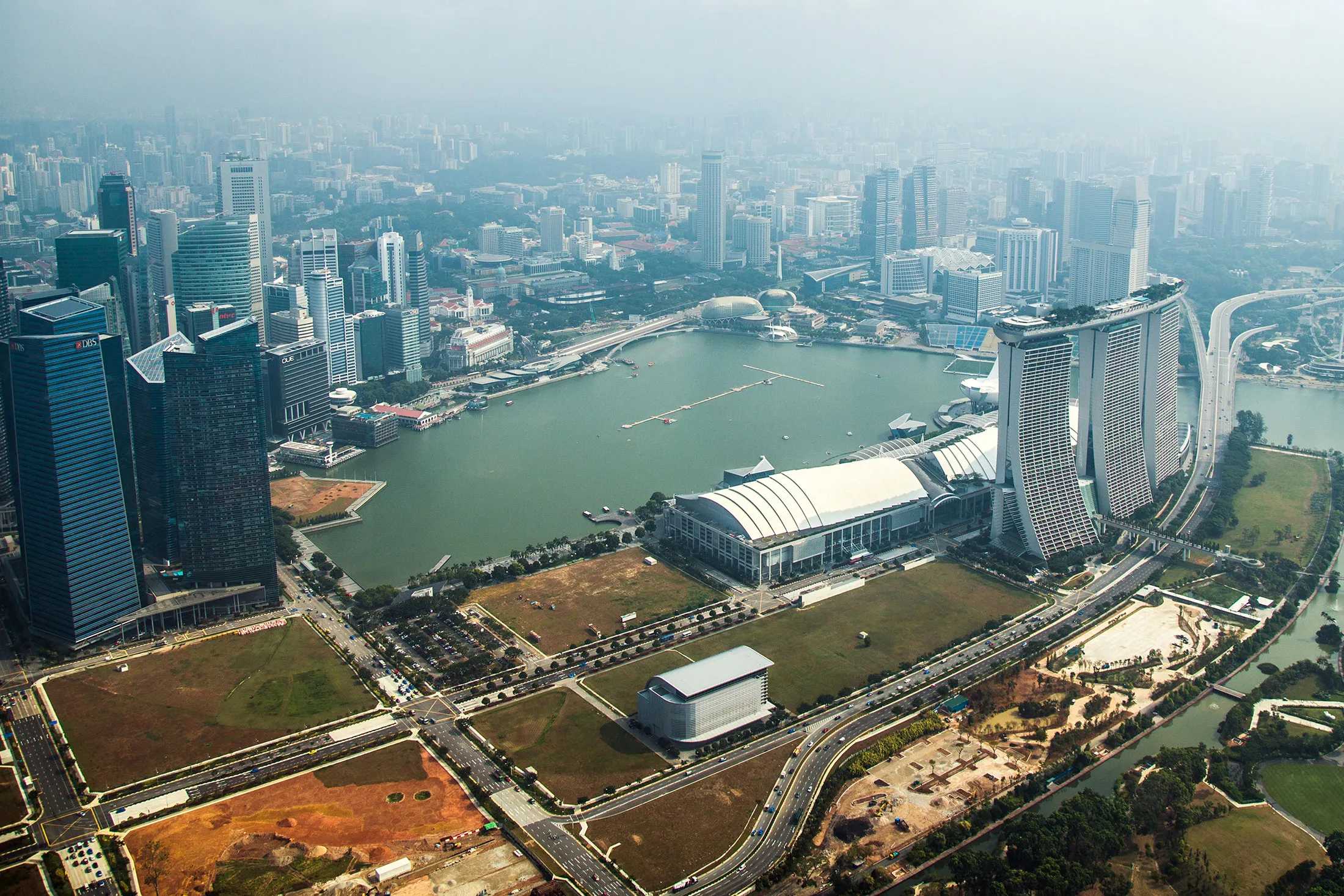
    Singapore Land will close its Marina Square retail mall on March 31 to begin a multi-year redevelopment across more than 76,000 square metres of gross floor area. The project converts the standalone four-storey shopping centre into a mixed-use complex slated for completion in 2031.

    The overhaul will add three new towers to the site. These buildings will contain 204 luxury homes, a 260-key serviced apartment development, a 304-key hotel, and approximately 13,000 square metres of Grade A office space.

    New Towers and Rooftop Links

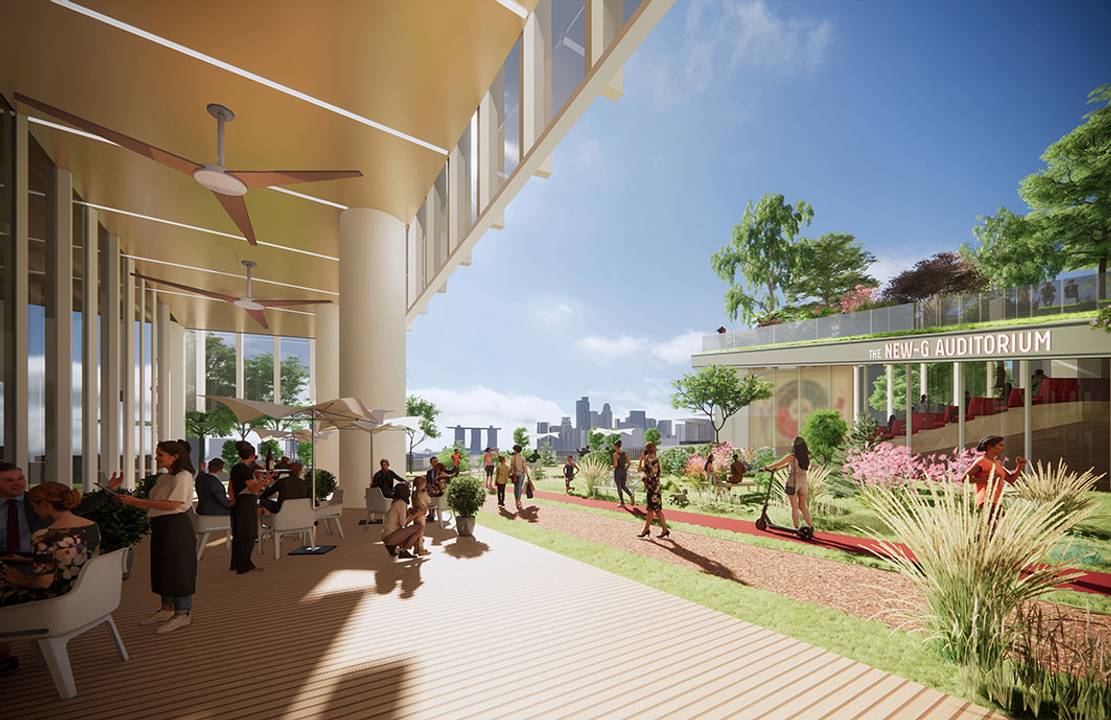
    Plans for the redesigned four-storey podium focus on experiential retail, sports, wellness facilities, dining, and pet-friendly outdoor areas. Direct roofscape links will connect the mall to the new towers and the precinct’s three existing hotels, which will remain open during construction.

    Singapore Land intends to use the retail podium as an active conduit between residential, commercial, and hospitality traffic throughout Marina Bay across different hours of the day. The developer plans to run community activations and events before the shutdown to maintain tenant sales and visitor footfall.

    “By adding residences, serviced apartments and workplaces alongside the existing hotels and repositioning the mall around experience-led retail, sports, wellness and community, we are creating a new ecosystem where people can live, work, stay and connect,” said Jonathan Eu, chief executive of Singapore Land.

    Rethinking Prime Downtown Retail

    The project reflects a broader trend across prime Asian commercial districts, where landlords are dismantling single-use suburban-style malls in favour of dense, mixed-use assets. With e-commerce shifting retail spending patterns and office attendance remaining flexible, central developers in Singapore and Hong Kong increasingly rely on on-site residential and hotel populations to guarantee daily mall traffic.

    Tenants at Marina Square will vacate ahead of the March 31 shutdown, with construction work running through to the targeted delivery date in 2031.

  • Skechers Opens 8,650-Square-Foot Superstore at Sunway Pyramid in Malaysia

    Skechers Opens 8,650-Square-Foot Superstore at Sunway Pyramid in Malaysia

    Skechers opened an 8,650-square-foot Superstore at the Sunway Pyramid mall in Subang Jaya, expanding its physical presence in Malaysia.

    The relocated store is nearly six times larger than the brand’s previous 1,453-square-foot unit at the same shopping centre. It is the company’s first Superstore format in Subang Jaya. The launch lifts its nationwide network to 120 doors.

    Zoned layout and digital fitting

    Dedicated zones divide the catalogue into sections for walking, running, trail, pickleball, performance apparel and children’s collections. The store also includes SafeSize 3D foot-scanning hardware to generate personalised sizing data. Alongside the scanners, an in-store customisation station lets shoppers modify selected shoes and garments.

    Footwear retailers across Southeast Asia continue to trade standard mall units for large experiential spaces. The bigger layouts capture higher basket sizes and accommodate specialized athletic lines that boutique footprints cannot hold.

    Expansion pipeline across Malaysia

    Malaysia is a key sales volume driver for the American brand. Cedrick Tan, president of Skechers Southeast Asia, Hong Kong and South Korea, said the group will maintain its brick-and-mortar investment pace to keep up with domestic demand.

    More outlets will launch across the country over the coming months to build on the 120-store base.

  • K11 Musea First-Half Sales Jump 40 per Cent on Luxury Tenant Overhaul

    K11 Musea First-Half Sales Jump 40 per Cent on Luxury Tenant Overhaul

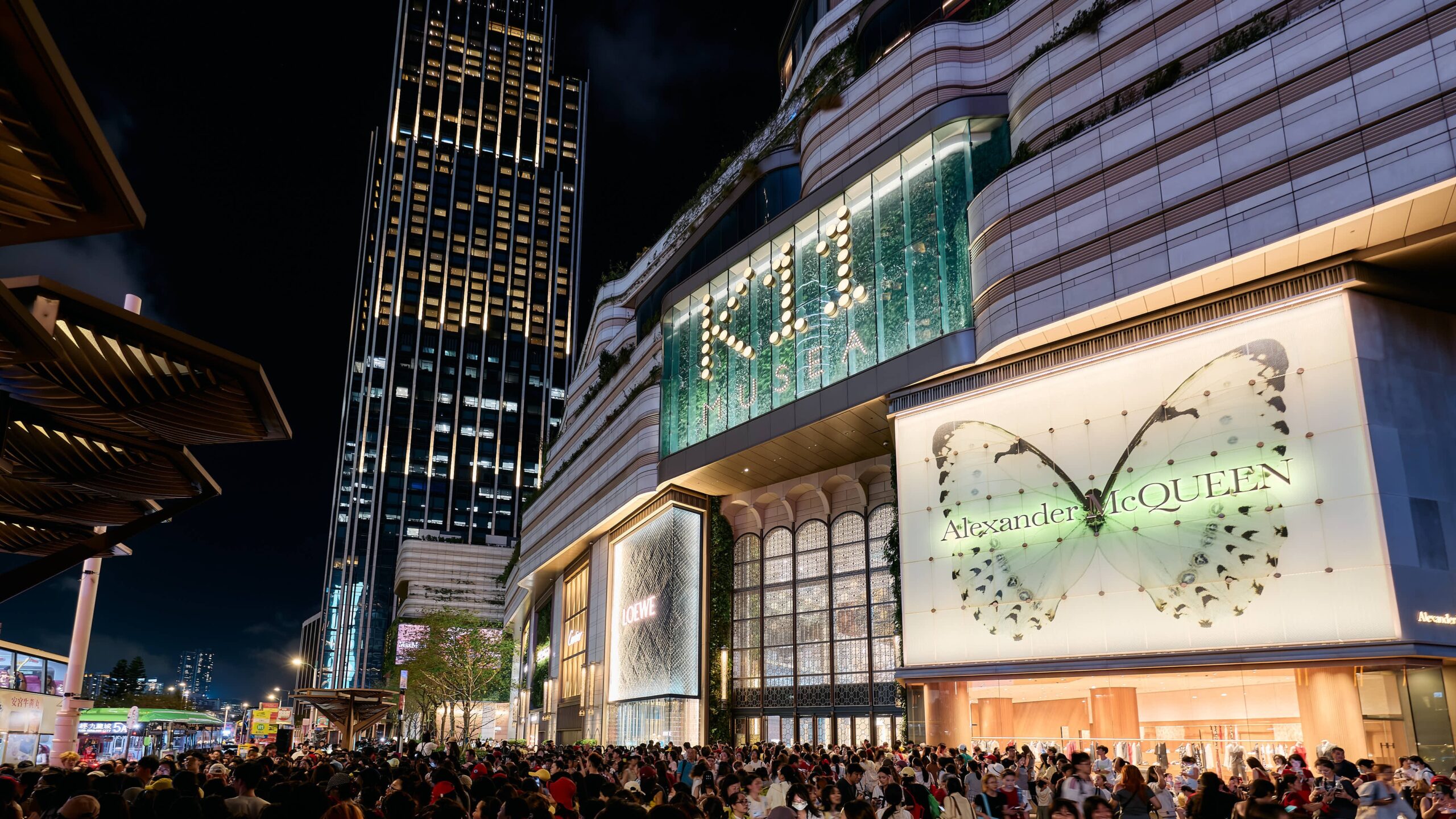
    Hong Kong retail complex K11 Musea increased first-half revenue by 40 per cent year-on-year, posting record sales for the period following a sweeping overhaul of its tenant roster.

    Newly introduced brands at the Tsim Sha Tsui waterfront destination averaged sales gains of more than 30 per cent, parent company New World Development said.

    The landlord initiated the first phase of its brand repositioning in the second half of 2024. That phase will wrap up by the end of this year, clearing space for flagship retail formats designed to generate higher revenue per square foot.

    Watches and Jewellery Drive Member Spending

    Hard luxury delivered the sharpest gains. Loyalty member spending on watches and jewellery climbed 80 per cent year-on-year during the first six months, while outlays on international luxury labels rose 20 per cent.

    Recent openings include boutiques from Miu Miu and IWC Schaffhausen, alongside a duplex flagship for Max Mara. Running label Hoka and Chinese outdoor brand Kailas also opened locations at the property over the summer.

    Tourist retail spend climbed 50 per cent year-on-year across the summer holiday period, supported by targeted arts and cultural exhibitions. Loyalty club spending continued that pace into August, rising 30 per cent.

    Landlords Shift Floor Plans to High-Yield Tenants

    Hong Kong shopping malls are aggressively reallocating square footage toward top-tier luxury labels and high-margin outdoor apparel to capture higher average basket sizes from mainland visitors. Rather than relying on volume foot traffic alone, operators are filtering tenants by direct sales productivity, a metric Horace Lam, chief executive of K11 Hong Kong, identified as the primary filter for new leases.

    Prada will open a new boutique at K11 Musea in the coming months, alongside an unannounced international yoga apparel brand scheduled to make its debut before the upgrade concludes.