Tag: shops

  • Vendors in Hanoi and HCMC Close Shops as Authorities Crack Down on Counterfeit Goods

    Vendors in Hanoi and HCMC Close Shops as Authorities Crack Down on Counterfeit Goods

    In response to a heightened crackdown on counterfeit goods, a wave of shop closures has swept through bustling markets in Ho Chi Minh City (HCMC) and Hanoi. Authorities have intensified their efforts to eliminate counterfeit products, particularly among fashion accessories, watches, and pharmaceuticals.

    Stalls Go Silent in Ho Chi Minh City

    This week, popular shopping destinations in HCMC, including Saigon Square in District 1, An Dong Plaza in District 5, and the Pharmaceutical and Medical Equipment Trading Center in District 10, saw numerous stalls shuttered. Many shop owners lingered in the marketplaces, anxiously surveying the situation without opening their stores, fearful of a confrontation with inspectors.

    A handful of vendors that chose to keep their doors open found themselves facing a significant drop in customer traffic. “The number of visitors has plunged, and most of them only looked and did not buy,” lamented Hang, a vendor, highlighting the palpable unease that has gripped both customers and sellers alike.

    Hanoi’s Vinh Phat Market Feels the Pinch

    In Hanoi, the once-vibrant Vinh Phat Market, a hub for clothing and fabric, echoed with an unusual stillness this week. Many shops were closed, some even obscured their contact information to evade inquiries, reflecting the pervasive apprehension following several enforcement actions conducted at the end of May.

    Inspections in HCMC unearthed thousands of items flaunting esteemed luxury brand names such as Rolex, Chanel, and Gucci, all lacking the necessary documentation to verify their authenticity. Surprisingly, these counterfeit items were often priced considerably lower than legitimate products, which can be tempting but comes with serious risks.

    Small Vendors Face Big Pressures

    Management at Ben Thanh Market in HCMC voiced concerns about effectively controlling counterfeit goods without addressing the root issue of cross-border smuggling. Similarly, other market operators noted that while the crackdown aims to protect consumers and uphold laws, it places undue pressure on small vendors who may lack the legal knowledge or documentation needed to comply with regulations.

    Vendors at many major markets lamented that meeting these stringent requirements is next to impossible due to limited resources, forcing them to keep prices low to attract buyers. This predicament often results in the sale of non-genuine products, creating a challenging environment for both sellers and consumers.

    In the midst of these closures and cautious shopping behavior, one can’t help but ponder: what’s next for the vendors who have bravely navigated this storm, and will the real deals face the consequences of their counterfeit counterparts?

    Questions & Answers

    Why are stalls closing in HCMC and Hanoi?
    Vendors are closing their stalls due to increasing raids by authorities focused on rooting out counterfeit products, which has instilled fear of potential crackdowns.

    What has been the impact on sales in markets like Saigon Square?
    Sales have plummeted, with vendors reporting that while customers are still visiting, many are merely browsing without making purchases.

    How are small vendors managing under these pressures?
    Many small vendors struggle to meet legal requirements for authenticity due to limited resources, often resulting in the sale of counterfeit goods to keep their prices competitive.


  • Coffee exports hoped to set new record

    Coffee exports hoped to set new record

    Vietnam’s coffee exports in 2023 are expected to break the record of US$4 billion in export value set in the previous year.

    According to the Ministry of Agriculture and Rural Development, the country shipped 1.36 million tonnes of coffee abroad, earning nearly $3.5 billion.

    Vietnam entered the new 2023-2024 coffee crop which began in October, when the export price reached a record high, at $3,603 per tonne, up 8.9% month-on-month, and 40.7% year-on-year.

    With over 710,000 hectares, Vietnam ranks sixth in the world in terms of coffee farming area, but has the second biggest output thanks to high yields (1.75-1.85 million tonnes).

    However, out of the total area, only 185,000 hectares have received sustainable production certificates of different kinds.

    Experts advised localities to expand such areas to meet the strict requirements of international markets.

    At present, the E.U. is Vietnam’s biggest coffee importer, followed by the U.S. and Japan. Although coffee exports to China do not account for a high proportion, many Vietnamese businesses are paying much attention to this market which has an average increase of more than 25% per year in imports.

    However, this is also a highly competitive market, requiring businesses to invest in diversifying specialty coffee products and processed coffee, and to meet strict quality standards.

    Coffee market expert Nguyen Quang Binh analysed that currently, major markets such as the E.U. and the U.S. are changing their consumption demand from importing coffee beans to processed coffee. Therefore, Vietnam must also prioritise investment in deep processing facilities to increase the value of coffee products and aim for sustainable development.

  • Coffee shops, eateries packed with customers on first days of Lunar New Year

    Coffee shops, eateries packed with customers on first days of Lunar New Year

    Businesses serving food and drink in Hanoi and Hai Phong have seen a surge in consumers during the first few days of the Lunar New Year.

    Many coffee shops in Hanoi closed on January 22, the first day of Tet, and started welcoming patrons again the following day.

    Highlands Coffee, The Coffee House, Phuc Long, Starbucks and other coffee chains didn’t raise prices on Tet to entice people

    Several smaller shops charge an extra VND5,000-VND10,000 (21 cents-43 cents) for each drink.

    There has been a noticeable increase in the number of young people seen at downtown establishments since the Lunar New Year’s Eve.

    Huong Mai, a resident of Hanoi’s Nam Tu Liem District, had to walk to a number of cafés on Ly Thuong Kiet Street at around 7 p.m. to find one with a table big enough for eight people.

    “Most stores have a high volume of customers coming in and out at any given time,” said Mai. “The wait time for refreshments is also longer than usual.”

    Not only do large coffee chains attract a huge number of customers, but so do a plethora of smaller, more affordable sidewalk cafés.

    On the second day of Tet, Dang Hoang Viet of Hanoi’s Ha Dong District said he and his family ate grilled steak at an eatery on Cua Dong Street for VND750,000.

    His family spends around VND650,000-VND700,000 on a normal day for a similar meal.

    In northeastern Hai Phong City, the food court at Aeon Mall was also filled with patrons.

    It took Quang Thanh, a local resident, over half an hour to find an available table on the first level of the shopping complex when he came at 6:30 p.m. on the second day of Tet.

    When asked about Lunar New Year’s Eve dining, Thanh said: “It took me a long time to find a table, and it took the restaurant another half an hour to make and serve my food.”

    On the first day of Lunar New Year, many eateries in Hai Phong stayed open late.

    Nguyen Ngoc Anh, owner of a row of vermicelli and banyan cake shops on Le Lai Street in Hai Phong, says he has kept his shops open till the end of Tet in recent years to accommodate the growing number of customers who venture out to the city to see fireworks or visit temples. She says that this period has the potential to bring in more business than any other time of the year.

  • Desigual plans 60 stores in Mainland China

    Desigual plans 60 stores in Mainland China

    Spanish fashion label Desigual says it plans to open 60 stores in Mainland China, including flagships in Shanghai and Beijing.

    The launch will be via a joint venture with E-Shine, also a local partner of listed fashion company Septwolves Industrial.

    Desigual aims to reach an annual turnover of US$40 million five years from now, with half coming from online and the remainder from sales through physical stores. The company said its primary focus will be Chinese digital channels.

    “This collaboration is in line with our strategy of continuing to develop our business in the Asian market, growing China as well as Japan, which is our main market outside of Europe, as well as in other significant markets such as South Korea,” said Alberto Ojinaga, MD at Desigual.

    “Our goal is for sales made through the digital channel and those coming from geographies outside of Europe to represent 60 per cent of turnover by next year. Right now this percentage stands at 49 per cent.”

    The move is part of the fashion company’s strategy to secure more market shares in Asia, which constitutes 6.5 per cent of its international business. Desigual entered China in 2014 via Tmall launch.

    “Knowledge of consumer habits and preferences in the Chinese market is key to success,” Ojinaga added. “Our objective is to achieve even greater growth in the digital environment and to reach out to new customers with products designed for them and suited to the characteristics of the market.”

  • Facebook Shops enabling retailers to sell directly to consumers

    Facebook Shops enabling retailers to sell directly to consumers

    Social commerce is about to get a whole lot more social, with Facebook announcing the launch of its business-to-consumer marketplace offering Facebook Shops.

    The new platform began rolling out in New Zealand yesterday and will be progressively rolled out across international markets during the coming months.

    Shops will leverage the co-owned ecosystem of Facebook, Instagram, and WhatsApp to make it easy for customers to find the products they want, wherever they are, and be able to get in contact with the business selling if they need more information.

    Businesses will be able to set up a partly-customizable storefront within Facebook, which can be accessed through Facebook, Instagram, or through stories or ads.

    In the US, customers will be able to check out directly within Facebook – though this feature has yet to make it to Australia and New Zealand.

    “Over the past three months businesses of all sizes have been forced to change their business models and adapt to selling online,” Facebook Australia and New Zealand MD Will Easton said.

    “We’ve accelerated our development of new products, giving businesses better means of connecting with consumers, and helping businesses who don’t have an online presence to drive sales online.”

    Facebook founder Mark Zuckerberg says Shops will be free for businesses to access.

    “Our business model here is ads, so rather than charge businesses for Shops, we know that Shops are valuable for businesses. They’re going to – in general – bid more for ads and we’ll eventually make money that way.”

    And later this year the business will expand Shops into its live-streaming features, in which a business can tag products that will be on display before starting a stream to make them purchasable when going live.

    Facebook is already working in collaboration with e-commerce partners such as Shopify, BigCommerce and WooCommerce to enable businesses an easier time getting their Facebook Shop up and running.

    Shops is the latest push by the social media giant into the world of commerce, building off the strengths of its customer-to-customer Marketplace offering.

    And according to industry firm UBS the drive toward online shopping will only become more important for businesses in a post-Covid-19 world.

  • Fifth Hong Kong Lego shop opens despite absence of mainland tourists

    Fifth Hong Kong Lego shop opens despite absence of mainland tourists

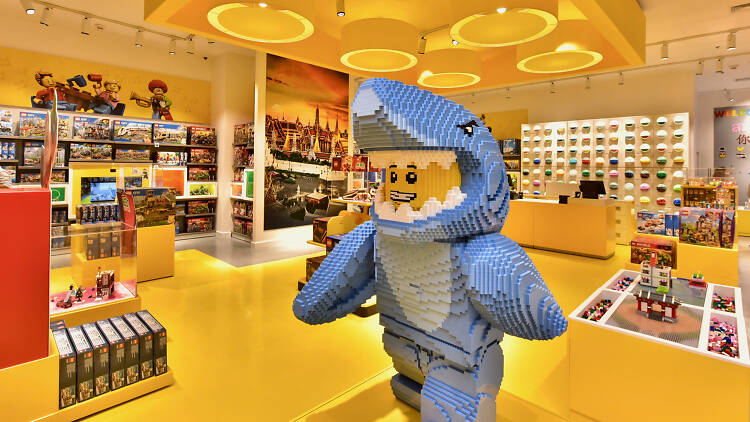
    Chinese toy retailer Kidsland International is opening its fifth Hong Kong Lego store, despite the economic downturn and the continuing coronavirus pandemic.

    “We see resilient demand for Lego products for kids and for those who are spending more time at home,” Kidsland executive director Sherman Hung told the South China Morning Post. “We believe a highly integrated offline and online operation will thrive in the redefined retail landscape post Covid-19.”

    The new 2400sqm Hong Kong Lego store in Tuen Mun is targeting consumers in the New Territories West area and positioned as a base for home delivery of online purchases, according to a report in the SCMP. The store will also launch an appointment service for customers who book visits via an online app.

    “Although the Covid-19 pandemic currently presents substantial challenges to the operating environment, the group’s Hong Kong business performance remains robust,” said Kidsland’s chairman and CEO Lee Ching Yiu, “and we remain cautiously optimistic about the group’s prospects and will continue to reform our operations.”

  • Esprit warns of big loss as Europe shuts down

    Esprit warns of big loss as Europe shuts down

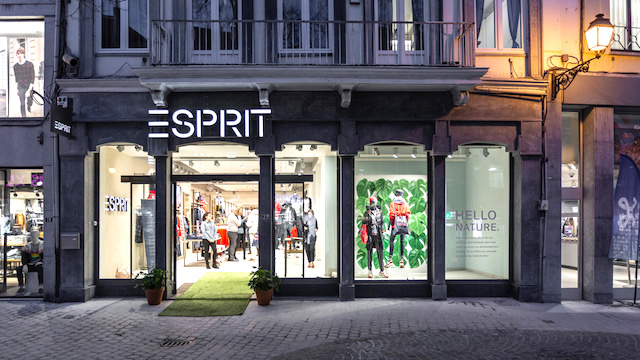
    Fast-fashion retailer Esprit says foot traffic into its stores worldwide have evaporated in the wake of the coronavirus pandemic and warned shareholders to expect a “considerable loss”.

    Public health initiatives enacted in many countries across the world aimed at slowing the spread of the pandemic have resulted in the closure of “a significant number of stores,” said Esprit company secretary Ophelia Lo.

    Public life has been locked down in France, Italy, Spain, Poland and Austria with other European countries most likely to follow, she said. All of those are important markets for Esprit which as part of a major restructuring plan is refocusing its business on Europe.

    “Obviously apparel retail sentiment is at its lowest level possible and store traffic in the group’s retail stores and its partners’ points of sale has subsided entirely,” said Lo.

    “In addition, the logistics of the supply chains of merchandise shipments are significantly affected.”

    Esprit expects the pandemic will “significantly adversely impact the sales of the group” in the second half of the current financial year, ending June 30.

    “As a result, management expects the group to incur a considerable loss in the second half,” said Lo.

    Right now, Esprit management cannot quantify the actual impact of the pandemic on the group’s business performance, given the inability to predict the speed and extent to which the pandemic will spread in markets in which the group and its suppliers operate in, and with no reliable estimation on when the pandemic may be over.

    “The company will continue to diligently assess the impact of the pandemic on the group’s business performance and will make appropriate announcements on updates as and when necessary,” she said.

    Meanwhile, the company will take “all practicable measures to cope with the challenges ahead,” including using working capital management and cost-control measures and exploring financial support provided by local governments.

  • Pricerite closes stores, culls staff to weather downturn

    Pricerite closes stores, culls staff to weather downturn

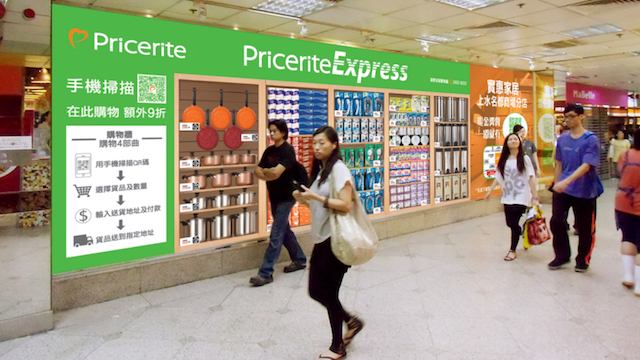
    Furniture and housewares retail Pricerite has closed four stores and will cut staff and executive salaries as it rides out the combined impact of the protests and now the coronavirus on sales.

    Four stores have been closed, the company said in a statement, without identifying their locations. The leases on another eight stores are due to expire this year and management is evaluating which of these will be renewed.

    Store staff numbers have been reduced by 10 percent, but the company said this has not resulted in any effect on service quality.

    Wages of senior management have been cut by 20 percent and directors’ salaries by 40 percent, from now until May and June respectively. Logistic employees have been asked to take unpaid vacations.

    “Under the current economic downturn, the sales of local consumer goods such as furniture have been under great pressure,” said the chairman of Pricerite’s parent, Cash Group, Guan Baihao.

    “The flow of customers has been reduced by 30 percent in the past nine months under the influence of epidemics and social movements. The new retail model is convenient for customers to enjoy online shopping and delivery services. However, the supply of major furniture and household goods has also been affected by the impact of the epidemic, and the supply chain is almost terminated,” he said in a statement translated from Chinese.

    “Under the situation of severely affected supply and demand, if the economic situation does not improve in the short term, the group will be forced to take other measures, including further reduction of branches and layoffs.”

    Meanwhile, the company is negotiating with landlords for temporary rent relief.

    Baiho said the current series of cost-saving measures have gone far beyond the Sars crisis of 2003.

    Along with declining retail sales since the social unrest commenced last June, Buildings Department data shows that only 12,923 private homes were completed in the first 11 months of last year, a decrease of nearly 18 percent over the previous year and the lowest figures in three years. That in turn impacts on the sale of furniture.

    As of December 31, Pricerite had 28 branches across Hong Kong and employed 800 full- and part-time employees.

  • Solid H&M results show transformation plan is paying off

    Solid H&M results show transformation plan is paying off

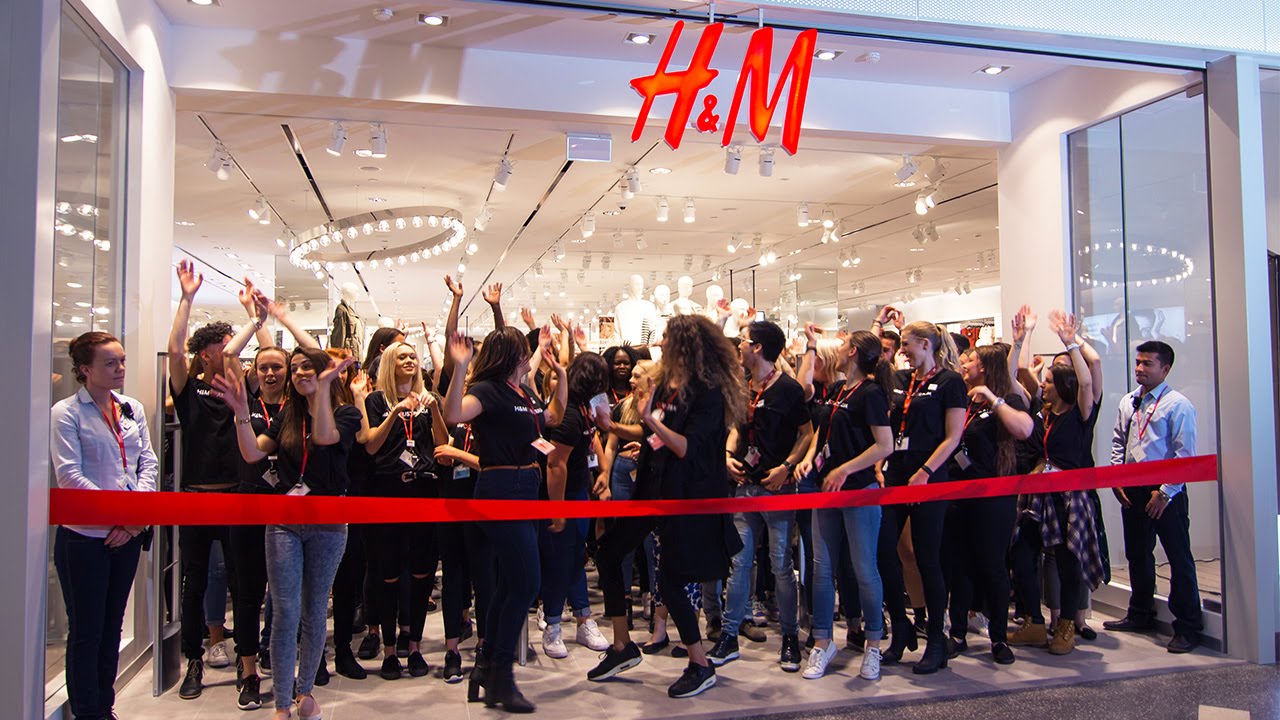
    Increased full-price sales and lower markdowns signal that H&M’s multi-pronged transformation plan is paying off, according to GlobalData analyst Kate Ormrod.

    H&M fourth-quarter sales were affected by the later timing of Black Friday last year, compared with 2018, however that failed to dent an impressive turnaround performance from the Swedish fast-fashion retailer which 12 months ago was struggling to move significant excess inventories. In the second quarter it returned to profitability and Ormrod says a greater focus on online sales, supply-chain management and the fine-tuning of its physical store network have been sound.

    Net sales increased by 11 per cent to US$24.2 billion for the full year and gross profit increased by 9 per cent to $3.5 million. Its fastest growth rate was in India where sales rose by 33 per cent, although the brand is still relatively new to that market.

    Outgoing CEO Karl-Johan Persson, who will soon take over his father’s role as chairman, said the positive performance shows the company is “on the right track”.

    “In view of the ongoing transformation of fashion retail, we have been making significant and necessary investments for several years to secure the H&M group’s position and long-term development,” he said.

    Ormrod says while H&M still has some work to do in order to fully satisfy consumers’ demands, she expects the company to continue to benefit from its vast future-proofing initiatives this year. Net sales over December and January rose by 5 per cent in local-currency terms, up from 4 per cent last year, “emphasising that its appeal and relevance have not wavered,” she said.

    “Optimising its brick-and-mortar business remains a priority with H&M planning to open a net of just 25 stores in the current financial year, with physical expansion in growth markets such as South America and Eastern Europe almost offset by the closure of about 175 stores, primarily in Europe, the US and China.

    “Pressure remains to elevate its remaining stores with a need to drive consistency in in-store presentation and experience at its core H&M fascia. The retailer’s focus on sustainability is market-leading and apt given growing consumer interest, enabling it to deliver fast fashion with a conscience and at the same time casting shade on competitors such as Inditex. However it must continue to invest in areas such as value for money and quality that truly matter as purchase motivators among the majority of its shoppers in order to deliver results.”

    Meanwhile, Helena Helmersson, H&M’s former COO, has taken over as CEO, the first woman to head the company.

  • Shops without stock draw crowds in South Korea

    Shops without stock draw crowds in South Korea

    There’s a new trend capturing South Korean consumers’ attention: shops without stock, focusing on experience rather than instant retail sales.

    With a growing number of consumers choosing and purchasing products online or on mobile devices, hands-on stores that target such customers are becoming a new marketing trend.

    Amore Seongsu, which opened in early October as a customer experience-oriented store of AmorePacific, a South Korean cosmetics giant, had surpassed 24,000 cumulative visitors as of December 5, about two months after its opening.

    At Amore Seongsu, customers can test and experience the brand’s cosmetics – but nothing is for sale in this shop without stock.

    Visitors can apply and spray products tailored to them from the beauty library, which features more than 30 brands and 2300 products from AmorePacific.

    Furthermore, Amore Seongsu offers various other services, including makeup classes, flower box- and perfume-making classes every month to encourage customers to participate.

    “We only offer customers the opportunity to check out products suitable for them at our stores, and customers purchase the products online afterward,” said an official from AmorePacific.

    Online shopping transactions of cosmetics reached 1.15 trillion won (US$966 million) as of October, up 28 percent year on year. Meanwhile, sales via mobile devices rose 32 percent to 648.8 billion won, according to Statistics Korea.

    In fact, data shows that 20 percent of customers who visit Amore Seongsu purchase products from the brand online within a week of their visit.

    In addition, AHC, a cosmetics brand operating under Carver Korea, opened its flagship store “Future Salon” in Myeong-dong, Seoul, in late October.

    American mattress maker Simmons opened a cultural complex, Simmons Terrace in Icheon, Gyeonggi Province, last year.

    Moreover, Aekyung Industrial Co, a South Korean household-goods and cosmetics maker, also launched Luna Signature, a hands-on cosmetics store near Hongdae in Seoul, in June. The two stores also place more weight on experience rather than sales.

    “We don’t put much importance on sales performance at experience stores,” a source from Aekyung said. “If we increase brand awareness by communicating with more consumers, it will lead to an increase in sales online.”

    The furniture industry, which already operated showrooms and flagship stores, has also recently attracted visitors by decorating exhibition and sales halls as cultural spaces.

    American mattress maker Simmons opened a cultural complex, Simmons Terrace in Icheon, Gyeonggi Province, last year. It has welcomed more than 100,000 visitors in just one year since its opening.

    In addition to the showroom-like shops, museums and exhibitions featuring gardens, lounges and brand stories have been set up at Simmons Terrace.

    “Customers do not purchase products immediately on site, but visitors become strong potential customers,” a furniture industry source said.

  • KrisShop marks rebranding by taking to the ground

    KrisShop marks rebranding by taking to the ground

    Singapore Airlines’ inflight and online travel retail store KrisShop has revamped its brand and launched a new website.

    To mark the launch, KrisShop is curating a pop-up exhibition in downtown Singapore, divided into several experiential zones, each showcasing a different retail feature of the new site. KrisShop.com now sports a cleaner look with a new interface that includes more intuitive features for swift and smooth navigation.

    KrisShop has also introduced multiple initiatives for convenient payment and pre-order and delivery services, aiming to provide personalised experiences to suit the varying lifestyles of customers. It is targeting both travellers and non-travellers.

    “Over the years, the travel retail industry has experienced a radical disruption driven by digitalisation,” read a statement from the firm on the rebranding. “KrisShop seeks to embrace a holistic omnichannel approach to deliver an integrated shopping experience that engages its customers at every step of the journey – both online and offline.

    “Advancing beyond a retail catalogue, KrisShop.com aims to re-invent itself as the go-to lifestyle e-commerce website that caters to the needs of all shoppers, whether they are travelling or not.”

    In the coming months, the firm will progressively roll out the site’s new features, including multiple payment options, pre-ordering up to 60 minutes before flight, hotel delivery, in-flight entertainment, and self-collection at PopStations.

    “Beyond being a retail e-commerce site, KrisShop seeks to establish itself as a one-stop shopping destination, and is continually evolving to meet the needs and demands of today’s consumers,” said KrisShop CEO Chris Pok. “Leveraging our expertise in retail, we are proud to unveil the new Krisshop.com that aims to modernise the consumer shopping journey.”

    The KrisShop popup is located at Raffles Hotel’s Palm Ballroom, and will be open to the public from August 23 to 24.

  • NomadX adds more provision shops

    NomadX adds more provision shops

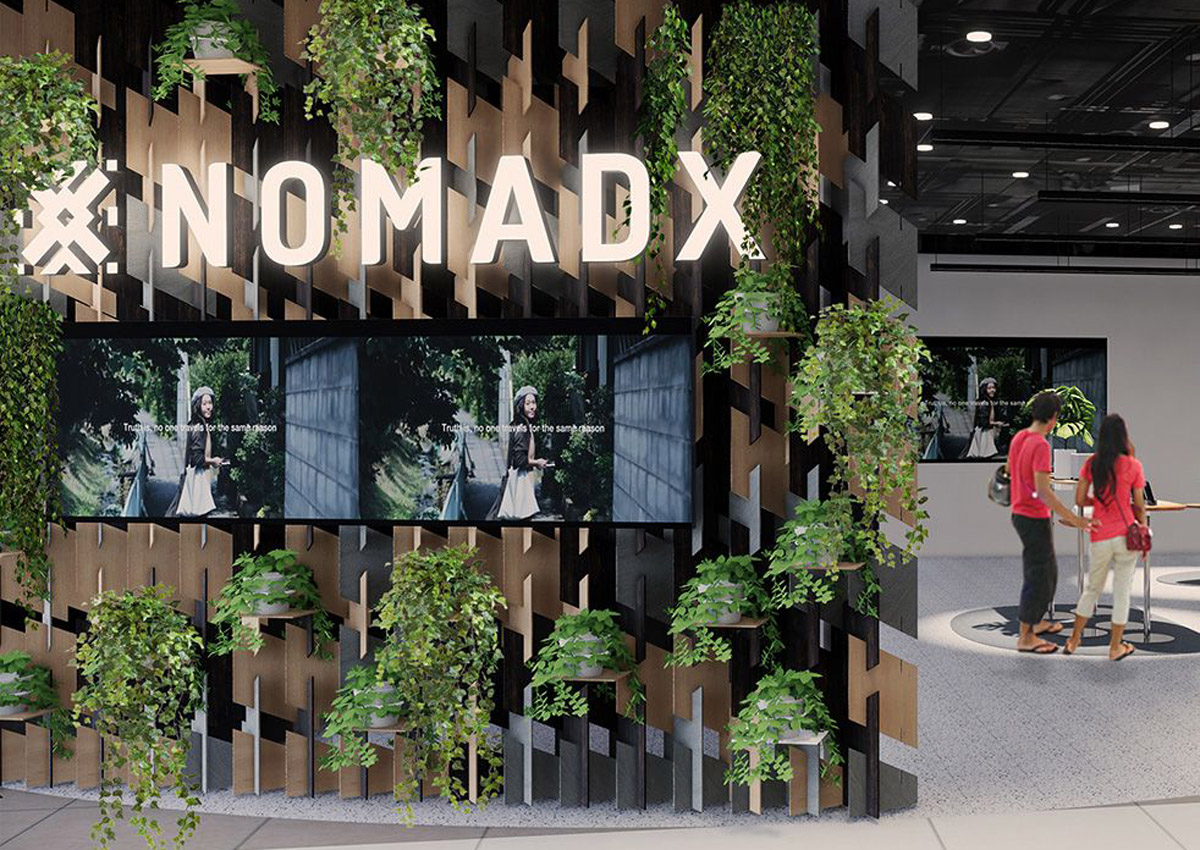
    Multi-label concept store NomadX has updated and expanded its space, adding new stores.  Technology has also been rolled out: along with a touchscreen directory, interactive screens and “game stations” that help customers to find their style, there are mirrors that offer automated store assistance. Customers can also scan the product QR code to add any products to their digital cart for purchases.

    Among the new brands at NomadX is The Lucky Shop (by Zha Huo Dian), a boutique offering ‘old-school’ and vintage fashion for men and women.

    Another is a faux ‘supermarket’ M*Art which displays apparel and accessories in neon-pink repurposed refrigerators.

    Other newcomers include homegrown fashion and accessories brands Qlothe, The Sophia Label, Ans.ein and Studio Emoi. Mrphy’s home decor range and French beauty company Melvita are making their Singapore debut there.

    More brands will be popping up at the store, including sustainable-swimwear label August Society, Pleatation and Love SG.

  • Tse Sui Luen store network expands Again

    Tse Sui Luen store network expands Again

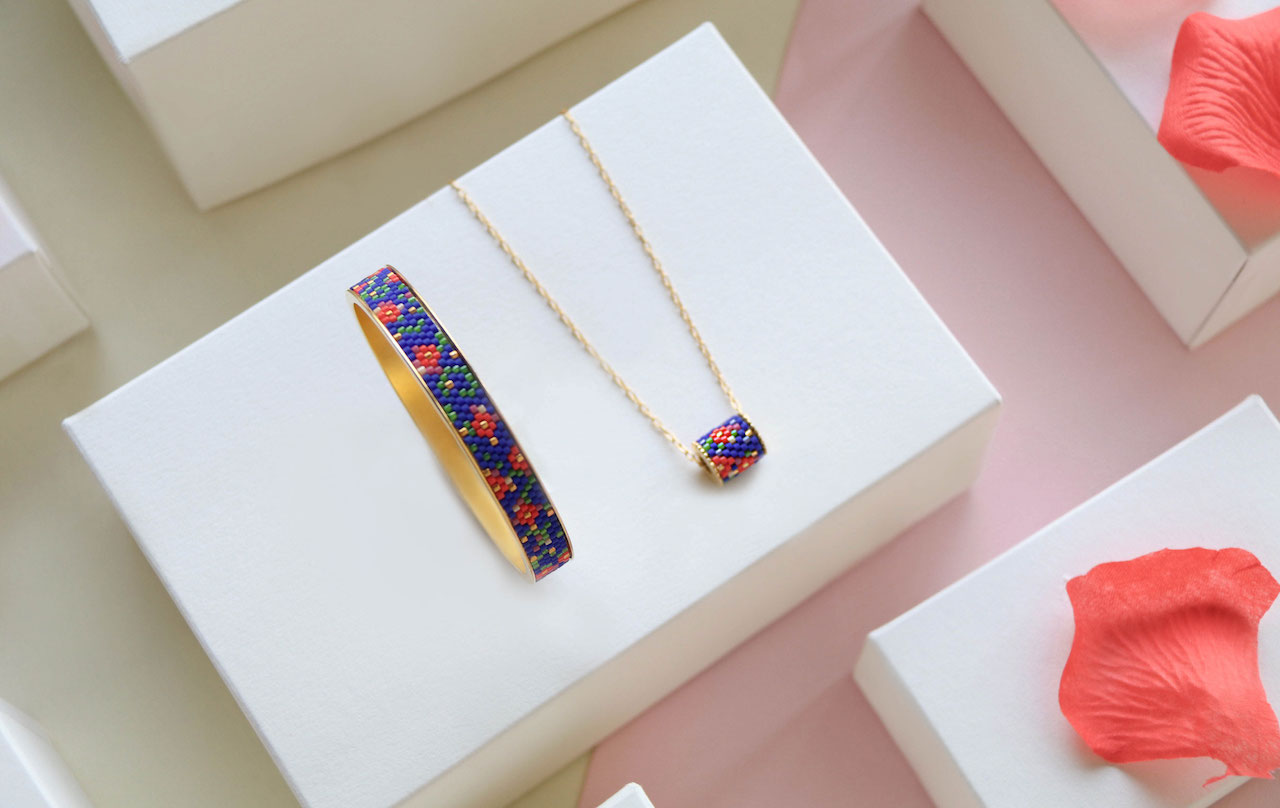
    Hong Kong-headquartered jeweller Tse Sui Luen has reported a 9.6 per cent increase in profit for the full year, despite a marginal 1.7 per cent drop in group turnover.

    Profit attributable to shareholders was HK$54.2 million (US$6.9 million) on sales of $4.065 billion ($521 million).

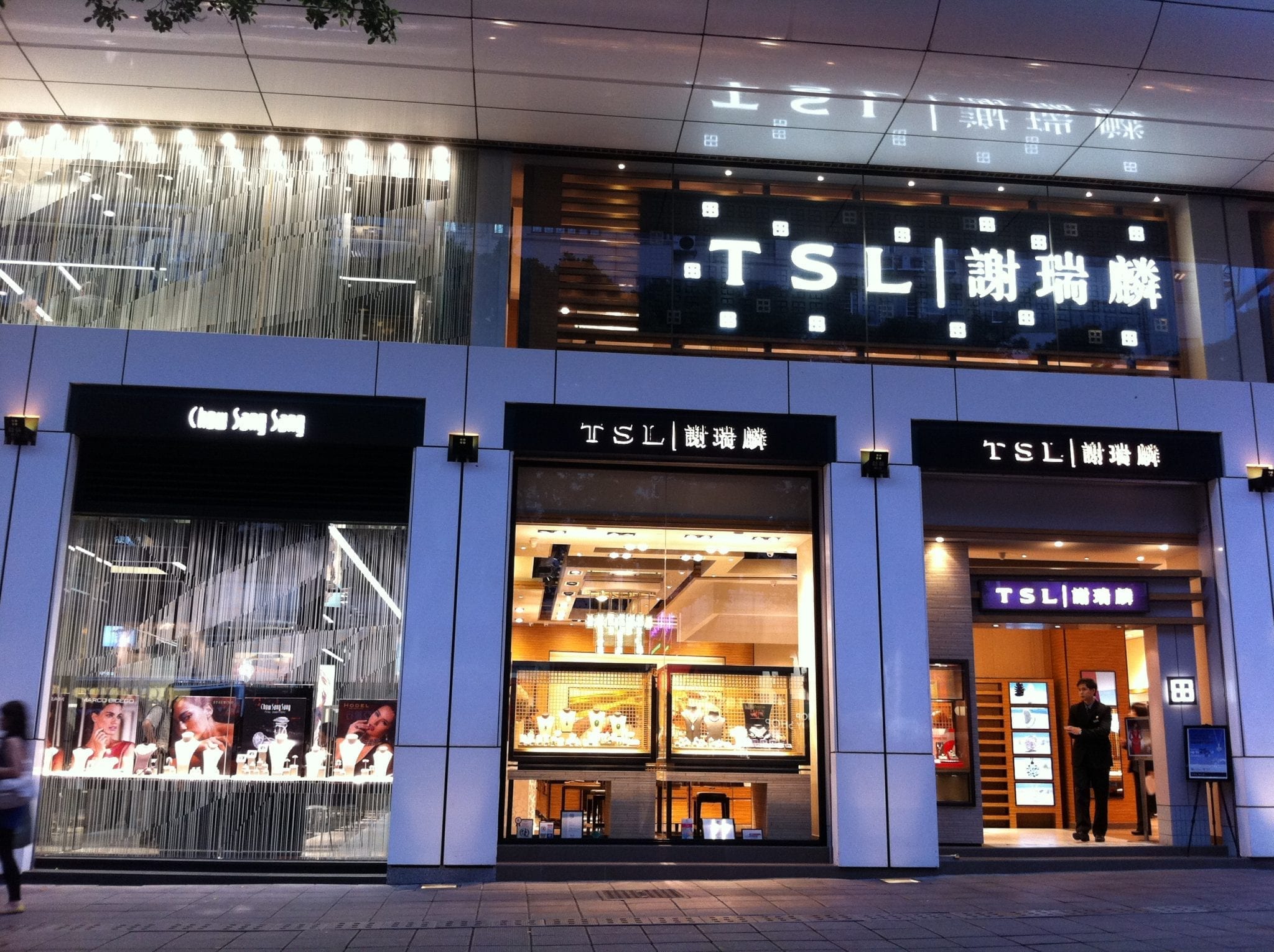
    The Tse Sui Luen store network grew by 56 during the year, to reach 473.

    Chairman Annie Yau said sales rose in the first half of the year, reflecting the continuing upturn of Hong Kong’s retail sector. “However, conversely, towards the end of the year, the group started to feel the trickle-down effects of the trade dispute between the US and China which has adversely affected the market sentiment and consumer confidence and resulted in the depreciation in the Renminbi – all leading to a slowdown in the global economy and in local retail sales performance.”

    She said the fluctuation of the Renminbi value inevitably brought adverse impact on the second half. “The group is responding to these challenges with unique signature products and reinforcement of our market positioning as ‘Wedding Expert’, all aimed to offset the negative effects…”

    During the year, the group has demonstrated its vision to optimise its retail network across Asia and broaden its international presence through new store openings in Hong Kong, Mainland China and Malaysia. Going forward, we will continue to seize the opportunities for developing existing and new business channels and expanding our retail network in all the regions where we operate, while being cautious and keeping a close watch on any and all changes as and when they occur in the market,” she says.

    Same-store sales growth in Hong Kong and Macau was 2.8 per cent, and as a result of gold product promotions and an expanded product assortment, the average amount per invoice rose by 5.6 per cent.

    Tse Sui Luen took advantage of a general downward trend in store rental rates to improve rental cost effectiveness. It expanded the size of its stores at Times Square in Causeway Bay and Plaza Hollywood in Diamond Hill and opened a new store in MCP Central (Phase II) in Tseung Kwan O.

    Self-operated Tse Sui Luen store growth continued to be a key driver of the group’s Mainland China business, accounting for 36.6 per cent of its turnover during the year. Twelve new self-operated stores and 43 new franchised stores were opened on the mainland, expanding the network from 380 to 435.

    “We will keep on expanding our retail network in Mainland China with the intention of opening an additional 100 new stores over the coming two years,” said Yau.

    In Malaysia, turnover was stable the jeweller opened one new store, at Genting, taking its network there to five.

  • Volkswagen Expands Network With First City & Pop-up Stores In India

    Volkswagen Expands Network With First City & Pop-up Stores In India

    German auto giant has inaugurated its first city and pop-up stores in India, in a bid to expand its presence and touchpoints in the country. The manufacturer opened its first City store at Richmond Road in Bengaluru, while the Pop-up store opened in Tumkur. The automaker says that the initiative aims to prepare the brand to be ‘fit for the future’ while being innovative. Volkswagen plans to introduce 30 new pop-up and city stores across the country over the next one year.

    Speaking about the new innovation, Steffen Knapp, Director, Volkswagen Passenger Cars said, “Our business environment is changing at a breathtaking pace in view of new technologies and enhanced customer expectations. Our customers today value innovation and in turn expect a prompt and hassle-free experience with Volkswagen. This new format of transforming our sales stores is in alignment with our global growth strategy. As the world is moving towards connected mobility solutions, digitalization across the sales and after-sales process is pertinent. We’re constantly innovating our brand offerings and we trust our customers would appreciate the Volkswagen experience.”

    The new stores have been opened in partnership with PPS Motors. Speaking on the collaboration, Rajiv Sanghvi, MD – PPS Motors said, “To enhance the customer purchase experience in today’s digital age, we are driven to deliver this world-class showroom that combines traditional and digital tools to offer a seamless sales experience to our customers.”

    The Volkswagen Pop-up store aims to offer an opportunity for potential customers to interact better with the brand. These stores are mainly targeted at the semi-urban and rural areas where the company has a limited presence. Meanwhile, the Volkswagen City store will cater to young customers in urban areas. The city store will offer a digitized experience to customers with paperless details on the vehicles. Vehicles bought via both the stores will be serviced at the existing company workshops that are associated with the traditional dealerships that are already established in multiple cities.

    Volkswagen currently operates out of 119 showrooms and 113 workshops, which are spread across 100 cities in the country. The city and pop-up store concepts will help VW India reach out to newer regions in the country, without necessarily spending the high infrastructure cost involved with setting up a dealer network. It’s not clear as to how long with the city and pop-up stores will be in operation. However, local dealers will find help in reaching out to newer customers outside their traditional vicinity.

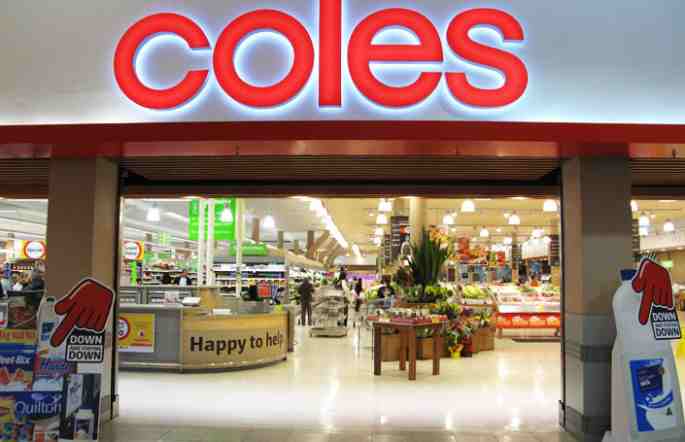
  • Coles reshaping 200 stores around convenience

    Coles reshaping 200 stores around convenience

    Coles is ramping up its convenience strategy, with a plan to grow sales on the back of “food-for-now” and “food-for-later” products. As part of this strategy, the brand will convert around 200 Coles supermarkets to a more premium, convenience-focused format, as shift 200 lower-volume stores to a more value-centric format, while adding around 75 new product lines to its existing range for ready-to-eat meals – such as breakfast foods, curries, soups, roast vegetables and stir-fry kits.

    According to the report, Coles chief executive Stephen Cain sees an opportunity through this strategy to grow another billion dollars in sales over the next five years.

    “It’s high growth and it mainly happens outside supermarkets at the moment,” Cain told.

    “Some of it will come from other players in the convenience market, but because it’s value-added it’s also growing the market as well.”

    Cain previously told analysts that the brand was changing rapidly in the space, but was still lagging behind the competition.

    “We are growing our baskets, and we are growing our transactions. We believe that we can do a better job with the convenience customers, and we’re setting up the business to do that going forward,” Cain said.

    Coles’ focus on convenience is not surprising, given the number of partnerships it has forged with third parties, since splitting from former-parent company Wesfarmers in late 2018, to ensure customers can get its products how they want when they want.

    Deals with online marketplace eBay and meal-delivery service Uber Eats are other incentives for Coles to improve its food-for-now and food-for-later offerings by allowing several pillars of the business to utilize the expanded range.

    “Making life easier for our customers means enabling our customers to fulfill their shopping needs ‘anytime, anywhere’,” a Coles spokesperson said.

    “We know our customers’ needs are changing rapidly and we are evolving our offer accordingly.”

    The convenience market is growing rapidly in Asia Pacific, with the region having been named the “largest and fastest-growing” convenience market in the world in a report by GlobalData.

    According to GlobalData retail analyst Honor Strachen, the changes being seen in the region’s convenience offers, such as those outlined by Coles, have been improving store sales and profitability at a time that retail space is becoming more expensive, and margins are increasingly under pressure from inflation and discounting.