Tag: shortage

  • El Niño Threat Looms: Philippines Continues Rice Imports to Mitigate Shortage Fears

    El Niño Threat Looms: Philippines Continues Rice Imports to Mitigate Shortage Fears

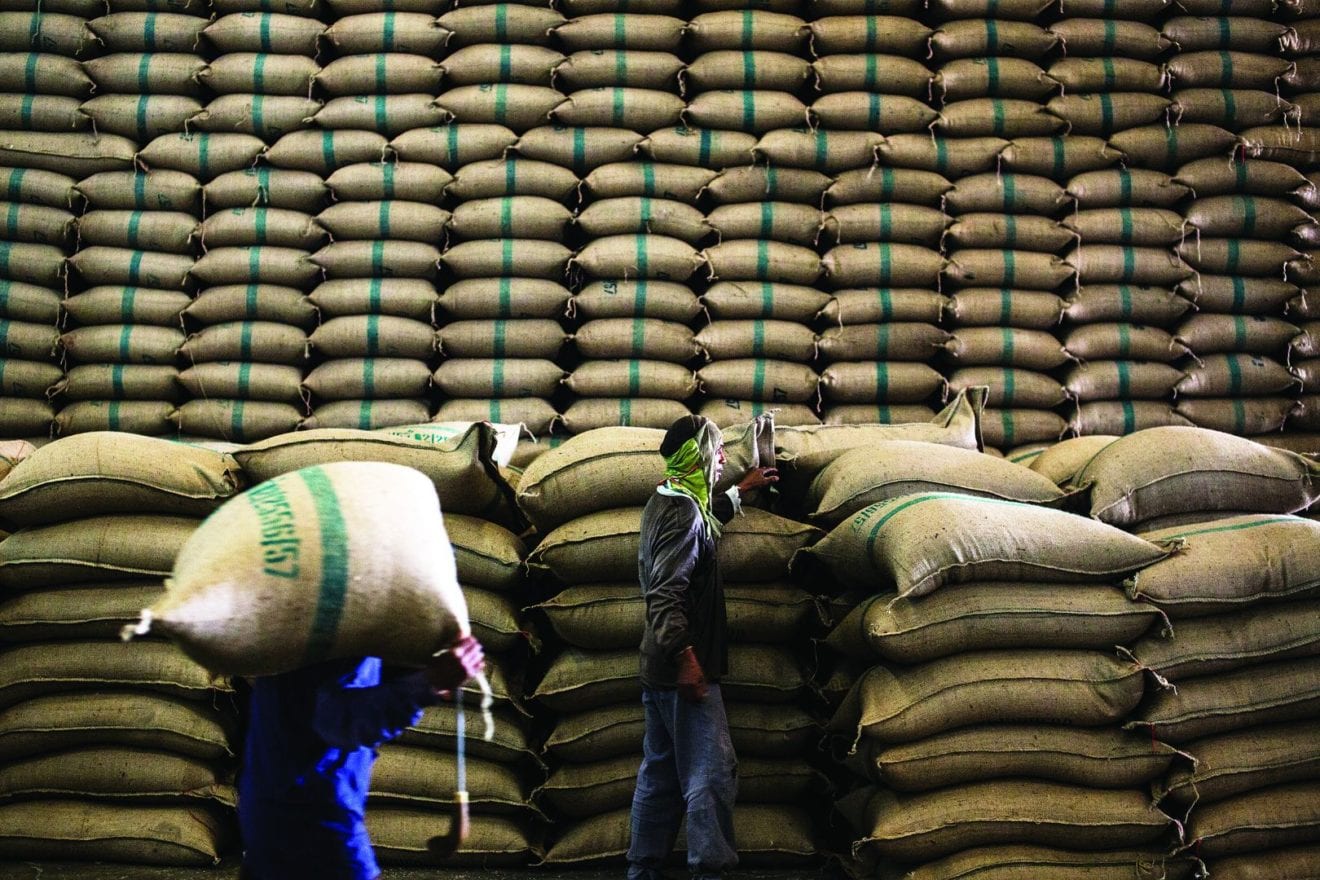
    In preparation for a potential reduction in domestic supply due to the expected El Niño weather event, the Philippines will not enforce a prohibition on rice imports this year. The possible upcoming strong El Niño, according to the nation’s Department of Agriculture, may diminish the national paddy yield by an estimated 750,000 metric tons. This could exacerbate the risk of supply shortages prior to the dry-season harvest in the early part of 2027.

    Rice Demand Outweighs Domestic Supply

    The consumption of rice in the Philippines exceeded the domestic supply by over one million metric tons last year. The country’s demand was 13.57 million metric tons, greatly surpassing the domestic yield of 12.40 tons. Francisco P. Tiu Laurel Jr., the Secretary of Agriculture, has stated the government’s intention to ensure large rice reserves are held prior to the upcoming harvest in order to preempt potential supply shortages.

    This strategic decision marks a deviation from the previous year’s approach, during which the Philippines halted rice imports between September and December. This move was implemented to bolster domestic paddy prices during the primary harvest season. This interruption to the importation process impacted delivery schedules for numerous Vietnamese exporters. Consequently, several companies had to seek orders from Africa and the Middle East.

    Impact on International Trade

    By August 3rd of this year, the Philippines had imported 3.3 million tons of rice. To lessen the impact of ongoing imports on local rice farmers, the government has directed the National Food Authority to procure 500,000 metric tons of paddy during this year’s wet-season harvest.

    A rice exporting enterprise in Vietnam’s Dong Thap Province has indicated that the Philippines’ decision to persist with imports will facilitate more straightforward negotiations of contracts for future deliveries this year. The Philippine market’s demand for Vietnam’s fragrant rice varieties remains steadfast due to their competitive pricing and unwavering quality.

    Vietnam exported a total of 5.5 million tons of rice in the first seven months of the year, generating $2.64 billion in revenue. In terms of volume, this figure represents a 0.5% increase year-on-year, although overall exports have declined by 6.7%. The Philippines continues to be Vietnam’s largest market, accounting for 45% of total exports.

    El Niño is a naturally occurring climate phenomenon characterized by unusually warm Pacific Ocean temperatures. This weather pattern can disrupt global weather patterns and often results in droughts in Southeast Asia, thereby reducing agricultural yield.

    Questions & Answers

    What is the expected impact of El Niño on the Philippines’ paddy yield?
    The strong El Niño weather event expected later this year could decrease the country’s paddy output by approximately 750,000 metric tons.

    How is the Philippines preparing for potential rice supply shortages?
    The Philippine government plans to maintain substantial rice reserves in anticipation of the next harvest to mitigate potential supply shortages.

    How have the Philippines’ import decisions impacted Vietnam’s rice exporters?
    The previous year’s suspension of rice imports disrupted delivery schedules for Vietnamese exporters. However, the decision to continue imports this year is expected to ease contract negotiations for future deliveries.

  • Marmite Mania: Singapore Supermarkets Face Unexpected Shortage of Beloved British Spread

    Marmite Mania: Singapore Supermarkets Face Unexpected Shortage of Beloved British Spread

    Marmite, the unique British food spread revered for its savory umami flavor, has reportedly disappeared from the shelves of Singapore’s major supermarket chains and retail outlets. This comes as a surprise to the local populace who have grown to love the uniquely flavored condiment.

    Empty Shelves in Local Stores

    The top supermarket chains in Singapore, notably FairPrice, Sheng Siong, Cold Storage, and Giant, have all reported the absence of Marmite from their inventories. An employee at FairPrice confirmed that Marmite had been out of stock for several months. Similarly, a staff member at Sheng Siong revealed that they had not received any new Marmite shipments recently. Even online searches for Marmite on these supermarkets’ websites yield no results.

    While Marmite is still available from a handful of online sellers, the prices are considerably higher than before. For instance, last week, Shopee had only a few sellers offering 8g sachets for S$4.50 (US$3.48) each. This is a stark contrast to the previous price of a 200g jar, which was sold for S$7.08 at FairPrice.

    Marmite, a dark, sticky spread made from yeast extract, is renowned for its intensely savory, salty, and umami flavor profile. Traditionally spread on toast in the UK, it has also found its way into Singaporean cuisine, featuring in popular dishes such as Marmite chicken and Marmite pork ribs.

    Under New Management

    Unilever, the consumer goods behemoth that produces Marmite, announced in late March that it had agreed to merge its food business, including Marmite, with U.S.-based McCormick. The merged entity will operate under the McCormick name and will be managed by a combination of executives from both companies. The deal is anticipated to close by mid-2027, with Unilever and its shareholders retaining 65% control in the combined company.

    Earlier this month, a notice circulated on social media suggesting that Unilever Asia, the regional distributor responsible for Marmite supplies in Singapore, had removed the product from its portfolio as of April 1.

    Questions & Answers

    Why has Marmite disappeared from Singapore’s supermarket shelves?
    According to local reports, Marmite has been out of stock for several months. The exact reason remains unknown.

    Is Marmite still available in Singapore?
    While Marmite is no longer available in major supermarkets, it can still be purchased from a few online sellers although at higher prices.

    What changes are expected after the merger of Unilever’s food business with McCormick?
    The combined entity will operate under the McCormick name and will be managed by a blend of executives from both companies, with Unilever and its shareholders retaining 65% control. The deal is expected to close by mid-2027.

  • Chip shortage is still a thing says Intel CEO Gelsinger

    Chip shortage is still a thing says Intel CEO Gelsinger

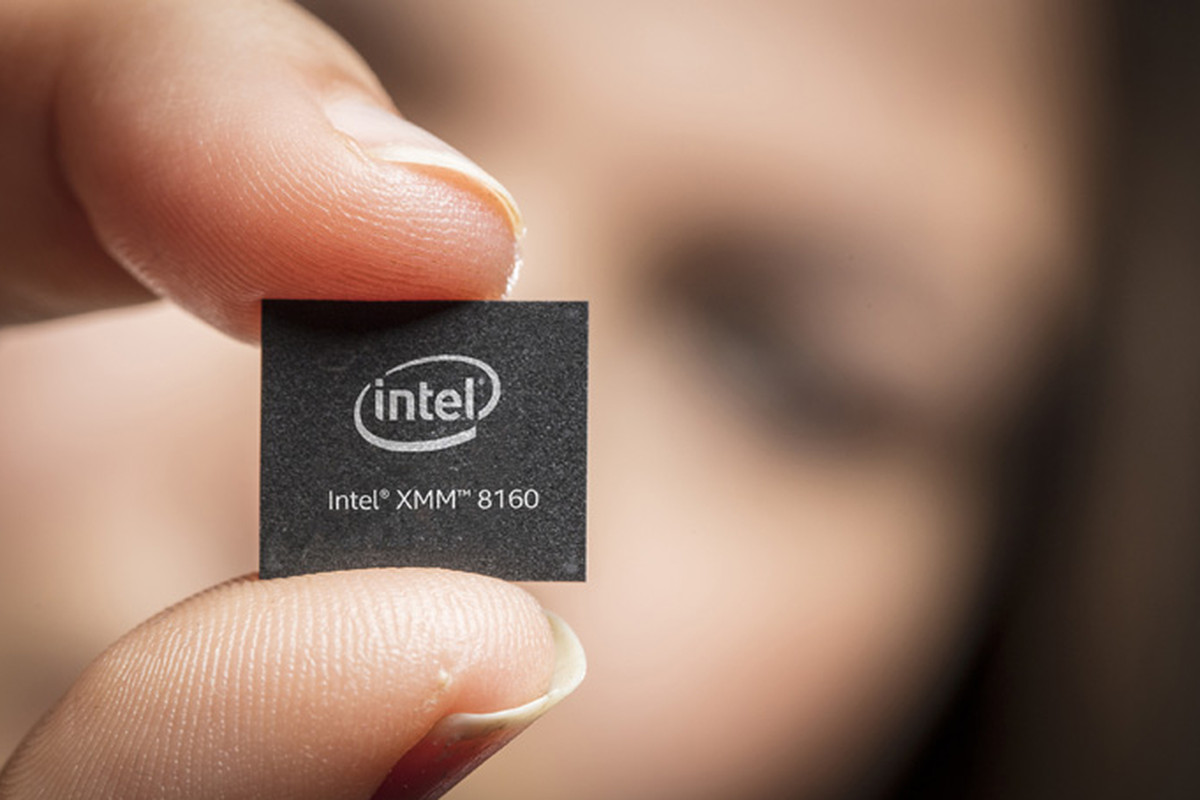
    Just because we don’t constantly hear about it as much anymore doesn’t mean that the global chip shortage has ended; when it comes to chips, the world isn’t all of a sudden “in the chips,” according to Intel CEO Pat Gelsinger who spoke Friday on CNBC’s “TechCheck.” The executive says that important tools used in the chip manufacturing process are not readily available keeping production capacities in check.
    With foundries unable to expand production capacity for their fabs, Gelsinger sees the chip shortage lasting longer than originally thought. “That’s part of the reason that we believe the overall semiconductor shortage will now drift into 2024, from our earlier estimates in 2023, just because the shortages have now hit equipment and some of those factory ramps will be more challenged,” the Intel CEO said.

    Intel, which has promised to regain “process performance leadership” by the end of 2024, has created a road map that includes taking delivery of ASML’s next-generation extreme ultraviolet lithography (EUV) machine. The $150 million machine uses highly polished mirrors to help focus ultraviolet light allowing it to etch circuitry patterns onto a wafer.
    With billions of transistors deployed on chipsets these days, lithography machines need to be able to create patterns that are fractions of the width of a human hair to help foundries manufacture cutting-edge chips. Intel will be the first foundry to use the new machines that raise their numerical aperture from .33NA to .55NA. This means that the machine can collect more light to help it create the circuitry patterns on the wafers that are used to build faster and more energy-efficient integrated circuits.
    Returning to process leadership means that Intel has to continue spending to build new fabs in the U.S. and Europe. The executive says, “We’ve really invested in those equipment relationships, but that will be tempering the build-out of capacity for us and everybody else, but we believe we’re positioned better than the rest of the industry.”
    Before speaking on CNBC, Gelsinger previously said that a supply-demand balance in the chip industry would take place in 2023. Intel did report first-quarter revenue and earnings last week that topped expectations on Wall Street although its estimates for the second quarter came in below analyst’s forecasts. Over the last week, Intel’s shares declined 8.6% from $93 to $85.
    The top two contract foundries in the world that take chip designs created by other companies and turn them into the final components are TSMC and Samsung. The former is known for building the chips designed by Apple including its A-Series and M-Series chips. Unlike TSMC and Samsung, Intel’s foundries usually produce components that Intel itself had designed.
    With two new fabs being built in Arizona, Intel is taking the business model perfected by TSMC and is bringing it to the U.S. But that doesn’t mean that TSMC won’t be a competitor. The Taiwan-based company is building its own plant in Arizona that will turn out 5nm chips by 2024.
    Tech firms are expected to embrace the possibility of having Intel produce chips based on their designs without fear that a geopolitical event will force TSMC to shut its factories in Taiwan and create a massive bottleneck that would make the current chip shortage feel like a walk in the park.
    Creating a valid supply chain for chips in the U.S. and making the country self-sufficient is a goal that the U.S. has been trying to achieve. China too has a goal to become self-sufficient when it comes to building chips. After the U.S. used its export rules to block Huawei from receiving shipments of cutting-edge chipsets, this became a major goal for the country.
    In 2020, the U.S. Commerce Department put in place a rule that blocks foundries that use American technology to build advanced chips from shipping such chips to Huawei even if the chips were designed by the company itself.
  • BMW’s CEO Expects Chip Shortage To Last Into 2023

    BMW’s CEO Expects Chip Shortage To Last Into 2023

    A shortage of semiconductors is likely to remain a problem for the auto industry into 2023, German carmaker BMW’s Chief Executive Oliver Zipse said in an interview with newspaper Neue Zuercher Zeitung (NZZ) published on Monday.

    “We are still in the height of the chip shortage,” Zipse was quoted as saying. “I expect us to start seeing improvements at the latest next year, but we will still have to deal with a fundamental shortage in 2023.”

    BMW said during its annual press briefing in mid-March that it expected the chip shortage to last throughout 2022.

    Zipse’s comments echoed similar statements by Volkswagen’s CFO Arno Antlitz on Saturday who said he expected that supply of chips would not be able to meet demand until 2024.

  • Chip Undersupply To Last Until 2024, Says Volkswagen CFO Boersen-Zeitung

    Chip Undersupply To Last Until 2024, Says Volkswagen CFO Boersen-Zeitung

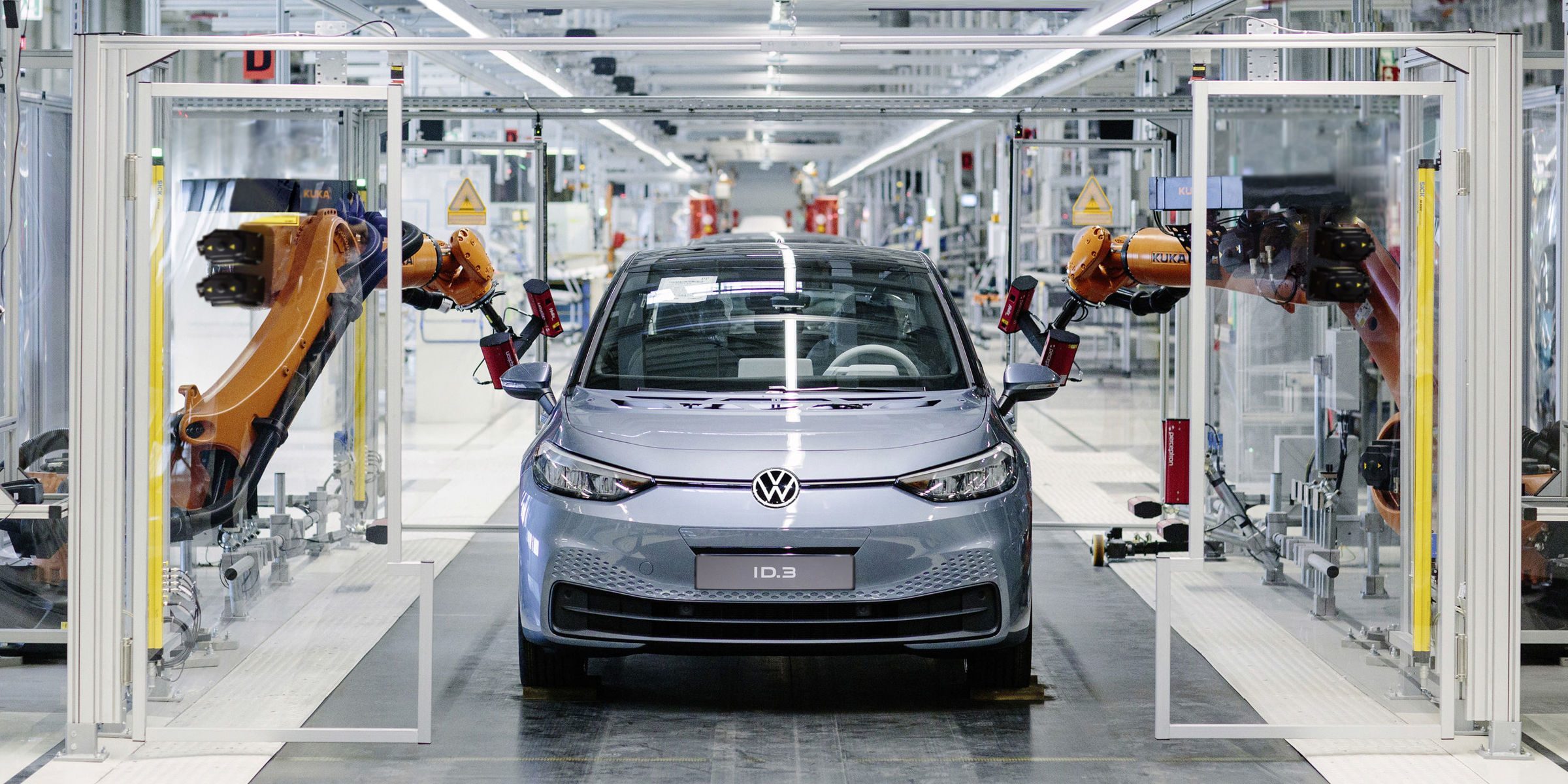
    Semiconductor chip supply is unlikely to be enough to completely satisfy demand again until 2024, Volkswagen Chief Financial Officer (CFO) Arno Antlitz said in an interview with German daily Boersen-Zeitung on Saturday.

    He said that although bottlenecks would likely begin to ease towards the end of this year, with production returning to 2019 levels next year, this would not be enough to meet heightened demand for the chips.

    “The structural undersupply will likely only resolve itself in 2024,” Antlitz said.

    A lack of wire harnesses from Ukraine was also still causing some shifts to be canceled, Antlitz said, even as the company was establishing new supplier relationships to source the component from other countries.

    Asked about how funds from a possible IPO of Porsche AG, planned for the end of the year, could be used to bolster Volkswagen’s finances, Antlitz said the money could help fund the carmaker’s software unit and its battery production plans.

    “Only those who can map out their battery supply chain have the advantage at scaling in electromobility. Securing the supply chain comes with that. A Porsche IPO could give us a lot more flexibility in financing this,” Antlitz said.

  • Czech Car Production Falls 11% In January As Chip Shortage Weighs

    Czech Car Production Falls 11% In January As Chip Shortage Weighs

    Czech passenger car production fell by 11.4% year-on-year to 92,657 vehicles in January, posting its lowest result for that month since 2010 as the chip shortage continued to weigh, the Czech Automotive Industry Association (AutoSAP) said on its website on Thursday.

    AutoSAP said, though, it expected the situation to stabilize in 2022 and show a rebound in full-year figures.

  • Infineon Sees Chip Shortage Extending Into 2022 As Quarterly Revenue Beats

    Infineon Sees Chip Shortage Extending Into 2022 As Quarterly Revenue Beats

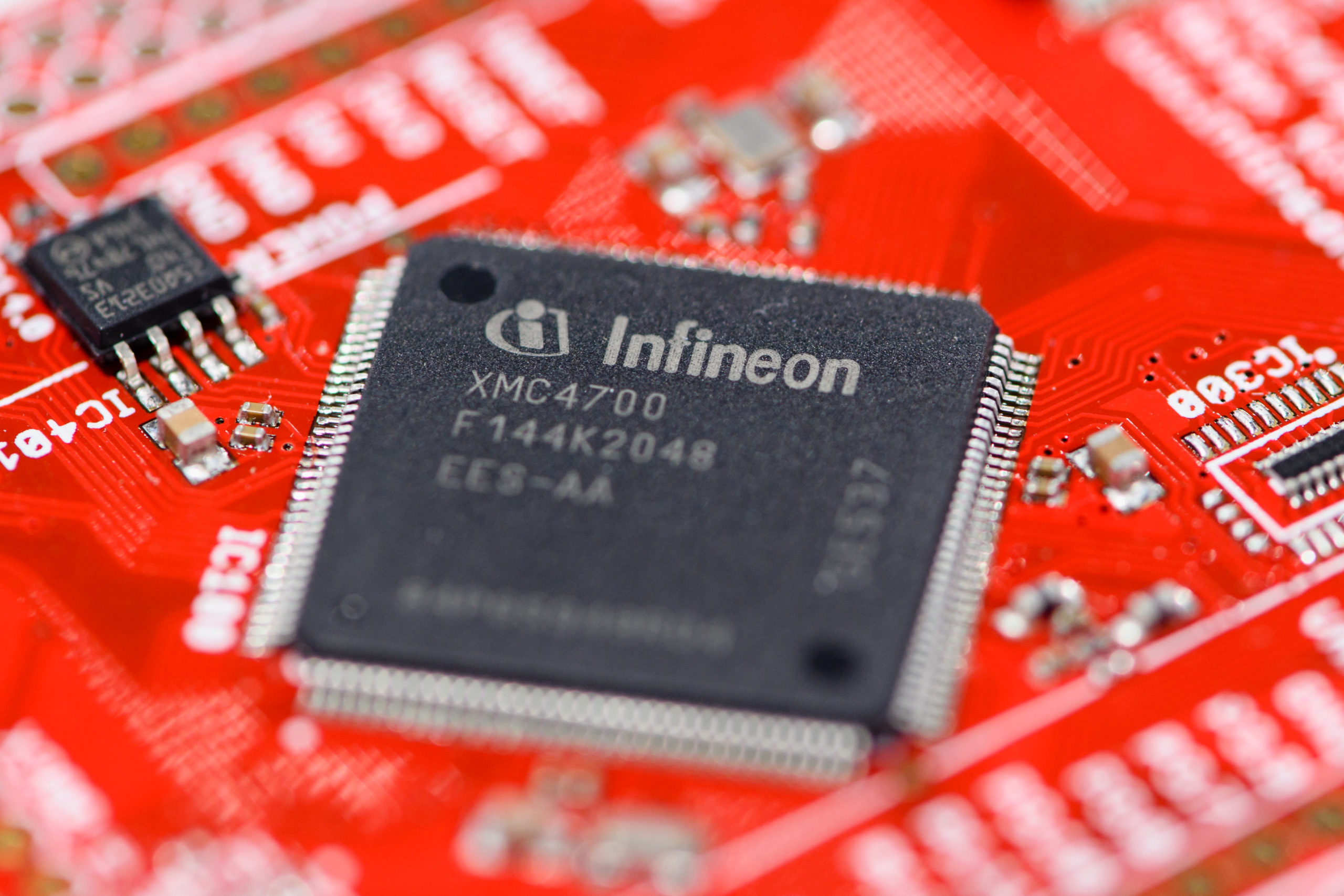
    German chipmaker Infineon expects the global semi-conductor shortage to remain well into 2022, it said as it posted a 10% rise in fourth-quarter revenue on soaring demand for chips used in everything from cars to home appliances. Shares of the company rose 2% in Wednesday morning trade.

    Infineon, which gets about 40% of sales from the automotive sector, also forecast revenue of 3 billion euros for its coming first quarter, exceeding the 2.97 billion euros expected in a poll of 19 analysts by Vara Research.

    “Demand is by far outstripping supply,” Chief Executive Reinhard Ploss said on a call with analysts.

    “Supply is bound to catch up with demand eventually, but we do not see this happening on a broader scale within 2022,” he said.

    The leading supplier of chips to the auto industry is benefiting from a tailwind as more carmakers shift to electric vehicles, along with demand for chips used in consumer appliances and industrial equipment.

    The company is also investing heavily to expand its manufacturing capacities – for silicon as well as for the compound semiconductors silicon carbide and gallium nitride.

    Last month, the Munich-based chipmaker said it would invest about 2.4 billion euros ($2.8 billion) in 2022, up from about 1.6 billion this year.

    Infineon’s revenue rose to 3 billion euros ($3.47 billion) from 2.72 billion in the fourth quarter, ahead of expectations of 2.93 billion, according to IBES data from Refinitiv.

    Rival chipmaker STMicroelectronics also reported bullish earnings in its latest quarterly report.

    Infineon forecast 2022 revenue of between 12.2 billion and 13.2 billion euros, in line with expectations. It also increased its dividend by 5 euro cents to 27 euro cents per share.

    Guidance for segment result margin – a measure of operational profitability – is predicted to come in at about 21%, up from 18.7% this year.

  • Samsung reports record third quarter revenue despite global chip shortage

    Samsung reports record third quarter revenue despite global chip shortage

    Samsung had a record third-quarter revenue as it reported the U.S. Dollar equivalent of $63.1 billion for the period. That works out to a 10% increase for the top line while operating profit for the quarter came to $13.5 billion (or 26% higher than the operating profit reported during the previous quarter). $22.6 billion in revenue during the quarter came from Sammy’s semiconductor business.

    Samsung was able to navigate its chip business through the global chip shortage “by flexibly operating its product mix.” Samsung’s mobile business also played a huge role in the company’s record-breaking third-quarter. Thanks to strong sales of its flagship phones including foldable like the Galaxy Z Fold 3 and the Galaxy Z Flip 3, Samsung generated $24.2 billion in revenue during the period from July through September.

    Demand for semiconductors improved thanks to strong sales of computers; the latter benefited from the increased number of people working at home because of the pandemic.

    The company’s profits were impacted by the larger marketing outlays it made for its foldable line. Strong demand for Samsung’s phones also led its display business to deliver $7.5 billion in revenue. Earnings for the display segment were helped by strong demand for small to medium OLED panels. Demand for larger-sized displays was sluggish.

    Samsung is optimistic about Q4 and 2022 results, but cannot estimate results for the chip business because of the supply issues in that market. For the fourth quarter, the company expects to report higher earnings “due to expanded supply of SoCs and related products for launches of new 5G smartphones in 2022.”

    The company expects that the Galaxy S22 series will be its first flagship series of the new year with the Galaxy S22, Galaxy S22+, and the Galaxy S22 Ultra kicking off 2022 in January. Meanwhile, investors were happy with the report as the shares soared 2.28% on Wednesday (or $1.45 USD) to $61.22.

  • Global chip shortage impacts the iPhone less than the rest of the industry

    Global chip shortage impacts the iPhone less than the rest of the industry

    Counterpoint Researc has lowered its estimate of global smartphone deliveries this year. Shipments of the device were originally forecast to hit 1.45 billion units in 2021 for a 9% annual gain, but thanks to the chip shortage Counterpoint has cut its estimate for this year to 1.41 billion smartphones shipped for a 6% growth rate year-over-year. The shortage of semiconductors started to be an issue during last year’s fourth quarter and it has continued since.

    Inventories of chips held by manufacturers are now scraping the bottom of the barrels and many manufacturers have said that during the second quarter, they received only 80% of the number of components ordered. And to make matters worse, things were worse during the just-completed third quarter of the year with some firms receiving only 70% of the number of components ordered.

    Counterpoint Research claims that 90% of the smartphone industry is affected by the shortage. Even though components like the Display Driver IC (DDI), the main semiconductor used on smartphone displays, and power management integrated circuits (PMIC) have both been in short supply, advanced planning helped the smartphone industry continue to grow. Additionally, hoarding of Application Processors (AP) and camera sensors have allowed smartphone manufacturers to continue showing growth.

    The Application Processor (AP) is just a fancy term for what we usually refer to as the chipset used on a phone. For example, the AP used with the iPhone 13 series is the A15 Bionic. Counterpoint blames the shortage of AP chips on low yield rates tallied by new assembly lines churning out chips in fabrication facilities owned by the foundries. Qualcomm and Mediatek, two of the top AP vendors for the smartphone industry, rely on Samsung and TSMC respectively to build the chips Application Processors sold to phone manufacturers and low yields add to the chip shortage.

    Tom Kang, Research Director at Counterpoint Research, stated, “the semiconductor shortage seems to affect all brands in the ecosystems. Samsung, Oppo, Xiaomi have all been affected and we are lowering our forecasts. But Apple seems to be the most resilient and least affected by the AP shortage situation.” While Counterpoint didn’t explain why Apple was able to get off the hook, the answer is pretty easy to understand.

    As the largest customer of the world’s largest foundry, Apple surely gets special treatment from TSMC. It’s not just about supply. For example, starting in January, TSMC will hike its prices by 20% but Apple will see just a 3% rise in the price it pays TSMC for its chips. Apple accounts for over 20% of TSMC’s revenue, but less than 20% of its profits.

    Apple is being negatively impacted by TSMC’s announcement weeks ago stating that the 3nm process node, which was to be used to produce the A16 Bionic for next year, is too complex and will be delayed until the A17 Bionic for the iPhone 15 series. This could mean billions of fewer transistors will be packed inside the A16 Bionic resulting in a smaller improvement in performance and energy efficiency for the iPhone 14 line.

    So to reiterate, the 2022 A16 Bionic will be made using the 4nm process node and if the issues related to the complexity of the 3nm process node are ironed out in time, the A17 Bionic will possibly be the first 3nm chipset to power a smartphone.

    Apple fans are hoping that the company works on the A16 Bionic’s CPU. The CPU on the A15 Bionic showed very little improvement compared to the A14 Bionic as Apple faced an exodus of engineers from its unit that designs semiconductors.

    The transistor count on the A15 Bionic rose 27% to 15 billion compared to the 11.8 billion on the A14 Bionic, and the 8.5 billion transistors carried by the A13 Bionic. More telling was the transistor density on the A15 Bionic, which measures the number of transistors that fit inside a square mm. That metric rose to 135.14 million from 134.09 million the previous year.

    While the iPhone has avoided getting hit by the chip shortage, Apple did admit that the iPad and the Mac were hurt during the company’s fiscal third quarter which ended in June. Following the earnings report, Tim Cook told the media during the conference call that “The shortage primarily affected Mac and iPad. We had predicted the shortages to total $3 to $4 billion. But we were actually able to mitigate some of that, and we came in at the low-end part of that range.”

    Among other manufacturers that had to make adjustments due to the chip shortage, Google was forced to limit the release of its Pixel 5a mid-ranger to the U.S. and Japan. We won’t know whether Google will have to stagger the release of the Pixel 6 series until it officially announces the new line possibly later this month.

  • Tesla Shanghai’s Jan-Sept 2021 Production To Reach 300,000 Units Despite Chip Shortage

    Tesla Shanghai’s Jan-Sept 2021 Production To Reach 300,000 Units Despite Chip Shortage

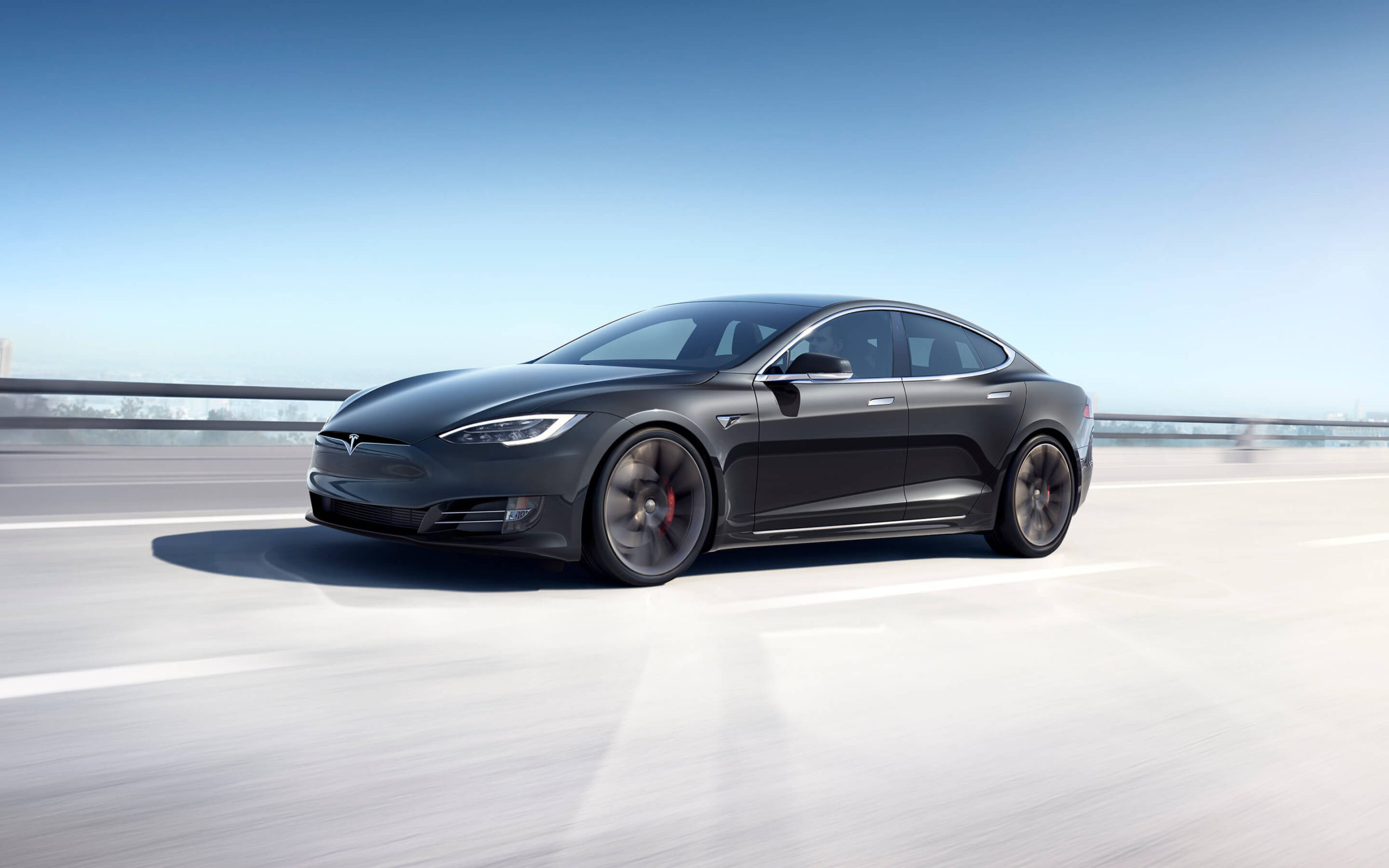
    Tesla’s Shanghai factory is expected to produce 300,000 cars in the first nine months of the year, capped by a delivery rush in the end of the July-September quarter, despite a global semiconductor shortage, two sources said. The factory makes the electric Model 3 sedans and Model Y sport-utility vehicles for domestic and international markets, including Germany and Japan.

    Around 240,000 vehicles were shipped from the factory in the first eight months, including many for export, according to data from the China Passenger Car Association. Tesla has not announced details on the factory’s production.An official in the area where Tesla’s factory is located said it is expected to produce 450,000 vehicles this year, including 66,100 for export.

    The sources requested anonymity, as they were not allowed to speak to media. Tesla did not immediately respond to a request for comment.

    In August, an official in the area where Tesla’s factory is located said it is expected to produce 450,000 vehicles this year, including 66,100 for export.

    Tesla is hiring managers for legal and external relations teams in China as it faces public scrutiny in the country over data security and customer service complaints.

  • Tesla’s China Output Was Halted For Days In August Due To Chip Shortage

    Tesla’s China Output Was Halted For Days In August Due To Chip Shortage

    Tesla temporarily halted some operations at its Shanghai factory last month as the global shortage of semiconductors hit the electric car maker, Bloomberg News reported on Thursday, citing people familiar with the matter.

    Part of a production line at the China plant was halted for about four days in August because of a lack of key chips, the report said.

    Shortages with the availability of electronic control units caused output delays mainly for Tesla’s Model Y sports utility vehicle crossover, according to the report.

    Production at the Chinese factory is now back to normal.

    Tesla did not immediately respond to a query on the report.

    Last month, world’s largest automaker Toyota Motor Corp said it would slash global production for September by 40% from its previous plan following car makers worldwide in cutting production due to the months-long chip shortage.

  • Chinese EV Maker Nio Cut Sales Forecast Due To Chip Supply Shortage

    Chinese EV Maker Nio Cut Sales Forecast Due To Chip Supply Shortage

    Chinese electric vehicle (EV) maker Nio Inc on Wednesday cut its delivery forecast for the third quarter this year due to uncertain and volatile semiconductor supplies. Nio cut its delivery forecast for the third quarter to around 22,500 to 23,500 vehicles from a previous 23,000-25,000 vehicles. It delivered 5,880 electric sports-utility vehicles last month, up 48% from a year earlier.

    Li Auto Inc, which sells extended-range electric vehicles, said it sold 9,433 vehicles last month, up 248% from a year earlier. It targets 10,000 units monthly sales in September. Xpeng Inc sold 7,214 cars in August, up 172% year-on-year. Its chief executive He Xiaopeng said it expects monthly deliveries to reach 15,000 units in the final quarter this year.

    A prolonged global chip shortage has caught major automakers including Ford Motor, Honda Motor, General Motors, and Volkswagen off guard, forcing many to idle or curtail production. The shortage was unlikely to resolve soon as the pandemic rages on in many parts of the world, China’s top auto industry body said last month. U.S. listed shares of Nio were down 4.3% at $37.63 in premarket trading, while Xpeng fell more than 2%. Li Auto, Nio, and Xpeng are three leading Chinese EV startups that compete with U.S. electric car maker Tesla Inc and local companies including Geely and Great Wall Motor.

    Separately, Tesla had sold 32,968 China-made vehicles in July, including 24,347 for export, according to data from the China Passenger Car Association last month. However, local sales of China-made Tesla vehicles had plunged 69% month-over-month to 8,621 cars in July. The company makes electric Model 3 sedans and Model Y sport-utility vehicles in a Shanghai plant. China sales, which account for nearly a third of its total sales, is closely watched as a sign of the automaker’s health in its second-biggest market, where it has invested heavily.

  • Suzuki Expects 60% Drop In September Production Due To Chip Shortage

    Suzuki Expects 60% Drop In September Production Due To Chip Shortage

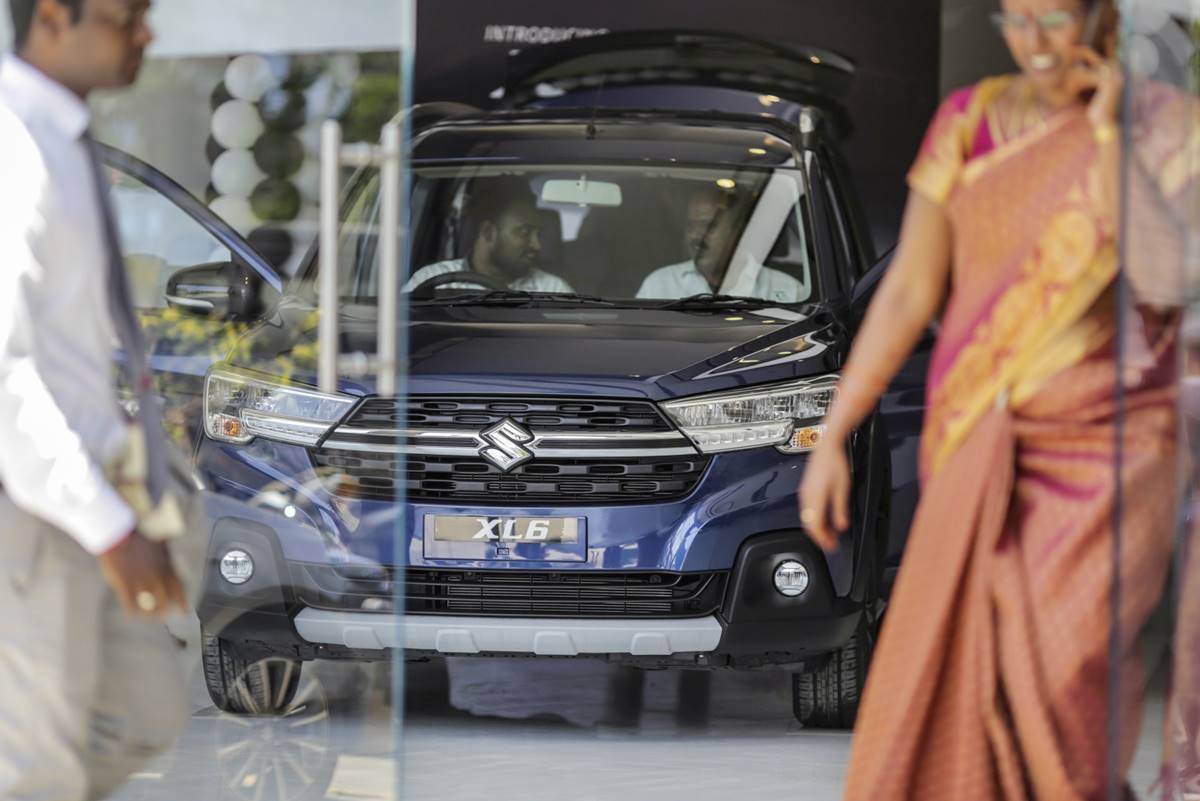
    India’s top carmaker Maruti Suzuki said on Tuesday that the global chip shortage will hurt production at its plants in the states of Haryana and Gujarat in September. Total production volume across both locations could be around 40% of normal output, it said in a regulatory filing.

    Top Indian carmakers, like their global peers, have been hit by semiconductor supply chain disruptions during the pandemic, which drove up demand for chips used in electronics like computers as people worked from home, and hit output at many automakers.

    Tata Motors and Mahindra and Mahindra Ltd have already warned of the impact from rising commodity prices and a global shortage of semiconductors, combined with pandemic uncertainty.

    In July, Tata Motors said it expected the chip supply crunch in the second quarter to be greater than in the first, likely resulting in wholesale volumes for its Jaguar Land Rover to be about 50% lower than planned.

    Analysts earlier said Maruti was better positioned than rivals as it was not dependent on a single vendor for chips.

    However, Maruti Chairman RC Bhargava has indicated the semiconductor crisis was not over and that it is difficult to predict what happens next.

  • Intel CEO says chip shortage will continue throughout this year

    Intel CEO says chip shortage will continue throughout this year

    As many of you know, we are in the middle of a chip shortage that has been impacting automobile and consumer electronic manufacturers. Intel CEO Pat Gelsinger sees the shortage continuing throughout the remainder of this year, bottoming out during the second half of 2021 before things start to improve. In fact, the executive doesn’t expect the supply-demand picture to return to normal until 2023.

    Gelsinger said, “I don’t expect the chip industry is back to a healthy supply-demand situation until ’23. For a variety of industries, I think it’s still getting worse before it gets better.” Last month, we told you that the lead time, the time it takes between placing an order for semiconductors and actually receiving them, hit 17 weeks in April; that was the longest lead time recorded by Susquehanna Financial since 2017 and was a big jump compared to the previous year’s 12.53 figure.

    Unlike fabless manufacturers like Apple, Qualcomm, MediaTek, and others, Intel owns its own factories (aka fabs, short for fabrication plants). A company like Apple designs its own chips, but without the means to manufacture them itself, the company turns to the world’s largest contract foundry, Taiwan Semiconductor Manufacturing Company, Limited (TSMC Ltd.) to produce them.

    Gelsinger says that thanks to Intel’s ownership of its fabs, it is more able to keep up with demand for chips than those who are outsourcing production to another foundry. The executive says that demand for chips will continue to be strong over the next 10 years thanks to expected growth in demand for 5G smartphones, AI, and electric vehicles. Intel’s CEO is on the side of those industry executives who see the current demand for chips continuing into the future.

    Other executives don’t believe that the industry can sustain the growth of more than 5% on an annual basis. Broadcom Inc. CEO Hock Tan is one such executive. Even though his firm reported a 15% revenue hike for its latest quarter, Tan says chip production is a mature industry that will revert back to low growth.

    There is no denying though, how important chips are to the global economy. The U.S. leads the way in the sales and design of chips although production is led by Taiwan’s TSMC and South Korea’s Samsung. TSMC will be opening at least one fab in Arizona no later than 2024.

  • Hyundai To Suspend Production At South Korea Plant Due To Chip Shortage

    Hyundai To Suspend Production At South Korea Plant Due To Chip Shortage

    It was earlier this week when Hyundai Motor suspended production at its Asan plant because of a chip shortage. The South Korean carmaker has announced that it will again halt production at its Sonata-producing plant for two days next week due to an electric parts shortage. According to a report from IANS, the automaker will stop operation at its Asan plant on Monday and Tuesday. This Hyundai plant is located around 100 km south of Seoul that produces the Grandeur and Sonata sedans.

    Hyundai has seven plants in South Korea, of which five are located in Ulsan whereas the other two facilities are located in Asan and Jeonju. Moreover, the company has ten overseas plants wherein four facilities are in China and one each in India, Brazil, Czech Republic, Turkey, Russia, and the US. The combined capacity of these plants is around 5.5 million units.

    The carmaker expects the four-day suspension will result in over 4,000 vehicles in production losses. Moreover, the company had also suspended operations at its Ulsan plant, situated 414 km southeast of Seoul, from April 7 to April 14 due to a parts shortage. Moreover, Hyundai produces Ioniq 5 and Kona EV cars at its Ulsan plant.

    The suspension comes because of a shortage of semiconductor parts used in Kona’s front vehicle camera system, along with an issue in Hyundai Mobis Company’s production line, which rolls out the traction motor for the Ioniq 5. The carmaker expects production losses of 6,000 units of the Kona and 6,500 units of the Ioniq 5.