Tag: shortage

  • Container shortage compounds Vietnamese exporters’ shipping woes

    Container shortage compounds Vietnamese exporters’ shipping woes

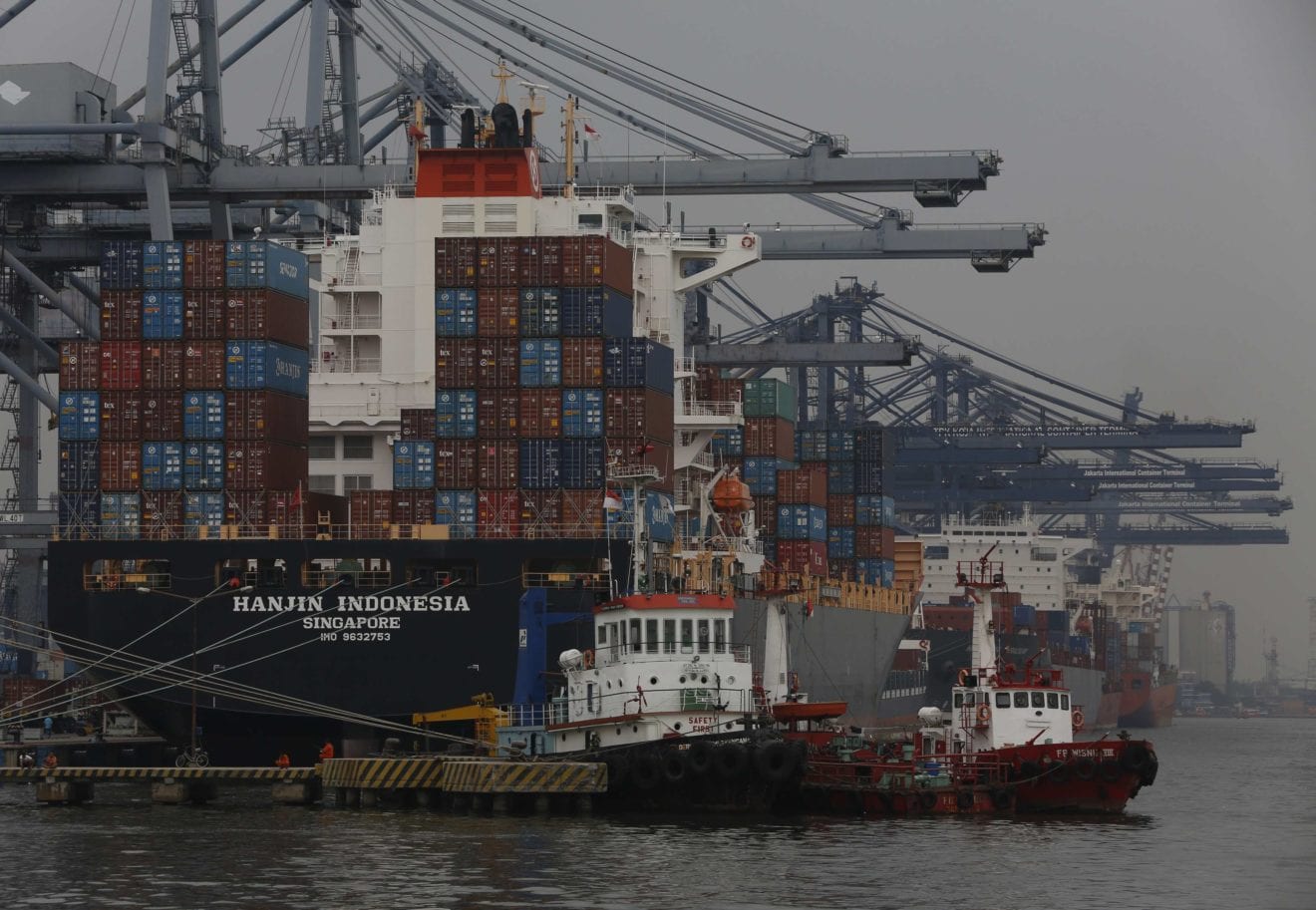
    Vietnamese businesses are once again struggling to get containers to export their goods amid a global imbalance in the logistics sector. Bui Thi Ngoc Tuyen, deputy director of Bich Chi Food Company in the southern province of Dong Thap, said as empty containers have become scarcer, prices have tripled.

    “We struggle to get enough containers for our goods, and even if we do, there is no ship to transport them.”

    Duy Tan Plastics, which gets one-fifth of its revenues from exports, is also caught in a similar struggle, with logistics costs on some main routes rising 95–231 percent year-on-year. The company has seen the number of orders declined by around 10 percent due to higher shipping costs, its deputy director Le Anh said.

    Tran Thanh Hai, deputy director of the Agency of Foreign Trade under the Ministry of Industry and Trade, said sea shipment costs have risen because container costs have surged seven or eight times.

    Vietnamese companies had already faced a container shortage towards the end of last year and earlier this year as global trade rebooted after months of limited activities caused by the Covid-19 pandemic, but the recent Suez Canal blockage has once again triggered shortages that could severely hurt exporters.

    Although the mega-ship Ever Given has been freed from the canal, some ships had been forced to reroute on a longer journey, and a two- or three-week delay of shipments is expected.

    This means Vietnamese exporters will have to wait a couple of weeks or even a month to receive empty containers for the next shipment, and they will have to bear higher costs due to shortage of the metal boxes, said Ho Van Hiet, CEO of Prime Logistics Vietnam, which transports around 200 containers a month.

    Container rents in December and January had surged 5-10 times from earlier due to a global shortage of containers. Although prices dropped by 10-20 percent last month, they could return to the previous peak in this and the next month due to the Suez blockage, Hiet told VnExpress International.

    His company has been urging customers to make quick deliveries now, before prices climbed again.

    Lam Thi Thanh Bong, CEO of Karl Gross Logistics Vietnam, said that after a period of limited trade activities last year caused by the Covid-19 pandemic, many Western countries are having an oversupply of empty containers while some Asian ones are seeing shortages.

    “This imbalance in supply and demand will have major impacts on Vietnamese exporters,” she said.

    For now, exporters need to book their shipment between two and four weeks prior to ensure they have slots on the vessels and they should negotiate sharing higher logistics costs with their partners, she added.

  • Container shortage hits exports

    Container shortage hits exports

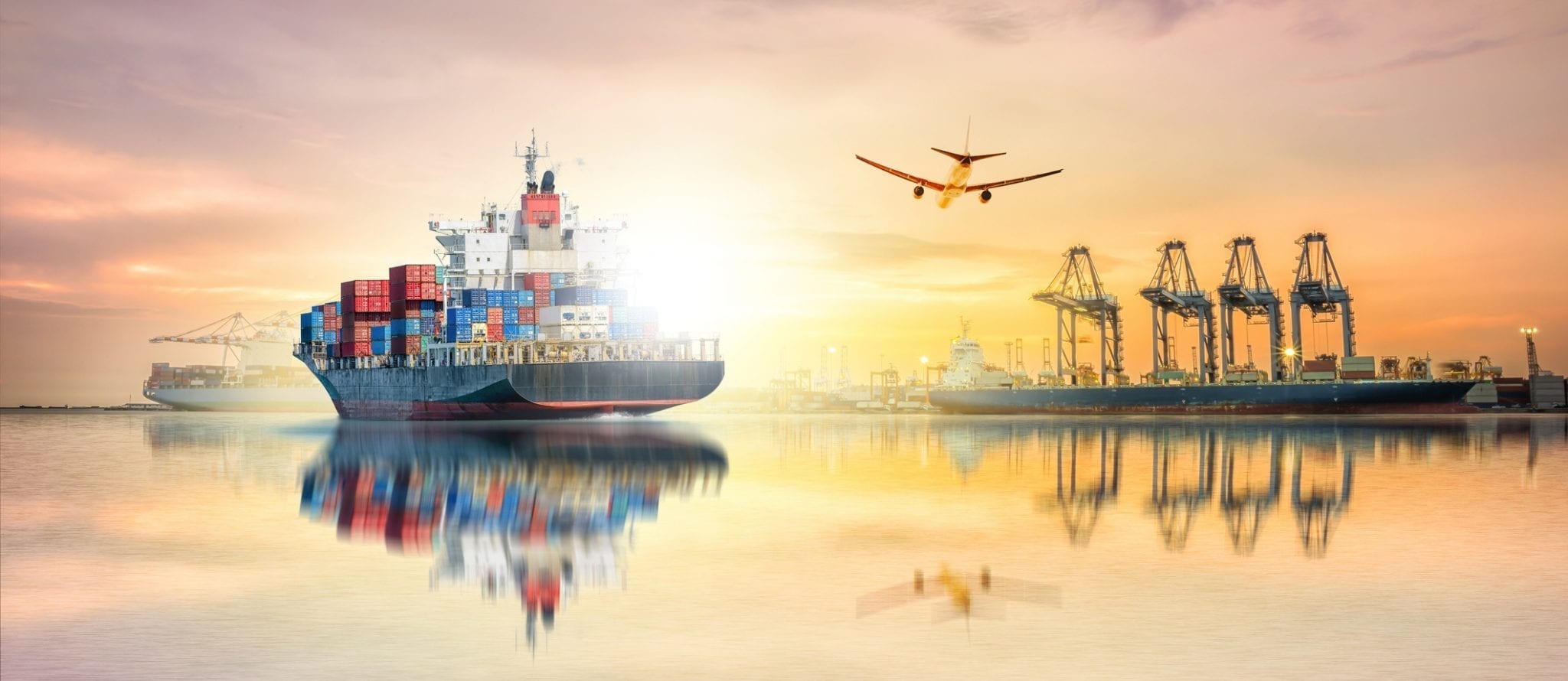
    Exporters complain they face difficulty delivering goods due to a shortage of containers, whose rentals are rapidly increasing as a result.

    The Vietnam Maritime Administration (VMA) on Monday wrote to container shipping lines, instructing them to publicly declare their freight rates and surcharges, warning it would not countenance profiteering or unreasonable prices, which cause difficulties for exporters and disrupt the shipping market.

    It has received numerous complaints about inflated prices due to a shortage of containers and ships.

    Most shipping lines have hiked freight by 2-10 times in the last two months, depending on the sector. For instance, while it normally costs $1,420 to ship a 20-foot container to the U.K., it rose to $5,420 in November and $7,200 in December.

    Before October renting a container from the U.S.’s Los Angeles to Vietnam cost $700-1,000, but this increased to $5,000 in November.

    Phan Minh Thong, CEO of Phuc Sinh, one of the largest pepper and coffee exporting companies, said the cost of a container increased by 700 percent yet many of his orders were not delivered because “they were unilaterally canceled by the shipping company.”

    “There have been occasions when we reached an agreement with the shipping line at night but were told in the morning it was canceled because they received a higher bid. On some days we received cancellation notices for 40-50 containers.”

    From shipping 40-50 containers a day, Phuc Sinh was down to three to five in November and December.

    As a result, they had to buy less from suppliers, reducing from nearly 10 tons a month to three tons or less now though it is the harvest period for items such as pepper and coffee.

    The Vietnam Association of Seafood Exporters and Producers has advises its members to have plans in place to minimize supply chain disruptions and export losses.

    It had expected rising exports in the fourth quarter to take seafood exports for 2020 to $8.6 billion, but lack of containers and ships in the last two months could affect this.

    The Covid-19 pandemic is the main reason for the container shortage, Kieu Ngoc Phuong, deputy general director of Tan Thanh Trading Mechanic JSC, which manufactures and distributes containers, said.

    Many are stuck at ports since they could not be emptied, while the pandemic itself has caused many shipping lines to go bankrupt, she said.

    “The number of customers contacting Tan Thanh to rent containers has increased by 10 times from normal months. We have to reject a lot of orders because we cannot meet all the demand.”

    Concurring, Thong also said shipping lines had to cut routes this year, resulting in a shortage of cargo space, and there has been a slowdown in goods processing and freeing up empty containers at ports in Europe and North America, the world’s two biggest import markets, while demand during the year-end holiday season is huge.

    According to the Ministry of Industry and Trade, China has been getting containers from various countries by paying high prices following a serious shortage earlier this year.

    It did so just in time to see exports rise 21 percent year-on-year in November, as manufacturing recovered post-pandemic, creating a general scarcity in the region.

    Given the situation, the VMA assured that it would inspect shipping lines and crackdown if there are deliberate violations of transparency rules.

    The Ministry of Industry and Trade forecasts the shortage of ships and containers to continue until March or even longer if Covid-19 is not controlled.

  • Pilot shortage puts Vietnamese airlines on standby

    Pilot shortage puts Vietnamese airlines on standby

    Big bonuses are being offered by airlines to woo more pilots. Vietnamese airlines are grappling with what they believe to be a serious shortage of professional pilots, so to keep the pilots they currently have on their payrolls and to lure new ones, they are offering hefty bonuses.

    “Vietnam’s airline market is growing rapidly, so there’s a huge demand for qualified professional pilots,” Lai Xuan Thanh, the director of the Civil Aviation Administration of Vietnam, said at a recent meeting of transport authorities.

    He added although salaries in the airline industry have increased significantly in recent years and many airlines have even offered fat bonuses to attract and retain professionals, the supply remains below the demand. According to the aviation administration, that demand is growing at 5 percent per year.

    The CAAV has mainly blamed the shortage on the fast-growing airline market.

    Vietnam’s airline industry is growing at the third-fastest pace in the Asia-Pacific region with the number people traveling by air in 2016 jumping by 29 percent from 2015 to about 52 million.

    To meet the demand, local carriers have expanded in recent years, buying more planes, opening new routes and increasing the number of flights.

    “At present, the shortage of pilots is endemic throughout the airline industry,” Thanh said. “For example, only 30 percent of national flagship Vietnam Airlines’ pilots are Vietnamese. The figures at low-cost carriers Vietjet Air and Jetstar are much lower.” he said, implying that domestic airlines are having difficulties hiring enough pilots to replace retirees and to support expansion.

    The aviation administration suggested that airlines could offer more bonuses and even set up partnerships with flight centers.

    “The CAAV will not issue executive orders to help ease the shortage. Airlines will have to transform themselves to retain workers,” said Thanh.