Tag: Siam piwat

  • Bangkok Watch Week Attracts 40,000 Visitors to Siam Paragon

    Bangkok Watch Week Attracts 40,000 Visitors to Siam Paragon

    Siam Piwat Group drew more than 40,000 visitors to the second edition of Bangkok Watch Week at Siam Paragon, expanding brand participation past 45 luxury houses.

    The six-day exhibition, held from September 22 to 27 across two floors of the Bangkok shopping complex, doubled its overall attendance compared with its 2025 debut. The turnout included 400 international collectors, while brand participation climbed more than 50 per cent.

    Organised by mall operator Siam Piwat, the event operated across three formats: a public show, an industry symposium, and brand-run boutique workshops. Entry remained free for regular shoppers. The Fondation Haute Horlogerie joined the programme for its Southeast Asian debut, running an academy lounge offering entry-level horology certifications to the public.

    Shifting luxury retail from private salons to mall concourses

    For decades, Swiss and European watchmakers restricted previews to invite-only trade summits in Geneva or closed boutique salons. Bringing 45 maisons directly onto the open concourse of a Southeast Asian commercial mall reverses that playbook. Siam Piwat is betting that footfall conversion no longer depends strictly on closed-door clienteling, but on pulling younger consumers into technical workshops before they buy their first mechanical piece.

    The approach hands luxury tenants direct exposure to high-spending tourist traffic that standard multibrand watch retailers struggle to capture organically. Thai landlords face sharp regional competition from Singapore and Tokyo for luxury spend, making hands-on programming essential to keep international shoppers on-site.

    Siam Piwat targets international collector traffic

    Tourism flows into central Bangkok remain critical to the format. Siam Piwat identified Chinese and Indian travelers as volume drivers for overall mall trade, while shoppers from elsewhere in Asia and the Middle East deliver the highest average transaction values.

    Pavaris Eam-ekpattana, director of strategic luxury experience management at Siam Piwat unit Supremo Co., confirmed that the group separates the show from its older commercial watch events.

    Brand interest expanded beyond the major Swiss conglomerates. British brand Bremont attended for the first time to seek a local distributor, while boutique managers from German maker A. Lange & Söhne reported that multi-brand exposure helped bridge client bases with houses such as Panerai, Jaeger-LeCoultre, and Vacheron Constantin.

    Attendance gains build on initial sales spike

    The operational expansion follows steep top-line gains recorded during the event’s first run. During the inaugural 2025 edition, Siam Paragon attracted 20,000 visitors and 200 foreign collectors. Luxury watch sales inside the mall surged 92 per cent compared with the corresponding period in 2024.

    Caroline Murphy, president of strategic project development at Siam Piwat, said the mall owner does not evaluate the fair purely on short-term sales desks:

    “We do not measure the success of the event in terms of sales as the primary purpose of the fair is not commercial, but to establish Bangkok as a luxury watch capital of the world, by sharing knowledge and insight of the wonderful world of watchmaking to a robust watch community of local Thai and international collectors,”

    Global network plans for third edition

    Siam Piwat is preparing to link future editions into a wider circuit. The organiser is evaluating strategic ties with luxury events in Tokyo and Milan, aiming to create a recurring international calendar stop rather than a standalone Bangkok marketing push.

    Brand retention and floor space allocations across Siam Paragon’s central retail levels serve as the key operational test.

  • Siam Piwat Takes 15,000Sqm Nextopia Model to UN Global Compact Summit

    Siam Piwat Takes 15,000Sqm Nextopia Model to UN Global Compact Summit

    Siam Piwat presented its 15,000-square-metre Nextopia sustainable retail format at the United Nations Global Compact Leaders Summit 2026 in New York.

    Group chief executive Chadatip Chutrakul detailed the commercial and environmental performance of the redevelopment, which opened at Siam Paragon in Bangkok in November 2025.

    Nextopia functions as a dedicated district within the mall that combines retail tenancies with circular-economy operations. The format uses renewable energy, reduces water and power consumption, and diverts commercial waste through on-site recycling systems.

    The Nextopia Footprint at Siam Paragon

    Siam Piwat designed the 15,000-square-metre space to test whether commercial retail floors can run on lower operating emissions without sacrificing tenant revenue. Since opening in November 2025, the zone has secured several international green certifications while cutting greenhouse gas output across its tenant footprint.

    Chutrakul framed the project as a working template for urban landlords managing dense commercial real estate in Southeast Asia. Addressing delegates at the UN summit, she argued that property developers must track social and ecological output alongside revenue per square metre.

    “True success goes beyond financial achievement. Business must create opportunities, enhance quality of life, and deliver lasting benefits for communities, society, and future generations,” said Chutrakul.

    Global Real Estate Recognition

    The UN presentation follows Chutrakul’s win at the Mapic Awards 2025, where she received the inaugural Pioneers of Places award. She was the only Asian executive in the inaugural cohort, joining European property heads including Maurice Bansay of Apsys, Philippe Journo of La Compagnie de Phalsbourg, Alexander Otto of ECE Group, and Alain Taravella of Altarea.

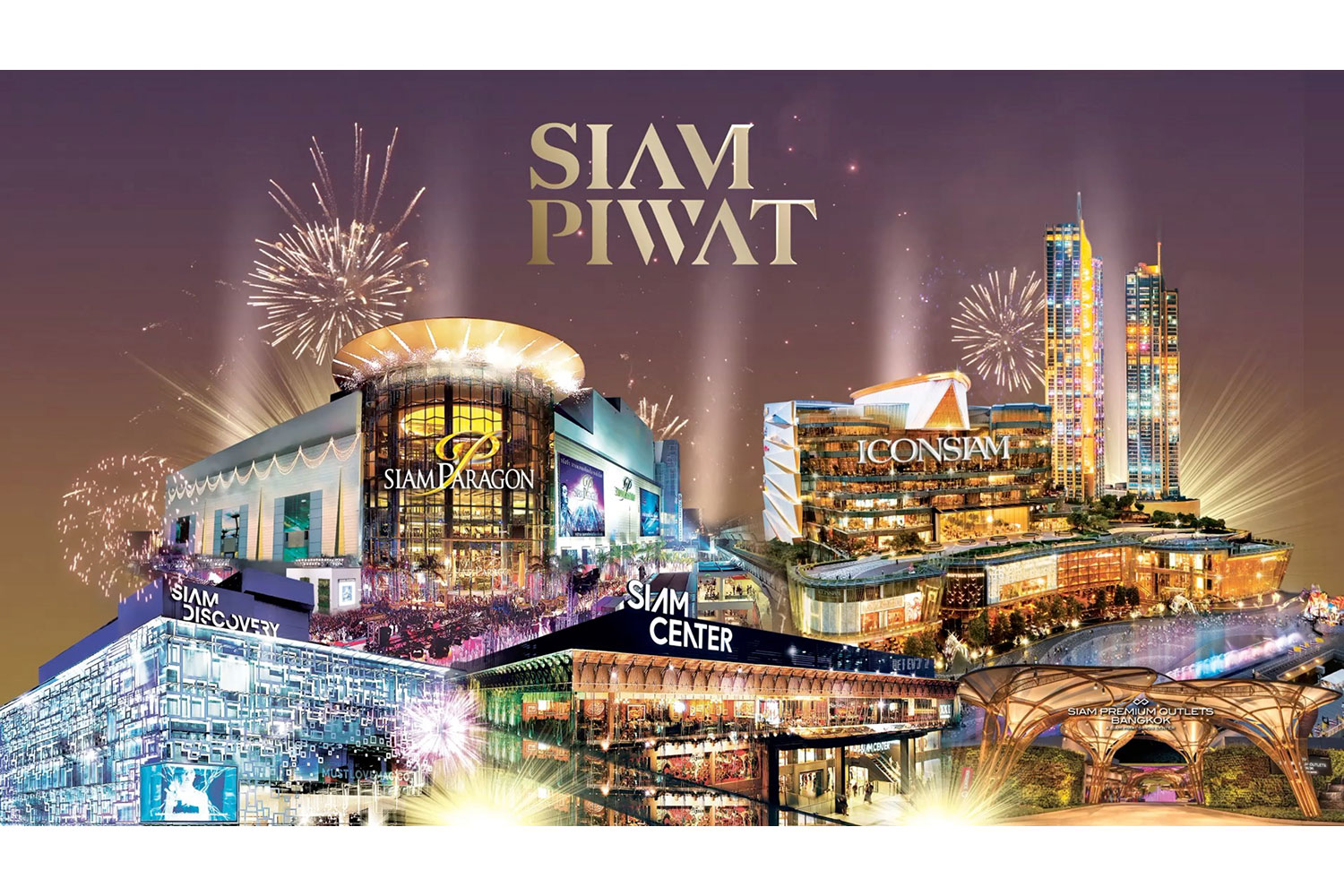
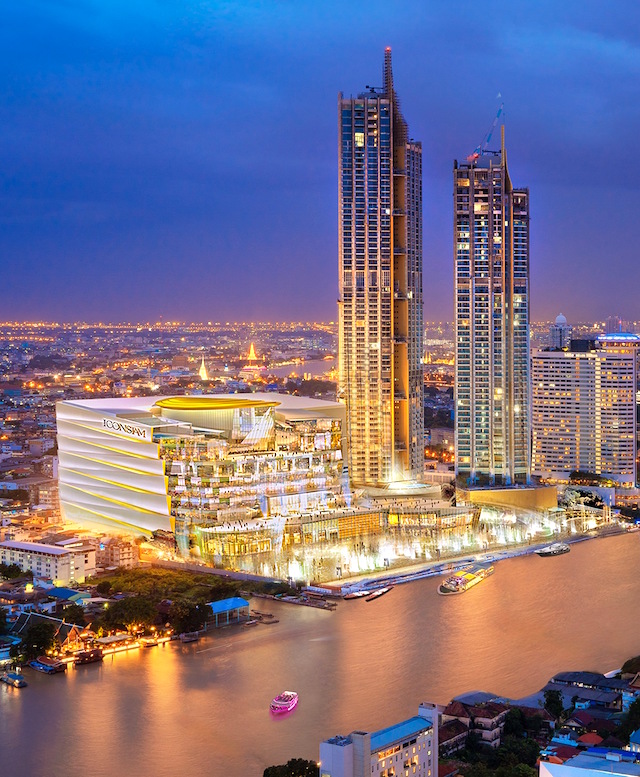
    That award recognised developers who altered city centres through large-scale place-making projects. Siam Piwat operates several of Bangkok’s highest-grossing shopping complexes, including Siam Paragon, Siam Center, Siam Discovery, and Iconsiam on the Chao Phraya River.

    Balancing Commercial Yield with Green Targets

    Landlords across Southeast Asia face stricter scrutiny from international luxury brands and institutional investors over carbon disclosures. Operators in Bangkok, Singapore, and Manila are refitting legacy retail floors to comply with multinational corporate sustainability mandates.

    The challenge for operators lies in managing capital expenditures during refits while maintaining footfall and retail sales productivity. By converting existing floor space inside Siam Paragon rather than building new structures from scratch, Siam Piwat reduced embodied carbon while testing tenant appetite for green-lease terms.

    Thai Retail Landlords on the Global Stage

    Bangkok remains one of Asia’s most contested retail real estate markets, where Siam Piwat competes directly with Central Pattana and The Mall Group for international luxury flagships and tourism traffic. The sector has increasingly shifted competition from gross leasable area to experiential architecture and environmental efficiency.

    Nextopia serves as the primary testing ground for Siam Piwat’s broader sustainability roadmap across its Bangkok portfolio. Investors and retail tenants will track upcoming annual operational reports to see whether resource savings at the Siam Paragon site match projected efficiency margins.

  • Siam Piwat Commits $300 Million to Build IconPhuket by 2029

    Siam Piwat Commits $300 Million to Build IconPhuket by 2029

    Bangkok mall developer Siam Piwat will invest 10 billion baht ($300 million) to build IconPhuket. The entertainment and retail complex opens on the resort island in 2029.

    This is the developer’s first major commercial real estate venture outside Thailand’s capital. In Bangkok, it operates Siam Paragon and IconSiam.

    IconPhuket will anchor Synthesis Ark Phuket, an 80-hectare (500 rai) mixed-use smart city managed by CV Group of Companies with a projected investment of 50 billion baht ($1.5 billion). Groundwork has started. Siam Piwat targets 80,000 to 100,000 visitors a day once the complex opens.

    Anchor Role in an 80-Hectare Smart City

    Plans centre on an open commercial model rather than an enclosed mall. One-third of the floor area will house 12 indoor and outdoor attractions alongside retail, restaurants, and cultural spaces focused on Southern Thailand’s 14 provinces. Open green space will cover over 40 per cent of the site footprint.

    The wider Synthesis Ark master plan includes condominiums, luxury villas, office towers, hotels, and healthcare clinics. Phase one finishes in 2032. Planners estimate the combined development will generate 50,000 to 80,000 direct and indirect jobs across construction and daily operations.

    A consortium of technical firms, Urban Architects, P Landscape, Atelier Ten, and Systra MVA (Thailand), will design environmental systems, smart-city transit, and waste processing.

    “Every project we undertake is designed to create meaningful value for people, partners and communities,” said Chadatip Chutrakul, chief executive officer of Siam Piwat Co., Ltd. “Building on the success of Siam District and ICONSIAM, we are now extending this vision to create a new icon for Southern Thailand and help position Phuket as a leading global destination.”

    Regional Expansion Shift for Bangkok Landlords

    Bangkok’s prime shopping corridors along Sukhumvit and the Chao Phraya riverfront are crowded. Central Pattana, Siam Piwat’s primary domestic rival, spent years opening malls across secondary provinces and tourist hubs, including Central Phuket. Siam Piwat resisted that decentralisation, choosing to concentrate capital on flagship assets in central Bangkok.

    Phuket changes that approach. The island offers direct flights from Europe, India, China, and the Middle East, reducing dependence on domestic spending. Yet relying on tourist footfall brings exposure to seasonal travel swings and geopolitical disruptions. Capital-city malls, backed by office workers and local residents, absorb those shocks more easily.

    Earlier Strategic Partnerships and Timeline

    Earlier digital partnerships laid the groundwork for the southern expansion. In July 2026, Siam Piwat partnered with Alipay+ to broaden mobile payments for Asian travellers. That followed a May 2026 deal with Huawei to introduce travel technology and wearable integration across its properties.

    Work on IconPhuket runs toward a 2029 opening, with the wider 50 billion baht Synthesis Ark district rolling out through 2032.

  • British Brand Hunter Opens First Thailand Flagship at IconSiam

    British Brand Hunter Opens First Thailand Flagship at IconSiam

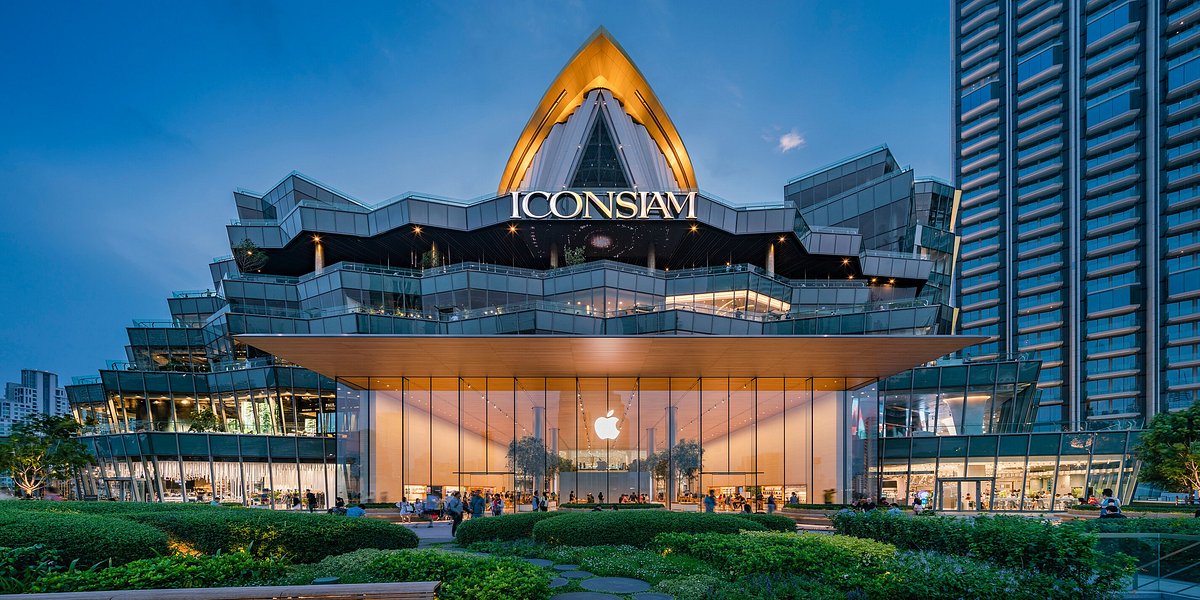
    British heritage brand Hunter opened its first flagship boutique in Thailand on September 25, 2026, setting up shop inside Bangkok’s riverside IconSiam shopping centre.

    The retail site features the Scottish company’s complete product line, spanning its classic rainwear range alongside seasonal apparel and accessories. Founded in Scotland in 1856, the label made its name on vulcanised rubber Wellington boots before building out a wider lifestyle catalogue.

    Flagship layout and aesthetic

    Hunter designed the Bangkok interior with oak-inspired timber finishes, mint accent tones and natural greenery. The layout uses the brand’s signature red palette across key fixtures, drawing visual references from rural British coastal and countryside scenery.

    Merchandise on the floor includes the core waterproof boots that established the brand, alongside bags, outerwear and travel gear. Carrying the full range in one dedicated space allows the company to present itself as a comprehensive lifestyle label rather than a seasonal rubber boot specialist.

    Prime placement at IconSiam

    Securing space inside IconSiam gives the label direct exposure to high-spending domestic shoppers and international tourists. The riverside complex remains one of Bangkok’s premier luxury and premium lifestyle destinations, attracting heavy foot traffic across its retail floors.

    For mall operator Siam Piwat, adding a legacy British name strengthens its outdoor and casual footwear mix against competing upscale developments along Sukhumvit. Premium lifestyle brands continue to bid for prime ground and lower-level floor plans across Bangkok’s top retail properties.

    Tropical market dynamics

    Selling heavy-duty rainwear in a tropical Southeast Asian climate comes with specific operational demands. Bangkok’s prolonged monsoon season drives practical consumer demand for durable waterproof footwear and water-resistant bags, but styling must suit humid weather rather than cold northern European winters.

    The store’s inventory mix must balance heritage rubber boots with lighter footwear, lightweight apparel and everyday commuter accessories. Retailers that adjust regional assortments to local weather patterns protect sell-through rates and limit inventory markdowns.

    Regional brand expansion

    Hunter’s Bangkok launch follows years of shifting distribution across Asia-Pacific markets, where brand operators have sought deeper direct-to-consumer relationships. Establishing standalone brick-and-mortar stores allows the company to control brand presentation and pricing discipline better than wholesale distribution channels.

    Retail watchers will monitor sales momentum at IconSiam through the final quarter of 2026 to see whether Hunter adds concession counters across Central Group and The Mall Group department store networks in Bangkok.

  • Heavy Pop Brings Vietnamese Streetwear to Siam Discovery in Bangkok

    Heavy Pop Brings Vietnamese Streetwear to Siam Discovery in Bangkok

    Vietnamese fashion platform Heavy Pop opened a pop-up store inside Bangkok’s Siam Discovery mall this September. It brings domestic streetwear brands to Thai consumers.

    Labels including Stressmama, DirtyCoins and Hades now sit on the complex’s first floor. Together, the Thai and Vietnamese streetwear markets represent an estimated $1 billion to $2 billion in value.

    Heavy Pop operates without permanent stores. Instead, the curator secures short-term space in busy regional hubs to show Hanoi and Ho Chi Minh City labels. Its Bangkok floor features graphic T-shirts, relaxed shorts and oversized hoodies.

    Contrasting aesthetics drive mall demand

    Mall operator Siam Piwat is dedicating square footage across Siam Discovery, Siam Center, Siam Paragon and Iconsiam to emerging regional brands. It avoids relying solely on global chain tenants. The Vietnamese apparel provides a dark contrast to domestic Thai streetwear, which leans toward vibrant colours, internet memes and Muay Thai boxing references.

    Both markets design for tropical heat with boxy silhouettes and gender-neutral cuts. Streetwear across Asia-Pacific continues to outperform broader retail benchmarks. Fortune Business Insights values global sector revenue at nearly $398 billion in 2026, alongside a projected 7.95 per cent annual growth rate through 2034.

    Regional platforms step in where Western retailers lag

    Landlords gain foot traffic from younger shoppers hunting for limited drops. For the brands, physical floor space in Bangkok offers an essential international testing ground. Western retail chains still lack the direct supply-chain connections to distribute niche Asian streetwear profitably.

    Production scale remains the primary operational bottleneck. Vietnamese streetwear houses maintain brand equity through small, exclusive production runs. That prevents them from fulfilling wholesale inventory minimums required by global department stores or scaling beyond direct-to-consumer e-commerce.

    Siam Piwat accelerates regional brand incubation

    Curated retail initiatives are expanding across Siam Piwat properties. Alongside the Heavy Pop installation, Siam Discovery added ground-floor spaces this month for Vietnamese womenswear labels Cocosin and Mollynista.

    The pop-up runs at Siam Discovery through the end of September 2026. Tenant turnover will follow ahead of fourth-quarter holiday trading.

  • Siam Piwat Expands Chinese Partnerships to Target 1 Billion Consumers

    Siam Piwat Expands Chinese Partnerships to Target 1 Billion Consumers

    Bangkok mall developer Siam Piwat expanded its digital partnership network across China in September 2026 to reach more than 1 billion travellers before they depart for Thailand.

    The tie-up connects the group’s OneSiam retail loyalty card to platforms run by Huawei, Alipay+, WeChat, UnionPay and streaming service iQIYI.

    Under the agreement, Siam Piwat will integrate visitor passes and shopping discounts directly into Huawei’s operating ecosystem. That system covers 400 million mobile devices and 200 million wearable users. Chinese travellers can access shopping perks, browse luxury collections and settle transactions through Alipay+ and UnionPay before arriving in Bangkok. Participating malls include Siam Paragon, Siam Center, Siam Discovery, IconSiam and Siam Premium Outlets Bangkok.

    Payments and Pre-Trip Booking Integrations

    Marketing campaigns, influencer content and booking services will sit directly inside Chinese digital channels to pull footfall into Bangkok. A separate collaboration with streaming platform iQIYI will pair Chinese entertainment intellectual property with offline pop-up events and retail promotions inside Siam Piwat properties.

    Integrating the OneSiam Global Visitor Card into WeChat connects digital wallets, customer service and curated retail offers inside a single mini-program.

    “Our goal is to drive quality tourism that prioritises ‘value’ over ‘volume’,” said Mayuree Chaipromprasith, president of corporate partnership and communications at Siam Piwat.

    Competition For Inbound Luxury Tourist Spending

    Thai retail landlords are racing to lock in Chinese tourist spend well before travellers land at Suvarnabhumi Airport. Central Pattana and The Mall Group spent two years expanding their digital payment checkouts. Siam Piwat is taking a different route. It bets that embedding its loyalty programme inside foreign hardware and payment apps will secure high-spending shoppers before departure.

    Execution on the ground remains the main test. Funnelling overseas digital engagement into physical mall traffic requires luxury brands to provide dedicated inventory and multilingual staff on site. Without both, tourist spending disperses across competing retail strips in downtown Bangkok.

    Earlier Ties Built During Pandemic Downturn

    Siam Piwat first partnered with Huawei in 2020 to build a shared digital platform during the pandemic travel freeze. Teams tested IT systems during the lull before linking with regional payment operators. That infrastructure now manages cross-border data and loyalty perks across the developer’s core Bangkok shopping assets.

    Technical teams at Siam Piwat and UnionPay will complete cross-border transaction testing ahead of the next regional holiday travel peak.

  • Siam Center Adds Three New Concepts in Three Weeks to Anchor Local Brands

    Siam Center Adds Three New Concepts in Three Weeks to Anchor Local Brands

    Siam Piwat opened three concept stores across fashion, beauty and wellness at Bangkok’s Siam Center over three weeks. The openings add local labels alongside Italian apparel brand Subdued.

    Among them is domestic apparel maker Maison Keeps, which opened its largest flagship to date on the first floor on September 4.

    The brand started in 2017 as an officewear line called Keeps. During pandemic lockdowns, it shifted into durable everyday basics for young adults and children. Earlier, on August 17, nail artist Grace Kantima Banjobdee opened Kantima House on the first floor. Her salon is styled like a living room and takes bookings through Line and Instagram. Local fragrance house 3rd Sense opened its first physical counter near the first-floor escalator on August 26. The brand sells scents themed around four energy paths, featuring artwork by Thai painter Juart Woraset.

    Local flagships and first-floor concepts

    These domestic labels join Italian Gen Z fashion retailer Subdued, which entered Thailand on Siam Center’s ground floor in July. Securing space requires tenants to follow Siam Piwat’s exclusivity mandate. The mall operator requires multi-branch brands to reserve a fixed share of their inventory exclusively for Siam Center. This keeps tenants from simply replicating standard mall assortments.

    That policy turns the venue into an incubator rather than a volume driver. By demanding bespoke stock allocations and custom store designs, the landlord trades standard chain rollouts for distinct merchandising. The goal is keeping foot traffic from migrating to larger neighbouring complexes.

    Exclusivity rules test tenant margins

    For independent labels like Maison Keeps and 3rd Sense, physical retail drives up overhead through staffing, fit-outs and custom production runs. Yet a ground- or first-floor lease in the Siam interchange district provides high footfall. It draws younger domestic shoppers and regional tourists that digital channels cannot match.

    Inventory management poses the main challenge. Carrying dedicated stock for a single branch ties up working capital. Smaller designers must maintain fast sell-through rates to justify prime-district rents against rivals in less restrictive centres.

    Competing along the Rama 1 corridor

    Siam Piwat also operates Siam Discovery and Iconsiam, and holds a stake in Siam Paragon. It has spent years positioning Siam Center against retail rivals Central Pattana and The Mall Group. Competition along Rama 1 Road and Ploenchit Road is tight as operators chase discretionary spend.

    Just over a kilometre to the east, Central Pattana’s renovated Central Chidlom department store is hosting its Time and Treasures luxury watch exhibition. The show runs from September 2 to October 11, displaying limited pieces priced up to US$15,000.

  • Siam Piwat Elevates Luxury Ecosystem with Global Giants: A Bid to Become Thailands Hub for High-Net-Worth Clients

    Siam Piwat Elevates Luxury Ecosystem with Global Giants: A Bid to Become Thailands Hub for High-Net-Worth Clients

    Siam Piwat Group, a leading Thai developer and operator of renowned shopping outlets like Siam Paragon, Siam Center, and Siam Discovery, has announced a strategic alliance with four major luxury brands: Belmond, Galeries Lafayette, Insignia, and MJets. The partnership aims to establish a “borderless” ecosystem, providing high-end travel, shopping, and lifestyle services for their affluent clients. This collaboration is expected to reinforce Siam Piwat’s Global Privilege Partnership and take its ‘Global Luxury Ecosystem’ to the next level.

    Strategic Collaboration for Luxury Market

    The group, which controls over 70% of Thailand’s luxury market, aims to connect private aviation, ultra-luxury hotels and resorts, premier department stores, and bespoke lifestyle services, all under a single network of privileges available both domestically and internationally. Saruntorn Asaves, the first executive VP of customer centricity and relationship at Siam Piwat, outlined the group’s strategy as being centered on “co-creation and collaboration” with global partners to create unique experiences for both Thai and international customers.

    Siam Piwat’s expertise in serving high-net-worth individuals is demonstrated through its OneSiam membership base. Asaves reported that, in 2025, high-net-worth members spent over 1 million baht per transaction, with their annual spending exceeding average customers by 35 times. She emphasized this as proof of the “immense and unrivalled purchasing power” of their top-tier clients.

    Introducing New Partnerships

    The newly onboarded partners in the Global Privilege network contribute their expertise in various fields. Belmond, an LVMH Group member, provides an assortment of ultra-luxury properties and train journeys; Galeries Lafayette offers its flagship Paris Haussmann department store; Insignia contributes high-end lifestyle and membership services; and MJets offers private aviation and airport lounge access.

    These collaborations promise to offer unique services to OneSiam members. For instance, Belmond will provide personalized travel planning and VIP welcoming at their hotels and trains. Insignia will offer 24/7 bespoke services, including access to exclusive events and hard-to-obtain restaurant reservations. MJets aims to offer private jet services, premium lounges, and chauffeur transfers from the runway to Siam Piwat’s properties. Lastly, Galeries Lafayette will extend exclusive hospitality to Siam Piwat members, including complimentary gifts, VIP lounge access, and expedited tax refunds with qualifying purchases.

    Questions & Answers

    What is the main purpose of Siam Piwat’s strategic collaboration with Belmond, Galeries Lafayette, Insignia, and MJets?
    The main goal of this alliance is to create a “borderless” ecosystem that combines high-end travel, shopping, and lifestyle services for their affluent clients, both in Thailand and internationally.

    What special offers will be available to OneSiam members as a result of these partnerships?
    OneSiam members will have access to personalized travel planning, VIP welcomes at hotels and trains, 24/7 bespoke services, private jet services, access to premium lounges, chauffeur transfers, and complimentary gifts and VIP lounge access at Galeries Lafayette with qualifying purchases.

    How does Siaw Piwat plan to serve high-net-worth individuals?
    Siam Piwat plans to connect private aviation, ultra-luxury hotels and resorts, premier department stores, and bespoke lifestyle services under a single network of privileges, thereby providing a holistic luxury lifestyle experience to high-net-worth individuals.

  • Siam Piwat commits to using 100 per cent renewable energy by 2030

    Siam Piwat commits to using 100 per cent renewable energy by 2030

    Retail developer Siam Piwat Group has pledged to target net-zero greenhouse gas emissions by 2050, starting with a commitment to using 100 percent renewable energy by 2030.

    Siam Piwat – the owner and operator of Siam Paragon, Siam Center, and Siam Discovery, and a joint venture partner of IconSiam and Siam Premium Outlets Bangkok – says it wants to “lead the charge” in developing a smart ecosystem across its properties.

    As part of its net-zero journey, the company will sign a memorandum of understanding with world-class companies on sustainability by early next year as it works to reinforce its leadership in world-class sustainable destination development.

    “Siam Piwat has long been recognised by various world-class brands for centring its business on sustainable concepts and practices,” said Naratipe Ruttapradid, COO of Siam Piwat Co.

    “Guided by the vision to benefit society at large and elevate the quality of life for all, we strive to use our business as a platform of opportunities, for developing individual capabilities, and to ensure that all parties involved grow and succeed with us. We also prioritise environmental conservation everywhere we operate and promote resource efficiency and reutilisation.”

    Siam Piwat will develop partnerships with government bodies, universities, suppliers, local authorities and tenants to connect its business to people, society, and the environment as it accelerates projects that will power the business with clean energy. It anticipates this will push forward the Siam Piwat 360° Waste Journey to Zero Waste waste management program, and help develop the Bangkok commercial district of Pathumwan into a model of a smart eco-district.

    Naratipe said Siam Piwat wants to become Thailand’s first retail property developer to collaborate with the world’s premier brands and organisations on sustainability in pursuit of the United Nations’ sustainability goals and meet new global standard of business practice.

    Siam Piwat continues to be as committed as ever to leveraging its capabilities and business networks to create an urban model for environmental revitalisation and to drive the adoption of renewable energy and 360° waste management.

    Associate Professor, Dr Singh Intrachooto, a consultant and expert in the field of sustainability, has been a key driver and co-developer of Siam Piwat’s sustainability initiatives and eco-projects for more than a decade. He said Siam Piwat has long been a pioneer in championing sustainability and is now embracing new eco initiatives across its operations.

    Among the green initiatives that Singh has worked with Siam Piwat to develop are eco-projects aimed at transforming shopping centres into learning centres on sustainability, and Kheo Siam, a book explaining environmental issues in Thailand and worldwide, eco-trends, and Siam Piwat’s approaches to environmental management.

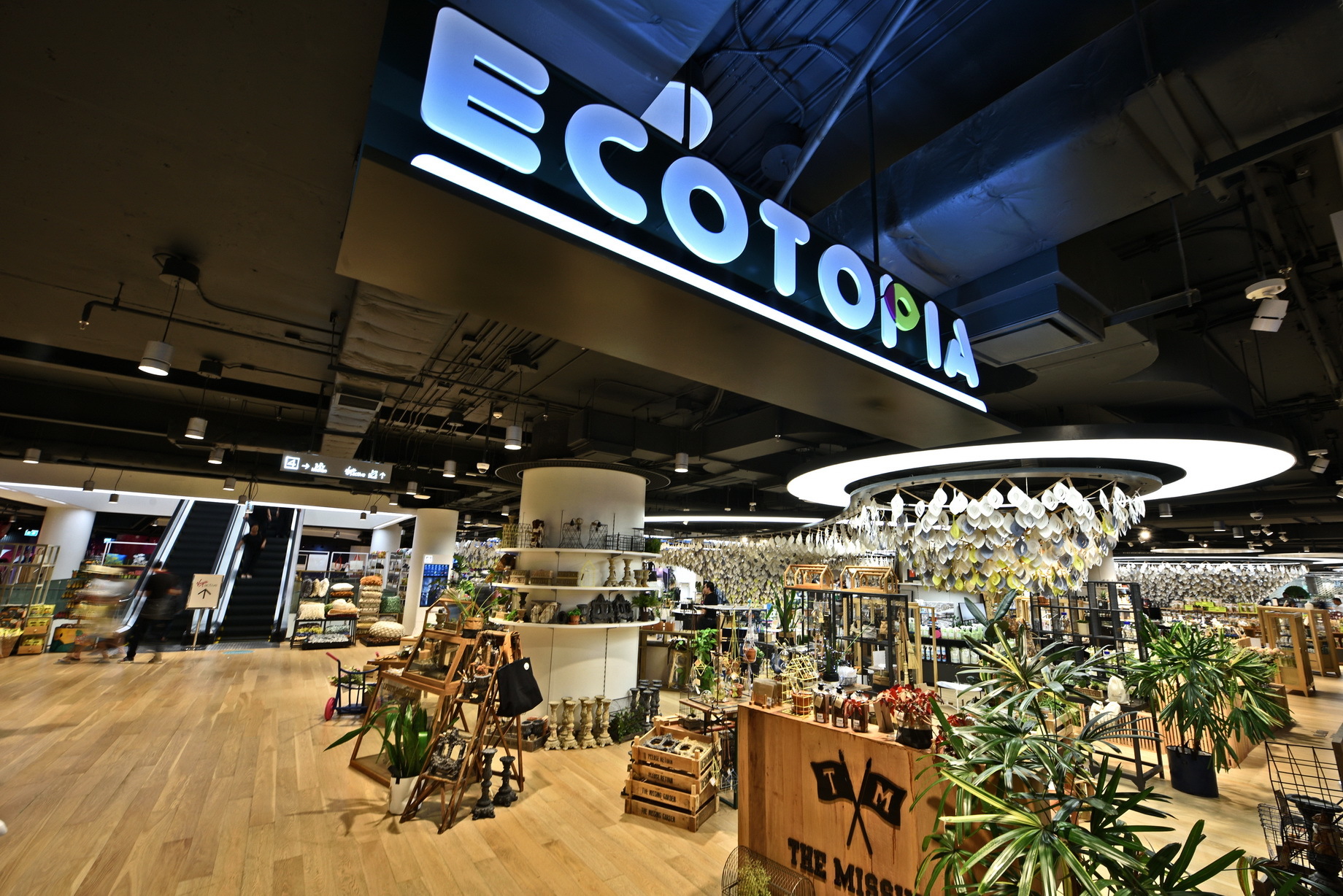
    He also played a pivotal role in advancing eco-community development and bringing to life Ecotopia at Siam Discovery – Asia’s first and largest eco-lifestyle retail hub. This initiative was born from Siam Piwat CEO Chadatip Chutrakul’s vision to empower communities and producers of eco-friendly product at all levels.

    “I can say with confidence that Siam Piwat has robust and concrete environmental practices that meet and often endeavour to surpass internationally accepted standards,” said Singh.

    Clean power towards net-zero

    Siam Piwat has incorporated environmental management into its business operations, starting with energy conservation and energy efficiency enhancement. For example, it has replaced lighting with LED bulbs to save energy and it uses AI-powered environmental control systems within its buildings.

    The company has expanded its use of clean energy – as can be seen from the installation of rooftop solar panels at IconSiam which produce more than 1 million kWh annually and reduce greenhouse gas emissions by about 550 tCO2e per year. Siam Piwat also collaborated with Gunkul Engineering to develop and install a rooftop solar PV system covering more than 20,000sqm at Siam Premium Outlets Bangkok, generating more than 4.8 million kWh of electricity annually and reducing greenhouse gas emissions by approximately 4300 tCO2e per year.

    Working with partners, Siam Piwat has installed electric vehicle charging stations to serve customers of its shopping centres.

    All these initiatives form part of Siam Piwat’s efforts to lower greenhouse gas emissions and contribute to the creation of a low-carbon society.

    Currently, the company is collaborating with several leading clean energy organisations in Thailand – including SCG Cleanergy, a subsidiary of the Siam Cement, and B.Grimm Power – to procure renewable energy, with the goal of enabling every shopping centre under Siam Piwat Group to successfully transition towards renewable energy and reduce its reliance on electricity generated from fossil fuels. The target is to increase the use of renewable energy compared to the total electricity consumption across all areas under Siam Piwat’s direct management to 30 per cent by 2026 and to achieve 100 per cent renewable energy in all areas by 2030.

    Meeting waste management challenges

    Meanwhile, Siam Piwat is working to address Thailand’s waste management challenges by promoting the optimisation of resource efficiency by way of circular economy through the Siam Piwat 360° Waste Journey to Zero Waste. This program aims to promote efficient waste management through setting up a Recycle Collection Center in collaboration with various partners to collect and sort cleaned waste for recycling to be repurposed or upcycled for added value.

    Some of the upcycled products are also available for sale in Ecotopia, the group’s retailer of green products inside Siam Discovery. Siam Piwat’s goal is to divert 50 per cent of its waste from landfill by 2030.

    Aware of Thailand’s growing volume of electronic waste (e-waste), Siam Piwat has partnered with Synnex’s Trusted by Synnex E-Waste program to set up collection points for e-waste in Siam Paragon.

    Strategy for the development of Pathumwan as a smart model

    Along with a focus on its own properties, Siam Piwat is working to involve various communities in the Pathumwan business community in the heart of Bangkok to help create a world-leading smart ecosystem.

    To this end, the company is collaborating with Associate Profesor Niramon Serisakul, director of the Urban Design and Development Center, Center of Excellence in Urban Strategies (UddC-CEUS) at the Faculty of Architecture, Chulalongkorn University.

    “Pathumwan is the epicentre of shopping destinations for Thai and international visitors of all ages,” said Niramon. “It offers a diverse range of shopping centres, department stores, and community malls – both vertical and horizontal – catering to every individual’s lifestyle.

    “The area is home to educational institutions, tutoring schools, offices, mixed-use buildings, and more, so Siam Piwat’s role as a leader in elevating Pathumwan into a smart eco-district will enhance its competitive edge and enable it to maintain its position as a premier creative economic district and a driver of Thailand’s economy.”

    Siam Piwat’s key mission is to advance sustainability in order to enable Thailand to achieve its sustainable development goals and create a better world for all.

  • Siam Piwat unveils US$28 million plan to attract visitors to Thailand

    Siam Piwat unveils US$28 million plan to attract visitors to Thailand

    Siam Piwat Co Ltd, has unveiled a four-pillar strategy it says will help boost its strengths as Thailand’s leading real estate and retail developer and maintain its leadership as a developer of global destinations, as part of its move to underpin the government’s plan to draw overseas visitors back in the post-pandemic era.

    As the owner and operator of world-renowned retail destinations including Siam Paragon, Siam Center, and Siam Discovery – and a joint venture partner of IconSiam and Siam Premium Outlets Bangkok – the company is well placed to support the government’s new tourism promotion policy.

    The company will invest more than 1 billion THB (US$28 million) during the fourth quarter to help the government achieve its target of 30 million overseas visitor arrivals into Thailand – and plans to double that investment next calendar year.

    “Siam Piwat is the leading developer of global destinations that have not only served as tourist magnets and solidified Thailand’s position as the top destination among global visitors for a long time, but are also highly successful and widely recognised in the global real estate industry,” said Chadatip Chutrakul, CEO of Siam Piwat Group.

    “Siam Piwat is prepared to move forward at full throttle. We are confident that the government will be able to transform our tourism sector into a formidable asset and create phenomena that will firmly establish Thailand as a premier destination on the map for travellers from all over the world,” she concluded.

    Siam Piwat’s four strategic pillars comprise world-class shopping leadership and leadership in luxury retail; hosting world-class events and MICE leadership; elevating Thai art and establishing Bangkok as a global art hub; and introducing Thailand’s soft power to the global stage.

    During the first eight months of this year, Siam Piwat’s shopping malls combined welcomed 14 million visitors, representing a 46 per cent increase over last year. Those visitors spent an average of 8500THB (US$238) each. The company also hosts the most affluent customer base in Thailand.

    As it works to help realise the country’s inbound tourism targets, Siam Piwat has developed four-pillar strategies of its own, in concert with the government’s.

    Leadership in creating extraordinary shopping experiences and strengthening its dominance in the luxury retail segment: Siam Piwat will join forces with luxury brands, tenants, and business partners to open 20 new shops of luxury brands during the fourth quarter – many of them making their Thai debut. The company will launch pop-up stores and world-class events in collaboration with more than 40 brands between now and the end of next year. All the leading luxury brands at Siam Paragon and IconSiam are preparing to expand their store spaces to become the regionally largest flagships.

    Leadership in world-class events and global MICE: Siam Piwat is working with state agencies, the Thailand Convention and Exhibition Bureau (TCEB) and the private sector to attract business travellers and high-spending tourists from across the world. The Royal Paragon Hall on the fifth floor of Siam Paragon and True Icon Hall on the seventh floor of IconSiam have this year hosted about 40 major events, while bookings are already at 70 per cent for next year. Siam Piwat will work within a global ecosystem of partners across businesses including airlines, hospitality, tourism and restaurants, to accommodate diverse event formats, and support Thailand in becoming the leading international MICE destination in Southeast Asia. In addition, Siam Piwat is currently in talks with a world-class event organiser to jointly invest and build a new convention centre in Bangkok.

    Leadership in promoting Thai art and establishing Bangkok as a global art hub: Siam Piwat has been a pioneer in supporting and hosting Thai artists for more than 15 years. It was the first company to publicly exhibit the works of Thai artists in shopping centres and has enhanced the role of Thai artists in supporting quality tourism. The company plans to work with the government and state agencies to establish Bangkok as Southeast Asia’s art hub to exhibit global art pieces, such as Art Basel and Frieze, in order to attract global artists to Thailand and create an opportunity for Thai artists to showcase their art alongside their global peers.

    In 2026, Siam Piwat plans to open the 8000sqm River Museum on the eighth floor of IconSiam. As Thailand’s first international-grade museum it will be able to showcase global masterpieces at the same level as leading museums in Europe and North America. This is part of a strategy to attract public art industry figures as well as collectors of artworks from around the world. In doing so, Siam Piwat hopes to attract a new category of affluent travellers that will help strengthen Thai tourism in the long term.

    Leadership in introducing Thailand’s soft power to the global stage: Over the past decade, Siam Piwat has developed a platform of opportunities to promote Thailand’s soft power and bring together the best of the best that Thailand has to offer from across industries including food, film, fashion and design. In addition, Siam Piwat has created SookSiam, bringing together more than 6000 independent SME businesses from across all 77 of Thailand’s provinces to showcase the many forms of Thai identity. SookSiam attracts at least 70,000 visitors daily and is widely shared by visitors on social media channels worldwide. Siam Piwat has also worked to develop Thai brands through its retail business, including IconCraft, ODS and Ecotopia – which have successfully helped businesses expand overseas. The company will continue working with Thailand’s Ministry of Commerce and Ministry of Interior and world-class partners to elevate Thailand’s soft power and draw global recognition.

    “Siam Piwat is ready to join hands with all parties to promote the tourism and hospitality industry, establish Thailand’s position as the top global destination, and support the government’s policy to bolster the tourism industry,” said Chadatip. “This will play a vital role in driving the Thai economy, stimulating economic activities, generating income, and creating employment for many people.”

    Siam Piwat says the tourism industry is vital to the nation, attracting many international visitors. The presence of those visitors yields far-reaching benefits, not only to tourism

  • Siam Piwat to manage a new mall at Park Silom in Bangkok

    Siam Piwat to manage a new mall at Park Silom in Bangkok

    NYE & RGP Development Co., Ltd., a collaboration between NYE Estate Co., Ltd., and Minor International PCL, inks a strategic deal with Siam Piwat Co., Ltd. for a retail asset management and property management for “Park Silom”, a premium mixed-use project in the heart of Silom under the theme “New Breed of Silom.”  The retail space spans over five storeys of the total 39-storey mixed-used project that recently won prestigious international awards. The retail concept is envisioned to be a ‘one-of-a-kind retail experience,’ that caters to the lifestyles of office occupants along with Thai and international tourists with high purchasing power The collaboration between the three property and retail industry leaders, all with extensive experience in managing world-class and high-profile projects, will establish “Park Silom” as a new landmark in Silom – the prospering economic neighbourhood, by introducing a new lifestyle that responds to the multi-dimensional ways of living.

    Ms Ornruedi Na-Ranong, Chief Executive Officer of NYE Estate Co., Ltd, said “NYE & RGP Development, which is a joint force between NYE Estate and Minor International PCL, has developed Park Silom as a premium mixed-use office building and a retail space covering an area of six rai and 39-storeys right at the centre of Silom, based on a theme “New Breed of Silom.” The project is designed to offer an integrated lifestyle experience for locals and people working and living around Silom. We have signed the MOU with Siam Piwat in collaboration for retail asset management and property management, with the ultimate goal to fulfil the lifestyle of the new generations at  Park Silom and its neighbourhood, and for Silom people to be able to live a balanced life where work, shopping and after-work socializing perfectly integrated in a different and distinctive way.”

    “This collaboration with Siam Piwat, highly recognized as “The Visionary ICON”, will further enhance Park Silom’s credentials among retailers, thanks to Siam Piwat’s in-depth experience in property development which features numerous world-class projects that have earned many international awards and recognition. The proven success will create a new dimension to the intermix of Park Silom’s office building and retail space – to offer new experiences that cater to the multi-faceted work life and lifestyle of the building’s occupants which are mostly leading companies and international organizations, for “Park Silom” to become a new landmark of Silom,” said Ms Ornruedi.

    Dillip Rajakarier, Group CEO of Minor International, added “We are delighted to collaborate with the two prominent property and retail developers to develop an iconic “Park Silom” project.  Minor International has long experience in building and operating hotels, restaurants and mixed-use businesses globally. We are confident that we can employ our expertise in hospitality and retail, as well as key corporate support functions to contribute to this supreme quality business and lifestyle hub in Bangkok’s financial heart”.

    Chollachat Meksupha, Senior Executive Vice President of Business Development and Real Estate of Siam Piwat Co., Ltd., the leading property and retail developer – the owner and operator of prestigious retail destinations including Siam Paragon, Siam Center and Siam Discovery and a joint venture partner of ICONSIAM and Siam Premium Outlets Bangkok said, “Siam Piwat is delighted to develop ‘Park Silom’, set to become a new landmark of the Silom area which will play a very important role in reviving Silom as a prime Central Business District (CBD).  For the past 63 years, Siam Piwat has been ‘The Visionary ICON’ that excels in developing and managing world-class property and retail projects as well as global All of which have been pioneering milestones, new concepts that deliver the ultimate experience and delights for visitors. In this partnership, Siam Piwat will fortify retail asset management and property management for Park Silom, to achieve the fulfilling experience of an integrated urban work life and lifestyle.”

    Our partnership is formed at the right time, as Silom is a prime location and the centre that welcomes numerous leading organizations such as financial institutions, large corporate enterprises and multinational corporations. Hence, the Silom area welcomes many high purchasing power shoppers. At the same time, this business district also features retail brands and spaces to serve the lifestyles of the new generation who seek harmonious work-life balance.  The area also offers shopping and hang-out spots for office workers as well as local and international tourists who have been increasing in numbers following the country’s reopening.

    “We are confident that, Siam Piwat’s successful credentials as a developer of ‘World Class Destinations,’ together with our extensive knowledge, experience and expertise in multi-faceted areas including real estate development, retail business, shopping centres, food and beverages, marketing communications as well as the retail asset management and property management will ensure this collaboration is successful. It will also mark another retail breakthrough by creating a ‘one-of-a-kind retail experience that is unique and outstanding in the Silom area,” concluded  Mr Chollachat.

  • Siam Piwat reports surging sales despite lack of tourists in Thailand

    Siam Piwat reports surging sales despite lack of tourists in Thailand

    Solid economic growth averaging roughly 4% annually since 2000 along with the country’s solid industrial and export base has fuelled a steady rise in domestic income across all income levels over the past decade and a half, leading directly to a rise in consumer spending power. Although the sector has been buffered by several shocks in recent years, including the 2015 bombing in the central Ratchaprasong luxury retail district, political upheaval in 2014 and devastating floods in 2011, the Thai retail market has proved resilient due to these strong underlying foundations.

    Thailand’s retail market has attracted a wide variety of local and foreign retailers all vying for their share of the consumer base, resulting in a highly competitive environment. In 2015 a number of key companies continued to assert themselves as major players within the retail landscape. These include CP All and its ever-expanding national network of 7-Eleven outlets along with Tesco Lotus and network of supermarkets and hypermarkets. Central Retail remains active as well in the hypermarket and supermarket segments while Big C and Home Pro stores operate mostly in upcountry areas.

    Recent Recovery

    Retail sales expansion peaked in November 2012 at 54% year-on-year growth before political turmoil engulfed the country two years later, sending growth into the negative for the entirety of 2014 and most of 2015.

    The downturn was largely the result of widespread protests and an eventual military coup in Bangkok, which effectively restricted the flow of traffic into major commercial and retail districts while also dissuading a large portion of foreign tourists from entering the country.

    As the situation normalised somewhat through 2015, retail sales began to recover late in the year with purchases in September increasing 2.79% over the same month in 2014 followed by a 1.04% bump the following month, according to data from the Bank of Thailand. This translated into consumer spending of B1.21bn ($36.4m) in Q3 2015, up a tick from the BT1.20bn ($36.1m) spent the previous quarter.

    “Retail has remained resilient over recent years of slowing economic growth,” Pascal Billaud, the CEO of Central Food Retail Group, told OBG. “The wholesale segment continues to grow at a rate of around 10% annually, while convenience stores and supermarkets are each posting more than 5% annual growth.”

    Strong Base

    Thailand’s 68m-strong population provides retailers with a substantial domestic market to tap into, and while these numbers are eclipsed by larger populations within the region, Thais are among the more financially well-off within the Asia-Pacific region. The country’s GDP per capita increased to an estimated $6108 in 2015 from $6041 the previous year, according to official data. Strong economic growth over the past decade similarly pushed up the adjusted gross disposable income in Thailand 73% between 2005 and 2014, growing from BT7.4trn ($222.7bn) in 2005 to BT12.8trn ($385.3m) by 2014, according to the Office of the National Economic and Social Development Board, providing a greater cash flow available for the retail sector to tap into.

    Overall individual consumption expenditure of households increased to BT8.69bn ($261.6m) in 2014, up from BT7.58bn ($228.2m) the previous year and BT4.40bn ($132.4m) in 2005.

    Spending is becoming focused on the major population centres around the country as a result of a well-trodden path of urban migration as people from the villages aspire for better jobs and living conditions in the cities. This trend is magnified by another demographic shift which has seen increasing amounts of young city dwellers moving out of the parental homes and into condominiums closer to the central business districts, resulting in a reduction of households composed mostly of working adults and middle-class consumers along with shrinking family sizes in general.

    Trending Upwards

    Strong economic growth over the past decade has resulted not only in a quantitative expansion of the retail sector, but also a fundamental shift in consumer preferences and behaviour, particularly in the major urban areas.

    Once dominated by smaller local shops, these traditional mom and pop stores are now being slowly but relentlessly phased out and replaced by new, modern retail centres and shopping malls. This effect is being compounded by the second wave of smaller convenience stores proliferating across the landscape, led by the ubiquitous 7-Eleven franchise which held a 53% sales market share at the end of 2014, according to PwC’s 2015-16 “Outlook for the Retail and Consumer Products Sector in Asia” report.

    Convenience stores now rank as the fastest-growing retail channel in the country and numbered more than 12,000 outlets nationwide by the end of 2014. This growth is being driven in large part by demographic shifts as the proportion of young city-dwelling adults continues to increase.

    These urban consumers have shown increasing propensity for convenience, frequenting smaller shops, stores and supermarkets near their workplaces or transportation routes to purchase daily necessities and meals rather than less-frequent, higher purchases at larger traditional markets. Preferences among this demographic for predictable, higher-quality branded products and ready-to-eat food, along with a greater acceptance for imported food, are also shifting consumption habits.

    The rise of hypermarkets in Thailand largely follows similar expansions seen across the region as foreign retailers continue to make inroads in the market, although sales growth has lagged behind that of convenience stores and supermarkets. The composition of Thai hypermarkets, however, is somewhat unique in one aspect as their product offerings and atmosphere often seek to replicate those of traditional wet markets such as Khlong Toei, which still hold a strong position within the retail sector. These informal local markets often include dozens of separate stalls with vendors hawking all manner of food ranging from fresh meat and fish to fruits and vegetables and have proven to be stubborn competition for newer hypermarkets. But what they lack in traditional experience and reputation, hypermarkets try to make up for with a wider variety of fresh food while also offering lifestyle and entertainment options.

    The two leading players in the hypermarket segment are Big C, a subsidiary of TCC Group, and Tesco Lotus of the UK. In 2010 Big C acquired more than 40 Carrefour outlets, which have since been rebranded and operate as part of the Big C franchise, while Tesco has countered with its recently introduced Extra lifestyle hypermarket store concept offering a wider range of food and non-food products. The intense battle between the two companies for market share has also driven volume sales growth in recent years.

    Continued economic and population growth are projected to boost cumulative hypermarket sales to BT589.24bn ($17.7bn) by 2017, according to Business Monitor International data, with modest annual sales growth rates of 1.55% and 1.27% in 2016 and 2017, respectively. Supermarket sales are expected to increase at a slightly faster clip, up 3.08% and 2.25% over the same time period with national sales totalling BT187.6bn ($5.6bn) by 2017.

    Bolstered by the strongest growth rates in the retail industry, convenience store sales are on pace to eclipse those of supermarket purchases by 2017, with the sector expected to tally BT188.65bn ($5.7bn) in receipts for the year on the back of strong growth rates of 4.11% and 3.21% in 2016 and 2017.

    Bang For The Buck

    Operating at the forefront of the industry, Bangkok’s retail infrastructure continues to expand dramatically with hundreds of thousands of square metres of new retail space being added every year. In spite of the stagnating retail sales in early 2015, there were more than 1.1m sq metres of new retail space under construction in the capital city slated for completion by 2017, according to property services provider CBRE. Of this supply, nearly 500,000 sq metres is located in suburban areas with 41% situated in midtown and another 15% in downtown. This ratio follows the trend of increased focus on the suburbs by both foreign and domestic retailers, which has pushed occupancy rates in suburban Bangkok to 91.2% in Q3 2015.

    As of Q3 2015, the Bangkok retail supply totalled 7m sq metres, up 2.4% compared to the previous quarter and 6.3% greater than the same quarter the previous year. This expansion was due to the opening of six new retail centres in the city which added a combined 162,058 sq metres of net lettable area to the market. The majority of this space was attributed to the opening of the new 132,000-sq-metre CentralPlaza WestGate shopping centre situated at Bang Yai intersection. Roughly half of the total retail space is spread throughout the Bangkok suburbs totalling 3.5m sq metres, with another 2m sq metres of space situated in midtown and the remaining 1.5m sq metres located downtown. In spite of continuous expansion of stock, demand remains high in the city, with vacancy rates running at 8.7% in Q3 2015, with the more expensive downtown locations posting a slightly more elevated rate of 14%.

    International commercial real estate company Colliers put the figure slightly higher with 7.25m sq metres of retail space located in Bangkok and the surrounding area as of Q3 2015.

    Shopping malls accounted for the largest share in the market with approximately 4.23m sq metres of lettable floor space, followed closely by the rapidly growing community mall segment.

    In addition to the growing stock of retail space slated to open up in the next few years, retail developers are also embarking on a wave of renovation projects in order to attract new brands, more customers and ultimately, higher rents. Some of these refurbishment projects include Siam Discovery, MBK Centre, CentralPlaza Pinklao and CentralPlaza Bangna.

    E-Commerce

    Thailand is becoming increasingly digitally connected since the launch of 3G services in 2013, having achieved 94m mobile phone subscribers by mid-2014, one-third of which used smartphones, according to the Hong Kong Trade Development Council (HKTDC). This connectivity is translating directly into the advertising and sales sector, with 58% of Thais reporting that they shopped online using smartphones in 2014, ranking them in the top 10 markets globally for use of a mobile phone to shop online, according to Nielsen. This growing penetration rate, along with increased credit and debit card circulation, has given rise to a dramatic uptake in online retail sales which have grown at a compound annual growth rate of 21% during the 2009-14 period.

    Companies are beginning to take notice, both in terms of advertising and direct sales, as traditional store-based retailers are shifting towards multi-channel sales strategies to tap into this growing market. Although online sales are still relatively new to the country and currently represent only a small fraction of overall sales, digital advertising is providing new avenues to boost sales in traditional brick-and-mortar outlets as well.

    Key Thai retailers such as the Central Group and The Mall Group have launched mobile applications that include their latest products and promotion activities, while numerous other companies have launched their own marketing-oriented apps to promote products and communicate directly with consumers.

    Moving Upcountry

    Moving outward from the shopping epicentre of Bangkok, retailers have become increasingly eager to tap into the north and north-east regions of Thailand which are home to roughly half the country’s population. Often referred to as the “upcountry”, the economic growth of the region topped 25% from 2007 to 2012, surpassing even the impressive 16% expansion of Bangkok during the time, according to HKTDC data. Although the substantial population base has always been attractive as a relatively underserved market in terms of modern retail opportunities, it has been only recently that accelerating economic growth of the area has drawn more tangible action from retailers. Much of this is driven by the increased trade with the neighbouring countries of Myanmar, Laos, Cambodia and Vietnam as a result of formation of the ASEAN Economic Community at the end of 2015.

    Attracted by the prospects of a free flow of goods, capital and labour across borders, industrial activity has gained traction in the uplands, bringing a surge in investments across a number of industries such as food processing, electronics and rubber products. From 2009 to 2014, the inflow of foreign direct investment (FDI) into the north-east region surged at a compound annual growth rate of 49%, more than double the overall FDI growth of the Thai economy as a whole over the same period. Cross-border trade has likewise increased with the removal of tariffs and other barriers, with bilateral trade with Laos more than tripling between 2006 and 2014 to $5.4bn. This flow of money to the north is fuelling job growth in the area, leading to a labour migration to fill new manufacturing positions along cities near the Thailand-Laos border. This windfall has in turn attracted numerous prominent retailers to the region eager to establish a foothold in the budding market. These players include the Central Group, which has established its Robinson Department Stores in Chiang Mai, Udonthani and Mukdahan, while cash-and-carry chain Makro has bolstered its presence in the border areas by launching six megastores in the north and north-east regions in 2014-15. Other companies including Central Plaza, Tesco Lotus and Big C have also established outposts in Udonthani and Nong Khai, which have become busy transit hubs for travellers moving between Thailand and Laos.

    Food & Beverage

    As the largest single component of household spending, the food and beverage (F&B) sector remains a key factor in Thailand’s retail sector. In 2014 food and non-alcoholic beverage purchases made up a quarter of total household consumption valued at BT1.94trn ($58.4bn) on the year. This was up slightly from the BT1.87trn ($56.3bn) purchased the previous year and nearly double the B1.0trn ($30.1bn) consumed in 2005. Alcoholic beverages, tobacco and narcotics consumption contributed another BT265bn ($8bn) in household consumption in 2014, up from BT205bn ($6.2bn) in 2005.

    The types and quality of food consumed in Thailand are also shifting along with rising incomes and greater economic security. The increasingly urbanised customer base is demanding a wider array of processed foods now available in larger supermarkets and hypermarkets, moving away from traditional unprocessed foods sold in fresh markets. A greater exposure to international cultures and foreign food products is also exerting change within the sector in terms of diversifying the product base while the increase in women entering the workplace is also driving demand for convenient, ready-to-eat meals. Frozen food products, particularly frozen-ready meals, desserts and seafood, have shown the strongest growth in recent years along with Western processed food products, which are perceived as being of higher quality than domestically processed food.

    Thailand’s growth in this area is representative of larger overall global retail trends in which Asia as a whole has emerged as the primary growth driver for consumer expenditure on food, beverages and tobacco. Driven by shifts in consumer preferences across the region towards packaged, processed and value-added food and drink products, nominal growth for the sector is expected to average 9% annually, well above the 6.4% global average, according to the Economist Intelligence Unit (EIU). Customers purchased $3.9trn worth of F&B and tobacco in Asia in 2014, and this figure is expected to surge to $5.9trn by 2018, at which time the region will account for around 60% of global consumer expenditure in this category.

    With a stable and expansive retail base already established for the sector across Thailand, demand growth is expected to continue at a moderate pace over the next few years, increasing by 2.9%, 2.9% and 2.8% annually each year in the 2016-18 period, EIU estimates. If realised, this expansion would exceed average annual demand growth for F&B in the Asia and Australia region, which is projected at 2.0%, 1.9% and 1.9% over the same three-year span.

  • Siam Piwat takes Thai retail concepts to Malaysia with Pavilion Group

    Siam Piwat takes Thai retail concepts to Malaysia with Pavilion Group

    Thai mall operator Siam Piwat has partnered with Malaysia’s Pavilion Group to take Thai retail concepts to the new Kuala Lumpur lifestyle mall Pavilion Bukit Jalil.

    The launch of Siam Piwat brick-and-mortar stores in Malaysia is part of its plan to further expand its global reach. The partnership will see the debut of three Thai brands – IconCraft, Ecotopia and Absolute Siam.

    “This collaboration will not only open up additional sales channels for SMEs to help them expand beyond online or e-commerce platforms but will also help drive the Thai economy,” said Usara Yongpiyakul, CEO of retail business group at Siam Piwat.

    “This new partnership to introduce Thai products to an overseas market will make Siam Piwat’s another significant stride towards building a solid network with powerful business leaders.”

    Dubbed ‘Discover Siam’, the store is situated on the third floor of the shopping centre, spanning 1200sqm. The Siam Piwat store is scheduled to open on December 3.

    Meanwhile, Ecotopia provides products for an eco-conscious community, and IconCraft offers Thai crafted items from more than 800 local creators, designers, and local communities. Absolute Siam is a multi-brand concept store, featuring a mix of more than 60 fashion and lifestyle brands under one roof.

    “Malaysia and Thailand have very close ties and share not only borders but also various cultural similarities,” Yongpiyakul added. “We believe that this collaboration is just the beginning and will lead to even greater things, such as joint efforts to boost the region’s economy and initiatives to showcase and nurture the uniqueness and magnificence of ASEAN nations.”

    Siam Piwat is the owner and operator behind Thailand’s major retail developments, such as Siam Paragon, Siam Center and Siam Discovery, and a joint venture partner in IconSiam and Siam Premium Outlets.

    “We recognise the value and delicate magnificence of Thai culture and the creativity of Thai artisans, designers, and creators,” said Dato’ Joyce Yap, CEO of retail for Kuala Lumpur Pavilion, the retail planner of Pavilion Bukit Jalil.

    “These new stores will provide Malaysians and international visitors the chance to experience a hint of Thai culture without leaving KL.”

  • Siam Piwat opens Ecotopia, Asia’s first eco-lifestyle destination

    Siam Piwat opens Ecotopia, Asia’s first eco-lifestyle destination

    Siam Piwat has unveiled Ecotopia in Bangkok, which it claims to be Asia’s first eco-lifestyle destination.

    Located at Siam Discovery, the store occupies 2000sqm and features more than 300 brands of eco-friendly and health-oriented products. Ecotopia houses eight different zones.

    A Hygienic zone offers a selection of household products made from natural and biodegradable materials, while the Zero Waste zone is a refiller where customers can take their own containers to refill everyday products or food items.

    Air-purifying plants and gardening tools can be found in a Green zone, while a Healthy zone offers organic food and a Beautiful zone a selection of chemical-free skincare and personal-care products.

    The Up-cycled zone displays products with renewed value through recycling, while a Stylish Zone features fashion items made from organic cotton and fabric scraps, and a clothing swap corner where pre-owned clothes can be exchanged for new garments.

    Finally, a Kind Zone highlights local handicrafts made from natural materials that help generate incomes for local communities.

    At Ecotopia, visitors can join regular eco-friendly workshops to learn how to turn waste into creative art or develop organic gardening skills.

  • Siam Piwat & Simon JV opens in Bangkok in Siam Premium Outlets

    Siam Piwat & Simon JV opens in Bangkok in Siam Premium Outlets

    Siam Piwat and partner Simon Property Group will open Siam Premium Outlets in Bangkok next week.

    Located near the Suvarnabhumi International Airport, the first Premium Outlets-branded shopping center in Thailand will open on June 19. The center will feature more than 200 brands, from global luxury labels including Burberry, Balenciaga, Coach, Hugo Boss, and Montblanc, to local brands, including EveandBoy and Jim Thompson.

    The joint venture, Siam Piwat Simon, said 60 brands will feature exclusively at Siam Premium Outlets Bangkok.

    The shopping center will also house a 1300sqm Nike premium store, locally inspired art, and a 1200sqm food hall concept by Food Republic.

    “Siam Premium Outlets Bangkok will be an economic driver for the Thai economy; the center will create more than 1000 career opportunities,” said Michael Tang, MD of Siam Piwat Simon.

    “The experience of the center extends beyond shopping with amenities and design features that make the center an exciting community space and a relaxing shopping destination.”

    According to Tang, the shopping center will team up with other key tourist attractions to “enhance the appeal of the area as a major local and tourist destination”.