Retail News CRM

Tag: sim

  • SK Telecom Innovates with Streamlined SIM Replacement Process: A Step Forward for Customers!

    SK Telecom Innovates with Streamlined SIM Replacement Process: A Step Forward for Customers!

    SK Telecom is taking bold steps to engage with government authorities about lifting the ban on new subscriber registrations, as the company approaches the completion of its ambitious universal subscriber identity module (USIM) replacement initiative following a significant cyber attack. With the clock ticking, the telecom giant is eager to reassure customers and shareholders alike.

    Customer Replacement Surge

    In a significant update, SK Telecom announced that over 6.18 million customers have successfully replaced their USIMs, with an impressive 150,000 swaps completed just yesterday. This progress has slashed the number of customers still awaiting their replacements down to 3.16 million.

    Restrictions in Place

    Since May 5, SK Telecom has been operating under administrative guidance from the Ministry of Science and ICT, resulting in a total suspension of new subscriptions and number transfers across more than 2,600 T World stores and online platforms nationwide. The ministry has clarified that this limitation will remain until the backlog of USIM replacements is fully resolved.

    Facing the Deadline

    Looking ahead, SK Telecom is targeting June 20 as the date for finalizing all outstanding USIM replacements. Text messages confirming reservations will be dispatched by June 16. However, roughly 440,000 customers have not yet visited a store to complete the process after receiving their notifications. Excluding these, an estimated 2.7 million customers are still actively waiting.

    Hope on the Horizon

    With the final stages of the free USIM replacement program underway, there is optimism that the suspension on new subscriptions could soon be lifted. Lim Bong-ho, head of the MNO Business Division at SK Telecom, revealed that the company is in active discussions with the government to not only lift the restrictions but also to establish compensation mechanisms and financial support for impacted distribution partners.

    The Cost of Recovery

    The financial outlay for issuing 20 million USIMs at no charge is projected to reach around KRW 150 billion. Each unit costs KRW 7,700, coupled with distribution and handling expenses of KRW 300-400 per unit.

    Investing in Cybersecurity

    In light of the cyber attack, SK Telecom is significantly boosting its investment in network security. Ryu Jeong-hwan, head of SK Telecom’s Network Infrastructure Center, confirmed plans to enhance both funding and personnel dedicated to security efforts, with specific numbers yet to materialize depending on the ongoing investigation’s findings.

    As SK Telecom navigates this challenging landscape, the question remains: will they turn this crisis into an opportunity for growth and innovation? Only time will tell!

    Questions & Answers

    What is the current status of USIM replacements at SK Telecom? Over 6.18 million customers have replaced their USIMs, with around 3.16 million still awaiting their new ones.

    When does SK Telecom expect to lift the ban on new subscriptions? The company is hopeful that the ban will be lifted soon after they complete all pending USIM replacements, which are expected by June 20.

    What steps is SK Telecom taking to improve network security after the cyber attack? SK Telecom plans to increase its budget and personnel dedicated to network security, although specific figures are still being determined pending investigation outcomes.
  • Providers of pre-activated SIM cards face suspension

    Providers of pre-activated SIM cards face suspension

    The Ministry of Information and Communications has announced that it will suspend network providers found distributing pre-activated SIM cards or cards registered under incorrect personal info.

    The providers need to publish a list of authorized salespoints on their websites and ensure that their employees only register subscribers who submit personal details in line with the national database, the ministry’s Telecommunications Authority announced Tuesday.

    The moves comes as part of a government effort to make sure that phone subscriber data matches the national database. Millions of subscribers have used pre-activated SIM cards registered under false information for years.

    Some salespeople even sell thousands of SIM cards registered with the same data, and buyers continue using them without updating the info.

    Pre-registered SIM cards are taken advantage of by many businesses for cold calling purpose. Last year, the Hanoi Department of Information and Communications had to request network providers suspend 882 subscribers from making spam calls and sending mass text messages to advertise their products or services.

    Network providers have been ordered to send text messages to falsely registered subscribers asking them to make corrections. After 15 days, if no changes are made, the user will be locked from making calls, while still being able to receive calls.

    There are 127 million phone subscribers in Vietnam, 96% of them belonging to VinaPhone, Viettel and MobiFone.

    Each of these three providers has 1.1 million to 1.4 million phone subscriptions with data that needs to be corrected.

  • Apple admits to SIM bug on iPhone 14 line

    Apple admits to SIM bug on iPhone 14 line

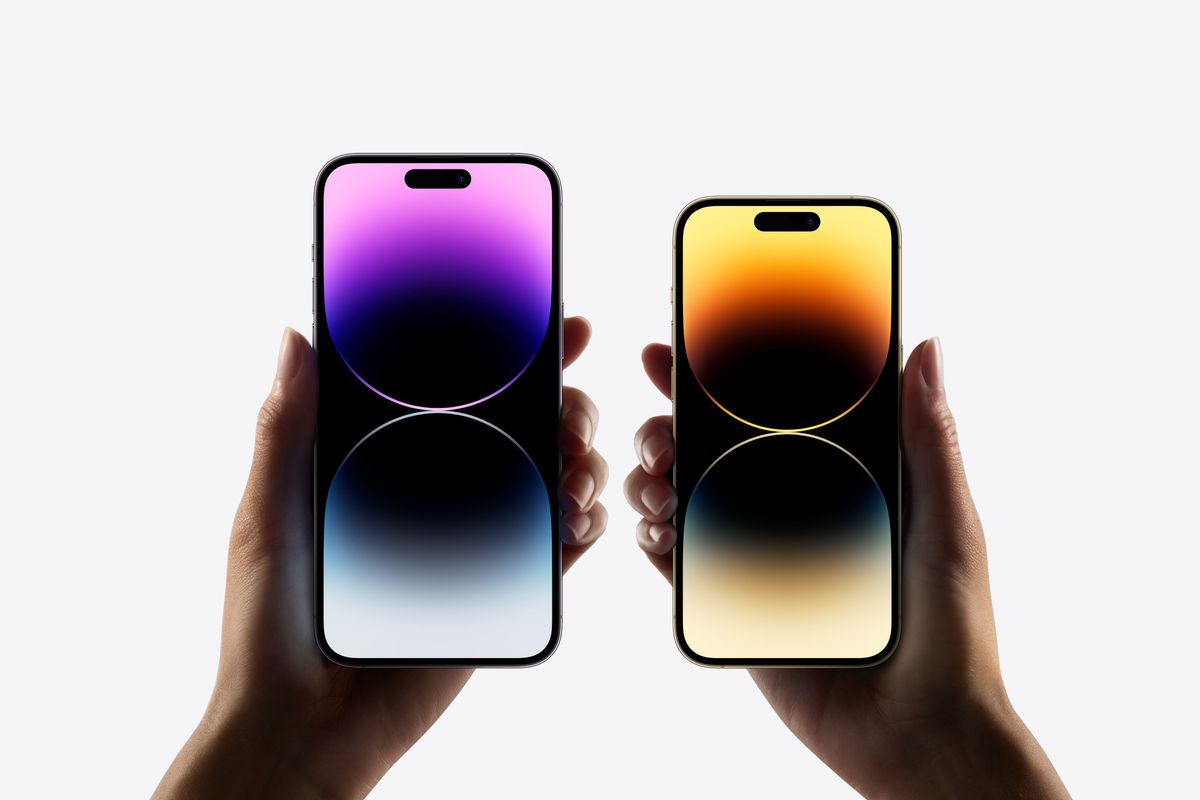
    Apple is admitting in an internal memo that there is a problem with the iPhone 14 series that results in a pop-up message that says, “SIM Not Supported” which is often followed by the freezing of the device. While Apple said that it is investigating the issue, it did rule out the possibility that it is a hardware problem. The company is asking its customers to make sure that they keep their software up to date.
    You can always check to see if there is a system update for your iPhone by going to Settings > General > Software Update. Meanwhile, Apple is also recommending that those who see the “SIM Not Supported” pop-up message wait a few minutes to see if the message disappears. Now here is the important thing to remember. If you do get the message about the SIM card and it doesn’t go away, do not try to restore the device.
    If you’re in this situation and the message persists, you need to head over to the nearest Apple Store or authorized service provider and arrange to have the issue fixed. Apple has already had to deal with several bugs since the release of the iPhone 14 series including one issue that made the iPhone 14 Pro models shake and grind when users recorded video on them over third-party apps like Instagram, TikTok, and Snapchat.
    Late last month Apple released iOS 16.0.2 to exterminate that bug and several others. A week ago, iOS 16.0.3 was disseminated by Apple and among the issues it fixed was one that allowed a bad actor to send an email using two double quotation marks in the “from” field instead of the first part of a valid email address. The recipient, upon opening this email in the Apple Mail app, would see the app crash and the user would also get locked out of his Apple Mail account.
    Apple is currently working on iOS 16.1 and has a beta program underway with the stable version of the build expected to be released at the end of this month. Will it contain a patch to fix the issue of the SIM pop-up screen? After all, Apple has admitted that this is a real thing and not everyone is going to feel like heading to the Apple Store or an authorized repair center to get the issue fixed.
    Additionally, with Apple reminding users to stay up to date with the software on their phones it sure sounds like the company might be working to exterminate this bug via a software update. Stay tuned.
    We should remind everyone that Apple put the kibosh on physical SIM cards with the iPhone 14 series. Instead, the 2022 iPhone models feature eSIM (embedded SIM) which is a chip that gets soldered to the phone’s motherboard. With an eSIM, switching networks is easier requiring just a phone call or a visit to a website. Up to five virtual eSIM cards can be stored on a single eSIM at a time. If your usual network is down for some reason, you can quickly switch to another one.
    You can also have the same advantage that dual-SIM phones offer; the ability to have two numbers on a single handset. One number can be for work and another for play. You’ll be able to receive phone calls and texts on both numbers all of the time while you’ll choose which number to use to make calls, send texts, or use data.

    Using an eSIM also gives the phone manufacturer more internal room to work with because the SIM card tray is no longer needed.

  • SIM Cards Must Now Be Registered With Telcos in the Philippines

    SIM Cards Must Now Be Registered With Telcos in the Philippines

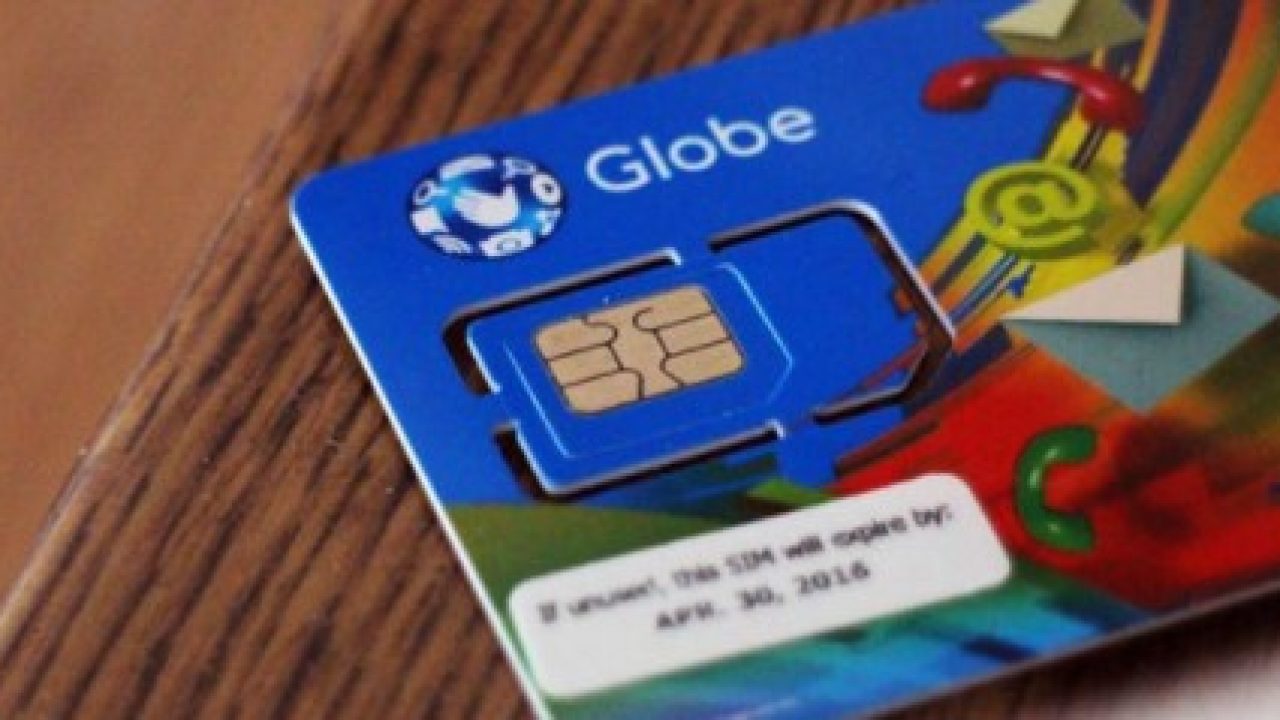
    Mobile phone users in the Philippines must now register their SIM cards with their telecom provider after the country’s President, Ferdinand Marcos Jr., signed into law the SIM Card Registration Act.

    According to the official dispatch, the new measure aims to promote accountability in the use of SIM cards and help law enforcement to track those involved in crimes committed through mobile phones.

    Under the new law, all public telecommunications entities or direct sellers must require the SIM card user to show a valid identification document with a photo.

    The registered SIM card details will not be disclosed unless the user authorizes access to his information.

    Law enforcement agencies that conduct probes on purported crimes committed through phones may also submit a written request to telco firms to disclose the details of the SIM card holder.

    The two telecom giants in the Philippines, Globe Telecom and PLDT Group, had previously expressed support for this measure, saying they would be helping the government in preventing crimes committed electronically.

    The law consolidates the bills approved by the House of Representatives and the Senate.

  • T-Mobile introduces a more secure way for authorizing SIM changes

    T-Mobile introduces a more secure way for authorizing SIM changes

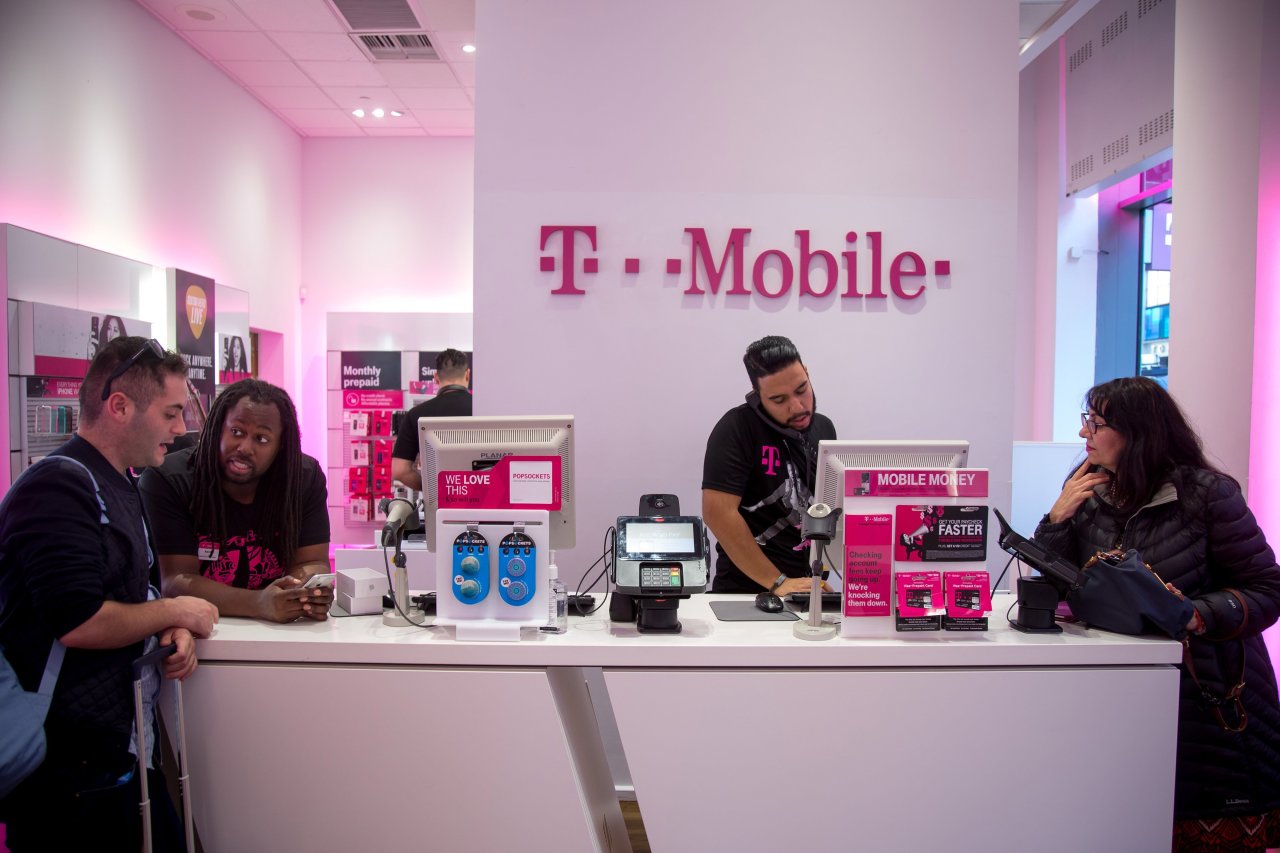
    In an internal notice sent to its stores, as reported by the T-Mo Report, T-Mobile informs its employees of a new, more secure method of authorizing SIM changes. The customer will now be required to provide SMS verification when requesting SIM changes, such as transferring a number to a new SIM. The alternative is the change to be verified by two employees using their credentials.

    T-Mobile’s new measure against unauthorized SIM changes may come in response to the new requirement proposed by the Federal Communications Commission (FCC). The FCC proposed that service providers identify the customer before beginning a port-out to another carrier and notify customers immediately when a SIM change or port request occurs.

    The new T-Mobile measure is a step forward in solving the problem of unauthorized SIM changes because T-Mobile defenses against attackers have been breached more than once.

    Over these few years, T-Mobile clients have become victims of constant SIM swap scams and port-out attacks. As attackers utilized the stolen phone numbers from the SIM swaps to receive two-factor authentication SMS codes, many clients lost a lot of money due to these scams, including cryptocurrency.

    In August, T-Mobile became a victim of a data breach. The hack affected over 54 million people. Customer names, driver’s license numbers, Social Security numbers, and device identification numbers were all leaked.

    The new SIM change procedure was implemented on December 14th and is now in effect.

  • Sim Leisur to open theme park at Paradigm Mall

    Sim Leisur to open theme park at Paradigm Mall

    Penang-based theme park developer Sim Leisure Group is to open an indoor recreational center at Paradigm Mall in Petaling Jaya, Malaysia.

    Sim Leisure has already started the construction of the 35,000sqft indoor recreational center which it will operate as a tenant for up to 12 years.

    It is scheduled to open by the end of November, before the peak year-end school-holiday season.

    Paradigm Mall is located in the heart of Petaling Jaya, next to the Lebuhraya Damansara-Puchong highway in Klang Valley. The six-floor mall has 700,000sqft of retail space and more than 300 retail spaces.

    Sim will build Escape Challenge, an indoor version of Escape, targeting youth and young families. Both Sim and the mall believe the new feature will help draw families to the mall, increasing foot traffic for the retail stores.

    “For years, we have been approached by developers and mall operators to develop an indoor version of Escape,” said Sim Leisure CEO Sim Choo Kheng. “Paradigm Mall Petaling Jaya is a strong community partner and perfectly highlights the unique traits of a family mall. We are very proud of this partnership given the affinity for play parks by parents and children. Installing the play area in the mall is a natural fit given that no other malls in Klang Valley have recreation centers of this genre,” he said.

    Sim will use the Escape Challenge at Paradigm Mall as a showcase of its capabilities as it tries to develop the indoor recreational concept in other markets, especially Mainland China.

    “We foresee this indoor version of Escape growing exponentially in the years to come as the retail shopping business continues to undergo a transformation.”

    “Following our initial public offering and a record year of profitability last year, our global aspirations remain on track. We will continue to scale our proven and successful business model into new markets across the region that are awaiting a new genre of affordable and healthy family entertainment.”

    Sim Leisure Group has been developing and operating theme parks in Penang. Sim Choo Kheng has more than 29 years of experience in the theming industry.

  • Poptel V9, the largest videophone with Android

    Poptel V9, the largest videophone with Android

    It’s not often that a videophone comes along, let alone one with a huge, Android-driven display, but the ever-enterprising Poptel just introduced the intriguing V9 to cover that homey dream. Equipped with a SIM card slot, the Poptel V9 nevertheless lets you take calls the old-fashioned way, like on home phones of yesteryear by simply picking up the receiver. Needless to say, it is rechargeable, so you can roam with it freely around the house and even outside in the yard or down the street.

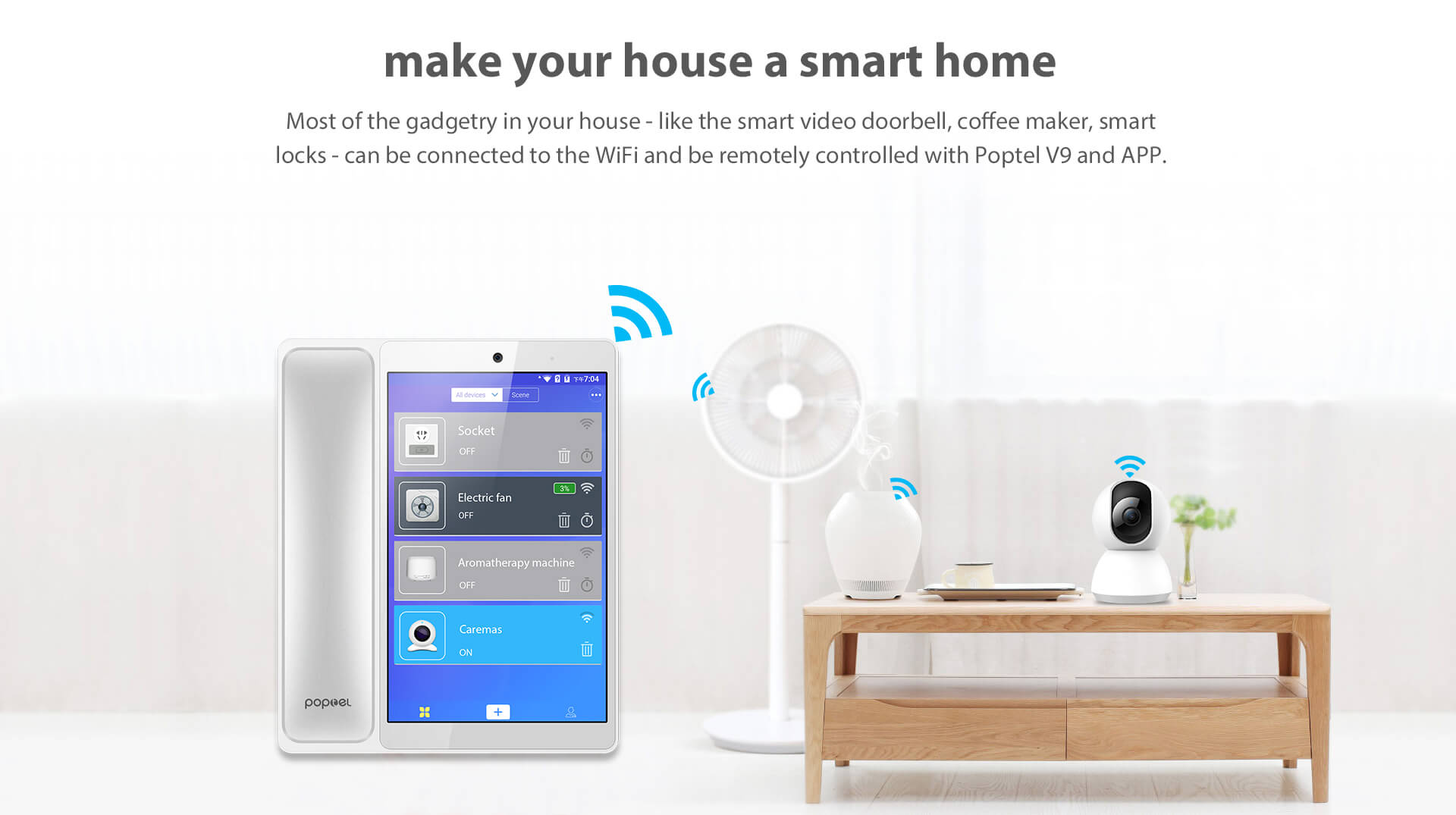
    The biggest asset of the Poptel V9, however, is its screen – literally. Equipped with a tablet-sized display, it is the biggest among all videophones with Android and allows you to gobble media content, glean caller info, use it as a digital clock and picture frame, or control your smart home appliances from the touchscreen.

    That last feature is an extra added value when it comes to the eventual home security cameras you outfitted your house with, as it can display what they are showing at any given time. Is dinner ready, where exactly did the FedEx guy leave your package on the porch, and why is the neighbor’s dog pissing on the lawn again are all pressing questions one can answer with the Poptel V9 videophone and a streaming camera.

    The specifications of the device are in line with its extremely affordable $130 price tag – 2GB RAM/16GB of storage space for apps, and 5MP front-facing camera for video chat, but that sweet 8″ display is what makes it the largest Android-laden videophone in an admittedly narrow category. The only ho-hum part is the 1800mAh battery pack and the 300 mAh one in the receiver that is good for about 3 hours of talking but you shouldn’t be yapping more than that daily anyway, you social butterfly, you.

    The SIM slot is neighboring a microSD card on for storage expansion should you need the V9 to cycle more photos than the ones you uploaded for picture-framing duties. Poptel puts an extraordinary focus on the smart home supervisory abilities of its new videophone, and with a good reason. You can prop the V9 on the kitchen table, discuss that YouTube recipe video that worked so well for the neighbor the other night, and at the same time run the robotic vacuum cleaner upstairs, check out who’s ringing at the video doorbell, turn on the floodlight outside to see them clear, and if it’s the neighbor, command the app-controlled coffee maker to start pouring a brew.

    In addition, you can control the lighting, thermostat, AC unit, smart locks, or any other home automation gizmo you have equipped your house with from the comfort of your own videophone. It’s the 90s family soap opera dream come true in a quirky, refreshingly old-fashioned looks with a modern twist. At $130, just the retro experience of walking around the house with a receiver sounds like a steal when we add the Android media machine it is attached to.

  • Unitel introduces eSIMs to Laos market

    Unitel introduces eSIMs to Laos market

    Vietnamese military-owned operator Viettel has announced that its subsidiary in Laos Unitel has become the first mobile operator in the market to launch eSIM technology.

    The Unitel eSIM service was introduced at the beginning of March, and Unitel is aiming to encourage at least 10,000 customers to exchange their physical SIMs for eSIMs by the end of 2020.

    With the launch, Laos became the seventh of the 10 ASEAN member states to introduce eSIM technology.

    It is also the fourth market in Southeast Asia that Viettel has introduced eSIMs to. The company and its subsidiaries were the first mobile operators to offer the technology in Myanmar, Vietnam and Cambodia.

    Meanwhile another Viettel mobile brand in Laos, Metfone, has become the first operator in the market to launch mobile credit top ups using QR code scanning rather than scratch cards.

    Viettel deputy general director Tao Duc Thang said the introduction of eSIM technology marks the beginning stages of Viettel’s goal of digitally transforming the global telecommunications landscape, and becoming a pioneer in IoT technologies.

    “Viettel has well-prepared platforms and infrastructure and has made digital transformations in its fields such as telecommunications and information technology,” he said.

    “This includes application of the latest technologies in the world for a more convenient life.”

  • Singtel targets Millennials with all-digital mobile plan

    Singtel targets Millennials with all-digital mobile plan

    Singtel has announced the launch of an all-digital mobile service plan targeted at technology-savvy Millennial customers.

    The new product, GOMO Mobile, offers functionality including immediate online sign up and same-day SIM card delivery, 24/7 live chat for customer service inquiries and a dedicated customer care app.

    The S$20 GOMO Mobile plan includes 20GB of data, 200 minutes of talktime and 200 SMS. The no-contract plan is based on a 30-day payment cycle, and additional allocations can be instantly purchased using a debit or credit card.

    As part of its strategy of targeting Millennials, Singtel is also offering lifestyle rewards such as discounts at selected hipster restaurants and cafes, and plans to expand these rewards to include ride hailing, entertainment events and activities and travel promotions.

    Singtel is also offering a GOMO Travel SIM that provides 3GB of data for 10 days across eight overseas destinations – Australia, Hong Kong, Macau, Taiwan, Indonesia, Malaysia, Thailand and Philippines.

  • VinaPhone launches eSIM technology in Vietnam

    VinaPhone launches eSIM technology in Vietnam

    Vietnam has today officially become the 25th nation in the world to launch eSIM technology.

    VinaPhone, the mobile subsidiary of state-owned operator VNPT, has held the official mass market launch of eSIM technology, Vietnamese state news agency SGGP reported.

    VinaPhone has already distributed nearly 5,000 eSIM preorders to customers.

    The company is also offering customers the ability to change to an eSIM by entering their EMEI and a one-time password, and then scanning a QR code sent from the system, and has revealed it received more than 7,000 eSIM registration requests in less than a month.

    VinaPhone deputy general director Nguyen Truong Giang told the publication the operator is now developing applications designed specifically to be integrated into eSIMs and introduce more features and utilities for users.

  • Expats confused over Vietnam’s profile picture requirement for phone users

    Expats confused over Vietnam’s profile picture requirement for phone users

    Some have no idea about the requirement, others find it invasive while network providers can’t guarantee help in English. Expats are having issues with Vietnam’s new regulation which asks phone users to submit a profile picture to their network provider.

    The Ministry of Information and Communications requires mobile subscribers to provide photographic proof of their identities before April 24, or they will be locked out of their network.

    Ryan, 28, is a Briton working in Hanoi. He had no ideas about the new regulation until we contacted him because the profile photo request was sent to his phone in Vietnamese.

    “I’ve never had to do this in the U.K. or in any other countries I’ve travelled through,” Ryan said, adding that he finds the requirement “invasive”.

    In light of recent data breaches by companies as large as Facebook, Ryan is concerned that his information could fall into the wrong hands. “I don’t know if I could trust my network provider with my information,” he said.

    The government claims the requirement will result in better control of network subscribers and prevent spam accounts.

    But while network providers claim user data will only be used to manage subscribers as stated by law, experts believe the regulation has loopholes that could be taken advantage of.

    The images could slip through the network security holes, a scenario in which the responsibility of the network provider has not yet been clearly defined, said lawyer Vu Tien Vinh.

    A photo taken by a customer and sent to a network provider cannot be authenticated, Vinh added.

    Having been to many Asian countries, Mark from Canada finds the regulation odd. “Why would a phone company need my photo?” he said.

    Ryan and Mark are not the only expats who are having issues with the regulation. Many foreigners are also confused as local mobile operators don’t seem to provide the assistance they need.

    On Saturday, customer service centers of all major network providers were packed with customers coming in to have their photos taken.

    Amid the chaos, employees at the centers suggested that foreigners could bring in their passport, or take a photo of their passport and submit it to the companies’ websites. But, they could not guarantee there would be anyone who speaks English available to help.

    Vietnam has 118.7 million mobile subscriptions, according to official data and there are 82,000 foreigners living and working in the country. As of last week, at least 38 million mobile phone users have not provided adequate personal information to network providers, said Nguyen Duc Trung, a senior telecommunications official at the Ministry of Information and Communications.

    Mark is one of them. The 35-year-old is not planning to do anything yet. “I’ll see if they actually lock my account,” he said.

  • DoCoMo launches prepaid SIM for foreign visitors

    DoCoMo launches prepaid SIM for foreign visitors

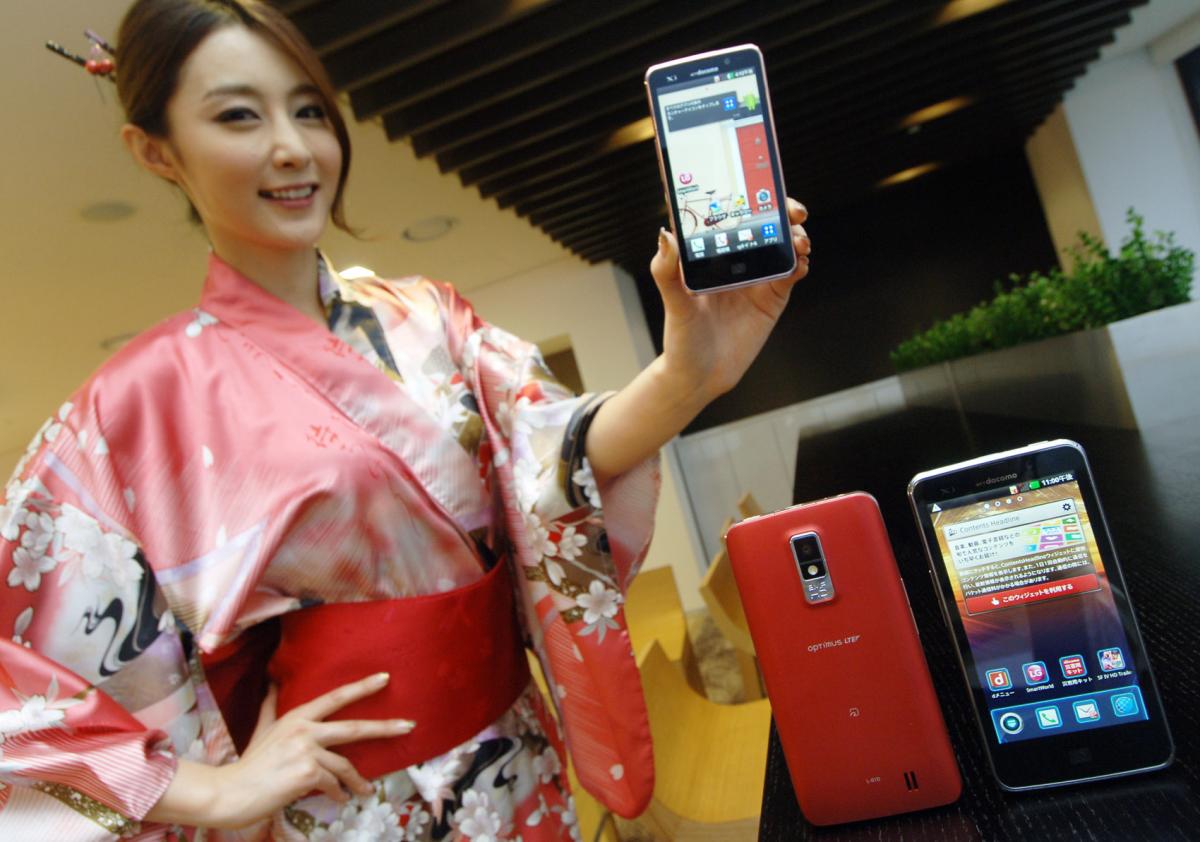
    Japan’s NTT DoCoMo will this week launch a new prepaid SIM service for foreign visitors to Japan providing access to its network for 15 days.

    The Japan Welcome SIM offering will launch on July 1. It will allow travelers to apply for the service online prior to leaving their home country and pick up their SIMs in locations such as international airports upon their arrival in Japan.

    Visitors will be able to subscribe to one of three 15-day plans, including a 1,000 yen ($8.90) plan providing unlimited 128kbps internet access and a 1,700 yen plan providing download speeds of up to 682Mbps for the first 500MB used. Additional high-speed access can be purchased for 200 yen per 100MB of 700 yen per 500MB.

    From October, DoCoMo will also launch a plan providing free internet access in exchange for viewing a certain number of video ads and filling out a survey prior to their arrival.

    DoCoMo partners will also be able to bundle access to the Japan Welcome SIM service with their own services. Initially Tokyu Hotels and Booking.com will be providing the service. This will include the ability for reselling businesses to offer unmetered access to their own web services.

  • Workz launches new eSIM operating system

    Workz launches new eSIM operating system

    UAE-based mobile solutions vendor Workz Group has entered into a value-added reseller agreement with UK telecoms software company Simulty Labs covering the provision of commercial and technical support for Workz’s eSIM operating system and remote provisioning server.

    The agreement will pave the way for distribution of eSIM across the MEA and Southeast Asia, the companies said.

    With the agreement, Workz will be able to provide regional customers with remote management capabilities of mobile connected devices through eSIM technology.

    The company is targeting the product at device manufacturers, technology enablers, mobile network operators and other businesses in the M2M, automotive, mobile devices and medical fields.

    “Our eSIM, OTA, and remote provisioning solutions allow customers to realize their IoT development strategy whether it be competitively-priced multi-IMSI SIMs, roaming data, device management, big data management or automation,” Workz CEO Brad Taylor said.

    “For rapid deployment and cost-savings, we will provide a fully secure online SaaS connected management solution. We are currently in the final stage of becoming certified under the GSMA Security Accreditation Scheme for traditional UICC SIM cards and will shortly be applying for its eSIM (embedded SIM) counterpart, in order, to give customers full confidence in our secure data management systems.”

  • Thai MVNOs must use fingerprint SIM registration

    Thai MVNOs must use fingerprint SIM registration

    Thailand’s MVNOs will need to implement a new online fingerprint ID registration system for both prepaid and postpaid mobile SIMs by March, after regulator the NBTC declined to exempt them from complying with the new registration regime.

    The online registration system is being introduced as a requirement for both mobile operators and MVNOs as part of an NBTC decision from late last year.

    But MVNOs had been calling on the regulator to exempt them from the order on the grounds that it will impose additional costs that may make it difficult for them to compete with the major operators.

    NBTC secretary general Takorn Tantasith as stating that the regulator has decided that consumer interests must be put first, and a fingerprint system will be required to ensure greater security in mobile banking as Thailand moves towards becoming a cashless society.

    He also said operators will be able to deduct the costs of implementing the system from their annual universal service obligation fee.

    The new online fingerprint ID system will complement the existing compulsory SIM registration system. While operators are required to implement access to the system, end-users will choose whether to submit their fingerprints.

  • AIS, True must launch low-cost 4G SIMs for poor

    AIS, True must launch low-cost 4G SIMs for poor

    Thailand’s telecoms regulator NBTC has issued an order requiring AIS and True Move to provide low-cost 4G SIMs for disabled and low-income citizens.

    The order is based on the terms of the licenses for 1800-MHz and 900-MHz 4G spectrum won by the two operators in an auction last year.

    As per the order, low-cost 4G SIMs must provide tariffs at least 10% cheaper than the maximum cap on 4G voice and data tariffs imposed by the regulator.

    Caps in the 1800-MHz and 900-MHz bands have been set at 0.69 baht ($0.019) per minute for voice calls and 0.26 baht per megabyte for data services.

    The new low-cost SIMs will need to be available by March, and the operators will be required to design a process to meet this deadline.

    The NBTC is yet to set definitions of disabled and low-income for the purposes of determining eligibility for the discount plans, but has suggested that low-income may be defined as earning less than 10,000 baht ($281) per month.

    According to NBTC secretary-general Takorn Tantasith, last year’s 900-MHz and 1800-MHz auctions had the explicit purpose of bridging the digital divide, and all Thais must be able to benefit from national resources including spectrum.