Tag: sim

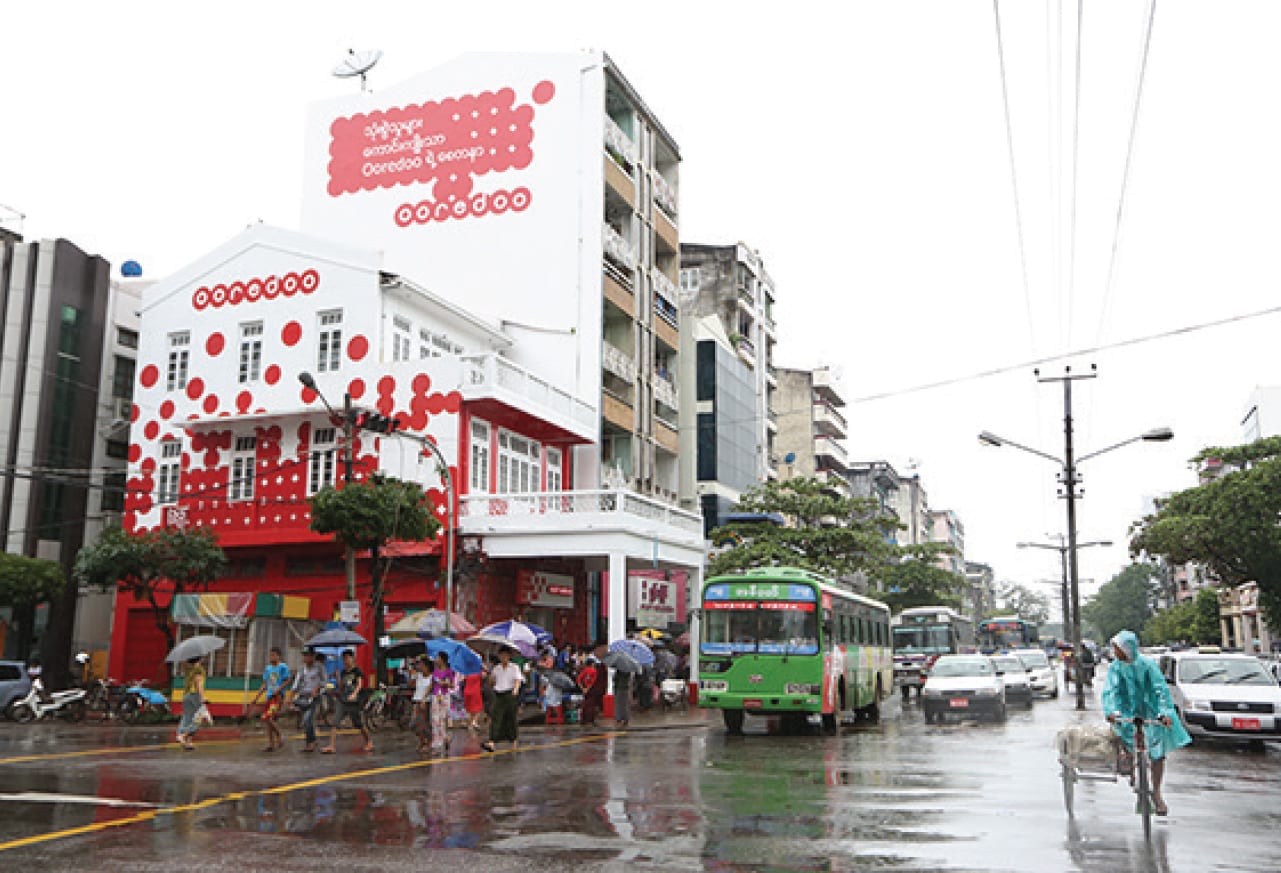
  • Ooredoo Myanmar expands SIM registration channels

    Ooredoo Myanmar expands SIM registration channels

    Ooredoo Myanmar has added new channels for its subscribers to use to self-register, in line with a government directive that all SIMs in use in the nation be registered by next year.

    Customers now have four options for self-registering their SIMs.

    The four options involve dialing a dedicated hotline, downloading an application, using a call center with interactive voice response functionality or registering online via the Ooredoo website.

    Subscribers will also be able to visit an Ooredoo store and complete a registration with the assistance of a sales agent. They will need an NRC card, student ID or drivers’ license.

    Under a new mandate from the Ministry of Transport and Communications, all mobile SIM cards will need to be registered by the end of March. Any remaining unregistered SIMs will need to be deactivated after this date.

    The order brings Myanmar in line with a number of its peers in the Asian region also introducing mandatory SIM registration schemes, including Cambodia, Thailand and Pakistan.

    Thailand’s National Broadcasting and Telecommunications Commission is also calling for the introduction of a common regional SIM registration platform covering prepaid services in Thailand, Cambodia, Laos and Myanmar as a counter-crime measure.

  • Thailand to adopt fingerprint registration for SIMs

    Thailand to adopt fingerprint registration for SIMs

    Thailand’s National Broadcasting and Telecommunications Commission (NBTC) has revealed plans to require all mobile operators to introduce an online fingerprint ID system for prepaid and postpaid mobile SIM registrations.

    The regulator has given a tentative deadline of February for operators to support mandatory fingerprint ID registration.

    NBTC officials told the publication that the system is designed to ensure greater security in mobile banking and reduce the risk of fraud as Thailand continues to transition to a cashless society.

    Around 14 million of Thailand’s 103 million mobile subscribers are already using mobile banking services, according to the report.

    According to the report, while the operators will be required to implement a fingerprint registration system to complement their existing mandatory SIM registration systems, mobile customers will not be required to submit their fingerprints. The fingerprints will be stored on an NBTC database server.

    The fingerprint system was developed by the Engineering Faculty of Kasetsart University, which won a tender to supply the system for 15 million baht ($421,000).

    Operators will be able to deduct the costs of implementing the system from their annual universal service obligation fee, which amounts to around 3.5% of operators’ total revenue.

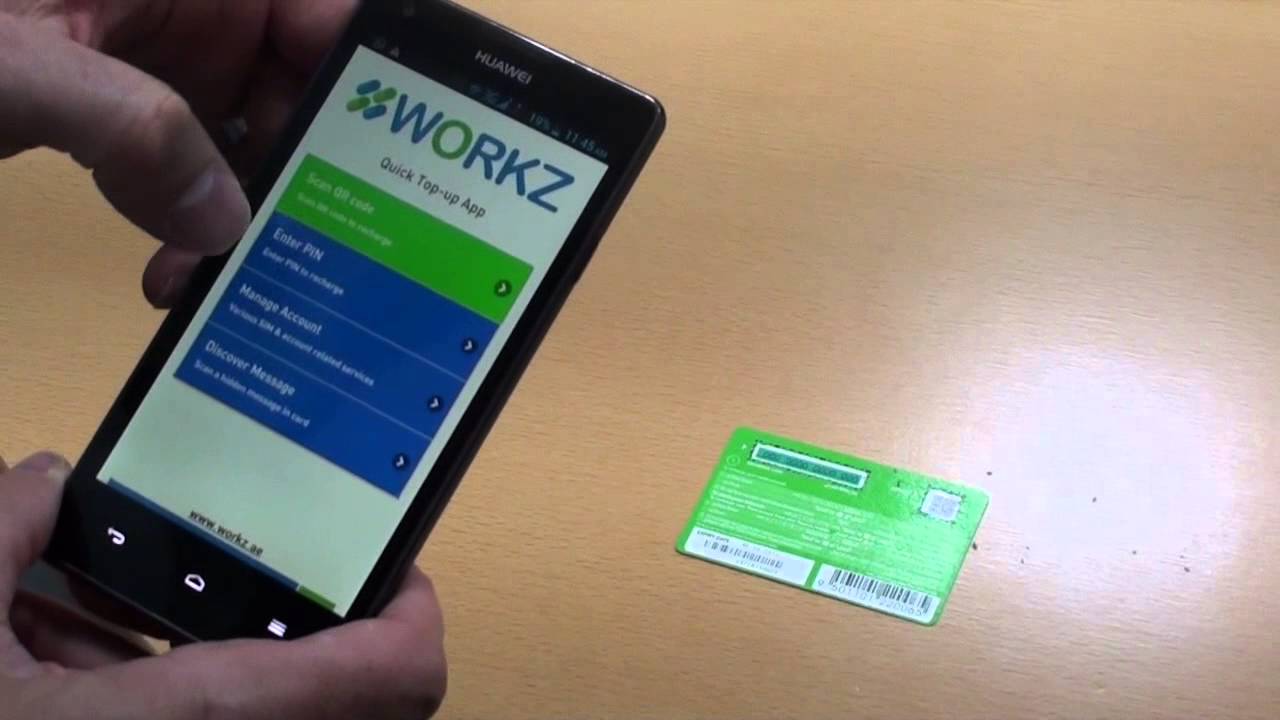
  • Workz Group launches world’s smallest SIM OS

    Workz Group launches world’s smallest SIM OS

    Telecoms subscriber products manufacturer Workz Group has announced the launch of what it says is the world’s most lightweight SIM OS.

    The Z-OS operating system is around 40% smaller than other SIM operating systems on the market, providing operators with greater opportunity to add VAS and revenue-generating features to subscriber SIM cards.

    Z-OS was soft-launched in May and has been tested in various markets, demonstrating the ability to support secure over-the-air management of applications.

    The product complies with major SIM standards defined by the ISO, ETSI, 3GPP, Global Platform, Oracle Java card, SIM Alliance and the GSMA as well as its proposed eSIM specification, and is designed to be compatible with both Java and native products.

    Z-OS is available from all major chipset manufacturers and is interoperable with all mobile network technologies.

    It is being offered in conjunction with Workz’s latest SIM product, the 3-in-1 seamless half SIM, which is designed to use 50% of the plastic of a traditional SIM card and work on any handset by allowing users to select which SIM module size to push out.

    “We’re very proud to develop the world’s most efficient SIM operating system. The Z-OS is a significant technological advancement which allows us to provide network operators with more customized applications on the SIM card to engage subscribers,” Workz CEO Brad Taylor said.

  • Cambodia sets final deadline for SIM registration

    Cambodia sets final deadline for SIM registration

    The Telecom Regulator of Cambodia (TRC) has given operators until the start of next month to register all customers’ SIM cards or disconnect any remaining unregistered SIMs.

    Operators will need to alert customers at least seven times within seven days before deactivation, the Phnom Penh Post reported.

    The TRC gave the order after data submitted by Cambodia’s mobile operators showed that despite the yearlong campaign to crack down on unregistered SIMs, around 1.5 million of the nation’s 19.3 million active SIMs are not properly registered.

    The government also plans to take a more active role in monitoring operators’ databases to ensure they are not allowing unregistered SIMs to be sold, by using an online management system. The TRC has indicated there will be more enforcement activity in the future once this system is in place.

    According to the report, despite the crackdown, unregistered SIMs can still be found in most Phnom Penh markets selling for as little as $0.50. SIM card sales at legitimate outlets have also declined in rsponse to the anticipated crackdown, as customers prefer the convenience of unregistered cards.

    Cambodia has presented the crackdown on unregistered SIMs as an effort to protect national security and reduce crime.

  • Singapore testing SIM logins for US visitors

    Singapore testing SIM logins for US visitors

    The Infocomm Development Authority of Singapore (IDA) is piloting trials for US visitors to connect to the local wireless broadband network, Wireless@SG.

    The trials, which commenced yesterday and will run until September 21, will be conducted in partnership with the Land Transport Land Transport Authority (LTA), M1, Sentosa Development Corporation (SDC) and Singtel.

    Under the project, T-Mobile US subscribers can connect automatically to Wireless@SG after a one-time setup on their SIM devices. This would enable them to connect to around 290 hotspots in designated test areas – Sentosa and major MRT stations. Other US visitors who are not subscribers of T-Mobile can sign up for a free account in the government website.

    “Wi-Fi is fast becoming a daily necessity and Wireless@SG as the largest city-wide federated Wi-Fi network will be an important enabler to improve connectivity and liveability in Singapore as we move towards a Smart Nation,” said Khoong Hock Yun, IDA’s assistant chief executive.

    “Trialing the SIM-login method for foreign visitors is something new to us, and we hope to gather new insights, fine tune technical challenges, and enhance the Wireless@SG program further,” he added.

    IDA said the trial is taking place in conjunction with the Wireless Broadband Alliance (WBA) City Wi-Fi Roaming Project, which also allows Singapore visitors to the US to roam automatically and securely between free public Wi-Fi hotspots in participating US cities, namely, San Jose, San Francisco and New York for the same period.

    The City Wi-Fi Roaming Project is likewise a supporting activity of World Wi-Fi Day initiative. Both initiatives are backed by the Connected City Advisory Board, which aims to deliver the vision of Connected Cities around the world

  • Myanmar orders all SIMs registered by March

    Myanmar orders all SIMs registered by March

    Myanmar’s Directorate of Telecommunications has instructed the nation’s mobile operators to complete the registration of all SIMs by next March.

    The telecom regulator has revealed that any unregistered SIMs still operating by that time will be temporarily suspended.

    SIMs will need to be registered based on users’ national registration cards, student identity cards, drivers’ licenses or passports for foreign citizens, the report states, adding that the order is aimed at stimulating mobile banking and m-commerce in the nation.

    There are around 48 million SIM cards in Myanmar, a market where mobile penetration has increased by 35 percentage points over the past year to more than 89%.

    While there’s no data on how many of these are unregistered, the Directorate has stated that “many” SIM cards were sold to buyers who did not supply the required documents.

    With the order Myanmar is joining a growing number of APAC nations requiring SIM registration, including most recently Bangladesh.

    Thailand began cutting off unregistered SIMs last year, while Chinese regulators began ramping up efforts to crack down on unregistered SIMs.

  • 3 Hong Kong launches prepaid plans for Apple SIM

    3 Hong Kong launches prepaid plans for Apple SIM

    Hong Kong mobile operator 3 has announced its support for Apple SIM, introducing a line of short-term LTE data plans that can be chosen and activated from compatible iPads.

    The operator has introduced day pass plans offering two days of connectivity for HK$38 ($4.90), seven days for HK$88 and 14 days for HK$168. These plans have fair use limits of 2.5GB, 3.5GB and 5GB respectively.

    Customers will also be able to choose monthly data pass plans for HK$168 for 1GB, HK$248 for 2GB or HK$298 for 3GB.

    Customers on Apple SIM LTE data plans will be charged a HK$2 administration fee every 30 days.

    Global  Apple SIM partner GigSky has meanwhile announced it had expanded its cellular data plans for Apple SIM to cover over 149 countries, up from just over 90. The prepaid packages are now available in all the top travel destinations, the company said.

    GigSky data plans are available in APAC markets including Hong Kong, Korea, Thailand, Australia, Pakistan, Indonesia, the Philippines, Singapore, Sri Lanka and Japan. The plans typically range from US$15 for 100MB of data over three days to $50 for 1GB of data over 30 days.

    Apple SIM is supported by the iPad Pro, iPad Air 2, iPad mini 3 and iPad mini 4.

  • Here’s why new NFC-enabled SIM cards may flop in Singapore

    Here’s why new NFC-enabled SIM cards may flop in Singapore

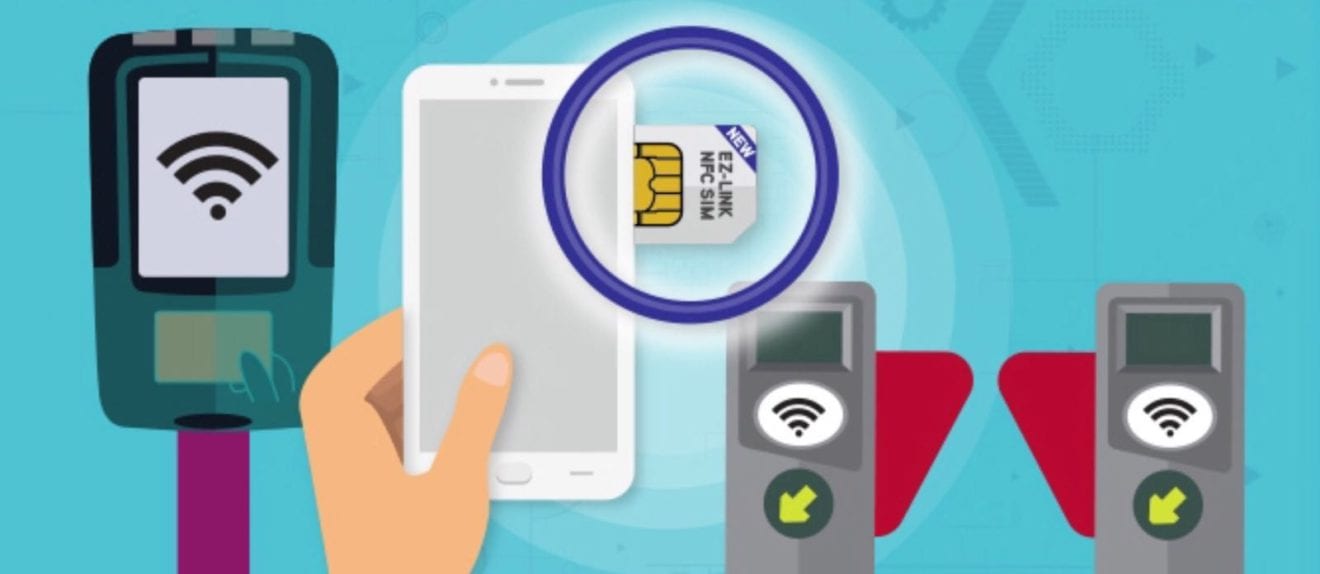
    The service is too costly. Singapore’s telco operators recently unveiled new NFC-powered SIM cards, which will allow commuters to pay fares using their mobile phones. The SIM cards will also be accepted at 30,000 ez-link terminals across the island.

    However, the new SIM cards might fail to gain enough popularity because of several stumbling blocks, according to a report by DBS.

    The report noted that the popularity of iPhones in Singapore is a big hurdle to the rise of the new SIM cards. The NFC-powered SIM cards are incompatible with iPhones, which only support Apple Pay and make up a third of mobile phone sales in the country.

    DBS also highlighted that ez-link is not accepted at 7-11 stores and many other retail outlets, which prefer NETS and credit cards.

    Apart from these hurdles, the cards are also extremely expensive at $37.50 apiece.

    “EZ-link is not widely popular for retail transactions even in Singapore. Plus NFC enabled payment is not adding any security feature to the ez-link card while “Apple Pay” adds security to credit card transactions. So we do not see that the NFC enabled SIM based payments will be widely used. Anyway, telcos may not get much commission out of the transactions, as the bulk may go to ez-link for its large customer base using it for buses and trains,” the report noted.