Tag: Singapore

  • Alibaba signs Equinix deal to take on Amazon’s cloud

    Alibaba signs Equinix deal to take on Amazon’s cloud

    Equinix deal gives Alibaba a better cloud story for multi-nationals wanting to do business in the U.S. and China. It might also be worrisome to U.S. cloud powers who want that business.

    Chinese retail giant Alibaba is going bigger in cloud thanks to a new partnership with Equinix, which operates more than 105 data centers around the world.

    The stated goal is to make it easier for multi-national corporations in the U.S. to conduct business in China and vice versa. Aliyun, is Alibaba’s cloud computing arm, just as Amazon Web Services is Amazon’s the cloud computing arm. Initially, Alibaba’s cloud services will be offered via Equinix Cloud Exchange facilities in Hong Kong and Silicon Valley, with additional rollouts planned for other Equinix sites worldwide, said Chris Sharp, vice president of innovation for Equinix, Redwood Shores, Calif.

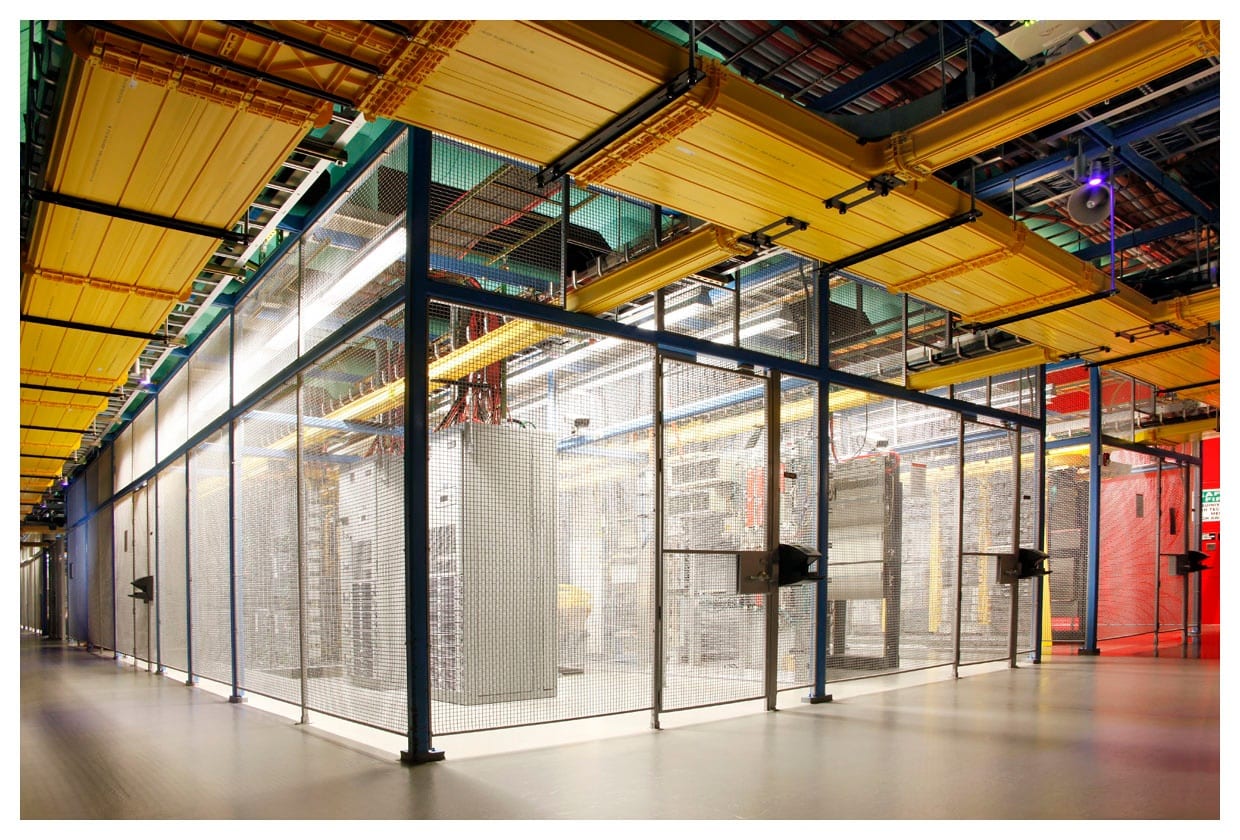
    There is plenty of headroom for expansion in this deal. Equinix has data centers in 33 countries and many other interconnection points where different providers can hook into each others’ services. Even cloud providers that run their own data centers plug into Equinix interconnection facilities so they can offer fast links to outside services. Equinix will also gain 40 more data centers across Europe via its recently announced plan to acquire Telecity for $3.6 billion.

    U.S.-based cloud giants, especially Amazon, will doubtless watch the Alibaba-Equinix news carefully. Alibaba dominates the market in China, much as Amazon does in the U.S. In March, Aliyun opened its first stateside data center stateside at an undisclosed Silicon Valley site while Amazon opened up its first data center in China in late 2013.

    Alibaba and Alyun could be viewed as mirror images of Amazon and AWS so it’ s not hard to predict growing contention between the two camps as AWS pushes more into China via its new Beijing region and Aliyun does likewise in the U.S.

    Per its IPO filing last year, Alibaba claimed more than 980,000 “direct and indirect” cloud computing customers at the end of 2013. Last November, Amazon said AWS has more than a million “active” users.

    For its fourth quarter ending March 31, 2015, Alibaba’s cloud revenue came in at $63 million, up 82% from the year-ago quarter. For the full fiscal year, cloud revenue was $205 million, up 64% from last year.

    Amazon, which has been in the cloud business for nine years, broke out cloud results for the first time in its first quarter, also ending March 31. It logged $1.57 billion in cloud revenue, up 49% from the previous year. Operating income was $265 million for the quarter, up from $245 million a year ago. Chairman and CEO Jeff Bezos claimed the cloud represented a fast-growing $5 billion-a-year annual business.

    As for whether Amazon should be worried about Alibaba/Alyun’s incursion on its home turf, Ariel Tseitlin, a former Netflix executive who worked a lot with AWS, doesn’t think so. “AWS just has so many feature and services. Right now, the biggest threats to AWS are number one Microsoft and number two Google” he noted.

    More generally, the entrance of another viable contender in cloud is a good thing for customers, said Tseitlin, who is now a partner with Scale Venture Partners, a Foster City, Calif. based VC firm.

  • Singapore rides omnichannel wave

    Singapore rides omnichannel wave

    Online and offline sales in Singapore are growing in tandem as omnichannel is becoming an integral part of shopping culture in Asia.

    Data compiled by online couponing website Flipit.com show that 85% of Singaporeans shop in-store at least once a month while 49% shop online with a similar frequency.

    But the preference is for bricks and mortar, Digital Market Asia reported, as more than half of Singaporeans (56%) like to shop in-store in one of the city state’s 105 malls, where they appreciate being able to touch and feel products as well as eat and drink and socialise.

    The fact that malls are increasingly integrating channels also helps, with click-and-collect facilities, for example, being supplemented with “click-and-mortar” stores where shoppers can use barcodes to save items to an online shopping cart.

    “Shopping trends are constantly evolving, but you can always guarantee that Singapore will be one step ahead,” said Willem Nout, Project Manager at Flipit.com.

    “Singaporeans just love to shop – plain and simple!” he said, adding that seeing shopping as a pastime rather than a necessity was “exactly the kind of attitude that guarantees to keep physical stores out of the red zone”.

    Amazingly, Singapore has double the retail space per person of Australia, despite being 10,000 times smaller.

    It is also among the world’s leading markets for retail expansion, according to a report by real estate services firm CBRE, attracting 58 new global brands last year – double the number of 2013 and second only to Tokyo.

    These entrants were mostly in the food and beverage sector, reported Inside Retail Asia, followed by apparel and accessories chains. And the Shoppes at Marina Bay Sands was a favoured location thanks to the high numbers of affluent customers visiting the connected casino facilities.

    Brandon Famous, senior managing director for retail occupier advisory & transaction services at CBRE, echoed Nout when he said that consumers continued to “view the physical store as their preferred mode of purchase and perhaps more importantly, as a point of social interaction”.

    “Consumers view shopping as a leisure activity and the continued expansion of brands and the development/improvement of shopping locations gives them the opportunity to embrace this,” he added. Data sourced from Digital Market Asia, Inside Retail Asia, CBRE; additional content by Warc staff

  • Singapore’s iconic Ku De Ta undergoes big makeover

    Singapore’s iconic Ku De Ta undergoes big makeover

    Ku De Ta – the swanky bar perched on the boat-shaped rooftop of Singapore’s iconic casino resort Marina Bay Sands – is undergoing an extreme makeover, including a name change.

    Now called Ce La Vi, the nightspot will go through a major refurbishment this summer as its owner L Capital Asia, the private-equity fund backed by LVMH Moët Hennessy Louis Vuitton, looks to enhance the customer experience and cement its position as a leading “adult playground.”

    The name is a play on the French phrase, ‘c’est la vie’ which means ‘this is life’.

    L Capital Asia, which bought a majority stake in the bar last year, has been involved in the ongoing litigation over the name Ku De Ta, already being used by a popular beachfront bar in Bali.

    Ce La Vi restaurant, overlooking the Singapore skyline.

    In December, the Singapore Court of Appeal ruled that the “Ku De Ta” trademarks registered in Singapore should be transferred to the Bali partnership, according to the Straits Times. These marks had been registered by a company set up by an Australian businessman Arthur Chondros, one of the partners of Ku De Ta Bali.

    L Capital Asia will launch other nightspots under the brand Ce La Vi as it looks to grow its presence in the high-end dining and entertainment scene in the region.

    So far, the firm has secured a space on the top three floors of Hong Kong’s California Tower, located in the city’s main dining and entertainment district – Lan Kwai Fong. The venue will be open for business in July.

    The company has plans to launch the brand in other key urban centers around the world, with expansion into Dubai and Taipei already under way.

    “As the company builds this global dining and entertainment brand, we are on the lookout for sites in cosmopolitan capitals further afield, from Europe to the USA and wherever opportunities arise,” Ravi Thakran, managing partner at L Capital Asia, said in a statement.

    “We will only select locations that are the most coveted spot in the city, nothing less than a commanding presence with breathtaking panoramic views in the world’s lifestyle capitals,” he said.

  • Apple watch to be available in Singapore from June 26

    Apple watch to be available in Singapore from June 26

    Apple Watch will be available in Singapore from June 26, according to a press statement on Apple’s website on Thursday.

    Fans will be able to buy the smartwatch from Apple’s online and retail stores, and selected authorised resellers.

    Selected models of the Apple Watch will also be available from boutique store Malmaison by The Hour Glass in Singapore.

    The watch will also be available in six other countries on June 26 – Italy, Mexico, South Korea, Spain, Switzerland and Taiwan.

  • Courts struggles in “weak” setting

    Courts struggles in “weak” setting

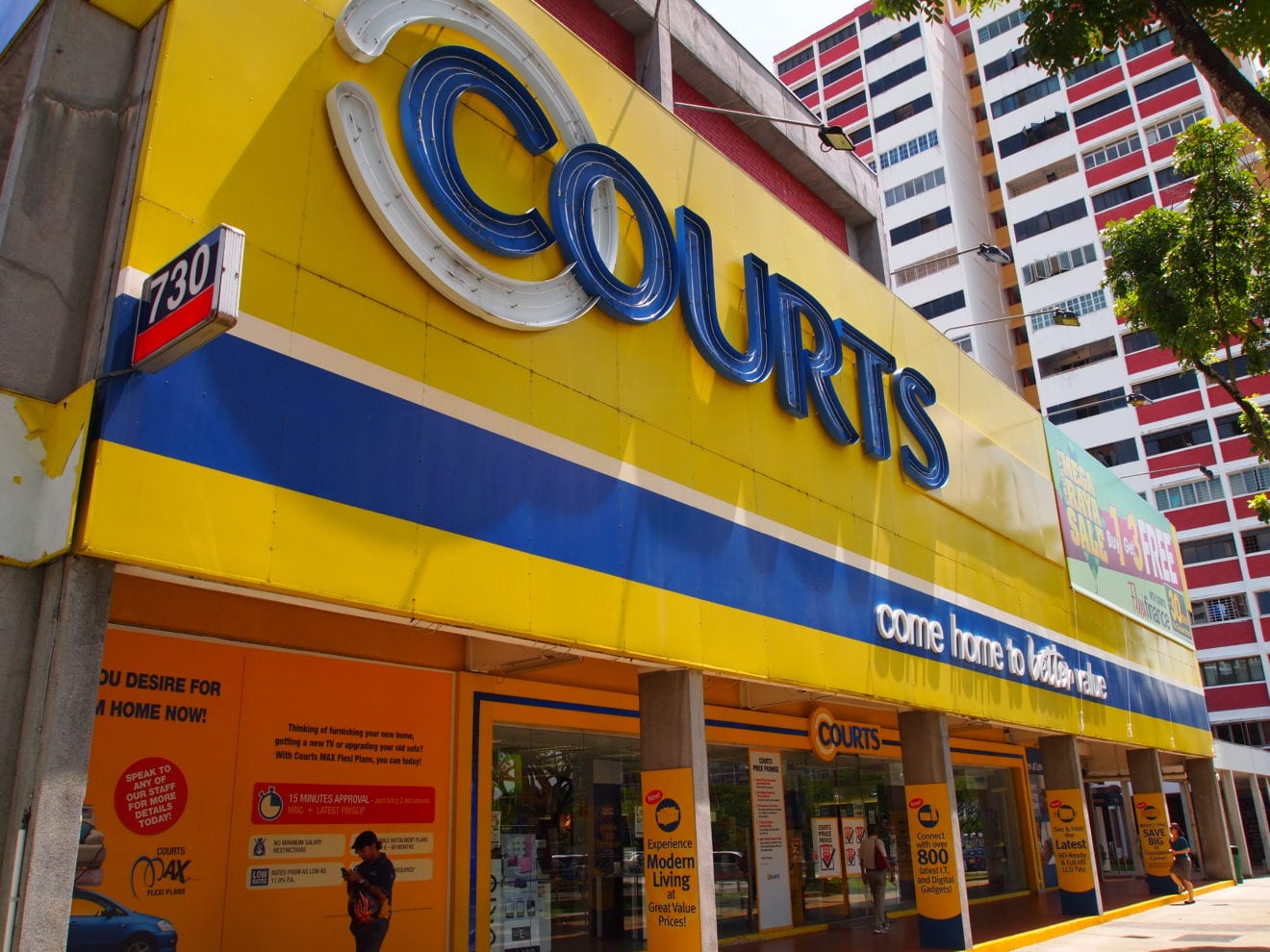
    Singapore-based electronics and homewares retailer Courts has reported a quarterly revenue dip of 16.four per cent in what it describes as a “weak retail surroundings”.

    The listed firm posted a quarterly revenue of S$6.56 million within the three months to March 31, down from $7.84 million in the identical interval a yr in the past.

    Gross sales for the quarter fell seven per cent to S$192.5 million and for the yr to March 31, income fell a pointy 38.7 per cent to S$17.36 million, on gross sales down eight.6 per cent to S$758.5 million.

    “Singapore’s gross sales, which contributed to 66 per cent of the group’s gross sales, registered 11 per cent lower in FY14/15,” the corporate stated in a press release.

    “The lower in gross sales was primarily because of a lacklustre retail surroundings resulting in the autumn in gross sales of all product classes, decrease bulk gross sales of digital merchandise and lowered participation in commerce present days,” Courts stated.

    Malaysia accounted for 33 per cent of group gross sales, however fell by 5.eight per cent largely because of the weaker ringgit and regardless of some panic shopping for earlier than the introduction of gross sales tax on April 1.

    However the firm expressed optimism for the yr forward.

    Two new shops are quickly to open in Indonesia, its latest market, offering essential mass to realize operational effectivity.

    Courts additionally plans to launch right into a fourth market with Singapore media tipping Mauritius because the most certainly risk.

  • 9 keys to reaching Asian shoppers

    Whether or not they’re searching on-line or shopping for in-store buyers have extra selection than ever, forcing retailers and malls to get artistic to draw their consideration.

    With the area’s center class predicted to double to 1.32 billion by 2020, Asian shoppers – and their expectations – are altering quickly.

    Adam Prepare dinner, retail undertaking and improvement providers lead with JLL Asia Pacific, explores a number of the rising developments altering the best way retailers are connecting with shoppers:

    1. The brand new digital buying actuality

    Know-how is now probably the most dynamic pressure within the retail business, opening up new channels and interesting new audiences whereas concurrently feeding new ranges of competitors. Digital Actuality (VR) could also be progressing slowly within the shopper area, however the tipping level of adoption in retail is quick approaching. The 2015 Way forward for Retail Research from Walker Sands discovered that round a 3rd of shoppers would store extra on-line if they might work together with merchandise nearly first. VR know-how is now permitting buyers to expertise a digital trend present, wander round a digital retailer and discover a digital mall with many different improvements to return as retailers experiment with the know-how. It’s poised to generate a completely new sale channel for retailers within the subsequent few years.

    1. Enhanced buyer relationship administration (CRM) know-how

    Because the battle for the buyer greenback intensifies, loyalty will develop into the brand new foreign money of commerce – with slightly assist from know-how. Digital cost strategies akin to Apple Pay and AliPay are getting used together with more and more refined location-based providers like iBeacon – Apple’s indoor positioning system – to provide new ranges of perception into shopping for behaviour. Retailers can now present buyers with real-time info based mostly on their consumer profiles and engagement historical past.

    ShopperTrak just lately introduced a partnership with Shopkick for a purchasing app permitting retailers to work together in real-time with clients whereas they’re buying. There are already 10 million customers on the Shopkick app and greater than 8000 shopBeacons deployed in retail shops. Insights assist retailers join with related shoppers at a precise location and in real-time, which in flip could be refined to take care of loyalty.

    1. Robots in disguise

    Whereas some manufacturers are experimenting with improvements comparable to drone supply, laws are more likely to floor most business drone concepts within the short-term. As an alternative we’ll see the continued rise of robots and humanoids in retail conditions. Already a function in lots of Japanese shops, robotic know-how is enhancing at a meteoric fee. And with rising labour prices, it isn’t onerous to think about a close to future when primary retail duties similar to making espresso or manning an experiential retailer is dealt with by a humanoid. Nippon Enterprise Capital just lately launched a $42 million fund in Japan by to speed up and commercialize humanoid know-how and neuroscience purposes, lots of that are being designed for the retail business.

    1. Cross-border purchasing

    Shoppers are flocking to digital retail markets which are more and more nation agnostic to hunt out the perfect product and one of the best offers. Asian shoppers already spend greater than the worldwide common on cross-border purchasing, and that is solely more likely to improve as a brand new era of shoppers look to spend their disposable revenue.

    1. Model extensions

    Experiential shops reminiscent of Google’s new (and thus far solely) buying expertise in London permit shoppers to play with merchandise earlier than shopping for them, often on-line. However this will typically have the unintended consequence of showing the restrictions of the model’s core merchandise. Thus, one other means for manufacturers to distinguish themselves is to increase their attain past their core providing. Meals extensions have turn into widespread just lately as retailers search to diversify and develop. Ideas such because the bar and cafe inside Alfred Dunhill outlets are a very good instance of clothes manufacturers shifting into the meals and beverage area. Anticipate this development to collect tempo because the battle to maximise dwell time and share of the buying basket heats up.

    1. Menswear

    Traditionally, males are extremely underserved within the style business – and there’s proof that their shopping for preferences are evolving. Bain & Firm estimates menswear progress has outpaced womenswear for the final six years, rising at between 9 and 13 per cent yearly – virtually double that of womenswear. As manufacturers search to take care of progress, we’ll see a re-focusing of the retail business to focus on males. Model partnerships, notably in athletic and sportswear, will proceed to develop and can develop into a key function of retail plans within the brief to medium-term.

    1. The rise of the Asian trend home

    European and American dominance in Asian excessive style has been the norm for a few years, and the overwhelming majority of luxurious manufacturers with robust Asian gross sales are owned by Western companies. Because the retail market continues to develop in Asia, we anticipate to see the rise of an Asian luxurious model -most in all probability within the style area – which can equal or exceed the recognition of Asian-American style icons comparable to Alexander Wang, Vera Wang and Philip Lim.

    With Western designers utterly absent from Shanghai’s Trend Week in 2014, trend critics targeted on rising Chinese language designers, and it’s doubtless that many of those manufacturers will develop loyal clients past China and meet the worldwide trend business by way of the important thing markets of Hong Kong, Tokyo and Seoul. Asian trend designers will quickly be on par with the likes of style homes resembling LVMH, Prada and Michael Kors, and can kick-start a brand new period of Asian retail innovation and management.

    1. The brand new flagship

    Intricately related to the emergence of the experiential development is the resurgence in retailers working flagship shops. Pushed by a want to reconnect with shoppers and the necessity to evolve from a static entity to an attractive expertise, the brand new flagship will re-imagine a retail retailer. It is going to be a press release, a model ambassador. More and more these areas will blur the road between retail and leisure, and develop into locations the place buyers are inspired to play and keep. This development is most noticeable in main markets like New York, Japan, and even Sydney the place single-brand luxurious and quick trend retailers are signing bigger leases and investing extra into the in-store surroundings.

    1. 3D Printers

    We’re on the tipping level of 3D printing and really quickly it’ll grow to be the norm in each facet of our lives. The primary 3D printed constructing was just lately unveiled in China and every thing from automobiles to weapons has adopted. For consumers on the lookout for a personalised expertise on their very own phrases, 3D printing gives an virtually limitless array of choices. Jewellers are already permitting clients to print their very own designs, whereas everybody from cooks to cycle outlets are experimenting with the know-how’s software within the retail area. That is genuinely game-changing know-how, and one that may definitely come to outline retail within the coming years.

  • Phoon Huat on the block

    Phoon Huat on the block

    Personal fairness buyers are already circling well-known Singapore bakery enterprise Phoon Huat & Co.

    The corporate, which sells its well-liked cupcakes from 11 retail shops across the metropolis state, is predicted to draw a sale worth within the neighborhood of S$250 million. Apart from its shops, the enterprise has a central bakery and sells baked merchandise, confectionery, drinks and components, on the wholesale market,

    Based in 1947 by Hainan migrant Wong Tai Fuang, it’s now owned by the Wong household, which based on reviews in Bloomberg, has despatched prospectuses to potential bidders. First spherical bids are anticipated subsequent month.

    The corporate’s belongings embrace property and the manufacturers Purple Man, Bakeway and Gold Tree.

  • Singapore’s postal service reinvents itself for the digital age

    Singapore’s postal service reinvents itself for the digital age

    When a German lingerie model needed to promote bras on-line in Malaysia, it turned to Singapore’s almost 200-year-old nationwide postal service.

    Singapore Publish constructed an internet site, developed a advertising technique and now delivers packages for the corporate, Triumph Worldwide. The customer support group even solutions questions on sizing.

    As postage stamps give solution to keyboard clicks, SingPost is redefining the position of the letter service, by making a one-stop store for retailers’ e-commerce wants in Asia.

    In South Korea, SingPost helps to promote Levi’s denims. In Singapore, it’s stocking Toshiba laptops. In Malaysia, it’s delivering Adidas sneakers.

    With conventional mail providers in decline, publish workplaces around the globe are scrambling to reinvent themselves for the digital age.

    “Sitting on that burning platform, we appeared round and stated, ‘The place might we develop?’” stated Wolfgang Baier, the chief government of SingPost.

    Japan Submit is shopping for the most important personal package deal and freight supply firm in Australia, Toll Holdings, in a bid to create a rival to UPSand FedEx. America Postal Service, which misplaced $5.5 billion final yr, is offering Sunday deliveries for Amazon. Australia Publish is working with the Chinese language Web big Alibaba to assist native companies join with shoppers in China.

    “There are a minimum of two enterprise developments unfolding earlier than us. One is the dying of mail,” stated Frank Lavin, chief government of the e-commerce consultancy Export Now. “The second is that this growth in e-commerce.”

    SingPost’s makeover is among the many most formidable. In addition to its common postal duties, it provides a basket of providers for corporations, together with web site improvement, on-line advertising, customer support and, in fact, package deal supply. Following the Amazon mannequin, it’s constructing a community of 24 warehouses in 12 nations to stockpile items for corporations. The e-commerce group is staffed with former Silicon Valley executives.

  • Toshiba leaving Singapore end of May 2015 due to stiff competition

    Toshiba leaving Singapore end of May 2015 due to stiff competition

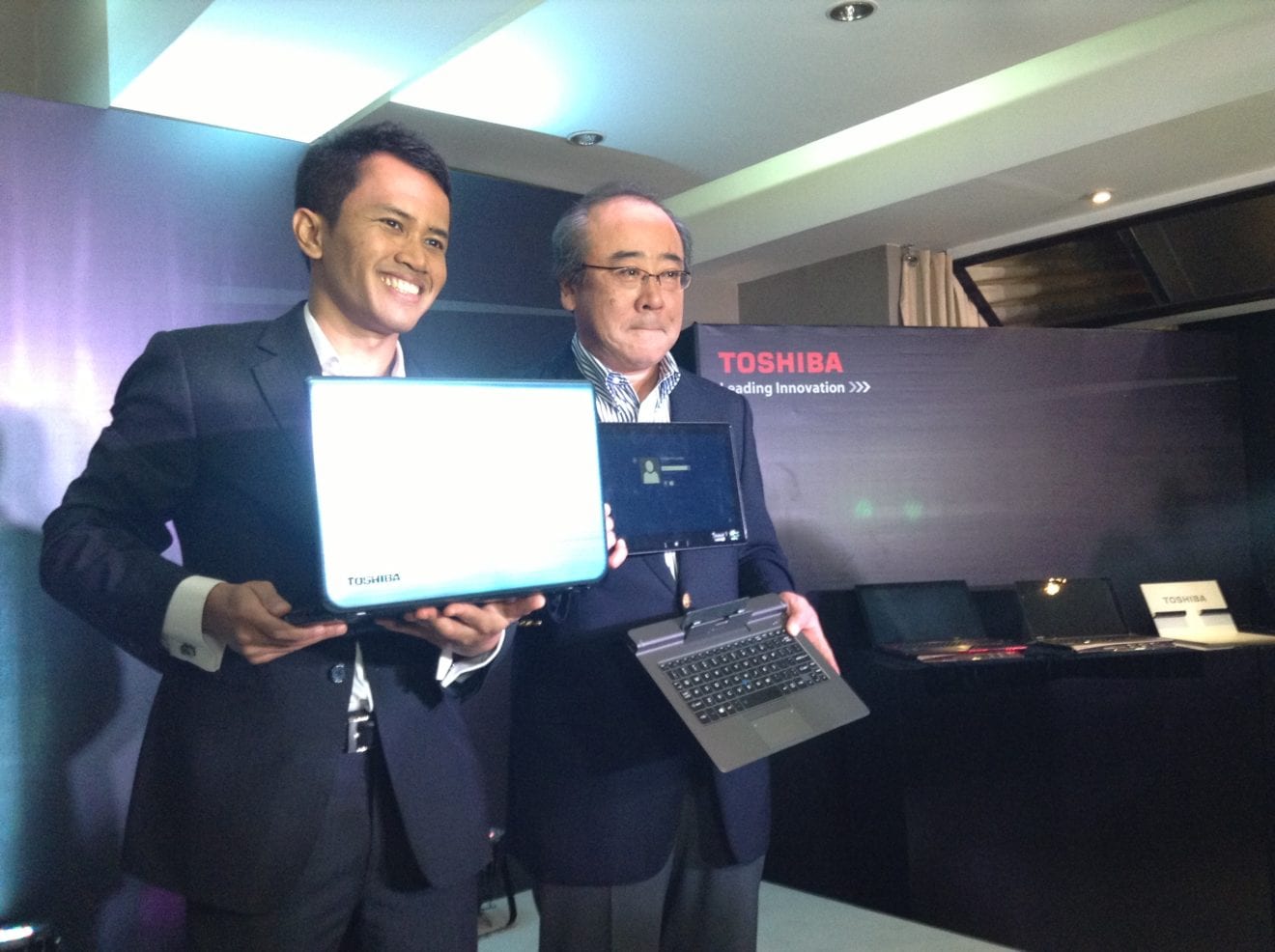
    Chinese evening newspaper Shin Min Daily News reported on Thursday that Toshiba Singapore had recently sent a notice to its retailers, announcing that some products will be withdrawn from the local market.

    Reporters from the Chinese daily checked with several retailers and they understand that the retailers received the notice via e-mails and letters a few weeks ago.

    Toshiba said that due to a highly competitive environment in Singapore, they had to make an “extremely difficult” decision to withdraw from the local television and appliance market.

    In a statement, Toshiba said after-sales customer service will continue until further notice.

    Small retailers have expressed concerns over Toshiba’s exit.

    A retail shopowner said about half of her electrical products are from Toshiba and several of her regular customers are fans of the Japanese brand.

    She also said small retailers are not doing well now and Toshiba’s withdrawal will add to the problem.

    One industry insider said that regardless of technical specifications, South Korean products are slightly better in comparison.

    Shin Min reported that a Toshiba spokesman was unable to provide further information about their withdrawal.

  • BlackBerry QNX hops on Singapore public buses

    BlackBerry QNX hops on Singapore public buses

    BlackBerry’s QNX Software Systems says its platform has been deployed in Singapore’s public buses and also will be expanded to Thailand and the Philippines.

    According to the BlackBerry subsidiary, which develops OSes and embedded software tools, its QNX Neutrino OS is supporting a fare collection system that includes automatic gates, ticketing machines, and on-board bus equipment,

    Originally created by systems integrator MSI Global, the software system had been deployed in more than 4,800 public buses in Singapore. MSI specializes in land transport software development, with customers in regional and global markets, and is a subsidiary of Singapore’s Land Transport Authority (LTA).

    It implemented QNX Neutrino OS for better performance and security, as well as to support new fare products, BlackBerry said. It added that the platform supported multitasking of multiple subsystems and web technologies that provided advanced graphic capabilities, such as HTML5, allowing MSI to create a more intuitive user interface.

    Silvester Prakasam, MSI’s fare system business unit head, said in a statement Thursday: “MSI’s experience with QNX Neutrino has been very favorable and we will continue to leverage the same secure OS for our future projects… With QNX Neutrino, we were able to create a design that is fast and reliable, yet affordable to customers in cost-sensitive regions.”

    “Embedded systems today need a comprehensive OS platform that encompasses everything from Web technologies and advanced graphics to security, connectivity, and high reliability,” said QNX COO John Wall.

    BlackBerry Leap launches in Singapore

    In a separate statement Thursday, BlackBerry said its BlackBerry Leap handset would be available in Singapore from May 23. The device is the company’s first full touchscreen offering and targeted at the mass market of “young power professionals”.

    BlackBerry’s managing director of Singapore, Cameron Vernest, said: “With an all-touch screen, the BlackBerry Leap rounds out our portfolio of BlackBerry 10 devices, offering an affordable choice to mobile professionals who require a smartphone that safeguards sensitive communications and keeps them productive.”

    The handset runs the latest BlackBerry 10.3.1 OS and features a 5-inch HD display. It will be available via the enterprise sales teams for Singapore’s three mobile operators–M1, StarHub, and Singtel–as well as M1 retail shops, BlackBerry said.

  • Pop of colour, high fashion timepieces in Singapore

    Pop of colour, high fashion timepieces in Singapore

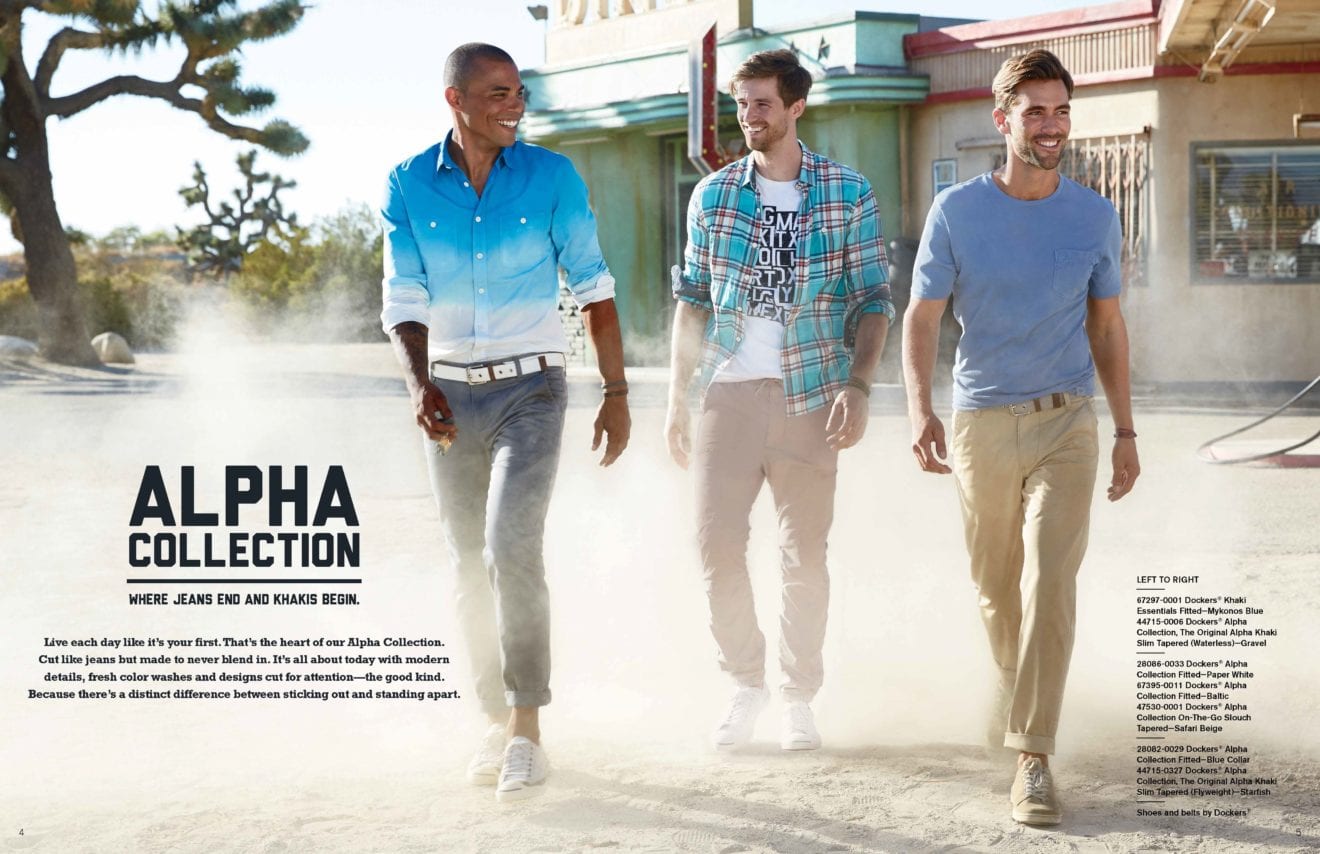
    Always wanted to experiment with colour? Head down to Dockers and try on the brand’s colourful range of pants today. Purchase any two regular-priced pants for S$149.90 (RM404); and any three regular-priced pants for S$199.90. Also, stand to enjoy an additional S$50 off with any S$250 nett spend when you shop at these selected Dockers’ boutiques namely Jem, Plaza Singapura, Suntec City and Raffles City.

    Bits of nature: What do you get when you combine the superior craftsmanship and product excellence of Timberland with Pharrell Williams’ creativity from his co-founded fashion brand Bee Line For Billionaire Boys Club? The limited edition Timberland X Bee Line 6” Canvas Boot, of course. Exclusively for women, the boots takes its design cues from nature and are available in two designs, Honeycomb and Grass. Made from top quality materials that are environmentally friendly to provide increased strength, abrasion resistance and decreased dry time. S$369.00, available exclusively at Timberland ION Orchard and Raffles City boutiques only.

    Wrist only: If you love high fashion time pieces, you’ll want to check out the Tate Wrap time pieces from the Vivienne Westwood Time Machine Collection. A great conversational starter, it’s available in two designs with features such as a new dial and a double wrap around strap embellished with patterns and iconic brand elements. Available at Tyan ION Orchard, #03-13, 2 Orchard Turn.

    Meet the Minions at Uniqlo: Get to high-five Bob, Kevin and Stuart, from the popular animated film, Minions, who will be popping by the UNIQLO stores this weekend at 313@somerset (May 23) and Parkway Parade (May 24) from 3pm to 3.20pm. The Minions are launching the new Minions UNIQLO T-Shirt collection for boys. And there’s a promotion: If you buy two Minion tees (per transaction) at the store — or at least one Minion tee online per transaction — you will get a limited edition Minions pen set. While stocks last. (Note: This pen set is not available at the following stores: Changi Airport, ION Orchard, One@KentRidge, One KM, One Raffles Place, and Tampines 1.) The T-shirts retail for S$12.90. Available at all UNIQLO outlets. — TODAY

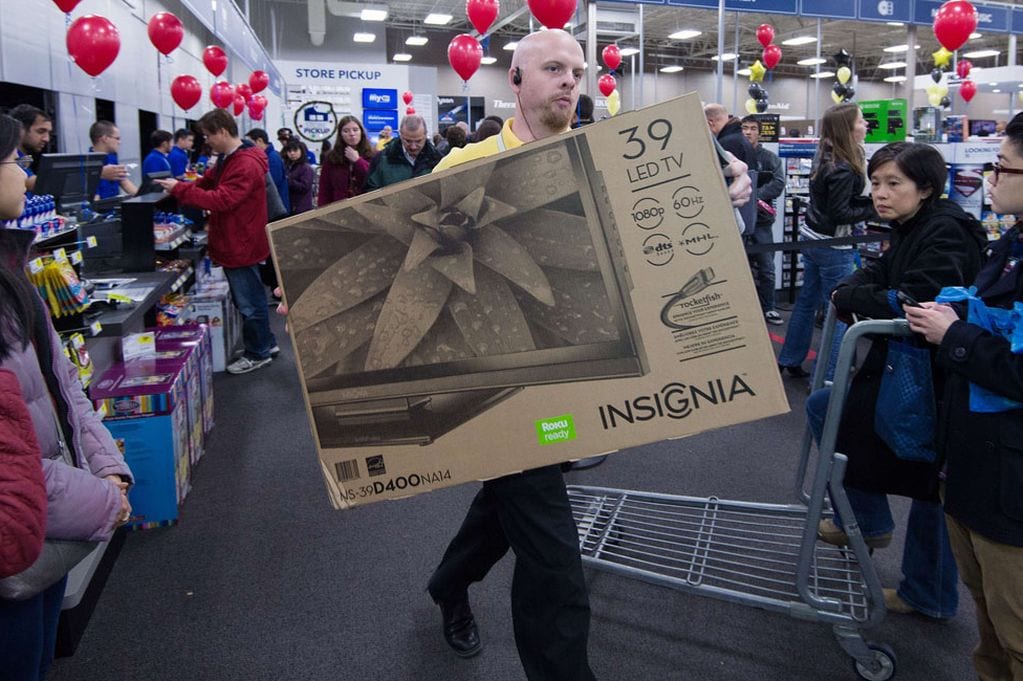
  • Flatscreen TV sales slide in SE Asia

    Flatscreen TV sales slide in SE Asia

    The total sales volume of flat panel TV continues to slow in six key Southeast Asian markets monitored by research house GfK.

    But consumer demand for ultra-high definition (UHD) models has spiked exponentially in the past year to help fuel the strong growth of this segment as well as the overall value growth of the TV market.

    According to GfK’s point of sales tracking in Singapore, Malaysia, Thailand, Vietnam, Indonesia and the Philippines, the 11.8 million TV sets sold in April 2014 to March 2015 marks a 2.9 per cent drop compared with the same period a year ago. However, robust sales of the higher value UHD models managed to drive up dollar value generated by the entire TV market by 2.9 per cent.

    “With the near completion of switchover trend in developing Southeast Asian countries, consumers are now focusing on upgrading to the latest screen technology,” said Gerard Tan, account director for Digital World in GfK.

    “Manufacturers and retailers have been aggressively launching attractive promotions to stimulate take up rates.”

    The six individual countries reported surges in sales value of their respective UHD TV markets in the range of 20 to 77 per cent, with Singapore (77 per cent), Indonesia (67 per cent) and Vietnam (47 per cent) registering the fastest growth. In unit terms, sales volume from a year ago climbed  in the range of nine to 37 per cent – led by Singapore and Indonesia (37 per cent) and followed by Vietnam (23 per cent).

    According to GfK findings, the UHD segment contributed nearly eight per cent of the region’s TV sales dollars; accounting for US$354 million – an increment of 280 per cent over the same period the year before. Penetration is highest in the most developed market of Singapore, where more than one in every 10 (13 per cent) of sets sold UHD.

    The rising share of UHD in the TV market has also resulted in the average price of a UHD TV falling around 61 per cent, from US$5500 to $2160.

    Meanwhile, the most commonly purchased screen size for this segment is 41”-50”, making up 35 per cent in share of the UHD sales volume.

    “TV technology is constantly evolving, and with each new launch, we see the progression of consumers moving from small to big screens, with affordability increasing over time,” said Tan.

    “Moving forward into the rest of 2015, we can expect to see rising excitement in the UHD TV market as manufacturers battle for the consumer dollar with more offerings at more attractive prices; and at the end of the day, consumer s are the ones who get to enjoy the good deals resulting from the fierce competition,” he concluded.

  • SingPost POPStation: a worldwide eCommerce mannequin

    SingPost POPStation: a worldwide eCommerce mannequin

    SingPost’s intelligent embracement of the web buying revolution is a case research different nationwide postal providers all over the world ought to take discover of.

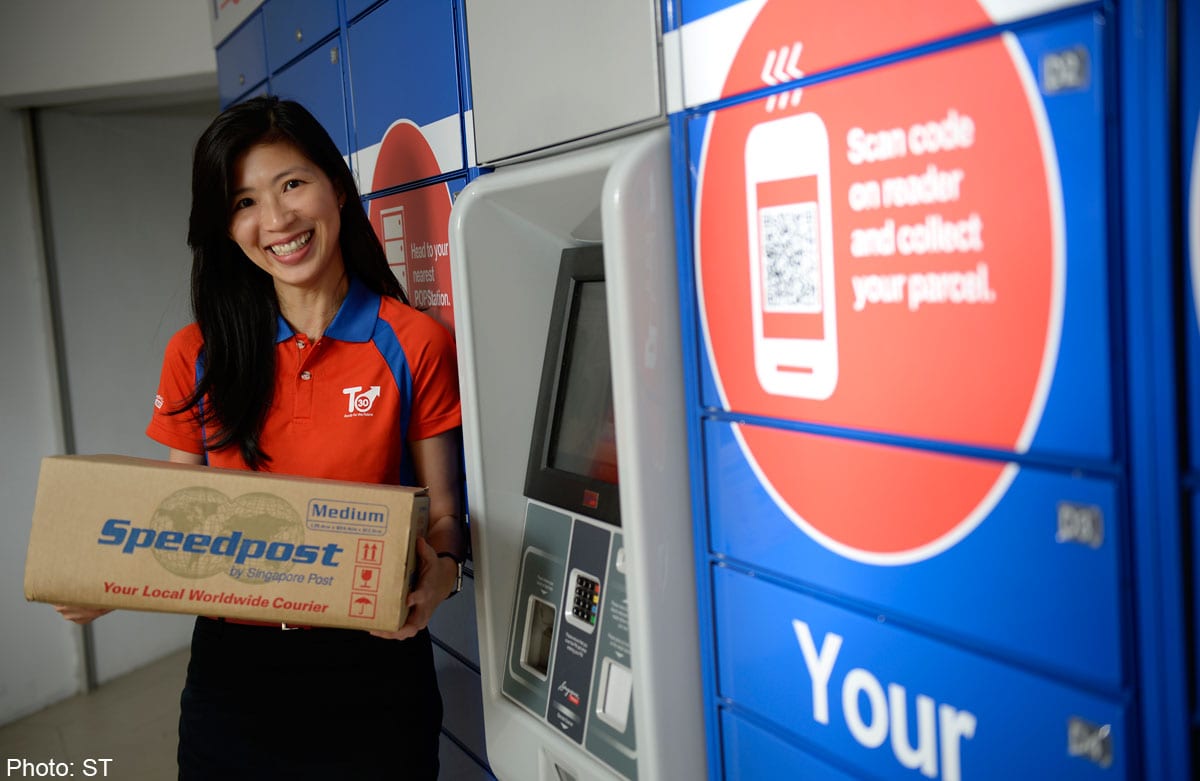
    Final week, SingPost opened its 100th POPStation – a parcel supply and assortment service which has minimize the supply time of on-line purchases by as a lot as a day, boosted comfort for patrons and distributors alike – and decreased its personal operational overheads and logistical challenges on the similar time.

    The SingPost POPStation is a supply and assortment community system which now offers a receiving level for patrons with a mean distance of not more than 2.5 km from any resident within the metropolis state.

    Primarily, POPStation is a locker supply service which does away with the necessity for patrons to should be obtainable at one place to obtain their deliveries, and for postal employees to traverse the town making private deliveries. It’s tailor made to the web retailing business, as a result of it standardises supply techniques and provides each distributors and SingPost the economies of scale of creating a lot of deliveries to a single level.

    Buyers can have their gadgets delivered to automated sensible lockers in any one of many 100 POPStations, all of that are accessible 24-seven. In addition to receiving gadgets, shoppers could make returns simply onsite as properly. Clients obtain their supply notifications and a PIN for his or her safe locker by way of smartphone.

    “POPStation is nicely fitted to city cities like Singapore because it lets the parcels do the ready, catering to busy way of life of Singaporeans on this digital age,” explains SingPost senior VP of Singapore Parcel, Lim Ann Nee, in a press release.

  • Coaching, CTV for Sim Lim Sq.

    Coaching, CTV for Sim Lim Sq.

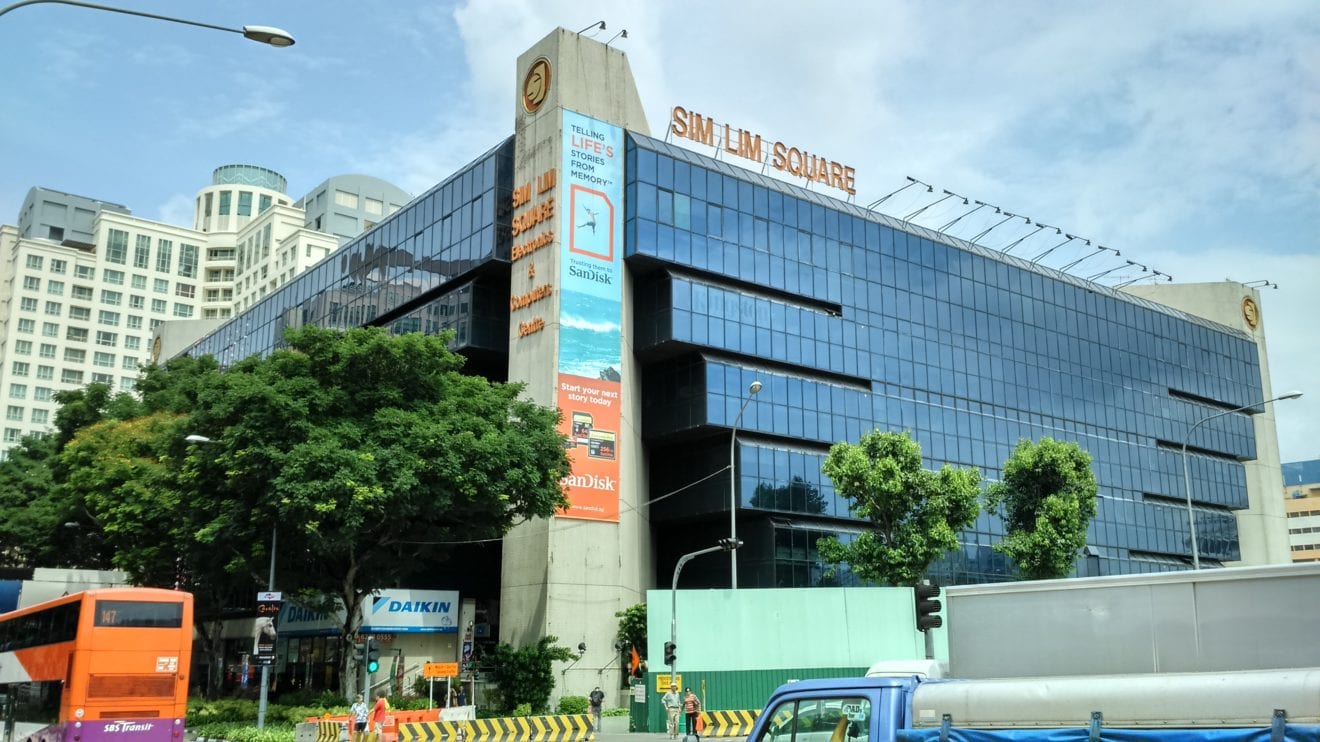
    Sim Lim Sq., Singapore’s infamous electronics mall the place overseas vacationers have been ripped off in dodgy cell phone offers, appears to have turned a nook.

    The Shoppers Affiliation of Singapore (Case) says it has acquired solely 12 complaints towards the mall’s electronics retailers within the first 4 months of this yr – about one third the quantity it fielded throughout the identical interval final yr.

    Final November the mall acquired international information and social media publicity after a Vietnamese vacationer was left in tears after spending his life financial savings to purchase his girlfriend an iPhone – which with an pointless ‘guarantee’ payment he was required to pay ended up costing him 3 times the worth of the identical telephone in Ho Chi Minh Metropolis.

    That retailer shut up store and deserted the mall – together with a number of others ‘outed’ by Case and native information media for comparable unconscionable conduct and since then the mall’s administration has labored onerous to enhance its popularity.

    On the core of the development is an accreditation program recognising dependable and reliable retailers. To realize accreditation, tenants should attend a subsidised coaching program run by Nanyang Polytechnic’s Singapore Institute of Retail Research. The coaching will give employees expertise in coping with clients in addition to finer factors of shopper legal guidelines.

    That follows information of the introduction of CCTV cameras and recording units in entrance of outlets topic to 3 or extra complaints to Case or the Singapore Tourism Board, together with stickers warning would-be clients to be cautious of the shops.

    A mall administration spokesman informed The Straits Occasions newspaper: “Our council members instructed this and it received unanimous approval throughout our annual assembly final month.”

    Case president Lim Biow Chuan, Central Singapore District mayor Denise Phua and Singapore commerce and business minister Teo Ser Luck met at Sim Lim Sq. on Friday for a walkabout of the centre and discussions with mall administration about progress on cleansing up the centre’s picture.

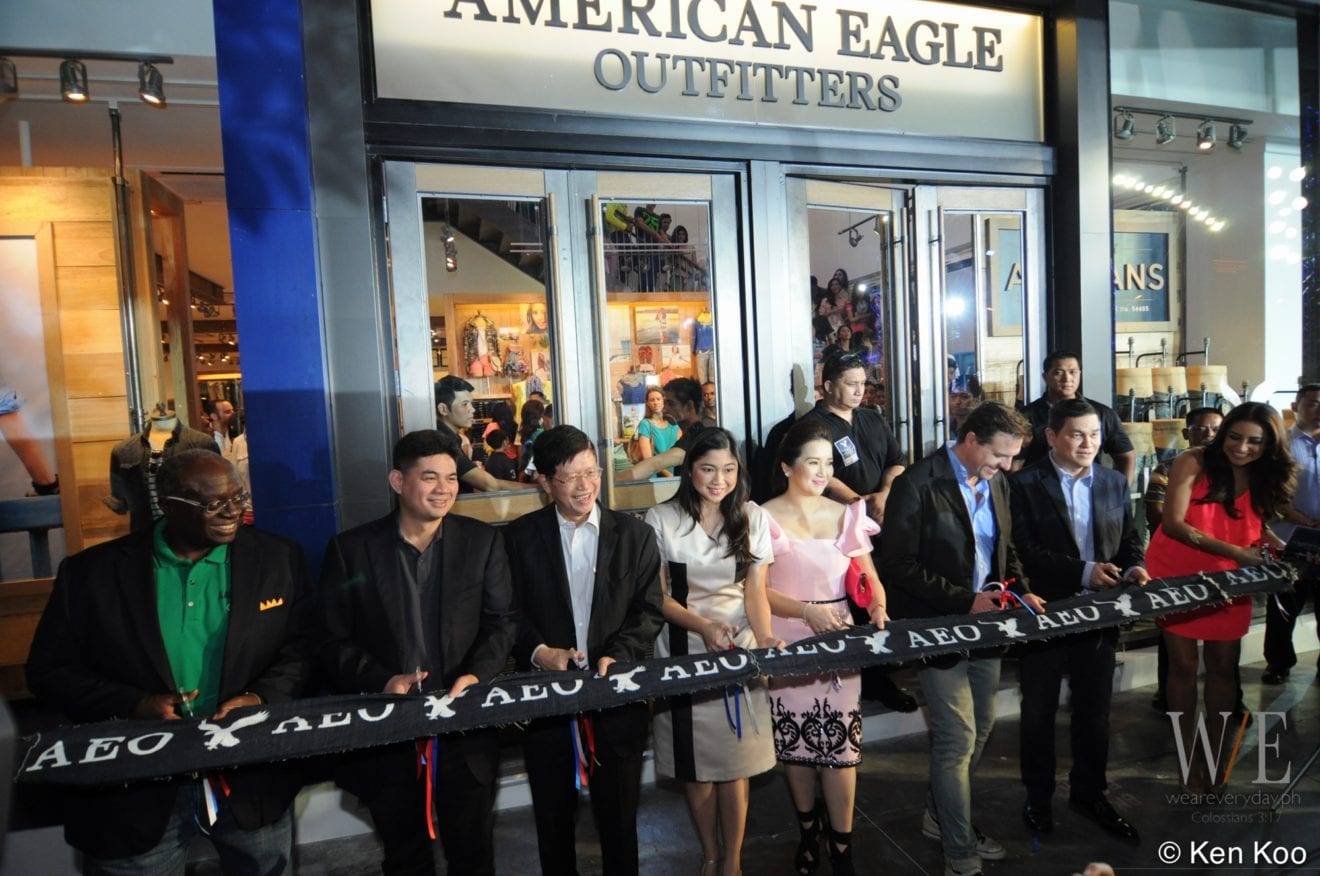
  • American Eagle to open in two new Asian markets

    American Eagle to open in two new Asian markets

    “We look forward to bringing our casual American style and iconic American Eagle Outfitters jeans brand as well as Aerie intimates to new customers,” said Simon Nankervis, executive VP of global commercial operations.

    “Together with our licensed partners, we will offer the very best brand experience. Our partners bring vast knowledge in their respective markets, an expertise in building businesses and a strong passion for our brands.”

    In Korea, SK Networks has vast fashion brand experience, representing international brands including Tommy Hilfiger, DKNY, Donna Karan Collection, Club Monaco and Calvin Klein. Store openings will begin in mid-2015, with several shops planned to be trading byyear end.

    In Singapore, Trendz 360 is an established distributor and retailer of international brands,representing Patagonia, DKNY Kids, Nike Equipment and Patrick. It plans to open the first store in mid-2015.

    American Eagle Outfitters currently has 111 licensed stores in 17 countries, including Hong Kong, the UAE, Kuwait, Russia, Saudi Arabia, Lebanon, Jordan, Morocco, Egypt, Israel, Japan, Poland, the Philippines, Colombia, Panama, Thailand and Indonesia. The company currently expects to open approximately 40 licensed stores in fiscal 2015.