Tag: Singapore

  • Singapore’s First On-Demand Rental Marketplace ‘MyRent’ Launches

    Singapore’s First On-Demand Rental Marketplace ‘MyRent’ Launches

    MyRent, Singapore’s first peer-to-peer on-demand rental marketplace, has formally launched. MyRent allows Singaporeans to rent items including photography and sporting equipment to seasonal apparel and video games. For Singaporean consumers, you can now, for the first time, rent a Canon EOS 550D for as low as S$5 / day; a DJI Spark Drone for S$6 / day; a Nintendo Switch for S$8 / day and Ski Jackets for as low as $5 / day — these are just some of the current listings on MyRent. Meanwhile, Singaporeans can now avail of a safe rental platform and build up a community of sharing with the security of Lender Protection Guarantee.

    MyRent has been developed to address a shift in consumer behaviour, with an increasing number of people opting to rent items and engage in a sharing economy — rather than purchasing products for their own use. Since its soft launch in December 2018, MyRent now has more than 2,000 registered users in Singapore alone, with over 800 active listings.

    Ishwar Dhanuka, CEO and Co-founder of MyRent said: “The idea behind MyRent is to primarily allow users to own experiences instead of things. We want to decentralize ownership, and create a win-win for both listers and renters — where the former can earn money by renting what they own and rarely use, while the latter can rent a product without actually having to pay the full amount to use it. Simply put, why buy something when you can rent it?”

    According to a study jointly published by Google and Temasek, Singapore’s e-commerce market is valued at over US$1 billion. Of this, online shopping comprised 2.1 percent of all retail sales in 2015, but is projected to soar to US$5.4 billion by 2025. Meanwhile, peer-to-peer retail platforms have gained popularity in the industry, with platforms like MyRent shifting focus towards providing consumers with experience versus the traditional ownership of goods. With evolving consumer spending habits and increasing awareness of sustainability, Singaporeans are less likely to purchase seasonal one-off items for a quick getaway or a new hobby. MyRent has a good opportunity to capitalize on the Singapore market, with over 4 million people using e-commerce to purchase products.

    “Imagine being able to get the latest GoPro for all your vacations without being dragged down by huge upfront costs,” said Ishwar. “By purchasing an item, you’re essentially signing a long-term contract for using it. With short-term rentals, you get the flexibility of using the latest technologies and paying only per use!”

    “MyRent is currently the most affordable and efficient platform for me. Before I joined, customers would only come across my website by using search engines, so partnering with this rental platform has afforded me increased exposure,” said Maureen Knight, who rents out winter wear on MyRent.

    Sean Eng, a merchant who uses the rental platform, said: “Before our partnership with MyRent, customers had to pay a deposit to rent one of our GoPros for their holidays — which they were hesitant to do. With MyRent, we’ve now been able to get rid of the deposit requirement, so customers are happier and more than willing to rent with us via this platform.”

    “Tennis rackets usually retail for more than $200, so I worry about losing these items when I rent them out,” said Wayne Ko, who used to rent his items from a consumer marketplace. “I’m glad I switched to MyRent, because with their Lender Protection Guarantee, I know that I’m covered in case something happens to one of my rackets.”

    To be a mobile-first marketplace that gives both listers and renters convenience and on-the-go accessibility, MyRent is focused on being accessible everywhere — either via their web portal, or through a dedicated app that is available for both iOS and Android users. To further add to a seamless experience, MyRent is working on reducing the time it takes to list items on their platform, to less than a minute. It is the brainchild of three co-founders, each with their own experiences of growing and working in a variety of startups, including companies such as Funding Societies, and PropertyGuru.

    MyRent plans to make its peer-to-peer rental platform available in more markets, with a Malaysian release date slated for end-2019. It is also exploring merchant partnerships to help stores rent out unused inventory, and ecosystem partnerships (insurance, logistics sector), and is looking into the possibility of adding a delivery option in the future.



  • Dome Cafe Singapore Closing Doors

    Dome Cafe Singapore Closing Doors

    The last Dome Cafe Singapore cafe is to close next month. The Australian casual-bistro concept which specializes in light meals and coffee will exit Singapore after 20 years on June 23 when the last outlet, at Parkway Parade, shuts its doors.

    Opened in 1993, under a Singaporean joint venture called Dome Holding, it was one of the first cafes serving specialty coffee on the island.

    A second outlet opened five months later, and by 1996, there were five Dome Singapore cafes.

    In the same year, Suntec Investment acquired a 51 percent stake in Dome Holding, forming Suntec Dome Holding and by 2009 the chain had grown to 10.

    “The food and beverage scene has evolved tremendously since the first Dome Cafe opened in Singapore more than 20 years ago,” said Rebecca Lim, Suntec F&B Holdings MD in a statement.

    “As a group, we have to progress with the times to stay relevant in this competitive industry. We will be channeling our resources to concepts that are aligned with the interests and welfare of the customers we serve.”

    Dome Cafe has more than 100 outlets internationally.

  • Honestbee Stops Food Deliveries in Singapore

    Honestbee Stops Food Deliveries in Singapore

    Honestbee Singapore is to halt food deliveries from Monday.

    The company said in a statement it would also suspend laundry services on the same date.

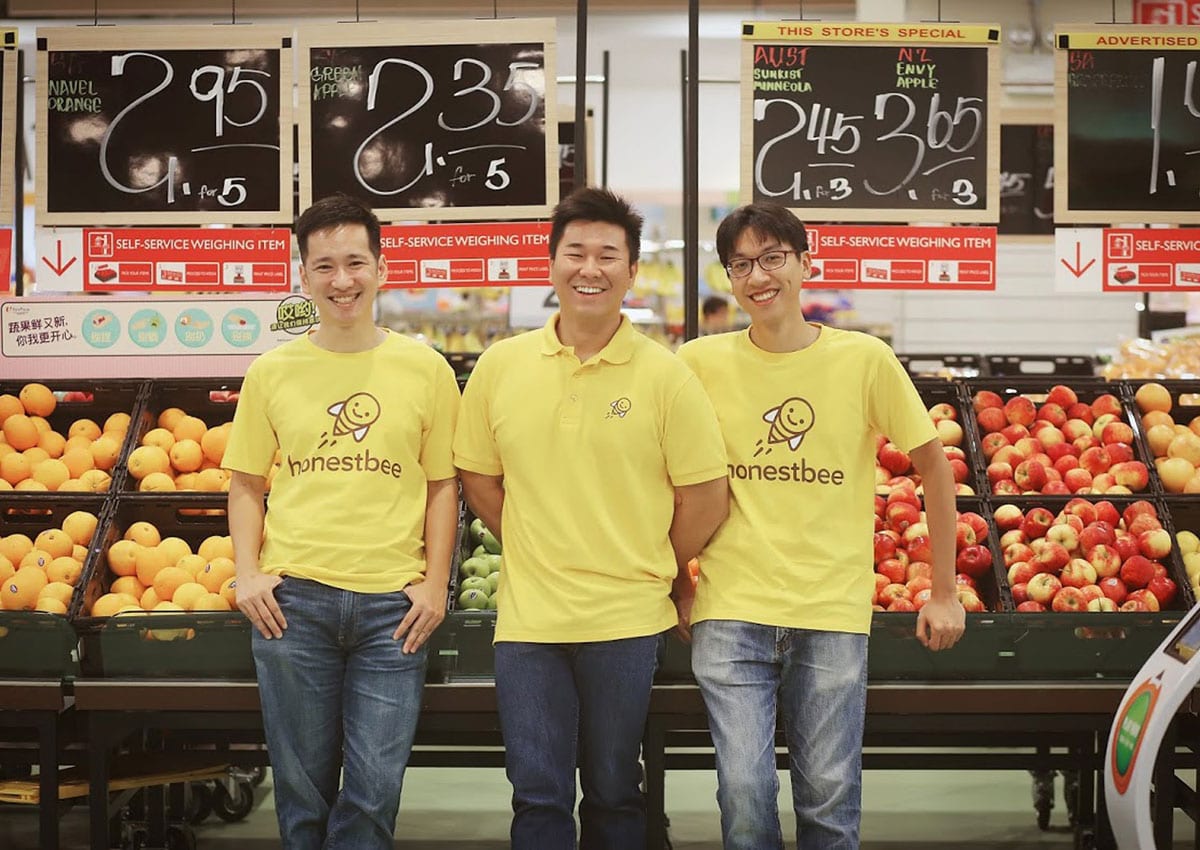
    The changes come as part of an in-depth strategic review of the business launched after the departure of cofounder and CEO Joel Sng who was replaced by cornerstone investor Brian Koo at the beginning of the month.

    “The decision was made to optimise the business structure, and to drive better focus and alignment with Honestbee’s current strategic priorities,” the company said in a statement.

    The decision brings to an end the roles of some 400 ‘delivery bees’ many of them part timers.

    “They have played a key role, and have been a critical part of the Honestbee family,” said the company. “During this transition, Honestbee remains committed to assist all delivery bees. The headcount in Singapore remains unaffected.”

    Honestbee says it will continue to operate the grocery-delivery service, and its physical space – Habitat by Honestbee.

    “The newly-appointed executive team is working on future plans to stay relevant and sustainable in today’s rapidly changing business environment. This will help to put Honestbee in the best possible position to support the business in Singapore and other geographies going forward.”

  • Singapore retail sales lags last Month

    Singapore retail sales lags last Month

    Singapore retail sales slid by 1.5 percent in March, after excluding motor vehicle sales from the data. According to Statistics Singapore, most retail categories recorded lower sales for the month compared with the same period last year. Sales of optical goods and books fell by 6.4 percent and of computers and telecommunications equipment by 4.9 percent.

    Food retailers, watch and jewelry retailers, and department stores reported sales declines of between 4.6 percent and 5.7 percent.

    In contrast, sales of medical goods and toiletries rose by 2.8 percent, due in part to higher demand for cosmetics. Supermarkets and hypermarkets registered sales growth of 0.9 percent.

    Month on month, Singapore retail sales were essentially stable.

    The total market for March was estimated at $3.8 billion, with online sales comprising about 5.3 per cent.

    Year-on-year sales of food and beverage services in Singapore rose by 0.7 percent in March.

    On a seasonally adjusted basis, sales of food and beverage services increased 1.3 percent month on month.

    Total sales value for the sector was $868 million, compared to $863 million in March last year.

  • Singtel full-year profit falls 44%

    Singtel full-year profit falls 44%

    Singtel Group has reported a 44% slump in net profit for the financial year ending in March, partly as a result of lower contributions from the group’s regional mobile associates.

    Net profit declined to S$3.10 billion ($2.26 billion), despite revenue remaining stable at S$17.37 billion, and growing 4% in constant currency terms.

    But the bottom line was impacted by an exceptional gain last year arising from the divestment of a 75% stake in NetLink Trust – the company established by Singtel to deploy Singapore’s national broadband network.

    Losses at Indian mobile associate Airtel, a lower contribution from Indonesia’s Telkomsel, and the erosion of revenue from carriage services also contributed to the decline.

    During the fourth quarter, Singtel’s wholly-owned Australian subsidiary Optus reported a 10% increase in revenue, while Singtel’s domestic Singapore business reported 1% higher revenue and 5% higher ebitda.

    “We have executed well to our strategy amid tougher industry, business and economic conditions. The fundamentals of our core business remained strong,” Singtel Group CEO Chua Sock Koong said.

    “We gained market share in mobile across both Singapore and Australia led by our product innovations, content and services that were well-received by customers. Our digital businesses Amobee and Trustwave continued to deepen their capabilities and to scale. Looking ahead, we will accelerate our digitalization efforts to drive better customer experience and improve productivity and cost structure by transforming our processes.”

  • Singapore retail sales slipped last Month

    Singapore retail sales slipped last Month

    Singapore retail sales slid by 1.5 percent in March, after excluding motor vehicle sales from the data.

    According to Statistics Singapore, most retail categories recorded lower sales for the month compared with the same period last year.

    Sales of optical goods and books fell by 6.4 percent and of computers and telecommunications equipment by 4.9 percent.

    Food retailers, watch and jewelry retailers, and department stores reported sales declines of between 4.6 percent and 5.7 percent.

    In contrast, sales of medical goods and toiletries rose by 2.8 percent, due in part to higher demand for cosmetics. Supermarkets and hypermarkets registered sales growth of 0.9 percent.

    Month on month, Singapore retail sales were essentially stable.

    The total market for March was estimated at $3.8 billion, with online sales comprising about 5.3 percent.

    Year-on-year sales of food and beverage services in Singapore rose by 0.7 percent in March.

    On a seasonally adjusted basis, sales of food and beverage services increased 1.3 percent month on month.

    Total sales value for the sector was $868 million, compared to $863 million in March last year.

  • SK-II brings Future X Smart Store to Singapore

    SK-II brings Future X Smart Store to Singapore

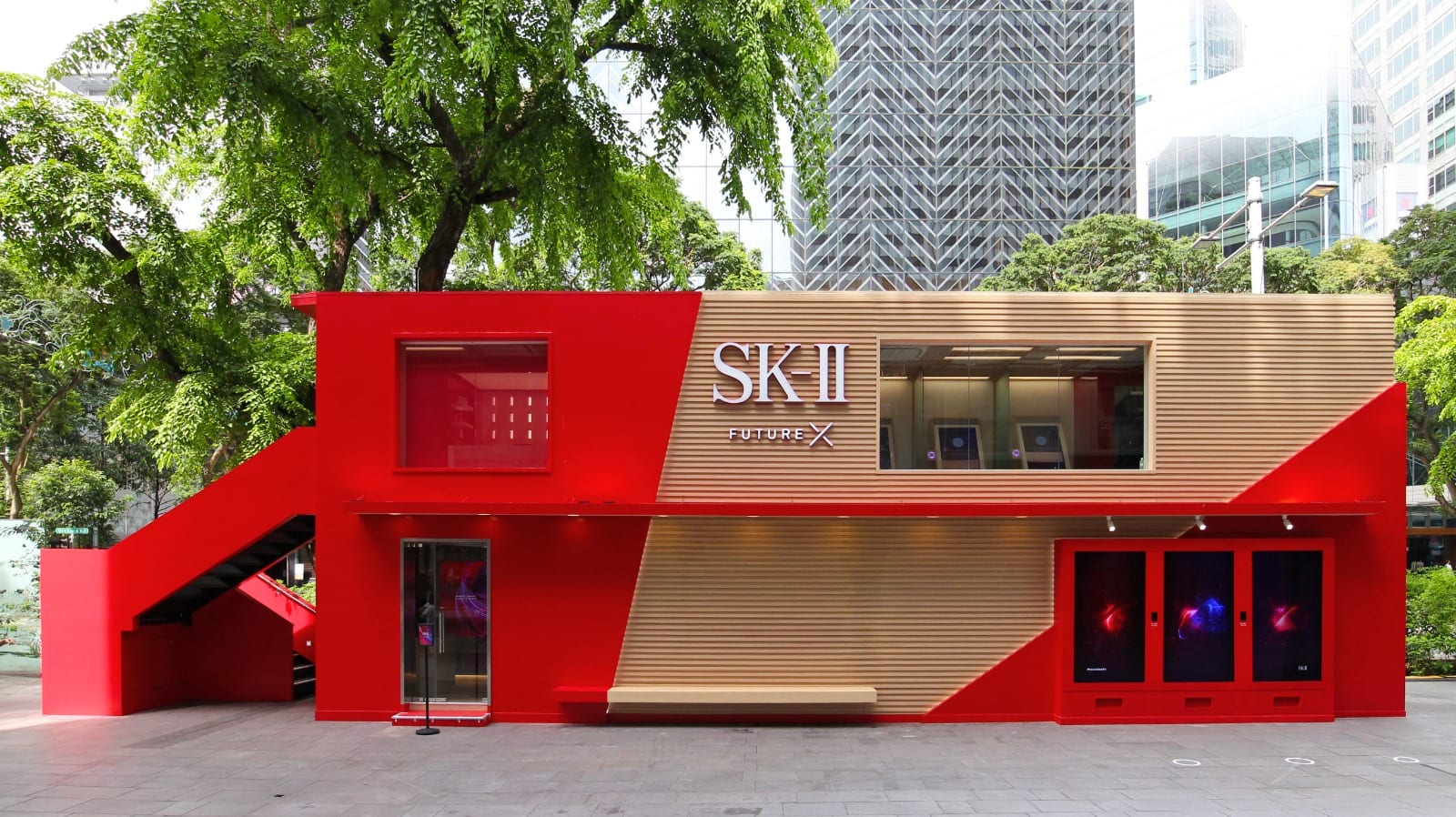
    Japanese beauty brand SK-II has partnered with The Shilla Duty-Free to bring Future X Smart Store to Changi airport. According to SK-II, the smart store merges the latest digital technology with in-store experience to deliver “a convenient and pressure-free shopping experience”.

    “Travellers from all over the world now have the chance to experience the brand’s unique physical retail concept, merging the latest digital technologies with in-store elements to provide travelers with a convenient and pressure-free way to shop for skincare,” the brand said in a statement.

    The store consists of physical features such as the Discovery Bar, smart product scan and ‘Skincare GPS’ that help time-conscious travelers locate, learn about and buy SK-II products in the shortest time possible.

    At the Discovery Bar, consumers will learn more about SK-II’s range of skincare products at the touch of a button.

    The smart product scan tool uses advanced image-recognition technology to help customers locate products quickly. By scanning the SK-II product images they download to their mobile devices, travelers will be directed to the location of their desired product.

    The Skincare GPS facility lights up the location of the product on the store shelf to make it quicker and easier for shoppers to find items.

    The smart store is a part of SK-II’s foray into retail innovation “and the start of a global transformation to connect with a new generation of consumers who are yearning for more meaningful experiences with the brands”, the company said.

    SK-II has launched Future X Smart Stores in Tokyo, Shanghai, and Singapore.

  • American burger chain Five Guys to open Restaurants in Singapore

    American burger chain Five Guys to open Restaurants in Singapore

    American burger chain Five Guys is to open in Singapore later this year.

    According to an unidentified F&B industry source, the chain also plans to open in Malaysia.

    The Singapore branch will be Five Guys’ second outlet in Asia, following the one which opened in Hong Kong last November.

    Founded in 1986, Five Guys runs more than 1500 outlets in America, Europe, and the Middle East. It also plans to expand into the UK.

  • Online food store Grain Expanding Rapidly

    Online food store Grain Expanding Rapidly

    Singapore-based online food store Grain has raised US$10 million in series B funding. The cash will be used to accelerate growth in Singapore, and expand into Thailand.

    To do that, the company will be cooperating with Thailand’s Boonrawd Brewery group’s subsidiary Singha Corporation.

    Singha will help Grain gain clearer insights into the target audience in Bangkok, and develop better products and services.

    “Grain will work with Singha by using Singha’s extensive F&B network across the country, including logistics and distribution, to bring delightful innovations to consumers,” said Bhurit Bhirombhakdi, chairman of the executive board at Singha Ventures.

    The collaboration between the two companies aims to help online food store Grain expand in Southeast Asia and realize its regional vision.

    “We want to disrupt the F&B landscape and evolve with consumer preferences, but also have solid fundamentals,” said Yi Sung Yong, Grain’s co-founder and CEO.

  • OCBC Cycle 2019 Expands On Green Initiatives

    OCBC Cycle 2019 Expands On Green Initiatives

    The eleventh edition of OCBC Cycle featured new initiatives associated with the environment, adding on to those implemented last year.  About 6,800 cyclists, ranging from casual riders to competitive athletes, participated in the OCBC Cycle event held on Sunday. The event’s eleventh edition expanded on its green initiatives from previous years.

    Cycling is a green sport.  I am especially glad that, this year, we have planned seven new initiatives associated with OCBC Cycle for the environment. Some are modest in scope, but it is our belief that every small thing we do matters, said Samuel Tsien, Group CEO of OCBC Bank in a media statement.

    Last year, OCBC Cycle engaged the help of the Singapore Sports Hub to recycle the plastic bottles that thirsty cyclists use by the hundreds. With the increased focus on environment conservation efforts, OCBC Cycle retained the bottle-recycling arrangements and expanded on its green initiatives this year.

    These include stopping the usage of single-use plastics in its event pack, replacing trophies for the OCBC Cycle Speedway Championships with reusable steel tumblers and used plastic containers into useful items, such as tote bags and furniture.

    Our event banners will be repurposed to make useful items such as tote bags; we will compost all fruit peels to make fertilizer.  Our goal is to work with the Singapore Environment Council to be the first event in Singapore to achieve the ‘Eco Event’ certification, added Tsien.

  • Sincere Fine Watches opening in Changi

    Sincere Fine Watches opening in Changi

    Sincere Fine Watches has opened a multi-brand boutique at Jewel Changi Airport.

    The only luxury multi-brand watch store at the newly opened airport shopping center spans 183sqm and was inspired by Jewel’s dome-shaped facade and modern architecture.

    Glass and rose-gold elements are used throughout the boutique, combined with warm-brown hues on the wooden panels and shades of copper to create a welcoming aura.

    The new boutique brings together 20 international labels, some of them relatively new to the market. They include Armin Strom; Baume & Mercier; Blancpain; Bremont; Graham; Hamilton; IWC Schaffhausen; Longines; Maurice Lacroix; Mido; Montblanc; Panerai; Omega; Rado; TAG Heuer; Tissot; and Tudor.

    Sincere Fine Watches plans more brands and timepieces exclusive to the Jewel Changi store soon.

  • Philipp Plein opens First Single Brand Store in Singapore

    Philipp Plein opens First Single Brand Store in Singapore

    Switzerland-based fashion house Philipp Plein has opened its first single-brand store in Singapore.

    Located at Marina Bay Sands, the two-level flagship store spans ​​236sqm with separate entrances for the men’s and women’s areas.

    Menswear is located on the first floor, which is decorated with the brand’s distinctive crystal skull design. Clothing is arranged on the right-hand side of the shop, with accessories on the left.

    The womenswear collection of clothing and accessories is located on the second floor.

    The store is part of a broader expansion by the fashion house in Asia: more new stores will soon be opening in Seoul and Bangkok and another in Kuwait.

    Founded in 2008, Philipp Plein now has 250 single-brand stores worldwide.

  • WH Smith expands King Power partnership into Singapore

    WH Smith expands King Power partnership into Singapore

    WH Smith has widened its franchise partnership with King Power Group (Hong Kong) to Singapore.

    Until now, the franchise partnership deal struck last year covered Hong Kong only.

    The new partnership aims to grow WH Smith’s presence in Singapore and explore opportunities in rail and metro stations, ferry terminals and commercial centres. It excludes airport locations which WH Smith will continue to run directly.

    “We believe in the strength of the WH Smith brand and its business expertise as a leading international news, books and convenience operator,” said King Power MD for travel retail and duty free, Sunil Tuli.

    “The King Power Group has more than 25 years’ travel retail business presence in Asia, and we are well placed to develop the WH Smith business in Singapore.”

    “We are pleased to have extended our partnership with King Power Group,” said WH Smith MD international, Phil McNally. “We continue to be ambitious about expanding the WH Smith brand in Asia and, today, we are active and strongly growing in six countries in the region – in Singapore, Malaysia, Indonesia, the Philippines, India and China.”

  • Thailand acquisition boosts BreadTalk Turn Over

    Thailand acquisition boosts BreadTalk Turn Over

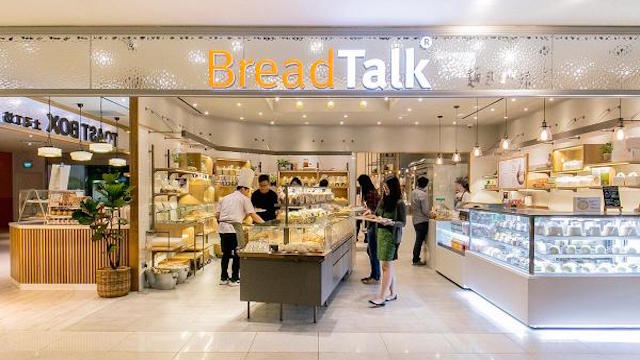
    Singapore’s BreadTalk Group has reported a year-on-year revenue increase of 6.1 percent to S$157.6 million (US$115.56 million) for its first financial quarter this year.

    The group’s net profit increased by 11.5 percent to $1.3 million over the period. Sales at BreadTalk’s bakery division rose 2.3 percent to $72 million ($52.8 million) during the first quarter with the consolidation of revenue from its Thailand bakery business, following the acquisition of the 50 percent interest in BTM from Minor Food Group. Excluding that, revenue would have been lower by 5.7 percent year on year, due to lower revenue from the directly operated stores in Beijing and the franchise business in China, partly offset by stronger revenue by the directly operated Singapore stores.

    The consolidation of the Thailand business added 47 BreadTalk outlets to the group’s direct operated store count.

    “Last year was a year of milestones for us,” said group CEO Henry Chu. “We expanded into new markets such as London with Din Tai Fung and brought our joint-venture partners Song Fa Holdings and Wu Pao Chun Food into strategic markets such as China and Singapore respectively.“With the new partnerships, we laid the foundations to diversify our business portfolio so as to achieve sustainable growth for the group.

    In addition, we embarked on efforts to increase our central kitchen production facilities in China and Thailand. The 6.1 percent increase in group revenue show that these efforts are starting to pay off,” he said.

    “Looking forward, we will continue to strengthen our presence of existing brands in key markets. We will continue to develop in talent development and the setup of our third regional office in Bangkok as we position ourselves for growth in Thailand and greater Mekong-region markets.”

  • Superdry Struggling To Stay in the Game

    Superdry Struggling To Stay in the Game

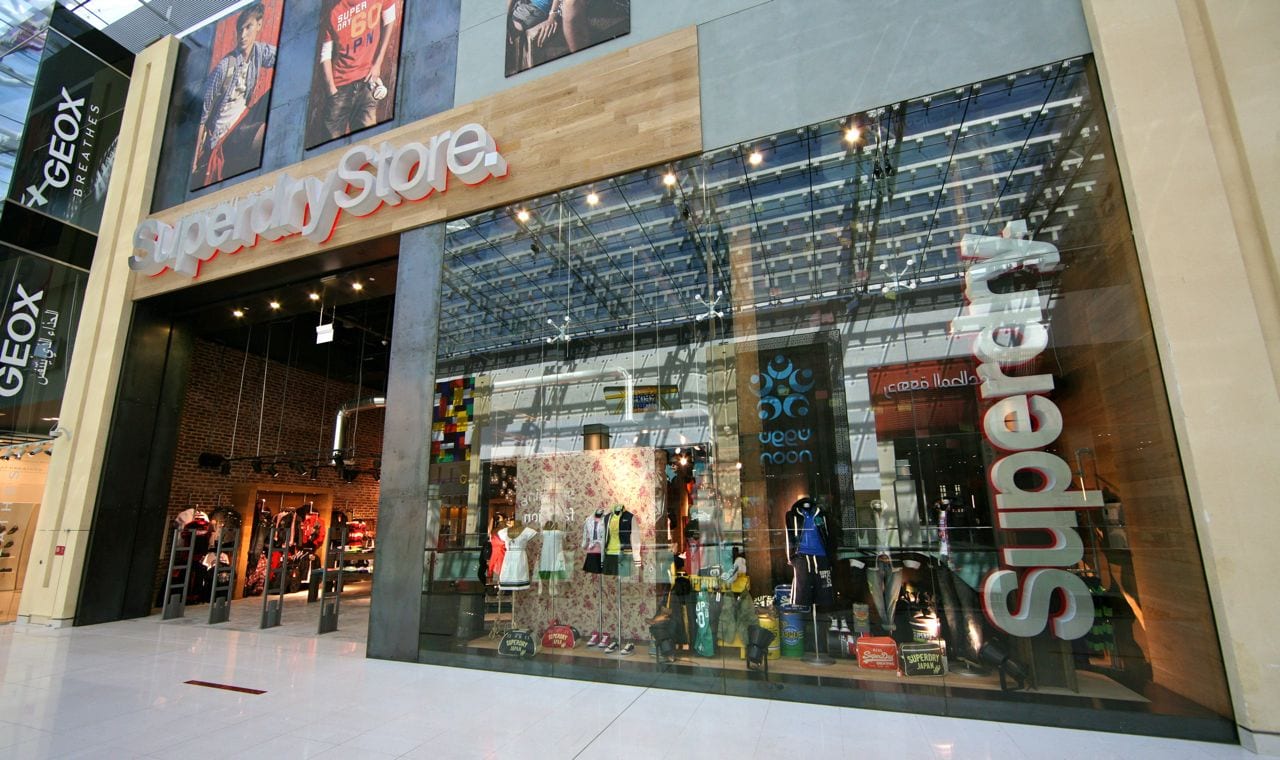
    A poor fourth quarter has resulted in another profit warning from casualwear-brand Superdry and one analyst describes the embattled label as “struggling to remain relevant”.

    Amy Higginbotham, a retail analyst at GlobalData, the data and analytics company, said a poor fourth quarter has exacerbated Superdry’s woes and dragged down overall performance for the year.

    The company, reeling from a mass exodus of board members and senior executives in the wake of co-founder Julian Dunkerton’s return to an active role in the business, now expects its underlying profit before tax for the full year to be about 50 per cent down on last year’s £97 million.

    With the board distracted by the disruption caused by Dunkerton and his eventual return, Superdry’s group revenue dropped 4.5 per cent in the fourth quarter.

    “This was driven by a particularly poor performance in its wholesale and online divisions, which the retailer attributed to an increased volume of product returns and a reduction in promotional activity,” said Higginbotham.

    Group revenue remained flat at £871.7 million, while growth in wholesale and online revenues slowed significantly, and store sales dropped £14.4 million to £373 million.

    “The lack of detail regarding Dunkerton’s long term plans to turn the retailer’s fortunes around is not very reassuring, and investors will no doubt be eagerly awaiting a more detailed update in July with the publication of the retailer’s full-year results,” said Higginbotham.

    “Initial changes made by Dunkerton on his return have included reducing promotions to improve margins and supporting sales with more stock in flagship stores. He also plans to introduce 500 new products within the next six months, though the details of what these products are exactly remains unclear.”

    But she says Superdry will have to do a lot more if it is to regain its relevance amid tough competition from the likes of JD Sports and boohoo.com, which have much stronger brand appeal – and Superdry must be clear about which demographic it wishes to target.

    “Dunkerton has indicated that he does not intend to go ahead with the previous management’s plans to enter childrenswear, and will instead focus on targeting teenagers, though this will require the retailer to justify its high price points, which could be done using brand exclusives and celebrity endorsements.

    “The outlook for Superdry remains challenging. Though a new executive team will take Superdry in a much-needed new direction and eventually provide more stability, the board still lacks a clear strategy to turn the retailer’s fortunes around, and any new initiatives will take time to bear fruit.”