Retail News CRM

Tag: Smartphones

  • India’s handset market slumps 25% in Q1

    India’s handset market slumps 25% in Q1

    India’s mobile device market slumped 25% year-on-year during the first quarter of 2019 due to a collapse in the feature phone segment, according to CyberMedia Research (CMR).

    The research firm estimates that feature phone shipments shrank by around 49% during the quarter, while smartphone shipments grew by 10%.

    4G-enabled handsets represented 66% of total devices shipped during the quarter, with 2G-only devices accounting for the remainder.

    “The overall market decline was on expected lines for Q1 2019. The above industry average stock build-up at the end of the previous quarter resulted in lower shipments. Also, the recent change in eCommerce rules in India impacted the online dependent players,” CMR Industry Intelligence Group lead analyst Narinder Kumar said.

    Samsung led the overall mobile market during the quarter with a 22% market share, but China’s Xiaomi led the smartphone market with a 30% share to Samsung’s 27%. Xiaomi also continued to rule the low-cost segment for devices below 7,000 rupees with a 41% market share, while Samsung topped the mid-range 7,000 rupees to 25,000 rupee segment.

    The top five leaderboards was rounded out by LYF (13% market share), Vivo (6%) and Lava (6%).

  • HTC experienced massive losses during the First Months

    HTC experienced massive losses during the First Months

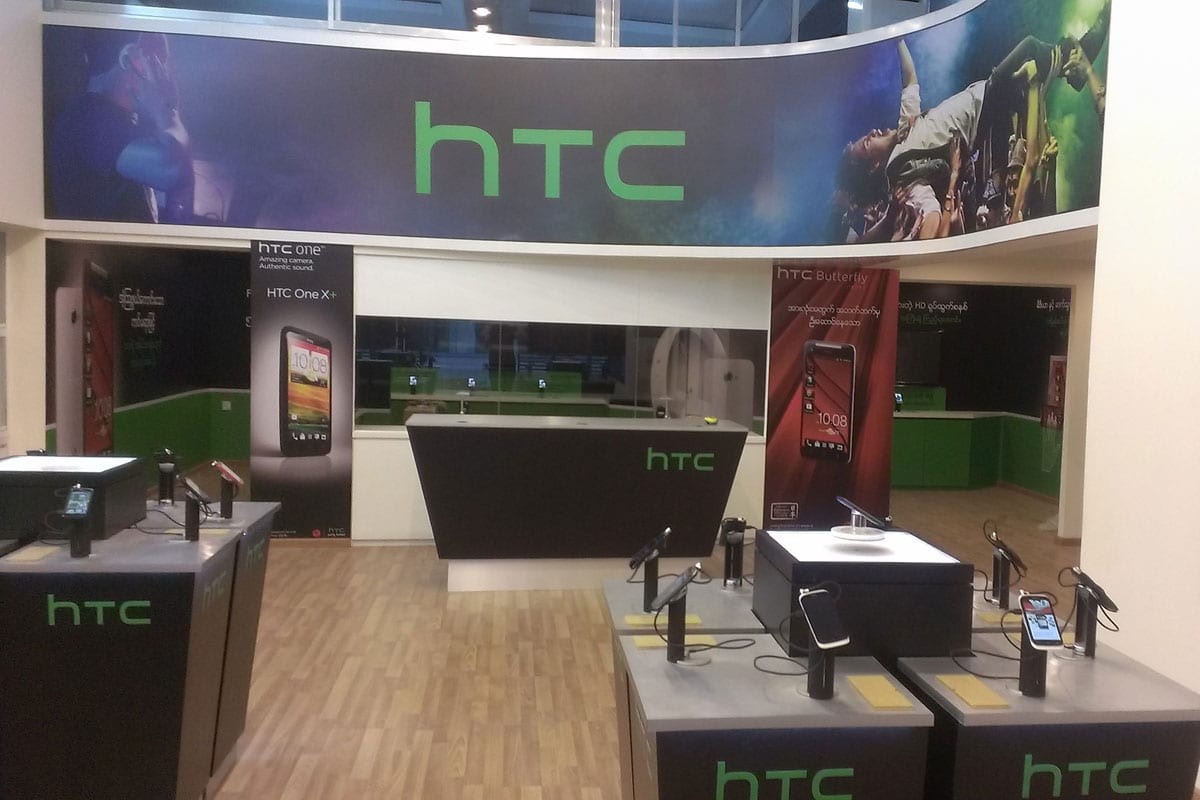
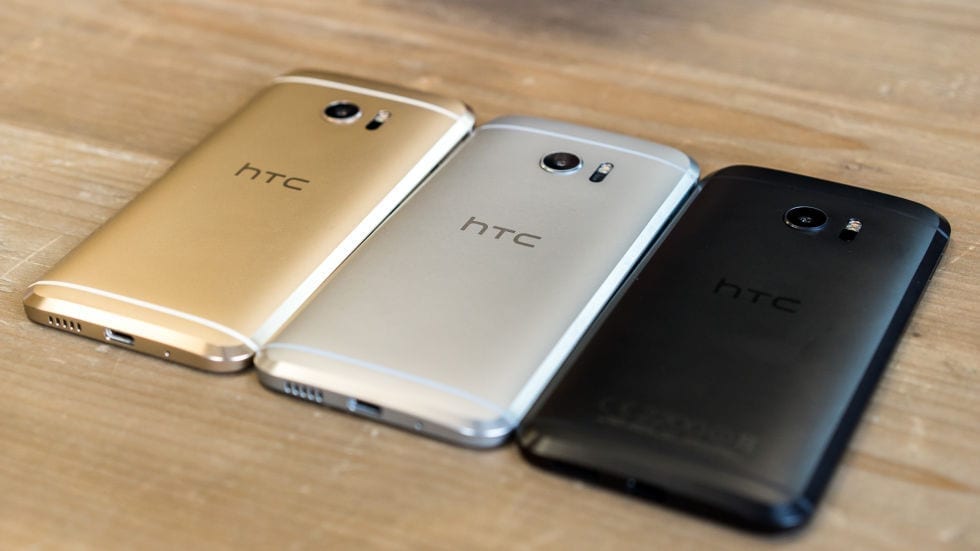
    HTC’s revenue numbers continued to drop massively between January and March 2019, and to no surprise today the company has confirmed that it experienced massive financial losses throughout the period.

    Despite seeing an improved gross margin of 14.7% during the quarter – a year earlier HTC’s gross margin was -3.1% – the Taiwan-based company still experienced a worse-than-expected loss of NT$ 2.73 billion ($87.68 million). The primary cause of this huge loss was HTC’s operating expenses, which essentially skyrocketed throughout the first three months of the year. In fact, within the space of 12 months, the company’s operating margin has gone from an awful -58.9% to an absolutely horrendous -92.9%, which means, at the moment, HTC is spending almost double what it earns.

    Overall, the company generated NT$ 2.94 billion ($94.45 million) in revenue throughout the quarter. The strong performance of HTC’s VR headsets appears to have been the primary source of income, although the company’s smartphone sales did also play an important role.

    Looking towards the second quarter of the year, HTC’s newly-announced Exodus 1s blockchain smartphone and the HTC 5G Hub are expected to positively affect the company’s finances. Both the Vive Pro Eye and Vive Focus Plus headsets are set to boost HTC’s sales too, all of which will lead up to the company’s 5G flagship during the second half of the year, as well as a couple of mid-range smartphones.

  • iPhone sales declined in every part of the World

    iPhone sales declined in every part of the World

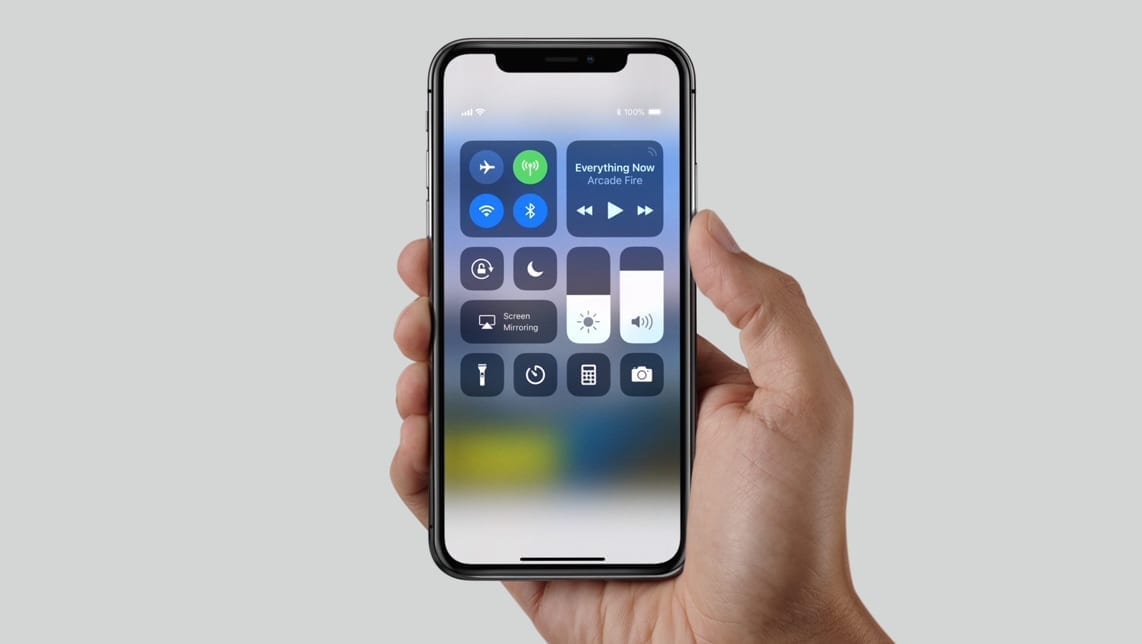
    As Apple confirmed in its two most recent earnings calls, iPhone sales have been consistently down year-on-year since October. The Cupertino giant blamed this primarily on weak demand in China, but recent SEC filings show this isn’t the full story.

    Apple’s recent Form 10-Q filing with the SEC (US Securities and Exchange Commission) contains a detailed breakdown of performance over the past six months by both product category and geographical region.

    iPhone sales, as mentioned above, have been down for the past six months. The Greater China region which includes China, Hong Kong, and Taiwan has undoubtedly impacted Apple’s total shipments the most, but in actual fact, the company has been experiencing “lower iPhone unit sales in all the reportable geographical segments” since October. This has resulted in year-on-year revenue declines for all regions except the Americas (North and South America), with Greater China being the most affected followed by Europe and Japan.

    In almost every geographical segment, Apple’s lower iPhone shipments were partially offset by improved performance in other product categories. For example, in Europe, the company’s Services and Wearables businesses grew significantly, while over in Japan Services and iPad were key. In the Americas, however, strong Services and Wearables performance managed to entirely offset weak iPhone shipments and push year-on-year growth to a decent 4%.

    Taking a look at the company’s performance over the past three months rather than six, it seems as though Apple’s efforts in certain regions are finally beginning to pay off. Other markets, however, seem to be in decline.

    As mentioned by Apple in its recent earnings call, the company noticed improved demand in Greater China towards the end of the quarter. It didn’t elaborate on the matter, but it seems to have translated into slightly better financial results for the brand as, for the three months ending March 31st, the year-on-year sales decline was 22%. This is still pretty major, but it represents an improvement over the -25% average Apple has experienced in the region since October.

    Another region that has improved in Japan. Over the past six months, Apple’s sales have dropped an average of 2%, but throughout the first three months of 2019 sales were actually up 1%. Similarly, the Americas continued to experience growth throughout the past quarter.

    Moving on to Europe and the Rest of Asia Pacific, these two geographical segments didn’t fare as well. Since October, Apple has experienced an average revenue decline in these regions of 4% and 2% respectively. But during the first quarter of the year, these numbers nosedived to 6% and 9% due primarily to even lower iPhone demand.

    Regarding Apple’s performance throughout the rest of 2019, the Cupertino giant now appears confident that it can improve the situation in Greater China and ultimately slow down its year-on-year decline. Nevertheless, it’s still forecasting a drop for this current quarter and, with business in Europe and the Rest of Asia Pacific seemingly struggling, it’ll remain to be seen how Apple handles the situation.

    Towards the end of 2019, Apple’s next-gen iPhones should provide a decent boost to demand. However, analyst Ming-Chi Kuo recently predicted almost no growth. Instead, Kuo expects iPhone sales to pick up towards the end of 2020 as a result of the first 5G models which should feature modems from both Samsung and Qualcomm.

  • HTC’s April Revenue Figures Still Low Despite Efforts

    HTC’s April Revenue Figures Still Low Despite Efforts

    HTC had a pretty rough start to 2019 with record-low revenue numbers in both January and February. Nevertheless, things then started to look more positive in March as HTC’s sales increased dramatically thanks to the popularity of its VR headsets. But as revealed by the company’s latest figures, this resurgence was short-lived.

    Between April 1st and April 30th, HTC generated a total of NT$0.59 billion ($19.07 billion) in revenue. It’s unclear how this figure is split between smartphone and VR sales, but it, unfortunately, represents yet another record-low for the HTC One creators. Comparing the results to previous ones, April’s numbers translate into a big 54.85% month-on-month drop from the NT$1.31 billion ($42.46 billion) it generated in March and also amount to an even bigger 71.77% year-on-year decline.

    Way back in December, HTC stated that its focus for 2019 would be turning a profit and regaining its market share in the smartphone segment. So far, though, the Taiwan-based company has done little to achieve this with zero launches since December and no devices on the horizon. HTC has, however, released the Vive Focus Plus VR headset and launched its Viveport Infinity subscription service.

    Looking to the second half of 2019, HTC is largely expected to announce its first 5G flagship smartphone. Presumably, this will be available to purchase through multiple carriers and will provide a decent boost to the company’s finances. Additionally, rumor has it HTC is negotiating a brand licensing deal in India which could prove beneficial too.

  • Google adds Dark mode to an Android Apps

    Google adds Dark mode to an Android Apps

    If your eyes feel strained at the end of every day, it could be because of Google’s Material Design, which it is using on many of its core apps. Because Material Design uses plenty of bright white background, it can be blinding to look at at night or in a dark room. Not only can the light hurt a phone user’s eyes, but it can also be annoying to other people in a dark room.

    To combat this, Google started adding a Dark mode feature on apps that it gave a Material Design makeover. This changes the appearance of an app from having black text on a white background, to show white text on a black background. While many only use Dark mode at night or in a movie theater, others just like the look and keep the setting enabled on all compatible apps at all times.

    And thanks to the use of the black background, those using a phone sporting an AMOLED screen could end up extending their battery life. The color black is created on an AMOLED display by turning off the RGB sub-pixels in the screen. This means that battery power is not needed to make an OLED panel display the color black. An LCD screen uses a backlight and when the color black is called for, the pixel turns opaque blocking the LED light from being seen on the display. In this case, there is still a draw on the battery to power the backlight.

    The latest Android app to receive the Dark mode option is the Google Calculator app for Android. This is a must-have for the calculator, which has a huge white box that covers the top 40% of the screen. Dark mode can be found in version 7.6 of the utility app, although only version 7.5 is currently available from the Google Play Store. Once the new version is installed on your Android phone, open it and tap on the three-dot overflow menu in the upper right corner. You’ll see a box with several options; click on Choose theme. You can select from the regular retina melting Light theme, Dark theme or Set by Battery Saver. The latter is supposed to turn on the Dark theme once the battery saver feature is enabled.

    Android Q and iOS 13 are both supposed to include a system-wide Dark mode. We should learn more at Google I/O and WWDC, which start May 7th and June 3rd, respectively.

  • 22 5G devices announced to date

    22 5G devices announced to date

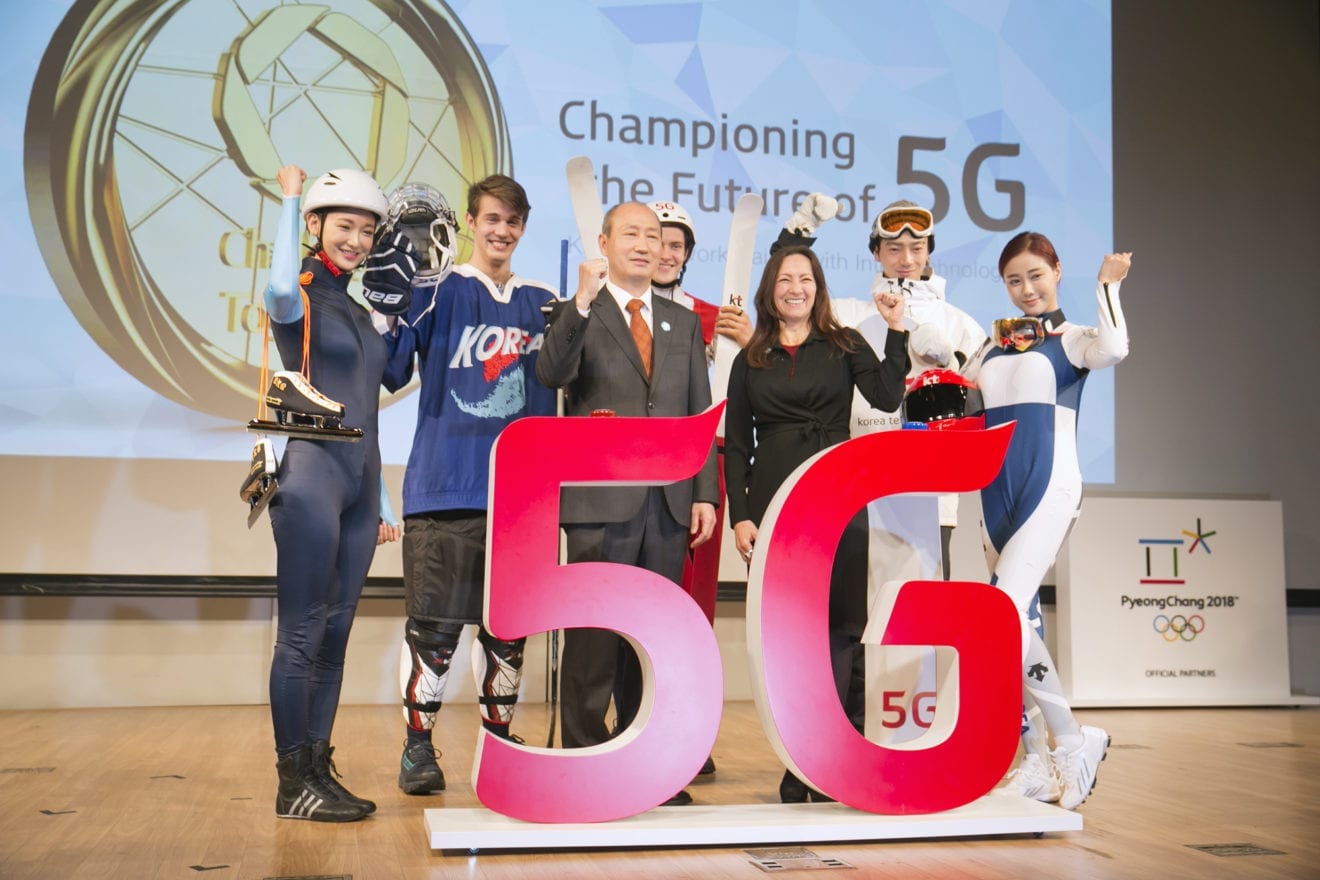
    A total of 22 5G user devices from 14 manufacturers have been announced to date, according to figures from mobile industry consultant Hadden Telecoms.

    The devices span a number of form factors, including smartphones, customer premises equipment, MiFi devices and USB models, and include the new category of foldable phones.

    These devices are expected to launch this year to support early 5G launches, with some announced devices being carrier or market specific.

    According to Hadden Telecoms’ research, as of this month 5G smartphones have been announced from Huawei, LG, Motorola, OnePlus, Oppo, Samsung, TCL, Xiaomi, and ZTE.

    Meanwhile Huawei has announced the largest number of CPE products at four. D-Link, HTC, Inseego, Netgear, Nokia, Samsung, and TCL have also unveiled 5G CPE.

  • New Zealand bans Huawei from 5G mobile network

    New Zealand bans Huawei from 5G mobile network

    From offering mobile payment services such as WePay and Alipay to hiring front-desk staff proficient in Mandarin, the New Zealand Chinese Travel and Tourism Association was not short of advice for Kiwi tourism operators on how to benefit from an influx of mainland Chinese visitors to New Zealand this year.

    “Chinese tourists enjoy spontaneous travel so there are a lot of last minute bookings. For businesses who’d like to attract Chinese tourists, this is the major challenge for them,” association chairman Simon Cheung said in a promotional video.

    But preparations for the 2019 China-New Zealand Year of Tourism – a campaign by both governments to strengthen economic and bilateral ties – were cast in doubt when China postponed the launch event, which was expected to take place in Wellington next week. Huawei is banned, but where is the backlash in New Zealand?

    New Zealand Prime Minister Jacinda Ardern on Tuesday acknowledged that the country’s relationship was complex and not without challenges, but dismissed talk there was a rift. But she revealed that dates for her first official trip to China, planned for the end of last year, still had not been finalised.

    “I have been issued with an invitation to visit China, that has not changed. We continue to find dates that would work,” she said.

    Her admission fuelled concerns from opposition parties and the media that ties, already tense after Ardern’s government blocked Chinese telecom giant Huawei from the nationwide roll-out of a 5G data network over “significant national security concerns”, were deteriorating further.

    Last weekend, an Air New Zealand flight en route to Shanghai was turned back to Auckland, with some reports suggesting it was due to how paperwork on board the plane had referred to Taiwan. According to Bloomberg, the airline said the Boeing 787-9 Dreamliner was not yet certified to fly to China, but had been “unfortunately assigned” the flight.

    The Civil Aviation Administration of China last year told foreign firms and airlines not to refer to Taiwan as anything other than a Chinese territory on their websites.

    Former New Zealand government trade consultant Robert Scollay said from the point of view of those in the country, China’s latest actions “raised the question of whether this is a temporary expression of displeasure or if it means something more significant”.

    After Wellington’s decision on Huawei, which it took in support of its fellow members in the Five Eyes intelligence alliance, there was a debate on whether it had finally chosen a side in its long-running balancing act between the United States and China – its two most important economic partners.

    But Chinese foreign ministry spokesman Geng Shuang on Friday dismissed the suggestion, saying both countries had a common interest in ensuring healthy and stable ties. “China is willing to work with New Zealand on the basis of mutual respect, equality and mutual benefit to promote the continued development of China-New Zealand relations,” Geng said.

    Noakes from the University of Auckland said he was not convinced ties had deteriorated, despite recent events. “The really unlucky thing is that the perceived souring of ties dovetails with commonly held misperceptions of what China is and what engagement with China means for New Zealanders.”

    Jason Young, director of New Zealand Contemporary China Research Centre at the Victoria University of Wellington, had a more ominous take.

    “This can become a self-fulfilling prophecy,” he said. “We talk ourselves into having a bad relationship with China, and that’s quite dangerous.”

  • Samsung to invest more in education programs

    Samsung to invest more in education programs

    Samsung Electronics will expand investments to develop youth education programs, it said Monday. The company’s three division heads sent an in-house broadcast to employees that day to share a newly set mission: “Enabling people,” which means to help people discover and develop their innate potential. A particular target will be put on developing programs for teens. The theme that will lay out the direction for this corporate social responsibility campaign is “Education for future generations.”

    Samsung has conducted corporate social responsibility (CSR) activities in the past, but this is the first time the company has publicly announced its mission. It comes a month after Samsung de facto leader and Vice Chairman Lee Jae-yong pledged to fully commit in taking on social responsibility as Korea’s leading conglomerate in a meeting with President Moon Jae-in at the Blue House.

    The No. 1 local company by market cap, Samsung Electronics already has a vast lineup of ongoing CSR programs, including educational ones. The designation and public announcement of the new mission, however, signals that the company will be expanding investment in the sector.

    Although there are no concrete plans at the moment, a spokesman explained there will be an increase in programs for teens. Now that there is a fixed mission, the programs will also be organized in a more “structured” way instead of the company and affiliates independently devising programs on their own.

    “We should realize a new model for future education that is based on our know-how in technology and innovation,” said Samsung President Kim Hyun-suk, who leads the consumer electronics division.

    In Monday’s message, there was a repeated emphasis on Samsung’s increased role in society. President Koh Dong-jin, who heads the mobile device business, for example, stressed that no company can communicate with customers if they do not consider social values.

    The word social responsibility has become increasingly common at Samsung recently, including in statements for the launch of a research center for fine dust and an official apology to former workers in November who got sick working at chip factories. The drive is particularly evident since Vice Chairman Lee returned to the company’s helm after his release from prison last year, which some industry watchers say is a move to improve the conglomerate’s public image.

  • Samsung US stores opens door

    Samsung US stores opens door

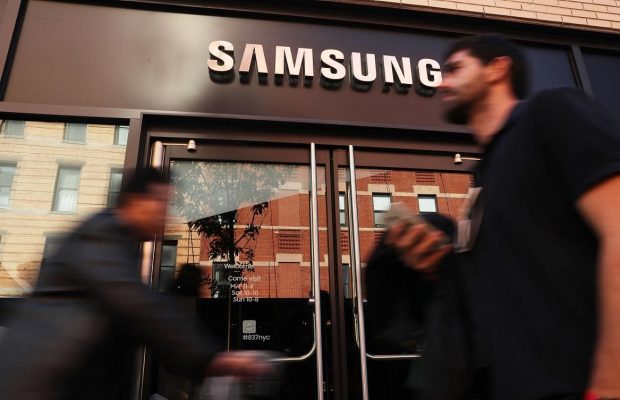
    South Korea’s Samsung will launch the first three of a planned network of North American stores this coming week, timed to coincide with the expected release of its next-generation Galaxy smartphone. The smartphone-focused Samsung US stores will open in the Roosevelt Field mall in Garden City; the Americana at Brand in Los Angeles; and Galleria in Houston. The openings have been interpreted as a branding exercise more than a sales driver by some industry experts, given the predominance of Apple iPhones in America. Samsung currently has 24 per cent of the US market, as opposed to Apple’s 44 per cent, with both manufacturers selling most of their handsets through carrier-operated stores.

    “Our new Samsung Experience Stores are spaces to experience and see Samsung technology brought to life, to empower people to do what they never thought was possible before”, said president and CEO of Samsung Electronics America YH Eom.

    “We want to build a ‘playground’ for Samsung fans – a place to learn about and try out all of the amazing new products we have to offer.”

    The Samsung US stores will encourage visitors to linger in-store while experimenting with the brand’s 4D VR and immersive 4K gaming products.

    Samsung’s Galaxy Unpacked 2019 presentation, scheduled for San Francisco on Wednesday, is widely rumoured to serve as a launchpad for a new foldable phone.

  • Vingroup reports $25 mln revenue from vehicle, smartphone sales

    Vingroup reports $25 mln revenue from vehicle, smartphone sales

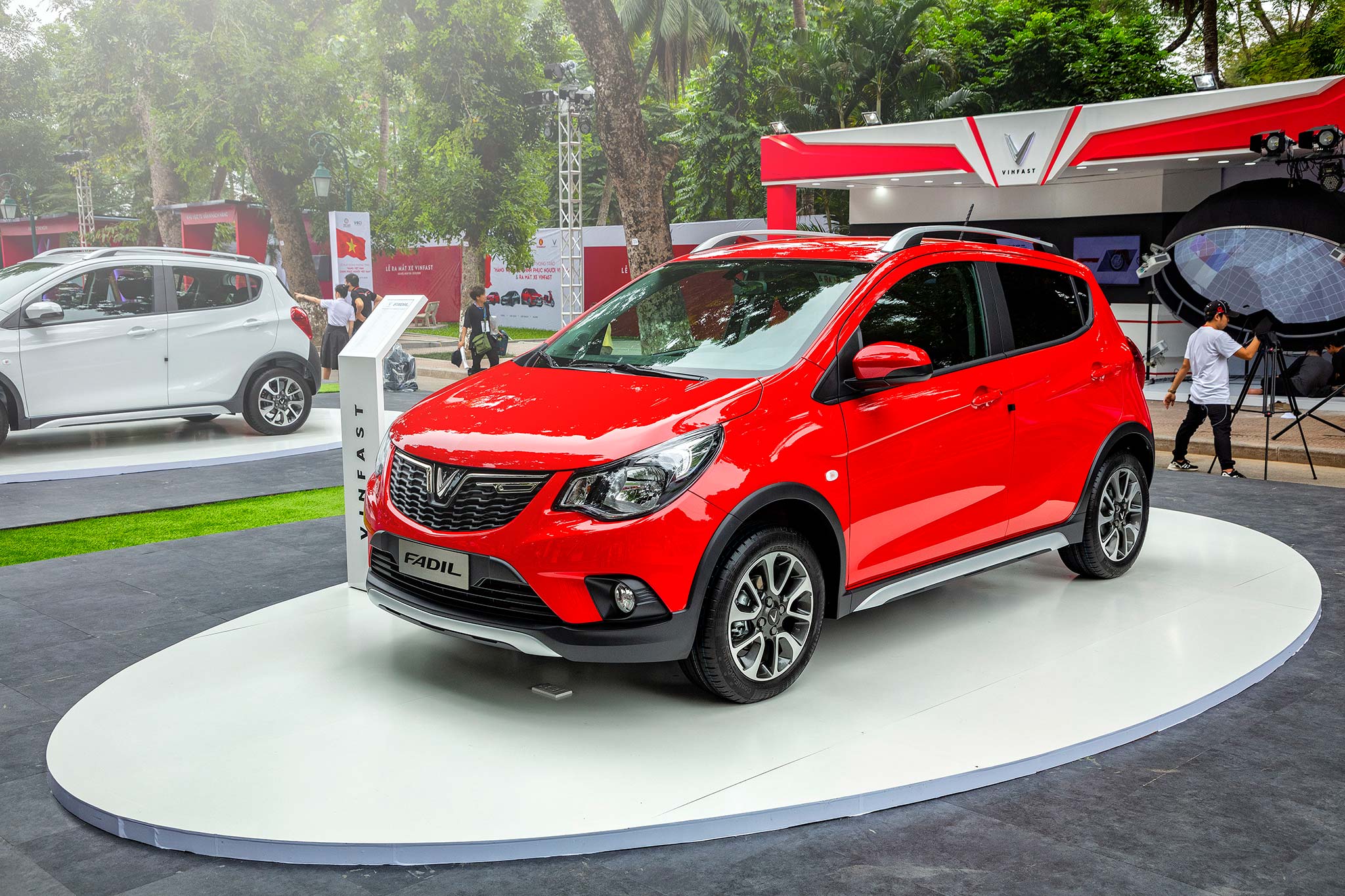
    Vietnam’s largest listed private company Vingroup has reported revenues of VND600 billion ($25.77 million) from car, electric motorbike and phone sales last year. VinFast, a Vingroup subsidiary, became the country’s first indigenous car manufacturer last October and showed off its first two car models at the Paris Motor Show in France. It has begun to accept bookings and deposits for the cars, and will start selling them next August.

    Last November it launched its first two electric scooters, but has not disclosed sales figures.

    VinSmart, the Vingroup unit that produces smart electronic devices, launched four new phones in December in a market of 95 million people currently dominated by Samsung and Apple.

    Its factory in the northern city of Hai Phong is capable of making five million phones a year in the first phase.

    The company also hopes to expand to markets outside Vietnam, and will make smart TVs and other smart products soon.

    Vingroup is a conglomerate with the country’s largest real estate operations and interests in retail, healthcare and resorts.

    The conglomerate reported profit before tax of over VND13.8 trillion ($592.6 million) last year, up 52 percent from 2017, on net revenues of VND122.57 trillion ($5.24 billion).

  • Apple sales and profit slip as demand falls

    Apple sales and profit slip as demand falls

    Tumbling iPhone demand drove an uncharacteristic decline in Apple sales in the first quarter trimming back its profit for the period. Sales of its iPhone range slumped 15 per cent year on year, and although burgeoning revenue from services like digital media subscriptions – up 19 per cent to a new high of US$10.9 billion – and other products compensated, total sales were down 5 per cent to $84.3 billion.

    Sales in China slumped 26.6 per cent during the period.

    Net income fell by $100 million, from $20.065 billion in the December 2017 quarter to $19.965 billion in the latest quarter. While the company championed setting “an all-time earnings per share record” that was a consequence of a share buyback program reducing the share pool rather than an improved bottom line.

    Commenting on the results, GlobalData Retail MD Neil Saunders said while Apple is still a money-making machine, the sales decline “symbolises a company that is starting to run out of steam”.

    “In our view, this is something to be corrected, not least because Apple is a costly company to run and it relies on strong revenue growth to drive up the bottom line. As this quarter’s figures show, failure to achieve that results in profit erosion.”

    Saunders said the slowdown in iPhone sales reflected Apple’s inability to come up with meaningful and valuable innovations that wow consumers.

    “The latest iPhones might be works of art from an engineering perspective, but they are essentially incremental products that lack the excitement and newness of earlier models. With the higher price points of top-end models, consumers expect a lot more for their money. The blunt truth is, Apple’s latest line up of phones doesn’t do that much more than the generations that came before.”

    He said the slowdown in China is a problem Apple shares with many other companies.

    “The country is suffering from more sluggish consumer demand which has put the brakes on retail growth rates across many sectors. However, the issue for Apple is that this has coincided with a rise in competition from local phones and devices which has helped to eat into its own growth. In short, China is no longer the engine of growth for Apple that it once was and this makes Apple uncomfortably more reliant on mature markets to drive revenues. Some of those markets, like Europe, are also not delivering – thanks to very high price points and consumers that are hesitant to spend on big-ticket items.”

    From must have to might buy

    Saunders said Apple’s iPads and some of its Macs are good, quality items, however they are simply not impressing the market and Apple is losing its lustre in terms of producing compelling products.

    “In our view, Apple has moved from a position of ‘must have this and must have it now’ to ‘might buy this at some point in the future’. Price increases may mitigate this but, ultimately, such a shift can only ever result in a softer sales performance.”

    While services are performing well, Saunders said Apple must push much harder.

    “Amazon is successfully creating an ecosystem of services through Prime. Apple needs to do something similar by building on its Apple Music subscription and its App Store offering. Movies and television content are also needed to propel sales.

    “In our view, Apple should seriously consider a big acquisition such as Netflix. Content is a big growth area and is becoming increasingly linked to devices. Apple needs to play more heavily in this space both to generate new opportunities but also to defend its own device business.”

    While Apple remains a solid and financially successful company, he said, a lack of serious and significant innovation means it runs the risk of diluting future earnings.

    “Apple thrives off serving a mass market; at the moment its moves to provide more expensive items to fewer people will ultimately do further harm to the bottom line. The clear blue water that once existed between Apple and its rivals is much diminished. The company has time to reopen the gap, but to do so, it needs to pull something new and unique out of its hat sooner, rather than later.”

    Cook’s positive spin

    Apple CEO Tim Cook delivered a positive spin on the results: “While it was disappointing to miss our revenue guidance, we manage Apple for the long term, and this quarter’s results demonstrate that the underlying strength of our business runs deep and wide. Our active installed base of devices reached an all-time high of 1.4 billion in the first quarter, growing in each of our geographic segments. That’s a great testament to the satisfaction and loyalty of our customers, and it’s driving our services business to new records thanks to our large and fast-growing ecosystem.”

    At the end of the quarter, Apple’s net cash balance was $130 billion.

  • Viettel sole Vietnamese brand in global 500 listing

    Viettel sole Vietnamese brand in global 500 listing

    Military-run telecom giant Viettel is the only Vietnamese firm in the list of 500 most valuable brands in the world. Valued at $4.32 billion, Viettel’s brand was ranked 478th on the list of 500 most valuable brands in the world for 2019, Brand Finance, a leading global brand valuation consultant, announced at the ongoing World Economic Forum in Davos, Switzerland.

    This is the first time a Vietnamese brand has been named in this list.

    Accordingly, Viettel’s brand value in 2019 has increased 35.8 percent year over 2018. The telecom giant’s high brand valuation was largely due to its presence and contribution in 10 foreign markets, suggesting the company was internationally competitive.

    2018 was a successful year for Viettel in  foreign telecommunication sectors, with service revenue growing by 20 percent, mobile subscribers base growing by 70 percent and net cash flow from international operations by $240 million, 3 percent higher compared to 2017.

    Brand Finance’s Global 500 list ranks the most valuable brands in the world covering all business fields including telecommunications, technology, automotive, oil and gas. Some big names in the list include Amazon, Apple, Google, Mercedes-Benz, Shell and Telstra.

    “Every year Brand Finance conducts an assessment of about 5,000 global brands across 40 different areas on various criteria such as revenue, brand strength, and financial health,” said David Haigh, CEO of Brand Finance.

    Out of a total 5,000 global businesses surveyed, there were 500 Southeast Asian businesses, of which only 8 brands made it to the Global 500 list. The listed brands were in three categories: telecommunications, oil and gas, banking.

  • Apple took unfair profits: Korea FTC

    Apple took unfair profits: Korea FTC

    Korea’s corporate watchdog claimed Apple Korea has bargaining power over local mobile carriers and that it has reaped unfair profits from them in a statement Monday. According to the Fair Trade Commission (FTC), experts called in by the antitrust body said Apple Korea exploited its market position to place part of its advertising costs on local telecommunications companies.

    The statement comes after exchanges between the FTC and the iPhone maker during a deliberation on the company’s position on Jan. 16. It was the second round of hearings since the first deliberation in December.

    Apple Korea has been under investigation by the FTC since 2016 on whether it forced carriers to pay advertising and warranty costs.

    Korea’s fair trade law prohibits abuse of one’s position during a transaction.

    Apple Korea claimed through its expert witnesses, which included economists and business experts, that it does not have leverage over local carriers and defended its actions, saying that its advertisement fund was able to help all parties involved.

    The experts also argued that Apple’s involvement in advertisements was justifiable to maintain the iPhone brand.

    Expert witnesses for the FTC responded that Apple Korea can be regarded as being in a position of power over carriers and that the advertisement fund served to collect additional profit from them. They also stated that the company’s activities in taking part of carrier advertisements cannot be seen as part of their branding strategy.

    The FTC’s Economic Analysis Division provided similar analysis to those made by its witnesses.

    The hearings on the investigation will continue, with the third round of deliberations scheduled for Feb. 20.

    The antitrust body said that the third hearing will discuss specific actions made by Apple. It is unclear whether the third hearing will be the last.

    If found to have abused its position, Apple Korea could face fines worth up to two percent of its related sales.

    The iPhone maker has a history of trouble with the FTC.

    The company made corrective measures under the corporate watchdog for its product replacement policy back in 2011 and its services agreements with local companies in 2016.

  • Samsung factories ready to make 5G and foldable phones

    Samsung factories ready to make 5G and foldable phones

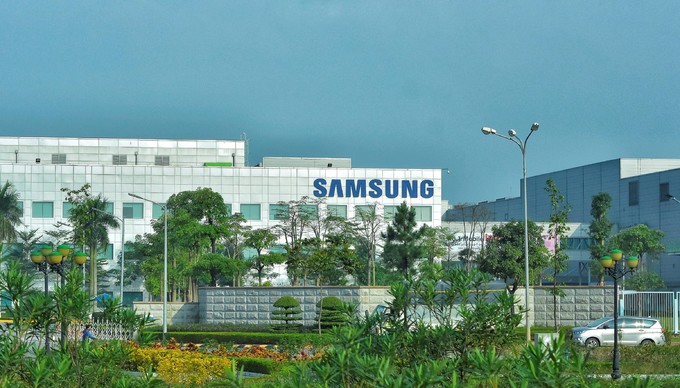
    Samsung Electronics is ready to roll out both 5G and foldable phones, two of most highly-anticipated products from the electronics company. While Samsung has already announced a plan to introduce new Galaxy phones at an unpacking event next month in San Francisco, it is confirmed on Tuesday that Samsung’s global production base in Vietnam has completed preparation to mass-produce 5G phones.

    The 5G phone is tentatively called “Galaxy S10 X.” Two Samsung factories, located in the provinces of Bac Ninh and Thai Nguyen, both north of Hanoi, produce 150 million smartphones a year. The 5G-enabled version of Galaxy S10 produced in Vietnam will be exported globally, starting with the United States. The first one million units of Samsung’s first foldable phone will be produced at the company’s production plant in Gumi, North Gyeongsang.

    The 5G phone “will roll out three to four weeks after the basic Galaxy S10 model hits the market. However, we have finished all preparations to mass produce a 5G phone,” a source from Samsung Electronics said.

    The phone will likely be introduced during the unpacking event on Feb. 20 along with three other versions of Samsung’s 10th-generation Galaxy family: S10, S10+ and S10 light.

    Phones that can connect to the 5G network are expected to bring revolutionary changes in media consumption habits. A 5G phone can download a 1.5 gigabyte movie in under a second.

    Samsung’s first 5G phone is likely to come with a 6.7-inch screen, larger than the 6.1-inch screen of S10 or 6.4-inch screen of S10+.

    The 5G-connected S10 will be powered by the Exynos 9820 chipset.

    Though it is designed for 5G connections, the phone will still be able to connect to 4G LTE as 5G infrastructure development is still underway. Even in Korea, where 5G infrastructure is quickly being built, next-generation connectivity is a work in progress.

    Samsung will first supply 5G phones to five telecom companies, including Verizon, AT&T and Sprint, all in the United States, and SK Telecom and KT in Korea

    Although the 5G phone will be introduced at the unpacking event, the actual launch of the model will come a bit later than the new S10s.

    While basic versions will be released in early March, the actual 5G-capable models will be available at the end of March.

    Samsung has greatly tightened security at its S10 production sites in Vietnam factories after a picture of the Galaxy S10 was leaked online.

    As for the company’s foldable phone, tentatively dubbed the “Galaxy F,” initial production will take place at the Gumi plant. Industry sources project that Samsung is likely to introduce the foldable phone at the unpacking event as well, but will release the phone April at the earliest.

    Federico Casalegno, head of the Samsung Design Innovation Center in North America, said “the foldable phone is a breakthrough in technology innovation,” during a press briefing last week.

    Industry insiders say the main reason for making foldable phones at the local Gumi plant is to prevent technology leaks and better control the initial production volume of the phone.

    “We are not yet ready to mass-produce foldable phones as well in Vietnam,” a spokesperson from Samsung said. “The first one million units of foldable phones and 5G phones to be sold in the Korean market will be produced at the Gumi plant, which is in charge of producing our premium products.”

  • Samsung spent $3.12M lobbying in U.S. last year

    Samsung spent $3.12M lobbying in U.S. last year

    The American subsidiary of Korean tech giant Samsung Electronics spent $3.12 million on lobbying U.S. politicians and officials last year, the second-largest amount following 2017, data from a Washington-based research group showed Monday. Samsung Electronics’ lobbying expense was the ninth largest among electronics companies operating in the United States, moving up two notches from a year earlier, according to the Center for Responsive Politics (CRP).

    Microsoft spent the most with $7.18 million, followed by Qualcomm with $6 million, Oracle with $5.47 million and Apple with $5.09 million, said the nonprofit research group, which tracks the effects of money and lobbying on elections and public policy.

    Among foreign companies, Samsung Electronics was the second-biggest lobbying spender after German engineering group Siemens.

    The Korean tech conglomerate has been intensifying its lobbying efforts in its key market since U.S. President Donald Trump took office in 2017 and advocated more protectionist trade policies.

    Samsung’s lobbying expenses over the past two years amounted to $6.62 million, far surpassing $6.04 million spent during former President Barack Obama’s second term from 2013-16, data showed.

    Trade-related issues were Samsung’s main lobbying target in the United States last year, with 13 cases out of 81 total in this area.

    The company also made extensive lobbying efforts for the telecommunication sector as it has been exploring ways to expand its foothold in the 5G network equipment market.

    Last month, Samsung and American telecommunication company Verizon announced their plan to launch 5G-compatible smartphones in the U.S. market in the first half of 2019.