Tag: social media

  • Twitter shows off a trio of design concepts that might be added to the app some day

    Twitter shows off a trio of design concepts that might be added to the app some day

    Twitter has revealed three different design concepts that it is thinking about adding to its regular social media service. One is called “Trusted Friends” and would allow a Twitter subscriber to limit the number of people that can access a particular tweet to a small group of buddies and relatives. “Facets” would allow users to categorize the tweets that they are interested in, and the third feature allows users to choose which phrases they would prefer not to see in their replies.

    None of the three features are considered to be inactive development which means that they are not available to Twitter users at the moment. With “Trusted Friends,” users can choose via a toggle switch whether a tweet they send is for public consumption or just for friends and family. Facets will allow a Twitter subscriber to separate tweets into different categories such as “professional” tweets, “personal” tweets, and tweets divided up by hobbies or other interests.

    With Facets, Twitter says that you’ll be able to choose to follow tweets from Twitter users only when they are related to a specific topic that you’re following; this way you won’t have to follow every tweet disseminated by someone you’re following. Think about how much time you might save by restricting the tweets you receive to only those of interest to you.

    The last feature, as we noted in the first paragraph, allows a Twitter subscriber to block certain phrases. In an example released by Twitter, the author of a tweet has asked Twitter to block profanities from the responses he receives from his tweets including the phrase “asshole.” Twitter says that profanity can be harmful and following the requests of the user, tweets including profanities are moved to the bottom of the conversation, out of view for most people.

    Twitter is hoping that by releasing this information about potential new design concepts well before they are being actively considered, feedback from Twitter uses can be generated to help the social media firm determine whether they are on the right track when it comes to improving the app. Note that the images released by Twitter say “Concept only” on the top.


  • Instagram is trying its best to keep up with TikTok

    Instagram is trying its best to keep up with TikTok

    After TikTok shook the social media market and fundamentally changed the name of the game, western companies quickly rushed in to grab a piece of the pie. As per usual, Instagram was quick to follow up with a similar feature with the release of Reels in 2020.

    On June 30, the head of Instagram shared a video on his Twitter page about upcoming changes in the social media platform. In his post, he mentions the addition of fullscreen mobile-first video to the app.

    We’re also going to be experimenting with how do we embrace video more broadly — full screen, immersive, entertaining, mobile-first video.

    These videos will appear in your feed in the form of recommendations, even if you don’t follow the account that’s posted them. Adam Mosseri explained the need for such changes by addressing the increasingly competitive environment in which Instagram finds itself.

    Let’s be honest, there’s some really serious competition right now. TikTok is huge, YouTube is even bigger, and there are lots of other upstarts as well.

    The days when the app was primarily photo-centric are long gone. It used to be a place where people would casually share photos of their everyday life with their friends and family. It then became a creative place for professional artists to showcase their work and promote it to a wider audience. Some would say that was the golden age of Instagram.

    In the last couple of years, however, Instagram evolved into a platform that also focuses on retail, instant entertainment, and product advertising. “We’re no longer a photo-sharing app or a square photo-sharing app,” said Mosseri. He then cemented his message, saying that “people are looking to Instagram to be entertained, there’s stiff competition and there’s more to do. We have to embrace that, and that means change.”

  • China Bans Crypto-Linked Social Media Accounts

    China Bans Crypto-Linked Social Media Accounts

    China’s crypto crackdown continues to ramp up as it banned several influential social media accounts focused on crypto-related content over the weekend.

    At least a dozen popular Weibo accounts featuring content about cryptocurrencies have been suspended or shut down over claimed violation of the Chinese social media platform’s relevant laws and regulations.

    This follows the announcement by Chinese authorities last month to intensify their crackdown on Bitcoin mining and trading behavior.

    The latest social media crackdown is not a first for China which made previously similar moves to ban influential crypto-related accounts.

    In 2019, Weibo banned the social media accounts of Binance co-founder Yi He and Tron founder Justin Sun.

  • Twitter relaunches verified program with a blue badge

    Twitter relaunches verified program with a blue badge

    For the first time since 2017, Twitter is letting anyone on its platform apply for verification. The feature is relaunching alongside strict new criteria, so not everyone is eligible. Here’s everything you need to know.

    To request verification on Twitter and receive the coveted blue badge next to your name, do the following:

    • Open Twitter
    • Head to Settings
    • Tap Request Verification
    • Fill in the details

    If you don’t see the option yet, don’t worry. It’ll be gradually rolling out to all users over the coming weeks.

    All Twitter users will be able to ask for verification once every 30 days, much like Instagram. The requests will be handled by humans rather than algorithms, and users should expect a response within 1-4 weeks.There are currently six account categories that qualify for verification:

    • Government
    • Companies, brands, and organizations
    • News organizations and journalists
    • Entertainment
    • Sports and gaming
    • Activists, organizers, and other influential individuals

    For the individual account category criteria, click here. Twitter has plans to add more categories in the future. In the coming months, scientists and academics will be eligible. Religious leaders will be added by the end of 2021.

    In addition to the above criteria, Twitters users must be able to verify their identity. A complete account is required too, meaning you must have a profile name and profile photo.

    You must also have logged into your account in the last six months, have a confirmed email address or phone number, and not have had an account lockout in the past 12 months (successful appeals are excluded).

  • Twitter’s newest creator-friendly feature is now official and rolling out to select accounts

    Twitter’s newest creator-friendly feature is now official and rolling out to select accounts

    Twitter is having a pretty big week in terms of adding highly requested features, and even though the social media platform’s hundreds of millions of active users around the world remain unable to edit their tweets after publishing them, we’re sure many of you will find the two latest changes almost as convenient as that.

    Just one day after ditching its annoying image cropping habit to finally display “bigger and better” (and especially taller) pics on both iPhones and Android handsets, Twitter is officially launching a functionality that first made the rounds a couple of weeks ago.

    The aptly named “Tip Jar” option is bound to put a big smile on the faces of all sorts of “creators, journalists, experts, and nonprofits”, and hopefully, make it easier for these people and organizations to find the time to keep us all entertained and informed on Twitter.

    For the time being, only a “limited group” of such accounts from “around the world” can be (easily) set up to allow followers to directly send them money using one of a variety of payment services. Said services, by the way, include PayPal, Venmo, Patreon, Bandcamp, and Cash App, although availability naturally differs from region to region.

    If you want to send a “tip” to an “applicable” account on iOS or Android, the good news is you can start doing that with no restrictions… as long as you use the English-language version of Twitter. Eventually, the plan is obviously to expand the feature to “more languages” and “soon” allow more people to receive tips.

    Before sending any of your hard-earned money to your favorite amateur entertainer, freelance journalist, political pundit, or mobile tech leaker, you might be happy to hear Twitter will not intervene in the tipping process in any way, directing you to your financial app of choice when making a donation and taking no “cut” from the sender or the receiver of tips.

    The Tip Jar icon can be easily located next to the Follow button on an “applicable account’s” profile page, and to make everything even more effortless and hassle-free, Twitter is letting Android users send money within Spaces conversations as well.

  • TikTok, seeking advertisers, reveals info about its subscribers and how they use the app

    TikTok, seeking advertisers, reveals info about its subscribers and how they use the app

    TikTok has been seeking more advertisers for the global and U.S. versions of the short-form video app. As a result, the company has been meeting with potential advertising partners while carrying a B2B pitch book for its TikTok for Business unit. As you might imagine, the pitch deck reveals information about TikTok designed to show off the large number of TikTok users that could be mined by advertisers.

    The pitch deck has leaked online revealing plenty of information about TikTok’s audience. As of October, TikTok’s own numbers show that it’s monthly active users (MAUs) worldwide amount to 732 million. In the U.S., the MAU figure is over 100 million.

    When you consider that those figures are six months old, the numbers are much higher-perhaps tens of millions higher globally. Thanks to a lawsuit filed against the government last year, we know that from the end of July 2020 to October 2020, the app gained approximately 14.3 million monthly active worldwide users each month. If this growth continues over the next 13 months, by May 2022 the app will have over one billion monthly active users globally.

    Some of the data that TikTok is pitching to advertisers should be able to convince them to put some money in TikTok’s till. 47% of users said that they have purchased something that they saw on TikTok in the past while 67% said that TikTok gave them the inspiration to go shopping even if they weren’t planning to do so.

    The pitch deck also revealed the app’s attractive demographics with 42% of active users between 18 and 24 years old. 17% are between 13 and 17 with 22% aged between 25 and 34, 12% between 34 and 44 and only 7% over the age of 45. TikTok users continually return to the app as the average user opens TikTok 19 times a day although it isn’t clear whether this number reflects the actions of global or U.S. users.

    And as of this past January, the average TikTok user views the app 89 minutes a day. 80% of users call TikTok “the most entertaining platform.” The pitch deck is supposed to make TikTok sound like the perfect place for advertisers to spend their money and based on the numbers, many of them will do so on the app.

  • Twitter was in talks to buy Clubhouse for as much as $4 billion

    Twitter was in talks to buy Clubhouse for as much as $4 billion

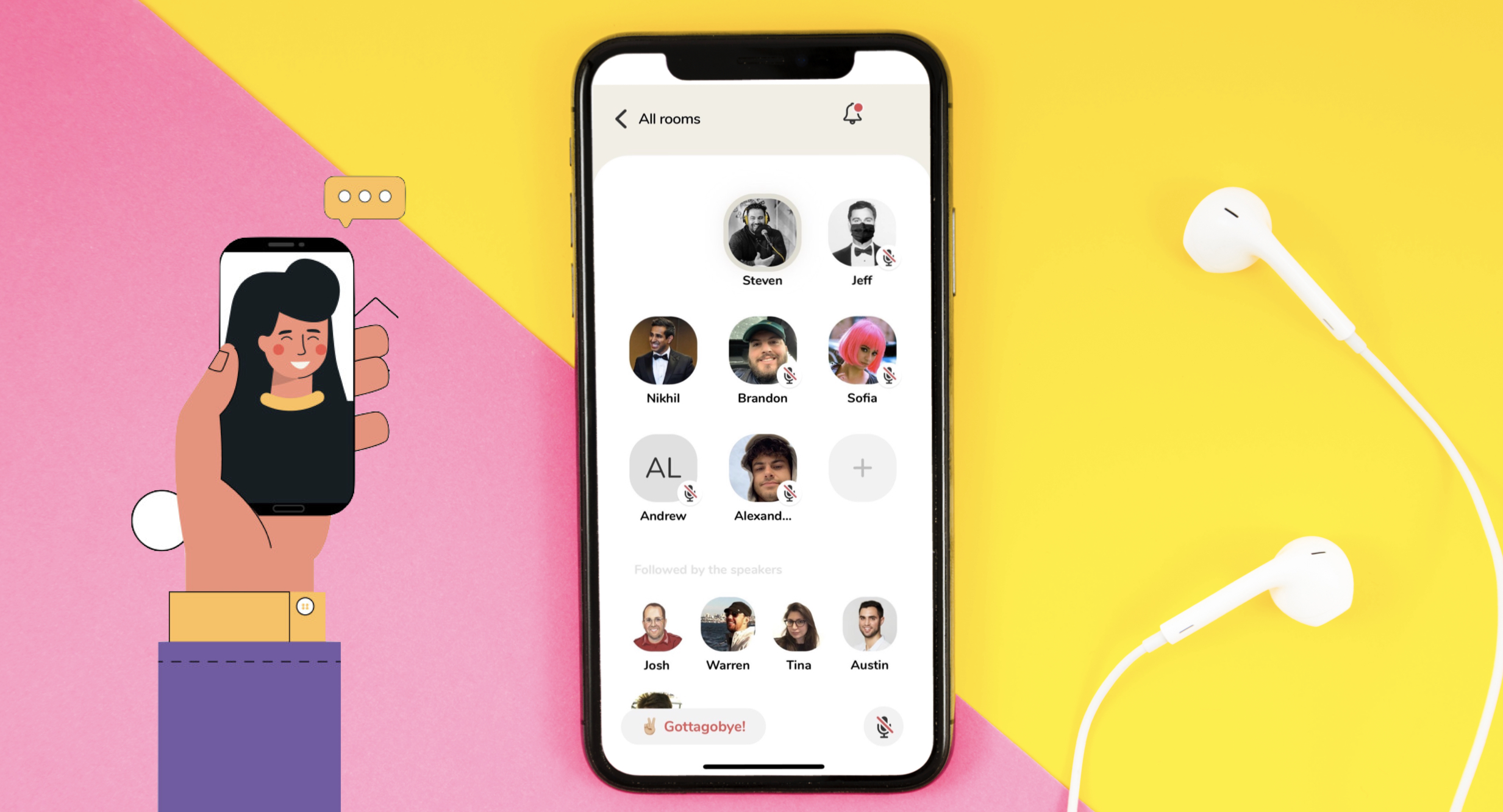
    Clubhouse recently held conversations with Twitter over a possible acquisition of the popular audio-only social media app. Citing “people familiar with the matter,” today’s report said that the price tag of a possible purchase of Clubhouse went as high as $4 billion. Talks are no longer taking place although the reason why is not clear.

    Once the talks with Twitter broke down, Clubhouse reportedly decided that it would be better to raise money via a new round of funding from investors that valued the firm at about $4 billion. Clubhouse allows members to host audio chats similar to talk radio with guest interviews and panel discussions. While only a year old, Clubhouse has already hosted some big names as guests including Bill Gates who admitted his preference for Android over iOS on the platform back in February.

    Twitter has already started beta testing its own version of Clubhouse which it calls Spaces. The latter launched late last year and while Twitter CEO Jack Dorsey is said to be high on the concept of audio chats on Twitter, Spaces has yet to fully roll out to all Twitter users. Bruce Falck, the head of revenue product at Twitter, said at a press event today that the company is looking at ways to monetize Spaces.

    Other big names in the tech sector are hopping aboard this train as firms like LinkedIn, Facebook, and Slack are supposedly looking to add Clubhouse-like capabilities to their apps. Right now, subscribers can become a member of Clubhouse by invitation only, and the app is available only in the Apple App Store. Last month Clubhouse founder Paul Davison said that it might take “a couple of months” for an Android version of the app to appear.

    Clubhouse’s growth is throttled at the moment by its invite-only rule. Still, the growth potential is immense at current rates. In December, the app was believed to have 600,000 weekly active users and that number hit ten million weekly active users in February according to Davison.

  • Facebook’s First transpacific subsea cable Echo and Bifrost

    Facebook’s First transpacific subsea cable Echo and Bifrost

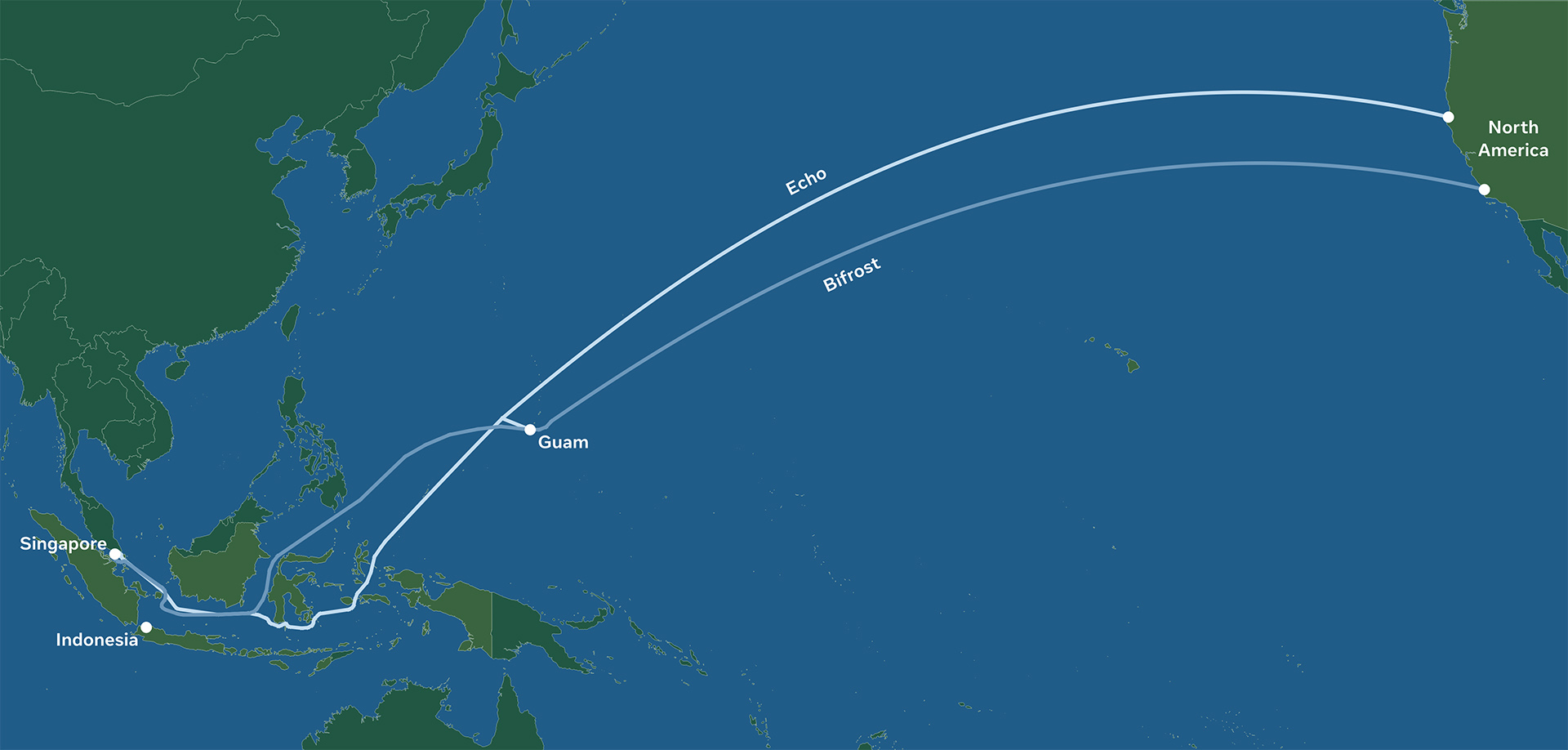
    Advancing connectivity between the Asia-Pacific and North America regions, Facebook is set to build two new subsea cables — Echo and Bifrost — with leading regional and global partners.

    These subsea cables will connect Singapore, Indonesia, and North America, making it the first transpacific cables through a new diverse route crossing the Java Sea. Moreover, it will increase the overall transpacific capacity by 70 percent and deliver increased internet capacity as well as network redundancy and reliability.

    The demand for 4G, 5G, and broadband access is rapidly increasing within the Asia-Pacific region. Thus, Echo and Bifrost will support further growth by ensuring a widely accessible internet for people and businesses.

    According to Facebook Vice President of Network Investments, Kevin Salvadori, Echo is being built in partnership with Alphabet’s Google and Indonesian telecommunications’ company XL Axiata while Bifrost is being done in collaboration with Telin, a subsidiary of Indonesia’s Telkom, and Singaporean conglomerate Keppel. These two are set to be completed between 2023-2024.

    “These new projects add to our foundational regional investments in infrastructure and partnerships to improve connectivity to help close the digital divide and strengthen economies,” the American technology conglomerate declared on its statement.

    As of the moment, the two new ventures are still subject to regulatory approvals.

  • Instagram no longer allows adults to send DMs to underage users

    Instagram no longer allows adults to send DMs to underage users

    Instagram is trying to make itself safer for a certain category of users. Lately, the social network introduced a set of features that limit interactions between Instagram users to protect their privacy. In that regard, the most recent changes announced by Instagram are meant to protect underage users from adults who don’t follow them.

    The new changes will prevent conversations between adults and teens who don’t follow one another. When an adult tries to send a message to a teen on Instagram who doesn’t follow them, they will receive a notification that DMing them isn’t an option.

    In addition to these changes, Instagram will implement prompts to encourage teens to be more careful in conversations with adults they’re already connected to. Instagram will notify teens when an adult who has been “exhibiting potentially suspicious behavior” is interacting with them via direct messages.

    These messages are usually sent to teens if an adult is sending a large amount of friend or message requests to people under 18, and they include various options like block, report, or restrict the adult in question.

    But that’s not all! Instagram announced that in the coming weeks it will make it even more difficult for adults who have been “exhibiting potentially suspicious behavior” to interact with underage Instagram users. Many of these changes will be implemented in some countries this month, but they will be available everywhere by the end of the year.

  • Facebook launches Instagram Lite for improved experience on budget phones

    Facebook launches Instagram Lite for improved experience on budget phones

    Since the start of the COVID-19 pandemic everyone has become strongly dependent on their smartphone and internet connection. While many of us are used to upgrading their phone regularly (even when we might not need to), those in developing countries aren’t as fortunate.

    As you may know, smartphone innovation is mainly driven by hardware, which gets assembled in places like India, Vietnam, Taiwan and more. China is still the main smartphone-making hub, but this is slowly changing, with manufacturers like Samsung and Apple moving production away to other Asian countries mostly for economic reasons.

    While hardware is an asset, which involves a number of stakeholders, software is much easier to distribute. it can reach many more people, much quicker. That’s exactly what Facebook’s team is trying to achieve with the introduction of Instagram Lite.

    In a nutshell, this is a less demanding version of the Instagram app, which happens to cut only a few corners. Why? Well… not every country boasts yearly deals on the latest smartphones with unlimited data plans. Moreover, Apple simply isn’t a brand that fits everyone’s economic status. Brands like Xiaomi, VIvo and Oppo dominate markets like India, where the best-selling smartphones are budget models. They often offer less processing power, less storage and lower-tier connectivity hardware, which makes for limited performance under heavier load.

    You might not realize how demanding an app like Instagram or Facebook is, if you are using a high-end device (even if it’s from 2019). Running multiple apps, using navigation, taking photos etc., can quickly cause a budget phone to start acting up, so the Instagram Lite app will require only 2MB to download on Android (versus nearly 30MB for Instagram). Important features for the user experience such as dark mode, GIFs and Reels (Facebook’s version of TikTok, which is banned in countries like India and Pakistan), are kept in-tact. Corners are cut where it matters least: animations, icons, transitions are stripped-back and simple.

    This isn’t Facebook’s first attempt at such an app – Facebook Lite and Messenger Lite are great alternatives to the main versions of their full-sized brothers (or sisters!?). Speaking of family members, the main goal of the team behind this ‘lite’ idea is simple: help families and friends stay connected, despite the slower internet speeds and modest devices.

    Apps aren’t the full story. Google has made similar efforts to equip lower-end devices with Android Go, a much less-demanding version of Android, which is made to run apps like Instagram Lite, which is now rolling out in more than 170 countries worldwide, and will soon be available virtually anywhere with the upcoming global version.

    Tech can change the world, but the world can change tech too. It’s important to make phones and apps that can be used by anyone and anywhere!

  • Twitter is working on an Undo button

    Twitter is working on an Undo button

    Judging by evidence spotted by reverse engineer Jane Wong, Twitter is working on a yet-unannounced Undo button. The feature will appear after the user sends a tweet. The point of the “Undo” button is probably to give the user the option to stop their tweet from posting shortly after hitting the Send button if a mistake has been made. This alleged feature could be the answer to the criticism Twitter has gathered for not having an edit button.

    Over the years there has been pressure on the social network from the Twitter community to add an edit button.

    Twitter’s new “Undo” button seems like a partial solution, as it shows the company is still on the offensive about the idea to edit tweets.

    The Undo Button isn’t the only new feature expected to come to Twitter. Recently, the network was spotted testing a Shop button that shows up in tweets including links to online stores, and earlier, the Super Follow feature was introduced, allowing people to charge for access to their tweets. We won’t be surprised if Twitter has more goodies to show us in the near future.

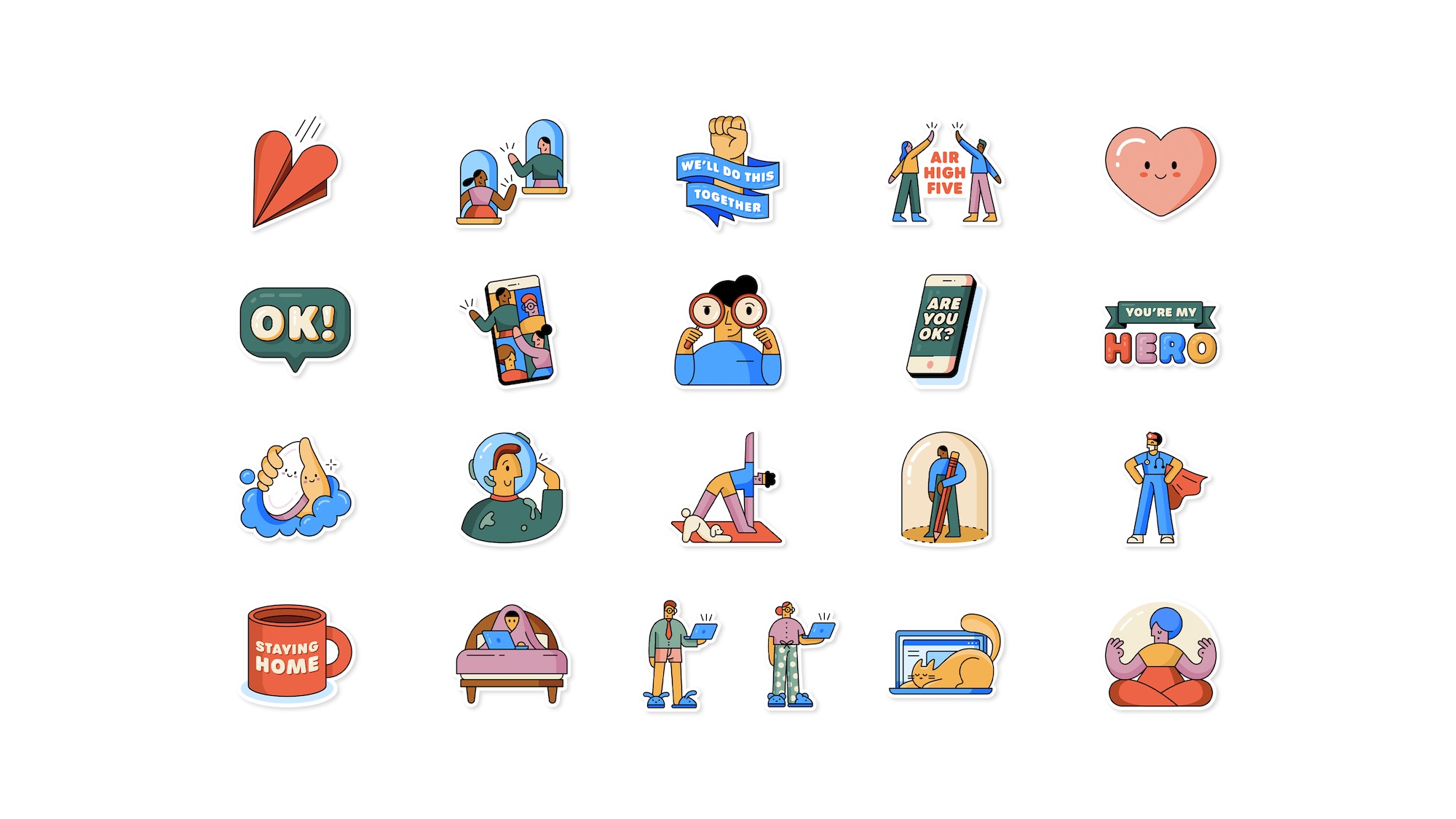
  • WhatsApp now lets you import third-party sticker packs

    WhatsApp now lets you import third-party sticker packs

    For those of you who will agree with WhatsApp’s updated privacy policy so that you can still be able to use the app, here is one new feature that’s coming to you in the next few days. For a very long time, WhatsApp only allowed customers to use the sticker packs available through its app.

    However, that’s about to change very soon, as WhatsApp is now rolling out a new feature that will allow users of its app to import third-party sticker packs. WaBetaInfo discovered that WhatsApp is testing such a feature many months ago, and now they’re reporting that the company is finally rolling it out to users in select countries.

    For the time being, the option to import third-party sticker packs is only available in Brazil, India, and Indonesia, but you have to update WhatsApp to version 2.21.5.6 Android beta and 2.21.40 iOS. It’s probably going to be made available in other countries in the coming days, so be patient if you’re not living in one of these countries.

  • Instagram introduces Live Rooms

    Instagram introduces Live Rooms

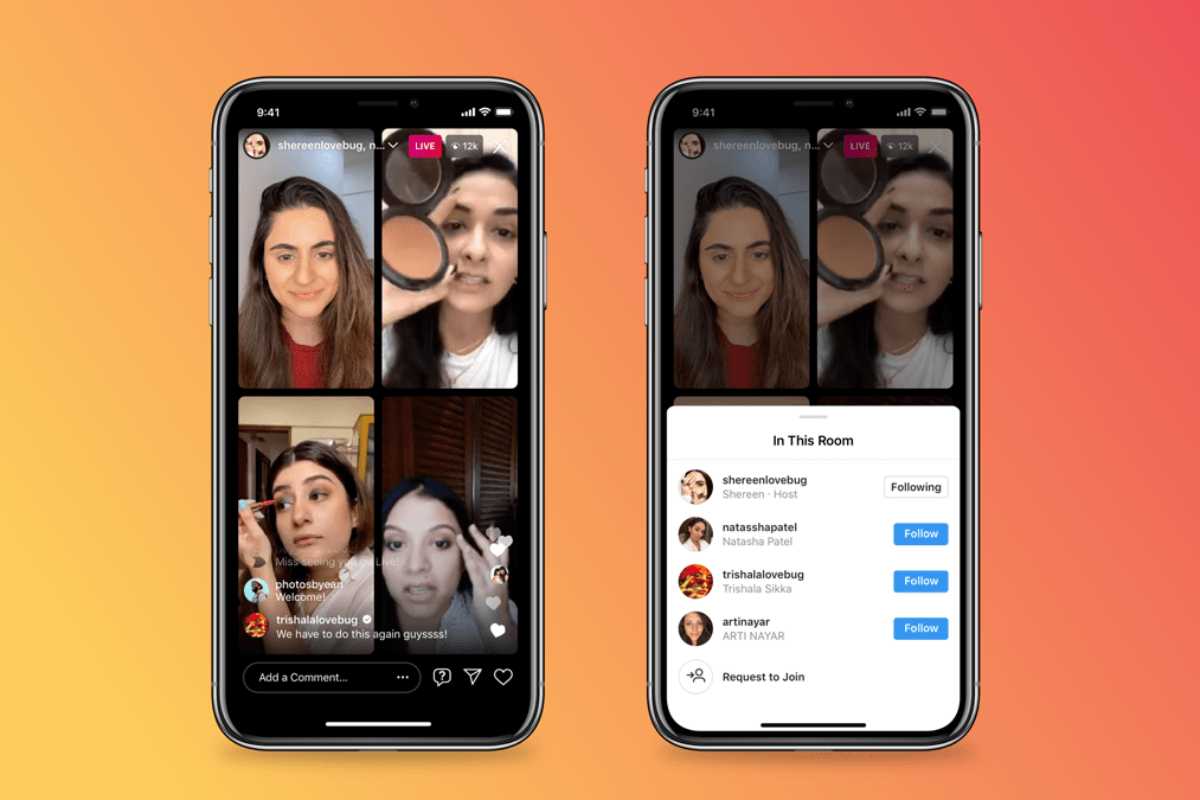
    Instagram is further improving the live features of its app with new functionalities that allow up to four people to go live at the same time. The new feature is called Live Rooms and bumps up the number of Instagram users that could go live at the same time from two to four.

    Furthermore, Instagram revealed that Live Rooms offers creators additional ways to earn money and built their businesses. For example, Live viewers will now be able to purchase badges for the hosts and use other interactive features like Shopping and Live Fundraisers.

    At the moment, Live Rooms lacks any moderation controls, but Instagram announced that it’s “exploring more interactive tools such as offering moderator controls and audio features.” However, these won’t be available until at least a few months from now.

    Instagram users who’d like to take advantage of the new Live Room feature can easily swipe left and pick the Live camera option. Next, simply add a title and click on the Rooms icon to add your friends who you wish to join the live chat. As mentioned earlier, you can add up to three other people when you start a Live Room, but you don’t have to add them all at once.

  • Facebook to launch smartwatch with focus on fitness, messaging in 2022

    Facebook to launch smartwatch with focus on fitness, messaging in 2022

    Last month, Facebook called Apple a ‘significant’ future competitor. Those comments were understood to be a reference to their respective AR/VR efforts, but a new report adds another layer to the matter.

    The Information reports that Facebook is building a smartwatch as part of its ongoing hardware efforts, which already include Oculus VR headsets and the Portal smart display.

    It will use an open-source version of Google’s Android software and include its own cellular connection, meaning owners won’t need to rely on a smartphone for internet access.

    Feature-wise, the Facebook watch is set to focus on messaging through Messenger and other Facebook platforms. The social giant is also planning several fitness & health features including the ability to track workouts and connect to services from Peloton and others.

    Facebook’s watch, which will have to compete with top smartwatches from Apple and Fitbit, is scheduled to launch in 2022 with a successor planned for as soon as 2023. We don’t know how much it’ll cost yet, but the company will reportedly price it near the cost of production.

    This ultimately suggests that Facebook is more interested in collecting valuable user data that can be leveraged with future services than generating profit through hardware sales.

    Whether the Facebook smartwatch will succeed remains to be seen. Facebook has a poor track record when it comes to user privacy, so handing over health data to the company might be off-putting for consumers.

  • Clubhouse app blocked in China, added to ‘Great Firewall’, say users

    Clubhouse app blocked in China, added to ‘Great Firewall’, say users

    Access to U.S. audio app Clubhouse was blocked in China on Monday, users and an anti-censorship watchdog said, ending a brief window that allowed thousands of mainland users to join in discussions often censored in China.

    Launched in early 2020, Clubhouse’s global user numbers soared earlier this month after Tesla CEO Elon Musk and Robinhood CEO Vlad Tenev held a surprise discussion on the platform.

    Masses of new users joined from mainland China, taking part in discussions on topics that included sensitive issues such as Xinjiang detention camps, Taiwan independence and Hong Kong’s National Security Law.

    However, users of China’s Twitter-like social media app Weibo began posting that they were having issues accessing the Clubhouse app on Monday evening. Some showed screenshots of a message the app displayed when they tried to open it which said a secure connection to the server could not be made.

    Anti-censorship activist website GreatFire.org said on Twitter late on Monday that the app had been blocked for users in China at around 7 p.m. Beijing time (1100 GMT) that day.

    Many Western social media apps including Twitter, Facebook and YouTube are banned in China, where the local internet is tightly regulated and often censored of content that could undermine the country’s ruling Communist Party.

    Clubhouse did not respond to requests for comment. The Cyberspace Administration of China, the country’s top internet regulator, did not immediately respond to a faxed request for comment.

    “Clubhouse has been walled,” said one Weibo user on Monday, referring to the system China uses to regulate its internet.

    “This is just too fast,” said another.

    Many Weibo posts discussing the blocking of the app were deleted from the platform by Tuesday morning.

    The Clubhouse app is only available on iOS devices and is unavailable in the local Apple app store in China, but mainland Chinese users had been able to access the app by modifying the location of their app store.

    As first reports of the internet disruptions began on Monday, nearly 3,000 users opened a room in Clubhouse to discuss whether it had been blocked by Chinese censors, with some expressing concerns that authorities could be monitoring discussions.

    Some users urged others not to panic.

    “Let bullets fly for a while. Let’s monitor for a few days first, don’t panic yet,” one user said.