Tag: southeast

  • Singapore Triumphs over Indonesia as Southeast Asias Dominant Stock Market

    Singapore Triumphs over Indonesia as Southeast Asias Dominant Stock Market

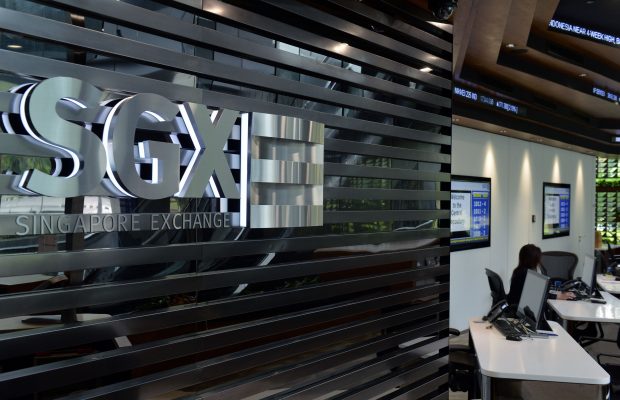
    Singapore has taken over from Indonesia as the leading stock market in Southeast Asia. This shift has come as Indonesia’s market capitalization has dropped dramatically due to an uncertain future outlook. From its peak in January, the total market capitalization of Indonesian businesses has fallen by over 30% to US$618 billion. In contrast, the market value in Singapore has increased to $645 billion.

    Investor confidence in Indonesia has seen a decline in recent months due to the possibility of its equities market being downgraded to frontier status. This uncertainty is coupled with Fitch Ratings and Moody’s Ratings both downgrading the country’s credit outlook to negative. The Indonesian stock index is currently among the most underperforming globally, and the rupiah has hit record lows repeatedly.

    Indonesia’s Struggles and Singapore’s Strength

    Despite these setbacks, Soh Chih Kai of Lion Global Investors believes that a future recovery should not be dismissed. However, he notes that the current momentum is not in Indonesia’s favor. In contrast, he points out that Singapore’s market has further strengthened its position as capital flows continue to seek certainty amid global policy ambiguity.

    In an attempt to bolster the economy, Indonesia’s central bank recently increased its policy interest rates for the first time in two years. This move aims to support the rapidly falling rupiah currency. Governor Perry Warjiyo explained that the increase is a further step to stabilize the rupiah exchange rate in the face of global volatility.

    On the other hand, Singapore’s equities have been boosted by political and economic stability, along with government-led market reforms. The Straits Times Index reached a record high this week, as investors looked for safe investments amid the instability caused by the Iran war.

    Head of research at Maybank Securities, Thilan Wickramasinghe, noted that Singapore’s equity market has remained resilient despite ongoing global volatility. This resilience is due to its defensive sector composition and consistent inflows, putting the market in a relatively advantageous position.

    Future Trends and Predictions

    Singapore’s equities are projected to outperform Indonesian stocks by a record margin in 2026. Carmen Lee, head of equity research at OCBC, attributes this to wealth being a significant driver for earnings growth. Paired with a strong Singapore dollar, Lee expects more funds to flow into the market.

    Questions & Answers

    What has led to the decline in Indonesia’s market capitalization?
    Investor confidence in Indonesia has deteriorated due to the potential reclassification of its equities market to frontier status and negative revisions in the country’s credit outlook.

    What steps has Indonesia’s central bank taken to support the economy?
    Indonesia’s central bank has raised its policy interest rates for the first time in two years in order to support the rupiah currency, which has fallen to record lows recently.

    What factors have contributed to the strength of Singapore’s equities market?
    Singapore’s equities have been boosted by the country’s political and economic stability, along with market reforms driven by the government.
  • Alaia Boosts Southeast Asia Presence with First Luxury Boutique in Bangkok

    Alaia Boosts Southeast Asia Presence with First Luxury Boutique in Bangkok

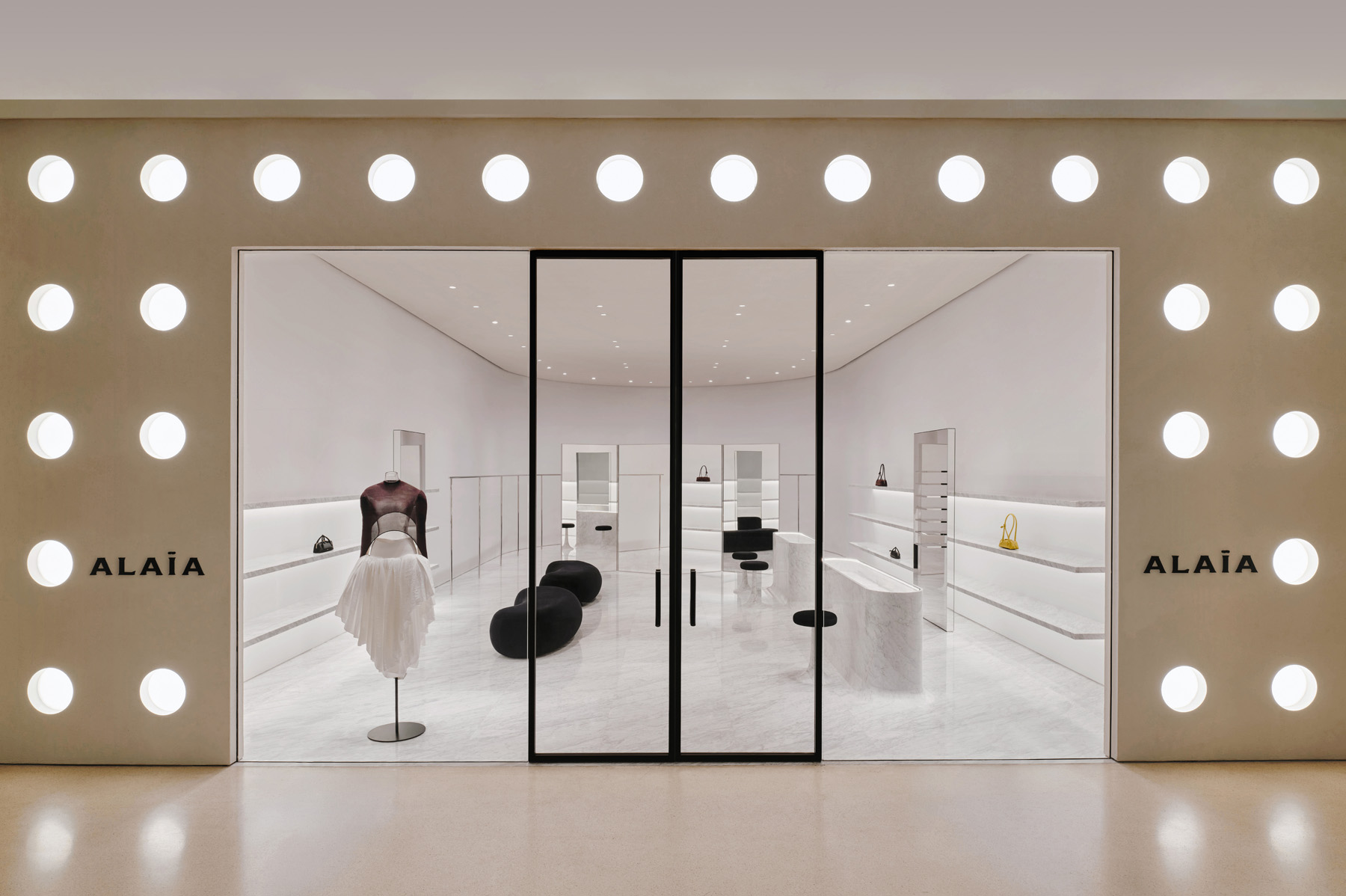
    Thai shoppers can now enjoy the elegant and sculptural designs of Alaia, as the brand has expanded its Southeast Asian presence by opening its inaugural boutique in Bangkok.

    The luxury retail venue, Central Embassy, is host to the new store. The boutique carries a robust product line consisting of ready-to-wear clothing, handbags, footwear, and accessories. These items reflect Alaia’s commitment to craftsmanship, style, and meticulous attention to detail.

    Architectural Design Enhances Shopping Experience

    The award-winning architecture firm, Halleroed, was tasked with designing the store’s interior, which showcases a minimalist aesthetic that enhances the shopping experience. The firm masterfully incorporated sculptural interiors and curved forms, with a color scheme marked by a neutral palette. The aesthetic choices are punctuated by the use of marble, stainless steel, and leather finishes throughout the store.

    The goal of this design strategy was to create a retail environment that stands as a testament to Alaia’s design philosophy and Parisian heritage. According to the brand, this immersive retail experience is meant to echo the maison’s design ethos, inviting shoppers into a space that feels as meticulously crafted as the products themselves.

    Alaia was first established in 1964 by Azzedine Alaia, a Tunisian couturier who made Paris his home. Since its inception, the brand has experienced a significant uptick in its global retail expansion, particularly throughout Asia. The brand was purchased by Richemont in 2007, marking another milestone in its growth trajectory.

    Questions & Answers

    What products does Alaia’s new boutique in Bangkok offer?
    The newly opened Alaia boutique in Bangkok offers a wide range of products, including ready-to-wear clothing, handbags, footwear, and accessories.

    Who designed the store’s interior and what style elements were used?
    The boutique’s interior was designed by the architecture firm Halleroed. The design highlights a minimalist aesthetic featuring sculptural interiors, curved forms, and a neutral color palette. Marble, stainless steel, and leather finishes were used to accent the space.

    What was the aim of the store’s design according to the brand?
    Alaia states that the purpose of the store’s design was to create an immersive retail environment that reflects the brand’s design philosophy and its Parisian heritage.

  • H&M Shifts Southeast Asia HQ to Kuala Lumpur, Triggers Job Cuts in Singapore

    H&M Shifts Southeast Asia HQ to Kuala Lumpur, Triggers Job Cuts in Singapore

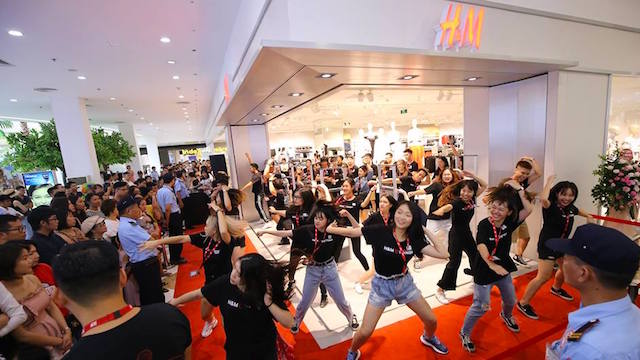
    Swedish fashion conglomerate, H&M, has recently undertaken a restructuring exercise which has led to job cuts in Singapore. This move comes as the retailer transfers its Southeast Asian hub from Singapore to Kuala Lumpur in Malaysia.

    The restructuring operation resulted in a reduction of 78 roles from a total regional workforce of 256 employees. While the exact breakdown of the redundancy hasn’t been made public, it has been confirmed that the majority of job cuts took place in the Singapore office.

    In replying to inquiries, H&M Singapore said that it is “fully backing” employees through the organizational shifts. However, the company did not disclose the exact number of dismissed staff members or specify the affected roles. H&M stated that as a company, they constantly strive to meet customer expectations and this includes regular reviews of their operational efficiency and agility.

    Despite the recent layoffs, H&M maintains that Singapore remains a crucial market for them. The retailer confirmed that it would continue to sustain an office in the country. “We will continue to maintain our retail presence reflecting our long-term commitment,” said a representative of the company.

    H&M first entered the Singapore market in 2011 with its Somerset outlet. Currently, the brand operates six stores in the country. Over the past couple of years, however, H&M has been closing some of its physical stores. In March 2023, the retailer closed its two-storey outlet at Ion Orchard after serving customers for over a decade. The Tampines Mall store was shut in August 2020, followed by the Waterway Point outlet in Punggol in January 2021.

    The Singapore Manual and Mercantile Workers’ Union (SMMWU) released a statement saying that while H&M Singapore is not a unionized entity, some employees could be union members. SMMWU secretary-general Andy Lim asserted that both the National Trades Union Congress and the SMMWU are prepared to offer assistance to these members and help them transition to new job opportunities.

    Questions & Answers

    Why is H&M moving its Southeast Asian headquarter from Singapore to Malaysia’s Kuala Lumpur?
    – Although H&M did not provide a specific reason for the shift of its Southeast Asian headquarters, such decisions are often influenced by cost factors, market opportunities, or strategic alignment.

    What are some of the steps H&M is taking to support its affected employees?
    – Although additional details were not provided, H&M Singapore stated that they are “fully supporting” their employees during these organizational changes.

    How will H&M’s presence in Singapore change as a result of this move?
    – Despite the layoffs and the shift of its regional headquarters, H&M has affirmed that Singapore remains an important market for them. The company will maintain a retail presence in the country, reflecting their long-term commitment.

  • OCBC and Australia Aim to Double Trade and Investment in Southeast Asia by 2030: A New Strategic Partnership

    OCBC and Australia Aim to Double Trade and Investment in Southeast Asia by 2030: A New Strategic Partnership

    Overseas-Chinese Banking Corporation (OCBC) and the Australian High Commission in Singapore have recently launched a five-year strategic alliance aimed at fortifying trade and investment flow between Australia and Southeast Asia. The partnership is designed to considerably boost these economic currents by 2030, with OCBC setting their sights on a surge of over 200%.

    Focus on Key Sectors

    The strategic partnership aligns with Australia’s ambitious Southeast Asia Economic Strategy towards 2040, known as ‘Invested’. The focus of the collaboration will be on pivotal sectors such as energy transition, infrastructure, green transportation, fintech, and digital innovation.

    The cooperation brings together OCBC’s robust regional banking network and formidable financing ability, alongside the policy know-how of the Australian government. It also encompasses collaboration with various Australian departments including External Affairs and Trade, Export Finance and the Australian Trade and Investment Commission. This synergistic effort aims to pave the way for Australian companies to grasp lucrative opportunities sprouting across Southeast Asia.

    Celebrating its 40th anniversary of operation in Australia this year, OCBC reported significant growth in its Sydney branch in recent times. The surge in growth can be attributed to thriving sectors such as real estate, energy, utilities, and digital infrastructure.

    Creating Opportunities for Expansion

    Elaine Lam, Head of Global Corporate Banking at OCBC, expressed that the strategic collaboration is set to form a potent platform for Australian enterprises and investors looking to spread their wings into Southeast Asia. She identified burgeoning opportunities in the region, particularly in energy transition, infrastructure development, and green transportation.

    Notably, big Australian players like Lendlease and Qantas are among the companies supported by OCBC. The bank has recently provided backing for Qantas’ fleet renewal financing programme and has also lent support to several Lendlease developments situated in Singapore, Sydney, and Kuala Lumpur.

    Questions & Answers

    What is the goal of the strategic partnership between OCBC and the Australian High Commission in Singapore?

    The partnership aims to substantially enhance trade and investment flows between Australia and Southeast Asia by 2030.

    What sectors will the cooperation focus on?

    Key sectors encompass energy transition, infrastructure, green transportation, fintech, and digital innovation.

    Which Australian companies are currently supported by OCBC?

    OCBC is currently backing major Australian companies such as Lendlease and Qantas.

  • BHC Chicken: Korean Fried Chicken Giant Sets Sights on Vietnam for Southeast Asian Growth

    BHC Chicken: Korean Fried Chicken Giant Sets Sights on Vietnam for Southeast Asian Growth

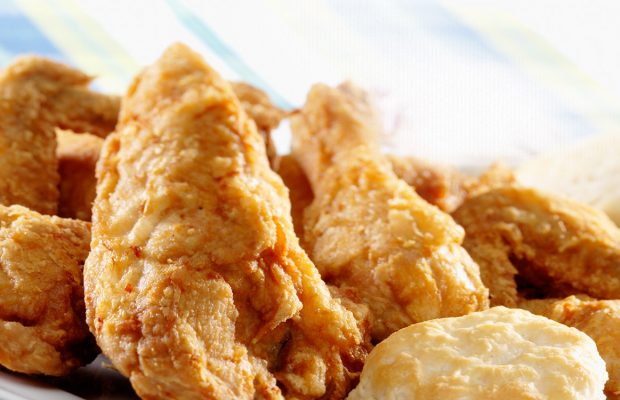
    BHC Chicken, a renowned fried chicken brand originating from South Korea, is setting its sights on broadening its reach within Southeast Asia, with plans to launch in Vietnam. This move is part of an ongoing expansion strategy that is rapidly growing the brand’s presence across the region.

    The brand’s parent entity, Dining Brands Group, recently formalized its plans to venture into Vietnam, sealing a master franchise agreement with Singaporean company Hao Open Foods. This strategic partnership is set to facilitate the brand’s launch and consequent operations in Vietnam.

    In terms of expansion, the company has set its sights on major cities within Vietnam, such as Ho Chi Minh City, Hanoi, and Da Nang. The brand’s ambitious growth plan anticipates the establishment of 50 locations within these cities over the course of the next decade.

    Founded in 2004, BHC Chicken holds a position of prominence among South Korea’s top fried chicken chains. With a robust network of over 2,000 stores, its reach extends beyond the domestic market. The brand has significantly leveraged franchise partnerships to successfully penetrate international markets, with a presence in countries like Singapore, Malaysia, and Thailand.

    In addition to its planned expansion into Vietnam, BHC Chicken is also preparing to make its debut in the Philippines later this year, further solidifying its foothold in Southeast Asia.

    Questions & Answers

    What is the expansion plan of BHC Chicken in Vietnam?
    BHC Chicken plans to establish a presence in key Vietnamese cities, with an aim to open 50 locations over the next 10 years.

    Who is BHC Chicken’s franchise partner for its Vietnam launch?
    BHC Chicken is partnering with Singaporean company Hao Open Foods for its expansion into Vietnam.

    Is BHC Chicken planning expansions to other countries?
    Yes, apart from Vietnam, BHC Chicken is reportedly preparing to launch in the Philippines later this year.

  • China’s Retail Titan Meiyijia Debuts in Vietnam as Ohmee, Eyes Southeast Asia Expansion

    China’s Retail Titan Meiyijia Debuts in Vietnam as Ohmee, Eyes Southeast Asia Expansion

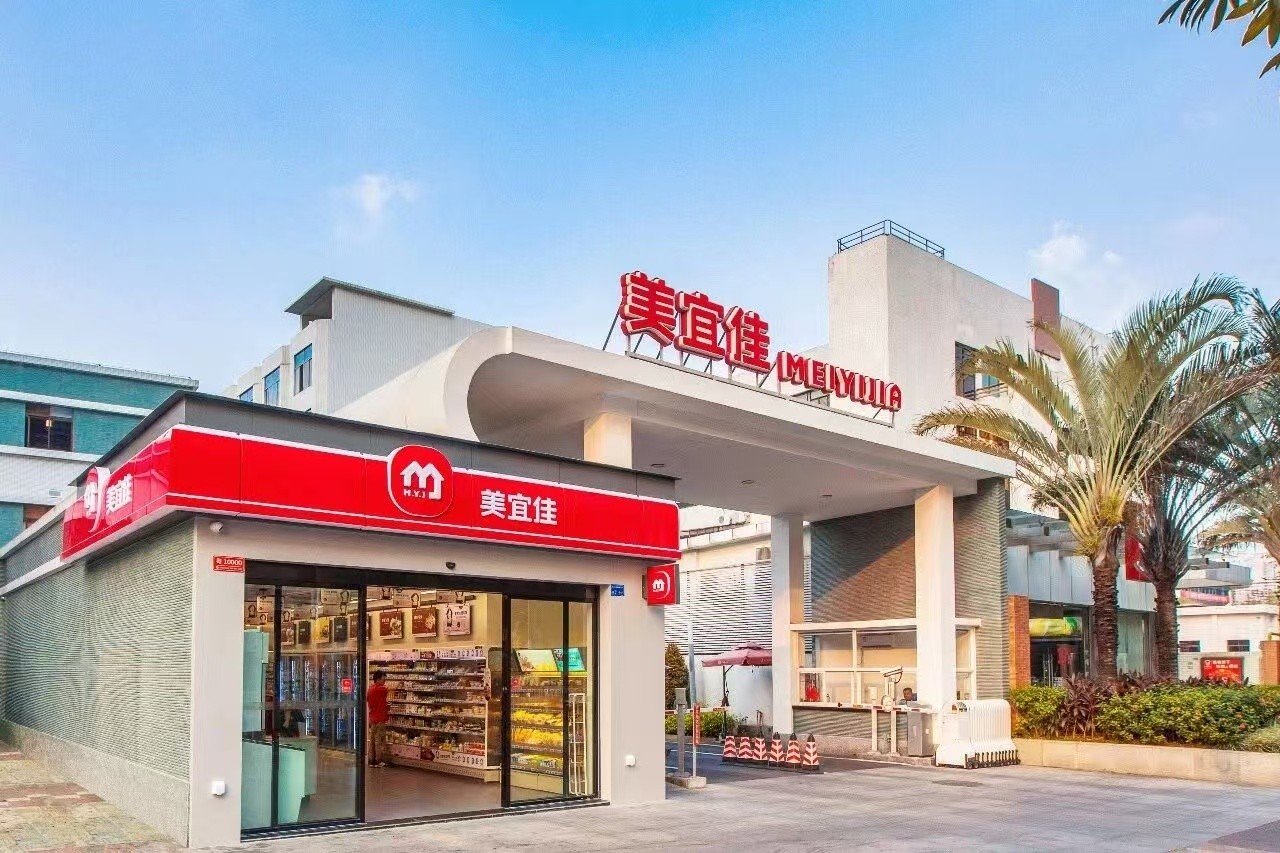
    China’s leading convenience store chain, Meiyijia, is propelling its expansion into Southeast Asia with the launch of its first stores in Vietnam under a fresh international brand, Ohmee.

    Marking the company’s maiden retail venture beyond China, three stores have already been established in Vietnam’s capital city, Hanoi. Ohmee has plans for further growth through franchising, adopting the successful business model that allowed Meiyijia to rapidly scale to a massive network of stores within its domestic market.

    Meiyijia’s Impressive Growth

    Meiyijia, birthed in Guangdong in 1997, has evolved into one of China’s most powerful convenience store chains. It boasts a vast network exceeding 40,000 stores. The key drivers of the company’s domestic growth have been its dense urban coverage and high supply chain efficiency.

    The Retail Landscape in Vietnam

    The convenience store market in Vietnam is dominated by major chains such as Circle K, GS25, Ministop, and 7-Eleven. With its entry into this competitive market, Meiyijia, under its Ohmee brand, intends to make a significant impact. Reports suggest that the company’s expansionary activities are not limited to Vietnam, with Malaysia also being on their radar.

    Questions & Answers

    What is Meiyijia’s new overseas brand called?
    The new overseas brand is called Ohmee.

    Where has Meiyijia opened its first stores outside of China?
    Meiyijia has opened its first stores outside of China in Vietnam’s capital, Hanoi.

    Which other Southeast Asian country is Meiyijia reportedly expanding into?
    Meiyijia is reportedly expanding into Malaysia.

  • Miniso Boosts Southeast Asian Presence With Landmark Flagship Stores in Singapore and Vietnam

    Miniso Boosts Southeast Asian Presence With Landmark Flagship Stores in Singapore and Vietnam

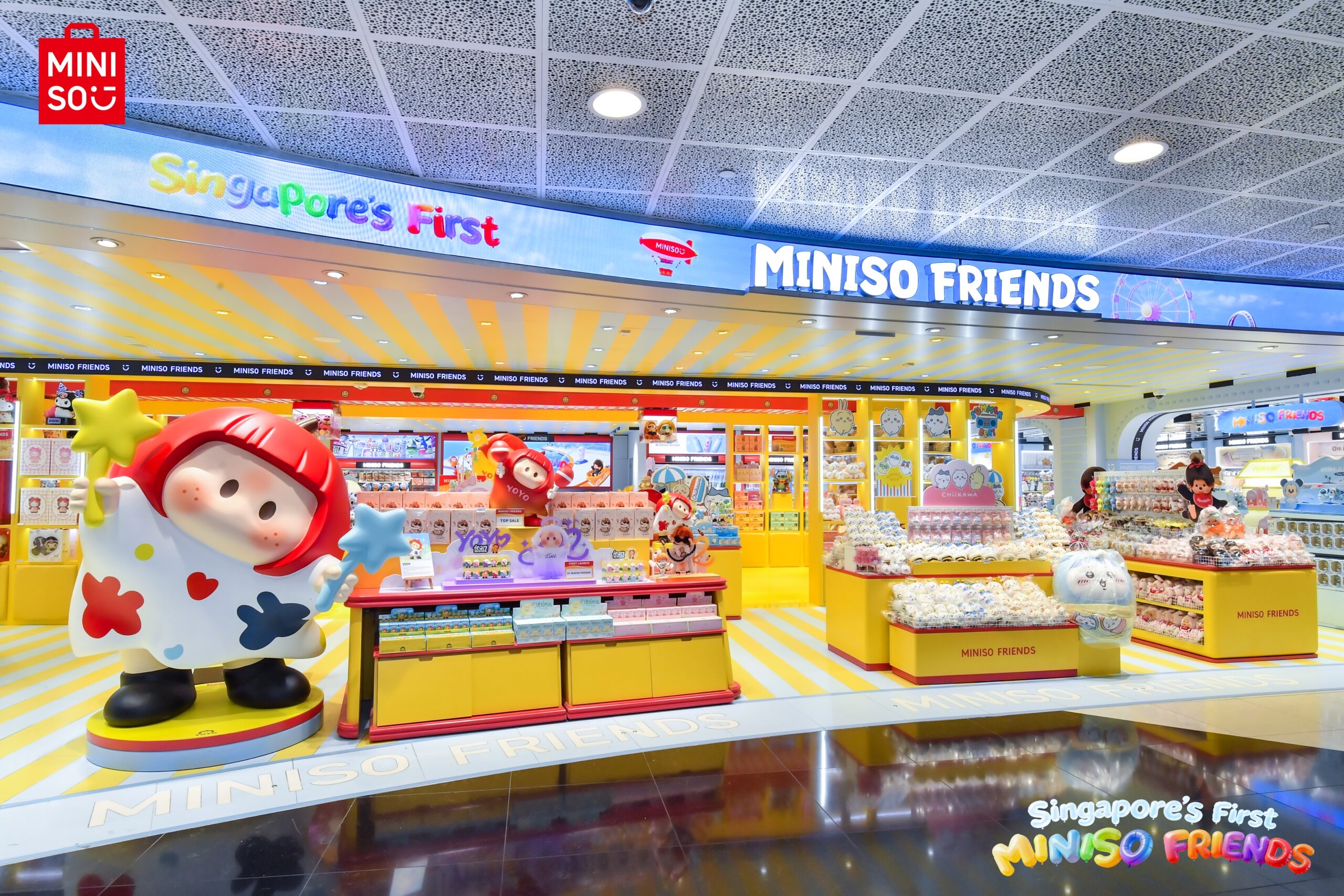
    Miniso, a major retailer in Asia, is intensifying its expansion efforts in Southeast Asia as it introduces its “Miniso Friends” concept in Singapore and Vietnam. This development forms part of a more extensive strategic shift towards experiential and intellectual property (IP)-centered retail.

    Experiential Retail: A Strategic Shift

    The Miniso Friends stores, according to the company, are larger and situated in prominent commercial districts. They are intended to act as city-level landmarks differing from conventional lifestyle outlets. This move signifies the brand’s effort to replace the traditional retail environment with an experiential, IP-focused one.

    Miniso in Vietnam

    In Vietnam, the new Miniso Friends store is located in the Van Hanh Mall in Ho Chi Minh City. This opening aligns with Miniso’s 10th anniversary in the Vietnamese market. The store dedicates 70% of its stock to IP-related merchandise. The product selection includes items from the YoYo Fly with the Wind Series, the Sanrio SEA-exclusive Leopard collections, and the Chiikawa Sakura Season. In addition, the store also introduced Star Wars and Luo Xiaohei collaboration merchandises to the market.

    Miniso in Singapore

    In Singapore, Miniso has acquired a 450 square meter space in VivoCity, the nation’s biggest shopping mall. The store stocks over 3,200 stock keeping units (SKUs). Emphasizing local products, it offers Singapore-exclusive Disney Mickey items featuring the iconic Merlion design.

    These recent expansions come after a period of rapid regional growth earlier in the fiscal year 2026, highlighted by the introduction of the Miniso Friends model in Malaysia.

    Miniso’s Broader Growth

    By the end of 2025, Miniso had already established 26 Miniso Land locations in China, representing another aspect of its transition to IP-centric retailing.

    Questions & Answers

    What is the Miniso Friends concept?
    Miniso Friends is a part of Miniso’s strategic pivot towards an experiential and IP-centric retail concept. These stores are larger and located in prominent commercial areas, functioning as city landmarks.

    What kind of products does the new Miniso store in Vietnam offer?
    The new Miniso store in Vietnam offers a variety of IP-related products. This includes items from the YoYo Fly with the Wind Series, Sanrio SEA-exclusive Leopard collections, and the Chiikawa Sakura Season. It also marks the market debut of Star Wars and Luo Xiaohei collaboration lines.

    How does Miniso cater to the local market in Singapore?
    In Singapore, Miniso emphasizes localized products. It offers Singapore-exclusive Disney Mickey items featuring the iconic Merlion design.

  • Vietnam Soars to 2nd Place in European Poultry Imports: A Boom in Southeast Asia’s Poultry Market

    Vietnam Soars to 2nd Place in European Poultry Imports: A Boom in Southeast Asia’s Poultry Market

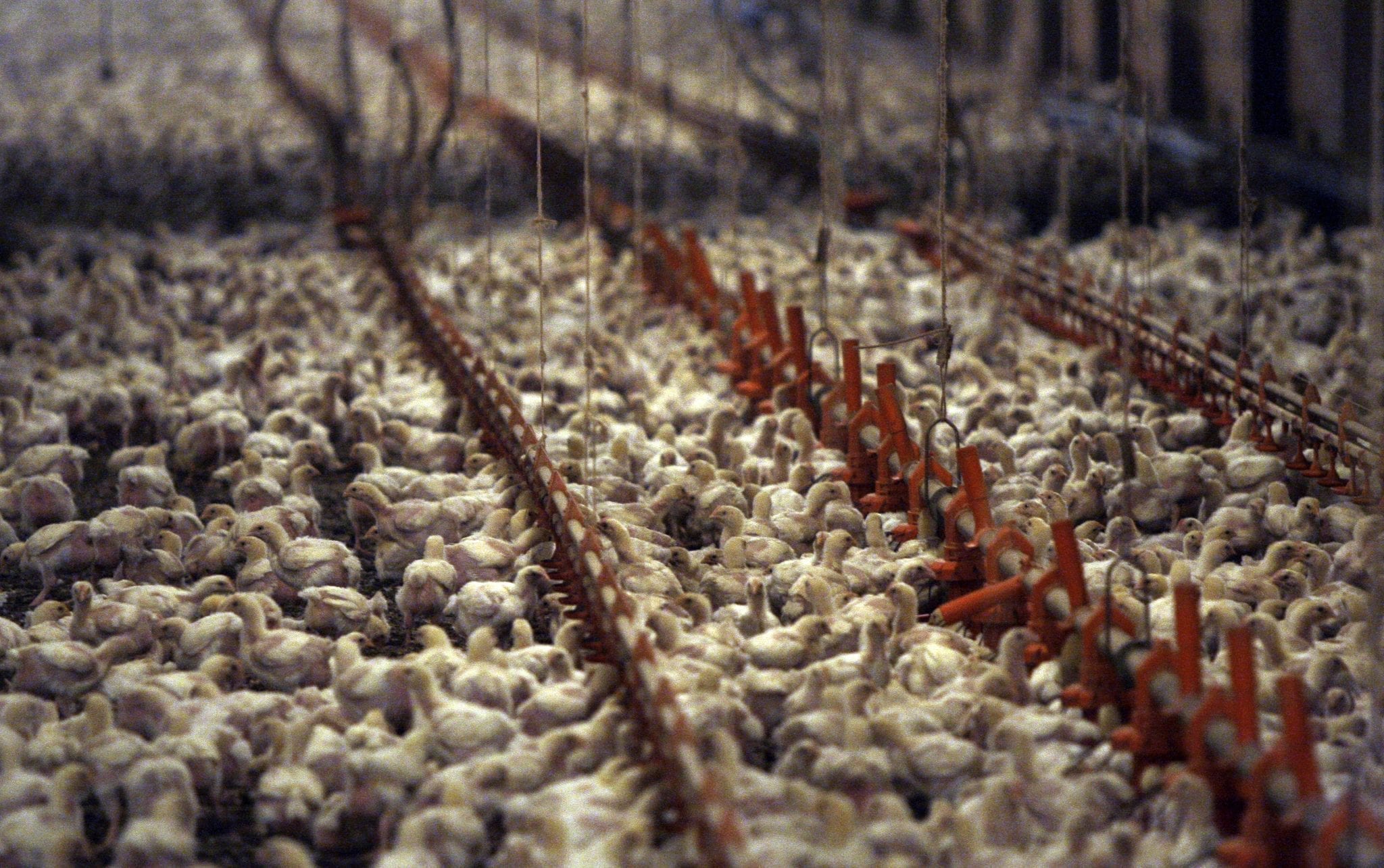
    In 2025, Vietnam witnessed an impressive import of over 56,500 tonnes of poultry from Europe, securing the country’s position as the second-largest consumer in Southeast Asia, with the Philippines leading the pack. This considerable import included various products like duck, chicken, and goose from the European Union (E.U.). These figures, released by the European Commission, show the steadily increasing demand for imported poultry products in the country. By January 2026, Vietnam had clinched the top spot as the largest importer of European poultry in the region, with purchases amounting to over 5,300 tonnes.

    Major European Suppliers

    Poland was the key European country supplying poultry to Vietnam, exporting over 37,300 tonnes in the previous year. France trailed behind with about 4,900 tonnes. Other significant contributors were Hungary, Italy, and the Netherlands, with respective exports of 4,680 tonnes, 2,750 tonnes, and 2,170 tonnes.

    According to Dariusz Goszczynski, a representative of the European poultry sector and President of the National Poultry Council under the Polish Chamber of Commerce, Vietnam is a priority market in the region for the E.U.’s poultry industry. This was highlighted during a promotional event in Ho Chi Minh City, under the campaign “European Poultry – From Farm to Fork.”

    Recovery from Pandemic-induced Disruptions

    Poultry importation in Vietnam experienced a downturn during 2021 to 2022 due to the disruptive effects of the Covid-19 pandemic, averaging around 30,000 tonnes per year. However, the volumes have bounced back almost twofold since 2023 as consumption regained momentum.

    Piotr Harasimowicz, the head of the Polish Investment and Trade Agency (PAIH) office in Vietnam, attributed the upswing in imports to the growing consumer trust in European poultry products, renowned for their strict safety and quality standards.

    Future Projections

    Industry professionals expect the demand to continue on an upward trajectory. The annual exports of Polish poultry to Vietnam alone are projected to hit an estimated 45,000 tonnes in the upcoming years.

    According to Agro Monitor, a market data provider, chicken accounted for 33% of Vietnam’s total meat consumption in 2024, a rise from 29% in 2022. This hints at a shift in dietary preferences towards poultry. The average egg consumption per person per year was about 198 eggs, still trailing behind the global average of 250–300 eggs, signifying further potential for market expansion.

    In line with income growth and urbanization, Vietnam’s evolving food consumption patterns are expected to support both domestic livestock development and the continued growth in poultry imports.

    Questions & Answers

    What is the status of Vietnam’s poultry imports from Europe?
    In 2025, Vietnam imported over 56,500 tonnes of poultry from Europe, becoming the second-largest consumer in Southeast Asia.

    Who are the major European suppliers of poultry to Vietnam?
    Poland, France, Hungary, Italy, and the Netherlands are the major European suppliers of poultry to Vietnam.

    What are the future projections for Vietnam’s poultry market?
    The demand for poultry in Vietnam is expected to continue expanding, with annual exports of Polish poultry alone projected to reach about 45,000 tonnes in the coming years. The country’s shifting food consumption patterns, due to factors such as income growth and urbanization, suggest further potential for market growth.

  • Rising Stars on the Global Coffee Scene: How Southeast Asia’s Homegrown Chains are Brewing Success Overseas

    Rising Stars on the Global Coffee Scene: How Southeast Asia’s Homegrown Chains are Brewing Success Overseas

    Southeast Asian coffee chains, including Malaysia’s Zus Coffee and Indonesia’s Kopi Kenangan, are extending their reach beyond their national borders, looking to make their mark on the region’s burgeoning café culture.

    Unleashing the Flavor of Southeast Asia

    Kopi Kenangan outlets in Singapore offer customers a unique coffee experience. In addition to the usual preferences for milk and sugar, customers can select their preferred coffee beans, sourced from various Indonesian regions such as Aceh, Bali, and Flores. The coffee chain also boasts traditional drinks with an Indonesian touch, like lattes sweetened with palm sugar, which makes them stand apart from the competition.

    Billy Ooi, a management professional based in Singapore, expressed his satisfaction with the brand, commenting that it is budget-friendly, offers good discounts, and the taste is comparable to other cafés.

    Rapid Growth

    In its home country, Indonesia, Kopi Kenangan, which was launched in 2017, has swiftly become the nation’s largest café chain. The brand had over 1,100 outlets across the country by the end of last year. It was also among the first to go global, opening approximately 187 stores in India, Australia, Singapore, Malaysia, and the Philippines.

    Similar progress is evident in other local brands like Tomoro and Fore, which have also made their presence felt in Singapore, China, and the Philippines.

    Malaysia’s Zus Coffee is another success story. It began as a small kiosk in 2019 and has since transformed into the country’s largest coffee chain. Operating over 1,000 outlets across Malaysia, Singapore, Brunei, the Philippines, and Thailand, the majority of its branches are located in its home market.

    Beej Marcado, a young entrepreneur from the Philippines, considers Zus as his top choice, impressed by their simple drinks and sustainable practices like the use of edible straws.

    Surviving in a Competitive Market

    As these Southeast Asian coffee chains venture into international markets, they are confronted with fierce competition from global juggernauts such as Starbucks from the U.S. and China’s Luckin Coffee, as well as robust local players in each country.

    Many have had to innovate to stay competitive, adding localized offerings to their menus. For example, Zus Coffee introduced an ube (purple yam) coffee in the Philippines and a Tom Yum Americano in Thailand to cater to local tastes.

    Adapting to local preferences was also crucial for Sarnies, a café chain from Singapore with several outlets in Thailand. Its founders, Eric Chan and Benjamin Lee, adjusted their menu to appeal to a more diverse customer base when they expanded into Thailand.

    The Future of the Coffee Chain Industry

    The modern coffee and tea market in Southeast Asia was estimated to be worth US$9.9 billion in 2025, a sharp increase from $8.3 billion in 2023. The expansion was fueled by swift store growth, the advent of digital ordering, and broader consumer adoption.

    However, the industry is entering a new phase. The focus is shifting towards the efficiency of operating systems, from supply chains and in-store processes to digital infrastructure. The ability to scale operations efficiently and uphold unit economics is becoming a decisive factor in competition.

    Questions & Answers

    What is unique about the coffee experience at Kopi Kenangan outlets in Singapore?
    At Kopi Kenangan, customers can select their preferred coffee beans, sourced from various Indonesian regions. They also offer traditional Indonesian drinks, like lattes sweetened with palm sugar.

    How are Southeast Asian coffee chains adapting to survive in international markets?
    Many chains are adding localized offerings to their menus to cater to local tastes. For example, Zus Coffee introduced an ube (purple yam) coffee in the Philippines and a Tom Yum Americano in Thailand.

    What is the projected value of the modern coffee and tea market in Southeast Asia in 2025?
    The modern coffee and tea market in Southeast Asia is expected to be worth US$9.9 billion in 2025.

  • Molly Tea Brews up a Storm in Singapore with its Largest Southeast Asian Outlet

    Molly Tea Brews up a Storm in Singapore with its Largest Southeast Asian Outlet

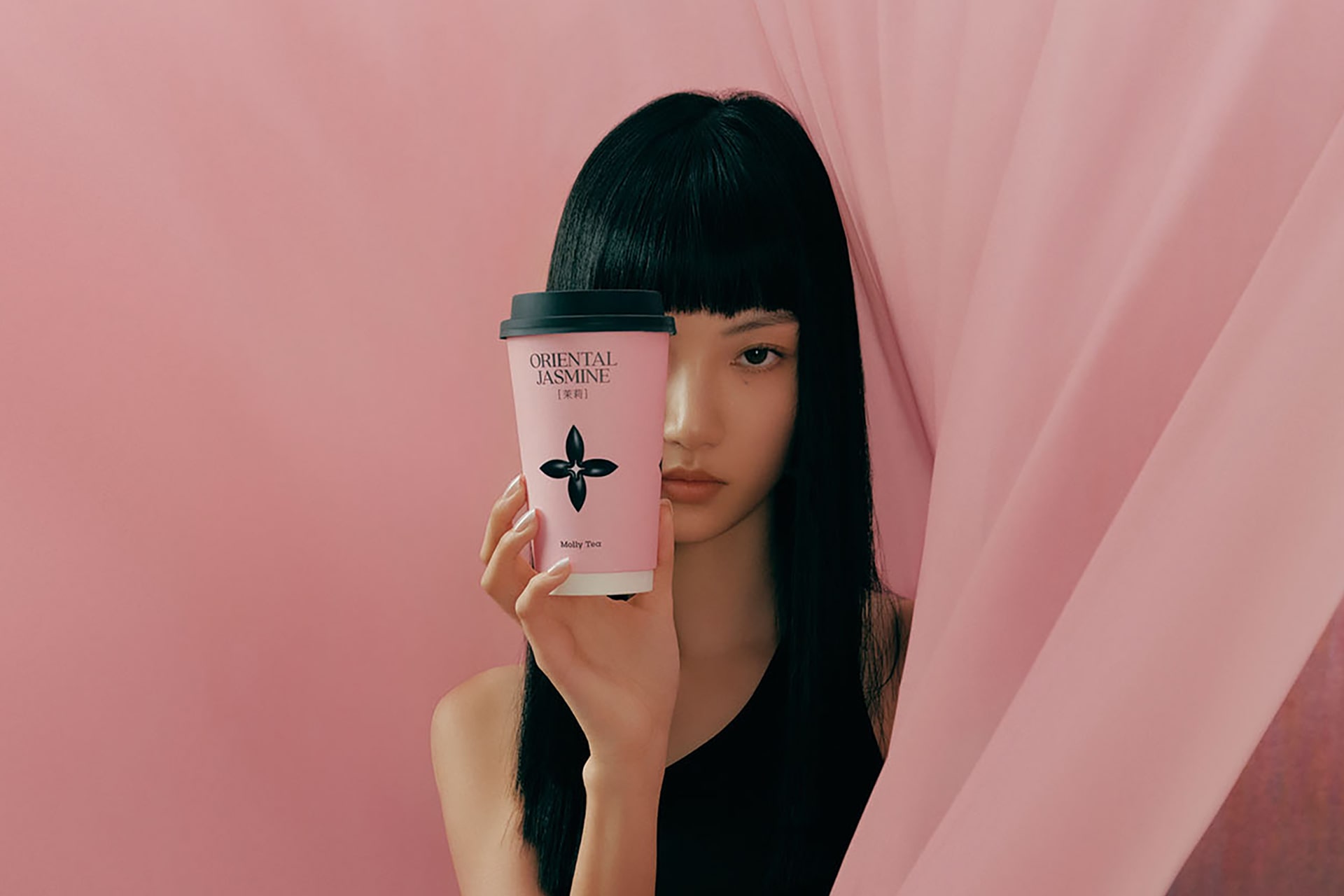
    Molly Tea, a renowned Chinese tea chain, has marked its entrance into the intensely competitive food and beverage markets of Southeast Asia with the opening of its debut store in Singapore, situated at Orchard Central.

    The new establishment, which is the largest of its kind in Southeast Asia, has been designed to accommodate up to 40 customers at a time and spans across an impressive area of 1,400 square feet.

    Despite the recent unveiling of its Singaporean branch, the rapidly expanding brand is already laying plans for the inauguration of a second store in the country in the near future. The specifics of this forthcoming project have not yet been publicly disclosed.

    Molly Tea, with its origins in Shenzhen, was founded in 2020 and has since experienced an accelerated growth trajectory. This has not only allowed it to firmly establish its presence across China but also propelled it into international markets. The brand is largely recognised for its array of jasmine-based tea beverages.

    Currently, Molly Tea operates an extensive network of over 2,000 stores worldwide. Their reach extends to several major markets including, but not limited to, China, Thailand, Japan, and the United States.

    In the previous year, Molly Tea broadened its geographical footprint by foraying into the Indonesian market, establishing two stores in the capital city, Jakarta.

    Questions & Answers

    When and where was Molly Tea founded?
    Molly Tea was founded in Shenzhen, China in the year 2020.

    How many stores does Molly Tea operate globally?
    Currently, Molly Tea operates more than 2,000 stores across the globe.

    What type of beverages is Molly Tea known for?
    Molly Tea is particularly recognized for its diverse range of jasmine-based tea beverages.

  • Dior Unveils Largest Southeast Asia Outlet In Bangkok: A New Era Of Luxury Retail Experience

    Dior Unveils Largest Southeast Asia Outlet In Bangkok: A New Era Of Luxury Retail Experience

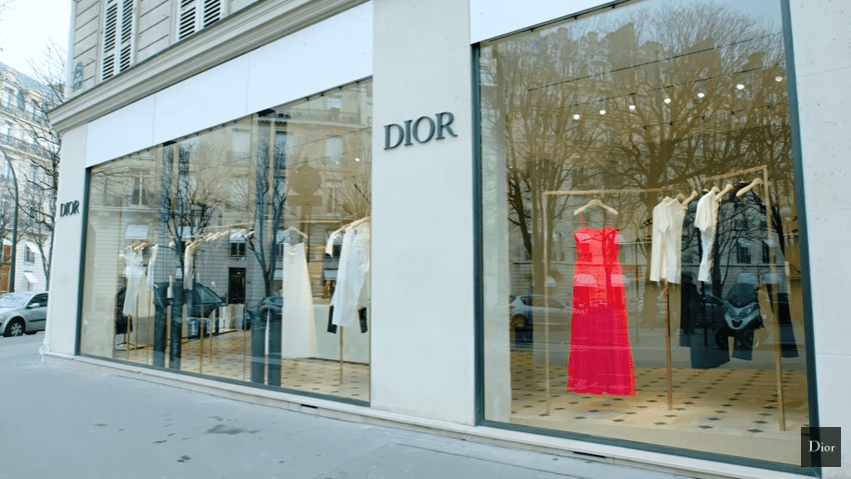
    Dior Beauty has unveiled its most expansive outlet in Southeast Asia, located in the Siam Takashimaya section of Bangkok’s IconSiam center. This move marks a strategic expansion in one of the most significant luxury consumer markets in the region.

    The latest Dior store exemplifies the firm’s innovative global retail strategy. It offers a curated selection of fragrances, makeup, and skincare products, all under one roof. The focus is on delivering a tailored and immersive retail experience for the brand’s discerning customers.

    A standout feature of the boutique is the private VVIC Lounge, a space meticulously designed for personalized beauty consultations. Additionally, beauty enthusiasts can indulge in Dior La Suite, an exclusive room offering bespoke facials using the brand’s cutting-edge skincare technology.

    Fragrances play a pivotal role in the store’s unique ambiance. The exquisite La Collection Privee Christian Dior is showcased in a distinct area, shaped in collaboration with the celebrated perfume creation director, Francis Kurkdjian. The boutique offers a host of customization services, such as refillable Amphora bottles and engraving.

    The boutique’s makeup area features top-tier products crafted under the guidance of Peter Philips, the creative and image director for Dior Makeup. This includes popular items like Rouge Dior and Dior Forever. Moreover, skincare ranges like Dior Prestige, Dior Capture, and L’Or de Vie are displayed with innovative digital diagnostic tools that help customers select suitable products.

    Since the dawn of the Year of the Horse, IconSiam has seen a rise in its luxury portfolio with several upscale brand debuts. One such example is Moncler, which opened its first company-owned store in Thailand at the IconSiam retail complex.

    Questions & Answers

    What is the standout feature of the new Dior Beauty boutique?
    The standout feature is the private VVIC Lounge, a space designed for personalized beauty consultations.

    What are some of the personalization services offered at the boutique?
    The boutique offers a host of personalization services such as refillable Amphora bottles and engraving.

    What are some of the featured product ranges at the store?
    The store features popular makeup items like Rouge Dior and Dior Forever as well as skincare ranges like Dior Prestige, Dior Capture, and L’Or de Vie.

  • Thailand Sparkles as Southeast Asia’s Gold Demand Hotspot, Dethrones Vietnam

    Thailand Sparkles as Southeast Asia’s Gold Demand Hotspot, Dethrones Vietnam

    In 2025, Thailand outperformed all Southeast Asian nations in the purchase of gold bars and coins, signaling a surge in demand. According to the World Gold Council, total purchases in the country amounted to 51.4 tonnes, which represented approximately 36% of the region’s overall demand. This significant uptake in gold was the highest the country had seen in seven years, valued at over US$6 billion. As a result, Thailand surpassed Vietnam, the previous leading gold market in the region, which had recorded a demand of 42.1 tonnes in 2024.

    Regional Uptake of Gold

    Collectively, five prominent Southeast Asian gold markets witnessed a more than 15% surge in the purchase of bars and coins last year. The total demand reached a new nine-year high at 139 tonnes. Vietnam trailed Thailand, securing second place with a demand of 36.1 tonnes. However, it was the sole country to report a downturn in gold sales, with a 14% decrease.

    During the last quarter of 2025, Vietnam’s gold trading shrank for the sixth consecutive quarter, hitting its lowest point in almost half a decade. Supply shortages were identified as a principal reason for this downturn. The country experienced a scarcity of gold bars and a sudden increase in 24K ring demand, causing prices to escalate dramatically and widen the disparity with international rates. Consequently, Vietnam’s gold prices soared by 81% in the previous year and 13.5% in the current year.

    Regional Gold Demand

    Despite these circumstances, Thailand and Vietnam combined accounted for two-thirds of Southeast Asia’s gold demand. The third highest demand was from Indonesia, which saw a 29% surge in sales to 31.6 tonnes, marking an unprecedented volume in 12 years.

    Malaysia claimed the fourth position, with a demand increase of 37% to 10.3 tonnes, likewise a 12-year record. Singapore, ranking fifth, marked the most significant growth in the region at 48%, with a record volume of 9.6 tonnes sold.

    Globally, the demand for gold bars and coins reached 1,374 tonnes or $154 billion. China and India consistently remained the two primary gold markets. There was a 28% rise in demand for gold bars and coins in China in 2025 compared to 2024, while India registered a 17% increase during the same period. Together, these two nations represented more than half of the total global demand for bars and coins.

    Questions & Answers

    Which country led Southeast Asia in gold demand in 2025?
    Thailand led Southeast Asia in gold demand in 2025, with purchases totaling 51.4 tonnes.

    What factors contributed to the decline in Vietnam’s gold trading?
    A shortage in the supply of gold bars and an increase in demand for 24K rings were key factors that contributed to the decline in Vietnam’s gold trading.

    Which countries were the two largest global markets for gold in 2025?
    China and India were the two largest global markets for gold in 2025, accounting for more than half of the total global demand for bars and coins.

  • Hapas Eyes $15M Boost to Amplify Omnichannel Presence and Southeast Asia Expansion

    Hapas Eyes $15M Boost to Amplify Omnichannel Presence and Southeast Asia Expansion

    Hapas, a fashion accessories retailer based in Vietnam, is reportedly setting its sights on raising a minimum of $15 million in a forthcoming funding round. The objective of this fundraising effort is to bolster its omnichannel footprint and facilitate expansion across the Southeast Asia region.

    The Role of Index Partners

    Reports suggest that Index Partners is taking on the role of sell-side advisor for the transaction. This role typically involves providing guidance on the selling strategy, facilitating negotiations, and working to ensure a favorable outcome for Hapas.

    An Impact-Linked Investment

    In 2022, Hapas received an impact-linked investment from Beacon Fund, which is the SME lending branch of Patamar Capital. This investment was reportedly influenced by the fact that 80% of Hapas’ management personnel are women entrepreneurs. Beacon Fund, however, has since withdrawn its investment.

    Specialization and Expansion Strategy

    Hapas was originally established as a provider of affordable luxury products, specializing in bags and accessories. Presently, Hapas manages 16 brick-and-mortar stores in Vietnam, and places emphasis on e-commerce platforms such as the TikTok Shop and Shopee.

    Furthermore, the company is making conscious efforts to fortify its direct-to-consumer channels to help diminish its dependence on third-party marketplaces. As part of this initiative, Hapas has commenced online sales in Thailand and is formulating plans to extend its physical retail presence to other regional markets. These include Thailand and Indonesia, and the expansion is slated to occur within the next few years.

    Questions & Answers

    What is Hapas planning to do with the new funding?
    Hapas aims to use the funds raised to enhance its omnichannel presence and to facilitate its expansion across the Southeast Asian region.

    Who is acting as a sell-side advisor for the transaction?
    Index Partners is reported to be serving as the sell-side advisor for this transaction.

    What is Hapas’ expansion strategy?
    Hapas has recently begun selling online in Thailand and aims to expand its physical retail presence to regional markets like Thailand and Indonesia in the next few years.

  • KK Group Debuts First KKV Flagship Store in Vietnam, Amplifying Its Southeast Asia Presence

    KK Group Debuts First KKV Flagship Store in Vietnam, Amplifying Its Southeast Asia Presence

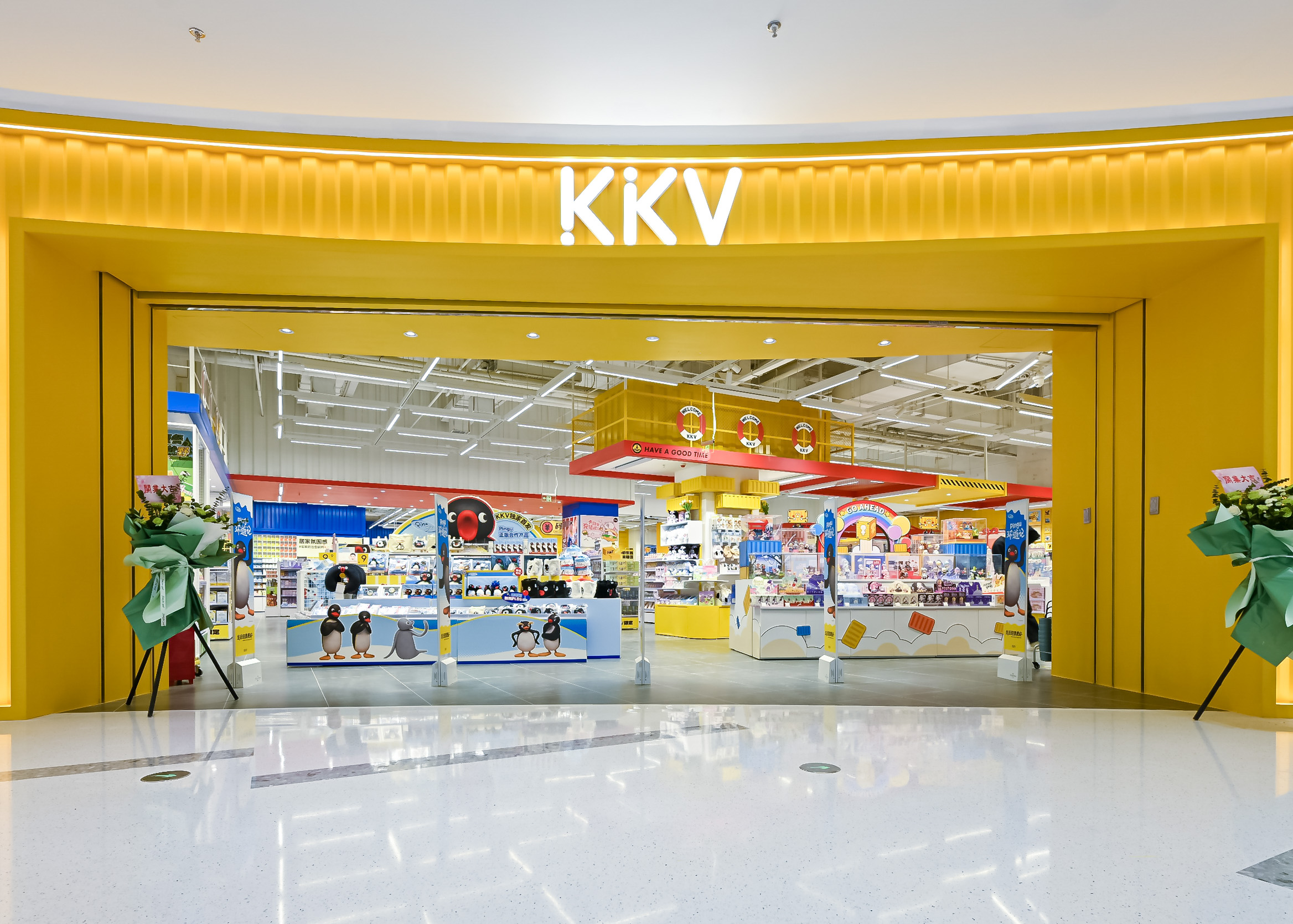
    KK Group, a key player in retail, has unveiled its first independent KKV flagship store in Vietnam, signifying the company’s second international flagship venue as it continues its expansion in Southeast Asia.

    Store Location and Features

    The new outlet is strategically situated at 28 Le Loi Street in the bustling city of Ho Chi Minh. This high-end retail location is directly across from Saigon Centre, a prominent shopping hub.

    Breaking away from traditional retail designs, the multi-story store integrates unique themed displays, such as the ‘Colorful KKV Moto Park’. This motorcycle-inspired installation is placed at the entrance, utilizing what was previously a parking space.

    The store boasts an extensive selection of lifestyle goods, including toys, beauty products, food, and household items. Approximately 5,000 additional products will be gradually unveiled, just in time for the Tet (Lunar New Year) holiday season.

    Future Expansion Plans

    Rojen Wu, Chief Operating Officer of KK Group’s international business, expressed the company’s commitment to further global expansion. He stated, “We will continue to open global flagship stores in various countries, offering local consumers an enriched and inspirational shopping experience.”

    Vietnam is a crucial market for KK Group in Southeast Asia. The company presently manages around 20 stores across its three brands—KKV, The Colourist, and X11—in Vietnam, with a goal of reaching 50 outlets within the year.

    Founded in China, KK Group runs over 1,000 stores in more than 200 cities within its home market and more than 150 in Southeast Asia. For this year, the group aims to increase that number to over 300 stores across the region.

    Questions & Answers

    Where is the first standalone KKV flagship store in Vietnam located?
    The store is located at 28 Le Loi Street in Ho Chi Minh City, across from the Saigon Centre.

    What unique feature does the new KKV store in Vietnam possess?
    The store is designed with themed installations such as the ‘Colorful KKV Moto Park’, a motorcycle-themed structure at the entrance.

    What are KK Group’s expansion plans in Southeast Asia?
    KK Group plans to continue opening more flagship stores in various countries across Southeast Asia, with a target of over 300 stores across the region for this year.

  • Boss Launches First Athleisure Centric Stores in Indonesia, Amplifies Southeast Asia Presence

    Boss Launches First Athleisure Centric Stores in Indonesia, Amplifies Southeast Asia Presence

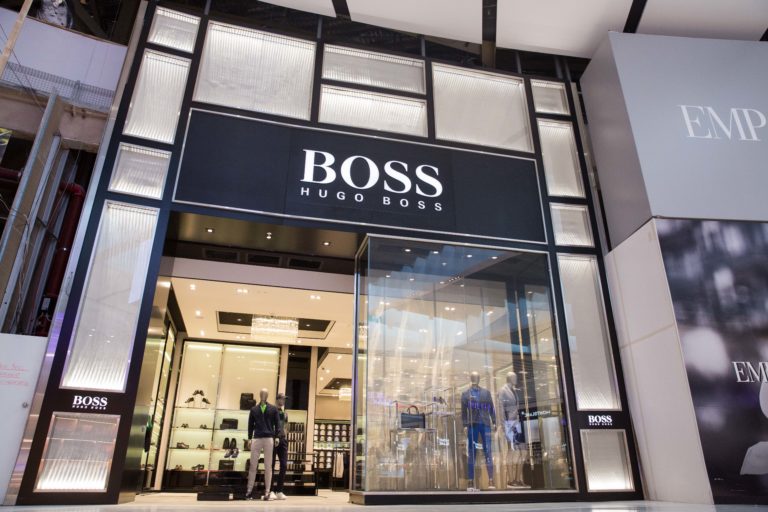
    Boss is broadening its market reach in Southeast Asia by introducing its premier athleisure-oriented retail outlets in Indonesia. The brand has unveiled two new stores in Jakarta, located in the prestigious Grand Indonesia and Central Park Mall.

    The store in Grand Indonesia offers an expansive area of roughly 80 square meters, while the Central Park Mall outlet covers a significantly larger expanse of approximately 206 square meters. Both locations are designed with a distinct retail concept aimed at contouring Boss’s athleisure line. The stores feature an array of stainless steel and glass fixtures, flooring with a carbon texture, and concrete-finished walls.

    In order to highlight the technical prowess and performance-centric characteristics of the line, digital screens have been seamlessly embedded throughout the stores.

    These newly unveiled outlets are specifically purposed to house the brand’s performance and sports inclined product categories. They present a carefully curated selection of activewear and lifestyle clothing.

    The product line on offer encompasses collections for golf and tennis, daily casual wear, designs aimed at commuters, and the Boss Performance collection. This latter range is particularly focused on technical fabric and functionality, making it suitable for everyday wear.

    These recent openings in Indonesia follow the debut of the brand’s biggest flagship store in Southeast Asia, located at One Bangkok. The store is also the location of the brand’s first Boss Cafe in the region.

    Questions & Answers

    What is the retail concept of the new Boss stores in Jakarta?
    The stores are designed to specifically accommodate Boss’s athleisure line, featuring stainless steel and glass fixtures, carbon-textured flooring, and concrete wall finishes.

    What kind of products are available in these new stores?
    The new stores offer a range of activewear and lifestyle clothing, including collections for golf and tennis, everyday casualwear, commuter-focused designs, and the Boss Performance range.

    What is the significance of the Boss store in One Bangkok?
    The store at One Bangkok is the biggest Boss flagship store in Southeast Asia and also houses the region’s first Boss Cafe.