Retail News CRM

Tag: southeast

  • CIMB Expands Wealth Services into Singapore and Thailand, Targeting Southeast Asias Rising Affluent Class

    CIMB Expands Wealth Services into Singapore and Thailand, Targeting Southeast Asias Rising Affluent Class

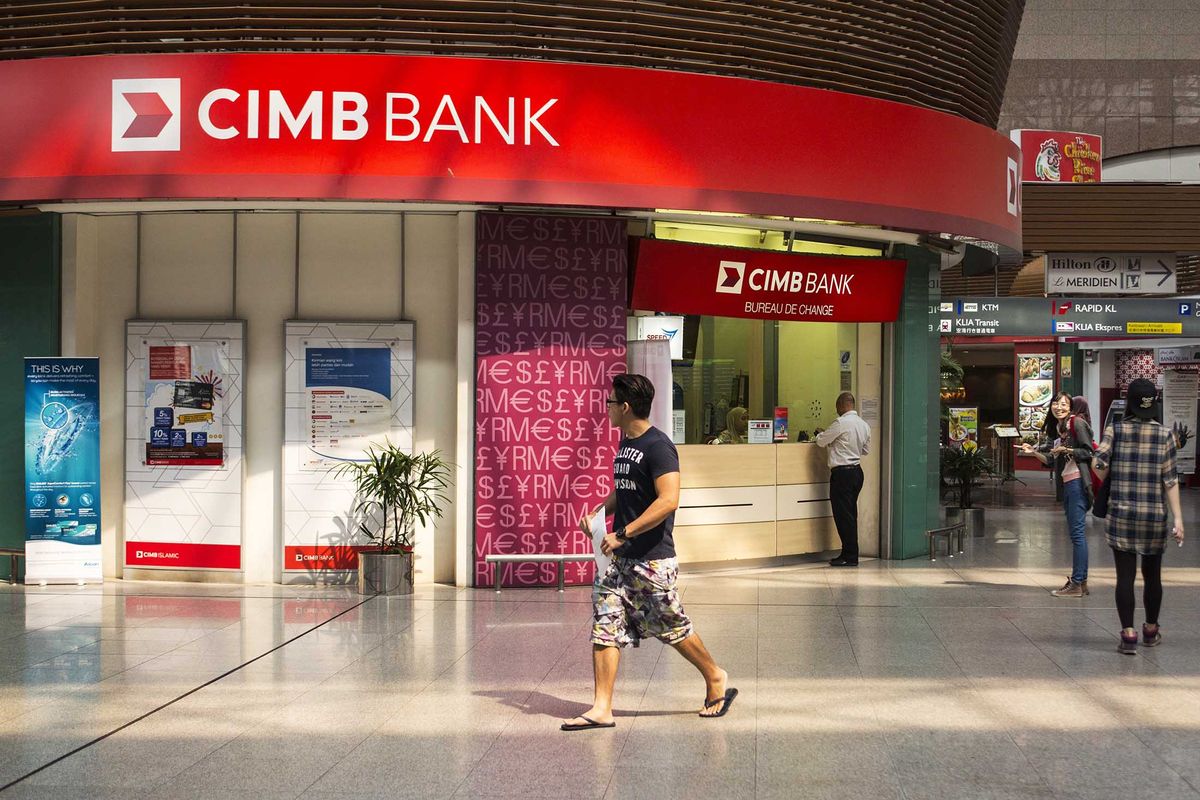
    CIMB Group, Malaysia’s second-largest bank in terms of assets, has announced its intention to expand its private wealth business to Singapore and Thailand by the end of the year. This move is part of a larger plan to double the bank’s wealth assets under management by 2030.

    Targeting Southeast Asia’s Growing Affluent Segment

    Haniz Nazlan, the CEO of group consumer banking at CIMB, revealed on Monday that this expansion activity is targeting the rapidly increasing affluent segment in Southeast Asia. This strategic move follows the successful launch of the bank’s private wealth business in Indonesia earlier in the year and in Malaysia on the same day.

    According to Nazlan, the ASEAN economy, worth US$4 trillion, has been experiencing robust annual economic growth rates of approximately 4%, which is significantly higher than many developed markets. This economic dynamism is expected to stimulate a 5% to 6% annual increase in the region’s affluent population. Furthermore, the middle class is projected to comprise between 65% and 70% of the ASEAN population by 2030.

    Factors such as growing incomes, escalating cross-border investments, and a notable surge in intergenerational wealth transfers are propelling the market.

    A New Service for High Net-Worth Clients

    Daniel Cheong, CIMB’s head of consumer banking for Malaysia, revealed that the new private wealth service is tailored to clients who have at least RM1 million ($244,612) in assets under management. This offering is positioned above CIMB Preferred, the bank’s mass-affluent priority banking segment, which requires a minimum of RM250,000 in assets.

    CIMB’s Private Wealth service offers clients dedicated relationship managers, treasury solutions, investment advisors, customized investment products, succession planning, and digital wealth capabilities.

    Nazlan noted that affluent clients are progressively seeking advice that goes beyond mere investment product selection. He explained that they want guidance on wealth protection, preparation of their children’s futures, access to global opportunities, and making informed decisions in an unpredictable world.

    Nazlan disclosed that CIMB’s wealth assets under management (AUM) were approximately RM250 billion in the preceding year. However, he refrained from providing interim growth targets or customer acquisition figures, stating that it is still the early stages of the Private Wealth proposition’s rollout.

    Questions & Answers

    What is CIMB Group’s plan for its private wealth business?
    CIMB Group plans to expand its private wealth business to Singapore and Thailand by year-end, aiming to double its wealth assets under management by 2030.

    Who are the target clients of the new CIMB private wealth service?
    CIMB’s private wealth service targets high net-worth clients who have at least RM1 million ($244,612) in assets under management.

    What are the key services offered by CIMB’s Private Wealth service?
    CIMB’s Private Wealth service offers dedicated relationship managers, investment advisors, treasury solutions, succession planning, customizable investment products, and digital wealth capabilities.

  • Bangkoks Ultra-Rich Population on Pace to Lead Southeast Asias Wealth Boom

    Bangkoks Ultra-Rich Population on Pace to Lead Southeast Asias Wealth Boom

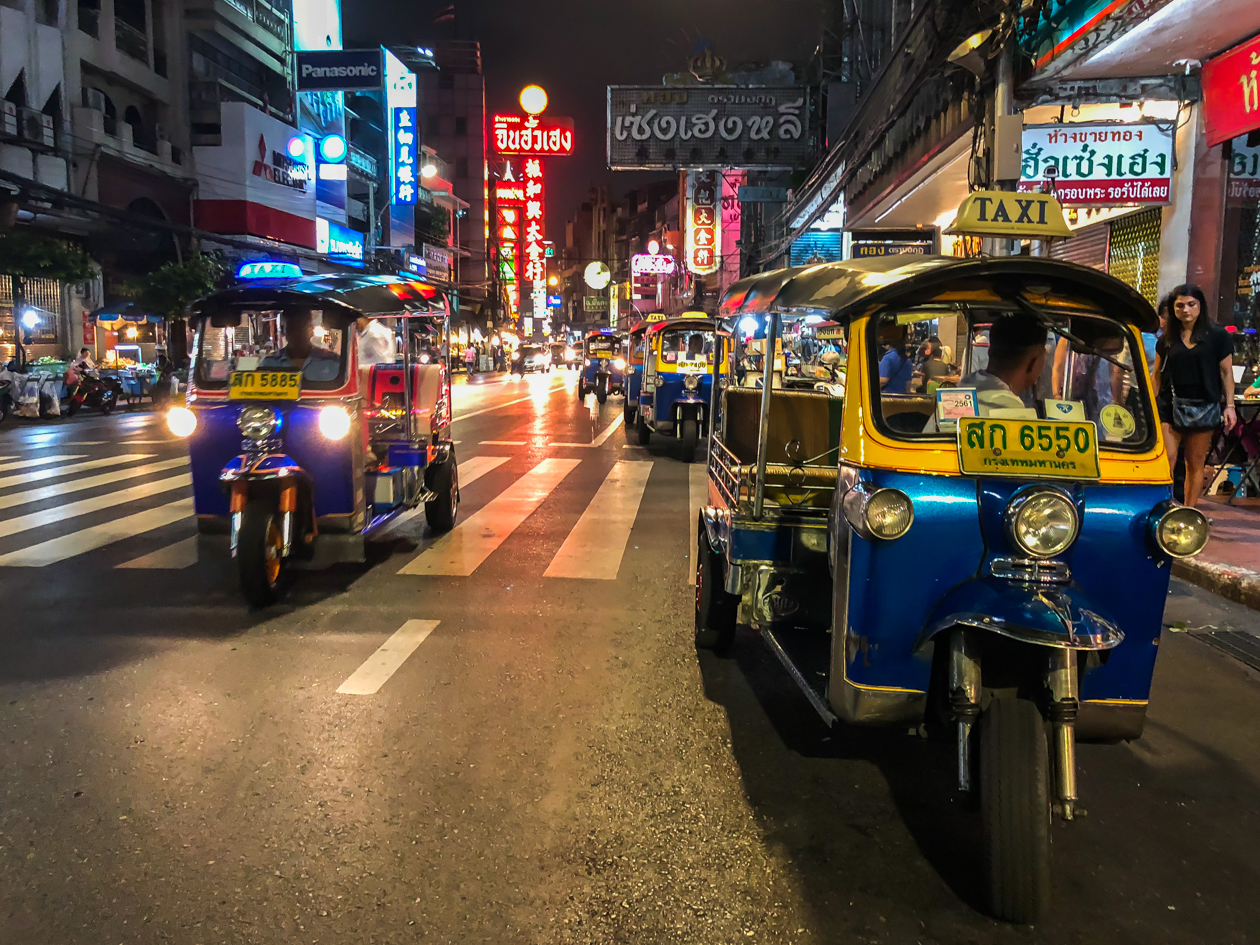
    Bangkok is emerging as Southeast Asia’s most dynamic hub for ultra-high-net-worth (UHNW) individuals, illustrating Thailand’s increasing allure for global wealth despite ongoing economic and geopolitical instability. The UHNW populace in Thailand’s capital is anticipated to expand to approximately 1,840 by 2030, up from 1,210 in 2025. This growth represents a surge of over 50%, equating to an average yearly increase of 8.7%.

    In 2025, Thailand recorded 2,090 UHNW individuals, with 1,210 primarily residing in Bangkok. UHNW individuals are classified as those possessing net assets exceeding US$30 million. This predicted growth positions Bangkok as the twelfth fastest expanding major UHNW city globally among the 100 largest urban economies by nominal GDP, rendering it the quickest growing wealth center in Southeast Asia, surpassing Jakarta.

    Bangkok’s Wealth Creation: A Unique Blend

    Bangkok’s wealth generation is notable not just for its speed but also for its unique blend of robust domestic entrepreneurship and increasing international appeal. Predictions suggest that, among major global cities, Bangkok will experience one of the swiftest increases in its ultra-wealthy population over the next five years. This growth will further consolidate its position as an emerging global wealth center.

    Most UHNW individuals based in Bangkok are self-made entrepreneurs. However, many benefitted from inherited capital during their businesses’ early development stages. The global UHNW population reached an all-time high of 556,850 individuals in 2025, a 14.4% rise from the previous year. This growth marked the second successive year of double-digit expansion and the strongest growth since 2017.

    In Asia, Hong Kong has the highest number of UHNW people, with 18,290, ranking second only to New York globally, which boasts 23,785 individuals. By 2030, the global UHNW population is expected to reach 746,570, with total wealth swelling to $85 trillion.

    Questions & Answers

    What is the projected number of ultra-high-net-worth individuals in Bangkok by 2030?
    The number of ultra-high-net-worth individuals in Bangkok is predicted to rise to about 1,840 by 2030, up from 1,210 in 2025.

    What factors contribute to Bangkok’s wealth generation?
    Bangkok’s wealth generation is characterized by robust domestic entrepreneurship and an increasing international appeal, making it a global wealth center.

    How does Bangkok’s ultra-high-net-worth population growth compare globally?
    Bangkok is projected to have the twelfth fastest-growing major ultra-high-net-worth population among the 100 largest urban economies by nominal GDP. This places it as the quickest growing wealth center in Southeast Asia.

  • Sapporo Joins Forces with Carlsberg in $643M Southeast Asian Venture to Boost Premium Beer Sales

    Sapporo Joins Forces with Carlsberg in $643M Southeast Asian Venture to Boost Premium Beer Sales

    Japanese brewing company Sapporo is set to enter into a strategic partnership with Danish brewer Carlsberg, which entails a $643 million investment for a 25% stake in a Singapore-based joint venture. This venture, which will span across Southeast Asia and Hong Kong, is anticipated to begin operations in December 2026, with Carlsberg owning a majority stake of 75%.

    A Regional Expansion

    Sapporo intends to use this partnership as an opportunity to extend its existing collaborations in Malaysia, Hong Kong, and Singapore to other countries including Vietnam, Laos, and Cambodia. The company’s goal is to significantly increase the sales of its flagship product, Sapporo Premium Beer, in these target markets. By 2035, Sapporo aims to sell around ten times the number of units sold in 2025, an ambitious objective that will be facilitated by Carlsberg’s strong market presence across the region.

    Anticipated Benefits

    As part of the agreement, Sapporo will provide the joint venture with a long-term license for Sapporo Premium Beer. The Japanese brewer expects to see a variety of financial benefits as a result of this arrangement, including diversified revenue streams. These will emanate from dividends, royalty income, and manufacturing-related earnings.

    Questions & Answers

    What is the nature of the strategic partnership between Sapporo and Carlsberg?
    The partnership involves Sapporo investing $643 million for a 25% stake in a Singapore-based joint venture with Carlsberg, which will span across Southeast Asia and Hong Kong.

    What is Sapporo’s sales goal for the Sapporo Premium Beer?
    Sapporo aims to increase sales of the Sapporo Premium Beer in the target markets to approximately ten times the sales level of 2025 by the year 2035.

    How will Sapporo benefit from this joint venture?
    Sapporo anticipates gaining from diversified revenue streams, which will come from dividends, royalty income, and manufacturing-related earnings.

  • Unlocking Sustainable Growth in Southeast Asia: The Power of Multi-Channel Logistics for Brands

    Unlocking Sustainable Growth in Southeast Asia: The Power of Multi-Channel Logistics for Brands

    The e-commerce sector in Southeast Asia is witnessing significant growth, with its Gross Merchandise Value (GMV) projected to reach around US$350 billion by 2030 and escalate to US$630 billion by 2035.

    For businesses aiming to tap into this growth, achieving success is no longer merely about attracting customers. It is equally critical to ensure a consistent customer experience, regardless of where the consumers decide to make their purchases. This applies to all sales channels, whether consumers purchase through online marketplaces, direct-to-consumer websites, social commerce platforms, or physical stores. They anticipate a seamless shopping experience, speedy and dependable delivery. This demonstrates that logistics isn’t just a back-end operation anymore; instead, it significantly influences the customer’s buying experience and impacts their perception and interaction with a brand, both online and offline.

    To cater to these expectations, logistics providers are rethinking the traditional fulfillment styles centered around specific platforms. They are investing in more comprehensive solutions that can meet customers’ expectations on a larger scale.

    Challenges in Managing Multi-Channel Operations in a Diverse Region

    In Southeast Asia, brands are broadening their omnichannel presence. The region’s diverse market landscape poses unique operational challenges. Brands need to handle different consumer expectations, various levels of infrastructure maturity, unique regulatory environments, and diverse operational requirements across multiple markets.

    Brands also must manage inventory across various sales channels and logistics providers. Separate warehousing arrangements, fragmented stock pools, and disconnected fulfillment systems can directly impact the customer experience, leading to delayed deliveries, inaccurate stock information, and inconsistent service across channels. These gaps can lead to increased costs, reduced stock visibility, and complicate demand planning.

    A Streamlined Approach to Scaling through a Unified Fulfillment Infrastructure

    Lazada Logistics acknowledged the growing need for more integrated fulfillment solutions and introduced its Multi-Channel Logistics (MCL) offering. The MCL enables brands to streamline fulfillment operations across channels through a single logistics network.

    The MCL is available across several countries in Southeast Asia, including Singapore, Thailand, Vietnam, Indonesia, the Philippines, and Malaysia. It combines Lazada Logistics’ proprietary regional infrastructure with an extensive third-party logistics network to provide comprehensive inventory management, warehousing, and fulfillment services on a larger scale. This allows brands to rapidly respond to fluctuating consumer demand while maintaining consistent service standards across the region.

    Thanks to MCL, brands can optimize logistics costs without compromising service quality, allowing them to concentrate resources on customer acquisition, product development, and market expansion. With a simplified fulfillment structure and more efficient inventory utilization, businesses can strike a balance between cost management and customer experience objectives.

    Questions & Answers

    How is the e-commerce market in Southeast Asia growing?
    The e-commerce sector in Southeast Asia is expanding significantly, with its Gross Merchandise Value (GMV) projected to hit around US$350 billion by 2030 and increase to US$630 billion by 2035.

    What challenges do brands face in managing multi-channel operations?
    Brands must deal with various consumer expectations, different levels of infrastructure maturity, unique regulatory environments, and diverse operational requirements across multiple markets. Additionally, they need to handle inventory across various sales channels and logistics providers.

    How does Lazada Logistics’ Multi-Channel Logistics (MCL) help brands?
    The MCL offering by Lazada Logistics enables brands to consolidate fulfillment operations across channels through a single logistics network. It helps brands optimize logistics costs without compromising service quality, allowing them to concentrate resources on customer acquisition, product development, and market expansion.

  • Emirates SkyCargo Boosts Freight Services in East and Southeast Asia Amid Rising Demand

    Emirates SkyCargo Boosts Freight Services in East and Southeast Asia Amid Rising Demand

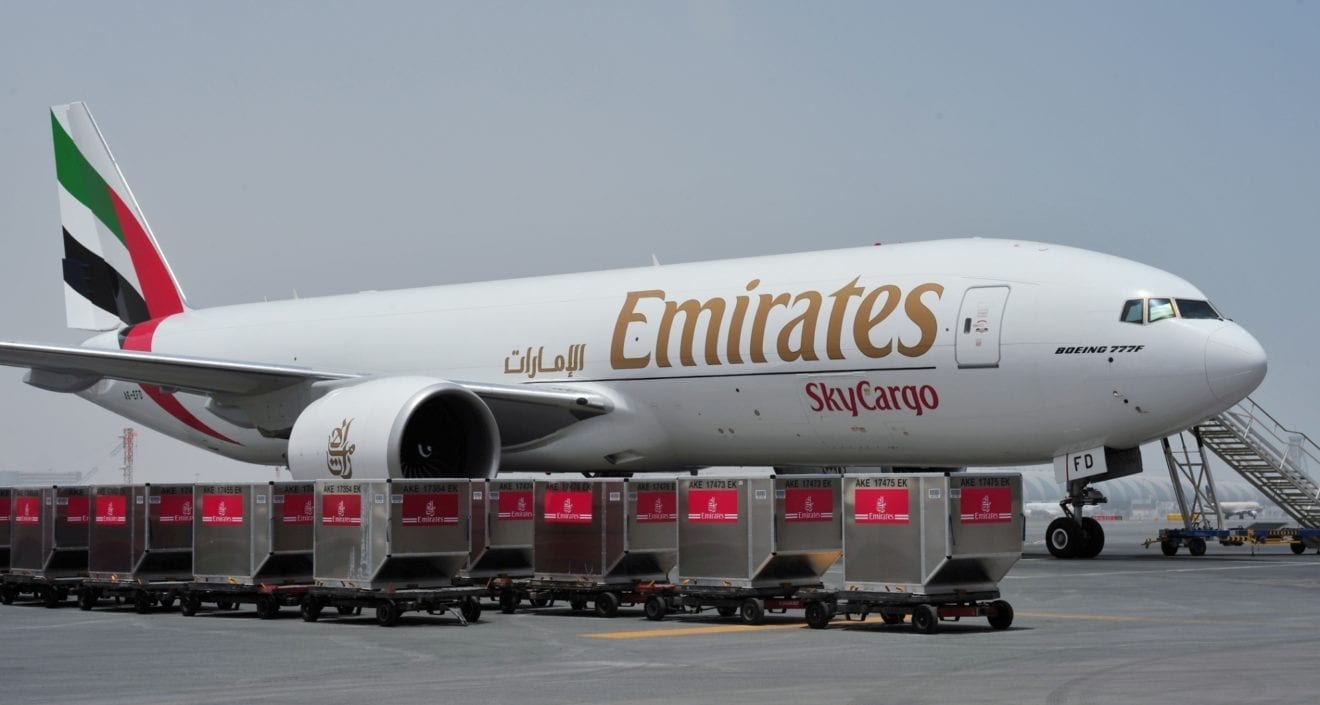
    Emirates SkyCargo, the air cargo carrier, has unveiled a strategic expansion plan for its freight services throughout East and Southeast Asia. The move is aimed at enhancing the cargo flight frequencies and destinations to meet the increasing demand. Businesses and manufacturers in East and Southeast Asia are seeking comprehensive connections to rapidly and securely transport their goods to high-demand markets in the Middle East, Africa, Europe, and the Americas.

    Facilitating International Trade

    In the FY 25/26, Emirates SkyCargo transported over 439,000 tonnes of cargo via its freighter and passenger flights from 12 markets in East and Southeast Asia. This reflects a 5% increase in cargo tonnage compared to FY24/25, illustrating the thriving demand from businesses and exporters to transport goods across the globe.

    Badr Abbas, Divisional Senior Vice President at Emirates SkyCargo, highlighted the importance of East and Southeast Asia as global manufacturing epicentres. They contribute significantly to the production of high-tech goods, export of perishables, and are a significant origin for global e-commerce flows. He added that by increasing the number of freighter flights and expanding their freighter services, they provide rapid connectivity to ensure swift and safe cargo transportation to customers worldwide.

    Expansion of Freighter Flights

    Emirates SkyCargo plans to double its freighter capacity to Narita Airport in Tokyo, increasing from one to two weekly freighter flights. This expansion will cater to Japan’s robust manufacturing industry, spanning diverse sectors like automotive, electronics, and pharmaceuticals.

    The carrier is also escalating its flights to Hong Kong to 37 weekly freighter flights, offering maximum flexibility and choice to customers in this export-led economic corridor. Moreover, Emirates SkyCargo has broadened its reach into Central China with three weekly flights from Zhengzhou, linking the industrial hub of Henan province to Dubai and other destinations.

    The carrier has also resumed its freighter flights from Singapore, with a weekly flight connecting to Dubai via Mumbai. This forms a vital trade lane across Asia. Furthermore, Emirates SkyCargo plans to double its footprint in Taiwan, enhancing its service from one weekly to twice-weekly freighters to Taipei, to meet the increasing demand for high-tech electronic cargo movement.

    Questions & Answers

    What is the main aim of Emirates SkyCargo’s expansion in East and Southeast Asia?
    The primary objective is to increase the freighter flight frequencies and destinations to meet the surging demand for rapid and secure transportation of goods to high-demand markets.

    How is Emirates SkyCargo responding to the demand in Japan’s manufacturing industry?
    The company plans to double its freighter capacity to Narita Airport in Tokyo, thereby catering to diverse sectors in Japan’s robust manufacturing industry.

    What new development has taken place regarding Emirates SkyCargo’s operation in Taiwan?
    Emirates SkyCargo intends to double its footprint in Taiwan, increasing its service from one weekly to twice-weekly freighters to Taipei, to meet the rising demand for high-tech electronic cargo movement.

  • Experience Luxury Dining: Tiffany & Cos Inaugural Blue Box Cafe in Southeast Asia to Open in Singapore

    Experience Luxury Dining: Tiffany & Cos Inaugural Blue Box Cafe in Southeast Asia to Open in Singapore

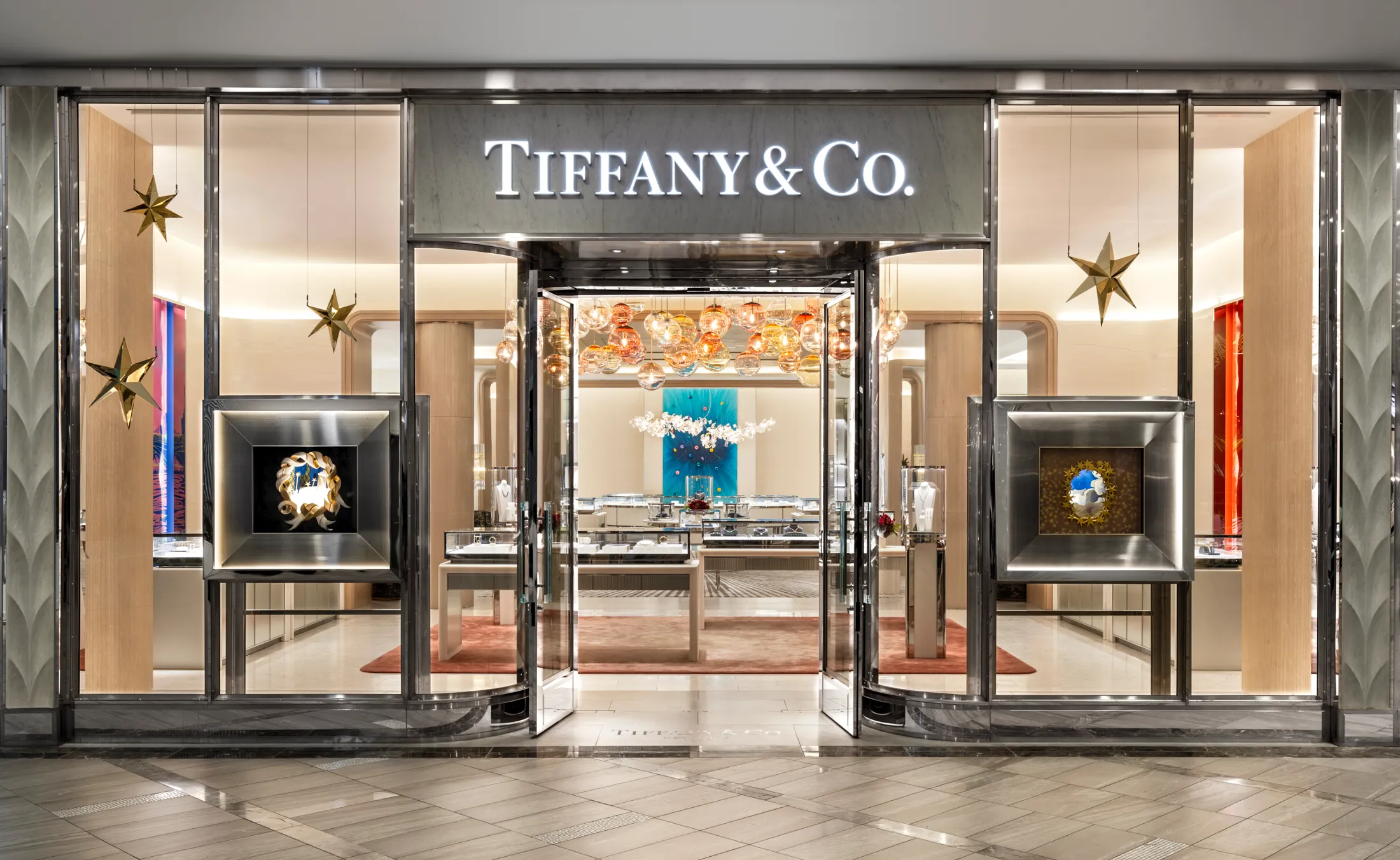
    Tiffany & Co, the prestigious luxury jeweller, announced their plans to launch their first-ever Blue Box Cafe in Southeast Asia. Set to make its debut in Singapore’s flagship store next month, this move is meant to elevate the brand’s presence within the region.

    Details of the Blue Box Cafe

    Slated to open its doors in mid-July, the Blue Box Cafe will take over the top floor of the recently revamped Ion Orchard store. Taking inspiration from its original New York-based Blue Box Cafe, the Singaporean outpost will boast an American-French menu. This gastronomic offering is the brainchild of Julien Royer, renowned chef and owner of Odette, a three-Michelin-starred restaurant.

    The Ion Orchard branch of Tiffany & Co has recently undergone a significant facelift and is now the only triplex boutique of the brand in Singapore. The store’s refurbishment began in September of the previous year. Its design shares similarities with Tiffany’s Landmark flagship store in New York, featuring a dynamic light installation by British architect, Hugh Dutton, gracing the store’s facade.

    Highlights of the Renovated Store

    This boutique not only houses the first Tiffany watch salon in Singapore, but it also encompasses private VIP suites, and the Schlumberger Gallery. This exclusive space showcases the works of notable jewellery designer, Jean Schlumberger.

    In addition to these offerings, the store also features artworks by ceramic artist Peter Lane and exhibits the Monumental Bronze-Mounted Vase. This historic masterpiece, created in 1898, is the work of Louis Comfort Tiffany, after whom the brand is named.

    Yeo Mui Hong, CEO of Orchard Turn Developments, expressed his pride in housing the first Blue Box Cafe in Southeast Asia at Ion Orchard. He affirmed the company’s commitment to enhancing the shopping experiences of its patrons and members. This introduction of the Blue Box Cafe follows the successful opening of a similar cafe earlier this year at Tiffany & Co’s Lee Gardens boutique in Hong Kong.

    Questions & Answers

    What is the Blue Box Cafe?
    The Blue Box Cafe is a dining concept by luxury jeweller Tiffany & Co. The cafe is designed to complement the shopping experience with a unique gastronomic offering.

    Where will the first Blue Box Cafe in Southeast Asia be located?
    The first Blue Box Cafe in Southeast Asia will be located on the top floor of the Tiffany & Co store in Ion Orchard, Singapore.

    What unique features does the renovated Ion Orchard store offer?
    The renovated Ion Orchard store houses Singapore’s first Tiffany Watch Salon, private VIP suites, and The Schlumberger Gallery, showcasing creations by jewellery designer Jean Schlumberger. It also features a kinetic light installation on its facade and several noteworthy art pieces.

  • Harlan + Holden Brews $12M Expansion Deal for Southeast Asia Presence

    Harlan + Holden Brews $12M Expansion Deal for Southeast Asia Presence

    Harlan + Holden, a lifestyle and coffee brand, is reportedly close to finalizing a funding round estimated to be around US$12 million. This capital injection is intended to propel the brand’s expansion strategy across Southeast Asia.

    Harlan + Holden: From Clothing to Coffee

    Established in Manila in 2015, Harlan + Holden has built a retail presence in Indonesia and the Philippines and runs its own online store. Initially, the brand focused solely on fashion, but it later branched out into the specialty coffee market.

    Investor Interest and Use of Proceeds

    The impending funding round is expected to attract notable angel investors and venture capital firms. Among the potential backers are Michael Soerijadji, co-founder of AC Ventures; Willix Halim, former CEO of e-commerce powerhouse Bukalapak; and Trihill Capital.

    The funds raised will be allocated to expanding the brand’s store network and enhancing its footprint in critical regional markets.

    Investors are demonstrating increased interest in Southeast Asia’s rapidly growing coffee and tea sector. Earlier this year, the budget coffee chain Pickup Coffee in the Philippines reportedly secured up to $8 million in convertible notes from Venturi Partners and new investor Antler. Meanwhile, Indonesian mobile coffee startup Jago Coffee raised $12.5 million in a Series B round led by Beenext.

    Questions & Answers

    What is Harlan + Holden?
    Harlan + Holden is a lifestyle and coffee brand that began as a clothing company in Manila in 2015 before expanding into the specialty coffee market.

    How much is Harlan + Holden expected to raise in its upcoming funding round, and what will the funds be used for?
    Harlan + Holden is reportedly nearing the completion of a US$12 million funding round. The capital raised will be used to broaden the brand’s store network and strengthen its presence in key regional markets.

    Who are the potential investors in Harlan + Holden’s funding round?
    Prominent angel investors and venture capital firms are anticipated to back the funding round. Potential investors include Michael Soerijadji, co-founder of AC Ventures; Willix Halim, former CEO of e-commerce giant Bukalapak; and Trihill Capital.

  • Buccellati Unveils Palatial Asia-Pacific Flagship Store in Bangkok, Boosting Presence in Southeast Asia

    Buccellati Unveils Palatial Asia-Pacific Flagship Store in Bangkok, Boosting Presence in Southeast Asia

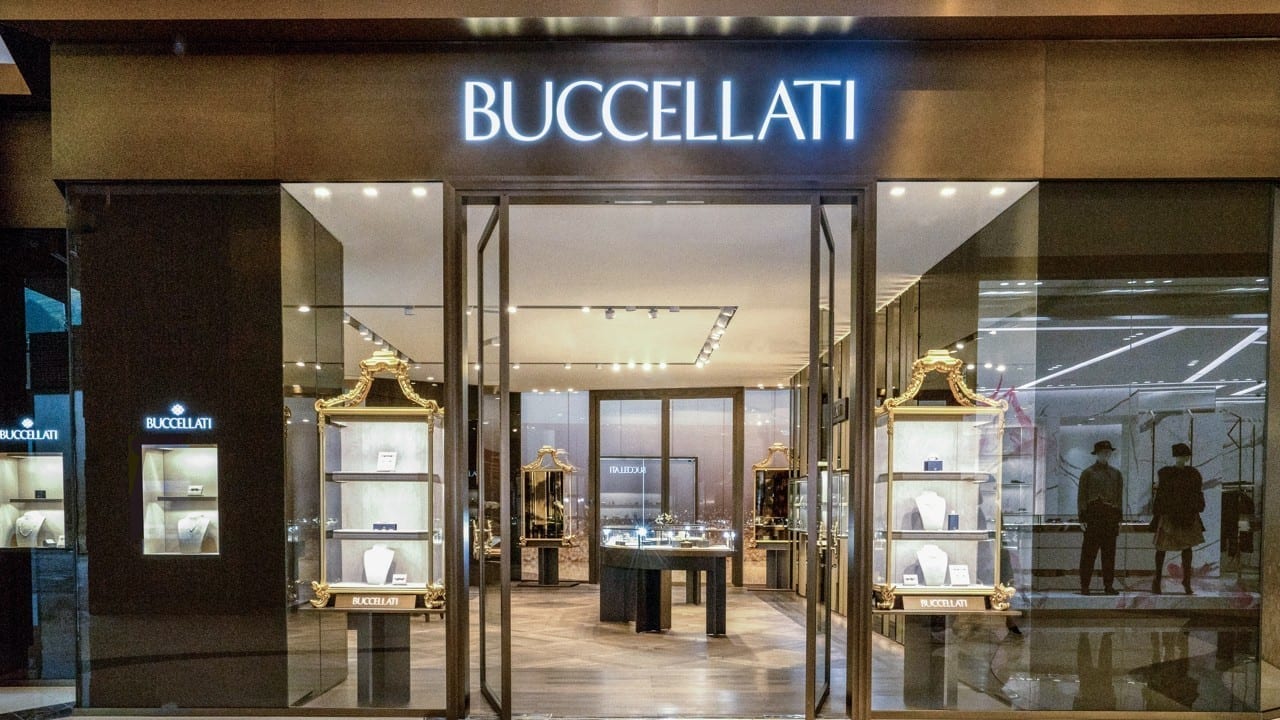
    Renowned Italian jewelers Buccellati have recently expanded their presence in the Asia-Pacific region with the inauguration of their largest store in Thailand. The store, situated on the M Floor of Siam Paragon in Bangkok, signifies the brand’s debut in the Thai market, contributing to its burgeoning retail network across the region.

    An Italian Heritage in a Modern Setting

    The design of the store is a tribute to Buccellati’s Italian lineage, featuring wooden paneling, handmade stucco finishes, and adornments reminiscent of European palaces. The store’s interior also includes a collection of antique furniture and mirrors from the 18th and 19th centuries. Two 16th-century mirrors from Naples, preserved with their original mirror plates and made using the traditional doratura a mecca gilding technique, are among the notable pieces on display. According to Buccellati, these mirrors were handpicked for the Bangkok location.

    The store offers a diverse range of Buccellati’s jewelry collections, such as Macri, Opera, and Tulle. In addition, customers can find high-end jewelry pieces, silverware, flatware, and giftware. The boutique also provides customers with an opportunity to witness the hand-engraving techniques that have become a signature of the Italian fashion house.

    Buccellati was established in Italy by Mario Buccellati and has since carved a niche for itself for its handmade jewelry and silverware. The brand is currently under the ownership of Richemont, and members of the Buccellati family continue to serve in key managerial positions of the enterprise.

    Questions & Answers

    What is unique about the new Buccellati store in Bangkok?
    The Buccellati store in Bangkok is the brand’s largest in the Asia-Pacific region and features a design that reflects the company’s Italian heritage.

    What does the store offer to its customers?
    In addition to offering a selection from Buccellati’s various jewelry collections, the store features high-end jewelry pieces, silverware, flatware, and giftware. Customers can also experience the brand’s signature hand-engraving techniques.

    Who currently owns the Buccellati brand?
    Buccellati is currently owned by Richemont, and members of the Buccellati family continue to hold senior management positions within the company.

  • Mastercard Unveils Phone. Passport. Mastercard Campaign: Revolutionizing Travel in Southeast Asia with Seamless Digital Payments

    Mastercard Unveils Phone. Passport. Mastercard Campaign: Revolutionizing Travel in Southeast Asia with Seamless Digital Payments

    Mastercard has launched a new campaign aimed at making travel across Southeast Asia more seamless and rewarding for consumers. The initiative, named “Phone. Passport. Mastercard”, primarily focuses on improving the payment experience for travelers journeying through Indonesia, Malaysia, Singapore, Thailand, the Philippines, and Vietnam. Developed in conjunction with issuing banks and merchant partners, the program provides access to over 300 promotions that cover dining, shopping, accommodation, transport, and leisure activities throughout the region.

    Enhancing Travel with Seamless Payments

    At the heart of the campaign is Mastercard’s effort to streamline the travel experience with digital payment solutions. The company is positioning its payment network as an essential tool for travelers along with their smartphones and passports. Whether it’s for transport, accommodation, or dining, travelers can access offers while depending on Mastercard’s secure payment infrastructure, which leverages technologies such as tokenisation, multi-factor authentication, and fraud monitoring for secure cross-border transactions. The initiative is aimed at reducing friction during travel and allowing consumers to focus on their experiences rather than worrying about payment logistics.

    Boosting Regional Businesses

    The campaign also seeks to aid regional merchants and tourism-related businesses by connecting them with consumers traveling along Southeast Asia’s busiest routes. According to Dheeraj Raina, Senior Vice President and Head of Integrated Marketing and Communications for Southeast Asia at Mastercard, “Southeast Asia is one of the most rewarding regions in the world to explore today – rich in culture, nature, food, and unforgettable experiences, often just a short trip away.” The campaign aspires to make travel across the region more accessible while encouraging consumers to discover local businesses and experiences.

    As Southeast Asia continues to reap the benefits of robust tourism flows, improved air connectivity, and growing demand for regional leisure travel, Mastercard’s campaign aims to position itself at the heart of the travel payment journey. The initiative will run until December 2026, reinforcing Mastercard’s strategy of integrating payment services more closely with consumer lifestyle and travel experiences.

    Questions & Answers

    What is the goal of Mastercard’s new campaign?
    The goal is to make travel across Southeast Asia more seamless and rewarding by streamlining the payment experience for travelers and providing them access to various promotions.

    How does the campaign benefit regional businesses?
    The campaign aims to aid regional merchants and tourism-related businesses by connecting them with consumers traveling along Southeast Asia’s busiest routes, potentially driving more business to these establishments.

    Until when is the campaign expected to run?
    The campaign is expected to run until December 2026.

  • Zus Coffee Makes Bold Move into Indonesian Market, Amplifying Southeast Asia Presence

    Zus Coffee Makes Bold Move into Indonesian Market, Amplifying Southeast Asia Presence

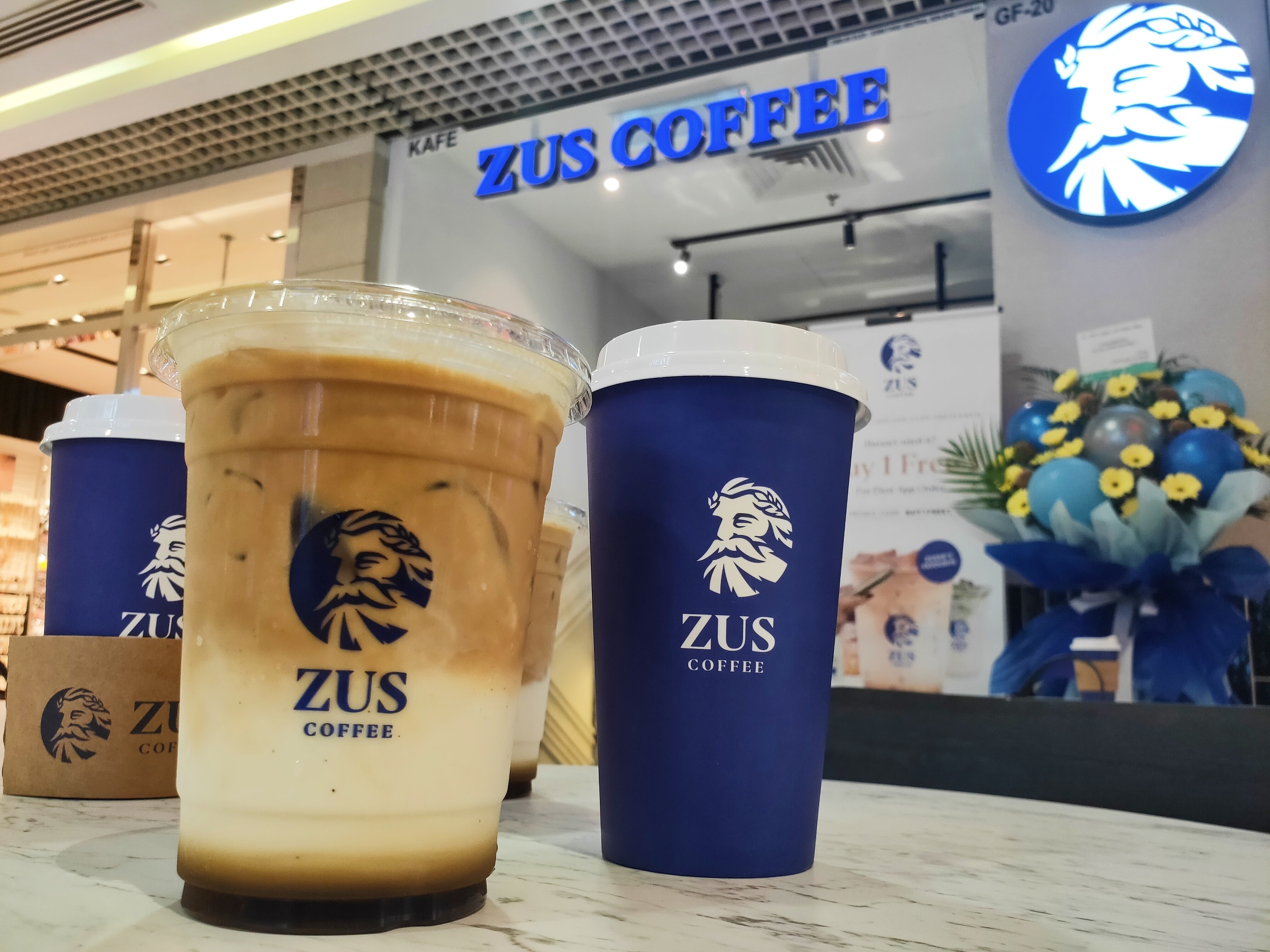
    Malaysia’s well-known coffee chain, Zus Coffee, has made its debut in Indonesia, marking its first venture into Jakarta. The launch marks yet another step in the company’s ambitious strategy to expand across Southeast Asia.

    The opening of the new store in Puri Indah Mall is the result of a collaboration with Kapal Api Group. This latest venture follows Zus Coffee’s successful expansions into other Southeast Asian countries, including the Philippines, Singapore, Brunei, and Thailand.

    Zus Coffee, established in 2019, began as a delivery-centric coffee kiosk operation. Since then, it has rapidly grown, fueled by the integration of a technologically advanced model that includes app-based ordering, pickup, and delivery services. Currently, Zus Coffee operates over a thousand stores throughout the region.

    According to Venon Tian, Group COO of Zus Coffee, Indonesia holds significant strategic value due to its rich coffee culture and an ever-changing consumer demand. As part of its expansion strategy, localisation remains a vital component, with the introduction of market-specific beverages alongside its main menu offerings.

    Over the years, Zus Coffee has solidified its position as one of Malaysia’s largest coffee chains and has emerged as a strong contender to the global giant, Starbucks. An investment of US$57.27 million (RM250 million) has been further secured by the company to facilitate its regional growth in 2024.

    As part of its expansion strategy, the company launched its inaugural stores in Thailand last year, planning to inaugurate 200 new stores across Southeast Asia. Parent company Zuspresso has set ambitious targets to add a minimum of 107 outlets in Malaysia, around 80 in the Philippines, and six in Singapore this year.

    Questions & Answers

    What is Zus Coffee’s expansion strategy?
    Zus Coffee is focusing on expanding across Southeast Asia, having already established a presence in countries like the Philippines, Singapore, Brunei, Thailand, and now Indonesia.

    How does Zus Coffee approach new markets?
    Zus Coffee has a strategy of localisation as it enters new markets. This involves introducing market-specific beverages alongside its core menu offerings to cater to local tastes and preferences.

    What kind of investment has Zus Coffee secured for its future growth?
    Zus Coffee has secured an investment of US$57.27 million (RM250 million) to support its regional growth in 2024.

  • Singapore Triumphs over Indonesia as Southeast Asias Dominant Stock Market

    Singapore Triumphs over Indonesia as Southeast Asias Dominant Stock Market

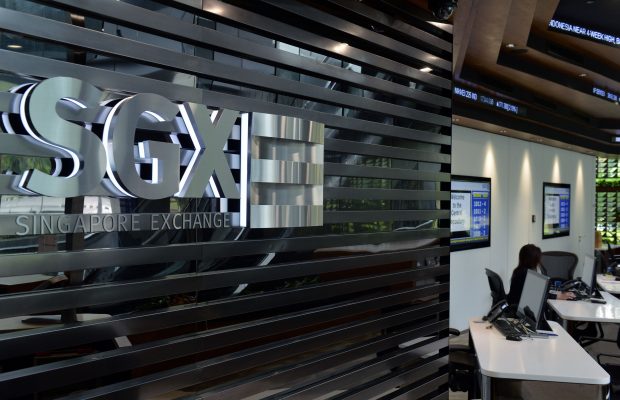
    Singapore has taken over from Indonesia as the leading stock market in Southeast Asia. This shift has come as Indonesia’s market capitalization has dropped dramatically due to an uncertain future outlook. From its peak in January, the total market capitalization of Indonesian businesses has fallen by over 30% to US$618 billion. In contrast, the market value in Singapore has increased to $645 billion.

    Investor confidence in Indonesia has seen a decline in recent months due to the possibility of its equities market being downgraded to frontier status. This uncertainty is coupled with Fitch Ratings and Moody’s Ratings both downgrading the country’s credit outlook to negative. The Indonesian stock index is currently among the most underperforming globally, and the rupiah has hit record lows repeatedly.

    Indonesia’s Struggles and Singapore’s Strength

    Despite these setbacks, Soh Chih Kai of Lion Global Investors believes that a future recovery should not be dismissed. However, he notes that the current momentum is not in Indonesia’s favor. In contrast, he points out that Singapore’s market has further strengthened its position as capital flows continue to seek certainty amid global policy ambiguity.

    In an attempt to bolster the economy, Indonesia’s central bank recently increased its policy interest rates for the first time in two years. This move aims to support the rapidly falling rupiah currency. Governor Perry Warjiyo explained that the increase is a further step to stabilize the rupiah exchange rate in the face of global volatility.

    On the other hand, Singapore’s equities have been boosted by political and economic stability, along with government-led market reforms. The Straits Times Index reached a record high this week, as investors looked for safe investments amid the instability caused by the Iran war.

    Head of research at Maybank Securities, Thilan Wickramasinghe, noted that Singapore’s equity market has remained resilient despite ongoing global volatility. This resilience is due to its defensive sector composition and consistent inflows, putting the market in a relatively advantageous position.

    Future Trends and Predictions

    Singapore’s equities are projected to outperform Indonesian stocks by a record margin in 2026. Carmen Lee, head of equity research at OCBC, attributes this to wealth being a significant driver for earnings growth. Paired with a strong Singapore dollar, Lee expects more funds to flow into the market.

    Questions & Answers

    What has led to the decline in Indonesia’s market capitalization?
    Investor confidence in Indonesia has deteriorated due to the potential reclassification of its equities market to frontier status and negative revisions in the country’s credit outlook.

    What steps has Indonesia’s central bank taken to support the economy?
    Indonesia’s central bank has raised its policy interest rates for the first time in two years in order to support the rupiah currency, which has fallen to record lows recently.

    What factors have contributed to the strength of Singapore’s equities market?
    Singapore’s equities have been boosted by the country’s political and economic stability, along with market reforms driven by the government.

  • Alaia Boosts Southeast Asia Presence with First Luxury Boutique in Bangkok

    Alaia Boosts Southeast Asia Presence with First Luxury Boutique in Bangkok

    Thai shoppers can now enjoy the elegant and sculptural designs of Alaia, as the brand has expanded its Southeast Asian presence by opening its inaugural boutique in Bangkok.

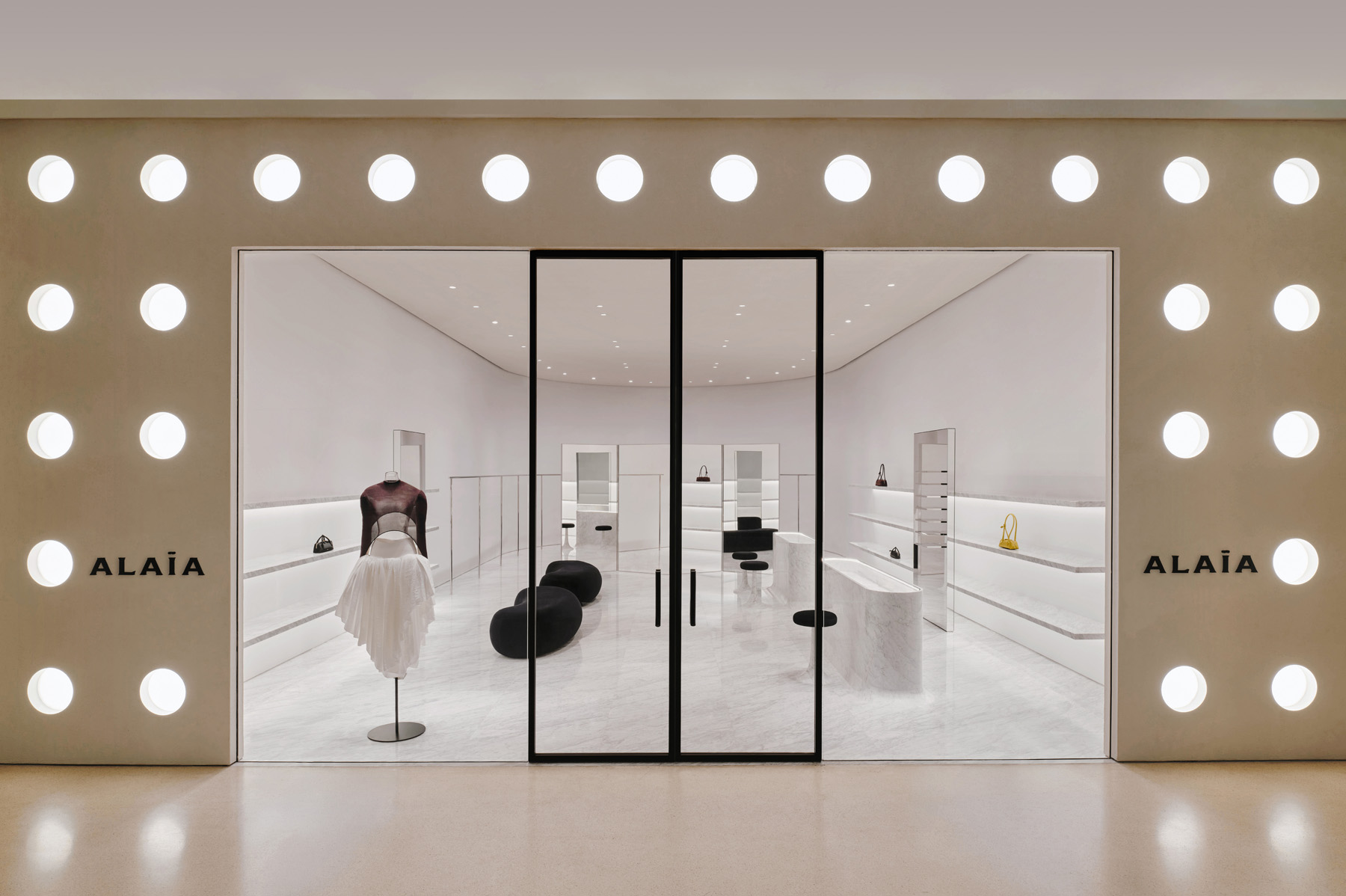
    The luxury retail venue, Central Embassy, is host to the new store. The boutique carries a robust product line consisting of ready-to-wear clothing, handbags, footwear, and accessories. These items reflect Alaia’s commitment to craftsmanship, style, and meticulous attention to detail.

    Architectural Design Enhances Shopping Experience

    The award-winning architecture firm, Halleroed, was tasked with designing the store’s interior, which showcases a minimalist aesthetic that enhances the shopping experience. The firm masterfully incorporated sculptural interiors and curved forms, with a color scheme marked by a neutral palette. The aesthetic choices are punctuated by the use of marble, stainless steel, and leather finishes throughout the store.

    The goal of this design strategy was to create a retail environment that stands as a testament to Alaia’s design philosophy and Parisian heritage. According to the brand, this immersive retail experience is meant to echo the maison’s design ethos, inviting shoppers into a space that feels as meticulously crafted as the products themselves.

    Alaia was first established in 1964 by Azzedine Alaia, a Tunisian couturier who made Paris his home. Since its inception, the brand has experienced a significant uptick in its global retail expansion, particularly throughout Asia. The brand was purchased by Richemont in 2007, marking another milestone in its growth trajectory.

    Questions & Answers

    What products does Alaia’s new boutique in Bangkok offer?
    The newly opened Alaia boutique in Bangkok offers a wide range of products, including ready-to-wear clothing, handbags, footwear, and accessories.

    Who designed the store’s interior and what style elements were used?
    The boutique’s interior was designed by the architecture firm Halleroed. The design highlights a minimalist aesthetic featuring sculptural interiors, curved forms, and a neutral color palette. Marble, stainless steel, and leather finishes were used to accent the space.

    What was the aim of the store’s design according to the brand?
    Alaia states that the purpose of the store’s design was to create an immersive retail environment that reflects the brand’s design philosophy and its Parisian heritage.

  • H&M Shifts Southeast Asia HQ to Kuala Lumpur, Triggers Job Cuts in Singapore

    H&M Shifts Southeast Asia HQ to Kuala Lumpur, Triggers Job Cuts in Singapore

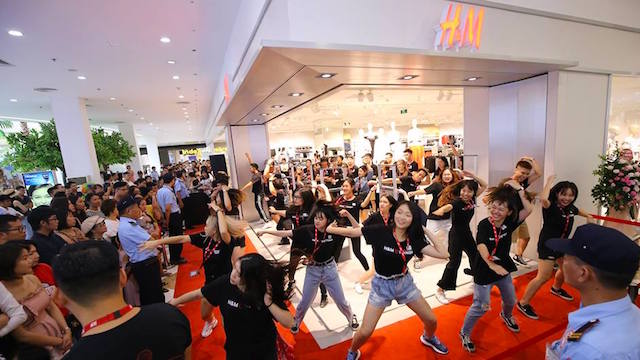
    Swedish fashion conglomerate, H&M, has recently undertaken a restructuring exercise which has led to job cuts in Singapore. This move comes as the retailer transfers its Southeast Asian hub from Singapore to Kuala Lumpur in Malaysia.

    The restructuring operation resulted in a reduction of 78 roles from a total regional workforce of 256 employees. While the exact breakdown of the redundancy hasn’t been made public, it has been confirmed that the majority of job cuts took place in the Singapore office.

    In replying to inquiries, H&M Singapore said that it is “fully backing” employees through the organizational shifts. However, the company did not disclose the exact number of dismissed staff members or specify the affected roles. H&M stated that as a company, they constantly strive to meet customer expectations and this includes regular reviews of their operational efficiency and agility.

    Despite the recent layoffs, H&M maintains that Singapore remains a crucial market for them. The retailer confirmed that it would continue to sustain an office in the country. “We will continue to maintain our retail presence reflecting our long-term commitment,” said a representative of the company.

    H&M first entered the Singapore market in 2011 with its Somerset outlet. Currently, the brand operates six stores in the country. Over the past couple of years, however, H&M has been closing some of its physical stores. In March 2023, the retailer closed its two-storey outlet at Ion Orchard after serving customers for over a decade. The Tampines Mall store was shut in August 2020, followed by the Waterway Point outlet in Punggol in January 2021.

    The Singapore Manual and Mercantile Workers’ Union (SMMWU) released a statement saying that while H&M Singapore is not a unionized entity, some employees could be union members. SMMWU secretary-general Andy Lim asserted that both the National Trades Union Congress and the SMMWU are prepared to offer assistance to these members and help them transition to new job opportunities.

    Questions & Answers

    Why is H&M moving its Southeast Asian headquarter from Singapore to Malaysia’s Kuala Lumpur?
    – Although H&M did not provide a specific reason for the shift of its Southeast Asian headquarters, such decisions are often influenced by cost factors, market opportunities, or strategic alignment.

    What are some of the steps H&M is taking to support its affected employees?
    – Although additional details were not provided, H&M Singapore stated that they are “fully supporting” their employees during these organizational changes.

    How will H&M’s presence in Singapore change as a result of this move?
    – Despite the layoffs and the shift of its regional headquarters, H&M has affirmed that Singapore remains an important market for them. The company will maintain a retail presence in the country, reflecting their long-term commitment.

  • OCBC and Australia Aim to Double Trade and Investment in Southeast Asia by 2030: A New Strategic Partnership

    OCBC and Australia Aim to Double Trade and Investment in Southeast Asia by 2030: A New Strategic Partnership

    Overseas-Chinese Banking Corporation (OCBC) and the Australian High Commission in Singapore have recently launched a five-year strategic alliance aimed at fortifying trade and investment flow between Australia and Southeast Asia. The partnership is designed to considerably boost these economic currents by 2030, with OCBC setting their sights on a surge of over 200%.

    Focus on Key Sectors

    The strategic partnership aligns with Australia’s ambitious Southeast Asia Economic Strategy towards 2040, known as ‘Invested’. The focus of the collaboration will be on pivotal sectors such as energy transition, infrastructure, green transportation, fintech, and digital innovation.

    The cooperation brings together OCBC’s robust regional banking network and formidable financing ability, alongside the policy know-how of the Australian government. It also encompasses collaboration with various Australian departments including External Affairs and Trade, Export Finance and the Australian Trade and Investment Commission. This synergistic effort aims to pave the way for Australian companies to grasp lucrative opportunities sprouting across Southeast Asia.

    Celebrating its 40th anniversary of operation in Australia this year, OCBC reported significant growth in its Sydney branch in recent times. The surge in growth can be attributed to thriving sectors such as real estate, energy, utilities, and digital infrastructure.

    Creating Opportunities for Expansion

    Elaine Lam, Head of Global Corporate Banking at OCBC, expressed that the strategic collaboration is set to form a potent platform for Australian enterprises and investors looking to spread their wings into Southeast Asia. She identified burgeoning opportunities in the region, particularly in energy transition, infrastructure development, and green transportation.

    Notably, big Australian players like Lendlease and Qantas are among the companies supported by OCBC. The bank has recently provided backing for Qantas’ fleet renewal financing programme and has also lent support to several Lendlease developments situated in Singapore, Sydney, and Kuala Lumpur.

    Questions & Answers

    What is the goal of the strategic partnership between OCBC and the Australian High Commission in Singapore?

    The partnership aims to substantially enhance trade and investment flows between Australia and Southeast Asia by 2030.

    What sectors will the cooperation focus on?

    Key sectors encompass energy transition, infrastructure, green transportation, fintech, and digital innovation.

    Which Australian companies are currently supported by OCBC?

    OCBC is currently backing major Australian companies such as Lendlease and Qantas.

  • BHC Chicken: Korean Fried Chicken Giant Sets Sights on Vietnam for Southeast Asian Growth

    BHC Chicken: Korean Fried Chicken Giant Sets Sights on Vietnam for Southeast Asian Growth

    BHC Chicken, a renowned fried chicken brand originating from South Korea, is setting its sights on broadening its reach within Southeast Asia, with plans to launch in Vietnam. This move is part of an ongoing expansion strategy that is rapidly growing the brand’s presence across the region.

    The brand’s parent entity, Dining Brands Group, recently formalized its plans to venture into Vietnam, sealing a master franchise agreement with Singaporean company Hao Open Foods. This strategic partnership is set to facilitate the brand’s launch and consequent operations in Vietnam.

    In terms of expansion, the company has set its sights on major cities within Vietnam, such as Ho Chi Minh City, Hanoi, and Da Nang. The brand’s ambitious growth plan anticipates the establishment of 50 locations within these cities over the course of the next decade.

    Founded in 2004, BHC Chicken holds a position of prominence among South Korea’s top fried chicken chains. With a robust network of over 2,000 stores, its reach extends beyond the domestic market. The brand has significantly leveraged franchise partnerships to successfully penetrate international markets, with a presence in countries like Singapore, Malaysia, and Thailand.

    In addition to its planned expansion into Vietnam, BHC Chicken is also preparing to make its debut in the Philippines later this year, further solidifying its foothold in Southeast Asia.

    Questions & Answers

    What is the expansion plan of BHC Chicken in Vietnam?
    BHC Chicken plans to establish a presence in key Vietnamese cities, with an aim to open 50 locations over the next 10 years.

    Who is BHC Chicken’s franchise partner for its Vietnam launch?
    BHC Chicken is partnering with Singaporean company Hao Open Foods for its expansion into Vietnam.

    Is BHC Chicken planning expansions to other countries?
    Yes, apart from Vietnam, BHC Chicken is reportedly preparing to launch in the Philippines later this year.