Retail News CRM

Tag: stake

  • Starbucks Considers Billion-Dollar Stake Sale in Japan: Potential Bidders Emerge

    Starbucks Considers Billion-Dollar Stake Sale in Japan: Potential Bidders Emerge

    Starbucks, the prominent Seattle-based coffee chain, is contemplating various strategies concerning its Japanese operations, which could potentially involve selling its stake in the region. This business decision could garner attention from other industry contenders and private equity companies.

    Valuation estimates for the potential stake sale hover around ¥400 billion (A$3.5 billion) to A$4.4 billion. However, Starbucks has yet to respond to inquiries regarding these speculations, leaving industry analysts and investors awaiting official correspondence.

    A brief look back reveals that the coffee company took full control of Starbucks Coffee Japan Ltd in 2014. This entity was previously a joint venture between Starbucks and its partner, Sazaby League, a partnership that began in 1995.

    In relation to Starbucks’ other international dealings, the company concluded an agreement with Boyu Capital in April to sell the majority of its Chinese operations. This decision placed a value of approximately A$5.6 billion on the business.

    Despite posting its most robust quarterly sales growth in over two years this past April, Starbucks faces increasing costs. This is largely due to CEO Brian Niccol’s turnaround strategy. As a result, uncertainties linger regarding the pace at which profit margins can rebound.

    Questions & Answers

    What is Starbucks currently considering for its Japanese operations?
    Starbucks is considering various options, including potentially selling its stake in its Japanese business.

    What is the estimated value of the potential stake sale?
    The potential stake sale is anticipated to be valued between ¥400 billion (A$3.5 billion) and A$4.4 billion.

    What challenges is Starbucks currently facing?
    Despite recording strong sales growth, Starbucks is experiencing increased costs due to CEO Brian Niccol’s turnaround strategy. This has led to concerns about how quickly the company’s profit margins can recover.
  • CRC Sports Targets Thai Sneaker Market with 40% Stake in JD Sports Deal

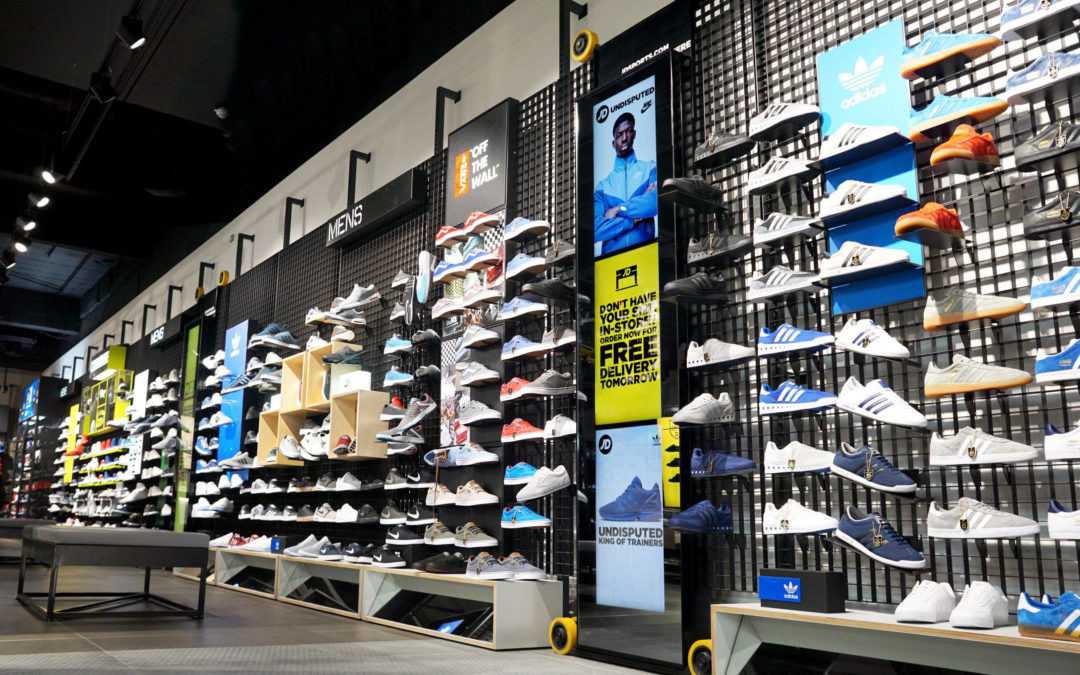
    CRC Sports Targets Thai Sneaker Market with 40% Stake in JD Sports Deal

    CRC Sports, a division of Central Retail, has recently acquired a significant 40% stake in JD Sports Thailand. This strategic move is aimed at bolstering the company’s standing in Thailand’s rapidly expanding sports fashion sector.

    The transaction is projected to expedite growth in the premium sneaker and athleisure sectors, predominantly among the younger demographic. By merging CRC Sports’ expansive local retail network with JD Sports’ worldwide brand affiliations and merchandising expertise, the partnership is anticipated to be a formidable force in the market.

    Benefits of the Collaboration

    Tai Chirathivat, the CEO of Central Retail Brands and Specialties (CRBS), has highlighted the numerous benefits this collaboration brings. He emphasized that this partnership not only enhances their access to exclusive global products and licensing rights but also paves the way for the company to penetrate the sports lifestyle market fully. This sector, which is currently valued at over 35 billion baht (approximately US$1.1 million), is growing at an impressive annual rate of around 6%.

    With this acquisition, the company aims to seize up to 40% of the market share and emerge as the unrivaled leader in the sports lifestyle sector.

    JD Sports, a prominent player in the global market, currently runs more than 4,900 stores across 49 countries, hosting distinguished brands such as Nike, Adidas, New Balance, and On. Meanwhile, JD Sports Thailand operates 15 stores.

    On the other hand, CRC Sports operates over 129 stores throughout Thailand, featuring brands like Supersports, Rev Runnr, and Mono Store.

    Questions & Answers

    Why did CRC Sports acquire a stake in JD Sports Thailand?
    The acquisition aims to strengthen CRC Sports’ position in Thailand’s swiftly growing sports fashion market and accelerate its expansion in the premium sneaker and athleisure sectors.

    What advantages does the partnership between CRC Sports and JD Sports bring?
    The partnership combines CRC Sports’ extensive local retail network with JD Sports’ global brand affiliations and merchandising expertise, enhancing their access to exclusive global products and licensing rights.

    What is the growth rate of the sports lifestyle market in Thailand?
    The sports lifestyle market in Thailand is growing at an average annual rate of around 6%, and is currently valued at over 35 billion baht (approximately US$1.1 million).

  • Miniso Founder Guofu Ye Doubles Down: Plans to Boost Stake by $6.4M Amid Company’s Rapid Growth

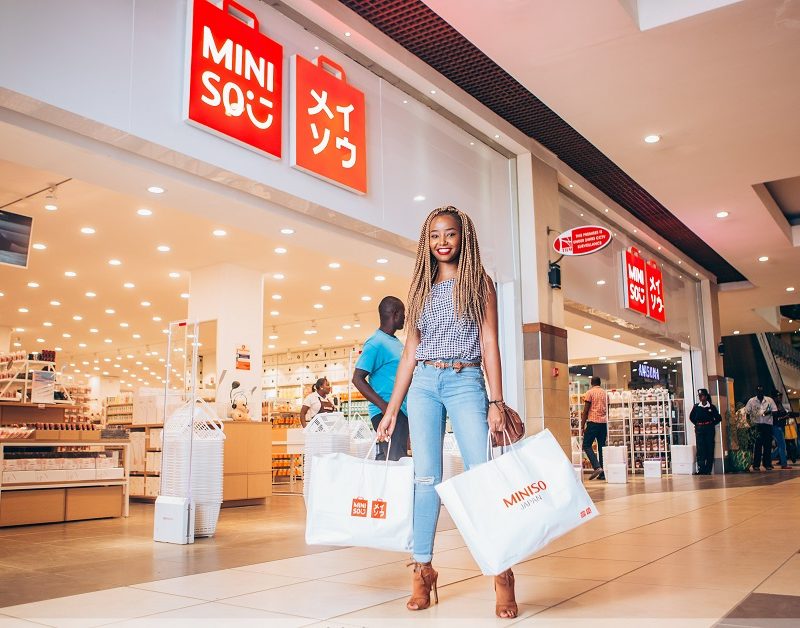
    Miniso Founder Guofu Ye Doubles Down: Plans to Boost Stake by $6.4M Amid Company’s Rapid Growth

    Guofu Ye, the founder of retailing company Miniso Group Holding, is planning to augment his ownership in the business by a minimum of HK$50 million (US$6.4 million). Over the course of the next year, Ye intends to elevate his shareholding by purchasing more company shares. This includes American Depositary Shares (ADSs) and ordinary shares that are publicly listed on the Hong Kong Stock Exchange.

    The method of transactions will vary, being made either on the open market or via private transactions. These transactions will be conducted directly or through entities that Ye controls, with all purchases funded by his personal finances.

    Ye is presently a majority stakeholder in Miniso, holding approximately 63.7% of the company’s shares, not including treasury shares.

    Reflecting on Miniso’s trajectory and performance in recent years, Ye stated that these elements have confirmed the company’s strategic direction and the team’s exceptional execution capabilities. He expressed his firm belief in Miniso’s ongoing growth and demonstrated his commitment through this proactive investment decision.

    However, with the company yet to release its financial results for the first quarter ending on March 31, Ye is bound by trading blackout restrictions and director securities transaction restrictions. He will initiate his plan to increase his shareholding following the end of this blackout period, which will occur post the disclosure of the company’s first-quarter results. Ye reassured that he would not have access to any significant non-public information during this period.

    The specifics regarding the timing, cost, and volume of each purchase will be ascertained based on the prevailing market conditions at the time.

    In the previous year, Miniso reported a substantial 26.2% surge in revenue, and the total number of stores climbed to 8,485.

    Questions & Answers

    What is the intended increase in Guofu Ye’s stake in Miniso Group Holding?
    Guofu Ye plans to increase his stake by at least HK$50 million (US$6.4 million).

    How will Ye execute the purchases for this increased stake?
    Purchases will be made either on the open market or via private transactions, directly or through entities controlled by Ye.

    What are Miniso’s recent performance indicators?
    In the previous year, Miniso reported a 26.2% increase in revenue and the number of stores rose to 8,485.

  • EssilorLuxottica Expands Southeast Asia Presence with Strategic Stake in Thai Optical Powerhouse Top Charoen

    EssilorLuxottica Expands Southeast Asia Presence with Strategic Stake in Thai Optical Powerhouse Top Charoen

    Global eyewear conglomerate EssilorLuxottica has recently acquired a piece of the pie in Thailand’s optical market, Top Charoen. This move is part of EssilorLuxottica’s expansion plan in Southeast Asia, reinforcing its presence in one of the fastest-growing regions for the eyewear industry.

    Partnership At Its Best

    The financial particulars of the deal were kept under wraps. However, the fusion of the world’s leading eyewear group, EssilorLuxottica, with Top Charoen, one of the largest optical chains in Thailand boasting over 2000 stores nationwide, is noteworthy. This partnership is a result of a long-standing commercial relationship between the two companies. The acquisition strengthens this bond and provides EssilorLuxottica with a deep penetration into Thailand’s retail distribution, a strategic move as global eyewear companies increasingly focus on expanding in the rapidly growing Asian markets.

    Aiming High

    Francesco Milleri, the Chairman and CEO, and Paul du Saillant, Deputy CEO at EssilorLuxottica, commented on the partnership. They expressed that their collaboration with Top Charoen is set to bolster their existing dominance in one of Asia’s most significant countries. The partnership aims to elevate vision care standards and foster growth in the emerging wearable category across the region, they added.

    Moreover, the company leadership is committed to prioritizing their customers’ needs, providing high-quality, innovative vision care products and services. With their combined strengths, they plan to drive awareness and take measures to address the increasing visual health needs of Asia.

    A Brief About Top Charoen

    Established in 1947 in Saraburi, Top Charoen has flourished into a nationwide network operating under various banners. The company has an array of brands like Top Charoen, Luxoptic, Eye Class, Eye Bright, Eye Sport, Big C Optical, Robinson Optical, and Beautiful Optic. In addition to its physical stores, Top Charoen also has a strong e-commerce presence through its own platform and local marketplaces.

    Questions & Answers

    What is the significance of EssilorLuxottica’s stake in Top Charoen?
    This acquisition provides EssilorLuxottica a deep penetration into Thailand’s retail distribution, a strategic move as global eyewear companies increasingly focus on expanding in the rapidly growing Asian markets.

    How will this partnership benefit the eyewear industry in Asia?
    The collaboration aims to elevate vision care standards and foster growth in the emerging wearable category across the region.

    What are some of the brands under Top Charoen?
    Top Charoen operates under various banners such as Top Charoen, Luxoptic, Eye Class, Eye Bright, Eye Sport, Big C Optical, Robinson Optical, and Beautiful Optic.

  • Everstone Capital Sells $57M Stake in Burger King’s India, Indonesia Franchisee, Ajanta Pharma Founders to Invest

    Everstone Capital Sells $57M Stake in Burger King’s India, Indonesia Franchisee, Ajanta Pharma Founders to Invest

    Private equity firm Everstone is set to sell its entire stake, amounting to 11.26 per cent, in Restaurant Brands Asia, a franchisee operating in India and Indonesia for fast-food giant Burger King. Those familiar with the matter have confirmed that the deal will be announced soon.

    Equity Stake Valuation

    Everstone Capital’s stake, held via its investment arm QSR Asia Pte Ltd, is presently valued at USD 57 million, based on Refinitiv data. Meanwhile, the market capitalisation of Restaurant Brands Asia stands at USD 437 million in Mumbai.

    New Strategic Investor

    As part of the agreement, a new strategic investor will be introduced to Restaurant Brands Asia. The identity of this investor remains confidential at this point.

    Despite repeated attempts, both Everstone and Restaurant Brands Asia have opted to not comment on the matter.

    Pharma Founders as Potential Investors

    The family office of the founding members of Ajanta Pharma, an Indian pharmaceutical company, is reportedly taking a keen interest in this deal. The family office, which also operates in the restaurant business, is projected to invest up to INR 8 billion (equivalent to USD 88 million) into the company.

    No comment could be obtained from the representatives of the family office either.

    Although it’s unclear what percentage of the company Ajanta would acquire, it’s speculated that they may become the majority stakeholder over time as other shareholders divest their stakes.

    In a recent communication with Indian stock exchanges, Restaurant Brands Asia announced upcoming board meeting plans to discuss and evaluate possible fundraising options, although no further information was provided.

    Questions & Answers

    What is the current stake of Everstone in Restaurant Brands Asia?
    Everstone presently holds an 11.26 per cent stake in Restaurant Brands Asia.

    Who is speculated to be the new strategic investor?
    The family office of the founders of Ajanta Pharma is speculated to be the new strategic investor.

    How much is the family office of Ajanta Pharma expected to invest?
    They are expected to invest up to INR 8 billion (USD 88 million) into the company.

  • Anta Sports Eyes Major Puma Stake: A Turnaround Hope for the Struggling German Sportswear Brand?

    Anta Sports Eyes Major Puma Stake: A Turnaround Hope for the Struggling German Sportswear Brand?

    China-based sporting goods company, Anta Sports Products, has proposed to purchase a 29% stake in Puma, the struggling German sportswear manufacturer, from the French Pinault family, according to insiders familiar with the negotiations.

    Anta Sports submitted their bid several weeks ago and has already arranged financing for the prospective acquisition, two of the sources disclosed. However, one source noted that negotiations have reached a stalemate.

    The Pinault family’s firm, Artemis, managed by François-Henri Pinault, Chairman of Kering, had been expecting bids for its Puma shares to surpass 40 euros each, said a fourth insider. The Pinault family originally obtained their shares in Puma from Kering as part of a conversion of the conglomerate into a luxury-focused entity in 2018.

    When approached for comments, both Artemis and Puma declined. A response from Anta is still pending.

    Following this news, Puma’s shares increased by up to 9%, reaching their highest value since May 2025, trading at 24.6 euros. Despite this, Puma’s market cap was 3.3 billion euros (US$3.85 billion) at the close of trading on Wednesday, a drastic 50% decrease from the same time the previous year due to a severe drop in sales.

    Arthur Hoeld, Puma’s newly-appointed CEO, revealed his recovery strategy in October following disappointing sales of releases like the Speedcat and a general decrease in revenue as customers favoured competitors such as Adidas, On, and Hoka.

    Anta, a Hong Kong-listed company with a history of acquiring and rejuvenating Western sports and lifestyle brands, has been considering a bid for Puma, a source revealed in November. In 2019, Anta led a consortium to buy Amer Sports, the owner of iconic brands like Wilson and Salomon.

    Analysts at RBC have stated that the potential sale of Artemis’ 29% stake in Puma could prove beneficial for Puma’s equity story. New ownership might increase investments in the brand, provide fresh insights, and support the early stages of Arthur Hoeld’s turnaround strategy.

    Artemis controls Kering as well as auction house Christie’s and Hollywood talent agency CAA. It has faced investor scrutiny due to the debt it accumulated as Pinault sought to diversify away from Gucci during a dip in luxury sales. A senior source close to Artemis noted in September that the Pinault family would not sell their Puma stake at the then-current market valuation but admitted the stake was “non-strategic”. Since then, Puma’s shares have increased by 15%.

    Questions & Answers

    Who has proposed to purchase a stake in Puma?
    Anta Sports Products, a China-based sporting goods company, has offered to buy a 29% stake in Puma.

    What is the estimated value of the Puma shares?
    Artemis, the Pinault family’s firm, had expected bids for its Puma shares to surpass 40 euros each.

    What has been the recent performance of Puma in the market?
    Puma’s market capitalization was 3.3 billion euros (US$3.85 billion) at the close of trading on Wednesday, which is a 50% decrease from the same time last year due to a severe drop in sales.

  • Boyu Capital Poised to Secure $4 Billion Stake in Starbucks China, Boosting Brand’s Asian Market Footprint

    Boyu Capital Poised to Secure $4 Billion Stake in Starbucks China, Boosting Brand’s Asian Market Footprint

    Boyu Capital, a private equity firm from China, is leading the race to acquire a majority stake in Starbucks’ China operations, a deal that could potentially value the unit at over US$4 billion.

    Boyu Capital remains in the bid after the final contender, Carlyle Group, chose to withdraw. Key partners from both companies travelled to the U.S. to engage in final discussions with the Seattle-based coffee chain.

    Starbucks’ Stake in China

    After the sale is finalized, it’s expected that Starbucks will retain a substantial minority stake in its China operations. The company expressed that it has received strong interest from numerous high-quality partners, all of whom have faith in the long-term growth potential for Starbucks in China.

    The company is currently assessing bids from five contenders, though it declined to comment further. Starbucks China was valued at roughly $4 billion by the bidders who submitted binding offers, which is approximately ten times its core earnings.

    Starbucks’ Future Plans

    Starbucks CEO, Brian Niccol, previously indicated that the anticipated valuation of the China business would exceed $10 billion, factoring in the upfront investment from a potential partner, Starbucks’ retained stake in the China business, and future royalty payments.

    There is also the possibility of other parties, such as internet companies, joining the discussions as limited partners to assist in funding the deal.

    Competition and Sales

    Starbucks’ decision to divest in China comes amidst fierce competition from local coffee chains that have gained market share by offering less expensive products during an economic slowdown that has altered consumer behavior.

    In response to these challenges, Starbucks has implemented strategies such as lowering prices for selected non-coffee beverages in China and increasing the introduction of new, localized products.

    Sales in comparable stores in China increased by 2% in the quarter that ended on June 29, following a quarter with no growth. Starbucks’ earnings for the fourth quarter and the 2025 fiscal year will be reported on October 29.

    Questions & Answers

    Who is the frontrunner to buy a controlling stake in Starbucks’ China business?
    Boyu Capital, a private equity firm from China, is leading the race to acquire a controlling stake in Starbucks’ China operations.

    What is the potential value of Starbucks’ China unit?
    The deal to acquire the majority stake in Starbucks’ China operations could potentially value the unit at over US$4 billion.

    What strategies has Starbucks implemented in response to increasing competition in China?
    Starbucks has lowered prices for selected non-coffee beverages in China and increased the introduction of new, localized products to counter the competition.

  • Emirates NBD To Acquire Majority Stake In Rbl Bank In Unprecedented $3 Billion Investment

    Emirates NBD To Acquire Majority Stake In Rbl Bank In Unprecedented $3 Billion Investment

    Dubai-based banking group, Emirates NBD, has revealed that it will acquire a majority share in an Indian bank. This move represents the most significant foreign investment in India’s financial sector to date.

    Emirates NBD has confirmed an arrangement to purchase a 60 percent stake in RBL Bank, based in Mumbai. The deal, worth approximately $3 billion, will be carried out through a preferential issue of shares. This acquisition will set a new record for foreign direct investment in India’s financial services industry.

    Emirates NBD has expressed that the acquisition demonstrates its confidence in the Indian economy and emphasizes the strategic significance of India within the India-Middle East-Europe Economic Corridor (IMEC).

    “This strategic partnership marries RBL Bank’s burgeoning domestic franchise with Emirates NBD’s regional reach and financial expertise, providing a unique platform for growth and innovation”, says Shayne Nelson, group CEO of ENBD. He further added that a more substantial presence in India via a well-established business such as RBL Bank will complement ENBD’s services to customers operating across the MENATSA region.

    Questions & Answers

    What percentage stake is Emirates NBD acquiring in RBL Bank?
    Emirates NBD is acquiring a 60 percent stake in RBL Bank.

    What is the approximate worth of the deal between Emirates NBD and RBL Bank?
    The deal is approximately worth $3 billion.

    How does the acquisition of RBL Bank benefit Emirates NBD?
    The acquisition not only allows Emirates NBD to increase its presence in India but also complements its services to customers across the MENATSA region. It also provides a unique platform for growth and innovation by combining RBL Bank’s domestic reach with Emirates NBD’s regional reach and financial expertise.

  • L Catterton targets Japan’s furniture sector with stake in Seki Furniture

    L Catterton targets Japan’s furniture sector with stake in Seki Furniture

    L Catterton, an investment firm supported by luxury goods group LVMH, has entered into a strategic partnership with Seki Furniture, a prominent furniture producer and retailer in Japan.

    Established in Okawa in 1968, Seki Furniture originated as a wholesaling business and has since evolved into a leading omnichannel company. Currently, it operates 26 retail outlets, incorporating its Crash Gate brand, and maintains a formidable online presence.

    Seki controls the majority of Japan’s wholesale residential furniture market and is broadening its reach into sectors such as offices, hotels, restaurants, and hospitals.

    The company is backed by an expert in-house design team and an extensive supplier network. Its brands, notably Relaxform, garner recognition for their design, quality, and affordable pricing.

    CEO Hideki Haruta stated, “Moving ahead, we aim to collaborate with L Catterton to achieve additional medium- to long-term growth and augment our corporate value. We remain committed to providing our customers with services and products that offer enduring value.”

    This investment follows L Catterton’s previous investments in home furnishing businesses, including Restoration Hardware and Boll & Branch.

    Earlier this year, L Catterton entered into a strategic agreement with Megabass, a high-end Japanese fishing gear manufacturer, to assist in the company’s expansion.

    Questions & Answers

    What is Seki Furniture’s current market position in Japan?
    Seki Furniture holds the largest share of Japan’s wholesale residential furniture market and is expanding into sectors such as offices, hotels, restaurants, and hospitals.

    What kind of brands does Seki Furniture have?
    Seki Furniture has several brands under its umbrella, notably Relaxform, which is well-recognised for its design, quality, and pricing.

    Who has L Catterton previously invested in within the home furnishing sector?
    L Catterton has previously invested in home furnishing companies such as Restoration Hardware and Boll & Branch.

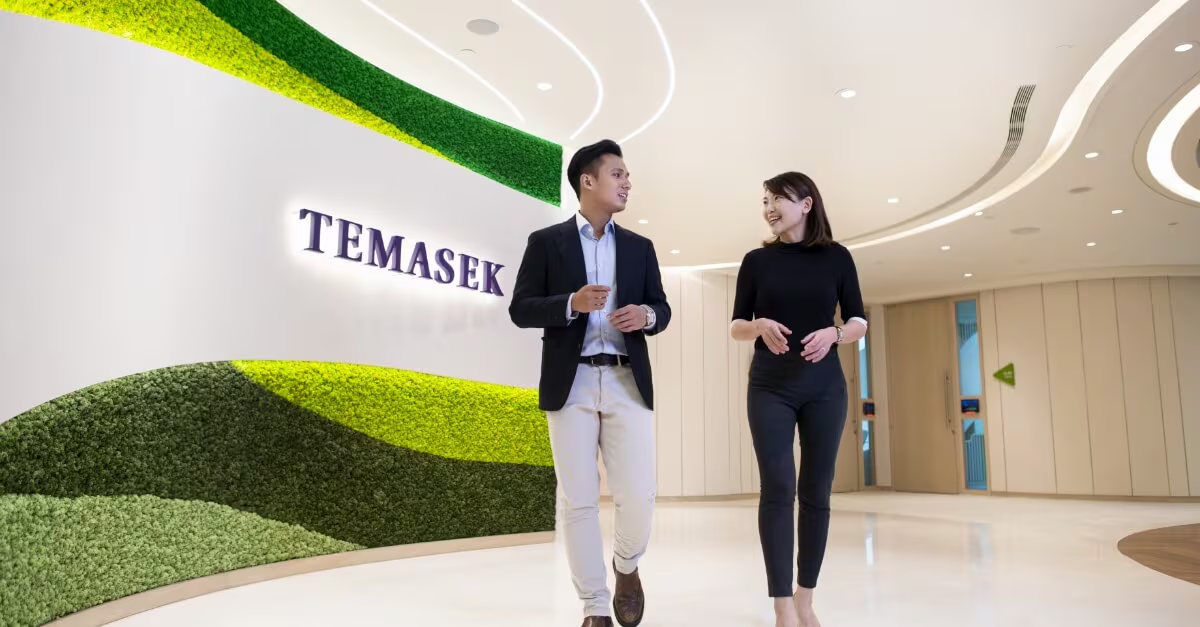
  • Temasek Boosts Stake In Zegna Group: A Strategic Move In Global Ultra-luxury Market Amid Volatility

    Temasek Boosts Stake In Zegna Group: A Strategic Move In Global Ultra-luxury Market Amid Volatility

    Singapore’s state investment firm, Temasek, is set to raise its stake in the Ermenegildo Zegna Group to 10 percent. This move, announced by both companies on Tuesday, is part of Zegna’s strategy to expand globally in the robust ultra-luxury market.

    Investing in Volatile European Markets

    Temasek is currently identifying investment opportunities in Europe, a region experiencing market volatility due to the international trade war initiated by the former US President, Donald Trump. This volatility has resulted in more appealing valuations for certain businesses.

    Insiders familiar with the deal indicated that Temasek views Zegna, a company increasingly receptive to foreign investors, as a promising investment prospect.

    Details of the Deal

    The deal, expected to be completed by July 30, involves Temasek acquiring 14.1 million Zegna treasury shares at $8.95 each, amounting to a total of $126.4 million. This purchase, combined with the 12.7 million shares Temasek previously procured on the open market, results in a total stake of 10 percent for the investment firm.

    Zegna’s Chairman and CEO, Ermenegildo “Gildo” Zegna, believes that this partnership with Temasek will strengthen their global organic expansion.

    Influence of Luxury Consumers

    Despite worldwide economic uncertainty, top-tier luxury consumers, those who spend more than 50,000 euros ($57,660) annually, continue to consume. Though this group represents less than 1 percent of the market, they contribute to 23 percent of the industry’s value. Their expenditure remains constant even as less affluent consumers reduce their spending.

    Future Developments

    Nagi Hamiyeh, Temasek’s head of Europe, the Middle East, and Africa, is expected to join Zegna’s board as a non-executive director at Zegna’s annual general meeting in June 2026. He expressed that this investment illustrates Temasek’s faith in Zegna’s positioning and potential for long-term value creation.

    Funds from this transaction will bolster Zegna’s balance sheet and facilitate their expansion into new markets, particularly Asia. Temasek’s regional expertise is anticipated to play a crucial role in this expansion.

    Questions & Answers

    What is the percentage of Temasek’s stake in the Ermenegildo Zegna Group?
    After the completion of the deal, Temasek’s stake in the Ermenegildo Zegna Group will increase to 10 percent.

    What is the primary purpose of Temasek’s investment?
    The proceeds from the transaction will be used to improve Zegna’s balance sheet and aid their expansion into new markets, particularly in Asia.

    Who are the top-tier luxury consumers?
    Top-tier luxury consumers are individuals who spend over 50,000 euros ($57,660) annually. These consumers continue to spend consistently, despite global economic uncertainty.

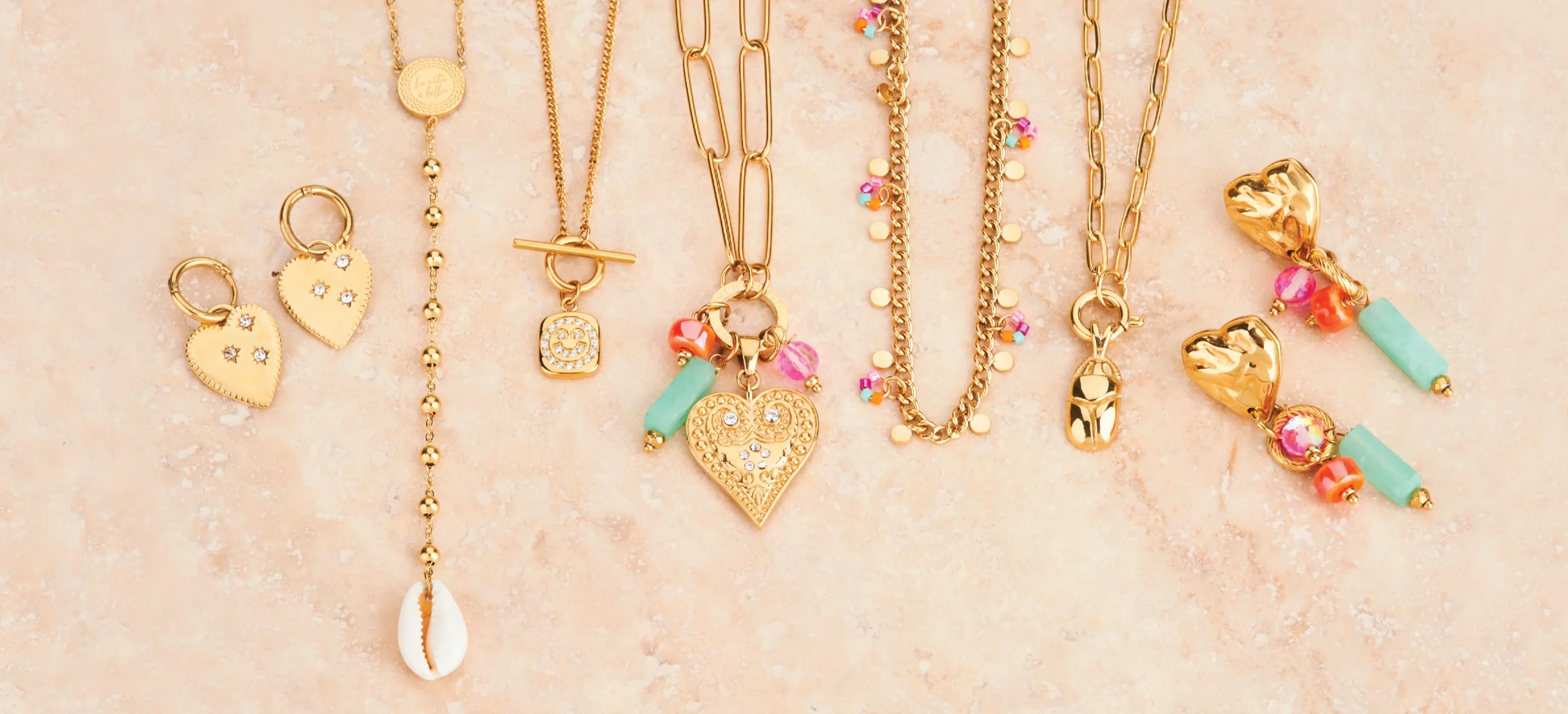
  • Titan Acquires 67% Stake In Damas Jewellery: A Strategic Move To Expand Beyond Gulf Market

    Titan Acquires 67% Stake In Damas Jewellery: A Strategic Move To Expand Beyond Gulf Market

    The Indian lifestyle retail giant, Titan, known for owning the Tanishq jewellery brand, has recently made a significant acquisition. The company bought a 67% stake in Damas Jewellery, which is based in Dubai, for a total of US$189 million (AED695 million). This purchase from Qatar’s Mannai Corporation is the second-largest acquisition Titan has made thus far and represents a major strategic move for the company to grow beyond its principal customer base in the Gulf region.

    Damas Jewellery Background

    Damas Jewellery has a long and storied history that began in 1907. The company currently operates 146 stores in six Gulf Cooperation Council (GCC) countries, including the UAE, Saudi Arabia, Qatar, Oman, Kuwait, and Bahrain. However, the British brand Graff’s franchise business is not part of the acquisition agreement with Titan.

    The Impact of Acquisition

    Titan’s Managing Director, C K Venkataraman, has been quite vocal about the benefits of this acquisition for the company. According to him, this strategic move not only opens up significant new global opportunities but also boosts the company’s standing in the GCC’s jewelry market.

    “After successfully establishing Tanishq in the GCC and the US, our ambition for global jewelry play is moving to the next stage,” Venkataraman said. “With the Damas acquisition, Titan is expanding its focus beyond its traditional diaspora customers to target other nationalities and ethnicities.”

    Transaction Details

    The acquisition transaction was based on Damas’ enterprise valuation of $283 million. Additionally, it includes a provision for Titan to buy the remaining 33% stake from Mannai after December 31, 2029, subject to certain conditions.

    Titan, a joint venture between the Tata Group and the Tamil Nadu Industrial Development Corporation (TIDCO), first entered the GCC market in 1993 with Tanishq. Today, it operates 15 stores across the region, with a flagship store in Dubai that was launched in 2020.

    Questions & Answers

    What is the significance of Titan’s acquisition of Damas?
    The acquisition enables Titan to expand its customer base, enhance its position in the GCC jewelry market, and increase its global market opportunities.

    What does Damas bring to the table?
    Damas, founded in 1907, brings longevity and a strong presence in the GCC region with 146 stores in six countries.

    What future options does the acquisition offer?
    The agreement includes an option for Titan to acquire the remaining 33% stake in Damas from Mannai after December 31, 2029, subject to certain conditions.

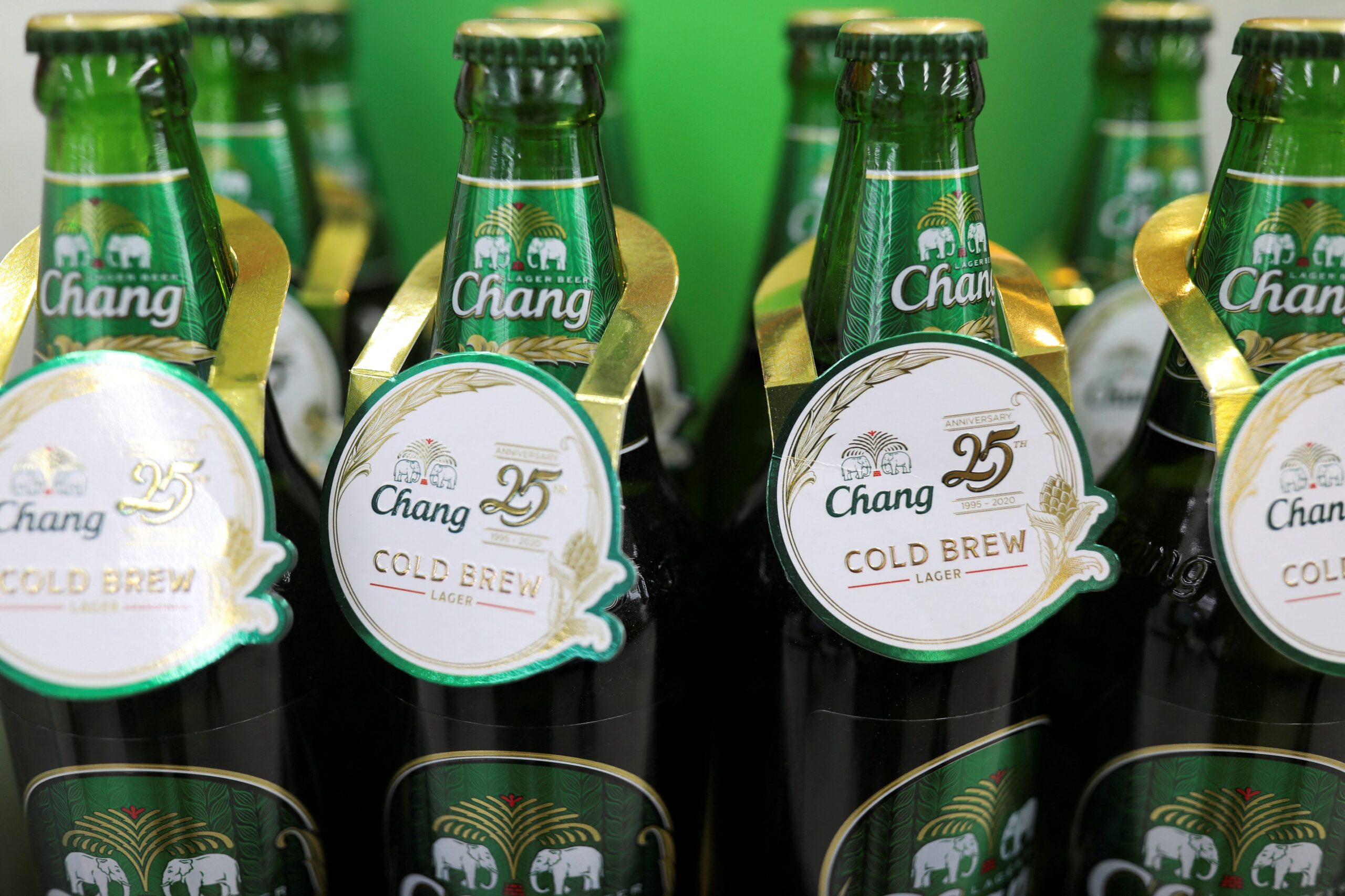
  • Thai Billionaire Charoen Sirivadhanabhakdi Passes ThaiBev Stake to His Five Children in Strategic Family Move

    Thai Billionaire Charoen Sirivadhanabhakdi Passes ThaiBev Stake to His Five Children in Strategic Family Move

    Charoen Sirivadhanabhakdi, Thailand’s third wealthiest individual, has transferred his 66% stake in Thai Beverage to his five children, but retains full decision-making authority over the drinks conglomerate. In a significant move announced via the Singapore Exchange on Monday, Charoen maintains “the authority to manage and make all decisions regarding the business and assets” of Thailand’s largest beverage company, Thai Beverage.

    This decision raises intriguing questions about the future of Charoen’s vast business empire, which is valued by Forbes at approximately $10.2 billion. As the succession plan unfolds, the spotlight will be on how these dynamics shape the company in the years to come.

    Thai Beverage, famous for its Chang beer and distillation operations in Scotland, serves as a crucial foundation of Charoen’s wealth, also comprising the renowned Saigon Beer through its Vietnamese subsidiary, Sabeco.

    Among his heirs is Thapana Sirivadhanabhakdi, the elder son, who currently wears the dual hats of ThaiBev CEO and a key player in the company’s intricate labyrinth of operations.

    Last month, the elder Sirivadhanabhakdi facilitated a handover of ownership in several major listed firms to his five children, signaling a concerted effort towards a structured succession plan.

    The 81-year-old entrepreneur took a step back from active leadership, having stepped down as chairman of Singapore-based Fraser and Neave in January, followed by his retirement as chairman of Frasers Property in February. This gradual exit marks the beginning of a new era for his business ventures.

    Charoen, who embarked on his journey in the Thai beer market in 1995, has since extended his portfolio into real estate and hospitality, proving that he is indeed a master of diversification — talk about a man with a thirst for success!

    Questions & Answers

    What does Charoen’s transfer of stake mean for Thai Beverage?
    Charoen’s transfer of his 66% stake to his children indicates a shift towards succession planning, although he retains full management authority, ensuring stability during this transition.

    Who is Thapana Sirivadhanabhakdi and what is his role?
    Thapana is Charoen’s elder son and the current CEO of ThaiBev, positioned to take on greater responsibilities within the family business as succession progresses.

    How has Charoen impacted the beverage industry in Thailand?
    Charoen’s foray into the Thai beer market since 1995 laid the groundwork for his expansive beverage empire, making him a pivotal figure in Thailand’s beverage landscape and a key player in regional markets.

  • LVMH takes stake in Stella McCartney House

    LVMH takes stake in Stella McCartney House

    LVMH has bought a cornerstone share in Stella McCartney House.

    Full details of the deal will be released in September, however LVMH has confirmed Stella McCartney will continue as creative director and ambassador of her brand, while holding majority ownership.

    LVMH’s archrival house Kering previously held a stake in Stella McCartney House until the celebrity bought it out in March last year. The two new partners said their arrangement will aim to accelerate Stella McCartney House’s worldwide development in terms of business and strategy, yet remain faithful to its commitment to sustainable and ethical luxury fashion.

    Stella McCartney will hold a specific position and role on sustainability within LVMH as special advisor to the chairman and CEO, Bernard Arnault, and the executive committee members.

    “Since the announcement of my decision to take full ownership of the Stella McCartney brand, there have been many approaches from various parties expressing their wish to partner and invest in the Stella McCartney House,” said McCartney.

    “While these approaches were interesting, none could match the conversation I had with Bernard Arnault and his son Antoine. The passion and commitment they expressed towards the Stella McCartney brand alongside their belief in the ambitions and our values as the global leader in sustainable luxury fashion was truly impressive.

    “The chance to realise and accelerate the full potential of the brand alongside Mr Arnault and as part of the LVMH family, while still holding the majority ownership in the business, was an opportunity that hugely excited me,” said McCartney.

    Arnault described the announcement as “the beginning of a beautiful story together”.

    “We are convinced of the great long-term potential of her house. A decisive factor was that she was the first to put sustainability and ethical issues on the front stage, very early on, and [she] built her house around these issues. It emphasises LVMH Groups’ commitment to sustainability.”

    Arnault said LVMH was the first large company in France to create a sustainability department, more than 25 years ago, and “Stella will help us further increase awareness on these important topics”.

    McCartney described partnering with the Arnaults and LVMH as a big step for her, her family, and the Stella McCartney team.

    “The brand has achieved so much since its launch, and this new partnership with LVMH is recognition of that work, but this I feel is just the start, and I look forward to a brilliant future together”.

    The deal announced overnight is subject to normal conditions, including the approval of competition authorities.

  • Keppel to sell 70 pct stake in Vietnam waterfront township

    Keppel to sell 70 pct stake in Vietnam waterfront township

    Singapore-based Keppel Corp will sell 70 percent stake in a waterfront township project to a Vietnamese investor for $100 million. The company said in a release Monday that, pending certain developments, it will sell its stake in the Dong Nai Waterfront City Company (DNWC) to Ho Chi Minh City-based Nam Long Investment Corp for VND2.31 trillion ($99.72 million).

    The DNWC is a company incorporated under Vietnam’s laws that has been granted the right to develop the Dong Nai Waterfront City township project.

    Keppel Land, Keppel’s real estate arm, is currently in the process of taking over complete control of DNWC from an unnamed joint venture partner through a demerger.

    Once the demerger is done, DNWC will become a wholly-owned subsidiary of Keppel with the rights to develop a 170-hectare plot of land.

    DNWC also holds a 28-hectare plot of land which is excluded from the proposed divestment.

    The 70 percent stake sale will depend on demerger going through.

    Dong Nai Waterfront City is a 170-hectare residential township project in Dong Nai Province, located 28 kilometers to the northeast of HCMC.

    It will have about 7,850 homes, including townhouses, villas and high-rise apartments with various commercial facilities.

    Keppel Corp said that the stake sale was in line with Keppel Land’s strategy to recycle assets for higher returns. The funds generated will be used to pursue other opportunities in Vietnam, it said.

    The Dong Nai Waterfront City will be Keppel Land’s second township project in Vietnam after the 64-hectare Saigon Sports City in HCMC’s District 2 which is under construction.

  • American fund acquires stake in Vietnamese organic food firm

    American fund acquires stake in Vietnamese organic food firm

    The Seaf Women’s Opportunity Fund has acquired a 30 percent stake in Organica, promising the Vietnam all-round support. While not mentioning the specific investment value, Jennifer Buckley, SEAF’s senior managing director, said the fund will support Organica in operations, distribution, and network expansion. In addition to being a strategic shareholder, the fund will also give Organica a 5-year loan so that it has sufficient resources to finance expansion plans in the future.

    “This is the first organic food company in Vietnam we have decided to invest in, even though the market [for organic products] is still small,” said Jennifer Buckley. She added that if the company performed well, the fund may acquire it in full in the future.

    Pham Phuong Thao, CEO of Organica, said that the current investment will be enough for the company to implement a 2-3 year plan. In particular, it plans to open more retail stores, improve online sales systems, IT systems and human resources, Thao said.

    Organica is an organic groceries chain established in 2013 with the first store in Ho Chi Minh City. It now has 5 stores in Ho Chi Minh City, Hanoi and Da Nang. Currently, the company has 10 farms in the South and the Central Highlands, totalling a combined area of 300 ha.

    SEAF (Small Enterprise Assistance Funds) is an international investment management group that provides growth capital and business assistance to small and medium enterprises (SMEs) in emerging and transition markets.

    It currently operates in 30 countries and has investments in over 300 small businesses.