Retail News CRM

Tag: stake

  • Confidence Returns to Indonesia’s Financial Markets

    Confidence Returns to Indonesia’s Financial Markets

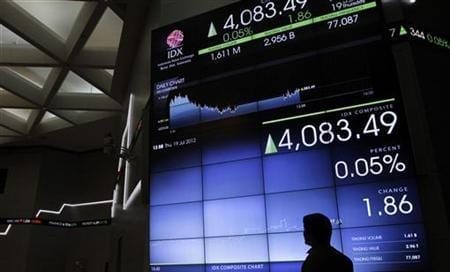
    After a steep correction last year and pressure on the rupiah, Indonesia expects stability to return to its financial markets this year as foreign capital starts flowing back into the domestic market. The first bond offerings of the year last week were more than three times oversubscribed, with interest mainly coming from foreign investors, who also bought more local stocks than what they sold over the past two weeks, reversing a net selling trend that persisted throughout last year, according to Indonesia Stock Exchange (IDX) data.

    For Bank Indonesia Governor Perry Warjiyo, the return of foreign capital inflows came as no surprise. The central bank has been aggressive in raising its benchmark interest rate – the seven-day reverse repo rate – which was increased by 175 basis points to 6 percent over the past nine months in response to tightening by the United States Federal Reserve.

    As it now seems more likely that the US central bank may raise the federal funds rate only twice this year instead of three times, Indonesia’s financial markets have become more attractive to foreign investors as a destination to park their funds.

    “The US dollar is not king anymore this year,” Perry said during a meeting with editors of the country’s largest media groups on Monday.

    Pressure on the rupiah has also eased. The currency currently trades at 14,031 to the greenback, having appreciated 8 percent from its weakest level of 15,253 four months ago, Bank Indonesia data showed.

    Bank Indonesia took measures in concert with the central banks of Malaysia and Thailand on Jan. 2 to reduce dependency on the dollar in bilateral trade. The arrangement will involve Indonesian trade with the two countries, which amounts to about $33 billion per year, being settled in the countries’ respective currencies, instead of the US dollar.

    Indonesia’s current-account deficit, the main culprit for the weakness in its currency, is expected to narrow to 2.5 percent of gross domestic product this year, compared with 3 percent last year.

    American multinational investment bank Morgan Stanley said lower oil prices should help Indonesia lower its current-account deficit.

    “With Brent down 36 percent from its September highs, we should see some relief on the trade balance, which has been weighing on the current account and, in turn, [become] a drag on confidence in equities and performance,” analysts Sean Gardiner and Aarti Shah wrote in a recent note to clients.

    They said oil prices, with the combined effects of the election stimulus, recovering loan growth, dovish monetary policy and rising company earnings have cemented Morgan Stanley’s bullish views on Indonesian stocks.

    The New York-based bank’s top picks include conglomerate Astra International, state-owned gas utility company Perusahaan Gas Negara, state-owned telecommunications company Telkom Indonesia, and lenders Bank Central Asia and Bank Mandiri.

    Bank Indonesia is confident that the country’s economy may grow by between 5.0 percent and 5.4 percent this year, compared with an estimated 5.2 percent last year. Household consumption is also expected to expand by between 5.1 percent and 5.5 percent and investment by between 6.5 percent and 6.9 percent, the central bank governor said.

    Perry said bank loans will maintain their expansive pace of 12 percent this year, in line with an increase of between 8 percent and 10 percent in third-party funds.

    However, one source of concern this year is lower commodity prices, which will affect Indonesia’s export earnings. Perry said the country should therefore increase its exports of manufactured goods, seek new markets for its products and encourage tourism.

    He said Bank Indonesia is comfortable with its current policy and that it can afford to maintain its benchmark rate until March.

    “We are optimistic that 2019 will be better than 2018,” Perry said.
  • Temasek plans to sell AS Watson stake

    Temasek plans to sell AS Watson stake

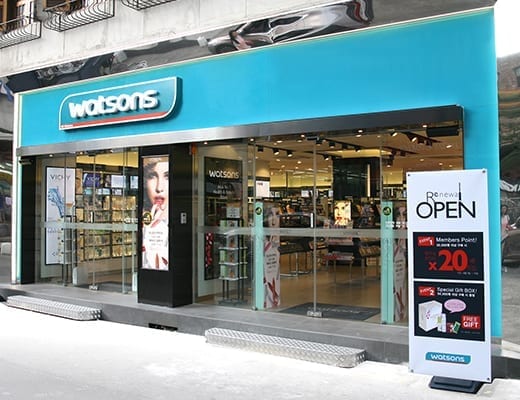
    Singapore’s Temasek Holdings is reportedly looking to quit its stake in Hong Kong-headquartered beauty products retailer AS Watson. Temasek spent US$5.6 billion to acquire a 25 per cent share of AS Watson in 2014 from Hong Kong’s CK Hutchison, which retains the majority stake. According to report, Temasek made the investment expecting the business to be listed within three years. But softening investor sentiment towards retail sector listings has weakened since that plan was first envisaged. Investors are spooked by the demise of a slew of brick-and-mortar-focused brands across developed markets.

    AS Watson has some 14,500 stores in 24 markets around the world, and has market leadership in 15 of those. That could make the business an attractive target for private equity funds, despite the company appearing to be focused more on opening new stores than migrating online, where consumers are buying more beauty and healthcare products.

    Bloomberg says in an analysis published online, that a private equity business would be among the more likely buyers for the Temasek stake, given the amount of industry money that’s sitting idle.

    “That said, any acquirer will still be in a minority position, even if the entire 25 per cent is sold. Along with the business’s poor growth prospects, the absence of control is likely to be reflected in the valuation. This is one retail sale that will need a discount to be attractive.”

  • Vietcombank to sell 3 percent stake to foreign investors

    Vietcombank to sell 3 percent stake to foreign investors

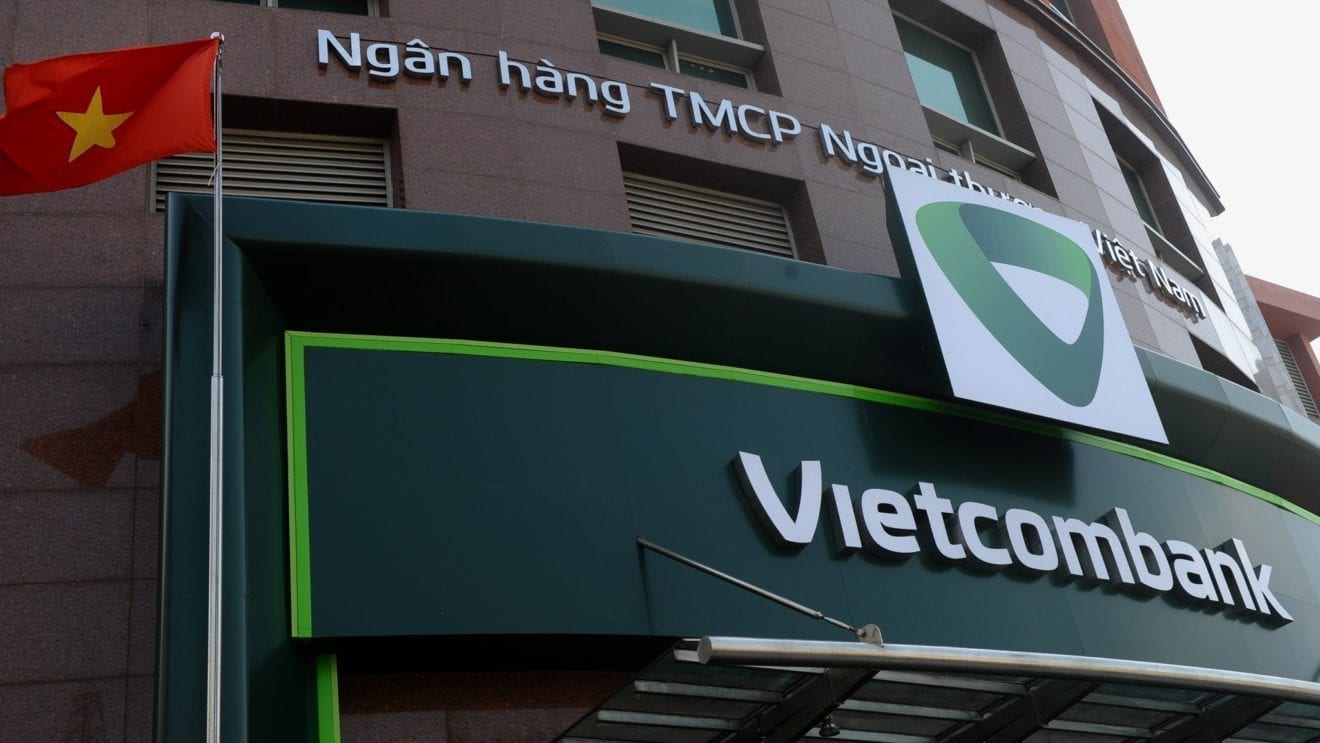
    Vietcombank, Vietnam’s largest bank by market cap, has received permission from the securities watchdog to sell a 3 percent stake to foreign investors. The green light from the State Securities Commission (SSC) will allow the lender to make a private placement of 3 percent as part of its plan to ultimately sell 10 percent. The 3 percent could fetch around $270 million based on its current stock price.

    Vietcombank last month received approval from the State Bank of Vietnam (SBV) to increase its charter capital by selling 10 percent to the Government of Singapore Investment Corporation (GIC) and existing strategic partner, Japanese bank Mizuho.

    Now GIC will buy 2.55 percent while Mizuho Bank will buy the remaining 0.45 percent to keep its current 15 percent stake unchanged.

    Last September the SBV approved Vietcombank’s proposal to increase its charter capital from VND35.98 trillion ($1.55 billion) to VND39.57 trillion ($1.7 billion). The capital has remained unchanged since 2016.

    Vietcombank is one of many Vietnamese lenders that have been seeking to increase capital to meet international capital adequacy norms.

    The country’s banks need to increase their charter capital to meet the Basel II capital adequacy ratio (CAR).

    The accords prescribe capital of 8 percent of risk-weighted assets for all financial institutions, including in Vietnam, to cover operational risks.

    State-owned BIDV, the second biggest bank by market capitalization, said last October it wanted to sell new shares to South Korea’s KEB Hana Bank, giving it a 15 percent stake in the company. The sale would be worth $735 million.

    Vietnam caps foreign ownership of banks at 30 percent. The country has nine wholly-owned foreign banks, four state-owned banks and 31 domestic joint-stock banks.

  • The Coca-Cola Company completes acquisition of Costa

    The Coca-Cola Company completes acquisition of Costa

    The Coca-Cola Company has announced that it has completed the acquisition of Costa Limited from Whitbread PLC. The US$ 4.9 billion transaction follows approval from regulatory authorities in the European Union and China. The acquisition was first announced on August 31, 2018. Costa, which has operations in more than 30 countries, gives Coca-Cola a significant footprint in the global coffee business. Worldwide, the coffee segment is growing 6 percent annually. Costa has a scalable platform across multiple formats and channels, from the existing Costa Express vending system to opportunities to introduce ready-to-drink products.

    “We see great opportunities for value creation through the combination of Costa’s capabilities and Coca-Cola’s marketing expertise and global reach,” said James Quincey, CEO of The Coca-Cola Company. “Our vision is to use the strong Costa platform to expand our portfolio in the growing coffee category.”

    “We wish our friends and colleagues at Costa all the very best for their future success,” said Alison Brittain, Whitbread Chief Executive. “Whitbread acquired Costa 23 years ago, when it had only 39 shops. Costa has grown to become a leading, international coffee brand, and Coca-Cola is the right partner to take Costa to the next stage of expansion.”

  • Singapore company seeks to increase stake in Vietnam’s largest dairy firm

    Singapore company seeks to increase stake in Vietnam’s largest dairy firm

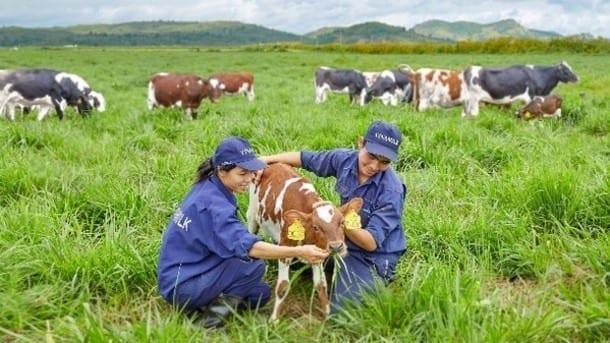
    A Singaporean shareholder in Vinamilk is seeking to increase its stake in Vietnam’s largest dairy firm. Jardine Cycle & Carriage Ltd has registered to buy 17.41 million shares between January 9 and February 7 through its wholly-owned local subsidiary, Platinum Victory, which will enable it to increase its ownership in Vinamilk from over 10 percent to 11.62 percent.

    At a proposed price of VND125,000 ($5.38) per share, the transaction will be worth VND2.17 trillion ($94.42 million).

    Last year Jardine, Vinamilk’s third largest shareholder, had registered on six different occasions to buy 14-17 million shares to increase its stake to above 11 percent, but was unsuccessful due to unfavorable market conditions.

    It first bought a 3.3 percent stake in Vinamilk in November 2017. Within a month it raised its ownership to over 10 percent.

    In April last year a representative of Jardine’s parent company, Jardine Matheson, became a Vinamilk board member.

    Hong Kong-based Jardine Matheson is one of Asia’s biggest conglomerates with interests in luxury hotels, motor vehicles, property, food retail, transport financial services, and agribusiness and revenues of almost $16 billion in 2017.

    F&N Dairy Investments, a subsidiary of Singapore-based Fraser & Neave Ltd, which is backed by Thai tycoon Charoen Sirivadhanabhakdi, owns a 17.31 percent stake in Vinamilk.

    Vietnam’s dairy industry reported revenues of more than VND100 trillion ($4.4 billion) in 2017, with Vinamilk commanding more than a 50 percent market share.

    According to a report by the EU-Vietnam Business Network, the market is expected to double in size by 2020 as the country’s population, personal incomes and dairy consumption increase.

  • KKR to acquire significant stake in V3, TWG Tea

    KKR to acquire significant stake in V3, TWG Tea

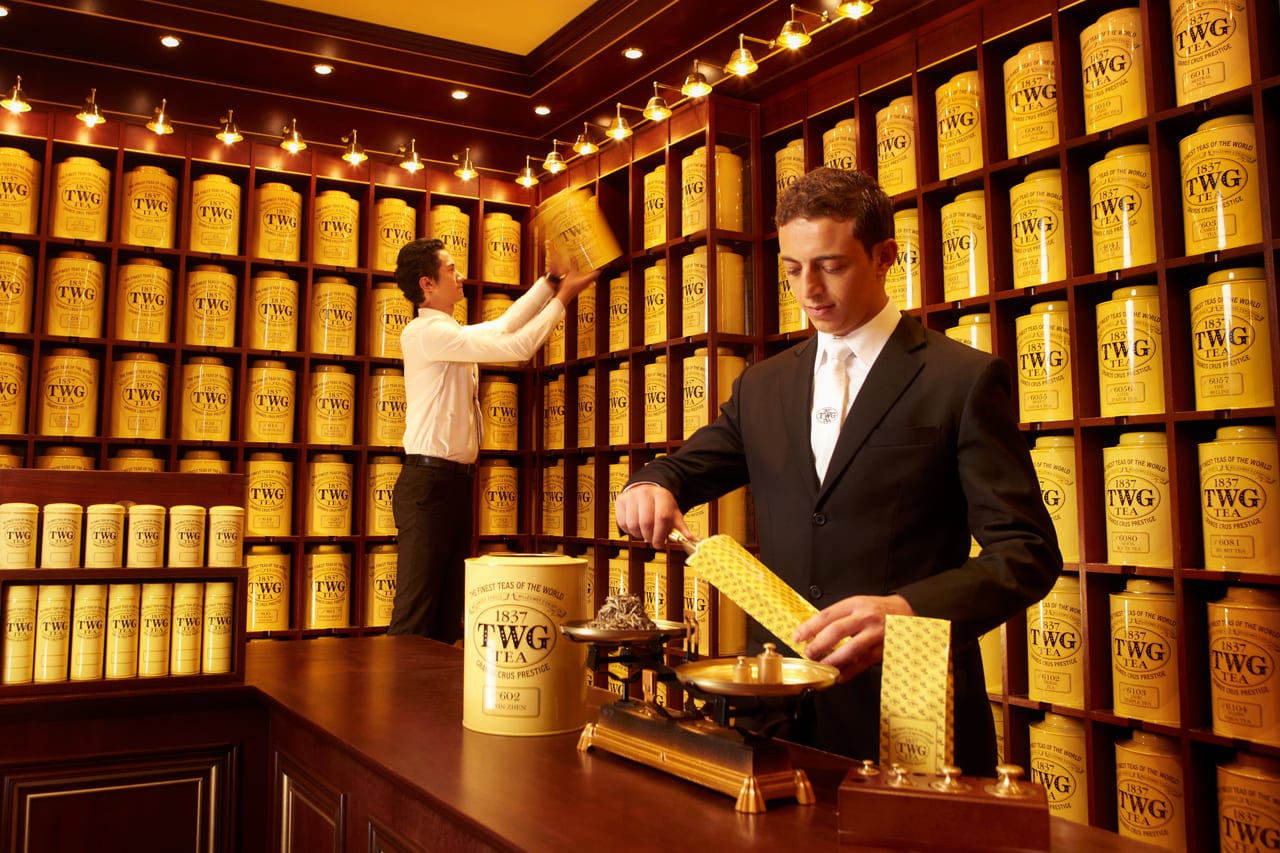
    Private equity company KKR is to invest as much as S$500 million (US$366 million) into V3, the parent of cafe chain TWG Tea and massage chair retailer Osim, to fund regional expansion. In a deal which mixes equity and financing, KKR will take an unspecified “significant stake” in V3, which is effectively valued at S$1.7 billion. V3 is the company which resulted from last year’s restructuring of once-listed Osim International after plans for an IPO were shelved.

    Keith Magnus, chairman of Evercore Asia, which advised V3 on the deal said that the investment by KKR represents a more than 50 per cent increase in enterprise value compared to when the group was taken private.

    “This is a phenomenal premium for [Ron] Sim,” said Magnus.

    Sim remains the chairman, chief executive and controlling shareholder of V3. Sim, who remains chairman, CEO and controlling shareholder of the business added in a statement: “I am extremely pleased to welcome KKR as a significant shareholder in V3. I am confident this investment will position the company for our next phase of growth, starting with the immediate expansion of TWG Tea in Japan and the US and of Osim in China.

    “We would also be looking into M&A opportunities that are earnings accretive.”

    V3 also owns the rights to retail GNC nutritional supplements in Singapore, Malaysia, the Philippines and Taiwan.

    Sim says V3’s revenue cleared S$600 million last year and profit was also up.

  • Thai Beverage unit to bid for at least 25 percent of Sabeco

    Thai Beverage unit to bid for at least 25 percent of Sabeco

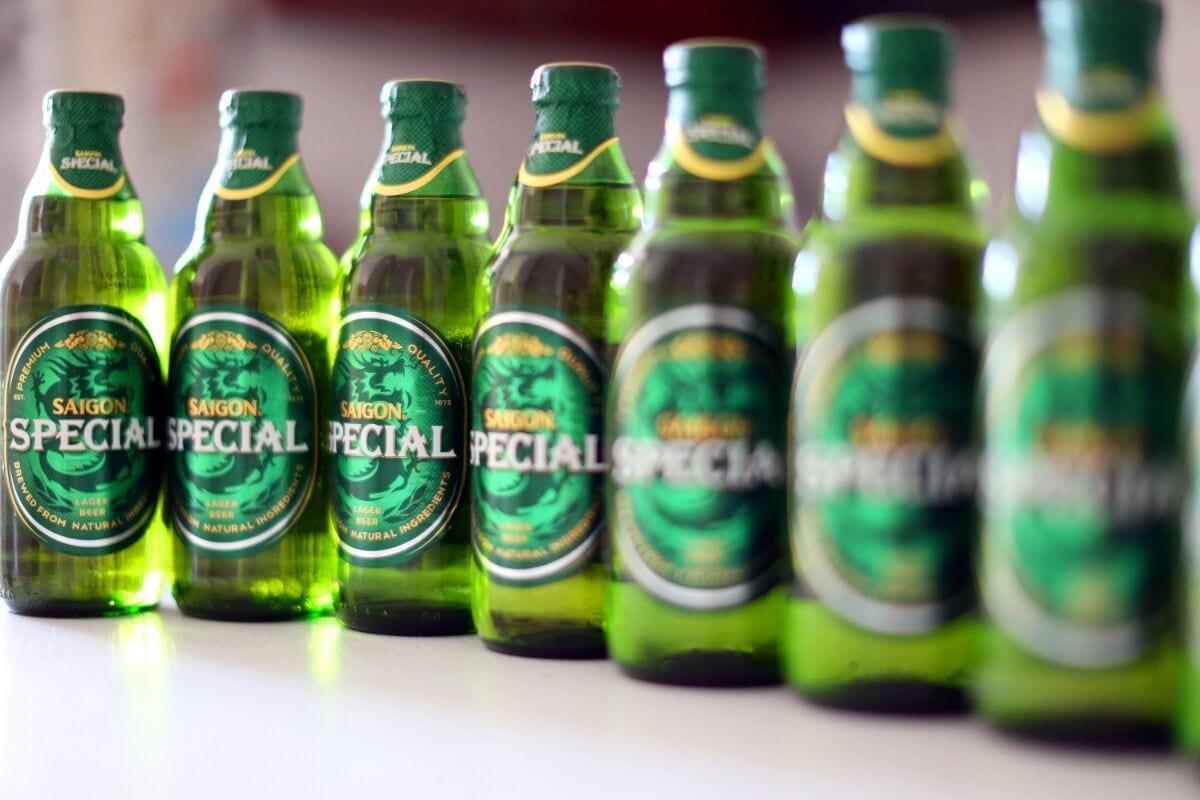
    A unit of Thai Beverage (TBEV.SI) has emerged as the only prospective bidder for state-owned shares in Sabeco (SAB.HM) that has declared that it could lead to it owning 25 percent or more of Vietnam’s biggest brewer, the Trade Ministry said on Monday.

    The auction of up to 54 percent of Sabeco worth at least $5 billion, in what is set to be Vietnam’s biggest privatization, offers brewers access to a fast-growing market with a youthful population and beer drinking culture.

    Investors who want shares that would lead to an ownership of 25 percent or more in Sabeco have to inform the local authorities and publicize the information a week before the auction date, which is set for December 18, according to the rules of the offer.

    Other brewing groups including Anheuser-Busch InBev and Kirin Holdings have been preparing to bid for a stake, people familiar with the matter have said.

    But the trade ministry said in a statement on its website that as of 1100 GMT on Monday the one prospective investor which has registered an interest in buying 25 percent or more of Sabeco that has publicized the information is Vietnam Beverage Company Limited.

    Vietnam Beverage Company Limited is owned by Vietnam F&B Alliance Investment Company, which is 49-percent owned by BeerCo Limited, an indirect but wholly-owned subsidiary of Thai Beverage, official documents about the companies showed.

    Foreign ownership in Sabeco is limited to 49 percent. That means overseas bidders can only bid for a minority stake of as much as 39 percent as foreign entities already own 10 percent.

    Lack of control and the unorthodox way in which the Sabeco stake is being sold could put off some possible bidders, bankers, investors and lawyers familiar with the matter said.

    The Vietnam trade ministry, which represents state shares in Sabeco, said foreign investors can link up with Vietnamese firms to buy shares in Sabeco, but have to comply with local laws and regulations.

  • Singtel said to plan to increase stake in AIS

    Singtel said to plan to increase stake in AIS

    Singtel is reportedly in talks regarding indirectly increasing its stake in Thailand’s top mobile operator AIS.

    The operator is negotiating with Temasek Holdings regarding a sale of part of the investment company’s 41% stake in Intouch, a major shareholder in AIS.

    Temasek Holdings is a Singaporean state-owned investment company which holds a 51% majority stake in Singtel. Temasek is also Intouch’s biggest shareholder with a 41% stake, while Intouch itself owns 40% of AIS. Singtel’s stake in AIS is currently 23%.

    Singtel and AIS previously held discussions regarding the Singaporean group increasing its stake in the Thai operator in 2014, but the negotiations were put on hold due to political and economic instability in the nation.

    But Bloomberg’s source stated that the companies involved believe there is renewed opportunity to pursue a deal now that the situation is becoming more stable.

    Singtel’s regional mobile associates are important to the operator’s financial performance. The company’s recently announced first quarter results  show that while the company’s net profit grew just 2%, pre-tax earnings contributions from the company’s regional associates climbed 19%.

    Temasek is meanwhile under pressure to pursue investments with a greater potential for returns after reporting the first decline in its portfolio for seven years during the financial year ending in March.