Tag: Store

  • 7-Eleven Malaysia store sales rise with new stores openings

    7-Eleven Malaysia store sales rise with new stores openings

    7-Eleven Malaysia has boosted sales by 7.2 per cent in the first half of this year, aided by new store openings, increased promotions and a higher average spend per customer.

    The company now has 2323 stores trading and plans further openings in the second half of this year.

    For the six months to June 30, 7-Eleven Malaysia group revenue reached RM1.17 billion (US$277.9 million) Revenue from its food-service business surpassed 3.5 per cent of the group’s total, an increase of more than 30 per cent year on year.

    Gross profit improved by RM33.7 million or 8.5 per cent year on year, despite expenses related to store openings. The adoption of MFRS 16 accounting standards relating to leases reduced post-tax profit by RM4.6 million. Excluding that factor, the group would have achieved a profit after tax of RM30.3 million, which would have been 37.4 per cent ahead of the same period last year.

    CEO Colin Harvey said the company was pleased with its overall results, especially given the impact of MFRS 16.

    “We are confident that continuous implementation and improvement of our strategy roadmap in strengthening the key areas of assortment, supply chain, operational excellence, store base and digitally enabling the organisation will continue to deliver positive results despite challenging headwinds as we look forward to ensuring that 7-Eleven remains Malaysian consumers’ preferred convenience store brand.”

    The 7-Eleven Malaysia board believes trading conditions for the next quarter are expected to remain challenging

  • Costco China opens first store in Shanghai

    Costco China opens first store in Shanghai

    US warehouse retailer Costco opened its first store in China today, against a background of an escalating trade war between the US and China and at a time the local economy is showing signs of slowing.

    The giant store will open in a suburb of Shanghai boasting a catchment of 2 million consumers and follows a four-year program by Costco to build brand awareness among local consumers through a presence on Alibaba’s Tmall Global.

    The company has a target of signing up at least 100,000 members to make the venture viable.

    Costco’s business model relies largely on the sale of memberships giving consumers the right to shop there, with tight margins on products and large pack sizes giving the brand a cost advantage over traditional supermarkets.

    Richard Zhang, Costco’s senior vice president for Asia, said the membership model was not foreign to locals.

    “Chinese consumers are ready to pay for a membership card that grants them an exclusive privilege to buy at a warehouse store, it’s not a new concept in the country,”

    Costco also takes encouragement in that – despite the failures of European hypermarket chains Carrefour, Tesco and Metro in the Chinese market – its US rival Sam’s Club, operated by Wal-Mart on a similar business model, has been trading there for 20 years.

    “A mature market saves us efforts in educating customers.”

    However Jason Yu, GM of Kantar Worldpanel China, is less bullish about Costco’s prospects there.

    “The Chinese market is very complicated and requires retailers to innovate and localise,” he said.

    Local retailers like Hema, Alibaba’s tech-enhanced food store network, are proving popular with consumers and can adapt quickly to changing consumer preferences.

    “Local retailers are reaching out to customers via all distribution channels while foreign retailers are not so flexible to adapt to new situations,” he said. “The old way of a large and all-inclusive hypermarket doesn’t work in China.”


  • Flagship Razer store in Las Vegas opens next month

    Flagship Razer store in Las Vegas opens next month

    A flagship Razer store in Las Vegas is set to open next month’s, the gaming brand’s largest outlet anywhere in the world and its second in the US after San Francisco.

    The 2400sqft Linq Promenade outlet will open to gamers and the general public on September 7 in a location that sees nearly 22 million global visitors annually.

    “It was totally natural for us to build our next retail presence in Las Vegas, where so many of our fans would be able to experience and enjoy our entire gaming ecosystem,” said RazerStores global director Christine Cherel. “Together with Caesars Entertainment, we have been scouting for the perfect spot for over a year – and now we have found it, right at the heart of one of the best places for entertainment in the world.”

    Dubbed RazerStore LV, the Razer store in Las Vegas will aim to encourage and foster an avid gaming community, with esports and gaming events organised weekly.

    “The introduction of Razer to The Linq Promenade will create an immersive destination for gamers at the heart of the Strip,” said Caesars Entertainment’s senior VP of attractions, retail and leasing, Shaun Swanger. “With the addition of Razer, The Linq Promenade and Las Vegas continue to thrive as the global epicenter of tourism, technology and entertainment.”

    The new two-level brand gallery and retail store features a massive 16-HD-panel-display wall broadcasting interactive live streams and tournaments in full surround sound to onlookers inside and outside.

    PC gamers can set new records playing blockbuster titles on Razer Blade gaming laptops, while console gamers can compete head-to-head in fighting games on Panthera Evo arcade sticks or Wolverine controllers. Mobile gamers can also compete on the 120-Hz display-powered Razer Phone 2.

    Razer, which is co-headquartered between San Francisco and Singapore, opened its first US RazerStore at the Westfield Mall in Downtown San Francisco in May 2016. Two more stores are located in Hong Kong and Taiwan.

  • New stores openings deliver Lovisa good sales

    New stores openings deliver Lovisa good sales

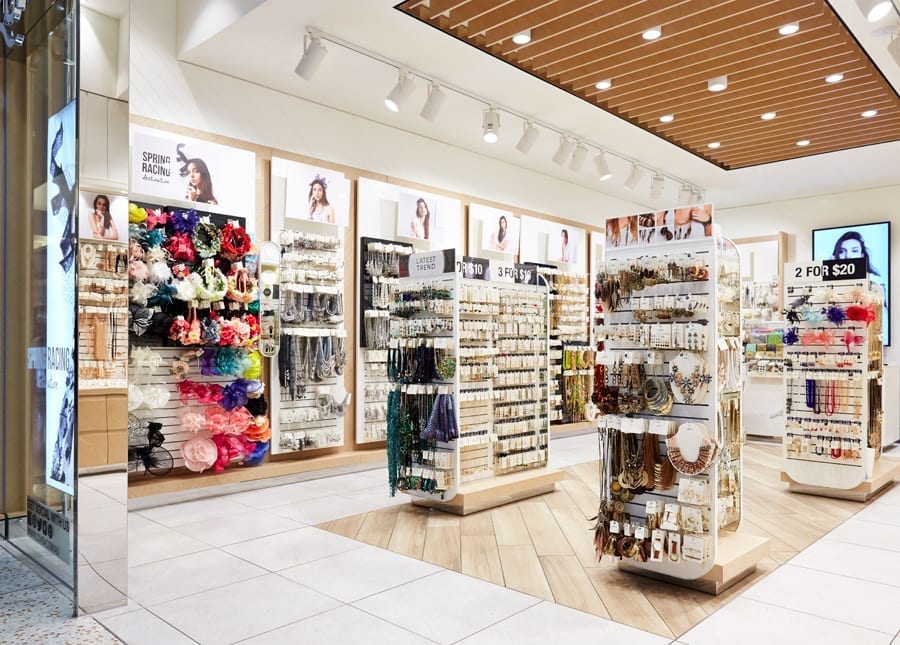
    Lovisa managing director Shane Fallscheer told investors on Thursday he was pleased to deliver a “solid result” for FY19 in one of the more difficult trading environments the fashion jewelry retailer has experienced in recent times.

    Revenue was up 15.3 percent year on year to $250.3 million, thanks to the addition of 64 new stores in FY19. The retailer’s total store count as at June 30, 2019 was 390.

    Same-store sales, however, were down 0.5 percent on the previous corresponding. Fallscheer attributed the weak result to softer trading conditions in the first half of FY19, especially in Australia, and the lack of major trends in the fashion jewelry space, which have helped drive strong same-store sales growth in the past.

    He also noted that Lovisa “overperformed” in FY18 – especially in the first half, when same-store sales increased 7.4 percent – which made it harder to deliver comparable sales growth in FY19.

    The retailer reported an increase of 50 basis points in gross margin to 80.5 percent, thanks to higher USD hedge rates and its focus on inventory management and promotional effectiveness. Gross profit increased by 16 percent to $201.4 million.

    The hiring of several senior executives, the relocation of Lovisa’s third-party logistics hub from Hong Kong to China, the launch of e-commerce capabilities in Australia and New Zealand and continued store rollouts in new territories, however, drove up to the cost of doing business as a percentage of sales.

    The retailer reported a 2.8 percent increase in earnings before interest and tax to $52.5 million and a 3 percent increase in net profit after tax to $37 million.

    Lovisa finished the year with a cash balance of $11.2 million and a strong balance sheet, Chris Lauder, Lovisa’s CFO told investors.

    Looking ahead, the key driver of growth for Lovisa is the continued expansion of stores around the world.

    The retailer currently has 404 stores (it has opened 14 so far in FY20) in around a dozen countries, including Australia, New Zealand, Singapore, Malaysia South Africa, the UK, Spain, France, the US, the Middle East and Vietnam.

    Lovisa’s biggest market is Australia, where it has 154 stores, followed by South Africa with 61 and the UK with 38, but growth is accelerating in the US, Fallscheer said, where it currently operates 28 stores in California, Texas, Florida and Illinois.

    “The eventual size and timing of the store rollout [in the US] will depend on being able to deliver quality stores that meet criteria rather than a [specific] number target,” Fallscheer told investors.

    He noted that Lovisa is beginning to gain traction with US landlords, and that it is targeting “small wins” to offset the higher cost of doing business and currency headwinds in the market, including minimizing markdowns and looking at the price.

    “We constantly review each market, each style and how all of that interacts with each other. We’re constantly looking at the price…as we mature in the US market, there are probably some slight wins there,” Fallscheer said.

    But he admitted, “there’s going to be a gap between price increase and currency decline”.

    Same-store sales growth in FY20 so far is within the retailer’s target range of 3 to 5 percent, Fallscheer said. He attributed this to price gains and increased volumes.
  • Lego announces very first Victorian store

    Lego announces very first Victorian store

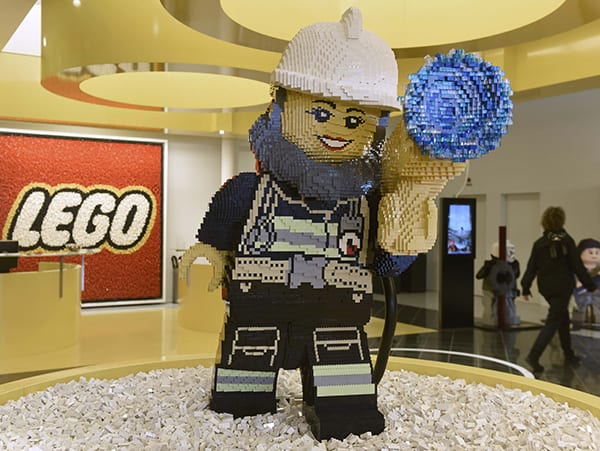
    The first Lego store in Victoria will be in Westfield Doncaster, according to local rights-holder Alceon Group.

    The announcement follows the opening of Lego stores in New South Wales, as well as the news that more stores will be opened across Queensland and New Zealand in 2019 – with South Australia and Western Australia in 2020.

    “Victoria is home to one of the country’s largest Lego fan communities and, as a result, a strategic priority of our growth,” Alceon Group executive director Richard Facioni said.

    “We look forward to unveiling a truly world-class retail experience at Westfield Doncaster, as the first of a number of Lego certified stores planned for Melbourne.”

    Facioni said recently that the introduction of further stores in key locations would accelerate the reach of the retail concept, and build on the iconic Lego brand.

    Alceon Group is an investment firm that is one of the biggest retail companies in Australia, following its acquisition of Specialty Fashion Group’s Katies, Millers, Autograph, Crossroads and Millers brands, James Packer’s Pretty Girl Fashion group and Pumpkin Patch.

    The company also has a controlling stake in Noni B and recently acquired a stake in ethical fashion brand Ginger & Smart.

  • Peu a Peu opens new flagship in Hangzhou

    Peu a Peu opens new flagship in Hangzhou

    Hangzhou-based Chinese design firm So Studio has created a retail space for sporting goods brand Peu a Peu featuring a system of pulleys, steel racks, and large metallic spheres.

    The store’s 70sqm interior, which was recently celebrated in a Designboom report, is inspired by the movement and interaction observed on a sports field as well as contemporary pop artist Jeff Koons’ balloon series.

    Peu a Peu, owned by JNBY, a designer brand focused on contemporary apparel, footwear and accessories.

    The retail space shows off metal finishes alongside grey coloured floors and walls, attempting to create a futuristic and industrial atmosphere. The detachable racks serve to divide up the room as well as supporting the metallic spheres that move around the shop area.

  • JD may list Dada-JD Daojia in the US Store

    JD may list Dada-JD Daojia in the US Store

    Chinese e-commerce giant JD is considering a share listing in the US, according to a Reuters report.

    The firm has entered into early-stage discussions with bankers about a deal that could raise US$500 million for the firm’s joint venture in the territory, Dada-JD Daojia.

    According to Coresight Research, Dada-JD Daojia was created in 2016 through the merger of JD’s supermarket business and the crowdsourcing delivery service Dada Nexus, with a 10-per-cent stake owned by US retailer Walmart.

    Dada-JD Daojia provides a one-hour professional delivery service for more than 74 million users, working with more than 5000 retailers including Walmart, Carrefour, Vanguard, Yonghui supermarket and Watsons.

    The JV has already secured roughly the same amount in funding last year with investments from JD and Walmart.

    JD itself has just come off a solid second quarter thanks to strong online sales in recent months.

  • Maxis store designers create ‘retail experience of the future’

    Maxis store designers create ‘retail experience of the future’

    Australian retail design firm Public Design Group and retail consultancy Fitch have collaborated to create a “retail experience of the future” for Malaysian telco Maxis.

    According to Public Design Group, the new Maxis flagship store at Gardens Mall – which follows the consultancies’ previous collaboration with Singtel – is a contemporary twist on a cafe-style theatre set, where shoppers receive “the highest level of personalised service from a brand new human service model” based on a conviction that “mall retailers have an inherent responsibility to engage and entertain shoppers well beyond the confines of product”.

    The store features a Gallery of Living Potential – a series of product-solution stories told through products, staff and large-format digital screens leaning back against the “gallery” wall. Waiters serve shoppers at tables in the “street”, while maitre d’ sales staff engage browsers throughout the store to discuss the new Maxis proposition.

    “The business focus is no longer on selling third-party devices,” said Public Design Group’s director of retail strategy Jason Pollard. “It’s now all about raising awareness of how the internet enables better living. This leads to multiple devices, premium content, and managed services all being sold under one umbrella lifestyle story, for example Wellbeing”.

    The store’s retail experience is designed to optimise human exchange with personalised demonstration of product solutions, digital queuing systems and seamless transaction processes.

    “Motivating store teams is key to ensuring a sustainable increase in business performance, and that’s what we have been able to do by creating a theatre set for customers and staff alike,” said Pollard. “When staff can play and enjoy the product, they self-educate whilst becoming advocates. The staff in this store stage a singing and dancing performance for customers daily; their happiness directly influences the quality of shopper experience.”

    “The lack of corporate colour and the recessed store entrance is part of the Maxis corporate brand being deliberately recessive,” said Public Design Group chief designer Dan Cooper. “We are seeing a gradual shift in retailers understanding of the importance of brand experience over and above branded environments.

    “Shoppers believe this environment has been designed for them to experience rather than for Maxis to sell; it’s very much a ‘pull’ rather than a ‘push’ psychology. When we look at what the Maxis brand means to people, it’s not their logo, their promotions or their tone of voice any more, it’s a fantasy world that shoppers can escape into, full of optimism, colour and compelling lifestyle stories.”

    Fitch Hong Kong collaborated with Public Design Group to create the digital content in the store, as well as developing a number of tech-driven initiatives to optimise customer processing and transactions. They are now working on phase two of the customer experience plan, where the stories in the Gallery of Living Potential are being taken to a deeper level of digital immersion.

  • Yue Yuen to move more production into SE Asia as trade war continues

    Yue Yuen to move more production into SE Asia as trade war continues

    Hong Kong-listed footwear manufacturer Yue Yuen Industries says it expects to move more of its manufacturing from China to other Southeast Asia countries as the US-China trade conflict shows no sign of abating.

    “The US government’s plans to implement a 10-per-cent tariff on US$300 billion of exports from the PRC, which will include footwear, could further accelerate the pace of capacity migration from the PRC to Southeast Asia,” said chairman Chu Chin Lu in the management review of the company’s half-year results.

    Vietnam accounted for 45 percent of Yue Yuen’s shipments in the first half of this year and Indonesia for 38 percent. Mainland China accounts for 13 percent

    “The group will continue to migrate its manufacturing capacity from the PRC to Southeast Asia, while being mindful of the labor supply situation in countries where we operate, especially in Vietnam,” said Lu, who is also worried that continued uncertainty surrounding both the US and China’s future trade policies may impact on consumer sentiment.

    The group’s manufacturing business produced 163.2 million pairs of shoes in the six months to June 30, an increase of 2.7 percent year on year.

    The average selling price per pair was US$16.49, up by 2.2 percent.

    Sales through the company’s listed subsidiary Pou Sheng, increased by 12.3 percent returning 1.968 billion to Yue Yuen. In RMB terms (Pou Sheng’s reporting currency), revenue during the first half of increased by 19.4 percent.

    Yue Yuen reported group revenue to $5.071 billion for the half-year, up by 6.3 percent with profit attributable to shareholders up by 10.5 percent to US$165.9 million. Non-recurring profit was boosted by $19.1 million from the disposal of Texas Clothing Holding Corp.

    Lu said the group faced several headwinds during the half other than the trade war.

    “The group continued to face operational disruptions and challenges resulting from brand customers’ demands for more flexible procurement approaches and changing consumer preferences. This resulted in more volatile monthly sales orders, uneven capacity utilization, and lower production efficiency, alongside the increased complexity and versatility of product portfolios during the period,” he said.

    “To address these challenges and sustain our long-term position, we have continued to ramp-up the implementation of automated production and enhance our operating efficiency through process re-engineering to provide differentiated value-added and one-stop OEM/ODM services to customers with whom we have maintained long-term relationships. We also furthered our efforts to foster environmental sustainability, eyeing at the long-term growth viability of our business.”

    The group’s athletic footwear category outperformed all other categories as a result of the global athleisure trend, accounting for 78.1 percent of footwear manufacturing revenue in the first half of the year. Casual and outdoor shoes accounted for 19.7 percent of footwear manufacturing revenue.

  • Tata launches steel store for consumers

    Tata launches steel store for consumers

    Indian steel manufacturer Tata Steel has launched a steel retail store called Steeljunction in an attempt to create new paradigms in the industry for B2C consumers.

    The outlet will provide a “one-stop destination” for consumers intending to shop for the metal. It will showcase steel products catering to four consumer segments – Home Decor & Gifting, Home Building, Home Making, and Tools & Implements.

    The 6000sqft store promises a comprehensive product range, services, and in-store facilities. The firm’s investment is part of its strategy to build stronger customer relationships, distribution networks and brands that focus on value-added segments such as retail and help to strengthen the revenue profile.

    Apart from showcasing its own branded products, Tata Steel has also collaborated with its vendor partners to feature their premium branded products in the home-making space at this store. While the Steeljunction store will promote the look and feel of the products, customers can easily purchase them online through the Company’s e-selling platform Aashiyana, which made more than ₹100 crore (US$14.1 million) within one year of its launch.

    “Steeljunction is integral to our strategic focus on the retail segment,” said Tata Steel CEO & MD T V Narendran. “It is aimed at providing a differentiated steel purchase experience to discerning customers. Steel is the most sustainable metal and has diverse applications. This initiative will give a fillip to the consumption of steel, as products will be made available from more accessible locations.”

    The Company has a large retail business that leverages an extensive network of more than 200 distributors and 12,000+ dealers, as well as a strong portfolio of brands to sell branded steel across the country. This segment is relatively insulated from international cycles and provides strong cash flows.

    “The core purpose of Steeljunction has remained the same since 2005,” said Tata Steel VP steel marketing & sales Peeyush Gupta. “It is to provide a touch-and-feel experience to its consumers, including consultation on the right choice of product for their home building and home making needs.”

    Tata Steel’s branded products, retails and solutions business grew by 30 per cent YOY during the last fiscal year. Since inception, 1 million units of Tata Pravesh steel have been installed and more than 10,000 consumers have been served.

  • EuroShop 2020 in Germany Sets Retail Record

    EuroShop 2020 in Germany Sets Retail Record

    Who does the real rock’ n’ roll? The mushroom heads from Liverpool or the rough boys from London? These questions split the camps in the 60s. Today it is clear: The Rolling Stones and the Beatles are the two biggest bands in pop history. Another star was also born in the 60s, wrote a success story and continues to do so today, more successfully than ever:

    EuroShop in Duesseldorf is the real rock’ n’ roller in retail!

    EuroShop 2020 not only looks back on more than 50 years of history of success, but it will be as well the 20th EuroShop. Three times 20 – lucky numbers for an outstanding trade fair!

    EuroShop is the hot spot for innovations and trends, a networking and discussion platform and a creative hub especially for retail – worldwide.

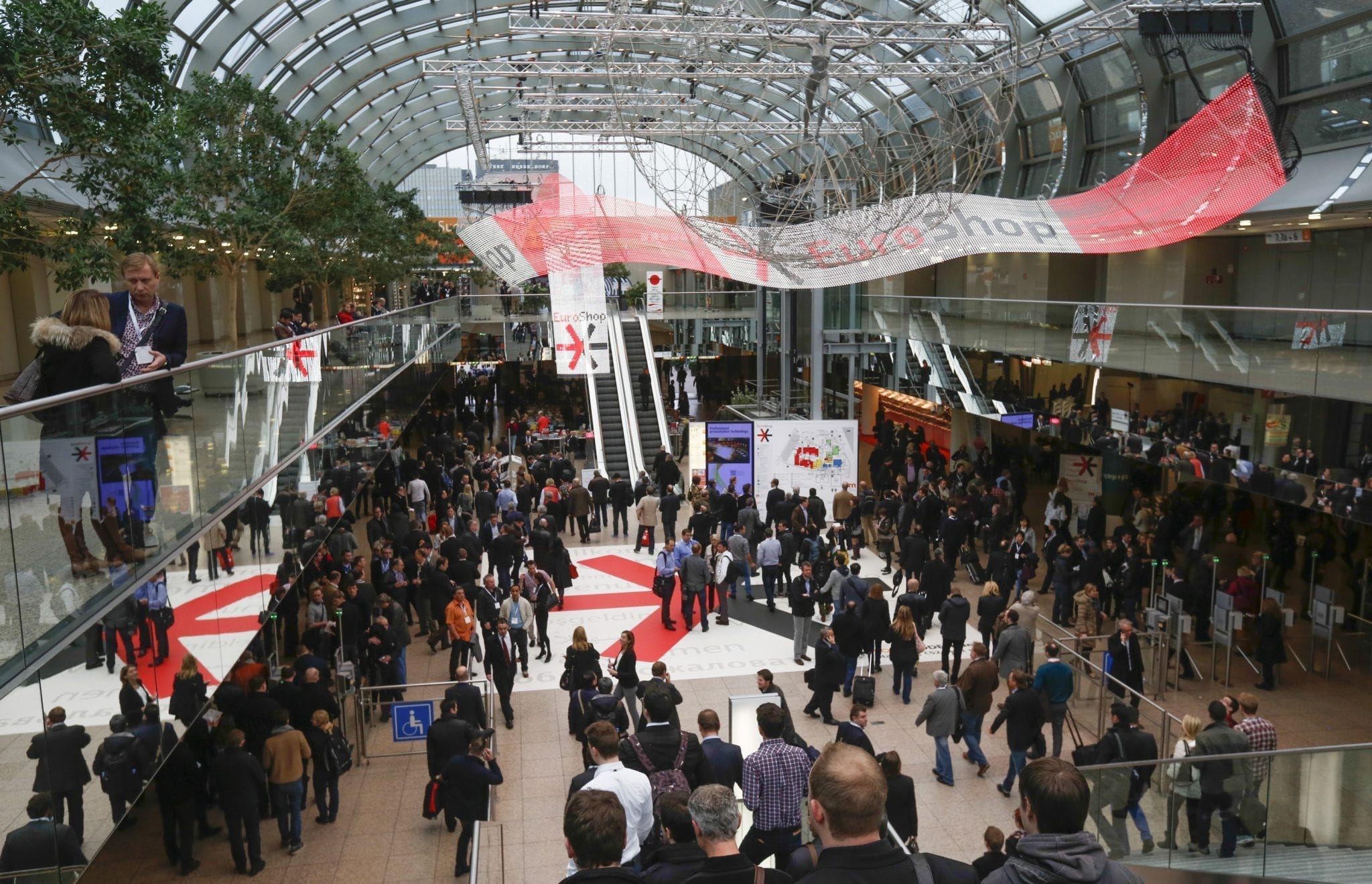
    Six months to the event, the prospects for EuroShop 2020, the World’s No 1 Retail Trade Fair, could not be any better. Next year’s EuroShop is in as high demand as ever with the Düsseldorf trade fair organizers expecting to beat the record figures of 2017. The previous event was attended by 2368 exhibitors from 61 countries on 127,598sqm of net exhibition space. Out of a total of 114,000 trade visitors from around the world, 1100 visitors traveled to Düsseldorf from Australia and New Zealand.

    More action, more drama, more emotion and better focusing on the wishes of the customers, that´s what´s necessary for retail and that´s what EuroShop already does. With its eight experience dimensions, it puts the focus on offerings tailored to specific visitor communities, a more flexible framework to operate in, and gives plenty of scope for presenting forward-looking developments and innovative products. The experience dimensions are Retail Marketing, Expo & Event Marketing, Retail Technology, Lighting, Visual Merchandising, Shop Fitting & Store Design, Foodservice Equipment, and Refrigeration & Energy Management.

    The extensive line-up of exhibitor ranges is complemented by high-caliber stages with practitioners’ lectures presented on all five exhibition days right amidst trade fair activities. These forums cover the following topics: Store Design, Retail Technology, Omnichannel, Retail Marketing, Energy Management, Retail Designers, Start-ups und Expo & Event. EuroShop’s supporting program also includes numerous specials, such as Popai Village, Ecopark, Designers Village and Italian Lighting Lounge. All specials and stages are included in the entrance fee and can be visited without advance reservation.

    EuroShop has as well its own one-stop global online information channel for expertise and communication in the international retail community, the EuroShop.mag. It offers news, interviews, reports, specialist articles, studies, photo galleries and videos on topics and trends from the international retail scene 365 days a year.

    EuroShop 2020 is open to trade visitors from Sunday 16 to Thursday 20 February 2020, daily from 10.00 to 18.00 hrs. The day ticket costs 80 euros (60 euros for online advance sale/e-ticket), the 2-day ticket 120 euros (e-ticket 100 euros) and the season ticket 180 euros (e-ticket 150 euros). The online-shop opens on October 2019.

  • The North Face reveals future plans with NY opening

    The North Face reveals future plans with NY opening

    Activewear label The North Face has initiated its global retail strategy with the opening of a new store in Manhattan’s SoHo neighbourhood last Friday.

    The brand will transform its existing locations to create a stronger connection with consumers and evolve The North Face retail environment into a space that feels more like the brand and less like a store.

    The 8000sqft venue is the first of a number of planned updates to the brand’s locations globally, including Seattle and Cherry Hill, NJ in the coming weeks, as well as locations in Europe later this autumn. The North Face is aiming to refresh the majority of its fleet of stores by the end of 2024.

    The North Face set out to design a store to reflect its brand positioning as premium, long-lasting and sustainably built. The SoHo location and all new stores moving forward will feature FSC certified reclaimed wood, steel, granite and low VOC paints. The environments are purposefully designed for longevity and to avoid the need for wasteful refurbishing throughout the years.

    “Our stores will continue to offer a convenient and seamless shopping experience, but it is no longer the sole mission of the store,” said VP of direct to consumer Mark Parker.

    “We’re now focused on creating an environment that highlights our heritage and allows consumers to deeply connect with the brand as they prepare for their own exploration, wherever it may be.”

    Elements of the new space include a museum-like archive of The North Face athlete expeditions and significant products, a signature half dome scent, and a team of “guides”, equipped to offer gear and exploration recommendations tailored to local adventure.

  • Parkson closes Puchong store after just 18 months

    Parkson closes Puchong store after just 18 months

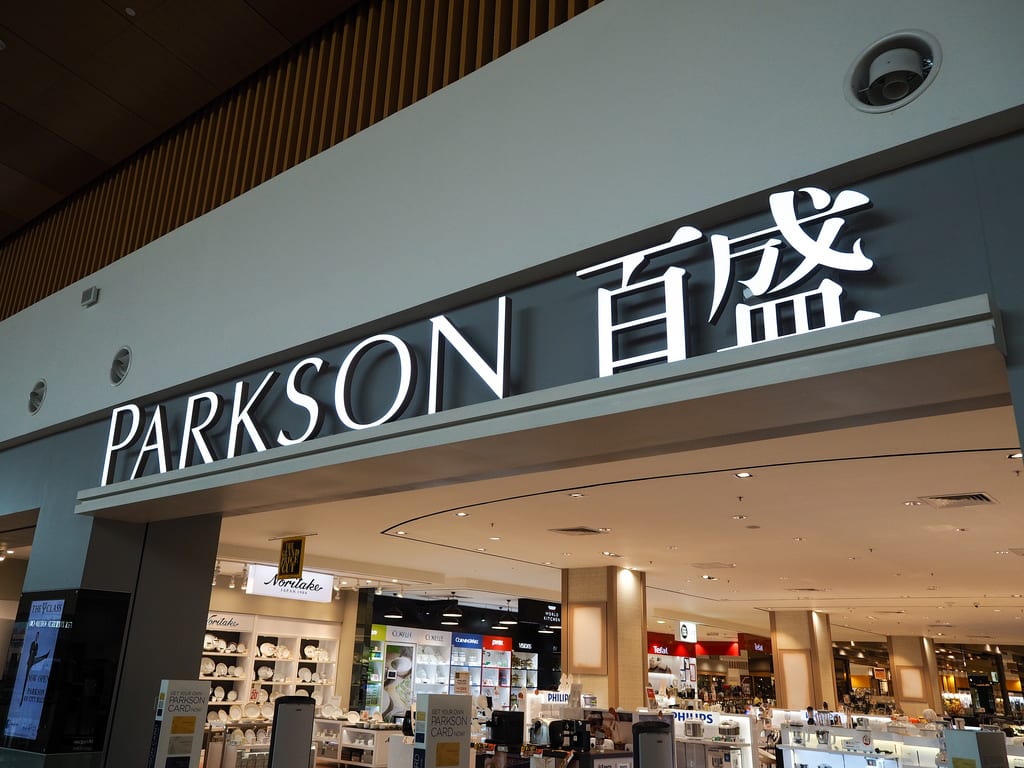
    Malaysian department store operator Parkson has closed its store in Puchong just 18 months after it opened.

    The closure follows its exit from Suria KLCC in downtown Kuala Lumpur after 20 years.

    A Parkson spokesperson said the Puchong store had not met sales expectations.

    “The retail market is very dynamic. Store openings and closures are part and parcel of our business. In Malaysia, shopping malls are mushrooming everywhere and the demographics are ever-changing. Understandably, we are always cautious and selective when choosing new store locations. However when sales do not meet expectations, we have to cut losses and move on,” the spokesman said.

    The Parkson Puchong store was located in M Square Mall at Millenia City. It opened in January last year, with 32,516sqm of retail space.

    While store closures appear to be an ongoing story within Parkson – it has shuttered multiple stores in Vietnam as well during the last two years – there are some positives to be taken from the company’s recent results. In the nine months to March 31, the company achieved sales growth above 5 percent – double the rate of Malaysia’s department-store sector, according to Malaysia Retailers Association data.

    Despite store closures, revenue in the March quarter rose by 2 percent year on year to RM788 million (US$187 million).

    Parkson currently operates 43 stores, one more than it had in 2015 but two fewer than in 2017.

  • FamilyMart Taiwan rolls out small railway-station stores

    FamilyMart Taiwan rolls out small railway-station stores

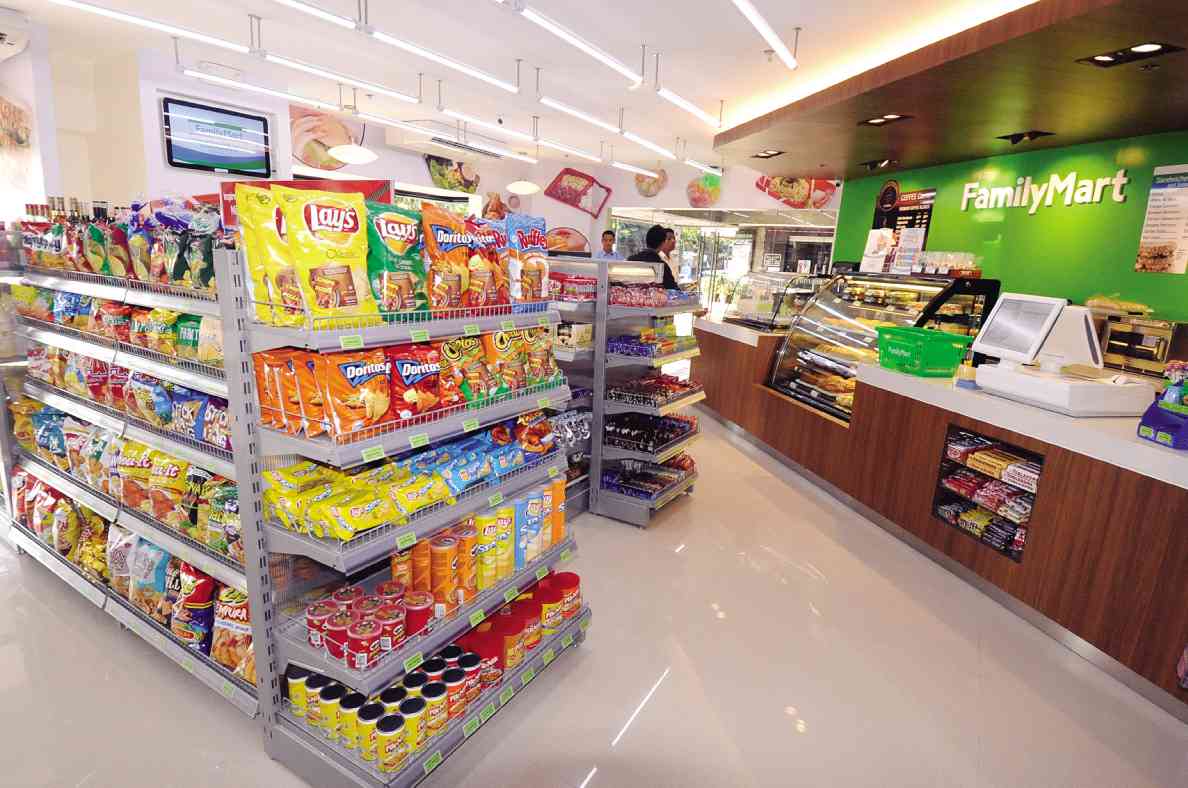
    Convenience-store operator FamilyMart Taiwan plans nearly 40 new stores in railway stations this year.

    The Japanese-headquartered company has just opened three new outlets in Taiwanese stations at Badu, Wanhua, and Luodong. Two more are about to open at the main Taipei station, with another 32 planned for 23 stations within two months. Once complete, the network will serve 20 million rail travelers per year.

    FamilyMart Taiwan is also catering to local tastes by selling snacks in partnership with various Taiwanese firms, such as bakery shop Master Fang, which will sell desserts at Kaohsiung Railway Station.

  • Aesop store in Seoul features reclaimed red bricks

    Aesop store in Seoul features reclaimed red bricks

    Luxury skincare brand Aesop has opened a distinctive store in south-central Seoul designed by Hong Kong designers Mlkk Studio.

    The designers laid out the two-level Aesop store in Seoul using reclaimed red bricks to fashion within the building’s slate-grey brick facade to create a warm and inviting shop interior. It is intended to provide a cozy retreat for shoppers, especially during the cold winter months.

    “It gave an exciting opportunity to do something just the opposite with the same material,” said an Mlkk Studio spokesperson. “The choice of material also creates a dialogue with the architecture and effortlessly blends the interior and the exterior … The bricks add color variety and enrich the sense of time and history of the space.”

    The bricks are also used in the store’s service counter and for a sink where customers can try out the products. Two arched cubby holes with copper shelving are built into the rear wall, resembling traditional Korean kilns.

    The Aesop store in Seoul is one of many stores by the brand profiled on design site Dezeen.