Tag: Store

  • Diamanti Per Tutti makes debut in Singapore

    Diamanti Per Tutti makes debut in Singapore

    Belgian jewellery brand Diamanti Per Tutti has launched its first standalone store in Singapore at Raffles City Shopping Centre. Positioned as an affordable luxury label, Antwerp-based Diamanti Per Tutti retails 925 Sterling Silver items gilded with 18 carat pink or yellow gold vermeil or white rhodium, set by hand with real, ethically-sourced natural diamonds and gems.

    The brand, which has outlets in Beijing, Shanghai and Hong Kong, plans to open its second Singapore location in March.

  • Starbucks China sales grow – with a but

    Starbucks China sales grow – with a but

    Net revenues for Starbucks China and Asia-Pacific region soared 45 per cent in the first quarter to US$1.2 billion. While a change of ownership in the East China business at the end of the first quarter of the previous year boosted the figure, the company says the opening of a net 1010 stores during the 12 months – a 13 per cent increase in the network – and a 3 per cent increase in same-store sales also played a part.

    First-quarter Starbucks China operating income rose 13 per cent to US$225.1 million, from $196.8 million. But the company’s operating margin declined 530 basis points to 18 per cent, primarily due to the impact of the East China ownership change.

    CEO Kevin Johnson said the company delivered solid operating results in the first quarter, demonstrating continued momentum in the business, as it drives a growth-at-scale agenda “with focus and discipline”.

    “Comprehensive efforts to streamline our business have allowed us to focus on three key strategic initiatives that position Starbucks for long-term success: accelerating growth in our targeted markets of the US and China, expanding the global reach of the Starbucks brand through our Global Coffee Alliance with Nestle, and increasing shareholder returns.

    “Combined with our efforts to build and amplify the Starbucks brand, we expect these initiatives will position the company to drive predictable, sustainable growth and shareholder returns for years to come,” concluded Johnson.

    In the 13-week first quarter, which ended December 30, global comparable-store sales increased 4 per cent, driven by a 3 per cent increase in the average sale. Americas and US comparable-store sales increased 4 per cent, with transaction numbers flat.

    China-Asia-Pacific comparable-store sales increased 3 per cent, including 1 per cent transaction growth, with China comparable-store sales up 1 per cent, but the number of transactions down 2 per cent.

  • Samsung Philippines redesigns its Manila store

    Samsung Philippines redesigns its Manila store

    Samsung Philippines has launched a redesigned flagship store in Manila. Located in CyberZone at SM Megamall, the store is designed to showcase the brand’s latest technologies and aesthetics, with U-shaped center bars built to facilitate one-on-one communication with customers as they interact with the products. A central ‘Newness Table’ serves to show off the most recent Samsung innovations.

    Accessories are given the same exposure as the more expensive offerings with equal opportunities for consumers to examine and try before they buy. Dedicated spaces are reserved for Gear S watches and Samsung Gear VR offerings, as well as audio products such as speakers and headphones.

    The flagship also houses a revamped customer service area, featuring experience lounges and consumer learning programs.

    “Samsung as a brand has always been known to consistently redefine the new normal and to go beyond expectations. Over the years, our mobile phones have set the benchmark for what the consumers need and want”, said Samsung Philippines president James Jung. “The new store design heralds a new chapter in Samsung retail, enabling customers to engage with our brand and products in new ways.”

  • Taco Bell reveals massive expansion plan in Asia

    Taco Bell reveals massive expansion plan in Asia

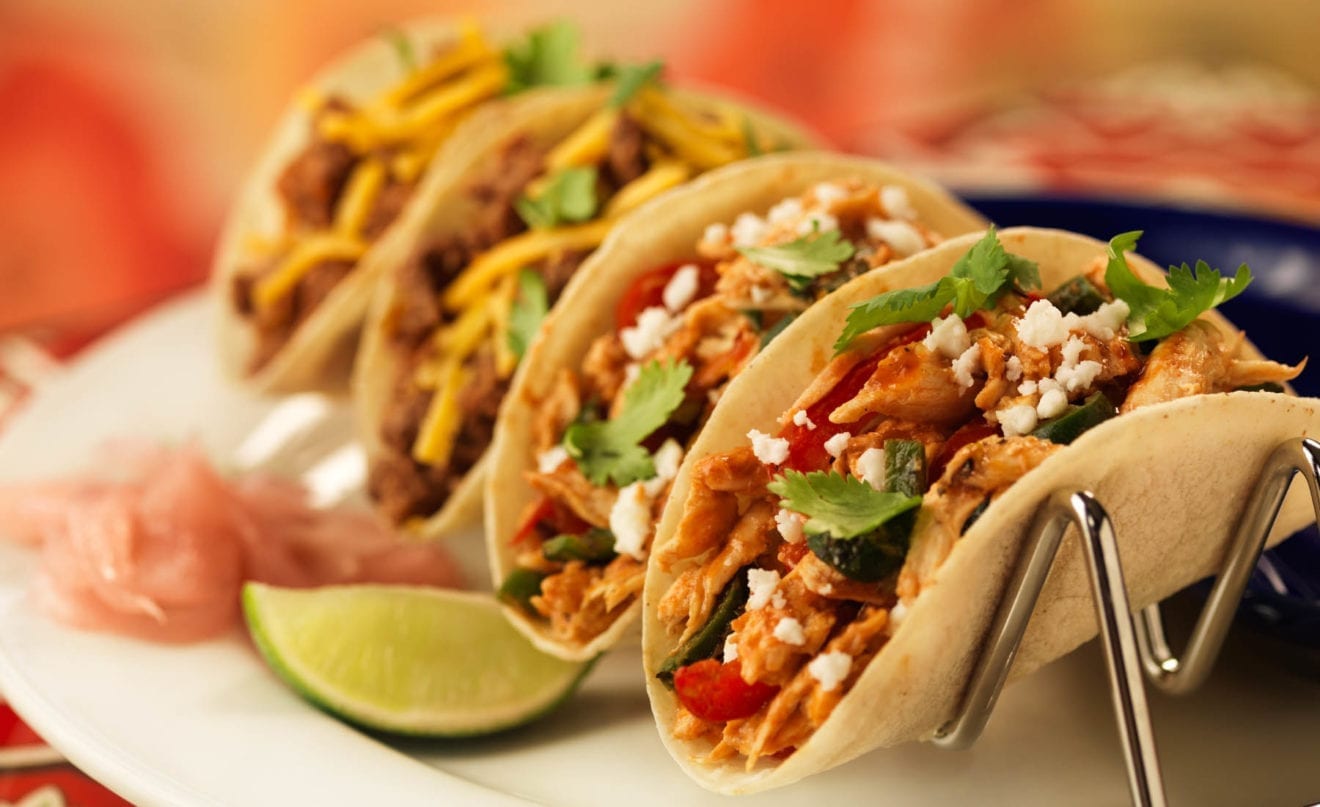
    US Mexican-themed dining chain Taco Bell says it plans to drive growth by expanding its presence in Asian markets. The brand intends to double its number of overseas restaurants to more than 500 outlets within the next few years. Taco Bell’s previous rollouts in Asian markets have occasionally been unsuccessful. An early franchise operation in Japan closed in the 1980s, although it reappeared in the territory four years ago. The brand also withdrew from Singapore in 2009.

    “Consumers weren’t ready in terms of awareness and the brand wasn’t positioned right at the time”, said president of Taco Bell International Liz Williams. The brand now expects to fare well in the territory with its more international young population and “heightened awareness” of Mexican food.

    A new store opening in Thailand this week will be modified for the market, including a spicier salsa recipe to suit local tastes. Forty more Thai locations are planned to open under local franchise partner Thoresen Thai Agencies.

    Taco Bell, operated by Yum! Brands, has 7000 restaurants in the US.

  • Sam’s Club plans to have 40 stores in Chinese mainland by 2020

    Sam’s Club plans to have 40 stores in Chinese mainland by 2020

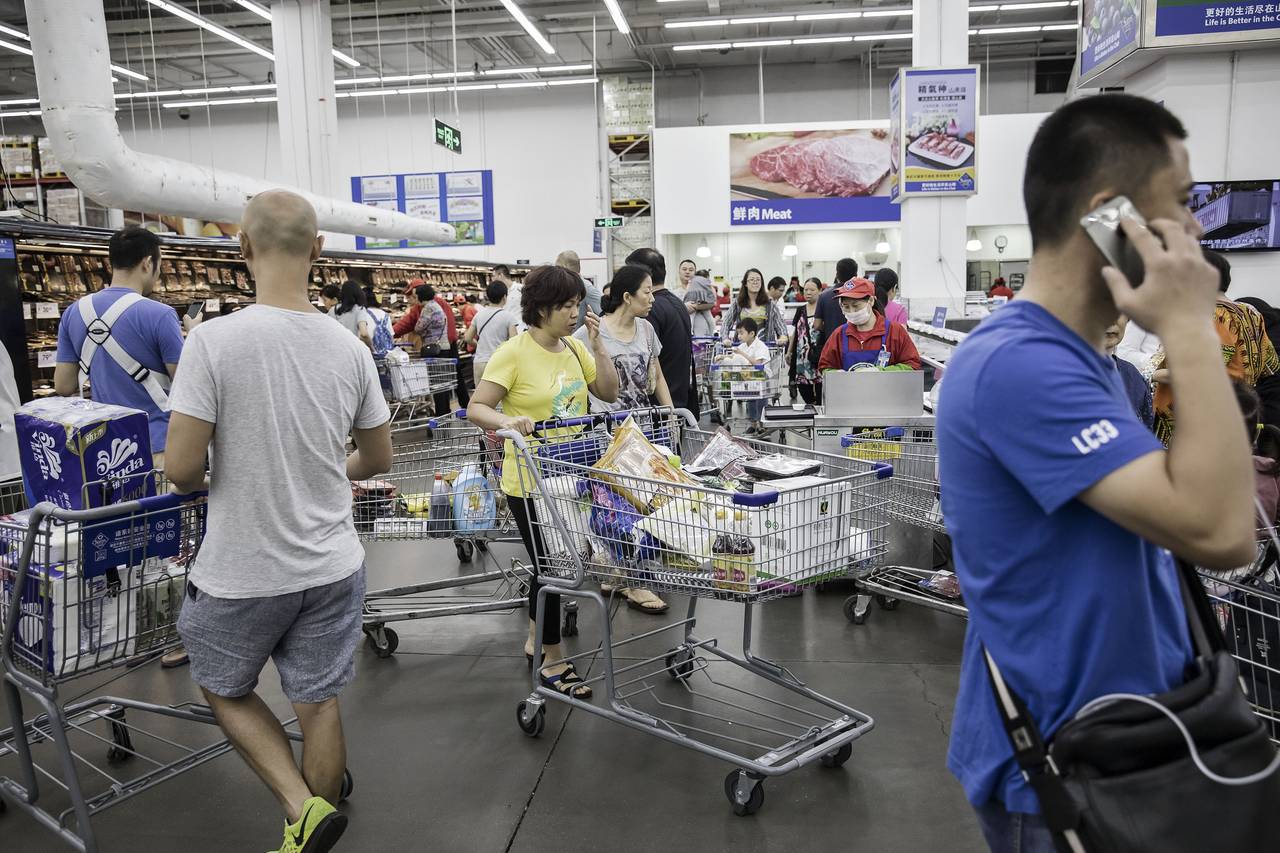
    Sam’s Club China plans 40 more stores across China by the end of the year – with online sales anticipated to account for 13–15 per cent of its income throughout the territory by that time. The company says it will shortly launch a Sam’s Club store in Shanghai’s Qingpu, the second in Shanghai for the brand, which first opened in the city eight years ago in Pudong.

    Sam’s Club operates as a members-only retail chain with a 2 million-strong membership.

    “As we expand our business across China we also want to control quality and to make sure shoppers enjoy the shopping experience”, said president of Sam’s Club China Andrew Miles.

    Sam’s Club’s existing Shanghai store underwent renovations that were completed last month, adding a wine tasting space, pharmacy, jewellery counter and optical center for eyewear.

    “The remodelling of existing storefronts doesn’t just reflect a newer format but the way we treat our members and how we recruit members and introduce Sam’s Club” said Miles.

    Membership of Sam’s Club China costs CNY260 (US$39) per annum, with premium memberships available at CNY680 ($100) annually. The majority of members join via WeChat.

  • Time for South Korean cosmetics to face challenges

    Time for South Korean cosmetics to face challenges

    South Korean cosmetics stores that have been the drivers of the ‘K-Beauty’ industry for the past 15 years are facing a crisis, exposing their limitations. The cosmetics industry is undergoing a series of transformations due to decreased demand from China and a change in distribution structure resulting from stagnant domestic demand and increased competition.

    Nowadays, it is common to see health and beauty shops (H&B) such as Olive Young and LOHBs reorganise and shift their main focus online.

    According to cosmetics industry analysts, the size of the South Korean cosmetics stores’ market was 2.29 trillion won (US$2.05 billion) in 2017, which reflects a rapid decrease since the peak in 2016. It is estimated that total sales last year decreased by 15 per cent from the previous year.

    With sales decreasing, the industry is closing down branches. The number of South Korean cosmetics stores began to shrink in 2017 and is estimated to have fallen to 5200 last year.

    Popular brand Skinfood is facing an imminent crisis. The company, once a huge hit with the phrase “Don’t eat, give it to your skin” entered corporate restructuring last October, after encountering difficulty securing liquidity due to excessive debts.

    Those who suffer the most in the process are franchise owners, who are protesting that the company is trying to avoid the worsening situation without taking responsibility.

    The causes of the decline of the retail shop are numerous. The first reason is the excessive competition within the industry.

    Add to this, China’s retaliatory actions as part of the THAAD missile crisis in 2017 led to huge decrease in sales.

    Changes in distribution structure have also played a role. H&B shops are now leading the market, offering a variety of brands in one place, instead of a closed structure.

    These types of stores are a gaining competitive edge as they can sell occupy low and medium-priced brands and new venture brands as well as establish strategic products.

    Retail shops became a mainstream cosmetics market in the early 2000s. Amid the economic slump, retail shops continued to grow in number as brands gradually added fast product launch strategies and functional products aligned with trends based on affordable prices.

    Chinese tourists clearing out the shops in the wake of the Korean wave contributed to the growth of retail shops. However, in the current situation, retail shops are only beginning to restructure.

    While some chains of South Korean cosmetics stores are choosing to downsize their branches, others have chosen to invest aggressively.

    Those who chose aggressive investment plans in a bid to become global cosmetics companies hope to achieve economic success despite the difficult situation and uncertain prospects for the future.

  • French furniture brand Roche Bobois opens showroom in Singapore

    French furniture brand Roche Bobois opens showroom in Singapore

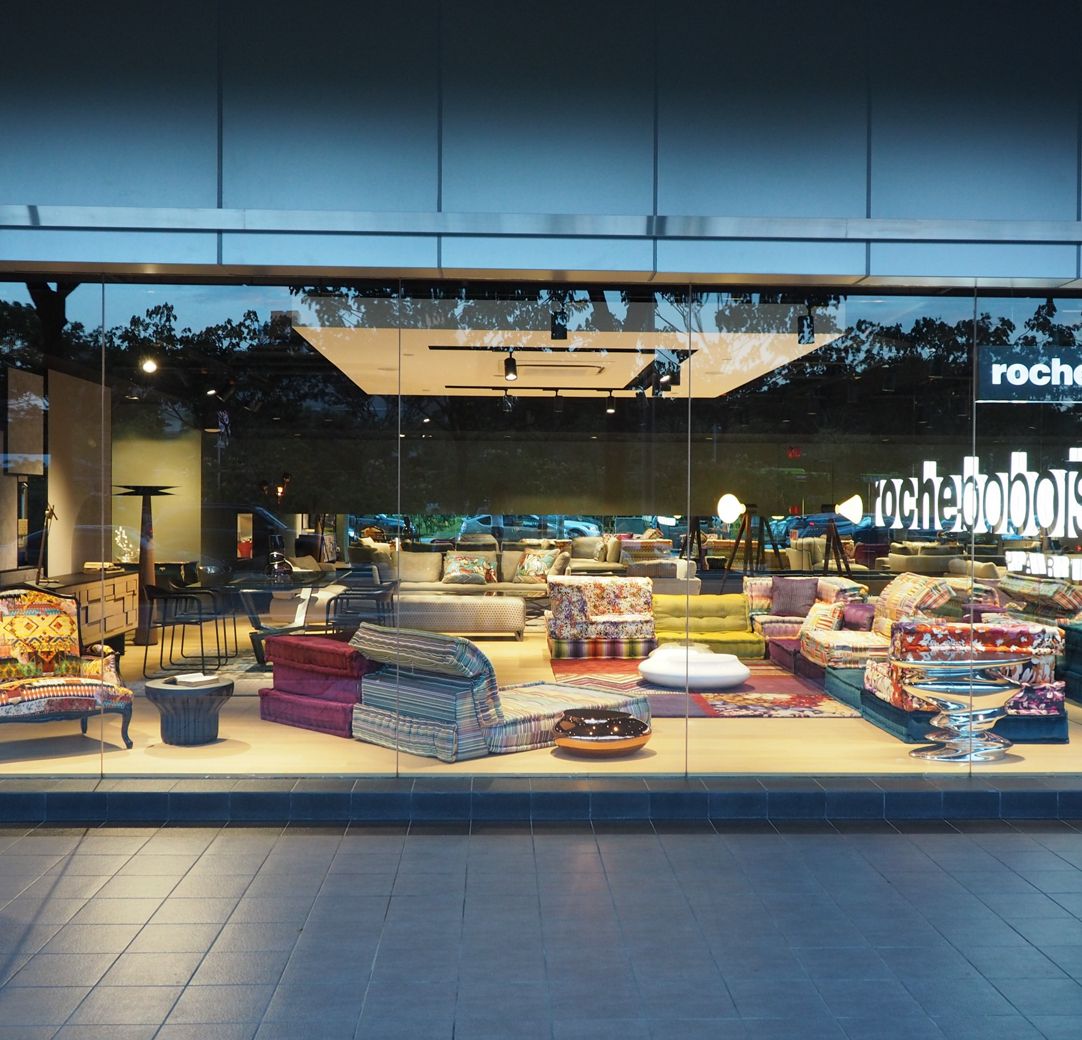
    French high-end furniture brand Roche Bobois has announced the opening of its Singapore showroom with a brand new design concept. The 5300sqft Roche Bobois Singapore showroom is located in the Boon Siew Building on Bukit Timah Road features an expansive floor-to-ceiling window to frame the brand’s collections, designed to resemble a jewel box from a distance.

    “Singapore is a city known for its appreciation of modernity and open-mindedness and these ideals are central to the Roche Bobois brand”, said company CEO Gilles Bonan.

    “This opening demonstrates the brand’s ambitions in Asia; we are already present in China, Hong Kong, South Korea, the Philippines, Japan, Vietnam and India and we intend to increase our presence in this strategic part of the world.”

    Roche Bobois operates more than 265 showrooms in more than 55 countries. After 17 new stores opened in 2017, it continued its growth last year in cities such as Hanoi, Washington, Tokyo and San Diego, with the Roche Bobois Singapore showroom its latest globally.

  • Manolo Blahnik opens its first flagship store in Taiwan

    Manolo Blahnik opens its first flagship store in Taiwan

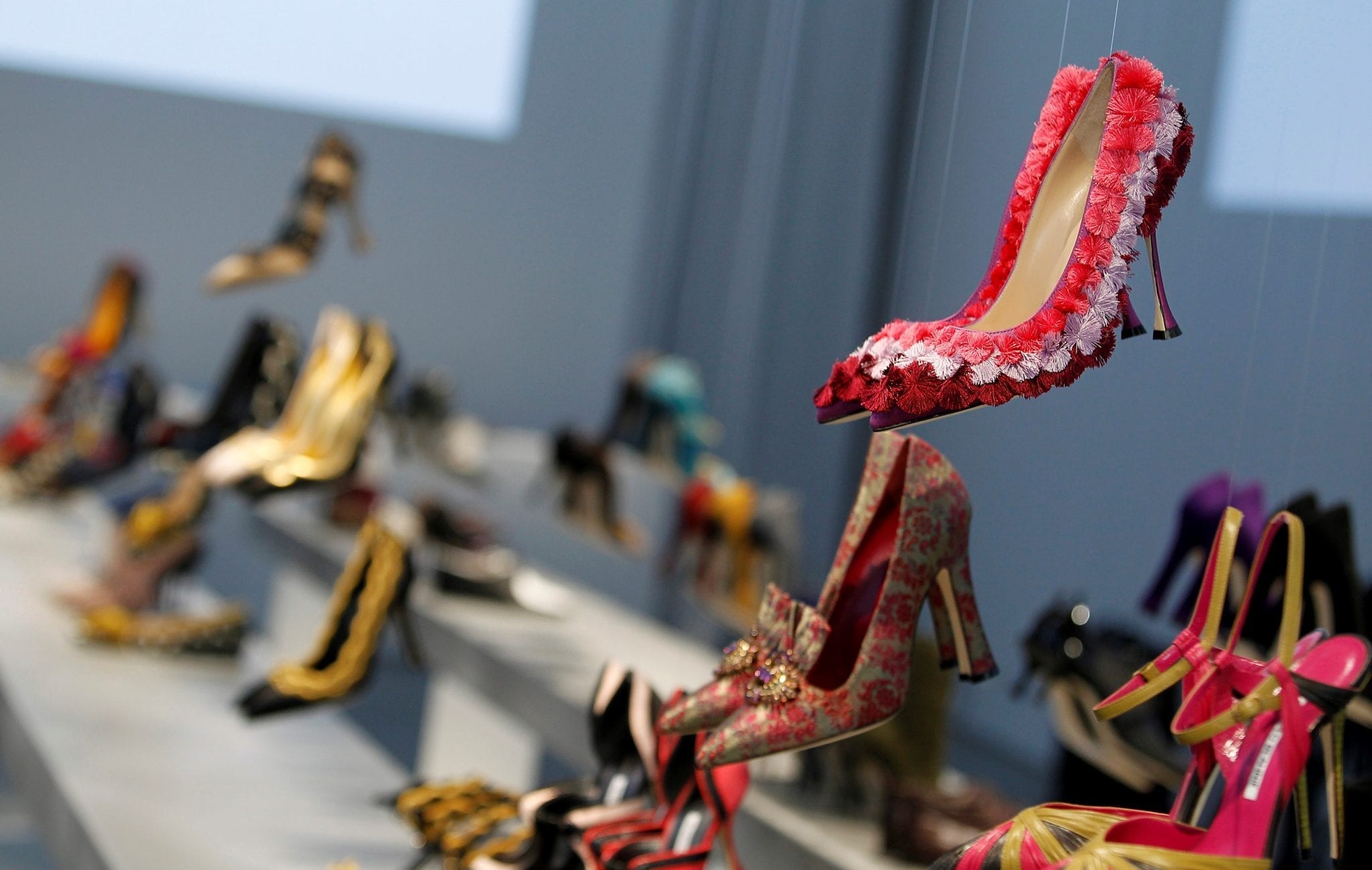
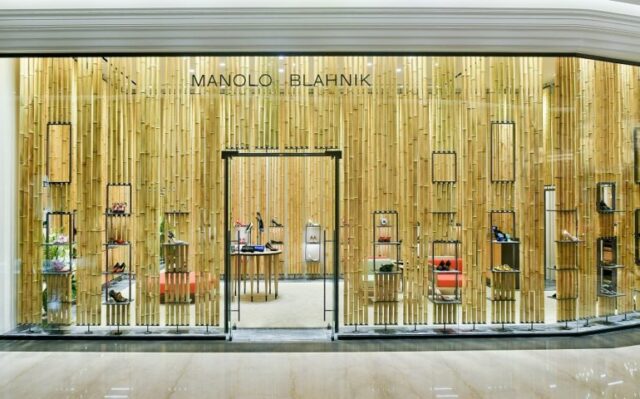
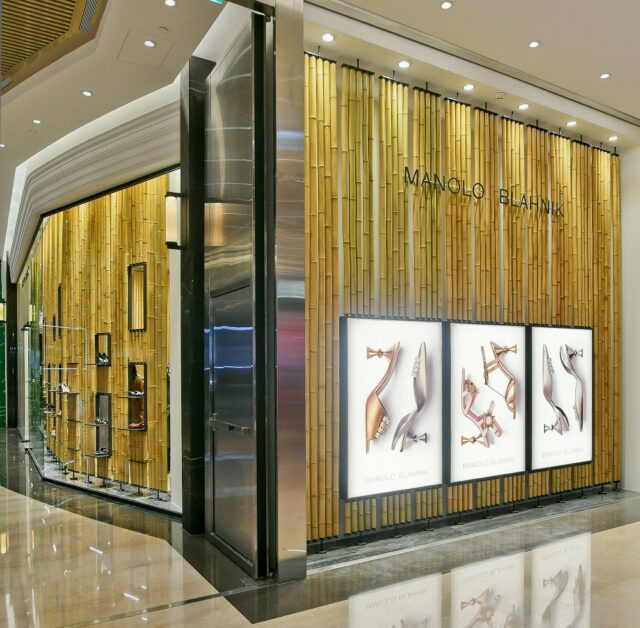
    In May 2018, Manolo Blahnik opened its doors to the public at the triple tower complex Marina Sands Bay in Singapore, strengthening its presence in Asia with Bluebell Group. In January 2019, Manolo Blahnik continues its expansion into Asia with the opening of its first flagship store in Taiwan. The brand is known for its original and creative flair as well as timeless classic styles, which loyal customers from film stars to leading editors, to women who just trust his perfectionism, come back to again and again.

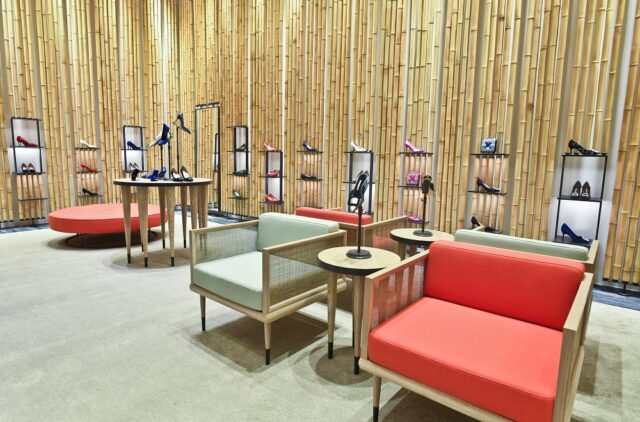
    The newly opened Manolo Blahnik store, a 65 square metre space with a privileged location within the Nanshan Plaza shopping centre, showcases the world-renowned shoes on the first floor of the new upscale retail destination.

    Nick Leith-Smith, the brand’s long-serving architect, said: “Taipei flagship celebrates a material play on Taiwan’s deep cultural and historical connection to bamboo – with a rotating bamboo forest as a central motif. At first, orderly, and geometric, yet with the dynamic movement introducing a curious playfulness to entice and enchant.”

    The new store is another step forward for the company in its expansion across  important markets; and another milestone achieved in the history of the family-owned business that has prevailed in the luxury shoe industry for nearly fifty years.

    The creative soul of the brand is still Mr. Blahnik who, with a career spanning over 40 years, has become one of the world’s most influential footwear designers. His shoes have spellbound an international set of adoring and loyal devotees across the globe.

    He was born in the Canary Islands to a Spanish mother and a Czech father, he studied languages and art in Geneva before moving to Paris in 1965 where he decided to become a set designer.

    On a visit to New York in 1970, he showed his theatre designs to Diana Vreeland, then editor-in-chief of American Vogue, who honed in on his shoes and encouraged him to concentrate on them. Blahnik learnt the art of making shoes by visiting factories, where he talked to machine operators, pattern cutters and technicians. By 1970, he was in London making shoes.

    A year later, Ossie Clark, then the most famous designer in London, used his shoes and from there his career blossomed.

    Manolo Blahnik was established in 1970 with the opening of the first boutique
    in Chelsea, London. It is still a privately owned and family run business with Mr. Blahnik as Creative Director and his sister Evangelina Blahnik led by the enthusiasm of  Kristina Blahnik.

    Kristina, CEO of the company since 2009,  is in charge of brand expansion and optimization of the business worldwide, and in Asia, their transformation is the the result of a long-term partnership with Bluebell Group, which stated in Japan, Malaysia, and Singapore, and Taiwan.

    Kristina, the walking embodiment of the woman her uncle, Manolo designs for, before the latest opening said: “I am thrilled at our new venture with the Bluebell group, they have already demonstrated to be an excellent partner in launching beautiful spaces in prestigious locations”.

  • International Food Business: Current scenario and future in India

    International Food Business: Current scenario and future in India

    The misconception about Gourmet Food in India is amazing. There are many who equate gourmet with imported food, which is far from the reality. To encapsulate what the concept of gourmet is all about, let me say that it is less about the food than about the person who is the subject of the word. The term and its associated connotations are used positively to describe people with a refined taste and passion towards food.

    Add the word gourmet to any food or drink and, voila, it feels fancier, more upscale and generally more desirable. Gourmet food connotes food and drink that takes extra care to make or acquire. Gourmet food has a certain flair around it as it is usually found or made only in certain locations. The ingredients used are usually exotic, hard to find in regular grocery stores, and they are usually unique in flavor and/ or texture. Gourmet ingredients usually blend herbs and spices in an interesting manner to add flavour to the food. For example, lemon olive oil spray, black truffle balsamic glaze, and white wine vinegar are a unique take on the otherwise simple ingredients.

    Being an advocate of international food business for over 20 years now, I have seen the F&B sector in India go through various highs and lows over the years. But the one thing that I can say with absolute certainty is that the gourmet food category in the country has a tremendous scope and potential to grow in multiple areas, many of which still remain a virgin territory for food companies wanting to explore the business of international foods. We have been working diligently to bring new and exciting global gourmet food brands from all around the world to India. We have built our reputation through a commitment to offer unique products at competitive prices and we strive to never compromise on the quality of products or services that we offer. It is a passion for many of us who function in the realm of international food business and we aim to bring diversity to our Indian consumer base.

    Two-Way Trade is the Key to Future

    We firmly believe in two-way trade and in the current globalized world, it is a grave mistake to keep our consumers deprived of food options and opportunities available elsewhere in the world – from gourmet cheese to epicurean chocolates to the varieties of rice or spices or fresh fruits or exotic vegetables. The list is never ending and we must continue to explore to make it even more expansive. Unfortunately, our trade figures have been none too encouraging on this count. In the calendar year (CY) 2016, India exported consumer foods worth US$ 11 billion and imported consumer foods valued at US$ 4.25 billion. While our exports grew by 0.50 percent over the previous year, imports showed a decline of about five percent.

    The low takeoff of international food in India is surprising considering that there are quite a few success narratives around it: Italian pasta, Vietnamese basa, mayonnaise, Californian almonds, Canadian canola oil, Chileans walnuts and Washington apples, to name a few. When we look at Italian pasta, considered to be one of the most gourmet ingredients in Italian cuisine, the product is widely available in the country – from hand made to artisanal to commercially made – and it has penetrated the deepest corners of the Indian market with extensive marketing, transforming the kitchens of the aspirational Indians.

    A commodity like Californian almonds, which has about 80 percent of almond market share in India, touched a whopping US$ 693 million sales figure in India for 2016.

    For imported foods to expand their consumer base in India, it must be kept in mind that Indian consumers are rational shoppers who want value for money.

    Obviously, there is no one-size fits-all concept for a country as big as India but to have a deeper market penetration it is important to learn from the market leaders and try to do things the right way. Many of us confuse India with China, which is just not the case as the Indian market has its own set of business dynamics and consumption patterns here continue to evolve and offer valuable lessons in business.

    Teething Issues and Role of Associations like FIFI

    While on the one hand, we are facing teething issues like those associated with demonetization or Goods and Service Tax (GST), on the other hand, we also have government agencies like the Food Safety and Standards Authority of India that is willing to think out of the box and listen to the version of the trade side. We, at the Forum of Indian Food Importers (FIFI), have given numerous representations to Government of India and are pleased to note that several of our suggestions have been entertained as we always had a logical and scientific presentation to make. We still have some pending areas of concerns but are pretty confident that the regulator and trade will be able to come together on a common ground in the interest of the greater good of the food industry and consumers. Food safety is of utmost priority for us and, as industry representatives, we want global suppliers to understand the fact that Indian consumers have become very demanding and want only quality products. We are clearly out of the era when international companies looked at India as a not very important market for their food products. For many global food companies, India is now a critical country for doing international trade.

    Government’s Initiatives

    The Food and Beverage sector is governed by several Government of India agencies like Ministry of Health’s Food Safety and Standards Authority of India (FSSAI), Ministry of Food Processing and Industries (MoFPI), Ministry of Consumer Welfare, Food and Public Distribution, Ministry of Agriculture, Ministry of Commerce and Industries, and Ministry of Finance.

    With Government of India’s “Make in India” campaign, MoFPI aims to boost growth in the food processing sector by leveraging reforms such as 100 per cent foreign direct investment (FDI) in marketing of food products and by offering various incentives at the central and state government level along with a strong focus on supply chain infrastructure.

    – Government of India has relaxed foreign direct investment (FDI) norms for the sector, allowing up to 100 percent FDI in food product e-commerce through the automatic route.

    – FSSAI plans to invest around Rs 482 crore (US$ 72.3 million) to strengthen the food testing infrastructure in India, by upgrading 59 existing food testing laboratories and setting up 62 new mobile testing labs across the country. Additionally, FSSAI has been aggressively introducing numerous notifications pertaining to imported Food and Beverage category.

    – The Indian Council for Fertilizer and Nutrient Research (ICFNR) will adopt international best practices for research in the fertiliser sector, which will enable farmers to get good quality fertilizers at affordable rates and thereby achieve food security for the common man.

    International Chains Entering Indian Market

    With India opening the doors to numerous international restaurant chains, the youth is able to break the tradition and try several new international cuisines. This exposure is generating employment, changing the F&B scenario in India, bringing in international business practices, world-class technology, standard operating procedures and opening the way for trade. These chains buy imported ingredients or products to get a marketing edge or when such ingredients are not available domestically. They are able to lead the way for upscale manufacturing in the country and create more avenues for employment. It is important for us as an industry to understand that our strategy should be to grow hand-in-hand with these international chains and to open more ways for doing business with all stakeholders. Some of these chains, which already have a sizable market presence in India, are Chilli’s, Barista, Café Coffee Day, Au Bon Pain, McDonald’s, Subway, KFC, Starbucks, Tacobell, among others.

    Market Size Growing Despite all Odds:

    Despite numerous challenges such as high base tariffs and the fallout from the implementation of new regulations like demonetization and GST, the Indian market for imported and international foods is showing a noticeable growth trend. India is emerging as a favorite market destination for many national and international players in the food business. The Indian foodservice sector is valued at US$ 48 billion and is anticipated to grow to US$ 77 billion at a Compound Annual Growth Rate (CAGR) of 10 percent by 2021. The Indian food and grocery market is the world’s sixth largest, with retail contributing 70 percent of the sales. The Indian food processing industry accounts for 32 per cent of the country’s total food market, is one of the largest industries in India and is ranked fifth in terms of production, consumption, export and expected growth. The Indian gourmet food market is currently valued at USD 1.3 billion and is growing at a CAGR of 20 percent. India’s organic food market is expected to increase three times its current size by 2020.

    The online food ordering business in India is in a nascent stage but has a huge potential and a promising future. The online food delivery industry grew at 150 percent year-on-year with an estimated Gross Merchandise Value (GMV) of US$ 300 million in 2016.

    Emergence of Social Media

    We should not underestimate the role of the new generation bloggers and social media enthusiasts who are instrumental in shaping the trends and are helping brands and products to get visibility and gain popularity with the consumers. They are emerging as an alternative to the traditional media and are a less expensive media tool. However, they also act as watchdogs of quality and standards for the foodservice industry. Social media is helping to generate exciting stories around the foodservice industry but at the same time, we need more honest voices that understand the food business and its nuances better.

    Traditional Marketing Avenues Still Hold True

    While new marketing tools are becoming popular, the traditional methods should not be considered obsolete as they continue to have deeper penetration and visibility. Participation at trade shows and conferences, print and electronic media activities continue to rule the game and offer a range of visibility without comparable alternatives.

    Way Forward for the Imported F&B Industry

    The Indian consumers represent a community of diverse sentiments. A majority of them favour an experimental palate, which creates a plethora of opportunities for the international F&B sector in country. While maintaining a balance between aspiration and tradition agrees perfectly with the Indian palate, culinary trends originating in the West are promptly picked up by Indian social media and are translated on the ground with an instant recognition. The earlier practice of trends coming to India after three to five years of introduction in the Western world is now a thing of the past. This willingness to accept international trends without any inhibition has played a pivotal role in the marketing of international brands in India and has opened up the entire market for international foods. As a result, recent years have seen the launch of numerous new categories like gluten-free breads, organic chocolates and many others products in country. However, as mentioned earlier, it is important for us to ensure quality delivery to our consumers and adhere to the food safety regulations. We need a more organized voice in trade to echo the this message and to take the India story to many more global markets.

  • Crocs India opens 109th store

    Crocs India opens 109th store

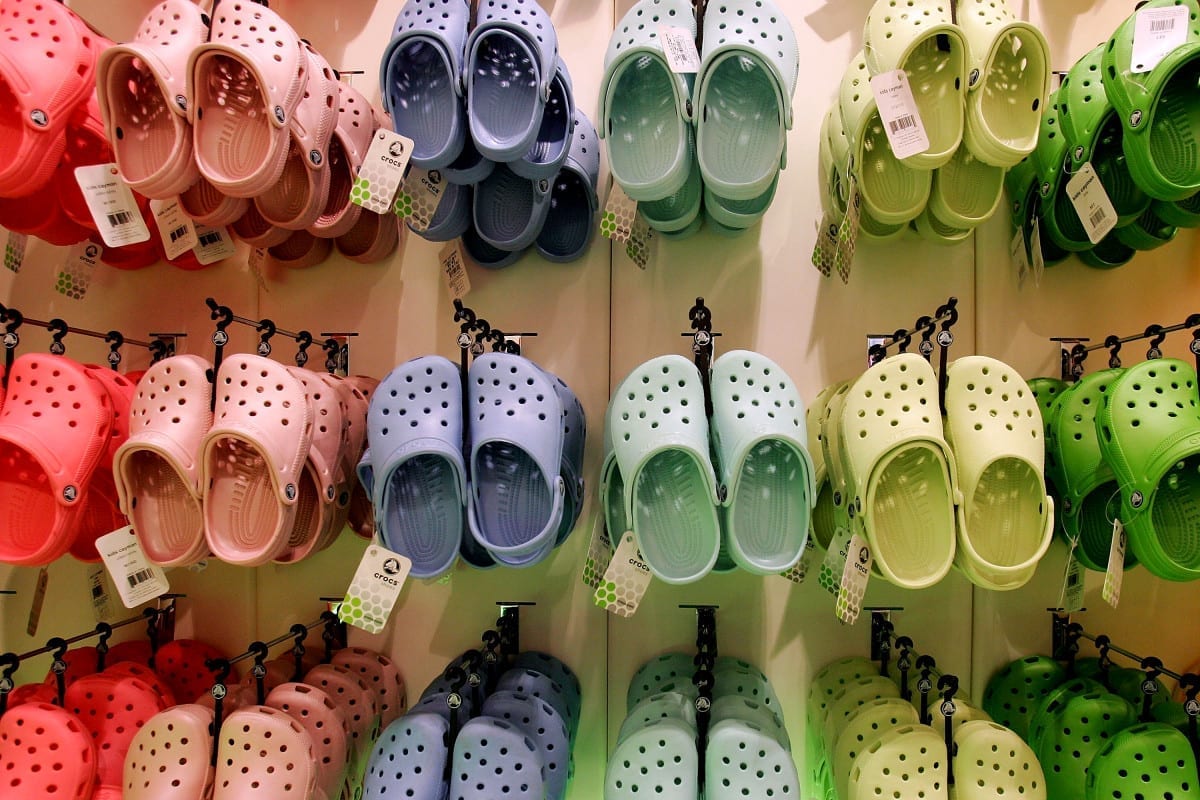
    Crocs, the iconic casual footwear brand, announced the launch of its 109th store in India at Ballygunge, Kolkata. Crocs inaugurated the 580 sq.ft. store situated in one of the poshest high-street vicinity of Kolkata. With this new store, Crocs promises to strengthen the reach of the iconic brand in the ‘City of Joy’; where now has seven stores. The other stores of Crocs in Kolkata are located at City Centre New Town, Camac Street, Forum Courtyard, City Centre Salt Lake, Axis Mall, Rajarghat-New Town, and Acropolis in Kolkata.

    The new store showcases the recently launched Spring Summer’19 collection along with an array of styles which include sandals, loafers, sneakers, flip-flops, and clogs suitable for all age groups.

    Speaking on the launch, Deepak Chhabra, CEO & MD, Crocs India, said, “Kolkata is crucial market for us with huge potential and high fashion sensibilities. We are pleased to announce the launch of our 7th store in the city and will continue to strengthen our presence in the state of West Bengal. In addition to aggressively growing our EBOs, we will be strengthening our presence in tier-2 cities via MBOs and Kiosks. Further, e-commerce will remain an integral part of our distribution strategy and help us reach out to consumers where our brick and mortar presence is limited.”

    With unparalleled brand awareness and break-through product innovations, Crocs is progressing towards becoming India’s top non-athletic casual footwear brand. India is currently the 6th biggest market for Crocs globally with a double-digit growth year on year.

    Over the past 16 years, Crocs has sold more than 350 million pairs of shoes worldwide. Crocs as a brand will continue to focus on clogs and sandals, along with new product innovations and extensions of the current product line.

    Last year, Crocs launched its newest innovation ‘LiteRide™’ which is available in Flips, Slides, clogs, shoes and sandals. The LiteRide™ Collection merges sporty, on-trend styles and silhouettes with the legendary Crocs comfort that consumers expect. LiteRide™ has redefined comfort, taken the brand’s style quotient a notch higher and it has been a stellar success across genders and age groups.

    The associations with Christopher Kane and Balenciaga in the last couple of years has also further elevated the fashion appeal of the brand.

  • Gourmet Investments brings Ministry Of Crab to India

    Gourmet Investments brings Ministry Of Crab to India

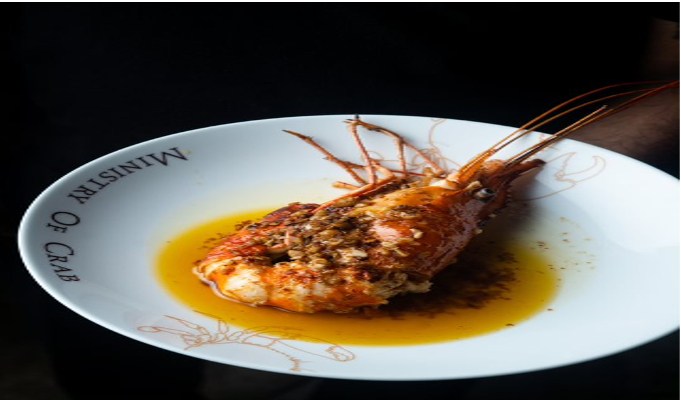
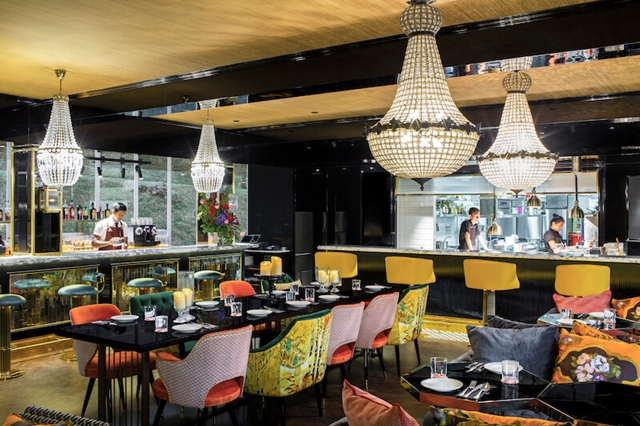
    Gourmet Investments Pvt. Ltd brings Mumbai’s most awaited launch of the year with the unveiling of Ministry Of Crab’s first-ever outlet in India. The grand launch of Sri- Lanka’s beloved restaurant is scheduled to take place at Zaveri House, Khar, Mumbai. Ministry Of Crab is the brainchild of celebrated chef and restaurateur Dharshan Munidasa in partnership with Sri Lankan cricket legends Mahela Jayawardane and Kumar Sangakkara. With its exemplary services and menu, Ministry Of Crab has safely secured its place for 3 consecutive years in the list of Asia’s 50 Best Restaurants.

    It was incepted in Sri Lanka on December 12, 2011 in the renovated 400-year-old Dutch Hospital, where it has successfully hosted the most renowned personalities from all walks of life. A haven for food lovers, Ministry Of Crab promises an unforgettable culinary experience with an array of intensely delicious recipes.

    Replicating success from the past, Ministry Of Crab becomes the newest entrant in India’s restaurant market by joining hands with GIPL. GIPL has extended unwavering support to a veteran of several landmark restaurant launches in India with the likes of PizzaExpress, Typhoon Shelter, The Bandra Project, The Runway Project, The Market Project, and The Poona Project. Through such partnerships, GIPL is committed to expanding its portfolio in food and beverage industry.

    Commenting on the partnership, Ramit Bharti Mittal, CEO of Gourmet Investments Pvt. Ltd., said, “We are thrilled to bring Ministry Of Crab to India. It is our constant endeavor to open doors for such brands that resonate with our values and we feel there couldn’t be a better choice for us than Ministry Of Crab. We see immense potential in Indian market for Ministry Of crab and through our strategic partnership, we embark on a new journey to deliver the best-in-class dining culinary experience to our customers.”

    Deepinder Batth, COO of Gourmet Investments Pvt. Ltd., says, “We envision transforming the gastronomic landscape of the country and with the launch of Ministry Of Crab, we feel we are moving towards that direction. MOC has received an exceptional response from food lovers in Sri-Lanka and Shanghai and we are excited to welcome the outlet in our country.”

    On coming to India, Chef Dharshan Munidasa says, “We are looking forward to working with Indian chefs in the country. As our delectable recipes are curated to perfection, we are sure the restaurant is slated to be an ultimate dining destination. We are happy to have partnered with Gourmet Investments, as they have shared our value system and are committed to bringing the DNA of Ministry of Crab to give our guests an authentic experience.”

  • Siri House opens in Singapore with new concept

    Siri House opens in Singapore with new concept

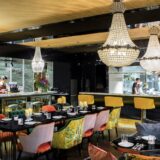
    Hybrid showroom, restobar, retail space and gallery Siri House has opened in Dempsey Hill as a taste test for a planned flagship in Thailand.

    The venue combines multiple concepts into a single interconnected area, including mock interiors for Bangkok apartments, display spaces for Thai artists, and discrete retail corners focusing on Thai culture and designer items, with jewellery, apparel, accessories and various collectibles available for purchase.

    The store is currently trading seven labels, ranging from homeware and souvenirs to crafts and ceramics. Most products on sale have a quirky or artistic vibe.

    The venue also houses a 48-seat restaurant with art deco stylings, serving a colourful Asian-influenced menu alongside a selection of wines and cocktails.

    The Siri House flagship is scheduled to open in Bangkok by March.

    View gallery below for images of the store :

  • Dhaba restaurant opens its 10th outlet in Aerocity India

    Dhaba restaurant opens its 10th outlet in Aerocity India

    Dhaba Estd 1986 Delhi by Azure Hospitality is all set to land itself at Delhi’s posh new Aerocity. The award winning deliciousness carries forward the thirty year legacy as it stamps another one at Delhi’s most favourite leisure destinations, The Walk at Aerocity. At Dhaba Estd 1986 Delhi, one not only experiences fabulous Dhaba food but from the moment the patrons enter till the time of their exit, the ambience recreates unparalleled highway eatery nostalgia. Given a shot of new age fun and kitschy interiors with the legendary classics on the menu along with some nouveau beauties – Dhaba is set to recreate the same magic again – but with more full-on Punjabi flair.

    “Keeping the drama to a minimum, we plan another Dhaba, where food is the king yet again. We are thrilled to share that Delhi’s prime food, beverage and leisure destination Worldmark at Aerocity is about to get struck with Dhaba’s dildaar Punjabi love that has been warmly accepted in Delhi NCR, Pune, Chennai, Hyderabad and Bangalore. Aerocity restaurant marks the tenth outlet for us after five successful years across the country. The response has always been heart-warming and we look forward to the same yet again,” say Rahul Khanna and Kabir Suri, Directors, Azure Hospitality.

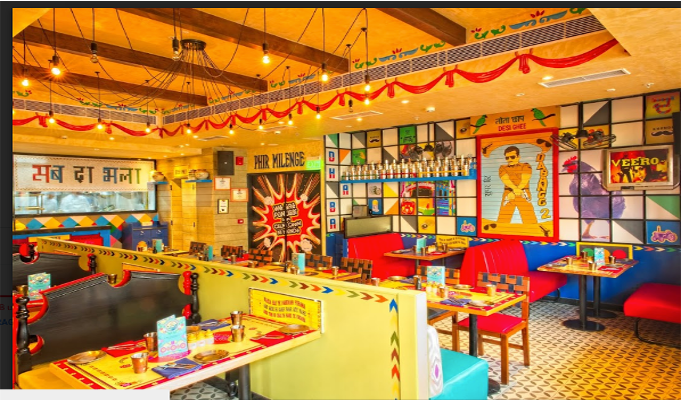
    Dhaba comes in a new avatar with signature kitschy quirk, vintage collages and retro Indian décor of the 80s and 90s, and use of popular Indian weaving techniques in ikat fabrics. Designed by Atul Anand, this 52-seater outlet showcases environmental friendly décor using recycled elements and community tables for group seating. The ambience effortlessly infuses the excitement of a highway meal; and in fact, takes it up a fair few notches! The creative chaos of colours, quirky desi quotes, revival of vintage black and white Bollywood posters and the signature truck art adds to the overall dining experience. The mood of the restaurant is further enhanced by the mock façade of a building, which is designed like a small town.

    With a crafted legacy of over 30 years, the real highway magic always takes place in the kitchen. With a legendary classic Indian menu divided into three drooling parts – the Tandoor, Tawa and Patila, food at Dhaba will be a true showstopper amongst corporate and tourists visiting the location. Chef Ravi Saxena expertly helms the Dhaba kitchen chronicle, reconditioning its fabled signature recipes bringing forth the best of highway cuisine and North Indian cuisine concepts. With signature recipes since 1986 and the new experimental highway specials, there are a whole lot of new and signature dishes for everyone to try.

    The food menu is inspired by travels down the highways of India and the eccentric by-lanes of old towns famous for unique age-old recipes. In addition to the age –old classics, the new menu experiments with newer flavours showcasing Highway specials, not only from Punjab but from all over the country. The essence and soul of Dhaba is Punjabi, however a whole range of regional dishes are now available for indulgence.

  • Lotte to pursue reforms and investment in 2019

    Lotte to pursue reforms and investment in 2019

    Lotte Group Chairman Shin Dong-bin told affiliate CEOs that he wants reform and aggressive investment in 2019 during a biannual meeting on Wednesday. Shin missed the last meeting in July as he was serving time in prison for bribery related to former President Park Geun-hye. The first meeting of the year typically deals with each affiliate’s annual goals and direction.

    In the first meeting with CEOs after his return, the chairman emphasized that the company was in need of innovation strong enough to rattle its existing business structure.

    “We are about to face immense change in the future that is difficult to imagine,” he stressed to affiliate heads at the meeting. “Therefore we have to be thorough in predicting the future and devising preparations according to different scenarios. If we can’t come up with a clear vision or concrete plans, there will be an immense crisis.”

    Shin pointed out that the group had been “passive” recently when it comes to making investment decisions, missing opportunities and waiting for too long.

    He added that investment decisions have to be made continuously, even when revenue is low and in businesses that the company is doing well in so as to maintain an upper hand in the market.

    He also mentioned the possibility of downsizing unprofitable businesses, citing Microsoft becoming global No. 1 by market cap last year after conducting reforms on its business portfolio.

    “We should focus on areas with future growth potential and push for rationalization,” said Shin.

    Digital transformation, an initiative he has been pushing for in the last few years, also reappeared in Wednesday’s speech.

    “Compared to global companies, Lotte has a low investment rate in the IT sector and the fields invested in so far are [relatively] narrow,” he said, urging that the company needs to find ways to get one step closer to customers using existing assets like big data, brick-and-mortar stores and logistics infrastructure.

    Recently recruited IT professionals were also called into the meeting to share their opinions on Lotte’s current situation regarding digitalization and areas that can be improved.

  • Burger Singh India to launch 10 drive thru outlets by 2022

    Burger Singh India to launch 10 drive thru outlets by 2022

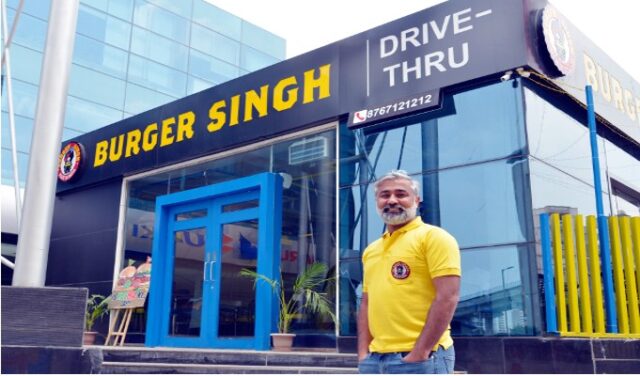
    Burger Singh, the chain of Indianised burgers, has announced its plans to invest substantially in the burgeoning concept of drive thrus, and launch 10 drive thru outlets within the next three years. Overall, the company aims to open 100 outlets in the country by 2022. Speaking on the launch, Kabir Jeet Singh, Co-founder and CEO of Burger Singh said, “Consumer experiences are evolving, and the demand for swift and efficient food outlets has been validated by the popularity of drive thrus. By 2022, over 10 percent of our outlets in the country will be drive-thru outlets.”

    Located on the Golf Course Road in Gurugram, the first Burger Singh drive thru offers swift Indianised burger feasts to the busy and rushed of the city.

    Burger Singh is the largest chain of homegrown Indian flavour burgers in the QSR category in India, with a strong presence in West & North India with 25 outlets in Delhi NCR, Jaipur, Dehradun, Nagpur and Pune. The brand has also ventured in the UK with two outlets in London and has emerged as the most popular brand of Indian burgers in the state.

    The brand has also announced its aggressive expansion plans for the next three years. The company will be hiring over 450 employees by 2020, setting up 100 new outlets.

    Kabir Jeet Singh said, “2019 is expected to be a landmark year for Burger Singh, and we are looking at growing our operations and revenues at least by double in the year. We are planning to expand our operations to more cities in India, which would demand additional manpower to manage the new outlets, and will be hiring aggressively to support our growth. Also, we need to multifold our staff in the corporate office, especially marketing, procurement and hiring teams, to keep up with the expansion, and business targets”

    “We plan to hire resources across all profiles, for delivery and outlets, pan-India and for the corporate office,” he added.

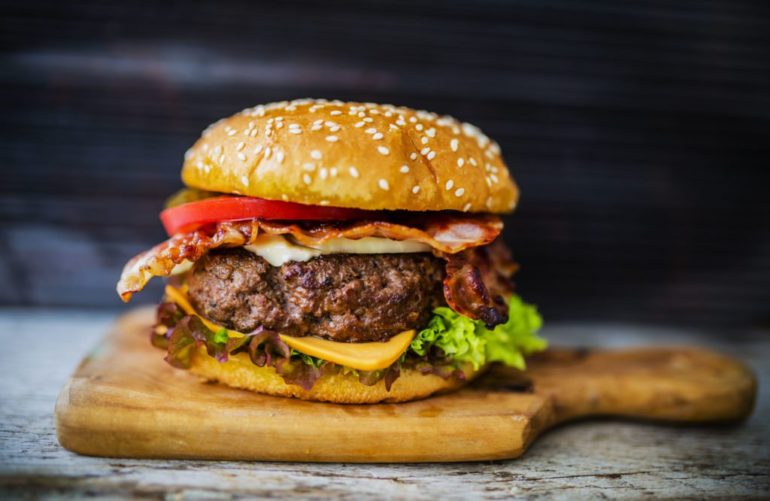
    Known for Indianizing a typical western flavour, Burger Singh specialities include the vegetarian Keema Pao, the Pao Bhaji Burger, the Malabar Express Chicken Burger & Channa Burger for the vegetarians, the Jaatputt Chicken Burger, the Amritsari Murgh Makhani Burger, the Udta Punjab Burger, the Bunty Pappeh Da Aloo Burger and the United States of Punjab Burgers in both vegetarian & non-vegetarian options, amongst others.

    The company is headquartered in Gurgaon, Haryana